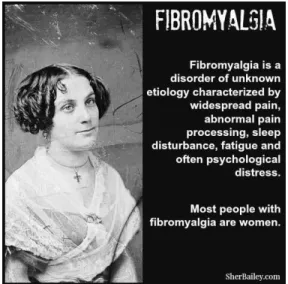
1 “IT’S MY PAIN, NOT YOURS”
UNDERSTANDING THE ILLNESS EXPERIENCES OF PEOPLE WITH FIBROMYALGIA SYNDROME
By Lin Cao
Senior Honors Thesis Department of Anthropology University of North Carolina at Chapel Hill
2 TABLE OF CONTENTS
Abstract……….3
Acknowledgments………4
Introduction………..5
Research Questions and Methods……….6
Overview of Chapters………...9
Chapter One: Biomedicine and the Fibromyalgia Controversy………10
Biomedicine and Fibromyalgia………...10
Consequences of the Controversy………...13
Patient Perspectives………15
The Opioid Epidemic………..18
Chapter Two: Health Care Professionals’ Perspectives……….21
Models of Illness……….21
Applying the Models to Fibromyalgia………22 Health Care Provider Frustration………25 Chapter Three: Fibromyalgia and Gender……….29
Gender and the Fibromyalgia Controversy……….29
Gendered Experiences of Fibromyalgia………..32
Gender in Health Care Professional Interactions………33 Chapter Four: The Online Community………...37
Overview of Sites………38
New Forms of Expression: Making Pain Accessible………..40
Shared Symbols and Narratives………..42
Searching and Sharing Information Online………46
The Double-Edged Sword………..47
Conclusion………...50
Brief Summary………50
Limitations and Further Research………..51
Concluding Thoughts………..52
3 ABSTRACT
Fibromyalgia syndrome (FMS) is a chronic illness characterized primarily by widespread pain,
fatigue, and sleep disturbances, although it is also associated with a wide variety of other symptoms such
as cognitive dysfunction, nausea, and sensitivity to certain stimuli. Biomedical research has yet to find an
organic cause for FMS. The lack of a clear biological etiology, combined with diagnostic difficulties and
the condition’s association with certain psychological disorders, has generated controversy in the field
over whether FMS is a “real” biomedical disorder with an organic cause or a condition that is primarily
psychosocial. This controversy has high stakes for those diagnosed with FMS, who face significant
stigma from both health care professionals and lay people. Through participant observation of FMS
online support groups and social media platforms and semi-structured interviews with FMS patients and
health care providers who treat FMS, this thesis explores how a variety of factors like mind-body
dualism, the opioid epidemic, and gender may influence how FMS patients and physicians experience and
respond to the ongoing controversy surrounding the condition. I also examine how social media and
online support groups can be mobilized as sources of support, expression, and resistance against
biomedical power, although based on how they are utilized they can produce both positive and negative
4 ACKNOWLEDGMENTS
This project would not have been possible without the support and assistance of so many people.
First, I am endlessly grateful to the health care professionals and people with fibromyalgia who provided
me with insight into their work and intensely personal experiences with the condition. Thank you for
being willing to share your stories with me.
I would also like to thank the many amazing professors and advisors who have guided me. Dr.
Chua, it is hard to imagine what my undergraduate career might look like without you. Taking
Comparative Healing Systems many semesters ago sparked my interest in medical anthropology and the
anthropology major, and the numerous courses I have taken with you since then have dramatically shaped
how I think of the medical field that I will some day be a part of. As both a professor and advisor your
insights and advice have been invaluable, and I am so grateful for your help. I would also like to thank
Dr. Buchbinder and Dr. Rivkin-Fish for serving on my thesis committee, taking the time to read my work,
and providing me with resources, advice, and support as I moved through my project. I would also like to
thank Dr. Middleton. Your guidance throughout the writing process has been so helpful, and your endless
enthusiasm and interest in my project is greatly appreciated.
Finally, thank you to all the family members and friends who have been with me through the
entire project. Thank you for listening to me talk nonstop about my project and for always believing in me
5 INTRODUCTION
A few years ago, I had the opportunity to shadow a primary care physician at a local clinic. I
worked with her primarily during flu season, and most days were a blur of various patients coming in
with headaches, fevers, and various aches and pains. One afternoon, a woman came in saying she was
experiencing dull, throbbing pains throughout all her limbs and her back, with most of it concentrated
between her shoulders. As a naïve undergraduate student with little medical knowledge, I found myself
thinking that she was yet another flu patient like all the other ones I had encountered thus far. I figured to
myself that her soreness and fatigue were likely just the flu setting in, and I prepared to hear the physician
run through the typical conversation she had with flu patients. I was surprised to hear something entirely
different. The woman and the primary care physician were instead discussing a condition called
fibromyalgia, a condition I had never heard of before. Curious to learn more, that evening I scoured the
Internet for information on fibromyalgia and discovered that unlike many of the other medical conditions
I had previously encountered, this one was steeped in controversy and uncertainty.
Fibromyalgia syndrome (FMS) is a chronic widespread pain condition associated with a wide
range of symptoms, most commonly muscle and joint pain, fatigue, and sleep difficulties (Bellato et al.
2012). It is the most commonly encountered pain condition in rheumatology, and it is estimated that 2-8%
of the general population has FMS (Bellato et al. 2012; Cohen 2017). Nearly 90% of those affected are
women (Cohen 2017; Yunus 2002). The controversy mainly arises from the fact that research has not yet
completely uncovered a biological cause for the condition, leading medical experts to debate whether
FMS is a “real” biomedical condition (i.e. one grounded in biological dysfunction) or one that is
predominantly psychosomatic and which therefore should be addressed by a different field. Recent
research has found some potential organic pathology associated with FMS, such as changes in brain
morphology and chemistry, altered hormone patterns, and elevated inflammatory activity (Cohen 2017).
However, these findings are not always consistent, and they have also been slow to influence diagnostic
6 than a disease, indicating that it is a collection of commonly associated symptoms rather than a discrete
condition with a well-established biological dysfunction, and many health care providers may refuse to
see FMS patients or treat their symptoms (Kleinman 1988; Sabik 2010).
Research Questions and Methods
Why does biomedicine continue to struggle to develop a unified stance towards FMS, despite the
large number of patients who report suffering significant distress from the condition? What are the
consequences of the controversy for both patients’ and clinicians’ experiences of dealing with FMS? How
does the highly gendered nature of the condition play a role in these experiences? Finally, how can online
health resources like online support groups and social media platforms help FMS patients convey and
understand their experiences?
To address these questions, I conducted semi-structured interviews with three health care
providers who commonly encounter and treat FMS patients. One is an internal medicine physician and
another is an anesthesiologist specializing in pain management. The third health care professional is a
licensed clinical social worker who also has a doctorate in sociology. She has worked extensively with the
psychiatry outpatient program at a local hospital and has conducted individual and group therapy for
adults with chronic pain conditions. Interview questions for the health care providers included questions
about how frequently they saw FMS patients, some of the challenges they experienced in treating FMS,
and how they felt online health resources influenced FMS patients.
I also interviewed eight FMS patients1, seven of whom were women. All participants were white
and had completed at least a high school education, although a majority had also completed or were
pursuing a college education. In addition, because I was interested in online health resource use, I aimed
7 to interview people with diverse experiences with online support groups and social media. Two of the
patients reported not using in-person support groups, online support groups, or social media platforms at
all, and another two patients reported only using online support groups. Two patients reported using a
combination of support groups and social media, one relied on online support groups and social media,
and the final patient used exclusively social media. All participants have been given pseudonyms to
maintain confidentiality. Interviews with FMS patients included questions on how FMS has affected their
daily life, what their interactions with health care professionals has been like, how they feel the
controversy of their condition has impacted their experiences, and how different support resources have
influenced their experiences if they were used.
I also relied on participant-observation of six online health resources: two online support groups
and four social media pages consisting of two Facebook pages and two Twitter feeds. There is an
incredibly large number of online support groups for chronic pain conditions, and an Internet search for
FMS online support groups turns up many pages of results from a wide variety of organizations. There
are also a large number of FMS pages on social media platforms, although they are more concentrated on
Facebook and Twitter. FMS pages do exist on other platforms, such as Instagram or Pinterest, but they
are less abundant and tend to have smaller user groups. For this reason, I chose to focus on Facebook and
Twitter. When choosing the specific pages and forums I would follow, I tried to select sites that were as
public as possible. I attempted to avoid sites where users needed to register to view content, and I tried to
choose sites that were not run by larger private groups like WebMD. I also tried to find pages with a large
number of users and fairly regular posts. Across all six sites, I reviewed all posts made in 2017 up until
March of 2018. Because the sites are accessible by anyone, I have avoided using handles and usernames,
instead identifying quotes and data based on which type of site (online support group or social media
platform) they came from whenever I pull from these sources. When using online quotes, I have also left
them unedited and in their original form to try to best preserve the author’s intended meaning. As a result,
8 Over the course of my work, I found that not only were online health resources fascinating
communities to study on their own, they also provided a valuable lens onto other FMS issues I was
interested in. Posts in online support groups and Twitter are anonymous, with users being identified
primarily with a username and a very brief biography should they choose to use it. On Facebook,
moderators of the pages are often identified by the page title, and while other users’ comments, likes, and
shares may be identified by name, they are able to protect their personal profiles so that all that is visible
to outsiders is the name. Studies have found that in online groups where there is anonymity, users feel
more free to discuss potentially taboo topics or sensitive health information because there is less fear of
judgment (Merolli, Gray, and Martin-Sanchez 2012). Thus, using online health information as a lens onto
various FMS topics may provide insight into issues that people may not otherwise be comfortable sharing
in interviews. However, using online data also poses some limitations. There is no opportunity to follow
up for clarification on potential implied meanings of a user’s post, and because I focused exclusively on
public data, I was unaware of how private communications between site members could change user
experiences and post meanings.
In my interviews with both health care professionals and FMS patients, I was often asked if I
thought FMS was a “real” medical condition. As a student with no medical training and no experiences
treating or living with a chronic pain condition, I feel that I am neither qualified nor in a position to make
judgments of that nature. In addition, my thesis does not aim to determine the biological realities of FMS.
Instead, I hope that taking an anthropological and ethnographic approach that focuses on patient
experiences of suffering will open up dialogue about the complexities of chronic pain conditions that
extends beyond biomedical definitions of reality. In my interviews and analysis of online resources, it was
clear that the suffering and experiences of FMS patients are very much real to them, and I want to
9 Overview of Chapters
In Chapter One, I explore some of the assumptions that are key to biomedicine and show how
these assumptions work poorly when applied to chronic pain conditions like FMS. This leads to
controversy that generates significant stigma around having the condition, and FMS patients may react by
asserting the biomedical reality of their condition in a variety of ways. In Chapter Two, I analyze health
care providers’ perspectives on the FMS controversy and unpack some of the tools and models they use to
understand FMS. In Chapter Three, I turn to the gendered nature of FMS and explore how gender affects
the care that FMS patients receive and the ways they express distress. In Chapter Four, I look at online
support communities and examine how social media platforms facilitate new ways of expressing distress,
garnering support, and finding solidarity and discuss how the perceived effects of online forums depend
10 CHAPTER ONE: BIOMEDICINE AND THE FIBROMYALGIA CONTROVERSY
“You need a doctor who believes fibromyalgia is real, even though there is no test to prove it is.” -Online support group post
“You know you’ve not communicated well when the patient responds with ‘So you think it’s all in my head.’”
-Dr. Richards, primary care physician
Biomedicine has massive cultural power and authority in contemporary America, and it is often
considered the ultimate judge of bodily realities (Foucault 1963; Greenhalgh 2001; Kleinman 1988). For
instance, students missing class must often produce a physician’s note confirming sickness to have an
absence be excused. A subjective report of sickness from the student or even the student’s parents is
rarely enough, and biomedicine gets the final say in whether the student is truly sick and justified in
missing school. But what does it mean to be “actually” sick? How does biomedicine determine the reality
of a condition? Part of biomedicine’s power comes from our belief that it is a universal, purely objective
discipline that can identify real and discrete health conditions. However, it relies on several assumptions
that are far from universal (Kleinman 1988). In this chapter, I examine the hidden assumptions that
biomedicine operates on, with a particular focus on mind-body dualism. I show that these assumptions
work poorly when applied to fibromyalgia, a chronic widespread pain condition, leading to intense
medical controversy about the reality of the condition. This controversy has significant implications for
people with fibromyalgia, and I explore the ways that they adapt and respond to biomedicine’s ambivalent
stance towards their condition.
Biomedicine and Fibromyalgia
In The Birth of the Clinic, Michel Foucault (1963) argues that biomedicine’s power comes from
its ability to see into the body and know it in ways that even patients themselves cannot. Physicians have
both the knowledge and authority to translate a patient’s subjective, lived experiences of being unwell
into objective entities of scientific knowledge, and the extraction of objective truth from subjective
11 objective diseases relies on one of biomedicine’s most fundamental concepts: mind-body dualism.
Mind-body dualism asserts that the mind and the Mind-body are two separate entities. In biomedicine, the bodily
aspects of a person’s condition are considered more “real” because they can be measured, observed, and
quantified. In other words, they can be translated by physicians into objective measures. The mind, and
the subjective mental and emotional experiences associated with it, are not only less valued but are also
considered less “real” because physicians cannot confirm or otherwise easily define them.
For many medical conditions, particularly acute ones, the emphasis on objective bodily states
works well for biomedicine. However, with chronic conditions, the situation becomes more complex. In
The Illness Narratives, Arthur Kleinman (1988) argues that chronic illnesses transform patients, who
must reconstruct their ideas of self around the knowledge that a health condition will affect them for
many years. They must also reconfigure their sense of time and learn to re-imagine their past, present, and
future in light of their chronic illness as day-to-day living becomes more challenging and precarious
(Charmaz 1991). Given these intense challenges, patients with chronic illnesses are difficult for
biomedicine. Not only is biomedical treatment unable to completely resolve the condition, but it also has
few tools to address the complex psychosocial dimensions of living with chronic conditions.
Biomedicine’s intense and exclusive focus on biological dysfunction becomes even more problematic
when it comes to chronic conditions that lack a clear biological etiology.
Fibromyalgia syndrome (FMS) is a chronic illness characterized primarily by widespread pain,
fatigue, and sleep disturbances, although patients may also experience any number of a wide variety of
symptoms, such as cognitive dysfunction, nausea, and even temperature sensitivity (Bellato et al. 2012). It
is currently the most commonly encountered chronic widespread pain condition in rheumatology (Cohen
2017). Although reports of FMS’s prevalence vary widely, it is estimated that 2-8% of the general
population is affected, and 90% of those affected are women (Bellato et al. 2012; Cohen 2017; Yunus
2002). Despite the increasing commonness of FMS, biomedical research has yet to pinpoint an organic
cause for the condition. Recent research has suggested that everything from enhanced brain responses to
12 dysfunction may play a role in generating FMS symptom (Bellato et al. 2012; Cohen 2017). However, the
relationships between these potential causes and FMS have not always been consistent or particularly
strong, and they may only be present in a subset of the FMS patient population. Thus, a clear organic
pathology has yet to be established.
Other studies have demonstrated an association between FMS and certain psychological
disorders, particularly anxiety and depression, and mood regulating drugs are some of the most effective
pharmacological treatments for FMS (Cohen 2017). Again, however, the association is not particularly
clear, and the directionality of the relationship is also uncertain. Does FMS cause psychopathology, or are
FMS symptoms a byproduct of psychological conditions? The lack of a clear biological cause, combined
with the illness’ ties to several psychological conditions, has generated debate in the medical field over
whether FMS is primarily a “real” biomedical disorder with a true organic, bodily cause or a psychosocial
disorder whose cause is “all in the head.” At the more extreme end, some physicians have argued that
FMS is neither and is actually just a pattern of biomedicine-seeking behavior for patients who struggle to
cope with pain and have exhausted all of their other outlets and resources (Hadler 2003; Hadler and
Greenhalgh 2005). Even FMS’s name reflects the controversy surrounding the condition. Fibromyalgia is
currently classified as a syndrome, a term referring to a cluster of commonly associated symptoms. It is
not yet recognized as an official disease, which implies that there is a clearly established organic cause
(Kleinman 1988).
Further complicating the debate is the difficulty of diagnosing the condition in patients. Formal
diagnostic criteria for the condition were first established by the American College of Rheumatology
(ACR) in 1990. FMS was diagnosed if a patient reported widespread pain over a period of several months
and demonstrated pain in a certain number of tender spots on the body when the points were pressed
(Cohen 2017). These criteria were recently revised by the ACR in 2010. Physicians are now supposed to
use a widespread pain index and a symptom severity scale to determine whether an FMS diagnosis is
warranted (Cohen 2017). In practice, however, many physicians simply make a clinical diagnosis as there
13 cases do not align perfectly with the diagnostic criteria (Kumbhare et al. 2017). Regardless of whether or
not formal diagnostic criteria are used, the diagnosis always relies on the subjective report of patients.
There is no medical test available to confirm the presence of FMS, and the symptoms are often invisible.
Patients themselves must report their subjective sensations of widespread pain and their own judgments
of the severity of their symptoms. Physicians are able to guess at pain levels through procedures like
tender point exams, but the patient is ultimately the one providing information on how often symptoms
are present and how intense they are. The physicians must take these reports at face value. This presents a
major challenge for biomedicine, which privileges and relies on objective bodily symptoms as evidence
of truth. A patient is deemed sick when a physician can find something to prove biological dysfunction.
The forced reliance on subjective patient reports of sensations and the lack of an organic etiology both
contribute to the questioning of FMS as a legitimate biomedical diagnostic category. By extension, the
legitimacy of patients presenting with FMS-like symptoms is also called into question. Patients seeking
care for FMS-like symptoms are often treated with skepticism and disdain by both physicians and lay
people, and in light of the ongoing medical controversy surrounding the condition, patients find that their
morals and bodily experiences are routinely called into question.
Consequences of the Controversy
Biomedicine’s ambivalence towards FMS has severe consequences for those living with the
condition. Receiving a diagnosis is a key event in chronic illness, because it collects a wide range of
diffuse symptoms under a particular label that can help a patient reinterpret past events and make
predictions for the future (Kleinman 1988). It also gives the patient a shared language to use with their
physicians and social circle, allowing understandings of suffering to be shared. Diagnosis is thus an
important first step in creating meaning out of illness (Kleinman 1988; Undeland and Malterud 2007).
However, because FMS is not completely accepted by the biomedical establishment, it fails to carry the
cultural power that other diagnoses might (Barker 2005; Undeland and Malterud 2007). Physicians may
not accept the diagnosis, and family and friends may not be aware of what FMS is. The patients find
14 (Undeland and Malterud 2007). All of this generates illness uncertainty, where the patient struggles to
determine the meaning of illness-related events. They may feel that they cannot assign definite values to
objects or events, and they cannot predict outcomes of interactions because they do not have sufficient
cues to do so (Johnson, Zautra, and Davis 2006). The illness uncertainty associated with FMS not only
increases the burden of living with the condition, it also increases the perceived difficulty of coping while
decreasing coping efficacy (Johnson, Zautra, ad Davis 2006).
Many people also reported that once they had been diagnosed with FMS, they had a harder time
getting quality medical care and treatment not only for their FMS symptoms, but also for their other
conditions. Sarah, a woman with FMS and several other serious health conditions noted:
The controversy has made it harder to get care for some of the other things I have. The specialists look at you, they see the diagnosis of fibromyalgia, and then they dismiss you. If they don’t believe in the diagnosis, then everything else you tell them is based off that. They’re
remembering that you complain about something that’s in your head. So they treat you through that, which makes you a hypochondriac.
People with FMS often find themselves facing considerable opposition from health care
professionals who continually question the reality of their experiences even after the FMS diagnosis is
applied, and the ambivalence surrounding the specific condition of FMS can leak into patient-physician
interactions about various unrelated health concerns as well.
The stigma associated with a vague diagnosis is compounded by the invisible nature of the
illness. The most common symptoms of FMS (pain, fatigue, and sleep disturbances) are not easily visible
to others, and they may oscillate between periods of exacerbation and quiescence. This can be quite
confusing for the patient’s family members and social circle. In addition, the accommodations that a
person with FMS may need to function are often more apparent than the symptoms that necessitated
them. For instance, a person who experiences significant pain when standing may have difficulty working
long hours on their feet and may need more breaks during work shifts. The person’s coworkers cannot see
their pain, but they certainly notice that the person takes extra breaks. Circumstances like this can lead to
15 judgments and experience feelings of intense shame and guilt in response (Sabik 2010). One poster in an
online support group wrote, “You always feel as if people believe you’re faking. You don’t look sick so
you’re not. They see a healthy-looking person. There’s no physical signs on the outside so they think you
want attention, or you are just lazy. It’s the worst feeling in the world to know they think you are lying.”
The stigma leads to discrediting of the self and social isolation as people’s social circles shrink to those
who tend to be supportive of their condition (Charmaz 1991).
The possibility that FMS might have psychological dimensions also generates significant
judgment from both physicians and lay people. In our society, it continues to be much more acceptable to
have a biological disorder than a psychological one. Historically, psychological disorders have been
associated with everything from social deviance to moral weakness. Today, these conditions continue to
be associated with negative attributes. The stigma attached to psychological labels is so heavy that most
people are reluctant to even consider the possibility that FMS may be associated with particular mental or
emotional states, and they vehemently deny any connection between their mind and body. Dr. Lee, an
anesthesiologist specializing in management of pain conditions, noted in our interview that, “There are a
lot of patients who will try to separate out the fibromyalgia from their anxiety or depression and will take
as an affront any mentioning of them together as a questioning of their sanity.” Given the high stakes in
the FMS debate, people with FMS are deeply invested in making FMS “real”: in proving that it is a
“legitimate” bodily condition requiring biomedicine’s oversight and intervention.
Patient Perspectives
Debate about FMS’s status as a “real” condition rages on in the biomedical community, but what
do patients make of the nature of their condition? I argue that the patients I interacted with are largely
accepting of the diagnosis and tend to strongly believe in the biomedical reality of their condition,
championing FMS as a discrete biomedical disease with an organic pathology that has simply not been
discovered or accepted yet. Some also argue that the condition is not actually controversial at all and any
16 Most FMS patients experience a sense of relief when they are diagnosed (Choy et al. 2010;
Undeland and Malterud 2007). Because of the challenges associated with the diagnosis, patients often
suffer for years and must see multiple physicians before receiving the diagnosis. A recent international
survey found that it took FMS patients an average of 2.3 years and visits to 3.7 physicians before
receiving the diagnosis (Choy et al. 2010). FMS patients are often told their nonspecific symptoms will
eventually go away, or they find themselves being dismissed as overly sensitive hypochondriacs. Finding
a physician who is finally able and willing to diagnose their wide range of troubling symptoms and label
it all as FMS is relieving, and many people expressed how happy they were that someone would finally
take them seriously. One online support group user posted, “When I was first diagnosed, it was a bit of a
relief that someone took me seriously about the pain. I went for about 7 months from doctor to doctor,
had X-rays, CT scans, the works, before I finally found a doctor who also had fibromyalgia and knew
right away what I was suffering through.” Sarah felt similarly, saying that receiving the diagnosis “was
just like a giant FU to the medical community, which had blown off people for so long.”
Other patients are relieved to finally have a label so they can move forward. For instance, Peggy
recalled that when her physician finally diagnosed her with FMS, she felt “really happy that I had a name
to put to what was wrong with me.” Having a biomedical label for symptoms not only restores others’
faith in the patient’s report of symptoms, but it also gives patients themselves confidence that their
symptoms are genuine (Charmaz 1991). The FMS diagnosis is particularly potent, because it relieves its
patients from what Kristin Barker (2005) has called “epistemological purgatory”: the contradiction
between the patients’ subjective certainty of their suffering and the inability of physicians to confirm
FMS’ symptoms through any tests or diagnoses (Barker 2005). Both Lisa and Sarah described their relief
at receiving acknowledgment that their experiences were not “all in their heads.” For Lisa, “Once they
diagnosed it, it was kind of like everything clicked and it was like, ‘Okay, I’m not crazy, I’m not going to
have to deal with this for the rest of my life with no answers and no help.’” Sarah expressed a similar
17 The FMS label confirms patients’ bodily distress, provides a powerful framework for organizing
their experiences, and legitimizes suffering that has long been ignored or dismissed by biomedicine. After
receiving the diagnosis, patients typically come to accept that FMS is a “real condition” and will defend
the reality of label. One user in an online support group posted, “You need a doctor who believes
fibromyalgia is real, even though there is no test to prove it is.” Another user agreed, saying “Keep
talking about FM and don’t ever let anyone tell you that it’s in your head or you will get over it. People
are stupid, and I feel sorry for those who are not connected to the real world.” Other FMS patients draw
on recent biomedical research to support their point, and one poster stated that “Fibro is considered a
nervous system disorder due to central nervous system sensitization….They do not know why this is
happening BUT IT IS NOT A PSYCHOLOGICAL ISSUE.”
All three of these posts not only powerfully assert the “realness” of FMS, but they also draw on
the mind-body, subjectivity-objectivity dualisms that are deeply entrenched in biomedicine and thus our
broader culture. The assertion that FMS is real despite a lack of objective biomedical tests for the
condition implies that real conditions typically can be confirmed via tests, and again a line between the
subjective and objective is drawn. The second user’s statements draw on mind-body dualism. If FMS was
in the patient’s head, and therefore psychological, it is less valid and could be overcome through mental
fortitude. However, anyone “connected to the real world” would be able to see that FMS is not in the
head, is bodily, and therefore not something one can easily “get over.” The third user’s post is very clear
in establishing FMS as a biological issue based in an organ system’s dysfunction. Interestingly, in the
process of asserting the reality of FMS and defending biological explanations for FMS, FMS patients
inadvertently reinforce the very dualisms through which biomedicine invalidated their suffering in the
first place. By arguing that FMS is biological and therefore must be real, they conform to the notion that
there really is a divide between the mind and the body and that psychosocial experiences are less
legitimate and more easily overcome.
Some patients argue that FMS is actually no longer a controversial condition since biomedical
18 reservations about the condition are instead attributed to a lack of proper training in the medical field on
FMS and chronic pain conditions more generally. George described to me his experience with trying to
find a physician to properly treat his condition, saying:
There are a lot of doctors who think they can treat things but don’t know what they’re doing, and they put you through routine after routine that doesn’t do any good. You have to get to a
specialist who knows what they’re doing, and it can be a difficult journey. I got to a
rheumatologist who specialized in fibromyalgia, and they are able to treat it fantastically, so it’s less so a matter of fibromyalgia being controversial and more of a matter of training. I had to find a doctor who knew what he was doing. There’s a lot of arrogance in the medical profession and a lot of doctors are unwilling to admit they don’t know things.
Many other patients I spoke with also felt that they might know more about their condition than their
physicians did. Lisa made it a priority to keep up with the latest information of FMS, and she brought that
information forward to her physicians: “I read about fibromyalgia all the time, especially any new
research that’s going on, any new medications. I just have to go in there fully prepared. A lot of the time I
find that I’m telling the doctor more than they’re telling me.”
The Opioid Epidemic
The recent national conversation surrounding the opioid epidemic has given the controversy
around FMS a new urgency. It has given physicians a new reason to doubt patients reporting chronic,
widespread pain and has added pressure on physicians to be very careful in discriminating who has a
“real” condition that can and should be treated with pain medications and who might just be looking for
opiates. If only patients in “real” pain deserve opioids and all others should be treated as potential addicts,
it becomes even more important that FMS is regarded as a legitimate condition so patients can both
continue to access pain medications they may need and so they can avoid the added layer of stigma that
being associated with medication-seeking can add.
It has become common knowledge that prescription opioid medications can both lead to and fuel
addiction, and people regularly reporting high levels of pain to physicians are increasingly being regarded
with suspicion as potential “med-seekers.” Sarah expressed to me her frustration with the judgment she
19 med-seeker just because I’m telling you about my pain is really frustrating.” Though prescription pain
medication use varies widely in the FMS population, some patients do rely on opioids or similar
medications to manage their pain. For these patients, the push for regulation of pain medications has been
challenging and frightening, and some are worried they may be denied the medications they need.
In response to these new pressures, FMS patients have tried to distance themselves from addicts
by arguing that they are not the type of people who become addicts and that they need access to pain
medications because they have a biomedically recognized condition. In the process of doing so, they draw
a clear dividing line between popular notions of what addicts are like and FMS patients who use opioids.
Cory discussed her frustration at having her medication use become increasingly monitored and restricted.
“Oh man, it is just so frustrating. I was on an opioid-type medication for several years. So I just think to
myself, ‘Look, not all opioid takers are addicts.’ Not everyone gets that, and it’s really frustrating.”
Christine, who uses tramadol to manage her pain, also discussed her misgivings about tightening opiate
regulations. “The percentage of people like myself who go and overdose is low compared to recreational
users, who I think are the vast majority of people dying from this. It paints with a broad brush and doesn’t
take into account people with pain issues.” One online support group user was even more explicit in
dividing FMS patients from addicts, saying “I am not an abuser and I am not sure why these heroine
junkies who get laced drugs are being compared to those of us who really need our opioids and who do
not abuse them….There are always going to be addicts, but they should not lump us all together.”
At the same time however, many of the same people expressed fears of becoming addicted to
their medications and wanted to get off their opioid medications. Lisa, Peggy, and Christine all use
tramadol, an opioid-like medication, and all three women were worried about the potential for addiction,
with Lisa pointing out that “It’s a very slippery slope when you have chronic pain. If you do take
something that makes you stop hurting, it can become a real problem.” Peggy was especially wary. She
had only started using tramadol for two months and had already noticed a decrease in the medication’s
efficacy, and she discussed her fear of being “addicted to pills for the rest of my life.” Christine was so
20 her tramadol on her own, only taking a fraction of the amount she usually did and struggling through
some days with pain in order to decrease her reliance on the medications. She told me, “It’s been a pain,
but I’m determined to get off of it.”
Though it may seem contradictory that FMS patients argue that they are not addicts while also
having intense concerns about addiction, I argue that it is not. Having an addiction does not necessarily
entail being an addict. In technical terms, an addict is someone with an addiction. However, when FMS
patients are distancing themselves from addicts, they are drawing on popular notions of what a typical
addict person is like. Addicts in our society are often associated with moral weakness, criminal activity,
and lower socioeconomic status. We have historically thought of their drug use as stemming from
individual, freely made poor choices, rather than starting from misuse of prescription drugs given by
physicians. When FMS patients say they are not addicts, they are asserting that they are not like the
stereotypical addict. Being an addict would be thoroughly discrediting, but having an addiction seems
softer. A FMS patient who becomes addicted to opioids would not necessarily be an addict, because it
occurred as an accidental result of trying to manage a biomedically labeled condition that opioids are
allowed (although not typically recommended) to be used for.
In this chapter, I have examined how biomedicine assumes a divide between subjectivity and
objectivity, mind and body. FMS fits poorly into these assumed divides, generating substantial
biomedical controversy over the condition’s legitimacy, with significant consequences for FMS patients.
This places patients under pressure to prove that their condition is biological and “real,” and I have
examined how patients legitimize their condition, particularly now that the opioid epidemic has added
new pressures. In the next chapter, I reflect on physicians’ thoughts on FMS and focus on the tools and
language they use to address the FMS controversy. I will also examine how patients respond to these
21 CHAPTER TWO: HEALTH CARE PROFESSIONALS’ PERSPECTIVES
“Even if it’s in your head, it’s in your brain and not your head. That’s different.”
- Sarah, FMS patient interview
Many FMS patients express intense frustration with health care professionals. Indeed, the patients
I spoke with described their interactions with health care professionals as everything from “somewhat
challenging” to “an absolute disaster.” Nearly everyone stressed to me the importance of finding a good
physician (one who believes FMS is a real biomedical condition and is willing to treat it), and one patient
mentioned to me that her support group even kept a running list of good and bad physicians. FMS patients
largely regard health care professionals with ambivalence and caution, but how do health care
professionals approach FMS and those with FMS? In this chapter, I examine how current trends toward
patient-centered care have facilitated the use of explanations for illness that attempt to move biomedicine
past mind-body dualism. I also explore how physicians leverage these explanatory models in their
interactions with FMS patients and how FMS can be challenging not only for patients, but also
physicians.
Models of Illness
In recent years, there has been a shift in the medical field towards more holistic, patient-centered
care (Kupfer and Bond 2012; Laine and Davidoff 1996). Patient-centered care is care that is respectful of
a patient’s experiences and addresses their care through clinical, social, and emotional perspectives rather
than solely clinical ones (Kupfer and Bond 2012; Laine and Davidoff 1996). A patient’s individual
preferences and values are also considered, and patients are encouraged to play an active role in their
health care decisions (Kupfer and Bond 2012). The overarching goal is for patient-centered care to
increase both the quality of care that patients receive and patients’ satisfaction with their medical care
(Kupfer and Bond 2012).
As part of the push toward patient-centered medicine, medical education has increasingly
22 biopsychosocial model (Laine and Davidoff 1996; Weston 2005). The model was first proposed by
George Engel in response to the mind-body dualism and biological reductionism that he believed were
dehumanizing biomedical care (Borrell-Carrió, Suchman, and Epstein 2004). The model asserts that
health is affected by multiple levels of organization, from the societal to the molecular, and that mind,
body, and environment are all intertwined (Borrell-Carrió, Suchman, and Epstein 2004). With this model,
a problem such as hypertension may be understood as more than a biological abnormality in blood
pressure. Explanatory factors like stressful occupations, poor access to nutritious foods, or lack of
accessible exercise spaces may also be considered and addressed in patient care.
New neuroscientific research has also allowed physicians to extend the biopsychosocial model in
new ways. Freudenreich, Kontos, and Querques (2010) recommended thinking “neuroanatomically”
when trying to apply the biopsychosocial model by conceptualizing the brain as the site where biological,
psychological, and social factors can interact to modulate behaviors, experiences, and health conditions.
Several research studies suggest that brain models of pain may better explain chronic pain syndromes and
that these conditions may occur when neural networks are more sensitive to pain or respond more
dramatically to it (Bellato et al. 2012; Cohen 2017). In addition to its biomedical value as a potential
etiological explanation, the brain model also has significant cultural value. Mara Buchbinder (2015) has
shown how brain models of pain can help facilitate explanations for pediatric pain. By locating pain in the
nervous system and brain, brain models legitimate pain by giving it a biomedically acceptable source
while simultaneously allowing emotional and psychological experiences to play a less stigmatized role
(Buchbinder 2015). They can also facilitate patient-physician communication by providing a shared
metaphor for understanding how pain works (Buchbinder 2015).
Applying the Models to Fibromyalgia
Interestingly, although FMS patients often defined a good health care professional as one who
believed that FMS was “real,” that is, having a biomedically verifiable organic pathology, none of the
23 that whether the condition was real or unreal in strictly biomedical terms made few differences in their
interactions with FMS patients, and that they focused primarily on alleviating the patient’s suffering
regardless of what the biomedical community might argue. This may have been because all three of the
health care professionals I interviewed did not assume a mind-body divide and instead subscribed to
biopsychosocial and brain models of pain. Since the primary debate surrounding FMS’s biomedical
reality revolves around its psychological versus physical origins, these two models may offer health care
professionals a different perspective on the debate and allow them to move past the question of
biomedical legitimacy when doing their everyday work with patients.
These models were not only privately used by the health care professionals. All three of them
brought up these models in their interactions with patients and other health care professionals for a variety
of purposes. Dr. Richards, a primary care physician, often alluded to mind-body connections to legitimize
patients’ pain no matter where the origin might be. In our interview, he said:
I’m always careful to validate the pain and say, “I know this hurts.” I try to get patients to
understand that the mind and body are not separate entities, that they’re connected, without trying to imply that this is all in their head. We don’t know how much of it is a psychological process and how much of it is a physical process. And you mix into that social stressors, emotional issues, and sociocultural issues.
Along similar lines, Dr. Lee, an anesthesiologist specializing in pain management, spoke about
how he focused on the complex nature of pain when teaching in order to emphasize the importance of
trying to understand patient experiences. He told me, “I’m more cognizant of trying to educate my
fellows, the people I’m training, and other physicians about the importance of acknowledging the patient
experience. I try to avoid terms like ‘real pain’ or ‘organic pain’ because pain is a very complex
physiological phenomenon that is inseparable from the emotional component of it.” Finally, Dr. Jamison,
a clinical social worker who conducts individual and group therapy for chronic pain patients in a
psychiatry outpatient program, uses the brain model of pain as a way to think about treatment and
24 When I work with people, I don’t really get into the either/or. The position that I take with
everything I do is both/and. If you think about it, all pain is located in the brain. Our perceptions are all there. If you think about something like tissue damage, it really is ultimately what the brain is perceiving. And emotions are very somatic. So we can play with some of that. We can do things to change how our brain makes predictions.
In each case, the models of illness and pain are used for the health care professional’s own
understanding of FMS, but they are also deployed strategically to validate patients’ pain, encourage
acknowledgement of patient experiences, and suggest potential treatment strategies.
How do FMS patients respond to these new models? Though there is a push in the medical field
towards using these integrated models, they still have not completely replaced mind-body dualism among
lay people or health care providers, and the stigma associated with having a condition that is not purely
biological is ongoing. Many FMS patients continue to face physicians who subscribe to mind-body
dualism and have strong opinions on the reality of FMS as a biomedical condition. FMS patients’
reactions to the use of these new models by some health care providers reflect the ongoing challenges
they face. The patients I spoke to largely embraced the brain model of pain, primarily because it can
provide a biological explanation for the condition, and several referenced it to describe their symptoms
and condition to me. In my interview with Taylor, she mentioned how the brain model fit for her because
it explained both her depression, anxiety, and chronic pain by tying them to similar neurological
dysfunctions without implying that one had caused the other.
In contrast, the biopsychosocial model can be received poorly by patients, as just the mention of
psychological or social factors can be seen as questioning the “realness” of patients’ condition. As Dr.
Lee noted, “There are a lot of patients who will try to separate out the fibromyalgia from their anxiety or
depression and will take as an affront any mentioning of them together as a questioning of their sanity.”
Paradoxically, clinicians’ attempts to be more understanding of the patient’s experiences and life
circumstances can be misinterpreted as suggesting that their condition is a mental health issue. A model
that is meant to be more sensitive to patients and their experiences can actually backfire when applied to
25 The FMS patients I interviewed suggested that they often react to hints that their condition may
be caused by mental health issues by referencing the boundaries of their health care provider’s expertise
and by asserting that embodied experience is more valuable than expert knowledge. Nick Crossley (2004)
has shown how various social movements have challenged psychiatric power by asserting the power of
lay illness experiences. He argues that mental health survivor groups have turned their personal
experiences with illness into a form of cultural and symbolic capital that can be leveraged against medical
authority because survivors of illness have an authenticity of experience that most health care
professionals will never have (Crossley 2004). I argue that FMS patients resist biomedical power through
similar assertions. Taylor discussed how she confronted a clinician who told her that her symptoms were
due to anxiety by saying, “It’s my pain, not yours.” Sarah’s rheumatologist also suggested that some of
her symptoms might be a result of her depression. In response, she told me:
He’s a rheumatologist. Depression’s not in your scope of practice whatsoever. All you can do is tell me whether or not I have a rheumatological condition. You can say no and move on, but fuck you and all you stand for if you think you have any better concept of my own neurological and mental illness than I do because you took one semester’s worth of rotation in psychiatry back in 1980.
One online support group poster expressed the same sentiment, saying “It is NOT your fault that
the doctors can’t see it and it is NOT your fault that they can’t fix it! DON’T let them intimidate, make
you feel bad about or minimize your pain because it is not theirs, it is yours.” A social media post was
even more explicit, featuring an image with the phrase, “My invisible disease is more real than your
imaginary medical expertise.” In all three cases, patients are asserting that the actual experience of pain
trumps medical knowledge about the condition, particularly if the health care professional works in an
area that does not deal with mental health.
Health Care Provider Frustration
FMS can be a frustrating condition for health care providers. Many physicians describe disliking
situations where they are not in control, and with FMS they often find that they cannot provide patients
26 helplessness, and guilt (Asbring and
Närvänen
2003; Brauer, Yoon, and Curlin 2017). Diagnosticdifficulties also contribute to frustrations. One survey of American primary care physicians found that
physicians found it more challenging to rely only on patients’ subjective experiences, and they often
feared potentially missing a more pressing diagnosis (Brauer, Yoon, and Curlin 2017). One of the major
causes of frustration is the lack of treatments for FMS. Because health care providers cannot treat FMS
and fully alleviate the suffering of their patients, there is a discrepancy between their ideal physician role
and what they are actually able to do to manage the chronic pain (Asbring and
Närvänen
2003). Thehealth care professionals I spoke to alluded to this discrepancy when describing the challenges they faced
in managing FMS. When I spoke to Dr. Richards, he told me “There are many challenges. There’s no real
test to give you a diagnosis. There’s really no cure for it. We don’t even know what causes it.” Dr.
Jamison described how some of the stigma FMS patients face can be a product of these frustrations,
saying “There’s a lot of invalidation of their experience, from multiple places. In the medical field,
practitioners obviously really want to be helpful and see that they can do something, and when that
doesn’t happen, it can be extremely frustrating.”
In addition, patients and physicians may often disagree on the best course of treatment. The
current recommendations for treatment are to combine nonpharmacologic and pharmacologic approaches,
with a focus on nonpharmacological measures (Cohen 2017). Nonpharmacological treatments typically
involve lifestyle changes like increased daily exercise or psychological treatments like
cognitive-behavioral therapy, which have been shown to be effective in some patient groups (Bellato et al. 2012;
Cohen 2017). The evidence for pharmacological therapy is mixed and tends to be poor (Cohen 2017).
Few medications are approved for the treatment of FMS, with most being prescribed off license (Cohen
2017). Opioids and opioid-like medications are not recommended, and it is cautioned that if
pharmacological treatments are used, the health care provider should ensure there is patient education and
27 As a result, many physicians are reluctant to prescribe pain medications, even though patients
may want them as part of their treatment plan. However, physicians have used the recent spotlight on the
opioid epidemic to their advantage. Providers I spoke with appeared to use the opioid epidemic as a
justification for not prescribing pain medications that they may not have originally wanted to in the first
place, and in the process they can shift the onus for denying pain medications from themselves to the state
for imposing and encouraging stricter regulations on prescriptions. In our interview, Dr. Lee said:
The epidemic has not changed the way I treat patients because I have long been a proponent of avoiding the use of opioids in patients with fibromyalgia. However, I use it to my advantage in terms of explaining to patients that I don’t think this will work for this condition in the long term and that there’s also a lot of pressure not to prescribe opioids. So there’s two reasons for me not to prescribe opioids rather than just the one, which is the softer argument that you had to bring to patients before all this was coming out about opioids.
Dr. Richards expressed a similar sentiment, saying
It has made it a little easier to not prescribe narcotics. Because I can say, ‘You know this is a big problem. It’s all over the news. These drugs are not good.’ That was harder to do ten years ago than it is now. A lot of doctors are feeling more empowered to say no. It’s something that maybe they always wanted to do and now this gives them a little backbone.
In Emptying Beds, Lorna Rhodes (1995) deploys the Foucauldian idea that power exists in fluid
and diffuse grids within relationships to show that power in a psychiatric ward does not exist in a
unidirectional flow that points exclusively from physicians to patients. She argues that patients are not
passive objects of biomedical power and are instead engaged in constantly shifting relationships with
physicians (Rhodes 1995). I argue that FMS clinicians’ frustrations in treating the condition may arise
from trying to negotiate continually shifting power relationships with patients. For instance, Dr. Richards’
and Dr. Lee’s comments about feeling empowered to say no to prescribing opioids points to the ways that
FMS patients can place pressure on physicians to adopt certain treatment protocols. Patients can exert
considerable power through their position as consumers, and they have certain expectations about what a
physician can provide. When a FMS clinician fails to provide a satisfactory diagnosis or explanation of
the condition, patients may feel dissatisfied and physicians may feel unable to achieve their own ideals for
28 In this chapter, I have examined some of the models health care providers may use to understand
and explain FMS. These models can elicit mixed reactions from FMS patients, who may challenge health
care providers’ assertions by drawing on their embodied experiences of FMS. I have also explored some
of the frustrations that health care professionals may experience in treating FMS and discussed how
physicians may use the opioid epidemic to their advantage in conversation with FMS patients about their
treatment options. In the next chapter, I move past health care professionals’ experiences to return to the
29 CHAPTER THREE: FIBROMYALGIA AND GENDER
“I have seen doctors from one end to the other and many years ago it was called
‘psychosemantic,’ a word in the medical profession used to describe women who were not handling life.”
- Online support group post
FMS is a highly gendered condition. It is estimated that around 90% of FMS patients are women,
and some studies have found that women tend to have more severe cases with greater total numbers of
symptoms and more intense fatigue, pain, and tenderness (Cohen 2017; Bellato et al. 2012; Yunus 2002).
Despite these striking findings, it is still unclear why FMS disproportionately affects women, although
some have proposed that cycling levels of hormones like estrogen may be responsible (Bellato et al. 2012;
Yunus 2002). Regardless, it is apparent that gender is a significant component of FMS. In this chapter, I
explore the gendered dimensions of the FMS controversy and the ways gender affects FMS patients’
medical encounters and experiences of being ill.
Gender and the Fibromyalgia Controversy
Biomedicine has historically been unfriendly, and even dangerous, when it comes to treating
women (Barker 2005; Greenhalgh 2001; Kempner 2014; Manderson 2010). For most of medical history,
the male body was accepted as the biological standard, and research on normal bodily states, diseases, and
treatments was largely done with men (Barker 2005). Women are also often assumed to be prone to
exaggeration and to have low tolerance for symptoms like pain. Several studies have suggested that
women’s pain is undertreated, and when women do receive attention for their pain, they are more likely to
be prescribed sedatives while men receive pain medications (Hoffman and Tarzian 2001). A whole host
of theories have been offered to justify this discrepancy in medical treatment. Some have argued that
women complain more often of pain, women are less accurate reporters of pain, women’s bodies are
intrinsically better able to tolerate pain because their bodies are built for processes like childbirth, and that
30 Because of these factors, many women’s reported symptoms may be dismissed as simply being a
normal part of being a woman (Manderson 2010). Several of the women I spoke to in interviews
mentioned that their FMS pain was initially ascribed to other female conditions like premenstrual
syndrome or menopause, which added to their difficulties obtaining the FMS diagnosis and getting proper
treatment. One woman I spoke to struggled with infertility, and when she began reporting FMS
symptoms, her pain and fatigue were often ascribed to her infertility issues. At the same time, women’s
bodily processes are increasingly being medicalized and treated as abnormal bodily states requiring
biomedical intervention (Barker 2005; Greenhalgh 2001). For instance, menopause is now typically
viewed as a medical condition and is often treated with hormone therapies. Medicalization is partly driven
by the biomedical field and pharmaceutical industries, but women themselves are also contributing to the
process (Barker 2005). It has been argued that because the medical field has historically been so
dismissive of women’s complaints, medicalization of certain conditions is one of the few ways women
can get access to serious medical care (Barker 2005).
However, medicalization is often incomplete. Women have historically been, and continue to be, the
majority of patients with contested diagnoses like neurasthenia, hysteria, and migraines (Barker 2005,
Kempner 2014). Because these conditions are contested in the biomedical field, diagnosis fails to provide
patients with the legitimacy that other diagnoses often do. Women diagnosed with FMS continue to be
treated with suspicion and their symptoms continue to be ascribed to negative personality traits or
weakness rather than biological causes, despite the biomedical label that their condition now has. As one
woman in an online support group posted, “I have seen doctors from one end to the other and many years
ago it was called ‘psychosemantic,’ a word in the medical profession used to describe women who were
not handling life.”
FMS patients are often characterized by physicians using negative, traditionally feminized labels such
as neurotic, perfectionistic, and illness-focused, and some studies have attempted to describe a “fibro
31 controls personality questionnaires and then asked physicians to select the personality traits they thought
were most discriminating for FMS. These traits were then used by the physicians to evaluate the patient
questionnaires and physicians attempted to determine if the questionnaire was completed by a person with
FMS. The goal was to try to determine, as objectively as possible, if health care providers could pick out a
“fibro personality.” The researchers concluded that there was a slight relationship between FMS and
personality and that health care providers could sometimes recognize FMS patients based on certain
personality traits (Da Silva et al. 2017). The most commonly chosen and discriminatory items were from
the neuroticism domain of personality (Da Silva et al. 2017). Interestingly, all of the FMS patients and all
of the controls in the study were women, and the physicians choosing traits and evaluating questionnaires
were informed of this (Da Silva et al. 2017). It is unclear how this may have affected the physicians’
responses, and the study does not address the gender issue. However, in the process of trying to search for
an objective FMS personality that can be applied across all patients, biomedical research may actually
reinforce gendered ideas about women’s pain and personalities.
The gendered labels associated with FMS are problematic and discrediting not just for women with
FMS, but also for men. Because the condition is disproportionately diagnosed in women, it may be harder
for men to get a diagnosis. One online support group poster lamented his struggles in obtaining a
diagnosis, saying “I find that my doctor does not take me seriously if I talk about chronic pain and
something like fibro. I think it’s because I am a man…I feel like there is a lot of stigma attached to a man
having this condition so I rarely talk about it to anyone.” Even after the diagnosis, physicians and lay
people may not take men seriously because FMS is a “woman’s problem.” An online support group
poster described his experience with talking to his father about FMS, and said “But lately he’s been so
judgmental over this. He said, ‘It’s a disease that typically affects women. How did you get it?” Men are
thus emasculated not only by their symptoms, which can make it difficult to perform traditionally
masculine traits such as strength, but also by the negative labels that come with having a condition
32 Gendered Experiences of Fibromyalgia
In my research, I found that FMS patients often express their distress through gendered idioms.
Women often expressed their sadness at not being able to interact with their family or keep up with the
household chores they were accustomed to being in charge of. For instance, one support group user
described how difficult it was to keep up with her children, saying “I play with my kids on my good days
but they notice the bad days, and it makes me sad because all I can do is sit with them while they play…I
want to play too!!” Another poster described her feelings of guilt and not being able to contribute to
chores and her relationship with her husband, saying “I always feel guilty. Guilty whenever I talk to my
friends and husband about fibro (don’t like being a downer), guilty for not doing more around the house,
guilty for canceling plans with friends.” In my interview with Lisa, when I asked her how FMS had
affected her life, she immediately mentioned the severe effects it had had on her relationships to family:
There are days where I just have to lay under an electric blanket and not do anything. I mean literally, I can’t even clean my own house. It’s like having a one-thousand pound weight laying on your body. I have my daughter and she and my husband have had to just learn that if mom’s on the couch with her blanket on, you just leave her alone. It’s challenging to feel that way.
In The Illness Narratives, Arthur Kleinman argues that in addition to expressing distress through
traditional notions of family care, middle-class American women also increasingly express their suffering
in the context of the modern American ideals of independence, personal freedom, and discovery
(Kleinman 1988). Many of the women I interviewed and the posts I saw on online resources supported
this assertion. One online support group user stated, “I’m not the wife, mother, or career woman I want to
be, or once was. I feel sorry for my husband and kids. They don’t deserve this, and neither do I.” Another
group user seconded the statement, describing her shame and sadness at being forced to rely on her
mother and son to perform basic daily tasks that people her age should be able to do themselves:
33 my own years ago, with a job and an apartment of my own, if not a house. I should be
self-sufficient and teaching my son to be the same. Instead, here I am.
Men also expressed their suffering through gendered idioms, and they often spoke about how the
symptom of fatigue could be feel more disabling than the pain because it prevented them from performing
the strength and independence that is expected of men. One online support group user described his
struggles of being a man with FMS, saying:
I know what it feels like to not be taken seriously, or to be seen as healthy and normal…until I try to get out of bed, or up from a movie theater seat after sitting for almost 2 hours. Or going
through a grocery store loading up a cart and having it get progressively heavier and struggling to push it despite the pain in my arms and legs because, well, I’m a guy and I can’t look weak.
What is striking in these quotes is the intense guilt and sadness that both men and women
experience when their condition prevents them from performing expected social roles and forces them to
depend on others for care as a result. In fact, many people were willing to exacerbate their pain in order to
do things like push a grocery cart so they would not appear weak or dependent. Women who are unable to
be as involved in their home life as they used to be or who have had to give up career aspirations allude to
these limitations when describing how FMS has changed their life. Men described feeling emasculated
because they were unable to be the strong providers that men are expected to be. In both cases, FMS
patients are distressed not only because they cannot provide the care that their gender roles expect them
to, but also because they require care. Perceptions of symptom severity are thus dependent not only on
bodily sensations, but also on their impact on the person’s ability to perform expected social roles.
Gender in Health Care Professional Interactions
Gender plays a role in interactions between patients and health care professionals. Susan
Greenhalgh (2001) argued that women are doubly silenced in medical encounters. Not only do they face
the imbalance of power that exists in all physician and patient interactions, but they must also contend
with gendered power differences since most physicians are men (Greenhalgh 2001). Greenhalgh argues