Creative Components Iowa State University Capstones, Theses and Dissertations
Fall 2018
Progress in genetics of breeding for maize transformation ability
Progress in genetics of breeding for maize transformation ability
Dana Larson
Iowa State University, [email protected]
Follow this and additional works at: https://lib.dr.iastate.edu/creativecomponents Part of the Agriculture Commons
Recommended Citation Recommended Citation
Larson, Dana, "Progress in genetics of breeding for maize transformation ability" (2018). Creative Components. 78.
https://lib.dr.iastate.edu/creativecomponents/78
1
Progress in genetics of breeding for maize transformation ability
by
Dana Elizabeth Larson
A creative component submitted to the graduate faculty
in partial fulfillment of the requirements for the degree of
MASTER OF SCIENCE
Major: Plant Breeding
Program of Study Committee:
Thomas Lubberstedt, Major Professor
Anthony Mahama
Kan Wang
Iowa State University
Ames, Iowa
2018
2
ii
TABLE OF CONTENTS
Page
LIST Of FIGURES 3
LIST OF TABLES 4
Acknowledgements 5
Abstract 6
CAPTER 1. INTRODUCTION 7
CHAPTER 2. Genetics of Culturability and Regeneration 14
QTL on Chromosome 3 Involved in Improved Tissue Culture 15
Known Genes Involved in Somatic Embryogenesis 16
Model of Known Genes Involved in Somatic Embryogenesis 19
The importance of Reference Genomes for Research 20
CHAPTER 3. Breeding for Transformability 22
Backcross Breeding for Tissue Culture Response 22
Marker Assisted Breeding for Transformability 24
CHAPTER 4. Alternative Approaches to Overcome Genotype-Dependency 27
Use of Morphological Regulators 28
Use of Morphological Regulators Without an Exogenous
Selective Agent 31
Genotype Independent Transformation System 33
CHAPTER 5. Conclusions and Outlook 38
3
iii
LIST Of FIGURES
Page
4
iv
LIST OF TABLES
Page
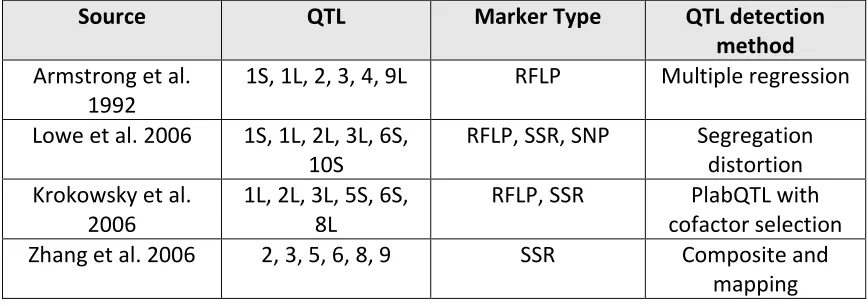
Table 1. Summary of QTL mapping studies on maize
culturability (Salvo et al., 2018) 15
Table 2. Tissue culture response of B73 and B73/A188
backcrosses (Armstrong et al., 1992) 23
Table 3. Breeding scheme to transfer Culturability/Transformability
from Hi-II into the elite female line, FBLL (Lowe et al., 2006) 25
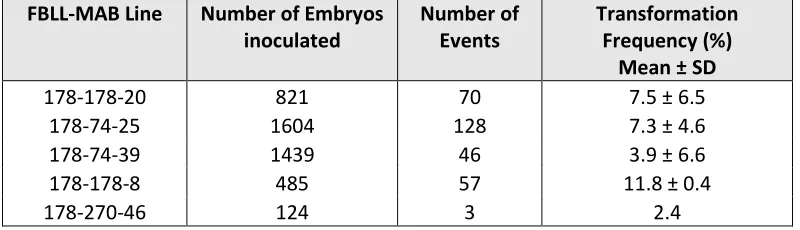
Table 4. Transformation frequencies of FBLL-MAB Lines
(Lowe et al., 2006) 25
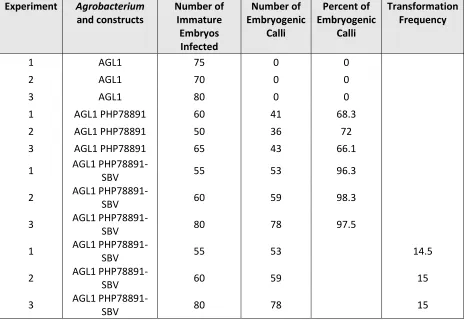
Table 5. Somatic Embryogenic Response and Transformation Frequency in maize B73 using AGL1 with Vectors PHP78891 and PHP78891-SBV
(Mookkan et al., 2017) 32
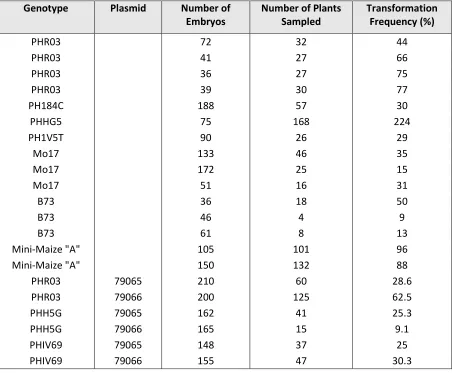
Table 6. Transformation frequency of five inbred lines, Mini-Maize, B73,
5
v
Acknowledgements
I would like to thank my committee members: Thomas Lubberstedt, Anthony Mahama,
and Kan Wang for all their hard work. As well as, my mentor through the entire program
Klaus Koehler. I also could not have done this without the support of my family and
6 ABSTRACT
Maize (Zea mays) is the most widely grown crop grown and produced crop in the world.
It is a foundational model for genomics and genetics. To meet the need of a growing
population and climate change the current and future crop improvement efforts will
comprise of the utilization of biotechnology-based approaches. This includes the
functional analysis and discovery of agriculturally important genes for crop research and
product development. Today, most crop genetic engineering systems use the
transformation process. But there are limitations to the transformation process. The
labor of creating transgenic events is the largest cost associated with the transformation
production system. The culture process is the most time-consuming and has the highest
labor cost of the system. Then once the trait is verified to be present the trait must be
backcrossed into an elite line with better agronomic traits and good yield. The
backcrossing process is time consuming and requires a large amount of greenhouse
space. The major limitation of plant transformation is genotype dependency. To get
more widely adoption of biotechnology and the transformation process for breeding it
needs to become less expensive and time-consuming to produce transgenic lines. This
can be achieved through discovery of the genetics behind callus formation and
regeneration, so any elite line can be made transformable. The discovery of
morphological genes like Bbm and Wus2 have made it possible to develop a
7
Chapter 1. INTRODUCTION
The cereal crops are major crops that feed the world and are grown in more
quantities on more acreage across more different ecosystems than any other crop.
Maize is the most widely grown and produced crop in the world. It is used in various
industries as raw materials and animal feed. It is also a model plant for genomics and
genetics. To meet the needs of a growing population and climate change the current
and future crop improvement efforts will comprise of the utilization of
biotechnology-based approaches. This includes the functional analysis and discovery of agriculturally
important genes for crop research and product development. Today, most of the crop
genetic engineering systems use the transformation process. The transformation
process includes the critical parts of embryogenic and regenerable tissue cultures
(Mookkan et al., 2017; Salvo et al., 2014; Jiao et al., 2017; Yadava et al., 2017).
The term transformation is used to define the insertion of foreign molecules into
plant cells, bacteria, and fungi. Transformation of maize cells was first reported in 1986
when the direct uptake of naked DNA into protoplasts occurred. Stable transgene
integration was seen in calli derived from electroporated protoplasts of the Black
Mexican Sweet maize suspension cell line. Two years later, in 1986, the first transgenic
maize plant was reported because there was no reliable plant regeneration system
(Rhodes et al., 1988). A reliable and simple regeneration system is essential for
establishing an effective transformation system. Several studies were done in the early
1980s testing different starting materials consisting of stem and immature embryos.
8
(Rhodes et al., 1988; Shillito et al., 1989; Que et al., 2014; Hooykaas et al., 2010).
Immature embryos have been shown to be an exceptional source material for creating
embryogenic callus and suspension cell cultures for preparing protoplasts for direct
gene delivery. After cell suspension and regeneration, plants did not produce viable
seeds (Rhodes et al., 1988). Maize embryos can be induced to form one of two types of
embryogenic calli: Type I and Type II. Type I calli have a more compact structure with a
group of embryos fused together. Type II calli have clusters of “friable” discrete single
embryos. To resolve the viable seed issue reported in other studies Type II calli were
used (Que et al., 2014; Rosati et al., 1994; Armstrong et al., 1992; Rivera et al., 2012;
Krakowsky et al., 2006).
After the first reports of successful maize transformation using protoplasts were
published microparticle bombardment (also known as biolistic transformation) was
positively confirmed to generate highly fertile maize transformants using calli or
embryogenic suspension cell cultures as target tissue. The selectable genes used as
markers were ALS (acetolactate synthase), BAR (bialaphos resistance), or HPT
(hygromycin phosphotransferase) (Fromm et al., 1990; Gordon-Kamm et al., 1990;
Walters et al., 1992; Vain et al., 1993). Events attained from embryogenic calli using
biolistic transformation had better fertility than events created by using protoplast
transformation. In 1993 immature embryos from an elite maize inbred was used as the
target for biolistic transformation to induce the Bacillus thuringiensis (Bt) Cry1Ab, an
insecticidal gene, with use of the BAR selectable marker into the plant tissue (Que et al.,
9
maize product by Ciba-Geigy (Koziel et al., 1993). Also, in 1996 a protocol for biolistic
transformation using H-II germplasm and the ALS selectable marker was successful
(Songstad et al., 1996; Que et al., 2014; Yadava et al., 2017). These scientists found
pre-culturing the immature embryos before bombardment greatly improved transformation
efficiency and survival comparable to the results obtained from the suspension cultures
as targets. Other scientists have also reported using conditioned immature embryos as
targets of gene delivery for transformation greatly increases the transformation
frequency when immature embryos were cultured before and after bombardment on
media with high osmolarity (Que et al., 2014; Armstrong et al., 1992; Yadava et al.,
2017). Using immature embryos as transformation targets simplifies the target tissue
preparation effort and shortens the transformation timeline in comparison to using
embryogenic callus cultures or suspended cells. As a result of the plant transformation
timeline being shortened plant production is improved by the callus culture period being
shortened which lowers somaclonal variation. But there is a need for more greenhouse
space to grow more stock plants for immature embryos. Also, isolation of immature
embryos is more time-consuming than callus subculture (Que et al., 2014; Hooykaas et
al., 2010).
There are other physical gene delivery methods developed for producing
transgenic maize plants including aerosol beam injector, electroporation, and silicon
carbide whisker-mediated transformation. The two more popular physical
transformation methods are silicon carbide whisker-mediated transformation and
10
silicon carbide whiskers to deliver plasmid DNA and embryogenic suspension cultures as
the target tissues (Frame et. al., 1994; Que et al., 2014; Hooykaas et al., 2010). The
mixture of DNA, whiskers and suspension culture cells are shaken forcefully allowing the
whiskers to make tiny holes in the cells allowing the DNA entry. This method has been
done using embryogenic cell cultures from Hi-II (Que et al., 2014). Electroporation is a
transformation method that uses electric pulses to induce membrane permeabilization
providing a local driving force for iconic and molecular transport through the pores (Que
et al., 2014; Rivera et al., 2012; Hooykaas et al., 2010).
Agrobacterium-mediated DNA delivery, also called indirect transformation, into
maize cells first occurred in the mid-1980s (Graves and Goldman, 1986; Grimsley et al.,
1987). Then in 1991 the first successful maize transformation was reported using
isolated shoot apices as target tissues. In 1996, a routine method for Agrobacterium
-mediated maize transformation was developed. In this method immature embryos were
used as the target tissue with an Agrobacterium strain containing a “super-binary”
vector. Since the introduction of this method it has been the method of choice for large
scale event generation for commercial development and trait research. The selection
and regeneration conditions were already established for biolistic transformation
systems and were easily transferred for use for Agrobacterium-mediated
transformation. Many transgenic maize events produced by Agrobacterium-mediated
transformation have become products and released to market (Que et al., 2014;
11
Many companies have released maize products containing improved traits since
the first transgenic maize cultivars were released 20 years ago. The improvement of the
genetic engineering system for maize is important because it allows the expected future
challenges of the world to be overcome by genetic engineering of maize cultivars with
improved traits. There are many limitations for the transformation production system,
for maize, including having a dedicated greenhouse for supplying zygotic embryos,
space for marker assisted backcrossing, and genotype dependency. The ideal maize line
for maize transformation and for trait breeding is an inbred line with exceptional
agronomic characteristics. The best tissue to start with should be highly transformable,
available in large quantities year-round, easy to produce, and inexpensive. The current
lines available for transformation are far from perfect. Many labs use immature
embryos for either Agrobacterium-mediated or biolistic transformation. Some elite
inbred lines have become the preferred genotypes for trait development including Hi-II,
H99, and A188. High efficacy Agrobacterium-mediated transformation is only attained in
a limited number of elite lines. This genotype dependency is contributed to
embryogenic callus formation, competency of immature embryos to Agrobacterium
infection, and the ability to regenerate plants. Callus formation is critical for
transformation. Many transformation production systems use Type II callus because it is
fast growing, highly regenerable, and friable. These characteristics favor transgenic plant
selection and regeneration. But the formation of Type II callus is limited to very few
genotypes such as Hi-II, A188, B73, and B104 which makes it highly
12
high transformation efficiency in laboratories and is reliable. But Hi-II has poor
agronomic traits and has a non-uniform genetic background (Que et al., 2014; Yadava et
al., 2017, Armstrong et al., 1991).
The genotype dependency is only one of the reasons transformation and
biotechnology processes are not used as preferred breeding methods. The
transformation process for production is labor intensive and time consuming. The labor
of creating transgenic events is the largest cost associated with the transformation
production system. The culture process is the most time-consuming and has the highest
labor cost of the system. The high cost is associated with needing to isolate large
numbers of immature embryos to create a large number of transgenic events. There is a
bottleneck that exists with embryo supply and excision. Then once the trait is verified to
be present the trait must be backcrossed into an elite line with better agronomic traits
and good yield. The backcrossing process is time consuming and requires a large amount
of greenhouse space. Also, vector design for commercial transformation is essential to
ensure efficient transgenic event production. It must have desirable trait efficacy and
timely product regulatory registration and approval. To get more widely adoption of
biotechnology and the transformation process for breeding it needs to become less
expensive and time-consuming to produce transgenic lines. This can be achieved
through discovery of the genetics behind callus formation and regeneration, so any elite
line can be made transformable. Being able to do this would cut down on time and
resources needed for the transformation system and would open the door for more
13
Lowe et al., 2016; Lowe et al., 2018; Rivera et al., 2012; Armstrong et al., 1992; Salvo et
al., 2014).
This literature review summarizes the recent advancements in the
understanding of the genetics of culturability and regeneration for the use in the maize
transformation. How these advancements in genetics have helped advance the
transformation system and breeding for transformability. The advancements for
breeding with a better maize transformation system will be discussed in enough detail
for others to advance their own maize transformation systems. The recent
advancements made makes transformation and gene editing more sustainable as
14
CHAPTER 2. Genetics of Culturability and Regeneration
There have been many recent advancements made in the genetics and genomics
of callus formation and regeneration, which helps to advance the transformation
system. Tissue culture response and regeneration in plants has been shown to be under
genetic control in maize. Several developmental, biological, and molecular studies have
shown that numerous morphological genes are involved in organogenesis, plant cell
division, plant regeneration, and somatic embryogenesis. Expression of leafy cotyledon
1 (LEC1) and LEC2, Maize oval development protein 2, WUSCHEL (WUS2), Baby Boom
(BBM), Agamous-like15, and somatic embryogenesis receptor-like kinase1 (SERK1)
shows morphogenic control of plant development (Mookkan et al., 2017). Quantitative
trait locus (QTL) mapping technology has made it possible to identify QTL and estimate
the number of loci controlling genetic variation. Recent advancements in mapping
approaches and DNA based molecular marker systems has allowed complex traits to be
resolved into several single Mendelian components, understand gene action,
phenotypic effects, and characterize their map position (Bolibok and
Rakoczy-Trojanowska, 2006; Salvo et al., 2014).
QTL mapping strategies have been used in several plant species to successfully
identify genomic regions associated with tissue culture response in crops such has
cotton, soybean, rice, and maize (Salvo et al., 2018). The first paper reporting regions
associated with tissue culture response was from Armstrong et al. (1992). They intended
to improve tissue culture response by backcross breeding. RFLP analysis was used to
15
identified where located on chromosomes 1, 3, and 9 (Armstrong et al., 1992). Wan et
al. (1992) identified six in part overlapping regions on chromosomes 1, 2, 3, 6, and 8 in
maize involved in regenerable callus formation and embryo-like structures (ELS). Many
other studies have found QTL on chromosomes 1, 3, 4, 5, 8 and 9 for tissue culture
response and embryo-like structures (Bolibok 2006; Krakowsky et al., 2006; Lowe et al.,
2006). A summary of QTL mapping studies of maize tissue culture response is shown in
[image:16.612.107.541.301.454.2]Table 1 (Salvo et al., 2018).
Table 1. Summary of QTL mapping studies on maize culturability (Salvo et al., 2018)
Source QTL Marker Type QTL detection
method
Armstrong et al. 1992
1S, 1L, 2, 3, 4, 9L RFLP Multiple regression
Lowe et al. 2006 1S, 1L, 2L, 3L, 6S, 10S
RFLP, SSR, SNP Segregation distortion Krokowsky et al.
2006
1L, 2L, 3L, 5S, 6S, 8L
RFLP, SSR PlabQTL with cofactor selection Zhang et al. 2006 2, 3, 5, 6, 8, 9 SSR Composite and
mapping
QTL on Chromosome 3 Involved in Improved Tissue Culture
A fine mapping study was done by Salvo et al. (2018) to build on this research.
They chose to focus on the QTL identified on chromosome 3 in maize that are
associated with improved tissue culture and regeneration. Their goal was to advance
research in identifying genes involved in regeneration ability and embryogenic capacity
in maize. Identification and characterization of these genes will increase the
understanding of the genetic mechanisms involved in somatic embryogenesis and will
16
genotype-dependent tissue culture systems. Their mapping identified a 3053 kb region
significantly associated with tissue culture response. This region was found between
markers PZE-103122471 and SYN29001 with a significant Chi-square test (P<0.0001)
associated with all tissue culture phenotypes and A188 markers PZE-103135061 and
PZE-103133772 also had significant association with tissue culture traits. The region
between PZE-103122471 and SYN29001 is a large region and could have hundred genes
in this region (Salvo et al., 2018). Other studies on somatic embryogenesis suggest that
multiple genes are involved in the process and transcription factors could activate the
type of cellular dedifferentiation needed to regenerate somatic embryos into plants
(Salvo et al., 2014).
Known Genes Involved in Somatic Embryogenesis
Few genes have been characterized as having a direct role in the induction of
somatic embryogenesis in tissue culture in maize have been identified even with the
importance it would give to agricultural production. These genes were discovered by
using overexpression and gene knockout studies to understand how the genes were
behaving. The initiation of somatic embryogenesis involves a complex coordination of
multiple pathways. Previous studies have described genes involved in cellular
reorganization, hormone response, stress response, signal transduction, and
transcriptional regulation. Many of these gene actions have been found in Arabidopsis.
Salvo et al. (2014) found similar genes, in maize genotype A188, using a specific
developmental window study and sequencing of the genes using B73 as a reference
17
Known genes involved in stress response important to somatic embryogenesis
are germin like-proteins (GLP) and GST. Salvo et al. (2014) discovered two stress
response genes chitinase A1 and WIP1 which were up regulated 1500-fold in the first
hours of embryogenesis. Chitinase proteins are known to promote somatic
embryogenesis (Omid et al., 2010). GST family of genes are also involved in plant
defense (Galland et al., 2007). They found 15 GST genes had large expression changes
during early somatic embryogenesis, which includes ZmGST 8, ZmGST 24, and ZmGST
40. The GST genes were found to be co-expressed with WUS, SERK, PIN, and BBM. GLPs
are proteins that affect the plant redox status and are involved in developmental
regulation. GLPs are normally only detected in embryogenic tissue. It is possibly used as
a secondary signal to promote somatic embryogenesis. One GLP gene Salvo et al. (2014)
detected in the early embryogenesis process was GRMZM2G045809 and was
co-expressed with the BBM transcription factor. Genes involved in embryogenic pathway
initiations include Leafy Cotyledon (LEC) and Baby Boom (BBM) genes. The initiation of
the embryogenic pathway is seen when somatic cells acquire embryogenic competence
and proliferate as embryogenic cells capable of forming somatic embryos. In studying
the available research and BBM being shown to be co-expressed with LEC2, AGL15, GLP,
PIN, GST, and WOX it can be concluded BBM as a stimulator of plant hormone
production which triggers and signals pathways important for somatic embryogenesis.
LEC genes are also important in stimulating somatic embryogenesis. These genes play an
18
Known somatic embryogenesis receptor-like kinase genes called SERK genes are also
important for initiating the embryogenic pathway (Salvo et al., 2014).
Known genes involved in embryo formation and development are the Wox,
Clavata (CLV), Wuschel (WUS), and Agamus (AGL) genes. These genes are involved in
meristem formation and development and have been found to be important for somatic
embryo formation as well. The WUS gene is a homeodomain transcription factor
involved in floral and meristem development specifically as a regulator of organ identity
and stem cell fate (Klaus et al. 1998). It has an important role in activating and
regulating pluripotent stem cells by promoting proliferation genes and repressing
developmental regulators. Salvo et al. (2014) found the WUS genes had lower
expression during early somatic embryogenesis. But they were co-expressed with GST
and SERK genes. They explained the lower expression of WUS as maybe being tied to
the developmental window they were looking at in their study. They may have captured
a time when the organization center was just starting to develop and the transcripts
they saw represented a small amount of cells presenting WUS activity during the early
stages of stem cell development. Their findings did show the WOX genes had increased
in expression in early embryogenesis. Examples of WOX genes found to increase in
expression were ZmWOX5A/5B, ZmWOX2A, and ZmWOX11/12B. The WOX genes were
co-expressed with AGL15, BBM, and PIN. Salvo et al. (2014) found the expression of
CLAVATA or CLV1-like gene (GRMZM2G141517) had a steady increase in their study. CLV
is a receptor-like kinase also involved in floral and shoot development and acts
19
loop with WUS to promote callus maintenance and initiation. Another known
meristem-related gene is AGAMOUS. AGAMOUS is a MADS box transcription factor involved in
organ differentiation and flower development. An AGL15-like gene, GRMZM2G139073,
had differential expression during early embryogenesis. This gene is co-expressed with
PIN, WOX, and GLP. AGL15 has been shown to be preferentially localized in embryonic
tissues and promote somatic embryo development in Arabidopsis. It is also known
AGL15 interacts with LEC2 and SERK1 genes. Thus AGL15-like genes are important for
callus formation in maize (Salvo et al., 2014).
Model of Known Genes Involved in Somatic Embryogenesis
Salvo et al. (2014) purposed a model based on coordinated expression of
somatic embryogenesis-related genes looked at in their study and the genes relative
expression in early embryogenic tissue culture response. The model was somatic
embryogenesis-related gene expression networks as determined by coexpression with a
correlation coefficient greater or equal to 0.9 between genes expressed during the early
stages of somatic embryogenesis. The relative expression of transgenes in A188
immature embryo explant tissue in tissue culture was reported at 0 h, 24 h, 36 h, 48 h,
and 72h. Based on these finds the model highlighted somatic-embryogenesis related
genes that were up- and down-regulated during the time period of the study (Salvo et
al., 2014).
Their study provides essential information describing the underlying genetic
20
of the basic processes involved in somatic embryo formation. They were able to offer
information on transcripts detected for major genes formerly described with a role in
embryogenesis. This information can be used to help us better understand expression
networks and gene functions involved in the initiation of somatic embryogenesis in
culture. Advancements in understanding the underlying genetic systems help improve
our understanding of genetic mechanisms and biological processes that confer efficient
tissue culture response such as somatic embryogenesis in vitro will help advance crop
improvement strategies to increase agricultural productivity (Salvo et al., 2014).
The importance of Reference Genomes for Research
Reference genomes for crop plants have been produced over the past decade.
These genomes can often be missing complex repeat regions and often fragmented.
Accurate and complete annotations and genomes offer essential tools for
characterization of functional and genetic variation. These resources allow the
determination of biological processes and support translation of research findings into
sustainable and improved agricultural technologies. An accurate and complete genome
assembly for maize is critical for basic and applied research (Jiao et al., 2017).
There have now been updates made to the assembly and annotation of the
reference genome of B73 and interest in a B104 reference genome for the advancement
of agricultural research. The B73 genome was assembled using contig sequencing and
high-resolution optical mapping. This new reference genome for maize,
21
and aided in the identification of transposable element lineage expansions that are
unique to maize. Their improved B73 reference genome made improvements to the B73
genome published by Schnable et al (2009) by making improvements in the gene space
by correcting misassembles, orientation and order of genes, and resolution of gaps (Jiao
et al., 2017). B104 is in the process of being assembled and annotated as a reference
genome. B104 is very similar to B73 (98%) but B104 is readily transformable. The
availability of B104 as a reference genome would allow other researchers to use the
genomic data to work with their own transformants more easily (Manchanda et al.,
2016). It gives researchers the genomic data about a transformable line and specific
genes involved in transformability, so the information can be used to put together
vector cassettes for transformation more easily. The information for this reference
genome will be openly shared, which makes the information more easily used by
22
CHAPTER 3. Breeding for Transformability
Many companies have used transformation as part of their breeding programs
because it has allowed the transfer of specific genes into crops allowing many crops to
have enhanced productivity due to their resistance to herbicides or insects. The interest
in using the transformation system in a breeding program has sparked an interest in
breeding for increased tissue culture response and regeneration ability for
transformability.The beginning studies for breeding for improved tissue culture
response and transformability in maize included having to screen for tissue culture
response and backcrossing (Armstrong et al., 1992; Lowe et al., 2006).
Backcross Breeding for Tissue Culture Response
Armstrong et al. (1992) did two different crosses A188/B73 and A188/Mo17. They took
half an ear and put immature embryos on media and the other half ear was left on the
plant for seed. Cultures were scored 14-28 days after embryo isolation for the presence
of somatic embryos. The plants were regenerated and the regenerated plants with the
best tissue culture response were backcrossed to B73 to produce the BC1 generation.
BC1 plants were selfed and halve ears were placed in tissue culture and plants
regenerated. The plant with the highest embryogenetic frequency was crossed to B73.
This continued for six generations of backcrossing with selection at each generation for
high frequency initiation of embryogenic cultures. BC6 plants were selfed for four
23
of ears tested, total number of embryos tested, and percentage of embryos forming
[image:24.612.110.566.175.452.2]regenerable cultures is found in Table 2 (Armstrong et al., 1992).
Table 2. Tissue culture response of B73 and B73/A188 backcrosses (Armstrong et al., 1992)
Generation Number of Ears Tested
Total Number of Embryos Tested
Mean of all Ears Producing Regenerable Cultures Lowest Response Highest Response
B73 21 2248 0.1 0 2
FRB73 10 1462 0.1 0 1.4
BC1 18 1441 4.7 0 18.3
BC2 17 1904 13.5 0 37
BC3 18 1603 1.3 0 6.7
BC4 17 1800 9.9 0 31.2
BC5 10 2477 10.2 0 39.3
BC6 4 1001 0.7 0 3
BC6S1 9 384 11 0 40
BC6S2 13 1153 84 0 35.4
BC6S3 9 1289 23.5 0.7 75.7
BC6S4 9 561 45.6 0 91
Armstrong et al. (1992) found the average percentage of embryos forming
regenerable cultures varied considerably across ears for each of the six backcross
generations. There was a low of 0.7% for BC6 to a high of 13.5% for BC2 (Table 2). The
percentage of immature embryos forming regenerable cultures was 75% averaged
across all 90 ears and is a 75-fold higher response then the average response of the
current parent. The percentage of embryos forming regenerable cultures seen in Table 2
of the BC6S1 through S4 generations also show there were no favorable alleles lost
24
(45.6%) of all the embryos formed regenerable cultures. Embryos from one BC6S4 plant
(91.0%) produced almost all regenerable cultures. This plant was homozygous for all
favorable culture alleles transferred from A188 into B73. These data show that regions
of the A188 genome can be introgressed into B73 by backcross breeding, resulting in up
to a 91.0% increase in Type II culture initiation frequencies from immature embryos on a
standard N6-based medium (Armstrong et al., 1992).
Marker Assisted Breeding for Transformability
Lowe et al. (2006) built upon the research of Armstrong et al. (1992) and used a
marker assisted breeding (MAB) program to breed for transformability in maize. They
used MAB to introgress specific regions of the Hi-II genome into the elite line FBLL. They
also screened FBLL-MAB lines for transformation to select highly transformable lines. In
their study they first screened for culturability and then for transformability. Then they
developed and used markers for breeding with an emphasis on screening for
transformability. Their breeding scheme included an initial cross of FBLL X Hi-II to make
the F1. Then the F1 was backcrossed to the recurrent parent FBLL, BC1. Selection for
cultures that regenerated plants was performed. They performed a full genome scan
and segregation distortion analysis to find RFLP markers associated with
culturability/transformability. The following RFLP markers showed linkage with those
traits: npi234a on chromosomal bin 1.03, npi625 in bin 1.09, npi212b (3.08), npi223a
(6.04), and umc44a (10.06). Those markers were used for backcrossing to the recurrent
parent FBLL. They combined BC3 lines with the highest number of
25
generations were used to fix selected regions and form inbred lines. The lines were
tested for transformability and transformable lines were selected (Lowe et al., 2006).
[image:26.612.107.364.205.309.2]Their breeding scheme can be seen in Table 3 (Lowe et al., 2006).
Table 3. Breeding scheme to transfer Culturability/Transformability from Hi-II into the elite female line, FBLL (Lowe et al., 2006)
Cross Generation
FBLL X Hi-ll F1
(FBLL X Hi-II)X FBLL BC1
Backcross to FBLL BC2
Backcross to FBLL BC3
BC3 X BC3 F1
Self F2-4
Their inbred lines were >93% homozygous for the five
culturability/transformability regions and the recovered percentage of the recurrent
parent was 81-87% confirmed by 179 polymorphic SNP markers. Transformation
frequencies of these lines ranged from 2.4 to 11.8% (Lowe et al., 2006).
Table 4. Transformation frequencies of FBLL-MAB Lines (Lowe et al., 2006)
FBLL-MAB Line Number of Embryos inoculated
Number of Events
Transformation Frequency (%)
Mean ± SD
178-178-20 821 70 7.5 ± 6.5
178-74-25 1604 128 7.3 ± 4.6
178-74-39 1439 46 3.9 ± 6.6
178-178-8 485 57 11.8 ± 0.4
178-270-46 124 3 2.4
All the regions transferred into the FBLL lines were A188 segments from Hi-II similar to
what Armstrong et al. (1992) found. The improved transformation frequencies of their
[image:26.612.107.507.481.596.2]26
(Table 4). In using markers, they were able to select for culturable lines without having
to culture each line before backcrossing. Markers were used for culturability because
transformation relies on culturability. Not all cultural lines are transformable. But
transformability must have culturability to be able to select transformed cells. They
demonstrate the development of a relatively fixed and elite line with the ability for
tissue culture and improved transformation frequencies by using marker assisted
breeding (Lowe et al., 2006).
These studies are only two examples out of many showing that culturability,
regeneration, and transformability can be improved by the introgression of A188 into an
elite line. Plant regeneration can also be improved by using recurrent selection. But
these breeding schemes are labor intensive with having to do tissue culture and
backcrossing into the recurrent parent. There is an extra step with having to screen for
transformability of each line, so the best line for transformability can be selected. This
process is labor intensive, time consuming, and costly. However, advancements in the
genetics and understanding of culturability, regeneration, and transformability in maize
27
CHAPTER 4. Alternative Approaches to Overcome Genotype-Dependency
Today many advancements have been made in genetics furthering the
understanding of how culturability, regeneration, and transformability in maize. There
have been various studies using this recently discovered genetics information and have
applied it to the transformation processes. Boutilier et al. (2002) used subtractive
hybridization to identify genes that are up-regulated during the invitro induction of
embryo development from immature pollen grains of Brassica napus. The team found
two genes from genomic clones from Brassica and one ortholog in Arabidopsis. They did
a genome wide search in sequence databases and found the BBM transcription products
showed similarity to the AP2/ERF family of proteins. The proteins are a plant-specific
class of putative transcription factors that regulate a large range of developmental
processes. The BBM proteins from Bassica and Arabidopsis matched the amino acid
sequences of related AP2/ERF domain-containing proteins (Boutilier et al., 2002). BBM
belongs to the AP2/ERF transcription family. BBM initiates pathway LC1-AB13-FUS3-LC2
to induce somatic embryogenesis. Many studies have chosen to focus on using
morphogenic genes like Baby Boom (BBM) and WUSCHEL2 (WUS2) in expression
cassettes and use transformation to insert the genes into maize to make a recalcitrant
line transformable (Mookkan et al., 2017; Lowe et al., 2016; Lowe et al., 2018).
Many companies are still using Agrobacterium tumefaciens transformation,
which is an indirect transformation method. This method is proven to give a low copy
number, genome integration is precise, consistent gene expression over generations,
28
also has efficient protocols and high transformation efficiency (Rivera et al., 2012).
Transformation is typically done on immature embryos. Immature embryos are normally
harvested between 9-12 days. Then embryos are induced by plating or mixing the
embryos with Agrobacterium. The vector constructs commonly used in plant
transformation processes are binary and superbinary vectors. Superbinary vectors are
improved versions of binary vectors and include the virB, virC, and VirG genes from
pTiBo542 which are responsible for the supervirulence phenotype of an A. tumefaciens
strain. Many of the vectors include a combination of these genes in the cassettes, using
promoters from: 35S and Umbi, loxP target sites, and CRE recombinase and multiple
cassettes (Figure 1) (Lowe et al., 2017; Lowe et al., 2018; Horstman et al., 2017; Mookan
[image:29.612.110.537.428.471.2]et al., 2017; Heidmann et al., 2011; Boutilier et al., 2018).
Figure 1.
Figure 1. Example of a vector cassette. RB, right border; LoxP, loxP target sites; PRAB17::CRE, promoter Rab17 to drive
CRE; Pubi::BBM, promotor Ubi to drive BBM; Pnos::WUS2, promotor Nos to drive WUS2, LoxP, loxP target sites, LB, left
boarder
Use of Morphological Regulators
There have been many studies showing binary and superbinary vectors being
able to make plants transformable. Lowe et al. (2016) used a superbinary vector
construct and three different strains of A. tumefaciens in their study. The three strains
of A. tumefaciens used were thymidine auxotrophic (THY-) versions of LBA4404, LBA440,
and AG 1. Vectors used to construct the superbinary vectors were psB11 and pSB1 with
LoxP PRAB17::CRE PUBI::BBM Pnos::WUS2 LoxP LB
29
T-DNA components. They harvested embryos from inbreds PHN46, PH581, PHP38, and
PHH5G, and transformed with the Agrobacterium strain LBA4404. The vector T-DNA
included Bbm alone (pPHP24955), Bbm and Wus2 (pPHP35648), and no Bbm or Wus2
(pPHP24600). Vector pHP24600 was used as control vector construct. pPHP24600
contained two expression cassettes in opposite orientations. It had a CaMV 35S
promoter driving expression of a phosphinothricin acetyltransferase (PAT) gene
followed in the 3´ to 5´ orientation going toward the T-DNA right border with a CaMV
35S 3´ regulatory sequence. A maize Ubiquitin (Ubi) promotor and Ubi intron is driving
the expression of DsRED coding sequence with an introduced potato LS1 intron. The
marker expression cassette included CaMV 35Spro:PAT:35S 3´ + Ubipro:DsRED:pinll. The
other vectors contained cassettes encoding BBM and WUS2. Plasmids encoding BbM
and Wus2 all had three expression cassettes. The expression cassettes contained a
recombinase (moCRE or moFLP) and Bbm and Wus2 genes between recombination
target sites (FRT or LoxP sites, respectively) (Lowe et al., 2016).
Transformation data were calculated as the number of callus transformation
events for the embryos from each ear. For all inbred lines the base line, or control
vector, had low or nonexistent transformation frequencies. It ranged from 0% for inbred
PHHG to 2.0% for inbred PHP38. Each inbred line responded differently to either
Ubipro:Bbm + nospro:Wus2 or Ubipro:Bbm alone. There was a substantial increase in
callus transformation frequency for inbred PHN46 from 1.7% in the control treatment to
34.9% for Bbm alone. When Wus2 was added to the cassette with Bbm there was a
30
PHN46 with increases in callus formation frequency with Bbm alone and Bbm and Wus2
expression cassettes. There was an increase in callus transformation frequency in inbred
PH581 from 0.4% in the control treatment to 16.9% for Bbm alone. When Wus2 was
added to the cassette with Bbm the frequency increased to 25.3%. Inbred PHP38
followed the same trends, as the other two inbreds, in increased callus transformation
frequency changes. It had the lowest change in frequency for Bbm alone and the highest
frequency change for Bbm and Wus2 for all the four inbreds. There was an increase in
callus transformation frequency in inbred PHP38 from 0% in the control treatment to
10.1% for Bbm alone. When Wus2 was added to the cassette with Bbm there was an
increase in frequency to 51.7%. Inbred PHH5G had a different response to Bbm and
Wus2 then the other three inbreds had. There was no change or still no transformed
callus was produced when the cassette with Bbm alone was used. When Wus2 was
added to the cassette with Bbm there was an increase in callus transformation
frequency to 45.7%. The transgenic callus grew vigorously and showed a mix of
morphology of type I and type II embryo genic callus. PHN46, PH581, and PHP38
produced low levels of compact type I callus. Callus transformation frequencies were
increased in all four inbreds by the addition of morphological markers like Bbm and/or
Wus2. Excised and single copy plants were obtained for all four inbred lines. The plants
were transferred to the greenhouse and the plants were both male and female fertile
and were healthy. This study also tested the combination of the Ubipro:Bbm +
31
increase in the transformation frequency using the same expression cassettes used for
maize (Lowe et al., 2016).
Use of Morphological Regulators Without an Exogenous Selective Agent
The study done by Mookkan et al. (2017) was meant to confirm and extend the
previous studies using morphogenic regulators to establish genetic transformation of
sorghum P898012 and B73 by co-expressing maize WUS2 and BBM genes without the
use of an exogenous selective agent. The vector PHP78891 was comprised of four
expression cassettes. The first cassette was RAB17M:CRE. The second cassette was
NOSAt:WUS2. The third cassette was UBIM:BBM. The last cassette was UBIM:GFP. The
CRE:WUS2:BBM cassette was bracketed by lox P sites. One lox P site flanks the UBIM:GFP
cassette within the left Agrobacterium boarder and the other lox P site flanks the right
Agrobacterium border. The desiccation-induced expression of CRE resulted in the
excision of the CRE:WUS2:BBM cassette allowing plant regeneration to take place
(Mookkan et al., 2017).
Transient expression of GFP was observed 3-13 days after inoculation in B73 and
P898012 immature embryos. Transient expression analysis was done in B73 using
Agrobacterium strain AGL1 with or without a superbinary vector. GFP expression was
analyzed on day 3 after inoculation. The frequency of transformation was analyzed by
seeing the GFP expression. B73 treated with AGL1 alone, their control, had no GFP
expression. The transient expression efficiencies were greater with PHP78891 and with
32
alone was 68%. There was an increase in transient expression of GFP of 98% when
PHP78891 had the superbinary vector included than without. The results are seen in
Table 5 with the frequency of B73 embryogenic callus recovery without a selection
agent using Agrobacterium AGL1, AGL1 with PHP78891, and AGL1 with PHP78891-SVB.
These results showed the use of Agrobacterium AGL1 superbinary vector with
PHP78891 was the better delivery method for stable transformation in B73 (Mookkan et
[image:33.612.109.575.326.649.2]al., 2017).
Table 5. Somatic Embryogenic Response and Transformation Frequency in maize B73 using AGL1 with Vectors PHP78891 and PHP78891-SBV (Mookkan et al., 2017)
Experiment Agrobacterium and constructs Number of Immature Embryos Infected Number of Embryogenic Calli Percent of Embryogenic Calli Transformation Frequency
1 AGL1 75 0 0
2 AGL1 70 0 0
3 AGL1 80 0 0
1 AGL1 PHP78891 60 41 68.3
2 AGL1 PHP78891 50 36 72
3 AGL1 PHP78891 65 43 66.1
1 AGL1
PHP78891-SBV 55 53 96.3
2 AGL1
PHP78891-SBV 60 59 98.3
3 AGL1
PHP78891-SBV 80 78 97.5
1 AGL1
PHP78891-SBV 55 53 14.5
2 AGL1
PHP78891-SBV 60 59 15
3 AGL1
PHP78891-SBV 80 78 15
Vector PHP78891-SBV had higher frequencies of somatic embryo induction at
33
that all calli seen to have GFP positive foci present turned out to be embryogenic. No
somatic embryogenic response and no formation of embryogenic calli was seen in AGL1
without the PHP78891 vector. There was some increase in the level of embryo response
and somatic embryogenic calli at 66.1-72%. But the AGL1 with the PHP78891-SBV vector
in B73 showed a high increase in embryo response and somatic embryogenic calli with a
percentage of over 96%. The superbinary vector, PHP78891-SBV, had an overall
transformation frequency of 14.5-15% in Table 5. Molecular maker analysis was
conducted and confirmed the regenerated B73 plants were transgenic. The GFP positive
calli were embryogenic type II and had and organization of type I calli (Mookkan et al.,
2017).
Genotype Independent Transformation System
Lowe et al. (2018) addressed some of the problems they had seen in their 2016
study. Transformation efficiency in maize can be significantly increased using the Zea
mays L. (maize) morphogenic transcription factors Baby Boom (Bbm) and Wuschel2
(Wus2) but can also cause sterility and phenotypic abnormalities. In their 2016 study
they described a transformation method using the maize transcription factors Bbm and
Wus2 to induce the proliferation of transformed cells. The cells were directly
encouraged to form callus by the transgenes rather than transforming cells that had
been encouraged to divide by conventional tissue culture. When using this method, they
observed pleiotropic effects in the transgenic plants making the excision of Bbm and
Wus2 necessary to give normal transgenic plants. They used a desiccation inducible
34
with embryogenic callus. But this method still took 3 months for callus selection before
transferring callus to dry filter papers for 3 days to encourage excision. In this recently
published study, they try to alleviate the pleiotropic effects of constitutive expression of
the transformation enhancing genes Wus2 and Bbm by doing a genome wide search to
find suitable maize promotors to drive tissue and timing specific expression of the
transformation enhancing genes. A promotor from a maize phospholipid transferase
protein gene (Zm-PLTPpro) was identified based on its expression in callus, leaves, and
embryos and was found to be downregulated in meristems, reproductive tissues, and
roots. They changed the promotor in the cassette from their 2016 study to have
Zm-PLTPpro drive Bbm in the cassette and transformed immature embryos along with the
Wus2 expression cassette driven still by the nopaline synthase promotor (Nospro::Wus2).
They observed that plentiful somatic embryos quickly formed on the scutella. The
embryos were uniformly transformed and could be easily regenerated into plants
without a callus phase. These plants showed poor germination. Nospro was replaced with
a maize auxin-inducible promoter (Zm-Axig1pro) in combination with Zm-PLPpro::Bbm
permitting fertile and healthy plants to be regenerated. These plants germinated
normally and had a wild type phenotype (Lowe et al., 2018).
Lowe et al. (2018) used Mini-Maze (FFM line A), B73, Mo17, and five Dupont
Pioneer inbred (PHH5G, PH1V69, PHR03, PH184C, and Ph1V5T) lines for their
experiment. For all immature embryo transformations (PHP79065, PHP79066, and
PHP79094) an auxotrophic (THY-) version of A. tumefaciens strain LBA4404 containing
35
promotors they used were Ubipro, Sb-ALSpro, PLTPpro, LTP2pro, nospro, Axig1pro, rab17pro.
3´sequencies used were PNI, Os-T28 3´, and Sb-PEPC 3´. Marker genes they used were
PMI, HRA, moPAT, ZsYELLOW, and ZsGREEN. The maize morphological markers used
were Zm-Wus2 and Zm-Bbm (Lowe et al., 2018).
The PHP79094 vector contained three expression cassettes. The first cassette
had the maize PLTP promoter driving ZsGREEN. The second cassette had the maize Ubi
promoter and intron driving PMI. The last cassette had the Actin promoter, from rice,
driving MoPAT. PHP79065 vector had four expression cassettes. The first cassette had
the Nos promoter driving Wus2. The second cassette had the Zm-PLTP promoter driving
the Bbm gene. The third cassette had the Sorghum ALS promoter driving the maize Hra
gene. Hra is a mutant of the ALS gene which confirms resistance to sulfonylureas and
imidazolinones. The last cassette had the barley LTP2 promotor driving ZsYELLOW.
PHP79066 vector was identical to PHP79065 but the maize Axig1 promotor was used in
place of the Nos promoter to drive Wus2 (Lowe et al., 2018).
Lowe et al. (2018) found their rapid transformation method successfully
produced transgenic T0 plants from all eight inbred lines used in their experiments
36
Table 6. Transformation frequency of five inbred lines, Mini-Maize, B73, and Mo17 (Lowe et al., 2018)
Genotype Plasmid Number of
Embryos
Number of Plants Sampled
Transformation Frequency (%)
PHR03 72 32 44
PHR03 41 27 66
PHR03 36 27 75
PHR03 39 30 77
PH184C 188 57 30
PHHG5 75 168 224
PH1V5T 90 26 29
Mo17 133 46 35
Mo17 172 25 15
Mo17 51 16 31
B73 36 18 50
B73 46 4 9
B73 61 8 13
Mini-Maize "A" 105 101 96
Mini-Maize "A" 150 132 88
PHR03 79065 210 60 28.6
PHR03 79066 200 125 62.5
PHH5G 79065 162 41 25.3
PHH5G 79066 165 15 9.1
PHIV69 79065 148 37 25
PHIV69 79066 155 47 30.3
Transformation frequency was calculated as the number of T0 plants ÷ the
number of starting immature embryos x 100. The plant transformation frequencies
ranged from 8.7 to 96% based on the number of starting embryos shown in Table 6. In a
second set of experiments more immature embryos were used from Pioneer inbred
lines PH03, PHH5G, and PH1V69 shown in Table 6. These inbreds had transformation
frequencies ranging from 9.1 to 62.5%. Transformation frequencies differed between
37
frequencies also differed between individual ears from the same inbred line shown in
Table 6. An example is B73 which had transformation frequencies of 9, 13, and 50% for
immature embryos isolated from the three ears tested (Lowe et al., 2018).
Somatic embryo formation happened within the first week after A. tumefaciens
infection. Immature embryos were transformed with one of three of the vectors
(PHP7066, PHP79065, or PH79094). The embryos were cultured over night at 21° C with
the Agrobacterium. The immature embryos were transferred to cytokinin-free somatic
initiation medium containing 0.8 mg L-1, 2, 4-D, and 1.2 mgL-1 dicamba. Dicamba is an
inducer of the Zm-Axig1pro. After 4 days they observed the surfaces of most of the
zygotic embryos were covered with well-formed somatic embryos. The production of
the somatic embryos seemed to be genotype-independent. The embryos were also
uniformly transformed conformed by ZsGREEN expression signifying these embryos
were of single cell origin. Then somatic embryos were transferred onto maturation
medium and rapid germination started 7 days after infection. In using this callus free
method, they got many events on a single plate without the need for separating them
and every plant was a separate event. Germinating plantlets were then transferred to
medium with reduced auxin levels to promote root elongation. One week later the
plants were ready to be transplanted in the greenhouse which was 24 days after
38
Chapter 5. Conclusions and Outlook
Many companies have used transformation as part of their breeding programs
because it has allowed the transfer of specific genes into crops allowing many crops to
have enhanced productivity due to their resistance to herbicides or insects. The major
problem of transformation is trying to get the new genes into plant cells. So, plant
transformation relies on totipotency of plant cells. Totipotency is defined as
gametophytic cells or somatic plant cells that can be regenerated from in vitro-cultured
explants into complete and fertile plants by treatment. The basic steps involved in
Agrobacterium in vitro method of transformation that includes plant tissues or cell
suspensions as targets for Agrobacterium inoculation and a selective agent is added to
the medium after transformation to cause morphogenesis of transformed cells, and a
whole plant is regenerated. The regeneration phase is the most time-consuming and
expensive part of the transformation process. It also requires dedicated equipment and
highly qualified staff. Therefore, many companies have not adopted or fully adopted
transformation as part of their breeding programs. To have more companies adopt
genetic transformation with a reproducible methodology there are several
requirements that would have to be considered: easy procedures and low cost that
would lead to a large number of transformants per event, small number of genetic
copies introduced into each cell, facility to regenerate transgenic plants from single
transformed cells, technical simplicity involving the minimum manipulations, operator
safety avoiding dangerous procedures or substances, and capability to introduce in a
39
integration or expression (Rivera et al., 2012; Hooykaas et al., 2010; Chumakov and
Moiseeva, 2012).
Advancements in molecular genetics advanced understanding of callus
formation and regeneration to advance the transformation system. The known genes
involved in stress response important to somatic embryogenesis are germin
like-proteins (GLP) and GST. They found 15 GST genes had large expression changes during
early somatic embryogenesis, which includes ZmGST 8, ZmGST 24, and ZmGST 40. The
GST genes were found to be co-expressed with WUS, SERK, PIN, and BBM. GLPs are
proteins that affect the plant redox status and are involved in developmental regulation.
Genes involved in embryogenic pathway initiations include Leafy Cotyledon (LEC) and
Baby Boom (BBM) genes. The initiation of the embryogenic pathway is seen when
somatic cells acquire embryogenic competence and proliferate as embryogenic cells
capable of forming somatic embryos. In studying the available research and BBM being
shown to be co-expressed with LEC2, AGL15, GLP, PIN, GST, and WOX it can be
concluded BBM as a stimulator of plant hormone production which triggers and signals
pathways important for somatic embryogenesis. Known genes involved in embryo
formation and development are the Wox, Clavata (CLV), Wuschel (WUS), and Agamus
(AGL) genes. These genes are involved in meristem formation, development and have
been found to be important for somatic embryo formation as well. The WUS gene is
known to be a homeodomain transcription factor involved in floral and meristem
development specifically as a regulator of organ identity and stem cell fate. It has an
40
proliferation genes and repressing developmental regulators (Salvo et al., 2014). The
genes Bbm and Wus2 have been used as morphological genes to make recalcitrant
maize lines transformable.
Breeding to make reluctant maize lines transformable have evolved over the last
several years. It started with traditional backcrossing of A188 into elite maize lines
which included having to screen for tissue culture. Then markers were developed that
would aid in marker assisted breeding for transformability. Which meant screening for
culturability each generation didn’t have to be done, but screening for transformability
did. More recently morphological genes have been discovered like Bbm and Wus2 which
are involved in the initiation of the embryogenic pathway, embryo formation and
development. Lowe et al. 2016 and 2018 showed Agrobacterium-mediated
transformation with expression cassettes including Bbm and Wus2 can be used to make
a reluctant maize line transformable. They made a gigantic break through with their
rapid genotype independent transformation method. Using this method transformation
frequencies ranged from 9%-224%. Lowe et al. (2018) found using their rapid method of
transformation, somatic embryo formation happened within the first week after A.
tumefaciens infection. In using this callus free method, they got many events on a single
plate without the need for separating them and every plant was a separate event.
Versions of this transformation method, especially expression cassettes, have been used
for other corps besides maize successfully. Transformation of other recalcitrant species
41
using morphological genes (Lowe et al., 2018; Heidmann et al., 2011; Florez et al., 2015;
Bilichak et al., 2018).
A rapid and easy transformation process is essential for new breeding techniques
including gene editing, cisgenesis, DNA methylation, and intrafgenesis. These techniques
are evolving rapidly and gaining in popularity. They have been given the name “New
Breeding Techniques.” Gene editing is targeted genome modifications with the help of
site-specific nucleases (SSNs) (Yadava et al., 2017). The rapid method of transformation
by Lowe et al. 2018 provides fertile plants without the use of excision which supports
genome editing. Edits are not linked to the addition of morphogenic genes, so
segregation can be used to separate edits form the transgenes in the following
generation. It reduces the importance of obtaining single-copy transformants. Currently
they are using variations of this method for CRISPR/CAS9 genome editing and so far,
these methods have worked in every genotype tested. The genotype-independent,
simple, and fast transformation method, by Lowe et al. 2018, could provide any
laboratory with tissue culture experience the ability to produce transgenic maize plants
from any genotype by the traditional Agrobacterium method or even gene editing (Lowe
et al. 2018). Companies being able to use gene editing have the potential to avoid many
regulatory issues regarding transgenes because gene editing, by SSNs, modifications
achieved in an organisms’ original genes to develop desired traits do not employ
transgenes of another species. So targeted modified products are basically mutation
based and plants modified with these technologies could be regulated as such (Yadava
42
The independent genotype transformation method by Lowe et al. (2018) would
be cost effective for many companies because plants could be regenerated without a
callus phase making this method faster than the traditional method, it’s a simple, many
single copy transformants are created, and it’s efficient. The plants can be transferred to
the greenhouse 24 days after infection which is about the same amount of time as
embryo rescue (Lowe et al., 2018). This method could be used with the traditional
Agrobacterium method or gene editing methods making it a diverse or universal
transformation system, which makes it a good method for companies to adopt.
Hopefully making it more feasible for more companies to adopt more biotechnology
tools for their breeding programs.
43 References
Armstrong, C. L., Romero-Severson, J., & Hodges, T.K. (1992). Improved tissue culture response of an elite maize inbred through backcross breeding, and identification of chromosomal regions important for regeneration by RFLP analysis. Theoretical Applied Genetics, 84, 55-762. Retrieved from
https://doiorg.proxy.lib.iastate.edu/10.1007/BF00224181
Bilichak, A., Luu, J., Jiang, F., & Eudes, F. (2018). Identification of baby boom homolog in bread wheat. Agri Gene, 7, 43-51. Retrieved from
https://doi.org/10.1016/j.aggene.2017.11.002
Bolibok, H., & Rakoczy-Trojanawska, M. (2006). Genetic mapping of QTLs for tissue culture response in plants. Plant Cell, 149, 73-83. doi:10.1007/s10681-005-9055-6
Boutiliter, K., Offringa, R., Sharma, V. K., Kieft, H., Ouellet, T., Zhang, L., Hattori, J., Lui, C. M., Lammeren, A. A. M., Miki, B. L. A., Custers, J. B. M., & Campagne, M. M. L. (2002). Ectopic expression of baby boom triggers a conversion from vegetative to embryonic growth. Plant Cell, 14, 1737-1749.
doi:https://doi.org/10.1105/tpc.001941
Chumakov, M. I., & Moiseeva, E. M. (2012). Technologies of agrobacterium plant transformation in planta. Applied Biochemistry and Microbiology, 48(8), 657-666. doi:10.1134/S0003683812080017
Florez, S., Erwin, R., Maximova, S. N., Guiltinan, M. J., & Curtis, W. R. (2015). Enhanced somatic embryogenesis in theobroma cacao using the homologous baby boom transcription factor. BMC Plant Biology, 15, 121-133. doi:10.1186/s12870-015-0479-4
Frame, B. R., Drayton, P. R., Bagnall, S.V., Lewnau, C.J., Bullock, W.P., Wilson, H.M., et al. (1994). Production of fertile transgenic maize plants by silicon carbide whisker-mediated transformation. Plant J,6, 941–948.
doi:10.1046/j.1365-313X.1994.6060941.x
Fromm, M.E., Taylor, L.P., & Walbot, V. (1986). Stable transformation of maize after gene transfer by electroporation. Nature, 319, 791–793. doi:10.1038/319791a0
Galland, R. Blervacq, A.S., Blassiau, C., Smagghe, B., Decottignies, J.P., Hilbert, & J.L. (2007). Glutathione-S-Transferase is detected during somatic embryogenesis in chicory. Plant Signaling & Behavior, 2(5), 343-348. Retrieved from
44
Gordon-Kamm, W., Dilkes, B.P., Lowe, K., Hoerster, G., Sun, X., Ross, M., et al. (2002). Stimulation of the cell cycle and maize transformation by disruption of the plant retinoblastoma pathway. Proc. Natl. Acad. Sci. U.S.A.,99, 11975–11980.
doi:10.1073/pnas.142409899
Graves, A.C.F., and Goldman, S. L. (1986). The transformation of Zea mays seedlings with agrobacterium tumefaciens. Plant Mol. Biol., 7, 43–50. doi:10.1007/BF00020130
Grimsley, N., Hohn, T., Davies, J.W., & Hohn, B. (1987). Agrobacterium mediated
delivery of infectious maize streak virus into maize plants. Nature, 325, 177–179. doi:10.1038/325177a0
Hooykaas, P. J. (2010). Plant Transformation. In eLS, (Ed.). doi:10.1002/9780470015902.a0003070.pub2
Heidmann, I., de Lange, B., Lambalk, J., Angenent, G. C., & Boutilier, K. (2011). Efficient sweet pepper transformation mediated by the baby boom transcription factor.
Plant Cell Reports, 30, 1107-1115. doi:10.1007/s00299-011-1018-x
Jiao, Y., Peluso, P., shi, J., Liang, T., Stilzer, M. C., Wang, B., Campbell, M. S., C. Stein, J. C., Wei, X., Chin, C., Guill, K., Regulski, M., Kumari, S., Olson, A., Gent, J., Schneider, K. L., Wolfgruber, T. K., McMullen, M. R., Ross-Ibarra, J., Dawe, R. K., Hastie, A., Rank, D. R., & Ware, D. (2017). Improved maize reference genome with single-molecule technologies. Nature, 000, 1-6. doi:10.1038/nature22971
Karami, O., & Saidi, A. The molecular basis for stress-induced acquisition of somatic embryogenesis. Molecular Biology Reports, 37(5), 2493-2507.
doi:10.1007/s11033-009-9764-3
Koziel, M.G., Beland, G.L., Bowman, C., Carozzi, N.B., Crenshaw, R., Crossland, L., et al. (1993). Field performance of elite transgenic maize plants expressing an
insecticidal protein derived from bacillus thuringiensis. Biotechnology, 11, 194–
200. doi:10.1038/nbt0293-194
Krakowsky, M.D., Lee, M., Garay, L., Woodman-Clikeman, W., Long, M.J., Sharopova, N., Frame, B., & Wang, K. (2006). Quantitative trait loci for callus initiation and totipotency in maize (Zea mays L.). Theoretical Applied Genetics, 113(5), 821-830. doi:10.1007/s00122-006-0334-y
Lowe, B. A., Way, M. M., Kumf, J. M., Rout, J., Warner, D., Johnson, R., Armstrong, C. L., Spencer, M. T., & Chomet, P.S. (2006). Marker assisted breeding for
45
Lowe, K., Wu, E., Wang, N., Hoester, G., Hastings, C., Cho, M., Scelonge, C., Lenderts, B., Chamberlin, M., Cushatt, J., Wang, L., Ryan, L., Khan, T., Chow-Yiu, J., Hua, W., Yu, M., Banh, J., Bao, Z., Brink, K., Igo, E., Rudrappa, B., Shamseer, PM., Bruce, W., Newman, L., Shen, B., Zheng, P., Bidney, D., Falco, C., Register, J., Zhao, Z., Xu, D., Jones, T., & Kamm, W.G. (2016). Morphogenic regulators baby boom and wuschel improve monocot transformation. Plant Cell, 28, 1998-2015.
doi:10.1105/tpc.16.00124
Lowe, K., La Rota, M., Hoerster, G., Hastings, C., Wang, N., Chamberlin, M., Wu, E., Jones, T., Gordon-Kamm, W. Rapid genotype “independent” Zea mays L. (maize) transformation via direct somatic embryogenesis. (2018). In Vitro Cellular & Developmental Biology,54, 240-252. Retrieved from
https://doi.org/10.1007/s11627-018-9905-2
Manchanda, N., Andorf, C.M., Ye, L., Wimalanathan, K., Rounsley, S., Wang, K., & Lawrence-Dill, C. (2016). Sequencing, assembly, and annotation of maize B104: a maize transformation resource [Abstract]. Maize Genetics Conference Abstracts, 58, 52. Retrieved from
https://www.maizegdb.org/data_center/reference?id=3172642
Mayer, K. F. X., Schoof, H., Haecker, A., Lenhard, M., Jurgens, G., & Laux, T. (1998). Role of wuschel in regulating stem cell fate in the arabidopsis shoot meristem. Cell,
95(6), 808-815. doi:10.1016/S0092-8674(00)81703-1
Mookkan, M., Nelson-Vasilehik, K., Hague, J., Zhang, Z.J., & Kausch, A.P. (2017).
Selectable marker independent transformation of recalcitrant maize inbred B73 and sorghum P898012 mediated by morphogenic regulators baby boom and wuschel2. Plant Cell, 36, 1477-1491. doi:10.1007/s00299-017-2169-1
Que, Q., Elumalai, S., Li, X., Zhong, H., Nalapalii, S., Schweiner, M., Fei, X., Nuccio, M., Keliher, T., Gu, W., Chen, Z, & Chilton, M.M. (2014). Maize transformation technology development for commercial event generation. Frontiers in Plant Science, 56, 1-19. doi:10.3389/fpls.2014.00379
Rivera, A. L., Gomeze-Lim, M., Fernandez, F., & Loske, A. M. (2012). Physical methods for genetic plant transformation. Physics of Life Reviews, 9, 308-345. Retrieved from www.sciencedirect.com