University of South Carolina
Scholar Commons
Theses and Dissertations
6-30-2016
Multi-Symptom Management in Hospice Patients
during End-of-Life Transition
Ashley N. B. Sirianni
University of South Carolina
Follow this and additional works at:https://scholarcommons.sc.edu/etd
Part of theNursing Commons
This Open Access Dissertation is brought to you by Scholar Commons. It has been accepted for inclusion in Theses and Dissertations by an authorized administrator of Scholar Commons. For more information, please [email protected].
Recommended Citation
Multi-Symptom Management in Hospice Patients during End-of-Life Transition
by
Ashley N.B. Sirianni
Bachelor of Science in Nursing University of South Carolina, 2008
________________________________________________________________________
Submitted in Partial Fulfillment of the Requirements
For the Degree of Doctor of Nursing Practice in
Nursing Practice
College of Nursing
University of South Carolina
2016
Accepted by:
Stephanie Burgess, Major Professor
Abbas Tavakoli, Committee Member
ii
© Copyright by Ashley N. B. Sirianni, 2016
iii
Dedication
I dedicate this quality improvement project especially, to my Mom and Dad,
Debra and Dr. Olin Marion Burton, for being the best role models and loving parents in
the whole world. They are and have been two influential leaders throughout my life and
the healthcare community. They have been exceptional leaders and mentors that
facilitate my attributions in our healthcare system and their accomplishments motivate
me to provide optimal healthcare to the community. Next, I would be honored to send my
dedication, love, and sincere gratitude for the continuous support from my husband Cory,
all my family members, friends, mentors, and colleagues for all their support and
motivation. I also dedicate my passion for this project to the hospice patients and
families. Especially those hospice patients and families whom entrusted the honor upon
me to care for them during their end-of-life transition. Lastly, I would like to thank the
iv
Acknowledgements
I would personally like to acknowledge my Chair, Dr. Stephanie Burgess,
Associate Dean for Nursing Practice & Clinical Professor at the College of Nursing,
University of South Carolina and Co-Chair, Dr. Abbas Tavakoli, Director of Statistical
Lab at the College of Nursing, University of South Carolina. A special thank you to Rita
Rhodes for getting me started, De Anna Cox, Dr. James Estes, Dr. Jean Massey, Dr. Deb
McQuilkin, Dani Ashbaugh, Amber Ballentine, Dr. Jason Richards, and the entire USC
College of Nursing and SCDHHS for always encouraging me, providing unconditional
support, and keeping me focused on my ultimate goals.
It is essential to acknowledge two exceptional hospice RN mentors, Stephanie
Daniels and Sue Bestwick who presented an actual reoccurring problem with access to
comfort medications during on-call hours, especially access to comfort medications after
midnight to patients located in rural areas. The hands-on experience and knowledge
obtained from these special mentors and providers enhanced my practice with end-of-life
v
Abstract
The purpose of this quality improvement project is to compare the provider’s
perception following an educational model of using single symptom management versus
multi-symptom management during the end-of-life transition in adult patients for
improved quality of life outcomes. The appraised evidence indicates that it is critical to
have anticipatory medications at the patient’s residence to manage multiple symptoms
rather than focusing exclusively on a single symptom management such as pain
management. In February 2016, the author conducted an educational model among
hospice providers for increasing knowledge and awareness of multi-symptom
management. Thirty (n = 30) Clinical Nursing Directors, Licensed Practical Nurses,
Medical Directors, and Registered Nurse Case Managers from hospice organizations
located in South Carolina were surveyed pre and post intervention regarding their
perception of symptoms, the most prominent distressful symptoms that are experienced
by hospice patients, and the pharmaceutical preference to manage distressful symptoms.
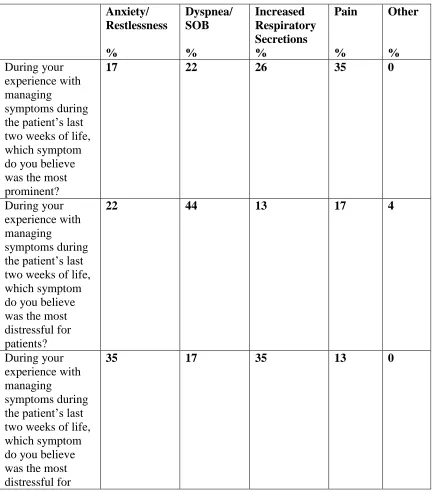
With a response rate of 77%; (n=23) participants pre-test responses indicated that pain
(35%) was the most prominent symptom among patients; Dyspnea/SOB (44%) was
identified as the most distressful symptom for patients; and anxiety/restlessness and
vi
patients’ families and/ or caregivers witnessed during a patient’s last two weeks of life.
Hospice provider’s post-test responses indicated that the most prominent symptom was
dyspnea/SOB (30%) followed by pain (22%). Additionally, the presence of
anxiety/restlessness had increased by almost (10%) in the post-test results (26%).
Healthcare providers reported the most distressful symptom for the patient was
dyspnea/SOB (44%) with the same response rate both pre-test and post-test. However,
the prevalence of pain as the most distressful symptom’s response rate decreased from
pre-test (17%) to post-test (9%). The presence of perceived increased respiratory
secretions response rate increased from pre-test (13%) to post-test (22%). This project
was consistent with the evidence that multi-symptom management is critical in end of life
vii
Table of Contents
Dedication ... iii
Acknowledgements ... iv
Abstract ...v
List of Tables ...x
Chapter 1: Introduction ...1
1.1The Description of Clinical Problem ...1
1.2Scope of problem ...3
1.3 Discussion of Practice Innovation/Best Practices to Address the Problem ...6
1.4 Statement of problem/purpose ...7
1.5 Project Questions ...8
1.6 Definitions...9
1.7 Chapter Summary ...12
Chapter 2: Literature Review ...14
2.1 Search Methodology ...14
2.2 Analysis...16
2.3 Symptoms ...16
2.4 Dyspnea...30
2.5 Increased Respiratory Secretions ...34
2.6 Pain ...39
2.7 Anxiety ...54
viii
2.9 Other Analgesics ...56
2.10 Anticholinergic ...57
2.11 Benzodiazepines ...58
2.12 Medications used in Specific Terminal Illnesses ...58
2.13 Route of Administration ...59
2.14 Comfort Care Kits ...60
2.15 Patient and Caregiver Education ...62
2.16 Cost Effectiveness ...63
2.17 Synthesis ...65
2.18 Summary ...66
2.19 Recommendations ...67
2.20 Implications...69
2.21 Implications for clinical education...69
2.22 Implications for Practice ...70
2.23 Implications for Policy Development ...71
2.24 Summary ...72
Chapter 3: Design ...73
3.1 Design ...74
3.2 Instruments ...75
3.3 Sample...76
3.4 Setting ...76
3.5 Procedures ...76
3.6 Description of intervention ...78
3.7 Data Analysis methods ...79
ix
3.9 Strategies to reduce barriers and increase supports ...80
3.10 Summary ...81
Chapter 4: Results ...82
4.1 Description of Sample ...82
4.2 Analysis of research questions ...82
4.3 Conclusion ...90
4.4 Summary ...92
Chapter 5: Discussion ...93
5.1 Recommendations for Practice ...93
5.2 Recommendations for Policy ...95
5.3 Recommendations for Education ...96
5.4 Recommendations for Research ...97
5.5 Limitations ...99
5.6 Conclusion ...99
References ...101
Appendix A: Scottish Intercollegiate Guidelines Network (SIGN) Grading System 1999– 2012...108
Appendix B: Michigan Quality Improvement Consortium (2008) ...109
Appendix C: Symptom Management Model ...110
Appendix D: Comfort Care Kit Handout ...111
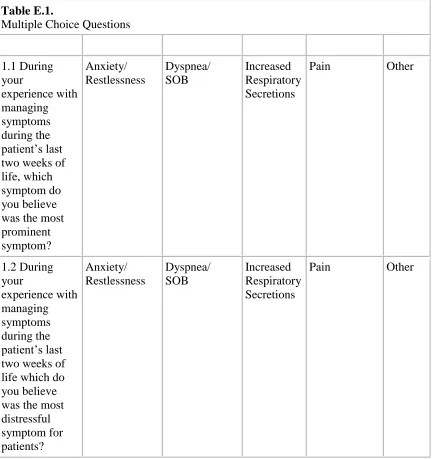
Appendix E: Pre-Test and Post-Test Survey ...112
x
List of Tables
Table 1.1: Evidence Based Practice Clinical Question ...8
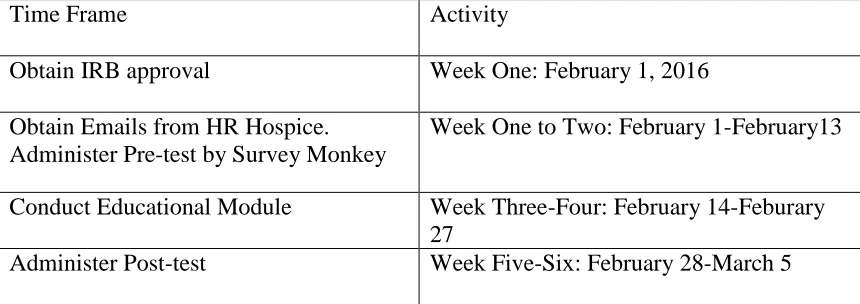
Table 3.1: Time Interval for Quality Improvement Project ...78
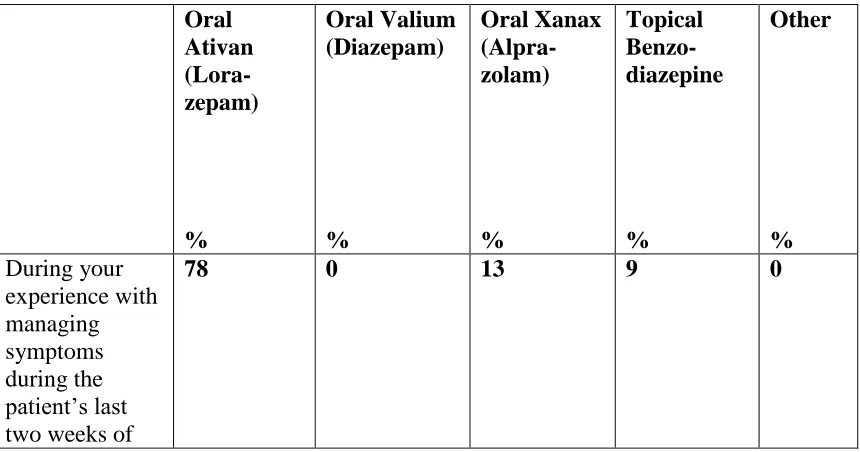
Table 4.1: Pre-test Survey Frequency Distributions ...83
Table 4.2: Pre-test Survey Frequency Distributions ...84
Table 4.3: Post-test Survey Frequency Distributions ...87
1
Chapter 1 Introduction
1.1 The Description of Clinical Problem
Approximately 2.5 million people die annually in the United States, and
approximately 1.05 million die in a palliative care or hospice care environment. In 1967,
the first modern hospice was established by Dame Cicly Saunders with the goal to
improve the quality of life for dying people (Anderson & Chojnacka, 2012). Hospice
patients experience multiple symptoms in the terminal phase of the dying process, often
impairing the quality of life during the end-of-life transition. These symptoms include
increased pain, secretions, nausea, dyspnea, and anxiety/restlessness. The most
problematic symptoms identified in the terminal phase of death are pain, anxiety, nausea,
and increased respiratory tract secretions (Anderson & Chojnacka, 2012; Bishop,
Stephens, Goodrich, & Byock, 2009; Sera, McPherson, & Holmes, 2014). To improve
the quality of life during the end-of-life transition, evidence indicates that it is critical to
have anticipatory medications at the patient’s residence to manage multiple symptoms
rather than focusing exclusively on pain management (Anderson & Chojnacka, 2012;
Bishop et al., 2009; Wowchuk, Wilson, Embleton, Garcia, Harlos, & Chochinov, 2009).
During the final days of the dying process, distressful symptoms, especially respiratory
tract symptoms, can also emotionally impact the patient’s family and loved ones because
2
on”; therefore, it is essential to encourage multi symptom management (Anderson &
Chojnacka, 2012).
The number of hospice patients and end-of-life operations have rapidly increased
over the past several years. According to the National Hospice and Palliative Care
Organization in 2012, an estimated 1.5 to 1.61 million patients received services from
hospice care and over 5,500 hospice programs exist across the nation (NHPCO, 2013).
With an increased demand for hospice services, it is essential for healthcare providers to
focus their attention on this vulnerable population and deliver best practice measures to
improve their patients’ quality of life during the end-of-life transition. Best practices
warrant investigation and multi-symptom management for the improvement of hospice
patients’ quality of life. A continuously evolving healthcare milieu requires increased
utilization and application of evidenced-based research for hospice care and end-of-life
symptom management. Applying knowledge is obligatory to implement interventions
that promote optimal quality comfort measures experienced during the end-of-life
transition. Providing palliative care does not allow patients’ to elude death, rather it
provides them with the autonomy for symptom management and to accept dying as a
natural process that deserves complete dignity. Increasing evidence-based research on
multi-symptom management, and not just focusing on pain as the only distressful
symptom that occurs during the terminal phase of death, is imperative. The purpose of
this quality improvement project is to compare the provider’s perceptions using an
educational model of applying single symptom management versus multi-symptom
management during the end-of-life transition in adult patients over 18 for improved
3
1.2 Scope of problem
First, evidence shows that Hospice patients experience multiple symptoms, not
just pain. Sera et al. (2014) reported that the most prominent symptoms encountered in
hospice patients at end-of-life were pain, dyspnea, nausea, delirium, anxiety, and
depression. These findings paralleled a study by Wowchuk et al. (2009) who reported
that retained respiratory secretions and subsequent dyspnea, were the most common
causes of distress experienced during the terminal phase by this vulnerable population.
The study also demonstrated that the most prominent symptoms addressed in hospice
patients were pain, nausea, vomiting, shortness of breath, agitation, confusion, retained
respiratory secretions, and weakness (Wowchuk et al., 2009). Johnson, Kassner, Houser,
and Kutner (2005) identified that several studies in both hospice and non-hospice
environments identified fatigue, not pain, as the most severe and distressful symptom
experienced by terminally ill patients.
Despite a myriad of symptoms experience by hospice patients at the end-of-life,
hospice care continues to focus on pain management, leaving the other symptoms
unaddressed. According to Fleming, Sheppard, Mangan, Taylor, Tallarico, Adams, and
Ingham (2006) as death approached in patients diagnosed with cancer, the psychological
variables anxiety and depression become more significant than physical symptoms.
Dying patients suffer from symptoms that are treatable, many experience serious pain;
however, due to less research on other symptoms, evidence suggests a pattern of
inadequate symptom management (Kutner, Kassner, & Nowels, 2001). Barriers for
effective symptom management differ among different groups of symptoms, symptom
4
2005). Quality of life is poor with single symptom management versus multi-symptom
management.
Secondly, data indicate that families experience distress with insufficient
symptom management. For example, Curtis, Patrick, Engelberg, Norris, Asp, and Byock
(2002) identified the perspective of family members after the death of their loved one.
Their evidence showed that family members reported anxiety among themselves in
dealing with their loved one’s symptom management at the end-of-life. There is a lack of
research regarding the training or skills required by family caregivers to manage
medications at home when dealing with multiple symptoms associated hospice patients
during the end-of-life transition (Lau, Kasper, Hauser, Berdes, Chang, Berman,
Masin-Peters, Paice, & Emanuel, 2009). According to Lau et al. (2009) evidence suggest that
family caregivers feel inadequately prepared to manage hospice patient’s medication and
symptom control. Most family members are unknowledgeable on the subject of
pharmaceutical regimens, they require education in medication and symptom
management. Kutner and colleagues (2001) addressed the need to prepare caregivers to
administer immediate symptom relief by calling the hospice for directions and utilizing
the symptom relief kit when a sudden decline in patient’s comfort becomes obvious. The
hospice nurse in one study actively discussed with the patient’s family members what to
expect, what certain symptoms occurred, how to approach the management of particular
symptoms, reduce anxieties, and decrease the occurrence of hospitalizations in the
hospice patients population (Wowchuk et al., 2009). A similar study demonstrated that
5
by the hospice patients will be addressed within the established plan of care (Bishop et
al., 2009).
Third, government accountability by CMS (2013) is now requiring that hospice
and palliative care organizations utilize and report quality measures in end of life
transition environments, otherwise, a reduction in reimbursement will occur for failure to
comply. With the evolving changes in the U.S. National healthcare reform,
reimbursements and regulatory compliance changes from Centers for Medicare &
Medicaid Services (CMS) should be an impetus for all hospice and palliative care
organizations to utilize quality measures. According to the CMS (2013), to avoid a
reduction in the Annual Payment Determination in 2015, it has been a federal
requirement for all hospice agencies as of March 3, 2014 to collect and submit data to
CMS for two measures. These methods include structural measures related to the content
of their Quality Assessment and Performance Improvement (QAPI) program and the
National Quality Forum (NQF) #0209 Pain Measure (CMS, 2013). According to the
CMS (2013) structural measures provides CMS with general information about the kinds
of patient care related quality indicators (QIs) used in hospice organizations’ QAPI
programs, an example of patient care related quality indicators may address topics such
as symptom management (e.g., pain, dyspnea, nausea, anxiety, depression). Moreover,
CMS (2013) the NQF #0209 reflects the number of patients who report being
uncomfortable because of pain at the initial assessment (after admission to hospice
services) who report that pain was brought to a comfortable level within 48 hours of
admission to hospice. Steindal, Bredal, Sorbye, and Lerdal (2011) recommend electronic
6
facilitate a thorough record of data identifying symptoms that occur in dying patients.
CMS also reported that each hospice operation that cares for Medicare patients must
submit data for both measures to CMS by the deadline April 1, 2014 to comply with
reporting requirements (CMS, 2013). These quality of life measures are important
because they represent a holistic approach with multi symptom management, thus
improve the end of life transition experience for patients and their families.
During the end-of-life transition symptoms and clinical signs in hospice patients
serve as the basis for individualized multi-symptom management to improve quality of
life (Steindal et al., 2011). Morphine alleviates only two symptoms in hospice patients
during the end-of-life transition, pain and dyspnea. Steindal and colleagues (2011)
support the management of multi-symptom management for facilitate improved
outcomes for patients at the end-of-life transition. Federal agencies require
multi-symptom management for reimbursement. Families are expecting multi-multi-symptom
management for end of life transition for loved ones. A dilemma that family members
face is the moral obligation to alleviate a patient’s suffering and the uncertainty regarding
the best choice of symptom relief (Brown & Vaughan, 2013).
1.3 Discussion of Practice Innovation/Best Practices to Address the Problem
Evaluation of hospice patients during the terminal phase of dying is essential to
address multi-symptom management. Utilizing anticipatory multi-symptom interventions
allow the patient’s symptoms to be relieved quickly, effectively, and results in improved
outcomes and better standards of care (Anderson & Chojnacka, 2012; Kinley, Stone, &
7
which medication or intervention can be delivered to yield the best patient outcome and
alleviate the symptoms. Comfort care kits or anticipatory medications are often used for
hospice patients experiencing episodes of distressing multi-symptoms.
When a patient experiences a symptom, the caregiver is able to administer a
comfort medication after notifying the hospice agency first. Comfort care kits contain
medications that address multiple symptoms including pain, dyspnea, nausea/vomiting,
anxiety/restlessness, agitation/delirium, noisy secretions, and fever. The implementation
of multi-symptom management guidelines best integrate standards of care in clinical
practice for managing multiple symptoms and improving quality of life during end of life
transition (Anderson & Chojnacka, 2012; Wowchuk, et al., 2009).
1.4 Statement of problem/purpose
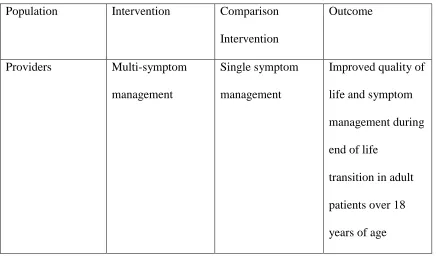
In adult hospice patients 18 years and over, how does the provider’s perception of
using multi symptom management following an educational model compare to single
symptom management medication improve overall quality of life during the end-of-life
transition? The Population (P) are providers managing adult patients in hospice care.
The Intervention (I) is the implementation of multi symptom management educational
module. The Comparison (P) is the current practice of using single symptom
management. The Outcome (O) is effectively managing multi symptoms for improved
quality of life during the end-of-life transition in adult patients over 18 in hospice. The
most common symptoms during the terminal phase of illness were documented as pain,
sickness, agitation, and respiratory tract secretions (Anderson & Chojnacka, 2012).
end-8
of-life transition include pain, excessive secretions, and terminal restlessness (Kinley
et.al, 2013). In this project the following symptoms will be examined: pain, dyspnea,
increased secretions, and restlessness for quality of life outcomes. The goal is to enhance
comfort and promote the quality of life for individuals and their families during the end
of life transition.
Table 1.1: Evidence Based Practice Clinical Question
Population Intervention Comparison
Intervention
Outcome
Providers Multi-symptom
management
Single symptom
management
Improved quality of
life and symptom
management during
end of life
transition in adult
patients over 18
years of age
1.5 Project Questions
The project was guided by the following clinical questions:
Does the utilization of anticipatory medications prevent delays in symptom
management during the dying phase?
What medications alleviate pain best in patients during the end-of-life transition?
9
What evidence identifies the best medications to use in hospice patients with
dyspnea, respiratory distress, increased secretions, anxiety and/or restlessness?
What type of educational support do providers and families need to best manage
multi-symptoms of their loved ones in hospice care?
What is the quality of life for patients and their families experiencing
multi-symptom management?
1.6 Definitions
Hospice has been considered to be the model for quality, compassionate care for
people facing a life-limiting illness or injury. Hospice care involves a team-oriented
approach to expert health care, pain management, and emotional and spiritual support
expressly tailored to the patient's needs and wishes (National Hospice and Palliative Care
Organization, 2013). It has been essential for all hospice organizations to focus on
maintaining the quality of life through symptom management, healthcare educational
support, and ensuring that the patient’s dignity remains upheld during the difficult
transition into death. There may be a misconception that only patients with stage IV
cancer or a prognosis of less than two weeks qualify for end-of-life care. End-of-life care
promotes and improves quality of life to patients whose physicians have given them a
prognosis of six months or less to live. According to the NHPCO (2010), hospice affirms
the concept of palliative care as an intensive program that enhances comfort and
promotes the quality of life for individuals and their families; furthermore, hospice
recognizes that a peaceful and comfortable death has been an essential goal of health
10
Hospice is defined as a model for quality, compassionate care for people facing a
life-limiting illness that involves a team-oriented approach to expert health care,
pain management, and emotional and spiritual support tailored to the individual
patient’s and loved one’s needs and wishes (NHPCO, 2013). Hospice focuses on
caring, not curing terminally ill patients that have a prognosis of less than six
months to live.
Adults are defined as individuals 18 years old and over.
End-of-life care is defined as the promotion and improvement in quality of life to
imminent patients, rather than attempting to cure underlying disease in patients
whose healthcare providers have given them a prognosis of six months or less to
live. End-of-life care requires a holistic approach for those suffering with life
limiting illnesses. During this terminal phase of life patient’s wish to be
comfortable, free of pain, and other symptoms (Klinkenberg, Willems, Wal, &
Deeg, 2004).
Pain is defined as a subjective intolerable discomfort for patients triggered by the
nervous system. The onset of pain can occur acutely, intermittent, continuous, or
chronic. Pain is identified as one of the most common and distressing symptoms
encountered in hospices patients receiving end-of-life care that medications can
help alleviate (Rurup, Borgsteede, Heide, Maas, & Onwuteaka-Philipsen, 2009;
Zerzan, Benton, Linnebur, O’Bryant, & Kutner, 2010).
Dyspnea is defined as difficulty breathing, shortness of breath, the feeling of
11
Increased secretion is defined as secretions that have settled in the upper airways
and oropharynx. Noisy, moist, bubbling breathing is heard and is considered an
indicator that a person’s may be actively dying (Kinley et al., 2013; Kintzel,
Chase, Thomas, Vancamp, & Clements, 2009).
Terminal restlessness is defined as signs of restlessness include tossing, turning,
thrashing, agitation, involuntary muscle jerks, or moaning that can occur during
the final days or hours for a person (Kinley et al., 2013).
Multi symptom management is defined as a focus on various discomforts, multi
concurrent symptoms, or manifestations experienced by patients.
Comfort care kits is defined as emergency kits containing anticipatory
medications for uncontrolled pain, respiratory distress, restlessness, agitation, and
nausea (Bishop et al., 2009).
Anticipatory Medications are medications ordered for a patient to ensure there is
no delay in responding to any symptom that may occur during the end-of-life
transition (Kinley et al., 2013).
Quality of life (QoL) is defined as the final common pathway for hospice care
services where healthcare professional reflects an individual’s satisfaction with
his/her current situation and has been defined as a sense of well-being concerning
physical, psychological, social, and spiritual dimensions (Henoch, Bergman,
Gustafsson, Gaston-Johansson, & Danielson, 2007).
Healthcare provider is defined as a doctor of medicine or osteopathy, podiatrist,
12
who is authorized; holds a license to practice by the State to deliver patient care
within their scope of practice as defined by their State’s law.
Family is defined as a group of individuals related by blood or affection.
Members of families can include the following: parents, siblings, grandparents,
aunts, uncles, cousins, or close friend that are considered a social unit.
Palliative care is defined as care aimed to improve the quality of life of patients
and their families facing a life-limiting illness (Crang & Muncey, 2008).
Palliative care is defined as the active total care of patients whose progressive
disease is not responsive to curative treatment and the overall focus of health care
delivery is quality of life (Conill, Verger, Henriquez, Saiz, Espier, Lugo, &
Garrigos, 1997).
Dying is defined as imminent patients in the last days of life (Frechen, Zoeller,
Ruberg, Voltz, & Gaertner, 2012).
Medication is defined as pharmacological interventions to relieve distressing
symptoms (Lau, Kasper, Hauser, Berdes, Chang, Berman, Masin-Peters, Paice, &
Emanuel, 2009).
Best Practice is defined as the application of the best available research results
(evidence) when making decisions about health care and utilizing research
evidence along with clinical expertise and patient preferences (U.S. Department
of Health & Human Services, 2015).
1.7 Chapter Summary
Hospice patients have a prognosis of six months or less to live; imminent death or
13
dyspnea. However, it does not address all the unexpected symptoms that occur with
hospice patients during their final days. Lau et al. (2009) identifies the cornerstone of
hospice care has been the utilization of medications to relieve any symptoms. In hospice
patients, anticipatory multi-symptom medications will improve overall multi-symptom
management and patient outcomes. The delivery of care encompasses the utilization of
evidenced-based best practice measures to alleviate multi-symptoms in hospice patients
and quality of life during the end-of-life transition. Anticipatory medications that address
multiple symptoms at the patient’s residence can potentially improve overall symptom
management during the end-of-life transition. Effective symptom management is one of
the many concepts necessary to improve hospice patient outcomes and allow the patient
to experience a dignified death. Implementation of comfort care kits into hospice
patients’ homes can reduce suffering and distress by both patients and their caregivers
during symptom crisis. Continuous provider and caregiver education is imperative to
understanding the symptoms and therapeutic interventions that can provide relief to
hospice patients. Identifying and appraising quality evidence from current research is
important to change current clinical practice guidelines that lead to improved patient
outcomes. The goal of this quality improvement project is to improve the quality of life
with appropriate symptom management during the end of life transition using
14
Chapter 2 Literature Review
2.1 Search Methodology
Our continuously evolving healthcare system sometimes uses evidence-based
research to facilitate process improvement. It is essential for healthcare clinicians to
possess the skills of critically appraising evidence and distinguishing best evidence from
unreliable evidence (Melnyk & Fineout-Overholt, 2011). The purpose of this clinical
quality improvement project is to compare the provider’s perceptions after an educational
model for single-symptom management versus multi-symptom management during the
end-of-life transition in adult patients to improve quality of life outcomes for a dignified
death. To that end, a systematic literature review was performed with the purpose of
identifying evidence that supports the utilization of multi-symptom management,
implementation of comfort care kits, best pharmacologic measures to alleviate multi
symptoms, and interventions to improve the quality of care provided to hospice patients
during their end-of-life transition. This study used a comprehensive search of databases
accessed through the University of South Carolina’s online library as the basis to identify
comfort and quality interventions to address multi-symptom management in hospice
patients during end-of-life care.
The electronic databases utilized in the review were CINAHL, EBSCO, OVID,
and PubMed. This project used all databases for the advanced search of medical
15
improved patient outcomes with medications, comfort care kits, or other interventions.
This quality improvement project combined groups of key search terms and words
tosearch each database. The following search terms were utilized: “death” or “terminal
care” or “hospice” or “end of life” or “dying” or “dying process” or “hospice care” or
“palliative care” and “signs or symptoms” and “symptoms” and “pain” and “dyspnea”
and “increased secretions” and “nausea” and “comfort care kits” and “medication kits”
and “medications” and “caregivers” and “morphine” and “best practice”. The limitations
were set for English-only papers with additional criteria of the publication years to have
occurred between the years 1997 through 2015. This project implemented these
limitations to generate current, up-to-date, and continuous research on specific end-of-life
care interventions. The search engine produced literature from topics on prominent
symptoms, medications utilized to alleviate symptoms, comfort medication kits,
pharmacovigilance, caregivers’ concerns/skills needed, and several articles that compared
medications used in hospice patients. The database generated significant data from
selected articles placed in a literature review table (See Appendix F) then utilized for
their analysis and synthesis.
Hierarchies of research designs have been indicated as the best levels of evidence
for this intervention type PICO question regarding multi-symptom management
compared to single-symptom management using morphine medication only to improve
overall quality of life during the end-of-life transition. Levels of evidence to answer this
type of question rank from highest to lowest in the following order: systematic
review/meta-analysis of randomized control trials (RCT); nonrandomized control trials;
16
qualitative or descriptive single studies; and expert opinions (Melnyk &
Fineout-Overholt, 2011). This study rated quantitative and qualitative studies on their level of
quality through application of the Scottish Intercollegiate Guidelines Network (SIGN)
criteria (See Appendix A). SIGN provided the audit tools necessary to distinguish
reputable data, identify proficient guidelines for changes in practice, raise the standards
of clinical care, and deliver improved patient outcomes (SIGN, 2013).
2.2 Analysis
Current research has been analyzed to identify common symptoms,
multi-symptom prevalence, medications, routes of administration, education, and
implementation of comfort care kits in hospice patients. Analysis of literature has been a
significant process utilized to support changes in current practice, policies, and
guidelines.
2.3 Symptoms
Kehl and Kowalkowski (2012) conducted a systematic review to identify the most
prominent signs and symptoms of imminent death that occur in an individual’s last two
weeks of life. These researchers utilized twelve peer-reviewed articles, representing a
total of N=2416 patients located in various home-based settings (Kehl and Kowalkowski,
2012). They identified 43 unique symptoms and calculated the prevalence of symptoms
within the population. Kehl and Kowalkowski (2012) improved the validity and reduced
the risk of bias through excluding studies that utilized retrospective recall in the
collection of data on signs and symptoms. The individual reviewers managed the articles
17
Observational studies in Epidemiology (STROBE) to filter and eliminate articles that did
not meet their criteria (Kehl and Kowalkowski, 2012). The information collected from
each article included the following: sample size; setting; study design; methods of data
collection; diagnoses of study participants; assessment period (interval of time before
death); number of symptoms evaluated; prevalence for each symptom; and overall studies
results and/or outcomes (Kehl and Kowalkowski, 2012).
Out of the 12 studies utilized, they were divided into “restricted” and
“unrestricted.” The authors considered studies where investigators identified specific
signs or symptoms prior to the examination as “restricted” and others as “unrestricted”
(Kehl and Kowalkowski, 2012). The overall data on the prevalence of signs and
symptoms were weighted and unweighted prevalence calculations (Kehl and
Kowalkowski, 2012). Weighted prevalence calculations were the mean for each sign and
symptom across the studies (Kehl and Kowalkowski, 2012). Unweighted prevalence
calculated the average percentage for each sign and symptoms across studies (Kehl and
Kowalkowski, 2012). Weighted prevalence provides a more reliable representation due
to the emphasis of results from studies with large sample sizes (Kehl and Kowalkowski,
2012). The researchers conducted a T-test using software SPSS 19.0 to determine the
prevalence of symptoms amongst restricted and unrestricted studies (Kehl and
Kowalkowski, 2012).
The studies represented data from various countries including the United States,
Japan, Canada, Spain, and Hong Kong (Kehl and Kowalkowski, 2012). The settings
included inpatient medical centers, palliative care units, long-term care units, outpatient
18
and symptoms were identified throughout the analysis of all 12 studies (Kehl and
Kowalkowski, 2012). There was a wide variation in the prevalence of symptoms that
ranged from 8.6% to 55.7% (Kehl and Kowalkowski, 2012). Kehl and Kowalkowski
(2012) identified the following as the most commonly reported symptoms: dyspnea
(62.1% w, 56.1% u); weakness (54.4% w, 23.9% u); respiratory secretions (53.3% w,
51.4% u); and pain (47.2% w, 52.8% u). According to Kehl and Kowalkowski, (2012),
the prevalence of the symptom dyspnea had a higher prevalence than pain in both
weighted and unweighted calculations. Respiratory secretions had a higher prevalence
than pain in weighted prevalence calculations; however, it had lower prevalence in
unweighted calculations (Kehl and Kowalkowski, 2012). A limitation to this systematic
review was the wide range of prevalence of signs and symptoms, variations in sample
sizes, and different methods utilized to collect data amongst the various studies. Another
limitation to the study is the consistency with accurate patient assessment and
documentation of a sign or symptom. Also, documentation as a patient’s death
approaches may be less complete due to the abrupt changes in patient status. Kehl and
Kowalkowski (2012) were rated a 1+ based on their level of quality through application
of the Scottish Intercollegiate Guidelines Network (SIGN) criteria (See Appendix A).
Bishop and colleagues (2009) identified a gap in knowledge regarding their
policies on the administration of comfort medications and the use of hospice’s medication
kits in homes to manage uncontrolled symptoms. According to Bishop et al. (2009),
“…there is little data to guide practice of managing symptomatic emergencies in the
home” (p.37). Medicare now requires hospice agencies to participate in the Medicare
19
within our healthcare systems (Bishop et al., 2009). In April 2005 through July 2005,
Bishop and colleagues (2009) conducted a retrospective research survey analyzing 22
hospice organizations across New Hampshire. The survey was administered by phone
interview, conducted by two Nurse Practitioners associated with the Dartmouth
Hitchcock Medical Center, Palliative Care Specialty (Bishop et al., 2009). The survey
included questions regarding the following: the duration of time prior to ordering a
hospice patient a medication kit and the availability of receiving the kit, “characteristics
of prescribers, pharmacies, kit contents, costs, frequency of use, and perceived impact of
kits” (Bishop et al., 2009). Additionally, Bishop and colleagues’ (2009) survey included
the following questions: “obstacles to obtaining kits; how often medications within kits
are used, and the impact of their use” (p.38). Descriptive statistics measurements were
generated utilizing the program Stata, version 8.2. (Bishop et al., 2009). Bishop et al.
(2009) defined symptoms that cause negative clinical outcome or require emergency
transport to a local hospital. The symptoms include the following: pain, dyspnea,
nausea/vomiting, seizures, acute anxiety, agitation/delirium, noisy secretions, and fever
(Bishop et al., 2009). Of the 22 hospice organizations, 59% of agencies had average
daily census (ADC) less than 20 and 41% had ADC greater than 20 patients (Bishop et
al., 2009).
All participating hospice agencies reported they dispensed medication kits to
relieve uncontrolled symptoms (Bishop et al., 2009). The agencies named the kit in
various terms: 50% used “emergency” in the kit’s title, 36% “symptom relief,” “relief
kits,” and 14% used the title “comfort” (Bishop et al., 2009). The providers prescribing
20
primary care physician or hospice medical director (Bishop et al., 2009). According to
Bishop et al. (2009), 86% of the hospice agencies utilized a written protocol for
administration of the kit and 27% had a protocol for specific negative situations such as
cardiac problems. The results regarding access to pharmacy concluded that 90% had
twenty-four hour pharmacy access, 84% had access to a pharmacy that compounded
medications, and 68% used community pharmacies (Bishop et al., 2009). Fifty-two
percent dispensed on admission and 33% within three days after the patient’s admission
to hospice (Bishop et al., 2009). Bishop et al. (2009) reported one hospice ordered the kit
once a patient was unable to swallow and 76% of hospice reported that kits are ordered
routinely for patients. Sixteen agencies reported cost for kits: 12 reported cost to $50 or
less and four reported a cost of greater than $50 (Bishop et al., 2009). Frequency for
ordering: 55% dispensed 1–10 kits in one month interval, 45% dispensed 10 or more kits
per month, and those hospice’s with higher ADC dispensed more kits per month. Of the
dispensed kits: 82% reported kits were used in more than 50% of the cases (Bishop et al.,
2009).
Hospice agencies must be prepared for symptomatic crisis at all times; otherwise,
the families are forced to seek treatment for symptoms at an emergency room or acute
care setting. Eighty-five percent reported that kits helped avoid emergency room visits
and 10% reported that it occasionally prevented unnecessary ER visits (Bishop et al.,
2009). The hospice agencies utilized various medications in their kits (Bishop et al.,
2009). All agencies’ kits contained medications to treat pain, agitation, and dyspnea;
81% for nausea and vomiting and 76% for seizures (Bishop et al., 2009). Routes of
21
routes for consumption (Bishop et al., 2009). The overall purpose is to prevent
symptomatic crisis and improve the delivery of hospice care. Hospice patients that reside
in rural geographical areas can be negatively affected by the following: the length of time
it takes for the appropriate hospice provider to arrive, assessment of symptomatic crisis,
and access to pharmacy to obtain medications (Bishop et al., 2009). Limitations to this
research included: geographical bias due to the researchers conducting the survey in a
single state, New Hampshire; sampling bias due to the small sample population utilized
and selection of participants were not randomized; and reporting bias because the tool
used to facilitate response was a survey and was a general impression of a single
representative within a hospice agency that responded. The survey was brief and did not
ask about doses of prescribed medications or the quantities of medications dispensed.
Bishop et al. (2009) reported significant variability in the types of medications, route of
administration, and dosages between the hospice agencies. Consistency in hospice
agencies’ symptom relief kits contents and protocol are essential components in the
delivery of quality care during the end-of-life transition. Bishop and colleagues (2009)
were rated a three based on their level of quality through application of the Scottish
Intercollegiate Guidelines Network (SIGN) criteria (See Appendix A).
Wowchuk, and colleagues (2009) conducted a simple descriptive study that
addressed comfort and symptom crisis management in patients anticipated to die within
two weeks in a nonmedical setting. Wowchuk and colleagues (2009) illustrated that
primary causes for unplanned admissions to hospitals during the last weeks of life
included poor symptom control and/or caregiver role strain. According to Wowchuk et
22
become difficult to treat at home, due to changes in patient medication requirements or
route of delivery that were not adequately anticipated and planned for” (p.798).
Avoiding unplanned admissions into the hospital in hospice patients during the terminal
phase includes access to anticipated medications for common symptoms that occur
during the end-of-life transition and increased caregiver education regarding
administration of comfort medications (Wowchuck et al., 2009).
Winnipeg Regional Palliative Care Program established and piloted palliative
medication kits (PMK) to manage symptomatic crisis. They included a variety of
medications in the event more than one unanticipated symptom occurred and increased
patients’ level of comfort during the end-of-life transition (Wowchuk et al., 2009).
Wowchuk and colleagues (2009) stated that the PMKs included the following
medications: morphine 50 mg/mL liquid for pain and/or dyspnea; hydromorphone
10mg/mL injectable preparation for pain and/or dyspnea; methotrimeprazine 25mg/mL
for sedative, anti-nauseant, dyspnea, and/or pain; lorazepam 1 mg sublingual to address
anxiolytic, sedative, and/or anticonvulsants; and scopolamine transdermal gel
0.25mg/0.1mL to address oral or respiratory secretions and/or nausea. Wowchuk and
colleagues’ (2009) pilot testing was approved by Winnipeg Regional Health Authority
Palliative Care Program and partnered with a local pharmacy to obtain data from 2002 to
2007. The program placed PMKs in patients’ homes anticipated to die within two weeks
and provided only a 24 hour supply of each medication (Wowchuk et al., 2009).
According to Wowchuk and colleagues (2009), nurses followed guidelines to obtain,
23
opened a PMK. The palliative care program then submitted and analyzed this data
(Wowchuk et al., 2009).
Wowchuk and colleagues (2009) reported the following: 293 kits were dispensed
and accessed; 43.7% of the population were women; overall average age was 70.3 years
old; and mean survival for time the kit was opened until patient died was 4.54 days.
Wowchuk et al. (2009) identified out of the 293 kits ordered for patients, 258 (88%) died
at home, 28 (10%) in a palliative care unit, and two (1%) in an acute care environment.
Wowchuck and colleagues (2009) reported the most prominent symptoms were pain
(24%), retained secretions (23%), and agitation/delirium (21%) that included anxiety or
confusion, dyspnea (14%), and nausea (4%). The following medications had the highest
frequency of utilization: methotrimeprazine (29%), scopolamine (28%), and dilaudid
(20%) (Wowchuk et al., 2009). Palliative care programs strive to facilitate appropriate
methods with the provision of care delivered to actively dying patients at home. These
programs strive to avoid unnecessary emergency department encounters or unintended
admissions to an acute care facility for patients that wish to receive palliative care in their
own home (Wowchuk et al., 2009). According to Wowchuk et al. (2009), frequently
poor symptom control is the leading cause for an unplanned hospitalization within this
patient population and PMKs were initially developed to extend the length of time
patients can be cared for in their home. Doyle’s assertion is that palliative care must plan
for the future and order PMKs to prevent patient suffering from anticipated symptoms
that occur during the end-of-life transition (Wowchuk et al., 2009). Limitations include
sampling bias with small sample size and nonrandomized sample size. Reporting bias is
24
median time interval of death was four days; therefore, retrieval of information may be
difficult (Wowchuk et al., 2009). Wowchuk and colleagues (2009) were rated a three
based on their level of quality through application of the Scottish Intercollegiate
Guidelines Network (SIGN) criteria (See Appendix A).
Sera and colleagues (2014) conducted a Retrospective Cross-sectional Study to
analyze commonly prescribed medications utilized within the hospice population.
According to Sera and colleagues (2014), studies on the types of medications prescribed
to patients receiving palliative care have shown that chronic conditions medication intake
decreases whereas symptom management medication intake increases. Sera and
colleagues (2014) utilized data provided by a national hospice organization, Seasons
Hospice & Palliative Care, located in 11 states. Sera et al. (2014) study used patient
electronic medical records (EMR) to gather the following data: clinical database of
patient demographic and medication. Patients included in the study were admitted to
hospice on or after January 1, 2010, if they died in hospice on or before December 31,
2010 (Sera et al., 2014). The EMR provided the following information: drug name,
dosage, formulation, strength, pharmacological class, and compounded formulations
(Sera et al., 2014). Sera and colleagues (2014) gathered the following demographic
variables: age, sex, race, and state of residence. They also evaluated the patients’
admitting diagnosis, location of care, and length of stay. They utilized Microsoft Excel
to run statistical analysis on all variables. Sera and colleagues (2014) included (N=4252)
hospice patients in this study located in 11 states.
Sera et al. (2014) illustrated essential patient demographics as the following:
25
Caucasian. Sera and colleagues (2014) identified the most common primary admitting
diagnosis was cancer at 34.6%, the most common setting for hospice was reported at
home 29.2%, and the average length of stay was 22.2 days (median eight days, range 1–
353 days). Sera et al. (2014) reported out of the 100 most commonly prescribed
medications in hospice population, the six most common drugs included in symptom
management medication kits included the following: acetaminophen 85.8%, morphine
84.4%, haloperidol 49%, lorazepam 84.5%, prochlorperazine 47.3%, and atropine 62.5%.
Out of all drug classes, the most prescribed medications were reported for symptom
management use (Sera et al., 2014). Sera et al. (2014) identified that 60% of hospice
patients were prescribed the following during admission: opioid and nonopioid
analgesics, anxiolytics, anticholinergics, and antipsychotics. According to Sera et al.
(2014), hospice patients with cancer were commonly prescribed opiods, antipsychotic
agents, corticosteroids, and antiemetic medications. Hospice patients with dementia were
commonly prescribed nonopioid analgesics, vitamins or supplements, and antiplatelet
medications (Sera et al., 2014). The majority of hospice patients with lung disease were
prescribed bronchodilators (Sera et al., 2014). Overall, the prescription of opioid
analgesic medications showed a statistical significance with P value = 0.01 among the
hospice patients admitted with cancer, dementia, and lung disease. Sera et al. (2014)
identified the importance for additional research concerning particular end stage diseases
and specific medications that provide positive patient outcomes with symptom
management. The sample bias was the use of only one national hospice organization.
This study identified the reporting bias by data regarding medication use that was not
26
through application of the Scottish Intercollegiate Guidelines Network (SIGN) criteria
(See Appendix A).
Comfort and being free of all symptoms are the main wishes of a patient during
their final days (Klinkenberg et al., 2004). Klinkenberg and colleagues (2004) reported
that end-of-life patients are a vulnerable population and research cannot be generalization
to the entire terminal population. They believed that conducting “after death interviews”
with relatives of the loved one approaches the perception of the experience differently
(Klinkenberg et al., 2004). Klinkenberg and colleagues (2004) conducted a retrospective
research study. The sample (N=270) included the relatives of decedents’ (aged 59–91)
evaluation of symptom control and outcomes as reported by relatives after the death
(Klinkenberg et al., 2004). Klinkenberg et al., (2004) analyzed the presence of symptom
burden, the associations (overall and symptom specific), chronic diseases, and cognitive
functioning. The study randomly retrieved the sample of 3,107 subjects from older
participants aged 55 to 85 years old from the Longitudinal Aging Study Amsterdam
(LASA). In September 1992 to 1993, they completed a baseline interview and in
September 1995 to 1996, they conducted a follow-up interview. Only 270 proxy
members participated. They consisted of spouses or children of the deceased hospice
patient (Klinkenberg et al., 2004). Twenty-six months was the mean time between death
and the interview with the relative. The interval of time ranged from four months to
almost four years (Klinkenberg et al., 2004). The following characteristic of participants
was recorded: sex, age at death, type of residence at three months before death, and place
of death (Klinkenberg et al., 2004). According to Klinkenberg and colleagues (2004)
27
week of life include the following: fatigue, pain, shortness of breath, depression, anxiety,
confusion, and nausea/or vomiting. The interview consisted of questions regarding the
deceased relative’s cognitive decline, presence of chronic diseases, consciousness during
the last week of life, and ability to communicate and make decisions (Klinkenberg et al.,
2004). The sample utilized consisted of 167 men (62%) and 103 women (38%) with a
mean age of 80 years old (Klinkenberg et al., 2004). According to Klinkenberg and
colleagues (2014), almost half of the sample had two or more chronic diseases while 10%
reported none. Thirty-six percent reported cognitive decline over the last three months of
life and 34% were unable to make decisions in the last weeks of life. Out of the 34%
unable to make decisions, 15% were not capable of communicating, while 4% were
nonresponsive throughout the last weeks of life (Klinkenberg et al., 2004).
Klinkenberg and colleagues illustrated with this population the prevalence of
symptoms during the end-of-life transition are the following: fatigue (83%), shortness of
breath (50%), pain (48%), confusion (36%), anxiety (31%), depression (28%), and
nausea and/or vomiting (25%) (Klinkenberg et al., 2004). Klinkenberg et al. (2004)
reported that (75%) of the population had two or more symptoms and (9%) reported no
symptoms during their last week of life. Klinkenberg and colleagues (2004) identified
that patients with severe cognitive decline reported a higher symptom level than patients
with no or low cognitive decline. Patients with terminal cognitive decline demonstrated
higher score on all symptoms with the exception of pain and shortness of breath during
the end-of-life transition (Klinkenberg et al., 2004). Through their analysis of the
relationship between chronic disease and symptom burden, the following three diseases
28
(P<0.001), and cancer (P<0.001). COPD was associated with an increased chance the
patient suffered from shortness of breath (OR = 12.7; 95% CI: 5.4-30) and cancer patients
have an increased incidence of suffering from pain (OR = 3.9; 95% CI: 1.7-16.7).
According to Klinkenberg et al. (2004), cognitive decline is problematic to symptom
management due to a patient’s inability to communicate; therefore, it is essential to
monitor these patients’ non-verbal cues.
According to Klinkenberg and colleagues (2004), results revealed it was not
uncommon that patients from the Netherlands suffered from symptoms during the
end-of-life transition. Limitations include geographical bias due to the study conducting the
survey in the Netherlands. Reporting bias is applicable to this study because it collected
data regarding the relatives and caregivers’ perception of the deceased patients’
distressful symptoms during the end-of-life transition. Additionally, another limitation
was the variation in the length of time between the patient death and interview of
caregiver. According to Klinkenberg et al. (2004), the participants selected died between
1995 and 1998; therefore, accuracy in recall of patient’s symptoms could be problematic.
Klinkenberg and colleagues (2004) were rated a 2 + based on their level of quality
through application of the Scottish Intercollegiate Guidelines Network (SIGN) criteria
(See Appendix A).
Common symptoms found throughout the hospice patient population have been
pain, dyspnea, nausea/vomiting, seizures, agitation, acute anxiety, and delirium. Kehl
and Kowalkowski (2012) found in multiple studies that the most commonly reported
symptoms during the last two weeks of life were dyspnea, weakness, respiratory
29
90% of seriously ill patients and healthcare providers valued being free of pain, anxiety,
and shortness of breath in the last days of life as most important. According to Wowchuk
et al. (2009) the study demonstrated that the most prominent symptoms addressed in
hospice patients were pain, nausea, vomiting, shortness of breath, agitation, confusion,
retained respiratory secretions, and weakness. In comparison Sera and colleagues (2014)
reported that the most prominent symptoms encountered in hospice patients at end-of-life
were pain, dyspnea, nausea, delirium, anxiety, and depression. Klinkenberg et al. (2004)
found that the seven most prominent symptoms identified as burdensome during the last
two weeks of life included fatigue, pain, shortness of breath (dyspnea), anxiety, nausea,
confusion, and depression. Out of their sample, only 9% of the population had been
symptom free during the last week of their life (Klinkenberg et al., 2004).
Bishop and colleagues (2009) reported symptomatic crises were highest in
prevalence among hospice patients as compared to most non-end-of-life populations.
Managing these symptoms has been critical to the end-of-life transition, as the majority
of hospice patients reported the desire to remain at home throughout the end of their lives
(Bishop et al., 2009). Symptomatic crises involved the following conglomerate of
variables: understanding end-of-life symptoms; providing education to patients and
caregivers to identify which medications to utilize in order to control the present
symptoms; understanding the medical management in hospice patients who were rapidly
declining; and alleviating caregiver role strain due to unmanageable symptoms (Bishop et
30
2.4 Dyspnea.
Conill and colleagues (1997) conducted a descriptive study to assess the
frequency of symptoms during a patient’s last days of life and utilized this data as a
comparison of the patient’s symptoms reported at their first evaluation. The study
included consecutive patients (N=176) whom passed away at their home, in a hospice
regional social health support area, or in a hospital setting (Conill et al., 1997). The
participants were involved during a one-year timeframe (January through December
1994) and given a questionnaire to assess the prevalence of symptoms at first evaluation
and then during the last seven days of life (Conill et al., 1997). End-of-life patient
population with advanced diseases belonged to various settings including the following:
Department of Radiation Oncology, Hospital Clinic, Regional Area of Social Health
Support, Home Care Teams, and Hospice (Conill et al., 1997). The mean age of patients
was 67.7 years of age that included men (N=121) and women (N=55) (Conill et al.,
1997). The mean time interval between the first and second assessment was 6.5 weeks
(Conill et al., 1997). A total of 56.8% of patients’ second assessment interview were
conducted during their last 48 hours of life (Conill et al., 1997). The top three reported
symptoms by participants in both assessments included asthenia, anorexia, and dry mouth
(Conill et al., 1997). Conill and colleagues (1997) identified that the prevalence of pain
was reported higher at the first assessment (52.3%) and reported lower (30.1%) during
the second assessment. Also, 64.2 % of the patients involved in the study passed away in
their home (Conill et al., 1997). Limitations to this study include the patient’s differential
life-limiting diseases. There is reporting bias because patients experience various
31
indicate if the participants were a randomized sample. Conill and colleagues (1997) were
rated a 3 based on their level of quality through application of the Scottish Intercollegiate
Guidelines Network (SIGN) criteria (See Appendix A).
Tranmer, Heyland, Dudegeon, Groll, Squires-Grahman, and Coulson (2003)
participated in a descriptive study to compare symptom experience between hospitalized
cancer and non-cancer patients near the end-of-life. Tranmer and colleagues (2003)
utilized the Memorial Symptom Assessment Scale (MSAS) to compare symptom
experience and to determine if this tool was a valuable measurement for symptom
distress in noncancer patients and Piper Fatigue Scale (PFS), a measurement tool of the
symptom fatigue. Tranmer et al. (2003) explained common symptoms experienced at the
end-of-life transition are fatigue, anxiety, and/or pain, which are associated with a
decreased level of comfort in this population. The (MSAS) was developed to evaluate
symptom prevalence, frequency, severity, and distress (Tranmer et al., 2003). Tramner
and colleagues (2003) conducted an exploratory analysis at a hospital in Ontario, Canada,
during June 1999 to November 2000. Patients were screened on admission to the
university-affiliated hospital’s medical or surgical floors for prospective eligibility
(Tramner et al., 2003).
Patients 18 years or older with one of the following diseases and a prognosis of
50% at six months were included in the analysis: Chronic Obstructive Pulmonary Disease
(COPD), Congestive Heart Failure (CHF), Cirrhosis, and Cancer. Researchers conducted
face-to-face interviews with consenting patients utilizing a questionnaire package that
contained both the MSAS and the Piper Fatigue Scale (PFS) (Tranmer et al., 2003). The
32
the tool used to compute statistical analysis of data was evaluated with the utilization of
SAS Version 8.2 (Tranmer et al., 2003). Tranmer et al., (2003) illustrated only one
statistical significance with the demographics amongst both groups: non-cancer patients
were older (average 79 years old), versus cancer patients (64 years old). Additionally,
non-cancer patients had a higher prevalence of admission to inpatient hospital ICU or
step down units in comparison to cancer patients. They identified that cancer patients
(41%) were most likely to receive palliative care over non-cancer patients (6%). Tranmer
et al. (2003) demonstrated that the six-month mortality rate was significantly higher in
cancer patients (51%). Patients in the cancer group reported a significantly higher
prevalence (P<0.01) of the following symptoms in comparison to non-cancer patients:
pain (78% vs. 49%), nausea (61% vs. 28%), unpleasant taste (50% vs. 19%), constipation
(48% vs. 38%), and vomiting (41% vs. 10%). The non-cancer group demonstrated the
following significant results with their experience of prominent symptoms: shortness of
breath (86% to 38%) and cough (72% to 52%) over the cancer patients’ prevalence
(Tranmer et al., 2003). The study identified no prevalence of psychological symptoms as
statistically significant between the two groups (Tranmer et al., 2003).
Tranmer and colleagues (2003) determined through the analysis of symptom
characteristics that non-cancer patients revealed greater frequency of weight loss (64%
vs. 32%), increased distress associated with dizziness (35% vs. 5%), and coughing (48%
vs. 21%). The symptom score associated with coughing acknowledged a significance,
cancer patients score (1.74 vs. 2.29) (P<0.05). The prevalence of symptoms was high in
both non-cancer and cancer patients, the average number of symptoms experienced was
33
The cancer group illustrated a significantly higher prevalence of the symptoms pain,
nausea, unpleasant taste, vomiting, and constipation (Tranmer et al., 2003). The
non-cancer group reported a higher prevalence of shortness of breath and cough (Tranmer et
al., 2003). Tranmer and colleagues (2003) identified no significant difference in
prevalence of psychological symptoms between the two groups. Tranmer and colleagues
(2003) illustrated the significance to research the distinct physical symptoms associated
with specific illnesses. This supports the implementation of comfort care kits into
end-of-life care patients’ environments to alleviate various symptoms during crisis until
further assessment is accomplished. Severity scores were higher in both groups than
frequency and distress scores (Tranmer et al., 2003). The following highest symptom
results of both groups included the following: pain (2.80), lack of energy (2.76),
shortness of breath (2.75), difficulty sleeping (2.61), dry mouth (2.57), and feeling
worried (2.56). The prevalence was found to be different; however, the distress from
pain was found to be similar between the two groups (Tranmer et al., 2003). When
cancer patients experienced shortness of breath the distress was statistically significant to
experiences report by COPD and CHF patients. The illustrated that both cancer and
non-cancer patients experience multiple symptoms frequently during the end-of-life transition
(Tramner et al., 2003). They identified MSAS was an adequate tool in the utilization of
calculating symptom prevalence and other relationships in non-cancer patients. One
limitation to this study was reporting bias, Tranmer and colleagues (2003) explained
patients may not perceive coughing, shortness of breath, or feeling worried as a symptom.
Another reporting limitation was the patients symptom experienced was measured only
34
(2003) were rated a 2+ based on their level of quality through application of the Scottish
Intercollegiate Guidelines Network (SIGN) criteria (See Appendix A).
A study by Wowchuk and colleagues (2009) reported that retained respiratory
secretions and subsequent dyspnea were the most common causes of distress experienced
during the terminal phase by this vulnerable population. These findings paralleled a
study by Kehl and Kowalkowski (2012) that reported out of 43 symptoms experienced in
the last two weeks of life, those identified with the highest prevalence had been dyspnea
56.7% over pain 52.4%. They also found in multiple studies that the prevalence of
dyspnea (62.1% weighted, 56.1% unweighted) was more prominent than pain (47.2%
weighted, 52.8% unweighted) (Kehl & Kowalkowski, 2012). According to Conill et al.
(1997) dyspnea is a distressful symptom during the end-of-life transition that often goes
unreported by patients and unnoticed by healthcare professionals. Tranmer et al. (2003)
compared symptoms of seriously ill cancer patients and noncancer patients during their
end-of-life transition. Tranmer and colleagues (2003) found that noncancer patients
reported a higher prevalence of dyspnea (86%) versus patients with cancer (38%).
During Klinkenberg and colleagues’ (2004) study on prevalence of symptoms and
symptom burden during the last week of life, dyspnea (50%) and pain (48%) was present
in over half the population sample.
2.5 Increased Respiratory Secretions.
Kintzel and colleagues (2009) conducted a literature review to identify the
effectiveness of using anticholinergic medications to reduce the symptom noisy