Fitness costs of various mobile genetic elements in
Enterococcus faecium
and
Enterococcus faecalis
Irina Starikova
1, Mohammed Al-Haroni
2, Guido Werner
3, Adam P. Roberts
2, Vidar Sørum
1,
Kaare M. Nielsen
1,4and Pa˚l J. Johnsen
1*
1Department of Pharmacy, Faculty of Health Sciences, University of Tromsø, Tromsø, Norway;2Department of Microbial Diseases, UCL Eastman Dental Institute, University College London, London, UK;3Division of Nosocomial Pathogens and Antibiotic Resistance,
Robert Koch Institute, Wernigerode Branch, Wernigerode, Germany;4GenØk—Center for Biosafety, Tromsø, Norway *Corresponding author. Tel:+47-77623156; E-mail: [email protected]
Received 15 March 2013; returned 17 April 2013; revised 7 May 2013; accepted 5 June 2013
Objectives:To determine the fitness effects of various mobile genetic elements (MGEs) inEnterococcus faecium
andEnterococcus faecaliswhen newly acquired. We also tested the hypothesis that the biological cost of vanco-mycin resistance plasmids could be mitigated during continuous growth in the laboratory.
Methods:Different MGEs, including two conjugative transposons (CTns) of the Tn916family (18 and 33 kb), a pathogenicity island (PAI) of 200 kb and vancomycin-resistance (vanA) plasmids (80 –200 kb) of various origins and classes, were transferred into common ancestralE. faeciumandE. faecalisstrains by conjugation assays and experimentally evolved (vanAplasmids only). Transconjugants were characterized by PFGE, S1 nuclease assays and Southern blotting hybridization analyses. Single specific primer PCR was performed to determine the target sites for the insertion of the CTns. The fitness costs of various MGEs inE. faeciumandE. faecaliswere esti-mated in head-to-head competition experiments, and evolved populations were generated in serial transfer assays.
Results:The biological cost of a newly acquired PAI and two CTns were both host- and insertion-locus-dependent. Newly acquiredvanAplasmids may severely reduce host fitness (25% –27%), but these costs were rapidly miti-gated after only 400 generations of continuous growth in the absence of antibiotic selection.
Conclusions:Newly acquired MGEs may impose an immediate biological cost inE. faecium. However, as demon-strated forvanAplasmids, the initial costs of MGE carriage may be mitigated during growth and beneficial plasmid– host association can rapidly emerge.
Keywords:antimicrobial resistance, horizontal gene transfer, adaptation, directional selection, plasmids, PAI, Tn916, Tn6000
Introduction
Enterococci are Gram-positive bacteria that normally inhabit the gastrointestinal tract of humans and animals. However, they have become the third most common cause of nosocomial in-fection due to their ability to develop multidrug resistance and horizontally acquire additional DNA associated with niche adapta-tion.1,2Enterococcus faecalishas been the predominant pathogenic
enterococcal species in clinical settings, but the relative frequency of Enterococcus faecium is steadily increasing.3,4 Enterococcus
spp. are well known for their intrinsic resistance to a number of antimicrobial agents, which, accompanied by their ability to acquire resistance determinants, makes treatment challenging.
Mobile genetic elements (MGEs) are common in enterococci,5
with conjugative transposons (CTns), pathogenicity islands (PAIs) and plasmids all contributing to resistance, virulence and host adaptation. CTns of the Tn916 family are primarily res-ponsible for transferable tetracycline resistance.6Tn916has been found in, or introduced into, more than 30 different genera of bacteria,6 whereas Tn6000 and related elements have been
found only inEnterococcusspp.7In addition, different virulence determinants have been shown to be present on multiple PAIs also capable of transfer.8 Plasmids are responsible for, among many adaptive traits, the majority of observed transferable vancomycin resistance.2
#The Author 2013. Published by Oxford University Press on behalf of the British Society for Antimicrobial Chemotherapy.
This is an Open Access article distributed under the terms of the Creative Commons Attribution Non-Commercial License (http://
creativecommons.org/licenses/by-nc/3.0/), which permits non-commercial re-use, distribution, and reproduction in any medium, provided the original work is properly cited. For commercial re-use, please contact [email protected]
J Antimicrob Chemother
2013;
68
: 2755 – 2765
doi:10.1093/jac/dkt270 Advance Access publication 5 July 2013
Glycopeptide-resistant enterococci (GRE) were first reported in the late 1980s,9and have since been found worldwide. GRE are troublesome nosocomial pathogens since the glycopeptide vanco-mycin is considered to be a key therapeutic agent for treating multidrug-resistant, Gram-positive pathogens.5,10To date, eight types of acquired vancomycin resistance gene clusters have been described in enterococci. The VanA resistance phenotype is the most prevalent,5and thevanAgene cluster is often plasmid-located and
associated with Tn3-like transposons of the Tn1546prototype.2,11–13
The emergence and spread of antimicrobial resistance determi-nants by MGEs is not limited to glycopeptide resistance. Entero-cocci have been termed a ‘hub’ of MGEs,13,14resulting in concern over the transfer of resistance determinants from the enterococci into more obligate pathogenic bacterial species, including members of the generaStreptococcus,Clostridiumand Staphylo-coccus.15–17An increasing body of descriptive data on the molecu-lar structure and epidemiology of MGEs in Enterococcus has emerged over recent years. However, a knowledge gap currently exists relating to the specifics of the population dynamics of MGEs inEnterococcus.An increased understanding of how MGEs affect their bacterial hosts is fundamental to understanding the different biological factors controlling the emergence, spread and persistence of antibiotic resistance determinants.2,18
Until the late 1980s, the prevailing dogma was that antibiotic re-sistance would rapidly disappear from bacterial populations fol-lowing withdrawal or reduced antibiotic consumption levels of the corresponding antimicrobial drugs. This was due to the as-sumption that, in the absence of selective pressure from antimicro-bial agents, less-fit resistant bacteria would be outcompeted by their more-fit but susceptible counterparts in the population. However, studies from the late 1980s and throughout the 1990s pointed out that bacteria with acquired resistance kept the mechanisms of resistance and alleviated the fitness costs of such traits through compensatory evolution, instead of reverting to susceptibility.2,19–21
It is now clear that, in the absence of selective pressure caused by antibiotics, newly acquired resistances often reduce bacterial fitness when compared with their antibiotic-susceptible counter-parts in the population. This has been termed ‘the biological cost of resistance’.22It is also clear that the time needed for reversal of this is a function of the magnitude of these biological costs. Theory also suggests that the biological cost of resistance plays an important role in the emergence of resistance during antimicro-bial therapy in patients.18Thus, the biological cost of resistance is a key parameter controlling the frequency of resistance in clinical bacterial populations.19,22,23Consequently, the magnitude of the biological cost of resistance is a key determinant of the persistence of drug resistance when antimicrobial selective pressures are relaxed, i.e. following interventions.
The main body of work in the field of biological costs of resist-ance has focused on various chromosomal determinants of anti-microbial resistance.21,24–28 The methodological approaches developed in these studies are also highly relevant to investigating the biological costs associated with MGEs harbouring antimicrobial resistance determinants.
The host fitness effects caused by MGE-encoded resistance determinants can be considered at different levels. The considera-tions of fitness cost can include the MGE backbone,20,29,30or
resist-ance costs can be measured separately from it.31Whereas the
latter approach specifically addresses the biological costs of the
resistance determinant itself, it is important to acknowledge that bacteria with newly acquired MGEs face not only the cost of the re-sistance element per se, but also the additional cost of other func-tions encoded by their vectors. Co-evolution is therefore expected to occur between the MGE and the bacterial host in a process not limited to the resistance determinants alone. For instance, such co-evolutionary processes can, if they lead to an increase in relative fitness, directly affect the potential for the persistence and further spread of resistance determinants, even in situations where the resistance determinant alone confers no benefit to the host.
In this study, we experimentally measured the fitness cost of different MGEs inE. faeciumandE. faecalis, including two CTns of the Tn916family, a PAI and vancomycin resistance plasmids of various origins. We showed that, in strains with a newly acquired PAI or one of the two CTns, the biological cost depended on the host and the insertion locus. Moreover, the majority ofvanAplasmids severely reduced host fitness, and these costs were rapidly reduced in actively growing bacterial populations.
Materials and methods
Bacterial strains and populations
The bacterial strains and populations used in this study are listed in Table1. All strains and populations were grown in brain heart infusion (BHI) broth or on BHI agar plates (Sigma-Aldrich, Germany) at 378C.
Two CTns of the Tn916family that are prevalent inEnterococcusspp.6
were transferred fromBacillus subtilisBS34A (Tn916)32andEnterococcus
casseliflavus664.1H1 (Tn6000)33,34intoE. faecium64/3 andE. faecalis
OG1RF. Tn6000encodes tetracycline resistance viatet(S), whereas Tn916 encodes tetracycline resistance with thetet(M) gene. TheE. faecium64/3 transconjugants containing Tn6000 and Tn916that were selected for further study were designated TC1Tn6000and TC2Tn916, respectively.
Two PAI-containing transconjugants (designated TC4PAIand TC6PAI) and sixvanAplasmid-containing transconjugants (designated TC7vanAto
TC12vanA) had previously been generated.8,35 These transconjugants
resulted from conjugal transfer of a previously described 200 kb PAI residing inE. faecalisUW3114 as well as plasmids from various donor strains of dif-ferent geographical and temporal origins into a common genetic back-ground,E. faecium64/3. The PAI was also transferred into E. faecalis OG1RF.8In these mating experiments, the PAI was always accompanied
by the pheromone-responsive plasmid pLG2. The PAI did not, however, always co-transfer with the plasmid. Two transconjugants harbouring only pLG2 were also used in this study (TC3 and TC5).
Conjugation experiments
Transconjugants TC1Tn6000and TC2Tn916were generated using a previously
described filter mating protocol34and selected on BHI agar containing
10 mg/L of tetracycline, 32 mg/L of rifampicin and 5 mg/L of fusidic acid. Strains TC7vanASS, TC10vanASS and TC12vanASS were generated in
conju-gation experiments in which the evolved plasmids from the fitness-representative strains (TC7-1EV, TC10-1EVand TC12-1EV) were transferred back into the 64/3E. faeciumrecipient containing streptomycin and spec-tinomycin (SS) resistance markers. Conjugation was performed by filter mating as previously described,35,36with the following modifications.
Expo-nentially growing donor strains and recipients were mixed in 10: 1 ratio, and a 100mL sample of mating mixture was spread on a filter and incubated for 18 h at 378C. Transconjugants were selected on BHI plates supplemented with 10 mg/L of vancomycin, 750 mg/L of streptomycin and 1000 mg/L of spectinomycin (TC7SS, TC10SS and TC12SS). Conjugation frequencies were calculated as the number of transconjugants per donor cfu.
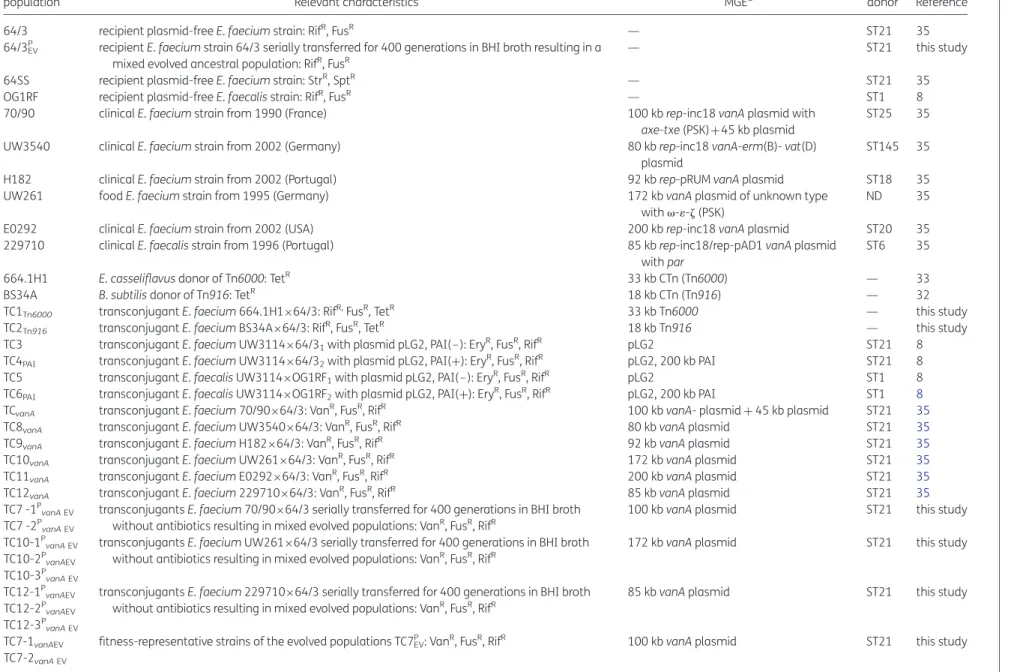
Table 1. Strains and populations used in this study Strain/
population Relevant characteristics MGEa
ST
donor Reference
64/3 recipient plasmid-freeE. faeciumstrain: RifR, FusR — ST21 35
64/3P
EV recipientE. faeciumstrain 64/3 serially transferred for 400 generations in BHI broth resulting in a
mixed evolved ancestral population: RifR, FusR
— ST21 this study
64SS recipient plasmid-freeE. faeciumstrain: StrR, SptR — ST21 35
OG1RF recipient plasmid-freeE. faecalisstrain: RifR, FusR — ST1 8
70/90 clinicalE. faeciumstrain from 1990 (France) 100 kbrep-inc18vanAplasmid with
axe-txe(PSK)+45 kb plasmid
ST25 35
UW3540 clinicalE. faeciumstrain from 2002 (Germany) 80 kbrep-inc18vanA-erm(B)- vat(D)
plasmid
ST145 35
H182 clinicalE. faeciumstrain from 2002 (Portugal) 92 kbrep-pRUMvanAplasmid ST18 35
UW261 foodE. faeciumstrain from 1995 (Germany) 172 kbvanAplasmid of unknown type
withv-1-z(PSK)
ND 35
E0292 clinicalE. faeciumstrain from 2002 (USA) 200 kbrep-inc18vanAplasmid ST20 35
229710 clinicalE. faecalisstrain from 1996 (Portugal) 85 kbrep-inc18/rep-pAD1vanAplasmid
withpar
ST6 35
664.1H1 E. casseliflavusdonor of Tn6000: TetR 33 kb CTn (Tn6000) — 33
BS34A B. subtilisdonor of Tn916: TetR 18 kb CTn (Tn916) — 32
TC1Tn6000 transconjugantE. faecium664.1H1×64/3: RifR,FusR, TetR 33 kb Tn6000 — this study
TC2Tn916 transconjugantE. faeciumBS34A×64/3: RifR, FusR, TetR 18 kb Tn916 — this study
TC3 transconjugantE. faeciumUW3114×64/31with plasmid pLG2, PAI(–): EryR, FusR, RifR pLG2 ST21 8
TC4PAI transconjugantE. faeciumUW3114×64/32with plasmid pLG2, PAI(+): EryR, FusR, RifR pLG2, 200 kb PAI ST21 8
TC5 transconjugantE. faecalisUW3114×OG1RF1with plasmid pLG2, PAI(–): EryR, FusR, RifR pLG2 ST1 8
TC6PAI transconjugantE. faecalisUW3114×OG1RF2with plasmid pLG2, PAI(+): EryR, FusR, RifR pLG2, 200 kb PAI ST1 8
TCvanA transconjugantE. faecium70/90×64/3: VanR, FusR, RifR 100 kbvanA-plasmid+45 kb plasmid ST21 35
TC8vanA transconjugantE. faeciumUW3540×64/3: VanR, FusR, RifR 80 kbvanAplasmid ST21 35
TC9vanA transconjugantE. faeciumH182×64/3: VanR, FusR, RifR 92 kbvanAplasmid ST21 35
TC10vanA transconjugantE. faeciumUW261×64/3: VanR, FusR, RifR 172 kbvanAplasmid ST21 35
TC11vanA transconjugantE. faeciumE0292×64/3: VanR, FusR, RifR 200 kbvanAplasmid ST21 35
TC12vanA transconjugantE. faecium229710×64/3: VanR, FusR, RifR 85 kbvanAplasmid ST21 35
TC7 -1P
vanAEV
TC7 -2PvanAEV
transconjugantsE. faecium70/90×64/3 serially transferred for 400 generations in BHI broth without antibiotics resulting in mixed evolved populations: VanR, FusR, RifR
100 kbvanAplasmid ST21 this study
TC10-1P
vanAEV
TC10-2PvanAEV
TC10-3P
vanAEV
transconjugantsE. faeciumUW261×64/3 serially transferred for 400 generations in BHI broth without antibiotics resulting in mixed evolved populations: VanR, FusR, RifR
172 kbvanAplasmid ST21 this study
TC12-1PvanAEV
TC12-2P
vanAEV
TC12-3PvanAEV
transconjugantsE. faecium229710×64/3 serially transferred for 400 generations in BHI broth without antibiotics resulting in mixed evolved populations: VanR, FusR, RifR
85 kbvanAplasmid ST21 this study
TC7-1vanAEV
TC7-2vanAEV
fitness-representative strains of the evolved populations TC7P
EV: VanR, FusR, RifR 100 kbvanAplasmid ST21 this study
Continued
Fitness
cost
s
of
mobile
genetic
elements
2757JA
C
Antimicrobial susceptibility testing and DNA techniques
The MICs of vancomycin, streptomycin, spectinomycin, erythromycin, ri-fampicin, tetracycline and fusidic acid were determined using Etest strips according to the manufacturer’s instructions (bioMe´rieux, France). Genomic DNA was prepared and macrodigested with SmaI; plasmid DNA was isolated and treated with S1 nuclease as recently described.35Prepared
samples were analysed by PFGE as previously demonstrated.35
SmaI-restricted Staphylococcus aureus 8325 was used as a reference size marker. Southern blot hybridization was performed on HindIII-digested genomic DNA of strain TC2Tn916using a probe derived from the Tn916
intTngene (U09422; 16 704–17 725 bp) from within Tn916. Labelling and detection were carried out using the DIG Labeling and Detection Kit (Roche Diagnostics GmbH, Germany) according to the manufacturer’s instructions.
Single specific primer (ssp) PCR was performed to determine the target site for the insertion of Tn916. Genomic DNA was digested with HindIII and BamHI and ligated to HindIII- or BamHI-digested and dephosphorylated pUC19. Primers specific for the left end or right end of the transposon (LEO2 5′-GGATAAATCGTCGTATCAAAGCTCATTC-3′ and REO2 5′-CCACTTCT GACAGCTAAGACATGAGG-3′, respectively) and either pUC19F (5′-GGATGT GCTGCAAGGCGATTAAGTTGG-3′) or pUC19R (5′-CTCGTATGTTGTGTGGAATT GTGAGC-3′) were used to amplify the transposon ends and the flanking sequence were ligated to pUC19. LEO2 and REO2 were also used in PCR analysis to amplify the joint of the excised Tn916in circular form. DNA sequencing was carried out at the UCL Wolfson Institute DNA sequencing facility. Target site determination was carried out on the other transconju-gant TC1Tn6000 using primers GWEF5, GWEF7, GWEF8 and GWEF9 as
described in Robertset al.33
Serial transfer experiments
Three original transconjugants, TC7vanA, TC10vanAand TC12vanA, and the
re-cipient strain 64/3 were subjected to serial transfers as previously described,37with the following modifications. Briefly, 100mL of stationary-phase culture was transferred into 9.9 mL of fresh BHI every 12 h for 30 days, corresponding to approximately 400 generations. The serial trans-fers were performed with one parallel for the recipient strain 64/3, two par-allels for TC7vanA(one parallel having been lost due to contamination) and
three parallels for TC10vanAand TC12vanA, yielding nine evolved populations
in total. Growth conditions included incubation at 378C with shaking (225 rpm). Samples of the mixed populations were stored in aliquots at 2808C for further studies. A few single colonies from each evolved vanA-plasmid-containing population were chosen based on their increased size (an indication of fitness-compensated mutants25,27) and stored. Evolved populations were designated TCPvanAEV. From each evolved
popula-tion, average-sized single colonies were picked from agar plates, re-streaked and stored at2808C. The relative fitness of these isolates was measured in head-to-head competition experiments (see below) with the plasmid-free ancestral strainE. faecium64/3. From each evolved population, one isolate with relative fitness close to the population mean was designated TCvanAEVand used for further analyses of evolved plasmids.
Fitness measurements
The relative fitness (w) of newly acquired and evolved MGEsin E. faecium andE. faecalis(except for TC1Tn6000and TC2Tn916; see below) was
deter-mined in pairwise competition experiments in triplicate and repeated at least twice, as previously described,37,38with the following modifications.
Preconditioned cultures were diluted 1 : 10 in prewarmed BHI broth and OD-adjusted, and a 1 :1 ratio of each competitor (approximately 3×10⁶
cells of each) was then transferred into 2.8 mL of BHI. The mixed culture was incubated for 24 h at 378C and 225 rpm, and supported the growth of approximately 6.6 generations per competition. Initial (N0) and final
Table 1. C on tinued Str ain/ popu la tion R elev ant char a cteris tics MGE a ST don or R efe rence TC10 -1 va nA EV TC10-2 va nA EV TC10-3 va nA EV fitness-r epr esenta tiv e str ain s of the ev olv ed pop ula tions TC1 0 P EV :V a n R,F u s R,Rif R 172 kb vanA plasmi d ST21 th is stud y TC12 -1 va nA EV TC12-2 va nA EV TC12-3 va nA EV fitness-r epr esenta tiv e str ain s of the ev olv ed pop ula tions TC1 2 P EV :V a n R,F u s R,Rif R 85 kb vanA pla smid ST21 th is stud y TC 7va n A SS tr an sconjugant E. fa ecium (70/ 90 × 64/3 ) × 64S S: V an R,Str R,Spt R 100 kb vanA plasmi d ST21 th is stud y TC10 va nA SS tr an sconjugant E. fa ecium (UW 261 × 64/3) × 64SS: V an R,S tr R,S p t R 172 kb vanA plasmi d ST21 th is stud y TC12 va nA SS tr an sconjugant E. fa ecium (229710 × 64/3 ) × 64SS: V an R,Str R,Spt R 85 kb vanA pla smid ST21 th is stud y V an, vanco m ycin; Ery , ery thr om ycin ; Str, str eptom ycin (high lev el of resi stanc e); Spt, spectinom ycin (hig h lev el of resis tance ); Fus, fusi dic a ci d ; Rif, rifampi cin; Tet, tetr a cy clin e; ND, no t determined; PSK, pos t-se gr ega tion ki lling sy stem. aPlasm id cont ent pr esent in both don ors and tr an sconjug ants is described. Sev er al don ors contain ed mor e than on e pla smid ;se e W erne r et al . 35
(N24) densities of competing strains were measured before the onset of competition and after 24 h by selective and non-selective plating as previ-ously described.38From the initial and final densities, the population growth
of each competitor, known as its Malthusian parameter (m),37was
deter-mined using the equation m¼ln(N24/N0). The value ofwof each transcon-jugant was estimated as a ratio of the Malthusian parameter of the transconjugant to that of the recipient counterpart. Since no selective marker was present in the PAI, the cost of the PAI was estimated by sub-tracting the relative fitness of the PAI-positive TC from the relative fitness of the PAI-negative TC. Clones representative of fitness were determined by a comparison of relative fitness values in competitions between single isolates of each population andE. faecium64/3, and assumed to be the ones with a relative fitness closest to the mean relative fitness of a given population.
Growth rates were determined during logarithmic growth for multiple transconjugants of Tn6000 and Tn916using a SpectraMax microplate reader (Molecular Devices, LLC). The relative fitness of TC1Tn6000 and
TC2Tn916versusE. faecium64/3 was estimated from serial passage
experi-ments as previously described,39with a few modifications. Briefly, TC1Tn
6000
and TC2Tn916were preconditioned and, at the onset of the experiment, each
competitor was mixed in a 1 :1 ratio (15mL of each) in 3 mL of cultures con-taining DNase 1. The cultures were diluted 1 : 100 daily for 7 days, and the ratio of the two competitors was determined each day. The selection coef-ficients(referring to the selective difference between the two competitors) was calculated ass¼b/ln(1/d)39wherebis the slope of ln(transconjugant
density/wild-type density) as a function of transfer, anddis the dilution factor (1: 100). Wild-type fitness was set to 1.0, and the value ofwfor the CTn-carrying transconjugants was calculated asw¼1+SCTn.
Statistical analysis
Statistical tests (mean values, standard deviations and one-sample and independent-samplet-tests) were performed using SPSS (v.19). A straight line was fitted independently to each competition in the serial transfer com-petition assay using a linear regression model in R (v. 2.15.2), with subse-quent test statistics performed as described above on the calculated relative fitness values.
Results
Biological cost of newly acquired Tn916 and Tn6000
The fitness cost of multiple transconjugants of bothE. faecalis
OG1RF andE. faecium64/3 containing either Tn916and Tn6000
were evaluated as described above. All of theE. faecalis transcon-jugants and the vast majority of E. faecium transconjugants showed no growth difference from the recipient strain (data not shown). However, monoculture growth experiments are subopti-mal for detecting ssubopti-maller differences in relative fitness. To more ac-curately measure the fitness costs of CTn carriage, twoE. faecium
transconjugants (TC1Tn6000 and TC2Tn916) were selected for serial transfer pairwise competition experiments with their respective ancestor. Tn6000was inserted in the same chromo-somal locus in all of the transconjugants (see below).33TC2Tn916 was chosen for further analysis as the most pronounced fitness effect was observed in the monoculture experiments with this transconjugant.
The long-term competition experiments revealed that acquisi-tion of Tn916 severely reduced the relative fitness of the new host by 17% (w¼0.83+0.017,P≤0.001). The increased sensitivity compared with the monoculture growth experiments revealed that a newly acquired Tn6000 reduced fitness by 3% (w¼0.97+0.017, P¼0.016) relative to the CTn-freeE. faecium
64/3 (Figure 1). One of the six parallel TC1Tn6000 competitions againstE. faecium64/3 was removed from the analyses due to a lack of linearity (i.e. a poor fit of linear regression to the data points; data not shown). Southern blot hybridization analyses revealed the presence of single intTn gene copies in both TC1Tn6000 and TC2Tn916. Sequencing of the ssp-PCR amplicons demonstrated insertions of Tn916in the RNA-binding S4 protein gene (ID¼AFK57627.1) and in the L31 ribosomal gene for Tn6000. Circular Tn6000and Tn916intermediates were detected by PCR in TC1 and TC2, demonstrating that the elements remained active (data not shown). TC1Tn6000and TC2Tn916displayed MICs of tetracycline of 16 mg/L and 24 mg/L, respectively.
Biological cost of newly acquired PAI in E. faecium and
E. faecalis
Horizontal mobility of anE. faecalisPAI encoding several virulence determinants, including enterococcal surface protein gene (esp), has recently been demonstrated.8TheE. faecalisPAI of200 kb
was integrated into a tRNAlys gene (E. faecium recipient strain 64/3, resulting in TC4PAI) or into a non-coding region flanked by
an open reading frame (ORF) of unknown function (E. faecalis re-cipient strain OG1RF, resulting in TC6PAI).
Figure 2 shows the results from competition experiments betweenE. faeciumtransconjugants TC3 and TC4PAIversus
recipi-ent strain 64/3. TC3 contains pLG2 only, whereas TC4PAIcontains
both pLG2 and the PAI (Table1). The fitness cost of harbouring PAI alone was estimated to be approximately 9% inE. faecium
64/3 [obtained by subtracting the relative fitness of TC3 (w¼0.96) from that of TC4PAI(w¼0.87)]. This should be considered to be an
underestimate of PAI costs since the 4% (w¼0.96) biological
1 2 3 4 5 6 7 –7 –6 –5 –4 –3 –2 –1 0 Time (days) ln(transconjugants/wild-type) Tn6000 Tn916
Figure 1. Pairwise serial competitions between the transconjugants TC1Tn6000and TC2Tn916 and the wild-type 64/3E. faecium. Changes in
ln(transconjugants/wild-type) over time with average regression lines for both competitions displayed over their corresponding data points. The negative slope values reflect an initial fitness cost of harbouring the Tn6000 (TC1Tn6000; circles) or Tn916 (TC2Tn916; triangles) of 3%
(one-samplet-test,P¼0.016) and 17% (one-sample t-test,P≤0.001), respectively.
Fitness costs of mobile genetic elements
2759
cost of pLG2 carriage alone was not significantly different from 1 (P≤0.3). InE. faecalistransconjugants TC5 and TC6PAI, using the
same approach described above yielded no differences in relative fitness, suggesting a low cost, if any, of PAI acquisition as well as of pLG2 carriage (Figure2).
Cost of newly acquired vanA plasmids in E. faecium 64/3
SixvanAplasmid-containingE. faecium64/3 transconjugants from a previous report were used in this study.35 ThevanA plasmid donors were vancomycin-resistantE. faeciumof various origins iso-lated at different timepoints in Europe and the USA. The plasmids differed in size (80 to 200 kb), gene composition and class deter-mined byrepgenes.35One transconjugant (TC7
vanA) harboured an additional 45 kb plasmid.
The biological cost of newly acquiredvanAplasmids was esti-mated in mixed culture competition experiments (Table2). The relative fitness changes in transconjugant isolates TC7vanA to TC12vanArelative to the plasmid-free otherwise isogenicE. faecium 64/3 varied from highly detrimental (w¼0.73+0.07, TC11vanA) to close to selectively neutral (w¼1.01+0.07, TC8vanA) and even bene-ficial (w¼1.10+0.05, TC9vanA). In TC7vanA, the 100 kb plasmid iso-lated in France in 1990 initially severely reduced the fitness of the new host by 25%. The 172 kb plasmid isolated from food in Germany in 1996 initially reduced the relative fitness of its new host (TC10vanA) by 14%. Finally, in TC12vanA, the 85 kb plasmid origin-ally isolated from Portugal in 1996 reduced host fitness by 16%.
Two transconjugant isolates (TC8vanAand TC9vanA) revealed no obvious cost of plasmid carriage (Figure3). No apparent correlation was seen between fitness cost and size of the newly acquired plas-mids, which ranged from 80 to 200 kb.
Cost of evolved vanA plasmids in E. faecium 64/3 and 64SS
To test the hypothesis that the fitness cost of plasmid carriage would be mitigated during experimental evolution, three
transconjugant isolates (TC7vanA, TC10vanAand TC12vanA) with plas-mids conferring an initial high fitness cost were subjected to 400 generations of serial transfer in antibiotic-free BHI broth. Competi-tion experiments between the evolved vancomycin-resistant populations of transconjugants (TCPvanA EV) and the ancestor
revealed strong adaptation to the growth medium, with means ranging from w¼1.37+0.32 (TC12-1P
vanA EV) to w¼2.54+0.63
(TC7-1P
vanAEV). The evolved plasmid-containing populations were also
competed with the evolved but plasmid-freeE. faecium 64/3P EV
population. The mean relative fitness between these populations ranged from w¼0.74+0.17 (TC10-2PvanA EV) tow¼1.25+0.22
(TC7-2PvanAEV). For a summary of results, see Table2. The large
variation around the mean in these experiments suggested a het-erogeneous population structure and a variable occurrence of adaptive mutations.
As previously reported,40fitness-representative isolates were obtained from each of the evolved populations (i) to more accur-ately enable a measurement of the fitness cost of evolved plasmid carriage through competitions with the evolved ancestral population, and (ii) to transfer specific evolved plasmids back into the ancestral genetic background in order to determine whether changes in relative fitness were due to genetic changes in the plas-mids or alternatively in the chromosome. The relative fitness of the single isolates (TCvanAEV) was determined in mixed culture
compe-titions between the plasmid-free ancestralE. faecium64/3 and the evolved susceptible population 64/3PEV.The results presented in
Table 2 show that when these fitness-representative isolates were competed against the naiveE. faecium64/3, the differences in mean relative fitness were in the same ranges as previously described with the evolvedvanAplasmid-containing populations. However, the variation around the mean [expressed as the stand-ard deviations (SD)] was strongly reduced (Table2).
To further investigate whether the initial fitness cost of plasmid carriage was reduced, the evolved vanA-plasmid-containing isolates were competed against the evolved but plasmid-free
E. faecium 64/3 (64/3PEV). For the evolved TC7vanA, the mixed culture competitions between the two evolved fitness-representative isolates and the evolved ancestral plasmid-free
E. faecium 64/3 population showed that the vanA plasmid-containing strains had on average a 27% fitness advantage (P,0.01). These data clearly suggest that a beneficial host – plasmid association had evolved during 400 generations of growth in the laboratory. To test whether these changes were plasmid specific or whether the adaptive changes resided in the evolved genome, we transferred the evolved plasmids from the fitness-representative strain (TC7-1vanAEV) back into the ancestral
E. faecium 64SS strain (TC7vanASS). Against this genetic back-ground, the plasmids (TC7vanAcontaining a 45 kb plasmid in addi-tion to the 100 kbvanAplasmid) still increased the relative fitness of the host by on average 16% (w¼1.16+0.14) (Figure3).
For the three evolved TC10vanAstrains, head-to-head competi-tions with the evolved ancestral population revealed no average changes in relative fitness after 400 generations of serial dilutions (0.89+0.1,P≤0.4) (Figure3). When the evolved plasmid from the fitness-representative TC10-1vanAEVwas transferred back into the
ancestralE. faecium64SS, the plasmid still reduced fitness by 15% (w¼0.85+0.11).
For the three evolved TC12vanAstrains, the initial fitness costs were on average almost completely mitigated following 400 gen-erations of experimental evolution (w¼0.96+0.1; P≤0.04)
1.1 1 0.9 0.8 0.7 0.6 0.5 TC3 TC4PAI Transconjugants R elativ e fitness ( w ) TC5 TC6PAI
Figure 2. Relative fitness effects of plasmid pLG2 with or without the presence of PAI inE. faecium(TC3 and TC4PAI) andE. faecalis(TC5 and TC6PAI). The difference in fitness between TC3 and TC4PAIis statistically significant (P≤0.001), consistent with an estimated 9% fitness cost of PAI carriage inE. faecium. There is no statistically significant difference in fitness between TC5 and TC6PAI(P≤0.3) suggesting a low fitness cost, if any, of PAI carriage inE. faecalis.
(Figure3). Transfer back into the ancestral background (TC12-1vanA
EVto 64/3SS) demonstrated that the relative fitness of the evolved
plasmid was unchanged compared with that of the unevolved plasmid (w¼0.86+0.09), suggesting that chromosome-specific adaptive mutations were responsible for the reduced cost of carry-ing the plasmid.
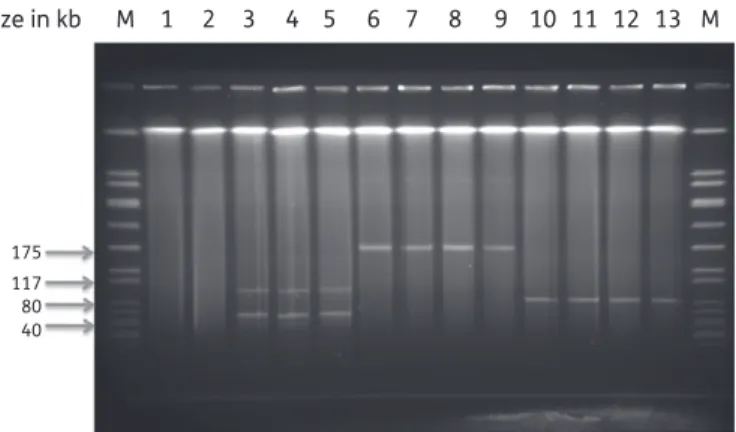
All evolved and unevolved plasmids were isolated, treated with S1 nuclease and analysed on a PFGE gel. The plasmid profiles remained intact throughout the serial transfer experiments, as demonstrated in Figure4, suggesting that major reductions in size did not account for the improvements in fitness that were observed. Moreover, the determination of MIC revealed an identical resistance profile of all descendent isolates during the experimen-tal evolution period (data not shown). To test whether the observed differences in the fitness costs of plasmid carriage were due to altered transfer capabilities, conjugation experiments were per-formed before and after experimental evolution for TC7vanAand TC12vanA, in both cases withE. faecium64SS as a common recipi-ent. For TC7vanAand TC12vanA, the conjugation frequencies before and after serial transfer remained unchanged, at 1×1024 and
3×1024transconjugants per donor, respectively. This strongly
sug-gests that alterations in the initial fitness costs of plasmid carriage described above were not linked to modifications of the conjuga-tion machinery.
Discussion
In this study, we have estimated the fitness effects of newly acquired MGEs harbouring clinically relevant determinants of anti-microbial resistance and virulence inE. faeciumandE. faecalis. We measured the relative fitness costs imposed by two CTns, one PAI
and six different Tn1546-containing plasmids when newly trans-ferred into common, plasmid-free strains of bothE. faeciumand
E. faecalis. The transconjugants differed from their isogenic coun-terparts only by the presence of the transferred MGEs.
When transferred into theE. faeciumrecipient, Tn6000reduced fitness by approximately 3%. As demonstrated here, the CTn inte-grated into the same target site as previously described,33further demonstrating the site-specific integration of this element. Tn916, however, does not display the target site specificity described above. When transferred intoE. faecium64/3, it severely reduced fitness by 17% in one of the transconjugants. We determined the target site and copy number of the element in this strain and it was shown to be a single copy inserted into a ribosome-binding S4 gene. We also showed that this element was still capable of ex-cision in the transconjugant, and therefore the mutation gener-ated was likely to be allevigener-ated periodically in each cell over time. This has, however, been determined to be at very low levels,41 strongly suggesting the observed fitness cost is due to disruption of this gene. It is thus feasible that the choice of target site in this transconjugant accounts for the difference in fitness between the other transconjugants, none of which contains Tn916at this target site.
The previous conjugation experiments between E. faecalis
strains in which the movement of this element was originally described yielded transconjugants with the PAI inserted into a non-coding region of theE. faecalisOG1RF genome flanked by an ORF of unknown function.8The locus of insertion was identical to the inte-gration site of PAI in the donorE. faecalisstrain, demonstrating a high preference for site-specific integration in this species.5,8 When inserted into this particular locus, the PAI was not found in our studies to significantly reduce host fitness. The detection limit in the 24 h competition experiments is an1% difference in
0 TC7vanA TC7vanA EV TC7vanA SS TC10 vanA TC10 vanA SS TC10 vanA EV TC12 vanA TC12 vanA EV TC12 vanA SS
TC8vanA TC9vanATC11vanA 0.2 0.4 0.6 R elativ e fitness ( w ) Transconjugants 0.8 1 1.2 1.4
Figure 3. Fitness effects of newly acquired and evolvedvanAplasmids inE. faecium64/3. TC7vanA, TC10vanAand TC12vanAwith newly acquiredvanA
plasmids were competed against the plasmid-free but otherwise isogenicE. faecium64/3. The evolved TC7vanAEV, TC10vanAEVand TC12vanAEVwere competed against the evolved plasmid-freeE. faecium64/3. The initial fitness costs of plasmid carriage were reduced in TC7vanAEV(P≤0.01) and TC12vanAEV(P≤0.04). Bars for TC7vanASS, TC10vanASS and TC12vanASS show the fitness effects of evolved plasmids reintroduced into the ancestralE.
faecium64/3SS. A relative fitness below 1 indicates a fitness burden associated with plasmid carriage. Competitions were performed in triplicate and repeated at least twice.
Fitness costs of mobile genetic elements
2761
JAC
relative fitness.37When transferred intoE. faecium, the previous
analyses of the flanking sequences of the PAI demonstrated inser-tion into the essential tRNAlysgene.8Our studies revealed that, when present at this locus, the PAI severely reduced fitness in
E. faecium(a 9% fitness cost). Similar results were obtained with the two CTns included in this study.
Arguably, site-specificity has evolved in some MGEs with chromosomal targets to reduce the effects on host fitness. The data presented here on the PAI when it was acquired byE. faecalis, as well as Tn6000(E. faecium), support the hypothesis of a trade-off between a low impact on host fitness (due to target site specificity) and the promiscuity of these MGEs. Moreover, the data on the effects of Tn916integration on host fitness are consistent with a recent report on the vanB-containing CTn Tn1549.31 Using the sameE. faecium64/3 recipient as was used here, these authors demonstrated that, of 19 different integration sites, two signifi-cantly reduced host fitness. Taking this together with our data as well as observations made by Elena and Lenski,42we conclude
that the fitness effects of MGEs with reduced target site specificity depend on the integration site.
Whereas a good correlation exists betweenin vitroandin vivo
measurements of relative fitness,25the quantitative results
pre-sented here suggest that measurements of the biological cost of newly acquiredvanAplasmids are poor predictors of prevalence in clinical settings. The TC11vanAplasmid, isolated from a urine sample in the USA in 2002, was originally present in an outbreak strain35 and caused the highest reduction in relative fitness
(27%) of the host. It is, however, possible that the plasmid content in TC11vanAwould impose a different fitness cost on the 2002 outbreak strain. Transconjugants TC9vanA and TC8vanA harbour large plasmids of 92 kb and 80 kb, respectively, but neither of these reduced the relative fitness of their host. The
vanA plasmid in TC8vanA was originally isolated from a clinical ST18 strain in 2002 in Portugal, where it is widespread.35It is plaus-ible that the low biological cost, in combination with determinants
Table 2.Relative fitness effects of various MGEs inE. faeciumorE. faecalis Competing strains/populations Relative fitness mean SD
TC1Tn6000×64/3a 0.97 0.02 TC2Tn916×64/3a 0.83 0.02 TC3×64/3 0.96 0.06 TC4PAI×64/3a 0.87 0.09 TC5×OG1RF 0.98 0.06 TC6PAI×OG1RF 1.01 0.01 TC7vanA×64/3a 0.75 0.11 TC8vanA×64/3 1.01 0.07 TC9vanA×64/3 1.10 0.05 TC10vanA×64/3a 0.86 0.04 TC11vanA×64/3a 0.73 0.07 TC12vanA×64/3a 0.84 0.05 TC7-1P vanAEV×64/3 2.54 0.60 TC7-2P vanAEV×64/3a 1.87 0.32 TC10-1P vanAEV×64/3 2,10 1.10 TC10-2P vanAEV×64/3 2.00 0.89 TC10-3P vanAEV×64/3a 1.90 0.69 TC12-1P vanAEV×64/3 1.37 0.32 TC12-2P vanAEV×64/3 1.46 0.42 TC12-3P vanAEV×64/3a 1.41 0.32 TC7-1P vanAEV×64/3PEV 1.20 0.36 TC7-2P vanAEV×64/3PEV 1.25 0.22 TC10-1P vanAEV×64/3PEV 0.91 0.20 TC10-2P vanAEV×64/3PEVa 0.74 0.17 TC10-3P vanAEV×64/3PEV 0.92 0.25 TC12-1P vanAEV×64/3PEV 0.99 0.25 TC12-2P vanAEV×64/3PEV 0.96 0.12 TC12-3P vanAEV×64/3PEV 0.94 0.15 TC7-1vanAEV×64/3a 2.33 0.13 TC7-2vanAEV×64/3a 1.88 0.17 TC10-1vanAEV×64/3a 2.08 0.30 TC10-2vanAEV×64/3a 1.99 0.17 TC10-3vanAEV×64/3a 1.98 0.18 TC12-1vanAEV×64/3a 1.36 0.12 TC12-2vanAEV×64/3a 1.46 0.28 TC12-3vanAEV×64/3a 1.41 0.15 TC7-1vanAEV×64/3PEVa 1.25 0.14 TC7-2vanAEV×64/3PEV 1.28 0.25 TC10-1vanAEV×64/3PEVa 0.92 0.06 TC10-2vanAEV×64/3PEVa 0.81 0.09 TC10-3vanAEV×64/3PEV 0.93 0.10 TC12-1vanAEV×64/3PEV 0.99 0.10 TC12-2vanAEV×64/3PEV 0.95 0.10 TC12-3vanAEV×64/3PEV 0.92 0.12 TC7vanASS×64SSa,b 1.16 0.14 TC10vanSS×64SSa 0.85 0.11 TC12vanSS×64SSa 0.86 0.09
aRelative fitness of the strain/population is significantly different from that of the ancestral strain (which is by default equal to 1).
bRelative fitness is significantly different from that of the original transcon-jugant (P≤0.01). Size in kb M 175 117 80 40 1 2 3 4 5 6 7 8 9 10 11 12 13 M
Figure 4. S1 nuclease-digested plasmid DNA extracted fromE. faecium strains. Lane M, size marker (SmaI-digestedS. aureusNCTC 8325); lane 1, 64/3; lane 2, 64SS; lane 3, TC7-1vanAEV; lane 4, TC7-2vanA EV; lane 5,
TC7vanASS; lane 6, TC10-1vanAEV; lane 7, TC10-2vanAEV; lane 8, TC10-3vanAEV;
lane 9, TC10vanASS; lane 10, TC12-1vanAEV; lane 11, TC12-2vanAEV; lane 12,
of antibiotic resistance, accounts at least partly for the success of this plasmid. Large plasmids may, however, contain additional determinants that could alter the plasmid –host fitness associ-ation in various environments. Alternatively, the experimental con-ditions may have favoured the plasmid –strain association, and the results might have been different under more stressful conditions, as demonstrated for Escherichia coli.43 It also remains to be
elucidated whether there is a correlation between (replicase-determined) plasmid classes and fitness effects since our ex-periments, performed with only a limited number of strains and plasmids, do not allow us to draw general conclusions.
It is also important to consider that the initially high fitness costs of MGEs can rapidly drop due to the emergence of compensatory mutations. This has been shown for numerous chromosomally encoded resistance determinants19and for a few plasmids.20,29
We tested the hypothesis that the initial high fitness costs of
vanAplasmid carriage could be ameliorated during serial transfer experiments in the laboratory. Three original transconjugants con-tainingvanAplasmids with a size ranging from 85 kb to 175 kb were subjected to 400 generations of experimental evolution. Our data show that the initial cost of the vanA plasmid was altered in two out of three evolved transconjugants (TC7vanAEV
and TC12vanAEV). Transconjugant TC7vanAcontained two plasmids: a 100 kbvanA-containing plasmid as well as an additional plasmid of 45 kb. This plasmid load initially reduced the fitness of the trans-conjugant by 25%. After 400 generations in continuous culture, we isolated fitness-representative strains from the evolved vancomycin-resistant populations and competed them against the evolved plasmid-free, otherwise isogenicE. faeciumgenetic background. Surprisingly, the fitness of the plasmid-carrying strains relative to the plasmid-free evolved ancestor population had changed from detrimental to highly beneficial. The average relative fitness benefit was approximately 27%.
We then set up filter mating experiments between the evolved plasmid-containing strains and the ancestralE. faeciumgenetic background, differing from the original recipient strain (E. faecium
64/3) only by two additional selective markers (SS resistance). This new transconjugant received two intact plasmids, as evident from S1 nuclease treatments and PFGE analyses. In the ancestral, unevolved genetic background, the plasmids increased fitness by on average 16%. Thus, in TC7vanA, adaptive mutations are expected to have occurred both in the plasmids and in the host chromosome. The data presented clearly demonstrate that a beneficial plasmid – host association had evolvedin vitroafter only 400 generations.
In transconjugant TC12vanA, the uptake of a single 85 kb plasmid initially reduced host fitness by 16%. This initial reduction of relative fitness was almost completely restored to wild-type fitness levels following experimental evolution. However, re-transfer of the evolved plasmid into the ancestral background revealed that the evolved plasmid still reduced fitness by approxi-mately 15%, suggesting the presence of plasmid-specific compen-satory mutations in the host chromosome.
Our findings of rapid reductions in the initial biological costs of
vanA plasmid carriage, as well as the evolved advantageous effect of plasmid carriage on host fitness, are consistent with the seminal report of Bouma and Lenski,20in which a beneficial asso-ciation evolved after 500 generations of experimental evolution betweenE. coliB and the plasmid-cloning vector pACYC184. Dioni-sioet al.44later reported similar results, with the multiresistance
plasmid R1 increasing fitness after 420 generations in both its
originalE. colihost and inSalmonella enterica. The data presented in this report differ from the data in those two studies20,44in that at no point did we use antibiotic selection to maintain the plasmids during the experimental evolution. Other reports have demon-strated that the initial fitness costs of plasmids can rapidly be miti-gated and/or that the biological costs of plasmids are both plasmid and host dependent.29,45–48This report is the first to demonstrate
that a beneficial plasmid –host association can evolve rapidly under simple experimental conditions in the absence of antibiotic selection, even when it was initially very costly.
In this report, we have demonstrated that newly acquired MGEs may impose an immediate biological cost inE. faecium. However, as demonstrated for vanA plasmids, the initial costs may be rapidly mitigated during serial transfer experiments. Our observa-tions are worrying from the perspective of the reversibility of vanco-mycin resistance following reduced consumption levels of glycopeptide antibiotics since vancomycin is still considered a drug of last resort for the treatment of serious Gram-positive infec-tions. If similar plasmid –host associations evolve in clinical set-tings, interventions to reduce consumption levels of glycopeptide antibiotics may have a limited impact on the short-term frequency of resistance. Our results also provide a possible explanation for how plasmid-mediated vanA resistance determinants have persisted at low but detectable frequencies 12 years after the ban on the animal growth promoter avoparcin in Norway and Denmark.2,49
Acknowledgements
We thank Julia Kloos, Anne Hilde Conradi, Carola Fleige and Vera Diachkova for technical assistance. G. W. would like to thank Ana Tedim and Teresa M. Coque for sharing unpublished experimental results on plasmids and fitness inEnterococcusspp. and is very grateful for the stimulating and fruitful discussions with them and Fernando Baquero on this topic in the context of EU ACE project (grant no. LSHE-CT-2007-037410).
Funding
This work was supported by the Tromsø Research Fund (grant number A5870 to P. J. J.), the University of Tromsø (awarded to P. J. J. and K. M. N.) and the Research Council of Norway (grant number 204263/F20 to P. J. J.). Initial mating experiments withvanAplasmids received funding from EU project ACE (grant no. LSHE-CT-2007-37410). This research was funded by the Commission of the European Communities, specifically the Infectious Diseases research domain of the Health theme of the 7th Frame-work Programme, contract 241446, ‘The effects of antibiotic administration on the emergence and persistence of antibiotic-resistant bacteria in humans and on the composition of the indigenous microbiotas at various body sites’ (awarded to A. P. R.) and M. A.-H. is the recipient of a Marie Curie Intra European Research Fellowship; grant number 272914, Bio-CHARGE; Investigation into the Biological Cost and Adaptation of the Host to Antibiotic Resistance on Mobile Genetic Elements in Enterococcus Species.
Transparency declarations
None to declare.
Fitness costs of mobile genetic elements
2763
JAC
References
1 Billstrom H, Lund B, Sullivan A et al. Virulence and antimicrobial resistance in clinical Enterococcus faecium. Int J Antimicrob Agents 2008;32: 374 – 7.
2 Johnsen PJ, Townsend JP, Bohn Tet al. Factors affecting the reversal of antimicrobial-drug resistance.Lancet Infect Dis2009;9: 357– 64. 3 Willems RJ, Bonten MJ. Glycopeptide-resistant enterococci: deciphering virulence, resistance and epidemicity.Curr Opin Infect Dis2007;20: 384–90. 4 Willems RJ, Top J, van Santen Met al. Global spread of vancomycin-resistantEnterococcus faeciumfrom distinct nosocomial genetic complex. Emerg Infect Dis2005;11: 821–8.
5 Hegstad K, Mikalsen T, Coque TMet al. Mobile genetic elements and their contribution to the emergence of antimicrobial resistantEnterococcus faecalisandEnterococcus faecium.Clin Microbiol Infect2010;16: 541–54. 6 Roberts AP, Mullany P. Tn916-like genetic elements: a diverse group of modular mobile elements conferring antibiotic resistance.FEMS Microbiol Rev2011;35: 856–71.
7 Novais C, Freitas AR, Silveira Eet al. Different genetic supports for the tet(S) gene in enterococci.Antimicrob Agents Chemother2012;56: 6014– 8. 8 Laverde Gomez JA, Hendrickx AP, Willems RJet al. Intra- and interspecies genomic transfer of theEnterococcus faecalispathogenicity island.PLoS One2011;6: e16720.
9 Uttley AH, Collins CH, Naidoo Jet al. Vancomycin-resistant enterococci. Lancet1988;1: 57–8.
10 Courvalin P. Vancomycin resistance in gram-positive cocci.Clin Infect Dis 2006;42Suppl 1: S25–34.
11 Arthur M, Molinas C, Depardieu Fet al. Characterization of Tn1546, a Tn3-related transposon conferring glycopeptide resistance by synthesis of depsipeptide peptidoglycan precursors inEnterococcus faeciumBM4147. J Bacteriol1993;175: 117–27.
12 Simonsen GS, Myhre MR, Dahl KHet al. Typeability of Tn1546-like elements in vancomycin-resistant enterococci using long-range PCRs and specific analysis of polymorphic regions.Microb Drug Resist2000;6: 49–57. 13 Willems RJ, Top J, van Schaik Wet al. Restricted gene flow among hospital subpopulations of Enterococcus faecium. MBio 2012; 3: e00151-12.
14 Werner G, Coque TM, Franz CMAPet al. Enterococci-tales of a drug resistance gene trafficker. Int J Med Microbiol 2013; doi: 10.1016/ j.ijmm.2013.03.001.
15 Zhu W, Clark NC, McDougal LK et al. Vancomycin-resistant Staphylococcus aureusisolates associated with Inc18-likevanAplasmids in Michigan.Antimicrob Agents Chemother2008;52: 452–7.
16 Willems RJ, Hanage WP, Bessen DE et al. Population biology of Gram-positive pathogens: high-risk clones for dissemination of antibiotic resistance.FEMS Microbiol Rev2011;35: 872– 900.
17 Jasni AS, Mullany P, Hussain H et al. Demonstration of conjugative transposon (Tn5397)-mediated horizontal gene transfer betweenClostridium difficileandEnterococcus faecalis.Antimicrob Agents Chemother2010;54: 4924–6.
18 Levin BR, Lipsitch M, Perrot Vet al. The population genetics of antibiotic resistance.Clin Infect Dis1997;24Suppl 1: S9– 16.
19 Andersson DI, Hughes D. Antibiotic resistance and its cost: is it possible to reverse resistance?Nat Rev Microbiol2010;8: 260– 71.
20 Bouma JE, Lenski RE. Evolution of a bacteria/plasmid association. Nature1988;335: 351– 2.
21 Schrag SJ, Perrot V. Reducing antibiotic resistance.Nature1996;381: 120–1.
22 Andersson DI, Levin BR. The biological cost of antibiotic resistance.Curr Opin Microbiol1999;2: 489– 93.
23 Martinez JL, Baquero F, Andersson DI. Predicting antibiotic resistance. Nat Rev Microbiol2007;5: 958– 65.
24 Bjorkholm B, Sjolund M, Falk PGet al. Mutation frequency and biological cost of antibiotic resistance inHelicobacter pylori.Proc Natl Acad Sci USA 2001;98: 14607–12.
25 Bjorkman J, Nagaev I, Berg OG et al. Effects of environment on compensatory mutations to ameliorate costs of antibiotic resistance. Science2000;287: 1479– 82.
26 Gagneux S, Long CD, Small PM et al. The competitive cost of antibiotic resistance inMycobacterium tuberculosis.Science2006;312: 1944 – 6.
27 Maisnier-Patin S, Berg OG, Liljas Let al. Compensatory adaptation to the deleterious effect of antibiotic resistance inSalmonella typhimurium.Mol Microbiol2002;46: 355–66.
28 Rozen DE, McGee L, Levin BRet al. Fitness costs of fluoroquinolone resistance inStreptococcus pneumoniae.Antimicrob Agents Chemother 2007;51: 412–6.
29 Dahlberg C, Chao L. Amelioration of the cost of conjugative plasmid carriage inEschericha coliK12.Genetics2003;165: 1641– 9.
30 Johnsen PJ, Simonsen GS, Olsvik Oet al. Stability, persistence, and evolution of plasmid-encoded VanA glycopeptide resistance in enterococci in the absence of antibiotic selection in vitro and in gnotobiotic mice.Microb Drug Resist2002;8: 161–70.
31 Foucault ML, Depardieu F, Courvalin P et al. Inducible expression eliminates the fitness cost of vancomycin resistance in enterococci.Proc Natl Acad Sci USA2010;107: 16964– 9.
32 Roberts AP, Hennequin C, Elmore Met al. Development of an integrative vector for the expression of antisense RNA inClostridium difficile.J Microbiol Methods2003;55: 617–24.
33 Roberts AP, Davis IJ, Seville Let al. Characterization of the ends and target site of a novel tetracycline resistance-encoding conjugative transposon fromEnterococcus faecium664.1H1.J Bacteriol2006;188: 4356– 61.
34 Brouwer MS, Mullany P, Roberts AP. Characterization of the conjugative transposon Tn6000 from Enterococcus casseliflavus 664.1H1 (formerly Enterococcus faecium 664.1H1). FEMS Microbiol Lett2010;309: 71 – 6.
35 Werner G, Freitas AR, Coque TMet al. Host range of enterococcalvanA plasmids among Gram-positive intestinal bacteria.J Antimicrob Chemother 2011;66: 273–82.
36 Dahl KH, Mater DD, Flores MJet al. Transfer of plasmid and chromosomal glycopeptide resistance determinants occurs more readily in the digestive tract of mice than in vitro and exconjugants can persist stably in vivo in the absence of glycopeptide selection.J Antimicrob Chemother2007;59: 478–86.
37 Lenski RE, Rose MR, Simpson SCet al. Long-term experimental evolution inEscherichia coli. 1. Adaptation and divergence during 2,000 generations. Am Nat1991;138: 1315–41.
38 Ray JL, Harms K, Wikmark OGet al. Sexual isolation inAcinetobacter baylyiis locus-specific and varies 10,000-fold over the genome.Genetics 2009;182: 1165– 81.
39 Levin BR, Perrot V, Walker N. Compensatory mutations, antibiotic resistance and the population genetics of adaptive evolution in bacteria. Genetics2000;154: 985– 97.
40 Starikova I, Harms K, Haugen Pet al. A trade-off between the fitness cost of functional integrases and long-term stability of integrons.PLoS Path 2012;8: e1003043.
41 Manganelli R, Romano L, Ricci S et al. Dosage of Tn916 circular intermediates inEnterococcus faecalis.Plasmid1995;34: 48– 57. 42 Elena SF, Lenski RE. Test of synergistic interactions among deleterious mutations in bacteria.Nature1997;390: 395–8.
43 Petersen A, Aarestrup FM, Olsen JE. The in vitro fitness cost of antimicrobial resistance inEscherichia colivaries with the growth conditions.FEMS Microbiol Lett2009;299: 53–9.
44 Dionisio F, Conceicao IC, Marques AC et al. The evolution of a conjugative plasmid and its ability to increase bacterial fitness.Biol Lett2005;1: 250 – 2.
45 Enne VI, Bennett PM, Livermore DMet al. Enhancement of host fitness by thesul2-coding plasmid p9123 in the absence of selective pressure.J Antimicrob Chemother2004;53: 958– 63.
46 Humphrey B, Thomson NR, Thomas CMet al. Fitness ofEscherichia coli strains carrying expressed and partially silent IncN and IncP1 plasmids. BMC Microbiol2012;12: 53.
47 Heuer H, Fox RE, Top EM. Frequent conjugative transfer accelerates adaptation of a broad-host-range plasmid to an unfavorablePseudomonas putidahost.FEMS Microbiol Ecol2007;59: 738–48.
48 De Gelder L, Ponciano JM, Joyce Pet al. Stability of a promiscuous plasmid in different hosts: no guarantee for a long-term relationship. Microbiology2007;153: 452– 63.
49 Johnsen PJ, Townsend JP, Bohn Tet al. Retrospective evidence for a biological cost of vancomycin resistance determinants in the absence of glycopeptide selective pressures.J Antimicrob Chemother2011;66: 608 – 10.
Fitness costs of mobile genetic elements
2765