CREATING MORE CREDIBLE AND LIKABLE TRAVEL RECOMMENDER SYSTEMS: THE INFLUENCE OF VIRTUAL AGENTS ON
TRAVEL RECOMMENDER SYSTEM EVALUATION
A Dissertation by
KYUNG HYAN YOO
Submitted to the Office of Graduate Studies of Texas A&M University
in partial fulfillment of the requirements for the degree of DOCTOR OF PHILOSOPHY
May 2010
Creating More Credible and Likable Travel Recommender Systems: The Influence of Virtual Agents on Travel Recommender System Evaluations
CREATING MORE CREDIBLE AND LIKABLE TRAVEL RECOMMENDER SYSTEMS: THE INFLUENCE OF VIRTUAL AGENTS ON
TRAVEL RECOMMENDER SYSTEM EVALUATION
A Dissertation by
KYUNG HYAN YOO
Submitted to the Office of Graduate Studies of Texas A&M University
in partial fulfillment of the requirements for the degree of DOCTOR OF PHILOSOPHY
Approved by:
Chair of Committee, Ulrike Gretzel Committee Members, James Petrick
Jane Sell
Michael T. Stephenson Head of Department, Gary Ellis
May 2010
ABSTRACT
Creating More Credible and Likable Travel Recommender Systems: The Influence of Virtual Agents on Travel Recommender System Evaluation. (May 2010)
Kyung Hyan Yoo, B.A., Kyung Hee University; M.A., New York Institute of Technology Chair of Advisory Committee: Dr. Ulrike Gretzel
To help online trip planners, some online travel agencies and travel service providers have adopted travel recommender systems. Although these systems are expected to support travelers in complex decision-making processes, they are not used efficiently by travelers due to a lack of confidence in the recommendations they provide (Moulin et al., 2002). It is important to examine factors that can influence the likelihood of recommendations to be accepted and integrated into decision-making processes. The persuasion literature suggests that people are more likely to accept recommendations from credible and likable sources. It has also been found that technologies can be more credible and likable when they give a variety of social cues that elicit social responses from their human users (Fogg, 2003; Nass & Moon, 2000). Thus, it is argued that enhancing the social aspects of travel recommender systems is important to create more persuasive systems.
One approach to enhancing the social presence of recommender systems is to use a virtual agent. Current travel recommender systems use various types of virtual
agents. However, it is still not clear how those virtual agents are perceived by travel recommender system users and influence users‟ system evaluations and interactions with these systems. Consequently, this dissertation aimed to investigate the influence of virtual agents presented in travel recommender systems on system users‟ perceptions. Specifically, the virtual agents‟ anthropomorphism as well as similarity and authority cues on system users‟ perceptions of system credibility and liking were examined.
For this purpose, two experiments were conducted. For Study 1, the impacts of anthropomorphism of the virtual agents on users‟ perceptions of virtual agents as well as recommender systems in terms of credibility and attractiveness/liking were examined. Anthropomorphism was manipulated with visual human appearance and voice output. Study 2 tested the influence of virtual agents‟ similarity and authority on travel recommender system users‟ perceptions of virtual agents and system credibility and attractiveness/liking. Similarity and authority of the virtual agent were tested by manipulating nonverbal cues (age and outfit) of the agent.
The results showed that the characteristics of virtual agents have some influences on system users‟ perceptions of virtual agents as well as recommender systems. Specifically, a human-like appearance of the virtual agent is found to positively influence users‟ perceived attractiveness of the virtual agent while voice outputs were found to enhance users‟ liking of the system (Study 1). Findings also indicate that RS users‟ perceptions of virtual agent expertise are increased when virtual agents wear a uniform rather than a casual outfit (Study 2). In addition, system users‟ perceptions of the virtual agent‟s credibility are found to have a significant influence on users‟
perceived credibility and liking of the overall system, which implies an important role of virtual agents in recommender system evaluations. Further, perceived credibility and liking of recommender systems lead to favorable evaluations of the recommendations, which, in turn, increase users‟ intentions to travel to the recommended destination.
Past travel recommender system studies have largely neglected the social role of recommender systems as advice givers. Also, it is not clear whether the specific characteristics of virtual agents presented as a part of the system interface influence system users‟ perceptions. This dissertation sought to close this knowledge gap. By applying classic interpersonal communication theories to human and system relationships, this dissertation expands the scope of traditional theories used in the context of studying recommender systems. Further, the results of the research presented in this dissertation provide insights for tourism marketing as well as practical implications for travel recommender system design.
DEDICATION
ACKNOWLEDGEMENTS
Though only my name appears on the cover of this dissertation, a great many people have contributed to this work. First, I thank my committee chair, Dr. Ulrike Gretzel, for her guidance, support and inspiration. She is not just an academic advisor but a “mother” in my academic life. She has inspired me to get interested in the
research, has guided my every step during the course of this research, and has taught me how to gain the analytical perspective needed to see and understand the world. I cannot forget the times and conversations we shared together as we discussed the research questions, the projects and also, our personal lives.
I am lucky to have been mentored by a committee of professors who shared their expertise and provided me with insightful advice. Dr. James Petrick has encouraged me to be confident in my work. Dr. Michael Stephenson has helped me to improve my methodological approach and shown me the meaning of real strength in life. And Dr. Jane Sell has advised me about the design of experiments and the theoretical framework of my research.
Special thanks to my brother, Jin Sung Yoo, who designed a travel recommender system for my research. With his assistance, the experiments could be more professional and efficient.
Thanks also go to my colleagues in the Laboratory for Intelligent Systems in Tourism who encouraged and helped me overcome many challenges. I thank the RPTS department faculty, staff and fellow graduate students for making my time at Texas
A&M University a great and meaningful experience. I will never forget Ms. Marguerite Van Dyke, a foster grandma to all graduate students. Her warm hug and smile were always there when I needed them.
Last but not least, my heartfelt thanks go to my family. This dissertation could not have been completed without the enduring support and encouragement of my
husband, Dr. Jiseok Han. Thank you for standing by me during this long journey. The best, most wonderful energy boost in the exhausting moments was the smile and the chatter of my little princess, Jaein Han. She reminded me to laugh when things got too serious. To my father and mother: I don‟t even know how to thank you for your endless love and support. You have taught me the real values of life and have always given me wise advice whenever I was in trouble.
TABLE OF CONTENTS Page ABSTRACT ... iii DEDICATION ... vi ACKNOWLEDGEMENTS ...vii TABLE OF CONTENTS ... ix
LIST OF FIGURES ...xii
LIST OF TABLES ... xiii
CHAPTER I INTRODUCTION ... 1
Research Background ... 1
Problem Statement and Research Questions ... 3
Purpose of the Study ... 5
Overview of Dissertation ... 6
II THEORETICAL BACKGROUND ... 9
Theoretical Frameworks ... 9
Recommender Systems (RSs) ... 17
Virtual Agents (VAs) ... 23
Chapter Summary ... 24
III OVERALL CONCEPTUAL FRAMEWORK ... 26
Influence of VA Characteristics on User's Evaluations of VAs & RSs ... 26
Additional Relationships ... 41
Chapter Summary ... 45
IV METHOD... ... 46
Research Context ... 46
Research Design ... 47
Participants and Procedures ... 47
CHAPTER Page
Analysis ... 49
Pilot Study and Pre-Tests ... 50
Chapter Summary ... 55
V STUDY 1-INFLUENCE OF ANTHROPOMORPHISM OF VIRTUAL AGENTS ON AGENT AND SYSTEM EVALUATIONS ... 56
Conceptual Model and Hypotheses ... 56
Study Design ... 59 Participants ... 61 Procedures ... 61 Measures ... 63 Analysis ... 70 Results ... 70 Chapter Summary ... 84
VI STUDY 2-INFLUENCE OF SIMILARITY AND AUTHORITY CUES OF VIRTUAL AGENTS ON AGENT AND SYSTEM EVALUATIONS ... 86
Conceptual Model and Hypotheses ... 86
Study Design ... 90 Participants ... 92 Procedures ... 92 Measures ... 94 Analysis ... 97 Results ... 97 Chapter Summary ... 110
VII DISCUSSION AND CONCLUSION ... 113
Discussion ... 113
Contributions and Implications ... ..117
Limitations of Study and Directions for Future Research ... 121
REFERENCES ... 125
APPENDIX A ... 146
APPENDIX B ... 147
Page APPENDIX D ... 150 APPENDIX E ... 151 APPENDIX F ... 156 APPENDIX G ... 157 VITA ...158
LIST OF FIGURES
Page
Figure 1. The Communication-Persuasion Paradigm ... 10
Figure 2. Status Generalization Process ... 14
Figure 3. Taxonomy of Recommender Systems ... 19
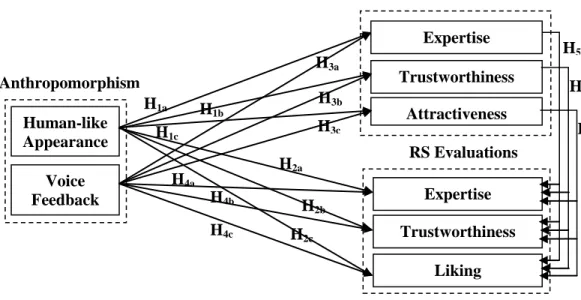
Figure 4. Overall Conceptual Framework: Influences of Virtual Agents' Chracteristics on System Users' Perceptions ... 26
Figure 5. De Meuse‟s Taxonomy of Non-verbal Cues ... 30
Figure 6. Key Dimensions of Credibility ... 36
Figure 7. Study 1 Research Model ... 56
Figure 8. Human Vs. Non-Human Appearance Conditions ... 60
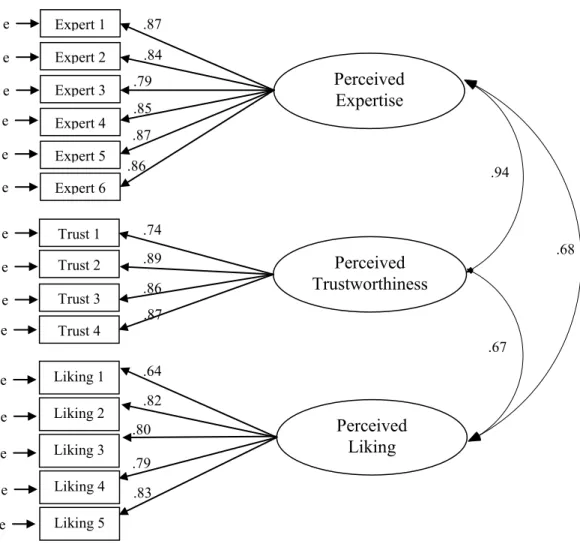
Figure 9. Measurement Model for RS Evaluation ... 66
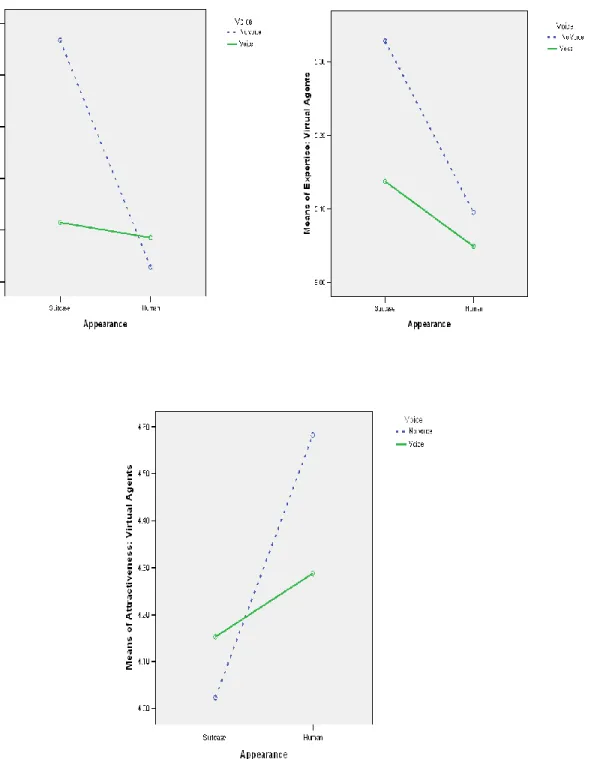
Figure 10. Effects of Anthropomorphism Cues on VA Evaluations ... 75
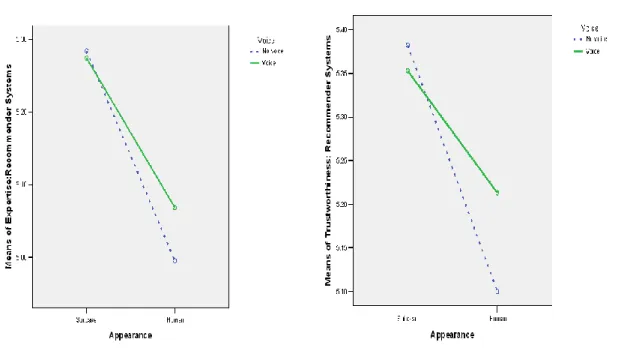
Figure 11. Effects of Anthropomorphism Cues on RS Evaluations ... 79
Figure 12. Study 2 Research Model ... 86
Figure 13. The Four Virtual Agents Used in Study 2 ... 92
Figure 14. Effects of Nonverbal Cues on VA Evaluations ... 103
LIST OF TABLES
Page
Table 1. Scales for Perceived Credibility of Travel Recommender Systems ... 52
Table 2. Scales for Perceived Liking of Travel Recommender Systems ... 52
Table 3. Factor Loadings and Construct Reliability for RS Evaluation Measurement .... 64
Table 4. Goodness-of-Fit Indices: Factors of RS Evaluations Confirmatory Factor Analysis. ... 65
Table 5. Factor Loadings and Construct Reliability for VA Evaluation Measurement ... 68
Table 6. Scales for Intention to Travel to Recommended Destination ... 69
Table 7. Scales for System Users‟ Perceived Fit of Recommendation ... 69
Table 8. Effects of Anthropomorphism Cues on RS Users' VA Humanness ... 71
Table 9. Effects of Anthropomorphism Cues on VA Evaluations ... 73
Table 10. Effects of Anthropomorphism Cues on RS Evaluations ... 76
Table 11. Influences of Perceptions of VA on Perceived Expertise of the RS ... 80
Table 12. Influences of Perceptions of VA on Perceived Trustworthiness of the RS ... 80
Table 13. Influences of Perceptions of VA on Perceived Liking of the RS... 80
Table 14. Effects of System Users‟ Gender on Users' Perceptions ... 81
Table 15. Mean Values of Male and Female Groups‟ VA and RS Evaluations ... 82
Table 16. Influences of Perceptions of RS on Perceived Fit with Preference... 82
Table 17. Influences of Perceptions of RS on Attractiveness of Destination ... 83
Table 18. Influences of Perceptions of RS on Intention to Travel to the Destination ... 83
Page
Table 20. Summary of Support for Hypotheses of Study 1 ... 85
Table 21. Factor Loadings & Construct Reliability for RS Evaluation Measurement .... 95
Table 22. Factor Loadings & Construct Reliability for VA Evaluation Measurement .... 95
Table 23. Scales for Intention to Travel to Recommended Destination ... 96
Table 24. Scales for System Users‟ Perceived Fit of Recommendation ... 96
Table 25. Effects of Age and Outfit Cues of VA on RS users' Perceived Age of VA ... 98
Table 26. Effects of Nonverbal Cues on VA Evaluations ... 101
Table 27. Effects of Nonverbal Cues on RS Evaluations... 103
Table 28. Influences of Perceptions of VA on Perceived Expertise of the RS ... 106
Table 29. Influences of Perceptions of VA on Perceived Trustworthiness of the RS ... 106
Table 30. Influences of Perceptions of VA on Perceived Liking of the RS... 107
Table 31. Effects of System Users‟ Gender on Users' Perceptions ... 107
Table 32. Mean Values of Male and Female Groups‟ VA and RS Evaluations ... 108
Table 33. Influences of Perceptions of RS on Perceived fit of Recommendation ... 108
Table 34. Influences of Perceptions of RS on Attractiveness of Destination ... 109
Table 35. Influences of Perceptions of RS on Intention to Travel to the Destination ... 110
Table 36. Influences of Recommendation Evaluations on Intention to Travel ... 110
CHAPTER I INTRODUCTION
Research Background
The advent of the Internet has led to an explosion of information and has fundamentally changed tourists‟ information search behaviors (Cai, Feng & Breiter, 2004). The Internet has become an important travel information source and the number of travelers who use the Internet for travel planning has grown rapidly. However, it is often difficult for trip planners to find relevant information in digital environments (Pan & Fesenmaier, 2002) and too much information can cause confusion, information overload (Henry, 2005), and even frustration (Liao, 2005). Fortunately, recent advances in information technologies such as search engines and recommender systems can help online users reduce information overload and facilitate their decision-making process. Recommender systems are software tools that make recommendations based on learned information about a user‟s preferences (Häubl & Trifts, 2000). The role played by recommender systems is similar to human salespersons in physical stores who interact with consumers and advise consumers what to buy (Komiak & Benbasat, 2004; Komiak, Wang & Benbasat, 2005). Thus, recommender systems can be considered to be one way for marketers to enhance their e-services.
____________
In the context of tourism, the role of such systems is even more essential considering the extensive amounts of tourism-related information available online and the experiential nature of tourism products (Gretzel & Fesenmaier, 2003; Oh, Fiore & Jeoung, 2007). A recent study conducted by eMarketer (2008a) found that the number of travelers booking their trips online has recently decreased even though online travel sales are growing. The reason is travelers are often frustrated with the planning and booking capabilities of online travel agencies and, consequently, turn back to traditional travel agencies for their expertise and personalized services (eMarketer, 2008a). To overcome this disadvantage, some online travel agencies and travel service providers have adopted travel recommender systems to support travelers‟ trip planning. For example, Hotel.com introduced “The Visualiser” that recommends hotel and vacation destinations based on travelers‟ selection of a series of photos that depict hotel room style, vacation activities and feelings they want to have on their trips (http://hotels.visualdna.com/). The Home and Abroad website helps travelers plan their trips by suggesting a travel itinerary after travelers provide their travel information and preferred attractions and activities. The online travel agency Travelocity also provides a decision aid system, Experiencefinder, that suggests travel destinations and packages based on users‟ travel preferences
(http://www.travelocity.com/experiencefinder). In addition, the Warmbad-Villach resort in Austria developed a recommender system, “VIBE,” which is a virtual spa advisor that helps the visitors find customized spa products (http://www.warmbad.at). Such travel recommender systems are considered to be critical in supporting online travel
information search and decision-making processes as they help mimic the services provided by human assistants in brick-and-mortar travel agencies.
Problem Statement and Research Questions
Although recommender systems are increasingly used by many websites to provide personalized recommendations and also to enhance online shopping experiences of consumers, recent studies indicate that often these systems are not used efficiently by decision makers. Moulin and his colleagues (2002) explained that online users do not use recommender systems because of a lack of confidence in the recommendations they provide. Also, a recent survey by ChoiceStream (2009) found that more than one-half (59%) of Internet users were not happy with the product recommendations they received at e-commerce sites. Thus, it is important for recommender system research and design to examine factors that can influence the likelihood of recommendations to be accepted and integrated into decision-making processes (Gretzel & Fesenmaier, 2006). The persuasion literature suggests that people more likely accept recommendations from credible and likable sources (O‟Keefe, 2002). Fogg (2003) argued that source credibility also matters when computers take on an advisory role. This implies that the perceived credibility and perceived liking of the recommender system would be important factors that influence a user‟s likelihood to accept recommendations. This notion generates the first series of research questions for this dissertation:
Do the findings in human-human advice seeking relationships apply to situations in which the advice-giver is a recommender system?
If so, are the source characteristics that have been identified as influential in human-human relationships equally important in human-recommender system interactions?
Are there any additional source characteristics that might not be prominent in influencing advice seeking relationships among human actors, but are important aspects to be considered in the realm of recommender systems?
Recent studies have proposed that computer-based help systems can be more persuasive when computer agents give a variety of social cues that elicit social responses from their human users (Fogg, 2003; Nass & Moon, 2000). The rationale behind this argument is that agents endowed with social cues invoke a social schema, thereby softening the interaction with seemingly cold hardware (David et al., 2007). One approach to increasing the social aspects of recommender systems is to use a virtual agent. Virtual agents can serve as personal shopping assistants, website guides or conversation partners (Holzwarth, Janiszewski, & Neumann, 2006). In recommender system contexts, virtual agents are used as system representatives. Virtual agents used in the context of travel recommender systems include an animated suitcase image in the case of hungrysuitcase.com, an artistic rendering of a woman in homeandaboroad.com, and a photographic image of a woman in VIBE (http://www.warmbad.at). However, it is not clear how those virtual agents are perceived by travel recommender system users and if and how they influence users‟ interactions with these systems.
Further, it has not been investigated whether a virtual agent presented as part of the system interface influences users‟ evaluations of the recommender system as a whole,
not just of the virtual agent itself. In other words, the question is whether recommender system users distinguish the virtual agent from the system or if they personify it and evaluate the system based on the virtual agent. Previous research supports that the characteristics of the spokesperson in advertisements influence consumers‟ perceptions of the advertisement (Goldsmith et al., 2000; Lafferty & Goldsmith, 1999). Since virtual agents in recommender systems take on a similar role as a spokesperson in advertising, it implies that there could be impacts of virtual agents on system evaluations. Also, a recent study conducted by Qiu (2006) provides some evidence of the impacts of virtual agents on system-user interactions. It is thus believed to be important to investigate how the design and use of virtual agents in travel recommender systems influence users‟
perceptions. Issues associated with the design and use of virtual agents in recommender systems raise the second series of questions.
Do virtual agents influence users‟ perceptions of the system?
Is the influence of virtual agents based on specific virtual agent characteristics?
If virtual agents‟ characteristics matter, what characteristics have the greatest influence on perceptions of virtual agents as well as on perceptions of system credibility, liking and attractiveness?
Purpose of the Study
To address the above issues this dissertation aims to investigate the following. First, it seeks to find out if the theories conceptualized for human-human advice seeking relationships apply to human and travel recommender system relationships. Second, the
impacts of virtual agents‟ characteristics presented in travel recommender system
interfaces on system users‟ perceptions of virtual agents as well as the overall system are investigated. In particular, the influences of the virtual agent‟s anthropomorphism, similarity and authority cues on system users‟ evaluations of agents as well as
recommender systems in terms of credibility and attractiveness/liking are examined. Finally, this dissertation seeks to understand whether perceived credibility and liking of the recommender system influence system users‟ recommendation evaluations and eventually their intentions to accept advice from the system and travel to the recommended destination.
Overview of Dissertation
This dissertation seeks to investigate the role of virtual agents (VA) in making travel recommender systems more persuasive. The dissertation consists of six chapters including this introduction chapter. The remainder of the dissertation is structured as follows:
Chapter II provides the theoretical background of this dissertation and also summarizes the important findings of previous research relevant to this dissertation. It first discusses the main theories that provide the theoretical foundations of this dissertation including Persuasion theory, Expectation Status theory and Media Equation theory. Next it provides the definitions and a general taxonomy of recommender systems to situate the specific kind of recommender system used for this study within currently existing types
of decision aids. The importance of recommender systems in tourism as well as the unique aspects of travel recommender systems are also outlined. In addition, the role of virtual agents used in computing technology, in particular, in recommender system is discussed.
Chapter III provides the overall conceptual framework of this dissertation and discusses the relevant concepts as well as their relationships. The specific characteristics of virtual agents tested in this dissertation are introduced and their influences on travel
recommender system users' perceptions are addressed. This chapter also discusses research on recommender system evaluations and suggests new approaches to evaluate recommender systems in terms of credibility and liking based on persuasion theory.
Chapter IV describes the overall methodology used in this dissertation. It outlines the study context and briefly explains the two laboratory experiments conducted.
Additionally, pre-test results that evaluated the recommendation, the overall study design, as well as the measurement scales are summarized.
Chapter V presents the first experiment of this dissertation which investigates the effects of anthropomorphism of virtual agents on system users‟ perceptions of virtual agents and recommender systems. Previous findings regarding the effects of two anthropomorphic cues, human-like appearance and voice output, are reviewed and hypotheses are
virtual agents‟ anthropomorphic cues and the evaluations of virtual agents and
recommender systems are presented. Study design, procedure, participants and findings are also reported.
Chapter VI describes the second experiment conducted in the context of this dissertation, which focuses on the virtual agents‟ nonverbal similarity and authority cues. Two
nonverbal cues, outfit and age, are tested in terms of their influence on users‟ perceptions when evaluating virtual agents and recommender systems regarding their credibility and attractiveness/liking. Hypotheses are generated based on previous research regarding the effects of outfit and age. The conceptual model illustrates the hypothesized relationships between virtual agents‟ nonverbal cues and users‟ evaluations of virtual agents and recommender systems. Study design, procedures as well as findings are discussed.
Chapter VII reviews the dissertations‟ main findings and discusses theoretical and practical implications. The chapter also reflects on the limitations of the study and outlines possible directions for future research.
CHAPTER II
THEORETICAL BACKGROUND
Theoretical Frameworks
The proposed research questions were addressed based on the following three theoretical and conceptual frameworks: Source factors in Persuasion, Expectation States Theory and Media Equation Theory.
Source Factors in Persuasion
Not all recommendations are equally influential. A recommendation is persuasive when it results in attitude or behavior change. The extent to which a recommendation influences its receiver depends on 1) its form and content; 2) its source; 3) its receiver and his/her characteristics and 4) contextual factors such as product type and time constraints (O‟Keefe, 2002). These factors are fundamental components in the persuasion paradigm and are interrelated with each other in persuasion processes (Michener, DeLamater, & Myers, 2004). (See figure 1)
Not surprisingly, many researchers have focused considerable attention on the question of how various characteristics of the communicator influence the outcomes of the communicators‟ persuasive efforts (O‟Keefe, 2002). Numerous empirical
investigations have found that a communicator‟s message is more persuasive when the communicator is perceived as credible and likeable by the message receiver (Andersen & Clevenger, 1963; Atkin & Block, 1983; Baker & Churchill, 1977; Friedman & Friedman,
1979; Hovland & Weiss, 1951; Kelman & Hovland, 1953; Patzer, 1983). For example, Hovland and Weiss (1951) found that message receivers changed their opinions in the direction advocated by the communicator in a significantly greater number of cases when the suggestion was made by a highly credible source in comparison to a low credible source. Atkin and Block (1983) also showed that consumers evaluated a product more favorably when it was advertised by a famous celebrity perceived as more credible and attractive than a non-celebrity endorser.
Figure 1. The Communication-Persuasion Paradigm (adapted from Michener et al., 2004)
While a good deal of studies have focused on source credibility and liking (e.g., Eagly & Chaiken, 1975; Giffen & Ehrlich, 1963; Greenberg & Miller, 1966; Husek, 1965; O‟Keefe, 2002; Petty, Cacioppo, & Goldman, 1981; Sampson & Insko, 1964), other influential source characteristics have also been identified and tested. For example, source attractiveness has been considered one of the most powerful drivers of persuasion (Burgoon et al, 2002; Levin, 2003; O‟ Keefe, 2002). Existing research indicates that heightened physical attractiveness generally enhances one‟s effectiveness as a social influence agent (Cialdini, 1994; O‟Keefe, 2002) by enhancing perceived argument
Source expertise trustworthiness attractiveness Message discrepancy fear appeal 1-sided or 2-sided Target intelligence involvement forewarned Effect change attitude reject message counterargue suspend judgment derogate source
quality (Norman, 1976), source expertise (Chaiken, 1979), and trustworthiness (Norman, 1976). The belief that greater similarity leads to greater communication effectiveness (O‟Keefe, 2002) has also been argued in many studies. Both Heider‟s balance theory (1958) and Byrne‟s similarity theory (1971) suggest that similarity between a
communicator and a message receiver tends to increase perceived attractiveness and liking of the source, thus in turn, making the source more persuasive. However, the effects of similarity on persuasive outcomes have been found to be rather complex and indirect. Source-receiver similarity has been found to enhance persuasive effectiveness under some conditions but to inhibit it under other circumstances (e.g. Goethals & Nelson, 1973; Mills & Kimble, 1973), thus a single easy generalization should be
avoided (O‟Keefe, 2002). The impacts of authority have also been discussed in a number of studies. Many researchers have argued that people often obey people who simply display symbols of authority (Fogg, 2003; Levine, 2003; Rhoads & Cialdini, 2002). A positive relationship between source authority and perceived credibility has been suggested in a number of previous studies (Burgoon et al., 1990; Keating & Heltman, 1994; Levine, 2003). In addition, source friendliness has been found to enhance perceptions of source liking (Byrne & Rhamey, 1965; Rhoads & Cialdini, 2002) while caring has been found to positively influence perceptions of a communicator‟s
trustworthiness (Delgado-Ballester, 2004) and credibility (Perloff, 2003). Familiarity of the source has also been found to increase the liking of the source (Levine, 2003;
Cialdini, 1994; Shavitt & Brock, 1994) and lead to persuasive outcomes (Cialdini, 1993). Further, the positive effects of humor on a message receivers‟ liking for the
communicator, and thus occasionally the trustworthiness of the communicator, have been investigated in some studies (Chang & Gruner, 1981; Gruner, 1967, 1970; Tamborini & Zillmann, 1981)
Recently, some source characteristics have been discussed and examined in technology-mediated communication contexts. Flanagin and Metzger (2003) noted that it is possible to translate several components of source credibility to the online
environment. For example, they suggested that expertise may be communicated through the accuracy and comprehensiveness of a Web site‟s information, its professionalism and its sponsor‟s credentials while trustworthiness is associated with a Web site‟s integrity as demonstrated through its policy statements, use of advertising as well as firm or author reputation. Fogg (2003) also found that source credibility matters when humans interact with computers. In addition, authority cues have been found to enhance online users‟ credibility judgments of a computing technology (Fogg, 2003) and of online reviewers (Yoo, Lee & Gretzel, 2007). Online users have also been found to be more easily
persuaded by technology that is similar to them in some way (Moon, 2002; Fogg, 2003). Some studies have found that a physically attractive virtual character was more favorably evaluated by users (Fogg, 2003) and served as a more effective sales agent (Holzwarth et al., 2006).
Fogg (2003) suggested source characteristics, in particular source credibility, are essential in human and computer interactions when computers take the role of instructing or advising computer users. Other studies (Baylor & Ryu, 2003; Flanagin & Metzger, 2008; Tseng & Fogg, 1999) have also stressed that credibility is especially important
when computers instruct or advise users. Since the role of travel recommender systems involves giving advice in online environments, traditional studies of source factors could provide an important framework to examine the interaction between users and systems as well as users‟ evaluations of systems.
Expectation States Theory
Expectation States Theory (EST) is not a single theory, but a set of theories proposing how certain states or status characteristics organize interactions among members in task-oriented group settings (Berger, Conner, & Fisek, 1974). It begins with knowledge of social construction that explains the power of individuals, groups and institutions to shape people's perceptions and judgments of them. The general issues involved in EST are how people use information about characteristics of people to make substantive decisions.
One of the oldest and most developed theories within expectation states research is status characteristics theory (SCT) (Goar & Sell, 2005). Goar and Sell (2005) posit that SCT explains how status characteristics generate and then sustain inequalities of power and prestige. The theory further proposes that, in a task group, members form
expectations regarding others' potential performance and contributions toward the group‟s tasks based on status characteristics they perceive such as gender, ethnicity and occupation (Michener et al., 2004). These expectations, which are formed through an attribution process, organize the interactions among members (Berger et al., 1974;
Michener et al., 2004). This process is called “status generalization process” or “The burden of proof process” (Webster & Hysom, 1998) (Figure 2).
There are two kinds of status characteristics in SCT: diffuse and specific (Berger et al., 1974; Goar & Sell, 2005; Michener et al., 2004). Diffuse status characteristics refer to “attributes that provide an indirect indication of a member‟s level of ability on the group‟s task” (Michener et al., 2004, p. 330). Attributes include age, gender, ethnicity and physical attractiveness. Specific characteristics are those which more directly and precisely indicate someone‟s level of ability on the task, such as relevant work
experience.
Initial
Conditions Inferential Link Theoretical Construct Observable Effects Behavioral Outcomes Distribution of
Status Elements Status Generalization Process
Performance
Expectation States Translation to Behavior Elements of Interaction Power & Prestige (e.g. gender, skin
color, age, beauty, occupation, Nobel Prizes, SAT scores) (e.g. perceived competence at specific and general skills such as reading ability,
and “most tasks”)
(e.g., chances to perform, number of performances, agreement, positive evaluations, influence, and choice for leadership positions)
Figure 2. Status Generalization Process (adapted from Webster & Hysom, 1998)
To the best of the current author's knowledge, SCT has not been applied to understanding human and computer interaction. However, the findings of previous studies indicate that people respond socially to technologies when the technologies present social characteristics such as gender (Nass, Moon, & Green, 1997) and ethnicity
(Nass, Isbister, & Lee, 2000). These studies have revealed that when computers provide different gender voice outputs, the computer users apply gender stereotypes to evaluate the computer's ability (Nass, Moon, & Green, 1997) and also more favorably evaluate the computer that displays embodied conversational agents that match their ethnicity (Nass, Isbister, & Lee, 2000). These findings imply that the status generalization process can happen when a human interacts with a computer. Therefore, this dissertation argues that SCT provides a useful framework to understand how the characteristics of virtual agents (status elements) presented in travel recommender system interfaces influence users‟ evaluations of system credibility and liking (performance expectation states) and
eventually their evaluations of recommendation as well as behavioral intentions to travel to the recommended destination (behavioral outcomes).
Media Equation Theory
It seems obvious that a recommender system is a tool or medium, not an actor in social life. However, media equation theory suggests that individuals‟ interactions with computers, television, and new media are fundamentally social and natural, just like people‟s interactions in real life (Reeves & Nass, 1996). According to Reeves and Nass (1996), people unconsciously and automatically apply social rules when they interact with media. This theory thus argues that technologies should be understood as social actors, not just as tools or media.
Several empirical studies have supported this notion of computer as social actors. For example, a number of studies (Nass, Isbister, & Lee 2000; Nass, Moon, & Green,
1997) have found that people apply gender and ethnicity stereotypes to computers. Nass and his colleagues (1997) found that people evaluated a computer as significantly more competent when it provided tutoring with a male voice rather than a female voice. They also found that the fevoiced computer was rated as a better teacher than a male-voiced computer when the computer discussed love and relationships which is a stereotypically female topic, but rated it as a worse teacher when it talked about computers, which is a stereotypically male topic. Other studies (Nass, Isbister & Lee, 2000; Qiu, 2006) have found that computer users perceived same-ethnicity embodied computer agents as more attractive, trustworthy, persuasive, and intelligent than different-ethnicity agents.
The findings of Fogg and Nass (1997) also revealed that people exhibit social behaviors such as politeness and reciprocity toward computers. In their experiment, study participants worked with computers to learn about some facts and then were asked to evaluate the computer that they used. Half of the participants were asked to evaluate the computer‟s performance using the same computer they just worked with while the other half answered identical questions on a different computer located on the other side of the room. The results showed that participants who answered on the same computer gave significantly more positive responses. This suggests that they showed politeness and reciprocity toward the computers they knew and worked with. In addition, Nass and Moon (2000) found that the labeling rule is also true when people interact with machines.
According to Fogg, Lee, and Marshall (2002), computers function in three basic ways: as tools, as media, and as social actors. While previous recommender system
studies largely focused on systems as tools, recent studies (Qiu, 2006; Wang & Benbasat, 2005) have argued that users often socially interact with recommender systems. Thus, the social aspects of recommender systems need to be better understood. As a consequence, understanding the social role of travel recommender systems is also needed and media equation theory provides a good theoretical framework for such research.
Recommender Systems (RSs)
In online environments, consumers often seek and accept recommendations to manage the amount of information to be processed during online searches (Smith, Menon, & Sivakumar, 2005). One of the sources from which consumers can get
recommendations are online recommender systems and such systems are seen as one of the fastest growing domains of Internet applications (Spiekermann & Paraschiv, 2002).
Definitions and Roles
Häubl and Trifts (2000) defined recommender systems as software tools that make recommendations based on learned information about the user‟s preferences. Similarly, Xiao and Benbasat (2007) defined recommender systems as “software agents that elicit the interests or preferences of individual users for products, either explicitly or implicitly, and make recommendations accordingly”(p. 137). In their most “generic” form, recommender systems are applications implemented on Websites that suggest products, new items, etc. to their users based on implicitly or explicitly gathered or inferred user preferences (Gretzel, 2004). In the literature, the terms simple filtering,
recommendation, and decision support tools are often used interchangeably (Gretzel, 2004); however, it is arguable if simple information retrieval systems should be considered as recommender systems. Burke (2002) noted that recommender systems differ from other information retrieval systems and search engines since they not only match and return all available entries that match the query but, rather, place an emphasis on relevance and usefulness. Patton (1999) also acknowledged that recommender
systems promise to make shopping on the Internet better, not just by finding lower prices but by matching products to the needs and tastes of individual consumers.
Recommender systems are often classified into two categories based on the way the matching process is conceptualized: collaborative filtering and content filtering (Ansari et al., 2000; Balabanovic & Soham, 1997). Collaborative filtering systems
predict a user‟s preferences based on a combination of other, similar people‟s preferences (Ansari et al., 2000; Qiu, 2006), assuming that the evaluations of others are an important information source consumers use in their decision-making process (Kim & Kim, 2001).
Content filtering systems, on the other hand, make recommendations on the basis of user preferences for product attributes (Ansari et al., 2000). This type of system usually asks users to provide information regarding attributes that are most important to their purchase decisions (Qiu, 2006) and makes recommendations based on analysis of gathered contents.
The big difference between these two types of systems is whether explicit conversations occur between the system and the user (Qiu, 2006). According to the typology of recommender systems provided by Schafer, Konstan, and Riedl (2001),
Recommendation Method Raw retrieval Manually selected Statistical summarization Attribute-based Item-to-Item correlation User-to-User correlation Case-based reasoning Social network-based Recommendation Suggestion Prediction Ratings Reviews Community Input Item attribute External item Popularity Purchase history Ratings Text comments User Input Implicit navigation Explicit navigation Keyword/item Attribute Ratings Purchase history Preferences/interests Demographics Degree of Personalization Non-personalized Ephemeral Persistent Presentation Push Pull Passive
recommender systems can also be more comprehensively categorized based on the levels of sophistication, inputs used to derive recommendations, and various ways in which they present recommendations (see Figure 3). Since one of the study purposes is to understand the social interaction between the systems and users, this study focused on content filtering recommender systems that require customer input (Liao, 2005).
Figure 3. Taxonomy of Recommender Systems (adapted from Schafer et al., 2001)
Recommender Systems in Tourism
In the tourism context, the role of recommender systems is arguably even more essential considering tourism is especially affected by the online information explosion. According to Pew Internet & American Life (2009), almost 70 percent of US internet
users have purchased or made reservations online for their travel. Further, looking for travel-related information and making travel plans are important online activities (eMarketer, 2008b). Travel recommender systems can play a vital role in travel information search processes by providing decision-support in the form of inspiration (i.e., the expansion of one‟s consideration set) as well as by narrowing down available alternatives (Fesenmaier, Werthner, &Wöber, 2006).
With the rising importance of providing decision support for online trip planners, ever more studies have investigated the unique aspects of travel recommender systems. Gretzel, Hwang, and Fesenmaier (2006) argued that a profound understanding of the complexities of tourists‟ information search and decision-making-related behaviors is fundamental for successful travel recommender system design. Ricci, Blaas, Mirzadeh, Venturini, and Werthner (2002) have developed and tested prototype systems called DieToRecs and NutKing for different travel planning stages (before a trip and en route) and insisted on the importance of adding visual cues to destination descriptions to meet the users‟ need of „seeking inspiration‟.
Gretzel and Fesenmaier (2002) suggested including principles of narrative design into recommender systems. They argued that travelers most often think of travel within the context of stories because of the experiential nature of tourism. Therefore, if narrative design is integrated into a travel recommender system, it may enhance the quality of the recommendations as well as improve the persuasiveness of the system.
The importance of hedonic aspects in designing travel recommender systems is also stressed by Kim and Morosan (2006). Further, Franke (2002) and Kramer as well as
Modsching, ten Hagen, and Gretzel (2006) have drawn attention to the social nature of travel that is currently not reflected in recommender systems. Specifically, Gretzel (2004) investigated whether system users‟ evaluations of the recommendations can be influenced by cues embedded in the preference-elicitation process of recommender systems. Recently, conversational travel recommender systems have been proposed in order to support more real and interactive processes with users (Jannach et al., 2007; Mahmood et al., 2008). These systems mimic the interactions between travelers and traditional travel agents to provide more social and personalized services to travel recommender system users.
As addressed by previous studies, travel recommender systems are unique in many aspects. They deal with much more complex, high risk, and experiential products (Gretzel et al., 2006). Also, due to the multi-faceted nature of tourism experiences, recommendations should refer to a variety of products (destinations, accommodations, attractions etc.) to provide a meaningful picture of the proposed vacation (Werthner & Ricci, 2004) The hedonic and emotional aspects of tourism and trip planning have been found to be important for travel recommender system design due to its playful
consumption (Kim & Morosan, 2006). Further, en route support has been increasingly taken into account (Nguyen & Ricci, 2004). Moreover, it has been noted that predicting users‟ preferences is extremely challenging for travel recommender systems since variety seeking is especially pronounced in tourism (Gretzel, 2004). Consequently, the
interactive process between users and travel recommender systems is believed to be especially important.
Recommender Systems as Social Actors
Existing recommender system studies have viewed recommender systems as information search tools and have largely neglected their social roles in the interaction with users. However, as discussed earlier, the social aspects of technologies have been recently emphasized (Fogg, 2003; Nass & Moon, 2000; Reeves & Nass, 1996). Nass and Moon (2000) noted that the computer‟s social role is encouraged when the computer fills roles traditionally filled by humans and also provides words for output and interactivity.
Indeed, Wang and Benbasat (2005) found that users perceived human
characteristics such as benevolence and integrity from recommender systems and treated systems as social actors. The findings by Aksoy et al. (2006) suggest that the similarity rule is also applied when humans interact with recommender systems. They found that a user is more likely to use a recommender agent when it generates recommendations in a way similar to the user‟s decision-making process. Morkes, Kernal, and Nass (1999) demonstrated that computer agents that use humor are rated as more likable, competent, and cooperative. In addition, trust in recommender systems has also been found to be important to support system users‟ decision making (Bauernfeind & Zins, 2006) as well as intentions to adopt the recommender systems (Wang & Benbasat, 2005; 2008). In addition, Gretzel (2004) revealed that the interaction process between users and
recommender systems significantly influences users‟ perceptions of the system and the recommendations provided by such systems. Clearly, the social aspects of recommender systems are important in users‟ interactions with these systems.
Virtual Agents (VAs)
One way of increasing the social aspects of technologies is to use virtual agents. Virtual agents are used in various ways in online environments. In many corporate websites virtual agents take the role of company representatives (Holzwarth et al., 2006). Virtual agents also serve as personal shopping assistants, website guides or software-powered interface agents such as the paperclip in Microsoft Office. In a recommender systems context, virtual embodied agents can serve as the representatives of a system that increase users‟ interpersonal communication experiences and, thus, emphasize the social role of the system as the advice giver.
While a number of different roles are currently available in online environments, virtual agents are understood as 2D or 3D virtual images that symbolize customer service representatives (Qiu & Benbasat, 2005) in online shopping settings. The term virtual agent also refers to a representation of an entity in a virtual world (Holzwarth et al., 2006). Virtual agents may represent a message on a website or even a bot or computer program (Oravec, 1996). In this study, virtual agents are defined as the visual
representations of recommender systems presented on recommender system interfaces. Many communication technologies use virtual agents to facilitate their interaction with users. Indeed, a number of studies have found that adding virtual agents in websites or technologies such as tutoring, e-commerce or recommender systems is beneficial to facilitating human and computer interactions. Van Mulken and colleagues (1998) demonstrated that tutoring system users more likely engage with a system and perceive the system as more useful when a virtual agent is presented on the system. Similarly,
Moundridou and Virvou (2002) found that adding a virtual agent increases engagement and perceived credibility of the system. Virtual agents have also been found to augment social interactions (Qiu, 2006) and to induce trust (Wang & Emurian, 2005). In addition, it has been reported that virtual agents in online shopping decision aid systems enhance the online shopping experience (Holzwarth et al., 2006).
Although presenting virtual agents has been found to be beneficial to enhance user-computer interaction, it is still not clear what types of virtual agents are more preferred and beneficial. Many travel recommender systems currently use various types of virtual agents in their interfaces (e.g. suitcase image in hungrysuitcase.com, a
photographic image of a woman in VIBE, http://www.warmbad.at) but the impacts of these different types of virtual agents on travel recommender system users‟ perceptions are still unknown. Considering some studies have indicated that different types of virtual agents such as static vs. animated agents (Baylor & Ryu, 2003) or matched ethnicity vs. not-matched ethnicity agents (Nass et al., 2000; Qui, 2006) have different effects on computer users‟ perceptions of social presence, enjoyment or trust, it is believed relevant to identify important characteristics of virtual agents as well as their impacts on users‟ perceptions in a travel-recommender system context.
Chapter Summary
This chapter discussed the theoretical background of this dissertation. Three theories that provide a theoretical framework for this research were introduced and the relevant findings were discussed. Influential source characteristics in traditional
advice-seeking relationships were explored and the source characteristics examined in
computing technology contexts were highlighted. The status generalization process of expectation status theory was illustrated and the relevance of this theory to the
dissertation research was also addressed. The notion of media equation theory and a number of supporting empirical findings were then presented. To outline the context of this research, a general taxonomy of recommender systems was provided and the roles and definitions of recommender systems were discussed. Specifically, the unique aspects of travel recommender systems and recent perspectives emphasizing the social aspects of recommender systems were noted. In addition, virtual agents‟ role in recommender systems was discussed
CHAPTER III
OVERALL CONCEPTUAL FRAMEWORK
Influence of VA Characteristics on User's Evaluations of VAs & RSs
Given the importance of social aspects of recommender systems and also the influential role of virtual agents in travel recommender systems, it is believed to be important to investigate how specific characteristics of virtual agents influence users‟ perceptions. An overall research framework (Figure 4) is thus proposed to form the basis of this research.
Figure 4. Overall Conceptual Framework: Influences of Virtual Agents‟ Characteristics on
System Users‟ Perceptions
The following provides an overview of relevant concepts and their possible interrelationships.
Virtual Agent (VA) Characteristics: Independent Variables
Various characteristics of virtual agents can have an influence on perceptions of travel recommender system users. Among the many potential characteristics of virtual
Virtual Agent Characteristics
User Evaluations Virtual Agents Recommender Systems
agents, this study focuses on the influences of three characteristics: anthropomorphism, similarity and authority. Anthropomorphism has been identified as an influential cue in human-computer interaction research, but there is still no clear answer regarding the impact of virtual agents' anthropomorphic cues on online users' perceptions. Similarity and authority have also been found to be influential when people evaluate the sources of advice in traditional source factor literature, but these have not been sufficiently
addressed in virtual agent contexts.
The importance and influences of these characteristics of virtual agents in the context of travel recommender systems are discussed in the following sections.
Anthropomorphism
Anthropomorphism can be described as either the act of attributing humanlike characteristics to non-human organisms or objects (DiSalvo & Gemperle, 2003; Guthrie, 1997; Horowitz & Bekoff, 2007) or as the extent to which a character has either the appearance or behavioral attributes of a human being (Koda, 1996; Nowak, 2004; Nowak & Biocca, 2003; Nowak & Rauh, 2005). Anthropomorphism of nonhuman characters has been found to influence human perception processes, since categorization of
environmental entities relies at a fundamental level on the differentiation between humans and nonhumans (Nowak & Rauh, 2005).
Researchers have tried to understand why humans anthropomorphize and have suggested a number of reasons. Guthrie (1997) argued that humans anthropomorphize because it allows people to explain things they do not understand in terms that they do
understand and it can also reduce humans' discomfort with things that are not like them. According to social cognitive theory, one of the basic functions of social cognition is to categorize the environment based on an entity‟s level of anthropomorphism in order to differentiate among inanimate objects, animals, and humans that could pose a threat or an opportunity for cooperation (Kunda, 1999). The rule of homophily, i.e. the tendency to associate with similar others (e.g. McCroskey, Richmond, & Daly, 1975; McPherson, Smith-Lovin & Cook, 2001), also supports the possible influence of anthropomorphism cues on trust building.
In human-computer interaction research, anthropomorphism has been suggested as an explanation for humans' social responses to computers (e.g. Barley, 1988; Turkle, 1984; Winograd & Flores, 1987). A number of previous studies have found that
technologies which provide anthropomorphic cues more likely trigger social responses from users (e.g. Isbister & Nass, 2000; Jin & Bolebruch, 2009). In particular, presenting an anthropomorphic virtual character in an online setting has been identified as an important factor that influences people‟s interactions with computers (e.g. Koda, 1996; Nowak, 2004; Nowak & Biocca, 2003; Wexelblat, 1997). Nowak and Rauh (2005) examined how different types of virtual agents (object, animal, and human) are perceived in terms of anthropomorphism. Static virtual agents and animated virtual agents were compared by Baylor and Ryu (2003) and the influence of different levels of
anthropomorphic virtual agents on social presence, telepresence, and copresence was examined by Nowak and Biocca (2003).
Yet, the findings of previous studies do not provide a clear answer for the influences of anthropomorphic virtual agents. For example, more anthropomorphic virtual agents are rated more credible, engaging, attractive and likeable than less anthropomorphic images in some studies (Koda, 1996; Nowak & Rauh, 2005) while other studies have found contrasting results (Murano, 2003; Nowak, 2004; Nowak & Biocca, 2003). Also, the voice output of virtual agents has been found to be helpful to induce social and affective responses from users in some studies (Moreno et al, 2001; Qiu, 2006) but other studies have found that sociability is higher when virtual agents only communicated with text (Sproull et al., 1996). The likely explanation for these contradictive findings is that responses to virtual agents could be different depending on the context of the interaction (Nowak & Rauh, 2005). Considering the unique aspects of travel products and travel decision-making, research is needed to examine the influence of virtual agent anthropomorphism in a travel recommender system context. In this study, virtual agents‟ human-like appearance and voice output will be tested to examine the influence of anthropomorphism.
Nonverbal Cues
In the interpersonal relationship literature, influences of nonverbal cues have been acknowledged by a number of scholars (e.g., Burgoon et al, 2002; Rhoads & Cialdini, 2002). Recent recommender system studies have also found effects of virtual agents‟ nonverbal cues on human‟s perceptions (e.g. Holzwarth et al., 2006; Qiu, 2006). Importantly, these nonverbal cues often communicate similarity, attraction, power and
authority (Burgoon et al., 2002). This proposed study will focus on the influences of similarity and authority since those are generally identified as critical source
characteristics that influence advice receivers‟ perceived credibility and liking (DeGeorge, 1985; Michener et al., 2004; O‟Keefe, 2002; Wilson, 1983).
O rig in Be h a v io ra
l Nonverbal Behavioral Variables
Facial Expression Posture Eye Contact Gestures No n -b eh a v io ra l Demographic Variables Gender Ethnicity Age
Physical Appearance Variables
Facial Attractiveness Bodily Attractiveness Clothing & Artifacts
Low High Individual Control
Figure 5. De Meuse‟s Taxonomy of Non-verbal Cues (Adapted from De Meuse, 1987)
According to De Meuse (1987), nonverbal cues can be categorized in a two-dimensional matrix (Figure 5). One dimension is whether the nonverbal cues are behavioral or non-behavioral. Behavioral cues include facial expressions, eye contact, posture or gesture while non- behavioral cues include demographic and physical appearance variables. The other dimension is the extent of individual control. For example, demographic cues such as gender and ethnicity are hard to be controlled and changed by individuals while physical appearance cues like outfit or physical
attractiveness are more easily changed with individual control. Among these different types of nonverbal cues, this study will focus on the effects of non-behavioral nonverbal
cues to understand how these cues influence RS users‟ perceptions. In particular, age and outfit cues will be manipulated and tested.
Similarity. Research has found that people like people who are similar to them
whether this similarity occurs in the area of opinions, personality traits, background, or lifestyle (Cialdini, 1994). Thus, similarity between source and receiver has been
identified as an important factor that facilitates persuasion (Perloff, 2003). According to Heider‟s (1958) balance theory people tend to like others who exhibit signs of similarity because it is reinforcing to their own self-concept and helps them to predict and
understand similar others. Byrne‟s similarity theory (1971) also noted that similarity increases interpersonal attraction and influences whether one individual likes another.
In the context of technology, Nass and Moon (2000) examined the impact of personality similarity on the computer user‟s credibility perception of computers. They created dominant and submissive computers by manipulating the language styles generated by the computer and tested if personality similarity matters when computer users rate the computer‟s credibility. They found that those who matched in terms of personality with the computer evaluated the computer‟s credibility higher than those who were dissimilar, thus supporting that the similarity rule is also applied to human and computer interactions. Aksoy et al. (2006) specifically studied the influence of similarity in a recommender system context and found that similarity in terms of the decision-making process is an important factor that makes users prefer to use a system. The similarity theory was also found to apply to virtual agents. If the virtual agent has the
same ethnicity, it has been found to be evaluated more socially attractive and perceived as providing arguments of higher quality (Nass et al., 2000). Also, individuals generally preferred to interact with a virtual agent of the same ethnicity (Baylor, 2005; Cowell & Stanney, 2005). In addition, Qiu (2006) found that recommender system users exhibited stronger trusting beliefs in the competence and integrity of a same-gender virtual agent compared to an opposite-sex one.
Suitor, Pillemer, and Keeton (1995) discussed two important categories of similarity: structural similarity and experiential similarity. While structural similarity refers to similarity based on age, gender or lifecycle, experiential similarity is based on having similar experiences. In virtual agent and human relationships, structural similarity is more applicable than experiential similarity since experiential similarity is hard to be portrayed in the virtual agent context. Thus, this dissertation focuses on the influence of a virtual agent‟s structural similarity on users‟ perceptions. In particular, the structural similarity of age and outfit will be examined since these cues have not been investigated in virtual agent research although age similarity (Goldberg, 2003; Lin et al, 1992) and outfit similarity (Burgoon et al., 2002; Butler & Roesel, 1989) have been identified as possible factors influencing source evaluations.
Authority. DeGorge (1985) suggests that “someone or something (X) is an
authority if he (she, it) stands in relation to someone else (Y) as superior stands to
inferior with respect to some realm, field, or domain (R)” (p. 14). The model emphasizes two prominent attributes of authority: The first is authority involves some type of
relational quality and the second is it is limited to a particular realm or context (Lovell, 2003). From a narrow perspective, authority is defined as “the capacity of one member to issue orders to others-that is to direct or regulate the behavior of other members by invoking rights that are vested in his or her role” (Michener et al., 2004, p. 215).
However, there are many kinds of authority (DeGeorge, 1985; Wilson, 1983). DeGeorge (1985) distinguished two types of authority: executive and nonexecutive authority. Executive authority is “the right or power of someone to do something in some realm, field or domain, in a context” (p.17) and all other authority is nonexecutive
authority which does not involve any right to command or to act on or for another. Similar to DeGeorge (1985), Wilson (1983) also proposed two kinds of authority: cognitive authority and administrative authority. He defined cognitive authority as “influence on one‟s thoughts that one would consciously recognize as proper” (p. 15), while administrative authority “involves a recognized right to command others, within certain prescribed limits” (p. 14). In this dissertation, authority is understood as cognitive authority and the emphasis is on how mere symbols of authority influence system users‟ perceptions.
Authority is signified with many different symbols and, importantly, people often embrace the mental shortcut of assuming that people who simply display symbols of authority such as titles, tailors and tone should be listened to (Fogg, 2003; Rhoads & Cialdini, 2002). Burgoon and colleagues (2002) also discussed nonverbal expressions of power, dominance, and status such as physical appearance and technical qualities of speech as powerful cues for authority. Recently, Fogg (2003) argued that websites
displaying authority symbols such as awards or third-party endorsements can enhance their credibility. The role of authority in the context of virtual agents has not yet been examined. However, it has been found that the physical appearance of virtual agents influences human‟s perceptions of social presence, trust and perceived enjoyment (e.g., Moundridou & Virvou, 2002; van Mulken et al., 1998; Qiu, 2006). This indicates that a virtual agent with symbols of authority could influence recommender system users‟ perceptions. Consequently, this dissertation examines the influence of authority cues displayed by the virtual agent. In particular, the influences of virtual agents‟ outfit and age will be tested since uniform (Bickman, 1971; Burgoon et al., 1996; Burgoon et al., 2002; Joseph, 1986; Roads & Cialdini, 2002) and age (Ehrlich & Riesman, 1961; Neugarten, 1996) have been identified as important authority cues in traditional advice seeking relationships but have not been examined in virtual agent contexts.
Evaluation of Virtual Agents and Travel Recommender Systems
Recommender systems have been evaluated in a number of ways. The dominant approaches are evaluating system success based on user satisfaction and technology acceptance (Wixom & Todd, 2005). Many studies have also evaluated recommender systems in terms of system accuracy (Herlocker et al., 2004). Due to the growing interests in social aspects of systems, more recent studies have evaluated the system in terms of helpfulness (Iba, 2007) and user‟s trust in the system (Wang & Benbasat, 2005; Xiao & Benbasat, 2007). In terms of evaluations of virtual agents, virtual characters have been evaluated in a number of ways including realism (Kang, Watt & Ala, 2008),
physical attractiveness (Jin & Bolebruch, 2009) as well as perceived enjoyment (Qiu & Benbasat, 2005).
In the persuasion literature, perceived credibility and liking are identified as important criteria when people evaluate the source of advice (O‟Keefe, 2002). Importantly, people more likely accept recommendations from credible and likable sources (Michener et al., 2004; O‟Keefe, 2002). As Gretzel (2004) noted, the ultimate goal of every recommender system is to provide users with recommendations that will be favorably evaluated and subsequently included in their consideration set. Thus in this dissertation, the perceived credibility and liking of travel recommender systems will be measured to understand recommender system users‟ evaluations of systems. Also, users' perceptions of virtual agent credibility and attractiveness will be examined.
Perceived Credibility
O‟Keefe (2002) argued that credibility is not an intrinsic characteristic of a source; rather, the decision regarding a communicator‟s credibility depends on how the message recipient perceives the source. Thus, source credibility can be defined as judgments made by a message receiver concerning the believability of a communicator (Fogg, Lee, & Marshall, 2002). Reviews of source credibility studies by Anderson and Clevenger (1963) and McGuire (1968) concluded that a more credible source is preferred and also more persuasive. A number of recent studies confirm that source credibility is positively correlated with influence on message recipients‟ attitudes and behavioral
intentions as well as behaviors (Gilly et al., 1998; Harmon & Coney, 1982; Lascu et al., 1995; Sénécal & Nantel, 2004).
Credibility of information sources has also received limited attention in the realm of tourism. Kerstetter and Cho (2004) found that the perceived credibility of a travel information source is the strongest predictor for its actual usage. Similarly, Teichmann and Zins (2006) investigated the perceived credibility of travel information sources over the course of different trip stages and found differences for pretrip and posttrip contexts. Importantly, Fogg (2003) and Fogg and colleagues (2002) suggested that source
credibility also matters when people interact with computers and argue that credibility is particularly important when computers give advice or provide instructions to users. Credibility has also been identified as a critical factor in the context of receiving advice from recommender systems (Swearingen & Sinha, 2001; Urban, Sultan, & Qualls, 1999; Westerink, Bakker, De Ridder, & Siepe, 2002).
Figure 6. Key Dimensions of Credibility (adapted from Fogg, 2003)
Credibility is described as comprising multiple dimensions (Buller & Burgoon, 1996; Gatignon & Robertson, 1991; Petty & Cacioppo, 1981; Self, 1996). Although the literature suggests various dimensions of credibility, most researchers agree that it is comprised of two key elements: trustworthiness and expertise (Fogg, 2003; Fogg et
Perceived Trustworthiness Perceived Expertise Perceived Credibility