Georgia State University
ScholarWorks @ Georgia State University
Criminal Justice Dissertations Department of Criminal Justice
8-1-2018
The Prevalence of Victimization and Use of
Victims' Services on College Campuses: Are There
Differences in the LGBQT Community?
Sarah Napper
Follow this and additional works at:https://scholarworks.gsu.edu/cj_diss
This Dissertation is brought to you for free and open access by the Department of Criminal Justice at ScholarWorks @ Georgia State University. It has been accepted for inclusion in Criminal Justice Dissertations by an authorized administrator of ScholarWorks @ Georgia State University. For more information, please [email protected].
Recommended Citation
Napper, Sarah, "The Prevalence of Victimization and Use of Victims' Services on College Campuses: Are There Differences in the LGBQT Community?." Dissertation, Georgia State University, 2018.
ABSTRACT
THE PREVALENCE OF VICTIMIZ0ATION AND USE OF VICTIMS’ SERVICES
ON COLLEGE CAMPUSES: ARE THERE DIFFERENCES IN THE LGBQT
COMMUNITY?
BY
SARAH LASHONE NAPPER
AUGUST 2018
Committee Chair: Dr. Leah E. Daigle
Major Department: Criminal Justice and Criminology
Research has identified the prevalence of victimization among college students, but the
extent to which LGBQT college students experience victimization and how that may vary
by type of victimization is unknown. Additionally, differences among these groups in the
utilization of available victim services on college campuses have not been examined. In
order to explore these concerns, the current study uses data from The National College
Health Assessment by The American College Health Association (ACHA-NCHA), which
includes data on students enrolled in universities and colleges from across the United
States. Results from this study have policy and practice implications for both LGBQT and
THE PREVALENCE OF VICTIMIZATION AND USE OF VICTIMS’ SERVICES ON
COLLEGE CAMPUSES: ARE THERE DIFFERENCES IN THE LGBQT
COMMUNITY?
BY
SARAH LASHONE NAPPER
A Dissertation Submitted in Partial Fulfillment of the Requirements for the Degree
of
Doctorate in Philosophy in the
Andrew Young School of Policy Studies of
Georgia State University
Copyright by
Sarah Lashone Napper
ACCEPTANCE
This dissertation was prepared under the direction of the candidate’s Dissertation Committee. It has been approved and accepted by all members of that committee, and it has been accepted in partial fulfillment of the requirements of the degree of Doctor of Philosophy in Criminal Justice and Criminology in the Andrew Young School of Policy Studies of Georgia State University.
Dissertation Chair: Dr. Leah E. Daigle
Committee: Dr. Mark D. Reed Dr. Josh C. Hinkle Dr. Mike L. Johnson
Electronic Version Approved: Sally Wallace, Dean
Andrew Young School of Policy Studies Georgia State University
ii
DEDICATION
I would like to dedicate this dissertation to my family for all of their love and support. To
my husband, Edward Napper, who has always supported me, encouraged me to follow
my dream, and never allowed me to give up. To my children and grandchildren, Aundrea,
Chloe, Blake, Ms. Betty, and Mr. Charlie, who give me hope for a brighter tomorrow in
generations to come. To my parents, who were always there for me and continue to be.
To my best friend, Brandy Adams, who allowed me to vent without judgment,
continuously picked me up when I felt defeated, and never wavered in challenging me to
be the very best version of myself. And finally, to my Grandparents Mary and Gene, even
though you didn’t make it to the finish line with me, I know you are there in spirit.
iii
ACKNOWLEDGEMENTS
I would like to sincerely thank the numerous people who have made this dissertation
possible. First and foremost, I would like to thank Dr. Leah E. Daigle. Dr. Daigle not
only served as my dissertation chair, but also as my advisor and mentor. Without her,
this dissertation would not be possible. Thank you Dr. Daigle, for always being
supportive of me, my crazy life, my continuous revolving schedule, and my future. I am
forever grateful for your time, guidance, and dedication to my journey through this
process. I would also like to extend a heartfelt thank you to Dr. Mark D. Reed and Dr.
Josh C. Hinkle for serving on my dissertation committee, along with Dr. Mike L. Johnson
who not only served on my committee, but has been a source of support and guidance
since my undergraduate days. Thank you for your continued time and support throughout
this dissertation.
Additionally, I would like to thank the Andrew Young School of Policy Studies
and the faculty and staff of the Criminal Justice and Criminology Department at Georgia
State University as well as my PhD cohort and fellow graduate students. I would like to
extend an extra special thank you to Brandy Adams, Susannah Tapp, Rebecca Konkel,
Jane Daquin, and Andia Azimi for their friendship and continued support. They made
this experience bearable and I would not be the person and scholar I am today without
them. I am fortunate and so very grateful to have created lifelong friends with these
remarkable and intelligent women. Thank you for the affirmation of my potential when I
was discouraged, always lending an ear to vent my frustrations, and celebrating with me
iv
TABLE OF CONTENTS
ACKNOWLEDGEMENTS ... vi
LIST OF TABLES ... iError! Bookmark not defined. CHAPTER I: INTRODUCTION ...1
CHAPTER II: VICTIMIZATION OF LGBQT INDIVIDUALS ...8
Extent ...9
Bias crime ...12
Risk Factors and Theortical Explanations ...13
Mental health ...16
Risky lifestyles ...18
Consequences of Victimization ...19
Reporting ...21
CHAPTER III: UTILIZATION OF SERVICES ...25
Overview of Services Utilized by Victims ...26
Informal resources ...26
College campus LGBQT resources. ...29
Barriers to service for LGBQT individuals ...31
Current Study ...34
CHAPTER IV: METHODS ...36
Data ...36
Analytical sample ...37
Restricted analytical sample ...39
Measures...41
Dependent variables. ...41
Independent variables ...42
Control variables ...43
Analyses. ...47
CHAPTER V: RESULTS ...49
Bivariate Results ...49
v
CHAPTER VI: DISCUSSION AND CONCLUSIONS ...64
Limitations ...71
Policy Implications ...73
Directions for Future Research ...76
REFERENCES ...79
vi
LIST OF TABLES
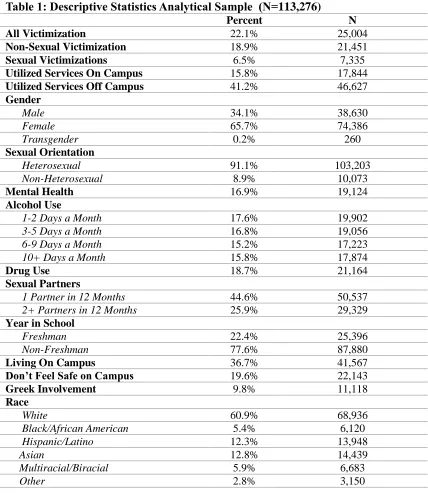
Table 1 Descriptive Statistics Analytical Sample ...38
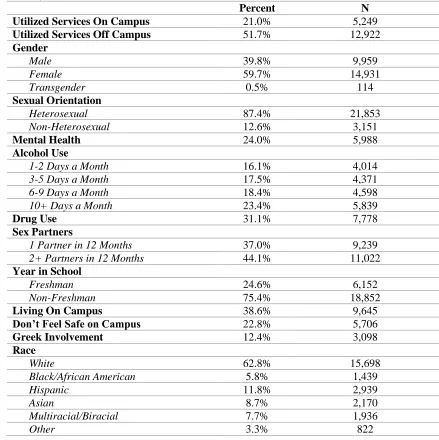
Table 2 Descriptive Statistics Restricted Analytical Sample (Victims Only) ...40
Table 3 Factor Analyses-Any Victimization ...41
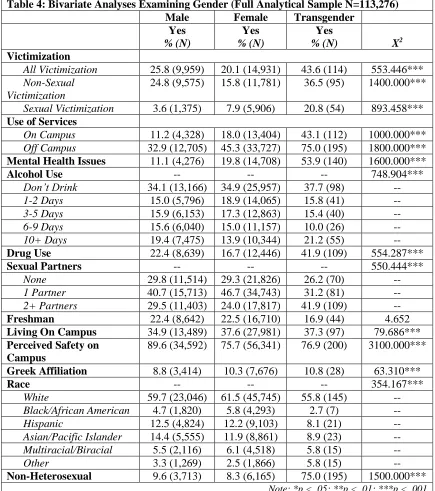
Table 4 Bivariate Analyses Examining Gender (Full Analytical Sample). ...50
Table 5 Bivariate Analyses Examining Sexual Orientation (Full Analytical Sample). ...52
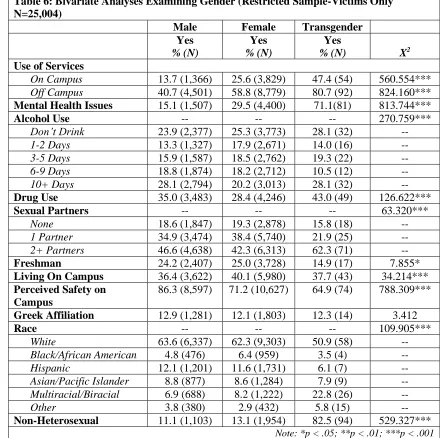
Table 6 Bivariate Analyses Examining Gender (Restricted Sample-Victims Only). ...54
Table 7 Bivariate Analyses Examining Sexual Orientation (Restircted Sample-Victims Only) ...56
Table 8 Binary Logistic Regression Models Predicting Victimization ...60
1
CHAPTER I: INTRODUCTION
Victimization occurs much too often. Findings from the National Crime
Victimization Survey (NCVS) suggest 21.1 per 1,000 residents who are 12 years of age
and older experience violent victimization every year (BJS, 2017). Past research shows
that victimization among college students is also quite prevalent. According to the
NCVS, 80 per 1,000 male college students and 43 per 1,000 female college students were
victims of violence (BJS, 2005). In addition, a study conducted by Fisher, Sloan, and Lu
(1998) estimated 37% of college students reported experiencing at least one form of
victimization during their time in school.
These results highlight the general risk of victimization for college students. It is
known, however, that they are at risk for a variety of types of victimization (Banyard, et
al., 2007; Fisher, Cullen, & Turner, 1999; Smith, White, & Holland, 2003). Koss and her
colleagues (1987) established a well-known national standard for risk of rape and sexual
assault among college women that, on average 1 in 4 college females experience rape at
least once during their college tenure. Not only are college women at risk for sexual
victimization, but males are also at risk. Banyard and her colleagues (2007) suggested
that in comparison to females (20%), about 8% of college males experience rape during
their time in college. College students may also experience violence at the hands of their
intimate partners. Overall, rates of intimate partner violence (IPV) range between 19-27%
for both college men and women. Considered together, the findings from these studies
show that violent victimization is prevalent among college students and suggest there is a
large number of victims on college campuses who could benefit from the use of victim
2
Although researchers have established the prevalence of violent victimization for
college students in general, little research has examined violent victimization among
college students who self-identify as sexual or gender minorities. That is, we know much
less about the victimization of college students who self-identify as lesbian, gay,
bisexual, queer, and/or transgender (LGBQT). Research on general risk shows that
individuals who identify as LGBQT face greater risk for victimization by strangers,
violence at school in grades K-12, intimate partner violence, sexual violence, and family
violence when compared to their heterosexual and gender normative counterparts (Cniro
et al., 2005; D ’Augelli, Grossman, & Starks, 2006; Faulkner & Cranston, 1998;
Freedner, Freed, Yang, & Austin, 2002; Hammelman, 1993; Hunter, 1990; Johnson,
Matthews, & Napper, 2016; Martin & Hetrick, 1988; McFarland & Dupuis, 2001).
There are limited findings regarding the victimization risks of LGBQT college
students. One study revealed 10% of gay college men, 18% of lesbian college women,
and 13.1% of bisexual or transitioning male and female college students experienced
some form of sexual victimization (Murchison, Boyd, & Pachankis, 2017). Even less is
known about students who self-identify as transgender. In studies of sexual victimization
that include transgender college students, they are five times more likely to report sexual
victimization when compared to female students (Johnson, et al., 2016).
These limited findings suggest that LGBQT college students may be victimized at
high rates; thus, they may be in need of services. Despite this possible need, we do not
know the extent to which college students who have experienced victimization utilize
victims’ services that may be offered both on and off campus, or how this usage may
3
This usage is important to understand for heterosexual and LGBQT college students
because access and ability to utilize services after victimization could make a difference
in continued victimization risk and mental health problems (Bauer-Wolf, 2018; Simmel,
Postmus, & Lee, 2016).
When examining the differences in victimization and victim services, the unique
circumstances LGBQT individuals face need to be addressed. Past research suggests
there is an increased risk for victimization that may lead to a higher need for victim
services when compared to other college students (Meyer, 2003). A lack of social
support from peers or parents or both, in addition to unmet societal expectations could
create greater consequences for LGBQT individuals stemming from their increased
victimization and the absence of a solid support system (Meyer, 2003). These factors
may lead them to utilize services more often than other groups of college students.
Despite this possibility, the use of victim services among college students who identify as
LGBQT has not been studied.
Many reasons for the increased need for services for LGBQT persons exist. For
LGBQT persons, support from family, friends, and their communities in general may be
limited as these individuals do not conform to society’s expectations concerning their
sexual orientation and/or sexual identities (Meyer, 2003; Plöderl, et al., 2014). By
defying gender and sexual orientation expectations, LGBQT individuals are often the
target of victim blaming when they report victimization (Plöderl, et al., 2014).
Furthermore, LGBQT individuals and victims are often ostracized, ridiculed, and made to
feel something is wrong with them by their families and peers (Plöderl, et al., 2014).
4
to risky lifestyle choices and behaviors such as binge drinking and drug use in an attempt
to fill the void of a positive social support system (Delonga, et al., 2011).
In addition, LGBQT individuals can exhibit psychosocial and psychological
challenges that are distinctive to their sexual identity (internal, family, and peer
stressors), which may lead to victimization or contribute to re-victimization
(Savin-Williams, 2001). Rates of anxiety, substance abuse, depression, suicidal ideation, and
participation in risky behaviors are also high among LGBQT victims in comparison to
heterosexual and gender conforming victims. The consequences from victimization and
weak family and peer support systems can be detrimental to both the mental and physical
well-being of the LGBQT community (Delonga, et al., 2011; Duong & Bradshaw, 2014;
Smalley, Warren, & Barefoot, 2016) and may exacerbate underlying issues.
Considering the high risk and rates of victimization among LGBQT individuals as
well as the severe consequences that can come from victimization, it is important to
address issues affecting access to and use of victim services for this community. Some
LGBQT individuals fear insensitive and homophobic treatment from victim service staff,
which can keep them from seeking victim services and formally reporting their
victimization (Delonga, et al., 2011). In some cases, it may not be that victim service
workers are insensitive or homophobic, but the projected insensitivity could stem from a
lack of training whereby victim service workers are unaware of how to handle the needs
of victims who differ from societal (and perhaps their own) expectations of victimization.
Additionally, limited knowledge and training among victim service providers can
create an uncomfortable and unsympathetic environment for LGBQT persons (Mallory,
5
to increased numbers of victims among LGBQT college students by increasing the risk
that an individual will participate in riskier behaviors (alcohol and drugs) to self-medicate
as a coping mechanism. These behaviors can in turn increase an individual’s risk of
victimization (Donatone & Rachlin, 2013).
In addition to problems that LGBQT victims may have with victim service
providers, they may also be less likely than others to report their victimization to the
police. In most cases, entrance into the criminal justice system as a victim typically
begins with a formal report. However, not all responses to victimization are developed
through the formal process. LGBQT individuals are less likely to go through formal
channels to report victimization due to biased treatment from criminal justice
professionals (Starzynski, Ullman, Townsend, Long, & Long, 2007; Ullman & Breklin,
2002). When compared to heterosexual and gender conforming individuals, those who
identify as LGBQT are more likely to seek help through informal services such as
counseling, crisis centers, and self-help groups (Lambda Legal, 2016).
While support and services exist for victims of crime who choose to access the
criminal justice system, accessibility and support for victims who identify as LGBQT
may be limited. These challenges, combined with high rates of victimization and a lack
of formal reporting to law enforcement (Mallory, Hasenbush, & Sears, 2015), show a
need for accessibility to victim services and victim service providers who can address the
unique circumstances and cater to LGBQT individuals’ specific needs, especially among
college students. If it can be established that these groups do face greater victimization
and use victim services more frequently than their counterparts, providing services that
6
reduce victimization and its negative consequences. Conversely, if they are victimized at
high levels and not using services, then it would indicate that LGBQT victims are
possibly not having their needs met. Either way, this knowledge could be used to create a
better platform for LGBQT victims to report occurrences of victimization to formal and
informal systems. It can also inform victim service providers about the need for cultural
sensitivity training on college campuses and for criminal justice professionals, medical
providers, and social services.
Currently, there are no studies that have examined how differing groups (LGBQT
and LGBQT college students) face differing types of victimization (sexual and
non-sexual) on college campuses as well as how they utilize victim services on and off
campus. This study will address those gaps in the literature. In doing so, the following
research questions will be addressed.
1. Are LGBQT college students more likely to experience victimization when
compared to heterosexual and gender conforming college students?
2. What types of victimization, if any, are LGBQT college students more likely
to face?
3. Which of these groups are utilizing victims’ services more often on and off
college campuses?
4. Are there differences in service utilization among LGBQT victims and
non-LGBQT victims?
To investigate these questions, the subsequent chapter discuss the victimization of
LGBQT individuals, and how hate crimes, mental health, and psychosocial elements play
7
services and underlines the importance of intervention and cultural sensitivity training
among victim service providers. Chapter IV outlines the methodological and analytical
techniques that will be employed to examine the potential relationship between
victimization and the use of victim services for differing sexual orientations and genders
among college students. Findings from analyses will be presented in Chapter V,
followed with a discussion in Chapter VI of these findings and how they relate to policy
8
CHAPTER II: VICTIMIZATION OF LGBQT INDIVIDUALS
Heightened victimization risk for LGBQT people is among the reasons why
victim services are important. Most studies estimate about 2% to 14% of the population
identify as lesbian, gay, bisexual, queer, and/or transgender (LGBQT)1 (Veltman &
Chaimowitz, 2014). Members of the LGBQT community are at higher risk for all types
of victimization (Felix, Hoyle, Posick, Miller, & Stogner, 2015) when compared to their
heterosexual and gender conforming counterparts (Walters, Chen, & Breiding, 2013).
The percentage of lifetime victimization experienced by LGBQT individuals in the
United States is estimated to range from 9% to 56% (Katz-Wise & Hyde, 2012). LGBQT
persons are at highest risk for verbal (56%) and sexual harassment (50%) (Katz-Wise &
Hyde, 2012). As these numbers suggest, victimization of sexual and gender minorities is
substantial with some studies finding that nearly half experience some form of
victimization within their lifetime (Katz-Wise & Hyde, 2012). In a national-level college
study conducted by Johnson, Matthews, and Napper (2016), findings suggested sexual
minority college students, other than those who identify as lesbians, report sexual
victimization at a higher rate than heterosexual students. Another study examining
intimate partner violence (IPV) found that same-sex IPV rates were higher than
opposite-sex IPV rates (Burke & Follingstad, 1999). According to Edwards and colleagues
(2015), when compared to heterosexual individuals, sexual minorities (lesbian, gay,
bisexual, queer) reported significantly higher incidence rates of physical domestic
violence, sexual assault (any unwanted sexual contact), and unwanted pursuit
victimization (stalking behaviors).
9
Additionally, Toomy and colleagues (2010) found that transgender identity
predicted victimization risk. Transgender individuals also report higher rates of
harassment attributed specifically to their gender identity, when compared to gender
conforming individuals (Rankin, Weber, Blumenfeld, & Frazer, 2010). Transgender
youth are also more likely than students who identified as male or female to fear for their
safety because of possible physical and verbal harassment and intimidation
(Clements-Nolle, Marx, & Katz, 2006; Kenagy, 2005; Lombardi, Wilchins, Priesing, & Malouf,
2001; Rankin et al., 2010). These findings highlight the importance of expanding our
understanding of this population’s victimization.
Extent
The extent to which sexual and gender minorities are victimized varies across
differing types of victimization, but remains high across the LGBQT community.
According to Hein (2008), 53% of sexual minority females and 32% of sexual minority
males have experienced rape at least once. These percentages are five times the national
average for heterosexual females and eight times the national average for heterosexual
males. Another study analyzed emergency room visits for sexual minorities who
experienced violent victimization and found that they were 2.3 times more likely to be
victims of sexual assault than heterosexuals (Cramer, McNiel, Holley, Shumway, &
Boccellari, 2011; Hein & Scharer, 2013). It is possible this high rate of sexual
victimization is a result of hate-motivated rape referred to as corrective rape (rape of an
LGBT individual by a heterosexual individual to cure them of their homosexuality)
10
The risk of experiencing non-sexual victimization is also high. In particular, prior
research has highlighted the problem of intimate partner violence (IPV) within the
LGBQT population (Felix, et al., 2015; Sigurvinsdottir & Ullman, 2015). Findings show
that IPV and stalking are most common for bisexual women (63.1%), followed by
lesbians (43.8%), and heterosexual women (35.0%) (National Center for Injury
Prevention and Control, 2013). Currently, none of these studies reported rates for
individuals who identified as transgender, but there is some research that suggests
transgender individuals may experience greater rates of IPV when compared to LGBQ,
heterosexual, and gender conforming persons (Ard & Makadon, 2011; Goldberg, Matte,
MacMillan, & Hudspith, 2003; Landers & Gilsanz, 2009). In one study, 34.6% of
transgender respondents reported lifetime physical abuse rates by a partner versus 14%
for gay or lesbian individuals (Landers & Gilsanz, 2009). The high rates of IPV among
LGBQT persons challenges conventional notions that such violence solely affects
heterosexual women.
Persons who identify as non-heterosexual also face differing types of
victimization (workplace discrimination, harassment from peers at school, violent
victimization, sexual violence, and emotional abuse) when compared to heterosexual
individuals. For example, Berrill’s (1992) quantitative review of LGB violence and
victimization across 24 studies found 9% experienced assault with a weapon, 17%
experienced physical assault, 19% experienced vandalism and property crimes, 44% were
threatened with violence, 33% were chased or followed, 25% had objects thrown at them,
13% had been spat on, and 80% had been verbally harassed. Unfortunately, the majority
11
because they are based on small samples that do not represent the population of LGB
people (Tjaden, Thoennes, & Allison, 1999).
There are differences within the LGBQT community regarding the prevalence of
sexual victimization. For example, lesbian and bisexual women are at higher risk for
sexual victimization when compared to heterosexual women (Drabble, Trocki, Hughes,
Korcha, & Lown, 2013; Sigurvinsdottir & Ullman, 2015). In a nationally representative
study, 79.6% of bisexual women, 59.1% of lesbian women, and 43.2% of heterosexual
women faced lifetime sexual violent victimization (Drabble et al., 2013).
Although research is limited on victimization of transgender persons, the current
literature suggests individuals who identify as transgender are victimized the most (Grant
et al., 2011). Grant and colleagues (2011) found that 35% of transgender individuals
have been physically assaulted and 12% experienced rape. The Anti-Violence Project of
Massachusetts (1990) found 61% of transgender respondents reported being the victim of
a “hate crime” that involved sexual victimization and/or physical violence (Berrill, 1990).
Although very little information is available concerning the overall violent victimization
of transgender individuals, the Human Rights Campaign suggests increasing transgender
deaths over the last few years is a serious problem within the United States (from 21 in
2015 to 28 in 2017) (Human Rights Campaign, 2015; 2016; 2017; 2018). In some cases,
these deaths involved anti-transgender bias, while others did not.
College students who identify as being LGBQT may also experience
victimization at high rates. In general, reviews concerning students’ safety and
victimization rates on college campuses are mixed (Evans & D’Augelli, 1996; Fisher et
12
Bureau of Justice Statistics (BJS), between 1995 and 2002, college students ages 18 to 24
had lower annual violent victimization rates compared to non-students within the same
age group (61 per 1,000 students versus 75 per 1,000 non-students) (Baum & Klaus,
2005). With the exception of rape/sexual assault where there was no statistical difference
between the two groups, average yearly rates were lower across all types of victimization
measured (robbery, aggravated assault, and simple assault) (Baum & Klaus, 2005). The
majority of violent victimization experienced by college students was simple assault
(63%) (Baum & Klaus, 2005). Although there is debate about whether college students
are more likely to be victimized on or off campus, one consistent finding suggests
LGBQT persons experience higher rates of victimization both on and off campus
compared to sexual and gender conforming counterparts (Baum & Klaus, 2005; Fisher, et
al., 1998; Johnson, et al., 2016). The difference may be attributed to their sexual and
gender identities thus implying a need for services aimed at these particular groups.
Bias crimes. Some victimization of LGBQT persons (threats of violence, verbal
harassment, physical and sexual assault) can be classified as hate crimes based on the
victim’s sexual orientation. In 2016, law enforcement agencies noted 7,615 victims of
hate crimes. Of those, 17.7% were specifically targeted for differing sexual orientation
status (FBI, 2016). These statistics only represent the incidents reported to law
enforcement that occurred within a year; thus, these numbers underestimate the true
extent of bias-motivated crimes against LGBQT individuals. There is also inconsistency
in estimates of hate crime victimization due to discrepancies in how hate crimes are
defined and measured across states. Since each state has the ability to include or exclude
13
(Hein & Scharer, 2013; Human Rights Campaign, 2011), it is not possible to compare
states’ hate crime victimization rates.
Risk Factors and Theoretical Explanations
Research has demonstrated that LGBQT individuals are at heightened risk of
being victimized. The reasons behind this risk are not fully understood, but mental health
complications are linked to experiences with minority stress along with engagement in
risky behavior (Meyer, 1995, 2003). Although theories will not be specifically tested
within this study, their propositions are used as guidance when attempting to understand
risk factors leading to increased victimization and the importance and use of victim
services. The two perspectives emphasized in this study are routine activities-lifestyles
theory, a combination of Cohen and Felson’s (1979) routine activities theory and
Hindelang and colleagues (1978) lifestyle-exposure theory, and minority stress theory by
Meyer (2003). Minority stress theory indicates external social conditions can be sources
of stress that lead to mental and physical harm (Meyer, 2003). People who belong to
stigmatized groups may experience social stressors such as discrimination and prejudice
(Meyer, 2003). As it relates to LGBQT individuals, one of the key elements of minority
stress theory suggests that bias and discrimination promotes minority stressors that can
have mental health implications for members of these minority groups (Meyer, 1995;
2003). Specifically, minority stress theory identifies three perceived encounters such as
discrimination, internalized prejudice, and fear regarding a potential stigmatization as
stressors that can contribute to negative mental health outcomes (Meyer, 1995; 2003).
For example, these perceived encounters have been linked with depression, anxiety,
14
Moradi, Deblaere, & Velez, 2013; Cramer, Burks, Stroud, Bryson, & Graham, 2015; Lea,
de Wit, & Reynolds, 2014; Newcomb & Mustanski, 2010).
External objective stressful events (chronic and acute) may also carry negative
consequences. For example, some lesbian, gay, or bisexual individuals may be more
alert during interactions with others because they expect some form of rejection, some
may choose to hide their identity for fear they will be harmed, and they may internalize
societal stigma attached to sexual minorities (internalized homophobia) (Meyer, 2003).
Finally, individuals may internalize negative societal attitudes (Meyer, 1995; 2003).
Meyer suggests that the concealment of the individual’s sexual orientation is a stressor
that may have severe internal psychological consequences including how an individual
views other stressful situations. The experience of minority stress is important to
understand as it puts LGBQT people at greater risk for victimization through how people
respond to the experience of stress, which in turn would suggest a greater need for victim
services.
The process whereby minority stress leads to victimization risk has been
identified. Meyer (2003) argues the stress of being a minority leads individuals to
participate in risky behaviors (alcohol use, drug use, risky sexual practices, and proximity
to offenders), which heightens their risk for violent victimization. One specific way that
stress may lead to substance use occurs when sexual and gender minorities feel rejected.
Sexual and gender minorities who feel rejection from family members, community
members, and/or peers may distance themselves to escape rejection and harm. By
creating this distance, they alienate themselves from people and activities they previously
15
involve turning to substance use such as drugs and alcohol for LGBQT individuals. As
with most, substance use as a coping mechanism can be both mentally and physically
harmful to an individual. In addition, there are specific risk factors that come from
internalized homophobia including higher rates of mental health problems and suicidal
ideation that also may lead to coping via alcohol or drugs. Kuyper and Vanwesenbeeck
(2011) suggest gay, lesbian, and bisexual individuals have higher risk for unique and
chronic stress directly related to internalizing their minority status. In response to this
stress, people may use alcohol or drugs to cope.
Although stress combined with substance use are the main components for
increasing violent victimization risk, Meyer’s (2003) also suggests LGB individuals risk
for victimization does not increase through stress and substance abuse alone. For violent
victimization risk to increase, several things must come together at once; an offender has
to be present, a sexual or gender minority dealing with these types of internalized stress
has to be present, and the use of substances (drugs and/or alcohol) has to be present. As
presented, many explanations of how minority stress links to victimization incorporate
Hindelang et al.’s (1978) lifestyle-exposure theory and Cohen and Felson’s (1979)
routine activities theory (RAT). Minority stress increases risk of substance use and
mental health issues, which puts minority individuals in closer proximity to offenders and
greater risk for victimization. A small number of studies provide evidence to support
these theoretical assumptions (Anderson, Hughes, Zou, & Wilsnack, 2014; Duncan,
1990; Edwards et al., 2015; Hequembourg, Livingston, & Parks, 2013; Katz-Wise &
Hyde, 2012; Kuyper & Vanwesenbeeck, 2011; Oshri, Handley, Sutton, Wortel, &
16
Mental health. Sexual minority status is consistently linked to increased risk for
mental health problems, which increases the risk of victimization (Cochran & Mays,
1994, 2000; Cochran, Mays, & Sullivan, 2003; King et al., 2008; Marshal et al., 2008;
Mays & Cochran, 2001). King and colleagues (2008) found that non-heterosexuals
experienced an increased lifetime risk of suicide attempts, depression, anxiety disorders,
and substance use disorders. The results also indicated that gay men and lesbian women
were more likely than their heterosexual counterparts to have greater overall stress, but
were also more likely to consult a mental health professional (King et al., 2008;
McAleavey, Castonguay, & Locke, 2011). When compared to individuals who identify
as heterosexual, gender and sexual minorities have been found to be at a higher risk for
psychological difficulty (Cochran et al., 2003; King et al., 2008; Mustanski, Garofalo, &
Emerson, 2010). A meta-analysis conducted by King et al. (2008) found adults
identifying as LGB were 1.5 times more likely than heterosexual individuals to be at risk
for depression, two times more likely than heterosexual individuals to attempt suicide,
and 1.5 times more likely than heterosexual individuals to self-medicate using alcohol
and other substances.
Variations in psychological problems have been found when examining different
sexual orientations and gender identities. Men who identify as gay or bisexual are at
more risk for depression (Cochran et al., 2003), suicide attempts throughout their life
(King et al., 2008), and mental disorders such as anxiety, schizophrenia, and psychotic
diagnoses (Bolton & Sareen, 2011) when compared to heterosexual males. Women who
17
and issues with substance use (Bolton & Sareen, 2011) at higher rates in comparison to
heterosexual women.
LGBQT victimization may stem from stressful events and internalized stress
caused by their minority status, which can worsen or intensify underlying mental health
problems that already exist (Meyer, 2003). The concealment of an individual’s sexual
orientation or gender creates stress that can have severe internal psychological
consequences (Meyer, 2003). This psychological stress is important to understand as it
puts gender and sexual minorities at greater risk for victimization, and may lead to more
negative consequences post-victimization. According to Mustanski and colleagues
(2016), LGBT youths with high or increasing levels of victimization beginning in
adolescence and continuing into early adulthood are at higher risk for depression and
posttraumatic stress disorder when compared to non-LGBT youths (Mustanski, Andrews,
& Pucket, 2016). Koss and colleagues (1991) found that almost all victims made visits to
mental health facilities on an outpatient basis in the two years following the victimization
(Koss, Woodruff, & Koss, 1991). These findings would suggest that mental health
treatment is a vital source of assistance for victims, especially if mental health issues
already existed as victimization can worsen those outcomes (Koss, et, al., 1991;
Mustanski, et al., 2016). Evidence suggests LGB persons are at greater risk for poor
mental health across all stages of life including depression and mood disorders (Cochran
et al. 2007), anxiety disorders (Cochran et al. 2003), alcohol use and abuse (Burgard et al.
2005), and suicide ideation and attempts (Cochran et al. 2003) as a response to bullying
18
Risky lifestyles. One source of risk for LGBQT individuals is engagement in
risky lifestyles. Hindelang et al.’s (1978) lifestyle-exposure theory emphasizes exposure
to high risk activities, places, and individuals for increasing risk of victimization. In
particular, spending time outside of the home in the company of non-family members,
especially at night, puts people at risk for victimization. Cohen and Felson’s (1979)
routine activities theory argues that some routines put people at risk of victimization
because they present themselves as an attractive target to offenders when there is a lack
of capable guardianship (Cohen & Felson, 1979). Miethe and Meier’s (1990) work
combined these two theories together in a theoretical explanation referred to as
“structural-choice” theory of victimization. Miethe and Meier (1990) argues these two
theories, when combined, highlight the importance of proximity to motivated offenders,
exposure to high-risk situations, attractive targets, and the absence of guardians as
essential for crime to occur. Under this theoretical model, proximity and high-risk
situations are believed to be “structural” features as social interactions can predispose
people to risky situations, whereas attractive targets and lack of guardianship characterize
the “choice” element as it controls selection of attractive targets within social settings
(Meier & Miethe, 1993). These combined theories are useful as they show exposure to
risky lifestyles, proximity to motivated offenders, attractive targets, and lack of
guardianship are necessary for victimization to occur (Meier & Miethe, 1993).
Together, these theoretical perspectives may partially explain the risk that
LGBQT individuals, and college students, face for victimization. For example, the
convergence of suitable targets, motivated offenders, and lack of capable guardians
19
in risky behaviors such as using alcohol and drugs in environments that are often
unsupervised. Further, previous research on LGBQT individuals contends that they may
be attractive targets because of their more frequent participation in risk-taking behavior
(substance abuse, risky sexual behavior, mental health issues) when compared to their
sexual and gender conforming counterparts (Cochran & Mays, 1994, 2000; Cochran, et
al., 2003; King et al., 2008; Marshal et al., 2008; Mays & Cochran, 2001; McAleavey, et
al., 2011).
Consequences of Victimization
In addition to exploring the risks for victimization, it is also important to consider
the effects that victimization may have for LGBQT individuals. Indeed,the prevalence
of victimization is cause for concern due to short-term and lifelong effects that can range
from physical/mental health problems and academic difficulties to continuing the cycle of
victimization (Hanish & Guerra, 2002; Llewellyn & Rudolph, 2014; Solberg, Olweus, &
Endresen, 2007). Some consequences related to physical and mental health issues are
common among victims in general. Some of those consequences include physical and
mental health outcomes including health risk behaviors (e.g. substance abuse, risky
sexual behavior, etc.) and other health concerns like homelessness (Bouffard & Koeppel,
2014). Violent victimization has been related to posttraumatic stress disorder (PTSD),
substance abuse (alcohol and drugs), depression, and suicidal ideation (Breslau, Davis,
Peterson, & Schultz, 2000; Pimlott-Kubiak & Cortina, 2003; Taylor & Kliewer, 2006).
Koss and colleagues (1991) found visits to physicians increased 13% to 22% for victims
rather than non-victims, which resulted in their healthcare costs being 2.5 times greater
20
Results from Bouffard and Koeppel’s (2014) study support previous research
regarding the relationship between victimization and adverse health effects. They found
individuals who experienced consistent bullying early in life were more likely to
experience higher rates of mental health issues. High rates of mental health issues could
be especially important to individuals who identify as LGBQT as they are more likely to
experience bullying victimization from peers (Berrill, 1992). In addition, Bouffard and
Koeppel (2014) found that victimization was linked to alcohol consumption, smoking,
and sexual activity. Specifically, victims of consistent bullying were more likely to
smoke and experience re-victimization than non-victims. It is apparent that experiencing
victimization has significant consequences that go beyond immediate physical and mental
trauma. In addition, experiencing more than one victimization may result in more serious
health outcomes (Bouffard & Koeppel, 2014).
The consequences of victimization have also been examined for college students.
For example, college students who experience victimization are more likely to be
depressed, sometimes more than 10 years after the victimization occurred (McGinley,
Wolff, Rospenda, Liu, & Richman, 2016). In addition to depression, college students
who were victimized reported increases in anxiety and low self-concept. College
students who identify as LGBQT report greater levels of anxiety, depression, and
substance use (McGinley, et al., 2016). This is consistent with consequences faced by
victims within the general population. For individuals who identify as LGBQT,
consequences of victimization could be even more damaging. Due to already weakened
social support systems, sexual and gender minorities can be more vulnerable to the
21
implicated in victimization risk; thus, strong social supports may reduce victimization
risk through its effect on behaviors that expose people to victimization and its attendant
consequences.
Reporting. Whatever the risk and reasons underlying victimization rates, one of
the unintended consequences for most victimization is the lack of reporting to police.
This underreporting is especially pronounced among sexual violence, IPV, and
bias-related victims (Daigle, 2013). According to the National Institute of Justice (NIJ)
(2017), only 27.5% of rapes, 34% of attempted rapes (NIJ, 2010), and 26% of sexual
assaults were reported to law enforcement. The lack of reporting may be problematic in
that in cases of rape, Resnick and colleagues (2000) found that participants who formally
reported to police were much more likely to receive medical care (Resnick, Holmes,
Kilpatrick, Clum, Acierno, Best, et al., 2000). This lack of care is not surprising since
reporting to law enforcement initiates key steps in the investigative process, such as
collecting forensic evidence in case victims choose to go forward through formal means
(McCart, Smith, & Sawyer, 2010). In cases of intimate-partner violence, about half of
incidents are reported to police (FMF, 2014). According to the National Crime
Victimization Survey and a report conducted by the Bureau of Justice Statistics (1999),
approximately 50% of victimization incidents are not reported to law enforcement
(Rennison, 1999).
Non-reporting also holds for college students as research shows only 25% of
incidents of victimization are reported to police or campus officials, especially among
college females (Koss, et al., 1987; Sloan et al., 1997). Considering all types of
22
reported to law enforcement or campus officials (Fisher, et al., 2003). Understanding
why victimization continues to go under-reported is essential to implementing victim
services that can adequately provide for these groups. There are many reasons why
victims do or do not report to the police. As indicated by previous research, there are
some aspects of victimizations that may increase the likelihood of victims reporting to
police (Hart & Rennison, 2003; Skogan, 1984). Specific characteristics such as crime
type, the use of a weapon, and property damage or loss greater than $300 were more
likely to predict formal reporting among victims (Briones-Robinson, Powers, & Socia,
2016). According to RAINN (2010), the common reasons for victims to report
victimization are to protect others from future victimization (28%), to prevent recurrence
or escalation (25%), or the victim feels they have a duty to do so (21%). Unfortunately, it
is common for victims not to report because they fear retaliation (20%), they have no
trust in the criminal justice system (13%), or they believe the incident to be a personal
matter (13%) (FMF, 2014; NIJ, 2017; RAINN, 2010). The lack of reporting to formal
sources in the criminal justice system may also be linked, in part, to the relationship
between the victim and offender. Prior research indicates many victims are known to
their offenders as a friend or acquaintance (Daigle, 2013). When a victim does report, it
is more likely the offender is a stranger, there is serious bodily harm that requires medical
attention, and/or a weapon was used during the commission of the crime (Mallicoat &
Ireland, 2014).
The lack of reporting following a sexual assault, rape, IPV, stalking, and other
interpersonal violence is well documented among the general population; however,
23
underreported (Vocativ, 2015). According to Potok (2013), the percentage of violent
hate crime victims who do not report has risen from 14% in 2003-2006 to 24% in
2007-2011. Further, the FBI’s Uniform Crime Report (UCR) reported 7,615 hate crimes, but
findings from the NCVS show much higher figures—closer to 40 times greater than the
numbers generated by the FBI (FBI, 2016; Vocativ, 2015). Although there are many
reasons for non-reporting among LGBQT victims, the most often cited is grounded in
motivation, as they cannot demonstrate bias motivation for the offense. The implication
is that bias crimes against LGBQT individuals are motivated specifically because of
sexual orientation and/or gender, but motives are difficult to prove (Potok, 2013). This
difficulty in proving motive means it is unlikely that bias-crime perpetrators are brought
to justice. While not all victimizations LGBQT individuals face are biased in nature,
reporting for all types of crimes in general is lower when compared to heterosexual and
gender conforming victims (Potok, 2013). Although there are no formal statistics to
denote differences in reporting rates across these groups, the FBI’s Uniform Crime
Report (2016) suggests 64.3% of victims within the general population versus 11.9% of
bias crime victims reported aggravated assault.
For college students, reasons for non-reporting differ slightly. Previous research
suggests formal reporting was less likely when drugs and/or alcohol were present at the
time of the victimization as this would likely lower their reliability as a victim (Fisher et
al., 2003). Among other reasons for non-reporting among college students is the lack of
evidence of victimization, fear of retaliation, and the fear that family members and peers
may find out (Fisher et. al., 2003). The reasons for not reporting to the police may be
24
from unfavorable encounters with law enforcement (Lambda Legal, 2016). A 2015
national survey of LGBT individuals found 73% of respondents had a face-to-face
contact with law enforcement within the past five years (Lambda Legal, 2016). This
survey revealed that of the 73% of sexual minority respondents, 21% reported the
attitudes of the police were hostile, 14% said the police verbally assaulted them, 3%
reported sexual harassment by the police, and 2% claimed the officer physically assaulted
them (Lambda Legal, 2016). For those who were reporting as a victim of crime (62%
experienced physical assault, 49% experienced property crime, 41% experienced IPV,
39% experienced sexual assault), the majority claimed the police were inadequate in
handling their reports and failed to fully handle complaints (Lambda Legal, 2016).
Police abuse, neglect, and misconduct were consistently reported more frequently by
individuals who identified as transgender (Lambda Legal, 2016).
When LGBQT victims choose to formally report their victimization to law
enforcement and have a negative response, they are less likely to continue with the
criminal justice process (Lambda Legal, 2016). As the police are often the first to
encounter victims, it is important their relationship be one of mutual understanding and
respect so that LBGQT victims who report their experience then have access to other
25
CHAPTER III: UTILIZATION OF SERVICES
Understanding the correlates and consequences of victimization can aid in the
understanding of why victim services are needed, especially those that are sensitive to
sexual and gender minorities. When individuals are victimized, they may seek out victim
services. Understanding the reasons why individuals are victimized may help inform the
types of services they may need and use. Building off of the discussion in Chapter II,
theoretical explanations aid in understanding why victimization risk and extent for
LGBQT individuals is higher in comparison to heterosexual and gender conforming
individuals. Such theoretical frameworks also guide the consideration of victim services
to address the needs of all victims including sexual and gender minority groups.
Understanding if victims are using services and if there are differences between sexual
and gender minorities and their counterparts is important because services received by
LGBQT victims may not be adequate to address the risks and consequences they face.
As noted in Chapter II, the most commonly used theories to explain victimization
are lifestyle-exposure theory and routine activities theory (L/RAT). Although there is
ample evidence that shows that college students are at risk for victimization because of
their engagement in risky lifestyles, such as consuming alcohol and drugs without adult
supervision, it may be that LGBQT college students face particular risks, which suggest a
greater need for services. According to previous research, LGBQT individuals may be
attractive targets because of their engagement in risk-taking behavior (substance abuse,
risky sexual behavior, mental health problems) that is more frequent than their sexual and
gender conforming counterparts (Cochran & Mays, 1994, 2000; Cochran, et al., 2003;
King et al., 2008; Marshal et al., 2008; Mays & Cochran, 2001; McAleavey, et al., 2011).
26
LGBQT individuals thus leading to increased utilization of victim services. Instead, as
discussed in Chapter II, minority stress theory may also apply. Increased stress and
internalized homophobia specifically related to an individual’s sexual minority status
may increase their risk for mental health issues and engagement in risky behaviors,
thereby leading to higher rates of victimization. Furthermore, minority stress theory may
be better at explaining why victim services could be particularly useful for LGBQT
individuals considering their increased risk of victimization.
Overview of Services Utilized by Victims
Victim services play an important role for victims following their victimization.
Through informal sources, victims are afforded opportunities to create an individualized
support system that could potentially lessen the negative effects of violent and sexual
victimization. Given the high rates of victimization among LGBQT persons and the fact
that certain risk factors and consequences may be unique to LGBQT people, victims may
need specific services that address their individual needs after victimization. A brief
overview of services utilized by victims can help shed light on what is commonly
currently offered to victims.
Informal resources. We know that not all victims report to the police. The
issues that LGBQT individuals face when reporting victimization to law enforcement not
only hinder the victim from coming forward, they may serve as a deterrent for other
LGBQT victims from reporting their victimization as well. In fact, most victims seek
help from informal resources such as counseling services, resource centers, or family and
peers rather than formal resources (Starzynski et al., 2007; Ullman & Breklin, 2008). For
27
their victimization over other informal means (Pitts & Schwartz, 1993). In the majority
of cases, victims of sexual assault report to friends in an effort to receive support and the
resource that will be the most helpful to them (Frazier & Burnett, 1994). Despite this
awareness of the use of informal services, their use is less understood among LGBQT
victims. This lack of knowledge is particularly troubling given the high rates of
victimization that LGBQT victims face and the fact that they are likely to need assistance
outside of using the police. Further, the types of services received and the effectiveness
of these services has not been fully researched.
For example, rape crisis centers’ and domestic violence shelters may not provide
services that are germane to LGBQT victims. Rape crisis centers provide victim
advocacy and support services to sexual assault and rape victims with a focus on
supporting victims and the prevention of sexual violence (NSAC, 2010). In cases of
sexual assault, victims are often referred to sexual assault nurse examiners (SANEs)
(Fehler-Cabral, Campbell, & Patterson, 2011; Henderson, Harada, & Amar, 2012).
SANEs are registered nurses with specialized training in treating sexual assault victims.
Since victims are overwhelmingly female, SANE training focuses more on female
victims (NSVRC, 2015) and can leave many SANEs unprepared to adequately handle
male victims, transgender victims, and/or victims of differing sexual orientation. Similar
to sexual assault and rape, victims of domestic violence and intimate partner violence
(IPV) are usually female, (1 in 3 women, 1 in 7 men) (National Coalition against
Domestic Violence, 2015; National Intimate Partner and Sexual Violence Survey, 2010);
hence, a more female-oriented approach is found in domestic violence shelters
28
U. S., less than half are open to both male and female victims (National Coalition against
Domestic Violence, 2015).
Victims of crime can also suffer serious mental, physical, and emotional problems
(Cochran & Mays, 1994, 2000; Cochran, et al., 2003; King et al., 2008; Marshal et al.,
2008; Mays & Cochran, 2001; McAleavey, et al., 2011), which may require treatment
from mental health providers. Mental health providers can aid with treatment through
group or individual therapy, medication, or if needed, hospitalization (Kane, Robinson,
Schooler, Mueser, Penn, Rosenheck, & Marcy, 2015). Again, more often it is females
who are utilizing these services. For example, several studies that have focused on
mental health service utilization among victims of crime found female victims are more
likely than male victims to seek services from mental health professionals (Kaukinen,
2004; New & Berliner, 2000). Interestingly, several studies have suggested that victims
are more likely to seek mental health services when they have a larger family and peer
support system (Norris, Kaniasty, & Scheer, 1990; Starzynski et al., 2007; Ullman &
Breklin, 2008). This relationship may be especially concerning for LGBQT victims as
they are less likely to have the support of family and peers when compared to their
counterparts (Meyer, 2003).
Other research suggests that LGBQT people may use mental health services at
higher rates than others (Cochran et al., 2003; McAleavey et al., 2011). Specifically, one
study of sexual assault victims found women who identified as lesbian or bisexual were
more likely than heterosexual women to utilize mental health services (Starzynski et al.,
2007). Whether similar findings would be found among LGBQT victims who are college
29
victims in the form of crime victim assistance programs, these programs are typically
geared toward those victims willing to participate in the formal process of the criminal
justice system. Programs like In Our Own Voice in New York assist LGBQT victims
with compensation claims and crisis intervention through hotlines and group counseling,
provide emergency assistance in obtaining shelter, and offer assistance in obtaining legal
counsel (In Our Own Voice, 2017). However, victim assistance programs such as the
one offered in New York are rare as very few of these programs exist across the United
States. Most often for LGBQT victims, for lack of such resources, mental health
providers are the first people they go to.
Examining the use of informal services among LGBQT individuals, there are
three reasons why minority stress theory is an important theoretical perspective to
consider. First, LGBQT victims may feel more comfortable utilizing informal services
rather than formal reporting due to the fear of ridicule from police regarding their
minority status. Second, the majority of victims enlist the help of female friends;
however, minority stress theory suggests LGBQT individuals have less support from
family and peers due to their minority status, which may leave victims with few sources
of informal support. Lastly, the increased number of mental health problems that
LGBQT individuals face related to the stress of being a minority and internalized
homophobia increases the chances that LGBQT victims will need informal services when
compared to non-LGBQT victims.
College campus LGBQT resources. On college campuses, LGBQT students are
more visible than ever (Renn, 2017). To accommodate them, many colleges have begun
30
the LGBQT student body. The extent to which these student organizations and resource
centers can help with rates of victimization and service utilization is unknown. For
LGBQT students, access to these resources on campus creates a space to safely explore
their sexuality and gender privately. For others, it provides opportunities to connect with
individuals familiar with the struggles associated with their minority status (Renn, 2017).
Some argue that these resources can help LGBQT college students navigate trickier
aspects of college life that may increase their risk of victimization (Renn, 2017). Despite
this possibility, there is no empirical support that LGBQT student organizations and
resource centers on college campuses provide positive support for victims in this way as a
great deal remains unknown.
Most LGBQT student organizations and resource centers focus on campus climate
and legal protections for LGBQT students within the individual institution that prohibit
discrimination; not necessarily victimization or victim services (Renn, 2017). It is also
unclear if the use of services will lessen the effects of victimization for LGBQT victims.
LGBQT student organizations do, however, advocate for campus healthcare and
counseling to be inclusive of all students including all sexual orientations and transgender
students. They argue this could decrease time lost in the classroom due to chronic or
acute mental health needs that are not currently being addressed (Renn, 2017). There is
little question that there are more services for LGBQT victims on and off college
campuses today than there were several decades ago. Yet, the extent to which LGBQT
individuals are affected by victimization and how these organizations aid in victim
31
Beyond specific LGBQT organizations on college campuses, colleges and
universities are currently wrestling with the question of how to respond effectively and
efficiently to an increase in need for victim services and mental health services
nationwide (CCMH, 2016). The demand for services includes issues with risk, need, and
diagnoses as well as other factors that can make it difficult to assess what works and what
does not. The pressure to get it right results in solutions that are rigid and lack the ability
to be culturally sensitive to differing types of victims, which affects the success of
services offered on and off campuses (Bauer-Wolf, 2018).
Of LGBQT college students who do utilize services, one report from the Center
for Collegiate Mental Health (CCMH) (2016) suggests college students who struggle
with their gender and sexual orientation identity utilize counseling services on campus for
longer periods of time compared to their counterparts. The CCMH, housed at Penn State
University, found that college students who identified as transgender participated on
average in 10.6 counseling sessions over the course of their collegiate career, college
students who identified as LGBQ participated on average in 8.4 sessions, while sexual
and gender conforming college students participated on average in 6.5 sessions (CCMH,
2016). According to this study, LGBQT students are spending more time utilizing
services both on and off campus when compared to their counterparts. This study,
however, did not report usage rates for victims and whether barriers for usage exist for
LGBQT victims.
Barriers to service for LGBQT individuals. Research on service accessibility
and barriers to victim services for LGBQT individuals is limited as well. A few studies
32
& Schneider, 1996) suggest that barriers encountered by gay and lesbian youth (ages
17-24) include ignoring sexual orientation as an issue, deflection, outing of an individual’s
sexual orientation status, harassment, and misinformed staff (Acevedo-Polakivich, et al.,
2011). These barriers could explain why LGBQT individuals do not utilize services in
the same way as non-LGBQT individuals.
Problems such as a lack of funds and personnel who can specifically offer
services to LGBQT clients, in addition to a “one-size-fits-all” approach ignore the unique
needs of these victims (National Center for Victims of Crime, 2015). Among SANEs and
rape crisis centers, providers are trained to handle cases that typically involve
heterosexual female victims (Campbell & Martin, 2001). For example, in a study of male
to female transgender individuals in San Francisco (Nemoto, Operario, & Keatley, 2005),
researchers found that 29% of those needing access to rape crisis services were unable to
access them. Research supports transgender individuals choosing not to seek healthcare
because of fear and discrimination (Seelman, Colon-Diaz, LeCroix, Xavier-Brier, &
Kattari, 2017). Seelman, et al. (2017) found 19% of transgender victims were refused
medical care and 28% were subjected to verbal harassment by service providers.
Interestingly, transgender individuals perceive themselves to be the most in need for
services, but are less likely to utilize them because of their experiences with
discrimination, victim blaming, and rejection by victim service providers (Seelman, et al.,
2017). Informal services grounded in bias against victims who differ from socially
accepted sexual orientations and genders destroy any opportunity to create a support
33
In domestic violence shelters, the exclusion of LGBQT victims can cause further
emotional, psychological, and physical harm (Greenberg & Harris, 2012). In a report that
examined the experiences of LGBT survivors of domestic violence (GLBT Domestic
Violence Coalition, 2005), both institutional and individual discrimination based on
gender identity were occurring. Research shows that the lack of culturally-sensitive IPV
shelters creates issues among these victims, including their ability to seek shelter from
abusive intimate partners, reporting to law enforcement due to perceived or actual
homophobic views (Lambda Legal, 2016), and creating concerns about receiving and
enforcing protection orders (Potoczniak, Murot, Crosbie-Burnett, & Potoczniak, 2003).
These issues make it difficult for LGBQT intimate partner violence victims to utilize and
receive IPV services.
Not only do LGBQT victims face barriers receiving services for sexual assault
and IPV, they also face barriers with medical professionals and services in the mental
health field. The research on access and barriers for mental health services following
victimization is more developed. Emotional barriers including shame, embarrassment,
and the stigma associated with identifying as having a mental illness prevent LGBQT
individuals from seeking mental health services (Jaycox, Marshall, & Schell, 2004;
Rodriguez, Valentine, Son, & Muhammad, 2009). Because of these barriers, the number
of LGBQT victims who utilize mental health services is low (Veltman & Chaimowitz,
2014). The low number of LGBQT victims utilizing mental health services is
compounded by health care providers who often lack the knowledge and skills required
to handle their unique circumstances. One national study found LGBQT participants felt
34
professionals were homophobic (Veltman & Chaimowitz, 2014). Unfortunately, many
LGBQT individuals fear and avoid traditional health care (Veltman & Chaimowitz,
2014). Accordingly, perhaps the bigger issue for mental health services may be with
mental health practitioners and the quality of services, rather than access to these
services. Despite this possibility, the extent to which LGBQT college students are
victimized and use services on and off campus has not been explored.
Current Study
Given the high rates of victimization among LGBQT individuals, there is a need
for specialized formal and informal services and resources for this unique population.
Although some studies have included differing sexual orientations and specific types of
victimization, none have specifically examined how different groups (LGBQT and
non-LGBQT) may face differing types of victimization (sexual and non-sexual) on college
campuses within the same study as this one does. This study also contributes to the
existing literature by including both sexual orientation and gender-identity (e.g.,
transgender) within the same study. Such inclusion allows for a more specific
examination of how victimization and victim services may differ for these marginalized
groups. There is also a need to understand how LGBQT victims are utilizing these
services on and off campus when compared to their counterparts, especially while
controlling for mental health. Other studies have not identified differences in usage or
whether being LGBQT influences their use. To fill the gaps in the literature, the current
study seeks to examine differences in victimization and the use of services among
LGBQT and non-LGBQT college students and victims. In doing so, the following
35
1. Are LGBQT college students more likely to experience victimization when
compared to heterosexual and gender conforming college students?
2. What types of victimizations, if any, are LGBQT college students more likely to
face?
3. Which of these groups are utilizing victim’s services more often on and off
college campuses?
4. Are there differences in service utilization among LGBQT victims and
non-LGBQT victims?