Creating Learning Environments for
Compassionate Care (CLECC): a
feasibility study
In press with HS&DR Journal: planned publication in 2018.
Authors:
Professor Jackie Bridges,1,2* Dr Ruth M.Pickering,1 Ms Hannah Barker,1 Mrs Rosemary Chable,2,3 Professor Alison Fuller,4 Dr Lisa Gould,1 Mrs Paula Libberton,1 Miss Ines Mesa-Eguiagaray,1
Professor James Raftery,1 Professor Avan Aihie Sayer,2,5 Dr Greta Westwood,1,2,6 Dr Wendy Wigley,1 Dr Guiqing Yao,1 Dr Shihua Zhu,1 Professor Peter Griffiths1,2
Institutional affiliations of authors:
1Faculty of Health Sciences, University of Southampton, Southampton, UK.
2NIHR CLAHRC Wessex, Southampton, UK.
3University Hospitals Southampton NHS Foundation Trust, Southampton, UK. 4University College London, Institute of Education, London, UK.
5NIHR Newcastle Biomedical Research Centre, Newcastle upon Tyne Hospitals NHS Foundation Trust & Faculty of Medical Sciences, Newcastle University, Newcastle, UK.
6Portsmouth Hospitals NHS Trust, Portsmouth, UK.
Competing interests: none declared
*Corresponding author’s contact details: Professor Jackie Bridges, University of Southampton, Faculty
of Health Sciences, Nightingale Building, University Road, Highfield, Southampton, SO17 1BJ, United Kingdom [email protected]
Keywords: acute,aged, care assistants, caring, cluster randomised trial, compassion, compassionate care, feasibility study, hospitals, human dignity, leadership, normalization process theory, nurses, nursing staff, older people, organizational culture, pilot study, practice environment, process evaluation, professional-patient relations, qualitative research, support workers, team nursing, teams, teamworking, workplace learning
A
BSTRACT
BACKGROUND: Concerns about the degree of compassion in health care have become a focus for national and international attention. However, existing research on compassionate care interventions provides scant evidence of effectiveness or the contexts in which effectiveness is achievable.
OBJECTIVES: To assess the feasibility of implementing Creating Learning Environments for Compassionate Care programme (CLECC) in acute hospital settings and evaluating its impact on patient care.
DESIGN: Pilot cluster randomised controlled trial (CRT) and associated process and economic evaluations.
SETTING: Six inpatient ward nursing teams (clusters) in two English NHS hospitals randomised to intervention (n=4) or control (n=2)
PARTICIPANTS: 639 patients, 211 staff, 188 visitors.
INTERVENTION: CLECC, a workplace educational intervention focused on developing sustainable leadership and work-team practices (dialogue, reflective learning, mutual support) theorised to support the delivery of compassionate care. Control: no planned staff team-based educational activity.
MAIN OUTCOME MEASURES: Quality of Interaction Schedule (QuIS) for staff-patient interactions; patient-reported evaluations of emotional care in hospital (PEECH); nurse-reported empathy (Jefferson Scale of Empathy).
DATA SOURCES: structured observations of staff-patient interactions; patient, visitor and staff questionnaires and qualitative interviews; qualitative observations of CLECC activities.
RESULTS: CRT: Pilot proceeded as planned and randomisation was acceptable to teams. There was evidence of contamination between wards in the same hospital. QuIS performed well achieving a 93% recruitment rate with 25% of patient sample cognitively impaired. At follow-up there were more positive (78% versus 74%) and less negative (8% versus 11%) QuIS ratings for intervention wards versus control wards. 63% of intervention ward patients scored lowest (i.e. more negative) scores on PEECH connection subscale, compared with 79% of control group patients. These differences, while supported by the qualitative findings, are not statistically significant. No statistically significant differences in nursing empathy were observed, although response rates to staff questionnaire were low (36%). Process evaluation: The CLECC
system restructuring. Economic evaluation: We also identified the costs associated with using CLECC and recommend that an impact inventory be used in any future study.
LIMITATIONS: Findings are not generalizable outside of hospital nursing teams and this feasibility work is not powered to detect differences due to CLECC.
CONCLUSIONS: Use of experimental methods is feasible. The use of structured observation of staff-patient interaction quality is a promising primary outcome that is inclusive of patient groups often excluded from research but further validation is required. Further development of the CLECC intervention should focus on ensuring it is adequately supported by resources, norms and relationships in the wider system by, for instance, improving the cognitive participation of senior nurse managers.
FUTURE WORK: Funding is being sought for a more definitive evaluation.
STUDY REGISTRATION: ISRCTN16789770
FUNDING: Health Services and Delivery Research, National Institute for Health Research
T
ABLE OF
C
ONTENTS
Abstract ... 2
List of Appendices ... 9
List of tables ... 10
List of figures ... 12
Glossary ... 13
Scientific summary ... 15
Plain English summary ... 21
1 Context ... 22
1.1 NHS context ... 22
1.2 Approach and definition of key terms ... 23
1.3 Creating Learning Environments for Compassionate Care (CLECC) ... 24
1.3.1 Action learning sets ... 28
1.3.2 Team learning ... 28
1.3.3 Peer observations of practice ... 30
1.3.4 Study days ... 30
1.3.5 Cluster discussions ... 30
1.3.6 Reflective discussions... 31
1.3.7 BPOP ... 31
1.4 Introduction to the study ... 32
2 Literature review ... 33
2.1 Qualitative research ... 33
2.2 Review methods... 34
2.2.1 Search strategy... 35
2.2.2 Selection ... 35
2.2.3 Quality Assessment ... 36
2.2.4 Data analysis ... 38
2.3 Review findings ... 39
2.3.1 Study characteristics ... 39
2.3.2 Quality of intervention reporting ... 40
2.3.4 Feasibility findings ... 47
2.4 Discussion ... 50
2.5 Conclusions ... 51
3 Research objectives ... 52
4 Methodology ... 53
4.1 Study design ... 53
4.2 Process evaluation ... 54
4.3 Pilot CRT outcome measures ... 55
4.3.1 Quality of staff-patient interactions ... 55
4.3.2 Patient-reported evaluations of emotional care ... 57
4.3.3 Nurse-reported empathy ... 57
4.4 Ward team characteristics ... 57
4.5 Pilot CRT randomisation... 58
4.6 Pilot CRT allocation concealment ... 58
4.7 Progression to a definitive evaluation ... 58
4.8 Patient and public involvement (PPI) ... 59
4.9 Ethical considerations ... 60
4.10 Research team and training for data collection ... 61
4.11 Changes from original protocol ... 62
4.12 Chapter summary... 63
5 Data sources ... 64
5.1 Ward sampling and recruitment ... 64
5.2 Process evaluation ... 65
5.2.1 Process evaluation sampling and recruitment ... 66
5.2.2 Process evaluation data collection ... 66
5.3 Pilot cluster randomised trial (CRT) ... 67
5.3.1 Pilot CRT recruitment ... 68
5.3.2 Pilot CRT data collection ... 72
5.4 Economic evaluation ... 74
5.5 Chapter summary... 74
6 Data analysis ... 75
6.1 Process evaluation ... 75
6.2.1 Baseline characteristics ... 77
6.2.2 QuIS data analysis ... 77
6.2.3 PEECH data analysis ... 79
6.2.4 Jefferson Scale of Empathy data analysis ... 80
6.2.5 Intracluster correlation ... 80
6.3 Economic evaluation ... 80
6.4 Chapter summary... 80
7 Participant flow and baseline data ... 81
7.1 Recruitment and flow of ward teams (clusters) ... 81
7.2 Individual ward characteristics ... 82
7.3 Ward leadership characteristics ... 83
7.4 Quality of care ... 83
7.5 Relational care ... 84
7.6 Staff wellbeing ... 85
7.7 Other questionnaire results ... 87
7.8 Individual participant flow ... 87
7.8.1 Observations ... 87
7.8.2 Patient questionnaires ... 89
7.8.3 Visitor questionnaires ... 91
7.8.4 Nursing questionnaires ... 93
7.8.5 Nursing staff qualitative interviews ... 95
7.9 Baseline measures ... 96
7.9.1 Quality of staff-patient interactions ... 96
7.9.2 Patient evaluation of emotional care ... 98
7.9.3 Nursing empathy ... 100
7.10 Chapter summary... 101
8 Process evaluation results ... 103
8.1 Implementation overview ... 103
8.2 The process of normalising CLECC into practice ... 104
8.2.4 Reflexive monitoring: valued by staff but challenging to sustain ... 111
8.3 Chapter summary... 114
9 Feasibility of evaluating effectiveness ... 115
9.1 Pilot CRT assessment of bias ... 115
9.1.1 Selection bias ... 115
9.1.2 Detection bias ... 116
9.1.3 Contamination ... 117
9.2 Pilot CRT outcome measure performance ... 117
9.2.1 Quality of Interactions Schedule (QuIS) ... 117
9.2.2 Jefferson Scale of Empathy (JSE) ... 119
9.2.3 Patient Evaluation of Emotional Care during Hospitalisation (PEECH) ... 119
9.2.4 EQ-5D-5L health status ... 120
9.3 Feasibility of estimating costs of CLECC ... 122
9.4 Chapter summary... 123
10 Pilot trial outcomes ... 125
10.1 Quality of staff-patient interaction ... 125
10.2 Patient evaluation of emotional care ... 127
10.3 Nursing staff self-reported empathy ... 130
10.4 Intracluster correlation (ICC) ... 131
10.5 Economic evaluation ... 132
Chapter summary... 132
10.6 ... 132
11 Discussion ... 134
11.1 Feasibility of implementing and sustaining CLECC ... 135
11.2 Informing future CLECC evaluation ... 137
11.3 Informing measurement of CLECC costs and benefits ... 140
11.4 Strengths and limitations ... 141
12 Conclusions ... 143
12.1 Implications for health care ... 143
12.2 Recommendations for research ... 145
Acknowledgements ... 149
L
IST OF
A
PPENDICES
Appendix 1 Systematic review MEDLINE and CINAHL searches ... 163
Appendix 2 Systematic review summary study tables ... 165
Appendix 3 Guidance for Quality of Interactions Schedule ratings in acute care settings ... 174
Appendix 4 Example process evaluation staff interview schedules ... 176
Appendix 5 Patient and visitor qualitative interviews ... 178
Appendix 6 Introduction to QI Tool software ... 181
Appendix 7 Quantity and quality of interaction between staff and older patients ... 184
L
IST OF TABLES
Table 1: CLECC implementation programme schedule ... 27
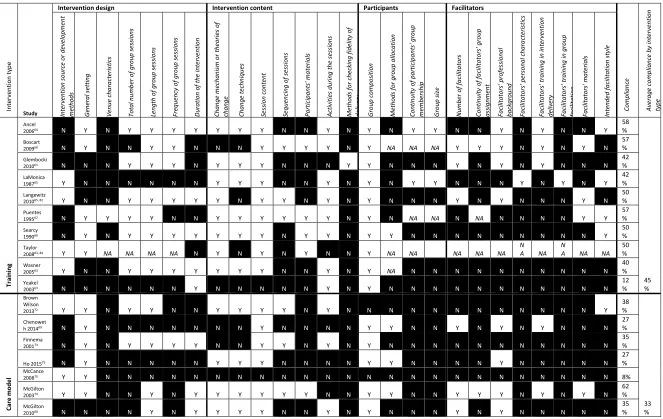
Table 2 Systematic review completeness of intervention reporting ... 42
Table 3 Systematic review summary of study results and statistical conclusions by outcome type ... 45
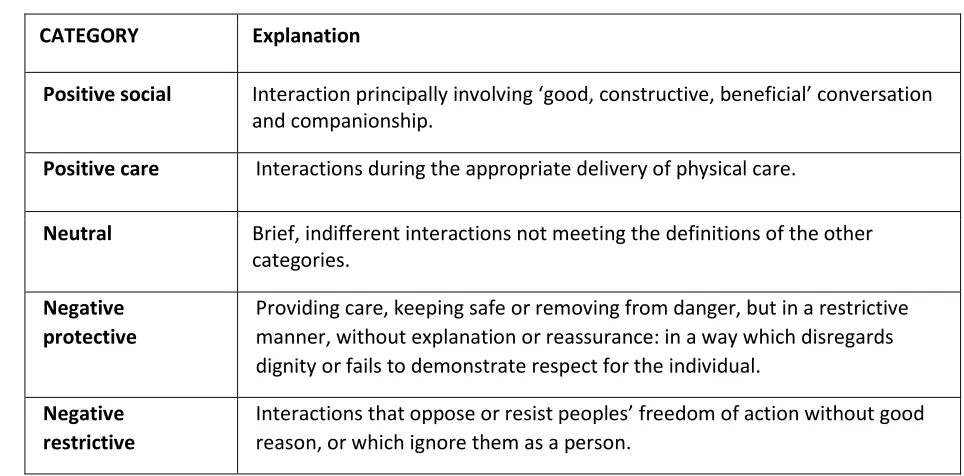
Table 4 Definitions of Quality of Interaction Schedule (QuIS) categories41 ... 56
Table 5 Target recruitment rates (original protocol) ... 62
Table 6 Target recruitment rates (revised) ... 62
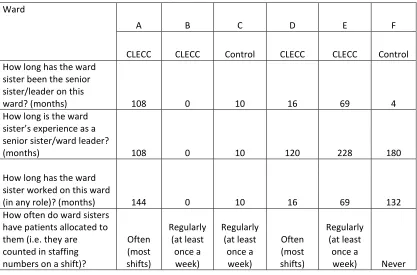
Table 7 Individual ward characteristics (baseline) ... 82
Table 8 Ward leadership characteristics by ward (baseline) ... 83
Table 9 Matron's Assessment of Quality of Care (baseline) ... 84
Table 10 Staff turnover and absence by ward (baseline) ... 86
Table 11 Maslach Burnout Inventory scores (baseline) ... 86
Table 12 Staff experiencing burnout (baseline) ... 87
Table 13 Characteristics of patient questionnaire respondents ... 91
Table 14 Characteristics of visitor questionnaire respondents ... 92
Table 15 Characteristics of nursing questionnaire respondents ... 94
Table 16 Characteristics of ward team nursing staff qualitative interviewees ... 95
Table 17 Quality of staff-patient QuIS interactions by ward (baseline) ... 97
Table 18 Quality of staff-patient QuIS interactions by experimental group (baseline) ... 98
Table 19 Patient Evaluation of Emotional Care during Hospitalisation (PEECH) baseline scores by ward (baseline) ... 99
Table 20 PEECH scores by experimental group (baseline) ... 99
Table 21 PEECH frequencies of patients with low scores by ward (baseline) ... 100
Table 22 PEECH frequencies of patients with low scores by experimental group (baseline) ... 100
Table 23 Staff mean empathy (Jefferson Scale of Empathy) by ward (baseline) ... 101
Table 24 Staff empathy (Jefferson Scale of Empathy) by experimental group (baseline) ... 101
Table 25 Participation of people with cognitive impairment in patient questionnaires ... 116
Table 26 Summary of EQ-5D-5L data at baseline and follow-up ... 120
Table 27 EQ-5D-5L scores at baseline by ward and experimental group ... 121
Table 28 EQ-5D-5L scores at follow-up by ward and experimental group ... 122
Table 29 CLECC training costs ... 122
Table 30 Quality of staff-patient interaction QuIS by experimental group (follow-up) ... 126
Table 31 QuIS multilevel logistic regression results: odds ratios (OR) of a negative interaction ... 126
Table 32 Negative staff-patient QuIS interactions by ward (follow-up) ... 127
Table 33 PEECH mean (SD) scores by experimental group (follow-up) ... 128
Table 34 PEECH frequencies of patients with low scores by experimental group (follow-up) ... 128
Table 35 Logistic regression results: odds ratios (OR) of a low PEECH connection subscale score ... 129
Table 36 PEECH scores by ward (follow-up) ... 130
Table 37 Staff empathy by experimental group (follow-up) ... 131
Table 38 Staff empathy (Jefferson Scale of Empathy) by ward (follow-up) ... 131
Table 39 Intracluster correlation (ICC) for primary outcome measures ... 132
L
IST OF FIGURES
Figure 1 Overview of CLECC programme theory ... 26
Figure 2 Flow diagram for systematic review searches ... 37
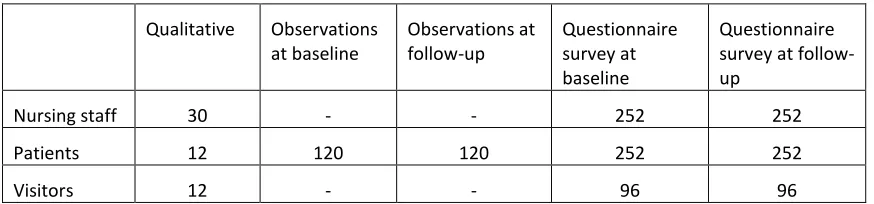
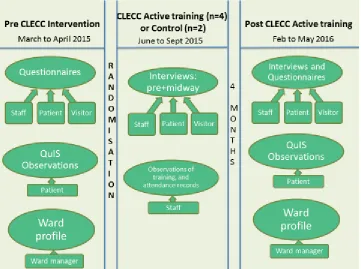
Figure 3 Data collection overview ... 64
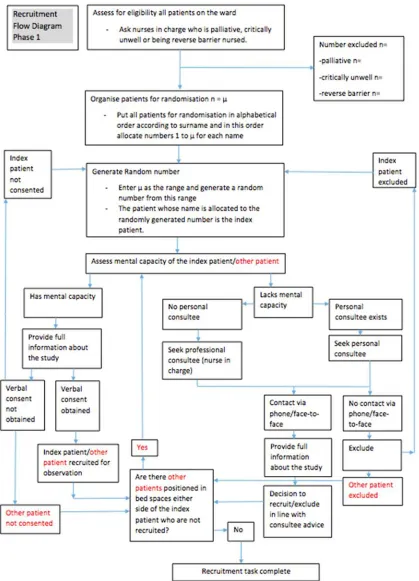
Figure 4 Recruitment process for observations ... 70
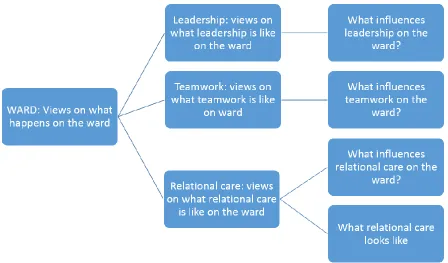
Figure 5 Relational care coding frame ... 76
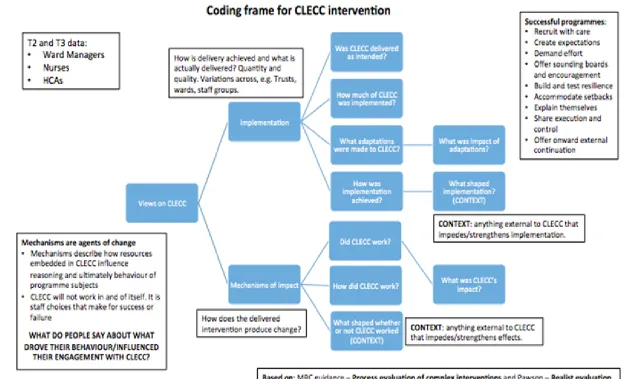
Figure 6 Coding frame for analysis of CLECC implementation ... 78
Figure 7 CONSORT flow diagram for pilot cluster CRT ... 88
G
LOSSARY
ADLs Activities of daily living
CC Climate for Care
CEC Carer Experiences of Care
CI Confidence interval
CLECC Creating Learning Environments for Compassionate Care
CRT Cluster randomised trial
EQ-5D-5L Health status measure
FECC Factors that Enable Climate for Care
FTE Full-time equivalent
GRADE Grading of Recommendations Assessment, Development and Evaluation
HCA Health care assistant
HRG Healthcare Resource Group
ICC Intraclass correlation coefficient
IHOS International Hospital Outcomes Study
JSE Jefferson Scale of Empathy
LQ Lower quartile
MAQC Matron’s Assessment of Quality of Care
MBI Maslach Burnout Inventory
MRC Medical Research Council
MOP Medicine for Older People
NHS National Health Service
NPT Normalisation process theory
OR Odds ratio
PDN Practice development nurse
PEECH Patient Evaluation of Emotional Care during Hospitalisation
PPI Patient and public involvement
QuIS Quality of Interactions Schedule
REC Research ethics committee
RN Registered nurse
SD Standard deviation
UK United Kingdom
S
CIENTIFIC SUMMARY
Background
Concerns about the degree of compassion in health care have become a focus for national and international attention. However, previous evaluations of compassionate care interventions have not provided robust assessments of their effectiveness in improving patient care, with limited use of experimental design and insufficient intervention description. Published qualitative
evaluations do not examine the implementation process in depth or attempt to measure
effectiveness. There is a need for high quality mixed methods evaluations to support health care leaders in selecting appropriate interventions and to guide implementation.
Objectives
CLECC (Creating Learning Environments for Compassionate Care) is a workplace educational intervention focused on developing sustainable leadership and work-team practices theorised to support the delivery of compassionate care. This study aimed to assess the feasibility of
implementing CLECC in acute hospital settings; and to assess the feasibility of conducting a cluster randomised trial with associated process and economic evaluations to measure and explain the effectiveness of CLECC.
The objectives were:
1. To determine the feasibility of implementing the CLECC intervention and sustaining the
resulting work practices.
2. To inform the design of a definitive evaluation of CLECC’s effectiveness.
3. To inform the measurement of costs and benefits of CLECC in a definitive evaluation.
Methods
This mixed methods study used two main approaches to assess feasibility: a process evaluation to enable evaluation of the feasibility of implementing CLECC, and a pilot pragmatic cluster randomized controlled trial (CRT) to inform a future evaluation of CLECC’s effectiveness. Qard nursing teams in two English NHS acute hospitals were included in the study, selected because of high numbers of older patients, and to ensure a mix of medical and surgical specialties. Six teams were randomised with four allocated to the CLECC intervention and two to control conditions.
CLECC intervention
based on workplace learning theory with the ward conceptualised as a learning environment and ward team as a community of practice. It aims to embed ward-based manager and team practices including dialogue, reflective learning and mutual support, such that the team has the
understanding and skills to continue to improve compassionate care following the end of the programmed activities. CLECC training consists of key activities which are combined to produce an integrated intervention over the implementation period: monthly ward leader action learning sets; team learning activities, including local team climate analysis and values clarification; peer observations of practice and feedback to team by volunteer team members; team study days focused on team building and understanding patient experiences; mid-shift 5 minute team cluster discussions; and twice weekly team reflective discussions. Throughout the implementation period, ward leaders and their teams develop a team learning plan that includes a patient
feedback plan and measures for continuing to develop and support leader and team practices that underpin the delivery of compassionate care.
Usual practice continued on control wards: that is there was no planned team-based educational activity for staff.
Process evaluation
The feasibility of implementing CLECC into practice with the four intervention ward teams was assessed through a process evaluation, using Normalization Process Theory (NPT) as a
framework. Qualitative interviews with nursing staff and managers during implementation and follow-up phases (n=33 interviewees), observations of learning activities (n=7), and ward leader questionnaires (n=12) aimed to identify and explain the extent to which the CLECC intervention was implemented into practice, enabling an assessment of its workability and integration into existing work practices.
Pilot CRT
In order to prepare for a definitive multi-centre evaluation, we assessed the feasibility and piloted procedures for a pragmatic CRT of effectiveness. Cluster randomisation of staff and patients at ward nursing team level was undertaken. Outcomes were assessed at baseline and four months after completion of the CLECC implementation period. The measurement of compassionate care was assessed across three complementary core outcomes: researcher-rated observations of the quality of staff-patient interactions using Quality of Interaction Schedule (QuIS), patient-reported evaluations of emotional care in hospital (PEECH) and nursing staff self-patient-reported empathy using Jefferson Scale of Empathy (JSE). Baseline and follow-up data were also gathered on individual and ward team characteristics.
All trial analyses were carried out on an intention to treat basis. Possible QuIS ratings are positive social, positive care, neutral, negative protective and negative restrictive. The proportion of QuIS interactions rated for each of the five QuIS categories was analysed,
mixed-effects logistic regression model was fitted to investigate the effect of the CLECC
intervention on the likelihood of a negative interaction. Predictive factors were included as fixed effects and presented as odds ratios (OR) with 95% confidence interval (CI), after adjustment for baseline and ward consecutively. Mean PEECH and JSE scores were calculated by subscale and in total, and differences between groups at follow-up were tested using Mann-Whitney U test. Estimates of intracluster correlation were generated for each outcome measure.
Economic evaluation
The economic component of the study aimed to explore how costs and benefits might best be measured in a definitive evaluation. The feasibility of using EQ-5D-5L as patient-based outcome measure at ward level was assessed. We also explored the likely training costs of the CLECC intervention and its implementation (through qualitative interviews with staff).
Results
Feasibility of implementing and sustaining CLECC
Staff were generally keen to participate and valued the positive contribution of CLECC to their own wellbeing but also to supporting good patient care. Many original CLECC practices were possible to implement as planned. While practices did not always continue beyond the
implementation period in original form, staff reported that the philosophy and associated culture that CLECC had nurtured continued to guide their practice. Sustainability was strongly linked by staff to the extent to which the ward leader understood and valued CLECC.
CLECC had some coherence for staff in that they appreciated its potential value, but their understanding was often limited to the concrete activities they had direct experience of. This may have then limited the development of participants’ own practice in relation to CLECC, but interview data reflect extensive participation by staff, suggesting that engaging in CLECC was not limited by lack of coherence. While it was often the concrete activities that were used by staff to explain CLECC its role as a broader stimulus to action, and accompanying expectations that each team would use CLECC in their own way developed cultures in which reflection, learning, mutual support and innovation were legitimised. In short, CLECC appears to have moved all of the participating teams further along the continuum to becoming more expansive learning environments.
workers, sharing working time and space with other team members, but not actually working as a team at all.
Our findings reflect that if the ways of working that CLECC promotes are not seen as valued or if this value is not signalled to frontline workers by managers, then these practices do not routinely occur. The findings also show, however, that it is possible to introduce practices at a local work team level that promote relational ways of working between staff, albeit constrained in the absence of restructuring in the wider system. Findings point to refinements needed for CLECC to improve the prospects for its impact and sustainability. These focus on wider system restructuring to support work team conditions that enable the relational aspects of caring and working.
Informing future CLECC evaluation
The findings from this study indicate that use of experimental design to evaluate the
effectiveness of compassionate care interventions within the context of a mixed methods study is feasible, as is a focus on outcomes that are patient-based. Staff were amenable to the prospect of randomisation to either experimental condition. All wards recruited remained in the study throughout data collection and all clusters randomised to the intervention went on to receive it. Blinding of patients and visitors to ward allocation appeared successful, although strategies to blind researchers gathering data need further development in a future trial. We found evidence of pathways through which the CLECC intervention had the potential to influence practice in other wards in both of the participating organisations.
Recruitment rate for observations at baseline was 97% (152 out of 157 approaches to eligible patients), and at follow-up was 90% (157 out of 175). Overall 273 patients were observed (133 at baseline and 140 at follow-up). Mean age was 82 years and 25% of patients observed had evidence of cognitive impairment, suggesting that our sample was representative of the wider hospital population. Acceptability of the QuIS tool was high and reliability between observers was acceptable. We did not find any evidence that staff changed their behaviour as a result of being observed. These findings support the selection of quality of staff-patient interaction, measured by QuIS, as a candidate primary outcome in a future trial. With regard to clustering, there was a clear design effect apparent with QuIS at observation session level.
Recruitment rate for patient questionnaires at baseline was 80% (173 of 217 eligible patients), and at follow up was 75% (186 out of 247). 354 completed questionnaires were returned. Of these respondents, 83% were aged over 70 years and 12% had cognitive impairment. Most patients needed researcher help with completion and the questionnaire was too long for some.
Recruitment rate for nursing staff questionnaires at baseline was 37% (91 returned out of 249) and at follow up was 35% (87 out of 247). Overall 178 questionnaires were returned.
Respondents represented a range of ages, ethnic groups, job roles and length of experience. There was a perception that questionnaires were lengthy to complete and that staff were too busy.
levels and duration of ward leadership). Using QuIS, staff-patient interactions observed at baseline were rated as total positive (73%), neutral (17%), or total negative (10%), but there was some variation in these proportions between wards. Using PEECH questionnaires (with higher scores representing better experiences), patients at baseline tended to rate wards relatively positively (total mean PEECH 48.9 out of 0-66 (SD 11.7)), although less so on the Connection subscale (1.66 out of 3 (SD 0.78)). Results from baseline nursing questionnaires showed
variations between teams in nursing staff mean reported empathy levels (ward mean range=107-120 out of possible range 20-140)(higher mean scores indicate higher empathy).
At follow-up there were more positive (78% versus 74%) and less negative (8% versus 11%) QuIS ratings for intervention wards versus control wards. Once other variables were accounted for, odds of a negative interaction were not significantly reduced because of the CLECC
intervention (adjusted OR 0.30 [95% CI 0.07, 1.32]). 63% of intervention ward patients scored lowest (i.e. more negative) scores on PEECH connection subscale, compared with 79% of control group patients, but odds of a negative score were not significantly reduced because of CLECC effect, once other variables were factored into analysis (adjusted OR 0.47 [0.14, 1.59]). However, these are promising results given that data were gathered four or more months after the end of the implementation period, indicating that if there is an effect, it is sustainable beyond the period in which CLECC is being actively facilitated. We found no evidence that nursing staff empathy may be improved because of CLECC but these results have to be viewed in the context of a low response rate to nursing surveys.
Informing measurement of CLECC costs and benefits
Our findings have established the feasibility of estimating the cost of a CLECC type intervention. Intervention costs were calculated as training costs (PDN time and staff time attending study day) and ongoing implementation costs (cost of staff engaging in CLECC activities on the ward). Findings show that, aside from initial CLECC training costs, the
implementation of concrete CLECC activities by ward teams was not associated with additional resource use.
EQ-5D-5L was shown not to be feasible, mainly because different patients with different ailments and severity were involved at baseline and follow up. We found that an impact
inventory would provide estimates of both costs and benefits of CLECC with a focus on those to do with providing the interventions but set within a wider context which includes effects of staff and on patients. Cost per change in each of the primary and secondary outcomes could also be estimated and compared with other studies.
Findings are not generalizable outside of hospital nursing teams and this feasibility work is not powered to detect differences due to CLECC.
Conclusions
1. Compassionate care interventions such as CLECC should define the role of health care
2. The use of structured observations of staff-patient interaction quality is a candidate primary trial outcome measure but requires further testing and development.
3. Definitive evaluation of the implementation, effectiveness and cost-effectiveness of
CLECC drawing on experimental design in the context of mixed methods evaluation is feasible.
Study registration: ISRCTN16789770
P
LAIN
E
NGLISH SUMMARY
There is public concern about nurses’ ability to care compassionately for older people, but very little research about how to improve this situation. We have developed and studied a programme called Creating Learning Environments for Compassionate Care (CLECC). In CLECC, all registered nurses and health care assistants from participating teams attend a study day, with a focus on team building and understanding patient experiences. Then a senior nurse educator supports the team to try new ways of working on the ward, including regular supportive discussions on improving care. Each ward manager attends learning groups to develop their compassionate care leadership role. Two team members receive additional training in doing observations of care and feeding back to colleagues.
We piloted CLECC on four wards in two English hospitals, with two other wards continuing with business as usual. We interviewed staff, and observed CLECC activities, to help us
understand if it can be easily put into practice and if changes are needed in future. We also tested evaluation methods, including ways to measure compassion, and making sure we could recruit enough older patients in a future study.
We found that CLECC can be made to work with nursing teams on NHS hospital wards and that staff felt it improved their capacity to be compassionate. We also learned that we could improve CLECC to help staff carry on using it, by, for example, helping senior nurses to understand their role in supporting staff to use CLECC.
1
C
ONTEXT
The study reported here aimed to assess the feasibility of implementing CLECC (Creating Learning Environments for Compassionate Care), a practice development programme aiming to promote compassionate care for older people in acute hospital settings; and to assess the
feasibility of conducting a cluster randomised trial with associated process and economic evaluations to measure and explain the effectiveness of CLECC.
In this chapter, we describe the background to the study, focusing in particular on the policy and practice context of the United Kingdom (UK) National Health Service (NHS). We also
introduce the CLECC intervention, drawing on the international research literature to illustrate the rationale for designing and deploying this particular intervention.
In April 2013, the National Institute for Health Research (NIHR) Health Services and Delivery Research programme invited applications for funding research to support NHS organisations in responding to the Francis Inquiry analysis of care failures at Mid Staffordshire NHS Trust. Acknowledging that all NHS organisations could learn from “key system weaknesses” identified in the Inquiry, the call specifically invited applications for “robust evaluations of interventions to improve the leadership, organisational culture and quality of frontline care”. This report reports a study funded through that call.
1.1
NHS context
The need to strengthen the delivery of compassionate care in UK health and social care services, in particular to older patients, has been consistently identified as a high priority by policy makers
in recent years.1 In addition to a series of investigations into high profile failures, substantial and
significant variations in the quality of hospital care for older people have been highlighted.2, 3
Variation exists between hospitals, but also between wards within hospitals and between staff within wards. Training, staffing levels, leadership, motivation and organisational culture are all implicated in failures of care. While these issues are widely reported in the UK, there is
evidence to suggest that they are relevant internationally.4, 5
Care failures at Mid Staffordshire NHS Foundation Trust over the late 2000s and the inquiries that followed were a watershed moment for the NHS. Over a period of some years, patient care in many wards and departments at the Trust had been of very low quality, with, for instance, patients left in soiled bed clothes for lengthy periods, assistance not provided for patients who could not eat without help, and indifferent and unkind treatment by staff towards patients, often older patients, and their families. Two inquiries, led by Sir Robert Francis QC examined the causes of the lack of care and high mortality rates. The first inquiry focused on patient care at the
Trust and offered recommendations for improving practice at the Trust.6 The second inquiry
focused on the systems of governance underpinning the care failures and offered
recommendations for the NHS as a whole.2 In the recommendations from the second inquiry,
care. These recommendations focused on how to identify and promote desirable attributes (knowledge, skills, attitudes) in individual nurses. Many other recommendations focus on the systems needed to promote high quality care and the responsibilities that should be held by key groups and organisations such as Trust board, NHS regulators, professional bodies, and
educational institutions. While there is little detail about desirable systems and processes at a ward team level, recommendations from both inquiries do provide an outline of such measures to counteract the potential for the care failures encountered at Mid Staffordshire. These include providing mechanisms through which health care professionals can raise concerns about patient care with colleagues and with senior managers; the ongoing provision of training, support, and supervision to nursing staff; and investing in ward leader roles that work alongside team members, providing role modelling and mentorship.
There have been significant changes to UK health care provision since the establishment of the NHS in 1948. The improvement in medical treatments during this time has contributed to people living longer with more complex health conditions. Acute hospital inpatient beds are now
predominately populated by older people with multiple health conditions. However, recent years in particular have seen the adult social care system and pressures on primary care services impacting on secondary care. Acute hospitals have struggled to meet their performance and financial targets. During the time that this study was taking place, health and social care in England was in the midst of unprecedented demand and financial challenges with NHS providers
overspent by £2.45 billion by the end of 2015/16.7
It has been acknowledged that an increase in staffing numbers is required with the publication of
a safe staffing guideline for nurses working on wards in acute hospitals.8 While this has been
supported by creating 24,000 new nursing posts between 2012 and 2015, an increase of 8.1%, demand has outstripped supply with a deficit of 8.5% of the funded establishment recorded in
April 2015.9 This deficit is worse in adult acute nursing with reported vacancies amounting to
9.7% of establishment. It is common practice for wards to run with staff vacancies and for the staff complement to be made up of staff from nursing agencies. Recruitment drives targeted at overseas nurses have regained popularity, but this too is a temporary fix with European Union
nurses choosing to exercise their free movement rights.10
Through the development and tightening of systems for financial control and performance management, the NHS has seen an intensification of health care work through higher patient
numbers and time-based targets.11-13 Use of staff without professional qualifications is increasing
and nursing staff job satisfaction is low. As we developed this study, anecdotal evidence from a number of NHS acute hospitals indicated that leadership and team practices such as role
modelling, mutual support, reflective learning and dialogue required to support nursing staff in
their caring role14 were unlikely to be in place in most care settings.
1.2
Approach and definition of key terms
The literature is both confused and confusing in the way that compassion is used as a term. There are four key components of the narrative of compassion in nursing, and we have found these
about the moral attributes of a ‘compassionate’ nurse, including wisdom, humanity, love, and
empathy.16-18 These moral attributes are expressed through a kind of situational awareness in
which vulnerability and suffering are perceived and acknowledged.18, 19 These perceptions
underpin participation of the nurse in responsive action that is aimed at relieving suffering and
ensuring dignity, and which involves the nurse in a participatory relationship in which the nurse
exercises relational capacity18, 20-22 through which empathy is experienced and a caring pastoral
relationship is constructed.14, 23, 24
Our systematic review of research reporting older patients’ experiences of hospital care
highlights the importance of this caring relationship to shaping experiences.4 Older people want
nurses and others to use social interactions to see the person behind the patient (“see who I am”), to establish a warm and human connection (“connect with me”) and to establish understanding
and involvement (“involve me”).4 A later review focusing on nurses’ experiences indicates that
registered nurses strive to achieve the caring relationship that is valued by patients, indicating that a perceived lack of compassion in nursing may not be attributable to a lack of the necessary moral attributes or situational awareness on the part of individual nurses. The findings reflected that nurses’ relational capacity and capacity for responsive action can depend on ward level conditions, and that there is a greater tendency for nurses with low relational capacity to avoid
relationships with patients and to burn out, in spite of aspirations to a higher standard of care.14
This study builds on these findings through the development and evaluation of an intervention targeted at improving the capacity of nurses to respond to patient vulnerability and suffering, specifically their relational capacity and capacity for responsive action.
The links between positive patient experiences, leadership, work team climate and the wellbeing of individual staff are becoming evident through research and so interventions that focus on developing these elements (leadership, work team climate, staff wellbeing) would appear to be worthwhile in supporting the development and exercise of relational capacity. An NIHR study on culture change and quality of acute hospital care for older people found that more positive patient and carer assessments of care were correlated with higher staff ratings of supportive team
climate and shared philosophy of care.25 In addition, ward leadership was a strong indicator of
team members sharing a philosophy of care and feeling high support, a finding that, together with the qualitative data, highlighted the vital role of the ward manager in shaping a positive
team climate for care.25 These findings were mirrored in a second NIHR study which highlighted
the key role of the ward leader in shaping the local ward climate of care, the importance of staff well-being, and in particular staff experiences of good local work-group climate, co-worker support, job satisfaction, positive organisational climate and support, and supervisor support as
antecedents of positive patient experiences.26
1.3
Creating Learning Environments for Compassionate Care (CLECC)
Parts of this section are reproduced from a Bridges & Fuller paper under a license agreement
with John Wiley & Sons.27 CLECC is a team-based implementation programme focused on
1. Create an expansive workplace learning environment that supports work-based opportunities for the development of relational practices across the work team;
2. Develop and embed sustainable manager and team relational practices such as dialogue,
reflective learning and mutual support.
3. Optimise and sustain leader and team capacity to develop and support the relational
capacity of individual team members;
4. Embed compassionate approaches in staff/service-user interaction and practice, and
continue to improve compassionate care following the end of programmed activities
CLECC has been designed for use by ward nursing teams in inpatient settings for older people but is potentially transferable for use in other settings. The implementation programme takes place over a 4 month period but it is designed to lead to a longer-term period of service
improvement. By envisaging the workplace as a learning environment and the work team as a community of practice, CLECC brings a distinctive approach to promoting compassionate care. It uses insights from workplace learning research to develop practices that enhance the capacity of the manager and work team to provide compassionate care within a complex and dynamic organisational context.
Fuller and Unwin’s research on workplace learning and workforce development in a range of public and private sector industries demonstrates the importance of identifying and analysing both the organisational and pedagogical features that characterise diverse workplaces as learning
environments.28 They argue that this approach allows workplaces (for instance, hospital wards)
to be located on the ‘expansive – restrictive’ continuum. Those at the expansive end are
characterised by a range of features including: the knowledge and skills of the whole workforce (not just the most highly qualified or senior staff) are valued, managers facilitate workforce and individual development, team work is valued, innovation is important, the team has shared goals focusing on the continual improvement of services (or products), there is recognition of and support for learning from ‘each other’, learning new knowledge and skills is highly valued, and the importance of planned time for off-the-job reflective learning is recognised. It follows that an expansive approach to workforce development is more likely to facilitate the integration of personal and organisational development. This has important implications for the design of learning interventions as it requires workplace learning to be perceived as something which both shapes and is shaped by the work organisation itself rather than a separately existing activity. Such an understanding highlights the importance of interventions which situate and integrate individual and team learning in the everyday life of the workplace (in this case the clinical unit/ward/team setting) as well as providing opportunities for off-the-job provision to foster reflection, consolidate learning and deepen understanding – so enhancing ownership and sustainability of new practices.
Our synthesis of qualitative research highlights the importance of the relational aspects of care to
shaping older people’s hospital experiences.4 Being compassionate requires “relational
capacity” in practitioners, i.e. capacity to experience empathy and to engage in a caring
relationship.23 Our research also shows that nurses’ relational capacity can depend on ward level
relationships with patients and to burn out, in spite of aspirations to a higher standard of care.14 CLECC uses workplace learning principles to develop practices that enhance the capacity of the manager and work team to support the ongoing relational capacity of its individual members. This leadership and team capacity are key characteristics of the ward-level conditions needed to
support nurses’ relational work14, and thus improve patient experiences, and an important
foundation for team activities such as using service user feedback constructively.29 By
envisaging the workplace as a learning environment and the work team as a community of practice, CLECC brings a distinctive approach to promoting compassionate care, that enhances the capacity of the manager and work team to provide compassionate care within a complex and
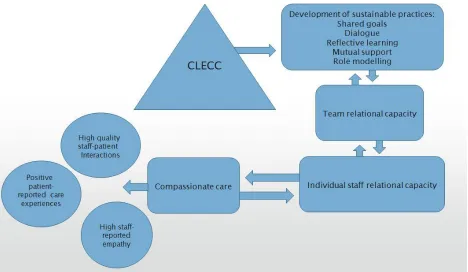
dynamic organisational context.28, 30 An overview of this programme theory for CLECC is
shown in Figure 1Error! Reference source not found..
Figure 1 Overview of CLECC programme theory
During the 4 month implementation programme, CLECC learning activities are led by a senior (UK Band 7) practice development practitioner/nurse (PDN) with strong influencing and
interpersonal skills.27 The PDN delivers the study days, facilitates of cluster and reflective
discussions, facilitates the action learning sets and coordinates the peer observations of practice– see below for more detail on each of these activities. This individual is not part of the hierarchy of the ward team and this enables a distinction between CLECC activities and performance
CLECC operates at two key levels: team and team manager. A focus on the team aims to develop team capacity to support team members to provide compassionate care. An equivalent focus on the leadership capacity of the team manager (in ward settings, this is the ward manager) aims to develop his/her role in leading the team, role modelling good practice and enhancing and embedding the desired team practices.
While the programme draws on elements that have been piloted in other programmes it is novel in combining these elements with an explicit focus on establishing reforms to routine practice and organisational resources that establish the basis for sustained changes in compassionate care. While the implementation process is a key element the essence of the programme is the ongoing processes of peer observation, daily cluster discussions, weekly reflective discussion and the use of evidence based guidelines. Table 1 sets out a typical schedule for the implementation
programme.
Table 1: CLECC implementation programme schedule
Activity Month 1 Month 2 Month 3 Month 4
Ward leader action learning sets
Session 1/setting up set, setting ground rules
Session 2/workplace climate/team values/valuing staff
Session 3/enhancing team capacity for compassionate care
Session
4/influencing senior managers
Team learning and service user feedback plan
Introduce and discuss
Discussion and draft by ward leader
Finalise, identify resources needed to support, present
Senior manager feeds back response to team plan
Peer observations
of practice Identify care makers Train care makers
Observations of practice
Feedback observations of practice
Study days
Team analysis of workplace climate/values clarification
Cluster discussions Ongoing Ongoing Ongoing Ongoing
Reflective discussions
"I feel valued at work when…" exercise
Team values clarification exercise; BPOP activities
BPOP activities; Team learning + service user feedback plan discussions
1.3.1 Action learning sets
The crucial role of the ward leader in influencing the caring culture and the work culture is well documented, with strong and visible leadership identified as an essential requirement for the
delivery of dignified care.25, 32 In CLECC, ward leaders attend 4x4 hours action learning sets
during the implementation programme. Action learning sets have been used in other projects, including other development projects focused on dignity in care and/or care for older people, to provide an extended reflective space for individuals in a key position of influence to explore and
develop their leadership role.33-35
CLECC action learning sets follow the McGill and Beaty model for action learning, that is sets
are made up of between 4 and 8 members and are facilitated by an experienced facilitator.36 Set
members may or may not work in the same organisation but often have similar work roles in common. Participants bring work problems of their own choosing to the session and other set members aid them in reflecting on the issue and drawing up an action plan to address it. In addition, each of the action learning sessions is themed to encourage a focus on issues related to the manager’s role in supporting the delivery of compassionate care. The first session focuses on establishing relationships among set members and agreeing ground rules. The themes for
subsequent sessions are: (session 2) workplace climate/team values/valuing staff; (session 3) enhancing team capacity for compassionate care; and (session 4) influencing senior managers. Reflecting on results of other programme activities supports discussion in these themes. For instance, during the team study days, all staff will have been invited to complete a questionnaire on perceptions of ward climate. Reflecting on the results of these questionnaires is encouraged in the second action learning set, in addition to the results of the “I feel valued when…” exercise
(see below).35 In addition to this reflective learning set, participants facilitate each other to
develop practical ways of dealing with some of the issues that arise during the programme, these issues being informed by the findings related to ward leader strategies in an earlier dignity in
care project.37 Participants are encouraged to use the sets to devise a personal plan associated
with their current and future role in promoting compassionate care, including planning clinical supervision sessions for themselves with a selected mentor and/or negotiating ongoing action learning set access.
In addition to action learning sets, ward leaders are also facilitated to further develop their relationship with their line manager as a way of accessing additional support. This includes a one hour meeting every two weeks during the four month implementation programme. These meetings provide an opportunity for the line manager to learn about the project and explore opportunities to participate.
1.3.2 Team learning
Interventions to improve care quality at a ward or unit level may succeed, even if the wider
organization has features that inhibit service improvement on a wider scale.25 Ward-level
conditions can strongly influence nurses’ capacity to build and sustain therapeutic relationships
from the wider organisation, but that the team’s capacity to do so depends on the extent to which
the group perceives its role as supportive of the relational work of individual members.38 Social
structures and relationships within the team and the capacity of team members to support each other are a primary influence on how individuals learn emotional abilities and how tacit
emotional knowledge is transferred.39 Dialogue and reflection within the team, particularly with
a focus on sharing experiences and narratives appear linked with the development of individual emotional abilities but these activities depend on the extent to which the workplace provides an
environment in which staff feel safe to participate.39 Other work indicates that expecting staff to,
for example, use patient feedback constructively in the absence of team preparation to hear the
patient feedback is unlikely to lead to service improvements.29 A strong focus in the intervention
is on the development of shared team goals and expectations, team dialogue, reflection, and role modelling. Early activities in the intervention reflect a focus on developing a sense of security
within the team,40 with dialogue and reflective learning activities providing the forum for the
development of individual and team relational capacity, and the creation by the team of sustainable practices and plans to support ongoing capacity through:
Commitment and role modelling by senior staff in team – providing information,
opportunities for discussion and involvement in goal setting and decision-making
Creating facilitated collective and reflective “spaces” – (a) mid-shift scheduled 5 minute
cluster discussions, using trigger questions or observations as behavioural nudges in their planned work with patients (b) and twice weekly longer reflective group meetings, which will draw on a variety of toolkit materials to prompt dialogue and reflective learning, and to give staff regular opportunity to stand back from the demands of their operational practice
Building relationships in the team/ team - exercise in analyzing workplace climate
Critical reflections by team on caring for and supporting each other, on team relational
capacity, on delivery of compassionate care
Team values - clarification and development of shared vision
Developing shared ownership of compassionate care and understanding about how
learning in the workplace can contribute to improved individual and team practice and ‘expansive outcomes’.
Development of team learning plan, including plan for hearing and responding to patient
feedback
1.3.3 Peer observations of practice
Two staff volunteer from the team to become “care makers”, their primary role being to undertake peer observations of practice for feedback to their colleagues. Care makers receive four hours training in peer observations of practice and undertake eight hours of observation each during the programme. Peer observations are conducted using the Quality of Interactions
Schedule41 and findings are fed back at reflective discussion meetings (see below) with the help
of the PDN. The results from the care makers’ observations of practice on the ward are shared to trigger discussions about how to build on existing good practice and improve practice where this is needed.
1.3.4 Study days
On each ward, three or four full study days are delivered by the PDN during the first month of the programme to enable all ward members to attend one study day. The purpose of the day is to prepare staff for the workplace elements (including cluster and reflective discussions) of the programme by providing opportunities to experience some of the techniques, to develop
understanding of underlying concepts and to recognise an active role in their personal and team learning journey. Elements of the programme for classroom training are shown in Box 1.
Introduction to BPOP (Best Practice for Older People) framework42
Life shield activity and group discussion: “See who I am”
Questionnaires and discussion on ward climate, dialogue and reflective learning on the ward
Values clarification exercise about compassionate care43
Videos, stories and discussion with service users: “Involve me”.
Introduction to workplace learning activities and discussion on how to implement/support/sustain.
Box 1: CLECC Study Day elements
1.3.5 Cluster discussions
Mid-shift cluster discussions commence during the first month (following the delivery of study days) and run daily throughout the implementation period. These five minute cluster discussions are facilitated initially by the PDN and all nursing staff on the ward at the time of the cluster discussion are encouraged to join the five minute group discussion. The discussion focuses on establishing how the individual staff are at that moment in that context and provides
opportunities for the group to offer help and support to members when difficulties are identified. Similar strategies have been used in other projects focused on developing dignity in
1.3.6 Reflective discussions
Twice a week, members of the team on duty at the time scheduled for a reflective discussion (usually the afternoon) arrange their work to enable their attendance at a group meeting
facilitated by the PDN. To enable all staff on a shift to participate, two sessions may need to be held on the same day, both attended by the ward leader. This interaction is held in a comfortable meeting room on or near to the place of care, but away from the immediate distractions of care delivery. The meeting is for all team members, including senior members of the team and temporary team members such as student nurses. The meetings involve a variety of group work tasks, some of which are repeated to enable the maximum numbers of team members to take part and others will be unique. Tasks are aimed at opening up dialogue and reflective learning among those present, and so are selected to prompt personal reflections and narratives about experiences on the ward. They include:
“I feel valued at work when…” – those present are invited to complete this sentence to
trigger discussions about valuing and supporting each other 35
Team values clarification about compassionate care – drawing on collated results of
values clarification exercise in classroom sessions to develop shared vision 35, 43
Drawing on collated results of ward climate analyses to identify factors that need
supporting or changing 35
Peer observations of practice – the results from the care makers’ observations of practice
on the ward are shared to trigger discussions about how to build on existing good practice
and improve practice where this is needed 35
BPOP– using resources and questions/prompts from BPOP essential guide to generate
discussion 45
Team learning plan – working with managers to draw up a team learning plan focusing
on compassionate care and using patient feedback.
1.3.7 BPOP
BPOP (Best Practice for Older People) is a set of evidence-based UK guidelines for nurses
working with older people in acute settings.42, 45 Its successful use in development projects
aimed at service improvement indicates that its use in guiding the practice of health and social care professionals working with other client groups (that is, not just nurses working with older people). One example of this wider use is the City University Dignity in Care project at two
London hospitals.35, 46 A resource has been published for use alongside BPOP, providing teams
with trigger questions and guidance aimed at generating dialogue and reflective learning in the team, and opening up conversations in which team members give and receive support and help
with difficult matters such as talking to patients about dying.45 In CLECC, this resource is used
to identify areas for support, action and learning in the team, and to inform the development of strategies to address these areas. Examples of trigger questions in this resource are:
What kind of patients are most difficult to involve, and why?
What subjects are hardest to talk to patients about, and why?
What kind of relatives are most difficult to involve, and why?
The implementation stage of the programme takes four months and during this time, ward leaders and their teams develop a team learning plan that includes inviting and responding to patient feedback, and puts in place measures for continuing to develop and support manager and team practices that underpin the delivery of compassionate care. The team learning plan is presented to a senior trust manager, together with a case for support, and the relevant manager is invited to visit the ward team to discuss the plan and respond in person to the proposals.
In summary, the focus of the intervention is on creating an ‘expansive’ environment that supports work-based opportunities for the development of shared goals, dialogue, reflective learning, mutual support and role modelling for all members of the team at an individual and
group level.47 The programme theory states that such an environment should facilitate staff to
engage with and learn from service user experiences and their own emotional responses, share positive strategies and support, and optimise and sustain personal and team relational capacity to embed compassionate approaches in staff/service-user interaction and practice. Expansive outcomes are theorised to include high quality interactions between service users and staff, and between care team members, positive care experiences reported by service users and staff reports of high empathy with patients and carers.
1.4
Introduction to the study
Findings from our systematic review, reported in the next chapter highlight the lack of definitive evaluation research on compassionate nursing care. Responding to a general absence of strong evidence for the effectiveness of service improvements related to compassion, and building on compelling evidence indicating that a strategy targeted at improving leadership and local ward team climate could improve patient experiences, the study reported here is a foundational step in addressing the need for well-designed and rigorous evaluation to understand what works best in improving care and patient experiences.
2
L
ITERATURE REVIEW
Although current definitions of compassion in nursing practice are imprecise and sometimes confused (see Chapter 1), there is intense interest in this problem both within and outside of the profession of nursing. However, little is known about what strategies are effective in promoting compassionate care among nurses. There has been to date, no rigorous critical overview of research into interventions designed to promote compassionate care among nurses in practice. This chapter aims to provide an overview of the evidence base on the evaluation of interventions for compassionate nursing care. It begins with an overview of qualitative research on
compassionate care interventions. It then reports a systematic review of studies that evaluate the effectiveness of interventions for compassionate nursing care.
2.1
Qualitative research
Recent years have seen the use of qualitative research methods to underpin the development and evaluation of a number of interventions focused on improving compassionate care, or dignity in
care, at hospital ward level.29, 33, 35, 46, 48, 49 Interventions developed and evaluated in this way
have typically been faciliated by a senior nurse, using reflective learning, action research and/or appreciative inquiry to work with ward-based nursing staff (often using patient stories and/or observations of practice) to strengthen support for existing good practice and to make changes where needed. These interventions are often shaped by a “relationship-centred” philosophy in which achieving the well-being of all groups (patients, staff, family carers) is seen as
fundamental to high quality care.40 They have used democratic and participatory processes
involving patients, staff and sometimes family carers to articulate the patient’s needs and shape the practice changes made.
The accompanying qualitative evaluations which have provided important information about the processes of change, and the factors enabling and inhibiting sustainable change. Some of these
evaluations have reported concrete practice changes resulting from the intervention,35, 46, 48-50
while others report more variable success.29, 33 For instance, Dewar used appreciative inquiry and
action research to involve older people, staff and relatives in developing compassionate
relationship centred care on an acute hospital ward.49, 50 Methods used included participant
observation, interviews, storytelling and group discussions. Dewar’s findings indicated the value of appreciative caring conversations between staff, patients and relatives enabling all parties to discover “who people are and what matters to them” and “how people feel about their
experiences”, with this knowledge enabling them to “work together to shape the way things are done”. In the resulting model, Dewar and Nolan detail how older people, staff and relatives can
work together to implement compassionate relationship centred care.49 In specifying “how
delivery of compassionate care. These conditions included transformational leadership, the level of support received from colleagues and senior staff, a shared set of principles for caring, open dialogue within the team and opportunities where people had permission and space to reflect. These conditions echo the findings from other research as the conditions at team level that can
support high quality care.25, 26, 51 Dewar reports how these conditions developed and how
compassionate caring practices became embedded in the work of the team over the course of the year-long project, providing valuable evidence that change of this kind is possible.
However, Dewar’s project took place over the course of a year on an already high-performing ward with a strong leader. The findings informed development work across a wider Leadership in Compassionate Care project implemented in a number of settings, but evaluation of the impact of these strategies elsewhere does not report the influence of the ward climate or programme length on outcomes, so evidence is lacking that such strategies can be universally effective
regardless of work team context.52 In a contrasting study to Dewar’s that explored the use of
discovery interviews with older hospital patients as a way of improving dignity in care, Bridges and Tziggili found that ward teams required strong and consistent leadership and intense
preparation before they were able to hear and respond to patient stories about care.29 Both
organisations involved in this dignity project experienced significant delays in the progress of the project and limitations in its impact because of a lack of leadership at ward level and a lack of preparedness of the ward teams to engage in responding positively to patient feedback. One ward team with a strong leader was able to successfully engage with the patient stories, but only after some months of team preparation. These findings indicate that, while some wards may be ready to engage in programmes such as Dewar’s, others could benefit from a period of
groundwork in which leadership and mutually supportive team practices are established.
The evaluative focus of these studies is the mechanisms for change used, particularly the
democratic and participatory processes that involve patients, staff and sometimes family carers in articulating the patients’ needs and shaping the practice changes made. These qualitative
accounts often provide a fuller picture of the interventions deployed than the studies reviewed below, and often include an analysis of the enablers and barriers to change. However, they do not examine in depth the process of implementation itself and so fail to systematically identify the contexts in which successful implementation is more likely or, where contexts are not receptive, how resources, relationships and norms in the wider system may need purposeful
restructuring in order to support implementation and sustain longer term change.53, 54 In
addition, as would be expected with a qualitative approach, there is only weak objective evidence of effectiveness of the interventions deployed in these studies in relation to impact on patient outcomes.
2.2
Review methods
The remainder of this chapter reports a systematic review of studies that evaluate the
the compassion narrative identified in Chapter 1 to provide an operational definition. The objectives of the review were:
1. To systematically identify, analyse and describe studies that evaluate interventions for
compassionate nursing care
2. To assess the descriptions of the interventions for compassionate care used, including
design and delivery of the intervention and theoretical framework
3. To evaluate the nature and strength of evidence for the impact of interventions.
The review was conducted, guided by the Cochrane Collaboration methods to assure
comprehensive search methods and systematic approaches to analysis of the review materials.55
Sections of this review report are reproduced under a Creative Commons license with permission
from Blomberg et al.15
2.2.1 Search strategy
A systematic search for primary research evaluating compassionate care interventions was undertaken on CINAHL, Medline and the Cochrane Library databases (including the Cochrane Database of Systematic Reviews, Database of Abstracts of Reviews of Effectiveness, CENTRAL register of controlled trials, Health Technology Assessment Database and Economic Evaluations Database) in June 2015. No date limits were applied to searches conducted.
Terminology in relation to compassionate care is problematic and as noted above, there is no one agreed definition of compassionate care. Instead, a number of terms are used interchangeably and inconsistently across the health care literature. A broad and inclusive approach was therefore used in preliminary searches to scope and map the field. As many terms relating to
compassionate care were identified and used as possible, but with a focus on identifying studies that reflected one or more of the key components of compassionate care outlined above. Through this mapping, relevant keywords were identified (e.g. Professional-Patients relations, Dignity, Person-centred care, Relationship centred care, Empathy, Compassion, Caring, and Emotional Intelligence). These keywords were used in final searches. Terms related to compassion were combined (AND) with terms related to relevant methods and occupational groups. Relevant index terms were included, which varied across databases (see Appendix 1 for Medline and CINAHL searches). While no additional searches for unpublished (so called ‘grey’) literature were conducted, the sources used do index PhD theses (CINAHL) and some conference abstracts (CIHAHL, Cochrane Library). Searches were limited to the English language.
2.2.2 Selection
An adapted PICO framework was used to guide study selection.56 We included primary research
The lack of conceptual clarity about compassion in the literature necessitated an inclusive approach to studies that were not necessarily labelled as addressing “compassion”. We developed selection criteria based on th