University of South Carolina
Scholar Commons
Theses and Dissertations
Fall 2018
Physical Activity During Pregnancy and Birth
Outcomes in South Carolina 2009-2015
Andrew Tyler Broadway
Follow this and additional works at:https://scholarcommons.sc.edu/etd
Part of theEpidemiology Commons
This Open Access Thesis is brought to you by Scholar Commons. It has been accepted for inclusion in Theses and Dissertations by an authorized administrator of Scholar Commons. For more information, please [email protected].
Recommended Citation
PHYSICAL ACTIVITY DURING PREGNANCY AND BIRTH
OUTCOMES IN SOUTH CAROLINA 2009-2015
by
Andrew Tyler Broadway
Bachelor of Arts
University of South Carolina, 2016
Submitted in Partial Fulfillment of the Requirements
For the Degree of Master of Science in Public Health in
Epidemiology
The Norman J. Arnold School of Public Health
University of South Carolina
2018
Accepted by:
Jihong Liu, Director of Thesis
Alexander McLain, Reader
Nansi Boghossian, Reader
DEDICATION
I dedicate this to the people who helped get me through graduate school, namely
my parents, and the friends in my cohort, particularly Maggie and Christian. I would also
like to dedicate this to my dog Gibb, who was very adamant throughout this process that
ACKNOWLEDGEMENTS
I would like to acknowledge Dr. Liu for her experience and guidance throughout
this lengthy and life-changing learning process, Dr. McLain not only for his participation
in the thesis committee but for his intuitive approach to teaching biostatistics, and Dr.
ABSTRACT
Physical activity is known to be beneficial to adults in general, including pregnant
women, but the literature on physical activity and neonatal outcomes has been
inconsistent. Few studies have differentiated between physical activity prior to pregnancy
and during pregnancy to see whether the typical beneficial effect is not due to having a
more active lifestyle in general.
The Pregnancy Risk Assessment Monitoring System (PRAMS) is a national
cross-sectional surveillance system. Our data from SC PRAMS included 6391
respondents and was weighted to be representative of population of pregnant women that
delivered in the state. We excluded births that were not singleton (n=624), births that
were not viable (n=240), women with pre-existing diabetes (n=213) and women who had
missing responses for our covariates(n=27), leaving a total sample of 5294
mother-neonate pairs. Database management and statistical analysis were carried out using SAS
software version 9.4 (SAS Institute, Cary, NC). Our main analysis was carried out using
logistic regression. All results were weighted to be representative of all live births from
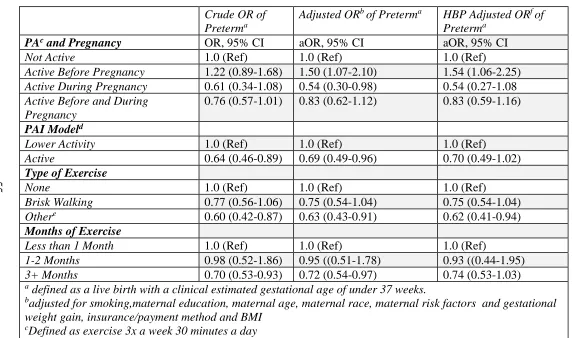
2009-2015 in South Carolina and were considered significant at p ≤ 0.05. We found that
women who were previously inactive but became active during pregnancy had reduced
odds of preterm birth (PTB) (aOR=0.54 (95% CI, 0.30-0.98)) compared with completely
inactive women. We also found that women who did more exercise and for longer had
activity had higher odds of PTB (aOR=1.5 (95% CI, 1.07-2.10)) and low birth weight
(aOR=1.30 (95% CI, 1.03-1.62) than women who were inactive.
This analysis allowed a complex conceptualization of physical activity in a state
representative population and demonstrated a dose response between PA and PTB but
was subject to recall bias and did not have information on disability. In the future,
TABLE OF CONTENTS
DEDICATION ... iii
ACKNOWLEDGEMENTS ... iv
ABSTRACT ...v
LIST OF TABLES ... ix
LIST OF ABBREVIATIONS ...x
CHAPTER I: INTRODUCTION ...1
1.1 BACKGROUND ...1
1.2 PHYSICAL ACTIVITY DURING PREGNANCY ...3
CHAPTER II: LITERATURE REVIEW ...6
2.1 MATERNAL PHYSICAL ACTIVITY AND PRETERM BIRTH ...6
2.2 MATERNAL PHYSICAL ACTIVITY AND BIRTH WEIGHT ...17
2.3 EFFECT MODIFICATION ...30
2.4 GENERAL PROPOSAL ...31
2.5 STUDY AIMS ...31
CHAPTER III: METHODS ...33
3.1 STUDY POPULATION ...33
3.2 PHYSICAL ACTIVITY MEASURES ...34
3.3 BIRTH OUTCOMES ...39
CHAPTER IV: RESULTS ...44
4.1 SAMPLE CHARACTERISTICS ...44
4.2 BIVARIATE ANALYSIS ...45
4.3 MAIN ANALYSIS ...46
CHAPTER V: DISCUSSION AND CONCLUSION ...58
5.1 DISCUSSION ...58
5.2 CONCLUSION ...62
LIST OF TABLES
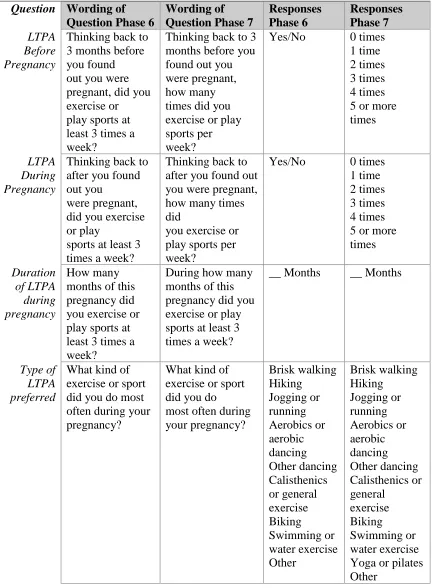
Table 3.1 Wording of Questions and Responses Between SC PRAMS Phases ...43
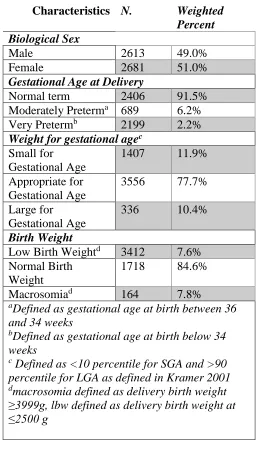
Table 4.1 Sample Characteristics of SC Women who Recently Delivered Live Births ....50
Table 4.2 PA Among SC Women who Recently Delivered Live Births ...51
Table 4.3 Descriptive Statistics of Infants Born to SC Women ...52
Table 4.4 Characteristics of SC Women by PA During Pregnancy ...53
Table 4.5 Birth Outcomes of SC Women by PA During Pregnancy ...54
Table 4.6 Logistic Regression Between Maternal PA and Preterm Birth ...55
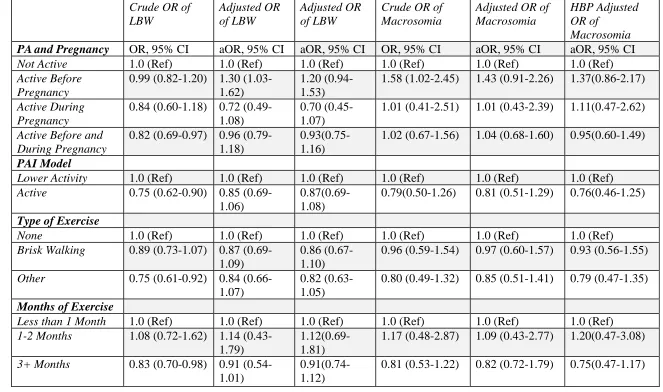
Table 4.7 Multinomial Regression Between Maternal PA and Macrosomia/LBW ...56
LIST OF ABBREVIATIONS
GA ... Gestational Age
HBP ... High Blood Pressure
LBW ... Low Birth Weight
LGA ... Large for Gestational Age
LTPA... Leisure-Time Physical Activity
METS ... Metabolic Equivalent
PA ... Physical Activity
PAI ... Physical Activity Index
PTB ... Preterm Birth
CHAPTER I
INTRODUCTION
1.1 BACKGROUND
While life expectancy has increased in the United States in the past
century, an increase in the prevalence of chronic disease has hindered further gains in life
expectancy1-3. Lack of regular physical activity, a modifiable health risk factor, is a major cause of many common chronic diseases,1-3 and has been estimated to contribute to 6% of the burden of coronary heart disease, 7% of type 2 diabetes, 10% of breast cancer, and
10% of colon cancer and to be associated with decreased life expectency3. Conversely,
physical activity has been associated with reduced risks for type 2 diabetes4, obesity5, depression6, anxiety6, and alzheimers7. People who are physically active also tend to be happier8, have better quality-adjusted life years9, and have better longevity and
independence in old ages10.
While physical activity, as well as physical inactivity, is extensively covered in epidemiological literature, there’s a great deal of variation as to how each are defined.
Broadly speaking, physical activity can be defined as “any bodily movement produced by
skeletal muscle that results in energy expenditure” (Caspersan, pg. 127)11. Every single person performs some degree of physical activity though the amount each person does,
physical activity, and activity during sleep, though this is not a large contributor to energy
expenditure11.
Exercise is a subset of physical activity “that is planned, structured, repetitive and
purposive in the sense that improvement or maintenance of one or more components of physical fitness is an objective” (Caspersan, pg. 128)11. Generally, exercise is partaken
during leisure time through sports, aerobic fitness, jogging, weight training, as well as
many other activities, however certain occupational and household activities could also
be considered exercise as long as they do not minimize work and are intended for this
purpose11. Because every person partakes in some forms of physical activity, and not all physical activity is of equal benefit, trying to define quantitatively what constitutes a “physically active” person is complex.
The 2008 Physical Activity Guidelinesfor Americans were created by the US
Department of Health and Human Services (DHHS) and define physical activity using
two domains, aerobic and muscle strengthening exercises12. The threshold for being a physically active adult that is set by these guidelines entails 150 minutes or more of
moderate-intensity aerobic activity, or 75 minutes of more of vigorous-intensity aerobic
activity per week, as this threshold is associated with substantial health benefit for
cardiovascular disease and coronary heart disease12. This is the same threshold
recommended by the World Health Organization internationally13. The US guidelines also recommend that adults undergo muscle-strengthening exercises of moderate to
high-level intensity at least twice a week12.
For aerobic activity, these guidelines do not exclusively refer to physical activity
vigorous intensity12-13. A study using the Behavioral Risk Factor Surveillance Survey
System (BRFSS) data, found that within the aerobic standards of the guideline, 51.6% of
adults engaged in 150 minutes of moderate aerobic physical activity, or 75 minutes of
vigorous aerobic activity per week14. While physical activity, for conditions such as cardiovascular disease, has a clear dose response; increased duration of moderate and
vigorous intensity aerobic exercise consistently results in decreased risk, this association
is not consistent for all health outcomes12,13 and there may be health benefits for some outcomes below this threshold12. Accordingly, not every study on the benefits of physical
activity uses these guidelines to define someone as active, so what constitutes someone
considered sufficiently physically active in research can vary. The aforementioned
BRFSS study, while identifying that 51.6% of Americans were active by aerobic
standards, found that only 20.6% of Americans met both aerobic recommendations and
strength training recommendations14.
1.2 PHYSICAL ACTIVITY DURING PREGNANCY
Observational research on moderate to high intensity physical activity among
pregnant women during pregnancy, since the early 1990s, has generally found neutral or
beneficial health effects15. The American College of Obstetricians and Gynecologists (ACOG) currently recommends that most pregnant women with no pre-existing
conditions adhere to the aerobic portion of the 2008 Physical Activity Guidelinesfor
Americans put forth by the DHHS, with the exception of certain forms of physical
exercise such as contact sports, hot yoga and skydiving.16
Despite these recommendations, physical inactivity and inadequate physical
(95% CI, 13.2-18.5) of pregnant women had “sufficient exercise” in 2000, defined at the
time by 30 minutes of moderate leisure time physical activity 5 times a week, or 60
minutes of vigorous leisure time physical activity, compared with 26.1% (95% CI,
25.4-26.8) of non-pregnant women17. More recent physical activity recommendations differ slightly from the standard used at the time; the ACOG only started recommending
moderate intensity exercises for at least 30 minutes a day, most(n=5) days of the week
during pregnancy in 2002, which was later reduced in 2015 to from 20-30 minutes a day
most days of the week.15
While there have not been more recent BRFSS studies examining the prevalence
of physical activity in pregnant women using either the 2002 or 2015 ACOG guidelines,
a recent 2016 NHANES study examined the difference in prevalence resulting from
changing definitions18. Using 2007-2014 NHANES data, researchers found that, using the 2002 ACOG guidelines, 12.7% (95% CI, 6.9-22.2) of pregnant women had at least
150 minutes of exercise a week and exercised most days of the week, and that using the
2015 ACOG guidelines, 13.1% (95% CI, 8.7-19.8) had at least 100 minutes of exercise a
week and exercised most days of the week.18 While the decreased ACOG threshold did
not seem to substantially impact the prevalence of pregnant women meeting physical
activity recommendations, when researchers changed the wording of the definition to
include women who attained the physical activity threshold but did not exercise most
days of the week, they found that 23.4% (95% CI, 14.9-34.9) of pregnant women had
attained at least 150 minutes of leisure time physical activity a week18. In any case,
pregnant women in the US appear to be less physically active than the US population as a
mainly reduced comorbidities19-22, but a physically active pregnant woman also has
reduced risk of pregnancy-related complications such as gestational diabetes23. Poor maternal health24 and maternal comorbidities25 can impact the health outcomes of a newborn, so a physically active pregnant woman may see improved infant health
outcomes due to the tendency for physical activity to improve overall health1,3 and reduce the risk of these comorbidities1,3. While leisure-time physical activity (LTPA) is
generally agreed to be beneficial to the general population12, and most forms of LTPA are considered safe for pregnant women16, the literature is inconsistentas to whether the
benefits of perinatal LTPA extend to infant health outcomes.
CHAPTER II
LITERATURE REVIEW
2.1 MATERNAL PHYSICAL ACTIVITY AND PRETERM BIRTH
Preterm birth, or preterm delivery, is commonly defined by a birth delivered prior
to 37 weeks of gestational age, though it may also be subcategorized as moderate preterm
(32-36 weeks), very preterm (28-32 weeks), and extreme preterm (<28 weeks) 26. This can be further described as spontaneous, where labor occurred or was indicated to have
occurred due to medical indications such as partial premature rupture of the membranes,
pregnancy-induced hypertension where labor was induced or caesarian section was used
or both27. Preterm birth is a condition that is associated with higher infant mortality with increasing prematurity28,29. It also has been associated with several conditions in later life including increased risk for diabetes30, attention deficit hyperactivity disorder (ADHD)31,
cerebral palsy32, intellectual disability33 and higher risk of disability32,33. Examining the factors associated with preterm births may lead to better interventions and better
recommendations to reduce the incidence of these health issues.
For our literature review about the association between physical activity during pregnancy and preterm birth, we reviewed all studies (n=27) used in Kahn’s 2016 paper,
of the Literature”34. We restricted our analysis studies published in the last 10 years
(2008-2018), 17 of which met this criteria35-51. Five of these were randomized control trials35-39 and the remaining twelve were observational studies40-51. Considering that we will use observational data for this thesis, the literature review is primarily focused on
observational studies but the results of the randomized controlled trials will be discussed
in brevity in the discussion.
These studies varied greatly in sample size, definitions of physical activity, and
thoroughness of the study in assessing physical activity during pregnancy. We grouped
these by study design type and then compared exposure and outcome definitions and
findings and then compared them.
COHORT STUDIES
The cohort studies assessed included Hegaard (2008), Juhl (2008), Jukic (2012),
Owe (2012), Tinloy (2014), and Currie (2014). Hegaard, Juhl and Owe found significant
protective effects. These were large cohort studies, with the smallest (Hegaard) including
5739 participants40 and the largest (Juhl) including 87232 participants41. Owe simply looked at the frequency of physical activity on, or prior, to certain weeks of pregnancy.
Owe found that leisure time exercise, prior to 17 weeks of pregnancy, was associated
with lower odds of having preterm deliveries (PTD), with an adjusted OR (aOR) of 0.89
(95% CI, 0.8-0.98) for exercise 1-2 times a week and with an aOR of 0.84 (95% CI,
0.75-0.93) for exercise 3-5 times a week compared with women who didn’t exercise43. This association was slightly stronger in those exercising prior to 30 weeks, with an aOR of
0.81 (95% CI, 0.73-0.89) at exercise 1-2 times per week, and an aOR of 0.76(95% CI,
finding a hazard ratio (HR) of 0.82 ((95% CI, 0.76-0.88) for women that reported any
LTPA compared with women who reported no LTPA, a HR of 0.8 (95% CI, 0.72-0.87)
for women who reported between zero and one hours of LTPA a week compared with
women who reported no LTPA, and a HR of 0.81 (95% CI 0.72-0.92) for women who
reported between one and two hours of LTPA per week compared with women who did
no LTPA41. Hegaard examined several thresholds of physical activity; ≥3 hours of light
LTPA, ≥3 hours of moderate to heavy LTPA, as well as types of physical activity40.
Hegaard found that women involved with more than one type of sport had an aOR of
0.09 (0.01-0.66), and women who reported moderate to heavy LTPA, had an aOR
0.34(95% CI 0.14-0.85) compared with women not involved in sports or LTPA
respectively40.
Among the cohorts that did not find a significant difference, Tinloy set the
minimum threshold for physical activity at 60 minutes a week, and only assessed late
preterm birth (34 -<37 weeks gestation)45; Jukic compared hard or very hard LPTA with women who did not have hard or very hard LTPA, using the Borg perceived exertion
scale42; Currie used a Kaiser Physical Activity Survey that aggregated multiple forms of physical activity, including LTPA, occupational physical activity and household
activity44.
CASE CONTROL STUDIES
Case control studies assessing physical activity and preterm birth have had mixed
but generally favorable results46-48. We assessed three case control studies, Nelson (2009), Takito (2010), Guendelman (2013). These studies were of a similar size with the
at 1042 participants. Nelson (2009) examined previously pregnant women in Thailand
and did separate analysis for different types of physical activity and the period in which
they were performed in46. This included assessing women who were involved in exercise before, but not during pregnancy, before and during pregnancy, and during pregnancy,
but not before pregnancy and compared these with women who participated in no
exercise before or during pregnancy46.
Nelson found that women who only exercised in leisure time prior to pregnancy,
but not during pregnancy, had an aOR of 0.69 (95% CI 0.48-0.89) for preterm birth46.
Nelson also observed a non-significant reduction in point estimates for preterm birth risk
for women who exercised before and during physical activity, at an aOR of 0.85 (95%
CI, 0.59-1.24) compared with women who performed no exercise before or during
pregnancy46. Other forms of LTPA were also associated with reduced point estimates, but not significantly46. Conversely, the study found found substantial and significant
increases in the odds of preterm delivery for women who reported that their job during pregnancy involved heavy exertion “such as physically stressful work including lifting or
carrying objects or loads >25kg as in construction work”46. These women had an overall
aOR of 2.42 (95% CI, 1.15, 5.09) of preterm birth compared with women who did not,
and also had higher odds of very preterm delivery (<32 weeks) at an aOR of 4.57 (95%
CI 1.65, 12.64), as well as medically indicated preterm delivery at an OR of 3.79 (95%
CI, 1.54, 9.32)46. All adjusted analysis by Nelson controlled for maternal age, pre-pregnancy BMI, and parity, and where occupational physical activity was examined, the
Takito (2010) found that, in the unadjusted model, light leisure physical activity
was beneficial, but after adjustment for maternal education, marriage status, age, paid
work, high blood pressure, early rupture of membranes, hospitalization, bleeding and
antenatal consultation the association disappeared47. The study did find, in the adjusted analysis, that leisure walking under 20 minutes a day was associated with an aOR of 0.44
(95% CI, 0.21-0.90) and over 20 minutes a day was associated with an aOR of 0.36 (95%
CI, 0.17-0.89) for preterm birth compared with women who did not have any leisure
walking47. They also found that domestic activities, essentially housework, at over 6
hours a day, was associated with an aOR of 0.38 (95%CI, 0.17-0.89) for preterm birth,
compared with women that performed under two hours of domestic activities a day47. Gruendelman (2013) found that women who reported having engaged in hours of
moderate physical activity, and vigorous activity, modeled continuously, had reduced
odds of preterm birth in the crude model48. After adjustment the only association that
remained was for moderate activity at an aOR of 0.91 (95% CI 0.81-0.98)48. This study is notable as it found effect modification by BMI in pregnant women48. Each one unit increase in pre-pregnancy BMI was associated with an OR of 0.87(95% CI 0.80-0.94) for
preterm birth up to a BMI of 24, and an OR of 1.07 (95% CI, 1.03-1.12) for preterm birth
per one unit increase in BMI for women at 24 BMI or greater48.
CROSS-SECTIONAL STUDIES
Cross-sectional studies, assessing whether physical activity had a protective effect
on preterm birth, also had inconsistent results49-51. We reviewed three studies, Domingues (2008), Dumith (2012), and White (2014), which ranged from 284 participants (White),
only one of these studies to find that physical activity lead to a significant reduction of
odds of preterm birth. It was also the most thorough of the three, assessing physical
activity by duration and trimester, but did not distinguish between type of physical
activity and intensity. Domingues (2008) found significant adjusted prevalence ratios
(aPR) for women who underwent LTPA in all three trimesters (aPR: 0.55, 95% CI
0.32-0.96), for women who that participated in LTPA in their third trimester (aPR: 0.50, 95%
CI 0.31-0.80) and for women that participated in more than 90 minutes of LTPA a week
in their third trimester (aPR: 0.58, 95% CI 0.34-0.98) compared with women who did not
partake in LTPA.
Dumith (2012) used a hospital-based, cross sectional study, which utilized an
adjusted analysis, controlling for schooling, marital status, maternal age, income, parity,
prenatal consultation and twins, however the extent of the exposure ascertainment was assessed entirely by the question “Did you practice physical exercises during this
pregnancy?”49. The findings suggested no association with preterm birth at an aOR of
0.98 (95% CI, 0.79-1.22) for preterm birth49.
White (2014) recruited from surveys given to Anytime Fitness members and
defined physical activity by separate groups that performed (5 minutes/day a week) of
resistance exercise and aerobics (10 minutes/ day a week), aerobics but no resistance
exercise, and those with no exercise51. The main outcome of interest was gestational age at delivery which used a referent category of 37-40 weeks of age at delivery with a category combining preterm (≤36 weeks) and postterm(≥40 weeks) delivery. The
analysis was carried out through a contingency table and logistic regression. Two tables
gestational delivery(p=0.85), and one that compared resistance training/aerobic training
with a combination of aerobic training and no exercise(p=0.66). The logistic regression
included all three PA exposure levels, and while there was a point estimate suggesting a
protective effect for resistance training/aerobics on preterm labor (aOR 0.59, 95% CI,
0.27-2.29) compared with no exercise. The study did not present findings on physical activity and preterm birth using logistic regression as the outcome “showed poor fit to the
data”51.
SUMMARY
Randomized control trials that set women to exercise routines did not find
significant differences in preterm birth35-39. Of the twelve observational studies
detailed40-51, five found no differences between physical activity, either before or during pregnancy42,44,45,50,51, and seven found some significant protective effects for some level or type of physical activity40,41,43,46-49.
Generally speaking the cohorts that did not find an association were smaller42,
44,45. The largest cohort that found no difference was “Exercise during pregnancy and risk
of late preterm birth, cesarean delivery, and hospitalizations” by Tinloy (2014)45, and had 3006 participants whereas smallest cohort study that found a difference was “Leisure
time physical activity is associated with a reduced risk of preterm delivery” by Hegaard
(2008) and had 5749 participants40. Two41,43 of the three cohorts40,41,43that found associations between physical activity and reduced preterm birth assessed frequency of
physical activity, or length of physical activity, compared with no physical activity, rather
heavy physical activity40. In Hegaard, while women who engaged in light LTPA(>3h/w)
had point estimates indicative of a protective effect on preterm birth, at an aOR of 0.76
(0.60-1.02) compared with women who were not physically active, only women engaging
in moderate to heavy LTPA(>3h/w) had significantly reduced odds of preterm birth, aOR
of 0.34 (0.14-0.85) compared with women who were not physically active40.
The definition of the outcome, preterm birth, was defined as <37 weeks in nearly
all observational studies, with two exceptions45,51. Tinloy examined only late preterm birth (34-<37 weeks)45, and White aggregated preterm (≤36 weeks) and postterm (≥41
weeks) into one outcome51.
Among case control and cross-sectional studies, four46-49 out of the six46-51 found that some form of perinatal physical activity, was associated with reduced odds of
preterm birth. However, Nelson only found significance with exercise prior to pregnancy
after adjustment46, and Takito only found walking (not LTPA in general) and domestic
physical activity (over 6 hours/day) during pregnancy to be protective against preterm
births in the adjusted model47. Gruendelman, like the cohort by Hegaard40, only found moderate physical activity to be significantly associated with reduced preterm birth after
adjustment48. DISCUSSION
One might expect that the lack of significant findings from randomized control
trials to be definitive evidence against the efficacy of preterm birth, but as Kahn
suggested, there’s an issue of a “healthy mother effect” where participants in a voluntary
clinical trial may have better socioeconomic status, be excluded for certain health
attenuate the differences between the groups, and randomization of cases and controls
would not be able to fully address this issue, which limits generalizability to the
population as a whole34. Compared with cohort studies, a randomized control trial is also likely to have a substantially smaller sample size due to higher costs and logistic
feasibility, and in comparison, less statistical power to detect differences.
The majority of these observational studies used self-reported data but
conceptualized physical activity differently, which may explain some of the inconsistent
findings. There might be some physical activities that show clear benefits at a low
threshold compared with others. Takito for example, found leisure walking to be
associated with lower odds of preterm birth at even less than 20 minutes a day (aOR 0.44
(95% CI 0.21-0.91)), compared with women who did none, which had a similar
protective effect to women engaging 6 hours of domestic physical activity a day (aOR
0.53 (95% CI, 0.31, 0.89)), compared with women who did 2.5 hours or less47.
Currie’s methodology assumes all exertion in all domains of physical activity,
including leisure time exercise, occupational activity and active living are equally
beneficial in preventing preterm births, as they are equally weighted and aggregated in
terms of MET44. Part of the findings in Nelson indicate that the methodology used in Currie may not be justifiable. If the general assumption is that moderate to heavy LTPA
is associated with reduced risk of preterm birth, such as in Hegaard, (aOR = 0.34 (95%
CI, 0.14-0.85))40, and high physical occupational exertion such as in Nelson is associated increased preterm birth (aOR 2.42 (95% CI 1.15-5.09))46, in an aggregated model this would average out towards the null even if there were clear associations when examined
All studies except White (2014) and Tinloy(2014), defined the outcome of
preterm birth/delivery as a birth estimated at <37 weeks of gestational age, suggesting
that differential outcome classification was not a concern for the most part. The issue with White’s method of aggregating pre-term and post-term births is simple, at least
conceptually, as it’s only defensible assuming a bidirectional effect towards, or away
from, the reference group. A protective effect on pre-term birth, but not post-term birth,
or vice versa, would attenuate the strength of the association. A consistent one direction
effect on gestational age might also, for example, reduce the risk of preterm birth, but
simultaneously increase risk of post-term birth with no net change in odds.
Tinloy, meanwhile, examined late preterm birth (34-<37 weeks of gestational age)
exclusively, as the study inclusion criteria excluded pregnant women under 34 weeks of
gestational age. This resulted in non-significantly elevated point estimates at 60-149
minutes of PA a week for late preterm birth (aOR 1.14 (95% CI, 0.71-1.84)) compared
with women who did under 60 minutes of PA45. There are several plausible reasons for this. The simplest is that physical activity during this period of pregnancy does not confer
a reduced risk of late preterm birth, as the definition used by Tinloy to determine PA asks
about current weekly physical activity45. If a clear beneficial effect on preterm birth occurs from LTPA before pregnancy, or early in the pregnancy, but not late in the
pregnancy, this could potentially bias results. At recruitment at 34 months of the
pregnancy, the progression of infant development may make LTPA uncomfortable,
resulting in women to cease to be considered physically active. They may have already
benefited from pre-pregnancy activity, causing the reference group to be at similar health
conducted an analysis separately using late preterm birth (35-36 weeks of gestation) and
early preterm birth (<35 weeks of gestation) compared with term births, the association
remained similar, both separately and jointly48.
The method of adjustment may play a role in the differences in findings as well.
Tinloy45, for example, was the only observational study that adjusted for a history of hypertension, but as Domingues pointed out, high blood pressure is a physiological cause
of preterm birth and is reduced by physical activity49 and is therefore an intermediate variable in the association and may not be appropriate to control for. Guendelman also
revealed a potential concern with how pre-pregnancy BMI is conceptualized by finding
effect modification by BMI category48, which was based upon previous research the author performed52. Both studies found that the risk of preterm birth increases from 24 BMI48,52.
Another gap in this literature was brought up by Kahn, as well as Guendelman;
the benefits of LTPA during pregnancy may be due to long term benefits of LTPA, such
as LTPA before pregnancy, rather than necessarily LTPA performed in any period of
pregnancy34,48. Of all of the observational studies reviewed on PTD, only Nelson and Currie44 examined PA before and during pregnancy, and only Nelson examined LTPA46. The findings by Nelson were supportive of this hypothesis, as the protective effect of
LTPA on moderate preterm birth was only observed in women who exercised before
pregnancy (aOR 0.70 (95% CI, 0.52-0.94)), and women who were only physically active
before, but not during pregnancy (aOR 0.67 (95% CI 0.46-0.97)), though point estimates
indicative of a protective effect (aOR < 1.0) were generally observed in women who
during pregnancy had a slightly elevated risk of preterm birth, (aOR 1.29 (95% CI, 0.40,
4.13), but this group consisted of a very small number of women (n=14) and should be
interpreted with caution46.
2.2 MATERNAL PHYSICAL ACTIVITY AND BIRTHWEIGHT
When it comes to health outcomes and birth weight, we are primarily concerned
with measurements that deviate substantially from the mean birth weight, in either
direction, such infants born too small or too large. The diagnostic definition in the
International Statistical Classification of Diseases and Related Health Problems
(ICD-10) for low birth weight is a birth weight below 2500 grams53, but there are also subcategories of low birth-weight, such as very low birth weight at less than 1500
grams53, and extremely low birth weight at 999 grams or less53. The “opposite” problem
is fetal macrosomia, which is typically defined by a birth weight at or above 4000
grams54. Both conditions have been shown, in previous literature, to be associated with adverse health outcomes; low birth weight has been associated with higher infant
mortality55 and lower academic performance later in life56, whereas macrosomia has been associated with obesity57-58, cardiovascular issues58 and insulin resistance57.
When only assessing low birth weight in live births, it may be due to a variety of
exposures, but also may be due to prematurity, where the newborn was simply born
earlier in development than other infants. Accordingly, many birth weight outcomes are
assessed in terms of weight adjusted for gestational age.
Classification of weight for gestational age, like birthweight is bimodal, with
newborns being classified as either small for gestational age (SGA), average for
defined as a birthweight in the lowest 10th percentile for the newborn’s gestational age
while LGA is classified as the top 90th percentile for gestational age using a particular reference population59,60. However, this system of classification has been criticized as arbitrary and more useful for clinical classification than for research, as certain health
effects may become evident above or below the 10th and 90th percentile thresholds60, so studies may define SGA and LGA by different percentiles. It should be taken into
consideration that the specific distribution of the reference population may also vary by
biological sex, parity, or race, so what constitutes a low birthweight girl may be different
from what constitutes a low birthweight boy60.
For our literature review about the association between physical activity before or
during pregnancy and birth weight outcomes, we reviewed all articles (n=54) from Bisson’s 2016 systematic literature review, “Physical Activity Volumes during
Pregnancy: A Systematic Review and Meta-Analysis of Observational Studies Assessing
the Association with Infant’s Birth Weight.” We restricted our analysis to articles (n=24)
42,44,47,50,62-82published in the past 10 years (<2008)to reduce the work scope.
We additionally excluded four studies (Morgan (2014), Mäkelä (2013), Reid (2014)
and Mparmpakas (2013)) because they did not directly conduct an analysis of the
association between physical activity before or during pregnancy and birth weight
outcomes.62-65 While Mahmoodi (2013) used a direct comparison between LTPA measures and low birth weight, the point estimate of the odds ratio was outside of the
CONTINUOUS BIRTH WEIGHT
Eight studies assessed continuous birth weight in grams either, using bivariate
analysis between groups, or through a regression model42,67-74. Five42,67,68,70,73 out of the eight found an association between a form of physical activity and a continuous birth
weight, three did not71,72,74. Among the five studies that found a significant association between physical exercise and birth weight in grams, four found that exercise status was
associated with reductions in birth weight42,68,70,73 and one found increased birth weight67. All of these studies used a cohort study design.42,67-74
As previously discussed, it’s important to look at the context of the study, as the
infants gestational age can play a role in its birth weight. These studies generally
addressed confounding from gestational age in some way, with the exception of Jukic42 but the method and extent varied. Many utilized some exclusion criteria that would
prevent or mitigate the skew of preterm births on the analysis. Hegaard, and Fleten
excluded preterm births (<37 weeks)69,73. Melzer included only women above 35 weeks of pregnancy72. Jahromi only included women above 33 weeks of pregnancy67. Some of the exclusion criteria did not exclude preterm births; Monpetit only included women at or
above 18 weeks of gestational age70 and Both excluded the only women (n=1) delivering prior to 16 weeks. Finally, Harrod did not exclude women but adjusted birthweight for
gestational age68.
Monpetit(2012) and Melzner(2014) were the only two studies included in the
literature review that measured physical activity objectively70,72. Both of these were small studies Melzner (n=44) and Monpetit (n=59) that measured and defined physical activity
pedometer, defining it in terms of steps, finding that, per 1000 steps per day, birth weight
dropped by 0.78g (p=0.044). This association lost significance after adjusting for
pre-pregnancy BMI70. Melzner measured physical activity with a heart rate and motion sensor, considering women physically active at 30 minutes of exercise at 3.0-6.0 METS
per day, and inactive under this threshold, and found no association72.
Fleten defined exercise exposure by frequency per week and found that the
strength of the association between exercise and birth-weight reduction varies by the
gestational week that the woman was physically active. The national birth cohort that
Fleten used sent out questionnaires at 17 and 30 weeks to examine a woman’s exercise
habits before 17 weeks and between week 17 and 3073. The strength of the association was stronger for exercise between weeks 17-30 of gestation where birth weight was
reduced -1.4g (-2.01 to -0.78) per exercise in the adjusted model, but a significant
association was also seen prior to week 17, with birth weight reductions of -0.72g (-1.33
to -0.10) per exercise in the adjusted model73. Fleten and Monpetit were the only studies that assessed the relationship between PA and BW using regression models70,73
Harrod (2014), Jahromi(2011), and Jukic (2012) assessed differences in mean
birth weight between groups of women who were physically active and not physically
active. Harrod assessed METs by quartiles and found that the top 25th percentile of
physical exercise had significantly (p=0.04) lower mean birth weight (3,142.9g) than the
bottom quartile (3,239.9g)68. Jukic found women engaging in non-vigorous leisure time physical activity had an average birth weight reduction of -60g (-117 to -1) and that
average birth weight reduction of -96g (-192 to -0.2) compared with women who engaged
in no leisure time physical activity during pregnancy42.
Jahromi, unlike the majority of papers examining this topic, found that women
had higher mean birth weights if they exercised before (3210g vs. 2880g) and during
pregnancy (3230g vs. 2910g) than women who did not67. Both (2010), Hegaard (2010), and Melzer (2010) meanwhile found no association between birth weight in grams and
exercise status69,71,72.
LOW BIRTH WEIGHT AND MACROSOMIA
Seven studies examined macrosomia or LBW as an outcome44,47,50,69,71,76,82. Of these,three assess both macrosomia and LBW 44,69,76, two assess only macrosomia75,82, and two assess only LBW 47,50. Of these seven studies, four were prospective
cohorts44,69,75,82, two were cross sectional50,76, and one was a case control study47. Two of the four cohort studies75,82 and the case control study47 found physical activity to have a
significant protective effectof PA on LBW or macrosomia, however no cross sectional
study found significant differences50,76.
The studies that examined role of physical activity in both macrosomia and LBW
were Hegaard(2010), Wojtyla(2012), and Currie (2014) the first two of which found no
significant association44,69,76. Using the Kaiser Physical Activity Survey(KPSA), Currie
found that the top tertile of physical activity had an adjusted OR of 0.61 (95% CI,
0.43-0.85) for macrosomia compared with the lower tertile, but no other significant
differences44. This analysis did not exclude births <37 weeks of estimated gestational age, but the authors conducted a sub-analysis and claimed that excluding these births did
The studies that only examined macrosomia, Voldner (2008), and Owe (2009)
both found a significant protective effect of exercise on odds of macrosomia75,82. Voldner found, using a prospective cohort, that women who exercised up to or less than an hour
per week had an increased risk of macrosomia (aOR of 2.9 (95% CI, 1.2-7.3)) compared
with women who exercised more than an hour a week. However, this effect was
significant only prior to pregnancy, not during pregnancy82. Owe assessed physical
activity in terms of “active transport” such as walking, jogging and biking, and frequency
of this activity, and determined that women who exercise prior to 17 weeks of pregnancy
3 times a week had an aOR of 0.72 (0.56-0.93) of macrosomia (defined as >4170g in
nulliparous women, and >4362g in multiparous women) compared with women who did
not77. This association slightly attenuated women exercising prior to 30 weeks of pregnancy, three times a week, with an aOR of 0.77 (95% CI, 0.61-0.96)75.
Takito (2010) and Dumith (2012) examined low birth weight, but not
macrosomia47,50. Dumith assessed any leisure time physical activity during pregnancy and LBW andfound no association50. Takito used a survey that differentiated between subdomains of physical activity, while there was no association between LTPA and
LBW, he found that women who reported over 7 hours of light physical activity had an
aOR 0.61(95% CI, 0.39-0.94) of LBW compared with women who did under 3.5 hours47.
It was also found that women who reported 4-5.9 hours of domestic physical activity had
an aOR of 0.6(95% CI,0.36-0.98) of LBW compared with women who did under 2
SIZE FOR GESTATIONAL AGE
Six studies examined the outcome of size for gestational age68,74,77,79-81, of these, half assessed both SGA and LGA74,77,79, two assessed only SGA68,80, and one assessed only LGA81. Five of the six found an association with the exception of Portela (2014) which, as it was a cohort study with 56 people, had zero cell count for these outcomes
and was unable to draw a conclusion82. The remaining five studies consisted of four
cohort studies68,74,77,80 and a cross sectional study81. The findings of the studies, that were able to draw conclusions, were mixed, with three studies showing a significant protective
effect for physical activity on SGA or LGA74,77,81, one showing both significant
protective and deleterious effectsfor SGA depending on type of PA80, and one showing only deleterious effects for SGA68.
Juhl(2010), assessed the frequency and duration of physical activity, compared
with none, and found increased LTPA to have a slight protective effect for both SGA and
LGA. While the greatest protective effect was found for both LGA (HR 0.72, 0.57-0.91)
and SGA (HR 0.83, 0.72-0.95) at 3-5 hours a week, a smaller but significant effect on
both LGA (HR= 0.93, 0.88-0.98) and SGA (HR= 0.88, 0.83-0.93) was observed at less
than one hour of exercise a week74.
Mudd used a pre-existing cohort study called the POUCH Cohort which sampled
from the general population but over-sampled women with high maternal serum
alpha-fetoprotein (MSAFP) levels, among other things, as a sub-cohort77. He then mailed out questionnaires about frequency and duration of physical activity and found that women in the “non-sub-cohort” who reported that they received over 150 minutes of exercise a
with women who did not77. Snapp (2008), performed an unadjusted analysis on national
survey data, classifying women as physically active if they partook in leisure time
physical activity for at least 30 minutes, three times per week or more, for six or more
months of the pregnancy. Snapp found that women who were not physically active had
an OR of 12.9 (95% CI 10.9–15.2) for LGA compared with women that were81. It should be noted that LGA was defined at 95th percentile of weight, and that women delivering
before 37 weeks were not included.81
Gollenburg (2011) used a Kaiser Physical Activity Survey (KPSA) and found that
before pregnancy, women at 75th percentile and higher in total physical activity had
reduced risk(RR= 0.42 (95% CI 0.21-0.82)) of SGA births compared with women at or
under the 25th percentile. However, women at or over the 75th percentile for sports and exercise were at increased risk (RR=2.14 (95% CI, 1.04-4.39)) of SGA births compared
with women at or under the 25th percentile80. Harrod (2014) also used a survey that
aggregated all types of physical activity, the Pregnancy Physical Activity Questionnaire,
similarly arranged it into quartiles, but found that, in late pregnancy, compared with the
referent <25th percentile MET group, the 25th-50th percentile MET group had increased odds of SGA birth (OR 2.2 (95% CI, 1.1-4.3)), and the 75th -100th percentile MET group also had increased odds of SGA birth (OR 3.0 (95% CI, 1.4-6.7)) when compared to the
same reference group68. SUMMARY
All of the studies that we reviewed (n=19) on this PA and birth weight outcomes
(2012) and Snapp (2008) which were cross sectional studies. Among studies that
examined birth weight as a continuous variable or mean, the majority suggested that
physical activity and LTPA were generally associated with lower birth weights, with one
exception67. Six studies examined physical activity and outcomes of macrosomia. Voldner(2008), Owe (2009), and Currie(2013) found that physical activity reduced odds
of macrosomia, which is consistent with the reduction in birth weight in grams found in
the literature examining that outcome.
Among the five studies that assessed low birth weight, only Takito (2010) found
that physical activity was protective of LBW, and then only for domestic and light
physical activity rather than LTPA. Finally, six studies68,74,77,79-81 assessed SGA and/or LGA. Juhl (2010) was the only study where LTPA reduced risk of both SGA and LGA
with a protective linear effect on both SGA and LGA74. Every study that examined and LGA, reported that physical activity decreased odds of LGA birth. The two studies that
only examined outcomes of SGA, reported increased odds of SGA birth among women
were physically active during mid/late pregnancy68,80 however one of these also reported decreased odds of SGA for women physically active before pregnancy80.
DISCUSSION
While we did not review the majority of the literature provided in Bisson (n=54),
as a whole, it was generally indicative that physical activity was protective against LGA
and macrosomia in newborns, where it was not, physical activity was rarely found to be
detrimental. In Bisson, the author indicates finding generally high heterogeneity among
methodological differences and limitations in a number of studies that may explain some
of the inconsistencies in results.
Most of the studies we examined from Bisson61, similarly, to the meta-analysis by Kahn, used some form of self-reported physical activity data. The exceptions to this were
Monpetit (2012), and Melzer (2010) which both used objective data collection70,72. There were substantial differences among these studies in physical activity was collected and
defined, but they generally were classified by daily or weekly duration of the PA,
frequency of PA per week, the type of PA and its intensity.
It’s not clear how the method of determining physical activity by use of MET
(intensity by hour by week) or categorization by standards similar to ACOG
(frequency/week by minutes/week) affect the outcome, as no study reviewed appeared to
have compared these methods.
A minority of studies examined whether there were different outcomes from PA during different stages of pregnancy, and/or examining a woman’s PA habits before
pregnancy. Hegaard (2010), Gollenburg (2011) and Harrod (2014) were the only studies
that examined physical activity in multiple stages of pregnancy to compare risk68,69,80. The time frames these studies examined were fairly similar; Hegaard recorded PA before
16 weeks of gestation and before 30 weeks of gestation, Gollenburg recorded PA before
recruitment (mean=15 wks), and on follow-up (mean=28 wks), and finally, Harrod
recorded PA on early pregnancy (median=17 wks), late pregnancy (median=27 wks) and
during hospitalization.
Gollenburg (2011) and Harrod (2014) were noteworthy as being the two studies that
Harrod aggregated MET/hours of total energy expenditure separately during early, mid
pregnancy and late pregnancy whereas Gollenburg used a survey that examined different
types of physical activity (occupational, sports, household) during early and middle
pregnancy, but both studies assessed these scores by quartiles of scores68,80. While the point estimates on SGA birth in early pregnancy in both Harrod and
Gollenburg were generally indicative of a protective effect, there was a significant
increase in SGA birth in the latest period of pregnancy for both studies68,80. Gollenburg found that women in the 2nd and 4th quartiles of sport and exercise during mid pregnancy
had an increased relative risk for SGA birth at respectively 2.88 (95% CI, 1.41-5.9) and
2.14 (95% CI, 1.04-4.39) compared with the 1st quartile. Harrod found that women in the 2nd and 4th quartiles of total MET-hrs/week during late pregnancy had an increased odds of SGA birth at respectively 2.2(95% CI, 1.1, 4.3) and 3.0(95% CI, 1.4, 6.7) compared
with the 1st quartile.
While Hegaard did not find an effect in the third trimester by hours of sport, there
were elevated point estimates for different classifications of sports. Hegaard found that
women who gave delivery to term babies (>37 weeks), and who were involved in one
weight carrying activity (including aerobics, dancing, and running) in the third trimester
had an aOR of 1.6 (95% CI, 0.5-5.6) for LBW birth compared with women who did no
sport and women who were involved in other sports activities (karate, horse riding, yoga,
rowing) had an aOR of 1.9 (95% CI, 0.7-5.1) compared with women who did no sport69. The general implication from these two studies, is that during later periods of medium
and high levels of sports and exercise may increase risk of SGA births. While the
As previously discussed, Kahn and Guendelman noted that the benefits of LTPA
during pregnancy may be due to long term benefits of LTPA, such as LTPA before
pregnancy, rather than necessarily LTPA performed in any period of pregnancy34,48. Four studies in this review examined pre-pregnancy physical activity. These were
Gollenburg(2011), Koushkie(2014), Currie (2014) and Voldner(2008), who respectively
examined the outcomes of only SGA, mean birth weight, LBW and macrosomia, and
only macrosomia.
Gollenburg generally saw reduced point estimates for SGA in pre-pregnancy for all
forms of physical activity, except household work, but the only significantly reductions in
SGA risk, for this category, were in third quartile of sports/exercise (RR= 0.56 (95% CI,
0.33-0.96)) and in the second quartile of total activity (RR= 0.57 (95% CI, 0.33-0.98))
compared with their respective first quartiles. Koushkie found no difference in mean
birth weight but attributed this to the fact that 97% of women who were physically active
were physically active during both periods of pregancy67.
Though none of the outcomes for pre-pregnancy PA were significant for Currie, the
point estimates indicative of reduced risk of LBW and macrosomia were found with the
second tertile of KPAS score compared with the first44. Voldner found that women who exercised less than 1 hour per week had roughly 3 times (aOR 2.9 (95% CI, 1.2-7.3)) the
odds of macrosomia as women who exercised more than 1 hour per week82, concurring with the trend.
The findings from Voldner, Gollenburg and Harrod suggest the perinatal period in
which the woman is physically active may result in different odds of birth weight
Bisson review, as there may be a benefit of physical activity on birth weight outcomes
during pre-pregnancy and during early periods of pregnancy, but risk during later periods.
Studies that do not attempt to differentiate between these may have end up with results
biased towards the null.
As previously discussed in this paper, and indicated by the literature, different
forms of physical activity may result in a different effect on birth outcomes. This may
explain why Currie saw no effect of pre-pregnancy physical activity on birthweight
outcomes while Gollenburg did, despite both studies using the same survey. Currie did
not assess LPTA, and instead simply aggregated all subdomains of physical activity44 while Gollenburg differentiated between subdomains including LTPA80.
Out of the nineteen papers we reviewed, only Gollenburg and Voldner examined
pre-pregnancy LTPA and only for, respectively, SGA and macrosomia80,82. This suggests inadequate literature for effect of pre-pregnancy LTPA on SGA and macrosomia, and a
gap in literature on the effect of pre-pregnancy LTPA on LGA and LBW.
The different definitions used for outcomes may have played a role in different results as well. Hegaard’s insignificant findings between LTPA and macrosomia may be
attributable to setting the definition of macrosomia as birth weight at or over 4500g, or 300g higher than Voldner’s threshold and 330g higher than Owe’s threshold, both of
which did find a significant difference. Snapp’s definition of LGA at the 95th percentile,
as well as defining a woman as physically active at 30 minutes of exercise 3 times a
week, for at least 6 months of pregnancy, may have also contributed to having a
disproportionately high calculation of risk (OR=12.9 (95% CI 10.9–15.2)) for women
factor and excluded preterm deliveries81.
We saw similar gaps in the literature as we did in the section on preterm birth.
Only two studies assessed specifically LTPA before pregnancy, which was indicated to
be a concern in Kahn34, but each used different methods of calculating LTPA and exercise, and, only one birth weight outcome was assessed in each study.
2.3 EFFECT MODIFICATION
Though race and BMI are commonly viewed as confounding factors in the
association between physical activity and birth outcomes, only Guendelman examined
pre-pregnancy BMI as an effect modifier in their main analysis48. While normal range
(18-24.9 BMI) BMI is generally considered the referent category for health risk, BMI has
been previously found to have a V shaped distribution for risk of preterm birth with the
lowest odds centered around 24 BMI52 increasing sharply to an OR of 4.31 (95% CI
1.94-9.54) by 17 BMI and increasing gradually to a similar OR at around 37 BMI52.
Additionally, no study reviewed in this paper conducted a sub-analysis on race
specifically. This is pertinent because minority groups, and particularly African
Americans get less leisure time physical activity than their white counterparts83 and have
worse birth-weight outcomes84. In a population with a large ethnic minority, we may find
that race modifies the effect between physical activity and birth outcomes. Only three
studies contained large (>10%) non-white populations67,77,80, but of these, only one of
these were a minority group within the overall population where the study took place77.
None of these adequately addressed whether preterm birth or birth weight may vary by
2.4 GENERAL PROPOSAL
The Pregnancy Risk Assessment Monitoring System (PRAMS) is a national
cross-sectional surveillance system carried out through a collaborative effort between the
CDC and state health departments, on a yearly basis. The survey recruitment is based on, and therefore linked to, newborn’s birth certificate data, which includes information on
delivery and measurements of gestational age and infant weight. PRAMS also includes
self-reported information on various topics such as access to prenatal care and health
behaviors before and during pregnancy.
The SC PRAMs survey is unique nationally because only two other states collect
information on physical activity during pregnancy (Colorado and North Carolina) and no
other states use more questions than South Carolina on the topic of physical activity.
These questions assess physical activity before, as well as during, pregnancy, provide
information on the duration of the pregnancy that the woman was physically active, and
allows respondents to specify the type of exercise they most frequently participated in,
which could be used for detailed analysis of physical activity practices and whether there
are associations. Additionally, South Carolina is a state with a diverse population which
will allow us to determine whether there is, in fact, effect modification by race.
2.5 STUDY AIM
The aim of this study is to examine the association between physical activity during
pregnancy and infant outcomes (i.e. birthweight and preterm deliveries) among SC
women and the possible modifying roles of race/ethnicity and pre-pregnancy BMI status.
Research Question 1. Is physical activity during pregnancy associated with preterm
Research Question 2. Is physical activity during pregnancy associated with birth
weight? Is this relationship modified by race/ethnicity and pre-pregnancy BMI?
I hypothesize that increased physical activity during pregnancy is associated with reduced
odds of preterm birth, reduced odds of macrosomia, and reduced odds of
CHAPTER III
METHODS
3.1 STUDY POPULATION
The Pregnancy Risk Assessment Monitoring System (PRAMS) is a national
cross-sectional surveillance system carried out through a collaborative effort between the
CDC and state health departments, on a yearly basis. The PRAMS survey randomly
samples women who have recently given birth to a live infant in South Carolina,
oversampling women who delivered low birth weight (<2500 g) births. Based on information in their newborn’s birth certificate roughly 200 mothers are selected to be
sampled each month, which is referred to as a “batch”, and these mothers are sent paper
questionnaires through the mail85. A selected woman first receives a pre-letter by mail informing her that she will receive a survey. She will then receive the questionnaire
packet by mail several days to a week after receiving the pre-letter. A week later she will
receive a “tickler” that serves the purpose of a thank you letter, or a reminder to fill out
the survey. Up to two more questionnaires can be sent after this point. If the mothers do
not respond to the paper survey an attempt is made to complete the survey by telephone85.
SC PRAMS oversamples women based on the birthweights of their neonates, including
every infant born with a very low birthweight (<1500 grams), 1/6 infants born with
birthweights (1500-2499g), and about 1/70 women who delivered a child with a normal
birth weight (>= 2500g) 86. Sampling weights provided in SC PRAMS take into account the complex sample design, non-response, and omissions in the sampling frame in order
to be representative of the entire population of pregnant women in South Carolina
population85.
The questionnaire surveys new mothers on various topics such as access to
prenatal care, pre-pregnancy BMI, and health behaviors before and during pregnancy. As
the survey population is sampled from recent birth certificate records of live deliveries,
data on birth outcomes such as birth weight and gestational age are measured
objectively86, which makes misclassification of our outcome unlikely.
All data will be obtained from SC PRAMS Phase VI (2009-2011) and Phase VII
(2012-2015), which is carried out through a collaborative effort between the CDC and the
South Carolina Department of Health and Environmental control. A total of 6391
mothers completed the 2009-2015 SC PRAMS. Their data are weighted to be
representative of the roughly 180,000 mothers who gave birth in SC during this period85. Our study population consisted of singleton live births, excluding births with gestational
age under 23 weeks and gestational birth weight less than 500 grams, born to mothers
who did not have pre-existing diabetes. This left us with an initial sample of 5321 mother
neonate pairs for our initial analysis.
3.2 PHYSICAL ACTIVITY MEASURES
As with most national surveys, SC PRAMS uses self-reported data rather than
objective measurements to assess physical activity. Using information available in SC
PHYSICAL ACTIVITY BEFORE AND DURING PREGNANCY
This study considered a woman being physically active using four primary categories.
1) Women who reported being physically active before but not during pregnancy.
2) Women who reported being physically active during but not before pregnancy.
3) Women who reported being physically active both during and before pregnancy.
4) Women who reported being not physically active before or during pregnancy.
The categories where a woman was physically active before pregnancy, during
pregnancy, and both before and during pregnancy were compared with the reference
group of women who were not physically active at any point. This allowed us to examine
whether PA during pregnancy has any impact on birth outcomes after considering a woman’s PA before pregnancy.
Physical activity before pregnancy was assessed by the response to the question
“Thinking back to 3 months before you found out you were pregnant; did you exercise or
play sports at least 3 times a week? (Include walking briskly for ½ hour or more, jogging,
aerobics, swimming, etc.) with a response of “yes” or “no”. The next question, about
physical activity during pregnancy is analogous to the previous but addresses physical
activity partaken during pregnancy. There are slight changes of wording and options
between phase VI and phase VII, and these are detailed in table 3.1. The most pertinent
of these changes is that the question about physical activity in phase VII is categorical,
rather than dichotomous, asking how many times a week (0,1,2,3,4,5+) a woman
exercised. As such, physical activity before and during pregnancy was made dichotomous
for both datasets, defining women exercising 3 or more times per week (for at least ½
DURATION OF PHYSICAL ACTIVITY DURING PREGNANCY
We examined the dose of physical activity during pregnancy through studying the
reported duration in months that a woman was physically active during pregnancy. SC PRAMS asked “How many months of this pregnancy did you exercise or play sports at
least 3 times a week?” This was categorized as “0 months” (reference), “1-2 months” of
physical activity, 3+ months of physical activity during pregnancy. The reference
category also included women who were either not physically active or did not report
completing a month of exercise.
TYPE OF PHYSICAL ACTIVITY DURING PREGNANCY
We examined the type of physical activity that a woman undertook during
pregnancy, which was broadly categorized as “walking”, “other”, and “none”. There are a
broad variety of answers for this specific question. Women who reported walking and
who reported other forms of physical activity were compared separately with the
reference group of women who were not physically active and reported no type of
physical activity.
The sport or exercise most frequently performed, was assessed with the question
“What kind of exercise or sport did you do most often during your pregnancy". Where a
woman checked multiple boxes and/or wrote in a response indicating multiple forms of exercise, the woman was coded as having “other” physical activity.
PHYSICAL ACTIVITY INDEX
The three other measures of physical activity were used to make a separate
general concept is that women who are physically active during pregnancy were assigned
a Metabolic Equivalent of Task (MET) score for their choices of physical activity and
this was multiplied by the number of months that they were physically active. We
considered women physically active at the 85th percentile of PAI score, 1 standard deviation above the median PAI score, and compared them with those considered
inactive, below the 85th percentile. As the questions pertaining to duration of physical
activity and type of physical activity only address physical activity during pregnancy, this
analysis was limited to women who were physically active during pregnancy compared
with a reference group of women who were not.
Within our data set, the duration of physical activity is coded as a continuous
variable, and remained that way for the purposes of the model with a few exceptions. Several participants reported being physically active for an unlikely “10 months” (n=5),
and an impossible “12 months” (n=4). These will be recoded as 9 months. Where a
number of months is not listed, or where the woman was physically inactive, it was coded
as 0 months.
To measure the vigor and intensity of physical activity by general type, we used
information from the 2011 Compendium of Physical Activity to determine what MET
scores are appropriate88. MET is defined as the ratio of work metabolic rate to a standard
resting metabolic rate; essentially how many times more energy someone expends during
an exercise or activity than in a completely rested state88. The 2011 Compendium of Physical Activity is the most recent method of determining MET and has a variety of
We determined MET scores by the activity that fits the description best, or else
determined the mean of the most likely activities given the description.
Several categories of activities were explicitly mentioned by the survey and fit the
description in the compendium quite well; brisk walking was categorized with a MET
score of 4.3, hiking with a MET score of 6.0, aerobic dancing a MET score of 6.5,
cycling a MET score of 8.0, and running/jogging a MET score of 6.0. Most activities
required an educated guess on the intensity, using the assumption that the exercise is of
light or moderate vigor. While swimming has a wide range of categories ranging from
slow water walking (2.5 METS) to fast skin diving (15.8 METS),neither are particularly
consistent with what we would consider exercise for the average adult, so we used the
midpoint (6.7 METS) between treading water (3.5 METS) and vigorously swimming laps (9.8 METS). “Other dancing” was coded as the midpoint (5.4 METS) between slow
ballroom dancing (3.0 METS) and general dancing (7.8 METS). Finally, we coded
calisthenics to reflect the midpoint (3.3 METS) of light (2.8 METS) and moderate
calisthenics (3.8 METS). Yoga ranges from 2.0 METS (Nadisodhana) and 4.0 METS
(power yoga) and was coded as the midpoint (3.0 METS) between these.
There are a wide variety of responses that did not fit the categories well (such as “playing with children” and “crossfit”), and these MET scores are determined on an
individual basis using information in the compendium. When a response indicated two or
more types of physical activity, the mean of the MET scores were used.
Where a woman claims to have been physically active, but did not specify the
type of physical activity, we will assign 3.5 METS, the score for walking at a moderate