REID-GRIFFIN, ANGELIA RIQUE. Observing Middle School Students' Use of Technology as a Tool for Learning. (Under the direction of Dr. Glenda Carter)
The purpose of this study was to observe middle school students' use of technology as a tool for learning science in a nine-week elective class (Exploring Technologies) offered to 7th and 8th grade students (n=23). Students' use of data collection devices and subsequent interactions were traced through audio and video recordings, field notes, interviews, and students' artifacts. A social constructivist frame is used for this study within which a Vygotskian perspective is embedded.
The first manuscript of the study describes the application of a model of scaffolding to design instruction for teaching the use of technologies. The Exploring Technologies class was structured around Cazden's scaffolding model, which was based on teacher-student interactions. The curriculum developed students' ability to use technology as a tool, first by giving them fundamental skills in using the technologies in data collection, and then
providing them with experiences to conduct scientific inquiry. Findings indicated that the three phase instructional model was successful in constructing students' understanding of scientific ideas through the use of technologies.
DEDICATION This dissertation is dedicated to:
My parents, Thomas and Geraldine, who have taught me the importance of having faith, determination, dedication, and self-discipline.
To my husband
The memory of family and friends, who have since passed as I continued to pursue my education.
PERSONAL BIOGRAPHY
Angelia Rique Reid-Griffin was born to Thomas and Geraldine Reid on January 21, 1972 in Pasquotank County, North Carolina. She attended Elizabeth City-Pasquotank County Public Schools and graduated from Northeastern High School in 1990. Angelia graduated high school with honors and attended East Carolina University in Greenville, North Carolina where she received the Chancellor's Leadership Scholarship. She received a Bachelors of Science degree in Biology in 1994. Angelia worked as a substitute teacher for the Elizabeth City-Pasquotank School System and Archival Assistant for Elizabeth City State University.
She later received a Masters of Arts in Education in Science Education, secondary education from East Carolina University in 1997. While obtaining her MAEd, she obtained her North Carolina Certification for General Science, 9-12. Upon graduation, she was employed by Gates County Public Schools in Gatesville, North Carolina where she taught various science courses for grade 9-12 for two years. Angelia left the classroom to pursue her doctorate in Science Education at North Carolina State University in 1999 and received her degree in 2002. She has worked with the Science Education faculty on several research projects in the public schools. The author helped to develop a curriculum for middle school science teachers using technologies such as data collection devices and served as a test reviewer and evaluator for the North Carolina Department of Public Instruction. She was the Co-Editor on the Silver Issue of Meridian: A Middle School Computer Technologies Journal at NC State in 2002 and serves on the editorial board for the electronic journal.
ACKNOWLEDGEMENTS
I would like to express my sincere appreciation to God, for without him this would not have been possible. My family and friends, who have been a support team for me to complete my dissertation and to strive to achieve my goals. I love you and I truly appreciate your patience, laughter, and kind words.
I would like to thank Dr. Glenda Carter, my committee chair for your insight,
encouragement and support throughout my time as a doctoral student at North Carolina State. I appreciate everything that you have done for me. Dr. Glenda Carter, thank you for
allowing me to work with you on such outstanding research projects and securing the means to make this study a reality.
My committee members Dr. Susan Butler, Dr. George Vaughan, and Dr. Wendell McKenzie, thank you for your time, support and insight in helping to guide me into the realm of Professoriate. Dr. Karen Dawkins, thank you for your time, words of encouragement, and guidance. You all have made my time at N.C. State one of the most enjoyable of my life.
Ms. Glenda Cox, thank you for welcoming me into your classroom. You have offered valuable insights as a veteran middle school educator. I do not think you really understand how much I appreciate everything that you have done for me. Thanks to the TEPIE organization, the middle school students who participated in this research study, Dr. Karen Norwood for your time and use of your resources and Toyce for your moral support.
NC State. Thanks to my readers: my mom, Dr. Eva Dula, Joyce Nowell, and Katherine Patterson, who have been very patient and supportive. I would like to express my gratitude to the Science Education secretaries and the staff at the LRL and DH Hill libraries, who have all been very accommodating and helpful.
I am grateful to my family, friends, and church members, all of whom have been there for me during this difficult process. I am so thankful to my parents for encouraging me to continue my education and obtain a doctorate in Science Education. My grandparents and great-uncle, thanks for your support, endless patience, and words of encouragement. I thank my husband Stacey, who was very loving and patient as I completed this dissertation.
TABLE OF CONTENTS
Page
LIST OF FIGURES………...…… viii
CHAPTER 1- Introduction………...…... 1
Rationale………...…… 4
Data Analysis System in Science………..…... 5
Purpose………... 7
Research Questions………...… 7
Data Analysis System...…... 8
Definition of Terms………...…………. 10
CHAPTER 2- Review of Literature………... 11
Why Technology?……...…... 13
Microcomputer-Based Laboratories (MBLs) & Calculator-Based Laboratories (CBLs)………... 16
Attitudes Towards Technology...………... 18
Constructivism...………….………... 34
Classroom Discourse...………... 36
Conversations in Science..………..………...………… 39
Technology: Student Learning & Reasoning………...……… 44
Comments: The Value of Technology in Schools..………...……….. 46
Page CHAPTER 3- Technology as a Tool: Applying an Instructional Model to Teach Middle
School Students to Use Technology as a Mediator of Learning……….... 48
CHAPTER 4- Uncovering the Potential: The Influence of Technologies on Science Learning of Middle School Students....………..…… 78
CONCLUSIONS………..………. 105
REFERENCES………..………...…… 108
APPENDICES………...………. 120
Appendix A-Schedule of Activities………...………. 121
Appendix B- Layout of Educational Setting………...………… 122
Appendix C- Interview Guide……….………...………….. 123
Appendix D- Initial Technology Skill Survey....…………...……….. 124
Appendix E- Final Technology Skills Survey...……...……….. 125
Appendix F- Initial Technology Skill Survey Results...……….. 127
Appendix G- Final Technology Skill Survey Results...………… 128
Appendix H- Samples of Assessment Questions...……….. 129
LIST OF FIGURES
Page DESIGN OF THE STUDY
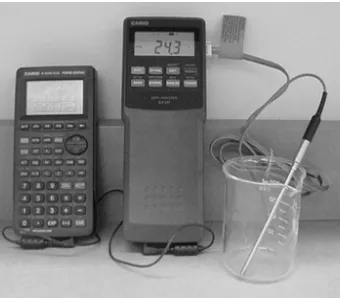
Figure 1 Casio Data Analysis System...………... 9 CHAPTER 3- Technology as a Tool: Applying an Instructional Model to Teach
Middle School Students to Use Technology as a Mediator of Learning
Figure 1 Diagram of Instructional Model……….………. 54 Figure 2 Summary of Scientific Investigations………..………. 64 CHAPTER 4- Uncovering the Potential: The Influence of Technologies on Science
Learning of Middle School Students
Introduction
Technology is a social and technical process, which involves the application of knowledge, tools, and skills to solve practical problems and extend human capabilities (Johnson, 1989). In the past decades, the implementation of technology in America’s classrooms has been a major focus of several educational reforms and policies (U.S.
Department of Education, 2000). The launch of Sputnik and the release of Goals 2000, both earmark events in scientific history in which government has taken a firm stance in
implementing the use of technology in science classrooms. After the development of the nation’s first educational technology plan in 1996, American schools have noticed a significant increase in the use of instructional tools in classrooms (Office of Educational Technology, 1999). Today, technological tools used in industry and research laboratories have established new homes in many classrooms throughout the world. Therefore, at the height of a technological revolution, educators, parents, and governmental officials are challenged with offering students the technological skills needed to become successful citizens (U.S. Department of Education, 2000). However, having technology in classrooms for the purpose of producing technologically literate citizens should not be an end unto itself. Rather the challenge is to find ways to use technology as an instructional tool to improve the academic achievement of all students (Bush, 2001). Educators find themselves faced with addressing these issues, as they teach our students how to apply technologies to core subjects such as reading, mathematics, and science.
States have failed to prepare all students to succeed" (U.S. House of Representatives, 1994, p. 1). Technology’s presence in schools can fulfill this obligation by its ability to mold and reflect the values of society (American Association for the Advancement of Science
[AAAS], 1989). Collaborative efforts of the International Society for Technology in Education (ISTE) along with numerous organizations, such as the U.S. Department of Education, National Council of Teachers of Mathematics, National Science Teachers Association (NSTA), and educators across the United States developed the National
Educational Technology Standards (NETS). The NETS were designed to address issues of accountability for "all students to achieve success in learning, communication and life skills while using instructional tools" (ENC Focus, 2001, p. 1). There are six Technology
of educators trying to use and implement technology in their curriculum to improve students’ performance in science. The million-dollar question is: How can the use and
implementation of technologies impact students’ learning in these classrooms?
According to Roblyer (2000), it is the responsibility of science educators to take the initiative to develop curricula that incorporate the use of technologies, since the new
standards do not clearly explain the role of instructional technology in the science classroom. According to the National Science Education Standards, students in grades 5-8 should
develop the skills to do scientific inquiry as well as develop understandings about scientific inquiry (National Research Council [NRC], 1996). Technological tools can provide teachers with the resources to develop activities that fulfill these standards. Through student
investigations, educators give students the opportunity to appreciate the interplay of scientific concepts as well as social and economic issues. Therefore, it is imperative that science educators provide students with a variety of experiences that highlight the advances of these technological tools (Rakow, 1998).
Rationale
Reforms in science, mathematics, and technology education have ranked as a high priority for America’s public schools for more than three decades (AAAS, 1989). "The task for reform in the sciences is seen as one of developing vision recognizing that science, technology, and society, and the quality of human existence are all interconnected" (Hurd, 1997, p. 9). Efforts to implement instructional tools in science classrooms claim
technologies can create learning environments in which all students are able to benefit (U.S. House of Representatives, 1994). In accordance to Project 2061, technology as a tool provides educators and students with resources to develop advanced thinking skills associated with science, mathematics, and technology.
National Science Education Standards describe technology as a tool to help students appreciate the natural world and conduct inquiry projects (NRC, 1996). However, a broad range of scientific materials, science tools and technological resources must to be accessible for all students to develop this learning environment. Science educators are faced with the task of providing students with experiences and examining the impact of these experiences to fully understand how the presence of technology affects student learning. Studying the students’ use of tools in an educational setting might also provide some evidence as to how these tools enhance the cognitive growth of adolescents.
can provide valuable information about how middle school students involved perceive learning science through the use of technology (Jones et al., 2000; Wetzel, 2000). The study will also investigate how the presence of technological tools affect learning in the context of a science classroom. To accomplish this task the interactions of seventh and eighth grade students using technological tools during a 9-week elective period will be described.
According to earlier research studies, to observe the effects of technology on student learning, educators need to incorporate lessons in the science curricula that give students the chance to use technologies to solve real-world problems. The Exploring Technologies elective class, the site of the study, created such a learning environment. The lessons presented in the class offered students opportunities to construct their own learning through scientific investigations. Research affirms that student learning is enhanced by providing them opportunities to "make connections, clarify, elaborate, build alternatives, and speculate" (Tobin & Tippins, 1993, p. 11) as they use technological tools to solve problems. Students were given ample time to discuss methods of using the tools to solve problems amongst themselves and with the instructors throughout this nine-week period. Through the efforts of this study and other research projects, it is believed that educators will be able to tackle the task of preparing all students to achieve success in science.
Data Analysis System in Science
and math concepts. Through the efforts of a school-university partnership, monies were allocated for Casio graphing calculators, data analysis systems, probe ware, computers, a printer and scanner to help teachers integrate technology in their science and math classes. Studying how students used data collection tools in learning science was the focus of this particular study. The Casio data analysis system was used in the class to actively engage students in using technologies to become more knowledgeable in science, mathematics, and technology, by engaging them in various thought-provoking activities (AAAS, 1989). This real-time data collection system included the EA100 Data Analysis System, FX7400G plus graphing calculator and sensitive probes to measure temperature, light, voltage, and motion (Casio, 2001).
Purpose
This study is part of a larger research study designed to analyze the impact of using technology as a tool on middle school students' understanding of science concepts.
Specifically this study was to examine middle school students’ ability to analyze and
interpret readings gathered using data analysis system and temperature probes. Evidence that the presence of tools will contribute to students’ skills in scientific inquiry and add to their understanding and interpretation of graphically presented data using data collection tools will be sought (Newton, 2000).
This intrinsic case study was conducted with the intent to gain insight on how the presence of tools might affect the way middle school students’ respond to learning science (Stake, 1995). The broader concern of this research may have some instrumental interests for Casio, the developers of the Data Analysis System and the science education community, since the lessons were constructed exclusively for these technologies. However, my attention will draw on specific situations excerpted by the students as they interpret and analyze
temperature differences while using the Data Analysis System (Settlage, 1995). Results found in this study will set precedence for additional projects examining the effects of technological tools on students’ conceptual development in science and math.
By performing the study, I addressed the following research questions:
1. How might instruction be structured to allow for effective infusion of technology into the curriculum?
Data Analysis System
Definition of Terms
CBLs- Calculator Based Laboratory systems; includes graphing calculator, data analyzer or digital interface, and probes or sensor; Trademark of Texas Instrument
Data Analysis System- created by Casio; includes data analyzer EA100, graphing calculator, and probes for collecting temperature, light, motion and voltage measurements
Digitizing video- placing video on computer using software such as DAZZLE; process of capturing video images in order to view on computer screen
EA-100 - also known as data analysis system; developed by Casio
MBL- Microcomputer-Based Laboratory; includes computer, interface device and sensors Probe ware- include probes and sensors for collecting “real-time” data for temperature, light, pH, motion, sound, humidity and force
Technological tools- instruments, equipment used in the classroom to aid in student learning or teaching of scientific or mathematical concepts
Technologies- plural of technology; any instrument or equipment used in the classroom to aid in the teaching and learning process
CHAPTER 2
Literature Review
Based on the initiatives of the Technology Foundation Standards for All Students,
technology should be used as a tool to help students achieve success in learning,
communication, and life skills (ENC Focus, 2001). As mentioned in Chapter 1, there has
been a significant growth of the number of technologies in schools, along with an increase in
the number of questions being asked about the extent to which these tools are being used in
classrooms and for what purpose (U.S. Department of Education, 2000). The strong efforts
of the Clinton administration in making technology accessible to all students has resulted in
tremendous growth in the availability of computers and other technological tools in many of
America’s poor and rural schools.
The National Center for Education Statistics (NCES) of the U.S. Department of
Education has provided significant evidence of growth in the use and availability of
technology in many schools and classrooms throughout the country. The Fast Response
Survey System (FRSS) developed by NCES has been administered to randomly selected
public school teachers since 1994 to measure the growth of technology use in classrooms and
schools throughout the United States. Results of the 1999 survey indicated that ninety-eight
percent of the schools had access to the Internet (Cattagni, Farris, & Westat, 2001) and
approximately half of all the public school teachers used computers and technological tools
for classroom instruction (U.S. Department of Education, 2000). This increase of Internet
such as the Education rate (E-rate) program. Programs such as E-rate offer Internet services
and technological tools at discounted prices for schools and classroom teachers
(Cattagni et al., 2001). The development of Goals 2000 and the National Educational
Technology Goals are two ways in which the government has shown commitment in
providing all students and teachers access to technology (U.S. Department of Education,
2000). This effort on the part of the federal government has been based on a belief that
"technological tools are a necessity for American citizens and therefore, all children should
be provided with the basic tools of this technological age" (Gore, 1998, p. 54). This belief is
further supported by research reports from the U.S. Department of Education indicating
students provided with access to technological tools show more "enthusiasm, higher
attendance rates, and a greater capacity to communicate effectively about complex problems"
(Gore, 1998, p. 54).
Technological tools should not be considered an end unto themselves rather they are a
means to improving science teaching and learning (Bush, 2001; Mergendoller, 1996; U.S.
Dept. of Education, 1995). President Bush declared in his 2001 State of the Union address,
entitled "No Child Left Behind" that the administration strongly believes schools should use
technology as a tool to improve academic achievement of all children (Bush, 2001).
This review of literature provides an overview of how technology is currently used in
U. S. schools and the impact of this usage on learning. The first section will provide a
summary of technology use in American schools by exploring the roles of the federal
government and Standards in promoting the use of these tools in science classrooms. The
Calculator-Based Laboratories (CBLs). The next section of the review of literature examines
research on the use of technological tools in science and mathematics classrooms as it relates
to students’ and teachers feelings towards technology. Results of students’ learning in
technology rich environments will be addressed as they correspond more directly with the
current study.
The fifth section of the review explores how technology as a tool is perceived from a
constructivist approach and how it influences principles of science teaching and learning.
The final section of the review examines research on discourse and how the presence of
technology could impact student conversations and learning.
Why Technology?
In addition to governmental initiatives of making technology a major focus of
educational policy and reform, the National Science Education Standards (NSES) also
supports the use of technology in science classrooms (NRC, 1996). According to the NSES,
technological tools provide students and teachers opportunities to conduct inquiry
experiments and in doing so participate in the process of understanding science. Therefore,
these tools are an important part in the contemporary reform of science education. However,
there remains many unanswered questions about the effectiveness of tools in science learning
(Gallagher, 2000). Huang and Waxman (1996) recommend using research to answer these
questions, focusing specifically at how tools are being used by students to process,
manipulate and analyze real-time data.
Introducing technology as a tool into science classrooms has presented many
can spur pedagogical changes but the utility of such changes must be measured by their
impact on student learning" (Mergendoller, 1996, p. 45). Cohen and Barnes (1993) suggest
that many of the changes and challenges in classroom instruction are a result of the current
restructuring of pedagogy and policy initiated by both federal and local government on
classroom teachers. Reformers are interested in the impact of technological tools on the
traditional science classroom pedagogy, which has generally been didactic and
teacher-centered (Cohen & Barnes, 1993).
Critical pedagogy addresses the use of technology in classrooms by encouraging the
use of real-world problems in teaching the subject of problem-based inquiry. McCurry
(2000) suggests U.S. schools provide a democratic education that embraces this pedagogy of
making real-world problems the subject of problem-based inquiry in science classrooms.
Newman (1990) believes the use of technological tools in science classrooms can also
provide additional collaboration among students and teachers as well as afford
transformations in instructional designs. According to McCurry (2000), critical pedagogy
has viewed technology as "a tool used primarily in advancing the dominant forms of
pedagogy and cultural transmission that are the object of critical pedagogical theory and
discourse" ( p. 103). Technological tools can present potential changes in the way students
learn science. These tools can offer "a greater opportunity for critical pedagogical reform in
America's schools" ( p. 104). Additional research is needed to examine how the
technological tools in the science classroom can lead to richer, more distributed learning
technology allows teachers to concentrate the remaining instructional time on the content and
skills they want students to be learning" (Kreuger & Rawls, 1998, p. 281).
The National Science Education Standards suggests that middle school students can
develop the necessary skills to conduct meaningful investigations as well as understand
science inquiry when they have access to the appropriate technologies, instruction and
curriculum (NRC, 1996). The implementation of tools in the science classroom should be
aided by the development of a curriculum that supports the use of tools as well as provides an
opportunity for all students to succeed in science. However to ensure that all students
benefit, there needs to be a change in the current science curricula to help students become
scientifically literate citizens (AAAS, 1989).
"To achieve increased scientific literacy, science classrooms need to be centered
around activities that allow students to develop and practice process skills" (McGinn & Roth,
1999, p. 14). In addition to these new classrooms a new innovative science curricula needs
to be developed with the intent for all students to engage in hands-on activities as they
discover the physical world for themselves. They suggest this new science curricula should
offer students the chance to not only carry out experiments but also incorporate the use of
tools so that students can conduct authentic tasks. By implementing tool use in the science
curriculum, students are provided the chance to understand the nature of science and
scientific knowledge not from the traditional science textbook but through genuine inquiry
Microcomputer-Based Laboratories (MBLs) & Calculator-Based Laboratories (CBLs).
Burnett (1994) suggests that technological tools can occur in many forms, from
"pre-packaged games to word processing and graphics packages, complex multimedia systems,
and telecommunications networks, such as the Internet" (Burnett, 1994, p. 1). Based on the
Standards, "inquiry is a step beyond in which students learn skills of observation, inference
and experimentation to develop their understanding of science" (NRC, 1996, p. 105).
Technological tools afford students the opportunity to act in manners associated with inquiry
standards. In science classrooms there has been a special interest in devices that allow
students and teachers to carry out scientific investigations.
Microcomputer-Based Laboratories and Calculator-Based Laboratories are
technological tools that allow immediate real-time data collection through the use of
compatible probes and sensors. These data collection tools also provide graphical
representations of data gathered by students using a computer or graphing calculator (Lapp &
Cyrus, 2000). According to Hale (2000) these instruments offer a powerful learning
environment by permitting students to use advanced technologies to solve problems and do
real science. MBLs and CBLs provide devices that enable students to collect data in a matter
of minutes, rather than taking up the entire class period to complete an exercise (Kreuger &
Rawls, 1998). Students can spend extra time afforded from using these technological tools to
develop their skills to interpret scientific data.
MBLs are composed of a computer or minicomputer, an interface device, and
minicomputer involved in the system can be interfaced with probeware to measure
phenomena such as temperature, motion, and sound (Mokros & Tinker, 1987). "MBLs
relieve students of the tedious aspects of collecting, manipulating, and displaying data that
otherwise divert their attention from interpreting and understanding the data" (Brasell, 1987,
p. 387). CBLs are inexpensive, portable data collection devices created by Texas Instrument.
They include devices such as graphing calculators, interface devices and probes that support
student-directed explorations (Grable & Curto, 2001).
Leading producers of portable real-time data collection systems, such as Texas
Instruments, Casio and Vernier Software are continuously creating new products that
promise students and teachers numerous opportunities to collect, analyze, and interpret data
from a variety of sources. Roblyer and Edwards (2000) suggests these technological tools
are becoming prominent devices in the mathematics and science curricula. The increasingly
low costs and availability of these devices make technologies more visible in mathematics
and science classrooms of all grade levels. According to Wetzel (2000) technological tools
can serve as the eyes and ears of data collection because of their high capacity to provide
authentic scientific experiences for students.
Comparing various types of data collection devices, Kreuger and Rawls (1998)
propose that tools allow students to gain higher order thinking skills. Krueger evaluated his
experiences with using a thermometer to show his students how to collect temperature data.
He noted how time consuming it was for students to collect data at 30 seconds or 1-minute
intervals using the thermometer and concluded that the use of the temperature probe and
Rawls (1998) suggest technologies such as data collection tools help students understand
information by connecting concrete experiences with symbolic representations. They
mention these technologies provide students with more time addressing “what-if” statements,
interpreting and their analyzing data. There is less class time spent by students collecting
data. The next section of the literature review examines research on how the presence of
technological tools such as MBLs and CBLs, affect students’ and teachers’ feelings about
technology and using it in learning science.
Attitudes towards Technology.
In order to provide a classroom setting that addresses the needs of all students we
must be conscious of students’ feelings and how the presence of technology may affect their
attitude towards science. Teachers determine how technology is used in their classrooms and
by having a positive attitude towards the use of these tools they can positively influence their
students’ feelings. Being aware of the attitudes of the subjects involved in the study provides
insight on how technology affects their use of tools to learn science. Students’ feelings about
technology can be greatly influenced by teachers’ use of this tool and their attitudes towards
using them in the classroom. Some teachers view technology as a useful instrument if they
are equipped with the proper skills and training. Wetzel (2000) investigated the effect of
using Calculator-Based Laboratories (CBLs) on the attitudes of middle school teachers. The
study involved interviewing and observing the instructional methods of five middle school
science teachers as they used CBL probeware in their classes. The Stages of Concern
(SoCQ) questionnaire was administered to the subjects to track their attitudes during the
due partly to their lack of experience and limited access to technologies. After four months,
(Aug.- Dec., 1999), teachers participating in the study reported that they could use CBLs as
powerful tools to teach their students scientific concepts. Wetzel (2000) noticed an increase
in many of the teachers’ use of higher-order thinking in their instruction as a result of using
this new kind of technology.
Sherman and Weber (1999) support the claim that students and teachers are able to
use tools, such as CBLs to engage in problem solving tasks. While working with the New
Jersey Statewide Systemic Initiative (NJ/SSI), they found that technology made science more
meaningful for children at all grade levels from elementary to secondary schools. The
18-month study involved a cohort of 35 teachers from eighteen elementary schools, four middle
schools and one high school in New Jersey. Each of the participants developed a Thematic
Learning Unit (TLU) and then field-tested the unit. During this time they also were provided
with professional development related to the project. The researchers visited the classrooms
to observe teachers’ implementation of technology in the curriculum. Results indicated that
most teachers believed technology made students think more concretely about mathematics
and science. One teacher commented, "the use of technological tools helped students to
make connections as well as discuss and explain in detail what they have learned from
completing a task, as opposed to limited recall that occurs after facts are memorized"
(Sherman & Weber, 1999, p. 72). Based on the results, researchers concluded that
technology use has a positive impact in strengthening science and mathematics instruction.
Not only do the students benefit from using technology but the teacher also learns how to
Lehman (1994) reported that accessibility and pedagogical understanding of
technology greatly influences the use of technological tools in science and mathematics
classrooms. A 22-item questionnaire developed by mathematics educators at Slippery Rock
University was used to gather data about the use of technology in public elementary science
and math classrooms. Surveys were completed and returned by principals from 80
elementary schools concerning the instructional methods of their classroom teachers. Results
of the survey indicated that only forty percent of the teachers used microcomputers as a part
of their science and mathematics instruction. However, this limited use of technology was
brought on by the reduced availability and access to computers and few training
opportunities. Based on the responses from the survey the researcher reported that 55% of
the teachers actually used microcomputers in science instruction versus 82.5% for
mathematics instruction. The researcher suggested that differences in percentages might
account for the reduction of instructional time spent on teaching science in grades K-6.
Overall, findings point out that microcomputers are used more often than calculators by
teachers in both science and mathematics instruction.
Several research studies (Adams & Shrum, 1990; Boone & Edson, 1994; Nicaise,
Gibney, & Crane, 2000; Pedretti, Woodrow, & Mayer-Smith, 1998), examine students’
attitudes towards using technological tools to construct an understanding about specific
scientific concepts.
Pedretti et al. (1998) reported on the use of technology in secondary science
classrooms from the perspectives of high school science students (n=144). The longitudinal
focused on increasing student learning by integrating multiple technologies into the science
curriculum. Data about students’ attitudes towards and perceptions of technology were
collected through the use of 80 semi-structured interviews with the students. Exit
questionnaires were given to the students in the study population. The authors noticed that
TESSI students considered the classroom different and special partly due to the technologies
and changes in pedagogy. Students believed that the technologies enhanced their thinking by
helping them with their communication and writing skills. Some of the students indicated
that viewing technology as an instrument improved the learning process in the classroom and
labs. From these responses the authors concluded that implementing technology in
classroom as commonplace has a positive effect on students’ participation, understanding and
learning of scientific concepts.
Nicaise et al. (2000) investigated how high school students reacted to a class
developed to provide aeronautic and engineering experiences through the use of
technologies. The assistance of mentors from the community provided opportunities for
students to learn how to conduct biological research experiments, develop communication
systems for a mock space mission, construct their own orbiters, network computers for data
collection and design a heating and cooling system for their shuttle. The researchers used
multiple methods of data collection such as classroom observations, informal interviews and
student artifacts to examine the learning impact of this unique classroom environment on
participating students. Findings indicated many of the students enjoyed performing the
hands-on activities involving technologies and working with professionals. Students
in industry" (Nicaise et al., 2000, p. 86). The students (n=18) who considered this to be an
unsuccessful experience attributed their lack of success to their weak background in
computers and other technologies. Nicaise et al. (2000) concluded that the majority of
students involved in this authentic learning environment considered it to be successful.
Boone and Edson (1994) conducted a study to assess the attitudes of students towards
using technologies. The researchers evaluated the responses of ninth graders (n=240) using a
28-item Likert survey that addressed the students’ attitudes towards computers for
communication, and data collection, specifically temperature measurements. The survey was
administrated at the beginning of the school year. The students responded most favorably to
having a computer available in their science class, and least favorably to using the computer
to take temperature measurements. The researchers concluded that overall the students had a
positive attitude towards selected uses of technology. Perhaps, students’ attitudes about
using the computer to measure temperature were least favorable due to their prior
experiences with measuring temperature using a traditional thermometer. The researchers
later observed that some students changed their attitudes about using the computer to
measure temperature once they discovered how quickly and accurately data could be
collected.
Changes in students’ attitudes toward the use of technology were also indicated in a
study of high school students working in a Microcomputer-Based Laboratory (MBL)
environment (Adams & Shrum, 1990). In the study, an open-ended version of McKenzie &
Padilla’s Test of Graphing in Science (TOGS) instrument, Individualized Test of Graphing in
line-graphing skills in the MBL setting. The study involved 20 high school students who were
assigned to groups based on cognitive development levels as indicated by their scores on the
Group Assessment of Logical Thinking (GALT) instrument. Ten students participated in the
experimental group in which MBL intervention was used to complete laboratory exercises;
ten students made up the conventional group who performed the same laboratory activities
using traditional, non- MBL tools. Data about attitudes were collected by interview and
observation data. Although the experimental group initially spent as much time performing
the lab exercises as the conventional group eventually they began completing other tasks as
the computer collected their data rather than wasting valuable instructional time watching the
computer. Researchers summarized that the group of high school students became aware of
its value as a tool in making efficient use of their time after using MBL instruments.
Overall, the above studies conclude that students view the use of technology in
classrooms positively. Many students became aware of the value of using these tools in
constructing their own understanding of scientific concepts and principles. As Pedretti et al.
(1998) noted, students are very conscious of their futures and the impact technology may
have on them. In summary, attitudes of students can invariably affect the implementation of
new technologies in science classrooms. In reviewing literature Boone and Edson (1994)
noticed that there were few or no reports involving students’ attitudes towards the use of
technologies in a physical science classroom. There have also been few research studies in
regard to middle school students’ learning as a result of using technological tools, such as
MBLs, CBLs, and Data Analysis Systems in the context of the science classroom (Boone &
In accordance with Hurd (1997), researchers seek to find evidence that technologies
such as MBLs and CBLs affect learning in science and math classrooms. In conducting this
review of literature, I came across few studies examining the effects of implementing
technology, such as MBLs and CBLs, on students’ learning in the middle grade science
classroom. This section of the review will address the impact of technologies on students’
construction of conceptual knowledge.
Thornton and Sokoloff (1990) believe technological tools play an important role in
students’ learning of science. These tools provide science classrooms, ranging from
elementary to college level with the resources needed to allow students to make connections
between science-technology and the physical world, by constructing their own
knowledge-based learning activities. Over a three-year period, Thornton and Sokoloff (1990) compared
the effectiveness of using MBL tools and kinematics curriculum in a college setting. The
study involved more than 1500 undergraduate college students. Pre-and post-testing
instruments were used to compare the effectiveness of using this technologically based
curriculum with traditional instructional practices for helping students learn kinematics
concepts. Results indicated students who worked with MBL tools in conjunction with the
curriculum showed improvement in understanding kinematics concepts, while students who
only listened to lectures did not. The researchers conclude that MBL tools along with the
curriculum offer science learners the ability to explore, measure, and learn from their
surroundings.
Linn and Songer’s (1991) work with the Computer as Lab Partner (CLP) curriculum
the effects of implementing this curriculum along with MBL tools. The studies focused on
teaching students how to construct and apply complex ideas about thermodynamics as they
used technologies. Linn & Songer (1991) described the following six key reasons that
emerged as a result of conducting studies using tools to teach thermodynamics (pp. 889-890):
1. Tools allowed students to resolve doubts due to more time to duplicate
experiments.
2. Students had more time to interpret and analyze data since the use of tools
allowed experiments to take place more quickly.
3. Tools provided multiple representations of data allowing for students a better
understanding of the concepts.
4. Technological tools support constructivist perspective of building on knowledge
through the use of hands-on, inquiry-based activities.
5. Tools provide opportunities for collaboration among students and discourse
among students and teacher.
6. Technological tools provide opportunities for students to use scientific reasoning
and process skills while performing experiments
Results indicated that the middle school students who used data collection tools in the
study were able to transfer their understanding of graphing through the use of motion
experiments. There was an increase in the students’ ability to detect reliable data as a result
of using these tools with the CLP curriculum. The researchers also found that through the
use of technological tools students were able to grasp an understanding of the variables
Songer (1991) concluded through the use of MBL experiments along with the curriculum,
students gained a robust understanding of graph interpretation and were able to evaluate
computer-presented data. They also gained a greater understanding of experimentation and
were able to make distinctions between heat energy and temperature.
Cohen (1997) investigated technology as a cognitive tool in learning science. A
constructive approach, in which students are encouraged to construct their own
understanding through the use of discourse and discussions, was used to introduce
technologies at the "magnet" high school. The teachers directed students throughout this
process by encouraging them to create their own knowledge base as they used the
technologies. Data collected from 15 gifted high school students over the period of one
school year included field observations, pre-post interviews of the students, the Dunn and
Dunn’s Learning Style Inventory (LSI) and a questionnaire. Field notes collected during the
study indicated some students were highly motivated and acted more responsibly towards the
class assignments, which they believed were challenging. The researcher noted that students
seemed to be actively engaged in most of the classroom activities involving the use of
technology. The students involved in the classes indicated that they enjoyed using the
technologies in pre- and post interviews. At the beginning of the study, students were
motivated and engaged towards tasks using technology. However, results on LSI revealed a
trend of students’ being less motivated even with the technologies after a one-year period at
the school. There were no significant changes in the social interactions or discourse of
students as a result of these new tools. There was also no evidence of change in students’
that although learning styles did not change after a one-year immersion in a technology-rich
setting, students’ learning styles were positively affected from the exposure to the
technologies based on observations. She suggests that additional research studies need to be
conducted to determine what changes occur in students’ learning styles in specific curricula.
Huang and Waxman (1996) investigated how technology was being used in middle
school mathematics. Over one thousand middle school students were randomly selected to
participate in the study. During the instructional lessons, the Classroom Observation
Scheduling (COS) was used to record the students’ behaviors. Results revealed that students
were not using any form of technology over half of the time in their mathematics classes. A
shocking fifty-four percent commented that they had never used calculators prior to the
study. From the findings, the researchers conclude that computers as well as other
technological tools were rarely used in middle school mathematics classrooms.
Hale (1996) conducted a semester long study to investigate how Calculator-Based
Laboratories (CBLs) affect undergraduate students’ understanding of graphs. She used
cooperative grouping to promote student discourse in the presence of these technologies.
The study involved one hundred twenty-one students from two classes of integral calculus.
A pre-test administered to assess students’ understanding of kinematics and graphing
revealed that many students did not understand how to interpret area under curves. Three
labs were designed for the purpose of this study two of the labs incorporated the use of CBL
tools. CBL labs were used to "promote understandings of the relationships between the
physical variables they were graphing" (p. 55). In one CBL-lab, students worked in groups
CBL and non-CBL labs were that in non- CBL labs students were given algebraic equations
to generate graphs while students in the CBL labs, observed the physical movements creating
the graphs. Results indicated that students’ understanding of kinematics and graphing did not
improve as a result of using the CBL tools. Hale (1996) concluded that the lack of
improvement in students’ understanding was due to their inability to use the tools properly.
However, she believes the novelty of technological tools in this particular setting presented
issues of skepticism among the students causing them to retain many of their misconceptions
about graphing. Students failed to discuss or correct their misconceptions as they worked on
the laboratory activity. Comparing research findings of students’ misinterpretations of
kinematics and graphs with other studies, the researcher suggests that discourse between
students and teacher is required to repair students’ conceptual understanding of graphing.
Lapp and Cyrus (2000) studied high school students’ use of Calculator-Based Ranger
(CBR) to understand distance information presented on a graph. They observed a group of
students at a Mathematics, Physics, and Advanced Technology Exploration Day as they
attempted, but failed to reproduce a graph using the CBR. The researchers concluded that
students’ failure to understand how to reproduce the graph was due to their inability to
understand how graphs are generated using data collection devices. Providing students
opportunities to make connections through the use of data collection devices allows them to
act out and view data in "real time." The researchers bring to mind that through the use of
technology teachers can use prediction and repetition of activities as a method of connecting
address issues of real-time graphing to link the graphs to tangible concepts of natural
phenomena.
Mokros and Tinker (1987) researched the impact of MBL on middle school students’
graphing skills as part of a five-year effort by the Technical Education Research Centers
(TERC). Changes in students (n=125) graphing skills over a three-month period were
calculated using pre-and post- test measures. Results indicated that many problems students
had with graphing distance and velocity were resolved by exposure to MBL devices. Mokros
and Tinker (1987) stated, "the multimodal approach to learning enables students to use their
intelligences or learning styles and at the same time encourages them to build upon learning
weaker modalities" (p. 381). They also suggested that using technological tools such as
MBLs encourages students to be motivated and to become better learners. MBLs provide
students a natural vehicle for expressing their own ideas about science. The researchers
concluded that there were four reasons why MBLs should be considered powerful
instruments for teaching graphing skills: 1) use of multiple modalities, 2) opportunity to pair
real-time events with symbolic representations, 3) use of genuine scientific experiences, and
4) elimination of the hassle of producing graphs manually.
Brasell (1987) investigated the impact of MBL intervention on high school physics
students and found that the technologies actually improved students’ comprehension of
distance and velocity. The study involved ninety-three high school students enrolled in
physics and assigned to one of four groups; the Standard-MBL group, delayed-MBL group,
control group and the Test-only group. Results indicated students in the Standard-MBL
therefore showed more improvement on graphing distance than the other treatment groups.
The Standard-MBL students also scored higher (p< 0.001) for the distance subtest but there
were no significant differences among the groups in the Velocity subtest scores. The pre-
and post- test scores indicated that differences between Standard-MBL and Delayed-MBL
accounted for about 90% of improvement within Standard-MBL groups relative to the
Control groups. Brasell (1987) concluded that MBLs real-time graphing component was
valuable in improving students’ graphing skills.
Adams and Shrum (1990) suggest using MBLs in science classrooms can influence
the cognitive development of students by producing concrete examples of abstract
representations in the form of graphs. Results indicated students using MBL tools
outperformed those students not exposed to MBLs (p< 0.10) on graph construction tasks.
Students identified as operating at a high level scored higher on graph-construction than
those identified as operating at a low cognitive developmental level (p< 0.10). Adams and
Shrum (1990) suggest using MBL with the laboratory exercises to give students a "mind’s
eye" picture of events not available to them using traditional, non-MBL tools.
Friedler, Nachmias, and Linn (1990) studied how middle grade students apply
observation and prediction skills in the scientific reasoning process while in a MBL
environment. Their semester-long study of temperature and energy involved eighth-grade
students (n=110) in four middle school physical science classes of one teacher. Two of the
classes received instruction emphasizing observation skills while the other two received
instruction emphasizing prediction skills. Three assessment tools were used to analyze
developed to assess the scientific reasoning of students as they contemplate how the surface
area of a swimming pool affects the cooling rate of the water. Results indicated that less than
half of the students in the observation group could answer the question, while sixty-seven
percent of the other groups were able to accurately predict the difference in cooling rate of
the water while using the MBL tools. The Subject Matter Test (SMT) designed by Songer
and Linn was used to assess students’ understanding of the effects of variables on the heating
and cooling process using MBL intervention. The tests results indicated that half of the
prediction groups could verify their assumptions from their prior experiences while
thirty-seven percent of the observation groups justified their predictions on the SMT after using
MBL tools. The researchers concluded that teaching eighth graders observation and
prediction skills in a technology-rich environment can motivate them to use these scientific
reasoning skills in problem solving. Using these technological tools can afford students’
opportunities to logically evaluate and process real-time data.
In an 8-week study of elementary children using light sensing probes, Settlage (1995)
investigated how these technologies affected students’ conception of light. The study
involved 23 students (13 girls), in a third grade science classroom in an urban district in
Boston. The researcher discussed the impact of using MBL tools with students after
videotaping three lessons. The focus of the study was to teach students about the refractivity
and reflectivity of light while using MBL probeware. At the conclusion of the three lessons,
students presented orally their data to the class. Results indicated students could relate the
phenomena of blocking light to data gathered and shown on the computer. Students
light sensor with little intervention from their teacher. Results revealed that students could
discuss how these tools allowed them to measure light. The researcher suggests from
investigating the third graders that the use of MBLs contributed to students’ learning, in the
mode of increased scientific inquiry facilities. Through the use of MBLs, the third graders
developed an increasingly sophisticated understanding of graphs and how they relate to light.
Settlage (1995) concluded the use of MBLs resulted in students constructing their own
understanding of light as well as improving their skills of collecting, interpreting, and
analyzing data.
Magnusson, Borko, Krajcik, and Layman (1992) conducted a study to examine the
relationship between the knowledge of teachers and changes in student learning after
experimenting with MBLs about heat energy and temperature. The study was based on an
outgrowth of the University of Maryland Middle School Probeware Project (UMMPP),
which focused on showing teachers how to use MBLs for instruction about heat energy and
temperature. Participants in the study included six experienced eighth grade teachers and
their students (n=22). The researchers used classroom observations and interviews of teacher
and students in analyzing the impact of MBLs on the teacher and students. Findings of the
study indicated students who performed more laboratory activities emphasizing the
difference between heat energy and temperature show the most improvement in knowledge.
Results suggest a relationship exists between the total number of MBL activities presented by
teachers emphasizing the difference between heat energy and temperature and changes in
students’ knowledge. Using data from only those teachers who used the most or least
between the MBL activities and changes in student learning. One of the teachers who used
no activities to emphasize differences in heat and temperature noted his students had the least
amount of change in content knowledge in comparison to students who were exposed to
these activities. The research findings suggest that MBL instruction is more powerful than
traditional instruction for promoting the acquisition of scientific knowledge of heat energy
and temperature. The researchers concluded that teachers’ ability to use technologies with
the instructional activities resulted in positive changes in the knowledge of students involved
in the study. They also felt that the MBL activities that were presented in their study were
powerful resources that account for changes in the students’ learning of the concepts.
Stuessy and Rowland (1989) investigated the advantages of using MBLs in science
labs. Specifically the researchers wanted to know if electronic data collecting capability,
computerized graphing, or both influenced the effect of these technologies in science labs.
The study involved 75 tenth grade high school biology students. The lab experiences were
designed based on two methods, in which students had access to various electronic devices.
One method involved using a mercury thermometer, a digital thermometer or computer probe
for gathering temperature measurements. The second consisted of graphing results either by
hand, delayed-time computer, or real-time graphing. Students were randomly assigned to
five treatment groups using one of the measurement devices and one of the graphing
methods. The Graphing Skills Test (GST) and the Content Test were used to measure
students’ abilities to interpret graphs and understand science concepts of heat of fusion and
heat of vaporization. Results indicated that students who used the MBL tools scored
conclude that the real-time MBL intervention proved to be superior and the advantage of
using these tools is the combination of electronic data gathering and computerized graphing.
The presence of technology in schools has resulted in changes in pedagogy and
curriculum. The next section of this review examines relevant literature on these changes
from a constructivist perspective. The section begins with a description of constructivism
and explores how the presence of technological tools can impact student learning and
classroom instruction.
Constructivism
Constructivism is a principle that has been eagerly accepted by many practitioners, in
various subject areas, as a theoretical framework to structure classroom activities (Tobin &
Tippins, 1993). To interpret the impact of the introduction of technological tools into science
instruction a constructivist framework is employed. Constructivism in essence is based on
the tenet that students through experience build their own knowledge. The presence of
technological tools in a science classroom provides an environment rich in engaging
experiences for students to construct their own knowledge. Rieber (1993) suggests the role
of technology from a constructivist perspective is that of a tool to support the construction of
knowledge by enhancing the interactions occurring in the child’s environment and culture.
Learning is based on experiences. In the science classroom knowledge can be
constructed in the context of performing experiments. The presence of technological tools in
classrooms broadens the range of possible experiments, and increases the opportunity for
(1993) suggest a constructivist setting allows students to "make connections, clarify,
elaborate, build alternatives, and speculate as they use tools to solve problems" (p. 11).
Jakubowski’s (1993) perspective of the role of tools in a constructivist environment is
that they provide students the opportunity to take responsibility for their own learning. She
believes tools empower students to be challenged and to use their prior experiences in
learning new concepts. The presence of technological tools can enhance the exploration of
phenomena giving students time to construct a deeper understanding of scientific principles.
According to Jonassen, Peck, and Wilson (1999), the presence of technologies can
help students in constructing both personal and socially shared understandings of the
scientific phenomena they are exploring. Five areas of learning that students should be
engaged in while using technology as a tool in the science classroom (p. 218):
1. Active learning- students are able to explore, manipulate tools
2. Constructive learning- students discuss and reflect on using tools to
complete a task
3. Intentional learning- students establish their own goals and procedures
to carry out a task
4. Authentic learning- attempt to use reasoning and skills to solve real-
world problem
5. Cooperative learning- work with others to solve a task
Each of these five areas of learning in a constructivist setting that uses technology
provides students the ability to reflect and articulate their ideas with their peers and teacher.
able to actively participate in constructing knowledge about scientific concepts as well as
achieve one or more of the levels of learning (Jonassen et al., 1999).
Carter et al. (1999) investigated students’ use of tools in constructing an
understanding of circuits. The study involved 26, ninth-grade students in a Physical
Science/Algebra I class. Results indicated students who were actively involved in using tools
were more verbally active. However, the researchers concluded that tools did not serve as
mediators of students’ learning. Limited experience with tools and circuit components
impeded students’ ability to mediate their understanding of the concepts using the
technologies. "Children at this age have the ability to manipulate, analyze and construct their
own theories" (Inhelder & Piaget, 1958, p. 340) as they use tools. Therefore, efforts to
provide students experiences with using technological tools gives them more time to engage
in meaningful learning. In accordance Howe (1996) suggests Vygotsky and Piaget were
constructivists who believed adolescents have the ability to construct their own meaning
through the use of tools.
Classroom Discourse
Classroom discourse is often viewed as a mode of social action in which some form
of learning is taking place in the context of speech (Lemke, 1990). It takes place as students
use their reasoning skills to piece together the meaning of concepts learned during classroom
activity in a logical manner and involves discussing the meaning of vocabulary terms and the
expression of learning through verbal communications, gestures, or written text. Lemke
(1990) noted that the ability to master science could be based on one’s capability to use
terms and symbols that are used in the context of a science classroom (Jones & Carter, 1998).
"Verbal mediation of knowledge may come about as a more capable student interprets
directions, defines unfamiliar terms and functions as a verbal interpreter during discourse"
(Jones & Carter, 1998, p. 265).
In today’s science classrooms students need to connect reasoning, and other forms of
communication skills as they use technologies to collect real time measurements. However,
there is little known yet about how discourse of both students and teacher, is used around
technological tools, such as the computers in science classroom (Lemke, 1990). According
to Vygotsky (1978) children use speech as well as gestures to solve problems. Language
allows them to share what they know with their peers and teacher as they work to resolve
problems. Vygotsky (1978) suggests social interactions are critical in order for students to be
able to construct their own knowledge. An essential feature of learning is that it creates a
zone of proximal development, a term coined by the Russian psychologist, which suggests
that learning blends various developmental processes that operate only when individuals
interact with people in their environment and in cooperation with their peers (Vygotsky,
1978). "Language is not just a device for verbal and written communication, but also a tool
through which students come to share ideas and feelings" (Dewey, 1959, p. 27).
In accordance with the Vygotskian perspective of knowledge construction,
technological tools allow students to solve practical tasks through the use of speech and
social interactions (Vygotsky, 1978). The presence of these technologies in the science
classroom supports this method of learning in which students work collaboratively using the
suggests an ideal learning environment exists when students can make sense of their own
experiences and can logically communicate these experiences with others.
Jones et al. (2000) investigated how elementary students use science equipment and
tools in constructing their own knowledge. The study focused on the students’ conversations
as they manipulate tools in solving problems, while working in same gender dyads. The
study targeted on 30 students: 2 fifth grade classes and 3 second grade classes. Findings
focused on specific patterns and context of discourse in the presence of tools, such as verbal
and nonverbal behavior patterns, language and tool use, and model of resource use and
context. Results indicated that males had higher interactions with tools and used more
self-centered language while the girls were more sensitive to their classmates’ ideas and feelings.
The authors suggest having limited access to tools in the classroom positively affected
discourse among dyad groups. Students were not as competitive and commanding as they
used the tools to complete assigned tasks.
Investigating how elementary children conceive an understanding of light in an MBL
environment, Settlage (1995) noticed that many of the students were able to thoroughly
discuss the phenomena of light reflectivity and refractivity. As the students presented the
data they collected using the light sensing probes, they explained in great detail what their
graphs represented what took place during the activity. The researcher also noticed a
difference in the repertoire of the students as they explain their findings to their classmates.
It appears that the MBLs assisted in these students developing an increased understanding of
graphs and how it relates to light. Settlage (1995) concluded that the students developed a