Georgia State University Georgia State University
ScholarWorks @ Georgia State University
ScholarWorks @ Georgia State University
Public Health Theses School of Public Health
5-7-2011
A Vitamin for the Built Environment: Exploring how a
A Vitamin for the Built Environment: Exploring how a
Multi-Sectoral and Multi-Institutional Partnership Links Health and the
Sectoral and Multi-Institutional Partnership Links Health and the
BeltLine
BeltLine
Brooke Barnes
Georgia State University
Follow this and additional works at: https://scholarworks.gsu.edu/iph_theses Part of the Public Health Commons
Recommended Citation Recommended Citation
A MULTI-VITAMIN FOR THE BUILT ENVIRONMENT
Exploring how a Multi-Sectoral and Multi-Institutional Partnership Links Health and the
BeltLine
by
BROOKE DAN-EL BARNES
B.S., UNIVERSITY OF MIAMI
A Capstone Submitted to the Graduate Faculty of the Georgia State University in Partial
Fulfillment of the Requirements for the Degree
MASTER OF PUBLIC HEALTH
ATLANTA, GEORGIA
A MULTI-VITAMIN FOR THE BUILT ENVIRONMENT
Exploring how a Multi-Sectoral and Multi-Institutional Partnership Links Health and the
BeltLine
by
BROOKE DAN-EL BARNES
Approved:
John Steward, MPH Committee Chair
Rodney Lyn, PhD Committee Member
BROOKE DAN-EL BARNES
A MULTI-VITAMIN FOR THE BUILT ENVIRONMENT: Exploring how a Multi-Sectoral and Multi-Institutional Partnership Links Health and the BeltLine (Under the Direction of Professor John Steward)
Abstract
The Atlanta BeltLine is an innovative redevelopment project re-shaping Atlanta residents’ access
to, multi-use trails, parks, public transportation, housing and employment opportunities. The
primary purpose of this project was to develop a research proposal to study and analyze the
health benefits associated with multi-use trails within BeltLine communities. A secondary
purpose of this project was to evaluate the multi-sectoral and multi-institutional partnership that
was formed to develop the research proposal and study the influence of the BeltLine on health
outcomes. In August 2010, representatives from the Centers for Disease Control and Prevention,
Emory University, Georgia Institute of Technology, Georgia State University, the Atlanta
BeltLine Inc. and the Atlanta BeltLine Partnership formed the BeltLine Health Proposal
Committee. Two online surveys using Survey Monkey were conducted to evaluate how this
committee was operating, if roles and responsibilities were clear and to determine if this
committee was an effective mechanism to integrate health and the built environment. Findings
from the survey indicated that committee members believed this group was a unique partnership
comprised of dedicated professionals sharing a common interest. Survey findings indicated there
were several challenges that needed attention including improving communication, resolving
competing interests, and identifying a lead organization. Findings from this evaluation can help
resolve these issues and help the committee transition into a Health Advisory Group. The Health
Advisory Group will serve as formal body that will review research proposals, conduct research,
leverage funding and disseminate key health findings related to the BeltLine.
In presenting this capstone as a partial fulfillment of the requirements for an advanced degree from Georgia State University, I agree that the Library of the University shall make it available for inspection and circulation in accordance with its regulations governing materials of this type. I agree that permission to quote from, to copy from, or to publish this capstone may be granted by the author or, in his/her absence, by the professor under whose direction it was written, or in his/her absence, by the Associate Dean, College of Health and Human Sciences. Such quoting, copying, or publishing must be solely for scholarly purposes and will not involve potential financial gain. It is understood that any copying from or publication of this dissertation which involves potential financial gain will not be allowed without written permission of the author.
________________________________________
Brooke D. Barnes
1542 Park Creek Lane NE, Atlanta GA 30319 404.441.0605 | [email protected]
Professional Experience
_____________________________________________________________________________ Program Associate, Health Unit, CARE USA January 2008 - Present
Director of Education, November 2006 – January 2008 The Clean Air Campaign, Inc., Atlanta, GA
Peace Corps Volunteer, January 2004 – April 2006 Environmental Education, Bolivia
Education
_____________________________________________________________________________ Master of Public Health, May 2011 Georgia State University, Institute of Public Health, Atlanta GA
Graduate Intern/Public Health Analyst June – August 2010 Centers for Disease Control and Prevention, Atlanta GA
Bachelor of Science Marine Science and Biology, December 2003 Minor Chemistry, University of Miami, Coral Gables Florida
Semester Abroad, James Cook University February 2001 – June 2001 Queensland Australia
Leadership and Volunteer Experience
_____________________________________________________________________________ Urban Fellows Program May 2009 – December 2010 Georgia State University, College of Law, Center for Comparative Study of Metropolitan
Growth
Study Space Fellow, Medellin Columbia December 2009 – August 2010 Georgia State University, College of Law, Center for Comparative Study of Metropolitan
Growth
Public Housing Research Volunteer May – July 2009 Georgia State University
Awards and Recognition
_____________________________________________________________________________ Urban Health Fellows Program
ACKNOWLEDGMENTS
TABLE OF CONTENTS
ACKNOWLEDGMENT...iv
LIST OF FIGURES ...vi
CHAPTER 1. BACKGROUND ...1
History of BeltLine ...1
Health Issues in Georgia ...3
Health Impact Assessment...6
Purpose of the Study ...7
Objectives ...8
CHAPTER 2. REVIEW OF THE LITERATURE ...9
Intersectoral and Multi- Disciplinary Partnerships Involving Public Health and the Built Environment ...9
Conceptual Framework and Health Disparities ...13
Multi-Use Trails and Physical Activity ...18
Active Transportation ...20
Barriers to and Predictors of Trail Use ...22
CHAPTER 3. PROCEDURES ...24
CHAPTER 4. FINDINGS...29
Interdisciplinary Research and Multi-Institutional Partnerships Focusing on Community Based Participatory Research ...29
Initial survey ...30
Final survey ...32
Discussion ...35
CHAPTER 5. SUMMARY...37
REFERENCES ...42
APPENDICES ...46
A. Proposal Template...46
B. Funding Matrix ...63
C. Conceptual Framework ...65
D. Research Domains ...66
LIST OF FIGURES
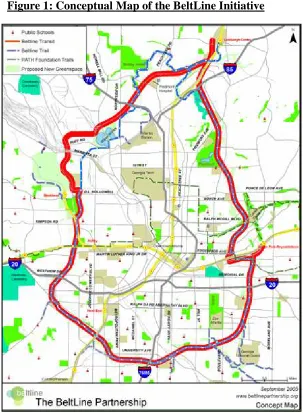
Figure 1: Conceptual Map of the BeltLine Initiative ...3
Figure 2: Map of Nonattainment Counties in Georgia ...5
Figure 3: Social Determinants of Health and Environmental Health Promotion ...18
CHAPTER 1 – Background
Health is broadly defined as a “state of complete physical, mental and social well-being and
not merely the absence of disease or infirmity” (WHO, 1948). Health encompasses many
external factors, including the emerging link with the built environment, extending the possibility
of collaboration between sectors, professions and institutions. The title of this project, a
multi-vitamin for the built environment, is a metaphor depicting the value added of a multi-sectoral
approach to health and built environment issues. Just as multi-vitamins supplement our diets with
important minerals and nutrition, the built environment also needs support from a variety of
sectors and disciplines to ensure they are designed to promote healthy communities. The
primary purpose of this project is to develop and propose an initial study to analyze the health
benefits associated with specific aspects of the BeltLine including the influence of multi-use
trails on level, intensity and frequency of physical activity. The second purpose of this project is
to evaluate a multi-sectoral approach involving a diverse partnership with key stakeholders
dedicated to achieving a common goal – healthy, equitable BeltLine communities.
History of the BeltLine
The concept for the Atlanta BeltLine was first proposed in 1999 in a thesis submitted by a
Georgia Institute of Technology graduate student, Ryan Gravel. Gravel proposed to utilize the
inner railroad corridor to link communities and develop a new transit system. Gravel’s idea
inspired the Trust for Public Land to investigate further and conduct a feasibility analysis of
connecting parks, transit and trails, which were proposed in Gravel’s thesis. The study conducted
in 2004, was called the Emerald Necklace Study and determined the proposed project and
outcomes were feasible. In 2005, the Atlanta BeltLine Partnership was formed to collaborate
and public sector. Also in 2005, the Atlanta City Council, Fulton County Board of
Commissioners and the Atlanta Public School Board of Education approved the use of Tax
Allocation Districts (TAD)1 as the primary funding mechanism for the BeltLine. Finally, in 2006
the Atlanta BeltLine Inc. was formed to oversee the implementation of the BeltLine development
activities, engage the community, and collaborate with the City of Atlanta (Atlanta BeltLine Inc.,
2011).
The Atlanta BeltLine is a groundbreaking and innovative redevelopment project re-shaping
Atlanta residents’ access to multi-use trails, public parks, public transportation, housing and
employment opportunities (Figure 1). The BeltLine is distinctive in weaving together multiple
sectors and has the potential to influence diverse aspects of the built environment: public
transportation, housing, employment, access to parks and green space, and connectivity. Atlanta
has been craving a cutting edge development project that can help reduce traffic congestion and
improve local air quality while making public transit more accessible and encourage walking,
cycling and physical activity in the city’s urban core. The Atlanta BeltLine is well positioned to
have lasting health impacts and unite a variety of sectors and agencies to tackle some of
Georgia’s most pressing health and development issues.
Figure 1: Conceptual Map of the BeltLine Initiative
Source: Atlanta BeltLine Resource Library, http://www.beltline.org/ResourceLibrary/Maps/tabid/1823/Default.aspx
Health Issues in Georgia
The BeltLine has the potential to help Georgia tackle some of its most urgent health issues.
The development of multi-use trails can increase physical activity and encourage active
transportation. The light rail proposed by the BeltLine can encourage the use of public transit
rather than driving alone. Overall, the project aims to increase connectivity and engage
The prevalence of obesity for adults in Georgia is 27%, which is just slightly below the
national prevalence of obesity for U.S. adults, which is 33% (CDC 2011, 2010). Obese adults are
at greater risk for other health issues and diseases including but not limited to coronary heart
disease, type 2 diabetes, cancer, high blood pressure, and osteoarthritis (CDC, 2010). Obesity
rates are also an important indicator for health disparities and inequities in accessing health care,
healthy foods, and public spaces to engage in physical activity. According to 2009 data from the
Behavioral Risk Factor Surveillance System, African Americans were 51% more likely to report
obesity, and Hispanics were 21% more likely to report obesity than non-Hispanic white
individuals (CDC, 2010).
In addition to poor health outcomes, Atlanta faces some challenges linked to its structural
and urban outlay. For example, commuters living in Metro Atlanta spend approximately $5,772
per household each year on gas, more than any other household in the entire country (Sperling’s
Best Places, 2010). Since Metro Atlantans spend more on gasoline, they are consequently
spending more time in their cars, dependent on motor vehicles as a primary source of mobility.
Estimates show that Metro Atlantans waste nearly 44 hours delayed or trapped by traffic each
year (Texas Transportation Institute, 2010). Traffic congestion is linked to other aspects of
Atlantans daily lives as well as their communities including mental health, physical inactivity
and poor air quality.
Twenty seven counties (or select areas within counties) across Georgia are classified as
nonattainment zones for failing to meet the air quality standards set by the Environmental
Protection Agency (EPA) as a result of pollution levels exceeding state and federal limits (EPA,
ozone and particulate matter. The Clean Air Act mandates that the EPA defines and monitors air
[image:14.595.138.478.175.490.2]quality standards to safeguard public health and the environment (EPA, 2010).
Figure 2: Map of Nonattainment Counties in Northern Georgia and Southern Tennessee
Source: EPA, Nonattainment areas, http://www.gaepd.org/air/airpermit/html/planningsupport/naa.htm In Georgia, poor air quality is linked to traffic congestion, some natural sources, and a high
concentration of coal-fired power plants all of which contribute to high levels of ground level
ozone and particulate matter. Ground level ozone, or more commonly known by its street name
as smog, is created when nitrogen oxides and volatile organic compounds are joined by the sun’s
rays (EPA, 2011).2 Ground level ozone is not only aesthetically unpleasing, but it can lead to
some serious health problems. Health issues related to repeated inhalation or exposure to ground
level ozone include coughing, chest pains, congestion, and augmented complications related to
bronchitis, emphysema, and asthma (EPA, 2010).
In 1990, the Clean Air Act was amended to further restrict harmful emissions, increase air
quality standards and establish a program to link transportation planning to air quality
improvement. The new program was named the Congestion Mitigation and Air Quality
Improvement (CMAQ) program (U.S. Department of Transportation, 2010).3 CMAQ funding is
designed to support projects in states or areas that do not meet air quality standards. CMAQ
funding supports the state Department of Transportation (DOT) planning, metropolitan planning
organizations and their project sponsors to develop transportation initiatives that improve air
quality and reduce congestion (U.S. DOT, 2010). This program further demonstrates the
government’s commitment to improving health and the environment and explicitly links
partnerships between local governments, transportation planners and public health professionals
to healthy development.
Health Impact Assessment and the BeltLine
In 2007, a Health Impact Assessment (HIA) was conducted by the Georgia Institute of
Technology’s Center for Quality Growth and Regional Development with assistance from the
Centers for Disease Control and Prevention (CDC). The HIA was conducted to make
recommendations to ensure the integration of health to the overall design and decision-making
process of the BeltLine. The HIA aimed to show how the BeltLine could affect health outcomes
and provided recommendations to alleviate negative health outcomes or consequences and
provide recommendations to key decision – makers. One of the recommendations of the HIA
was to invite a health official to join the Atlanta BeltLine, Inc. Board (Ross, 2007). The HIA
the initial concept. This involves public health professionals working side by side with local
government officials, planners, developers and community leaders from design to construction
and evaluation. The HIA concludes with a “call to action,” for decision – makers, city planners
and public health professions to unite, collaborate and jointly make decisions on how built
environment projects can improve community health (Ross, 2007, p.178). Building from where
the HIA concluded, The Atlanta BeltLine Inc., The Atlanta BeltLine Partnership, Georgia State
University, Georgia Institute of Technology, Emory University, and the CDC formed the
BeltLine Health Proposal Committee to develop a proposal for a multi-year health study within
BeltLine communities.
Statement of Purpose
The primary purpose of this project is to develop a research proposal to study and analyze
the health benefits associated with multi-use trails within BeltLine communities. A secondary
purpose of this project is to evaluate the multi-sectoral and multi-institutional partnership that
was formed to develop the research proposal and study the influence of the BeltLine on health
outcomes. The project will include the following components:
• Justification for the health outcomes to be considered for evaluation related to multi-use
trails along the BeltLine. Since the BeltLine is one of the largest and most comprehensive
urban re-development projects across the nation, there is a unique opportunity to study
the natural environment, the long-term influence of multi-use trails on health impacts and
decision-making regarding available modes of transportation and physical activity.
• This project will document and evaluate how an interdisciplinary team was formed to
create a framework for studying the impacts of the built environment on health outcomes
comprehensive project, and the issue of health is complex. The BeltLine enables
exploratory research to better understand how community development affects
community health. These factors encourage research involving a multi-sectoral
partnership including public health professionals, researchers, urban planners, trail design
experts, nutrition and physical activity experts, economists, public policy experts and GIS
specialists.
Objectives
• Objective 1: To work with an interdisciplinary team to develop a proposal (or set of
proposals) that will identify, analyze and measure the health outcomes related to
multi-use trails along the BeltLine.
• Objective 2: To provide background information linking the influence of multi-use trails
to health outcomes (levels of physical activity, BMI, obesity), and evaluate the process of
working within a multi-sectoral, multi-institutional partnership to study the influence of
the built environment on health outcomes.
• Objective 3: Make recommendations that will increase the likelihood that the Beltline
CHAPTER 2 – Review of Literature
The purpose of this project is to develop a proposal to conduct an initial study and
analysis of the natural environment and built environment assessing how multi-use trails affect
health outcomes. However, since the BeltLine is a dynamic community development project,
there are other opportunities for the BeltLine to influence health including the integration of light
rails and active transportation, neighborhood connectivity and social capital, green space and
mental health, and proximity of local area schools to trails and green space and childhood
obesity. A literature review was conducted to explore relevant research on how community
development initiatives have been linked to improved health outcomes and how multi-sectoral
and multi-institutional partnerships were formed to conduct research, design interventions to
address health disparities and better integrate the health and the built environment.
Intersectoral and Multi- Disciplinary Partnerships Involving Public Health and the Built
Environment
Partnerships that involve a variety of professions and different sectors collaborating to
implement built environment projects to achieve positive health outcomes are still nascent.
There are limited examples of public health officials working with city and transportation
planners, developers and communities to address how changes in the built environment
positively and negatively affect health. Developing multi-sectoral and interdisciplinary
partnerships is relevant to understanding the components of the built environment that influence
health – especially since both the built environment and health involve broad, complex and
diverse sectors and interact in complex ways. When the community is included as a key
stakeholder and partner, the relationship becomes even more multifaceted. As noted by Schensul
unable to offer the best and most complete theoretical and methodological tools for problem
identification and solution, a situation calling for interdisciplinary teamwork” (p. 80).
One example of a multi-disciplinary team including public health officials, planners,
researchers, advocacy groups and the community to identify how land use influences health is
the Land Use and Health Resource Team in Michigan (Bassett & Glandon, 2008). The goals of
this team were to conduct research on how land use affects health, engage in health education
and health promotion, and test tools that integrate health and planning (Bassett & Glandon,
2008). Another example is the interdisciplinary/intersectoral research team and partnership that
was formed in Connecticut to research depression and barriers to mental health in older minority
adults (Schensul et al., 2006). One of the goals of this research team was to build the necessary
structures to sustain interdisciplinary/intersectoral research partnerships (Schensul et al., 2006).
Schensul et al., (2006) found that the success of their research and partnership evolved once the
goal of the research included the targeted communities/populations “to promote structural
transformations that reduce disparities,” and when all team members shared the same
problem-solving strategies and a common, shared objective (p. 79).
The Land Use and Health Resource Team in Michigan was created to respond to key
findings in the health impact assessment and the Behavioral Risk Factor Surveillance System
(BRFSS). This interdisciplinary team has participated in descriptive studies to learn more about
how the built environment and land use in Lansing affects health. In order to test tools that
integrate health and the environment and ultimately influence land use and policy decisions, the
team defined three strategies: develop a geographic information system to capture land use and
health data that will be readily available to planners, conduct self reported health evaluations
Michigan’s Land Use and Health Resource Team is comprised of professionals
representing different sectors collaborating to identify how land use influences health, raise
awareness, and mobilize colleagues and the community to take action. The Land Use and Health
Resource Team recognized the importance of involving researchers, planners, public health
professionals and the community but also recognized that this group is comprised of unpaid
volunteers so it can be challenging to convene all the members.
Similarly, Schensul et al., (2006) noted that potential conflicts of coordinating and
establishing interdisciplinary/intersectoral research could involve a lack of consensus around the
research design and methodology. Clarity around roles and responsibilities for each of the team
members is equally important and should be stated early in the process (Schensul et al., 2006).
The diverse team formed for this study included anthropologists, psychiatrists, senior housing
managers, representatives from the Institute of Community Research, the Braceland Center for
Mental Health and Aging, the Hartford Housing Authority and residents of public senior housing
(Schensul et al., 2006). This group specifically excluded academic partners and Universities
due to their inflexibility to address community based needs, and their drive to produce research
independently (Schensul et al., 2006). Importantly Schensul et al., (2006) commented “Each
partner brought something unique to the study, derived unique professional and organizational
benefits from participating in it and was willing to share scarce financial resources, all factors
necessary for successful interdisciplinary/intersectoral work” (p.82).
The interdisciplinary/intersectoral team in Connecticut shared a common concern – “the
mental health and well being of older adults (Schensul et al., 2006, p. 82). This group was able to
link their concern and study to the built environment especially since many older adults are aging
income and lack assisted-living support (Schensul et al., 2006). One of the key recommendations
to better address the mental health of low-income minority adults is to develop programs that
enhance “social cohesion” to limit the affects of rigid government policies surrounding
subsidized housing choices (Schensul et al., 2006, p. 89). The unique suggestion from this team
was to “treat buildings as communities” and transfer more authority and decision-making power
to the residents to determine where they will live and how they will interact with their
community and building, which is predicted to improve their mental health and overall wellbeing
(Schensul et al., 2006, p. 89). The partnerships described above demonstrates how different
sectors can work together to achieve a common goal.
One factor that these partnerships have in common is the inclusion of community
members and the acknowledgement that communities are key stakeholders for initiatives that
modify the built environment to improve health. Community partnerships help implement
self-assessments to determine if interventions are achieving the expected results from the
beneficiaries that are intended to receive the benefits. Additionally, community partnerships and
neighborhood groups offer a unique perspective on current gaps in the infrastructure that limit
access to specific services that can improve health. Including community members on planning
teams is important to ensure that communities’ voices and contributions are represented when
data, concerns and recommendations are shared with city officials to better leverage resources
and resolve limitations related to the built environment (Bassett & Glandon, 2008).
Central to community development and multi-sectoral work is community based
participatory research (CBPR). The W.K. Kellogg Foundation defines community based
participatory research as “a collaborative approach to research that equitably involves all partners
a research topic of importance to the community and has the aim of combining knowledge with
action and achieving social change” (2001). The goal of CBPR is to approach science in a
participatory manner that includes the perspective of scientists, policy analysts, community
members and other stakeholders to conduct research and develop solutions together (Silka,
2010). The community based participatory research approach generates a new body of
knowledge around complex issues including health and the environment and encourages the key
stakeholders to take action and resolve issues that emerge from new research – the body of
knowledge that is developed is therefore “co-created” by all the members that comprise that
multi-sectoral research team (Silka, 2010). In addition to strengthening research, funders are also
increasingly interested in this approach to research and local action. The National Science
Foundation has recently awarded the University of Maine $20 million over five years to develop
the Sustainability Solutions Initiative – an interdisciplinary, community based participatory
research initiative that will use evidence based data to drive decision – making and sustainable
solutions in Maine (University of Maine, n.d.). When a team comprised of stakeholders from
various sectors and disciplines are working together to achieve a common goal utilizing their
individual skill sets, a clear strategy and process for designing the research must be established.
Conceptual Framework and Health Disparities
After a team or partnership has been formed, the next step is mapping and understanding
the pathways in which the built environment affects health. To better understand how public
health and other sectors like urban planning can utilize their skills and resources to collaborate
and achieve a shared objective, a conceptual framework is necessary to guide the process.
Factors that may influence the well-being of urban populations include social, political,
including the individual, household and community (Schulz & Northridge, 2004). Conceptual
models serve as a reference and guide partners to design interventions that address factors
influencing the built environment and health – both of which are complex and multifaceted.
Schulz and Northridge (2004) developed a conceptual framework aimed at highlighting the
social determinants of health from the lens of public health education and promotion and urban
planning (Figure 3).
The conceptual framework exemplified in Figure 3 is one approach to connect health
outcomes to the physical element and the pathways, which influence behavior. Conceptual
frameworks map out the physical and behavioral elements that influence individuals, households,
communities and populations and aim to link health outcomes and behavior to the physical
environment, natural environment and social support networks (Schulz & Northridge, 2004). In
this diagram, the built environment is situated within the community domain and is defined as
man-made features such as public transit systems, buildings, and public services (i.e. parks) that
influence accessibility and affordability of services that improve individual health and influence
individuals’ perception of the built environments. It is important to build conceptual frameworks
early in the research design process to discuss all the pathways and complex linkages between
the environment, individual behavior and community health outcomes in order to design the
study and then support research findings with appropriate interventions and solutions.
The structure, location and access of built environments are related to health outcomes.
Studies have recently explored the specific health disparities associated with the built
environment and specific health outcomes such as obesity rates. Gordon-Larsen et al., (2006),
examined the location and accessibility of physical activity facilities (i.e. YMCA, parks and
rates for large populations. This research found that individuals with higher socio-economic
status (SES) were more likely to have access to at least one facility to engage in physical activity
compared with individuals in lower-SES groups and individuals in minority-based communities
(Gordon-Larsen et al., 2006). Neighborhoods with a higher number of physical activity facilities
were linked to lower rates of overweight individuals and a higher likelihood of individuals
engaging in moderate-to-vigorous physical activity (Gordon-Larsen et al., 2006). These key
findings are important for the initial research proposed along the BeltLine especially since the 33
miles of multi-use trails will intersect more than 46 diverse communities. Extra efforts need to
ensure that minority-based communities and communities with lower-SES have the same
opportunities to engage in physical activity as higher SES communities, which may reduce the
risk of being overweight and/or obese and decrease at least one health disparity linked to the
built environment. Other inequalities that should be explored with respect to access to and
utilization of services that can improve health are related to ethnicity, age, gender and social
class (Schulz & Northridge, 2004).
As previously discussed, community based participatory research (CBPR) is gaining
popularity as an “alternative research paradigm, which integrates education and social action to
improve health and reduce health disparities” (Wallerstein & Duran, 2006, p.312). However,
once health disparities have been identified by the unique collaboration between community
members and academic partners, the formation of an action plan, responsibilities for resolving
the health issues, and responsibilities for identifying the necessary resources all must be
discussed and agreed upon by the group members. An underlying question that is still being
explored is the role of research throughout the social change process during the research design
disparities (Wallerstein & Duran, 2006). A stronger evidence based needs to be built and
documented to demonstrate that CBPR helps reduce health disparities. In order to develop
mutual trust and ensure that there is a shared ownership and common goal over the research and
action plan post research the key stakeholders (i.e. academic partners and community members)
must discuss the research agenda and any gaps including lack of interest from either of partners
moving forward (Wallerstein & Duran, 2006). The research agenda should be of interest to all
parties, clearly define community benefits and be designed in a way that the research process
including data collection, analysis and dissemination of information can be “shifted” to the
community over time (Wallerstein & Duran, 2006). Building the capacity of the community to
develop the necessary skills sets to identify health disparities and then develop and implement
action plans to reduce disparities is instrumental to long-term sustainability and success. Most
importantly, the long-term output of CBPR and academic and community-based partnerships
should contribute to reduction in health disparities and social change.
There are limited examples of how CBPR has been utilized to reduce health disparities
and contribute to lasting social change. Below are two examples of how CBPR has influenced
health outcomes. One of the earliest studies that documented the value added of community
participation on improved health outcomes was demonstrated in a 1990 study conducted in Togo
and Indonesia (Eng et al., 1990). This research found that 25 – 30% more children were
immunized in the communities who participated in water projects to ensure improved water
quality and increased supply of water compared to other villages where community members
were not engaged in water projects (Eng et al., 1990). Another example is the use of coalitions
and strategic partnerships to collaboratively design conceptual frameworks and change indicators
success of a specific coalition comprised of members of the Kansas Health Foundation, three
Kansas communities and Project Freedom of Wichita to reduce adolescent substance abuse. A
key output of this coalition was to build capacity and empower the community to be a part of the
change process. This coalition established a peer support program and worked with designated
“agents of change” (i.e. teachers and peers) to develop and implement solutions to reduce
substance abuse by adolescents (Fawcett et al., 2005, p. 688). This is an example of an early
process that was used to mobilize and empower key community members to collectively take
action and address a health issue.
Each partnership and team will need to modify and adapt their own conceptual
framework to address the stressors, factors and pathways given the social and environmental
context of their issue. Depending on the ultimate goal of the partnership or intervention, the
group may choose to focus on one specific pathway. If the goal is to have the greatest impact or
influence on the population’s health then the focus will shift to interventions that address zoning,
land use, and policy, which encourages the collaboration between urban planners and public
health professionals (Northridge et al., 2003). In addition to building partnerships and aligning
public health goals with designing healthy cities, it is important to understand how individuals
Figure 3: Social Determinants of Health and Environmental Health Promotion
Source: Schulz & Northride, 2004
Multi-Use Trails and Physical Activity
The built environment plays an important role in increasing access to physical activity,
especially for neighborhoods with well designed pedestrian infrastructure (Fitzhugh et al., 2010).
Trail development is cost effective and provides equitable alternatives for individuals engaging
in physical activity evident by the increasing utilization of trails for walking, cycling and other
outdoor activities (Toped et al., 2006). Trail development is related to sustaining the levels of
physical activity for active individuals, increasing the levels of physical activity for non active
individuals and is an important factor determining where individuals choose to reside (Brownson
A growing body of literature and evidence links the use of trails and public spaces to
increased levels of physical activity and improved health outcomes. Individuals who use public
open spaces (i.e. parks and green space) are almost three times as likely to meet the
recommended physical activity levels compared to individuals who do not use public open
spaces (Giles-Corti et al., 2005). Increased access to vast public spaces is related to higher levels
of walking activity (Giles-Corti et al., 2005). Individuals who reported using trails for exercise
and health reasons reported using trails more than individuals who cited other reasons for
primary trail use (i.e. socializing and dog walking) (Dunton et al., 2009). Individuals who use
trails at least one time during the week were two times as likely to meet the recommended
physical activity requirements compared with individuals who rarely or never use trails (Librett,
et al., 2006).
Access to and use of parks is also linked to active lifestyles and higher rates of physical
activity. Local park users residing less than one mile from parks in Atlanta were four times more
likely to use the park at least once, weekly and engaged in more physical activity compared to
non local park users (Rutt et al., n.d.). In contrast individuals in DeKalb County, Atlanta who
are African American and live farther than one mile from a park were more likely to lead
sedentary lifestyles (Rutt et al., n.d.). Trail users in a park setting are more likely to engage in
moderate-to-vigorous physical activity (Biazzo et al., n.d.). While trail use can influence physical
activity, it is important to consider trail features and maintenance. Trails that are paved, included
proper signage and are connected to neighborhoods experience higher utilization rates (Biazzo et
al., n.d.). In sum, physical activity levels are higher for individuals living within a one-mile
buffer of urban trails who use the trails compared to individuals who do not use trails even
To better understand the influence of trails on individual behavior and perception,
different research methods should be employed that measure behavior change and the physical
components of the built environment. A variety of tools can be utilized that collect data on
self-reported measures including perceptions of the environment (i.e. mail or phone surveys), direct
observations utilizing environmental audits, and incorporating GIS (Brownson et al., 2009).
Active Transportation
Active living and active transportation are increasingly being integrated into community
design and development. Active living refers to a “way of life that integrates physical activity
into the daily routine, and is an important aspect of preventing obesity among children and
families” (Robert Wood Johnson Foundation, 2010). There are many ways in which individuals
can include physical activity in their daily lives such as cycling and walking to work or taking
the stairs rather than the elevator. Since the BeltLine is developing over 33 miles of multi-use
trails it is predicted that this will encourage both adults and children to engage in more physical
activity for recreational purposes but also as a form of active transportation. The section below
highlights relevant literature supporting active transportation as a way to meet recommended
physical activity requirements and improve health.
Active Commuting to School
As obesity rates continue to climb for adults, obesity rates are also increasing in children.
Obesity rates for children between the ages of 6 – 11 quadrupled over the past 40 years (Ogden
et al., 2008). The Centers for Disease Control and Prevention recommends that children engage
in at least 60 minutes of moderate-to-vigorous physical activity daily but studies reveal that less
than half the children in the U.S. meet these recommendations (Active Living Research, 2009).
diseases as an adult (Biddle et al., 2004). Multi-use trails can engage children in higher levels of
physical activity and serve as a mode of transportation for children to get to school (Davison et
al., 2008). Additionally, children who actively commute to school have higher physical activity
rates compared to children who travel to school by other modes of transportation (Cooper et al.,
2003; Alexander et al., 2005).
Perceived and actual risks or barriers to active commuting to school include safety from
fast moving traffic and crime (Collins & Kearns, 2001). A few important predictors associated
with active commuting to school include parents who are connected with the community (know
their neighbors) and safety measures such a lighting and cross walks (Hume et al., 2009).
Active Commuting to Work
Active commuters are individuals who bike, walk or ride transit to work. Active
commuting to work could lead to regular walking and bicycling trips for recreational purposes
(or physical activity) and help prevent the onset of chronic conditions if the level of physical
activity of these trips meets the recommended guidelines (Merom et al., 2008). Of individuals
who utilize public transit, 29% met the recommended physical activity requirements for adults
and on average transit users walked for about 19 minutes to and from their mode of public transit
(Besser and Dannenberg, 2005). This data suggest that individuals who take public
transportation might have the opportunity to engage in physical activity that brings them one step
closer to meeting the recommended amount of daily physical activity. It is important to note that
in 2008, 25% of adults nationwide reported they did not engage in leisure-time physical activity
(CDC, 2010). In Georgia, about 27% of adults did not engage in leisure-time physical activity
(CDC, 2010). While so many adults struggle to meet the recommended physical activity
physical activity on their way to work or other activities. Additional benefits of active
commuting were demonstrated by the CARDIA study that found men who engaged in active
commuting had improved fitness levels, reduced blood pressure and insulin levels, and reduce
the risk of obesity (Gordon-Larsen et al., 2009). Active commuting, including walking to and
from public transit, has the potential to engage individuals in physical activity and achieve the
recommended amounts of daily physical activity.
Barriers to and predictors of trail use
While it is important to understand why and how individuals utilize multi-use trails, it is
also relevant to understand some of the barriers that inhibit utilization of trails. Some barriers
that may influence or prohibit trail use include safety, access, upkeep and crowding (Gordon,
Paul M., 2004). Other factors that may influence trail utilization based on studies evaluating uses
of public spaces in general include the amount and quality of available space, characteristics of
other users (i.e. socioeconomic status, age, gender, ethnicity), personal preference, attitudes and
perceptions, and the specific attributes of the trail or public space that meet the needs of the users
(Giles-Corti et al., 2005). Trail use is also linked to the built features of the trail and trail
location including connectivity, adjacent vegetation, access to facilities, and the presence of road
traffic (Reynolds et al., 2007). Trail use was found to be positively influenced with the presence
of both urban and natural views, trail upkeep, and the presence of facilities (Reynolds et al.,
2007). One feature of the built environment that was found to contribute to and predict greater
levels of physical activity is neighborhood connectivity (Biazzo et al., n.d.). Neighborhood
connectivity is an important predictor and measure of the built environment’s capacity to sustain
continue to engage in physical activity (i.e. trails and parks) or other important destinations
including their residency, shops or place of employment (Biazzo et al., n.d.).
In sum, the built environment is a major influence on some of the Nation’s most pressing
health concerns, including inactivity, obesity, and overall wellbeing. However, addressing
improvements to the built environment that can influence health outcomes will benefit from
ongoing and solid partnerships between academic institutions, state development agencies, local
governments and non-profit organizations. The partnership should be multi-sectoral to ensure a
holistic approach to develop built environments that factor in the whole community and future
growth of communities encouraging healthy food environments, job opportunities, access to
green spaces and open public spaces, and mobility. Active living by design is a concept
promoted by the Robert Wood Johnson Foundation that strives to create a “culture” of engaging
in physical activity during daily life and collaborating with local agencies and organizations that
can work with communities to develop the built environment in a way that enables a more active
lifestyle (RWJF, 2010). The BeltLine is incorporating the active living by design model and is
re-designing many parts of Atlanta. The integration of an improved built environment into the
community has the potential for positive change in the way individuals commute, engage in
CHAPTER 3 – Procedures
Kevin Burke, Senior Landscape Architect with the Atlanta BeltLine Inc., attended the
Conference on New Urbanism in May 2010 in Atlanta, Georgia (C. Rutt, personal
communication, March 2011, http://www.cnu.org/). At the conference, Mr. Burke attended a
presentation by Dr. Candace Rutt with the CDC on her research regarding neighborhood parks
and physical activity. Mr. Burke and Dr. Rutt convened a group of interested colleagues and
peers to discuss the potential of studying the affect of the BeltLine on health outcomes, which
later developed into the BeltLine Health Proposal Committee. Members of the BeltLine Health
Proposal Committee formed in early August, 2010 to discuss a potential collaboration to study
how BeltLine projects like the development of multi-use trails affect health outcomes.
Committee members include researchers, city planners, public health professionals, university
faculty, GIS experts, a statistician, a public policy analyst, and a landscape architect. The
BeltLine Health Proposal Committee includes representatives from the Centers for Disease
Control and Prevention (CDC), Emory University, Georgia Institute of Technology, Georgia
Figure 4: Diagram of the Members of the BeltLine Health Proposal Committee
The committee met regularly over the period between August - December 2010 and
produced some initial deliverables. Those included a draft literature review on physical activity
levels and multi-use trails and active living, an initial concept note, and an analysis of potential
funding opportunities and donors who might be interested in funding health research. (Refer to
Appendix B for the fundraising matrix that was developed, which provided a snapshot of the
fundraising landscape that were relevant to the research goals.) In addition, Brooke Barnes in
Proposal Committee drafted a multi-year strategy that identified six core research domains, four
cross-cutting themes and the key research questions for each domain (see Appendix E) (M.
Marcus, personal communication, April 6, 2010).
After the committee had met for three months, an initial survey was developed to
evaluate the partnership. The first survey was administered in November 2010. Survey Monkey4,
online survey tool, was used to deliver the survey and obtain data from members of the
committee. The initial survey evaluated the purpose and structure of the committee, the clarity of
the roles and responsibilities, and the initial challenges and barriers for this committee and
proposed study. Findings from these questions could then inform how meetings are structured
and what barriers and challenges need attention before finalizing a proposal. The initial survey
included the following questions, which were developed specifically for this evaluation.
1. What motivated you to join this committee/partnership?
2. Do you think the group used a fair and rationale process to determine a shared objective/goal
for this study?
3. What do you feel are some limitations for the current structure, roles and responsibilities of
the committee/partnership?
4. Do you have any recommendations for future multi-sectoral, multi-institutional partnerships
that are analyzing the intersection between the built environment and health?
5. What do you think is working or has worked?
6. What do you think has not worked in terms of the partnership?
The survey questions were developed in order to explore if the group was communicating
properly and to determine if the purpose of this committee was clear. This evaluation also
committee members felt about working in partnership with other local agencies and
organizations.
In March 2011, the second and final survey was administered to evaluate the committee
later on in the process and determine if any perceptions had changed during time. The second
survey was also administered using the Survey Monkey online survey tool. Respondents were
emailed a link directing them to an online survey where they could enter in short responses to the
following questions.
1. What motivated you to join this committee/partnership?
2. Is this committee an effective resource, body and/or mechanism to integrate health into the
built environment? Why or why not?
3. What do you think should be the primary role and structure of this sectoral,
multi-institutional partnership, which we have been calling the BeltLine Health Proposal
Committee?
4. Do you have any recommendations for future multi-sectoral, multi-institutional partnerships
that are looking at the intersection between the built environment and health?
5. Please share any additional concerns about the current committee/partnership? What
specifically about this partnership functions well? What specifically about this partnership is
not working so well?
Questions 1, 4 and 5 were asked during the initial survey and were repeated during the
final evaluation, enabling respondents to reconsider their response. It also allowed respondents
who did not complete the first evaluation and new committee members to provide feedback. The
answers to the questions were analyzed using content analysis and grouped together under each
response was read and summarized. Since the objective of this survey was to obtain answers to
the structured questions, the content was not analyzed for emerging themes. Most of the
responses were consistent and wherever a different response or potential outlier was found, that
response was isolated and preserved as a direct quotation. Wherever appropriate, direct
quotations were used to convey a specific point or concern from the respondents. Finally the
responses were compared to other comments and suggestions made by members of other
coalitions whereby many of the same challenges, strengths and limitations were observed. The
responses to these questions were used to generate a series of recommendations for this
partnership. The response rate was low because many committee members were already
volunteering so much of their time to participate in committee meetings and action items that
resulted from the meetings that it was challenging to generate interest to complete the surveys. In
addition, many members were new to the group when the surveys were administered and
indicated they had not participated in enough committee meetings to be able to respond to the
surveys.
CHAPTER 4: Findings
Interdisciplinary Research and Multi-Institutional Partnerships Focusing on Community
Based Participatory Research
In order to research and resolve complex health issues such as obesity and the influence
of the built environment on physical activity levels, multi-sectoral and multi-institutional
partnerships need to be established. In addition to an interdisciplinary approach, partnerships
should also incorporate a community based participatory research (CBPR) methodology. CBPR
is becoming more widely used and appealing to funders. The University of Washington in
Seattle is so dedicated to cultivating partnerships that embrace CBPR that they have established
their own non-profit organization, Community-Campus Partnerships for Health (CCPH) that is
dually committed to re-shaping communities and higher education (2011). CCPH’s goals include
building partnerships with academics and community members to research and solve social,
health and economic problems, support community development and engage in community
based participatory research that leads to social change (2011).
Another example of an interdisciplinary and community based approach to tackling
leading public health issues is California’s Partnership for the Public’s Health (PPH). PPH is part
of California’s Public Health Institute, which received $37 million from The California
Endowment over a six year period to develop grants and cultivate partnerships between public
health agencies and communities in California (Casey et al., 2007). To manage the grant-making
process and the partnerships that were being developed, PPH developed a Program Office. The
Program Office served as the central hub for this initiative to effectively and efficiently manage
grants, evaluate programs, streamline communication, provide general program management and
goal was to develop long-term partnerships between local public health agencies and
communities to jointly identify urgent public health issues and resolve them together. At the
conclusion of the six-year initiative, PPH had established 39 partnerships between 14 public
health departments and 39 community groups in California (Casey et al., 2007, p. 3).
The two examples above demonstrate the growing interest to build sustainable,
interdisciplinary partnerships that are community-centered to address public heath issues. The
second component of this project was to evaluate the BeltLine Health Proposal Committee that
was formed to develop an initial proposal to study the influence of the BeltLine on health
outcomes. The following section summarizes the responses from two surveys that were
administered during the process to evaluate the effectiveness of the committee and to determine
what components of the partnership were working well and what challenges needed attention in
order to move forward and develop a multi-year research proposal.
Initial survey (N = 5, Total response rate 83%)
A short survey was distributed in November, 2010 using the Survey Monkey online tool
to assess and evaluate the working partnership established by the BeltLine Health Proposal
Committee to determine if roles, responsibilities, and objectives were clearly defined and
equitably distributed. Five members responded to the initial survey (between August –
December, 2010 there were only 6 active committee members).
Motivation to join this committee/partnership (5 responses)
Two respondents indicated they were motivated to join this committee because they were
interested in the topic area and intersection between the BeltLine and health. One committee
member was interested in joining this committee with the hope of better understanding the types
and improve health outcomes. Another committee member was interested in using his/her
background in planning and recent experience in health to better understand multiple and long
lasting influences of the BeltLine on health outcomes, mixed land use and transit. One
respondent recognized the importance and value added of the BeltLine for the Atlanta
community, in particular, its influence on health promotion, which provided a unique
opportunity to explore the influence of the built environment on health.
Clear process to determine shared objective for this study (5 responses)
The five committee members agreed that the process employed to date was fair and
rationale and that common goals and objectives were being discussed. One committee member
indicated that thoughtful and thorough discussions led to a group consensus around decisions and
issues. Two respondents indicated the process had been fair and rationale to date, but recognized
the objectives of the study were still being developed.
Limitations regarding structure, roles and responsibilities (5 responses)
Some of the limitations regarding the structure of the partnership and the designation of
roles and responsibilities included difficulty organizing and attending meetings and that clear
leadership had not been determined. Another respondent indicated that the committee was still
exploring the different strengths, interests and skills or capabilities of the group. The same
respondent indicated one limitation was that the group met infrequently so the learning curve
was slow and the process of building trust slowly developed.
Recommendations for future multi-sectoral, multi-institutional partnerships (2 responses)
Some suggestions for future multi-sectoral and multi-institutional partnerships included
clear communication from the initial development of a working group/committee. One
analysis for each participating organization might be beneficial. Another team member
commented on how it might be more efficient to accelerate the process but this respondent also
recognized that this might not be feasible given the size of the group and magnitude of the study.
Other comments and concerns (3 responses)
Additional comments about the partnership and unique key stakeholders involved in this
study included the recognition that leadership must be identified prior to submitting any
proposals and that leadership is vital to sustaining momentum and creating stability. The same
respondent indicated that it would be necessary to hire additional staff and build capacity in
order to implement the proposed activities. One other team member commented that this
committee appeared to be a unique arrangement for all members but hoped that this partnership
and collaboration could serve as a model for future studies and partnerships. One respondent was
concerned how the group would handle setbacks or delays in achieving goals and balancing this
with being sustainable as a group. This same respondent indicated one factor that was working
for this group was the wealth of knowledge the committee members brought and how committed
each member is. Yet this same respondent indicated that one factor which was not working for
the group was the fact that committee members were also committed to their current
projects/work which limits the time they are able to dedicate to this project.
Final survey (N = 4, Response rate 57%)
A final survey was distributed in March 2011. The final survey was distributed to 7
members for their thoughts and feedback. Four members responded to the final survey. Some of
the reasons accounting for the response rate included the difficulty in to generating interest to
complete surveys, as committee members were already volunteering significant amounts of their
participated long enough to be able to provide input to the surveys. Even though the group had
expanded and included up to 14 members, many had only attended 1 or 2 meetings so they might
not have had enough experience with the group to provide input and feedback yet.
Motivation to join this committee/partnership (4 responses)
Two respondents reiterated their interest in the BeltLine and one specifically mentioned
an interest to better understand the “health impacts of such infrastructure.” One respondent
indicated joining this committee was linked to an “expectation” related to his/her job. One
respondent detailed his/her interest in improving community health and to “maximize the returns
on a potentially-health promoting public project” while simultaneously participating in an
evaluation that could inform future health promotion initiatives and research.
Is this committee an effective body/mechanism to integrate health into the built environment
(4 responses)
The responses to this questioned varied. One respondent felt that it was too early to
determine if this committee was an effective mechanism to integrate health and the built
environment. Similarly, another respondent indicated that the group was just now “starting to be
effective” but that many issues still need resolution and that some people were not on the same
page. Another respondent indicated that there were too many challenges related to unclear
leadership and lack of deadlines to determine how effective this group was. The same respondent
indicated that another challenge was the competing institutional priorities, varying ongoing
BeltLine projects and limitless ideas for proposal development all of which is being prioritized
differently by the leadership and other external agencies. One respondent enthusiastically
indicated that this group was effective. This same respondent believed this group to be an
of “top researchers from almost all of the major universities in Atlanta and CDC” and had
additional support from the BeltLine Inc.
Primary role of this committee (4 responses)
Two respondents indicated the primary role of this committee should be to secure
funding. One respondent felt that securing funding would support research and health promotion
efforts and the other felt funding could support the BeltLine in general as it continues to be
developed. One respondent indicated that the purpose of this committee is to “capitalize on the
unique areas of expertise” of the participating institutions to study the BeltLine and potentially
make recommendations to improve future developments. This same respondent believes another
role this committee should play is to “demonstrate how ongoing health evaluation can and should
be a part of public/policy projects.” Lastly, one respondent commented that in addition to
securing funding, GSU should be the lead and the other institutions and partners could act as
“consultants.”
Recommendations for future multi-sectoral, multi-institutional partnerships (4 responses)
One respondent indicated that it was important to identify a person from the beginning
who would coordinate meetings, activities, notes and other logistics. One respondent said it was
important to “define your primary and secondary partnerships” before developing a proposal and
engaging in strategic planning. Another respondent indicated it would be helpful to have a “skills
assessment method” which can help divide and delegate tasks quickly and more efficiently. This
same respondent also recommended that an “inter-institutional memorandum of understanding”
should be signed at the beginning so roles and responsibilities are clear to everyone in the group.
Furthermore, this respondent commented that it was “unfortunate that the BeltLine Partnership
and BeltLine INC were not talking to each other about their respective activities.”
Additional concerns/comments. What’s working? What’s not working? (3 responses)
One respondent indicated that there are a lot of academic organizations vested in this
group and the situation is “politically charged,” therefore communication and “equal division of
resources/efforts could improve the situation.” One respondent commented that there was a lot of
mutual respect amongst members of the group and that she/he personally likes everyone who is
involved however there is some fear that there is a lack of communication and that one
organization in particular might be more competitive and unwilling to collaborate.
Discussion
After a careful analysis of the responses, a few modifications were made to address some
of the concerns and limitations. First, an online community of practice, Huddle5, was formed to
store all important committee documents, upload notes, and post discussions and other relevant
resources. To date, 9 members of the committee have joined the Huddle site, three members have
posted documents and one member started a discussion. Face-to-face meetings are held monthly
for about 2 – 3 hours, which accommodated the majority of the group so the frequency and
duration of the meetings have not changed. The committee organizers have also arranged 1-hour
phone calls for quick updates to discuss necessary or urgent decisions or action items instead of
prolonging the discussion for the next monthly, face-to-face meeting. Shortly after the initial
survey, a lead member, Georgia State University, was recommended based on the consensus of
the committee. However, it is important to note that while this committee recommended that
GSU serve as the lead, this recommendation was not shared or vetted with the leadership teams
Coordinating meeting times and organizing the group proved to be a great challenge.
New members were continually added to the group. Individual schedule changes were frequent,
because faculty members’ teaching schedules vary each semester.
Current Status
Seven months following the formation of the committee, there is an acting lead member. A
number of key deliverables have been generated, including the following:
• funders have been identified,
• a conceptual framework and timeframe have been drafted,
• a multi-year strategy has been drafted, and
• a concept note and literature review has been drafted.
However, work remains to be done to achieve the committee’s objective of developing a
proposal for a health study. The group has not completed the proposal partly due to
infrequent meetings, long decision making and discussion processes to share interests and