Georgia State University Georgia State University
ScholarWorks @ Georgia State University
ScholarWorks @ Georgia State University
Public Health Theses School of Public Health
1-6-2012
An Evaluation of the Pre-Release Planning Program of the Georgia
An Evaluation of the Pre-Release Planning Program of the Georgia
Department of Corrections and a Qualitative Assessment of
Department of Corrections and a Qualitative Assessment of
Reentry Experiences of Program Participants
Reentry Experiences of Program Participants
Alison N. McCullough
Institute of Public Health
Follow this and additional works at: https://scholarworks.gsu.edu/iph_theses
Part of the Public Health Commons
Recommended Citation Recommended Citation
McCullough, Alison N., "An Evaluation of the Pre-Release Planning Program of the Georgia Department of Corrections and a Qualitative Assessment of Reentry Experiences of Program Participants." Thesis, Georgia State University, 2012.
https://scholarworks.gsu.edu/iph_theses/189
AN EVALUATION OF THE PRE-RELEASE PLANNING PROGRAM OF THE
GEORGIA DEPARTMENT OF CORRECTIONS AND A QUALITATIVE
ASSESSMENT OF REENTRY EXPERIENCES OF PROGRAM PARTICIPANTS
by
Alison N. McCullough B.A. & B.S.
Presbyterian College, Clinton SC
A Thesis Submitted to the Graduate Faculty of Georgia State University in Partial Fulfillment
of the Requirements for the Degree
MASTER OF PUBLIC HEALTH
AN EVALUATION OF THE PRE-RELEASE PLANNING PROGRAM OF THE
GEORGIA DEPARTMENT OF CORRECTIONS AND A QUALITATIVE
ASSESSMENT OF REENTRY EXPERIENCES OF PROGRAM PARTICIPANTS
by
Alison N. McCullough
Approved:
__________________________________________ Committee Chair
__________________________________________ Committee Member
AUTHOR‟S STATEMENT
In presenting this thesis as a partial fulfillment of the requirements for an advanced degree from Georgia State University, I agree that the Library of the University shall make it available for inspection and circulation in accordance with its regulations governing materials of this type. I agree that permission to quote from, to copy from, or to publish this thesis may be granted by the author or, in his/her absence, by the professor under whose direction it was written, or in his/her absence, by the Associate Dean, College of Health and Human Sciences. Such quoting, copying, or publishing must be solely for scholarly purposes and will not involve potential financial gain. It is
understood that any copying from or publication of this dissertation which involves potential financial gain will not be allowed without written permission of the author.
All theses deposited in the Georgia State University Library must be used in accordance with the stipulations prescribed by the author in the preceding statement.
Author of this thesis:
Alison N. McCullough
[email protected] [email protected]
1500 Ireland Hills Drive Walterboro, SC 29488
The Chair of the committee for this thesis is:
Dr. Francis McCarty Georgia State University P.O. Box 3995
Atlanta, GA 30302-3995
Users of this thesis who not regularly enrolled as students at Georgia State University are required to attest acceptance of the preceding stipulation by signing below. Libraries borrowing this thesis for the use of their patrons are required to see that each user records here the information requested.
NAME OF USER ADDRESS DATE TYPE OF USE
A L I S O N N M C C U L L O U G H
1500 Ireland Hills Drive Walterboro SC 29488 [email protected] [email protected]
EDUCATION
2009-2011 Georgia State University: Institute of Public Health Atlanta, GA Masters in Public Health
2003-2007 Presbyterian College Clinton, SC
B.A. Psychology
2003-2008 Presbyterian College Clinton, SC B.S. Biology
PROFESSIONAL PRESENTATIONS
October 31, 2011 American Public Health Association, Round Table Oral Presentation Partnerships for Successful Reentry: staying healthy with HIV beyond prison walls
INTERNATIONAL STUDIES
August – December 2007 Cuba, University of Havana
■ History of Cuba ■ Anthropology ■ Botany ■ Gender Studies ■ Spanish Language May 2006 China, Academic Study Abroad, Presbyterian College
■ Chinese History and Literature
May 2004 Australia, Academic Study Abroad, Presbyterian College
■ Marine Biology and Rain Forest Ecology
WORK EXPERIENCE
2010-2011 Georgia State University Atlanta, GA
Graduate Research Assistant
Geography Project: HIV and STI screening, quantitative interviewing Sojourner Study: qualitative interviewing
Pre Release Planning Program Assessment:: qualitative analysis
Community Connections: support and linkage to resources for persons living with HIV leaving
the Georgia Prison System, program development, resource development, volunteer training, development of community partnerships
Network Informed Screening: quantitative interviewing, rapid oral HIV testing, HIV education
and pre and post-test counseling, phlebotomy
2008-2009 People Assisting The Homeless Los Angeles, CA
Outreach Case Management Intern
Field case management in Hollywood, West Hollywood, Inglewood, Westchester, Beverly Hills,
Developed community education presentations, completed monthly reporting, served as a leader in Greater Los Angeles Homeless Count, intensive case management through Common Ground initiative West Hollywood, Motivational Interviewing, CPR certified
2006 Presbyterian College Psychology Department Clinton, SC
Department Assistant
2005 Presbyterian College Biology Department Clinton, SC
Department Assistant VOLUNTEER EXPERIENCE
■ Public Health Institute Student Association Outreach Coordinator 2010 ■ Atlanta Streets Alive Evaluation 2010
■ Embracing Hospice 2008
An evaluation of the Pre-Release Planning Program of the Georgia Department of Corrections and a qualitative assessment of reentry experiences of program participants
Abstract
Background:
Higher rates of HIV are seen within correctional systems across the United States. Georgia has one of the largest correctional populations in the country and HIV rates among prisoners are elevated when compared to the state as a whole. In 2008. 2.1% of state prisoners in Georgia were living with HIV. A focal point for the public health system is the moment of release and reentry into the community. Prison systems are responsible for the healthcare of persons in their custody and the public health system typically has limited access to this population until release. Federal programs like Ryan White seek to address the needs of underserved populations with limited access to HIV care. The Ryan White system has facilitated access to Georgia prisoners prior to release by funding the Pre-Release Planning Program, which provides case management and linkage to medical care for persons living with HIV in Georgia state prisons. The purpose of this project was to evaluate the Pre-Release Planning Program of the Georgia Department of Corrections and to identify reentry needs unique to persons living with HIV. An assessment of the program was conducted to determine strengths, weaknesses and areas for improvement. This assessment was informed by the post-release experiences of program participants who described their own reentry journeys through semi-structured qualitative interviews.
Methods:
For the purpose of this study secondary analysis was conducted on qualitative interviews. A convenience sample consisting of 45 Pre-Release Planning Program participants was recruited to complete a semi-structured qualitative interview following their release in 2009-2010. All 45 persons recruited consented to be contacted for an interview three to 12 months after release. A research interviewer successfully located 25 members of the original sample and they all agreed to participate. They completed an informed consent and were compensated with a cash incentive for their time. The interviews covered a broad range of topics related to: general reentry challenges, HIV, health, risk behaviors, and feelings about the Pre-Release Planning Program. In addition a structure and process evaluation of the Pre-release Planning Program was conducted within the framework of a quality improvement perspective. A stakeholder analysis identified persons and organizations best equipped to promote quality improvement efforts for this program. Recommendations for improvement were developed from the program evaluation and qualitative analysis of participants‟ reentry experiences.
Results:
Areas for improvement were identified for the Pre-Release Planning Program in both structure and process. The program is understaffed and incapable of reaching every person living with HIV in the Georgia Department of Corrections, more concrete linkages to community resources are sorely needed, and data collection and management activities are deficient. For former program participants three central needs were identified: housing, health (HIV, chronic conditions, and mental) and income (employment or benefits). Stigma (HIV and felony status) and risk behaviors (sexual and substance misuse) negatively impacted stability of housing, health and income. Overall the Pre-Release Planning Program was incapable of addressing most post-release barriers to HIV care and successful reentry. Strengths of the program included linkage to a Ryan White Clinic, provision of prison medical records, referrals to general social service agencies and its acceptability among interviewed participants. Participants reported appreciating the services available pre-release and were able to reflect on specific examples of how they were helpful. Conclusions:
Table of Contents
Acknowledgement………. ii
List of Acronyms and Abbreviations……….. iii
Figure………..………... iii
1 Introduction……… 1
1.1 Background……… 1
1.2 Purpose of Study………... 3
1.3 Scope of Study……… 3
1.4 Research Questions……… 4
2 Review of the Literature……… 4
2.1Methods for Literature Review……...……….. 5
2.2 Literature Review...………... 18
2.3 Summary of the Literature...……… 18
3 Methods……….. 18
3.1 Qualitative Analysis...……… 18
3.2 Evaluation of PRPP...……… 20
4 Results………. 21
4.1 Qualitative Finding……… 21
4.1.A Challenges of Stable Housing………... 24
4.1.B Stigma & Housing……… 25
4.1.C Income……….... 26
4.1.D Employment, Stigma & Mental Health……….. 28
4.1.E Challenges Receiving Health Care Post-release………. 29
4.1.F Substance Abuse……… 31
4.1.G Reflection on PRPP & Ideal Post Release Services……… 33
4.2 PRPP Evaluation Findings……… 35
4.2.A Structure……….... 35
4.2.B Process……….... 36
4.2.C Outcomes……… 38
5 Discussion & Conclusions……….. 39
5.1 Summary of Qualitative & Evaluation Findings ………... 39
5.2 Policy Recommendations & Strategy for Quality Improvement……….. 40
5.3 Conclusions………... 41
References 42
Acknowledgements
I greatly appreciate the people who made this research possible: the 25 study participants, principal investigator Dr. Richard Rothenberg, project director and thesis co-chair Donna Smith, research interviewer Kelvin Parker, and thesis chair Dr. Francis McCarty.
List of Acronyms and Abbreviations
AIDS- Acquired Immunodeficiency Syndrome ARV- Antiretroviral
GDOC- Georgia Department of Corrections HAART- Highly Active Antiretroviral Therapy HAV- Hepatitis A Virus
HCV- Hepatitis C Virus HBV- Hepatitis B Virus
HIV- Human Immunodeficiency Virus PRPP- Pre-Release Planning Program RW- Ryan White
Figure
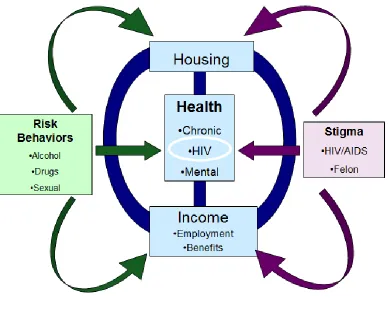
Figure 1. Reentry Challenges Model……….Page 23
1 1 Introduction
1.1Background
People who pass through correction facilities are more likely to be infected with
the Human Immunodeficiency Virus (HIV) than people in the general population.1 Many
factors that contribute to risk of HIV infection, including use of illicit drugs and
transactional sexual activity, are also major drivers of current incarceration trends.2
Persons who identify as Black racially are at high risk for HIV infection and are
incarcerated at higher rates than persons of other racial-ethnic groups.3456 For this
reason correctional facilities have been identified as important institutions in the
community for addressing racially disparate health outcomes around HIV.7
Federal law mandates that during incarceration people must have access to
adequate medical care. This means that for many people with addiction disorders and
untreated mental health conditions, coming from backgrounds of poverty and minority
communities with disparate access to quality medical services correctional health care
may be an individual‟s first encounter with primary care. For persons living with HIV,
this may be the location where they first find out their positive HIV status and begin
accessing antiretroviral (ARV) medication Several studies have demonstrated that
health improvements in HIV status can be attained while incarcerated.89 Unfortunately,
other studies have demonstrated that these benefits are lost after return to the
community.1011 Correctional systems themselves are far from therapeutic and health
care services in these settings are limited, but sustained access to ARV medications in the
2
Post-release access to and utilization of HIV health services are important for
individual and community health outcomes. Acquired Immunodeficiency Syndrome
(AIDS) diagnosis is more likely among people who identify as Black or African
American than among other racial ethnic groups.12 This is important because the
majority of persons incarcerated in the United States and Georgia are African American.5
High incarceration rates for African Americans living with HIV mean that correctional
health care plays an important role in preventing the progression of HIV to AIDS for
members of this population. However, it is ultimately the ability to sustain improvement
in HIV health status following release into the community, which speaks to the
effectiveness of the public health system in serving minority populations with the greatest
burden of HIV and AIDS.
In response to such research demonstrating the critical need to link HIV positive
former inmates to care, many state prison systems have instituted discharge-planning
programs. With funding from the Ryan White Program and the Georgia Department of
Community Health, the Pre-Release Planning Program (PRPP) was established within
GDOC as a pilot discharge program in 2004. This program was developed to address the
reentry needs of persons living with HIV through pre-release case management and
referrals to HIV/AIDS services in the community to which an inmate returns. PRPP case
management includes a minimum of three management sessions between the PRPP
coordinator and client, with each session lasting at least 45 minutes. A comprehensive
intake is completed by the coordinator covering: demographics, health, mental health,
risk behaviors and reentry needs. The PRPP coordinator creates an individualized service
3
services within one month of release. Post-release needs considered for enrolled inmates
include medical care, mental health services, substance abuse treatment, social services,
housing, employment/vocation, behavioral risk prevention and education, ADAP
assistance, and application assistance with Social Security, Medicare, and Medicaid.
From its inception until 2010, a single PRPP Coordinator served 14 of the 40 prisons in
the state of Georgia. Because the GDOC-run prisons in Georgia are geographically
dispersed and located in rural areas, the PRPP coordinator was unable to reach all
GDOC-run prisons housing HIV/AIDS positive inmates. In 2008, approximately 2.1% of
GDOC inmates were living with HIV and PRPP was only able to reach 25% of this
population.13
1.2 Purpose of Study
The purpose of this study was to evaluate PRPP and better understand the
post-release challenges faced by persons living with HIV discharged from GDOC. An
evaluation of PRPP was provided to GDOC to inform program activities and future
development. Observations and recommendations to improve the quality and nature of
services available were informed by a qualitative analysis of reentry stories of former
PRPP participants. Challenges faced by PRPP participants further illustrated the specific
unmet needs of persons living with HIV in Georgia following release from the state
prison system. The findings of this study point to specific services and policy changes
essential for successful reentry and continuity of HIV care.
1.3 Scope of Study
The qualitative analysis in this study is limited to a sample of 25 reentrants in
4
process and outcome evaluation of PRPP in the present study consisted of a desk audit
and communication with program staff. The desk audit included an assessment of data
collection and management in addition to an overall broad process evaluation. While a
quantitative examination of PRPP‟s outcomes is warranted it is beyond the scope of the
present study. Additionally, comprehensive quality improvement efforts according to the
Ryan White standards for quality improvement are warranted, but unfortunately exceed
the scope of this evaluation. The Ryan White program with the assistance of the Institute
of Medicine has established standards and tools for quality improvement that are
available to its network of service and clinical care providers.14
1.4 Research Question
The following research questions guided the program evaluation of PRPP and the
qualitative analysis of interviews with program participants:
What challenges do PRPP participants face during the reentry process?
From a quality improvement framework, what are the strengths and weaknesses of
PRPP?
How can PRPP be improved despite the limited resources available?
What larger implications for reentry and continuity of HIV care can be drawn from
the findings of this study, for the state of Georgia and for other entities serving
incarcerated and formerly incarcerated persons living with HIV?
2 Review of the Literature
2.1 Methods Used for Literature Review
PubMed was the primary database used to conduct the literature review. The
5
health status, quality, data collection, Medicaid, mental health, chronic health conditions,
reentry and release. The titles of articles were scanned to determine if they contained
information on prison populations living with HIV. Articles with abstracts related to the
topic of the present study were retained, read in their entirety and summarized for the
purpose of this literature review. In addition to articles available in the peer reviewed
literature, government and organization reports on incarceration and HIV in Georgia and
the United States were considered to provide details about the specific context of the
present study.
2.2 Literature Review
In the late 1990s, the impact of HIV on correctional populations was well
recognized across the United States at the local and national level. The Centers for
Disease Control and Prevention (CDC) and the Human Resources and Services
Administration (HRSA) which oversees Ryan White Care Act (RWCA) programs
recognized the need to come together and develop best practices for the delivery of
services in correctional settings where many of the most vulnerable persons living with
HIV were concentrated. RWCA Title I and II funding was provided to a special Project
of National Significance, Project Bridge, in Rhode Island in 1997. Project Bridge utilized
a harm reduction and social stabilization model combining efforts of social work and
medical staff to meet the needs of state prisoners releasing into the community.1516 A
few years later in 1999, areas with the highest burden of HIV were identified and
permitted to compete for funding to develop Corrections Demonstration Project programs
that linked together corrections, public health and community based organizations to
6
projects, it was deemed appropriate to use RWCA Funding to improve the access of
underserved populations to HIV care, even if they were located in correctional systems.16
Despite these early concerted efforts, the development and universal adaptation of
similar programs has been gradual. Many of the demonstration projects proved to be
beneficial but were limited in their ability to address the vast needs of reentrants in the
community. Furthermore, demonstration project personnel did not have the training or
resources to acquire the technical expertise to gather and utilize public health data on the
population they were serving, even though this was a goal of national level program
funders such as CDC and HRSA. Carrying out surveillance, prevention and interventions
in a correctional setting presented many additional challenges at the level of individual
Corrections Demonstration Project grantees. Aggregate data collection was beyond the
capability of service providers implementing programs, so collected data was full of
errors and required extensive cleaning. Despite these setbacks, overall goals of
increasing HIV care access for inmates following release and establishing standards for
this particular type of service were achieved by specific Corrections Demonstration
Project Programs.17 In the years to follow, the academic research community provided
further evidence of the vulnerability of incarcerated persons living with HIV and the need
for transitional services.
Elevated rates of infectious disease have been observed among people in
correctional systems and formerly incarcerated persons in the community. A 1997
national estimate for the number of people living with HIV who passed through some
type of a correctional facility was between 22-31%, for Hepatitis C Virus (HCV) it was
7
estimates for these three infectious diseases indicated that at least a quarter of the people
living with HIV, HCV and Tuberculosis spent time in a correctional facility.18 Overall
HIV infection rates found for populations in correctional systems and those among
formerly incarcerated persons across the country vary; however, trends are similar and
always exceed rates seen in the general population. The following statistics offer a
snapshot of the intersection of HIV and corrections from the late 1980s to the 2000s.
These statistics cannot be directly compared because of differences in study design, time
period and geographic context; however, they do offer some support for efforts to
continue providing high quality services to incarcerated and formerly incarcerated
persons.
From 1989-1999, 32.9% of all HIV positive tests reported to the State Health
Department of Rhode Island were conducted in correctional facilities. 7
The overall HIV infection rate for the Texas correctional system from November
1998- May 1999 was 2.6%.19
In Rhode Island from 1998-2000 HIV infection was identified in 1.8% of male
prison inmates.20
From 1999-2001 HIV infection among inmates in Texas correctional facilities
was found to be 15 times higher than that in the general population.1
A 1999 study of homeless persons in San Francisco found that formerly
incarcerated persons were more likely to be infected with HIV, 14.9%, compared
to homeless persons never incarcerated of whom 10.1% were infected with HIV.21
A study of infectious diseases among Maryland prison inmates from
8
A 2004-2006 study of North Carolina indicated an overall HIV positivity rate of
3.4%.23
A 2006 United States national estimate of the number of people with HIV passing
through correctional systems was 16.9%; for Black men the estimate was higher
22.1%.24
Even though some more recent national estimates for HIV infection were lower than
previous ones, they still indicate a disproportionate share of the HIV burden on
correctional populations.24 Beyond HIV, other sexually transmitted diseases and
infectious disease were found to impact the health of persons who experienced
incarceration.
In Texas in 1999 the following infectious disease were indentified among
inmates: active Tuberculosis, latent Tuberculosis, HCV, HBV, HIV, Syphilis,
Gonorrhea, Herpes zoster, MRSA, Encephalitis and pneumonia.1
A review of the literature found rates of HBV infection among correctional
populations to be significantly higher than those in the community.25
A study of infectious diseases among Maryland prison inmates from
January-March of 2002 indicated overall infection rates of 29.7% for HCV and 25.2% for
HBV. 22
In Rhode Island from 1998-2000 HCV infection was found in 23.1% of male
inmates and HBV infection was present in 20.2% of male inmates.20
In Texas from 1998-2009 HCV infection rates were found to be higher among
9
The presence of these diseases indicated the need for comprehensive infectious
disease control and treatment programs. Control was especially important to guarantee
the health of persons living with HIV, who may have compromised immune systems and
suffer greater consequences from infection. Further examples in the literature highlighted
the problem of co-infections for persons living with HIV:
In Texas from 1998-2009 incarcerated persons infected with HIV were more
likely to be infected with HCV when compared to inmates without HIV.26
For Maryland prison inmates from January-March of 2002 co-infection with HCV
and HIV was observed in 65% of persons tested.22
A 2004-2006 study of North Carolina prisoners identified co-infection with HCV
and HIV in 65% of inmates.23
Treatment for HCV is lengthy and quite complicated in some cases, precluding
incarcerated persons with sentences less than two years from accessing treatment prior to
release. Linkage to treatment in the community was identified by public health
researchers working the Texas correctional system as very important especially for
persons co-infected with HIV and HCV.26 This finding illustrated the importance of
addressing HCV and HIV among prison populations to reduce the chance negative health
outcomes such as liver disease and cancer.23
In addition to infectious disease, chronic disease was a major health threat and
concern for populations who experienced incarceration. Many chronic diseases were
reported by a cohort of Kentucky prisoners with mental health conditions and substance
abuse disorders. Reported conditions involved: muscle, bone, liver, cardiovascular
10
Mortality rates among formerly incarcerated persons in North Carolina from 1980-2005
were compared to the community to determine causes of excess deaths. For whites,
cardiovascular disease, respiratory disease and diabetes were found to be contributing to
excess deaths of formerly incarcerated persons.28
For correctional populations in general and especially members of these
populations living with HIV, substance abuse is a major issue impacting reentry and
post-release utilization of medical and social services. A history of injection drug use was
reported by 80% of Project Bridge Participants. Personnel implementing Project Bridge
reported that relapse to substance abuse impacted the reentry experience of program
participants.15 Similarly implementers of COMPASS, a Rhode Island demonstration
project for people with HIV leaving jail, identified substance abuse as a major barrier to
continuity of care.10
Even among persons experiencing homelessness, one of the most vulnerable
populations any community, incarceration experience was associated with substance
abuse. In a study of homeless persons living in San Francisco in 1999 formerly
incarcerated persons were more likely to report a history of crack cocaine or heroine use.
A history of any drug use was reported by 93.1% of persons who spent time incarcerated
compared to 81.7% for the overall study population. Past incarceration was also
associated with current drug use and drug sales.21 A study of persons living on Skid Row
in Los Angeles found that recent discharge from a correctional facility was associated
with use of crack cocaine and methamphetamines.29 These findings indicated that for
many individuals who left correctional settings addressing substance abuse was a
11
In a study of Kentucky prisoners, unmet healthcare needs were associated with
longer periods of lifetime drug use and drug use in the past year. The physical impact of
substance abuse and associated behaviors affected the overall health outcomes of this
study population. This finding demonstrated the importance of engaging inmates with
histories of drug use in primary health care before and after release.30 Substance abuse
was clearly identified as a factor at the individual level impacting the health and well
being of formerly incarcerated persons. These findings demonstrate the absolute
importance of addressing the recovery needs of persons living with HIV returning to the
community from a correctional setting.
Much like substance abuse, mental health had an impact on the well being and
reentry experiences of correctional populations. Mental health diagnoses were reported
by 45% of Project Bridge Participants.15 This indicated that almost half of project Bridge
participants needed support accessing some form of mental health services during
reentry. Depression was repeatedly identified in the literature as a major concern for
incarcerated or formerly incarcerated persons living with HIV. A study of inmates in the
Texas department of corrections from 1999-2001 indicated higher rates of mental illness
among inmates with HIV compared to inmates without HIV. Some of the most striking
differences were observed for depression and dysthymia. For inmates with HIV, 6.05%
were diagnosed with depression compared to 2.21% for the general correctional
population. For dysthymia, 3.24% of inmates with HIV had symptoms while only 0.72%
of the general inmate population reported symptoms.31 Even higher levels of depression
were found among North Carolina inmates living with HIV. Researchers found that
12
depression was associated with low self-efficacy, unmet needs prior to incarceration and
an expectation of unmet needs following release. The rate of depression among this
study population was higher than that found among persons in the community with HIV
who never experienced incarceration.32 Even post-release depression was demonstrated
to be a serious concern for reentrants without stable housing. High rates of depression
were identified among homeless persons living on Skid Row in Los Angeles who had a
history of incarceration.29
Depression was associated with poor health outcomes for persons living with HIV
and many chronic diseases, yet one of the most troubling findings in the literature was
that excess death of formerly incarcerated persons post-release was attributed to suicide
and accidental overdose. A study of post-release mortality in North Carolina found that
one major cause of excess death following release was suicide.28 Accidental poisoning,
primarily drug overdose, was identified to be a cause of excess death among Georgia
prisoners following release.33 The risk for depression, suicide and accidental overdose
among formerly incarcerated persons clearly demonstrated the need for a mental health
component in any discharge planning or reentry services.
A review summarizing the finding from research conducted in the late 1980s and
1990s highlighted the disproportionate impact of booming incarceration rates on resource
poor, urban minority communities. The opportunity to address a variety of infectious
diseases for all inmates and reproductive health concerns of female inmates was
recognized as a critical point of intervention for reducing health disparities. However,
utilization and integration of services for health, mental health and substance abuse was
13
experienced trauma as both perpetrators and victims of violence at elevated rates and
little energy was found to be focused on this issue. A disproportionate percentage of
people in some communities lost their right to participate in the political process and to
access public benefits. These factors left some inmates to return to their community in a
more vulnerable state than before incarceration. Some correctional systems were seeking
to address the health needs of inmates who would eventually return to communities;
however, linkage to care post-release was still lacking in many regards.2 A study of
homeless persons in San Francisco found that as many as six years after last incarceration
people were still suffering from housing insecurity and substance abuse indicating
constant instability following release from a correctional facility.21 These summarized
findings point to the need for comprehensive medical care and linkage to services
post-release. This need is especially salient for inmates living with life threatening infectious
diseases like HIV that have the capacity to negatively impact individuals and public
health outcomes for communities at risk for transmission.
Despite the incredible health challenges faced by incarcerated persons living with
HIV several studies documented positive outcomes for inmates on ARV medications
while incarcerated. Connecticut Department of Corrections inmates who began receiving
antiretroviral treatments more than six months prior to release experienced clinically
significant gains in CD4 counts and reductions in viral loads.8 Inmates released from the
Connecticut Department of Corrections who were reincarcerated within three months of
release following six or more months of consecutive care while incarcerated experienced
14
reincarcerated persons the post-release changes in CD4 count and viral load were greater
than those positive outcomes obtained during a period of treatment while incarcerated.8
Declines in HIV health status after release to the community were observed in
several other studies. A North Carolina study of male prison inmates from 1997-1999
demonstrated that continuously incarcerated persons experienced better HIV health
outcomes when compared to released reincarcerated persons. Differences were observed
between CD4 counts for the two groups. Observed differences were not statistically
significant, but for many individuals changes may have been clinically significant.
Differences in viral loads were statistically significant between the two comparison
groups.9 A 2004-2006 study of inmates released from Texas prisons found declines in
HIV health status for persons who returned to prison after a period of time in the
community.34
Many factors contribute to poor outcomes in the community following periods of
improved HIV health status while incarcerated. Results of a study of South Florida
reentrants demonstrated that low levels of education and homelessness were associated
with lower levels of medical care adherence and HIV knowledge. Issues of stable
housing were found to be more pressing for reentrants than utilization of medical services
or adherence to medication regimens.35 Conversely, other studies have identified factors
associated with enrollment in care. A study of Texas inmates from 2004-2007 identified
factors associated with post-release enrollment in outpatient care among reentrants from
the state prison system. Overall, only 28% of reentrants enrolled in care within 90 days
of leaving prison. Factors associated with enrollment in care were being over 30 years
15
planning. Being a minority and having a serious mental illness were associated with poor
linkage to care36
During the 1990s and early 2000s it became a priority for public health
communities across the United States to mediate the loss of HIV health benefits gained
during incarceration through discharge planning. Numerous models emerged across the
country during this time period differing by geographic region and correctional facility
type. Some notable characteristics and needs emerged across studies of inmates and
reentrants that were universally applicable to the development of similar programs
regardless of specific context. A collaborative working group in New York City
identified that correctional systems have a unique culture and very clearly defined
priorities related to control and safety. Community based organizations and public health
programs often need guidance to integrate their services into correctional settings. It was
determined to be critical for service providers to recognize and accommodate the
priorities of a correctional system to effectively deliver care and discharge services to
persons living with HIV.37
Inmates and reentrants with mental health conditions and substance abuse
disorders were heavy users of “high-end” medical services such as hospitals and
emergency rooms in the periods following release. This population had numerous
chronic health conditions on top of mental health and substance abuse concerns which
made enrollment in primary care essential.27 For persons living with HIV, mental health
conditions and substance abuse disorders, access to a primary health care provider was an
essential component of comprehensive HIV care. Enrollment in primary care may
16
indicate that there is a financial incentive for communities to ensure that vulnerable
populations are accessing primary care to prevent unnecessary use of “high-end”
services.
Some important factors were found to be associated with enrollment in primary
care post release. A study in the South West United States from 2002-2003 indicated that
among released inmates living with HIV primary care usage post-release was associated
with: being on antiretroviral medications, not using alcohol since release and residing in
the same place as before entry into a correctional facility. Overall housing stability was
of primary importance for enrollment and continued engagement in primary care.38 This
study highlighted the point that factors beyond linkage to care were important for
enrollment in primary care. Individual level barriers such as housing and substance use
were critical for actual enrollment in care even when some level of pre-release services
were provided.
Addressing the unique needs of minority populations was repeatedly highlighted
in the literature. Nationally, minority populations experience higher rates of
incarceration and HIV.5312 A study of New York City inmates indicated that a
disproportionate share of the HIV burden was observed in African American
communities. African Americans were also likely to have knowledge gaps related to
transmission and high levels of skepticism of the government. This study illustrated the
importance of culturally appropriate community or peer driven HIV education and
interventions for incarcerated African Americans.39 The Mental Health and Substance
Abuse in Corrections Clinical Research Scholars Training Program was identified as an
17
abuse treatment and incarceration experienced by African Americans. The program was
funded by the National Institutes on Mental Health and organized by the Morehouse
School of Medicine and the University of North Carolina—School of Medicine at Chapel
Hill. This collaborative effort between scholars and medical providers to focus on health
and mental health needs of correctional populations was an effort to reduce health
disparities faced by African American.40
Some of the most recent findings point to the benefits and limitations of discharge
planning for inmates with HIV. A 2004-2006 study of persons released from Texas
prisons found rates of return to prison to be lower for inmates with HIV than expected.
Discharge planning and engagement in post-release medical services was thought to be
responsible for these lower rates of return to prison. It is important to note that among
persons with HIV being black, not taking antiretroviral medication and having a major
psychiatric disorder was associated with return to prison.34 Benefits were seen by some
reentrants in this study; however, it appeared that perhaps the most vulnerable persons in
the population did not see benefits. A North Carolina study comparing standard
discharge planning to enhanced discharge planning with post-release services found no
overall difference in the number of clinic visits between the two study groups. This
finding was a surprise to the researchers who expected higher uptake of services in the
enhanced discharge planning arm. They purport that even an enhanced intervention was
limited in its ability to alter post-release outcome in access to care because the challenges
18 2.3 Summary of Literature
Existing literature addressing the intersection of HIV and incarceration
demonstrates the vast array of challenges faced by individuals on a reentry journey.
Previous findings point out that organizations and institutions seeking to provide support
and assistance to this population must be attuned to structural and individual barriers to
HIV care. Issues of mental health, substance abuse, chronic health conditions and
poverty were demonstrated to be common challenges in the lives of many formerly
incarcerated persons living with HIV. Demonstrated racial disparities in incarceration
and HIV infection necessitate culturally appropriate approaches to reentry services.
While programs have been developed to enhance access to care and adherence to HIV
medication, no model has been adopted as a minimal standard of appropriate services by
the correctional or public health community. Minimal levels of health care are
constitutionally guaranteed to inmates, but this mandate does not extend to the reentry
period. Clearly, room exists to develop a more comprehensive understanding of the
needs of formerly incarcerated persons living with HIV to better deliver lifesaving
medical care in the community post-release.
3 Methodology
3.1 Qualitative Analysis
Semi-structured qualitative interviews were conducted with HIV-positive
formerly incarcerated persons in the state of Georgia from 2009 to 2010. The interviews
were designed to assess the effectiveness of PRPP and to identify challenges of reentry
19
A convenience sample of 45 PRPP participants returning to the Metro Atlanta
area as well as to the satellite cities of Macon, Rome and Conyers, consented to be
contacted by study staff from Georgia State University‟s Institute of Public Health.
Inmates received no incentive for consenting to be contacted for an interview
post-release. PRPP participants were released from various correctional facilities across the
state. Study staff contacted potential participants three to twelve months after their
release from prison. Twenty-five persons were located by the study staff and every
person found agreed to participate in an interview.
The study was approved by the Georgia State University Institutional Review
Board, and study participants completed an informed consent prior to their interview.
Correctional populations are protected by federal law as potential scientific research
participants and formerly incarcerated persons are at an increased risk for coercion into
participation because of their recent or continuing involvement in the correctional
systems as parolees of probationers. For this reason, extreme care was taken to ensure
participants understood that involvement in the study was completely independent of
their release, parole, or probation. At the completion of the post-release interview each
participant was compensated for their time with a payment of $50.
Interviews were conducted by the project director or by a trained research
interviewer who was very knowledgeable about the Georgia state prison system.
Familiarity with the prison system helped both interviewers establish a strong rapport
with study participants. Interviews took place in the residences of participants, if a
confidential space was available, or in interview rooms at Georgia State University.
20
used which covered topics including: basic demographics, post-release experiences,
family, social networks, housing, employment/income, access to HIV care, ARV use,
access to mental health care, parole or probation, substance abuse, substance abuse
treatment and sexual risk behaviors. The interview instrument also asked for the
reentrants‟ assessment of the utility of the discharge planning received through PRPP,
any unmet needs regarding reentry, and their interest in a mentoring program
post-release. The interview guide began with an open-ended question regarding the
participants' overall experience since release, and in many interviews, participants‟
answers to this question implicitly answered the more specific questions which followed.
Interviews were recorded and transcribed for qualitative data analysis using the
software program, NVivo 8, of QSI International, Inc. Data were coded through an
iterative process that involved reading all transcripts, identifying major themes, and
developing a coding tree to test developing hypotheses. A team of 4 conducted the
analysis and coding, including the project manager, research interviewer, and two
research assistants (who transcribed most of the interviews and performed data coding).
3.2 Evaluation of PRPP
Through a quality improvement framework a basic description of the structure,
processes and outcomes of PRPP was completed. A quality improvement framework
shaped the assessment by directing attention to the components of the program that can
be modified to improve overall outcomes. This approach assumed that changes could be
made to improve services available to PRPP participants. Modes of evaluation included a
desk audit and communications with the program‟s staff and GDOC leadership. The
21
reviewing paper files and the electronic database used for data management. The overall
process flow of information, daily activities and service provision was also considered to
identify areas for improvement. Major stakeholders were identified by considering the
population being served, collaborating organizations and funding sources. Identification
of stakeholders was an important step toward disseminating relevant quality improvement
findings. Consideration of the staff, training opportunities, technology and resources
available to PRPP was central to the structural evaluation. Dedicated attention was paid
to the processes around data collection, entry and management. Pre-release case
management procedures were also critically evaluated for appropriateness and
effectiveness. Overall outcomes related to the reach of PRPP within the prison system
and data reporting capabilities were also considered.
4 Results
4.1 Qualitative Findings
Our 25 interviews provide insight into the psychosocial and structural dynamics
that shape the experience of re-entry for many HIV positive reentrants. These interviews
create textual snapshots that vividly illustrate the inter-relatedness of the core needs of
reentrants and their effects on health outcomes. Of the 25 in-depth qualitative interviews
conducted, 22 African American males were interviewed, one white female and two
white males. No one in the qualitative study self-identified as Hispanic or Latino.
Twenty one of the participants were over 40 years of age, and seven of the 24 males
interviewed self- identified as gay, bisexual, or reported same-sex sexual activity. Nine
participants did not complete high school or earn a GED, 10 participants graduated from
22
reported military veteran status. At the time of their qualitative interview or by year-end
follow up, eight of the 25 persons interviewed had spent one or more nights in jail since
their release from prison. Previous incarceration experiences were reported by 20 of the
persons interviewed. Twelve of the participants reported drug charges; however, 18 of
those interviewed admitted that their criminal activity was drug related even though they
had no felony drug charges.
Three core needs of reentrants were identified in the qualitative data: health,
housing and income (see figure 1). Addressing these core needs consumed most of the
time and energy of participants. Another major and related theme was the extent to
which these unmet needs were complicated by stigma -- both the stigma they experience
in regards to their HIV status and their status as convicted felons. Furthermore, substance
abuse is a risk behavior that presented a threat to many PRPP participants with histories
23
Figure 1. Reentry Challenges Model for PRPP Participants
Overwhelmingly, PRPP participants interviewed for the qualitative evaluation identified
a source of income and stable housing as their primary unmet needs. The relationship
between instability in these two domains increased the chance that they would eventually
engage in risky behaviors. The following quote demonstrates how interconnected the
different domains of reentry, housing, income and risk behavior, are in the period
24
… I‟d apply online for jobs and I never even got an interview. People didn‟t even hear my voice, see my face. I understand that there‟s a recession going on and what not, but there was just nothing out there for me. And I didn‟t know what I was supposed to do being that I‟m staying at my mother‟s house. You got grown people staying at the house. I felt like a fish out of water. I felt stuffy at times, and I wanted my own space, but I didn‟t know how that was going to be. And the pressures were getting up on me, man. And then some of my old friends and stuff, they would try to communicate with me and try to get me back into my old ways and what not and sometimes, some of the old pressures will draw you back into that stuff.
African American male, 48 years old
As this veteran reveals, lack of income and an inability to define one's living space can
create a slippery slope into risky behaviors, particularly for persons with histories of
addiction. We explore specific themes in the quotes throughout this paper; however, it
is possible to see the way that core reentry needs and challenges were intertwined in
every post-release experience of interviewed reentrants.
4.1.A Challenges of stable housing.
Participants in the qualitative assessment lived in several different types of
housing following their release. The majority of participants, 17, moved into homes with
family or friends, for many, returning to live with family members meant living in an
environment that was far from stable. Many living arrangements were understood by
both family or friends and the reentrant to be a short-term housing solution.
In response to our questions regarding the stability of their current housing
situation, of twenty five participants, 7 considered their housing situation to be unstable,
defined as fearing that they would lose their housing, and 6 participants revealed a deep
ambivalence about the stability of their living situations. The ambivalence of the
following respondent was typical; initially, he reported his living situation as stable,
having returned to a home where his mother and sister were living. However, later in the
25
Well you know I got a place to be and I can stay there, but me and my younger sister ain‟t getting along, and that‟s a big problem right there…. She strung out. She just strung out on drugs. I can understand it… but I can‟t tell her nothing about what she going through.
African American male, 53 years old
This was a significant source of stress for him, given that he was in recovery.
Many reentrants entered households that were already stressed economically and
the reentrants were largely unable to contribute to the cost of rent and food. The few
exceptions included people who were able to get food stamps and persons on disability.
Families and friends who might have the capacity to provide social and emotional
support to reentrants face economic burdens related to housing costs and the daily needs
of reentrants they are assisting. While many people reported a great deal of assistance
from friends and family, dependence on the part of the reentrant can compromise the
nature of these relationships:
Yes, I have a stable place, but as I said, it‟s not my home and eventually I will have to leave… I don‟t feel like I have to go, but there is going to come a time… I wouldn‟t say that they would put me out, but I think they would say, „you know, I think that it‟s time for you to leave.‟ I feel like they would give me ample time, but because they know the situation with my disability. They know that it‟s just a matter of time that I would get that started. They‟re real patient with that.
African American male, 46 years old
Some families offered support to reentrants with the implicit expectation that disability
income would become available in the future. This income was anticipated to offer some
financial relief in return for post-release hospitality provided by family and friends.
4.1.B Stigma & housing
Several PRPP participants revealed that they experienced stigma within their
family regarding their HIV status. One young man (white, 28 years old) noted how hurt
26
"bleaches down everything" after he leaves the house. This respondent had been living
with his father and stepmother, but left after this incident, and at the time of our interview
was semi-homeless, „couch surfing‟ with friends, and acknowledged that he had started
using methamphetamines again.
Another participant described deep hurt and frustration when his mother refused
to let him sit in „her chair‟ because of her fear of contracting HIV:
My mama, she‟s alright, but you know, she do little things like [saying] 'Oh, you can‟t sit in that chair because I sit in that chair, and I don‟t want to risk catching anything.' And it really just throws me off to a point where, look -- this is my mother! Why would she even treat me like that -- just like treat me a dog?
African American male, 40 years old
Yet another participant in the qualitative assessment noted that he experienced difficulty
finding housing because of his felony conviction:
Since I've been out…really just been trying to focus…because if you've got a criminal background, it's a lot of places that won't rent to you… It ain't been no easy task on trying to… get yourself lined up into a home… There's a lot of people... that rent apartments… when they look at you they say, 'oh, we gotta do a background check.' And then, really, if you got a criminal history such as I, you know, it's kind of hard.
African American male, 41 years old
The stigma associated with a felony conviction can make finding affordable, safe and
stable housing situations extremely difficult for reentrants, even without the challenges of
having limited resources.
4.1.C Income
One resource that had an impact on the post release experiences of participants
was disability benefits. Twenty-one of the 25 persons interviewed were enrolled or
planned to enroll in a disability benefit program. At the time of their interview disability
27
persons interviewed. Thirteen of the 25 reentrants were in the process of applying for
disability at the time of their interview. Only four participants did not mention disability
during their interview.
One participant was on SSI for 11 years prior to his most recent incarceration
experience because of mental illness and other serious health conditions. He did not
complete high school, had a history of incarceration and substance abuse with no
previous treatment. Yet, he wanted to take care of himself and his family after his release
from prison.
Uh, [I‟m] trying to…get my own spot where…me and my daughter can live together and hopefully I can get my social security started, you know. See I‟m not so much hapless or hopeless. I am on mental health status and then I got some serious medical issues. You know, I‟m not making my medical appointments.
African American male, 51 years old
Despite his desire to provide for himself and his family, he was already falling behind on
taking care of his own health. Furthermore, he felt unable to move forward without some
form of income to meet his most basic daily needs.
Finding a job was a major concern for PRPP participants, except for those who
were too ill to work or were in the process of filing for disability. While participants
were referred to caseworkers for help with housing and job placement and training, most
were disappointed with the limited opportunities available for job training or job
placement and low-cost housing. None of the 25 participants whom we interviewed for
the qualitative evaluation had permanent employment, despite consistent efforts to find
work, and all discussed their frustration with employers' unwillingness to hire convicted
28
for weeks to months, only to be fired when their criminal background check was
completed:
The biggest issue has been my criminal background, you know. A lot of times, I try to be honest about it. Then I try to lie about it, [and when] they find out about it, then they say they can‟t hire me because I lied... I went to Kroger [and] they hired me, and it‟s like a month later, they let me go because I had a long criminal background. They say they hire ex-offenders, but they went back like 20 years and they saw my record and I think it scared them, you know… The guy that I worked for, the supervisor, we got along real great. He liked me. He say the other manager out-voted him, so he had to let me go.
African American male, 53 years old
The demoralizing experience of being hired and then fired, after a criminal background
check came through, was shared by several participants. In our sample of 25 qualitative
interviews, those participants who found work at all, worked irregularly as day laborers
or helped people with odd jobs like painting, yard work or automotive cleaning.
Compensation for these odd jobs was minimal and varied on a case by case basis.
4.1.D Employment, stigma & mental health
As the following reentrant notes, stigma in the work force against those with
felony convictions can become internalized and heighten a tendency towards depression:
I felt like, what was the use, they‟re not going to hire… Once they learn you have a record, you may just as well throw your hands up and quit. They say honesty is the best policy, but in some situations I beg to differ, because a lot of these people out there, they‟re not going to take that risk. For example, they figure that if you‟ve got a drug charge, you‟re going to be stealing. It overwhelms you. You feel depressed, you feel useless. Then…for me, I just beat myself up over it because here I was, I had it good for myself and I screwed it all up by getting into trouble.
White female 49, years old
Given the high percentage of mental health diagnoses, especially depression, documented
in other correctional populations the impact of stigma raises concern. Negotiating stigma,
29
potential to have a detrimental effect on one‟s mental health.
A selection of quotes from the following participant‟s interview reveals how
stigma increased his social isolation. Asked whether he had shared his HIV status with
others in his social circle or family and friends, he responded:
My family -- yes. My church and friends -- no. You know, I have a problem with rejection, and everybody that I have befriended to the point to where I could tell them and [I thought] it would be alright - I was wrong. I‟d watch them distance themselves from me… It really killed me. It put me in a major state of depression, you know, because I‟m out here by myself. So it also taught me that sometimes it‟s just better to keep it to yourself.
African American male, 58 years old
This respondent continues on this theme, revealing how stigma shapes his fears regarding how
potential employers would respond to his HIV positive status:
That job thing is something that kind of worries me too… You know, I have a construction background and physically I‟m not able to do the things that I used to do, and it‟s frustrating for me. I don‟t know how you can disclose, or how you can have your anonymity and then have a good relationship with your employer without telling him that you're HIV positive and again, you go through that stigma: „Oh, we‟ve got to get rid of him. I can‟t have him working around these people if he‟s HIV positive.‟ Because you got people that are not educated; they don‟t know.
African American male, 58 years old
Some income challenges were related to HIV status as well as felon status. In addition, the
complex variety of health needs a participant faced impacted the type of employment options that
they could consider, even when they had a history of employment.
4.1.E Challenges Receiving Health Care Post-release
While all the PRPP participants whom we interviewed for the qualitative
assessment were receiving care for their HIV at Ryan White Clinics or the VA hospital,
many observed that they experienced significant challenges accessing healthcare for
non-HIV related issues. Barriers to care for non-non-HIV health issues caused interviewees to
experience a great deal of distress. The scope of the services offered by specific Ryan
30
offered by the Ryan White clinic were adequate but other medical services not directly
related to HIV were not available.
…let me just say for the record, even though it‟s a good program, [and] it takes care of the particulars, like your condition -- that‟s all they‟re going to treat. But I have a secondary condition which is Neuropathy and they don‟t treat you for that at all. I can‟t get any referrals to any specialists, because I don‟t [have] insurance and that‟s a big issue. People who are HIV cannot get health insurance and if you‟re not receiving any type of state or government assistance, then you‟re not insured. You can‟t just walk into a doctor‟s office and say „Well, here I have this coverage that can allow me to see you; I have none of that, so anytime that I have to go to any specialist or anything, it is expected for me to pay it out my pocket, which I don‟t have income.
African American male, 46 years old
For someone who is resource poor and living with HIV, the idea of acquiring private
health insurance to cover non-HIV health issues was viewed as a virtual impossibility. In
his view no one like him living with HIV could access health insurance. The only form
of health insurance considered promising by the individual above was Medicaid or
Medicare.
For others, lack of income was a clear barrier to accessing medical care. Another
participant with hypertension and Hepatitis C went one month without HIV medication
following his release. He expressed significant frustration about access to medications
necessary for his health conditions.
I had to be rushed to the hospital by ambulance and all my prescription bottles is upstairs and empty. I‟m out of virus medicine for a month now. My T-Cells are probably going down. I‟m worried that -- I don‟t want anybody to know but my immediate family and you about…[my Hepatitis C and HIV]….I wish that I could get my disability and go ahead and get Medicaid.
African American male, 51 years old
The period without Medicaid coverage significantly impacted the experience of the
31
documentation to begin the disability application process. Time spent on the application
process was one more hurdle for participants who were exhausted by the experience of
meeting their daily needs and accessing medical care. The health needs of some study
participants were so extensive that they required the individual‟s full attention. A
participant with cancer describes the amount of time and energy that he invested in
maintaining his health.
That‟s my 9 to 5, Monday through Friday. Sometimes I go to the doctor twice in one day…: It‟s rough. I have to go every Wednesday, then I go to chemotherapy like every 3 weeks, then I have to turn around the day after chemotherapy, [and] I have to get a epidural needle put in the middle of my spine to draw fluid off to make sure that the cancer don‟t travel to my brain.”
African American male, 42 years old
4.1.F Substance Abuse
The majority of participants had a history of substance abuse involving alcohol
and drugs other than marijuana. Participants reported misusing substances prior to their
most recent incarceration experience. However, in the period immediately following
release some participants denied any problems with substance abuse. Involvement with
probation and parole may have made some participants uncomfortable being completely
honest about their post-release experiences with drugs and alcohol. Persons who did feel
open sharing about their encounters with drugs following release revealed the magnitude
of this challenge for reentry populations. For a portion of the persons interviewed the
challenge of maintaining sobriety had already begun interfering with the reentry process.
One person reported using at a rest stop during the bus ride home from prison. He had
32
…this guy came up trying to sell [drugs]… Nobody know what it was. He said „try this out, and see how it is.‟ So we tried it out…. I had let my guard down. [It] was free, you know, and ah, I tried it out…
African American male, 53years old
Another person interviewed did not initially use drugs, but as his living situation became
less stable and he faced rejection from his family because of his HIV status he started
using again:
At first, not at all, um, [I] stayed away from it, stayed away from those people and then, I guess as the ball kept rolling down the hill, like, probably, I‟m using it daily.
White male, 27 years old
He describes how his drug use behaviors pick up momentum as other parts if his life
unraveled. Another participant reported using crack cocaine and marijuana, but only with
his brother, who encouraged this behavior.
You know it might be maybe once or twice if...if I run into my brother. My brother say man come on lets go smoke a blunt
African American male, 41 years old
Experiences never occur in isolation. People might experience stigma related to
housing which may trigger substance abuse, affecting their HIV medication adherence. It
is impossible to tease apart all the pieces of the puzzle. The temptation to return to risky
behaviors is dependent on stability in all areas of life. One person stated that it was the
lack of stability and his inability to take care of his own needs which lead back to patterns
of risky behaviors:
My main thing right now is stability; trying to stabilize my living situation, my environment, you know what I‟m saying, where I could…have some pride about [my]self… When you can‟t do for yourself, it‟s rough. You don‟t feel good. Like I said, all those demons come back into play.