A MIXED METHODS STUDY OF CHILDHOOD FEEDING AND GROWTH IN SAUDI ARABIA
Sama Samer Hammad
A dissertation submitted to the faculty at the University of North Carolina at Chapel Hill in partial fulfillment of the requirements for the degree of Doctor of Philosophy in the School of
Nursing.
Chapel Hill 2017
ii © 2017
iii ABSTRACT
Sama Samer Hammad: A Mixed Methods Study of Childhood Feeding and Growth in Saudi Arabia
(Under the direction of Diane C. Berry)
Childhood obesity is on the rise in Saudi Arabia with the latest national prevalence approximately 30% for children (below 18 years) and 9% for preschoolers. The burdens of obesity are numerous from financial cost on society to physical and psychological comorbidities. Maternal views about childhood obesity have not been examined in the Saudi Arabian literature.
This study used a sequential explanatory mixed methods design to examine maternal perceptions about their children’s weight, feeding styles, and assessment of their children’s eating behaviors in the eastern province of Saudi Arabia. The translation procedure examined the cultural appropriateness and fidelity of the Arabic version of the Child Feeding Questionnaire (CFQ) and Child Eating Behavior Questionnaire (CEBQ). The quantitative phase examined whether Saudi mothers’ feeding styles and children’s eating behaviors were associated with children’s anthropometrics and family socioeconomic factors. The qualitative phase examined maternal perceptions of their children’s weight, feeding styles and children’s eating behaviors. The mixed phase examined the relationship between children’s weight status and maternal perceptions, feeding practices and children’s eating behaviors.
The translation procedure underwent six stages, showed acceptable internal consistency, agreement and scale-content validity index scores of the Arabic CFQ and CEBQ. In the
iv
11.8%. Combined overweight and obesity in mothers was 64.3%. Statistical analyses revealed the significant correlates with children’s body mass index (BMI) percentiles were perceived mothers’ and children’s weight, concern about children’s weight and pressure to eat (CFQ). From the CEBQ, enjoyment of food, satiety responsiveness, slowness in eating, and emotional overeating were significantly correlated with children’s BMI percentile.
v
To my parents, Nawal and Samer, thank you for showing me how to do things with love and compassion. To my beautiful siblings, Hammad, Badder, Maiss, Lamma and Maha- May Allah
bless you with your aspirations and dreams… I am grateful to be a part of your lives. In loving memory to my grandmothers,
Sara, who advocated education… Aisha, who valued family…
In loving memory to my grandfathers, Abdulaziz, you are a source of motivation…
Suliman, you are a source inspiration…
vi
ACKNOWLEDGEMENTS
In the name of Allah (God), the Most Gracious and the Most Merciful- Thank you Allah (God) for giving me the courage, strength, and perseverance to complete my dissertation. My deep gratitude goes out to my chairperson, Dr. Diane Berry, thank you for believing in me. My sincere appreciation goes out to each of my committee members, Drs. Kathleen Knafl, Jennifer Leeman, Eric Hodges and Amanda Thompson. Thank you all for your continuous support and rigorous revisions throughout this journey. Your thoughtfulness is what made this a work of art. Thank you for the Sigma Theta Tau International (small grant) and the Alpha Alpha Chapter of STTI (doctoral grant) for supporting my research.
Thank you to all of the participating mothers and their children. I am forever grateful for your willingness to open up and share your experiences. I have learned so much from you. A warm thank you to the principals, supervisors and teachers for welcoming me to your schools and thank you for working with children in bettering their well-being through education. Thank you to the Ministry of Education for granting me permission to enter schools of the eastern province of Saudi Arabia. I am thankful for the opportunity granted by the Government of Saudi Arabia, Saudi Arabian Cultural Mission (SACM) and the University of Dammam (name changed 2016 to Imam Abdulrahman Bin Faisal University) to pursue my higher education. I aspire to be a social agent of change to improve my community through scholarship, research, and service.
vii
Louise and Saada- I greatly appreciate the different occasions spent together over meals or simple quality time with friends. To my carrel mates, Anna Lee and Vicky Yeh; our after hour study group gave me that final push to keep writing, revising, editing and re-writing. Thank you for the friendship I will hold it dear to my heart. To my Saudi friends pursuing their education in NC and elsewhere, with our shared experiences - you were like my home far away from home… Thank you for the weekly gatherings, parks outings and all the other fun activities… To my hiking buddies…
viii
TABLE OF CONTENTS
LIST OF TABLES ... xiv
LIST OF FIGURES ... xvi
LIST OF ABBREVIATIONS ... xvii
CHAPTER 1: INTRODUCTION ... 1
Introduction ... 1
Consequences of Overweight and Obesity ... 1
Understanding the Country and Religion of Saudi Arabia ... 3
Health in Saudi Arabia ... 5
Family Context in Saudi Homes ... 5
Family Values Within Islam ... 6
Changes in Families Observed Over Time in Saudi ... 8
Cultural Influences in Saudi Arabian Society ... 9
Understanding the Influence of Mothers on their Children ... 10
Purpose ... 11
Quantitative Phase I ... 11
Quantitative Phase II ... 11
Qualitative Phase ... 12
Quantitative and Qualitative Phase ... 12
Conceptual Framework ... 12
External Eating (Responsiveness to Food Cues) ... 15
ix
Speed of Eating ... 16
Interest in Eating ... 17
Satiety Responsiveness ... 17
Food Fussiness ... 18
Constructs and Methodological Issues... 18
Inter-Relationship Between Constructs ... 18
Summary ... 19
CHAPTER 2: LITERATURE REVIEW ... 21
Introduction ... 21
Method ... 25
Descriptive Characteristics of Reviewed Studies ... 35
Quality Assessment ... 35
Determining Childhood Overweight and Obesity ... 36
Findings... 37
Epidemiological Features ... 37
Risk Factors ... 38
Lifestyle Factors ... 39
Discussion ... 40
Limitations and Strengths ... 42
Summary ... 43
CHAPTER 3: METHODS ... 45
Introduction ... 45
Aims ... 46
Quantitative Phase I ... 46
x
Qualitative Phase ... 47
Mixed Phase (Quantitative and Qualitative) ... 47
Philosophical Assumptions ... 47
Design ... 49
Institutional Review Board ... 50
Settings ... 52
Sample... 52
Quantitative Phase ... 52
Qualitative Phase ... 53
Recruitment Strategies ... 54
Measurements and Procedures ... 55
Quantitative Data Collection... 56
Questionnaires ... 56
Translation of Instruments ... 61
Translation of Interviews ... 62
First Quantitative Stage: Fidelity and Translation of CFQ and CEBQ ... 62
Children's Anthropometrics...64
Demographics……….66
Qualitative Data Collection... 66
Data Analysis ... 66
Quantitative Data Analysis ... 67
Qualitative Data Analysis ... 68
Standards for the Quality of Conclusions ... 70
Efforts to Enhance Quality ... 70
xi
Reliability, Dependability, and Auditability ... 71
Internal Validity, Credibility, and Authenticity ... 73
External Validity, Transferability, and Goodness of Fit ... 74
Utilization, Application and Action Orientation ... 75
Summary ... 75
CHAPTER 4: RESULTS ... 76
Introduction ... 76
Aims ... 76
Translation Procedure Findings ... 76
Background ... 76
Quantitative Findings ... 81
Sample ... 81
Socioeconomic Status ... 83
Recruitment and Settings ... 85
Anthropometric Measurements ... 87
Environmental Factors ... 91
Descriptive Correlation Data Analysis ... 93
Regression Data Analysis of Quantitative Aim ... 95
Qualitative Phase ... 100
Design ... 100
Sample ... 101
Setting ... 101
Interviews ... 102
Data Analysis ... 103
xii
Maternal Feeding Styles and Attitudes……….113
Child Eating Behaviors as Expressed by Mothers ... 122
Summary ... 128
CHAPTER 5: DISCUSSION ... 131
Translation Procedure ... 131
Quantitative and Qualitative Data ... 132
Maternal Perceptions of Children’s Health and Weight ... 133
Maternal Feeding Styles and Attitudes ... 138
Child Eating Behavior as Expressed by Mothers ... 143
Non-Significant Findings ... 147
Maternal Feeding Styles ... 147
Child Eating Behaviors ... 149
Socioeconomic Factors ... 150
Future Research and Policy Implications ... 151
Limitations ... 153
Summary ... 153
APPENDIX A. LETTER OF SUPPORT FROM MINISTRY OF EDUCATION (EASTERN PROVINCE BRANCH) ... 155
APPENDIX B. PERMISSION TO TRANSLATE THE CFQ INTO THE ARABIC LANGUAGE ... 156
APPENDIX C. PERMISSION TO TRANSLATE THE CEBQ INTO THE ARABIC LANGUAGE ... 157
APPENDIX D. COMPARISON BETWEEN THE CHILD FEEDING QUESTIONNAIRE AND CHILD EATING BEHAVIOR QUESTIONNAIRE ... 156
APPENDIX E. DEMOGRAPHIC QUESTIONS ... 159
xiii
APPENDIX G. CHECKLIST FOR ENHANCING TRUSTWORTHINESS OF
xiv
LIST OF TABLES
Table 1.1. Consequences of Childhood Obesity ... 2
Table 1.2. Nutrition and Cultural Norms in Saudi Arabia ... 10
Table 1.3. Definition of Conceptual Framework Terms ... 13
Table 2.1. Studies on Childhood Obesity in Saudi Arabia ... 28
Table 2.2. Summary of Literature Review and Research Gaps in Saudi Arabia ... 43
Table 3.1. Data Collection Procedures ... 55
Table 4.1. Factors/Dimensions of Arabic Translated Versions of the Questionnaires... 77
Table 4.2. Content Validity Index (CVI) Scores ... 79
Table 4.3. Internal Consistency Scores ... 81
Table 4.4. Participant Characteristics ... 82
Table 4.5. Family Socioeconomic Status Characteristics ... 84
Table 4.6. Children’s and Mothers’ Anthropometric Data ... 88
Table 4.7. Children’s and Mothers’ Body Mass Index (BMI) Classification ... 89
Table 4.8. Children’s Characteristics and Home Environment ... 90
Table 4.9. Descriptive Statistics and Internal Consistency of the CFQ ... 91
Table 4.10. Descriptive Statistics and Internal Consistency of the CEBQ ... 92
Table 4.11. Pearson’s Correlation of Children’s BMI Percentile with CFQ, CEBQ and SES ... 94
Table 4.12. Assessment of Regression Assumptions... 95
Table 4.13. Model Summary: Maternal Feeding Styles with Children’s BMI Percentile... 96
Table 4.14. Coefficients for CFQ Factors and Children’s BMI Percentile ... 97
xv
xvi
LIST OF FIGURES
Figure 1.1. Map of Saudi Arabia ... 3
Figure 1.2. The Five Pillars of Islam ... 4
Figure 1.3. Conceptual Framework ... 13
Figure 2.1. Search Strategy for the Review of Literature ... 26
Figure 2.2 Findings from the Integrative Literature Review on Childhood Obesity in Saudi Arabia ... 34
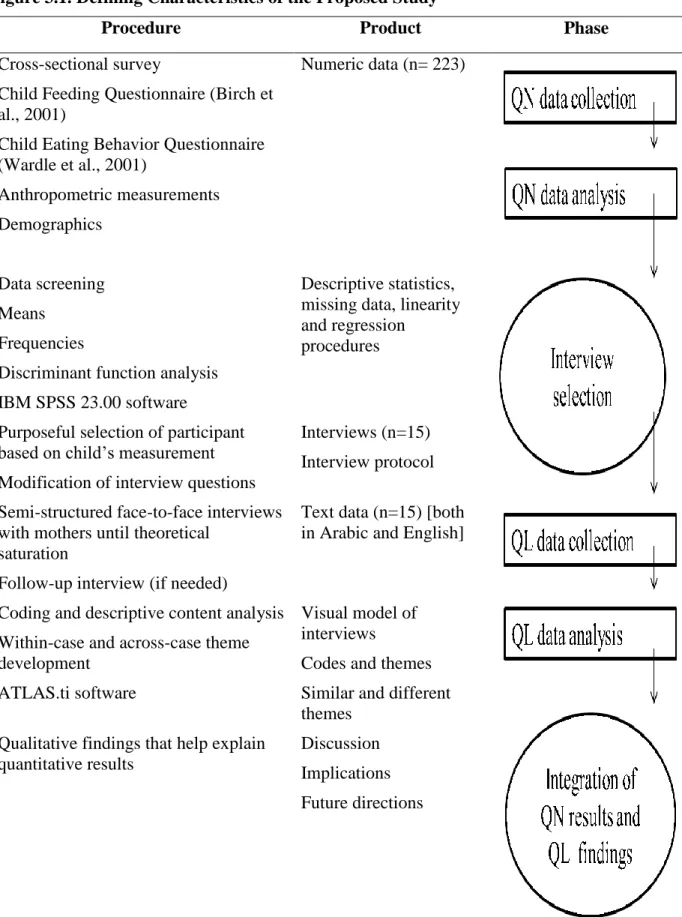
Figure 3.1. Defining Characteristics of the Proposed Study ... 51
Figure 4.1. Screenshot of Qualtrics Rater Options ... 79
Figure 4.2. Stacked Bar Chart of Parental Education ... 83
Figure 4.3. Recruitment Flyer in English ... 86
Figure 4.4. Stadiometer for Measuring Children’s Height and Weight ... 87
xvii
LIST OF ABBREVIATIONS AAP American Academy of Pediatrics
BMI Body Mass Index
CDC Centers for Disease Control
CEBQ Child Eating Behavior Questionnaire \ CFQ Child Feeding Questionnaire
QL Qualitative
QN Quantitative
UK United Kingdom
UNESCWA United Nations Economic and Social Commission for Western Asia
US United States
1
CHAPTER 1: INTRODUCTION Introduction
Childhood obesity in Saudi Arabia is increasing at an alarming rate. The latest national prevalence of combined overweight, obesity and morbid obesity in children and adolescents aged 5-18 years ranges from 30% to 34%, which is a rise of 26.6% in twenty-five years (Al-Hazzaa, 2007; World Health Organization [WHO], 2011). Despite this dramatic increase, no intervention programs tailored for the Saudi population have been documented (ALNohair, 2014; Elbadawi, Altemani, Alhawiti, & Altuwaylie, 2015). An estimated 31.6% of the Saudi population (31.7 million) are under the age of 20 years old (General Authority for Statistics Kingdom of Saudi Arabia, 2015). The probability of children with obesity growing into adults with obesity is well documented in the literature in other countries (Goldhaber-Fiebert, Rubinfeld, Bhattacharya, Robinson, & Wise, 2013; Graversen, et al., 2014; Sung-Chan, Sung, Zhao, & Brownson, 2013). Intervention in children under the age of five years old is starting to show early promise in preventing obesity in the United States (US; Ogden, Carroll, Kit, & Flegal, 2014). A better understanding of parenting practices, culture, and environmental influences on childhood obesity in different countries is needed to develop efficacious interventions to address this issue
successfully (Lofton, Julion, McNaughton, Bergren, & Keim, 2015; Syrad et al., 2015). Consequences of Overweight and Obesity
2
hyperlipidemia, prediabetes, type 2 diabetes, depression, sleeping, social, physical, and attention problems in school (Al-Agha, Al-Ghamdi, & Halabi, 2016; Shivpuri, Shivpuri, & Sharma, 2012) (See Table 1.1). The earlier a child gains excess weight, the greater their risk of developing diabetes and cardiovascular disease at the beginning of early adulthood (Bass & Eneli, 2015; Sakou et al., 2015).
Table 1.1. Consequences of Childhood Obesity
Systems Consequences
Physical Functioning
- Impaired cardio-respiratory fitness and performance of motor tasks; increased musculoskeletal pain; decline in muscle strength; inefficiencies in gait and balance (Bass & Eneli, 2015).
Psychosocial Problems
- Poor self-esteem, anxiety, depression, eating disorders, social isolation, social stigma (Shivpuri, Shivpuri, & Sharma, 2012).
Endocrine - Insulin resistance, type 2 diabetes, early puberty (Shivpuri, Shivpuri, & Sharma, 2012).
Cardiovascular - High blood pressure, high cholesterol, advanced vascular ages, early onset atherosclerosis (Shivpuri, Shivpuri, & Sharma, 2012).
Pulmonary - Sleep apnea, asthma, exercise intolerance, disordered breathing during sleeping (Daniels, Jacobson, McCrindle, Eckel, & Sanner, 2009)
Gastrointestinal - Fatty liver, gallstones, constipation, cirrhosis (Shivpuri, Shivpuri, & Sharma, 2012).
Musculoskeletal - Musculoskeletal pain, injuries and fractures (Shivpuri, Shivpuri & Sharma, 2012).
Other obesity related diseases
3
Understanding the Country and Religion of Saudi Arabia
Saudi Arabia is the largest country in the Middle East, with an area of 870,000 square miles (General Authority for Statistics Kingdom of Saudi Arabia, 2015). Compared to the US, which covers 3,794,101 square miles, Saudi would include Texas, California, Montana, New Mexico and Arizona (General Authority for Statistics Kingdom of Saudi Arabia, 2015; US Census Bureau, 2016). Saudi Arabia’s total population is 31.5 million (World Bank, 2015) compared to the US, which has a population of 324.4 million (US Census Bureau, 2016). Saudi Arabia is divided into 13 administrative regions (Ministry of Foreign Affairs, 2016). Arabic is the spoken language, and the capital city is Riyadh, located in the mid-region of the country (Figure 1.1).
4
The Mecca Province (western-region) in Saudi Arabia is considered to be the center of the Islamic and Arab world (Gallarotti, Filali, & Yahia, 2013). It is estimated that 2.5 million people from more than 160 countries visit Saudi Arabia annually (Aljoudi, 2013) to perform Hajj, one of the five pillars of Islam (Figure 1.2). The five pillars are central to Islam; the Quran, book of Allah (God) and the Sunnah, words of the Prophet – Mohammad provide detailed
explanations for any practicing Muslim on the what, where, why, and how these pillars are executed (Edgar, 2002; Zaw, Myat, & Mohd, 2016). Some of the pillars will be discussed later as they affect child nutrition and obesity.
Figure 1.2. The Five Pillars of Islam
5
Health in Saudi Arabia
It is estimated by 2025, Saudi Arabia’s population will grow to approximately 34.2 million and by 2050 to 40.4 million (United Nations Economic and Social Commission for Western Asia [UNESCWA], 2014). However, the population growth rate dropped from 5.98% between 1980 and 1985 to 1.63% between 1995 and 2000 (UNESCWA, 2014). From 2000 to 2005 the population growth increased to 4.07% and then dropped to 1.98% percent by 2010 (UNESCWA, 2014).
Life expectancy has increased in the Saudi population for both genders and is currently 74.7 years for women and 72.5 years for men. Also, the infant and child (< 5 years of age) mortality rate (per 1,000 live births) in both genders fell from 56.2/1,000 between 1980 and 1985 to 11.2/1,000 between 2010 and 2015 (UNESCWA, 2014). Saudi citizens constitute
approximately 68% of the total population residing in Saudi Arabia. Of the total population, 5.2% are over the age of 60 years. Currently half (50%) of the population are under the age of 30 years, and 24.5% are under the age of 15 years old (General Authority for Statistics Kingdom of Saudi Arabia, 2015).
Family Context in Saudi Homes
6
capabilities, and (3) Islamic teachings are instilled in younger generations through education which provides them with the knowledge and skill sets for becoming valuable members of society (International Committee of the Red Cross, 2014).
Family Values within Islam
Life in Saudi society is shaped by many fundamental values but for the purpose of this chapter those most relevant issues that may aid in better understanding: family, parents, children, society and culture and how these complex dynamics interplay within a Saudi home.
Being kind to parents (birr al-walidayn). A core value in the Saudi society, the Arabic word birr means kindness and al-walidayn means parents. Children are to have the highest respect for their parents, not to raise their voices, or say a word such as: “Ufff,” which is
explicitly described in Quran (interpretation of the meaning from Abdul-Haleem, 2005) “You be kind to your parents. If either or both of them reach old age with you, say no word that shows impatience with them, and do not be harsh with them, but speak to them respectfully [Al Isra: 23 page: 176].”
Mothers’ position in the family. Another core value in the Saudi society, is conveyed through a common story taught early in school and homes: A man came to the Prophet (PBUH) and asked: “O Messenger of Allaah, who is most deserving of my good company?” He said: “Your mother.” He said: “Then who?” He said: “Your mother.” He said: “Then who?” He said: “Your mother.” He said: “Then who?” He said: “Then your father [Narrated by Abu
7
A wife’s position in the family. Islam honors women as wives where it was narrated that Ayesha (Prophet’s wife) said: the Prophet (PBUH) said: “The best of you are those who are best to their wives, and I am the best of you to my wives. [Narrated and classed as Hasan by Al-Tirmidhi, 3895] (Islamqa, 2014b).”
A daughter’s position in the family. A unique position for daughters within a family is described in another well-known narration of the Prophet (PBUH). “Whoever has three
daughters or three sisters, or two daughters or two sisters, and takes good care of them and fears Allah with regard to them, will enter Paradise. [Narrated by Ibn Hibbaan in his Saheeh, 2/190] (Islamqa, 2014c).”
Male figures in a home. Despite all the emphasis in Islam on females’ different
positions in a home, grandfathers, fathers, sons, brothers also play important roles in family life. Many Muslim homes consider male figures as head of the home (Daneshpour, 1998). It is believed that protection and full maintenance of children are the duty of the father in either marriage or divorce. Regardless of a mothers’ financial status, a father is obligated to provide for the children (Islamqa, 2014d). A father’s obligations to his children include everything from shelter, schooling, and clothing to food and drink. The level of the father’s ability to provide is dependent on his income. This obligation stems from the Quran (interpretation of the meaning from Abdul-Haleem, 2005): “Let the wealthy man spend according to his wealth. But let him whose provision is restricted spend according to what God has given him: God does not burden any soul with more than He has given it–– after hardship, God will bring ease [Al-Talaaq 65:7 page: 379].”
8
understanding that many Saudis believe and that is that all people are created equal. Where in the Quran it says (interpretation of the meaning from Abdul-Haleem, 2005): “People, we created you all from a single man and a single woman, and made you into races and tribes so that you should recognize one another [Al-Hujirat 49:13].” Based on this belief there is no difference between people in regards to their human dignity and the rights and duties they have (Al-Hashimi, 2007).
Changes in Families Observed Over Time in Saudi
The role of mothers in Saudi society does not require that they work outside the home or financially provide for their children with their money unless they choose to do so. Many mothers prioritize family and view themselves as homemakers, a theme that was reinforced by one study examining perceptions of gendered roles in Saudi Arabia (Alyaemni, Theobald, Faragher, Jehan, & Tolhurst, 2013). However, for women and mothers in Saudi Arabia, this traditional role is quickly changing. This changing role (from a housewife to a working mother) is occurring as more mothers are joining the workforce. As reported by the International Labor Organization (2016), currently women occupy half of the government sector jobs in Saudi Arabia. The changing trend in mothers’ work status has also had an impact on fertility rates. Fertility rates fell from 7.02 children per women between 1908 and 1985 to 3.03 children per women between 2005 and 2010 (UNESCWA, 2014). For example, the norm for parents’ of my generation had 8-10 siblings; the norm for my generation has 4-6 siblings; the norm for the current generation is 2-3 children per family (N. Abahussain, personal communication, January 10, 2014).
A Saudi home can be described as a strong family-centered structure (Chookbar,
9
various ways in which the lives of individuals and groups within an Islamic community are guided by prescribed norms grounded in shared social and religious values (Chan-Serafin, Brief, & George, 2013) because this provides a context to understand better a problem that emerges in society.
Cultural Influences in Saudi Arabian Society
Annually people in Saudi Arabia fast the month of Ramadan, the ninth month of the Islamic calendar, to perform the second pillar of Islam (Figure 1.2). Everyone in the country fasts daily from sunrise to sunset for 29 or 30 days. Fasting is the abstinence from food, drink and sexual intercourse (Bakhotmah, 2011). Fasting is believed to be a way to discipline oneself, teach patience and to remind oneself of the poverty and hunger experienced around the world (Islamqa, 2014c). The general rule in fasting is that everyone is expected to fast; however, there are several exceptions to this rule. Children are only expected to start fasting once they reach puberty. Due to this shift in one’s daily life during fasting, many aspects of the home
environment are altered. As an example, working and operation hours for most, if not all of the shops, restaurants, companies, government agencies are modified during fasting. Sleep patterns also shift especially if Ramadan is during summer months, and children are out of school.
10
Table 1.2. Nutrition and Cultural Norms in Saudi Arabia
Norm Origin
Alcohol is prohibited in Islam Taught in the Quran
Pork is prohibited in Islam Taught in the Quran
Not to throw yourselves into destruction (general rule in Islam; however it is used when encouraging individuals to not overeat because with overeating, you are increasing the risk of
developing diabetes, hypertension, and hyperlipidemia
Taught in the Quran
Eating with right hand Taught by the Prophet
–PBUH- To eat food what is nearest to you (when you have plenty of
dishes to take from whatever you wish, but would be nearest to your reach)
Taught by the Prophet
–PBUH- When eating a certain meal, not to make the stomach full: A third for food, a third for drink and third for air
Taught by the Prophet –PBUH-
Not to eat food over food or meal after meal directly Taught by an Islamic scholar, Ibn Al-Qayyim.
Starting and ending food by thanking God for his blessing Taught by the Prophet
–PBUH-Understanding the Influence of Mothers on their Children
The family is considered the primary influence on a child’s physical, psychological and social development (Galvin, Braithwaite, & Bylund, 2015). Mothers, in particular, are the major caretakers of children in Saudi families (Al-Ayed, 2010). A majority of the Saudi Arabian research literature currently documents the problem and prevalence of overweight and obesity in children (ALNohair, 2014). To date, no studies have explored Saudi Arabian mothers’
11
status has been widely explored in both developing and developed countries such as Argentina, Australia, Brazil, Canada, Chili, Germany, India, Italy, Kuwait, Mexico, Netherlands, the United Kingdom (UK) and the US (Alrashidi, Shahwan-Akl, Jones, Linda, & James, 2015; Hochdorn et al., 2014; Rietmeijer‐Mentink, Paulis, Middelkoop, Bindels, & Wouden, 2013). A common finding among these countries is that parents are often unconcerned and/or unaware that their child is overweight or obese. Bringing increased awareness of childhood obesity to parents is the first step in the prevention of childhood obesity (Hochdorn et al., 2014; Sung-Chan, Sung, Zhao, & Brownson, 2013). Therefore, to understand the complex problem of childhood obesity in Saudi Arabia, mothers’ perceptions of normal weight, overweight or obesity in 3-to-6-year-old preschool children was studied. Preschoolers were the focus of this study because the prevalence rate of overweight and obesity is increasing in this age group (Ng, Zaghloul, Ali, Harrison, & Popkin, 2011).
Purpose
The purpose of this study was to examine maternal perspectives of their child’s weight status, eating behaviors and maternal feeding styles. The specific aims were to:
Quantitative Phase I
Aim 1: Determine the fidelity and cultural appropriateness of the Arabic translated version of the Child Feeding Questionnaire (CFQ) and the Child Eating Behavior Questionnaire (CEBQ) with a sample of Saudi Arabian mothers of preschool-aged children.
Quantitative Phase II
Aim 2: Determine if Saudi Arabian mothers’ child-feeding practices as measured by CFQ and eating behaviors (external eating, emotional eating, speed of eating, interest in eating, satiety responsiveness and food fussiness) as measured by the CEBQ were associated with their
12
skinfolds) and selected socioeconomic factors (maternal education, employment status and family income).
Qualitative Phase
Aim 3: Examine maternal perceptions of their child’s weight and factors that influence their eating behaviors and maternal feeding styles (qualitative interview).
Quantitative and Qualitative Phase
Aim 4: Examine the relationship between child’s weight status and maternal perceptions of child eating behaviors and maternal feeding practices.
Conceptual Framework
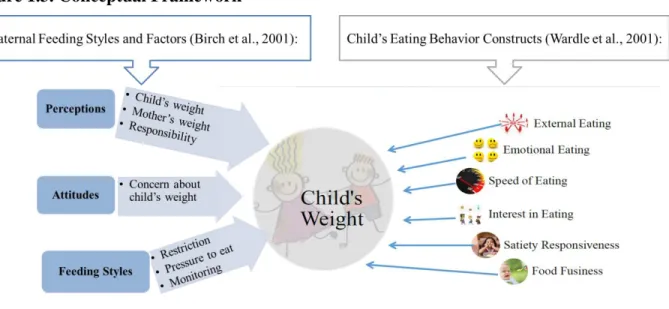
The conceptual framework for this study (see Figure 1.3) consisted of maternal feeding styles originally conceptualized by Costanzo and Woody’s theory (1985) and child eating
13 Figure 1.3. Conceptual Framework
In an attempt to operationalize the constructs to allow continuity in future studies of child eating behaviors and allow better comparisons across studies (Hughes et al., 2013), Table 1.3 was developed to structure and define the major constructs of the framework. The constructs and definitions of conceptual framework terms with references were explained.
Table 1.3. Definition of Conceptual Framework Terms
Construct Definition
- Maternal Perception Mothers’ view and understanding regarding child’s weight and her responsibility toward her child (Birch et al., 2001).
Child’s Weight Mothers’ view on her child’s weight history and status (Birch et al., 2001).
Responsibility Mothers’ understanding of her duty towards her child’s feeding (Birch et al., 2001).
14 2001).
- Feeding Styles Mothers’ approach to modify child’s eating behavior (Goldman, Radnitz & McGrathe, 2012).
Restriction to Eat Mothers’ limiting access to specific foods (Goldman et al., 2012) with the intent to improve her child’s eating (Birch et al., 2001).
Monitoring The extent to which mothers’ supervise and oversee their child’s eating (Birch et al., 2001).
Pressure to Eat Mothers’ active attempts to increase her child’s healthy food consumption (Goldman et al., 2012).
Child Eating Behavior A child’s patterns in eating. - External Eating
(responsiveness to food cues)
Regular or daily food consumption based on the food being tasteful or not (Wardle et al., 2001).
- Emotional Eating A response to a negative emotional state by overeating or undereating (Wardle et al., 2001).
- Speed of Eating Time spent eating a meal as assessed by parents (Wardle et al., 2001).
- Interest in Eating These include a child’s general interest in food, hunger, desire to eat and food enjoyment (Wardle et al., 2001). - Satiety Responsiveness One’s ability to perceive internal satiety cues and
operationally is defined as only eating when hungry and stopping when full (Wardle & Carnell, 2009).
- Food Fussiness Being highly picky and selective about the variety of foods accepted (Wardle et al., 2001).
15
(1985), indicate that parents tend to control their children more when: (1) the parents themselves have problems controlling their own behavior; (2) the parents perceive the child as being at risk for developing behavioral problems; (3) when the parents see that the child lacks regulatory behaviors. Therefore, parents exhibit higher levels of control on child feeding patterns if they are concerned with the child’s weight or perceive that the child is at risk of becoming overweight or obese (Anzman, Rollins, & Birch, 2010).
Costanzo and Woody (1985) argued that the higher parental control regarding child’s feeding may influence the development of self-control mechanisms of the child based on reaction to appetite (hunger and satiety cues). Some child eating behaviors are believed to develop as a result of parenting. A growing body of literature reports that child eating behaviors may be critical factors in weight status and growth in children (Birch & Fisher, 1998; DiSantis, Hodges, Johnson, & Fisher, 2011). Constructs related to eating behaviors that have been linked to obesity include external and emotional eating, the speed of eating and satiety responsiveness (Kaplan & Kaplan, 1957; Rodin & Slochower, 1976; Stunkard & Wolff, 1956).
External Eating (Responsiveness to Food Cues)
16
Havermans, 2010; Wardle, 1990). Early work suggested that external eating is not only limited to food cues (i.e. sight, taste, and smell) but also covers aspects such as emotionality (Pliner, 1974; Schachter & Roden, 1974).
Emotional Eating
Feeding the child is a common parenting practice used by parents to comfort their child as early as birth with breastfeeding or formula and later in a child’s life with solid foods as a way to calm and soothe the child (American Academy of Pediatrics [AAP], 2014). This early
parenting practice may lead to the child associating food with a positive emotional state. This construct is based on psychosomatic theory (Braet & Van Strien, 1997; Bruch, 1964). This type of eating can be classified by two states: emotional overeating and emotional undereating (Gibson & Wardle, 2001; Oliver & Wardle, 1999). Some of the different emotions that may trigger a child to resort to food may include feeling bored, insecure, angry, lonely, and happy, depressed, stressed, fatigued and/or frustrated (Harrist, Hubbs-tait, Topham, Shriver, & Page, 2013). One common aspect between the two constructs of external eating and emotional eating is the child’s state of emotional regulation as being either reactivity (meaning a child’s negative reaction to the external environment) or inhibition, an internal process where a child’s reaction is holding her/his feelings inside (Harrist, Hubbs-Tait, Topham, Shriver, & Page, 2013). The results of one study found that children’s emotional reactivity was significantly correlated with both constructs of emotional eating and external eating (Harrist et al., 2013)
Speed of Eating
17
(1977) found children who were overweight or obese ate more bites per unit of time measured and fewer chews per bite.
Interest in Eating
Early observational work comparing obese and non-obese school-age children found no significant difference in enjoyment in food and other responses (i.e. mood, tension) between the two groups (Martson, London, & Cooper, 1977). With children’s general interest in eating, it was found that food interest in children was based on their parents’ food consumption patterns and children learned eating behaviors by modeling their parents (Birch & Fisher, 1998; Jahnke & Warschburger, 2008).
Satiety Responsiveness
With this construct, it has been suggested that individuals who are obese have less
responsiveness to internal cues of satiety, and are overly responsive to the taste and smell of food (external cues) (Schachter & Gross, 1968; Wardle, 2001; Wardle & Carnell, 2009). Hence, with low satiety responsiveness, individuals tend to overeat (Carnell & Wardle, 2007). Birch and Fisher (1998) further examined the association between satiety and individual’s feeding
preferences and found that an important satiety cue is lacking in high-fat diets. High-fat diets are usually higher in total energy, smaller in energy density and are more palatable. Also, children’s early feeding practices (i.e. breastfeeding) may contribute to the protection of later child weight gain through satiety responsiveness. In one study it was found that mothers who breastfed longer duration (3-6 months) were significantly (P < 0.01) more attuned to later infant satiety
18 Food Fussiness
This construct emerges in the literature regarding child’s eating problems and has been assessed using a list of foods that a child may accept or reject (Taylor, Wernimont, Northstone, & Emmett, 2015; Wardle, Guthrie, Sanderson, & Rapoport, 2001). An important aspect of this construct is that the higher availability and accessibility of certain foods for children is associated with a greater likelihood the child consumed those foods (Birch & Fisher, 1998; Goldman, Radnitz, McGrath, 2012). Therefore, higher availability and accessibility was a strong predictor of school age children’s consumption of more fruits and vegetable in one review (Cullen et al., 2001; Goldman, Radnitz, & McGrath, 2012; Hearn et al., 1998).
Constructs and Methodological Issues
The specific behavioral patterns discussed above (speed in eating and interest in food, etc.) are not definite evidence of causality (Hughes et al., 2013; Marston, London, & Cooper, 1976), yet are observed behavior patterns found in children who are obese. The exact
relationship is not clearly understood. It is not clear if parenting practices related to food and feeding influence child weight or if child weight status influences food parenting styles or if there is a reciprocal relationship (Rhee et al., 2015). This unclear relationship is believed to be attributed to the designs of the studies conducted, which focused on cross-sectional associations making it difficult to determine causality (Hughes et al., 2013).
Inter-Relationship between Constructs
The constructs of food fussiness, the speed of eating, satiety responses and interest in eating are critical to consider in the early experience and learning of children’s food preferences. Mennella and Beauchamp (1993; 1996) found infants exposed to a wide range of flavors (i.e. garlic and vanilla flavors) in mothers’ breast milk are more likely to eat that food when
19
Steward’s (1975) early work on rat puppies, where they found that rat pups learned to accept a variety of flavors if they were exposed to different flavors early through their mothers’ diet. All of these constructs are an important consideration for understanding children’s eating behaviors.
Another important consideration is the children’s social context and the influence of other people in the child’s life. Different caregivers such as fathers, aunts, uncles, grandparents and siblings can influence what the child consumes (Hughes et al., 2013). Influential caregivers are of particular importance when studying Saudi homes and families because of the collectivistic nature of the culture and the strong family-centered life in Saudi homes, where many if not most of the families have weekly or biweekly gatherings of grandparents, parents, siblings, aunts, uncles, children, grandchildren or great-grandchildren.
Summary
This chapter has provided a statement of the problem on childhood obesity in Saudi Arabia, and proposed research aims relevant to the problem. An overview of Saudi Arabia’s profile and cultural context with examples of societal and religious norms within the population that pertain to the issues of eating and parenting styles was provided along with a discussion on the study’s conceptual framework driven by Costanzo and Woody’s theory (1985) and constructs of childhood eating behaviors (external eating, emotional eating, speed in eating, interest in eating, satiety response and food fussiness) as identified in the literature. It is important to note that all the constructs and conceptualizations discussed in this chapter are based on research conducted in different parts of the world, primarily in the US and UK. There is a lack of theory-driven research in Saudi Arabia addressing childhood obesity. Hence, many of the examples were from non-Saudi literature. Moreover, discussions in this chapter also included studies of a broader age range of children than is the focus of the proposed research. With these two
20
21
CHAPTER 2: LITERATURE REVIEW Introduction
Saudi Arabia has become one of the fastest growing economies in the world. In 2003, Saudi Arabia was the 27th largest economy, and in 2014 it became the 19th largest economy in the world (McKinsey Global Institute, 2015). Also, Saudi Arabia’s household income rose by 75% from 2004 to 2013 driven by higher public-sector employment and wages (McKinsey Global Institute, 2015). It is estimated that by 2050 that 90% of the Saudi Arabian population will live in cities (Abou-Korin & Al-Shihri, 2015). Increased urbanization and disposable
income have increased access to fast food and technology, which have been related to the obesity epidemic in developing and developed countries (Abou-Korin & Al-Shihri, 2015). Of note, in developing countries like Saudi Arabia, childhood obesity has been linked to higher
socioeconomic status, and in developed countries like the United States, childhood obesity has been linked to lower socioeconomic status (Abou-Korin & Al-Shihri, 2015). Increased income has also increased the consumption of fast food in Saudi Arabia. Fast food sales in Saudi Arabia reached $4.5 billion dollars in 2015 (Naeem, 2012). Therefore, fewer meals are being prepared at home in the traditional manner. Also, with increased disposable income many families have hired maids and nannies from outside of Saudi Arabia, who introduce new foods and ways of cooking into the household, thereby decreasing the number of traditional Saudi meals served (McKinsey Global Institute, 2015).
22
2010; Ng et al., 2014). The World Health Organization (2011) has estimated that 30% of children in Saudi Arabia are obese. Regarding the latest figures reported for children between the ages of 5 and 18 years in Saudi Arabia, 23.1% were overweight, 9.3% were obese, and 2% were severely obese (El Mouzan et al., 2010). These rates are especially significant because children under the age of 16 years in Saudi Arabia account for 30% to 35% of the total
population (Collison et al., 2010; Saudi Arabia Population Clock, 2016). Overweight in children is defined as a body mass index (BMI) 85th percentile to < 95th percentile; obesity is defined as a BMI 95th percentile (Centers for Disease Control [CDC], 2015). Overweight and obesity pose major health risks for children, which include prediabetes, type 2 diabetes, hypertension, hyperlipidemia, sleep apnea, asthma, fatty liver disease, and orthopedic and psychological
problems (Flegal et al., 2010; Ornelas, Francica, Wichi, & Maifrino, 2014; Paulis, Silva, Koes, & van Middelkoop, 2014). Psychological consequences include depression, low self-esteem, and poor social interactions (Kelsey, Zaepfel, Bjornstad, & Nadeau, 2014; Shivpuri, Shivpuri, & Sharma, 2012).
Researchers studying obesity in Saudi Arabia and other Arab countries emphasize the magnitude of the problem and its comorbidities in both adults and children (Alhyas, McKay, Balasanthiran, & Majeed, 2011; AlMarzooqi & Nagy, 2011; Badran & Laher, 2012; Mabry, Reeves, Eakin, & Owen, 2010; Ng et al., 2011). However, there is a lack of research on the state of the science on childhood obesity (i.e., birth to 20 years) in Saudi Arabia and the associated dietary and physical activity patterns.
To date, five systematic reviews examined the topic of obesity and its related
23
prevalence of overweight and obesity, hyperglycemia, hypertension, and dyslipidemia among adults in the region of the Cooperation Council for the Arab States of the Gulf region (GCC), which includes Bahrain, Kuwait, Oman, Qatar, Saudi Arabia, and the United Arab Emirates. The authors found that overweight prevalence ranged from 20% to 50%, and obesity ranged from 13% to 50% in adults and was higher in women than in men (Alhyas et al., 2011). Hyperglycemia prevalence ranged from 10% to 20%, but hypertension and dyslipidemia comparisons were difficult to achieve due to limited data and varied definitions of abnormal levels (Alhyas et al., 2011).
A review by Ng et al. (2011), conducted in the same GCC region, also found that obesity rates were higher in women (75% to 88%) than in men (70% to 85%) ranging in age from 30 to 60 years. That study found that obesity in preschoolers was high in Saudi Arabia and Kuwait (8% to 9%). However, children’s data were difficult to compare, given the differences in standards used (Ng et al., 2011).
24
concluded that in all of the Arabic-speaking countries studied, diabetes prevalence ranged from 4% in Somalia to 21% in Kuwait (Badran & Laher, 2012).
Mabry et al. (2010) assessed the prevalence of metabolic syndrome in the GCC region. Prevalence rates of metabolic syndrome in the region ranged from 20.7% to 45.9%; these percentages were 10% to 15% higher than percentages reported in developed countries, such as the US (23.4% for women and 24% for men) and Australia (15.7% for women and 26.4% for men) (Mabry et al., 2010). Factors associated with metabolic syndrome included physical inactivity, age, female gender (prevalence among women ranged from 13.5% to 45.9%), higher income, lower educational attainment, urban residence in Saudi Arabia, and rural residence in the United Arab Emirates (Mabry et al., 2010).
AlMarzooqi and Nagy (2011) examined 22 obesity prevention interventions implemented globally in response to the rising prevalence of obesity. Interventions in school settings were the major focus and were considered most appropriate for changing children’s behavior
(AlMarzooqi & Nagy, 2011). However, this review did not provide insight into the problem of childhood obesity in Saudi Arabia, because interventions were developed for and tested in other countries.
25
prevalence rates in the different regions in Saudi Arabia? What are the risk factors associated with childhood obesity in Saudi Arabia? What are the lifestyle factors associated with the problem of childhood obesity in Saudi Arabia? What are current intervention programs that address the problem of childhood obesity in Saudi Arabia?
Method
Research focusing on Saudi Arabia, documented prevalence rates, nutrition and physical activity levels and current overweight and obesity prevention and management programs in children were explored. The search was conducted using seven electronic databases: PubMed, Web of Science, PyschInfo, Global Health, Family Studies Worldwide, Middle-Eastern Studies and Sociological Abstracts were searched for primary research articles using the following search terms: child* AND obesity AND Saudi Arabia (Figure 2.1). Inclusioncriteria included: 1) peer-reviewed studies published in Arabic or English between January 1, 2003, to December 31, 2015; 2) studies that reported on prevalence, characteristics of overweight and/or obesity in children who resided in Saudi Arabia; 3) studies that reported BMI percentile outcomes; and 4) overweight and/or obesity prevention and management programs. Exclusion criteria included: 1) studies that examined specific diseases related to obesity such as metabolic syndrome; 2) studies that described biological or chemical markers of overweight and/or obesity; 3) non-empirical findings such as, letters, conference proceedings, commentaries or case reviews; 4) surgical interventions and medical technology related to obesity and 5) non-Saudi Arabian studies and non-children studies, over the age of 20 years.
26
27
A standardized template was used to extract relevant information from reports. Data extracted from each study included: purpose of study, data collection period, design, specific region in Saudi Arabia, sample size, age and gender of children, setting of the study, and variables of interest (BMI percentile, weight, height, and demographic information), data analysis approach, and results addressing the research questions. Two researchers, the PhD student, and the dissertation chairperson, met for biweekly meetings over the course of a
semester to discuss the reviewed studies, assessed quality, identified findings and differences in interpretation of key findings, applicability, and quality assessment were resolved during those meeting. An analysis was completed by organizing the reviewed studies into a matrix to facilitate examining common findings. The common findings found included, first,
28
Table 2.1. Studies on Childhood Obesity in Saudi Arabia Author/
Year
Purpose / Design Sample/ Age Instruments/Main Findings Analysis
Question One: Epidemiological Features
Al-Almaie
2005
Determined the prevalence of
overweight and obesity using two international standards
Cross-sectional Design
N=1,766 Females=61.8% Males=38.2%
Age: 3rd graders (age was not reported)
Instrument: Not applicable
Combined overweight and obesity percentages were 29.5% in males and 29 in females
No differences between the two references used
Prevalence rates of overweight and obesity compared between genders Al-Dossary, Sarkis, Hassan, El Regal & Fouda 2010 Examined overweight and obesity prevalence rate of children and adolescents Cross-sectional Design N=7,056 Private school (n=1,260) Private hospital (n=5,796)
Age: 2-18 years
Instrument: Data collection form included age, sex and nationality
A 19% prevalence of overweight A 23% prevalence of obesity
Males (35.6%) had higher percentage of obesity compared to females (19.2%)
Obesity in preschool children of both genders was lower (31%) compared to adolescents (76%)
Prevalence rates of overweight and obesity across childhood ages
Al-Rukban
2003
Determined the prevalence of
overweight and obesity
Evaluated participants’ knowledge, attitude and practice towards obesity
Cross-sectional Design
N=894 (all males)
Age: 12-20 years
Instruments: Arabic questionnaire was piloted prior to this study (no citation provided). Sections included, socio-demographics, dietary and activity history, obesity knowledge and behavior and medical history
Prevalence of overweight was 13.8% Prevalence of obesity was 20.5%
Twenty percent of overweight participants did not think they were overweight
Prevalence rates of overweight and obesity in the middle region of Saudi Arabia Al-Saeed, Al-Dawood, Bukhari & Bahnassy Determined the prevalence and the socioeconomic risk factors associated with obesity
N=2,239 (all female)
Age: 6- 17 years
Instrument: Arabic questionnaire was piloted prior to this study (no citation provided)
Prevalence of overweight and obesity were 20% and 11%, respectively
29
Author/ Year
Purpose / Design Sample/ Age Instruments/Main Findings Analysis
2006
Cross-sectional Design
Overweight was higher among students with father in private work (P<0.01) and among students with highly educated mothers (P=0.008)
El Mouzan, Foster, Al Herbish, Al Salloum & Al Omer 2010
Established a national prevalence of
overweight and obesity in Saudi children and adolescents.
Cross-sectional Design
N= 19,317 Female=49.2% Male=50.8%
Ages: 5 - 18 years
Instrument: Not applicable
Overall prevalence of overweight, obesity and severe obesity in all age groups was 23.1%, 9.3% and 2%, respectively
Nation-wide study on the prevalence of overweight and obesity
Question Two: Risk Factors
Al-Shehri et al.
2006
Evaluated the
appropriateness of the NCHS growth
standards as a
measurement for KSA children
Aimed at standardizing the growth parameters for KSA children living in high altitude city.
Cross-sectional Design
N=13,580 Female=47% Male=53%
Ages: 3-18 years
Instrument: Not applicable
Utilization of the NCHS growth standard was found to be an unsuitable method of growth measurement for children living in high altitude areas in Saudi Arabia
Risk factors related to puberty Al-Daghri, Alokail, Al-Attas, Sabico & Kumar 2009 Documented the association of sagittal abdominal diameter (SAD) with obesity measures Cross-sectional Design N=964 365 prepubertal Female =60% Male=40% 249 pubertal Female=49.8% Male=50.2% 350 postpubertal
Instrument: Not applicable
SAD was correlated with indices of obesity regardless of gender
Among pubertal males the association was stronger than females
Risk factors between genders in measurements of obesity
30
Author/ Year
Purpose / Design Sample/ Age Instruments/Main Findings Analysis
Female=43.4% Male=56.6%
Ages: 5-17 years Al-Hazzaa
& Al-Rasheedi
2007
Evaluated levels of adiposity and physical activity
Cross-sectional Design
N=224
Female=51.3% Male=48.7%
Ages: 3.4 – 6.4 years
Instrument: Questionnaire for parents to estimate television viewing (no citation provided)
The obesity prevalence of total sample was 10.8%
Gender differences in fat percentages and counted steps per day was significant (P < .05)
Risk factors between genders and differences in fat percentage Al-Rowaily, Al-Mugbel, Al-Shammari & Fayed, 2007 Provided information on nutritional status in schoolchildren
Compared it with national and
international studies of anthropometric data
Cross-sectional Design
N= 6,207 children
Ages: 4-8 years
Instrument: Arabic questionnaire developed by authors on demographics (no citation provided)
Obesity was found to be 4%, which is less than the national and international references.
Children from the Saudi population are generally weigh less in weight and are shorter than American children and seem to be closer to the WHO standards
Risk factors in
preschoolers and early elementary Amr, El-Seedy & Mohamed 2012 Examined BMI distribution among adolescent females Identified the relationship between obesity and symptoms of puberty
Cross-sectional Design
N= 200 (all female)
Ages: 12 – 20 years
Instruments: Three instruments developed by authors (no citation provided)
Mean BMI of obese group was 34.4 +/- 4.9 kg/m2
There were statistically significant differences between obesity and menstrual irregularity (P<0.05); where 95% of obese females had dysmenorrheal and 90% of healthy weight females had regular
menstruation
Risk factors in females
high-31
Author/ Year
Purpose / Design Sample/ Age Instruments/Main Findings Analysis
2008
prevalence of
overweight and obesity in rural high- and low-altitude areas in KSA
Identified specific at-risk groups within these populations
Cross-sectional Design
Ages: 6-15 years
family demographics, socio-economic status & dietary patterns (no citation provided)
Revealed that moderate-to-high parental income, age ≥ 10 years, female gender, and high-altitude birth and residence were significant independent predictors of childhood overweight and obesity
altitude areas
Al Alwan, Al Fattani & Longford
2013
Explored the influence of parental education and economic status of parents with children who are obese
Cross-sectional Design
N= 1,243
Female=56.4% Male=43.6%
Ages: 6-16 years
Instrument: Arabic questionnaire was piloted prior to this study (no citation provided)
There was a statistically significant association between Saudi children who were overweight or obese and mothers’ with a university education (P<0.01) and higher family income (P<0.01)
Risk factors family socioeconomic status and mothers’ education Amin, Al-Sultan & Ali 2008 Determined possible association between obesity and overweight with dietary habits and socio-demographic differentials among them Cross-sectional Design N=1,139 (all males)
Ages: 10 - 14 years
Instruments: Items from Youth and Adolescent Food Frequency Questionnaire by Rocket et al., (1995) and socio-demographic form
Overweight and obesity was found more in urban, older age students, mothers of obese and overweight were less educated and more were working
Risk factor having a working mother and less educated mothers
Alam
2008
Estimated the
prevalence of obesity among elementary school female students
Identified some obesity-associated risk factors
N=1,072
Ages: 8-12 years
Instrument: Arabic questionnaire tested and validated (no citation provided)
Obesity was 14.9% in the students examined
A total of 95% living in villas or big houses were obese
32
Author/ Year
Purpose / Design Sample/ Age Instruments/Main Findings Analysis
Cross-sectional Design
Fast food and soft drinks were commonly consumed
Daily television viewing was prevalent among 97.5% of obese students
Question Three: Lifestyle Factors
Al-Hazzaa, Abahussain, Al-Sobayel, Qahwaji & Musaiger 2012 Evaluated the associations between obesity measures and several lifestyle factors
Cross-sectional Design
N=2,906
Ages: 14–19 years
Instruments: Arab Teen Lifestyle (ATLS) instrument by Al-Hazzaa and Musaiger (2011)
Obese males and females were significantly less active than non-obese males and females
Activity levels between obese and non-obese and between genders Al-Nakeeb, Lyons Collins, AlNuaim, Al-Hazzaa, Duncan & Nevill 2012
Explored differences in weight status, obesity and patterns of physical activity (PA) in relation to gender and age from two countries (UK and KSA)
Cross-cultural design
N=2,290
Ages: 15-17 years
Instruments: Arab Teen Lifestyle (ATLS) instrument by Al-Hazzaa and Musaiger (2011)
Percentages of overweight and obesity and levels of PA were statistically different between the youth from the two countries
Activity levels between two countries Collison, Zaidi, Subhani, Al-Rubeaan, Shoukri & Al-Mohanna 2010 Examined dietary habits in relation to BMI and waist circumference
Cross-sectional Design
N=5,033
Ages: 10 - 19 years
Instruments: 7-day food frequency questionnaire previously translated in Arabic (no citation provided)
Waist circumference and BMI were positively correlated with sugar-sweetened carbonated beverage intake in boys only
Boys had higher obesity rates than girls (P <0.001)
Nutritional factors associated with obesity and anthropometrics
Farghaly, Ghazali,
Evaluate the life style and dietary habits of
N=767 Instruments: Arabic questionnaire describes lifestyle and behavior activities (no citation provided)
33
Author/ Year
Purpose / Design Sample/ Age Instruments/Main Findings Analysis
Al-Wabel, Sadek, & Abbag
2007
school students and the prevalence of some nutritional problems
Cross-sectional Design
Ages: 8 – 18 years
Diets were rich in carbohydrates and deficient in fiber. Fast food was consumed 2.0 ± 1.7 times/month
Breakfast was a regular meal for 72% of primary students compared to 49% of secondary school students
Daily milk intake was only 51.5%
obesity; lifestyle habits (i.e. breakfast) Mahfouz, Shatoor, Khan, Daffalla, Mostafa & Hassanein 2011 Investigated gender differences in obesity and related behavior among adolescent schoolboys and girls
N=1,249
Ages: 11- 19 years
Instruments: Adolescent Health Survey by Abalkhail et al. (2003)
Prevalence of obesity and overweight in the present study was 23.2% for males and 29.4% for females
Differences in lifestyle factors between genders
Al-Ghamdi
2013
Explored the association between television watching and obesity in Saudi children as calculated by BMI
Case-control design
N= 397 Female=49.4% Male=50.6%
Ages: 9-14 years
Instrument: 20-item Arabic questionnaire developed by authors (no citation provided)
Television watching was a reported to be a risk factor for obesity in Saudi children (P < 0.001)
Risk factor television viewing Al-Mohaimeed and colleagues 2015 Compared two measures for obesity classification
Cross-sectional Design
N= 874
Ages: 6-10 years
Instrument: Not applicable
Major differences were found between the two measures of obesity (BMI versus body percent fat using the Futrex analyzer); agreement score was low in both methods (females= 0.24; males=0.48); the mean BMI was significantly higher in females compared to males (P<0.0001)
Differences in two measurement of obesity
34
Author/ Year
Purpose / Design Sample/ Age Instruments/Main Findings Analysis
Al-Saif, Albahrani & Sabra
2014
dietary behaviors in Saudi preschool children
Cross-sectional Design
Female=54.3% Male=45.7%
Ages: 1-5 years
authors (no citation provided)
Frequent unhealthyl food items (i.e. pizza, burgers, biscuits, chocolate, chips and soft drinks) were reported among the studied sample
to overweight and obesity
Al-Muammar, El-Shafie & Feroze
2012
Explored lifestyle and eating patterns and measured BMI
Cross-sectional Design
N= 107 (all female)
Ages: 12-15 years
Instrument: 36-item Arabic questionnaire (no citation provided)
No significant differences were found between BMI category and eating patterns
Eating patterns between different weight categories
35
The studies in Saudi Arabia focused on 1) epidemiological features, which are important to determine differences in prevalence rates from all over the country; 2) risk factors, which facilitated understanding of the growing problem of childhood obesity in Saudi Arabia and to determine target populations for further research; and 3) lifestyle factors, which highlighted areas that warranted more in-depth studies that may aid in designing culturally appropriate
interventions.
Descriptive Characteristics of Reviewed Studies
Only one study reported the prevalence of childhood obesity in Saudi Arabia as a whole population (El Mouzan et al., 2010). The remainder of the studies were descriptive cross-sectional designs, except for one that was a cross-cultural comparative study of a city in Saudi Arabia and two cities in the United Kingdom. Overall, the researchers utilized schools as the main site for data collection (n=17), followed by a door-to-door approach (n=3), both hospitals and schools simultaneously (n=2) and a well-baby health clinic (n=1). Sample sizes ranged from 107 participants to 19,317. Most studies recruited both female and male children in the study (n=18), except three studies that recruited female participants only and two that recruited male participants only. The age of participants varied from 2 to 20 years old in reporting prevalence rates and included the whole trajectory of child growth and development, however, one study examined one specific child developmental stage which was the preschool age (Al-Hazzaa & Al-Rasheedi, 2007).
Quality Assessment
36
assent process for children enrolled in the study. Within the context of Saudi Arabian culture, this might be explained by one of the underlying viewpoints about children and that is a child is responsible for decisions when they reach the age of puberty. This viewpoint is based on the Prophet’s saying: The pen [responsibility] is lifted from three: the one who is asleep until he wakes up; the child until he attains puberty; and the insane person until he regains (Mohammed, 2014). The duration of the study period was often not reported. Many of the studies (n=9) did not report the duration of data collection or study period (Al-Almaie, 2005; Al-Nakeeb et al., 2012; Al-Shehri et al., 2006; Amin, Al-Sultan, & Ali, 2008; El Mouzan et al., 2010; Khalid, 2008; Mahfouz et al., 2011; Washi & Ageib, 2010). The remaining studies (n=14) reported the duration of data collection, which varied from 2 months to 2 years. There was a noticeable gap in a few studies (n=2) between when the data were collected (2000 and 2002) and the publication of the manuscript (2007 and 2008 respectively) [Collison et al., 2010; Taha, 2008]. Also, a detailed description of sampling techniques was often inadequate. Several did not provide sufficient detail and an explanation of the sample selection and techniques (Al-Daghri et al., 2010; Al-Shehri et al., 2006; El Mouzan et al., 2010). A clear explanation of how the researchers described their sample selection is one quality sought in assessing the internal validity of studies (Center for Reviews and Dissemination, 2009). None of the reviewed studies had a theoretical or conceptual framework.
Determining Childhood Overweight and Obesity
37
comparison. One used the CDC criteria reported by Kuczmarski et al. (2002), and the other used the international criteria of Cole, Bellizzi, Flegal, and Dietz (2000) (Al Almaie, 2005;
Al-Rowaily et al., 2007). The other most commonly used reference (n = 6) was Cole et al. (2000) (Alam, 2008; Al-Ghamdi, 2013; Al-Hazzaa, Abahussain, Al-Nakeeb et al., 2012; Al-Sobayel, Qahwaji, & Musaiger, 2012; Amin, Al-Sultan, & Ali, 2008; Collison et al., 2010). Four studies used the CDC criteria of Kuczmarski et al. (2002) (Al-Dossary, Sarkis, Hassan, El Regal, & Fouda, 2010; Rowaily et al., 2007; Saeed, Dawood, Bukhari, & Bahnassy, 2006; Al-Shehri et al., 2006).
Other references used included the CDC (2015), Lohman (1992), and WHO (2005; 2007) criteria (Al Alwan, Al Fattani, & Longford, 2013; Al-Hazzaa & Al-Rasheedi, 2007; Mahfouz et al., 2011; Washi & Ageib, 2010). Two studies did not reference any standards used
(Al-Muammar, El-Shafie, & Feroze, 2014; Amr, El-Saidy, & Mohamed, 2012). Findings
The 23 articles reviewed identified answered our research questions and found in the body of literature: (1) epidemiological features, (2) risk factors, and (3) lifestyle factors (Figure 2.1). In answering the fourth research question, there were no intervention studies currently documented in the Saudi literature on childhood obesity. From the data, it was clear that a lack of theoretical and/or conceptual frameworks existed in the study of childhood obesity in Saudi Arabia.
Epidemiological Features
38
(19.3% and 35.6%) than in females (11.8% and 19.2%) in Khobar city (Al Almaie, 2005; Al Alwan et al., 2013; Al-Dossary et al., 2010). Also, Al Alwan et al. (2013) reported that in Riyadh, males were more overweight than females (OR for women compared to men= 0.6; P < 0.01).
Risk Factors
Parental education and occupation. Several studiesfound some mixed results
regarding parental education and occupation. Some found that in cities in the eastern and middle regions of the country, obesity was associated with mothers having a higher level of education compared to mothers with a lower level of education; additionally mothers who worked outside the home were associated with obesity (Al Alwan et al., 2013; Alam, 2008; Amin et al., 2008; Khalid, 2008).
Perceptions of overweight and obesity. Moreover, parental assessment of their child’s weight has not been explored in Saudi Arabia; however, one of the reviewed studies partially assessed children’s perceptions of their weight status. The majority of the children were not aware of where they were on the spectrum of being normal, overweight, or obese (Al-Rukban, 2003).
39
7,193) in the southwestern region of Saudi Arabia living in high altitude areas (i.e., 3,100 meters above sea level) using the 2002 CDC growth standard to assess the appropriateness of the sample. The author used the National Center for Health Statistics (NCHS) standard because no national standard for Saudi children’s growth was available (Al-Shehri et al., 2006). The author found the NCHS growth standard was an unsuitable method for growth measurement for Saudi Arabian children living in high altitude areas (Al-Shehri et al., 2006). Comparing Saudi children with French children regarding growth standards at high altitudes might be more appropriate because both countries share higher rates of obesity in high-altitude areas than the US.
Urbanization was another risk factor reported in the studies reviewed (Al-Mohaimeed et al., 2015; Alam, 2008; Amin et al., 2008). Studies in Saudi Arabia found that most (86% to 95%) of the obese sample lived in villas or big houses and resided in affluent areas (Alam, 2008; Al-Muammar et al., 2014). In less urban areas, such as Abha in the southwest region, Khalid (2008) reported that independent predictors of childhood overweight and obesity included
moderate to high parental income (3.2 [95% CI, 1.6–2.6]), age less than or equal to ten years (2.6 [95% CI, 1.8–3.8]), female gender (2.0 [95% CI, 1.6–2.9]), and high-altitude birth and residence (1.8 [95% CI, 1.3–2.6]).
Lifestyle Factors
Dietary patterns and physical activity are sometimes referred to as two contributors to obesity (Salvy & Bowker, 2014). All the reviewed studies described dietary patterns or physical activity as stand-alone factors, without relating them to larger contexts and influences in the child’s life (such as family and peers). Specific factors that influenced childhood obesity that were either protective and these included frequency of breakfast, fruit and vegetable