BOTANICAL DIETARY SUPPLEMENT USE AMONG HISPANIC/LATINO ADULTS IN THE UNITED STATES: COMPARISON OFA DIET- VS. MEDICATION-BASED SURVEY
Keturah Ruth Faurot
A dissertation submitted to the faculty at the University of North Carolina at Chapel Hill in partial fulfillment of the requirements for the degree of Doctor of Philosophy in the Department of
Epidemiology in the Gillings School of Global Public Health.
Chapel Hill 2014
iii ABSTRACT
Keturah Ruth Faurot: Botanical Dietary Supplement Use among Hispanic/Latino Adults in the Hispanic Community Health Study/Study of Latinos:
Comparison of a Diet- vs. Medication-based Survey (Under the direction of Anna Maria Siega-Riz)
Botanical supplement use is common in the United States, but its assessment is difficult among Hispanics/Latinos. This report documents the prevalence of botanical and non-vitamin non-mineral (NVNM) supplement use over a 30-day recall period in a sample of Hispanics/Latinos in the US as measured with two instruments. Dietary supplement assessment in the Hispanic Community Health Study/Study of Latinos included both a medication inventory and a nutrition-based dietary supplement interview, enabling a comparison of instruments across supplement categories. Additional supplements were captured from 24-hour dietary recalls. In addition, characteristics of botanical supplement users and their motivations for use were explored.
The prevalence of dietary supplement use was substantially higher as measured in the dietary supplement interview as compared to the medication inventory: for total dietary supplements (40 vs. 26%, respectively), for NVNM supplements (25 vs. 13%), and botanicals (9 vs. 4%). Concordance between the two measures was fair-moderate by Cohen’s Kappa (0.28 – 0.56). Estimates were
sensitive to inclusion of botanical teas captured exclusively from 24-hour dietary recalls with increases in botanical supplement prevalence from 7 to 15% with their addition. After vitamins and minerals, the most prevalent supplement ingredients consumed were omega-3 fatty acids (9.7%), lutein (9.6%), and lycopene (10.5%).
iv
for more rather than less acculturated individuals. Motivations for supplement use included treatment/prevention of health conditions and appearance enhancements.
v
This work is dedicated to my dear husband, Tom Keeler, and to the memory of two individuals whose tenacity and belief in promoting the common good were a constant source of inspiration.
vi
ACKNOWLEDGEMENTS
The Hispanic Community Health Study/Study of Latinos (HCHS/SOL) was carried out as a collaborative study supported by contracts from the National Heart, Lung, and Blood Institute (NHLBI) to the University of North Carolina (N01-HC65233), University of Miami (N01-HC65234), Albert Einstein College of Medicine (N01-HC65235), Northwestern University (N01-HC65236), and San Diego State University (N01-HC65237). The following Institutes/Centers/Offices contribute to the HCHS/SOL through a transfer of funds to the NHLBI: National Institute on Minority Health and Health Disparities, National Institute on Deafness and Other Communication Disorders, National Institute of Dental and Craniofacial Research, National Institute of Diabetes and Digestive and Kidney Diseases, National Institute of Neurological Disorders and Stroke, NIH Institutions-Office of Dietary Supplements. The National Center on Complementary and Alternative Medicine provided research training support (Faurot, T32-AT003378).
I would like to thank her superb dissertation committee, Anna Maria Siega-Riz, Gerardo Heiss, Charles Poole, Laura Young, Jose O. Rivera, and Paula Gardiner for their guidance over the last 3 years. I also thank Susan A. Gaylord, Director, and Dr. Doug Mann, Medical Director of the Program on
vii
TABLE OF CONTENTS
LIST OF TABLES……….……….……….……xii
LIST OF FIGURES……….….……….xiv
LIST OF ABBREVIATIONS AND SYMBOLS……….….xv
CHAPTER 1: INTRODUCTION AND SPECIFIC AIMS……….….1
CHAPTER 2: BACKGROUND………..…….4
2.1 Potential Risks of Botanical Dietary Supplement Use……….……4
2.2 Unique Patterns of Botanical Supplement Use in Hispanic/Latino Populations………...6
2.3 Overcoming Existing Methodological Barriers……….……..7
CHAPTER 3: PRELIMINARY STUDIES………..9
3.1 Systematic Review of Botanical Supplement Prevalence among Hispanics/Latinos……….……….……..9
Methods……….……….9
Results………10
Discussion………14
3.2 Prevalence of Botanical Supplement Use among Hispanics/Latinos in a National Sample……….………16
Methods………..17
Results………..18
Discussion……….……….20
3.3 Summary and Implications………21
CHAPTER 4: RESEARCH DESIGN AND METHODS……….……..23
4.1 Overview of Study Design……….……..23
Eligibility……….………23
HCHS/SOL cohort sample selection, recruitment, and enrollment……….…..23
viii
Medication Inventory………...24
Dietary Supplement Interview and Dietary Recall……….…..25
4.2 Categorization of Dietary Supplements………..26
4.3 Outcome Definitions: Dietary Supplement Variables………..28
Motivations for botanical supplement use……….….31
4.4 Covariate Assessments………..31
Hispanic/Latino background……….……….31
Acculturation………31
Access to healthcare……….32
Medication use………32
Chronic disease………..32
Perceived health………...…….32
Demographics, income, and education………..………33
Health behaviors………..33
4.5 Analysis Procedures for Specific Aim 1……….34
Compare prevalence estimates of botanical supplement use between the medication inventory and the dietary supplement interview across categories of supplements……….…………..35
4.6 Analysis Procedures for Specific Aim 2……….………..36
Multivariate binomial regression……….………..37
Model adjustment strategies………..38
Power estimation……….………39
CHAPTER 5: EXPLORATORY AND SENSITIVITY ANALYSES………..41
5.1 Exploration of the Medication Inventory and Dietary Supplement Interview Data………41
Medication inventory data………41
Dietary supplement interview data………..41
Ingredient files………42
ix
Botanical and NVNM categories……….………45
Statistical analysis………..45
Results and interpretation……….……….…….46
5.4 Bivariate Analyses……….………..48
CHAPTER 6: COMPARISON OF A MEDICATION INVENTORY AND A DIETARY SUPPLEMENT INTERVIEW IN ASSESSING DIETARY SUPPLEMENT USE IN THE HISPANIC COMMUNITY HEALTH STUDY/STUDY OF LATINOS (HCHS/SOL)………52
6.1 Introduction……….52
6.2 Methods………..53
Data source………..53
Study population………..53
Categorization of outcome data………..54
Medication inventory……….54
Dietary supplement interview………..54
Dietary recall………..55
Statistical analysis………55
6.3 Results……….………56
Characteristics of the study population………..……….56
Concordance of the medication inventory and the dietary supplement interview……….57
Sensitivity of the prevalence estimates to ascertainment strategy………57
Individual supplement ingredients………..……….58
6.4 Discussion……….59
Comparability of assessment comparisons with other studies……….…………59
Comparability of HCHS/SOL dietary supplement prevalence estimates with other studies……….61
Limitations and strengths……….62
x
CHAPTER 7: CHARACTERISTICS OF BOTANICAL SUPPLEMENT USERS IN THE HISPANIC
COMMUNITY HEALTH STUDY/STUDY OF LATINOS………70
7.1 Introduction……….70
7.2 Methods………71
Botanical supplement assessments and definitions……….………..72
Reasons for botanical use……….72
Population characteristics of interest……….72
Statistical analysis………..73
7.3 Results……….74
Independent associations……….……….74
Patterns of botanical supplement use by population characteristics……….…………...74
Motivations for botanical supplement use………76
7.4 Discussion……….………..76
Limitations……….………78
Importance for prevention………..78
Conclusions………79
CHAPTER 8: DISCUSSION AND CONCLUSIONS……….………..87
8.1 Key Study Findings……….………87
Prevalence of botanical supplement use………87
Patterns of botanical supplement use among Hispanics/Latinos………..88
Motivations for supplement use among Hispanics/Latinos……….……89
8.2 Study Limitations………89
Possible inconsistent coding………..89
Possible additional measurement error……….90
No standardization for botanical supplement assessments……….………….90
Missing data………..92
Lack of generalizability of study findings……….………..93
xi
xii LIST OF TABLES
TABLE 2.1 Definition of a dietary supplement under the Dietary Supplement
Health and Education Act………..……….4
TABLE 3.1 Prevalence of the use of botanical supplements in studies including Hispanics/Latinos 1998-2011 across characteristics of included studies….………..12
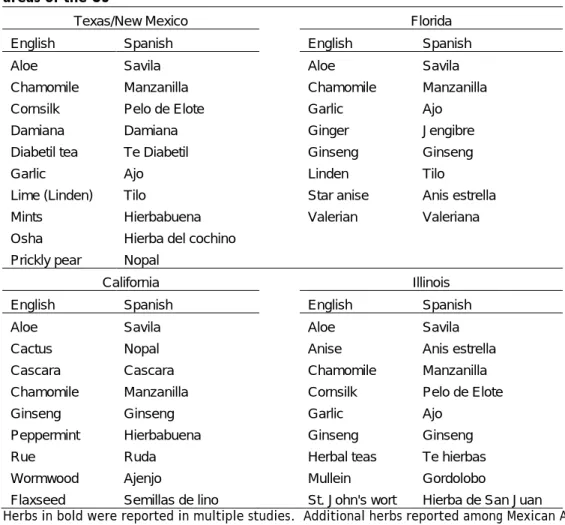
TABLE 3.2 Medicinal plants common among Hispanic/Latino populations in four areas of the US………...……….13
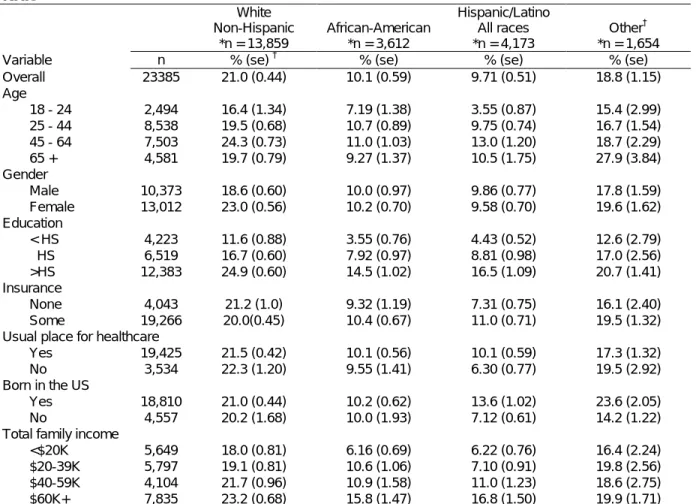
TABLE 3.3 Prevalence of botanical and NVNM supplement use in the US population in the 2007 NHIS………14
TABLE 3.4 Prevalence of botanical and NVNM supplement use among Hispanic/Latino populations in the 2007 NHIS ……….……….20
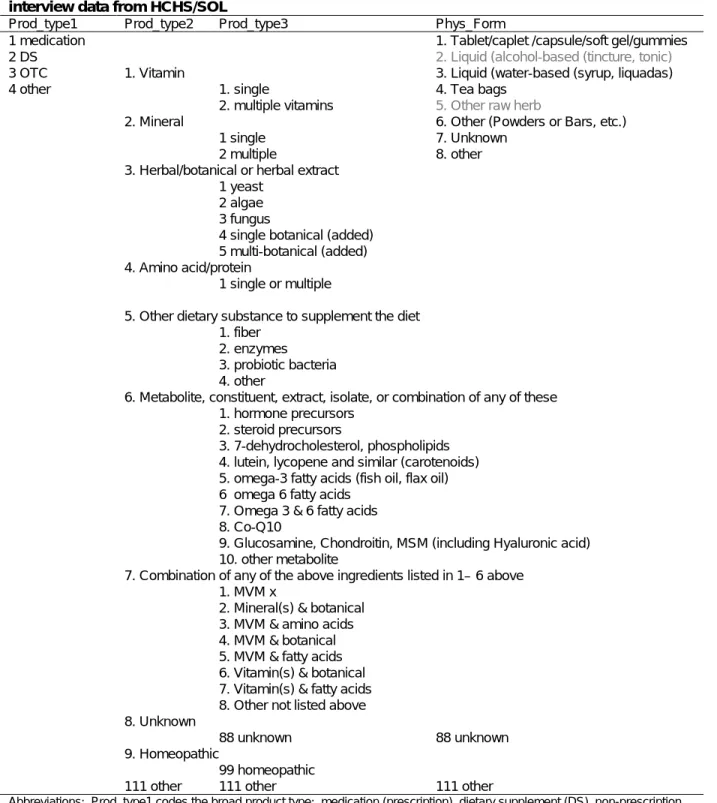
TABLE 4.1 Product characteristics coded in the medication inventory and dietary supplement interview data from HCHS/SOL………..….………..27
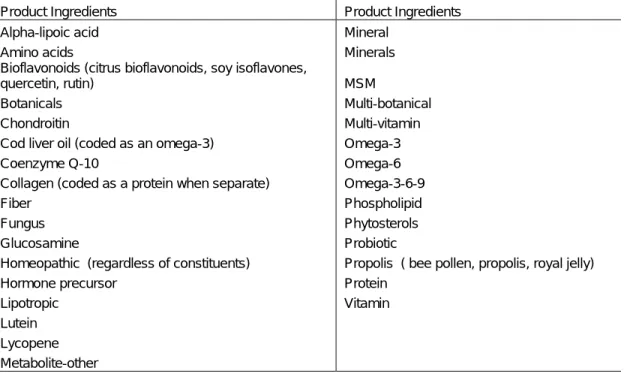
TABLE 4.2 Ingredients coded from product name data in the medication inventory and dietary supplement interview files……….…….………….28
TABLE 4.3 Primary dietary supplement variables……….…….………….29
TABLE 4.4 Additional dietary supplement variables……….….…………..30
TABLE 4.5 Additional variables……….…….………….34
TABLE 4.6 Minimally-sufficient adjustment set for key variables……….…….39
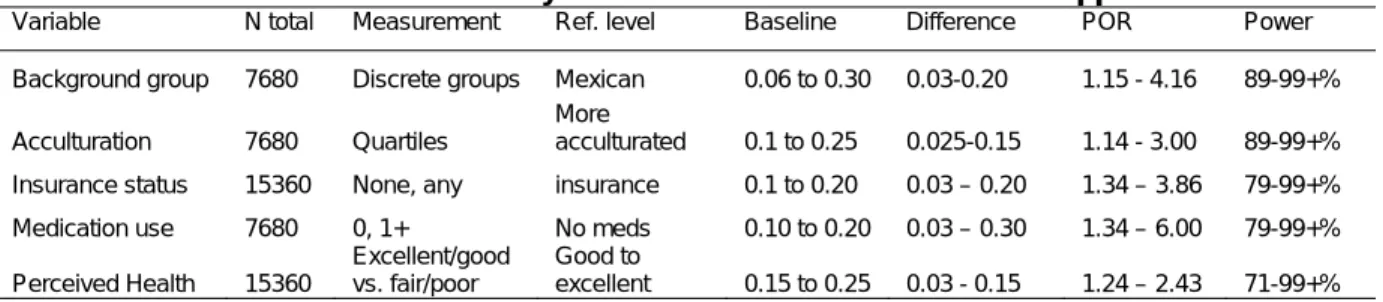
TABLE 4.7 Power estimates for analysis of characteristics of botanical supplement users………….………..39
TABLE 5.1 Prevalence of non-vitamin, non-mineral and botanical supplement use in the HCHS/SOL Cohort across datasets……….…………45
TABLE 5.2 Sensitivity Analysis: Comparison of 30-day NVNM and botanical assessments through the medication history and dietary supplement questionnaire in the HCHS/SOL Cohort……….…………47
TABLE 5.3 Prevalence of dietary supplement use over 30 days defined by either the medication inventory or dietary supplement interview ……….…………50
TABLE 5.4 Prevalence of dietary supplement use over 30 days defined by either the medication inventory or dietary supplement interview across additional covariates……….……….….……..51
TABLE 6.1 Distribution of sample population characteristics by use of supplement types in HCHS/SOL……….…….….…….65
xiii
TABLE 6.3 Prevalence of selected supplement ingredients in the 30-Day
dietary supplement interview………69
TABLE 7.1 HCHS/SOL Study population characteristics by Hispanic/Latino background and botanical supplement use……….………..………….80
TABLE 7.2 Adjusted prevalence ratios of botanical supplement use in HCHS/SOL………..….…………81
TABLE 7.3 Botanical supplement use across background and site in HCHS/SOL.……….………….85
xiv LIST OF FIGURES
FIGURE 3.1 Description of studies included in systematic review of botanical
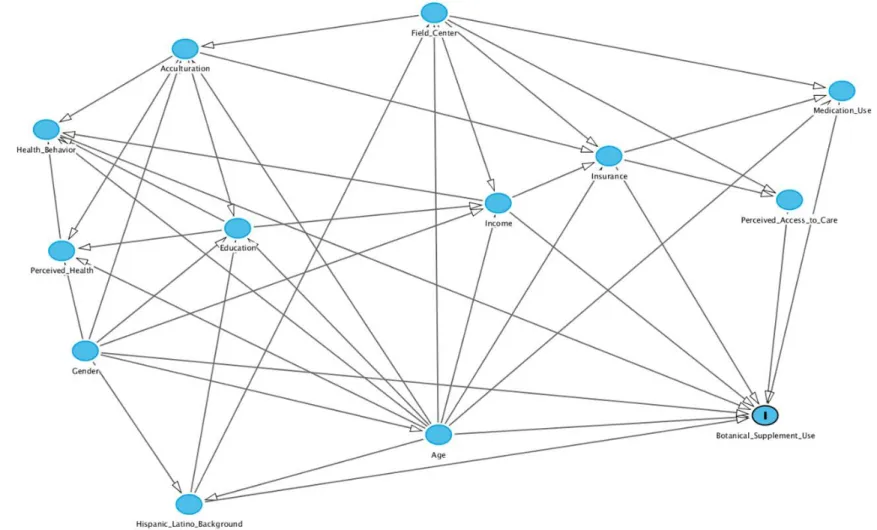
dietary supplement use………..……11 FIGURE 4.1 Schematic of research plan for Aim 2……….36 FIGURE 4.2 Directed Acyclic Graph depicting variable relationships associated with
botanical supplement use in HCHS/SOL……….40 FIGURE 6.1 Dietary supplement assessment protocol schematic……….64 FIGURE 6.2 Prevalence of non-vitamin, non-mineral supplements considering
the addition of supplements captured in the dietary recalls………68 FIGURE 7.1 Comparison of model-predicted prevalence of use of botanicals
in the past 30 days by various definitions across
Hispanic/Latino background………..82 FIGURE 7.2 Heterogeneity in the association of education and years of residence
in the US with botanical supplement use……….………..83 FIGURE 7.3 Comparison of selected reasons for use of botanicals and NVNM across
xv
LIST OF ABBREVIATIONS AND SYMBOLS
AHEI = Alternative Healthy Eating Index
CI = Confidence interval, calculated using binomial method CAM = Complementary and alternative medicine
N = number of studies, individuals in population n = individuals in category, sample
NVNM = Non-vitamin, non-mineral
NHANES = National Health and Nutrition Evaluation Survey NHIS= National Health Interview Survey
PABAK = Prevalence- and bias-adjusted kappa RDA = Recommended Daily Allowance
SASH = Short Acculturation Scale for Hispanics US = United States of America
1
CHAPTER 1: INTRODUCTION AND SPECIFIC AIMS
Botanical dietary supplement use among Hispanic/Latino Americans is common, particularly among those over the age of 60 where use exceeds that of non-Hispanics/Latinos [1-3]. Although little is known about factors associated with botanical supplement use among these rapidly growing
populations, preliminary evidence suggests that, unlike for non-Hispanics/Latinos, acculturation and access to care may play a substantial role, although the direction of the associations is uncertain. Botanical dietary supplement use in older adults is of particular concern given the increased potential for interaction with prescription medications or substitution for appropriate conventional medical care [4]. Despite the risks, more than 65% of Hispanic/Latino botanical users report that their physicians never ask about their botanical supplement use [5] and less than 20% disclose their use [6, 7].
Methodological issues specific to these populations need to be addressed in order to achieve valid prevalence estimates. For example, the way in which botanical supplement use has been assessed in the past may not be valid in a population where many botanical supplements are consumed as teas rather than as capsules or tablets, potentially leading to prevalence underestimates. In the current literature, prevalence estimates are highly variable, ranging from 5 to 94%. Possible selection bias and outcome misclassification hampers interpretation of available estimates. Requirements for accurate botanical supplement use prevalence estimates include: 1) a large sample (N>10,000) of
Hispanics/Latinos; 2) sampling of multiple Latino cultural groups; 3) inclusion of recent immigrants; and 4) outcome assessments that include botanical supplement common among Hispanics/Latinos.
2
from Cuba, Puerto Rico, Mexico, the Dominican Republic, Central and South America. The double assessment (medication inventory plus dietary supplement interview with dietary recalls) could serve as a reference standard for calibrated estimates of botanical supplements and the prevalence of different types of botanical supplements across groups of Hispanic/Latino backgrounds. Correlates of botanical supplement use will be examined, with special attention to factors that are found to differ by Hispanic/Latino background.
Specific Aim 1: Evaluate the prevalence of botanical supplement use in the HCHS/SOL cohort across assessment instruments
a. Estimate the prevalence of botanical and non-vitamin, non-mineral dietary supplement use among Hispanics/Latinos as assessed at baseline by the:
1) Medication inventory;
2) Dietary supplement interview (with and without dietary recall data); and 3) Combined medication inventory/dietary supplement interview
b. Compare dietary supplement prevalence estimates based on the medication inventory with those of the dietary supplement interview (with and without dietary recall data) and the combined assessment across categories of supplements (any dietary supplement, NVNM supplements, any supplement with botanical components, primarily botanical supplements).
Specific Aim 2: Explore population characteristics associated with botanical supplement use among
Hispanics/Latinos with particular attention to:
a. Hispanic/Latino background, as defined by country of origin (Cuba, Puerto Rico, Dominican Republic, Mexico, Central, and South America);
b. Acculturation (Born in US, years in the U.S., Short Acculturation Scale for Hispanics); c. Access to healthcare (insurance status, perceived lack of access);
d. Health indicators (medication use and perceived health);
e. Health behaviors (non-smoking status, physical activity, adherence to healthy dietary guidelines);
f. Demographics (age, gender, education, income); g. Geographic location in the United States.
Understanding botanical supplement use patterns is essential to protect the public from harm,
but these patterns are poorly understood among Hispanics/Latinos, soon to be the largest ethnic minority in the US. The HCHS/SOL cohort provides a unique opportunity to address some of the
3
4
CHAPTER 2: BACKGROUND
2.1 Potential Risks of Botanical Dietary Supplement Use among Hispanics/Latinos
The Dietary Supplement Health and Education Act of 1994 (DSHEA) defined the dietary supplement.
TABLE 2.1.Definition of a dietary supplement under the Dietary Supplement Health and Education Act
“A dietary supplement
• Is a product (other than tobacco) that is intended to supplement the diet that bears or contains one or more of the following dietary ingredients: a vitamin, a mineral, an herb or other botanical, an amino acid, a dietary substance for use by man to supplement the diet by increasing the total daily intake, or a concentrate, metabolite, constituent, extract, or combinations of these ingredients.
• Is intended for ingestion in pill, capsule, tablet, orliquid form.
• Is not represented for use as a conventional food or as the sole item of a meal or diet. • Is labeled as a "dietary supplement."
• Includes products such as an approved new drug, certified antibiotic, or licensed biologic that was marketed as a dietary supplement or food before approval, certification, or license (unless the Secretary of Health and Human Services waives this provision).”
Under DSHEA, botanical products, including teas, alcoholic extracts, capsules, and tablets, are regulated as dietary supplements, resulting in a lower level of government oversight of product safety as compared with pharmaceutical drugs. Although recent amendments to DSHEA require that
5
Botanical supplement use among Hispanics/Latinos is popular within the US especially among patient populations. In fact, supplement use is higher among individuals with chronic conditions than those without [15] and individuals with chronic illness are more likely to take prescription medications concomitantly. Concurrent use of supplements and medications approaches 25% in the general population and 75% among those 55-70 years old [16-18].
Medication-botanical interactions are incompletely understood. Of concern are both pharmacokinetic and pharmacodynamic interactions [9]. For example, St. John’s Wort induces Cytochrome P450 (CYP450) isoenzymes and reduces blood levels of antiviral medications in HIV, transplant-rejection suppressants, and oral contraceptives [19-21]. Unfortunately, the extent of CYP450 activity of many botanicals is yet unknown [9], especially those common among
Hispanics/Latinos [22]. Concomitant use of anticoagulants and/or antiplatelet agents and botanical supplement is especially worrisome, given that multiple botanical agents possess antiplatelet activity [23]. For example, use of Ginkgo biloba with aspirin has resulted in cases of intracranial bleeding [20]. Adverse effects associated with many botanical supplement common among Hispanics/Latinos are uncertain. Studies have documented episodes of hypoglycemia possibly associated with a combination of nopal and oral hypoglycemic agents [24]. Other studies identified multiple potential medication-supplement interactions [25]. For example, chamomile (manzanilla), a popular botanical in several Hispanic/Latino populations, because of its effects on cytochrome P450 substrates, could interact with multiple commonly-used medications [5]. However, the clinical significance of many of these
potential interactions is unknown [25].
6
low incomes [12, 40]. Underutilization of medical care, due to limited access or perceived discrimination [41], could strongly impact choices to use botanical supplements.
2.2 Unique Patterns of Botanical Supplement Use in Hispanic/Latino Populations
Hispanic/Latino populations encompass people from diverse cultural traditions with differences in dialects, primary language, and traditions [22]. In some Hispanic/Latino populations, attitudes and beliefs about the use of botanical medicines are part of a cultural belief system transmitted through female relatives [2, 22, 41-43]. Surveys and interviews with Hispanic/Latino immigrants report a belief that botanical remedies are safer than prescription drugs and consistent with family traditions [43, 44]. Medications are not eschewed, however; herbal teas are often consumed along with medications, especially among diabetics [41, 45]. In fact, conventional medical care and physician’s advice may be highly valued [40]. However, herbal remedies may be chosen because they are consistent with cultural practices and are cheaper and easier to obtain; in two studies, annual income was the strongest predictor of alternative medicine use (chiefly botanicals) [40, 45]. In other studies, in areas of the country far from traditional sources of botanicals, botanical supplement use may be less common because it is less available. Hence, use patterns may be consistent with pragmatic self-care behaviors [2, 46-48]. Among Hispanics/Latinos, botanical supplement may be used for treatment of symptoms and minor illnesses, much in the same way other Americans try over-the-counter medications [49].
Unlike in the general population, factors related to botanical supplement use among
Hispanics/Latinos are incompletely understood. Education appears either to play a limited role or to vary across categories of acculturation [50, 51]. Moreover, the operational definition of acculturation itself is variable. Studies that utilized acculturation scales disagreed on the importance of
7
however, limit its definition to length of residence in the US and/or primary language [56, 57], the latter possibly conflated with employment opportunity and income rather than Hispanic/Latino identity [40].
Some studies report higher botanical supplement prevalence estimates among recent immigrants [5, 29, 58, 59], but others find no association between length of residence and the
prevalence of botanical supplement use [33, 40, 56, 60]. Moreover, a closer examination of the studies suggests that overall prevalence may not differ much by acculturation, regardless of its measurement, but by the types of botanicals used. In one study, botanical use patterns among those with higher US acculturation scores were more similar to that of the non-Hispanic white (NHW) sample than to less acculturated Hispanics/Latinos [29]. Similarly, in a small study of middle-aged Mexican American women, those who used botanical supplements common among Hispanics/Latinos scored higher on the Mexican orientation of the bidimensional acculturation scale as compared with women who used botanical supplements popular in the US culture [46]. In another, most participants did not know the English names for the botanical supplements they were using currently [5]. It should also be noted that the Spanish names for these herbs may vary from country to country.
2.3 Overcoming Existing Methodological Barriers
A botanical assessment instrument should have good test-retest reliability, be easy to
8
Elderly (EPESE) used this method. In EPESE, participants were asked if they “had taken any folk medicine, herbs, or herbal remedy in the 2 weeks prior to the baseline interview” (p M715)[59], a strategy that improves upon the typical assessment.
HCHS/SOL appears to be unique, however, in its double assessment of botanical supplements, requesting information on botanical supplements with both medication and dietary data. Because some botanical dietary supplements are considered treatments, like medications, and others are more like preventatives, like vitamins, different supplements may be captured by alternative methodologies. In addition, different forms of botanical supplements may be captured better by one instrument than the other. For example, in some Hispanic/Latino populations, medicinal plants are prepared as “liquadas” in a blender and many are prepared as teas. Hence, it would be important to assess the value of adding the dietary recall botanical supplement assessment to that of the medication
questionnaire. If the overlap between instruments is small and the prevalence of botanical supplement use increases substantially with the double assessment, this strategy could become the new criterion standard, at least in Hispanic/Latino populations.
Unfortunately, despite these careful assessment procedures, HCHS/SOL may yet be
underestimating botanical supplement use. Usual assessment of botanical supplements via tablets and capsules limit the ability to accurately characterize botanical supplement use among
Hispanics/Latinos because, as a matter of cultural practice, many Hispanics/Latinos consume botanical supplements in food-like forms. It is unclear whether or not participants will include herbal teas with their medications and the question about botanical supplements in the dietary recall targets products more common in the general population than among immigrant Hispanics/Latinos. A systematic review of prevalence of botanical supplement use documents wide variations in prevalence estimates, partially related to the nature of the assessment instruments; those that specifically target
9
CHAPTER 3: PRELIMINARY STUDIES
3.1 Systematic Review of Botanical Supplement Prevalence among Hispanics/Latinos
Establishing accurate prevalence estimates are critical: underestimates could misrepresent the public health impact of botanical supplement use. Prevalence estimates of botanical supplement use are often dependent on self-report measures, and, as such, vary by multiple factors.
Methods
To further elucidate factors associated with variations in prevalence among Hispanics/Latinos, a team of researchers (Gardiner, Filippelli, Faurot) conducted a systematic review of the available literature. Our strategy included electronic database searches (CINAHL, EMBASE, Global Health, CAB Abstracts, and Medline) with keywords: herbal, herb, medicinal plant, botanical, and Hispanic or Latino along with a manual search of retrieved references. Only studies with at least 1% and at least 10
Hispanics/Latinos were included with publication dates of 1998-2011. Information was extracted on study and sample characteristics, and rates of disclosures to clinicians. The following were expected to have an impact on prevalence estimates: 1) the sampling strategy (convenience vs. probability); b) study size, including proportion of Hispanics/Latinos in the sample; c) the time period of the recall (< 30 days vs. 12 months vs. “ever used”); d) characteristics of the population studied (patients vs. general public, older vs. younger adults, proportion of males); and e) region of the country (Mexican border states vs. other states vs. national samples). Other extracted data included variables not available in all of the studies such as measures of acculturation (percent of sample born in the US, years living in the US, and preferred language) and participant health status. In addition, we
10
remedies” and/or herbal teas). We further identified possible sources of recall, selection, and information bias in the estimates (Appendix 1) based on the study designs.
Results
Study heterogeneity necessitated primarily descriptive analyses. To examine the impact of sample characteristics across studies, we limited our analysis to those studies with unique populations. If the study was based on the 2002 NHIS sample, we used the report with estimates for the entire population rather than estimates for subgroups, such as older adults or patients with diabetes. Fifteen studies used duplicate data and were set aside [2, 16, 61, 67-76]. Of the remaining studies, eighteen were excluded because they were missing prevalence estimates for Hispanics/Latinos [13, 42, 47, 77-90], seven included less than 10 Hispanics/Latinos [91-97], six were qualitative studies [41, 48, 98-101], and four reported the use of BDS for treatment of a specific illness [102-105]. Use of botanical supplements for any indication (rather than for a specific disease) within samples of patients with various illnesses was retained. Of the forty-two studies meeting these criteria, seven described the prevalence of the use of biologically-based therapies or dietary supplements including vitamins and minerals [10, 40, 46, 106-108]. In addition, one study reported of chamomile use [109]. Thirty-four studies had reasonably similar outcomes [3, 5-7, 27-37, 44, 59-61, 73, 110-123]. In these studies, botanical supplements were described as herbal medicines, herbal therapies, herbal products, or herbs for treatment or prevention of illness. Some studies also included “herbal and home remedies” in the estimates. TABLE 3.1 presents prevalence estimates separately for studies of botanical supplement use and over 1-2 weeks, over 6-12 months, and over 2 years or more.
11
Nineteen percent of the studies were representative of the national population. BDS prevalence estimates among Hispanics/Latinos ranged from 4.7% (over 1 week) to 94% (use in past year).
In regional samples, potentially biased by the sampling strategy, prevalence estimates were up to three times as high as in representative population surveys. However, in nationally-representative samples, ethnic minorities, especially recent immigrants, may be under-represented, especially among older age groups [113]. For example, among studies of individuals along the Mexican border over a 12 month period, prevalence estimates of botanical supplement use range from 21 to 94% [3, 6, 7, 28, 32, 34, 36, 60, 111, 118]. In contrast, prevalence estimates among Hispanics/Latinos in nationally-representative samples range over a similar time period range from 7 to 23% [30, 114, 115, 119, 122, 123].
12
TABLE 3.1. Prevalence of the use of botanical supplements in studies Including Hispanics/Latinos 1998-2011 across characteristics of included studies
Prevalence of use of botanical supplements
n N Median 95% CI Pa
Overall 32 95,523 42 21, 61
Time period
Over ≤30 days 5 18,108 12 4.7 , 43 0.02
Over 6-12 months 18 75,050 31 19 , 59
Over 2+ years 9 5,365 50 37, 75
Sample type
Probability 11 82,002 19 8.9, 48 0.02
Convenience 21 14,521 49 35, 63
Data collection method
Interview 20 74,401 27 12, 60 0.3
Written 12 22,122 46 21, 63
Publication type
CAM journal 7 19, 500 28 12, 51 0.4
General journal 25 77,023 43 19, 62
Regional vs. national
Regional 25 16,496 50 35, 62 0.002
National 7 80,027 15 7.7, 22
Sample population
General public 16 88,578 20 10, 49 0.01
Patients 16 7,945 50 36, 65
Target age of population
Adults ≥65 7 9,147 12 6.3, 50 0.02
Adults <65 25 87,376 47 27, 62
Gender distribution
Majority males 8 5,034 51 19, 76 0.2
Majority females 24 91,489 36 18, 61
Language of instrument
Spanish & English 19 16,701 47 28, 64 0.02
English only 13 78,822 17 9.1, 50
Sample proportion of H-L
Majority H-L 15 8,142 42 29, 67 0.03
Minority H-L 17 88,381 21 12, 50
Size of H-L sample
N < 250 17 8,060 52 42, 63 0.03
N ≥ 250 15 88,463 23 15, 37
Botanicals common among H-L
No 12 83,087 19 10, 49 0.02
Yes 20 13,436 49 29, 66
Abbreviations: H-L—Hispanics -Latinos; n= number of studies; N = sum of sample populations; CI = confidence interval, calculated using binomial method; CAM = Complementary and alternative medicine. a. p values are based on Kruskal-Wallis (or Mann-Whitney U) rank nonparametric tests. All analyses were conducted in Stata 12.
13
studies, supplement definitions consisted of commercial products only; in others, information on any botanical substance (including herbal teas) used to prevent or treat a disease or illness was solicited. As teas are the most prevalent form of supplements consumed in many Hispanic/Latino populations [125], a botanical assessment instrument that excludes them will result in serious underestimates. Among the 11 studies of botanical supplement use over 12 months with instruments that target herbs common among Hispanics/Latinos, particularly herbal teas, prevalence of use among Hispanics/Latinos ranges from 18 to 94 % (weighted median 28%)[3, 6, 28, 32, 34, 36, 60, 111, 115, 124] while among those that do not target Hispanic/Latino herbs, the range is 7 to 55% (median 12%) [26, 30, 110, 114, 118, 119, 122, 123].
TABLE 3.2. Medicinal plants common among Hispanic/Latino populations in four areas of the US
Texas/New Mexico Florida
English Spanish English Spanish
Aloe Savila Aloe Savila
Chamomile Manzanilla Chamomile Manzanilla
Cornsilk Pelo de Elote Garlic Ajo
Damiana Damiana Ginger Jengibre
Diabetil tea Te Diabetil Ginseng Ginseng
Garlic Ajo Linden Tilo
Lime (Linden) Tilo Star anise Anis estrella
Mints Hierbabuena Valerian Valeriana
Osha Hierba del cochino
Prickly pear Nopal
California Illinois
English Spanish English Spanish
Aloe Savila Aloe Savila
Cactus Nopal Anise Anis estrella
Cascara Cascara Chamomile Manzanilla
Chamomile Manzanilla Cornsilk Pelo de Elote
Ginseng Ginseng Garlic Ajo
Peppermint Hierbabuena Ginseng Ginseng
Rue Ruda Herbal teas Te hierbas
Wormwood Ajenjo Mullein Gordolobo
Flaxseed Semillas de lino St. John's wort Hierba de San Juan
14
In the general population (2007 NHIS), of those who used botanical supplements over a period of 12 months, 75% had also used botanical supplements over the past 30 days (primary calculation). Other studies have documented similar patterns of regular use of supplements among users [126]. In contrast, “point prevalence” or prevalence of botanical supplement use over a week or two, across the studies in this sample, averages almost a quarter of the estimates of use over a period of several months. This pattern may be related to the types of herbs most common within Hispanic/Latino populations, particularly among those who identify with traditional Mexican and Central American cultures [28, 29, 40]. In the general population, the most commonly used botanical supplements are those typically taken daily (e.g., glucosamine, ginseng, garlic, ginkgo, St. John’s Wort, saw
palmetto)[2, 73, 127]. In contrast, among Hispanics/Latinos, the most common herbs are those used for intermittent treatment of symptoms (e.g., manzanilla, tila, hierba buena, savila). Botanical supplements most common among Hispanic/Latino populations in the surveyed literature are listed in Table 2 [6, 7, 22, 40, 43, 113, 125, 128].
Discussion
The sample of studies was not restricted by any definition of study quality; no studies were free of bias, particularly selection bias. Studies based on national probability samples were either hampered by an overall poor response rate [30, 129], did not report a response rate [104, 108, 119], or had a differential, lower response rate for Hispanics/Latinos [115]. In addition, studies utilizing the NHIS, based on the US census with data collection by census staff, may have excluded certain
15
non-users of BDS may have been less likely to respond. Most studies were unable to provide
information on non-responders. The two studies that did provide information on responders compared with the target population indicated that responders were more likely to be female and white [81] or better educated [89], characteristics associated with higher rates of botanical supplements use. Some of the best studies with convenience samples, with close to 100% response rates are difficult to
compare, due to the difference in their target populations. One study was undertaken in a low-income clinic [60] and another in an ophthalmology specialty clinic [95].
Other potential sources of bias included recall and information bias. The majority of the studies asked participants to recall their use of botanical supplements over a period of several months. It is unclear whether or not participant characteristics, such as poor health [34] or adverse pregnancy outcomes [27] may have resulted in differential recall. Even in studies with a fairly short recall period, outcome misclassification is a real possibility. However, in a study of participants in a clinical trial, kappa statistics comparing questionnaire to a medication interview ranged from 0.49 to 0.87 (fair to excellent) [18].
Outcome misclassification is related not only to poor participant recall, but also to variable botanical supplement definitions. Although we excluded studies of dietary supplements (including vitamins/minerals) and biologically-based therapies (including special diets) from our final analysis, we cannot be certain that questions about “herbal products” (e.g., Rivera, 2007) and “herbal remedies” (e.g., Burge, 2002) are the same. In addition, some studies included non-herbal natural substances in their analysis (e.g., Greenlee, 2009) and others any plant-based product used to treat a symptom or illness (e.g., White, 2009). It is with trepidation that we presented any measures of central tendency, recognizing that we are aggregating outcomes that may be fundamentally different.
16
populations is higher, but predominantly female populations do not necessarily have higher prevalence estimates.
The language of the study instrument had an impact on estimates. Not only do studies offered only in English exclude those who are less proficient in English, they also may result in
misclassification. In one study, most of the participants did not know the English name for over 90% of the herbal products in the study [5]. Regional studies, even those with probability sampling, reported much higher prevalence estimates than national studies. The differentials are likely to be due to a combination of factors, including non-response bias in the convenience samples, and outcome differences (variations in how the questions are asked), in the national samples.
3.2 Prevalence of Botanical Supplement Use among Hispanics/Latinos in a National Sample
Despite the acknowledged heterogeneity among those categorized as “Hispanic/Latino”, little is known about the effect of country of origin on prevalence estimates. Multiple studies reported prevalence estimates among specific US Hispanic/Latino populations (e.g., Mexican Americans in El Paso [50], Mexican and Central/South Americans in California [40, 60], but prevalence by
Hispanic/Latino country of origin has not been reported [22]. Curiously, although the 2007 NHIS contains data on Hispanic/Latino country of origin, studies utilizing this data have reported only aggregate Hispanic/Latino estimates.
Based on a review of the literature, the 2007 NHIS instrument was expected to capture the pattern of NVNM supplement use of the general population, rather than the pattern more common among Hispanic/Latino immigrant populations. Hence the following hypotheses were entertained: 1. Higher acculturation (as measured by immigrant status) would be associated with greater use of
botanical supplements (including NVNM supplements)
2. Higher education would be associated with greater use of botanical supplements
3. Use of botanical/specialty supplements would be highest for the 45-64 year old age group 4. Female gender would be associated with higher use of NVNM supplements
5. Use of botanical supplements would be associated with greater access to health care as measured by insurance status and usual health care home
6. Hispanics/Latinos with greater incomes would be more likely to use NVNM supplements 7. Hispanics/Latinos would be less likely than individuals of other ethnicities to use NVNM
17
Methods
In preparation for the current study the prevalence of dietary supplement use among participants in the 2007 National Health Interview Survey (NHIS) was assessed, including Hispanics/Latinos. NHIS is a national multistage probability sample administered annually since 1957 by US Census interviewers to one sample adult per household. Each year, the NHIS includes questions about a broad range of health indicators; every five years since 2002, the alternative health supplement is administered. The NHIS oversamples elderly minorities.
In the 2007 NHIS, according to the interview guide, participants are asked: “People take herbs and non-vitamin supplements for a variety of reasons. By herbal supplements we mean
pills, capsules or tablets that have been labeled as a dietary supplement. This does NOT
include drinking herbal or green tea. Have you EVER taken any herbal supplements listed on this
card for yourself?” Products on the list include the following supplements botanical as well as other non-vitamin, non-mineral (NVNM) dietary supplements: black cohosh, chasteberry, comfrey, cranberry, Echinacea, ephedra, evening primrose, feverfew, flaxseed oil, garlic, ginkgo, ginseng, goldenseal, guarana, grape seed extract, green tea, EGCG, hawthorn, horny goat weed, kava, lecithin, lutein, lycopene, milk thistle, saw palmetto, senna, soy, St. John’s Wort, and valerian.
In our preliminary study, prevalence of NVNM (including botanical) supplement use was examined by age, gender, education, acculturation, and access to care variables (insurance) across racial and ethnic categories. To explore the independent influence of these variables for
Hispanic/Latino versus non-Hispanic individuals, logistic regression models were constructed with botanical/NVNM supplement use as the outcome. Further, prevalence estimates were examined by Hispanic/Latino country of origin: Mexican, Cuban, Puerto Rican/Dominican and Central/South American. Finally, the prevalence odds ratio was calculated for supplement use by Hispanic/Latino country of origin controlling for demographic factors.
18
(18-24, 25-44, 45-64, 65-85), three categories of education (<high school, high school graduate, at least some college), sex, insurance coverage (none vs. some), healthcare access (usual place for care vs. none) poverty status, and a Hispanic/Latino* education interaction term. All analyses were conducted in Stata 12.1 with application of sampling weights (StataCorps, LLC). Analyses of data for
Hispanics/Latinos with different cultural backgrounds are, of necessity, exploratory; no current literature focuses on the differences in BSDS use patterns among American Hispanics/Latinos.
Results
TABLE 3.3 presents the prevalence data across covariates of interest for Hispanics/Latinos
as a group, compared with other racial/ethnic groups. Models were examined for effect modification by education, poverty status, and both. The strongest model, both in terms of explanatory power and model fit was the model stratified on poverty status. Controlling for age, sex, education, and insurance/ health care access, and immigrant status Hispanics/Latinos with an income higher than the poverty line were less likely to use BSDS than non-Hispanics/Latinos with a prevalence odds ratio (POR) of 0.73 and 95% confidence interval (CI): 0.63, 0.86. In contrast, Hispanics/Latinos with an income below the poverty line had about half the odds of botanical supplement use: POR 0.55 (0.38, 0.80). Poverty was also associated with a lower likelihood of botanical supplement use among non-Hispanics/Latinos: POR 0.82 (0.72, 0.95).
Those most likely to use botanical supplements had at least some post-high school education; less than a high school education was associated with one-third the likelihood of
botanical supplement use [POR 0.33 (0.28, 0.38)] while those with a high school diploma had about half the odds of BSDS use [POR 0.56 (0.51, 0.61)]. Women were slightly more likely to use
19
was removed from the models. The model c statistic was only fair at 0.65, suggesting that other factors predictive of botanical supplement use are unaccounted for in the analysis.
TABLE 3.3. Prevalence of botanical and NVNM supplement use in the US population in the 2007 NHIS
White Non-Hispanic
*n = 13,859
African-American *n = 3,612
Hispanic/Latino All races *n = 4,173
Other† *n = 1,654
Variable n % (se) † % (se) % (se) % (se)
Overall 23385 21.0 (0.44) 10.1 (0.59) 9.71 (0.51) 18.8 (1.15)
Age
18 - 24 2,494 16.4 (1.34) 7.19 (1.38) 3.55 (0.87) 15.4 (2.99)
25 - 44 8,538 19.5 (0.68) 10.7 (0.89) 9.75 (0.74) 16.7 (1.54)
45 - 64 7,503 24.3 (0.73) 11.0 (1.03) 13.0 (1.20) 18.7 (2.29)
65 + 4,581 19.7 (0.79) 9.27 (1.37) 10.5 (1.75) 27.9 (3.84)
Gender
Male 10,373 18.6 (0.60) 10.0 (0.97) 9.86 (0.77) 17.8 (1.59)
Female 13,012 23.0 (0.56) 10.2 (0.70) 9.58 (0.70) 19.6 (1.62)
Education
< HS 4,223 11.6 (0.88) 3.55 (0.76) 4.43 (0.52) 12.6 (2.79)
HS 6,519 16.7 (0.60) 7.92 (0.97) 8.81 (0.98) 17.0 (2.56)
>HS 12,383 24.9 (0.60) 14.5 (1.02) 16.5 (1.09) 20.7 (1.41)
Insurance
None 4,043 21.2 (1.0) 9.32 (1.19) 7.31 (0.75) 16.1 (2.40)
Some 19,266 20.0(0.45) 10.4 (0.67) 11.0 (0.71) 19.5 (1.32)
Usual place for healthcare
Yes 19,425 21.5 (0.42) 10.1 (0.56) 10.1 (0.59) 17.3 (1.32)
No 3,534 22.3 (1.20) 9.55 (1.41) 6.30 (0.77) 19.5 (2.92)
Born in the US
Yes 18,810 21.0 (0.44) 10.2 (0.62) 13.6 (1.02) 23.6 (2.05)
No 4,557 20.2 (1.68) 10.0 (1.93) 7.12 (0.61) 14.2 (1.22)
Total family income
<$20K 5,649 18.0 (0.81) 6.16 (0.69) 6.22 (0.76) 16.4 (2.24)
$20-39K 5,797 19.1 (0.81) 10.6 (1.06) 7.10 (0.91) 19.8 (2.56)
$40-59K 4,104 21.7 (0.96) 10.9 (1.58) 11.0 (1.23) 18.6 (2.75)
$60K+ 7,835 23.2 (0.68) 15.8 (1.47) 16.8 (1.50) 19.9 (1.71)
*n = sample, but percentages are weighted. †Other race/ethnicities include Asian Americans and American Indians; NVNM= non-vitamin, non-mineral
Among Hispanics/Latinos, individuals reporting a Central/South American background or mixed Hispanic/Latino background were more likely to use BSDS than those reporting a Mexican background (POR 1.48 CI: 1.03, 2.02 and 1.86 CI: 1.41, 2.47) (Table 3.4). Botanical supplement use was strongly associated with age; among Hispanics/Latinos, individuals in the 65-74 age groups had more than three times the odds (POR 3.45 CI: 1.91, 6.22) of botanical supplement use as those in the 18-24 age group. Insurance status, US birthplace, and years in the US were not predictive of botanical supplement use and had little effect on estimates by
20
TABLE 3.4. Prevalence of botanical and NVNM supplement use among Hispanic/Latino populations in the 2007 NHIS
Mexican American *n = 1,581
Cuban American
n = 187
Puerto Rican n = 593
Central/ South American
n = 663
Other Hispanic/
Latino‡ n = 1,149
Non-Hispanic n = 19,125
Variable % (se) † % (se) % (se) % (se) % (se) % (se)
Overall 6.3 (0.59) 9.6 (1.27) 9.4 (2.67) 10.1 (1.31) 11.5 (0.87) 18.8 (0.33) Age
18 - 24 3.0 (1.20) 0 5.0 (2.43) 2.6 (1.83) 4.1 (1.56) 14.4 (0.93)
25 - 44 6.7 (0.86) 11.4 (5.30) 8.9 (1.97) 11.0 (1.98) 12.8 (1.46) 17.0 (0.54) 45 - 64 7.1 (1.44) 11.5 (4.34) 13.7 (2.90) 11.1 (2.62) 14.5 (2.13) 21.5 (0.56) 65 - 85 6.8 (2.46) 6.7 (3.81) 8.4 (2.58) 12.8 (3.81) 12.4 (3.06) 18.9 (0.65) Gender
Male 5.3 (0.85) 9.4 (3.83) 14.7 (2.80) 9.4 (2.15) 11.0 (1.40) 17.4 (0.42) Female 7.2 (0.88) 9.4 (3.27) 6.6 (1.19) 10.6 (1.68) 11.9 (1.28) 20.0 (0.46) Education
< HS 5.9 (1.16) 17.8 (6.19) 11.0 (2.07) 10.5 (2.15) 11.9 (1.50) 19.3 (0.60) HS 7.9 (1.61) 9.5 (5.43) 7.0 (2.47) 3.5 (1.22) 13.8 (2.20) 18.4 (0.70) >HS 6.1 (1.04) 4.7 (3.19) 8.7 (2.22) 11.8 (2.26) 9.2 (1.64) 18.7 (0.51) Insurance
None 6.4 (1.34) 10.0 (5.85) 9.8 (3.04) 5.2 (2.29) 11.5 (2.38) 18.7 (0.72) Some 6.3 (0.66) 9.5 (2.77) 9.2 (1.27) 11.1 (1.51) 11.4 (1.02) 18.8 (0.36) Born in US
Yes 6.1 (0.64) 10.4 (3.15) 9.6 (1.32) 10.6 (1.43) 11.0 (1.00) 18.9 (0.36) No 7.7 (1.76) 4.4 (4.29) 9.8 (3.80) 5.9 (2.35) 15.1 (3.24) 18.2 (0.76) Family income
<$20K 4.5 (1.01) 3.4 (2.70) 4.7 (1.46) 8.2 (1.90) 9.9 (1.96) 15.3 (0.62) $20-39K 4.3 (0.85) 9.7(6.29) 11.0 (3.02) 4.8 (1.85) 11.1 (2.29) 17.8 (0.69) $40-59K 10.1 (1.88) 5.3 (3.72) 12.5 (3.14) 15.8 (3.36) 9.32 (2.24) 20.1 (0.85)
$60K+ 11.0 (2.32) 26.6 (7.54) 19.3 (4.26) 22.4 (0.64)
*n = number of participants in 2007 sample, not representative sample. †Frequencies are weighted. ‡Other Hispanic/Latino includes those reporting mixed ethnicity.
Discussion
As expected, the results conform to patterns noted in prior nationally-representative studies of botanical and NVNM supplement use among US adults and are consistent with our
21
In this sample, consistent with prior studies in US populations, educational attainment was associated with greater botanical and NVNM supplement use [2]. Poverty was associated with lower botanical and NVNM supplement use and this effect was magnified for the Hispanics/Latinos in the sample. The association between income and the use of complementary and alternative medicine (CAM) has been documented in prior studies [35, 131, 134], but no study has examined these effects stratified by ethnicity. NVNM supplement use, as assessed, was less common among individuals born outside the US, a finding consistent with prior studies of botanical and NVNM supplement use in national samples [135]. In regional samples, however, even those with probability samples, the CAM use (including botanical and NVNM supplement use) is often higher among immigrants [34].
It should be noted that the “herbal supplements listed on this card” in the NHIS botanical and NVNM supplement use assessment did not include most of the botanical supplements usual in
Hispanic/Latino populations. In addition, because both common botanical supplements among Hispanics/Latinos and herbal teas are specifically excluded from collection, the prevalence of NVNM use among Hispanics/Latinos in the NHIS analysis is likely to be substantially underestimated. The 2002 NHIS Complementary and Alternative supplement included herbal teas (although did not specify most botanical supplements common among Hispanics/Latinos). This may be the reason why the prevalence of botanical and NVNM use over 12 months among Hispanics/Latinos appears to have declined
substantially, from about 18 % [30] in 2002 to less than 9% in 2007.
3.3 Summary and Implications
22
patterns of NVNM and botanical supplement use particular to Hispanics/Latinos. In addition, HCHS/SOL is unique in its double assessments of dietary supplement use.
23
CHAPTER 4: RESEARCH DESIGN AND METHODS
4.1 Overview of Study Design
The proposed study of botanical supplement use and patterns of use among
Hispanics/Latinos utilized the baseline data of the Hispanic Community Health Study/Study of Latinos (HCHS/SOL), a prospective cohort study designed to identify risk factors and disease prevalence among Hispanic/Latino populations within four communities in the United States (Miami, Bronx, Chicago, and San Diego) representing immigrants from Cuba, Mexico, Puerto Rico, and Central/South America. HCHS/SOL has completed enrollment of a representative sample of 16,000 Hispanics/Latinos; including 10,000 individuals aged 45-74. Baseline data collection included a medical history and physical exam as well as assessments of acculturation, health behaviors, family structure, health care access, nutrition, and physical activity. The HCHS/SOL cohort is the first to enroll an adequate sample of Hispanics/Latinos of different backgrounds to make possible a robust assessment of the prevalence of NVNM and botanical supplement use and its correlates in these populations.
Eligibility
All participants in the HCHS/SOL cohort were eligible to participate in the primary analysis. The HCHS/SOL sample was a stratified two-stage probability sample of 16,414 from the communities included; ensuring unbiased inferences [136].
HCHS/SOL cohort sample selection, recruitment, and enrollment
24
Within the communities, they selected census tracts based on their proximity to the field center clinic (one in each of the four cities) and to achieve a broad demographic representation, additionally cross-stratifying by high vs. low concentration of Hispanic/Latino residents and high vs. low SES [136]. To recruit individuals, a letter is sent to the selected household, individuals within the household are contacted and screened for eligibility (living in the household, age 18-74, able to attend a clinic visit, and not planning to move within 6 months)[136]. Screened individuals then attend a study visit at the field center clinic where they review/sign the consent documents and participate in study assessments.
External validity
The HCHS/SOL sampling strategy ensured generalizability to Hispanics/Latinos in the selected communities. However, because HCHS/SOL recruits only from urban areas and their surrounding counties, generalizability does not extend to all Hispanics/Latinos in the US.
HCHS/SOL cohort quality control procedures
The HCHS/SOL cohort staff consists of a central Coordinating Center and four Field Centers. Overall data collection procedures are presented in the Field Center Procedures Manual. Procedures include steps for the following: 1) sampling and recruitment, 2) safety screening 3) scheduling study visits, 4) obtaining informed consent, 5) participant flow, and 6) administration of each element of data collection and management. All HCHS/SOL field center technicians were fully trained and certified in the procedures, passing a training exercise with a score of at least 80%. In addition, with the approval of the study participant, interviews were audio-recorded and randomly selected for reviewed by Field Center supervisors and Central Coordinating Center monitors. Discrepancies were brought to the attention of the Quality Control Committee for corrective action.
Medication inventory
25
successfully scan, including the UPC/NDC code, name and strength. Data was entered into a Medispan MDDB database with Micromedex and Lexicomp products in Spanish added. Coding success was close to 100% for single-ingredient products and many botanical supplements are listed in the database. If individuals did not bring their medications, staff attempted to obtain the medication information by telephone.
Medications and other medicinal products were classified by their indication and drug classes. Misclassification could occur if the individual is taking a product for a different indication. Botanical supplements not in the MDDB database were to have been recorded on the data form verbatim, usually in Spanish. These supplements required review and coding by trained healthcare professionals
(physicians, pharmacists, physician assistants).
Dietary Supplement Interview and Dietary Recall
A second assessment of botanical supplements occurs with the dietary supplement interview. At the time of the visit to the field center clinic, clinic technicians interviewed participants about botanical supplements use over the 24 hours and 30 days prior to the study visit. Dietary interviewers were to have had access to the medication inventory, but data sharing was said to be uncommon. With or without the medication inventory, dietary interviewers asked the interview questions about botanical use. After dietary interviewers obtained the dietary information, through a 24-hour recall, they asked individuals ten questions about dietary supplement use, including one question about botanical supplements: “Did you take any products containing one or more herbal or botanical
ingredients like Echinacea, ginseng, ginkgo or St. John’s Wort?” Next, they reviewed label information for any supplements brought to the interview. Interviewers also asked participants how much of the product they took, how long they had taken it, and why they took the product. The dietary
26
Dietary interviewers entered data directly into the Dietary Supplement Assessment Module (DSAM) Nutrition Data System for Research database (NDSR). Botanical supplements that did not match in the DSAM, were captured with information from the product label, listed as “Missing Dietary
Supplement Products” and saved as DSAM User Products to be validated against outside resources.
4.2 Categorization of Dietary Supplements
Supplements reported in the medication inventory and the dietary supplement interviews were examined in detail. The first step was to categorize supplements as botanical products, botanical-containing products, or other non-vitamin, non-mineral dietary supplements in both the medication inventory and the dietary recall. For this work, it was necessary to obtain label information for the dietary supplement products in both files.
To categorize the dietary supplements, the Langual categorization system for dietary supplements as proposed by Saldanha, Dwyer et al. (2011) was adapted [138]. Coded product facets included product type (Facet A), physical form (Facet E, with collapsed categories), and ingredients (Facet H) (TABLE 4.1). Coding using the Langual system moves from the broad to the specific. Hence, product types were coded with three levels. The first identified the product as a prescription medication, dietary supplement, over-the-counter medication, or other (topical products). The second level identified the dietary supplement products in 10 different categories: vitamin, mineral,
botanical, amino acid or protein, other supplement type, metabolite, combination product, unknown, homeopathic, or other. The third level identifies the supplement components more specifically.
27
TABLE 4.1. Product characteristics coded in the medication inventory and dietary supplement interview data from HCHS/SOL
Prod_type1 Prod_type2 Prod_type3 Phys_Form
1 medication 1. Tablet/caplet /capsule/soft gel/gummies
2 DS 2. Liquid (alcohol-based (tincture, tonic)
3 OTC 1. Vitamin 3. Liquid (water-based (syrup, liquadas)
4 other 1. single 4. Tea bags
2. multiple vitamins 5. Other raw herb
2. Mineral 6. Other (Powders or Bars, etc.)
1 single 7. Unknown
2 multiple 8. other
3. Herbal/botanical or herbal extract 1 yeast
2 algae 3 fungus
4 single botanical (added) 5 multi-botanical (added) 4. Amino acid/protein
1 single or multiple
5. Other dietary substance to supplement the diet 1. fiber
2. enzymes 3. probiotic bacteria 4. other
6. Metabolite, constituent, extract, isolate, or combination of any of these 1. hormone precursors
2. steroid precursors
3. 7-dehydrocholesterol, phospholipids 4. lutein, lycopene and similar (carotenoids) 5. omega-3 fatty acids (fish oil, flax oil) 6 omega 6 fatty acids
7. Omega 3 & 6 fatty acids 8. Co-Q10
9. Glucosamine, Chondroitin, MSM (including Hyaluronic acid) 10. other metabolite
7. Combination of any of the above ingredients listed in 1– 6 above 1. MVM x
2. Mineral(s) & botanical 3. MVM & amino acids 4. MVM & botanical 5. MVM & fatty acids 6. Vitamin(s) & botanical 7. Vitamin(s) & fatty acids 8. Other not listed above 8. Unknown
88 unknown 88 unknown
9. Homeopathic
99 homeopathic
111 other 111 other 111 other
28
TABLE 4.2. Ingredients coded from product name data in the medication inventory and dietary supplement interview files
Product Ingredients Product Ingredients
Alpha-lipoic acid Mineral
Amino acids Minerals
Bioflavonoids (citrus bioflavonoids, soy isoflavones,
quercetin, rutin) MSM
Botanicals Multi-botanical
Chondroitin Multi-vitamin
Cod liver oil (coded as an omega-3) Omega-3
Coenzyme Q-10 Omega-6
Collagen (coded as a protein when separate) Omega-3-6-9
Fiber Phospholipid
Fungus Phytosterols
Glucosamine Probiotic
Homeopathic (regardless of constituents) Propolis ( bee pollen, propolis, royal jelly)
Hormone precursor Protein
Lipotropic Vitamin
Lutein Lycopene Metabolite-other
4.3 Outcome Definitions: Dietary Supplement Variables
The proposed descriptive analysis reported botanical supplement prevalence estimates as assessed by the medication history and by the dietary recall assessment, both separately and as an aggregate and with the inclusion of botanical teas (from the 24-hour dietary recall).
Analyses were based on multiple definitions of botanical supplement use: 1) dietary
29
TABLE 4.3. Primary dietary supplement variables
Variable name Description Operalization
rxwbot_any dywbot_any eiwbot_any dywbot24_any eiwbot24_any dywbotf_any eiwbotf_any
Use of any product with a plant-based substance reportedly used for the prevention of disease or the treatment of symptoms, interim illnesses, or diseases. Use by this definition was derived from the medication inventory (rx), dietary supplement interview (dy) following the recall, the dietary supplement interview plus 24-hour (bot24) dietary recall data and combined medication inventory and dietary supplement interview data (ei). An additional variable assigned all fiber products to botanicals (botf).
Any use (1) vs. no use (0)
rxpbot_any dypbot_any eipbot_any
Many products contain a mixture of ingredients. Definitions were also created to capture products that were primarily botanicals with < 50% of the recommended daily allowance (RDA) for any listed vitamin or mineral. Use by this definition was derived from the medication inventory (rx), the dietary supplement interview (dy), and either (ei).
Any use (1) vs. no use (0)
rxwnvnm_any dywnvnm_any eiwnvnm_any dywnvnm24_any eiwnvnm24_any
Use of any non-vitamin, non-mineral dietary supplement, including botanicals. Use by this definition was derived from the medication inventory (rx), dietary supplement interview (dy) following the recall, the dietary supplement interview plus 24-hour (xxxx24) dietary recall data and combined medication inventory and dietary supplement interview data (ei).
Any use (1) vs. no use (0)
rxwpvnm_any dypnvnm_any eipnvnm_any
Use of any dietary supplement that is primarily non-vitamin, non-mineral (with < 50% RDA of a vitamin or mineral). Use by this definition was derived from the medication inventory (rx), dietary supplement interview (dy) following the recall, the dietary supplement interview plus 24-hour (nvnm24) dietary recall data and combined medication inventory and dietary supplement interview data (ei).
Any use (1) vs. no use (0)
rxds_user dyds_user eids_user
Identifies users of any dietary supplement, whether vitamin, mineral, botanical, or other NVNM.
Any use (1) vs. no use (0)
ingxxx variables Specific botanical and NVNM ingredients were captured from the DSAM, based on the dietary data alone.
Any use (1) vs. no use (0)
ffxxx variables Specific botanical ingredients (botanical teas, nopal) were captured from the 24-hour recalls
Any use (1) vs. no use (0)
DSAM=Dietary supplement assessment module of the NDSR
30
products that were primarily botanicals or NVNM that had incidental vitamin or mineral ingredients. Overall dietary supplement use was also captured.
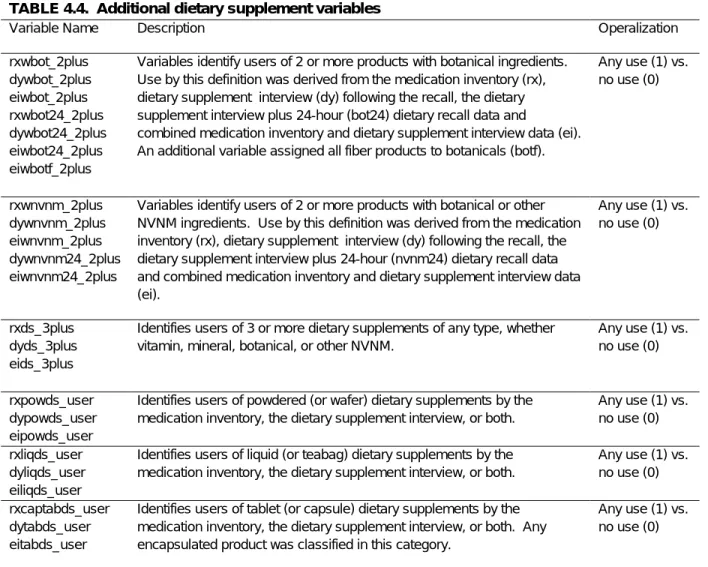
TABLE 4.4. Additional dietary supplement variables
Variable Name Description Operalization
rxwbot_2plus dywbot_2plus eiwbot_2plus rxwbot24_2plus dywbot24_2plus eiwbot24_2plus eiwbotf_2plus
Variables identify users of 2 or more products with botanical ingredients. Use by this definition was derived from the medication inventory (rx), dietary supplement interview (dy) following the recall, the dietary supplement interview plus 24-hour (bot24) dietary recall data and
combined medication inventory and dietary supplement interview data (ei). An additional variable assigned all fiber products to botanicals (botf).
Any use (1) vs. no use (0)
rxwnvnm_2plus dywnvnm_2plus eiwnvnm_2plus dywnvnm24_2plus eiwnvnm24_2plus
Variables identify users of 2 or more products with botanical or other NVNM ingredients. Use by this definition was derived from the medication inventory (rx), dietary supplement interview (dy) following the recall, the dietary supplement interview plus 24-hour (nvnm24) dietary recall data and combined medication inventory and dietary supplement interview data (ei).
Any use (1) vs. no use (0)
rxds_3plus dyds_3plus eids_3plus
Identifies users of 3 or more dietary supplements of any type, whether vitamin, mineral, botanical, or other NVNM.
Any use (1) vs. no use (0)
rxpowds_user dypowds_user eipowds_user
Identifies users of powdered (or wafer) dietary supplements by the medication inventory, the dietary supplement interview, or both.
Any use (1) vs. no use (0)
rxliqds_user dyliqds_user eiliqds_user
Identifies users of liquid (or teabag) dietary supplements by the medication inventory, the dietary supplement interview, or both.
Any use (1) vs. no use (0)
rxcaptabds_user dytabds_user eitabds_user
Identifies users of tablet (or capsule) dietary supplements by the medication inventory, the dietary supplement interview, or both. Any encapsulated product was classified in this category.
Any use (1) vs. no use (0)
Users of multiple botanical or NVNM supplements may constitute a different population than the occasional or casual user [86]. Hence, additional analyses assessed the prevalence of the multiple supplement user, defined as use of 3 or more dietary supplements and by 2 or more botanical or NVNM supplements. To further characterize supplements, the physical form of the supplement was captured (tablet or capsule, liquids or teas, powders or wafers). For all supplement types, a variable was created that identified the number of supplements each individual takes.
31
Motivations for botanical supplement use
In the dietary supplement interview, individuals were asked why they were taking a particular supplement. These reasons for use of supplements were extracted from the dietary supplement interview files and categorized into reported use for 19 different conditions (anemia, allergy, low appetite, cancer, diabetes, eye health, indigestion, gynecological conditions, heart health, kidney disease, joint health, liver health, lipid abnormality, lung disease, pain, prostate problems, sexual problems, thyroid health, mental stress), to supplement the diet, for prevention of health problems (bone health, immune system, healthy aging, general health, bowel health/digestion, mental clarity), and for nonspecific reasons. In addition, some participants indicated that the supplement had been recommended by a healthcare provider or by a family member or friend.
4.4 Covariate Assessments
Hispanic/Latino background
The primary variable of interest is Hispanic/Latino background. The literature reports very little data on any variation by background group. The variable is assessed in the Personal Information Questionnaire. In addition to inquiries about their place of birth, participants were asked, “Which of the following best describes your Hispanic/Latino heritage?” Response choices include both citizen of
country or heritage, e.g., Dominican or Dominican descent. The proposed analysis variable will examine patterns of botanical supplement use by cultural background (Puerto Rican, Dominican, Cuban, Mexican, Central or South American or other Hispanic/Latino).
Acculturation