USF Scholarship: a digital repository @ Gleeson Library |
Geschke Center
Master's Theses Theses, Dissertations, Capstones and Projects
Fall 12-16-2016
The Politics of Contagion
Joseph M. YoungUniversity of San Francisco, [email protected]
Follow this and additional works at:https://repository.usfca.edu/thes Part of theOther Anthropology Commons
This Thesis is brought to you for free and open access by the Theses, Dissertations, Capstones and Projects at USF Scholarship: a digital repository @ Gleeson Library | Geschke Center. It has been accepted for inclusion in Master's Theses by an authorized administrator of USF Scholarship: a digital repository @ Gleeson Library | Geschke Center. For more information, please [email protected].
Recommended Citation
Young, Joseph M., "The Politics of Contagion" (2016).Master's Theses. 198.
The Politics of
Contagion
In Partial Fulfillment of the
Requirement for the Degree
Master of Arts
in
International Studies
by
Joseph Young
University of San Francisco
Table of Contents
Title Page i
Table of Contents ii
Signature Page iii
Abstract iv
List of Figures v
Acknowledgments vi
Section 1: Introduction 6
Section 2: Literature Review 8
Section 3: Methodology & Research Design 19
Section 4: Anthrax in America 21
History of Anthrax & its use in 2001 22
In Cipro We Trust 25
Fear, Risk, Contagion & Muslims in America 32
Section 5: The Ebola Epidemic of 2014 41
The Ebola Media Frenzy 43
Thomas Duncan & African Risk Group Creation 52
Section 6: Zika: Tensions & Tourism 62
History of the Zika Virus 63
Abortion Rights & Epidemic 64
Zika & Tourism Tensions 69
Section 7: Conclusion 76
The Politics of Contagion
In Partial Fulfillment of the Requirements for the Degree
Master of Arts
in
International Studies
by
Joseph Young
November 23
rd, 2016
University of San Francisco
Under the guidance and approval of the committee, and approval by all the
members, this thesis project has been accepted in partial fulfillment of the
requirements for the degree.
Approved:
__________________
_____________
Advisor
Date
_____________________
_______________
Academic Director
Date
_____________________
_______________
Dean of Arts & Sciences
Date
Abstract
Contagion events have occurred throughout history leaving death and destruction in their wake. Often sensationalized in movies and shows such as Contagion and The Walking Dead, contagion events are life-altering events filled with gory symptoms and elevated mortality rates. The dangers of contagion events prompted governments to develop agencies with the purpose of preventing and mitigating the risks contagions pose. The Centers for Disease Control and Prevention (CDC) and other agencies across the globe pour millions of dollars each year into eliminating the risk of contagions and making the world a safer place. However, while more resources are dedicated to fighting contagion events than ever before, risk remains and new areas of tension are borne out of disease management.
The Politics of Contagion explores three recent contagion events and unpacks the consequences of each event. The Anthrax contagion of 2001, Ebola of 2014, and the current Zika outbreak are examined as well as the role of the CDC. The Politics of Contagion analyzes the role of policy via the CDC in contagion events and explores its effects or moments of tension. Moments of tension during contagion events can include the creation of risk groups, racism, and economic damages. While we have come a long way from the days of the Black Plague, this analysis highlights the areas where
improvement is needed. From the media panic and hostility toward CDC-Ebola policies in 2014 to the current decline in tourism to Zika hotbeds, this text highlights the role policy plays in the creation of these moments of tension.
At the center of this thesis is Foucault’s argument that power resides in every area of life. If power indeed exists everywhere, then power must also lie in the CDC and its policies concerning contagion events. The power is exercised via CDC policies and recommendations and ultimately aids in the birthing of many moments of tension. These moments of tension echo beyond the borders of the United States, and flow throughout the global community. Through analyzing the CDC’s handling of the case studies included in this thesis, I unpack the moments of tension and argue the role of power in the policies, which have the unintended effect of aiding in the creation of moments of tension for both United States citizens and individuals beyond U.S. borders.
List of Figures
Figure 1: This visual was created with data obtained from CDC press briefings during the 2001 Anthrax attacks. https://www.cdc.gov/anthrax/. See page 33
Figure 2: This visual was created with data obtained from the FBI concerning hate crime statistics from 1999-2004. https://www.fbi.gov/investigate/civil-rights/hate-crimes. See Page 38
Figure 3: This visual was created with data from archives of transcripts of news anchors and interviewees during the Ebola epidemic of 2001. http://www.cnn.com/,
http://www.foxnews.com/, http://www.msnbc.com/. See pages 43-46
Figure 4: This visual was created with data from news articles archives concerning Ebola in 2014. Frequency of specific language contained in articles was examined.
http://www.msnbc.com/, http://www.foxnews.com/, http://www.cnn.com/. See page 50
Figure 5: This visual was created with data from an array of news agencies. The comment section was analyzed in each section to explore public opinion of Thomas Duncan.
http://www.msnbc.com/, http://www.foxnews.com/, http://www.cnn.com/,
https://www.washingtonpost.com/regional/, http://www.huffingtonpost.com/. See page 54
Figure 6: This visual was created with data from an array of news agencies. The comment section was analyzed in each section to explore public opinion of Amber Vinson.
http://www.msnbc.com/, http://www.foxnews.com/, http://www.cnn.com/,
https://www.washingtonpost.com/regional/, http://www.huffingtonpost.com/. See page 57
Figure 7: This visual was created with data obtained from Gilt Group Travel. Data was analyzed to see the how areas affected by the Zika virus fared concerning tourism.
https://www.gilttravel.com/current-sales. See page 72
Acknowledgments
First, I would like to thank the CDC for the work it does to protect the U.S. and abroad from the risks associated with contagion events. Without the work of the CDC, this thesis would not have been possible. Additionally, I would like to thank my advisor, Lucia Cantero, for her unwavering support both during this thesis process and throughout the entirety of the MAIS program. Thank you to all my MAIS professors for providing me with the tools to write this thesis and conduct quality research. And of course, thank you to my family for the endless support, which gave me the freedom produce my thesis while interning in Washington DC. Thank you again to everyone. This work would not have been possible without your support.
The Politics of Contagion & Power in the Subtle
In the past century, the rise of the nation-state and increasing modes of
globalization radically changed the world. From increased global technological
connections to the birth of new economic superpowers, scholars have explored many of
these changes and advancements. One major change in the past century, which is often
overlooked by scholars, is the ways in which we manage and create policies concerning
contagion events. At the conclusion of the Second World War, two major health
organizations were created with health related purposed including the management and
control of contagion events. One of these health governance agencies, the Centers for
Disease Control and Prevention, is the focal point of this thesis and research on the
politics of contagion.
The Centers for Disease Control and Prevention, or CDC, formed in 1946 in
Atlanta, Georgia. The intention of the CDC is to manage disease from an United
States-American perspective. In its mission statement, the CDC states to work “24/7 to protect
America from health, safety, and security threats, both foreign and in the U.S.” and to
“increase the health security” of America (CDC.gov: 2014). The CDC clearly established
a link between health and security, which allows the organization to create policies
designed to protect U.S. citizens from health-security risks. In the new millennium, a few
large-scale contagion events erupted including Avian Bird Flu pandemic of 2009 and the
Ebola epidemic of 2014. All recent contagion events had a strong CDC presence with the
purpose of controlling the outbreaks to protect U.S.-American lives. The involvement of
the CDC and its policies inspired the mission of this thesis, which explores the politics of
politics of contagion, it unpacks the moments of tension that occur when disease and
policies meet. Additionally, it highlights the power of the subtle that lives in the CDC
policies, which can be an influencing factor in the creation of moments of tension.
Now, before we delve deeply into the research, it is important to define a few key
terms that come up frequently in this paper. When I speak of contagion, I am referring to
a transmission of a disease with life-threatening potential and how the disease is
contained and controlled. By epidemic, I am referring to an upgraded level of contagion
where the disease has now affected mass amounts of a civilian population and has
crossed national borders where it is infecting new hosts (Young 2016: 2). The phrase
“moment of tension” refers to an unpleasant situation that forms out of a number of
factors including CDC policy. Examples of moments of tension can include but are not
limited to instances of bias, fear-based behavior, and economic damages. Finally, the
phrase, “power in the subtle,” refers to the impact seemingly insignificant or overlooked
areas of life have in affecting groups of individuals or regions. Examples of subtle
powers can include the language we use, our gaze, the things we omit, and countless
others.
In highlighting the power of the subtle in the CDC policies, we can understand
how moments of tension are birthed. We can also prepare more thoroughly for future
contagion events and, hopefully, avoid creating the same moment of tension. It is my
intent to show my reader the shades of gray that concern health policy and power. It is
paramount that we understand how power can exist in any facet of life and how even the
recognize the global power of the CDC and its policies whose consequences can cross
borders and ripple across the globe. I hope my reader will take away from this text the
importance of health agencies such as the CDC, and understand the areas where
improvement can be made. We must manage the risk of contagion, but at the same time
create policies that do not harm certain individuals who are sometimes caught in the
tension where policy and health-security meet. Before we delve into the research, let us
explore the scholarly discourse on the subject.
Literature Review
Scholars have crafted a diverse and in-depth body of literature that explores the
complexities of the politics of contagion. From the management of major contagion
events such as the Ebola epidemic of 2014 and the SARS crisis of 2003 to the historical
realities of the phenomena of contagion including the history of the term contagion itself,
there is an abundance of scholarly material that illustrates key elements of the politics of
contagion. In my analysis of the body of literature encompassing the politics of
contagion, I noticed a trend of discourse that, for the purposes of the literature review; I
broke down into three categories. The themes of risk, fear, and sovereignty are the
dominant players in the scholarly discourse of the politics of contagion. These three
themes frequently interlock and give great insight into the complications and effects that
are birthed from contagion situations. In these next few pages, I will unearth each theme
and unpack many scholarly works that reside in each theme. Let us now explore the first
Risk encompasses countless areas of life including natural disaster, warfare, and
death. Of course, risk is also deeply intertwined with healthcare and the language of risk
is used to highlight countless negative health effects. For instance, the number of
cigarettes and the years an individual has smoked increases the risk of an individual
contracting lung cancer (Mayo Clinic: 2015). Also, people who live in sunny climates or
have had serious sunburns as a child are at a higher risk of developing skin cancer (Mayo
Clinic: 2015). Whether it concerns health, disaster, or death it is clear that risk is usually
used to describe a negative facet of life, and risk concerning the politics of contagion is
no different. In fact, as we will soon see, based on the wide body of literature in this
branch of the politics of contagion, scholars demonstrate that risk via contagion is quite
broad with risk covering infection, death, and entire groups of human beings.
The creation of risk groups both within and outside the boundaries of a given
nation-state increases during times of a contagion according to many scholars. Sargent
and Larchanché explore the phenomena of the creation of risk groups based on health
concerns in their text Disease, Risk, And Contagion: French Colonial And Postcolonial
Constructions Of “African” Bodies. In their research, Sargent and Larchanché explore
the lives of Sub-Saharan immigrants that relocated to France and the ultimate “public
expressions of threats to national identity, stereotyping, and discrimination” that ensued
(Sargent 2014: 458).
The authors researched both the colonial beliefs of an “infectious and contagious”
African body and current media and scholarly articles that discuss a prevalence of
risk group within French society (Sargent 2014: 462). The authors cite Tuberculosis as an
example of how the Sub-Saharan immigrants became a risk group. In their research, the
authors found a common belief that TB is a “disease of transplantation” and an “imported
pathology,” which fed into the National Front Party’s anti-immigrant message of TB as
an “imminent threat” to French society and presenting the Sub-Saharan African
immigrants as a risk group of contamination (Sargent 2014: 462). Thus, the authors
present a clear view of contagion situations and how groups can be targeted or deemed a
risk to society based on health reasons.
Many other scholars explore the creation of risk groups because of contagion
events including Polly Price. In her text, Infecting The Body Politic, Price explores the
2014 Ebola crisis and the history of barring immigrants with mental health issues to
establish the existence of a risk group of the “undesirable immigrant” that is created on
the basis of health (Price 2015: 919). Price illuminates a lack of legal framework to
protect the risk group of the immigrant including the absence of a “right to travel” thus
establishing that “no state or international organization must ensure that an unhealthy
migrant can move from place to place” (Price 2015: 923). Essentially, Price highlights a
series of gaps in international law that allow immigrants to be placed in a category of risk
on the basis of health and to, ultimately, be treated differently from other groups in
society.
When discussing the role of risk in the politics of contagion, it is paramount to
bring up Nikolas Rose and his piece The Politics of Life Itself. Rose believes biopolitics is
that “contemporary biopolitics is risk politics” (Rose 2007: 1). Rose shows how risk is
deeply tied into health by illuminating risk profiling of individuals by the insurance
industry. Rose shows how individuals are placed into risk groups based on genealogy,
family history of illness, or behaviors such as smoking (Rose 2007: 8). From the current
profiling of pregnant women at deemed at risk of a miscarriage to the sterilization of the
“feeble minded” deemed a risk to the overall health of the population, Rose shows how
risk based on health has been and is still used to treat certain groups differently than
others (Rose 2007: 8).
Another scholar examines the role of risk group formation via contagion in a
specific case study concerning an Ebola scare in Canada in 2001. Adeyanju, in his text
Not In Canada, analyzes the case of a Congolese visitor in Ontario who was hospitalized
in 2001 with suspected Ebola virus symptoms. In his research, Adeyanju explores the
media reaction to the hospitalization and the ultimate tension that spread throughout the
community. Adeyanju’s data yielded a high frequency of charged terminology including
“Ebola” and “deadly” (Adeyanju 2010: 38). Furthermore, Adeyanju identified evidence
of the creation of a risk group by “otherizing” the patient through “embedding the
nationality of the patient in the headlines with the word Ebola” (Adeyanju 2010: 40).
Thus, Adeyanju establishes the formation of a risk group based on contagion fears and
shows how a racial element can become involved in oppressing the risk group; so much
so that ultimately a white supremacist group protested outside the hospital of the patient
Finally, when examining risk group creation via contagion, it is necessary to
explore the psychology of a population during a contagion event. Robin Goodwin
explores this branch of psychology in the text Initial Psychological Responses Influenza
A, H1N1 and questioned populations in Malaysia and Europe to find out the populations
perceptions of a few traditional risk groups during times of contagion. The data yielded
results of a majority of the Malaysian sample group believing that the homeless and
prostitutes carried a higher risk of contracting H1NI than other groups (Goodwin: 2009).
Furthermore, the study highlighted that 71 percent of the Malaysian sample group was at
least “somewhat concerned” about contracting the virus (Goodwin: 2009). Thus, the
study illustrated that judgment on particular “out groups” during times of pandemic could
have “implications for the equitable treatment” of the above groups (Goodwin: 2009).
In the discourse surrounding the politics of contagion, risk groups are a main
feature and the notion of risk group creation is deeply connected with the second branch
of fear. Much of the discourse on the politics of contagion identifies the usage of
contagion events as a tactic for fear. The fear that erupts in contagion events can
ultimately link with the branch of risk group creation because fear can create a hysteria
that can cause bias against groups that are perceived to be a health threat to the general
population. Many scholars have analyzed the role of fear in contagion situations and
solely focus on the element of fear and not the birth of risk groups. One such author is
Martin Pernick, who explores the historical realities of the term contagion and the fear
In his text, Contagion And Culture, Pernick shows how deeply rooted negativity
is in the term contagion by illuminating its history, which includes a connotation with
“sin and grief” (Pernick 2002:860). Pernick also explores the role of fear in relation to
“epidemics and panic” including a direct linkage with disease (Pernick; 2002:861).
According to Pernick, it was not uncommon to see “died of fright” on death certificates
as recently as the 19th century (Pernick 2002:861). Also, Pernick illustrates how fear and
“mass hysteria” almost always accompany epidemics including the Black Death and
particularly deadly cholera years (Pernick 2002:861). Pernick argues that “other people”
perceived as the source of contagions such as outsiders, immigrants, and minorities can
be targeted during an outbreak event (Pernick 2002: 862). Thus, Pernick is able to
identify the bond of fear and contagions and link it to the first branch of the creation of
risk groups via contagion.
Magnusson and Zalloua also discuss the relation of fear and contagion in their
text Contagion: Health, Fear & Sovereignty. Magnusson and Zalloua highlight that
contagion is frequently used as the “metaphor of choice” for a series of non-health related
events including global financial crises, immigration, obesity, divorce, fast food, and
radical Islam (Magnusson & Zalloua 2012: 4). The authors seek to understand what
happens when the term contagion evolves beyond its original meaning and begin to
“contaminate other discourses in the social and humanities” (Magnusson & Zalloua
2012:4). The text features a chapter written by Pricilla Wald, who is also able to link the
fear factor surrounding contagion with the formation of risk groups. Wald explores a
and cites the example of a researcher describing Ebola under a microscope as “a
gorgeously wrought ice castle” that was “totally pure” (Magnusson Zalloua & Ward
2012:102-103). However, this mythical quality bestowed on contagions also enhances
their demonic nature, which is often associated with perceived carriers in addition to the
virus itself (Magnusson Zalloua & Ward 2012:103). Thus, Ward shows how contagion as
a tactic for fear is able to create risk groups including her examples of “gay men and
Haitians during the early years of HIV, Asians during the SARS outbreak of 2003, and
Mexicans and U.S. Americans during the H1N1 outbreak of 2009” (Magnusson Zalloua
& Ward 2012:103).
While many scholars studied the spread of fear from a contagion event, Sherry
Towers analyzed the role of the media in the spread of fear during a contagion event. In
her text, Mass Mediaand the Contagion of Fear: The Case of Ebola in America, Towers
researched Twitter data and contagion related Internet search during the initial weeks of
the 2014 Ebola outbreak. Tower’s data yielded a spike in contagion fear during the Ebola
outbreak and that a single news segment on Ebola yielded “tens of thousands of Internet
searches in the American population” (Towers 2015:10). Thus, Towers research
highlights the spike of an atmosphere of fear during a contagion event.
The element of fear in a contagion situation was also explore by Li Ping Wong
and I-Ching Sam in their text Behavioral responses to the influenza A(H1N1) outbreak in
Malaysia. Wong and Sam conducted telephone interviews of residents in various
provinces in Malaysia during the summer of 2009 to explore the participants
yielded 41.1 percent of respondents were “slightly fearful” of the virus, and 32.1 percent
of respondents were “fearful” of the virus (Wong & Sam 2011:25). Furthermore, the
study found a “significant positive correlation between the level of fear with the number
of health-protective behaviors and impacts” taken by participants (Wong & Sam
2011:28). Thus, the authors demonstrate that the existence of fear surrounding a
contagion event and how the higher the fear factor becomes, the more it will have
behavioral effects including avoiding public places and avoiding consuming certain foods
(Wong & Sam 2011:28).
Fear and risk group creation are key staples in the discourse on the politics of
contagion, and both have a strong relation to the third branch concerning sovereignty.
Sovereignty is a dominant branch in the discourse on the politics of contagion because
contagion events can be seen as a threat to the sovereignty of a given nation-state. Many
scholars focus on sovereignty, in particular, because within much of the rhetoric during
contagion events is a call for strengthened national security to protect citizens from the
health security threat of a given disease. While some scholars focus on some of the
outcomes of the politics of contagion including the bias that comes from the creation of
risk groups, Andrew Price-Smith solely focuses on the merger between national security
and contagion in his text Contagion and Chaos: Disease, Ecology, and National Security
in the Era of Globalization.
Price-Smithexplores a series of case studies including the Spanish influenza
pandemic of 1918-19, the HIV crisis in Sub-Saharan Africa, and the SARS outbreak of
functionality of the apparatus of governance” and “epidemics present a direct threat to the
power of the state” (Price-Smith 2009:1-2). For instance, Price-Smith shows how the
governance of Canada was affected by the SARS contagion of 2002-03 through budget
cuts to the public health sector that led to a cut in staff (Price-Smith 2009:147). With
fewer scientists investigating regional disease, Canada faced less staffing at hospitals,
numerous quarantine violations, and ultimately a failure to keep the contagion from
spreading (Price-Smith 2009:147). Thus, Price-Smith illuminates the stress contagion
events pose to the power of a nation-state in that contagions have the power to erode
confidence in the power of a given nation state to handle a crisis effectively.
Another author uses the 2014 Ebola epidemic to illustrate the linkage between the
politics of contagion and sovereignty. In Epidemics, national security, and US
immigration policy, Robbie Totten explores the United States classification of Ebola as
“a national security priority” as opposed to a humanitarian concern and its implications
(Totten 2015:199). Totten discusses the three pillars of contagion policy designed to
protect the sovereignty and security of the US, which include policies that restrict
entrance to foreigners suspected of carrying a dangerous disease, quarantines of
immigrants thought to carry a dangerous disease, and the authority of the President to halt
all immigration during a contagion event overseas (Totten 2015:203). Thus, Totten shows
the how the nation-state views contagion as a concern to sovereignty and security, and
ultimately, how immigrant risk groups can be created out of necessity to preserve
One more scholar that highlights contagions relation to security and sovereignty is
Samuel Cohn. In his text, Plague and prejudice, Cohn illustrates the elements of threat to
the sovereignty of a nation-state that are birthed in contagion events. Cohn explores the
violence and unrest that erupted in countless historical examples of contagion and
discusses the switch that occurred in the 19th century from the “other” being on the
receiving end of violence to the dominant classes becoming the new target (Cohn
2016:34). During the cholera outbreak of the 19th century, “cholera riots” broke out with
masses of civilians who were “driven to madness over the reported cruelties to cholera
patients”, invaded a quarter of the city and plundered shops, stoned citizens, and beat the
deputy governor to death (Cohn 2016:34). Thus, Cohn shows how contagion events can
trigger elements of unrest that have the capability to disrupt the security and sovereignty
of a nation-state. Furthermore, his discusses of targeted risk groups illustrate how
targeted groups during contagion situations have the power to strike back, which can
harm the security of the nation-state.
While the above scholars provided an excellent overview of the politics of
contagion, I am interested in exploring specific health management agencies and their
handling of contagion events. All of the above authors highlight the tensions and
undesirable aftermaths that arise from contagion situations, but not enough is said about
the management and policy aspect of contagion control. In fact, much of the discourse on
the politics of contagion completely ignores the role of disease management agencies in
contagion events and only focuses on the undesirable aftermaths including the branch of
address. As many scholars demonstrated, contagion has had a negative connotation for
centuries and many early examples such as the Black Plague and the cholera outbreak of
the 19th century created what scholars would describe as chaos and bias. However, in
recent years major health organizations such as the Centers for Disease Control and
Prevention have stepped in with the purpose of improving global health and mitigating
contagion risk. Yet, even with these organizations, tensions continue to emerge, which
begs the question; are the policies and the handling of contagion events by the CDC
sufficient in combating the moments of tension that occur in contagion events?
One scholar who is deeply intertwined in the purpose of my research is Michael
Foucault. In his text, The History of Sexuality, Foucault explicitly states, “Power is
everywhere” (Foucault 1978: 93). For Foucault, power is not “acquired, seized, or shared,
something that one holds onto or allows to slip away; power is exercised from
innumerable points (Foucault 1978: 94). Thus, power flows our world like a river,
touching and transferring its presence to everything it encounters. If according to
Foucault, power is everywhere, then power must also exist in the subtle moments. The
subtle can be the unintended consequences of seemingly innocent choices or the language
we use that can be unknowingly charged. It is this subtle power, which I believe resides
in the policies of the CDC and the ways in which the organization handles contagion
events. The subtle power of the CDC’s policies can influence groups of people, the
media, and many other facets of life.
Certain scholars, such as James Hodge, would discredit the importance of the
enforce its recommendations during emergencies (Hodge 2015:356). But, there is a
broader power that health agencies hold and it deserves exploration. The language these
organizations use during contagion briefings, the policy measures they recommend
during outbreaks, and the ways in which they address the moments of tension that arise
during epidemics have the power to cross borders and impact the lives of citizens across
the globe. The literature available provides an abundance of knowledge on the politics of
contagion, but many key questions remain. How exactly does the power in the subtle of
CDC policies effect different arenas of life Does the CDC do enough to combat the
undesirable elements that arise in contagion events? And finally, is the current ratio of
individuals caught in the tensions of the politics of contagion worth the cost of
eliminating a contagion? I hope that my data and case studies will provide answers to
these questions and fill the gaps in the discourse on contagion management.
Methodology & Research Design
As mentioned in the literature review, this thesis takes a broader view of the
politics of contagion. While other scholars merely explored the aftermath of contagion
events, I explored the policies of the CDC, which I believe assist in the birthing of these
moments of tension. To fully appreciate the bigger picture of the politics of contagion,
this thesis takes a qualitative framework to highlight the politics of contagion and the
power in the subtle. The research includes an analysis of three unique case studies of
which the CDC was deeply involved. Because the politics of contagion is something that
cannot be entirely explored in a quantitative framework, ample examples of scholarly
the study. The Anthrax event of 2001, the Ebola epidemic of 2014, and the current Zika
outbreak are explored in this study in addition to the involvement of the CDC in each
contagion event.
Beginning with the case of Anthrax, we explore America’s first incident of
bioterrorism. This event occurred just weeks after the September 11th terrorist attacks
where wounds were still fresh and citizens had a heightened awareness of the risk of
terrorism. The CDC quickly labeled the event a bioterrorism attack and the organization
remained deeply involved in the event for its entirety. This case study demonstrates
aspects of the politics of contagion including the creation of risk groups and the usage of
contagion as a metaphor for fear. The case study explores the fear-based rush on
Ciprofloxacin and the creation of a Muslim risk group during the attacks. Data analyzed
and used in this case study include CDC policy briefings and FBI hate-crime statistics.
Additionally, a theoretical framework is maintained by including relevant scholarly
works throughout the case study.
Moving onto the second case study, we fast-forward 13 years to the Ebola
epidemic of 2014. This event was mainly concentrated in a few Sub-Saharan nations, but
also played a limited role in the United States and Europe. Again, the CDC was a strong
presence in the epidemic and had specific policies developed relating to the event. The
creation of an African risk group and the birth of a fear-factor via the media are explored
in this study. Data analyzed include the media coverage of the epidemic by three major
reputable news agencies. Additionally, scholarly theories are sprinkled throughout the
case study to maintain a theoretical aspect to the text.
Finally, we end our journey in the present with the exploration of the current Zika
outbreak. This case study differs from the previous two in that the phenomena of risk
regions as opposed to risk groups in explored. Additionally, biopolitics and access to
abortion are unpacked in the study. Data used include hotel statistics in Zika regions and
scholarly work to balance out a theoretical framework. This case study is particularly
interesting as it is the only contagion of the studies that is largely non-lethal. Yet, we still
see the emergence of moments of tension during the event, which is linked back to the
theory of power residing in the subtle.
The above studies were carefully selected to explore the politics of contagion and
the power in the subtle. By examining specific CDC policies and the moments of tension
during the events, we can link the two together via the power in the subtle. This research
was made possible by major news organizations including CNN, FOX News, and
MSNBC. Additional sources include Gilt Travel, the FBI, and the CDC policies and
briefings. Theorists who specialize in power such as Foucault and Nikolas Rose add to
the discourse in addition to the countless scholars included who focus on the specific
contagion events. The blend of theoretical scholars coupled with hard data illuminates the
politics of contagion and demonstrates how relevant Foucault’s theory on power still is to
this day.
In 2001, a series of events shattered the idyllic image of America that many
American’s held. On September 11th of 2001, hijacked commercial airliners slammed
into The World Trade Center, The Pentagon, and a field in Pennsylvania killing
thousands of civilians in the deadliest terror attack in the history of the United States.
Al-Qaeda, an extremist group headed by Osama Bin Laden, claimed responsibility for the
attack and the United States marched into two wars in the Middle East. The ensuing wars
coupled with the 9/11 attacks led to many instances of bias against the Muslim-American
community, which we still see the effects of today.
One major event in 2001 that is often neglected is the Anthrax attacks that
terrorized the East Coast of the United States for the latter part of 2001. The Anthrax
attacks of 2001 were the first instance of a bioterrorism attack on the United States, and
this contagion event created moments of tension that still resonate today. The CDC was a
major presence in the Anthrax attack investigations, which as a result, aided in two major
moments of tension. Anthrax as a metaphor for fear and the creation of the Muslim
community as a risk group that owned responsibility for the Anthrax attacks were major
consequences of the contagion event, which the CDC played a role. The data in this case
study will illuminate the Anthrax fear that gripped America and the consequences the
Muslim community faced as a result. Before we delve too deeply into this case study, it is
important to properly unpack Anthrax and the climate in America during the fall of 2001.
History of Anthrax & its Use in 2001
Though the Anthrax attacks of 2001 were an unprecedented use of biological
by gram-positive, rod-shaped bacteria known as Bacillus Anthracis, which dates as far
back as biblical times (CDC.gov: 2015). Anthrax appears in the Book of Exodus via the
fifth and sixth plagues inflicted on Egypt, which included the death of livestock and boils
(Sternbach: 2003). From the Middle Ages to modern day, cases of Anthrax have
continued to emerge and infect new hosts. In the 18th and 19th centuries, cases of
inhalation Anthrax commonly occurred in mills where workers were exposed to
contaminated animal fibers (Sternbach: 2003). Depending on the form of Anthrax,
symptoms can include nausea, headache, fever, trouble breathing, shock, and other
complications that can lead to mortality if untreated (Mayo Clinic: 2015). While cases of
Anthrax occurred naturally for centuries, nations would soon discover the power of
cultivating and weaponizing biological agents.
During the Cold War, an Anthrax contagion emerged killing dozens of Russians.
In April of 1979, a total of 94 cases of human Anthrax, both gastrointestinal and
cutaneous, occurred near a Soviet military microbiology facility in Sverdlovsk
(Sternbach: 2003). Of the 94 cases, 64 were fatal, and the Soviet government blamed the
outbreak on tainted meat sold via the black market (McNeill 2010: 45). However, an
international team of researchers that later investigated the outbreak concluded: “an
unintended release of Anthrax spores in aerosol form from a biological weapons facility
had descended on the city” (McNeill 2010: 45).
Anthrax, along with Smallpox and other deadly diseases has been heavily
researched and cultivated for weapons purposes by governments across the globe for
governments engaging in war. In fact, in 1980, Phillip Brachman of the CDC published a
review of inhalation Anthrax dismissing any cause of concern against the threat of the
disease. The report illustrated a decline in case of Anthrax in America during the 20th
century and concluded that Anthrax was “now primarily of historical interest”
(Sternbach: 2003). Unfortunately, the CDC’s dismissal of the threat of Anthrax would be
proven wrong in the fall of 2001 during America’s first bioterror attack.
Nearly 3,000 civilians were killed on September 11th, 2001 in the deadliest terror
attack on U.S. soil. Shortly after the attacks, the intelligence community determined that
9/11 hijackers were affiliated with the Al Qaeda terrorist organization. Many Americans
were in a state of shock and feared that more attacks could be on the way. The sense of
unease rose with the subsequent Anthrax attacks and the crash of American Airlines
Flight 587, which eventually was proved to be the result of mechanic issues as opposed to
terrorism. However, the Anthrax outbreak that stumped investigators for years following
the attacks was a terrorist attack that elevated the existing tension with the
Muslim-American community
The first case of Anthrax contracted via the attack was diagnosed on October 4th,
2001. Robert Stevens, a tabloid photo editor at American Media, came in contact with a
white powdery substance later determined to be Anthrax via mail (CCR 2002: 1). At this
point, Anthrax was virtually unknown by many U.S. doctors. So much so that the first
two Floridian case, Robert Stevens and Ernesto Blanco, initially were misdiagnosed as
surrounding the outbreak at the local level, the control and understanding of the attack
was not much better at the health governance level.
The CDC scrambled to assess the damage of the outbreak and make
recommendations to keep the American public safe. As the weeks went on and fall turned
to winter, 22 civilians would contract the Anthrax contagion; 5 of which would perish.
During this time, the public’s fear exponentially grew. A biological attack on America
seemed to be something out of a Hollywood movie for many Americans, so fear and
panic were a natural reaction to an unnatural event. Fear is a powerful tool that has the
power to dramatically alter the behavior of those exposed to something they deem
frightening. A close friend described her experiences living in the DC area during the
Beltway Sniper killings.
“It was crazy…I mean, people were obviously scared. No one knew where the shots were coming
from, and since many of the attacks happened while people were walking to their cars, you saw
people start to zig zag…like with an alligator. You would pull into a Macy’s parking lot, and all
you would see is people holding their shopping bags and running in a zig zag to and from their
cars. Everyone did it. I did it…. That’s just what they said we should do so now it seems crazy
but when you’re scared you’ll do strange things to protect yourself” (Akiyama: 2016)
Fear certainly is a powerful emotion that can affect the ways in which individuals cope.
The Anthrax attacks of 2001 are no exception, and the actions of the CDC had
consequences that influenced the fear-factor mentality during the outbreak.
In Cipro We Trust
In Cipro we trust, a line made famous by Tom Brokaw during his nightly news
tangible example of a fear-factor was the mass antibiotic frenzy that enveloped the public
during the weeks of the attacks. During the 2001 Anthrax attacks, the CDC recommended
the use of the antibiotics Ciprofloxacin and Doxycycline as first-line therapy (CDC.gov:
2001). The typical treatment for an individual with cutaneous Anthrax was a 7-10 day
regimen of the antibiotic, but cases affiliated with the bioterrorism attacks were
recommended to remain on antibiotics for 60 days (CDC.gov: 2001). Sixty days is a long
time to remain on an antibiotic and is typically reserved for serious illnesses such as
Lyme disease. Given the serious nature of Anthrax and high mortality rate, it is
understandable that the CDC recommended the antibiotics for an extended period.
However, the recommendation of the CDC created a large demand for
Ciprofloxacin. Pharmacies located in areas in close proximity to the attacks saw a
significant rise in Ciprofloxacin prescriptions. Both Walgreens in Florida and CVS and
Rite Aid in New York City reported a large spike in Ciprofloxacin sales during the
attacks (Petersen: 2001). In fact, sales were so high at some Walgreens that some stores
ran out of the drug and were not able to restock for up to two days (Petersen: 2001). Also,
Merck-Medco reported a sizable increase in Ciprofloxacin prescriptions during the
attacks. Before September 11th, the company filled an average of 8,000 to 10,000
Ciprofloxacin prescriptions per day (Petersen: 2001). But, during the Anthrax attacks the
number grew to 12,000-14,000 per day and peaked at 18,000 per day after NBC
announced that one of its employees had contracted Anthrax (Petersen: 2001).
As for the CDC, the agency illuminated the extent of Ciprofloxacin usage during
individuals were prescribed antibiotics to guard against Anthrax, but only 5,000 people
were believed to be in need of the antibiotics (CCR 2002: 54). Additionally, one in five
people prescribed the Ciprofloxacin regimen reported non-lethal side effects (CCR 2002:
54). Non-lethal side effects of Ciprofloxacin include sun sensitivity, rash, and diarrhea,
but there are a few more concerning and potentially lethal effects of the drug. According
to the U.S. Food and Drug Administration (FDA), serious side effects of Ciprofloxacin
include an increased risk of seizures, allergic reactions causing difficulty breathing or
closing of the throat, rupture of a tendon, and severe tissue inflammation of the colon
(FDA.gov: 2015). The elderly and those with existing mental illnesses are at an elevated
risk of adverse effects to the drug, which has a well-documented history of serious effects
(Krucoff: 2001).
One of the most famous cases is that of Diane Ayres who woke up delirious in an
emergency room six hours after taking her first Ciprofloxacin dose for a urinary tract
infection (Krucoff: 2001). Ayres has since been diagnosed with manic-depressive illness,
which was triggered by the antibiotic (Krucoff: 2001). Lisa Baldwin also took a
prescribed Ciprofloxacin dose for a urinary tract infection and has since battled many
negative side effects. Since taking the medication, Baldwin experiences chronic blurred
vision and muscle pain, which has left her unable to work or play with her grandchildren
(Krucoff: 2001). The above cases highlight the dangerous nature of Ciprofloxacin, and
the pause health government agencies should give to recommending such a drug.
Scholars also condemned the rush on Ciprofloxacin during the outbreak. Daniel
downside of mass antibiotic prescription. Freidlin states, “The more people who don’t
have bacterial infections take antibiotics, the less effective the drugs are when treating
real problems, including tuberculosis, pneumonia, and bad colds” (Freidlin: 2002).
Furthermore, Freidlin estimates thousands of Americans treated themselves with
Ciprofloxacin during the 2001 attacks out of fear and without reporting the use to the
CDC (Freidlin: 2002). Freidlin’s exploration of drug resistance is especially important
given the growing concern over superbugs.
A superbug is a highly aggressive bacteria or infection that is resistant to
treatment by most or all antimicrobials. Megan Johnstone discusses the rise of superbugs
and the moral significance of antimicrobial resistance. Johnstone cites a 2000 WHO
warning that stated the misuse of antimicrobials over many decades put the world at risk
of returning to a “pre-antibiotic age” (Johnstone 2016: 2079). Additionally, the WHO
warned, “Diseases caused by drug resistant microorganisms pose a more deadly threat to
human life than war” (Johnstone 2016: 2079). In her text, Johnstone highlights the
“growing threat to human life” posed by superbugs and explores the moral dilemmas
posed by reckless antibiotic use (Johnstone 2016: 2080).
Thus, we can unpack a moment of tension birthed from Ciprofloxacin usage
during the 2001 attacks. During the attacks, the evidence yields a dramatic spike in
Ciprofloxacin prescriptions. While some of the adverse effects of the drugs were
displayed immediately in the form of muscle pain and other ailments, the role of
excessive Ciprofloxacin use contributing to future superbugs is not yet known. While
illuminated the effect of overutilization of antibiotics. In less than a year, 243 cases of
shigella sonnei were diagnosed in the United States (RT.com: 2016). According to the
CDC, 90 percent of the shigella sonnei bacteria were resistant to Ciprofloxacin, which
highlights the issue of overutilization of antibiotics. When recommending an antibiotic, it
is paramount to anticipate both the immediate concerns and the issues that could arise
down the road. The overuse of antibiotics, both during the 2001 Anthrax attacks and in
subsequent contagions is a moment of tension that holds the power to create superbugs
and diminish the utility of our antibiotic stock.
Now, one cannot argue the recommendation of the CDC concerning the usage of
Ciprofloxacin in Anthrax related cases. However, the CDC’s policy aided in the
fear-factor surrounding the outbreak not because of what it recommended, but what it omitted
from its reports. In each of its briefings on the outbreak, the CDC was silent on the
rampant and unnecessary use of Ciprofloxacin and other antibiotics. Not once, in the
numerous Anthrax reports or briefings did the CDC express concern or try to quell the
growing abuse of antibiotics. The closest the CDC engaged on the matter was during a
press briefing on November 14th, 2001. An excerpt is provided below.
Question from Ira Dreyfus with AP Radio: “I've heard from patients who say that conditions that they used to have treated with Cipro are no longer being treated with Cipro because doctors are saying they can't get it because all the Cipro's going to anthrax, and I'm kind of curious to see what you folks might know about that?”
Response from Dr. Gerberding of the CDC: “With respect to your question about access to
Ciprofloxacin, there are ongoing episodes of antibiotics shortage that we've been experiencing in
the United States over the past several years for a variety of reasons. The supply of Ciprofloxacin
that we have access to through vendors and through the stockpile suggest to us that there's no
particularly after the 9-11 World Trade Center crisis in New York City. For a period of there were
some folks there that had difficulty getting Ciprofloxacin from their local pharmacy. But, in
general, the supply of these drugs is keeping up with the demand. We are also putting more
emphasis on using Doxycycline as a drug for prophylaxis of B. anthracis exposure because the
organism is sensitive to Doxycycline, just as sensitive as it is to Ciprofloxacin, and we don't use
Doxycycline for a lot of other conditions. So we can preserve and protect our supply of
Ciprofloxacin, but, more importantly, preserve and protect other bacterial susceptibility to it
(CDC.gov: November 2001).
Essentially, the CDC dismisses the blame of a shortage of Ciprofloxacin and attributes
shortages multiple causes. Furthermore, the CDC acknowledges some individuals might
have had trouble acquiring the antibiotic at their local pharmacy, but that the overall
supply was still keeping up with demand. Later in the briefing when a reporter asked if it
was wise to give out the drug so widely given the possibility of adverse events, shortages,
and side effects; the CDC responded, “We don’t want to be using these drugs, willy-nilly,
or unnecessarily” (CDC.gov: November 2001).
However, on the recommendation of the CDC, the antibiotics were given out
unnecessarily. Again, according to the CDC 32,000 people were given Ciprofloxacin
with only 5,000 determined to be truly in need of the antibiotic. This means that nearly 85
percent of the patients unnecessarily were prescribed and consumed the medication.
Now, some may think the over-prescription is not a big deal, but we must remember the
powerful nature of the drug. David Flockhart, chief of clinical pharmacology at the
Indiana University School of Medicin, describes Ciprofloxacin as “a big gun whose
benefits outweigh its risks in certain circumstances” (Krucoff: 2001). Ciprofloxacin is a
dangerous drug for certain individuals, which was recommended and prescribed in mass
The CDC’s communication concerning Anthrax and Ciprofloxacin was a moment
of tension, unintentionally created by the CDC, which had tangible effects on supply and
overutilization. This moment of tension highlights the power in the subtle and relates to
Foucault’s theory of power. Foucault states, “Power is not something that is acquired,
seized, or shared, something that one holds onto or allows to slip away; power is
exercised from innumerable points” (Foucault 1978: 94). Thus, the innumerable nature of
power dictates its movement through every ebb and flow of life and its residency in every
arena of life. Since power is everywhere, we can say that there is as much power in the
communication we use as with what we omit from our communication. Using Foucault’s
theory of power we see the CDC as an agent of power because of the knowledge it holds
and shares. In its communication and policies concerning Ciprofloxacin, a subtle power
emerged, which influenced a fear-induced hoarding of the drug and potentially influenced
long-term effects on the birth of superbugs.
While it is understandable to use Ciprofloxacin to treat a contagion as aggressive
as Anthrax, the CDC created a moment of tension by not properly communicating with
the public. Again, not a single briefing from the CDC on the Anthrax outbreak sought to
combat the over-prescription and hoarding of the antibiotic. Though there are no deaths
known that are linked to the antibiotic use during the outbreak, we can see the danger that
was birthed from the CDC’s policies and subsequent lapse in communication. As
discussed, many pharmacies reported shortages of Ciprofloxacin during the fall of 2001
because of the shortages, patients who truly needed Ciprofloxacin for ailments unrelated
to Anthrax went without treatment.
During times of crisis, proper communication is key in avoiding moments of
tension. The CDC and its Anthrax policies were effective concerning those exposed to
the disease. However, its lack of initiative in quelling public concerns and proper
antibiotic education to the general public led to a dangerous situation. With an absence of
guidance on the risks associated with unnecessary antibiotic usage, a perfect storm
occurred during the outbreak that strained medication supplies and jeopardized the health
of countless healthy, non-exposed citizens. The absence of proper communication also
influenced the second major area of tension during the outbreak, which was the creation
of a Muslim risk group.
Fear, Risk, Contagion & Muslims in America
The Muslim community in America became a risk group on September 11th, 2001
when Al-Qaeda affiliated terrorists’ murdered nearly 3,000 civilians. Since the 9/11
attacks, many Muslim-Americans with no affiliation with terror networks experienced
bias and hate crimes committed against them. Now, the CDC cannot be blamed for the
atrocities committed against the Muslim community post 9/11. However, the way the
CDC handled the investigation and its correspondence with the public likely had the
unintended consequence of aiding in the creation of a Muslim risk group. One of the
main areas of concern is the language the CDC used during the investigation, and the
Bioterrorism and terrorism became key terms during the CDC investigations and
briefings. On October 25th, 2001, Julie Gerberding of the CDC described the outbreak as
frightening; “This is a biological attack and we have no experience with this” (CCR
2002: 44). The terms bioterrorism, terrorism, attack, suspicious and other charged terms
were rampant in briefings. The chart below highlights some of the language use in CDC
briefings during the attacks.
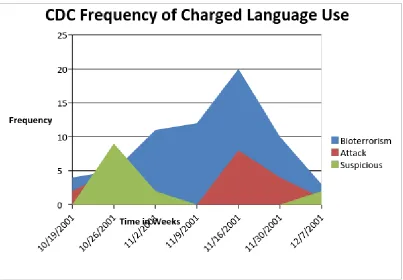
Figure 1: CDC Frequency of Charged Language Use
The above chart illustrates the frequency of commonly used charged terminology in CDC
briefings during the outbreak. We can see the term “suspicious” trailed off early on in
CDC briefings peaking the week of October 26th with nine occurrences. However,
November 16th with 20 occurrences. The prevalence of the term “terrorism” in CDC
briefings is important because of the specific connotation of the term during that period.
Using Foucault’s theory that power is everywhere means power also resides in the
language we use. The power of language and charged language is discussed by Newman
and Genevieve Birk in Counterbalance: Gendered Perspectives on Writing and
Language. Birk states, “Before expressed in words, our knowledge both inside and
outside, is influenced by the principle of selection and the principle of selection
determines which facts we take in” (Logan 1997: 184) The words we select hold power
and usage of charged language “shapes our attitudes and values even without our
conscious knowledge” (Logan 1997: 191). Essentially, Birk argues language shapes our
knowledge and conscious and charged language can impact individuals regardless of
their awareness. We can link Birk’s theory of charged language to the prominence of
charged language in the CDC briefings. Bioterrorism, attack, and risk may have been
realities concerning Anthrax in 2001, but these terms hold power. These terms can embed
in the psyche of those exposed and conjure images of an assailant without examining all
the facts.
Remember, only weeks before Al-Qaeda affiliated terrorists committed a massive
terrorist act on U.S. soil and in the following weeks the media and government focused
on the connection between terrorism and certain Middle Eastern nations. It is important to
note that not once during the Anthrax investigations were there evidence of Al-Qaeda as
the perpetrator of the bioterrorism attacks. Yet, we see numerous examples of
public. On whether the Anthrax attacks had a connection to Al-Qaeda, John Ashcroft
responded, “We should consider this potential that it is linked” (CCR 2002: 28).
President Bush is quoted, “We have no hard data yet, but it is clear that Bin Laden is a
man who is an evil man…I wouldn’t put it past them…he and his spokesmen are
bragging about how they hope to inflict more pain on our country (CCR 2002: 31). And,
Tommy Thompson, of HHS, described a “well-financed terrorist group” as having the
potential to concentrate the Anthrax (CCR 2002: 34).
During the numerous instances of government officials hinting at Al-Qaeda
involvement, the CDC remained silent. The CDC was focused on the medical side of the
investigation and deflected questions pertaining to the criminal investigation. In a press
briefing on November 15th, 2001, a reporter asked if the CDC had any comment or
reaction to the news of several federal officials leaning towards a “lone nut” source for
the Anthrax attacks (CDC.gov: November 2001). The CDC responded that it was not
focusing on that particular aspect of the investigation and that the criminal aspect was
more of the FBI’s domain (CDC.gov: November 2001). While it is understandable that
the CDC desired to remain neutral on the criminal aspect of the attack, neutrality left a
gray area as to the responsible party.
Even with numerous individuals showing the unlikelihood of an Al-Qaeda
relationship with the attacks, the CDC remained neutral. Jeanne Guilleman, an Anthrax
expert, claimed “Neither cases look like full-blown bioterrorism…it looks more like a
Unabomber” situation (CCR 2002: 27). Intelligence officials at the CIA also expressed
seems to lean to a domestic source. Nothing seems to fit with an overseas terrorist type
operation” (CCR 2002: 45). However, the CDC remained relatively silent and continued
to leave all options open. Jeffery Koplan, the CDC director, claimed the deliberate release
of the Anthrax by terrorists was one of the several possibilities under investigation; he
stated, “We have that on the list” (CCR 2002: 18).
Unfortunately, the combination of charged terminology such as “terrorism”
coupled with neutrality regarding the responsible party aided in creating a Muslim risk
group during this time. Again, the CDC is not directly responsible for the risk group
creation as a number of factors went into creating the risk population. However, there are
subtle consequences in the language used by the CDC. By remaining neutral and
frequently using charged language, the CDC sent out a message to the public that there
was a chance that foreign terrorists affiliated with Al-Qaeda were responsible for the
Anthrax attacks. Leaving a gray area concerning the perpetrator aided in allowing the
public to cast their critical gaze on the Muslim-American population.
Again, we can cite Foucault’s theory on power because if “power is everywhere,”
then it also resides in the silence and the ambiguity of the CDC briefings. Power certainly
lived in the CDC’s neutrality and prevalence of using charged language in its briefings,
but there certainly wasn’t intent to create a Muslim risk group. We can examine the work
of Franz Fanon to unpack another form of power, which aided in the creation of the
Muslim risk group. In Black Skin White Masks, Fanon explores the theory of otherization
Fanon describes the white world as “the only honorable one,” which barred him
from participation (Fanon 1986: 114). He linked his “blackness” to a “uniform” of which
battered him down with “tom-toms, cannibalism, intellectual deficiency, fetichism, racial
defects, and slave ships (Fanon 1986: 112-14). Fanon is describing the otherization of a
black man in a white society. For Fanon, otherization is an experience where he, the
minority in a predominantly white society, is labeled and falsely categorized because of
his skin color. Otherization is a form of power to Fanon because it allows an entire group
to have their realities created based on skin color.
Fanon’s theory of otherization can be linked to other groups including Muslims
during 2001. All of the 19 hijackers on September 11th were from the same region and
shared a similar race and features. Though not all Arabs are Muslim, many are perceived
by Westerners to be Muslim because of their appearance and otherization. Fanon
explains, “The Jew can be unknown in his Jewishness…he is not wholly what he is…he
can sometimes go unnoticed” (Fanon 1986: 115). According to Fanon, a Jewish man can
go unnoticed because his skin color, if white, does not subject him to the same
otherization that it would to someone of another skin color. Thus, since many Arabs have
a complexion that otherizes them, Western society can otherize them as Muslims.
Much like Fanon’s experience of linkage to terrible stereotypes such as
cannibalism, Arabs can experience false stereotypes because of otherization. Since
September 11th, many have experienced bias because of an otherization, which labels
them as an extremist or terrorist. During the Anthrax attacks, many hate crimes were
windshield saying “we’re going to kill all (expletive) Arabs” and two days later the man
was shot to death (Southern Poverty Law Center: 2011). Also, on November 2nd, 2001, a
Seattle mosque was set ablaze and on November 7th, 2001, three white men shouted
racial slurs and fired gunshots at a man they believed was of Arab descent in California
(Southern Poverty Law Center: 2011). To show fully the extent of the abuse directed at
the Muslim community in 2001, we can explore the chart below.
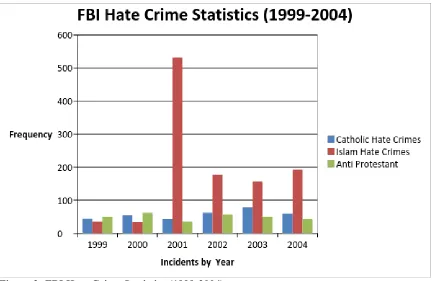
Figure 2: FBI Hate Crime Statistics (1999-2004)
The above chart illustrates the FBI records of hate crimes committed against
Catholics, Protestants, and those of the Islam faith over the course of a five-year period.
While hate crimes committed against all three groups remained relatively low in 1999
and 2000, hate crimes against those of Islam faith skyrocketed to over 500 cases. The
spike in attacks against those of Islam faith coincides with both the 9/11 attacks and the
not responsible for the hate crimes against the Muslim community in 2001, I hope to
show the linkage between the language of the CDC and the moment of tension, which
birthed a Muslim risk group.
Unfortunately, many government officials including President Bush attempted to
link Al Qaeda to the Anthrax attacks. Though there was no evidence supporting claims of
foreign terror involvement, the CDC remained neutral when it could have easily said how
insignificant the chance of Al Qaeda involvement was. The CDC’s neutrality and charged
language were not the sole cause of the Muslim risk group creation nor was it the reason
behind the hate crimes committed following the attacks, but it was an aggravating agent
that ultimately aided in the alienation of the Muslim-American community. It is also
worth noting that though many suspected Al-Qaeda involvement in the Anthrax attacks,
beliefs of foreign terror involvement were eventually squashed. In 2010, the FBI closed
the Anthrax case and named Bruce Ivins the prime suspect. Ivins, a Caucasian
government employee, and U.S. citizen, killed himself in 2008 (Shane: 2010). Ivins had
no known affiliation with any overseas terror organizations, and it appears he acted alone
in the attacks. The attacks were ultimately the work of a “lone nut”, a term the CDC shied
away from in spite of mounting evidence.
Overall, the CDC conducted a thorough investigation and did a fine job
considering the uncharted territory of a bioterrorism case. The purpose analyzing the
2001 one Anthrax attacks isn’t necessarily to criticize the CDC’s handling of the
investigation. Rather, it is to explore the subtle consequences of CDC policies and how
their language and recommendations to create a fear-based rush on Ciprofloxacin or aid
in the creation of a Muslim risk group. However, without substantial education on the
nature of the disease and risks of unnecessary antibiotic use, many pharmacies reported
shortages of Ciprofloxacin and sales of the drugs skyrocketed in the weeks of the attacks.
Additionally, the charged language used in briefings coupled with evasiveness and
neutrality regarding the responsible party did not help the tensions with the
Muslim-American community.
These moments, though unintended, highlight the power that exists in the subtle.
Foucault illustration of the existence of power in all facets of society resonates with the
CDC’s handling of the 2001 Anthrax attacks. Because power exists everywhere, it can
interconnect with other areas of power including Fanon’s otherization. The constant flow
of power creates subtle moments where tensions can emerge, especially during times of
crisis or fear. The fear surrounding the Anthrax outbreak and the moments of tension that
occurred are not black and white issues. They are shades of gray with many factors that
facilitated their creation.
There is power in the subtle and the subtle actions of the CDC, though
unintended, did create moments of tension for the public. The CDC did acknowledge the
investigation had some issues. In responding to criticism, the CDC is quoted, “People are
somewhat surprised we’re learning this on a day to day basis…you always wish you
knew on day one what you know on day twenty” (CCR 2002: 44). The CDC does not
make mention of any of the moments of tension that were birthed out the attacks or the
investigation is a testament to the power of the subtle and the unintended consequences
that can come out of simple decisions. Unfortunately, though unintended, these
consequences have the power to create panic and damage domestic communities and
those beyond U.S. borders.
The Ebola Epidemic of 2014: Otherization & Distrust
On December 26, 2013, a two-year-old Guinean boy fell ill with a mysterious
disease, which included symptoms of vomiting and fever; and two days later he was dead
(WHO: 2014). It would later be determined that the toddler was patient zero in the deadly
2014 Ebola outbreak that claimed the lives of over 11,000 people. The epidemic birthed a
panic, which enveloped the globe, particularly the West. Moments of tension during the
outbreak included fear of the African other, bias, calls for nationalism, and government
distrust; and these were central features in America during the outbreak. Much like the
Anthrax attacks of 2001, the CDC was deeply involved in the Ebola epidemic of 2014,
and its policy contributed to some of the above moments of tension. Before we delve too
deeply into the CDC policy and its aftermath, let us explore the origins of the outbreak
and spread of the virus.
Ebola is a virus that is believed to be airborne and often initially contracted by
humans via bats (CDC.gov: 2014). There are five strains of the Ebola virus, all of which
highlight the African nations prone to the virus including the Sudan Ebola virus and the
Côte d’Ivoire Ebola virus (CDC.gov: 2014). Symptoms of the virus include fever, severe
headache, fatigue, stomach pain, vomiting, and unexplained bleeding (CDC.gov: 2014).