University of Warwick institutional repository: http://go.warwick.ac.uk/wrap
This paper is made available online in accordance with
publisher policies. Please scroll down to view the document
itself. Please refer to the repository record for this item and our
policy information available from the repository home page for
further information.
To see the final version of this paper please visit the publisher’s website.
Access to the published version may require a subscription.
Author(s): Stephen D. Jackson and Yiguo Hong
Article Title:
Systemic movement of FT mRNA and a possible role in
floral induction
Year of publication: 2012
Link to published article:
http://dx.doi.org/10.3389/fpls.2012.00127
Publisher statement:
Copyright: © 2012 Jackson and Hong. This is an
open-access article distributed under the terms of the Creative
Systemic movement of
FT
mRNA and a possible role
in floral induction
Stephen D. Jackson1* and Yiguo Hong2
1
School of Life Sciences, Warwick University, Coventry, UK
2
Research Centre for Plant RNA Signalling, College of Life and Environmental Sciences, Hangzhou Normal University, Hangzhou, China
Edited by:
Steven Huber, United States Department of Agriculture – Agricultural Research Service, USA
Reviewed by:
Uener Kolukisaoglu, University of Tübingen, Germany
Fabio Fornara, University of Milan, Italy
*Correspondence:
Stephen D. Jackson, School of Life Sciences, Warwick University, Gibbet Hill, Coventry CV4 7AL, UK. e-mail: [email protected]
FLOWERING LOCUS T (FT) protein is known to be part of the mobile flowering inducing “florigen” signal in plants, but it may not be acting alone. This article reviews the data thatFT mRNA can also move systemically throughout the plant and into the shoot apical meristem (SAM) independently of the FT protein. There is a promotion of flowering when increased levels of virally expressedFTmRNA are present together with endogenously pro-duced FT protein in inducing conditions, even if the additionalFTmRNA is non-translatable and thus not increasing the overall levels of FT protein. A specific sequence, or “zip code” of theFT mRNA is required for systemic movement and this sequence binds a specific protein(s) in plant extracts. This raises the possibility theFTmRNA may be moving system-ically through the plant and into the SAM as an RNA–protein complex, whether FT protein is also a component of this mobile complex remains to be determined.
Keywords: flowering locus T, FT, mRNA, flowering, tobacco
InArabidopsistheFLOWERING LOCUS T (FT) gene plays a key role in the induction of flowering (Abe et al., 2005;Wigge et al., 2005). TheArabidopsisFT protein (Corbesier et al., 2007;Jaeger and Wigge, 2007; Mathieu et al., 2007) and its orthologs from rice (Tamaki et al., 2007), cucurbit (Lin et al., 2007), and tomato (Lifschitz et al., 2006), have been shown to be a component of a systemic flowering signal that moves through the phloem from the leaves to the shoot apical meristem (SAM) to induce the switch from vegetative growth to flower formation. However more recently it has been demonstrated that, in addition to FT protein,
FTRNA is also able to move systemically through the plant from leaves to the SAM (Li et al., 2009,2011) and here we review the evidence that systemic movement ofFTmRNA may have a role to play in floral induction.
To analyze the movement of FT RNA an RNA movement assay was developed based upon a virus expression system. In this assay a PVX virus which had its coat protein gene deleted from its viral genome, and which because of the lack of coat protein was therefore was unable to move from cell to cell, was used to expressArabidopsis FTRNA fused downstream of aGFP
coding sequence. As a control the same viral vector was used that expressedGFPRNA alone. It was found that both the viral RNA and GFP RNA from this control virus vector was only detectable in those leaves of the tobacco plants that had been inoculated with the virus construct, and not in any other leaves of the plants. This is because the lack of viral coat protein pre-vented intercellular and systemic movement of the viral RNA and associatedGFPRNA. In plants inoculated with the virus vector expressing theArabidopsis FT RNA, however, both virus RNA andGFP-FT RNA were detected in inoculated leaves, and in sys-temic young leaves of the tobacco plant which had grown after the viral inoculation had taken place (and thus the presence of viral derived RNA in these samples could not be due to accidental
cross-contamination during inoculation;Li et al., 2009). In addi-tion to the full genomic RNA, the PVX virus expresses two sub-genomic RNAs from internal promoters in its genome, which because theGFP-FT sequence replaced the coat protein gene at the 3end of the viral genome, both contain theGFP-FT RNA sequence and thus were mobile and detectable in systemic leaves. Thus the addition of theFT RNA sequence to theGFP RNA sequence in the viral RNA genome/sub-genomes enabled it to overcome the movement deficiency caused by the absence of the coat protein gene.
Expression ofFT RNA from a PVX viral vector with a func-tional coat protein resulted in the production of Arabidopsis
FT protein throughout the plant, and the presence of this FT protein was able to induce flowering in the short-day (SD) requir-ing Maryland Mammoth tobacco plants even in non-inducrequir-ing long day (LD) photoperiods. To show that the movement of theFT RNA was a property of the RNA itself and not due to the phloem-mobile FT protein that was being produced from the viral construct, another viral construct was tested that expressed a mutatedFTgene. The mutation converted the ATG start codon to a stop codon thus preventing translation of FT protein from this mutantFT(mFT) RNA. Plants inoculated with virus constructs expressing mFT were not induced to flower in non-inducing LD photoperiods and remained vegetative the same as mock inoculated control plants. Interestingly, movement of the mFT
Jackson and Hong FTmRNA movement and flowering
to non-inoculated newly formed systemic leaves. Furthermore, FTmRNA was shown to be able to move in the complete absence of any viral RNA. This was demonstrated in a transient assay where tobacco leaves were infiltrated withAgrobacteriumthat were expressingGFP-FT orGFP-mFT fusion constructs. Both RNAs were subsequently detected in both infiltrated, and non-infiltrated systemic leaves showing that theFT andmFTRNA could move through the plant independently of any viral RNA sequences (Li et al., 2009).
IfFTmRNA movement is involved in the induction of flow-ering then theFT mRNA must be able to move into the SAM. Evidence that this is the case was obtained fromin situ immune-detection and RNA silencing assays which showed that viruses expressingFTormFTwere able to enter the SAM, unlike viruses expressing GFP alone which were prevented from entering the SAM by the normal meristem exclusion process (Li et al., 2011). ThusFTmRNA is able to overcome the selective meristem exclu-sion system that plants have evolved to prevent entry of viral and other endogenous RNAs into the SAM. As bothmFT RNA as well as FT RNA are able to direct entry into the SAM it shows that the FT protein is not involved in overcoming meris-tem exclusion. Indeed, whilst the mechanism by whichFT and
mFT RNA overcome meristem exclusion is not yet understood, it may be that this function of the FT mRNA is necessary in order for the FT protein to enter the SAM to induce flowering and thus thatFT mRNA may be a necessary component of the florigen signal. This is a hypothesis that deserves further exami-nation and we will consider the arguments both for and against in more detail.
In rice, both the Hd3a protein and low levels ofHd3amRNA have been detected in the SAM, although inArabidopsisonly FT protein and noFT mRNA was detected in the SAM (Corbesier et al., 2007;Tamaki et al., 2007), this difference may be explained by differences in the sensitivity of the methods of detection used in these analyses. There have been elegant experiments designed to try to uncouple the effects ofFTmRNA and protein on floral induction (Jaeger and Wigge, 2007;Mathieu et al., 2007;Notaguchi et al., 2008). In these cases movement of FT protein, but not
FTmRNA, was inhibited by either attachment of a nuclear local-ization signal and/or fusion of multiple YFP proteins. As these prevented movement of the FT protein out of phloem companion cells into the SAM then flowering was inhibited demonstrating that movement of the FT protein into the SAM is required to induce flowering. In those cases where movement of FT protein out of the phloem is completely prevented then any effect ofFTmRNA in facilitating entry into the SAM would not be observed. In other experiments the levels ofFTmRNA in different parts of the plant where reduced through the expression of artificial microRNAs againstFTmRNA (amiR-FT). Expression ofamiR-FTthroughout the plant, or in phloem companion cells, inhibited flowering pre-sumably because it prevented production of FT protein, whereas expression of amiR-FT in just the SAM did not inhibit flower-ing indicatflower-ing thatFT mRNA does not play any role within the SAM itself (Mathieu et al., 2007). However, this is not inconsistent with the hypothesis thatFTmRNA may be involved in facilitating movement of the FT protein into the SAM asFTmRNA does not have to be acting inside the SAM to have this effect.
Evidence that FT mRNA itself has an effect in promoting flowering is difficult to obtain because active FT protein needs to be present in order for flowering to occur and it is hard to distinguish what contribution to the induction of flowering is made by theFT mRNA alone. However it has been successfully demonstrated thatFT mRNA does have a promotive effect on floral induction using tobacco plants that are induced to flower. These plants were Maryland Mammoth tobacco plants that were grown in SD inducing photoperiods, and were thus produc-ing endogenous FT protein which would move to the SAM to induce flowering. Some of these plants were inoculated with a virus expressing themFTRNA (hence no further FT protein was produced), and this promoted earlier flowering over the mock inoculated controls which flowered at the normal time in SD (Li et al., 2011). This demonstrates thatFTmRNA (ormFTRNA) itself is able to enhance the induction of flowering by the FT pro-tein which was being produced endogenously in the plant in SD conditions.
What enablesFTmRNA to move and have its effect on flow-ering time? It is apparent that some feature of theFTmRNA not only enables this RNA to move, and confers this on associated RNA molecules (e.g.,FT-GFPRNA moves butGFPRNA alone does not), but it may also enhance the movement (or activity) of the FT protein. A deletion analysis of theFTmRNA showed that a short 102 nucleotide sequence at the 5end of theFTmRNA was all that was necessary to direct systemic RNA movement, allFTRNA sequences containing this 102 nucleotide domain were able to move within the plant whereasFTRNAs lacking this domain were unable to move (Li et al., 2009). Further deletion analysis of this 102 nucleotide domain indicated that there may be more than one sequence in this domain involved in promotingFT RNA move-ment (Li, unpublished results), these cis-acting sequences may be “zip code” sequences thatLucas et al. (2001)proposed may interact with zip code binding proteins to form RNA–protein complexes that are able to be transported through plasmodesmata. It has been well established that such zip codes in the 3UTR are important for intracellular trafficking of mRNA molecules such asβ-actin (St Johnston, 2005), it is now apparent that similar sequence motifs are also involved in the intercellular movement of mRNA molecules. Viruses have specific sequences that promote viral RNA move-ment (Wang and Ding, 2010), and this has also been shown to be the case for endogenous plant mRNAs such asGIBBERELLIC ACID INSENSITIVE(GAI) mRNA which has specific motifs that enable it to move systemically throughout theArabidopsisplant (Huang and Yu, 2009). In pumpkin (Cucurbita maxima), theGAI
mRNA forms an RNA–protein complex with about 17 proteins present in the phloem sap one of which is RBP50, a phloem-mobile polypyrimidine tract binding (PTB) protein that selectively binds theGAImRNA (Ham et al., 2009). It is not known ifFTmRNA binds to PTB proteins, however both theFTmRNA and the 102 nucleotide movement sequence were found to bind specifically to a protein(s) of around 20 kDa inArabidopsisand 24 kDa in tobacco in protein extracts made from vegetative tobacco plants (Li et al., unpublished). No binding was detected to proteins extracted from leaves of floweringArabidopsisor tobacco plants indicating that the expression of theseFTmRNA-binding proteins might be devel-opmentally regulated, being switched off once floral induction has
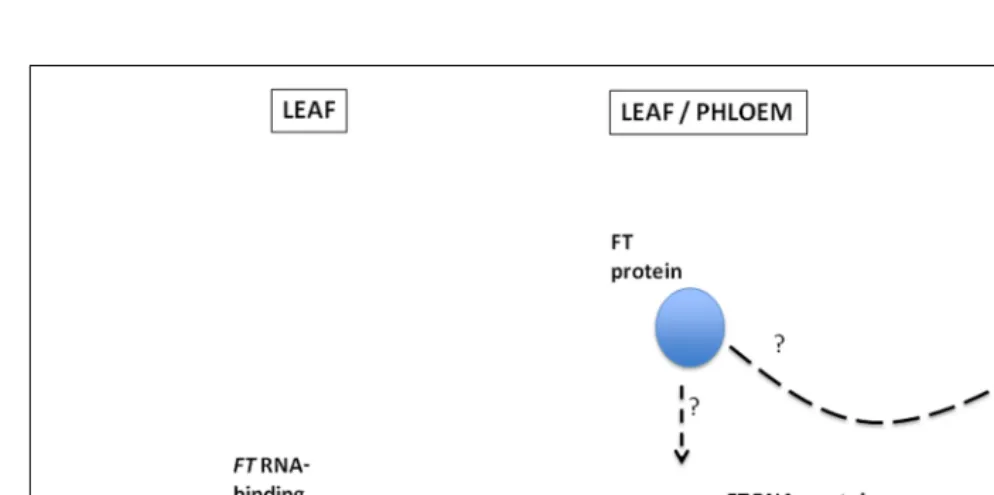
FIGURE 1 | A proposed model illustrating the binding of anFT
RNA-binding protein(s) to “zip codes” located within 102 nt of the 5end of theFTmRNA to form an RNA–protein complex which then moves from the leaf through the phloem and into the SAM.FT protein may either
associate, and be transported, with this RNA–protein complex, or it may move independently of theFTmRNA with its movement through the plasmodesmata and into the SAM being facilitated by theFTRNA–protein complex.
been initiated. This could potentially add another layer of control in the regulation of flowering.
Notaguchi et al. (2008)argued that theFTmRNA sequence is not important for the long distance promotion of flowering by the FT protein. This is based on experiments where the sequence of theFTmRNA but not the protein was altered by synonymous substitutions in 171 of the 175 codons, and replacement of the 5 and 3untranslated regions, to create a synonymousFT(synFT) mRNA which shared only 63% identity to the ORFs in the original
FTsequence. All these changes did not affect the long distance and graft-transmissible ability of the FT protein to induce flowering. As the specific protein binding sites in theFT mRNA sequence (specifically within the 102 nucleotide domain) have not yet been identified, it is not yet known which nucleotides are essential for binding and which ones can be varied without affecting binding. What has been demonstrated is that a non-translatableFTmRNA (mFT) is capable of enhancing the promotion of flowering by an endogenous FT protein, that a 102 nucleotide sequence at the 5 end of theFTmRNA binds a specific protein(s), and that dele-tion of this 102 nucleotide sequence prevents movement of theFT
mRNA. This raises the possibility that protein binding to the 102 nucleotide region of theFTmRNA may be necessary forFTmRNA
movement and the resulting enhancement of floral induction by the FT protein (Figure 1).
The systemic movement of RNA molecules is tightly regulated, not all RNA molecules can move (e.g., GFP mRNA) although many do as thousands of mRNA transcripts have been detected in the phloem ofArabidopsis(Deeken et al., 2008). Of those viral and cellular-derived RNA molecules that are present in the phloem only a few are able to enter into the meristem, these include the mRNAs ofFT,GAI,CmNACP, andLeT6 a tomato KNOX gene (Ruiz-Medrano et al., 1999;Kim et al., 2001;Haywood et al., 2005;
Li et al., 2011). Viral RNAs are prevented from entering the meris-tem by a selective surveillance mechanism (Foster et al., 2002) which involves RNA silencing as well as other mechanisms such as selective transport through plasmodesmata mediated by pro-teins with trafficking signal domains (Kim et al., 2005;Qu et al., 2005; Schwach et al., 2005). It is known thatFT mRNA is able to enter the meristem. It remains to be determined whether the protein(s) that bind to the first 102 nucleotides of theFTmRNA have trafficking signals that enable it to do this and whether they also facilitate the entry of FT protein, perhaps as part of a RNA– protein complex, into the meristem to promote flowering at the same time.
REFERENCES
Abe, M., Kobayashi, Y., Yamamoto, S., Daimon, Y., Yamaguchi, A., Ikeda, Y., Ichinoki, H., Notaguchi, M., Goto, K., and Araki, T. (2005). FD, a bZIP pro-tein mediating signals from the floral pathway integrator FT at the shoot apex.Science309, 1052–1056.
Corbesier, L., Vincent, C., Jang, S., Fornara, F., Fan, Q., Searle, I., Giakountis, A., Farrona, S., Gis-sot, L., Turnbull, C., and Coupland, G. (2007). FT protein movement contributes to long-distance signal-ing in floral induction ofArabidopsis.
Science316, 1030–1033.
Deeken, R., Ache, P., Kajahn, I., Klinkenberg, J., Bringmann, G., and Hedrich, R. (2008). Identifica-tion ofArabidopsis thalianaphloem RNAs provides a search criterion for phloem-based transcripts hidden in complex datasets of microarray experiments.Plant J.55, 746–759.
Foster, T. M., Lough, T. J., Emerson, S. J., Lee, R. H., Bowman, J. L., Forster, R. L., and Lucas, W. J. (2002). A surveil-lance system regulates selective entry of RNA into the shoot apex.Plant Cell
14, 1497–1508.
Jackson and Hong FTmRNA movement and flowering
and Lucas, W. J. (2009). A polypyrim-idine tract binding protein, pumpkin RBP50, forms the basis of a phloem-mobile ribonucleoprotein complex.
Plant Cell21, 197–215.
Haywood, V., Yu, T. S., Huang, N. C., and Lucas, W. J. (2005). Phloem long-distance trafficking of GIBBERELLIC ACID-INSENSITIVE RNA regulates leaf development.Plant J.42, 49–68. Huang, N. C., and Yu, T. S. (2009). The sequences of Arabidopsis GA-INSENSITIVE RNA constitute the motifs that are necessary and suffi-cient for RNA long-distance traffick-ing.Plant J.59, 921–929.
Jaeger, K. E., and Wigge, P. A. (2007). FT protein acts as a long-range sig-nal inArabidopsis. Curr. Biol. 17, 1050–1054.
Kim, J. Y., Rim, Y., Wang, J., and Jackson, D. (2005). A novel cell-to-cell traf-ficking assay indicates that the KNOX homeodomain is necessary and suf-ficient for intercellular protein and mRNA trafficking. Genes Dev. 19, 788–793.
Kim, M., Canio, W., Kessler, S., and Sinha, N. (2001). Develop-mental changes due to long-distance movement of a homeobox fusion transcript in tomato. Science 293, 287–289.
Li, C., Gu, M., Shi, N., Zhang, H., Ynag, X., Osman, T., Liu, Y., Wang, H., Vatish, M., Jackson, S., and Hong, Y. (2011). Mobile FT mRNA
contributes to the systemic florigen signaling in floral induction.Sci. Rep.
1, 73.
Li, C., Zhang, K., Zeng, X., Jackson, S., Zhou, Y., and Hong, Y. (2009). A cis element within flowering locus T mRNA determines its mobility and facilitates trafficking of heterologous viral RNA.J. Virol.83, 3540–3548. Lifschitz, E., Eviatar, T., Rozman, A.,
Shalit, A., Goldshmidt, A., Amsellem, Z., Alvarez, J. P., and Eshed, Y. (2006). The tomato FT ortholog trig-gers systemic signals that regulate growth and flowering and substitute for diverse environmental stimuli.
Proc. Natl. Acad. Sci. U.S.A.103, 6398–6403.
Lin, M., Belanger, H., Lee, Y., Varkonyi-Gasic, E., Taoka, K.-C., Miura, E., XoconostleCazares, B., Gendler, K., Jorgensen, R., Phinney, B., Lough, T., and Lucas, W. (2007). FLOWER-ING LOCUS T protein may act as the long-distance florigenic signal in the cucurbits.Plant Cell19, 1488–1506. Lucas, W. J., Yoo, B. C., and
Kra-gler, F. (2001). RNA as a long-distance information macromolecule in plants.Nat. Rev. Mol. Cell Biol.2, 849–857.
Mathieu, J., Warthmann, N., Kuttner, F., and Schmid, M. (2007). Export of FT protein from phloem companion cells is sufficient for floral induc-tion inArabidopsis. Curr. Biol. 17, 1055–1060.
Notaguchi, M., Abe, M., Kimura, T., Daimon, Y., Kobayashi, T., Yam-aguchi, A., Tomita, Y., Dohi, K., Mori, M., and Araki, T. (2008). Long-distance, graft-transmissible action ofArabidopsisFLOWERING LOCUS T protein to promote flowering.Plant Cell Physiol.49, 1645–1658. Qu, F., Ye, X., Hou, G., Sato, S.,
Clemente, T. E., and Morris, T. J. (2005). RDR6 has a broad-spectrum but temperature-dependent antiviral defense role inNicotiana benthami-ana.J. Virol.79, 15209–15217. Ruiz-Medrano, R., Xoconostle-Cázares,
B., and Lucas, W. J. (1999). Phloem long-distance transport of CmNACP mRNA: implications for supracellu-lar regulation in plants.Development
126, 4405–4419.
Schwach, F., Vaistij, F. E., Jones, L., and Baulcombe, D. C. (2005). An RNA-dependent RNA polymerase prevents meristem invasion by potato virus X and is required for the activity but not the production of a systemic silencing signal.Plant Physiol.138, 1842–1852. St Johnston, D. (2005). Moving mes-sages: the intracellular localization of mRNAs.Nat. Rev. Mol. Cell Biol.6, 363–375.
Tamaki, S., Matsuo, S., Wong, H. L., Yokoi, S., and Shimamoto, K. (2007). Hd3a protein is a mobile flowering signal in rice.Science316, 1033–1036. Wang, Y., and Ding, B. (2010). Viroids: small probes for exploring the vast
universe of RNA trafficking in plants.
J. Integr. Plant Biol.52, 28–39. Wigge, P. A., Kim, M. C., Jaeger, K. E.,
Busch, W., Schmid, M., Lohmann, J. U., and Weigel, D. (2005). Integration of spatial and temporal information during floral induction in Arabidop-sis.Science309, 1056–1059.
Conflict of Interest Statement: The authors declare that the research was conducted in the absence of any com-mercial or financial relationships that could be construed as a potential con-flict of interest.
Received: 10 February 2012; accepted: 28 May 2012; published online: 12 June 2012.
Citation: Jackson SD and Hong Y (2012) Systemic movement of FT mRNA and a possible role in floral induction. Front. Plant Sci. 3:127. doi: 10.3389/ fpls.2012.00127
This article was submitted to Frontiers in Plant Physiology, a specialty of Frontiers in Plant Science.
Copyright © 2012 Jackson and Hong. This is an open-access article distributed under the terms of the Creative Commons Attribution Non Commercial License, which permits non-commercial use, dis-tribution, and reproduction in other forums, provided the original authors and source are credited.