FINANCIAL MANAGEMENT 568
ALTERNATIVE SOURCES OF FINANCING OF THE SMALL AND MEDIUM SIZE ENTERPRISES IN THE REPUBLIC
OF MACEDONIA 568
Boskoska Meri, Panovska - Boskoska Violeta
BEHAVIORAL FINANCE AND INVESTMENT DECISIONS 576
Barjaktarovic Rakocevic Sladjana, Milosevic Nela, Rakocevic Rade
BUDGET CONTROL AND FUND ACCOUNTING 584
Popovĉić-Avrić Sneţana, Mizdrakovic Vule, Djenic Marina
THE CRITIQUE OF INTEGRAL BUSINESS PERFORMANCE MEASUREMENT SYSTEMS 589 Milosavljevic Milos, Milanović Nemanja, Milosevic Nela
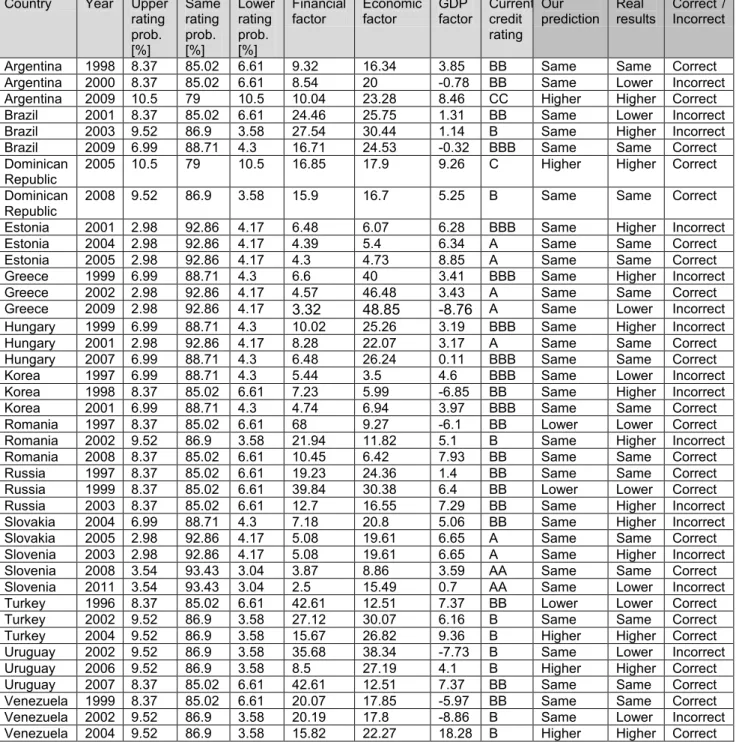
SOVEREIGN CREDIT RATING PREDICTION USING FUZZY LOGIC 597
Jovović Aleksandra, Jelinek Srdjan, Rakićević Aleksandar
ACCOUNTING INFORMATION SYSTEM AS THE SOURCE OF CORPORATE COMPETITIVE ADVANTAGE 605 Dmitrović Šaponja Ljiljana, Gravorac Saša, Milutinović Sunĉica
FINANCIAL REPORTING IN CONTEMPORARY BUSINESS CONDITIONS 612
Dmitrović Veljko, Latinović Milica, Obradović Tijana
RECOGNITION VERSUS DISCLOSURE IN FINANCIAL REPORTING 619
Novak Aleš
THE ROLE OF FINANCIAL INFORMATION IN THE EVALUATION OF STRATEGIC MATTERS IN BANKS 626 Knezevic Snezana, Stanković Aleksandra, Vukĉević Zec Aleksandra
MUNICIPAL BONDS AS A MODEL OF PROJECT FINANCING OF INFRASTRUCTURE PROJECTS 633 Benkovic Sladjana, Ljiljana Zipovski
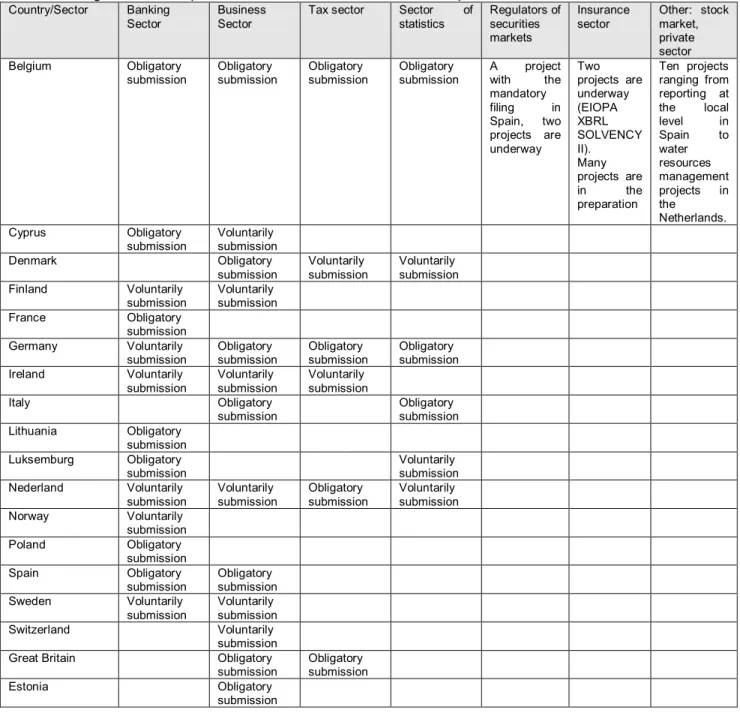
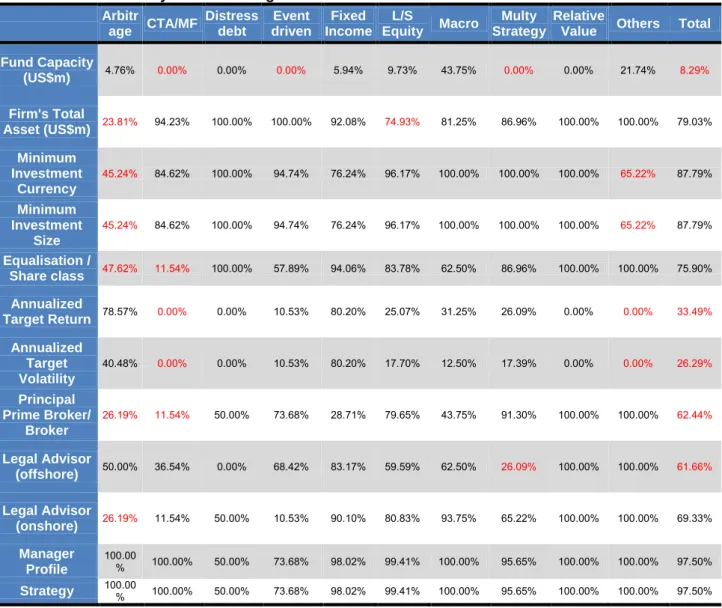
HEDGE FUND MANAGEMENT COMPANIES AND DATABANK TRANSPARENCY 642
Totić Selena, Đoković Aleksandar, Milenković Nemanja
CURRENCY DERIVATIVES USE IN EMERGING MARKETS 650
Bogojevic Arsic Vesna
THE VISIBLE HAND OF STATE IN THE BUSINESS OF INSURANCE COMPANIES AND INVESTMENT FUNDS 658 Demko Rihter Jelena, Njegomir Vladimir, Vrkatić Ivana
EMPIRICAL EVIDENCE ON EFFICIENCY OF TRADITIONAL VERSUS BEHAVIOURAL ASSET-PRICING MODELS:
AN OVERVIEW 666
Latinović Milica, Obradović Tijana, Dmitrović Veljko
LOAN PORTFOLIO MONITORING 673
Jovin Slobodanka, Momĉilović Mirela, Ercegovac Dajana
SELECTION OF UNIVERSAL SERVICE FINANCING MODEL USING FUZZY MCDM 680 Jovanović Bojan, Trickovic Ivan, Šarac Dragana
COMPARISON OF MOVING AVERAGES FOR TRADING TRENDS: THE CASE OF THE BELGRADE STOCK
EXCHANGE 688
Rakićević Aleksandar, Konĉarević Radovan, Petrovic Bratislav
RESULTS OF APPLIENCE OF BENFORD’S LAW ON SERBIAN COMPANIES 696
Barjaktarović Lidija, Milojevic Marko, Terzic Ivica
TESTING MOVING AVERAGE TRADING RULE IN CASE OF SERBIA AND CROATIAN STOCK MARKET INDICES703 Radovanov Boris, Marcikic Aleksandra
FINANCIAL INTERMEDIATION SERVICES IN THE SYSTEM OF NATIONAL ACCOUNTS 708 Vulović Marija, Gavrilović Dušan, Vukmirović Aleksandra
POSTAL AND FINANCIAL INCLUSION 715
Šarac Dragana, Marković Milan, Rogić Bojana
CREDITING AND INSURING EXPORT BUSINESS 722
Dragosavac Milos, Kisin Nina, Drinić Dragana
ACHIEVING SET DEVELOPMENT GOALS WITH ECONOMICAL EXECUTION OF PUBLIC EXPENDITURES 733 Kneţević Milena, Tesanovic Branko, Trandafilović Sasa
INNOVATIVE BUDGETING EXPENSES OF DEFENSE 741
Trandafilović Sasa, Luĉanović Paun, Kneţević Milena
BASIC COMPONENTS OF INTERNAL CONTROL IN PUBLIC SECTOR WITH A VIEW TO THEIR ROLE IN THE
MINISTRY OF DEFENCE AND THE SERBIAN ARMY 747
Zugic Rade, Kostic Radan, Radojkovic Milica
THE IMPORTANCE OF A PUBLIC - PRIVATE PARTNERSHIP FOR TRANSITION COUNTRIES 755 Miletic Dalibor, Ilić Silvana, Stevanović Marija
INCREASING CAPACITY LEVEL OF FINANCIAL MANAGEMENT IN PUBLIC SECTOR 759 Leko Danica
ALTERNATIVE SOURCES OF FINANCING
OF THE SMALL AND MEDIUM SIZE ENTERPRISES
IN THE REPUBLIC OF MACEDONIA
Meri Boskoska1, Violeta Panovska-Boskoska2 1University “St.Kliment Ohridski” - Bitola, [email protected] 2 University “St.Kliment Ohridski” - Bitola, [email protected]
Abstract: The effective managing with a company, to a large extent, depends on the sources of financing of its business activities. The decisions that the entrepreneurs make for financing of the business activities are rather complex and are related to the planning, providing and using of the finances. The establishment and the continuity of the work of the small and/or medium sized enterprises, mainly depends on approachability to the finances that can be obtained from different sources and under different financing conditions.
The main goal of this paper is to point out the alternative sources of financing that can help the Macedonian small and medium sized enterprises to provide enough capital for improving and enlarging the scale of their productivity, competence, as well as the development of new products and innovations.
In this paper, a theoretical research is presented concerned with the financing of the small and/or medium sized enterprises through analytic description and a synthesis method that will be applied after the content analysis.
The expected results of the research are actually the answers to the following questions:
How important are the small and/or medium sized enterprises in the development and the stability of the Macedonian economy?
Which are the additional sources of financing available for the Macedonian small and medium sized enterprises?
Key words: small and medium enterprise, alternative financial sources, commercial banks, economic development, economic stability.
1. INTRODUCTION
Many analysts and policymakers (Albert Berry, 2007, OECD, USAID) recognize the importance of SMEs in economic development, especially for the developing countries. According to USAID (2009) small and medium enterprises (SMEs) are critical because they account for large shares of the total output and employment and are thus a key to the strategic objective of overcoming the poverty.
Risteska (2012) concludes that SMEs have by far big part in the development of the national economy, because of which the governments take different measures, using different instruments and strategies to support them in their development. According to Dickins and Feels (2005) many SMEs are facing difficulties in finding sustainable finances such as long-term loans just because of the high risk connected with the enterprises with small assets. The commercial banks do not want to finance the SMEs because of the risk. On the other hand, the SMEs being considered as with higher risk than the big ones, the SMEs have to pay higher interest rates for the loans from the commercial banks.
Many researchers, amongst whom, Jovanova (2012) say that in the conditions of crisis when the commercial banks are more rigorous in approving the loans, it is necessary to find new ways of financing of the Macedonian enterprises.
The scope of research is covering the explanation of the mentioned objective and will depend on the knowledge and past research made by different authors in the field of entrepreneurship and management of small business, as well as, from analysis of the economic development strategies provided by home and foreign institutions.
This paper contributes to the exciting literature by familiarizing the SMEs with additional sources of funding for their ongoing development and business activities. This is very important to ensure the survival and sustainability of SMEs, something that a country’s economy growth and development depend on.
2. IMPORTANCE OF SMEs IN COUNTRY’S ECONOMY DEVELOPMENT
Before we start analyzing the importance of the SMEs within an economy, it is important to define SMEs as a classified group. In most cases the European Commission’s definition is the one that is widely accepted. According to the European Commission an enterprise is concerned to be entity engaged in an economic activity, irrespective of its legal form. This includes, in particular, self-employed persons and family businesses engaged in craft or other activities, and partnership or associations regularly engaged in economic activity.1 Main criteria to define the SMEs are: number of employees, turnover or Balance sheet total.
Table 1: Company category classification
Company category Employees Turnover or Balance sheet total Medium-sized < 250 ≤ € 50 m ≤ € 43 m
Small < 50 ≤ € 10 m ≤ € 10 m
Micro < 10 ≤ € 2 m ≤ € 2 m
Source: http://ec.europa.eu/enterprise/policies/sme/facts-figures-analysis/sme-definition/index_en.htm According to the data from the table above, the SMEs can be divided into three categories: middle sized with less than 250 employees, small with less than 50 employees and micro with less than 10 employees. In the Republic of Macedonia the classification of micro, small and middle sized enterprises is regulated by the Trade Companies Law2 according to which:
Middle sized enterprises either have up to 250 employees or annual income less than 10 million euros and average assets value less than 11 million euros,
Small enterprises either have up to 50 employees, annual income less than 2 million euros and average assets value less than 2 million euros,
Micro enterprises are the ones that have up to 10 employees and less than 50.000 euros annual income. It can be seen that according to the number of employees, the criteria are as same as the European ones when it comes to the classification of the SMEs, the difference is in the average assets value and the annual income. However, most often is the number of employees that is used as a standard definition when classifying the SMEs.
The level of importance of the SMEs can be measured according to the number of employees and to which extent they take part in the creation of new values in the economy. The small enterprises are considered to be the moving force of the changes in the economy as well as, sources of significant innovations. The research made by Edinburgh Group3 shows that more than 95% of the total number of enterprises in the world is in the category of SMEs, which employs approximately 60% of the employees in the private sector work. The SMEs play a key role in the employment not only in the developed countries but also in the developing and in the countries with low incomes. The data for the employment between 2002 and 2010 saying that in average MSEs are with 85% of the total number of employees just proves the previously stated. In figure 1 the contribution of the SMEs to the employment in different countries can be seen.
1http://eur-lex.europa.eu/LexUriServ/LexUriServ.do?uri=OJ:L:2003:124:0036:0041:EN:PDF
2 Trade Companies Law article 470 Official Gazette of Republic of Macedonia, number 28/04 (change number 84/05;25/07)
Figure 1: Contribution of SMEs to employment (median values)
Source: Edinburgh Group (2013): “Growing the global economy through SMEs, p.8.
According to the data of the National Office of Statistics of Republic of Macedonia, there were 71290 active business entities in 2013. Enterprises with 1 to 9 employees took 85% of that number. On the second place were the enterprises with no or unknown number of employees (6.2%),then the enterprises with 10 to 19 employees follow with 4.2%,after them were the enterprises with 20 to 49 employees-2.5%; 1.8% of the enterprises with 50 to 249 employees and only 0.3% have more than 250 employees44. The number of active business entities in Macedonia for 2013 is presented in Table 2.
Table 2: Number of business entities by number of employees
Total
01) 1-9 10-19 20-49 50-249 250 +
71 290 4 415 60 599 2 989 1 787 1 291 209
1) Including business entities with unascertained number of persons employed Source: www.stat.gov.mk
According to Stojanovska (2014) the sector of small and medium enterprises plays a major role in the Macedonian economy which is shown by the fact that the percentage of employees in SMEs is higher than the one of the big companies, reaching its peak in 2007 with 83%. The percentage of 63% of the SMEs in the GDP shows that SMEs are carriers of the economic growth of Macedonia. This means that SMEs have major impact on the range and the dynamics of the economical development of our country and also they maintain the economical and social stability. We would like to point out here that there is a two-way connection between the SMEs and the economic development. In other words as SMEs influence the level
of economic development so the higher level of development stimulates establishing new SMEs as well as strengthening and development of the existing ones.
The small and medium enterprises are the moving force of the development of every national economy. The positive impact of the SMEs is evident through the following: decreasing of the unemployment rate, bigger GDP, higher level of exports and higher level of innovations of the certain country. This is the reason why the government creates such polices to push forward the development of the SMEs sector and to solve many other different problems in this sector.
3. THE PROBLEM OF FINANCING THE SMALL AND MEDIUM ENTERPRISES
Analyzing the problem of financing the SMEs the fact that Macedonian economy is open and it was not immune to the economic crises in 2008, must be taken into consideration. Namely, during the crisis when the businessmen hesitate to invest and when the demand for the SMEs’s products drops, they face the problem of collecting their charges which has impact on their liability. In the situation presented before, the enterprises, especially the start-up ones, can hardly find the necessary finances. Being very hard to access financing schemes, made it difficult for the SMEs to plan their long-term development, and postponed the process of establishing new ones-as mentioned previously-which are the carriers of the economic development of Macedonia.
Talking about the sources of financing of the SMEs in Republic of Macedonia, we must say that the commercial banks, as a center of the finance market, are the ones that provide the SMEs with different kinds of loans and thus the banks are the most often and biggest finance supplier. Nevertheless, the banks decide to give loans to highly liable and stable enterprises (lower risk), rather than to start-up, new enterprises (higher risk) just because of the not yet so stable conditions of the global economy. The commercial banks give loans to start-up enterprises if only they are ensured that the business in question brings enough money, so that the loan installments can be paid and the loan as a total can be paid off.
Dimovska and her research that she did back in 2012 in five banks in Macedonia can only prove the previously stated. The research gave answer to the following question: What is the impact of the global financial crisis on SMEs lending in your bank? All of the banks involved in the research gave the same answer, that the global financial crisis makes giving loans to SMEs highly risky as a result of the macroeconomic instability.5
Figure 2: Provider of the most recent loan
Source: European Commission (2013): 2013 SMEs’ Access to Finance survey, Analytic Report, Brussels. p.45.
Researching about this question further, the European Commission says that although the Macedonian banks are more rigorous when approving loans, they are still the biggest part of the finance source for the SMEs sector. Namely, in 2011 and in 2013 a very high percentage of the total loans, 84%, were given by the banking sector (Figure 2).
5Dimovska, Efimija. (2013).Evaluation of SMEs financing in Macedonia from the “supply side” perspective, CEA Journal of Economics, Vol.8, issue 1, Skopje,p.11.
The fact stands that the entrepreneurs first ask the banks for loans-but the banks are not the sole creditors at the finance market. Further on, an analysis of several alternative sources is presented, sources that have been available to the businesses in Macedonia recently.
4. KINDS OF ALTERNATIVE SOURCES OF FINANCING THE BUSINESSES
The European Commission in the progress report for Republic of Macedonia for 2013, points out that the development of SMEs is obstructed because the SMEs can hardly approach finances and that is actually their biggest challenge. Although there is a certain progress of the Government made by lowering the administrative and legislative barriers, still there are a lot of challenges for the SMEs in providing the support, the innovation and in approaching the finances.6
Having into consideration the situation with financing of SMEs in Republic of Macedonia, SMEs should do further research in where and under what conditions they can access the much needed capital. Here, we would like to mention again that finding new sources other than the commercial banks was imposed to the SMEs because of the global financial crisis.
In the recent years the finance sources have diversified and their numbers have enlarged. Thus, for the Macedonian entrepreneurs there are many different sources, such as7:
Business angels’ network
European Bank for Reconstruction and Development (EBRD) SEAF1 Macedonia
Technological development and innovation fund Development Foundation “Crimson Capital” Sortis Invest
Business angels’ network - Business angels are successful entrepreneurs, owners, managers who have capital, knowledge and skills and are ready to invest in sustainable business projects that can make profit fast. The goal is for the business angels to help the start-up businesses financially and in return get either shares of that certain company or a percentage of the profit.
I2BAN is the first official Business angels’ network in Macedonia established in 2011 and its goals are: Grouping and gathering the most successful Macedonian businessmen to connect them with the
best investing opportunities amongst the new companies, Creating more finance sources for the new companies.
I2BAN puts together the entrepreneurs with the richest people in the country and the region, something that makes the additional finance sources more approachable especially for those entrepreneurs with innovative projects.
In the developed countries business angels are very real and an excellent opportunity for start-up businesses. In the USA $20 billion is invested by the “business angels, while in Europe the number is lower-some $4 billion per year8. The Macedonian business angels’ network is comprised of 15 home investors that have capital of 40million €.
European Bank for Reconstruction and Development (EBRD) is one of the biggest investors in our region, playing a major role in attracting FDI. So far, the EBRD, s target has been the financing of the private sector and projects that will create employment. EBRD made a strategy for Republic of Macedonia for the 2013-2016 period with priorities such as: attracting FDI, local economic development, efficiency in energetics, sustainability of the integration within the region. Within that framework, EBRD realized successfully two projects: BAS-Business Advisory Services and ECD-Enterprise Growth Program, obtaining help for the home companies to improve their business performances, as well as, developing new managerial skills. Both projects previously mentioned, definitely improve the competence of the home companies9.
6 European Commission (2013): Report on the Macedonian progress in 2013, page 49, Brussels. 7http://www.amcham.com.mk/WBStorage/Files/BusinessAngelsINFO.pdf
8http://biznis101.com/osnovaj-biznis/pocetno-finansiranje/93-veruvate-li-vo-angeli.html. 9 http://www.economy.gov.mk/ministerstvo/3740.html, March 2014.
The owners of the small and/or medium enterprises in Republic of Macedonia should have in mind the fact that EBRD improved the financial support for them by making contracts with the commercial banks. EBRD, so far, has made contract with Ohridska Banka - Societe Generale for on-lending to local companies. A loan up to 6 million € will be used to finance energy efficiency investments and a second loan of 1 million € will be provided for competitiveness improvement of SMEs.10This credit line project is available for: private enterprises, trading enterprises, as well as for public and/or private companies-providers of local services. The maximum amount allowed for private sector project is 2 million € and for the public sector 2.5 million €. Also the contract made between EBRD and NLB Tutunska Banka is for 4 million € that will help to improve the economic efficiency of the Macedonian companies. The advantage of this credit line (mentioned previously) for the potential applicants is that the successful projects do not pay out 15% of the loan they got. SEAF 1 Macedonia is an investment fund that provides not only finance but also business help for the SMEs. 80% of the money in this fund is supposed to be obtained by successful Macedonian entrepreneurs-working in foreign countries, from the international SEAF, as well as from capital and pension funds. This fund is particularly for highly risky investments in the Macedonian companies. But still, time is needed to find potential investors willing to invest part of their capital in Macedonian economy.
Technology development and innovation fund (TDIF)11 has a goal to: promote and provoke innovations, improve the approachability to finance services and innovations, develop the infrastructure which will lead to innovations and technological development, as well as to establish a strong partnership between universities and research centers on one side and the private sector on the other in Macedonia. This fund provides finances through four financial instruments:
Co-financing grants for start-up, spin-of companies and innovations,
Co-financing grants and conditional loans for commercialization of the innovations, Co-financing grants for transferring technologies,
Technical help with business-technology accelerators.
This fund is established and enhances the development of innovative projects that will enlarge the competence and the quality among the small businesses.
Crimson Capital is an international lender in emerging market development by stimulating trade, finance, investments and sales. The services that it provides are as follows12:
Finance for SMEs (debt, equity, trade finance, leasing, factoring) SME Development
Trade, Export and Investment Promotion
Competitiveness and Restructuring (manufacturing, agribusiness, technology services)
Capacity Building of managers, Consultants and business associations Agriculture and Agribusiness (including food processing)
Loan workouts and Financial Restructuring Enterprise restructuring and improvement
Industrial and manufacturing operations improvement Marketing and sales
Training and train-the-trainer programs
Crimson Capital-Macedonia informs that the foundation is financing projects or companies that have an American partner with at least 25% ownership.
Sortis Invest is a Bulgarian investing and consulting agency for financing projects that mean enlarging the existing business, finding and approaching new market etc. Together with financing concrete/real projects, the Agency offers consulting services concerned with corporate financing, merging and acquisitions.
All these mentioned above sources of financing are only a part of the additional ways of the SMEs in Macedonia to find capital to develop and strengthen the existing businesses or to start a new one.
10http://www.ebrd.com/pages/news/press/2013/131218b.shtml March 2014.
11http://www.mon.gov.mk/index.php/dokumentimon/formularimon/1676, February 2014. 12www.crimsoncapital.org, January 2014.
The entrepreneurs should know that before applying for finance help they have to make a profitable and sustainable business plan, then get informed and analyze the positive and negative effects of each and every possible and available source of finance help. As we mentioned before, in this still fragile and sensitive global finance situation, this is the only way that the entrepreneurs can get the capital they need.
Regardless what type of finance help they choose, the SMEs’ owners should have all the necessary information concerning the different kinds and opportunities for financing. They should also be aware of the level of risk-meaning whether the company can or cannot generate income that will pay out the loan in due time. Otherwise the SME can come to apposition of non-liability, not being able to develop as planned, not being able to pay the obligatory installments and eventually lose the business completely.
5. CONCLUSION
The small and medium enterprises play a key role in the economies of all the countries in the world, regardless the level of their development. The importance of the SMEs can be seen in:
The biggest percentage of employees in the country goes to this sector, They have a big share of the GDP,
High level of innovations and technological development.
Although the SMEs play a major role in the economic development in many countries, they still face problems. If we regard the administrative and legislative procedures as one of their problems, the second one would certainly be the approachability to appropriate sources of financing. Thus this is what the SMEs are facing in Macedonia, too. In order to overcome this problem, efforts are made toward awareness and being better informed about what and how can Macedonian companies choose as a source of financing that are actually available to finance and support the development of investments.
The high risk level that exists among the SMEs is the cause of the entrepreneurs to face difficulties when asking for finance for their businesses. The reality in Republic of Macedonia is that SMEs mainly seek for financing in the commercial banks and they are still dependent on the banks.
Macedonian companies are getting more and more aware of the fact that their own assets and the loans from the commercial banks are simply not enough for developing the technology and investments. So, in order to enlarge the list of possibilities of how to get the financial help, Macedonian entrepreneurs should be better informed and understand the variety of financing sources available now. The alternative financing sources such as: Business angels’ network, European Bank for Reconstruction and Development (EBRD), SEAF1 Macedonia, Technological development and innovation fund, Development Foundation “Crimson Capital”, Sortis Invest are a good instrument for the start-up businesses as well as for the sustainable development of the existing SMEs.
REFERENCES
Association of Economic chambers of Macedonia (2012). Strategy for economic growth through the development of SMEs. Skopje, Macedonia.
Berry, Albert (2007). The Importance of SMEs in the Economy Paper presented at ITD Global Conference in Taxation of Small and Medium Enterprises, Argentina.
Company Law, Article 470, published in the "Official Gazette of Republic of Macedonia" No.28/04 (modification No.84/05, 25/07).
Deakins, David & Freel, M. (2005). Entrepreneurship and small firms, 4Ed. McGraw – Hill International UK. Dimovska, Efimija. (2013). Evaluation of SMEs financing in Macedonia from the “supply side” perspective,
CEA Journal of Economics, Vol.8, issue 1, Skopje. EBRD. (2013). Strategy for Republic of Macedonia.
Edinburgh Group (2013). Growing the global economy through SMEs.
European Commission (2013). 2013 SMEs’ Access to Finance survey. Analytic Report, Brussels. http://eurex.europa.eu/LexUriServ/LexUriServ.do?uri=OJ:L:2003:124:0036:0041:EN:PDF Jovanova, Sonja (2012): How to get money for business development?
Ministry of Labor and Social Policy (2011). National Employment Strategy of the Republic of Macedonia 2015. Skopje.
Risteska, Aneta. (2012). The impact of SMEs on economic development, with special emphasis on Republic of Macedonia, PhD thesis, Faculty of Economics - Prilep.
Scarbough, Norman & Thomas W.Zimmerer. (1996). Effective Small Business Management. 5th Edition, Prentice Hall.
Stojcevska – Zdravkovska, Biljana. (2012). The rescue is in opening new small firms.
www.kapital.mk/mk/magazin.aspx/84624/spasot_e_vo_otvoranje_novi_mali_firmi!.aspx?iId=2761. www.amcham.com.mk/WBStorage/Files/BusinessAngelsINFO.pdf www.crimsoncapital.org January 2014 www.ebrd.com www.economy.gov.mk www.mon.gov.mk
BEHAVIORAL FINANCE AND INVESTMENT DECISIONS
Slađana Barjaktarović Rakočević1, Nela Milošević2, Rade Rakočević31University of Belgrade, Faculty of Organizational Sciences, [email protected] 2University of Belgrade, Faculty of Organizational Sciences, [email protected]
3Senzal Capital doo, rade.rakocevic@senzalcapital.com
Abstract: Investment decisions are made in accordance with the situation in the financial markets, the level of portfolio diversification, the results of technical and fundamental analysis, as well as in line with the expectations and preferences of investors and managers. This paper discusses the role of risk in decision-making, and gives the basic concept of behavioral finance and its applications. Adequate management of investment portfolios provides a harmonized relationship between risk and return, and considering the fact that all decisions in the financial markets are made based on predictions and expectations, it is clear that the influence of the irrational should not be underestimated. Empirical evidences proved that there are number of situations in investments and capital market transactions when market participants often act very unpredictably. Behavioral finance is supplement to the standard finance theories by bringing in behavioral aspect into decision-making process This paper represents a theoretical basis for future empirical research on the subject of behavioral finance.
Keywords: Behavioral finance, decision-making process, market efficiency, risk, 1. INTRODUCTION
Global financial markets are influenced by a number of factors: economic processes related to different countries of the world, institutional and political constraints, lack of transparency in operations, information asymmetry etc. However, one of the most important factors refers to the perceptions and reactions of participants in the financial markets. For each investor, doing business in the financial markets is a constant process of decision making. The aim of this paper is to briefly describe the emotional factors that have an influence on the price changes in the market, i.e. on making investment decisions. The analysis of the rational and irrational investment decisions could partly be explained by considering the psychological effects of an investment activity. As Bikas et al. (2013) states in their work, the main difference between traditional and behavioral finance is the fact that traditional finance does not address the question of "why" investors make one or another decision.
Bikas et al. (2013) suggest that investment in financial markets instruments in recent decades is becoming increasingly popular in the circles of individual investors. Communication with people on the other side of the world is no longer a problem, so the information is spread very quickly, and decisions are made in a relatively tense atmosphere. Undoubtedly, investment decisions depend on the type of investment and expectations that are linked to it. However, very often short-term investment decisions are not based on logical arguments, and are more often made on the basis of your current mood or just received information.
In an attempt to explain the decisions and actions of financial investors, a completely new theory has been suggested in the literature which is based on the concept of behavioral finance. Some authors like Bikas and Jurevičienė (2009) and Jurevičienė et al. (2012) have used this theory in order to explain the decisions regarding personal finances and the way in which clients of financial institutions decide on savings.
Behavioral finance is the result of connecting the various sciences (Ricciardi & Simon, 2000): Psychology – through which the behavior and thinking is analyzed, i.e. how human behavior is conditioned by the physical and psychological characteristics and the external environment; Finance – which explain ways to define the optimal structure of assets and resources; and Sociology – which analyzes the impact of sociological factors on people's attitudes and values.
In their research, Jurevičienė et al. (2012) classified behavioral finance as macro and micro-finance. Macro aspect refers to the analysis of defects of market efficiency hypothesis and micro aspect focuses on the behavior and inconsistencies in decision-making of individual market participants. Both approaches separate finance from strictly rational decisions, as well as from mathematical and statistical models, thanks to which, a large number of procedures were explained in the past.
Financial experts have been trying to make an empirical model that will show which factors influence the investor’s competence. Graham et al. (2009) have concluded that investors who trade frequently have a more diversified portfolio of those investors who are characterized by passive strategies. In addition, investors with a strong self-confidence feel strongly that their decisions are more accurate, and portfolio of securities better structured.
2. DECISION-MAKING AND RISK
In everyday life, people often find themselves in a situation to make a choice among a range of options and make different decisions, from the mundane, which are not very important, to those of vital importance. Making individual and group decisions is the subject of decision theory which was created in the mid-twentieth century through contributions from different scientific disciplines, economics, statistics, psychology, political science, sociology, philosophy (Hansson, 2005). In the framework of decision theory two perspectives have been developed, normative and descriptive (behavioral) decision theory. Normative theory was formed to meet the needs of the economy and is concerned with how decisions should be made. It describes the behavior of an idealized, fully rational and informed decision maker who is governed by the principle of maximizing their benefit and offers a variety of methods of making good decisions adequate for different circumstances. In contrast to the normative, descriptive decision theory has been developed primarily in the field of psychology and focuses on the question of how decisions are really made. The role of the decision maker is given to a man with a natural cognitive limitations and psychological factors which lead to deviations from the ideal, rational decision-making (Pavličić, 2007).
Decision is the selection of one from a set of at least two options which can achieve the desired objective. Decision theory assumes that the set of possibilities is closed, i.e. their number is limited and they are mutually exclusive. Also, all possible events have to be fully understood and mutually exclusive (Hansson, 2005).
Depending on whether the circumstances in which decisions are made (the state of nature, events) are predictable or not, it is possible to talk about decision-making under three types of conditions - certainty, uncertainty and risk (Peterson, 2009). For all three types of situations normative theory offers models which lead to making rational decisions. It is understood that perfectly rational decision maker always knows what he wants and strives to achieve it governed by the principle of maximizing personal benefit. Decision-making under conditions of certainty refers to the cases when only one state of nature occurs in the implementation of a specific action, and it is known in advance. In this case, the outcome of each selected alternative is known in advance. Based on personal preferences, each option is assigned a number which expresses its importance, utility for the decision makers and it is usually expressed in money. In the event that the probability of occurrence of each outcome is unknown, the decision is made in terms of (total) uncertainty. If the probability of the possible outcomes when choosing certain options is known, the decision is made in terms of measurable uncertainty, that is, in terms of risk. In such conditions, the utility of each outcome is weighted by the probability of its occurrence resulting in a number that represents the expected value of the outcome. Rational decision involves selection of option with maximal total expected value. However, for making specific, individual decisions which are not repeated, the expected value is not a reliable basis for selection. This has been shown by the St. Petersburg Paradox which reveals that in terms of risk the values function of money is not always a linear relation with subjective utility, which is attributed to it. This finding implies the use of selection methods based on the maximization of mentioned subjective expected utilities (EU designation of Expected Utility). To calculate its value, the procedure of standard game is used, and it requires ranking the options on the basis of individual preferences, and choosing numerical interval in whose range the values assigned to individual options will be able to move.
In his paper, Virlics (2013) states that if the utility function is linear, it means that the indifference to risk is present, that is, it does not matter whether we choose a certain outcome or a risky action of the same expected value, one outcome of which is better than the certain one, and the other worse. Only in this case there is a linear relationship between the value of money and the expected utility attributed to it. However, in reality, the other two forms of function are much more common. A function that is convex downward reveals an individual who shows aversion to risk and will always prefer a certain outcome to the risky option. Although the majority of people in everyday life act like this, there are people and situations which are dominated by the tendency towards risk. In this case, the utility function is convex upward showing preference to the risky option. Principles of normative theory show how a perfectly rational individual should make decisions in the circumstances of certainty, uncertainty and risk.
However, in everyday life, one often does not have access to all the necessary information related to the set of possible alternatives, states of nature and outcomes. The criteria of normative theory are too strict even when it comes to preferences of real decision makers. The preferences are often time unstable, logically
inconsistent and thereby mutually conflicting. Since the 1970s different studies have been conducted aiming to explain the actual process of decision making. The empirical findings that have emerged from these studies were the basis for the creation of behavioral theory. In addition, it has been found that decision-making is not always defined by utility maximization, but is affected by a number of factors which, among other things, are of emotional nature. Kahneman and Tversky (1979) have defined one of the most important theories explaining the causes of deviations from rational choice under the conditions of risk. Based on a series of conducted experiments, the aforementioned authors have concluded that in humans there is a tendency to overestimate the chances of unlikely events occurring and underestimate the chances of medium and highly likely events occurring. Kahneman and Tversky (1979) assume that in assessing the utility of the outcome there is a value that represents a standard, a reference point. Each outcome is compared to it and is therefore seen either as a profit, which is assigned a positive value, or a loss, which is assigned a negative value. In this way, a function value is formed and is the basis for decision making. It has been shown that the function has the shape of the letter S, and it reveals two important phenomena. First, it seems that people are more sensitive to identical differences in values of outcomes if they are close to the reference point than when they are significantly distant from it. For example, an increase in funding from 1000 to 2000 dinars is perceived as greater than the increase from 10 000 to 11 000 dinars. Another important feature of the value function reveals the existence of the phenomenon of loss aversion – the losses and gains of the same value are not evaluated in the same way, as the losses are viewed as larger. The loss of 10 000 dinars is experienced more intensely than a gain of 10 000 dinars (Kahneman and Tversky, 1979).
Normative decision theory is based on the concept of statistical probability, while in the process of making individual decisions it does not make much sense to rely on statistical probabilities. A solution is offered in the form of the concept of subjective probability, which is distinctive only to a particular decision maker. In order to determine the numerical subjective probability, the lottery method is used (Pavličić, 2007).
Analysis of the decision-making process in economic theory shows that the decision-making process is based on an objective analysis of the investment and the possible outcomes, as well as on the subjective perspective of investors. Neuroeconomics shows that the psychological and emotional impact on the decision-making process can have an informative and very useful role. The analysis of investment risk in terms of behavioral finance explains some of the decisions made irrationally, and the fact that the perception of risk greatly affects the optimistic or pessimistic attitude of the investor opens the door for new research on this topic.
3. BEHAVIORAL FINANCE CHARACTERISTICS
When analyzing investment process, there are studies whish emphasis that investors spend too much time studying investment behavior and not enough time focusing on investor behavior. In spite of what an investment does, it is the decisions of the investor to buy or sell that finally determines success or failure. This fact is the fundamental premise in behavioral finance.
It might be said that the most valuable contribution of behavioral finance can be perceived in better understanding of how investors value assets they would invest in. Asset valuation performed by investors and academics relies on evident factors but, on the other hand, experience has showed that human side is very influential during the investment decision process. Connecting the knowledge of how people make decision with investment process would hopefully enhance portfolio performance.
For a long period theoretical and empirical evidence suggest that capital asset pricing model (CAPM), efficient market hypothesis and other rational financial theories were successful in predicting and explaining events and processes in financial markets. But, in time, more and more anomalies and behaviors has occurred that could not be explained by existing theories at that time. Empirical evidences proved that there are number of situations in investments and capital market transactions when market participants often act very unpredictably. Behavioral finance is supplement to the standard finance theories by bringing in behavioral aspect into decision-making process. Contrary to Markowitz and Sharp, behavioral finance deals with individuals and ways of gathering and using information. Behavioral finance is particularly in evidence in stock market anomalies, share valuation, acquisitions and loss-making projects (Pike and Neale, 2006). The traditional understanding of EMH is illustrated in the following diagram. The key idea is that in an efficient market, all available information is reflected in the market price of securities.
A critical assumption in the traditional framework is that this information, no matter which form of it is being observed, leads directly to the investment decision. These decisions relate to the purchase, sale, issue of securities, or a decision to continue with keeping the securities in the portfolio.
Diagram 1: Traditional model of investment decision-making process
In an efficient market, the market price fully reflects the available information. The only goal of the behavior in this model is the maximization of profits. Buyers and sellers can and do make decisions to optimize their expected return tailored to a particular level of risk.
Diagram 2: Behavioral model of investment decision-making process
In this model there is an additional phase which is located between the available information and the decision to invest. Relevant information, including historical rates, accounting ratios or plans to take over a corporation etc., is inevitably processed by the investors whose behavior is the subject matter of behavioral finance.
Errors in processing affect the investment decisions and, therefore, affect the price in the market. Market prices, defined by supply and demand, can fully reflect the available information, as well as the errors in processing the information.
Nobel Prize laureate in economics for 2002, Daniel Kahneman and Amos Tversky have integrated economy and psychology, and in the process, laid the foundations of behavioral finance. Their work is focused on the process of decision-making under conditions of uncertainty.
They have proven that human decisions are systematically different from those predicted by rational models of decision-making, which is the assumption of traditional economics. Their alternative model, the theory of loss aversion (Prospect theory), provides new insights into the perceived behavior of decision makers. Kahneman and Tversky (1979) have also shown that, by using heuristic shortcuts, decision makers systematically deviate from the principles of probability.
Their work represents a revolution in the field of finance because it has shown that behavioral biases, and in particular the theory of loss aversion, generally gives a better indication of how decisions are made in risky situations.
During the processing of information by investors, there are a few distinctive mistakes (Bodie et al. 2009): Prediction mistakes: According to the research conducted by Kahneman and Tversky, people attach great significance to recent experiences at the expense of previous convictions (memory bias). According to them, if a company has announced good business results and if a great profit is predicted, the expectations of future price growth are generally too optimistic in relation to the real business of the company. This is manifested in the growth of share prices and a higher P/E ratio, which later leads to a drop in prices and the ratio when investors realize their bad judgment.
Overconfidence: People have it in their character to overly trust in their abilities and the correctness of their beliefs and decisions, and they take actions in the financial markets with too much confidence. This compares to a phrase that there are no bad drivers because they all think they drive perfectly. Excessive self-confidence usually results in more active trading, although according to Barber and Odean’s research (2000), it has been determined that 20% of investment accounts with the largest turnover have seven percent lower average returns than 20% of the accounts with the lowest turnover.
Being conservative: Being inert in processing the new information related to the market or companies usually results in overly slow responses to new evidence, causing a delay in trading. The size and representativeness of the sample: Investors often make decisions on a small sample of information, trying to determine the trend of price movements on the basis of a small amount of information in a short period of time. For example, if a company has published good results in a several quarterly reports, it can be considered as a sufficient signal for investment and can lead to an excessive price growth, although there is a large discrepancy between the market value and intrinsic value of shares. After a certain period, this leads to a shift in the trend since the initial investors’ expectations about the company's business trends are usually not met.
And if there was a case in which information is process perfectly, it does not necessarily mean that fully rational decisions would be made. Irrational behavior has a significant influence on investment decisions and the perception of risk and return.
One of the factors that affects rational decision-making is formulation, i.e. the way in which relationship between risk and profit, or loss, is formulated. People usually behave differently to risk if it is presented to them with the option of gain, or an option of loss (e.g. tossing a coin and the possibility of gain if the right side is called, or loss if you choose the wrong side of the coin).
Mental accounting is a special type of formulation, which implies that people separate certain decisions in investment, according to the degree of risk. It is very often the case that an investor holds a portion of his portfolio in very high-risk stocks, while having a separate savings account with minimal risk, as a balance. This behavior is manifested in easier decisions to spend the dividend income, which is not the case when it is needed to sell the stocks which have brought the same rate of return, to hold the shares which are making losses (reluctance to realize losses, because at the time of sale they becomes real), as well as to take a greater risk with the realized profit from trade, because it is the earned money and does not mean spending the investor’s substance.
Safe decision-making, i.e. investing in well-known large companies, provides an alibi in trade losses, because those investments are considered "safer" than if the money was invested in young and lesser known companies. In this way, loss regret has its justification in the absence of happiness, not in a bad estimate in investments. Furthermore, investing in young companies, through mental accounting, is recorded as the expected and higher return because they carry higher risk.
If rational investors could take full advantage of the irrational investors’ errors, then the irrational behavior would have no impact whatsoever on the price movements of stocks, because the rational investors would use any deviation to invest and, in doing so, return the rates to the appropriate level. However, in the behavioral theory there are several factors which limit this possibility:
Fundamental risk: Even if a share is undervalued, it does not mean that the purchase of these shares at the appropriate time is the right choice, because it can happen that the price of the stock continues to fall. It may happen that the purchase of undervalued stocks at the wrong time leads to further losses (even though they are short-term) which can cause a margin call (if it is traded with margin) or that the investors leave the fund which has poor short-term results and has invested in this way.
Trading costs: They are especially conspicuous in the sale of overvalued stocks, the so-called short selling. Some funds or investors do not have the opportunity to trade like this, or can do so only if, in a short time, they buy shares to cover this position, but it carries a high risk of loss.
Model risk: There is always a risk that a wrong model is being used in estimating the value of shares, which gives the illusion that a share is undervalued, but it might actually be its real value. This constant risk limits the trading activity and makes it less attractive.
According to Bikas at al. (2013) traditional finances lies on basic paradigms that portfolio is based on the expected return and risk and is subject to risk based capital asset pricing models, such as CAPM etc. On the other hand traditional finance does not respond to the questions like: why does an investor trades, how does an investor trades, and how does an investor composes portfolios, questions on which behavioral finance tries to give the answers.
4. BEHAVIORAL FINANCE AND THEIR APPLICATION
The emergence of behavioral finance and behavioral economics occurs primarily as a response to those circumstances in making economic decisions which cannot be explained by the postulates of the traditional economy. Postulates of the traditional economy are based on the rationality of market participants when making financial decisions, as well as on the efficiency of the market. A typical feature of behavioral finance is that it uses the findings of social sciences, especially psychology. Psychological studies are based on
limited human rationality, the evident differences found between individuals when it comes to experience, education and expectations, which is a direct consequence of the social and economic status of the individual. Todorovic (2011) points out that behavioral finance, based on the observation and study of the behavior of investors and managers, seeks to add cognitive psychological elements to sophisticated mathematical and statistical models of modern corporate finance.
Behavioral economics can be applied in a variety of areas, especially in modern finance which can no longer be explained only in terms of basic economic principles. Other areas in which behavioral economics is applicable include: organizational economics, public finance and neuroeconomics, and there is also an emerging need for the application of behavioral finance in new areas of psychology.
Behavioral finance is largely successful in explaining the ways in which certain groups of investors behave, especially what kind of portfolio structure they select, and the way in which they trade (Jo and Kim, 2008). Some studies (Grinblatt and Keloharju, 2001; Huberman, 2001; Benartzi, 2001) have shown that ambiguity and familiarity of decisions are the reasons for the insufficient diversification of the investment portfolio. In addition, it often takes fewer resources to investigate local firms than the foreign ones. Guided by this fact, managers prefer local companies’ stocks, choosing those with a high expected return. Rationally speaking, the number of transactions should be low because of the high transaction costs. However, the volume of trade on stock exchanges worldwide is extremely high. Best behaviorist explanation for this contradiction is the overconfidence that the investors and portfolio managers have. The hypothesis automatically predicts that people who are more confident will trade more and, consequently, because of transaction costs get lower returns. Several studies (e.g. Shefrin and Statman, 1995) have shown that investors are reluctant to sell assets if, by doing so, they realize a loss or a price which is lower than that at which the assets were purchased. There are two behavioral explanations for this situation. The first explanation implies that investors have an irrational belief when it comes to refunding, while the second one refers to the aversion to loss.
Odean (1999) argues that the attention effect has a great influence on the decision to purchase the shares. It has been shown that individual investors are more inclined to purchase the shares which are designated as "high-attention stock" than to sell them. Barber and Odean (2002) have also come to the conclusion that individual investors typically purchase only a smaller number of shares which have attracted their attention. They create "portfolios of attention" on the basis of several criteria: stocks with above average trading volume, stocks with returns which are well below and above the average, and stocks which are published in the newspapers. Jo (2003) has examined whether managers are considering the psychology and investor’s interests when planning the issues of shares. The results of his research have shown that investors prefer companies which are considered to act in a socially responsible way and which attract public attention through marketing campaigns.
Shefrin and Statman (1999) offer numerous behavioral explanations of the fact that investors expect regular dividend payments. The first reason relates to the concept of self-control. Another rational reason for preferring dividends refers to the so-called mental accounting. Shefrin and Statman claim that, by paying the dividends, companies allow investors to avoid regrets for buying a particular stock and for investing their money for those purposes. Baker and Vurgler (2002) argue that changes in dividend payment policies may have a negative effect on the investor’s opinion of the company whose shares they have in their portfolio. In addition, their study has shown that it is easier to control the irrational investors than the irrational managers. Heaton (2002) analyzes the consequences of manager’s excessive optimism, or a situation in which managers overestimate the likelihood that their company’s future performances will be good. Knyazeva (2007) and Yu (2007) have focused on the role of financial analysts in the process of monitoring. They find that the control mechanisms improve the level of connection between managers and shareholders, and give managers an incentive to conduct proper corporate policies. Jo and Kim (2007) argue that the improved transparency in a corporation will reduce the information asymmetry between the different stakeholders, discourage managers to seek self-interest and increase the company's value. In their work, these authors have concluded that the transparency of information is negatively correlated with unethical manipulation and profits, and positively correlated with long-term performances of the company.
The application of behavioral theories has brought about the need to define investment portfolios based on personality and gender. Pompian and Longo (2004) have conducted a study on this topic and came to the following conclusion. Classifying the investors by type, personality and gender, enables the advisors to create programs that mitigate individual bias, encouraging investors to consider long-term strategic directions. Only a few studies have examined the relationship between gender and bias in behavioral finance, and the authors Barber and Odean (2002) have dealt with this phenomenon the most. The conclusion of their study is related to the fact that men have more confidence than women and that it is
reflected in the trading behavior. These authors have found that, over a period of six years, men traded on average 45% more than women. In addition, single men traded 67% more than single women.
Research in the field of behavioral corporate finance is heading in two directions. The first emphasizes that the investors are not fully rational and the markets are not fully efficient, and, therefore, stock prices deviate from their fundamental values. This means that financial managers need to shape the financial and investment decisions taking into account the irrationality of investors. The second approach emphasizes that the managers are not fully rational. Behaviorists in corporate finance consider a postulate in which managers believe that, when making financial and investment decisions, they are working to maximize the fundamental value of the company, but, in reality, they are not doing so because of the psychological traps. Generally speaking, behavioral finance tends to contribute to the reduction of market irregularities, the rational behavior of managers and investors, and the improvement of the quality of investment decisions.
5. CONCLUSION
Although the standard financial theory advocates that investors should have more diversified portfolio, empirical research has shown that very often decisions are made intuitively and according to investors’ personal preferences. Real investment strategy should not rely on market efficiency since it is clear that not all the information is publicly available. Furthermore, it often happens that investors direct their attention and expectations to only one type of investment or to specific market instruments. Behavioral finance seeks to explain the way in which market participants make decisions, and to justify the consequences caused by them, aiming to defining a successful investment strategy. The premise of behavioral finance is that conventional financial theory does not take into account the way in which people make complex decisions when having limited information. The proponents believe that one of the reasons for this drawback is the fact that it is relatively easy to acquire data on prices and returns, but it is much harder to study behavior. The aim of this paper is to stimulate discussion and further research in this area, particularly in the context of improving market strategies and proper understanding of the decision-making process in the field of finance. REFERENCES
Barber, B. M., & Odean T. (2000). Trading Is Hazardous to Your Wealth: The Common Stock Investment Performance of Individual Investors. The Journal of Finance, 55(2), 773-806.
Bikas, E., & Jurevičiene, D. (2009). Approach to personal behaviour finance. Research Papers of Wroclaw University of Economics, 59, 75 – 88.
Bikas, E., Jurevičiene, D., Dubinskas, P., & Novickyte, L. (2013). Behavioural Finance: The Emergence and Development Trends. Social and Behavioral Sciences, 82, 870–876. doi:10.1016/j.sbspro.2013.06.363
Bodie, Z., Kane, A. &Marcus, A. (2009). Osnovi Investicija, Data status, Beograd.
Graham, J. R., Harvey, C. R., & Huang, H. (2009). Investor competence, trading frequency and home bias. Management Science, 55(7), 1094 - 1106.
Grinblatt, M., & Keloharju, M. (2001). How distance, language, and culture influence stockholdings and trades. Journal of Finance, 56, 1053-73.
Hansson, S. O. (2005). Decision theory. A brief introduction. Stockholm: Department of Philosophy and the History of Technology, Royal Institute of Technology (KTH).
Heaton, J. (2002). Managerial optimism and corporate finance. Financial Management, 31, 33-45. Huberman, G. (2001). Familiarity breeds investment. Review of Financial Studies, 14, 659-680.
Jo, H. & Kim, Y. (2007), Disclosure frequency and earnings management. Journal of Financial Economics, 84, 561-590.
Jo, H. (2003), Financial analysts, firm quality, and social responsibility. Journal of Behavioral Finance, 4, 172-183.
Jo, H., Kim, D.M. (2008). Recent Development of Behavioral Finance. International Journal of Business Research, 8(2), Retrieved from http://www.freepatentsonline.com/article/International-Journal-Business-Research/190463116.html
Jurevičiene, D., Bikas, E., & Gausiene, E. (2012). Behavioural finance during economic downturn in Lithuania. The 7th International scientific Conference „Business and Management 2012“, Vilnius Gediminas Technical University. doi: 10.3846/bm.2012.011.
Knyazeva, D. (2007). Corporate governance, analyst following, and firm behavior. Working paper, New York University.
Odean, T. (1999). Do investors trade too much? American Economic Review, 89, 1279-1298. Pavličić, D. (2007): Teorija odlučivanja. Beograd: Ekonomski fakultet, Centar za izdavačku delatnost Peterson, M. (2009). An introduction to decision theory, Cambridge University Press, USA
Pompian, M. M., Longo, J. M. (2004). “A New Paradigm for Practical Application of Behavioral Finance: Creating Investment Programs Based on Personality Type and Gender to Produce Better Investment Outcomes”, The Journal of Wealth Management
Ricciardi, V., & Simon, H. K. (2000). What is behavioural finance? Business, Education and Technology Journal, 2(2), 1-9.
Shefrin, H. & Statman, M. (1995), Making sense of beat, size, and book-to-market. Journal of Portfolio Management, 21, 26-34.
Shefrin, H. & Statman, M. (1999), Behavioral portfolio theory. Working paper. Santa Clara University.
Todorović M. (2011). Psihologija i finansijski menadžment – Bihevioralne korporativne finansije, Ekonomski fakultet Univerziteta u Beogradu
Tversky, A., & Kahneman, D. (1979). Prospect theory: an analysis of decision under risk. Econometrica, 47(2), 263-292.
Virlics, A. (2013). Investment Decision Making and Risk. Economics and Finance, 6, 169-177. doi: 10.1016/S2212-5671(13)00129-9
BUDGET CONTROL AND FUND ACCOUNTING
Snezana Popovcic-Avric1, Vule Mizdrakovic2, Marina Djenic3 1Faculty of Economics, Finance and Administration, [email protected]2Faculty of Business in Belgrade, [email protected] 3Faculty of Economics, Finance and Administration, [email protected]
Abstract: In this paper the authors analyse implementation of the fund accounting concept in the process of managing non-profit organisations. Control of budget, that is, funds can be ensured by implementing various concepts, including, inter alia, the fund accounting concept. Although its implementation has a long history in the USA and other developed countries, developing countries start paying more attention to the use of public funds and other resources in non-profit organisations only in later stages of development. The paper will highlight the main advantages and disadvantages of this concept, with a view to considering possible introduction of the concept into official or unofficial financial reporting of non-profit organisations in the Republic of Serbia.
Keywords: non-profit organizations, funds, control, accounting.
1. INTRODUCTION
In the circumstances of crisis, control of utilisation and spending of funds in companies is gaining importance. Increasing efficiency of spending and elimination of spending of funds that do not have long-term effect on productivity and profitability of a company should allow survival of operations of businesses in those circumstances. Companies would thus be able to create profit, which represents the key objective of their foundation. On the other hand, non-profit organisations, being business entities whose main objective is not creation of profit, may very easily get bad publicity of the general public and critics if they do not ensure efficient spending in the challenging economic circumstances. These business entities are established for the purpose of conducting activities, the results of which should meet the needs of general public. Alternatively, the entire social community of a certain country should have benefit from the operations of those entities.
Therefore, unlike companies where utilisation of funds should generate income, preferably much higher, in order to ensure higher business result, non-profit organisations use funds to conduct certain activities that are not supposed to generate income and ultimately profit. Non-profit organisations do not need extended reproduction, as it is the case with business entities, to continue operations because the funds they are spending should not be generated by conducting an activity, but they obtain those funds otherwise. In the challenging economic conditions, financial resources raised by these entities are more limited than in regular economic circumstances, therefore control of utilisation of these funds is more important. In such situations, all government authorities are faced with above constraints, not only economies of developing countries. Accounting of non-profit organisations (fund accounting) is one of the concepts used in the process of control of utilisation and spending of funds in non-profit organisations. In the first part of this paper, the authors will analyse how drawing up the budget can be used in the process of managing the spending in non-profit organisations, while in the second part of the paper the authors will focus on the fund accounting concept in non-profit organisations, its advantages and disadvantages in practice.
2. NONPROFIT ORGANIZATIONS, BUDGET AND CONTROL
Non-profit organisations can be financed by governments and therefore they are called governmental non-profit organisations, or can be financed from other sources, in which case they are called non-governmental non-profit organisations. Examples for non-profit organisations can be: governmental units, universities, hospitals, professional organizations, museums, theatres, voluntary organizations... For instance, in 1989 in the USA, out of 7,000 hospitals in the USA, approximately 90% were non-profit organisations (Forgione & Giroux , 1989). Today, out of 5,273 hospitals, about 73% are non-profit hospitals (Health Forum LLC, 2014). As we can notice, activities and/or business conducted by non-profit organisations depend on the needs of the society, not on the possibility to earn profit, although that intention is changing over time due to introduction of corporate governance in all areas of functioning of one country. Legal and physical entities investing funds in these organisations will not be granted share in the equity of the organisations, as it would