ScholarWorks
Walden Dissertations and Doctoral Studies Walden Dissertations and Doctoral StudiesCollection
2017
Risks Management Application in Helping the
Poor Through Microfinancing
Edmond Njombe Lyonga Walden University
Follow this and additional works at:https://scholarworks.waldenu.edu/dissertations
Part of theFinance and Financial Management Commons
This Dissertation is brought to you for free and open access by the Walden Dissertations and Doctoral Studies Collection at ScholarWorks. It has been accepted for inclusion in Walden Dissertations and Doctoral Studies by an authorized administrator of ScholarWorks. For more information, please [email protected].
Walden University
College of Management and TechnologyThis is to certify that the doctoral dissertation by
Edmond Lyonga
has been found to be complete and satisfactory in all respects, and that any and all revisions required by
the review committee have been made.
Review Committee
Dr. Teresa Lao, Committee Chairperson, Management Faculty Dr. Anthony Lolas, Committee Member, Management Faculty Dr. Mohammad Sharifzadeh, University Reviewer, Management Faculty
Chief Academic Officer Eric Riedel, Ph.D. Walden University
Abstract
Risks Management Application in Helping the Poor Through Microfinancing
by
Edmond Njombe Lyonga
MS, Mountain State University, 2012 BS, Mountain State University, 2010
BSC, Buea University, 2004
Dissertation Submitted in Partial Fulfillment of the Requirements for the Degree of
Doctor of Philosophy Management—Finance
Walden University November 2017
Poverty alleviation in Buea, Cameroon, has been a problem of concern for decades. The study is vital because managers who control the funds given to the government of
Cameroon to help reduce poverty are politicians and do not equitably distribute the funds to all on the pretext that the default rate is high. The purpose of this study was to find better ways to make additional capital available to the microbusiness owners of Buea to open or improve businesses. This qualitative case study design was consistent with the aim of understanding the importance of risk management within the microfinance industry and the risks involved in getting loans and paying them back. The key research question concerned how the microbusiness owners of Buea can obtain additional capital to open new businesses or improve existing businesses. The conceptual framework for this study was Rostow’s theory of modernization. Twenty purposively sampled loan officers, bank managers, government officials, and microbusiness owners in Buea were interviewed. Six participants from the population also participated in a focus group. Study findings suggest it is possible for microbusiness owners in Buea to get microloans and start or improve businesses with the use of land titles as collateral or family members as cosigners. The government of Cameroon could improve the financial stability of microbusinesses by facilitating the issuance of land titles or certificates, which are acceptable forms of collateral. This study may contribute to positive social change by improving the financial stability of microbusinesses in Cameroon, and possibly in other socially similar countries.
Through Microfinancing by
Edmond Njombe Lyonga
MA, Mountain State University, 2012 BS, Mountain State University, 2010
BSC, Buea University, 2004
Dissertation Submitted in Partial Fulfillment of the Requirements for the Degree of
Doctor of Philosophy Management—Finance
Walden University November 2017
El Shaddia
All sufficient, God Almighty And
Jehovah—Shammah
He has always been with me every step of the way Thank you.
This journey would not have been possible without the encouragement and kind support of many people. I would like to thank my committee chair, Dr. Teresa Lao; Dr. Anthony Lolas; Dr. Mohammad Sharifzadeh; and other members of my committee for the time they invested reading through my research and making constructive suggestions. Again, thanks to all Walden University faculty and staff for their professional support.
Special thanks go to my beautiful wife, Cynthia Mukete-Lyonga, for her love, support, and encouragement throughout this program, and to my sons, Shalom Eyole Lyonga and Treasure Liwuta Lyonga, for their inspiration. Thank you kindly.
i
Table of Contents
List of Tables ... vi
List of Figures ... vii
Chapter 1: Introduction to the Study ... 1
Background of the Study ... 3
Financial Mismanagement ... 4
The Negative Effect of Illegal Loan Sharks ... 6
Problem Statement ... 7
Purpose of the Study ... 7
Research Questions ... 8
General Research Question ... 9
Specific Research Questions ... 9
Conceptual Foundation ... 9
Nature of the Study ... 14
Definitions... 15
Assumptions ... 18
Scope and Delimitations ... 19
Limitations ... 21
Significance of the Study ... 22
Advancement of Knowledge ... 24
Advancement of Practice ... 27
ii
Summary and Transition ... 28
Chapter 2: Literature Review ... 30
Literature Search Strategy... 31
Conceptual Framework ... 37
Literature Review... 42
Management and Leadership: Theoretical Perspectives ... 48
General Research Question ... 69
Specific Research Questions ... 69
Summary and Conclusions ... 74
Chapter 3: Research Method ... 75
Research Design and Rationale ... 77
General Research Question ... 77
Specific Research Questions ... 77
Role of the Researcher ... 78
Methodology ... 80
Participant Selection Logic ... 81
Instrumentation ... 84
Procedures for Recruitment, Participation, and Data Collection ... 88
Data Analysis Plan ... 90
Issues of Trustworthiness ... 93
Credibility ... 94
iii
Dependability ... 95
Confirmability ... 95
Ethical Procedures ... 96
Summary ... 98
Chapter 4: Results of the Study ... 100
Introduction ... 100
Research Questions ... 100
Participant Selection ... 101
Criteria for Interview Participants ... 102
Criteria for Focus Group Participants (Farmers) ... 102
Sample Demographics ... 103 Data Collection ... 106 Data Analysis ... 113 Evidence of Trustworthiness... 116 Credibility ... 117 Transferability ... 117 Dependability ... 118 Confirmability ... 118 Study Results ... 119
RQ1: Codes, Subthemes, and Themes Under Economic Dimension ... 120
RQ2: Codes, Subthemes, and Themes Under Political Dimension ... 131
iv
Summary ... 158
Chapter 5: Conclusions and Recommendations ... 161
Introduction ... 161
Interpretation of Findings ... 161
RQ1: Composite Voices of the Participants on Economic Dimension of Obtaining Microloans to Start or Improve Businesses ... 163
RQ2: Composite Voices of the Participants on Political Dimension of Obtaining Microloans to Start a New Business or Improve an Existing Business .. 167
RQ3: Composite Voices of the Participants on Technological Dimension of Obtaining Microloans to Start or Improve Businesses ... 171
Possible Forms of Collateral Based on My Findings... 176
Limitations of the Study... 176
Recommendations for Action ... 177
Use of Land Title Inherited From Parents or Grandparents ... 177
Use of a Family Member or Sibling as a Surety or Cosigner ... 178
Building of Trusting Relationships Between Lenders and Borrowers ... 178
Frequent Changes in the Interest Rate Charged ... 179
Microfinance Institutions Playing an Advisory Role... 179
Recommendations for Future Research ... 179
Implications... 181
Social Change: Boundary ... 183
v
Social Change: Recommendation for Practice ... 183
Reflections of the Researcher ... 184
Conclusions ... 185
References ... 187
Appendix A: Interview Protocol ... 242
Appendix B: Confidentiality Agreement ... 245
Appendix C: IRB Approval Letter ... 247
Appendix D: Focus Group Confirmation Letter ... 250
vi List of Tables
Table 1. Demographic Overview of the Interview Participants ... 104
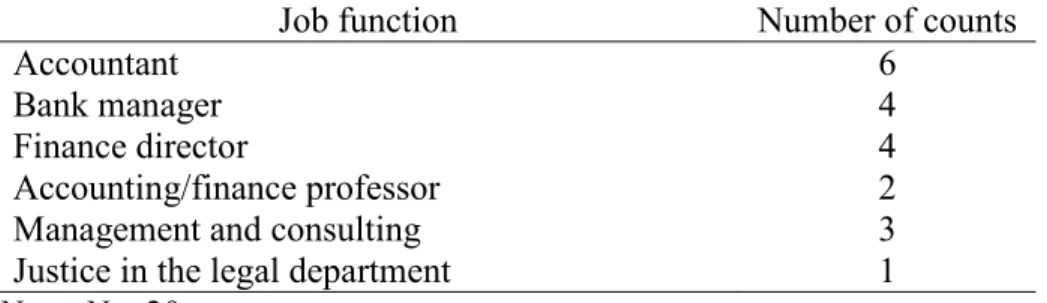
Table 2. Summary of Job Functions ... 105
Table 3. Demographic Overview of the Focus Group Participants ... 106
Table 4. Summary of Document Examination ... 109
Table 5. Summary of Methods and Codes Used... 115
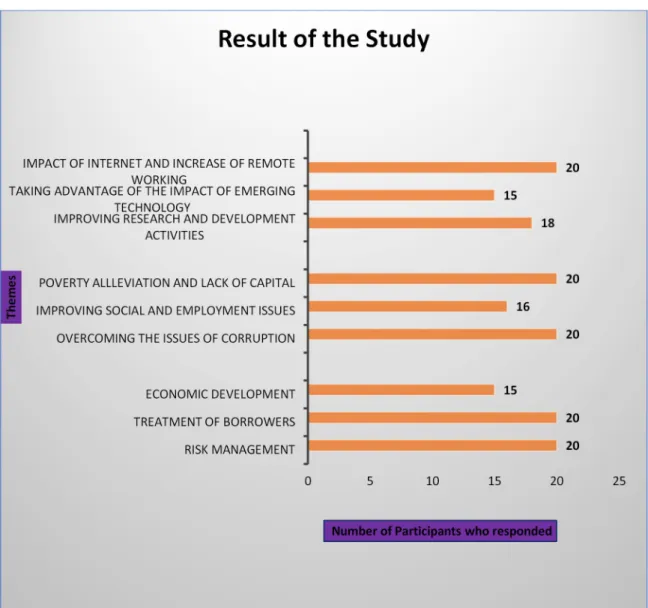
Table 6. The Results Map of the Study... 120
Table 7. Deconstructing the Themes in Economic Dimension ... 122
Table 8. Deconstructing the Themes in Political Dimension ... 132
Table 9. Deconstructing the Themes in Technological Dimension ... 144
Table 10. RQ1: Economic Dominant Themes ... 155
Table 11. RQ1: Political Dominant Themes ... 156
vii List of Figures
Chapter 1: Introduction to the Study
Africa, the world’s second largest and most populated continent, is on the rise economically. Mulango (2013) explained that there has been an increase in productive capacity and economic growth for many African countries and that comparison of the gross national product (GNP) of previous years for a country like Cameroon indicates a rise in real gross domestic product (GDP) to boost economic expansion. Mulango also noted that Cameroon is doing reasonably well in terms of growth and certainly has the potential to continue to grow, despite pressures on the global front.
Although there have been many advances in poverty alleviation, challenges to Africa’s rapid pace of growth and development remain a concern. African development problems are as complex as they are multifaceted. Rates of poverty and inequality remain unacceptably high, and the pace at which these rates are being reduced is unacceptably slow (The World Bank, 2014). Sustaining Africa’s strong growth over the longer term while significantly reducing poverty and strengthening people’s resilience to adversity may prove difficult because of the many internal and external uncertainties African countries face (Diop, 2013).
Acquaah, Zoogah, and Kwesiga (2013) explained that lack of dynamic leadership and effective management of resources is preventing a large percentage of Africans, including those in the Republic of Cameroon, from rising above the poverty line. The World Bank (2015) documented that 330 million Africans have been living below poverty level since 2012. The goal of stimulating economic activity, creating jobs, alleviating poverty, and uplifting living standards has been recognized internationally as
well as in Africa (Johannes, Njong, & Cletus, 2013). Wright (2013) stated that “the poverty in Cameroon is an epidemic still ravaging the country, holding it back from reaching its peak.”
Forsac-Tata, Endeley, and Sikod (2015) explained that the people of Buea are suffering from severe poverty as well as a high death rate, lack of good education, hunger, and even starvation. This descriptive qualitative research was based on the premise that issues of poverty alleviation in Buea, Cameroon are a concern. This study was consistent with understanding the importance of risk management within the microfinance industry and the risks involved in the lending process. The purpose of this study was to find better ways to make additional capital available to microbusinesses through an improved financial management process.
From a positive social change perspective, this study could contribute to
improving the financial stability of microbusinesses. This research may be a catalyst for social change by eroding the risk factors feared by institutions in granting loans to small businesses under the umbrella of microfinance. This research may also contribute to the economic growth of the Republic of Cameroon by exploring ways to improve the micromanagement of loans to small businesses and individuals struggling to grow financially.
In Chapter 1, I highlight that many of the people of Buea in the South West Province of Cameroon are suffering from poverty and explain that their trust has been abused by some financial institutions. Moller (2013) posited that building trust is important in financial markets, illustrating this principle with the example of
microfinance institutions in India that actively sought to reduce transaction costs by increasing the level of trust between microfinance intermediaries and individual
borrowers. Donnelly (2012) explained that the concept of the transformational leadership theory was used to build trust, loyalty, admiration, and respect between lenders and individual borrowers. Chapter 1 addresses the background, problem statement, purpose, research questions, conceptual foundation, nature, definitions, assumptions, scope and delimitations, limitations, significance of the study, ending with a conclusion.
Background of the Study
The concept of credit can be traced back in history and appreciated before and after the Second World War in Europe and later in Africa (Moti, 2012). Shu and Oney (2014) noted that “the introduction of microfinance in Cameroon started in 1963 by a Dutch Roman Catholic Priest Father Alfred Jansen, in Njinikom the north-west region of Cameroon. This idea of Credit Unionism spread all over the north-west and south-west regions of Cameroon and by 1968, 34 credit unions that were already in existence joined together to form the Cameroon Cooperative Credit Union League (CamCCUL) Limited.”
Poverty is a significant problem for which historical approaches to development had sought great institutional solutions. Anyu and Moki (2013) summarized that
“Cameroon suffers from acute levels of poverty, high unemployment, devastating levels of corruption, and bad governance.”
The World Bank and International Monetary Funds have given significant amounts of money to Cameroon microbusinesses in the form of loans, which have not been used effectively or repaid. In exploring this problem, I used literature from
Professor Muhammad Yunus, the founder of Grameen Bank in Bangladesh; the Cameroon Leadership Academy; and the following sources:
• Summers (2013) on illegal money laundering
• Micro-Finance Transparency (2012) on financial management
• Atangana (2012) on financial mismanagement
• Maggi (2013) on effective management
• Tahir and Tahrim (2013) on the effectiveness of microfinance
• Rothstein (2012) on discrimination against individual borrowers
• Lascelles and Mendelson (2012) on the devastating effect of corruption
• Anyu and Moki (2013) on corruption and bad governance
This study is important because through sound financial education and excellent management, microfinance institutions can become a catalyst for change and help to alleviate poverty in third world countries like Cameroon. If other means could be exploited to make additional finances available to microbusinesses in Buea, people’s living conditions could improve and the death rate could be reduced. In this study, I also addressed financial mismanagement, which represents a gap in the literature, as well as the negative effects of illegal loan sharks.
Financial Mismanagement
Atangana (2012) stressed that financial mismanagement is one of the most serious threats to the stability and development of civil society. Due to complexity of risks as well as lack of experience and capacity, managers must learn to identify and deal with financial mismanagement in the business precincts. Lascelles and Mendelson (2012)
pointed out that corruption, lack of political will, lack of transparency, and poor
governance are the primary causes of poverty. Lascelles and Mendelson concluded that good management could successfully overcome those causes of poverty.
The concept of good management is vital for economic survival for any developing country like Cameroon. The Cameroon Leadership Academy (2013) maintained that when a nation promotes poor management, the result is a high level of corruption that leads to capital flight, backwardness, chaos, and even death. The aim of this study was to find ways to mitigate the current risks of lending to individual
borrowers in Buea and to improve their financial management skills. Rothstein (2012) noted that discrimination against individual borrowers takes the form of redlining the low-income people of Buea.
Proper management of loans by credit companies in Cameroon requires a thorough understanding of the Cameroonian perception of microfinance and possible forms of collateral for loans. Long (2009) pointed out that institutions can thrive even in communities and nations that are poorly governed; however, for those who believe that microfinance is an active developmental force, certain doubts arise regarding its
efficiency within the Cameroonian community. Tahir and Tahrim (2013) concluded that the effectiveness of microfinance institutions in poor and underdeveloped countries is a cause for concern. As the rich continue to get richer due to easy access to business loans while the poor get poorer due to lack of microloans to start a business or revive a dying business, it is imperative to understand the evolution of microfinance with sound management strategies.
The Negative Effect of Illegal Loan Sharks
Summers (2013) explained that as illegal money launderers saturate the microfinance market, some banks have turned into loan sharks by giving loans to microbusiness borrowers at high interest rates. Yunus (2011) expounded in his research that the introduction of microcredit would eliminate the presence of loan sharks who grow rich by preying on the weak. Yunus further explained that people with low incomes do not have access to microfinance institutions and in most developing countries only public workers benefit from the services of public banks.
The poor and private workers with low incomes who cannot borrow from public banks rely on microfinance institutions (MFIs) for help (Shu & Oney, 2014). Poverty and lack of financial resources constitute major problems in most developing countries, especially in West and Central Africa. Nelson and Coe (2014) noted that transforming institutions to provide full services to needy individuals is a challenge that is coupled with several risk factors. Active management is the essential commodity for success. According to Micro-Finance Transparency (2012), financial management and education allow individual borrowers to make better financial decisions, and effective training can help make individual borrowers more aware of their rights and the
regulations protecting them. Financial management plays a significant role in the
economy of any society. Effective management and educational opportunities can help in meeting the economic needs of a community, which in turn can translate into the use of social and economic resources, leading to improved economic growth and social well-being (Magugui, Kogei, & Chepkemei, 2013). In the next section, I examine the problem
statement, which covers issues affecting the Cameroonian community, leadership, and the effect of economic crises in Cameroon.
Problem Statement
A mission to Cameroon by the International Monetary Fund (2014) emphasized the importance of cooperation with the regional supervisory body to ensure financial stability and poverty alleviation. Oney (2014) expressed that weak management is a cankerworm that is ravaging the microfinance industry in Cameroon. The general problem is that money made available by foreign organizations is not properly managed to encourage individuals to develop microbusinesses in Buea to improve their living conditions (Research for Social & Economic Development, 2013). The specific problem is the lack of proper management strategies by microfinance institutions for helping the individual borrowers of Buea to obtain additional capital with little or no collateral to start or improve businesses. This descriptive qualitative case study focused on factors that can add to economic growth and improve the management and finance knowledge of the people of Buea, not factors that deplete growth economically.
Purpose of the Study
The purpose of this descriptive qualitative case study was to investigate the management strategies of the microfinance institutions of Cameroon regarding microlending and to suggest possible ways of helping individual microbusiness borrowers of Buea to obtain additional capital. Bandaly (2012) explained that if risk assessment and management processes are not integrated and held by management as an
integral part of business processes, the ability to manage the small and medium-size businesses of Buea will rapidly lose its impact.
The research paradigm of this study was interpretivism. The data collected were used to understand personal perspectives on poverty alleviation and to effect social change. The objective of this qualitative case study was to develop a framework of effective practices that would explicitly link microfinance to a sound management approach for the success of small businesses in Buea. Appah, John, and Soreh (2012) observed that the microfinance revolution had changed attitudes toward helping needy individuals in many countries. With information gleaned from this study,
microentrepreneurs may develop ways to micromanage financial resources to generate more finances for the low-income people of Buea under the canopy of microfinance.
Research Questions
The aim of this descriptive qualitative case study was to investigate the
management strategies of microfinance institutions of Cameroon regarding microlending and to suggest possible ways to help the individual borrowers of Buea to obtain
additional capital with little or no collateral to start a new business or upgrade an existing business. Sarap (2014) noted that such loans might represent a significant risk to
microfinance institutions, given the individual borrowers’ lack of track record and credit history. The goal was not to have financial institutions lower their loan standards, but to find common ground where money could be provided to some individual borrowers with little or no collateral to start up a business as a means of community building. In this study, I answered questions regarding the impact of management of risk, microlending,
and the exigency of superb financial management to transform the living conditions of the low-income individuals in the Southwest region of the Republic of Cameroon. General Research Question
How can the microbusiness owners of Buea obtain additional capital to open new businesses or improve existing businesses?
Specific Research Questions
RQ1: What management strategies can microfinance institutions implement that will help individual borrowers obtain loans?
RQ2: What can microfinance institutions do to sustain the economic
development of the microbusiness borrowers of Buea to erode or alleviate poverty?
RQ3: How can financial institutions encourage creditworthiness among microborrowers?
Conceptual Foundation
Dugasa (2012) indicated that microfinance programs and institutions are
increasingly important in development strategies, but knowledge about their importance and contributions to society has obvious limitations. The microfinance sector plays a significant role in poverty alleviation by providing alternative ways for individuals to improve their living conditions financially. Fite (2013) explained that microfinance delivers expanded financial services such as deposits, loans, payment services, money transfers, and insurance to the poorer and low-income segments of the population for microbusiness purposes. Fite further explained that microfinance institutions are
sometimes vulnerable to a high risk of evasion, especially in relation to problems of information irregularity in measuring customers’ risk profile and significant
discrepancies in expected returns.
The provision of microcredit in Cameroon began in 1950 to promote small-scale agriculture and enterprises undertaken by low-income people to raise their productivity and income. Lairap (2004) argued that since then, microfinance had undergone many changes such that it is used to reach the poorest of the poor to get them into employment and out of poverty and powerlessness. Abrahams and Zhang (2008) recounted that classification variables such as loan purpose, loan type, and collateral information are relevant because the credit decision process varies by lender, market product, channel, and so on.
Marsh and Gordon (2013) noted that in order for lenders to reduce risks, it is of paramount importance not to exceed a certain threshold in the lending process and ask for a surety depending on the available collateral. The historical events that have reshaped the nature of microfinance was exploited historically within the context of Cameroon (Lairap, 2004). The conceptual framework for this study was Rostow’s (1960) theory of modernization. This theory posits five stages of development that every nation can pursue to achieve sustainability and erode poverty, with education considered as integral to the development of any society. Guru (2015) explained the stages as follows:
1. Traditional society: This initial stage of traditional society signifies a primitive society with no access to modern science and technology. Rostow (1960) defined a traditional society as one whose structure developed within
the limited production function based on pre-Newtonian science and technology and pre-Newtonian attitudes toward the physical world.
2. Preconditions or the preparatory stage: This stage covers a long period of a century or more, during which the preconditions for takeoff are established. These conditions mainly comprise fundamental changes in the social, political, and economic fields.
3. The “take-off” stage: This is the crucial stage, which covers a relatively brief period of two to three decades in which the economy transforms itself in such a way that economic growth subsequently takes place automatically.
4. Drive to maturity/period of self-sustained growth: This stage of economic growth occurs when the economy becomes mature and can generate self-sustained growth. The rates of saving and investment are of such a magnitude that economic development becomes automatic.
5. Stage of mass consumption: In this stage of development, the per-capita income of a country rises to such a high level that the consumption basket of the people increases beyond food, clothing, and shelters to articles of comfort and luxury on a mass scale.
Kasanda (2015) explained that the term modernization theory refers to a theory of
development based on an understanding that the developing world should follow the processes of development that are used by currently developed nations. This model is vital in the sense that it embraces the idea that a country can develop economically by focusing on the resources that are in short supply to improve living conditions and
economic growth. The International Monetary Fund (2008) concluded that the population of Cameroon, especially people in Buea, face challenges in achieving financial stability, economic growth, and a higher living standard. Those models are necessary for fostering economic self-reliance for the development of all sectors to bring modernization in modern society.
Fotabong (2012) explained that a proper structure for microfinance in a country such as Cameroon can help individuals out of poverty. Rostow’s stages of economic development are crucial in the sense that society is supposed to go through all five phases of development. However, in this research, I focused on the second stage of development, which is economic growth. Akwaowo (2012) contended that the reasons for Cameroon's weak economic growth despite the increase in foreign direct investment (FDI) dollars have not been identified and addressed.
The population of Buea could embrace operational management as well as investment management principles and practices to improve their financial conditions (Khan, 2015). The Council of Supply Chain Management Professionals (CSCMP) and Sanders (2014) stated that operations management is chiefly concerned with planning, organizing, and supervising in the contexts of the provision of services with strategic thinking as the cornerstone of success. However, Johannes, Marienne, Adze, and Pascale (2013) explained that the financial system can play an important role in economic
development. They further explained that economic growth theory suggests that effective financial institutions and markets that help overcome market friction introduced by
information asymmetries and transaction costs can foster economic growth through several channels.
Masoud (2014) defined economic growth as growth per capita of GDP. Masoud concluded that the target of economic growth theory is to increase the welfare of human beings and determine growth in the standard of living of the population of a country. Investigating the culture, general perceptions, and opinions regarding microfinance in Cameroon was imperative in this study. For this study, I deployed the theory of transformational leadership.
Marion and Uhl-Bien (2002) concluded that “transformational leadership theory, as developed by James Burns (1978), Bernard Bass (1985), and others, has proven to be one of the more important macro perspectives of leadership to emerge out of the post-modern critique of earlier, more deterministic perspectives of leadership.” Such a
leadership style focuses on team building, motivation, and collaboration with others at all levels to effect change as a crucial strategic development of small businesses.
Transformational leadership style not only contributes to change in individuals and social systems, but also motivates people to want to change by emphasizing organizational integrity. To foster breakthrough results in the microfinance industry, trust, loyalty, admiration, and respect should become valuable management tools to cement the relationships between lenders and borrowers. Bass (1998) emphasized that transformational leadership does not stop with the successful elevation of followers from lower levels to higher levels.
Bass (1998) concluded that a shared agreement binds leader and followers in a moral commitment to a cause that goes beyond their self-interests. Embracing
transformational leadership theory makes a strong case for why the change should happen. It promotes a shared vision, leads change in an organized manner, and
successfully integrates the change to improve the living conditions of the population of Buea.
Nature of the Study
The methodology for this research was qualitative. Garcia and Gluesing (2013) summarized that qualitative research tends to engage in a much more dialectic process between the questions asked and data observed. The qualitative researcher seeks to discover the meanings that participants attach to their behavior, how they interpret situations, and what their perspectives are on issues. Abutalibove and Guliyev (2012) set forth that qualitative research is about rich, detailed description, understanding, and insight rather than measurement. Qualitative research was consistent with the aim of understanding the importance of risk management within the microfinance industry, which was an area of concern in this dissertation.
In this study, I used a case study as the research design and focused on interviews, document examination or analysis, and observation as methods of data collection. Ridder (2012) explained that case studies aim at analytical generalization as if they were
experiments. Because this research was descriptive, I used a case study research design to bring out the credibility, dependability, transferability, and confirmability of the research. Lambert and Lambert (2013) exemplified that data collection for a qualitative descriptive
study focuses on discovering the nature of the events under study. In this study, data collection was done using three groups (Appendix A): Group 1 (interviews), Group 2 (observations), and Group 3 (document examinations). Tables were created for the analysis and submitted to the participants for review.
Definitions
This section defines the key terms used in this study.
Financial distress: A condition where a company cannot meet or has difficulty paying off its financial obligations to its creditors. The chance of financial distress increases when a firm has high fixed costs, illiquid assets, or revenues that are sensitive to economic downturns. Financial distress refers to a period when a borrower (either individual or institutional) is unable to meet a payment obligation to lenders and other creditors. This difficulty may be due to borrower-specific factors such as reputation, leverage, volatility of earnings, or collateral, or it may be attributable to market-specific factors such as the economic condition and level of interest rates (Zaki, Bah, & Rao, 2011).
Financial mismanagement: Financial mismanagement is the misappropriation of money, finances, or the wrong use of money (Gistarea, 2013).
Goal clarity: Goal clarity is the ability to set a clear and precise objective that all affected parties understand and can work toward achieving (Warner, 2012).
Institute of Risk Management (IRM): IRM has been leading the development of professionalism in risk management. The goal has been to seek better recognition and
rewards for its members through education and continuing professional development for over 25 years globally (IRM, n.d.).
Microfinance: Microfinance refers to an array of financial services, including loans, savings, and insurance. The services are available to poor entrepreneurs and small business owners who have no collateral and could not otherwise qualify for a standard bank loan (Brooks, 2013).
Microfinance institutions: A microfinance institution (MFI) is an organization that provides microfinance services. MFIs range from small nonprofit organizations to large commercial banks. MFIs aim to promote economic activity among low-income earners, for whom access to official banking services is impossible. Tiwari and Fahad (n.d.) noted that microfinance institutions can broaden their resource base by mobilizing savings and accessing capital markets, loan funds, and effective institutional development support.
Organizational change: Organizational change is a communicative action of approach through the lenses of universality or particularity. Thus, organizational change practices are in the interest of both scholars and practitioners. Organizational change is a complex, dialectical process, where the motor of change is developed and formed. The old and new intertwine and cumulatively build other innovations (Jasson, 2013).
Organizational leadership: Johnson (2014) claimed that organizational leadership is about management. Leadership by itself is transformative; it is about shifting priorities in workers and creating followers through the articulation of a vision.
Risk management: Risk management is the systematic process of understanding, evaluating, and addressing risks to maximize the chances of objectives being achieved
and ensuring that organizations, individuals, and communities are sustainable. Risk management also exploits the opportunities that uncertainty brings, allowing
organizations to be aware of new possibilities. Essentially, effective risk management requires an informed understanding of relevant risks, an assessment of their relative priority, and a rigorous approach to monitoring and controlling them (IRM, n.d.).
Theory of modernization: Modernization theory is a description and explanation of the processes of transformation of traditional or underdeveloped societies into modern societies (Armer & Katsillis, 2001).
Transformational leadership: Transformational leadership contains four components: (a) charisma or idealized influence (attributed or behavioral), (b)
inspirational motivation, (c) intellectual stimulation, and (d) individualized consideration. Transformational leaders who display idealized influence set high standards for moral and ethical conduct, are confident about the future, and set high standards for emulation. Thus, transformational leaders are likely to be associated with empowered followers who possess strong identification with their organizations (Zhu, Sosik, Riggio, & Yang, 2012).
Low-income family: Low-income families are usually not financially able to
support themselves. The U.S. Department of Education (2015) has defined the term
low-income individual as an individual whose family's taxable income for the preceding year did not exceed 150% of the poverty level amount, as compared to 48% poverty levels in Cameroon. The two key factors that prevent the low-income population from increasing earnings are human capital deficits and the decreased work opportunities available to members of disadvantaged groups.
Poverty: Poverty has been one of the key economic problems facing the African continent in general. Bowale (2013) noted that the concept of poverty is exemplified from the livelihood or living conditions of the people. It is the lack of sufficient income or earnings to obtain the minimum necessities of life.
Poor leadership: Poor leadership is leadership that fails to achieve its self-set goals, chiefly because of incompetence (Helms, 2012).
The research tradition for this study was qualitative, with case study as the selected design. Some people might have decided to use the quantitative method to approach the research questions. I preferred the qualitative method because it afforded me access to primary data collection and the ability to interact with individuals who were face-to-face with the challenges of poverty. Other methods would have been less efficient because I would not have experienced the realities of participants’ lives. Mason and Ide (2013) explained that qualitative research strategies are meant to illuminate the realities of participants’ lives.
Assumptions
Patidar (2013) explained that an assumption is a realistic expectation that is something people believe to be true. It provides a basis to develop theories and research instruments, which influence the development and implementation of the research process. The following assumptions were necessary for this study:
• Due to low educational standards, it might be difficult to get certain
information to those who need help in Buea, given that they usually refuse to talk to others who are not part of their culture or tribe.
• The people of Buea do not believe in borrowing or taking loans because it is not part of their culture. Some consider borrowing to be taboo.
• The people of Buea usually follow in the footsteps of their ancestors, making
it difficult to embrace change(s).
• Most of the people of Buea have no understanding of banking and lack
banking access.
These assumptions were necessary because borrowers must learn to trust financial institutions and accept change for their future success. Business Monitor International (2013) noted that lack of banking access might also make it difficult for people to save large sums or obtain credit to start a business. Fafchamps (2013) stated that it is common in economic literature to read that the poor cannot invest to escape their poverty. Risk management can be a tremendous task for finance and management leaders in Cameroon, particularly those of the Southwestern region in Buea, because most individual borrowers lack collateral to use as surety for loans. I assumed that the result would apply only to the population of Buea in the Southwestern region of the Republic of Cameroon, as opposed to the entire country.
Scope and Delimitations
Simon and Goes (2013) explained that the scope of a study refers to the parameters under which the study operates. This research focused on finding ways to make additional capital available to microbusiness individual borrowers in Buea, Cameroon. Factors such as economic growth, the desire to help the poor, corruption, social inequality, poverty reduction, and poverty alleviation were within the accepted
range of this study. Ducanes and Tan (2014) noted that poverty is most severe and persistent for households with small human capital and that the effect of human capital varies substantially across locations.
However, the variables of this research were limited to risk management
effectiveness and operational management efficiency within the microfinance industry. The focus was important because the findings of this research could encourage an
equitable distribution of resources to all who can contribute to the economic development of the province or state. To avoid the rejection mentality and feelings, the idea that low-income individuals deserve an opportunity to build wealth is of paramount importance.
Through microloans, the individual borrowers of Buea could start business, farming, or trade activities that could help them to stabilize their families and maintain a stronger community. In that there are different ways to approach microfinance, I focused on possible ways to make additional capital available to microbusiness individual
borrowers to help alleviate poverty. The research was qualitative with a case study design involving at least 20 individual participants, with Rostow’s theory of modernization as the theoretical framework.
Bloomberg and Volpe (2016) stipulated that delimitation refers to initial choices made about the broader, overall design of a study. Bloomberg and Volpe further explained that it shows how one can narrow the scope of a study and the characteristics that define and clarify the conceptual boundaries of research. This study did not involve the general causes of poverty and how to overcome them or the effect of corruption in a declining economy because of the broad nature those topics and the absence of an actual
research gap to explore. The results could be transferable to studies relating to
microfinancing, corruption, and poverty alleviation. Although this study was conducted in Buea, the results could be applicable in other areas in Cameroon that are affected by poverty as well.
Limitations
Adu (2014) pointed out that limitations of a study are those characteristics of design or methodology that impact or influence the interpretation of findings. Such limitations may involve time, money, cultural barriers, and so on. The boundaries of this research included the fact that secondary data are sometimes not available or are subject to government restrictions, as well as insufficient funds to travel to Cameroon to collect primary data. With case study as a research design, problems were examined to bring about understanding that may help to reshape and improve practice. Qualitative research can be time consuming and expensive in the collection and analysis of data.
Although this study did not involve corruption, access to information could be difficult because corruption is one of the tools leading to poverty and depletes economic resources. Viramgama (2014) reiterated that corruption continues to grow in most African countries. As the nation of Cameroon develops, the corrupt invent new methods of cheating the government and individuals.
Corruption remains as one of the problems in many of the world’s emerging economies with devastating consequences. Corruption limits the ability of low-income individuals to manage businesses or obtain loans. The Millennium Challenge Corporation (2013) concurred that corruption retards economic growth by increasing costs, lowering
productivity, discouraging investment, reducing confidence in public institutions, limiting the development of small and medium-sized enterprises, weakening systems of public financial management, and undermining investments in health and education.
Due to the limited number of participants in this qualitative study, it may be difficult to transfer the results to a different study, given that some researchers could not generalize or draw inferences since the research is not statistically focused. Data were only treated qualitatively, which might have rendered the data not dependable. Fujiura (2014) elucidated that the fact that because qualitative research usually involves a small number of participants, it is less likely to be taken seriously by other academic
researchers. This study’s qualitative design may raise questions about dependability and make it difficult to transfer the information to another study.
In the study, I maintained a high level of integrity and trust to erode any possible biases built on cultural barriers and consequently preclude ethnocentrism with a faithful representation of the population sample. Mantobaye (2012) confirmed that biases stem from corruption as people make teams with those of their tribes and take advantage of the system. Systemic corruption increases poverty by slowing economic growth and skewing government expenditure for the wealthy and well connected. In the study, I used
transparency and openness, avoided red tape, discouraged the gatekeeper concept, and attempted to overcome cultural barriers in order to address possible limitations.
Significance of the Study
The purpose of this descriptive qualitative case study was to investigate the management strategies of the microfinance institutions of Cameroon regarding
microlending and to suggest possible ways to help the microbusiness borrowers of Buea to obtain additional capital with little or no collateral to start a new business or improve an existing business. The Consumer Financial Product Bureau (2013) suggested that financial institutions should pay attention to the following key points when serving the low-income population:
• Better understand the needs of the consumer and create products that fit those
needs.
• Meet customers where they are, sometimes away from the branch in the
community.
• Engage with partners that already serve low-income consumers, to build trust.
• Provide incentives for participation in the mainstream financial system.
• Craft technology solutions that work for low-income consumers, and
• Maintain engagement with customers who are not technologically proficient
or prefer the human touch.
This research suggested new approaches that financial institutions might adopt to make more money available to low-income individuals while reducing possible risks. The integration of the research findings and recommendations could strengthen the
management and leadership skills of key players of the Southwestern region in Buea and might help to reduce international borrowing and risks by doing the following:
• Providing an excellent finance education through universities, finance
• Creating an NGO and trying to eliminate the middleman by giving direct access to foreign organizations with financial assistance to build confidence and trust with the community. The idea is to reduce corruption and bribery.
• Helping individuals to become self-employed through the creation of
businesses, and consequently contributing to the building of the community for the benefit of all.
• Creating an organization to embrace all players to build healthy relationships
and networking through the exchange of ideas with a focus on helping to rebuild the management and finance structures of the microbusinesses in Buea.
Higgins (2013) concluded that risk management is an integral part of good management practices. The purpose of risk management is to proactively establish programs and processes that support business objectives while protecting the
organization's assets (i.e., its employees, property, income, and reputation) from loss or harm at the lowest possible cost.
Advancement of Knowledge
Augsburg, Haas, Harmgart, and Meghir (2012) concluded that the introduction of microfinance pioneered by the Bangladeshi Grameen Bank had led to the proliferation of microfinance institutions (MFIs), often based on funding from international
organizations. This study developed and improved the working finance knowledge of the individual borrowers of Buea in relation to understanding finance concepts, making
investment decisions in growing small businesses, and using capital to expand their businesses.
Bayulgen (2015) concluded that making more microloans available to individual borrowers equipped with finance education and good management strategies may turn a little capital into a long-term income-generating business that could stabilize individuals’ financial situations and consequently reduce poverty. Without an ideal model in place, microfinance provides temporary relief, not something permanent. To succeed in the market, microfinance institutions must have excellent performance rates over their counterparts, commonly referred to as competitive advantage. In an article in Strategic Direction (“So What Is Competitive Advantage,” 2013), it was argued that the business world is undergoing rapid change and only those companies with sustained competitive advantage will avoid failure and have any chance of flourishing. A good performance rating will attract more clients to patronize a business.
The uniqueness of this dissertation resides in its focus on an area of finance that others have not considered in research and risk management within the Republic of Cameroon, using the best tool for poverty alleviation. The study may contribute to the effort to improve the financial stability of some microbusiness individual borrowers in Buea and improve the economy with sound management strategies that will reduce risk. Further, it may suggest ways to make more money available to small and medium-size businesses. This research could encourage some individuals in Buea to start businesses with small loans acquired from the financial institutions to improve their living
The study may discourage the idea of gatekeepers, reduce the impact of the schemes of loan sharks, and expose the chargeable interest rates to the knowledge of all in the lending process. The success of the study demonstrated the following:
• The help of small loans provided to villagers by NGOs to enable the start of a
small business.
• The introduction of microfinance as a degree program in Cameroonian
universities to give students the finance knowledge needed to survive in a competitive environment.
• The partnering of the universities with other big businesses to help manage the
risk factors involved in providing loans to graduates that will enable them to become self-employed and financially independent so that they can take care of their families.
• The improved management skills needed for success in a developing
economy, with ways to mitigate existing risks of lending to low-income small businesses.
• Exchange programs that allow students in the finance department with a
microfinance concentration to learn from others across the world through partnerships with other universities.
• Creation of an organization for microfinance experts and those interested in
microfinance within Cameroon and worldwide to encourage and help each other to help stabilize the economy.
To accomplish these aims, I plan to relocate to Buea, Cameroon and live there when I complete the PhD. I will also open an NGO and have it registered in the United States before relocation immediately after graduation.
Advancement of Practice
Through this research, I suggest possible ways of reshaping the future of
microlending by changing past approaches to microfinance. I seek to build trust between lenders and the borrowers through the coordination of workshops and training for a successful business relationship. I suggest that the leaders of the major universities offering business and management programs include microfinance as a core course to help improve the knowledge of financial management of young graduates as future community builders.
Implications for Positive Social Change
This study may improve the livelihood of some individuals of Buea in the Southwestern region of the Republic of Cameroon, in addition to benefiting business institutions and the economic growth of the entire country. The potential weaknesses of the study include an inability to reduce cultural barriers that lead people to dismiss the idea of microcredit, which is regarded as a taboo in some regions. Overall, the study promoted positive social change by helping individuals to improve their economic status through the learning of trades, the opening of small businesses, and improvement of their educational levels.
Sonenshein (2013) claimed that social change agents are concerned with positive outcomes for society, with little concern for what is best personally or best for the
organization they are trying to influence. It is significant to practice as more
organizations and nations are looking for ways to alleviate poverty through microcredit, even when there is a lack of collateral.
Better ways are being considered to harmonize the trust relationship between lenders and borrowers to make more money available. Sigalas and Economou (2013) concluded that in a country that strives for economic development, taking into
consideration superior performance and strategic management, competitive advantage will achieve growth. New knowledge could be acquired through alternative measures for more loan availability for some individual borrowers as capital to start a business or improve an existing business.
Summary and Transition
Risk management was relevant to the question of why the presence of microfinance institutions in the Republic of Cameroon had not benefited some
microbusiness borrowers as a poverty alleviation tool. Wabo (2014) stressed that credit risk is the greatest of risks in the Cameroonian banking environment and that banks are constantly looking for greater control of that risk. The current body of research on the experience of microfinance in the Republic of Cameroon is minimal and is subject to numerous methodological challenges.
Allet (2014) explained that little is known about the way that microfinance institutions (MFIs) decide to manage their communities. Institutions such as the World Bank and the IMF have long called for the privatization of the national telephone
landline network infrastructure. The U.S. Department of State (2012) confirmed that Cameroon is still in the process of privatizing its state-owned companies through a tender process.
The constraint of lack of financial support from the government has caused microfinance institutions to put some strike roles in their lending process for fear of the
unknown, commonly referred to as risks. My investigation into the risk management of
microfinance had produced a better understanding of the research. In Chapter 2, I present details on the theoretical foundations for this study by tracing the history of microfinance and its attendant controversies, and by describing the concept of risk management and operational control within microfinance.
Chapter 2: Literature Review
The purpose of this descriptive qualitative case study was to investigate the management strategies of the microfinance institutions of Cameroon regarding
microlending and to suggest possible ways to help the individual borrowers of Buea to obtain additional capital with little or no collateral to start a new business or upgrade an existing business. I examined current trends in microfinance management to establish an effective risk management model and identify success factors that link microfinance management to successful management and leadership styles. Mays and Sangha (2013) elucidated that risk management decisions are financial decisions that must be evaluated based on their effect on firm or portfolio value, rather than on how well they cover certain risks.
The problem of risk management was relevant because to help the people of Buea out of poverty, the management of microlending within financial institutions should be considered to help the people benefit from microfinance and minimize risks effectively. Krear-Klostermeier (2012) posited that effective leadership is the most critical factor in setting an organization’s vision and strategic direction, as well as in formulating and implementing strategies to achieve strategic business goals and objectives. Krear-Klostermeier concluded that effective leadership determines employee engagement and organizational effectiveness, ultimately providing the necessary resources to manage corporate performance so that a talented workforce can achieve an agency’s mission.
Zachary (2013) stipulated that microfinance, however, involves many issues that hinder its ability to be more efficient. What seems to shock those newly initiated to
microfinance is the interest rate level. Interest rates charged by microfinance institutions (MFIs) on loans to poor individuals have traditionally been very high compared with the levels offered through more traditional financial services in the developed world.
Yunus (1999) noted that the concept of microcredit was first developed in Bangladesh by Nobel Peace Prize winner Muhammad Yunus. Professor Yunus started Grameen Bank (GB) more than 30 years ago with the aim of reducing poverty by providing small loans to the country’s rural poor.
Wesley (2012) reported that Benjamin Franklin once observed, “An ounce of prevention is worth a pound of cure.” And so it is with credit risk management. Both borrowers and bankers have been affected by the changing regulatory environment, the economy, and credit difficulties. In Chapter 2, I cover the literature review, literature search strategy, and theoretical foundation of the study, ending with a summary and conclusion. I look at various literature that supports the quest for improved economic stability for the Republic of Cameroon. Concepts of model risk management, risk management effectiveness, and risk management from a microfinance standpoint were considered with the use of SWOT analysis.
Literature Search Strategy
Various strategies were adopted to locate appropriate literature. The words used to
search for relevant literature included microfinance, risk management, organizational
strategy, financial stress, financial mismanagement, leadership styles, effective
culture. The literature search included current peer-reviewed journals selected from the following:
• ProQuest Central
• ABI/INFORM Collection
• Academic Search Premier
• Business Source Complete
• Emerald Insight
• Hospitality & Tourism Complete
• SAGA Premier
I searched databases through the Walden library, locating and reading over 600 articles. Each article was carefully reviewed to identify sources connecting diversity with issues of microfinance and risk management applications in relation to poverty
alleviation. I conducted the literature search using specific terms and databases as explained below:
Microfinance, using Business Source Complete database (EBSCO): Boateng, Boateng, and Bampoe (2015) concluded that microfinance, if properly harnessed, could have a knock-on effect. It contributes significantly to the well-being of the poor
population. Microfinance can increase investment among needy individuals and empower them economically.
The attention of the entire microfinance community has been on the diverse needs of clients, the broader financial ecosystem, and the transformational nature of technology (World Bank Handbook on Microfinance, 2013). The objective of microfinance is not
only to provide credit for needy individuals to fight poverty, but also to create institutions that will deliver financial services to poor individuals. Otero (1999) pointed out that the conventional commercial banks have ignored poor individuals.
Financial stress, from Business Source Complete database (EBSCO): Lim, Heckman, Letkiewicz, and Montalto (2014) noted that when people are financially stressed, they might not succeed in academic matters. Coping strategies related to financial problems documented in previous literature include reducing expenses, increasing income, improving management skills, borrowing money, employing psychological means to reduce or avoid stress, and seeking help. Financial stress was measured using several reported financial stressors, including the following:
• Not able to purchase clothing
• Not able to discuss financial matters
• Not able to pay utilities
• Not able to save for emergencies
• Have financial concerns that affect relationships
• No money for medical bills
• Not able to keep a car running
Lim, Heckman, Letkiewicz, and Montalto concluded that financial stress can negatively relate to sound financial practices and positively relate to harmful financial practices.
Organizational culture, from ABI/INFORM Collection: Jerome (2013) reiterated that organizational culture has proven to be very elusive. There is not a single definition that has been accepted across all organizational culture literature. One of the issues
involving culture is that it is defined regarding its causes as well as its effects (Shili, 2008).
Organizational culture is a complex network of values and norms that guides an individual’s behaviors. It involves a set of beliefs, values, assumptions, and experience acquired through learning, socializing, and sharing by members of a social unit such as people in an organization (Shumen, 2009). Shumen (2009) concluded that the culture of an organization is sometimes dynamic in nature, after adequate strength and weakness analysis.
Strategic financial management, from ABI/INFORM Complete: Karadag (2015)
mentioned that strategic financial management (SFM) refers to financial management theories conducted in the most proper way. Collected capital should be used and managed in the most efficient way in enterprises, and decisions on the reinvestment and
distribution of profits should be as reasonable as possible. Karadag pinpointed the fact that strategic financial management consists of financial strategies that are goals, patterns, or alternatives designed to improve and optimize financial management to achieve common results.
Organizational strategy, from Emerald Insight: Gupta (2011) explained that an organizational strategy is a plan for interacting with competitive environments.
Leadership styles, from Emerald Insight: Leadership styles are based not on cultural values and norms, but instead on statistical numbers. Given individual variables and criteria with weights and beta analysis, an actual value can be given to a leadership style based on what would be more efficient per an equation. All leadership styles can
eventually be funneled into two categories: transformational or transactional. The charismatic leader and the human collaborator are relatively active leadership types (Allio, 2012).
Risk management, from ProQuest: Fadun (2013) elucidated that risk is an essential part of business because firms cannot operate without taking risks. The risk is commonly associated with uncertainty, as the event may or may not occur. Risk implies exposure to uncertainty or threat.
A decision to do nothing involves explicitly avoiding the opportunities that exist and leaving threats unmanaged (Hillson & Murray-Webster, 2007). Uncertainty may manifest in either negative (threat) or positive (opportunity) form, or both. The way in which a risk is perceived influences the manner in which it is handled. Managing risks from a negative perspective may result in complete omission of opportunities
(benefits/gains) in the event being considered (Operational Risk Management in Nigeria
Banks,2014).
Management conflict, from Academic Search Premier: Nwagbara and Brown
(2014) stated that studies on conflict management suggest that conflict is complex, particularly regarding how it affects organizational transformation and performance. Because conflict, organizational success, and sustainability are inextricably related, it is better to rethink how to manage conflict than to avoid it. Resolving management conflict demands an understanding of fundamentals of communication such as communication perception, expectation, demands, and information relationship.
The importance of collateral, from Hospitality & Tourism Complete: Merola (2012) explained that many borrowers fail to realize that banks are in the business of lending money. Interest rates are low, largely with the intent of recovering the original loan principal plus a reasonable reward (interest). When a loan enters default, banking regulations require that the affected bank set up a capital investment less reserve to protect against noncollection of the defaulted note.
Elliot (2013) explained that the inability to recover loans might result in the bank having less available capital, and in extreme cases, can cause liquidity problems for the institution. The banks look to obtain collateral, whether in the form of real estate,
marketable securities, or business assets to help offset the loss of principal. When seeking a loan, a borrower should be prepared to offer both business and personal assets as
collateral. Elliot concluded that sometimes a borrower can negotiate a limit or “cap” on the level of personal collateral provided, which can offset some of the borrower's risk in a downside scenario.
Management, from SAGA Premier: Adindu (2013) said that management is an old
concept without universal definition that fits every perspective and circumstance. Jones and George (2008) added that management includes planning, organizing, leading, and controlling of human and other resources to achieve effective and efficient organizational goals.
Financial mismanagement, from ABI/INFORM Complete: The authors of the
Financial Express article (2013) “Can Financial Mismanagement Be Rewarding?” concluded that government leaders publicly lament the poor state of affairs with
public-sector organizations. However, when it comes to taking remedial measures, they tend to shy away in most cases. That is why state-owned enterprises (SOEs) have been causing economic hemorrhages for a long time. However, the country cannot afford wastage of resources through inefficient SOEs anymore. What is most disturbing is the prevailing level of financial indiscipline and mismanagement in the absence of proper monitoring by the ministry concerned (“Can Financial Mismanagement,” 2013).
Effective management, from Emerald Insight: Coenen, Felton, and Schmid (2011) described organizations as complex systems in which value-adding activities take place. Coenen et al. further explained that effectiveness is the part of the variance in current measured achievement not predicted by a student’s prior performance and other controls and identified at the school level. However, they concluded that effective management of financial transparency helps in finding answers to the challenges faced by financial organizations.
Conceptual Framework
The conceptual framework for this study was Rostow’s theory of modernization. This theory addresses five stages of development that every nation must pursue to achieve sustainability and erode poverty. Guru (2015) explained the stages as follows:
1. Traditional society: This initial stage of traditional society signifies a primitive society with no access to modern science and technology. Rostow (1960) defined a traditional society as one whose structure developed within the limited production function based on pre-Newtonian science and
2. Preconditions or the preparatory stage: This covers a long period of a century or more, during which the preconditions for take-off are established. These conditions mainly comprise fundamental changes in the social, political, and economic fields.
3. The “take-off” stage: This is the crucial stage that covers a relatively brief period of two to three decades in which the economy transforms itself in such a way that economic growth subsequently takes place automatically.
4. Drive to maturity/period of self-sustained growth: This stage of economic growth occurs when the economy becomes mature and can generate self-sustained growth. The rates of saving and investment are of such magnitude that economic development becomes automatic.
5. Stage of mass consumption: In this stage of development, the per-capita income of a country rises to such a high level that the consumption basket of the people increases beyond food, clothing, and shelter to articles of comfort and luxury on a mass scale.
Kasanda (2015) noted that the term modernization theory refers to a theory that
societies in the developing world go through specific processes of development. In the study, I deployed the theory of transformational leadership to establish the trend of microfinance management effectiveness. Transformational leadership theory, as developed by Burns (1978), Bass (1985), and others, has proven to be one of the most important macroperspectives on leadership. The theory emerged out of the postmodern critique of earlier, more deterministic aspects of leadership (Marion & Uhl-Bien, 2002).