IMPLEMENTATION OF A PALLIATIVE CARE ELIGIBILITY SCREENING TOOL TO INCREASE ENROLLMENT IN AN OUTPATIENT PALLIATIVE CARE CLINIC
Lauren Conroy
A doctoral project submitted to the faculty at the University of North Carolina at Chapel Hill in partial fulfillment of the requirements for the degree of Doctor of Nursing Practice in the School
of Nursing.
Chapel Hill 2020
ABSTRACT
Lauren Conroy: Implementation of a Palliative Care Eligibility Screening Tool to Increase Enrollment in an Outpatient Palliative Care Clinic
(Under the direction of Carrie Palmer)
Background: Palliative care has been shown to decrease symptom burden, improve quality of life, promote longevity, and decrease healthcare costs. Despite the benefits, it remains a highly underutilized service worldwide. Palliative care referral rates remain low due to a variety of factors including the inaccurate association between palliative care and end of life, patient and provider bias, and an inability to rapidly identify eligible patients.
Purpose: The purpose of this project was to increase palliative care referrals to an outpatient palliative care clinic.
Results: At the conclusion of this project, eight patients received palliative care referrals, reflecting 20% of eligible patients. Of these patients, only two were scheduled at the outpatient clinic or were awaiting scheduling at the conclusion of this project (5% of all eligible patients). This represented 16.67% of the total number of new patients scheduled at the clinic.
ACKNOWLEDGEMENTS
TABLE OF CONTENTS
LIST OF TABLES ... viii
LIST OF FIGURES ... ix
LIST OF ABBREVIATIONS ... x
CHAPTER 1: BACKGROUND ... 1
CHAPTER 2: REVIEW OF THE LITERATURE ... 3
Description of Search Strategy ... 3
Study Characteristics ... 3
Themes from the Evidence ... 4
Screening to Increase Palliative Care Enrollment ... 4
Influence of Patient Education and Communication ... 6
Role of the Primary Care Provider ... 7
Limitations ... 8
Discussion and Implications ... 9
CHAPTER 3: CONCEPTUAL MODEL OR THEORETICAL FRAMEWORK ... 11
CHAPTER 4: PROJECT PLAN ... 13
Design ... 13
Key Stakeholders ... 13
Methods... 14
Setting ... 14
Population ... 14
Implementation ... 15
Data Collection and Analysis ... 16
Evaluation ... 16
CHAPTER 5: RESULTS ... 18
Reach... 18
Efficacy ... 20
Adoption ... 25
Implementation ... 26
CHAPTER 6: ANALYSIS ... 29
PCP Perceptions ... 29
Patient Perceptions ... 30
Commonality... 33
CHAPTER 7: LIMITATIONS ... 34
Automated Screening Tool ... 34
Maintenance and Sustainability ... 35
CHAPTER 8: FUTURE DIRECTIONS ... 36
Team Approach ... 36
Partnering with Local PCPs ... 37
CHAPTER 9: CONCLUSION ... 39
APPENDIX A: PALLIATIVE CARE ELIGIBILITY SCORING SYSTEM ... 40
APPENDIX B: EMAIL TO PRIMARY CARE PROVIDERS ... 42
APPENDIX C: DATA COLLECTION SPREADSHEET ... 43
APPENDIX D: DEMOGRAPHICS ... 44
LIST OF TABLES
Table 1. Weekly Breakdown of PCES at Hospital Discharge ... 19
Table 2. Patient Status, Comments, and Presence of Home Health ... 21
Table 3. Patient Status as a Percent ... 24
Table 4. PCP Quotes ... 30
Table 5. Patient Quotes ... 32
LIST OF FIGURES
Figure 1. PCES Score Distribution ... 20
Figure 2. Referrals by Month ... 25
Figure 3. First Appointment Scheduled by Month ... 25
Figure 4. Percent of Accurate Implementation ... 27
LIST OF ABBREVIATIONS ACO Accountable care organization
CAPC Center for Advancement of Palliative Care COPD Chronic obstructive pulmonary disease
ED Emergency department
MICU Medical intensive care unit
PC Palliative Care
PCES Palliative care eligibility scoring system PCP Primary care provider
CHAPTER 1: BACKGROUND
As the number of patients living with serious illnesses has increased, the need for palliative care in the United States has grown exponentially (Aldridge et al., 2016; Bowman, Twohig, & Meier, 2018). Many serious illnesses are associated with heavy symptom burden and can be a source of significant emotional distress (Moens, Higginson, & Harding, 2008).
Untreated symptoms can contribute to high rates of emergency department (ED) utilization and unnecessary hospital admissions (Chen et al., 2018). Not only do these place patients at risk for infection, suffering, decreased mobility, and increased mortality, but they also generate high costs (Chen et al., 2018). Unlike traditional medicine, which aims to cure disease, palliative care uses an interdisciplinary approach to alleviate physical, mental, emotional, and spiritual
symptoms for patients and their families (Center for Advancement of Palliative Care (CAPC), n.d.). It can be used at any stage in a disease from diagnosis to death and can be implemented in conjunction with aggressive, curative treatments or hospice (CAPC, n.d.). The benefits of palliative care have been well documented. Not only has palliative care been shown to improve quality of life, symptom burden, and survival, it also significantly reduces healthcare
expenditures (Bakitas et al., 2015; Higginson et al., 2014; Sidebottom, Jorgenson, Richards, Kirven & Sillah., 2015; Smith, Brick, & O’Hara, 2014; Temel et al., 2010). Despite these benefits, the World Health Organization (WHO) estimates that only 14% of patients who qualify actually receive palliative care (WHO, 2018). Barriers such as an inadequate number of
Palliative care enrollment is especially low in outpatient settings, where limited providers and education prevent patients from receiving the care that they need (Ghesquiere et al., 2018). In a small city in the southeastern United States, one outpatient palliative care clinic has
struggled with low enrollment rates since its establishment (personal communication, June 7, 2019). Although the exact reason for low enrollment is not well understood, one potential cause is the clinic’s reliance on physician referrals rather than by screening patients proactively to determine if they are eligible for palliative care. Historically, physicians have been shown to be reluctant in referring patients to palliative care services, despite research that supports its
integration in disease management (Prizer et al., 2017). Identifying patients who qualify for palliative care services and reaching out to physicians for referrals may generate more patient intake at this clinic.
CHAPTER 2: REVIEW OF THE LITERATURE Description of Search Strategy
To answer the clinical question if screening patients for palliative care increases enrollment rates, a literature search was conducted using PubMed, CINAHL, and Google Scholar. Articles were included if they were published within the last five years, were available in the English language, and were available in full text. Initially, only systematic reviews, randomized control trials, and cohort studies were included in the review. However, this was expanded to include quality improvement studies and cross-sectional analyses after the search yielded limited results. Articles were excluded if they involved only the pediatric population or if they focused on the development of a screening tool rather than outcomes.
Search terms included increas* or improv* palliative care and referral or consult, primary care and palliative referral or consult, palliative care screening, and identif* palliative care. In total 1,741 articles were identified. After duplicates were removed, article titles and abstracts were screened for applicability. A total of 12 articles will be included in this review.
Study Characteristics
Thompson, & Bailey, 2018; Kichler, Cothran, & Phillips, 2018), and three were quality improvement studies (Begum, 2013; Ghesquiere et al., 2018; McCarroll, 2018).
A total of 5,414 patients were involved across the 11 studies that mentioned sample size. One study did not mention the exact number of participants (Begum, 2013). Most participants were 18 years or older, though specific age ranges were not included. One study included pediatric patients (Riggs et al., 2017). Nine of the studies took place in the United States
(Ghesquiere et al., 2018; Hurst et al., 2018; Jenko et al., 2015; Kirolos et al., 2014; Kichler et al., 2018; Kloeppel et al., 2018; McCarroll, 2018; Ouchi et al., 2017; Riggs et al., 2017). One study took place in Italy (Cotogni et al., 2017). One took place in Qatar (Begum, 2013). One study surveyed providers from multiple countries, though it did not specify which countries were represented (Hui et al., 2018).
Studies were conducted in a variety of settings. Two were conducted in emergency departments (Cotogni et al., 2017; Ouchi et al., 2017). Three were conducted in medical
intensive care units (MICUs) (Hurst et al., 2018; Jenko et al., 2015; McCarroll, 2018). Two were conducted in hospital inpatient units (Begum 2013; Kichler, 2018). Three were conducted in the community or outpatient setting (Ghesquiere et al., 2018; Kloeppel et al., 2018; Riggs et al. 2017). The systematic review included in this review covered several settings, which included nursing homes, home-based care, and community-based outpatient care (Kirolos et al., 2014). Setting was not specified due to irrelevance in one study (Hui et al., 2018).
Themes from the Evidence
Screening to Increase Palliative Care Enrollment
al., 2017; Ouchi et al., 2017), and 36.4% of chronically ill older adults living in the community (Ghesquiere et al., 2018) were identified as eligible for palliative care but were not receiving services. This percentage is even higher for certain conditions such as cancer (68%; Begum, 2013) and chronic obstructive pulmonary disease (COPD) (47.3%) (Kichler et al., 2018). This data suggests that clinical judgment alone may not be enough to readily identify patients who qualify for palliative care. The use of screening tools may therefore increase the proportion of patients who receive palliative care referrals that otherwise would not have received them (Begum, 2013; Cotogni et al., 2017; Ghesquiere et al., 2018; Kichler et al., 2018; Ouchi et al., 2017).
When used in certain settings, preemptively identifying patients who qualify for palliative care can increase the percentage of referrals significantly. These increases are most striking in the hospital setting. The use of screening tools has been shown to increase referral rates by 110-200% in MICUs in the United States (Jenko et al., 2015; McCarroll et al., 2018). Palliative care referral rates are significantly higher in units that use a screening tool compared to MICUs without standard screening (22.39% vs. 7.05%, p < 0.001) (Hurst et al., 2018). Patients who are screened for palliative care also receive services more quickly than those who are referred based on clinician judgment alone (1 days versus 2 days, p < 0.01) (Hurst et al., 2018). Similar results have been seen in inpatient hospital units, as palliative care referrals have been shown to increase by over 200% in COPD patients when screened on admission (Kichler et al., 2018). Screening has also been shown to decrease the percentage of patients who qualify for palliative care but do not receive services (68% to 16% among intermediate risk patients; 32% to 3% high risk
palliative care eligibility are subsequently referred based on the results of the screening alone (Ghesquiere et al., 2018).
Setting, however, is an important consideration when determining the efficacy and sustainability of using screening tools to increase palliative care referral rates. While the use of screening tools has been shown to increase palliative care referrals by over 200% in some
inpatient units, these patients often do not have the option to opt out of receiving services. In the community, patients are faced with obstacles such as transportation and finances and may also have personal beliefs that lead them to defer palliative care. Data suggests that of the 36.4% of patients who screen positive in the community, only 68.8% ultimately accept services and receive care (Ghesquiere et al., 2018). This data represents a clinically significant increase in patients receiving palliative care from baseline, and demonstrates increasing enrollment in palliative care may be more complex in the outpatient setting as compared with the inpatient setting.
Influence of Patient Education and Communication
why the patient has been referred for services, what services will be received, treatment, and prognosis have also been shown to be an effective tool in communicating with patients and empowering them to enroll in services. Eighty-eight percent of patients believe receiving a comprehensive referral letter helps them cope better with their disease, and 54% believe doing so allows them to be more involved in their care (Kloeppel et al., 2018).
Patient demographics are an important consideration in both education and
communication. Younger adult patients have been shown to believe greater detail regarding their disease in a referral letter would be beneficial (p = 0.005), and patients with a college
degree or higher tend to feel empowered by this information (p = 0.0120) (Kloeppel et al., 2018). Older adults seem to respond better to interpersonal communication. Patients who enroll in hospice after telephone contact tend to be over 65 years old, unmarried, and have a very poor functional status (p=0.05) (Riggs et al., 2017). This indicates that those with limited physical capabilities and social isolation are likely to enroll in services more quickly than those with more resources (Riggs et al., 2017). As healthcare evolves to become a collaborative practice between patients and their providers, patient-centered education should consider the patient’s age,
education level, and resources. Role of the Primary Care Provider
The decision to refer to palliative care may be challenging, as there is still a strong association between palliative care and end of life (Hawley, 2017). Primary care providers (PCPs) are essential in these conversations, since they have often developed a trusting
patient’s referral to palliative care (Kichler et al., 2018). In hospitalized patients, physicians cite not knowing a patient well as a primary reason in avoiding palliative care discussions (Kichler et al., 2018). Decisions are therefore deflected to the patient’s PCP, delaying the referral process if not stopping it entirely (Kichler et al., 2018). The inclusion of PCPs in the referral process may not only make patients more comfortable, but also may help physicians feel more involved in the management of their patient’s care.
Limitations
The settings in which much of the research was conducted is also a limitation. Most of this research took place within the hospital setting or emergency department, which is very different from outpatient settings. Community-dwelling patients face different barriers to receiving palliative care, therefore results from inpatient or emergency department settings cannot be generalized to this population. Generalizability of the findings should be interpreted with caution.
Discussion and Implications
The research seems to indicate that screening to identify patients eligible for palliative care can significantly increase referral and enrollment rates. However, the findings of different studies may not translate outside of the setting in which they were conducted. Each of the studies used a different screening tool, sometimes developed specifically for the study
population, so it is unclear whether one tool would perform better than others or if palliative care screening should always need to be tailored for different patient populations. There is a great need for more high-quality research in this area. Still, regardless of the setting and population, the research did not identify any neutral or negative association between screening patients for palliative care and enrollment in services. It is therefore likely that screening patients for palliative care eligibility would increase enrollment in an outpatient palliative care clinic.
The inclusion of the patient and their PCPs is important when trying to increase
clinician judgment alone may not be enough to appropriately identify at risk patients,
CHAPTER 3: CONCEPTUAL MODEL OR THEORETICAL FRAMEWORK The RE-AIM framework was developed in 1999 by Dr. Russell Glasgow in response to the recognition that randomized controlled trials did not account for the complexity of the real world and lacked external validity (Glasgow, Vogt, & Boles, 1999; RE-AIM, 2018). It was created to help translate evidence from research into clinical practice (Glasgow et al., 1999). The RE-AIM framework is based on the idea that the success of an intervention is built on five
domains: reach, efficacy, adoption, implementation, and maintenance (Glasgow et al., 1999). Reach reflects the target population at the individual level and refers to those who receive the intervention (Glasgow et al. 1999). Efficacy, or how well the intervention works, involves both positive and negative outcomes as well as qualitative outcomes such as behavior, quality of life, and satisfaction (Glasgow et al., 1999). Adoption refers to the proportion of settings or
individuals that implement the intervention and reflects its acceptability and feasibility (Gaglio et al., 2013). Implementation is a measure of an intervention’s fidelity, or how consistently and correctly the intervention is implemented (Glasgow et al., 1999). This can be broken down to adherence at the patient level or staff adherence to the intervention as intended on the
setting/organizational level (Glasgow et al., 1999). Maintenance, or the longevity of the
intervention can also be broken down to both the patient level with long-term compliance and the setting/organizational level with policy and practice change (Glasgow et al., 1999).
Currently, there are 34 criteria that must be evaluated when using the RE-AIM
outcomes (Gaglio et al., 2013). These data are especially useful because they not only provide insight as to whether the intervention worked or not, they also assist researchers with
understanding why intervention worked or did not work (Gaglio et al., 2013; Holtrop, Rabin, & Glasgow, 2018). This is essential for the successful implementation of any project, as it provides the data needed to identify barriers and to adjust the intervention as needed.
Despite the RE-AIM framework’s versatility, it is strongest when used comprehensively. Several studies have found that researchers who use this framework often do not use it in its entirety, misinterpret data, or do not include a qualitative analysis (Estabrooks & Allen, 2013; Gaglio et al., 2013; Harden et al., 2015; Kessler et al., 2012). While it may not be possible to fully examine each of the 34 criteria in the RE-AIM framework, it is important to be as detailed as possible (Gaglio et al., 2013). Results from one domain may impact other domains in ways that researchers do not expect because the domains are interdependent (Gaglio et al., 2013). Such effects may not be recognized if the framework is used incompletely, which may cause inaccurate interpretation of the intervention outcomes (Gaglio et al., 2013).
CHAPTER 4: PROJECT PLAN Design
This was a quality improvement project. All eligible patients received the intervention, and therefore there was no randomization or separation of participants into cohorts.
Key Stakeholders
Key stakeholders in this project were identified early and engaged from the beginning of project development. The physician at the site was identified as a primary stakeholder in this project because she was responsible for providing palliative care services to patients. She also was interested in increasing enrollment rates in order to generate more revenue so that the program could continue to receive funding (personal communication, June 7, 2019). The scheduling coordinator was also identified as a key stakeholder, as she was responsible for contacting patients to set up initial appointments. Engagement with these individuals was considered crucial to the success of the intervention because without staff buy-in the likelihood of achieving the desired outcomes would be decreased (Sommerbakk, Haugen, Tjora, Kaasa, & Hjermstad, 2016).
The outer circle of stakeholders was not involved with the intervention directly, but they would likely be impacted by the project’s outcome. This included the accountable care
organization (ACO) under which all patients were serviced, patients, and their PCPs. Because research has shown a positive association between decreased costs and the use of palliative care, the ACO could benefit from more patients being enrolled in the program (May et al.,
palliative care. Improving the buy-in of these stakeholders was accomplished through education and conversation.
Methods Setting
The primary site for this project was the palliative care division of an internal medicine clinic in a small city in the southeastern United States. This clinic is affiliated with a large, academic state-owned medical system and services a diverse range of patients from different socioeconomic, racial, and educational backgrounds.
Population
The target population for this project was adult patients eligible for palliative care who had been recently discharged from the hospital and lived within 50 miles of the site. Eligible patients were 18 years old and older, chronically or terminally ill, and experienced a high symptom burden. Patients who suffered from a serious mental illness, personality disorder or substance abuse as primary diagnosis and patients for whom noncompliance was a driving factor in their symptom management were not eligible for this project. Patients included in this project were under the care of a PCP within the ACO, because there was an existing relationship
established between providers that made proactive outreach legal and approved. The population included patients from diverse socioeconomic statuses, ethnicities, education levels, and
genders. Patients who enrolled were screened for enrollment into the palliative care program lived in a variety of settings including urban, suburban, and rural areas as well as areas of high socioeconomic status and poverty.
Description of the Intervention
clinical judgment alone. As a result, enrollment was low, and there were more open appointment slots than ones that were filled (personal communication, August 2, 2019). This intervention involved using an automated palliative care eligibility scoring system (PCES) created by a local palliative care physician to determine patient eligibility for palliative care after hospital discharge (Appendix A). Patients were scored based on their comorbidities, utilization of healthcare
services (including emergency department visits and hospitalizations), age, functionality, psychosocial support, symptom burden, and the presence or absence of advanced care planning. After determining eligibility, the PCPs or specialists of eligible patients were contacted by the lead investigator of this project to ask for a referral.
Implementation
This project was implemented over a 10-week period from October 2019 through
December 2019. Follow-up data was collected for an additional three weeks after the final week of outreach. Prior to the initiation of the intervention, baseline data on enrollment was obtained and staff education was provided. Staff education included distribution of an email regarding the screening process, which patients were considered eligible for palliative care, and how including proactive screening could benefit patients. Staff members were encouraged to email the project lead directly with any questions or feedback so that adjustments could be made.
Every Monday, the project lead received a list of patients discharged from the hospital and screened them for program eligibility. Next, an email was sent to the patient’s PCP
Excel spreadsheet designed to alert the user when it was time to contact the PCP based on the date of the last contact (Appendix C).
If PCPs consented to referral, they were asked to contact the patient directly to inform them of this. This allowed for personal communication between the patients and their provider, which has been shown to be positively associated with increased enrollment in palliative care (Kirolos et al., 2014). If the providers were unable or refused to contact the patient directly, the project lead did so to allow for education and questions. If the project lead was responsible for contacting the patient, up to three phone calls were made before the patient was considered lost to follow up. Information regarding who contacted the patient, contact status, and enrollment status was also stored in the secured Excel spreadsheet (Appendix C).
Data Collection and Analysis
Every week, the project lead attempted to speak or email with the scheduling coordinator electronically to discuss the number of new referrals received that week as well as the number of patients scheduled for their first appointment. The secured Excel spreadsheet was used to track the number of patients eligible, those lost to follow-up, those deceased or enrolled in hospice, those who were referred to palliative care, and those who had services declined by either the PCP or patient (Appendix C). Enrollment data obtained was compared to baseline monthly averages and to the number of referrals obtained without PCP outreach. Descriptive statistics were used to analyze trends in the data.
Evaluation
Efficacy was evaluated through comparison of post-implementation referral rates to previous referral rates. A patient was considered enrolled if they had a palliative care referral placed. After the initial referral, the patient’s status was analyzed to assess if a first appointment had been scheduled or if the patient had later declined services. Potential negative outcomes were also observed. Clinical significance was the primary measure of efficacy. A target of 50% increase in patient enrollment in the program was used to determine whether the intervention was effective in bringing about change.
Adoption was analyzed in both the inner circle of the project by examining the rates of participation of the scheduling coordinator in the weekly emails as well as the outer circle of the project in terms of PCPs’ willingness to discuss palliative care referral with their patients. The number of PCPs who accepted were compared to the number who declined or did not respond to outreach. When possible, comments from the PCPs who decline referral were noted in the Excel spreadsheet, and common themes were evaluated.
Implementation was assessed through examination of how consistently the intervention was correctly applied. Loss to follow-up based on user error (i.e. failing to contact PCP offices if no response is obtained via email) was examined weekly by review of data stored in the Excel spreadsheet (Appendix C). Any discrepancies and deviations from the project protocol were considered inaccurate implementation. A goal of 80% accuracy was used as a benchmark.
CHAPTER 5: RESULTS Reach
Due to limitations with the electronic charting system, this project was not able to reach some of the patients who screened positive for palliative care. Of the 77 patients included in the outreach portion of this project, five (6.49%) were not able to be contacted. Three of these patients had PCPs listed that were contactable via Epic and two were no longer under the care of the PCP listed and did not have any other providers on file.
failed to capture uncontrolled symptoms such as pain and depression in two patients (40%) and did not account for frequent hospitalizations or ED visits in two patients (40%).
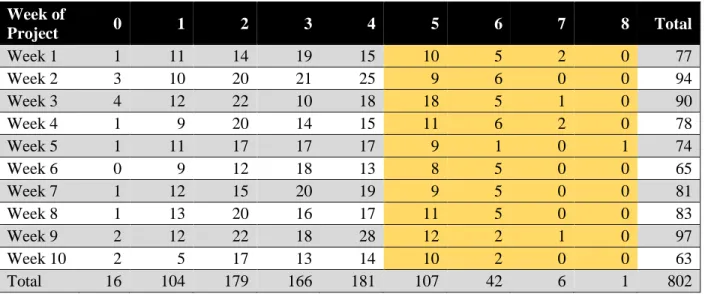
Table 1. Weekly Breakdown of PCES at Hospital Discharge
Week of
Project 0 1 2 3 4 5 6 7 8 Total
Week 1 1 11 14 19 15 10 5 2 0 77
Week 2 3 10 20 21 25 9 6 0 0 94
Week 3 4 12 22 10 18 18 5 1 0 90
Week 4 1 9 20 14 15 11 6 2 0 78
Week 5 1 11 17 17 17 9 1 0 1 74
Week 6 0 9 12 18 13 8 5 0 0 65
Week 7 1 12 15 20 19 9 5 0 0 81
Week 8 1 13 20 16 17 11 5 0 0 83
Week 9 2 12 22 18 28 12 2 1 0 97
Week 10 2 5 17 13 14 10 2 0 0 63
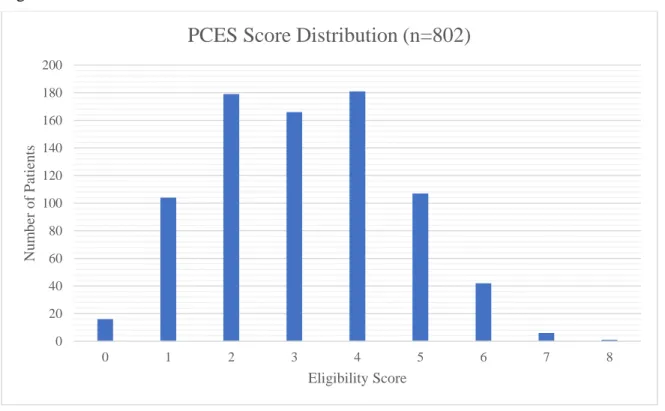
Figure 1. PCES Score Distribution
Efficacy
Of the 77 patients who were scored five or greater on the initial automated screening, eight (10.39%) were referred to palliative care. When patients who were deemed ineligible were removed (inaccurate scoring, n=15; substance abuse, mental illness, and/or noncompliance, n=4; distance >50 miles, n=1; current enrollment in a palliative care program, n=5; deceased or enrolled in hospice, n=7; inability to contact, n=5), this percentage increased to 20%. However, many of these patients were not scheduled in the program due to multiple factors. One decided to transition to hospice, one was admitted to a skilled nursing facility (SNF) and would not be able to be seen until he was discharged, two were sent to providers more convenient to their home, and four were referred to the program. Of these four, two refused appointments when they were contacted. One patient felt that this distance was too far to travel, and one’s patient family member refused because he felt that the services were not needed. One patient had a first appointment successfully scheduled, and another is awaiting appointment scheduling.
0 20 40 60 80 100 120 140 160 180 200
0 1 2 3 4 5 6 7 8
Nu m b er o f P atien ts Eligibility Score
Table 2. Patient Status, Comments, and Presence of Home Health
Status Details Presence of Home-Based Care
Already seeing PC home based program Yes
Already seeing PC home based program Yes
Already seeing PC home based program Yes
Already seeing PC outpatient program Yes
Already seeing PC home based program Yes
At SNF or hospitalized
initial email sent with no response; readmitted to
hospital prior to follow up not applicable
At SNF or hospitalized sent to SNF on discharge, still
at SNF not applicable
At SNF or hospitalized transferred to another hospital
for care not applicable
At SNF or hospitalized initial email sent with no response; readmitted to
hospital prior to follow up not applicable
At SNF or hospitalized
initial email sent with no response; readmitted to
hospital prior to follow up not applicable
At SNF or hospitalized
initial email sent with no response; PCP contacted via phone x1; readmitted to hospital twice prior to follow
up not applicable
At SNF or hospitalized sent to SNF on discharge, still
at SNF not applicable
At SNF or hospitalized sent to SNF on discharge, still
at SNF not applicable
Clinician declined "not needed" No
Clinician declined connotation with end of life No
Clinician declined "not needed" Yes
Clinician declined not willing to discuss with
patient Yes
Clinician declined not willing to discuss with
patient Yes
Clinician declined not willing to discuss with
patient Yes
Clinician declined not willing to discuss with
patient Yes
Clinician declined "not needed" Yes
Deceased or enrolled in
Deceased or enrolled in
hospice Hospice not applicable
Deceased or enrolled in
hospice Deceased not applicable
Deceased or enrolled in
hospice Deceased not applicable
Deceased or enrolled in
hospice Deceased not applicable
Deceased or enrolled in
hospice Deceased not applicable
Deceased or enrolled in
hospice Hospice not applicable
Deemed not eligible inaccurate scoring not applicable Deemed not eligible inaccurate scoring not applicable Deemed not eligible inaccurate scoring not applicable
Deemed not eligible substance abuse not applicable
Deemed not eligible inaccurate scoring not applicable Deemed not eligible inaccurate scoring not applicable Deemed not eligible inaccurate scoring not applicable
Deemed not eligible Noncompliance not applicable
Deemed not eligible inaccurate scoring not applicable Deemed not eligible psychiatric issue not applicable Deemed not eligible inaccurate scoring not applicable Deemed not eligible inaccurate scoring not applicable Deemed not eligible inaccurate scoring not applicable Deemed not eligible inaccurate scoring not applicable Deemed not eligible patient lives out of state not applicable Deemed not eligible inaccurate scoring not applicable Deemed not eligible inaccurate scoring not applicable
Deemed not eligible Noncompliance not applicable
Deemed not eligible inaccurate scoring not applicable Deemed not eligible inaccurate scoring not applicable
Enrolled family declined due to
connotation with hospice No
Enrolled refused due to distance and
inconvenience No
Enrolled changed to hospice No
Enrolled not eligible due to enrollment
at SNF not applicable
Enrolled sent to another provider Yes
Enrolled awaiting enrollment Yes
Enrolled referred to another provider Yes
Lost to follow up No response from PCP after
three phone calls to office Yes
Patient declined language barrier No
Patient declined connotation with end of life No
Patient declined patient/family refused due to difficulty leaving house No Patient declined connotation with end of life No Patient declined connotation with end of life No Patient declined connotation with end of life No Patient declined "too many cooks" No Patient declined connotation with end of life Yes Patient declined connotation with end of life Yes Patient declined connotation with end of life Yes
Patient declined patient/family refused due to
difficulty leaving house Yes Patient declined "too many cooks" Yes Patient declined unspecified/not interested Yes Patient declined connotation with end of life Yes Patient declined connotation with end of life Yes
Unable to contact No PCP in Epic system not applicable Unable to contact No PCP in Epic system not applicable
Unable to contact PCP unable to be contacted
via Epic system not applicable
Unable to contact PCP unable to be contacted
via Epic system not applicable
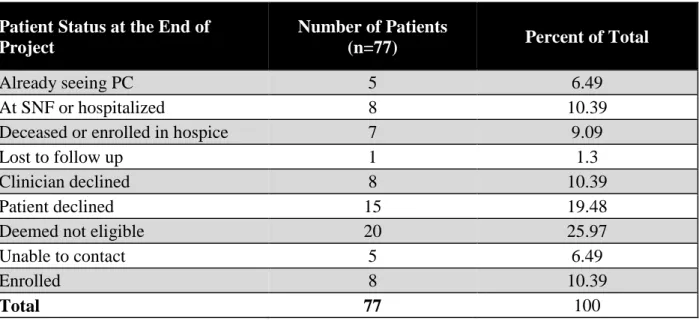
Table 3. Patient Status as a Percent Patient Status at the End of Project
Number of Patients
(n=77) Percent of Total
Already seeing PC 5 6.49
At SNF or hospitalized 8 10.39
Deceased or enrolled in hospice 7 9.09
Lost to follow up 1 1.3
Clinician declined 8 10.39
Patient declined 15 19.48
Deemed not eligible 20 25.97
Unable to contact 5 6.49
Enrolled 8 10.39
Total 77 100
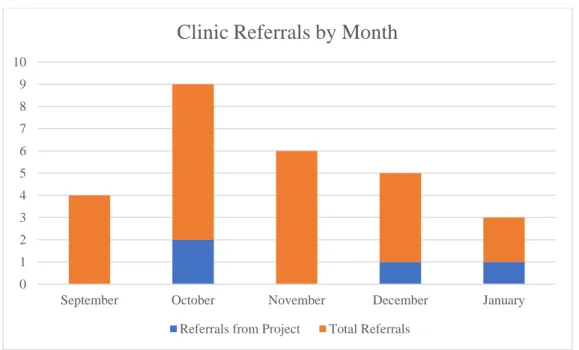
Figure 2. Referrals by Month
Figure 3. First Appointment Scheduled by Month
Adoption
Overall, adoption of this project was fair. Among eligible patients, 71.88% of providers were willing to discuss palliative care with their patients directly or would allow the project lead to do so (n=23), while 25% (n=7 PCPs for n=8 patients), were not willing to discuss palliative
0 1 2 3 4 5 6 7 8 9 10
September October November December January
Clinic Referrals by Month
Referrals from Project Total Referrals
0 1 2 3 4 5 6
September October November December January
First Appointment Scheduled by Month
Total Referrals Scheduled or Awaiting Scheduling
care and declined services without first speaking with their patient. One provider was lost to follow up (3.13%).
Internal adoption of this project was also fair. A portion of this project relied on
receiving a weekly email from the program scheduling coordinator detailing the total number of referrals received. However, during the 10-week implementation of this project, four of the 10 weekly emails were not sent (40%), two were late by at least five days (20%), and four were sent on schedule (40%). Of the six emails received, two were sent unprompted (33.33%), while four required an email reminder (66.67%).
Implementation
For each patient screened, the basic formula for outreach and follow up was
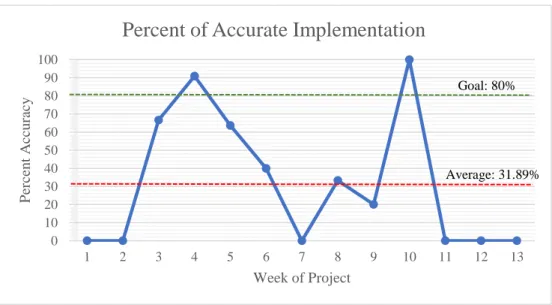
for this project, only two weeks achieved this benchmark. The average accuracy was instead 31.89% (Figure 4). Additional modifications to the project design included the use of emails sent one day prior to a patient’s appointment reminding the provider to discuss palliative care with their patient as well as follow-up phone calls when documentation was unclear as to whether the provider had discussed palliative care.
This project was designed so that all outreach and follow-up would occur on Mondays to decrease the total time spent on patient recruitment and thereby improve the likelihood of long-term maintenance. However, time constraints prevented this from being possible as the list of patients grew. Due to business hours, it was not possible to thoroughly screen patients, email PCPs, and make follow up phone calls on one day. Instead, the initial screening and emails were completed on Mondays, and follow up phone calls were made throughout the rest of the week depending on patient appointment schedules and PCP availability. Overall, this project was not well suited to strict timelines and required greater flexibility.
Figure 4. Percent of Accurate Implementation
0 10 20 30 40 50 60 70 80 90 100
1 2 3 4 5 6 7 8 9 10 11 12 13
P er ce n t A cc u rac y
Week of Project
Percent of Accurate Implementation
Goal: 80%
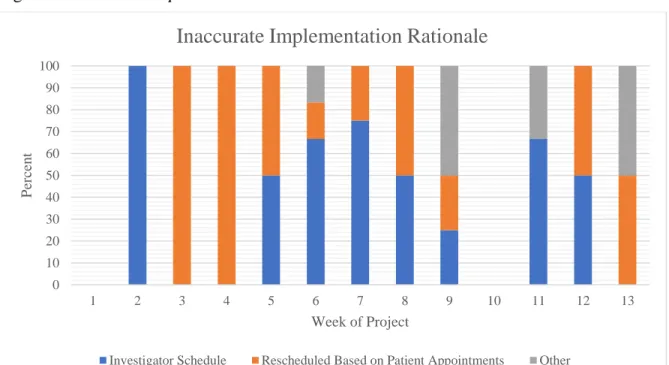
Figure 5. Inaccurate Implementation Rationale
0 10 20 30 40 50 60 70 80 90 100
1 2 3 4 5 6 7 8 9 10 11 12 13
P
er
ce
n
t
Week of Project
Inaccurate Implementation Rationale
CHAPTER 6: ANALYSIS
Overall, this project did not achieve its goal of increasing palliative care referral rates by 50% in the program. Although this was due to a number of factors, PCP and patient perceptions played a central role in failure to meet the proposed referral rates.
PCP Perceptions
Among the providers who either opted out of a palliative care discussion with their patients or refused on their behalf, two common themes arose. First, many of the providers felt that a palliative care consult was not necessary. In each of these cases, this assumption occurred prior to the patient’s hospital follow-up appointment, and before the provider could discuss the patient’s symptoms with them. The most effective way to assess patient symptom burden is through patient report (Aslaskan et al., 2017). Without an in-depth conversation with patients, providers are likely to underestimate patient’s symptoms and miss the opportunity to optimize their health and quality of life (Seers, T., Derry, Seers, K., & Moore, 2018; Xiao, Polomano, & Bruner, 2013). Many chronic diseases are associated with a significant symptom
While some providers refused palliative care outright, others demonstrated a reluctance to discuss palliative care with their patients, due to discomfort around the topic and a perceived association with end of life. Several did not understand that palliative care and hospice were separate specialties and that palliative care could be used without hospice care. One PCP, for example, favored heart surgery for their patient in place of palliative care and only felt that palliative care would be necessary if aggressive treatments were exhausted. As shown in the literature, there are many reasons that a provider may be reluctant to discuss palliative
care. Their own biases may prevent them from viewing this discussion objectively, they may fear their patients would become upset with them, or they may believe they have failed their patients in their care (Hawley, 2017). This is a barrier that will take time and consistent education to overcome.
Table 4. PCP Quotes
PCP Quotes
"[Patient] does not have the insight to benefit from this type of consult." 86-year-old patient,
PCES 7
"I would not have thought of a palliative care consult for this patient…Her diseases are many but well controlled." 85-year-old patient, PCES 6
"I think we can hold off for now." 76-year-old patient, PCES 5
"The patient does have a lot of chronic issues, but we're managing them. I don't think there's much left you can offer that we aren't doing." 81-year-old patient, PCES 6
“We think many of his symptoms are coming from his aortic valve. I'd like to have him pursue [heart surgery], but if he decides it’s not for him, then I think the consult is absolutely
appropriate and necessary.” 94-year-old patient, PCES 6
“[Patient] is not there yet. They aren’t ready to talk hospice.” 95-year-old patient, PCES 6
Patient Perceptions
The majority of patients who refused palliative care did so out of a fear that this implied they were nearing end of life (n=9, 60%). In addition to the nine patients who refused a
referral was placed due to the same connotation. Several PCPs stated that they had attempted numerous palliative care conversations with their patients in the past and that patients or their family members were unwilling to discuss it. These PCPs stated that regardless of the education provided about palliative care, these patients were unable to separate palliative care from end of life and would shut down if the subject was broached. This fear is not uncommon. Despite efforts to normalize palliative care and integrate it earlier in disease processes, many patients associate it with death, hopelessness, and dependency even if they receive services and experience benefit (Zimmermann et al., 2016).
Because multiple providers also demonstrated a reluctance to refer patients to palliative care, there is a possibility that bias influenced palliative care conversations between PCPs and their patients. Often, documentation did not reveal how the conversations were framed. Given the high number of patients who refused palliative care due to an end of life association, it is possible that the conversation was framed in such a way that these fears were amplified.
Research shows that patient fears surrounding palliative care often originate from conversations with their healthcare providers rather than their own understanding of what palliative care is (Zimmermann et al., 2016). Of the patients who discussed it with the project lead directly, none had heard of palliative care before. If this trend was similar among patients who discussed palliative care with their PCPs, it is possible that many of them were hearing the term for the first time. Depending on how the conversation was approached, this initial impression may have created more fears and confusion than was intended.
referral later refused due to the distance the clinic was from her home. These patients were followed by multiple providers, and their chronic conditions and physical limitations made leaving the house difficult. Of these three patients, two expressed interest in palliative care and would have been willing to accept services if the program was home-based.
Finally, two patients (13.33%) expressed they felt their team of doctors provided enough care for them, and they did not want additional providers. This reluctance to include another provider in their care management is not unfounded. The current healthcare landscape utilizes a PCP as well as disease specialists for management of complex conditions. Although in some settings this has been shown to have some beneficial outcomes, it has also led to an increase in resource use, duplicated or repeated testing, adverse drug reactions, polypharmacy, and poor disease control (Maciejewski et al., 2017; Maciejewski et al., 2018; Johnston & Hockenberry, 2016). While the goal of the program is to work closely with PCPs to promote optimal
outcomes, it is not possible to coordinate care with each of a patient’s specialists. This obstacle is not unique for this program, and is likely a challenge for palliative care programs nationwide. Table 5. Patient Quotes
Patient Quotes
“I think my doctors do a good job. I don’t think I need anyone else managing me.” 84-year-old
patient, PCES 5
“Anything that would help [patient] quality of life would be great, but it’s too much to get [patient] out of the house to another appointment. Can’t you get someone to come
here?” Patient family member, 93-year-old patient, PCES 7
"I don’t need that. Why do I need to see another doctor? I’m not dying.” 81-year-old patient,
PCES 6
“I can’t drive all that way. It’s too far.” 81-year-old patient, PCES 6
Commonality
Although most patients and/or providers in this project were not amenable to receive palliative care, there was some commonality among the eligible patients in this project. Among the 36 eligible patients, 69.44% (n=25) were being seen by home health (Table 6). The finding that many patients, regardless of their willingness to accept palliative care, were willing to
receive home health raises the possibility that a home-based palliative care program may be more appealing than the outpatient program that exists. Home-based palliative care programs have increased in popularity in recent years, but face many challenges as they struggle to adapt to a complex medical system (Bowman et al., 2018). While home health and home hospice programs are relatively simple, home-based palliative care is more complex and requires more services, such as social work and spiritual care that are not yet compensated by many payer groups. The balance of paying for home-based palliative care to achieve cost benefit is consequently not well defined (Bowman et al., 2018). There is more work to be done in this area so more patients are afforded the opportunity to receive the palliative care services they qualify for in a delivery system that meets their needs.
Table 6. Patient Status and Home Health
Status (n=36) Number Referred
to Home Health
Number Not Referred to Home Health
Percent of Total
Already Seeing PC (n=5) 5 0 100
Clinician Declined (n=8) 6 2 75
Patient Declined (n=15) 9 6 60
Referred to Palliative Care (n=7) 4 3 57.14
Lost to Follow-Up (n=1) 1 0 100
CHAPTER 7: LIMITATIONS Automated Screening Tool
The use of an automated screening tool in this project posed several
limitations. Although the tool was developed by a palliative care physician and had shown success in small-scale use, it has not been validated. While some palliative care screening tools have been validated, many fall short of capturing all eight of the domains of palliative care (structure and processes, physical, psychological and psychiatric, social, spiritual, cultural, end of life, and ethical), only one has been validated in the ambulatory setting (Dy et al., 2015). The tool used in this project had already been integrated into a larger system and could automatically screen large volumes of patients without additional manpower, and therefore was selected due to its ease of use. Using a different tool would have eliminated automation thereby making large-scale screening difficult given the small team working on this project.
While the use of automated screening tools has been successful in smaller, hospital-based settings, it may not be appropriate for the purposes of this project. Many palliative care issues, such as pain, breathlessness, debility, depression, and anxiety are highly subjective and depend on the patient’s experience. Automated screening eliminates the patient’s perspective. In smaller settings, subjective patient data may be more readily accounted for, but this is not possible on a larger scale. Research suggests that although a tool that assesses the presence of certain risk factors and comorbidities is a good starting point, it is not the best method for identifying patients who would benefit from palliative care. Instead, the use of patient reported data would be more precise (Aslaskson et al., 2017).
Maintenance and Sustainability
At the completion of this project, there are no plans to continue it as it is currently designed. With one person responsible for patient screening, chart reviews, outreach, and follow-up, the project became increasingly cumbersome and time consuming as the list of patients grew and follow-up requirements became more complex. The need to adjust the timing of provider and patient phone calls according to scheduling needs made weekly planning
unpredictable, especially as patients changed appointment times or were readmitted to the
CHAPTER 8: FUTURE DIRECTIONS
Between the shortcomings of the automated screening tool and the substantial time commitment that this project required, new ways to increase palliative care enrollment should be explored. Different approaches can be taken to achieve this, and the focus of future projects should be well defined. While this project sought to increase enrollment at one palliative care clinic, it may be more feasible to broaden this approach to include any palliative care program rather than one specifically. As revealed by this project, this may have more promising outcome, as a patient could be referred to a program that best suited their needs. The inclusion of a variety of palliative care programs may help improve overall enrollment rates and may benefit the patient as well as the healthcare system (Smith et al., 2014). If the goal remains to improve enrollment at one specific clinic, this project would need to be scaled back in size to make it more sustainable.
Team Approach
could also be modified to a two question initial screening to quickly rule out patients who were not palliative care candidates. After the initial screening, a more in-depth screening could be conducted with the entire tool. This team could be instrumental in linking patients to a palliative care program that is suited to their needs geographically as well as their personal preferences in terms of home-based versus clinic based. This approach would not be without challenges. In addition to the training that this would require, team members would need to have an extensive knowledge of outpatient resources, not only for local programs, but also for patients who live farther away. It also would not eliminate the challenge of provider bias. Patients would still require a referral from a physician or advanced practice provider, and as the literature has demonstrated, many hospital-based providers are uncomfortable broaching these conversations due to a lack of a personal relationship with the patient (Kichler et al., 2018).
Partnering with Local PCPs
Another potential opportunity to improve referral rates to palliative care would be through partnering with PCP offices and connecting them to palliative care
providers. Throughout this project, it was found that PCPs who favored using palliative care frequently referred their patients to the same palliative care teams or programs. Multiple
information available when they discuss palliative care with their patients. They would be more apt to answer questions, impart confidence, and address patient fears. This approach is
supported in the research, as patients have been shown to be more comfortable accepting
palliative care when their PCP is involved (Kirolos et al., 2014). If PCPs have more information and an established relationship with a palliative care provider, it is likely that the conversations that they have with their patients would be more productive. Additionally, empowering
providers to screen patients independently would allow them the opportunity to offer palliative care to all of their patients, not only the ones who had recently been admitted to the
CHAPTER 9: CONCLUSION
At the conclusion of this project, eight patients received palliative care referrals, but only two have been scheduled in the program or are currently awaiting scheduling. This project did not achieve its goal of increasing enrollment by 50%. Patient and provider fears about end of life, addition of care providers, and inconvenience were identified as the main barriers to
APPENDIX A: PALLIATIVE CARE ELIGIBILITY SCORING SYSTEM 1) Physical domain/Serious Illness
More than 1 point can be earned in this domain if pt qualifies for multiple criteria
a. Cancer (metastatic or hematologic) b. Renal failure, end stage
c. Advanced Dementia
d. Advanced liver disease or cirrhosis
e. Diabetes with severe complications – i.e. ischemic heart disease, peripheral vascular disease, renal disease, or complications leading to a hospitalization. f. Amyotrophic lateral sclerosis (ALS)
g. Acquired Immune Deficiency Syndrome with CD 4 count < 100
h. Hip fracture with advanced dementia or other significant neurodegenerative condition (progressive MS)
i. Chronic obstructive pulmonary disease or interstitial lung disease - only if using home oxygen or hospitalized for the condition
j. Congestive heart failure - only if hospitalized for the condition
2) Utilization (look at ER visits and hospital stays, including Care Everywhere) More than 1 point can be earned in this domain if pt qualifies for multiple criteria
a. 30-day readmission in last 6 months
b. 3 unplanned hospitalizations (admissions and readmissions) c. > 3 ER visits in the past 6 months
d. Hospitalization longer than 2 weeks 3) Age:
Up to 2 points can be earned
a. Age > 75: 1 point b. Age >85: 2 points 4) Functional domain:
Binary domain: Only 1 point can be earned if any of the following present:
a. Fall within the last 6 months
b. Durable medical equipment ordered (See Look at last Case Manager note titled “Final Transition Planning Assessment” and look at the Home Care/ Home Medical Equipment needed at discharge? Section)
c. Receiving assistance with any of the basic activities of daily living (ADL): – eating – bathing – dressing – toileting – transferring – walking
5) Existing Advance Care Planning
Binary Domain: only 1 point can be earned if any of the following present:
a. No documented ACP note in EHR
6) Psychosocial support
Binary domain, only 1 point can be earned.
a. Award 1 point for concern for lack of psychosocial support (Financial strain, Lack of transportation etc)
7) Symptoms:
Binary domain, only 1 point can be earned.
a. uncontrolled symptoms (pain/depression/fatigue/weight loss/dyspnea/nausea) Exclusion Criteria
- Serious mental illness, personality disorder or substance abuse as primary diagnosis - Non-compliance as primary driver
Calculate Total points ____
If greater than or equal to 5 – Automatic Referral If 3 or 4 – Clinician reviews
APPENDIX B: EMAIL TO PRIMARY CARE PROVIDERS Dear SAMPLE:
I am a registered nurse and Doctor of Nursing Practice student at UNC and I am working to help identify patients who may benefit from palliative care consultation. It looks like (patient’s name) may benefit given (eligibility description). Many patients do not realize that palliative care is not the same as hospice and can be used at any stage of disease, with or without aggressive
treatment. Please let us know your thoughts and feel free to call my cell phone at XXX-XXX-XXXX if I can be helpful with anything. Below is information about the clinic.
The Palliative Care Clinic at the Ambulatory Care Center is a consultative outpatient clinic that can help to assess symptoms, address support needs of patients and families, promote advance care planning and align decision-making with goals of care all in collaboration with you. The clinic is located at [clinic location].
If you agree that a palliative care consultation would benefit your patient, please discuss the referral with your patient and place a referral in Epic- “Ambulatory Referral to Palliative Care”. A discussion about referral has been shown to be more beneficial coming from the primary provider than someone less familiar with the patient. However, if you are unable to discuss with the patient, I would be happy to contact them and speak with them about the palliative care clinic. If you do not feel your patient is appropriate for palliative care as this time, please respond to this message in the next 5 business days.
Feel free to contact me directly with any questions or concerns. Thank you, and we look forward to working with you.
43
APPENDIX C: DATA COLLECTION SPREADSHEET
Today's date
(manual entry): 10/8/2019
Status Initial Contact Status date Expiration date Expired status Time to enrollmentMedical Record
Number Patient Name PCP Comments
At SNF or hospitalized 10/8/2019 10/15/2019 Ok XXXXX XXXXX XXXXX XXXXX
Clinician declined 9/30/2019 9/30/2019 10/7/2019 declined XXXXX XXXXX XXXXX XXXXX
Patient declined 9/30/2019 10/8/2019 10/15/2019 declined XXXXX XXXXX XXXXX XXXXX
Email sent 9/30/2019 10/8/2019 10/15/2019 Ok XXXXX XXXXX XXXXX XXXXX
MD phone call 1 9/30/2019 10/8/2019 10/15/2019 Ok XXXXX XXXXX XXXXX XXXXX
Patient phone call 2 9/30/2019 9/30/2019 10/7/2019 needs action XXXXX XXXXX XXXXX XXXXX
Enrolled 9/30/2019 10/8/2019 10/15/2019 enrolled XXXXX XXXXX XXXXX XXXXX
Deceased or enrolled in hospice 9/30/2019 10/7/2019 deceased/hospice XXXXX XXXXX XXXXX XXXXX
Deemed not eligible 9/30/2019 10/7/2019 not eligible XXXXX XXXXX XXXXX XXXXX
Unable to contact 9/30/2019 10/7/2019 unable to contact XXXXX XXXXX XXXXX XXXXX
APPENDIX D: DEMOGRAPHICS Demographics
All Eligible Patients* (n=) Percent
Male 30 60
Female 20 40
White 38 76
Black 10 20
Asian 1 2
Hispanic 1 2
Other 0 0
Age Range 59-97 years
Average Age 84.4 years
Number of Chronic Conditions
0-2 Chronic Conditions 2 4
3 Chronic Conditions 4 8
4 Chronic Conditions 4 8
5 Chronic Conditions 6 12
6 Chronic Conditions 9 18
7 Chronic Conditions 6 12
8 Chronic Conditions 8 16
9 Chronic Conditions 9 18
10 Chronic Conditions 2 4
Common Chronic Condition Prevalence
Anemia 13 26
Arthritis 11 22
Cancer 14 28
Chronic obstructive pulmonary disease 10 20
Other respiratory disease 14 28
Congestive heart failure 24 48
Hypertension 43 86
Other heart disease 32 64
Neurological or cognitive disease 19 38
Diabetes 16 32
Gastroesophageal reflux 11 22
Hyperlipidemia 20 40
Kidney disease 28 56
Stroke 11 22
At SNF/Hospitalized
Male 1 12.5
Female 7 87.5
White 5 62.5
Black 2 25
Asian 1 12.5
Hispanic 0 0
Demographics
All Eligible Patients* (n=) Percent
Average Age 82.12 years
Average Number of Chronic Conditions 7.25 Already Enrolled
Male 3 60
Female 2 40
White 4 80
Black 1 20
Asian 0 0
Hispanic 0 0
Age Range 77-95 years
Average Age 83.8 years
Average Number of Chronic Conditions 5.6 Clinician Declined
Male 5 62.5
Female 3 37.5
White 7 87.5
Black 1 12.5
Asian 0 0
Hispanic 0 0
Age Range 77-95 years
Average Age 87.88 years
Average Number of Chronic Conditions 6.5 Patient Declined
Male 6 40
Female 9 60
White 12 80
Black 2 13.33
Asian 0 0
Hispanic 1 6.67
Age Range 71-97 years
Average Age 84.6 years
Average Number of Chronic Conditions 6.8 Referred to Palliative Care
Male 3 37.5
Female 5 62.5
White 6 75
Black 2 25
Asian 0 0
Hispanic 0 0
Age Range 66-96 years
Average Age 82.38 years
Average Number of Chronic Conditions 7.13 Unable to Contact
Demographics
All Eligible Patients* (n=) Percent
Female 4 66.67
White 4 66.67
Black 2 33.33
Asian 0 0
Hispanic 0 0
Age Range 78-90 years
Average Age 85.5 years
REFERENCES
Aldridge, M. D., Hasselaar, J., Garralda, E., van der Eerden, M., Stevenson, D., McKendrick, K., … Meier, D. E. (2016). Education, implementation, and policy barriers to greater
integration of palliative care: A literature review. Palliative Medicine, 30(3), 224–239. doi:10.1177/0269216315606645
Aslakson, R. A., Dy, S. M., Wilson, R. F., Waldfogel, J., Zhang, A., Isenberg, S. R., … Robinson, K. A. (2017). Patient and caregiver-reported assessment tools for palliative care: Summary of the 2017 agency for healthcare research and quality technical brief.. Journal of Pain and Symptom Management, 54(6), 961–972.e16. doi: 10.1016/j.jpainsymman.2017.04.022
Bakitas, M. A., Tosteson, T. D., Li, Z., Lyons, K. D., Hull, J. G., Li, Z., . . . Ahles, T. A. (2015). Early versus delayed initiation of concurrent palliative oncology care: Patient outcomes in the ENABLE III randomized controlled trial. Journal of Clinical Oncology, 33(13), 1438-1445. doi:10.1200/jco.2014.58.6362
Begum, A. (2013). Using a screening tool to improve timely referral of patients from acute oncology-haematology to palliative care services. BMJ Quality Improvement
Reports, 2(1). doi:10.1136/bmjquality.u714.w732
Bowman, B. A., Twohig, J. S., & Meier, D. E. (2018). Overcoming Barriers to Growth in Home-Based Palliative Care. Journal of Palliative Medicine. doi:10.1089/jpm.2018.0478 Center for the Advancement of Palliative Care (n.d). About palliative care. Retrieved from
https://www.capc.org/about/palliative-care/
Chen, C. Y., Naessens, J. M., Takahashi, P. Y., McCoy, R. G., Borah, B. J., Borkenhagen, L. S., … Hanson, G. J. (2018). Improving value of care for older adults with advanced medical illness and functional decline: Cost analyses of a home-based palliative care program.
Journal of Pain and Symptom Management. doi:10.1016/j.jpainsymman.2018.08.015
Cotogni, P., DE Luca, A., Evangelista, A., Filippini, C., Gili, R., Scarmozzino, A., … Brazzi, L. (2017). A simplified screening tool to identify seriously ill patients in the Emergency Department for referral to a palliative care team. Minerva Anestesiologica, 83(5), 474– 484. doi:10.23736/S0375-9393.16.11703-1
Dy, S. M., Kiley, K. B., Ast, K., Lupu, D., Norton, S. A., Mcmillan, S. C., … Casarett, D. J. (2015). Measuring what matters: Top-ranked quality indicators for hospice and palliative care from the American Academy of Hospice and Palliative Medicine and Hospice and Palliative Nurses Association. Journal of Pain and Symptom Management, 49(4), 773– 781. doi: 10.1016/j.jpainsymman.2015.01.012
Estabrooks, P. A., & Allen, K. C. (2013). Updating, employing, and adapting: A commentary on what does it mean to “employ” the RE-AIM model. Evaluation & the Health
Gaglio, B., Shoup, J. A., & Glasgow, R. E. (2013). The RE-AIM framework: A systematic review of use over time. American Journal of Public Health, 103(6), e38–46. doi:10.2105/AJPH.2013.301299
Ghesquiere, A., Gardner, D. S., McAfee, C., Kenien, C., Capezuti, E., Kozlov, E., … Reid, M. C. (2018). Development of a community-based palliative care screening tool for
underserved older adults with chronic illnesses. The American Journal of Hospice &
Palliative Care, 35(7), 929–937. doi:10.1177/1049909117749467
Glasgow, R. E., Vogt, T. M., & Boles, S. M. (1999). Evaluating the public health impact of health promotion interventions: The RE-AIM framework. American Journal of Public
Health, 89(9), 1322–1327. Retrieved from
https://www.ncbi.nlm.nih.gov/pmc/articles/PMC1508772/pdf/amjph00009-0018.pdf Harden, S. M., Gaglio, B., Shoup, J. A., Kinney, K. A., Johnson, S. B., Brito, F., … Estabrooks,
P. A. (2015). Fidelity to and comparative results across behavioral interventions
evaluated through the RE-AIM framework: A systematic review. Systematic Reviews, 4, 155. doi:10.1186/s13643-015-0141-0
Hawley P. (2017). Barriers to Access to Palliative Care. Palliative care, 10. doi:10.1177/1178224216688887
Higginson, I. J., Bausewein, C., Reilly, C. C., Gao, W., Gysels, M., Dzingina, M.,…Moxham, J. (2014). An integrated palliative and respiratory care service for patients with advanced disease and refractory breathlessness: A randomised controlled trial. The Lancet
Respiratory Medicine, 2(12), 979-987. doi:10.1016/s2213-2600(14)70226-7
Holtrop, J. S., Rabin, B. A., & Glasgow, R. E. (2018). Qualitative approaches to use of the RE-AIM framework: Rationale and methods. BMC Health Services Research, 18(1), 177. doi:10.1186/s12913-018-2938-8
Hui, D., Mori, M., Meng, Y.-C., Watanabe, S. M., Caraceni, A., Strasser, F., … Bruera, E. (2018). Automatic referral to standardize palliative care access: An international Delphi survey. Supportive Care in Cancer, 26(1), 175–180. doi:10.1007/s00520-017-3830-5 Hurst, E., Yessayan, L., Mendez, M., Hammad, A., & Jennings, J. (2018). Preliminary analysis
of a modified screening tool to increase the frequency of palliative care consults. The
American Journal of Hospice & Palliative Care, 35(3), 417–422.
doi:10.1177/1049909117712229
Jenko, M., Adams, J. A., Johnson, C. M., Thompson, J. A., & Bailey, D. E. (2015). Facilitating palliative care referrals in the intensive care unit: A pilot project. Dimensions of Critical
Care Nursing : DCCN, 34(6), 329–339. doi:10.1097/DCC.0000000000000143
Johnston, K. J., & Hockenberry, J. M. (2016). Are two heads better than one or do too many cooks spoil the broth? The trade-off between physician division of labor and patient continuity of care for older adults with complex chronic conditions. Health Services