IMPROVING THE VALIDITY OF NONEXPERIMENTAL COMPARATIVE EFFECTIVENESS RESEARCH:
THE IMPACT OF CALENDAR TIME ON PRESCRIBING OF NOVEL CHEMOTHERAPEUTIC THERAPIES FOR STAGE III COLON CANCER
Christina DeFilippo Mack, M.S.P.H.
A dissertation submitted to the faculty of the University of North Carolina at Chapel Hill in partial fulfillment of the requirements for the degree of Doctor of Philosophy in the
Department of Epidemiology.
Chapel Hill 2013
Approved by:
Til Stürmer, MD, MPH, PhD Alan Brookhart, PhD
Bill Carpenter, MPH, PhD Anne-Marie Meyer, MSPH, PhD
©2013
ABSTRACT
CHRISTINA DEFILIPPO MACK: Improving the validity of nonexperimental comparative effectiveness research: The impact of calendar time on prescribing of novel
chemotherapeutic therapies for stage III colon cancer (Under the direction of Dr. Til Stürmer)
Oxaliplatin was rapidly adopted for stage III colon cancer treatment after FDA approval in 2004. Uncertainty remains regarding oxaliplatin’s superiority to the former chemotherapeutic standard in older patients, the most affected population. The relationship between calendar time and treatment receipt during oxaliplatin’s
dissemination presents a challenging yet rich methodological research opportunity for comparative effectiveness research (CER).
Stage III colon cancer patients aged 65+ initiating chemotherapy from 2003-2008 were studied using U.S. population-based cancer registry data linked with Medicare claims. We examine changes in treatment receipt using a novel calendar time-specific (CTS) propensity score (PS), which allows covariate predictive values to change over time. We compare this method and a calendar time instrumental variable (IV) with traditional adjustment to enhance understanding of oxaliplatin effectiveness for reducing cancer mortality, a strong driver of all-cause mortality among stage III patients.
PSs for treatment receipt were constructed using logistic models with key components of demographics, tumor substage, grade, and comorbidities. The CTS PS was used to match oxaliplatin-treated and untreated patients within 1-year intervals. The two-level calendar time instrument was anchored at oxaliplatin’s approval and based on IV strength and plausibility of assumptions. PS-matched hazard ratios (HR) were
survival curves. CTS PS and IV results were compared with conventional PS-matched estimates.
Oxaliplatin use increased considerably during the study timeframe, with 8% receipt in the first time period vs. 52% in the last (N=2800). Channeling by comorbidities, income, and age appeared to change over time. The CTS PS improved covariate
balance within calendar time strata and yielded an attenuated estimated benefit of oxaliplatin (HR=0.75) compared with the conventional PS (HR=0.69).
The calendar time instrument resulted in 54% compliance (N=2881). The 3-year IV RD (95% confidence interval) was -0.09 (-0.15,-0.03) favoring oxaliplatin; PS-adjusted RD was -0.04 (-0.08,-0.01).
ACKNOWLEDGEMENTS
I would like to thank Til Stürmer for the guidance that he has provided me during my time at UNC Chapel Hill. His mentorship in science and methods, as well as his high standards and continuous support, have been invaluable to my education. Alan
Brookhart, Bob Sandler, Bill Carpenter and Anne-Marie Meyer, as my dissertation committee, have been incredibly generous with their time and knowledge. They have made many contributions to this work and to my advancement as a researcher. Additionally, I appreciate the inspiration and guidance of Nancy Dreyer, Charlie Poole, Michele Jonsson-Funk, Alice White, and Nancy Colvin.
I am grateful for funding support from NIH grants R01 AG023178, R01
This dissertation is dedicated to all those who undergo treatment for cancer.
Special love to my brave friends and family: Brionne Clary, Peter DeFilippo, Clara
Lane, Vicki Lutzer, Noel Smith, and Ramon Williams.
I give my thanks and love to those who have supported me along the way:
To my husband Peter, who inspired me to pursue this dream and supported me
throughout – there is no one I’d rather be on this adventure with.
To our Ethan and Lilliana, who make every moment more fun and rewarding.
To my parents, who made me feel like I could do anything I set my mind to – thank
you for the endless support and unconditional love.
To Marylyn, John, Greg and Pat, the most wonderful grandparents a family could
ask for – your love and care for our children, coupled with your endless energy,
made this possible.
TABLE OF CONTENTS
LIST OF TABLES ... x
LIST OF FIGURES ...xi
LIST OF ABBREVIATIONS ... xii
CHAPTER 1: STATEMENT OF SPECIFIC AIMS ... 1
CHAPTER 2: BACKGROUND AND REVIEW OF THE LITERATURE ... 6
A. BACKGROUND ... 6
B. DETERRENTS TO OXALIPLATIN RECEIPT ... 10
C. EFFECTIVENESS OF EMERGING THERAPIES ... 13
D. EVALUATION OF CHANGES IN CHANNELING OVER TIME USING PROPENSITY SCORES ... 16
E. INSTRUMENTAL VARIABLES ... 19
F. SUMMARY ... 23
G. TABLES ... 26
CHAPTER 3: METHODS ... 28
A. STUDY DATA ... 28
B. STUDY POPULATION ... 30
C. EXPOSURE, OUTCOME, AND COVARIATES ... 31
a) Treatment exposure ... 32
b) Mortality outcome ... 34
c) Calendar time ... 34
D. STATISTICAL ANALYSIS ... 37
E. TABLES & FIGURES ... 48
CHAPTER 4: RESULTS: Calendar Time-Specific Propensity Scores and Comparative Effectiveness Research for Stage III Colon Cancer Chemotherapy ... 56
A. INTRODUCTION ... 56
B. METHODS ... 57
C. RESULTS ... 59
D. DISCUSSION ... 62
E. TABLES & FIGURES ... 68
CHAPTER 5: RESULTS: Comparative Effectiveness of Oxaliplatin vs. 5-fluorouracil in Older Adults: An Instrumental Variable Analysis ... 74
A. INTRODUCTION ... 74
B. METHODS ... 76
C. RESULTS ... 79
D. DISCUSSION ... 81
E. TABLES & FIGURES ... 87
CHAPTER 6: DISCUSSION ... 96
A. SUMMARY OF FINDINGS ... 96
B. PUBLIC HEALTH IMPLICATIONS ... 98
C. STRENGTHS ... 100
D. LIMITATIONS ... 102
E. FUTURE RESEARCH ... 106
F. CONCLUSIONS ... 109
APPENDIX A: Administrative Codes ... 111
APPENDIX B: Covariate Balance ... 112
REFERENCES ... 116
LIST OF TABLES
Table 2.1 Results of Randomized Controlled Trials and Observational
Studies Examining Oxaliplatin's Efficacy and Effectiveness ... 26 Table 2.2 NCI's Cancer Intervention and Surveillance Modeling Network
chemotherapy model inputs for stage III colorectal cancer* ... 27 Table 3.1 Rationale, ascertainment and data management for covariates
that are analyzed in aim 1 and considered potential confounders
in aims 2 and 3 ... 48 Table 3.2 Crosswalk: Correspondence of Stage III substages with AJCC
V6 descriptions ... 50 Table 3.3 Crosswalk: SEER Extent of Disease Version-3 codes
corresponding to the American Joint Committee on Cancer
version 6 tumor and lymph node descriptions ... 51 Table 4.1 Characteristics and treatment receipt of Stage III Colon Cancer
Patients in SEER-Medicare Study Population by Time Period
(N=2800) ... 69 Table 4.2 Mortality hazard ratios for stage III colon cancer patients treated
with oxaliplatin versus 5-FU from May 2003 to April 2006 ... 72 Table 5.1 Characteristics of Stage III Colon Cancer Patients by Treatment
Received (N=3660) and Calendar Time Instrument (N=2881) ... 88 Table 5.2 Comparison of Risks and Risk Differences Using Instrumental
Variable and Adjusted Analyses ... 91 Table A.1 Administrative codes used to ascertain surgery to qualify patients
for this study ...111 Table B.1 Covariate balance: Percentage and percent difference of patients
treated with oxaliplatin of 5-FU only by covariate between full (unmatched) population and matched cohorts generated by the conventional and calendar time-specific PS from April 2003
LIST OF FIGURES
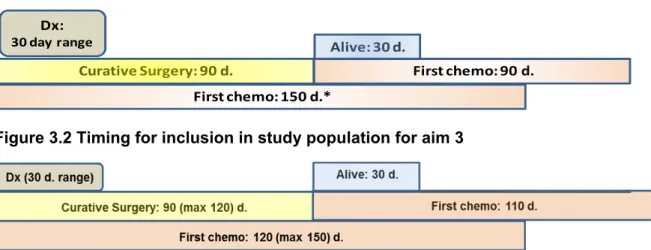
Figure 3.1 Timing for inclusion in study population for aims 1 and 2 ... 52 Figure 3.2 Timing for inclusion in study population for aim 3 ... 52 Figure 3.3 DAG to identify confounders for the association between
treatment and mortality ... 53 Figure 3.4 FDA approval history of oxaliplatin for Stage III Colon Cancer ... 54 Figure 3.5 Considerations for Calendar Time as an Instrument Variable ... 55 Figure 4.1 Calendar time periods for stage III colon cancer patients based
on first date of 5-FU or oxaliplatin receipt (N=2800) and FDA
approval history of oxaliplatin ... 68 Figure 4.2 Changes in channeling by covariate over study time periods
(adjusted OR, 95% CI) comparing receipt of oxaliplatin with 5-FU ... 70 Figure 4.3 Comparison of covariate balance between full (unmatched)
population and matched cohorts generated by the conventional
and CTS PS from April 2003 through May 2006 ... 71 Figure 4.4. Estimated hazard ratios for different PS adjustment methods
comparing oxaliplatin with 5-FU for prevention of all-cause mortality, across all study years and within calendar-specific
time periods ... 73 Figure 5.1 Dissemination of Oxaliplatin: Receipt of Oxaliplatin vs.
5-fluorouracil for Stage III Colon Cancer by Month and
Definition of Calendar Time Instrument Variable (N=3660) ... 93 Figure 5.2 Probability of Overall Survival A) by Calendar Time Instrumental
Variable (N=2881) and B) with 5-FU vs. Oxaliplatin in Propensity
Score-Matched Analysis (N=2732) ... 94 Figure 5.3 Comparison of Risk Differences Using Instrumental Variable
and Adjusted Analyses ... 95
LIST OF ABBREVIATIONS
5-FU 5-fluorouracil
AIDS Acquired Immune Deficiency Syndrome AJCC American Joint Committee on Cancer ASCO American Society of Clinical Oncology BMI Body Mass Index
CER Comparative Effectiveness Research CHF Congestive Heart Failure
CI Confidence Interval
CISNET Cancer Intervention and Surveillance Modeling Network COPD Chronic pulmonary disease
CPT Current Procedural Terminology CTS Calendar Time-Specific
CVD Cardiovascular disease DAG Directed Acyclic Graph DME Durable Medical Equipment EOD Extent of Disease
FDA Food and Drug Administration HAART Highly Active Antiretroviral Therapy
HCPCS Health Care Procedure Classification Codes HMO Health Maintenance Organization
HR Hazard Ratio
HRT Hormone Replacement Therapy IOM Institute of Medicine
K-M Kaplan-Meier
MI Myocardial Infarction
MOSAIC Multicenter International Study of Oxaliplatin/5-Fluorouracil/Leucovorin in the Adjuvant Treatment of Colon Cancer
NCCN National Comprehensive Cancer Network NDC National drug codes
OR Odds Ratio
PEDSF Patient Entitlement and Diagnosis Summary File PS Propensity Score
RCT Randomized Controlled Trial
RD Risk Difference
SE Standard Error
SEER Surveillance, Epidemiology and End Results NCI National Cancer Institute
CHAPTER 1
STATEMENT OF SPECIFIC AIMS
This study aims to help us understand the effectiveness of a new
chemotherapeutic, oxaliplatin, compared with the former standard of care, 5-fluorouracil, for prevention of stage III colon cancer mortality in older Americans. Through this
important research question, we examine the validity of comparative effectiveness methods in the context of a rapidly disseminating innovation and how predictors of oxaliplatin receipt change over time as this new treatment becomes the standard of care. This study explores the role of calendar time using advanced analytic techniques, with the goal of improving validity of comparative effectiveness research for dynamic therapies. We construct a novel propensity score (PS) which accounts for changes in confounding by indication over time, and compare this with conventional propensity score and regression methods. We then take advantage of oxaliplatin’s dissemination patterns by using calendar time as an instrumental variable based on its quick uptake among oncologists. These techniques further understanding of how researchers can study novel treatments in the wake of important policy events and potentially reduce bias in pharmacoepidemiologic studies. In addition, this methods research produces
The specific aims and hypotheses of this study are:
Aim 1. Evaluate changes in channeling over time for oxaliplatin, a new chemotherapeutic for stage III colon cancer, from off-label use and subsequent FDA approval to wide dissemination into clinical practice by developing a novel calendar-time specific propensity score method.
Rationale (1): Propensity scores assign a predictive value for treatment receipt to key patient-level covariates. PSs are routinely estimated over multiple years, thereby averaging the predictive value of patient characteristics over time, even as treatment paradigms mature. This is a potential gap in PS methodology.
The setting of oxaliplatin as a treatment for stage III colon cancer presents a likely example of changing prescribing patterns. As physicians integrated this innovation into clinical practice and became more familiar with its side effects and clinical
effectiveness, patient-level predictors of receipt such as comorbidities, demographics and socioeconomic status may play a changing role in prescribing. Constructing
propensity score models within meaningful timeframes during oxaliplatin’s rapid adoption by the health care community will assign predictive values to patient characteristics that reflect the dynamic nature of innovative dissemination. Examining these values may provide transparency into these changing prescribing patterns.
Examination of the changes in predictive value of the covariates in a CTS PS may provide insight into predictors of receipt and hint to channeling of treatment over the phases of a drug’s lifecycle. This important investigation into changes in confounding by indication will inform future CER studies by developing a novel propensity score.
Subaims (1):
1a. Identify overall predictors of specific chemotherapy receipt (oxaliplatin vs. 5-FU) in patients receiving chemotherapy.
1b. Construct a calendar-time specific (CTS) propensity score within meaningful time periods based on the approval history of oxaliplatin for stage III colon cancer.
1c. Evaluate the change in the odds ratio for receipt of oxaliplatin vs. 5-FU for key covariates based on the time of first adjuvant chemotherapy receipt for each patient to identify changes in channeling during oxaliplatin’s
dissemination period for stage III colon cancer.
Aim 2. Evaluate the ability of the CTS PS to control confounding when estimating oxaliplatin effectiveness for preventing all-cause mortality as compared with the former standard of care, 5-FU without oxaliplatin, in patients with stage III colon cancer.
Rationale (2): In scenarios where a treatment has a dynamic approval, safety or policy history, conventional PS methods that adjust for time and then average estimates of predictive values over an entire study period may leave a gap in control of measured confounding. The CTS PS will reduce this potentially inaccurate averaging of effects, and instead take into account the dissemination patterns of the treatment by allowing patient characteristics to predict treatment differently in separate phases of the drug lifecycle.
Subaims (2):
2a. Estimate a hazard ratio (HR) and 95% confidence interval (CI) for all-cause mortality for each calendar time period (aim 1b) and over the full study cohort using both the CTS PS and a conventionally estimated PS.
2b. Evaluate the ability of the CTS PS to control confounding by comparing the matched cohorts and HR (95% CI) estimates generated in 2a.
Aim 3. Evaluate potential for using calendar time as an instrument for treatment receipt to produce a valid estimate for all-cause mortality.
Rationale (3): Statistical methods such as multivariate modeling and propensity score adjustment assume no unmeasured confounding (hidden bias)1,2. In
pharmacoepidemiologic studies using secondary data sources, this is often an
unrealistic assumption. For example, although information on patients’ comorbidities is often available in administrative data sources, important determinants of treatment receipt such as patient frailty and functional status are not captured. Instrumental variable (IV) analysis is an approach to address the problem of unmeasured confounding.
Oxaliplatin’s rapid adoption into practice presents an opportunity to evaluate calendar time as an IV. In this setting, calendar time is clearly and strongly related to overall treatment receipt in the population, but may be assumed to not directly affect patients’ outcomes; therefore, one could assume that calendar time is associated with changes in oxaliplatin receipt in a similar manner as random assignment.3 Because
oxaliplatin was generally not used in stage III colon cancer patients prior to its FDA approval in November 2004, patients that were diagnosed and receive their first
theoretically be assigned to the oxaliplatin treatment group. In this case, patients who received a different actual treatment than predicted based on calendar time (e.g., oxaliplatin pre-approval or 5-FU alone post-approval) would approximate confounded non-compliance in a randomized controlled trial. We use an ITT analysis strategy, which expects non-compliance.
We will explore the potential for calendar time to serve as an instrument for treatment receipt in dynamic settings, adding to methodological evidence for performing CER for new treatments. Because it is based on different assumptions than prior studies which use conditioning (adjusting) for individual measured covariates, the IV analysis adds to evidence of oxaliplatin's effectiveness in older adults, who bear the greatest burden of colon cancer yet were underrepresented in clinical trials.
Hypothesis (3): Calendar time will serve as an instrument for treatment receipt and yield a valid estimate for oxaliplatin effectiveness which controls for unmeasured as well as measured confounding.
3a. Define a 2-level calendar time variable to act as an instrument for treatment receipt.
3b. Evaluate the strength of calendar time as an instrumental variable. 3c. Estimate risk differences for all-cause mortality using calendar time as an
CHAPTER 2
BACKGROUND AND REVIEW OF THE LITERATURE
A. BACKGROUND
Impact of colon cancer in the United States
Colorectal cancer is the third most common cancer in the United States in both men and women, and the second most common when the sexes are combined. Colorectal cancer is a leading cause of cancer mortality, with more than 50,000 people expected to die from it this year. It has an age-adjusted incidence rate of 41.1 cases per 100,000 people per year and a lifetime risk of 5.1%.139 Colon cancer is primarily a
disease of the elderly, with incidence rates strongly increasing with age in both men and women and diagnoses occurring at a median age of 72.4
In 2013, over 102,480 new colon cancer cases are expected, approximately a third of which will be diagnosed as stage III.5 Five-year survival rates for stage III colon
cancer are 28%, 46%, and 73% for substages A, B and C respectively.
Chemotherapies for stage III colon cancer
released, showing that FOLFOX improved disease-free survival over 5-FU (rate of 72.2% vs. 65.3%).6 In 2004, oxaliplatin was approved by the U.S. Food and Drug
Administration (FDA) for stage III colon cancer and this innovative treatment began to disseminate throughout U.S. hospitals in increasing amounts. Subsequent clinical trials and nonexperimental studies confirmed oxaliplatin effectiveness (Table 2.1).
Unknown treatment effectiveness among the elderly
Colon cancer is primarily a disease of older individuals, with 65% of incident cases in the United States occurring in those aged 65 and above.4 There is uncertainty,
however, regarding the effectiveness of oxaliplatin in combination adjuvant chemotherapy for reducing mortality in this population.The seminal randomized controlled trial (RCT) demonstrating oxaliplatin efficacy in patients with stage III colon cancer did not include patients over the age of 75 and had a median patient age of 60,7
which is twelve years younger than the median age of 72 for U.S. colon cancer patients.4 Subsequent observational studies and RCTs have produced inconclusive or
contradictory results among diverse sub-populations, prompting a need for additional research and robust methodologies for answering this question.
Two 2012 studies concluded that there is unknown effectiveness knowledge of oxaliplatin in elderly subgroups. Tournigand et al studied elderly subgroups from the MOSAIC RCT with the purpose of understanding oxaliplatin use in this subpopulation, due to controversy about its effectiveness.8 There were only 190 stage III patients aged
subgroup and the restriction within MOSAIC to patients younger than 76 years old. Sanoff et al reviewed 5 RCTs and performed studies in 5 separate observational data sources. They found evidence that the addition of oxaliplatin to 5-FU was associated with a survival advantage across the randomized populations as well as the diverse practice settings represented in their data. However, they had to restrict their CER analyses to subjects younger than 75, noting that “RCTs have included too few patients older than 75 years to make robust conclusions about oxaliplatin’s efficacy in older patients” and calling for future research examining oxaliplatin in patients older than 75 years.9
Prior studies have also looked at oxaliplatin’s use and effectiveness in the elderly, and have been inconclusive. In a randomized phase III trial of XELOX versus 5-FU, 3-year disease free survival in patients younger than 70 was HR = 0.79, compared with patients older than 70 who had an HR = 0.87. Although both age groups showed an advantage for the oxaliplatin-based regimen over 5-FU only, the authors speculated that the difference may still be clinically significant.10 It is important to note that these
studies were generally looking at relative measures of effect, which may be skewed in older patients because as mortality increases with age, relative measures of effect would move closer to the null.
A 2009 study by the MOSAIC researchers updated RCT results with 6-year survival. These findings highlighted that patients older than 65 did not maintain the survival benefit observed with oxaliplatin in the full population. 463 patients were older than 65, and among these, the risk of death from CRC was not changed by the use of FOLFOX, thus suggesting differences in survival for older vs. younger patients.11
The PETACC-8 study of adjuvant FOLFOX + cetuximab restricted study entry to patients younger than 70 years of age based on interim results showing higher mortality in the older age group. These authors also noted a potentially higher adverse event rate in older individuals.13
Adverse events among oxaliplatin receivers
Overall, oxaliplatin is considered a relatively safe and effective therapy for colorectal cancer, with manageable side effects.14 The single contraindication listed on
the label of oxaliplatin is a “known allergy to ELOXATIN or other platinum compounds”, although caution is also advised for those on oral anticoagulants. Side effects are well-described and include neuropathy, pulmonary toxicity, neutropenia, gastrointestinal tract toxicity and hepatotoxicity,15 as well as mild to moderate nausea, vomiting, and
diarrhea.14 Unique among these is neuropathy; oxaliplatin is commonly associated with
mild, sensory, and motor axon loss that may not be reversible.16 This is an adverse
event that does not often occur with 5-FU alone and is more intense with oxaliplatin than with other platinum derivatives.14 Oxaliplatin-induced neurotoxicity typically occurs after several cycles of therapy and is characterized by rapid-onset acute sensory neuropathy and late-onset cumulative sensory neuropathy. The symptoms occur in 40-50% of patients and are reversible in ~75% of patients with a median time to recovery of 13 weeks after treatment discontinuation.14 A significant number of the patients that do
recover, however, retain neuropathy symptoms for longer than 2 years after completing their oxaliplatin regimen.17
B. DETERRENTS TO OXALIPLATIN RECEIPT
Because the addition of oxaliplatin to 5-fluorouracil-based adjuvant chemotherapy is known to decrease the risk of cancer recurrence or death by an additional 23% for patients with resected colon cancer,5 most physicians operate under
the context that once the decision is made that a patient should receive adjuvant chemotherapy for stage III colon cancer, an oxaliplatin-containing regimen should be standard unless the patient is thought to be unable to tolerate it.18 Justifiable reasons for
not prescribing oxaliplatin may arise from informal clinical risk/benefit evaluations coupled with patient decision-making. The survival benefits of oxaliplatin combination chemotherapy must be weighed against the potential adverse effects of oxaliplatin, and in some cases, patients and/or physicians may decide to forgo the administration of this somewhat harsher treatment.19 However, inappropriate administration of adjuvant
chemotherapy is well described,20,21,22,23 and patients who should be prescribed
oxaliplatin along with 5-FU may not actually receive it. Disparities research, largely focused on receipt of any type of adjuvant chemotherapy rather than oxaliplatin specifically, has shown that certain patient characteristics, such as age, race, marital status, area of residence and SES, may serve as predictors of or deterrents to appropriate chemotherapy receipt.
Age
Young age is a known predictor of adjuvant chemotherapy in general.
true for oxaliplatin specifically,26,25 even though increased toxicity of oxaliplatin does not
appear to vary by age and the benefits have not conclusively been shown to diminish among older patients.27,28 In part, this difference in aggressive treatment may be
attributed to patient preference; older patients have reported being as willing as younger patients to try chemotherapy but less willing to tolerate severe adverse effects for any given degree of anticancer benefit.29 There is also prescribing difference; studies have
shown that physicians may be unwilling to give aggressive chemotherapeutics to older patients due to lack of RCT evidence in older patients, high comorbidity, and drug toxicity.30,31
Comorbid conditions
Comorbidity, which is often higher among the elderly, may be a valid deterrent to oxaliplatin receipt, particularly immediately after arrival to market. Clinical trials do not include patents with high comorbidities, and therefore when a drug first becomes
available, physicians do not know how it will affect certain conditions. Oncologists agree that a patient's overall state of health should be considered and that comorbidity and functional status, rather than age, is a better reason to withhold oxaliplatin (one oncologist published the generally held opinion that “frail patients under 70 should
perhaps not get oxaliplatin while robust patients over age 70 perhaps should get it”).18,25
Demographics
Demographic factors that do not have clinical relevance for chemotherapy have also been shown to predict receipt. Studies have demonstrated that African American patients are less likely to receive adjuvant chemotherapy for resectable colorectal cancer than Caucasian Americans,32,33,34 suggesting that there may be disparities in the use of
oxaliplatin among treated stage III colon cancer patients have not been observed in the Surveillance, Epidemiology and End Results (SEER)-Medicare population.26 Predictors
of oxaliplatin receipt that have been observed in SEER-Medicare include young age, female sex, and married individuals, and overall, patient characteristics, as opposed to physician or hospital factors, have appeared to influence the variation in oxaliplatin use.35 Socioeconomic status has also been seen to inappropriately influence
chemotherapy receipt as well,23 although this is underexamined for oxaliplatin.
Substage
Substage, an important pathological factor, may also be a predictor of oxaliplatin treatment. Although oxaliplatin is generally recommended for all substages of stage III colon cancer, some physicians feel that the risk of neuropathy may outweigh the survival benefit among patients with substage A, who carry a better chance of survival. For colon cancer, tumor substage within stage III disease strongly influences survival36 and stage-
and substage-specific survival for colon cancer does not increase linearly. A 2004 study by O’Connell et al found worse 5-year stage-specific survival for stage III vs. II (59.5% vs. 82.5%), but when examined on a more granular level, the authors found better survival among stage IIIa patients than stage II: 84.7%, 72.2% for IIa, IIb vs. 83.4% for stage IIIa; stages IIIb and c survival was increasingly worse.37
Physician factors
Because the survival benefits of oxaliplatin are relatively well established overall and are integrated in treatment guidelines,38 the National Cancer Institute’s (NCI) Cancer
oxaliplatin (as part of FOLFOX) receipt would increase from 0% in 2000 to over 49% in 2010, with an “optimistic but realistic” goal of 81% for all stage III colon cancer patients (Table 2.2). These numbers highlight the gap between appropriate prescribing and actual prescribing, based on both known and described deterrents to receipt. In a study examining practice setting and demographic influences on colon cancer treatment decisions, researchers have found that physician and practice setting
characteristics, including organized structures such as organizational affiliation with an NCI Cooperative Group or Community Clinical Oncology Program may facilitate dissemination of new treatment standards.39,40,41 Another study examining the diffusion
of oxaliplatin into community practice demonstrated that exposure to these types of programs was associated with guideline-concordant treatment in general, and oxaliplatin prescribing specifically.42
C. EFFECTIVENESS OF EMERGING THERAPIES
Nonexperimental Comparative Effectiveness Research
The healthcare environment in the United States is experiencing supreme change, and comparative effectiveness research (CER) is playing a major role in this movement. The Institute of Medicine (IOM) has defined comparative effectiveness research as "the generation and synthesis of evidence that compares the benefits and harms of alternative methods to prevent, diagnose, treat, and monitor a clinical condition or to improve the delivery of care. The purpose of CER is to assist consumers, clinicians, purchasers, and policy makers to make informed decisions that will improve health care at both the individual and population levels."43
and oversee the application of federal expenditures for CER, as well as to guide endeavors based on this research to assist providers, patients and payers to make critical health care decisions.44 The establishment of PCORI illustrates the high priority
placed on CER at this time of national healthcare reform. This type of research is critical for comparing treatments such as 5-FU and oxaliplatin, as the latter is known to be generally more efficacious but can cause harsh side effects. Further, FOLFOX is considerably more expensive than 5-FU alone, at $29,000 vs. $6,500 (based on costs for a full regimen in the MOSAIC trial).45
Although randomized controlled trials such as MOSAIC are often thought of as the “gold standard” for understanding efficacy and safety, they are not well-suited to answer questions about clinical effectiveness in a real-world, heterogeneous patient population. One major issue is that patients in RCTs are typically younger, healthier and less diverse than the general population, and therefore inferences cannot be drawn about how treatments will perform once they are available to all patients. Diseases such as colon cancer that disproportionately affect the elderly are particularly susceptible to this issue, despite being underrepresented in clinical trials. In this case, nonexperimental CER can fill the gaps left by RCTs for understanding effectiveness and providing
evidence for clinical decision-making among all stage III colon cancer patients.
Dissemination of new drugs
On average across disease areas, it takes 17 years for new knowledge generated by RCTs to be incorporated into practice.46 Few studies have investigated
this, and due to the different intensity of symptoms, frequency of clinical care and
treatment availability between diseases, dissemination timelines can be expected to vary widely.
Chemotherapeutics are known to disseminate in a unique manner due to the high mortality rates of cancer, and cancer drugs are commonly used off-label and approved for new indications more rapidly than chronic disease drugs. Additionally, oncologists are likely to make practice changes based on conference abstracts or study results rather than full publications regarding new treatments.
Little applicable research has been done to measure the amount of time it takes for new oncology treatments to fully disseminate in the US. McKibbin et al47 performed a
multi- center, retrospective chart review at 11 US oncology clinics which focused on chemotherapy utilization in colorectal cancer patients. They analyzed initial and subsequent chemotherapy use of bevacizumab in the years after FDA approval for advanced colorectal cancer (2003-2006) and found that bevacizumab usage rose to 51% utilization 6 months after FDA approval. Oxaliplatin usage went from 23% to 67% in 2.5 years. The researchers concluded that community oncologists rapidly adopt new chemotherapy regimens into practice.
In 2002, Mariotto et al48 examined the 1980’s dissemination of adjuvant
physician community has changed drastically since the 1980’s with the advent of the internet and other information technology.
In 2005, Buzdar et al49 used a similar setting to examine the influence of RCT
results on hormonal therapy dissemination among post-menopausal women with
hormone receptor-positive early breast cancer. Based on efficacy results comparing the new treatment anastrozole with tamoxifen, they found that anastrozole became the dominant adjuvant hormonal therapy for postmenopausal women within 2 years of initial presentation of trial results. They concluded that a major change in clinical practice of adjuvant hormonal replacement therapy occurred and that the dissemination of key clinical data, accompanied by professional commentary and regulatory actions, can rapidly influence the clinical practice of medical oncologists.
D. EVALUATION OF CHANGES IN CHANNELING OVER TIME USING
PROPENSITY SCORES
Channeling
Channeling is the differential use of a drug by patients with similar profiles and health status. Also known as confounding by indication, channeling occurs when a drug and its comparator are selectively prescribed based on differences in patient profiles.4
black box warnings added to the label, are often channeled differently toward certain patient groups over the treatment’s lifetime.
Propensity Scores
Propensity score theory originated in the 1980’s with Rosenbaum and Rubin in an effort to control for selection bias in observational cohort studies. These methods are now commonly used for confounding control in outcome studies. In
pharmacoepidemiology, a propensity score is defined as the probability of treatment receipt given observed covariates. 50 A propensity score model estimates the predicted
probability of treatment receipt based on the patient’s demographics, health status, and other measured characteristics.51 Under the assumption that all relevant confounders
are measured and included in this model (e.g. no unmeasured confounding), a PS can be used to control confounding through matching, stratification, inverse probability of treatment weighting, or adjustment.
causal estimate that generalizes only to those who received treatment, rather than the full study population.2
Propensities scores are often estimated as one value for a study where patients enroll and initiate treatment over multiple calendar years. This may encompass one or more policy-related events for a particular drug. In scenarios where a treatment has a dynamic approval, safety or policy history, estimating a PS over a multi-year study period may leave a gap in control of measured confounding because covariate effects for treatment receipt are averaged across all the years of the study. For the many drugs that experience dynamic changes in use and prescribing, this averaging of effect is inaccurate. New therapeutics in particular often disseminate unevenly throughout the patient population as physicians first become aware of the drug and then learn about its side effects and effectiveness. In instances such as this, where a treatment is channeled differently toward certain patient groups as physicians fine-tune their prescribing of it, propensity score methods should take these changes in prescribing pattern into account. However, pharmacoepidemiologists often use PSs for adjustment in dynamic settings, often without accounting for changes in guidelines and prescription paradigms.
A PS to capture changes in channeling
Construction of a calendar time-specific (CTS) PS that allows the predictive value of the covariates to change over time may provide a less biased method of estimating effectiveness of new-to-market drugs. Examination of the changes in predictive value of the covariates in a CTS PS may provide insight into predictors of receipt and hint to channeling of treatment over the phases of a drug’s lifecycle.
This has been previously implemented by Seeger et al in an examination of statin use and myocardial infarction.53,54 The authors examined second- to first-line clinical
lowering drug use and statin initiation changed over the course of the study, and that imbalance between compared groups resulting from the change in use over could lead to confounded effect estimates. They accounted for changes in statin use by estimating PSs and matching within half-year time blocks, then stratifying Cox models by these blocks. They found that allowing flexibility in PS estimation showed changes in drug use over time, but did not compare effect estimates with a conventional PS.
In a similar setting of statin use and MI, Rassen et al55 assessed the performance
of an overall PS within subgroups based on patient characteristics and found larger effect differences for small subgroups and few exposed outcomes. They did not, however, look specifically at calendar time. Based on their results, an investigation into treatment-receipt subgroups is warranted.
In research examining statins and MI, Schneeweiss et al56 noted the particular
importance of CER evidence immediately after FDA approval and highlighted the methodological challenge of bias due to confounding by indication of new medications. They describe a sequential cohort study which proposes matching within quarterly or monthly blocks, a recommendation that is in line with creating a CTS PS. 57 The authors do not explicitly compare alternative approaches, such as a conventionally estimated PS, to calculate the differences in estimates.
This research expands upon this work comparing estimates, quantifying bias and defining time periods using policy-related time points.
E. INSTRUMENTAL VARIABLES
confounding through an intense association with the exposure and little to no effect on the outcome other than through its association with the exposure.68,14,58 This presents a
strength in pharmacoepidemiologic studies using secondary data sources, as unmeasured confounding is often an unrealistic assumption. For example, although patient comorbidities are often available to some extent in administrative data sources, important determinants of treatment receipt such as patient frailty and functional status are not captured.
IV assumptions
IV analyses assume that the instrument 1) strongly affects or is associated with the exposure, 2) is related to the outcome only through its association with the exposure and 3) is unrelated to patient risk factors for the outcome. Instrumental variables
generalize to a marginal population, or “compliers” – those whose treatment status depends on the instrument, rather than those who would be treated with the same drug irrespective of the IV (e.g., a patient who is very close to death and would receive the easier-to-tolerate treatment in all levels of the instrument).
History of IVs
IVs originated in the 1920’s and gained research momentum in the 1970’s, when Heckman pioneered thinking about sample selection bias and created the ‘Heckman two-step procedure’, for which he won the Noble Prize.59 Because IV are difficult to find
and many do not feel comfortable with making the necessary assumptions, they have not experienced wide application. McClellan et al60 used the distance from patients’
home addresses to the closest hospital performing coronary interventions as an
predicts whether a patient with AMI gets a coronary intervention but that this distance would be unrelated to patient factors and not affect mortality otherwise. These
researchers found that differential distances to certain types of hospitals are strong independent predictors of treatment intensity, regardless of patient-specific health status. Their finding that catheterization and other revascularization procedures have a modest or possibly no benefit on mortality reduction was particularly important to the IV methods literature due to its difference from previous observational study results, which were likely biased by confounding by indication. Brookhart et al61 investigated
physician-specific prescribing preference as an instrument in the setting of COX-2 inhibitors and gastrointestinal complications and found that use of this instrument substantially reduced unmeasured confounding bias. Stukel et al compared the use of regional catheterization rate as an instrument with multivariable adjustment, PS risk adjustment and PS
matching. In their study estimating cardiac catheterization and mortality among elderly Medicare AMI patients, Stukel et al concluded that the instrumental variable analysis appeared to produce less biased effectiveness estimates. In a commentary to Stukel’s work, d’Agnostino and d’Agnostino62 noted that the IV method is useful in certain circumstances and when properly performed. They highlighted the difficulty of finding a suitable instrument and cautioned that it may be difficult to determine which estimate is most believable when comparing adjusted and IV results, and RCTs do not always provide a gold standard comparison. The d’Agnostinos also noted that the instrument should be considered as both a confounder and an instrument in these types of studies.
Pirracchio et al63 compared PS and regression analyses with IV methods in a
Calendar time as an instrument
Calendar time as been used as an instrument byCain,64 Johnston,65 Shetty,66
and Zhang67 et al. These studies illustrate the utility of an IV based on time in settings
where trends in medication use create a natural experiment that can be used to strengthen clinical evidence.
Cain et al used calendar time defined by highly active antiretroviral therapy (HAART) availability (pre- and post-1996) as an instrumental variable to study HIV disease progression. The authors found that using calendar time as an IV in the setting of HIV and HAART effectiveness may resolve discrepancies between observational studies and RCTs, specifically in its ability to exposure misclassification common in these types of studies.
Shetty et al used timing surrounding the July 2002 release of Women’s Health Initiative data to investigate effectiveness of hormone replacement therapy (HRT) on cardiovascular outcomes. HRT use to dropped sharply over a small period of time due to the public release of results showing that HRT increased CVD risk, rather than reducing, per the conclusion of RCT results. The researchers found that decreased HRT use did not reduce acute stroke rate but may be associated with a lower acute myocardial infarction rate. They concluded that calendar time provided a suitable natural experiment in this setting where bias presented an issue for adjustment methods.
Zhang used the timepoint of olanzapine’s FDA’s approval to look at effectiveness and spending. He concluded that calendar time as an IV could be useful in testing for cost-offsets in other clinical areas and drug classes.
created a binary variable to indicate patients treated in the hospital pre- and post-1998, a year that a guideline reversal was issued recommending beta blockers for treatment of heart failure. Their results supported the use of calendar time as an IV, as their findings suggested that beta-blocker therapy was associated with decreased mortality and that regression results may have been underestimated due to the unmeasured confounder of disease severity.
Together, these studies illustrate the potential methodological advantage that calendar time presents in dynamic prescribing settings. In our setting, calendar time is clearly and strongly related to overall receipt of oxaliplatin in patients with stage III colon cancer receiving chemotherapy, yet can be assumed to not directly affect patient
outcomes. Calendar time, therefore, could theoretically be associated with changes in oxaliplatin receipt in a similar manner as random assignment.68 Creating an instrument
based on calendar time can account for both the unmeasured confounding inherent in administrative database studies and potential present in any data source, as well as the underlying changes in channeling over time based on measured covariates. This might be appropriate when secular trends in medication use are present, often centered
around FDA action, publicized safety issues, or major policy, guideline or reimbursement changes. We explore the ability of calendar time to serve as an instrument for treatment receipt and compare the resulting estimate of oxaliplatin effectiveness with propensity score-adjusted estimates.
F. SUMMARY
This research improves the validity of nonexperimental comparative
propensity score and instrumental variable methods for controlling bias in the
environment of a new-to-market innovation. Additionally, this research adds evidence to our understanding of chemotherapeutic treatment effectiveness for stage III colon cancer in the real-world, particular in older individuals, and identifies potential deterrents to receiving the gold-standard treatment oxaliplatin at various stages of its diffusion into the standard treatment of stage III colon cancer.
Methodological significance
Estimating propensity scores using a time-specific method to reduce bias has not been examined at this level of detail in previous studies and is a novel concept for observational studies, particularly those that are examining innovative drugs or drugs with safety warnings. If changes in likelihood and determinants of treatment receipt over time continue to be neglected in PS estimation, misspecification of the propensity score model and estimations of biased treatment effects are likely. The use of calendar time as an instrument compared with propensity score adjustment has not been examined in this setting of a rapidly emerging chemotherapeutic, where changes in confounding by indication has been described over time specifically for the target population.
We compare these advanced methods with conventional PSs that both adjust for calendar time as a confounder, do not adjust for time at all, and account for time as a modifier of covariate effects on treatment receipt. In doing so, we illustrate that in settings where calendar time plays an important yet potentially unknown role,
contributes to a comprehensive picture of how calendar time can be best accounted for and potentially taken advantage of in dynamic settings.
As CER continues to gain momentum as a necessary type of
pharmacoepidemiologic research, development of improved methods is essential. Observational research is vulnerable to biases based on the fact that it based purely on real-world treatment decisions. Channeling bias and the presence of unmeasured confounding are two methodological issues central to issues of validity in
nonexperimental CER. Calendar-specific PSs and instrumental variable approaches are advanced methods that have the potential to reduce bias in nonexperimental CER studies, particularly for dynamic drugs, albeit based on different assumptions. These methods will be transferable to any disease where the probability of receipt of a drug changes quickly over time.
Therapeutic significance
G. TABLES
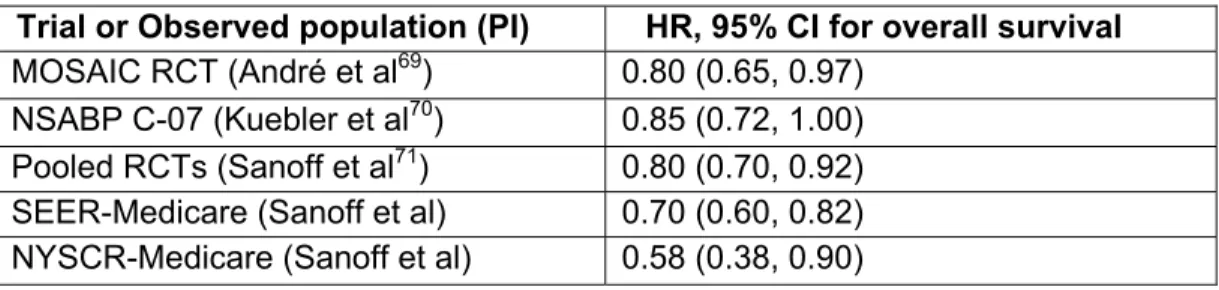
Table 2.1 Results of Randomized Controlled Trials and Observational Studies Examining Oxaliplatin's Efficacy and Effectiveness
Trial or Observed population (PI) HR, 95% CI for overall survival MOSAIC RCT (André et al69) 0.80 (0.65, 0.97)
NSABP C-07 (Kuebler et al70) 0.85 (0.72, 1.00)
Pooled RCTs (Sanoff et al71) 0.80 (0.70, 0.92)
SEER-Medicare (Sanoff et al) 0.70 (0.60, 0.82) NYSCR-Medicare (Sanoff et al) 0.58 (0.38, 0.90)
Table 2.2 NCI's Cancer Intervention and Surveillance Modeling Network chemotherapy model inputs for stage III colorectal cancer*
Race group
Chemotherapy Input** 2000 level Level in 2010 Stage III Colorectal Cancer
Patients
Projected Trends
Optimistic but realistic White
% not receiving
chemotherapy 26% 23% 19%
% receiving 5-FU 74% 20% 0%
% receiving FOLFOX 0% 57% 81%
Black
% not receiving
chemotherapy 37% 35% 19%
% receiving 5-FU 63% 16% 0%
% receiving FOLFOX 0% 49% 81%
*These model inputs are used as part of NCI’s Cancer Intervention and Surveillance Modeling Network (CISNET) efforts to help cancer control planners, program staff and policy makers consider the impact of risk factor reduction, increased early detection, and increased access to optimal treatment on future colorectal cancer mortality rates through simulation modeling of colorectal disease progression in a population with the
characteristics of the U.S. population72
CHAPTER 3
METHODS
This methods research and comparative effectiveness analysis draws qualifying patients from the SEER-Medicare linked database. Separate but similar cohorts were used for aims 1 and 2 vs. aim 3. These differ based on the years of available SEER-Medicare data and the study inclusion / exclusion criteria. The University of North
Carolina Office of Human Research Ethics (Study number 12-0139) approved this study.
A. STUDY DATA
This research is performed in a retrospective cohort using existing nationally-funded registry data linked with insurance claims. The use of retrospectively collected registry data is appropriate for these study questions, as it is a time and cost-efficient way of recruiting a large sample size necessary to address a clinically relevant endpoint such as mortality. In addition, it is the ideal way to look at treatment predictors and dissemination in the real-world.
All aims (1-3) utilize a population-based cohort drawn from SEER-Medicare data. The National Cancer Institute’s (NCI) SEER program collects clinical and demographic data on incident cancers and covers approximately 28% of the U.S. population.73 Data
medical records yearly for a sample of cases to evaluate the accuracy of each of the data elements collected from the records.74 Medicare is U.S. public health insurance
managed by the Centers for Medicare and Medicaid Services that insures approximately 97% of those aged 65 and older in the U.S.75 Data are collected through reimbursement
claims submitted for inpatient (Part A), outpatient (Part B), and medical supplies (Part B). The linkage of SEER with Medicare claims Parts A and B provides critical
information on patient demographics, cancer characteristics, procedures, inpatient medications, comorbidities, treating facilities, physicians, and all-cause mortality. These data have been used extensively to study cancer patterns of care and outcomes. The two datasets are linked through individual identifiers submitted by participating registries, which are then matched with identifiers contained in Medicare's master enrollment file.76
SEER-Medicare contains the large, diverse set of patient participants required by the specific aims outlined in this proposal. Medicare’s universal availability to all U.S. citizens older than age 64 provides an appropriate population to study colon cancer, which has a median age of 72 and a risk which increases with age.139 Because Medicare
covers 98% of people aged 65+, the population described above is a scientifically valid population for studying this disease in older Americans. SEER registries are
The SEER-Medicare dataset for Aims 1 and 2 of this research contains stage III colon cancer diagnoses from 2002-2005 linked to Medicare part A and B claims from 2002-2007. Aim 3 used an extended dataset containing diagnoses from 2002-2007 linked to Medicare part A and B claims from 2002- April 2010.
B. STUDY POPULATION
Aims 1 and 2
The study cohort for aims 1 and 2 sources from U.S. elderly cancer patients living in a SEER registry catchment and includes individuals diagnosed with primary stage III colon cancer between January 1, 2003 and December 31, 2005. Included patients must receive a curative surgery within 90 days of diagnosis and initiate the first course of chemotherapy within 90 days of surgery and 120 days of diagnosis (Figure 3.1). The latter window allows for a max of 150 days from day 1 of the month of diagnosis, in order to conservatively contains treatment timelines recommended by American Society of Clinical Oncology / National Comprehensive Cancer Network quality standards.38 Qualifying surgeries include resection or excision of colon or large
intestine or partial or total colectomy (Appendix A Table 1). Subjects are restricted to those aged 65 and older at the time of diagnosis, because patients enrolled in Medicare that are younger than 65 years of age may be systematically different as a function of different Medicare eligibility requirements. All patients received one of the two treatments of interest: oxaliplatin (used to define the FOLFOX regimen) or 5-FU without oxaliplatin. Exclusion criteria and rationale include: Non-continuous Part A and B Medicare
coverage for 12 months pre- and post-diagnosis (or until death) or any health
the rectum and rectosigmoid junction, as these patients usually require radiation and evidence to support adjuvant oxaliplatin for these does not exist; receipt of radiation, as this is not standard of care for colon cancer; site of appendix, anus, anal canal, or anorectum, as treatment paradigms for these cancers are vastly different from cancer in the colon; and death within 30 days of surgery, as these patients are unlikely to have received chemotherapy due to fragile health status.
Aim 3
The study cohort for aim 3 included individuals diagnosed with primary stage III colon cancer between January 1, 2003 and December 31, 2007. Included patients must receive a curative surgery within 90 days of diagnosis and initiate the first course of chemotherapy within 110 days of surgery and 120 days of diagnosis, for the reason detailed above (Figure 3.2). Initiation of the first course of chemotherapy was extended for aim 3 because 2.5% (n=242) patients were starting chemotherapy between 90 and 110 days post-surgery. Based on expert opinion, this time period is within the range for typical patients and does not signify patients with unknown issues or disagreement with chemotherapy. Qualifying surgeries included resection or excision of colon or large intestine or partial or total colectomy; the code list is shown in Appendix A Table 1. Similar to the criteria for aims 1 and 2, subjects were restricted to those aged 65 and older at diagnosis and were required to receive either oxaliplatin or 5-FU. Exclusion criteria were the same as described for aims 1 and 2.
C. EXPOSURE, OUTCOME, AND COVARIATES
Chemotherapy, comorbidities, procedures and provider affiliations were identified through Health Care Procedure Classification Codes (HCPCS), National drug codes (NDC), Current Procedural Terminology (CPT) and ICD-9 codes in the following Medicare claims files: Carrier Claims (formerly, Physician/Supplier Part B or NCH), Outpatient claims (Part B), and the Durable Medical Equipment (DME) files.
a) Treatment exposure
The treatment groups for the propensity score (aim 1) and the exposed group for the mortality analyses (aims 2 / 3) were defined by the presence of an oxaliplatin claim (J9263 or C9205 over full study and J9999 from 9/1/02-12/31/03). The reference group is categorized as the presence of a 5-FU (J9190, 00013-1036-91, 63323-*117-10) or capecitabine claim (aim 3 only; J8520 or J8521) and no presence of oxaliplatin within 30 days of 5-FU. General administration codes (J9925, 61517, 96400, 96401, 96402, 96405, 96406, 96408, 96409, 96411, 96412, 96413, 96415, 96416, 96417, 96420, 96422, 96423, 96425, 96440, 96445, 96446, 96450, 96542, 96549, G0355, G0357, G0358, G0359, G0360, G0361, G0362, G0363, Q0083, Q0084, Q0085, S9329, S9330, S9331, 4180F, G8372) were assumed to be 5-FU or capecitabine and listed in the referent group, as these drugs are so inexpensive that the administration rather than the drug is often billed.
Capecitabine was approved in June 2005 for stage III colon cancer,77 and
therefore was considered equivalent to 5-FU for both the exposed and unexposed groups in Aim 3. Capecitabine is an inactive-form oral tablet that is enzymatically converted to 5-fluorouracil in the tumor. Equivalence for both single agent capecitabine and capecitabine in combination with oxaliplatin (XELOX) has been shown in multiple trials. For the former, the Xeloda in Adjuvant Colon Cancer Therapy trial, which
disease-free survival in the capecitabine arm was at least equivalent to the control arm (HR 0.87; P 0.001 for noninferiority).78 The superiority of XELOX over 5-FU/LV alone was shown by Haller et al in 2011, with 3-year disease free survival of 71.0% vs. 67.0% (HR, 95% CI of 0.80, 0.69-0.93) and overall survival of 0.87, 0.72-1.05.79
Claims for chemotherapies other than oxaliplatin and 5-FU do not change the exposure category and are not used in the analysis. We also ignored oxaliplatin claims that occurred greater than 30 days after 5-FU/capecitabine receipt, because in this intent-to-treat analysis we are only interested in the first treatment received. However, because late receipt of oxaliplatin may suggest that these individuals had a recurrence or were too sick to initially receive oxaliplatin, a sensitivity analysis excluding these patients (n=46) from the analysis was performed for the IV analysis (aim 3).
In addition to being claimed within 90 or 110 days of surgery (aims 1/2 and aim 3, respectively), the defining chemotherapies must also be claimed within 150 days of of the first day of the diagnosis month. This ensures that treatment timing is in line with American Society of Clinical Oncology (ASCO) / National Comprehensive Cancer Network (NCCN) quality measures which state that adjuvant chemotherapy should be administered within 120 days of diagnosis for stage III colon cancer.38 Because SEER does not contain the specific diagnosis date (month/year only) and claims dates may vary slightly from actual date of receipt, the 30 day extension from 120 to 150 days ensures that applicable claims are found and therefore patients treated to this standard timeframe are captured.
b) Mortality outcome
All-cause mortality is the outcome of interest for aims 2 and 3. Mortality information, including date of death, is derived from Medicare, which is ascertained through the U.S. Social Security (SS) Administration.80 SEER also collects mortality
information, and the SEER mortality was cross-checked with social security records. A status of “deceased” in either database was considered the mortality status of the
patient. Patients were assumed to be alive if death was not reported, and therefore there was no loss to follow-up for the mortality outcome. This assumption is valid, as once enrolled in Medicare, patients do not withdraw regardless of whether they attain
additional insurance coverage. Medical facilities that report patient data to SEER have 2 years to submit patient data; this delay did not cause an issue because all 2003-April 2010 data was acquired by the time the cohort was finalized in May 2012.
Mortality information was available through December 31, 2007 for aim 2 and April 30, 2010 for aim 3.
c) Calendar time
Month of each patient’s first treatment receipt provided the calendar time
categories for the propensity score in aim 1 and 2 and dictated the instrumental variable level in aim 3. Patients were assigned to time periods and instrumental variable levels based the date that they received the first qualifying chemotherapy (5-FU only or oxaliplatin), as defined in the “Treatment exposure” section (a) above. For oxaliplatin receivers that received 5-FU prior to oxaliplatin, the date of oxaliplatin receipt was used.
The method for choosing the specific dates around the IV levels is detailed in the Statistical Analyses section, Aim 1.
The calendar time instrumental variable in aim 3 is based on two distinct calendar time periods. These delineate patients who receive treatment before FDA approval of oxaliplatin vs. those who receive treatment when oxaliplatin is a more standard treatment. The definition of the IV takes into account oxaliplatin’s adoption curve to maximize the difference in prescribing, the strength of the instrument created by a set of cutpoints and patient exclusions, and the instrument’s ability to uphold all IV assumptions. The method for choosing the specific delineations for the calendar time instrument are detailed in the Statistical Analyses section, Aim 3.
d) Covariates
Surgery
Date of qualifying surgery is a key covariate that was used to define the study population. To be included in this study, patients needed to undergo a curative surgery within 30 days before or 90 days after diagnosis, the timeframe during which surgery is typically performed. Qualifying surgeries included colectomy or resection of colon or large intestine (Appendix A Table 1). Although this relatively narrow timeframe may exclude a percentage of patients who delay surgery, receipt of surgery after 90 days could be a sign of metastatic disease, and therefore the more restrictive criterion may protect against erroneous categorization of stage (IV instead of III) in SEER. We allow surgery to take place 30 days before the first day of the month of diagnosis because colon cancer diagnosis may occur during a surgery for a separate issue, such as diverticulitis, and claims delay combined with lack of a diagnosis day in SEER
shown that expanding the cohort to include surgery receipt within 180 days instead of 90 days does not impact results.26,26
Cancer Stage
Stage is a key definer of the population of interest. This variable is limited in its susceptibility to stage migration,81 as well as the potential for misclassification of stage
IIb to stage IIIa.82,83 Although staging guidelines are revised periodically, American Joint
Committee on Cancer (AJCC) TNM Staging System adhered to the 6th edition guidelines
from 2003-2009, which envelopes all diagnoses in the study period of interest for this research and indicates that staging for patients in these analyses is likely consistent.
Patient characteristics
Sex, race, urbanity, age at diagnosis, census median income, number of months of state buy-in, census percentage of non-high school graduation, tumor substage, tumor grade, individual comorbidities of congestive heart failure (CHF), acute myocardial infarction (MI), chronic pulmonary disease (COPD), cardiovascular disease (CVD), diabetes, cerebrovascular disease, peripheral vascular disease, AIDS, dementia, diabetes with complications, mild liver disease, moderate/severe liver disease, past myocardial infarction (old MI), paralysis, moderate/severe renal disease, rheumatologic disease, ulcer disease, cirrhosis, and physician organizational affiliation with a National Cancer Institute (NCI) Cooperative Group containing a colon cancer research portfolio will be the covariates of interest in the propensity scores and regression models for all aims. Table 3.1 shows all covariates and their origin. Comorbidities were identified based on those included in the NCI-Combined Comorbidity Index.84,85 Adjustment
ensure that ranges and distributions were as expected. All patient-level covariates were measured within 12 months before diagnosis, and were not updated after the time point at which treatment is assigned. Measurement methods were consistent through the study period for all variables except substage.
Tumor substage was defined differently within the SEER registries for patients diagnosed in 2003 compared to those diagnosed from 2004-2007. Substage calculations for the years prior to 2004 were done using the extent of disease (EOD) and number of node information, as detailed in the crosswalk provided in Tables 3.2 and 3.3. This substage assignment for 2003-diagnosed patients is understood to be consistent with the substage variable that was directly documented in the SEER registry data from 2004-2007.
D. STATISTICAL ANALYSIS
All analyses will be performed using SAS (version 9.2.; SAS Institute, Cary, NC).
Aim 1: Evaluate changes in channeling through development of CTS PS
Predictors of chemotherapy receipt
Expert knowledge and literature review informed our use of DAG methodology to identify potential confounders between treatment receipt and mortality (Figure 3.3). Age at diagnosis, race, sex, urbanity, tumor grade, tumor substage, socioeconomic status /income, individual comorbidities from the Charlson comorbidity index85 (congestive
heart failure, acute myocardial infarction, chronic obstructive pulmonary disease,
cardiovascular disease, diabetes, cerebrovascular disease, peripheral vascular disease, AIDS, dementia, diabetes with complications, mild liver disease, moderate/severe liver disease, past myocardial infarction, paralysis, moderate/severe renal disease,
factors, body mass index (BMI), infection, nutrition, surgical technique, quality of
care/physician expertise and time period were identified as important covariates. Among these, psychological factors, BMI, infection, nutrition, and functional status (which
encompasses frailty) beyond comorbidities claimed in Medicare are unmeasured and were not possible to directly examine in this thesis. Residual confounding due to this potential unmeasured confounding may remain an issue in adjusted analyses, and this is a limitation of aim 2 that is common to studies performed in claims data. These were further considered in aim 3 when bias due to unmeasured confounding is discussed.
SES/income was represented in the data by census median income (aims 1, 2) or Medicare state buy-in and census percentage of high school graduates (aim 3). Quality of care/physician expertise was represented by physician organizational affiliation with a National Cancer Institute (NCI) Cooperative Group containing a colon cancer research portfolio.40,41
Frequency tables and comparisons of these DAG-identified covariates was examined by treatment group to further understand which are functioning as
confounders between treatment and mortality. We describe differences in covariate distribution between groups at the time of first treatment for all key covariates. Cox proportional hazards models were used to label a subset of these confounders for mortality as “strong” (defined by HR >1.2 or HR < 0.8), relative to the full group.
Variables identified as confounders were included in the propensity score. Comorbidities that affects a very small number (<5) of patients were excluded from the list of
adjustment variables.
Definition of time periods for CTS PS