Pharma 2020: Virtual R&D
Which path will you take?*
Table of contents
Table of contents
Innovation essentials
1
Getting to know ourselves
4
Making research more predictive
6
Expediting development
9
Collaborating to bring treatments to the market
15
Imperatives for change
18
Acknowledgements
19
References
20
Contacts
21
Pharma 2020: Virtual R&D – Which path will you take? is the second in a series of papers published by PricewaterhouseCoopers exploring the future of the pharmaceutical industry.
Published in June 2007, Pharma 2020: The vision – Which path will you take? highlighted a number of issues that will have a major bearing on the industry over the next 13 years and outlined the changes we believe will best help pharmaceutical companies realise the potential the future holds to enhance the value they provide to shareholders and society alike.
This paper explores the opportunities to improve the R&D process. It proposes new technologies will enable the adoption of virtual R&D; and by operating in a more connected world, the industry in collaboration with researchers, governments, healthcare payers and providers, can address the changing needs of society more effectively.
Innovation essentials
Pharma is at a pivotal point in its evolution. As we* indicated in “Pharma 2020: The vision” by PricewaterhouseCoopers, published in June 20071, the social, demographic
and economic milieu in which the industry operates is undergoing huge changes (see sidebar, Seven major trends reshaping the pharmaceutical marketplace). These challenges have been compounded by the dearth of good new compounds in its pipeline.
Seven major trends reshaping the pharmaceutical marketplace
The pharmaceutical marketplace is changing dramatically, with huge ramifications for the industry as a whole. We have identified seven major socio-economic trends. The burden of chronic disease is
soaring. The prevalence of chronic diseases like diabetes is growing everywhere. As greater longevity forces many countries to lift the retirement age, more people will still be working at the point at which these diseases start. The social and economic value of treatments for chronic diseases will rise accordingly, but Pharma will have to reduce its prices and rely on volume sales of such products because many countries will otherwise be unable to afford them. Healthcare policy-makers and payers are increasingly mandating what doctors can prescribe. As treatment protocols replace individual prescribing decisions, Pharma’s target audience is also becoming more consolidated and more powerful, with profound implications for its sales and marketing model. The industry will have to work much harder for its dollars, collaborate with healthcare payers and providers, and improve patient compliance. Pay-for-performance is on the rise. A growing number of healthcare payers are measuring the pharmacoeconomic performance of different medicines. Widespread adoption of electronic medical records will give them the outcomes data they need to determine best medical practice, eschew
products that are more expensive or less effective than comparable therapies and pay for treatments
clinical advances render previously fatal diseases chronic. The self-medication sector is also increasing as more prescription products are switched to over-the-counter status. The needs of patients are changing accordingly. Where treatment is migrating from the doctor to ancillary care or self-care, patients will require more comprehensive information. Where treatment is
migrating from the hospital to the primary-care sector, patients will require new services such as home delivery. The markets of the developing world, where demand for medicines is likely to grow most rapidly over the next 12 years, are highly varied. Developing countries have very different clinical and economic characteristics, healthcare systems and attitudes towards the protection of intellectual property. Any company that wants to serve these markets successfully will therefore have to devise strategies that are tailored to their individual needs. Many governments are beginning to focus on prevention rather than treatment, although they are not yet investing very much in pre-emptive measures. This change of emphasis will enable Pharma to enter the realm of health management. But if it is to do so, it will have to rebuild its image, since healthcare professionals and patients will not trust the industry to provide such services unless they are
Table of contents
Pharma’s traditional strategy of placing big bets on a few molecules, promoting them heavily and turning them into blockbusters worked well for shareholders for many years. However, its productivity in the lab is now plummeting, as it switches its attention from diseases that are relatively common and easy to treat to those that are much more complex or unusual. In 2007, the US Food and Drug Administration (FDA) approved only 19 new molecular entities and biologics – a smaller number than at any time since 1983 (see Figure 1)2.
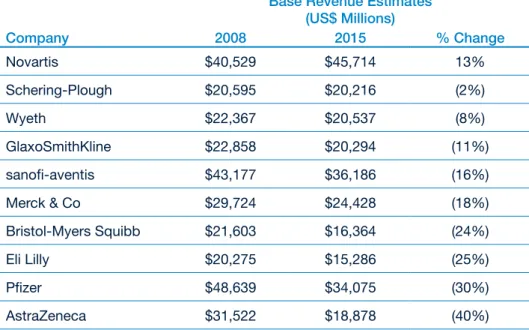
Moreover, the patents on many of the medicines the industry launched in the glory days of the 1990s will expire over the next few years, leaving Big Pharma very exposed. US research firm Sanford C. Bernstein estimates that generic erosion will knock between 2% and 40% off the revenues of the top 10 companies between now and 2015 (see Figure 2). Worse still, it calculates that only four of the 10 have pipelines containing products sufficiently valuable to offset these losses.3
Figure 1: The decline in R&D productivity
0 5,000 10,000 15,000 20,000 25,000 30,000 35,000 40,000 45,000 50,000
1995 1996 1997 1998 1999 2000 2001 2002 2003 2004* 2005* 2006*
R&D Spending (US$ Millions)
0 10 20 30 40 50 60
N
o.
o
f N
M
E
, B
LA
A
p
p
ro
va
ls
Global R&D Spending NME and New Biologics Approved (BLA)
NME:
New chemical or biological prescription therapeutic: excludes vaccines,
antigens and combination therapies which do not include at least one new constituents
*
Includes Biologics2007*
This “innovation deficit” has enormous strategic implications for the industry as a whole. Many pharmaceutical companies need to decide what they want to concentrate on doing and identify the core competencies they will require, a process which may involve exiting from some parts of research and development (R&D). But even those that regard research and development as a core element of their business will have to make fundamental alterations in the way they work. They may, for example, have to focus more heavily on speciality therapies, since most of the diseases for which there are currently no effective medications or cures are not amenable
We believe that, if the industry is to become more innovative and cut its R&D costs, four features will be vital:
A comprehensive understanding of •
how the human body works at the molecular level
A much better grasp of the •
pathophysiology of disease (by which we mean the functional changes associated with, or arising from, disease or injury)
Greater use of new technologies to •
“virtualise” the research process and accelerate clinical development; and Greater collaboration between the •
Figure 2: The impact of generic erosion on Big Pharma’s revenues “Base Revenue Estimates”
(US$ Millions)
Company 2008 2015 % Change
Novartis $40,529 $45,714 13%
Schering-Plough $20,595 $20,216 (2%)
Wyeth $22,367 $20,537 (8%)
GlaxoSmithKline $22,858 $20,294 (11%)
sanofi-aventis $43,177 $36,186 (16%)
Merck & Co $29,724 $24,428 (18%)
Bristol-Myers Squibb $21,603 $16,364 (24%)
Eli Lilly $20,275 $15,286 (25%)
Pfizer $48,639 $34,075 (30%)
AstraZeneca $31,522 $18,878 (40%)
Source: Bernstein estimates and analysis
Note: These figures show each company’s “base revenues” from products that are already on the market. They exclude any future pipeline contributions
Getting to know ourselves
At present, when pharmaceutical companies start investigating biological targets, they may know relatively little about how those targets are involved in the diseases they want to treat. The information they possess usually comes from academic literature and patents, and is often based on animal studies, which may not be relevant to the way in which a disease progresses in humans. It is generally only in Phase II clinical trials that companies test whether modulating a particular target with a particular molecule is efficacious in treating a disease in man.
This helps to explain why just 11% of the molecules that enter pre-clinical development reach the market,4 and
hence why costs per drug are so high. The Tufts Center for the Study of Drug Development puts the average bill for producing a new medicine at $868m.5 Clearly, there are significant
variations, depending on the therapeutic area concerned (see Figure 3).6
Nevertheless, given average costs and average attrition rates in each phase of the R&D process, we estimate that the cost of conducting R&D is $454m per product.7
It is now widely recognised that one of the elements required to overcome the problems in the research process and make significant advances in the treatment of disease is a comprehensive understanding of how the human body works at the molecular level, together with a much better grasp of the pathophysiology of disease. This knowledge can then be used to build
predictive models and generate further knowledge.
Bioinformatics experts aim to create a complete mathematical model of the molecular and cellular components of the human body – a “virtual” man – which can be used to simulate the physiological effects of interacting with specific targets, identify which targets have a bearing on the course of a disease and determine what sort of intervention is required (i.e. an agonist, antagonist, inverse agonist, opener, blocker etc.). However, developing such a model will require a monumental global effort far exceeding that of any similar work, e.g., the Human Genome Project.
Numerous organizations are building models of different organs and cells, or creating three-dimensional images from the resulting data (see sidebar, Virtual vermin).8 One of the biggest problems
with these models is that they are only as good as the data on which they are based, and little is currently known about many physiological processes. Ultimately, they must also be integrated into a validated model in order to predict the effects of modulating a biological target on the whole system, and that model must be capable of reflecting common genetic and phenotypic variations. The computing power required to run such a model will be enormous.
Despite these difficulties, various academic collaborations to create a digital representation of the human body are already underway. The Step
Virtual vermin
The American Diabetes Association and US biopharmaceutical company Entelos have developed a diabetic virtual mouse that is being used to study cures for Type 1 diabetes. Researchers can simulate the effect of new medicines, including different dosing levels and dosing regimens, on different therapeutic targets, biological pathways and functions. The model is based on years of data from experiments on real animals, but virtual animals could be created for any species for which there are sufficient data.
Consortium is, for example, developing a methodological and technological framework for investigating the human body as a single complex system.9
Meanwhile, the Living Human Project is working on an in silico model of the human musculoskeletal apparatus,10
and the Physiome Project aims to create a computational framework for understanding the integrative function of cells, organs and organisms.11 The
commercial potential of virtual man might also attract the interest of some of the largest technology providers, and grid computing will deliver the resources required to support R&D on demand. It is probably unrealistic to think that virtual patients will be available within the next 12 years. However, predictive
biosimulation is already playing a growing role in the R&D process. Scientists at University College, London, have, for example, used computer modelling to simulate the efficacy of an HIV treatment in blocking one of the key proteins used by the virus.12
Similarly, when Roche was developing Pegasys, its combination treatment for hepatitis C, it used computer modelling to determine the optimum dose for different subpopulations of patients on whom the therapy had not been tested in real life.13 We anticipate that this trend
will continue and that, by 2020, virtual cells, organs and animals will be widely employed in pharmaceutical research, reducing the need to experiment on living creatures.
Figure 3: Costs per drug for medicines in selected therapeutic areas
Average Cost of R&D by Therapy Area
0 200 400 600 800 1000 1200 1400
Blood
CardiovascularGenitourinary HIV
Cancer MusculoskeletalNeur
ological
AntiparasiticRespiratory Sensory
US$ Millions
Making research more predictive
In silico methods are currently used to design new molecules, where the structure of the target is known and the interactions between the target and virtual molecules can be modelled. But researchers more commonly use in vitro
screens to find molecules that “hit” a designated target, and further screens to test the physical and toxicological properties of these molecules.
Thereafter, they test the most promising candidates in animals before forwarding them for initial testing in man (see Figure 4).
This approach has numerous drawbacks. It usually produces a reasonably clear picture of how the molecule being researched interacts with the target, and how safe it is. But in vitro assays and animal models of a disease are often unrepresentative of that same disease in human beings, and are thus an unreliable means of
predicting the efficacy of a molecule in man (especially when the target is a new one). So Pharma needs a faster and more predictive way of testing molecules before they go into man. With the advent of virtual patients, it will be possible to “screen” candidates in a digital representation of the human body which can be adjusted to reflect common genetic variations and disease traits, such as a weakened cardiovascular system. This will show whether a molecule interacts with any unwanted targets and produces any side effects, and in what circumstances it does so. Predictive analysis will then enable researchers to assess how the molecule is likely to be absorbed, distributed, metabolised and excreted; what long-term side effects it might have; what free plasma concentration is needed to provide the optimal balance between efficacy and safety; and what Figure 4: The current research process
Mixed Computer/Lab Lab work
Testing in man
Target ID Design of molecule Synthesis of molecule screening of Hit ID/
molecule
Testing of molecule
in vitro
Testing of molecule
in vivo
Initial testing in man
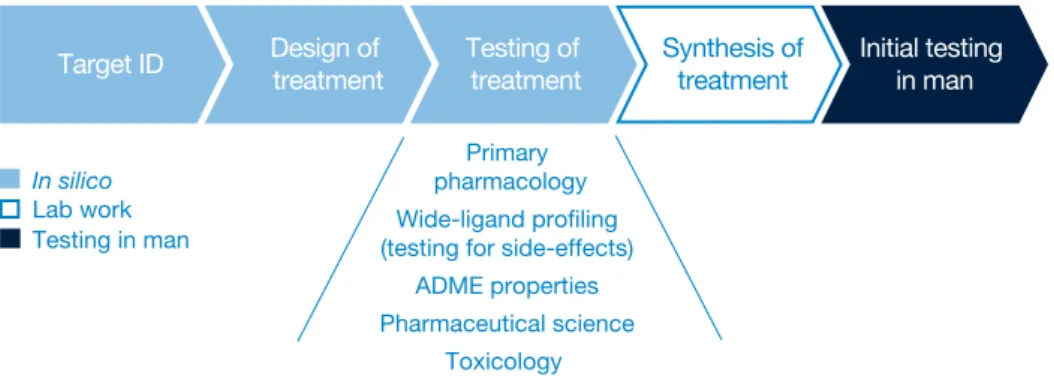
formulation and dosing levels might work best. This suggests that much of the work currently undertaken in the clinical environment can be tackled much earlier within discovery. Figure 5 shows what we think the research process might look like, once robust computer models of the entire human body are available.
However, as we have already indicated, the “birth” of virtual man is still many years off. In the more immediate future, two other advances – semantic technologies and computer-aided molecule design – will play a much bigger part in enhancing the research process. Traditional informatics systems are constrained both by the structure of the data they represent and how they can represent those data. Thus, if the same concept is called by different names
(e.g. headache and migraine) in different sources, it cannot readily be connected. Conversely, where two concepts share the same name but are fundamentally different, they will be treated as if they are identical. As a result, it is very difficult to aggregate data from multiple sources and make meaningful associations between them, without the application of intelligent reasoning. Semantic technologies, by contrast, will allow scientists to connect disparate data sets, query the data using “natural language” and make correlations that would otherwise have been unobservable (see sidebar, Taking the pain out of the process).14 This will
make it much easier to identify the links between a particular disease and the biological pathways it affects, or the links between a particular molecule and its impact on the human body.
Taking the pain out of the process When bioinformatics provider BioWisdom wanted to identify which ion channels might be promising targets for developing pain treatments, it began by creating a vocabulary for 349 human ion channels. Then it trawled MEDLINE to find every document in which these 349 ion channels, or any of their 4,000 synonyms, were mentioned in conjunction with the central and peripheral sites that are known to be relevant in mediating pain. Further analysis of the literature on the 59 ion channels this process produced showed that 11 ion
channels were clearly associated with the three key mechanisms of pain (central sensitisation, allodynia and hyperalgesia), while another 10 looked worthy of additional exploration.
Figure 5: What the research process might look like when virtual man exists
Primary pharmacology Wide-ligand profiling (testing for side-effects)
ADME properties Pharmaceutical science
Toxicology
Target ID Design of treatment Testing of treatment Synthesis oftreatment Initial testing in man
In silico
Lab work Testing in man
Table of contents
Meanwhile, computer-aided molecule design (utilising greater knowledge about biological targets and their structure) will give researchers a much better starting point in the search for potent molecules and reduce the need to run high throughput screens to find hits, which is effectively like looking for a needle in a haystack. It will still be necessary to test these molecules in in vitro and in vivo assays, until complete models of the anatomical and physiological characteristics of the human body in a healthy and diseased state are available. But some parts of the research process will become increasingly virtualised within the next 12 years (see Figure 6).
Moreover, while Pharma waits for virtual nirvana, it can take several other steps to improve the way in which it conducts research. It can, for example, pay more attention to validating in vivo disease models and making them more predictive by using products with proven clinical efficacy to test them. If
a medicine which is known to work in the clinic has no impact in a “predictive”
in vivo model, it will be clear that the model is flawed.
Similarly, the industry can change the way in which it rewards research. Most companies have traditionally promoted their best scientists to management positions, although scientific expertise is no guarantee of managerial competence. They also reward researchers for
getting candidate molecules to the stage preceding submission of the investigational drug application for testing in man, thereby encouraging those researchers to push unviable molecules further down the pipeline so that they can meet their targets. A better way of stimulating genuine innovation would be to reward scientists for “what they do, not for what the rest of the company does”, as Jean-Pierre Garnier, outgoing chief executive of GlaxoSmithKline recently noted. GSK has overhauled its incentive scheme and
now pays its researchers a bonus only when a candidate molecule reaches the proof-of-concept stage or when they solve major problems, such as figuring out how to make a previously insoluble compound soluble.15
This has two advantages: it encourages researchers to focus on creating
compounds which have a real chance of success in the clinic; and it strengthens the links between the research and development functions. But it is not enough merely to reward success; it is equally important to promote a “fail early, fail cheaply” mindset, by providing incentives for pulling the plug on unpromising candidates as fast as possible.
Target ID initial testing Design &
of treatment
Synthesis of treatment
Testing of treatment
in vivo
Initial testing in man Further testing
of treatment
in vitro
Mixed Computer/Lab Lab work
Testing in man
In silico
Source: PricewaterhouseCoopers
Expediting development
Of course, even the most robustly modelled molecules will still have to be tested in real human beings – just as the Boeing 777, which was completely designed on computers, had to be flown by test pilots before it could be used to carry passengers. However, the development process will also change dramatically.
Some of the new therapies Pharma develops will not be conventional pharmacological agents capable of being tested in conventional ways (see sidebar, When is a medicine not a medicine?).16 These new treatments
will be more difficult to make and they will have a very different commercial profile from traditional medicines taken on a long-term basis, but they will also be much harder to replicate and will therefore help the industry to protect its intellectual property more effectively. The development of clinical biomarkers and new technology platforms will likewise have a profound impact on
When is a medicine not a medicine?
Most medicines come in oral formulations and many patients do not take them properly. However, several emerging sciences will enable Pharma to develop better ways of delivering existing therapies and totally new forms of treatment which improve compliance – and hence outcomes.
With advances in nanotechnology, for example, it will be possible to deliver therapeutic agents to specific cells in the human body, and develop nano-scale machines for monitoring how medicines are distributed and metabolised. More than 100 nanotech-based medicines and delivery systems are already being developed.
Gene therapies also hold great promise. Dozens of human trials are underway to assess the efficacy of gene therapies in treating diseases that are currently treated with pharmacological agents, one such instance being heart disease. In the short term, these efforts could result in the development of single treatments that remain effective for many months or years. In the long term, gene therapies may even provide a cure for hypertension and its related pathophysiology, but they have many other applications, too.
Regenerative medicine – the replacement or regeneration of human cells, tissues or organs to establish or restore normal function – also has the potential to reverse the course of disease. Commercial products for treating skin ulcers and knee cartilage damage already exist, but a number of other medical conditions, such as heart disease, insulin-dependent diabetes, spinal cord injuries and Parkinson’s disease, likewise look as though they could be amenable to cell-based therapy.
the way in which all new therapies are tested. When biomarkers for diagnosing and treating patients more accurately are more widely available, the industry will be able to stratify patients with different but related conditions and test new medicines only in patients who suffer from a specific disease subtype. That will, in turn, allow it to reduce the number and size of the clinical studies required to prove efficacy. Using clinical biomarkers that are reliable surrogates for a longer-term endpoint, like survival, will also help to cut endpoint observation times.
The regulators are backing various initiatives to create new biomarkers. The FDA is, for example, providing scientific and strategic support for the Predictive Safety Testing Consortium, an alliance between the C-Path Institute and 15 pharmaceutical companies, to validate preclinical biomarkers for drug-induced nephrotoxicity, hepatotoxicity and other forms of toxicity.17 It has also
established a biomarker qualification
Pervasive monitoring
Pervasive monitoring – the use of miniature devices and wireless networks to monitor patients on a real-time basis outside a clinical setting – has numerous applications in clinical trials and everyday medical practice alike. Most of the monitors currently on the market are wearable devices with limited applications, but several devices that are reliable enough for medical purposes have either recently been launched or are in the pipeline.
Theranos has, for example, developed a handheld device for detecting adverse drug reactions in real time. The device tests tiny blood samples, using a biochip, and transmits the data to a central database. Evidence of too high a concentration of medication in the bloodstream automatically triggers an alert. Similarly, Microsoft Research is working on the development of a wearable system for monitoring a wide range of physiological signals, which has been piloted on 20 patients in a study of sleep apnoea.
Technological advances will also facilitate the development of embedded monitors. In a recent paper on the future of healthcare, for example, British Telecommunications (BT) suggests that electronic circuits could be painlessly “printed” onto the skin. These circuits might comprise an upper layer with a polymer display and a deeper, more permanent player housing components which are in contact with a patient’s blood capillaries and nerve endings. They might even include a smart membrane that opens on command to let medication through.
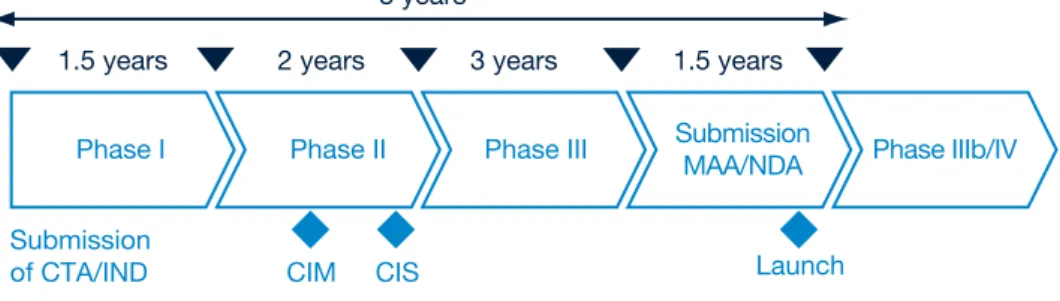
Figure 7: The current development process
CIM Confidence in Mechanism
Submission
of CTA/IND CIM CIS Launch
1.5 years 2 years
8 years
3 years 1.5 years
Phase I Phase II Phase III SubmissionMAA/NDA Phase IIIb/IV
programme in which the European Medicines Evaluation Agency (EMEA) and Japanese Pharmaceutical and Medical Devices Agency are actively participating.18 Meanwhile, the
European Commission and European Federation of Pharmaceutical Industries and Associations have launched the Innovative Medicines Initiative (IMI), which aims, among other things, to create a framework for developing new biomarkers and disease-specific centres for validating them.19
Semantic technologies will also play a major role in improving the development process. They will enable the industry to link clinical trial data with epidemiological and early research data, identify any significant patterns and use that information to modify the course of its studies without compromising their statistical validity. Similarly, pervasive monitoring will allow Pharma to track patients on a real-time basis wherever they are.
A number of healthcare providers are already piloting remote monitoring programmes. The new European Centre for Connected Health, based in Northern Ireland, is testing technologies that enable people with chronic, long-term conditions to live independently at home. The UK government is also conducting a large tele-care trial, with the installation of remote monitoring devices in the homes of 7,000 patients,20
and new technologies will facilitate the development of increasingly sophisticated, embedded systems (see sidebar, Pervasive monitoring).21
Indeed, with nano-scale devices that can measure absorption rates, it will even be able to identify variations in efficacy as a result of non-compliance. We believe that these scientific and technological advances will ultimately render the current model of development, with its four distinct phases of clinical testing, obsolete. At present, as we have already noted,
it is not until the end of Phase II that scientists have a reasonable grasp of the safety and efficacy of the molecules they are testing (see Figure 7). Even then, that understanding may be fatally flawed; in one recent review of 73 clinical candidates which failed in Phase III, for example, 31% were pulled because they were unsafe and 50% because they were ineffective.22
However, armed with a much better understanding of the pathophysiology of disease and how the body behaves at a molecular level, and much better systems for monitoring patients, pharmaceutical companies will be able to refine their trial designs to reduce the number of studies they perform and the number of patients on whom new medicines are tested. They will start by administering a treatment to a single patient who has been screened to ensure that he or she meets the inclusion/exclusion criteria, which are likely to include specific genotypic and
Table of contents
phenotypic characteristics as well as the relevant disease subtype. Once there is evidence that the treatment does not cause any immediate adverse events, it will be sequentially administered to other patients – from as few as 20 to as many as 100 – all of whom have also been screened to ensure that they have the right medical profile. The data they generate will be compared to data from the modelling that preceded the study and subjected to techniques like Bayesian analysis to adapt the course of the study, but the study itself will be conducted in a single, continuous phase (see sidebar, Model trial).23
The development process will also become much more iterative, with data on a molecule for one disease subtype getting fed back into the development of new molecules for other disease subtypes in the same cluster of related diseases (see Figure 8). So, for example, information that is derived from developing a medicine for one
variant of diabetes will be used to shape the development of medicines for other variants of diabetes.
One last change to the way in which trials are designed will help to ensure that Pharma directs its efforts more productively. The industry has traditionally focused on establishing whether new molecules are safe and efficacious, not on whether they provide value for money. In future, it will have to address the payer’s perspective. We believe that, by 2020, pharmaceutical companies will collaborate with healthcare payers in different jurisdictions to develop criteria for assessing the value of new treatments – i.e. measurable increases in efficacy and ease of compliance or decreases in healthcare costs – and they will integrate the criteria into their trial protocols.
We predict by 2020 the clinical environment will marry the needs of patients, payors and providers, and regulators by working much more
Model trial
Entelos has developed a virtual research lab for simulating clinical trials of new treatments for a range of diseases, such as asthma, rheumatoid arthritis and diabetes. Scientists can model the impact of a therapy using multiple variables, for example in genotype, phenotype and pathophysiology.
The virtual lab has already proved its worth. When Johnson & Johnson wanted to design a Phase I trial of a diabetes treatment with a novel mechanism of action, Entelos simulated the effects of using various dosing levels. As a result of this work, Johnson & Johnson redesigned the trial, with a 40% saving in time and a 66% saving in the number of patients on whom the treatment needed to be tested. The real-life trial subsequently confirmed the accuracy of the predictions the simulation had produced.
Figure 8: What the development process might look like in 2020
Confidence in Mechanism from Research work Epidemiological Data Disease Knowledge Knowledge / Data from clinical usage or similar products Proof of value requirements
CIE CIS
Launch 1 year
1.5 years
0.5 year
First into Man
(Adaptive Design) 20-100 pts submission/approvalsAutomated Clinical UseLimited closely on a common agenda agreed
between them. They will share a common infrastructure and access to outcomes data and results.
These are not the only elements of the trial design and development process that will change. The current system of conducting trials at multiple sites is very inefficient. By 2020, we think that it will be replaced by a system based on clinical supercentres – one or two per country, perhaps – to recruit patients, manage trials and collate trial data. The supercentres will be owned and run independently of the industry, possibly by a new generation of site management organizations, and they will act as centres of excellence in the delivery of new medicines to patients. Two technological advances will be necessary to facilitate this transition – electronic data interchange and electronic medical records – but both are already on the horizon. The diversity and complexity of the information that is generated by the life sciences
sector has long been a major barrier to “interoperability”. However, the FDA and EMEA are actively promoting the creation of common formats for collecting and reporting biological data. Various standards-setting organizations, including the Clinical Data Interchange Standards Consortium and Society for Clinical Data Management, are also working towards this end.
They have already made considerable progress in simplifying the standards that are used to exchange clinical data between pharmaceutical companies, contract research organizations, trial investigators and the regulators,
although many challenges remain. There is still, for example, no consensus on how different data and applications should be integrated, or a set of common business processes for performing many clinical activities.24
Nevertheless, these problems will be resolved within the next 12 years. Use of electronic medical records will also be widespread by that time.
Numerous countries are currently developing national health information networks, and several European Union member states have already made considerable progress. One of the main planks of the UK Connecting for Health programme, for example, is the creation of a new IT system that links data about patients from different parts of the National Health Service, so that healthcare practitioners throughout the country can access the information safely, securely and easily, whenever and wherever it is needed, and transmit prescriptions electronically.25
Similarly, France has embarked on an ambitious programme to develop a national system of patient smart cards and electronic health records, which it aims to have working by the end of this year;26 Austria is developing a
decentralised system that includes electronic health records, electronic prescriptions, electronic referrals and electronic medication histories;27 and
Portugal is piloting an electronic identity card with a chip that will ultimately be
Managing the trial process in 2020
When John Doe’s doctor asks whether he would be willing to participate in a study for a new treatment for AD3, the subtype of Alzheimer’s disease with which he was recently diagnosed, he jumps at the chance. So his doctor forwards John’s medical details to the national clinical supercentre. Soon afterwards, John receives an email from the supercentre confirming that his clinical profile fits the screening criteria and asking him to call one of the nursing staff there to discuss the process in more depth.
Three weeks later, John attends the clinical supercentre, where he is given a slow-release implant containing the new medicine and closely supervised on an inpatient basis for five days. All the evidence suggests that John is responding well, so he is then injected with a saline solution containing thousands of micron-sized robots, which will track how he responds in the longer term.
The trial investigator explains how the data these robots capture will be transmitted to a central database at the supercentre and electronically filtered, using intelligent algorithms and pre-programmed safety parameters, to detect any abnormalities. If John experiences an adverse reaction, the system will immediately notify the supercentre, which will then contact him to discuss the implications. John’s doctor will also be informed, if he requires medical care. For his part, John will only have to make one additional visit to the supercentre for a final check.
When John goes home, he is reassured by the knowledge that he is being monitored around the clock. Most of the time he forgets about the steady stream of data his nano-monitors are transmitting, but he knows that the supercentre is analysing and collating them with clinical data from other patients, using continuous feedback loops to refine its research.
used to store various kinds of personal information, including medical records.28
With common data standards, electronic medical records and electronic data interchange, it will be possible to manage clinical trials long-distance and almost completely electronically, using a small number of supercentres which have been globally accredited by the regulators and have direct links with specialist medical units. They will source patients from local healthcare providers and satellite centres, use remote monitoring devices to track how those patients respond to new medicines and analyse the data before forwarding them (in blinded form) to the sponsoring companies (see sidebar, Managing the trial process in 2020).29
This approach has numerous advantages. It will accelerate trial recruitment and ensure that trials are managed more efficiently and consistently. It will also make all trial data more transparent, enabling them to be scrutinised more comprehensively (and more impartially, since it is often difficult for scientists who have spent several years developing a new medicine to retain their objectivity). Lastly, it may encourage more patients and healthcare providers to participate in clinical studies.
Collaborating to bring
treatments to the market
The regulatory approval process will change equally substantially. At present, a regulator reviews the evidence on a candidate molecule at the end of development, when the sponsoring company submits the supporting dossier. If it is satisfied with the data, it issues a marketing licence permitting the company to market the medicine throughout the area over which it has jurisdiction. Thereafter, the new medicine is increasingly likely to be subjected to a health technology assessment – which is usually undertaken by a completely different agency – to determine whether or not it should be eligible for reimbursement. A growing number of healthcare payers now conduct pharmacoeconomic evaluations of new treatments and refuse to reimburse products for which they do not believe there is sufficient evidence of economic as well as clinical value.
Any pharmaceutical company which is launching a new treatment must thus overcome two external hurdles to ensure that it does not have a
commercial failure on its hands. Moreover, securing the marketing licence and getting a product approved for reimbursement may take several years – years in which the clock on the patent is ticking away.
By 2020, we believe that decisions about reimbursement will fall within the remit of the regulatory body which conducts the quality, safety and efficacy review and that this cumbersome, all-or-nothing approach will be replaced by a cumulative process, based on the gradual accumulation of data. The sponsoring company will collaborate with the regulator to establish the evidence it is required to provide, and when it is required to do so. It will submit the data electronically at predetermined milestones, in line with this timetable.
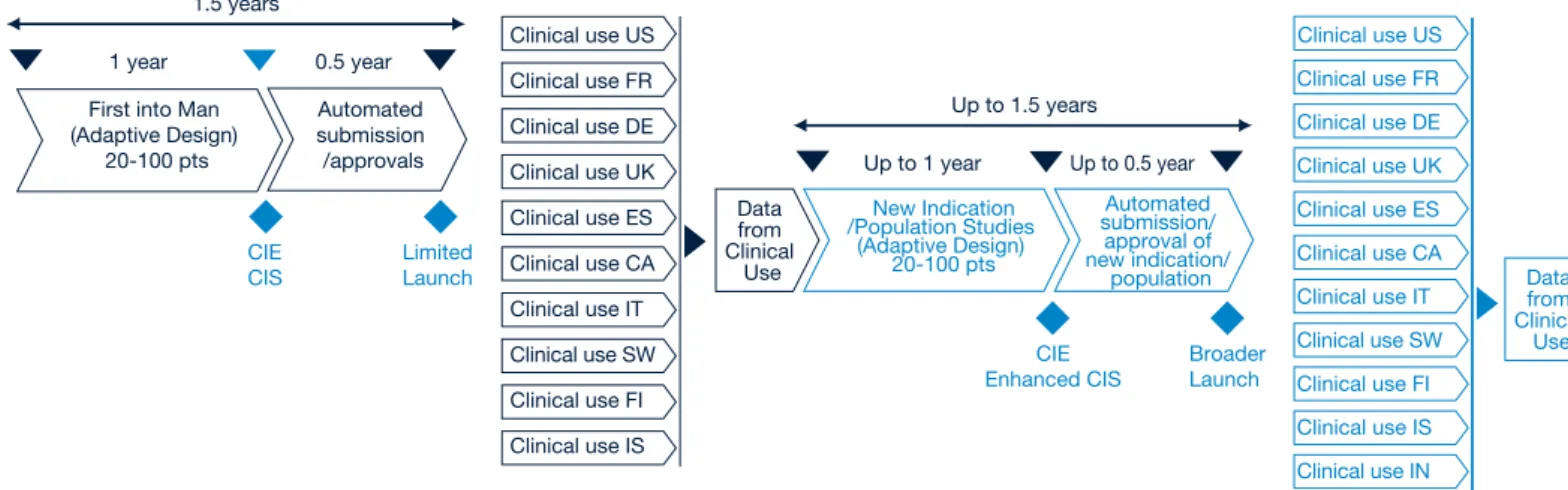
Once there is sufficient evidence to show that a medicine genuinely works and is cost-effective in the initial trial population, the regulator will issue a “live licence” allowing the sponsoring company to market the treatment on a
restricted basis. With each incremental increase in evidence of safety, efficacy and value, the regulator will extend the licence to cover more patients, different indications or different formulations (see Figure 9).
With the advent of the “live licence” approach will need to modify our existing practices to realise its full potential. An analogy today is where organizations can obtain conditional approvals in smaller patient populations utilising the Orphan Drug Regulations. This approach is similar to the general “live licence” approach envisioned in 2020, but is not as seamless or connected with the other stakeholders in the healthcare environment. A move toward the live-licence approach will require the use of novel clinical trial designs and changes in regulatory strategies whilst also leveraging electronic health records and pervasive monitoring in a way that has never been done before. CIE CIS Limited Launch 1 year 1.5 years 0.5 year First into Man
(Adaptive Design) 20-100 pts Automated submission /approvals CIE Broader
Up to 1 year
Up to 1.5 years
Up to 0.5 year
New Indication /Population Studies (Adaptive Design) 20-100 pts Data from Clinical Use Automated submission/ approval of new indication/ population
Clinical use US Clinical use FR Clinical use DE Clinical use UK Clinical use ES Clinical use CA Clinical use IT Clinical use SW
Clinical use US Clinical use FR Clinical use DE Clinical use UK Clinical use ES Clinical use CA Clinical use IT Clinical use SW
Data from Clinical
Use Figure 9: What the regulatory process might look like in 2020
Moreover, the regulator will decide whether or not to licence a medicine using specific risk/benefit analyses rather than data on average outcomes. It will ask sponsoring companies to disclose the gaps in their knowledge about the risks associated with any medicines they submit for approval, and it will make reimbursement of new therapies contingent on performance. The burden of proof will thus become more precise, but the benefits of this precision will outweigh the disadvantages. This process will enable a company to reduce its time to market and earn revenue sooner thereby recouping its costs more quickly. Peak sales will most likely be lower, but through step wise revenue growth as each new part of the licence is approved the revenue stream will be boosted (see Figure 10). It will also enable the regulators to manage their resources more effectively, since they will be able to forecast their workload much more accurately. Lastly, and equally importantly, greater collaboration between the industry and its regulators, and greater transparency, will help to restore public confidence in Pharma’s integrity.
The industry has often argued that the regulatory process is an impediment to innovation. However, the leading agencies have clearly signalled that they are willing to consider new ways of developing and regulating medicines (see sidebar, Agencies of change).30,31
In November 2007, for example, the
FDA and Duke University Medical Center launched a partnership to modernise clinical trials. This initiative will, among other things, explore the opportunities for streamlining clinical trials, minimising the administrative load in multi-site trials and switching to electronic data management systems that enable researchers to monitor data in real time and help them spot safety problems more rapidly.32
Two further trends could reinforce the need for closer links between Pharma and its regulators. First, a number of national and regional agencies have begun to share safety and efficacy data under mutual recognition agreements – data which could be very useful in reducing the time and costs associated with developing new products. If the industry is to get access to this information, it will have to be equally open.
Second, as the delineation between pharmaceuticals, medical devices, gene therapies and other treatments gradually diminishes, the regulation of such products could be brought under the same roof (as has already happened in the UK). At one time, distinct boundaries existed between the medical device and biotechnology industries, and different procedures are still used to regulate them. But the development of drug-eluting stents, implanted wafers for the controlled release of chemotherapy agents and other such drug-device combinations highlights the increasing artificiality of this distinction.
Pricing on performance
Several pharmaceutical companies have already accepted the principle of pay-for-performance. In the UK, for example, four manufacturers of multiple sclerosis treatments have agreed to lower the prices of their drugs, if the medicines do not fully meet expectations. Janssen-Cilag, a subsidiary of Johnson & Johnson, has gone even further and promised to refund the medicinal expenses of patients who do not show a significant improvement after being treated with Velcade, its new bone marrow cancer treatment.
Under the terms of the deal, all patients covered by the National Health Service will be eligible for four cycles of treatment, which cost about $24,000. If their tumours shrink, as determined by a blood test, treatment will continue and the NHS will cover the cost. However, if their tumours do not shrink sufficiently, treatment with Velcade will be discontinued and Janssen-Cilag will repay the NHS for the cost of the therapy.
Traditional R&D cost /revenue curve
Re
ve
nu
e
$0
Faster to market -reduced spend in initial R&D
Step wise revenue increases on automated approvals
Future R&D cost/revenue curve -with live licensing
Time Figure 10: How the R&D cost/revenue curve might look by 2020
Source: PricewaterhouseCoopers
By 2020, then, there may well be a single regulatory regime covering all healthcare products. Indeed, there may even be a single global system, administered by national or federal agencies responsible for ensuring that new treatments meet the needs of patients within their respective domains. This would help to reduce the costs of regulatory compliance and accelerate times to market even more, but it would also mean that any product which failed to pass muster with one agency would be very unlikely to get licensed elsewhere, unless it treated a disease caused by a genetic variation in a very restricted ethnic population.
For all these reasons, it is clear that Pharma must work much more closely with the regulators than it has done in
the past. Some companies have already recognised this; it is no accident that the most successful are those that are also the most willing to share information, listen and adapt. By 2020, we think that every company will have to operate in the same fashion and that working with the regulators will be built into the remuneration packages of development scientists.
Agencies of change
The US and European Union (EU) have both recognised the need for major changes in pharmaceutical research and development. In March 2004, the FDA launched its Critical Path Initiative, which aims to bridge the gap between basic scientific research and the development process. In March 2006, it published its Critical Path Opportunities List, which identifies 76 projects for researching how new scientific discoveries – in fields such as genomics and proteomics, imaging and bioinformatics – can be used to predict the safety and efficacy of candidate molecules more accurately, streamline clinical trials, improve pharmaceutical manufacturing and deliver treatments that address urgent public health needs.
Meanwhile, EMEA has produced a “Road Map to 2010”, which lays the foundations for major changes in the way in which medicines are regulated and thus how R&D is performed. The ultimate objective of the Road Map is to ensure that EMEA and its partners in the EU medicines system adequately prepare the ground for future scientific advances.
Table of contents
Imperatives for change
If Pharma is to remain at the forefront of medical research and continue helping patients to live longer, healthier lives, it must become much more innovative, as well as reducing the time and money it spends developing new therapies. We believe that incremental improvements are no longer enough; the industry will need to make a seismic shift to facilitate further progress in the treatment of disease.
It will have to learn much more about how the human body functions at the molecular level and the pathophysiological changes disease causes. Only then will it be able to develop a better understanding of how to modify or reverse these changes. This is a huge undertaking – and one that Pharma cannot complete alone. It will require the support of academia, governments, technology vendors, healthcare providers and the regulators. Patients must play their part, too; without access to medical data and volunteers for clinical studies, the industry will be unable either to make theoretical advances or to translate those advances into practice.
Pharma will also need to virtualise much of the research it currently performs in the lab, transform the way in which it designs and manages clinical studies, and pay greater heed to the views of healthcare payers. By 2020, aggressive marketing will not be enough to salvage
medicines that only deliver marginal enhancements in safety or efficacy. Indeed, the regulators may even refuse to approve such products.
The new technologies we have identified can play a major role in helping Pharma move forward. They will enhance its ability to produce treatments which deliver measurable improvements in safety, efficacy and ease of compliance – treatments which have value in the eyes of healthcare payers as well as those of the companies making them. They will also deliver substantial savings; indeed, we estimate that they could collectively halve development times and attrition rates, thereby reducing costs per drug dramatically.
However, technology is not the answer to all Pharma’s problems. Many companies as well as regulators and vendors that support the industry will have to make significant strategic, organizational and behavioural changes. Pharma will, for example, have to decide whether they want to produce mass-market medicines or speciality therapies; where they want to be located geographically to have access to the best skills or cost base wherever they may be; and whether they want to outsource some or even most of their research and development or keep it in-house. The choices they make will have a profound bearing on the business models and mix of skills they require as
well as the skills of those who support them.
Those that regard R&D as an integral part of their activities may also need to review the way in which they manage their R&D and remunerate their scientific staff. We now know that one-size medicines don’t fit all patients, and the same is true of the R&D process itself. The limitations of the approach on which the industry has relied for many years have become increasingly clear and, in future, each company will have to chart its own course – or, rather, different courses for each of the projects it undertakes.
The challenges Pharma faces are enormous, but we are confident that it can succeed. When Charles Babbage first proposed building his difference engine nearly two hundred years ago, nobody could have envisaged the connected world that exists today. Connectivity – technological, intellectual and social – will ultimately enable us to make sense of ourselves and the diseases from which we suffer. Equally we as a society must
acknowledge that we cannot afford to suffocate the investments made into R&D by the pharmaceutical industry; a concern that should be high on the socio-political agenda. We have to face the issue that if Pharma is no longer financially capable of this, where will the new medicine come from?
Acknowledgements
We would like to thank the many people at PricewaterhouseCoopers who helped us to develop this report and contributed to the content. We would also like to express our appreciation for the input we have received from clients, and our particular gratitude to the following external experts who so generously donated their time and effort to the project.
David Jefferys, CEO, Eisai Europe Limited Dr Brian Albert Gennery MB FRCP FFPM Pharmaceutical Medical Consultant Consultant CMO to PharmaKodex
Previously Director of the Clinical Research Centre, University of Surrey Dr Steven Manos
Research Fellow
Centre for Computational Science, Department of Chemistry, University College London
Dr Gordon Baxter Chief Executive Officer Biowisdom Ltd
Clive Page
Professor Pharmacology, King’s College London
Director, Sackler Institute of Pulmonary Pharmacology, King’s College London Co-founder of Verona Pharma
The views expressed herein are personnal and do not reflect the views of the organizations represented by the individuals concerned.
Table of contents
PricewaterhouseCoopers, “Pharma 2020: 1.
The vision – Which path will you take?” June 2007. Available at http://www.pwc. com/pharma2020
“FDA Approved Only 19 New Medications 2.
In 2007, Analyst Reports”, Medical News Today (January 11, 2008), accessed February 21, 2008, http://www.
medicalnewstoday.com/articles/93690.php Bernstein Research, “Global
3.
Pharmaceuticals: Extending Models To 2015 – A Long Term View Of The Generic ‘Cliff’” (March 20, 2008).
CMR International survey of 29 4.
pharmaceutical companies in1998, reported in PAREXEL’s Pharmaceutical R&D Statistical Sourcebook (2001). J. DiMasi, R. Hansen & H. Grabowski, “The 5.
price of innovation: new estimates of drug development costs”, Journal of Health Economics 22, (2003): 151–185. Christopher P. Adams & Van V. Brantner, 6.
“Spending on New Drug Development”, Working Paper, Federal Trade Commission – Bureau of Economics (March 14, 2008), accessed May 21, 2008, http://papers.ssrn. com/sol3/papers.cfm?abstract_id=869765 We have used data from a variety of 7.
sources to calculate the average costs of each stage of the R&D process. We estimate that basic research and discovery accounts for about $165m, preclinical development for $87m, Phase I for $130m, Phase II for $190m, Phase III for $268m and approval for $26m. The proportion of these costs that goes on molecules which fail to reach the market is the sum of the cost of each phase from preclinical development to approval, multiplied by the attrition rate in each phase.
John Gartner, “Virtual Vermin Saves Lab 8.
Rats”, Wired (20 May 2005), accessed May 17, 2008, http://www.wired.com/medtech/ health/news/2005/05/67541
STEP Consortium, “Seeding the 9.
EuroPhysiome: A Roadmap to the Virtual Physiological Human (2007), accessed April 16, 2008, http://www.biomedtown. org/biomed_town/STEP/Reception/step_ presentations/RoadMap/plfng_view Marco Viceconti, Fulvia Taddei et al., 10.
“Towards The Virtual Physiological Human: The Living Human Project” (2006), accessed April 16, 2008, http://kmi.open.
UCL press release, “Virtual human in 12.
HIV drug simulation” (January 29, 2008), accessed April 16, 2008, http://www.ucl. ac.uk/media/library/HIVcomputing Patrick McGee, “Modeling Success 13.
with In Silico Tools, Drug Research and Development (April 6, 2005), accessed April 16, 2008, http://www.dddmag.com/ modeling-success-with-iin-silico-i.aspx “Using OmniViz to Identify and Prioritize 14.
Ion Channel Targets for Pain Drug Development” accessed April 16, 2008, http://www.biowisdom.com/system/ files/OmniViz_Case_Study_Ion_Channel_ Target_Prioritisation.pdf
Jean-Pierre Garnier, “Rebuilding the R&D 15.
Engine in Big Pharma”, Harvard Business Review (May 2008), DOI: 10.1225/R0805D. Editorial, “Nanomedicine: A matter of 16.
rhetoric?” Nature Materials (April 2006), Vol. 5: 243, accessed May 20, 2008, http:// www.nature.com/nmat/journal/v5/n4/full/ nmat1625.html; T.A. Khan, F.W. Sellke & R.J. Laham, “Gene therapy progress and prospects: therapeutic angiogenesis for limb and myocardial ischemia”, Gene Therapy (February 2003) Vol. 10: 285–291; and Chris Mason & Peter Dunhill, “A brief definition of regenerative medicine”, Regenerative Medicine (January 2008) Vol. 3, No. 1: 1-5, accessed May 20, 2008, http://www.futuremedicine.com/doi/ full/10.2217/17460751.3.1.1
US Food and Drug Administration, “FDA 17.
and the Critical Path Institute Announce Predictive Safety Testing Consortium” (March 16, 2006), accessed May 17, 2008, http://www.fda.gov/bbs/topics/news/2006/ NEW01337.html
Janet Woodcock M.D., “The Role of 18.
Biotechnology and Bioinformatics in FDA’s Critical Path Initiative” (September 25, 2007), accessed May 17, 2008, http://66.102.9.104/ search?q=cache:QoHkcn-dsIgJ:www.ieeeusa.org/volunteers/ committees/MTPC/documents/ JWCPBioeconomicsNIST092507.ppt+EME A+%2B+biomarker+qualification&hl=en&ct =clnk&cd=9&gl=uk
Innovative Medicines Initiative, “Research 19.
Agenda” (February 15, 2008), accessed April 19, 2008, http://www.imi-europe. org/DocStorage/PublicSiteAdmin/ Publications/IMI-GB-research-agenda-006v2-15022008.pdf
“Belfast gets European Connected Health 20.
centre” (January 29, 2008), accessed
Maria A. Gordian, Navjot Singh et al., “Why 22.
drugs fall short in late-stage trials”, The McKinsey Quarterly (November 2006), accessed May 3, 2007, http://www. mckinseyquarterly.com/article_abstract_ visitor.aspx?ar=1879
Jeff Trimmer, Chris McKenna et al., “Use 23.
of systems biology in clinical development: design and prediction of a type 2 diabetes clinical”, PAREXEL’s Pharmaceutical R&D Sourcebook 2004/2005 ( 2004), accessed May 24, 2008, http://www.entelos.com/ pubArchive/PAREXEL_FINAL.pdf CDISC, “The Benefits of a Life Sciences 24.
Industry Architecture” (Spring 2007), accessed April 17, 2008, http://www. cdisc.org/publications/Benefits_ lifeSciencesIndustryArchitecture.pdf For further information on NHS 25.
Connecting for Health, see http://www. connectingforhealth.nhs.uk/
“France’s Electronic Health Record – the 26.
Dossier Médical Personnel”, eHealth Europe, accessed May 19, 2008, http:// www.ehealtheurope.net/Features/item. cfm?docId=194
“The Austrian e-Health strategy”,
27. e-Health
Europe, accessed May 19, 2008, http:// www.ehealtheurope.net/Features/item. cfm?docId=215
“New electronic identity card enables 28.
patients to look after their records”, eHealth Europe, accessed May 19, 2008, http://www.ehealtheurope.net/Features/ item.cfm?docId=237
Research Rewired, Merging care and 29.
research information to improve knowledge discovery”, PricewaterhouseCoopers, 2008 Available at: http://www.pwc.com/hri For further information on the FDA’s 30.
Critical Path Initiative, see “Innovation/ Stagnation: Challenge and Opportunity on the Critical Path to New Medical Products” (March 2004), accessed April 20, 2008, http://www.fda.gov/oc/initiatives/ criticalpath/whitepaper.pdf; and “Critical Path Opportunities List” (March 2006), accessed April 20, 2008, http://www.fda. gov/oc/initiatives/criticalpath/reports/ opp_list.pdf. For further information on the IMI’s Strategic Research Agenda, see “Research Agenda” (February 15, 2008), accessed April 20, 2008, http://imi.europa. eu/docs/imi-gb-006v2-15022008-research-agenda_en.pdf.
For further information on EMEA’s 31.
programme, see “The European Medicines Agency Road Map to 2010: Preparing the
Argentina
Diego Niebuhr [54] 4850 4705Australia
John Cannings [61] 2 826 66410Belgium
Thierry Vanwelkenhuyzen [32] 2 710 7422
Brazil (SOACAT)
Luis Madasi[55] 11 3674 1520
Canada
Gordon Jans [1] 905 897 4527Czech Republic
Radmila Fortova [420] 2 5115 2521Denmark
Erik Todbjerg [45] 3 945 9433 Torben TOJ Jensen [45] 3 945 9243Finland
Janne Rajalahti [358] 3 3138 8016 Johan Kronberg [358] 9 2280 1253France
Jacques Denizeau [33] 1 56 57 10 55
Germany
Volker Booten [49] 30 2636 5217India
Thomas Mathew [91] 22 6669 1234
Ireland
John M Kelly [353] 1 792 6307 Enda McDonagh [353] 1 792 8728
Israel
Assaf Shemer [972] 3 795 4671
Italy
Massimo Dal Lago [39] 045 8002561
Japan
Kenichiro Abe [81] 80 3158 5929
Luxembourg
Laurent Probst [352] 0 494 848 2522Mexico
Ruben Guerra [52] 55 5263 6051
Netherlands
Arwin van der Linden [31] 20 5684712Poland
Mariusz Ignatowicz [48] 22 523 4795
Portugal
José Fonseca [351] 217 599 601Russia
Christian Ziegler [7] 495 232 5461 Alina Lavrentieva [7] 495 967 6250Singapore
Abhijit Ghosh [65] 6236 3888South Africa
Denis von Hoesslin [27] 117 974 285Spain
Rafael Rodríguez Alonso [34] 91 568 4287
Sweden
Liselott Stenudd [46] 8 555 33 405Switzerland
Clive Bellingham [41] 58 792 2822 Peter Kartscher [41] 58 792 5630Turkey
Ediz Gunsel [90] 212 326 6060United Arab Emirates
Sally Jeffery[971] 50 252 4907
United Kingdom
Andrew Packman [44] 1895 522104Table of contents
Global
Simon Friend
Partner, Global Pharmaceutical and Life Sciences Industry Leader PricewaterhouseCoopers (UK)
[email protected] [44] 20 7213 4875
Steve Arlington
Partner, Global Pharmaceutical and Life Sciences Advisory Services Leader
PricewaterhouseCoopers (UK) [email protected] [44] 20 7804 3997
Michael Swanick
Partner, Global Pharmaceutical and Life Sciences Tax Leader PricewaterhouseCoopers (US)
[email protected] [1] 267 330 6060
United States
Anthony Farino
Partner, US Pharmaceutical and Life Sciences Advisory Services Leader
PricewaterhouseCoopers (US) [email protected] [1] 312 298 2631
Mark Simon
Partner, US Pharmaceutical and Life Sciences Industry Leader PricewaterhouseCoopers (US)
[email protected] [1] 973 236 5410
Michael Mentesana
Partner, US Pharmaceutical and Life Sciences R&D Advisory Services Leader
PricewaterhouseCoopers (US) [email protected] [1] 646 471 2268
Europe
Jo Pisani
Partner, European Pharmaceutical and Life Sciences Advisory Services
PricewaterhouseCoopers (UK) [email protected] [44] 20 7804 3744
Sandy Johnston
Partner, European Pharmaceutical and Life Sciences Advisory Services
PricewaterhouseCoopers (UK) [email protected] [44] 20 7213 1952
Kate Moss
Director, European Pharmaceutical and Life Sciences Advisory Services
PricewaterhouseCoopers (UK) [email protected] [44] 20 7804 2268
Asia Pacific
Sujay Shetty
Associate Director, Pharmaceutical and Life Sciences Advisory Services, India
PricewaterhouseCoopers (India) [email protected] [91] 22 6669 1305
Beatrijs Van Liedekerke
Associate Director, Pharmaceutical and Life Sciences Advisory Services, China
PricewaterhouseCoopers (China) [email protected] [86] 10 6533 7223
Marketing
Attila Karacsony
Director, Global Pharmaceutical and Life Sciences PricewaterhouseCoopers (US)
[email protected] [1] 973 236 5640
Melanie York
Senior Manager, European Pharmaceutical and Life Sciences PricewaterhouseCoopers (UK)