180
PTERIDIUM AQUILINUM
(L.) KUHN. – COLONISING SPECIES IN THE
SOUTH-WESTERN OF ROMANIA
MARIANANICULESCU1,ALMALIOARANICOLIN2, SILVESTRUILIENUŢĂ3 1University of Craiova,Faculty of Agriculture and Horticulture, Departament of Botany, 19 Libertatii
Street,200583, Craiova, Romania, [email protected],
2Banat’s University of Agricultural Sciences and Veterinary Medicine, Timişoara, Departament of
Botany, E-mail: [email protected],
3Segarcea Forest Manager΄s Office, [email protected]
Key words: agroecosystem, plant community, corology, ecology, degradate, fern, wolf`s clothes
ABSTRACT
According to the geobotanical research carried out between 2000-2012, in the south-western part of Romania, there were identified one plant community - Clinopodio vulgaris-Pteridietum aquilinii Dihoru 1975, edified by Pteridium aquilinum (l.) Kuhn. - colonizing species. The fern Pteridium aquilinum (L.) Kuhn, known under the names ''wolf`s clothes'' and ''field fern'', is an example of a plant very well adapted, which ensures its being widespread as compared to other cormophytes. Wolf` clothes is a colonising and invasive species (Pysek, P., 1995) which fits very well to agroecosystems and natural, degraded ecosystems, being almost impossible to combat. In the south-western of Romania this plant community meets in the Capatanii Mountains, Parang Mountains, Valcan Mountains, Lotru Mountains, Semenic Mountains, Aninei Mountains, Cernei Mountains, Tarcu Mountains, Godeanu Mountains and SubCarpathian area of Oltenia.
INTRODUCTION
The fern Pteridium aquilinum (L.) Kuhn, known under the names ''wolf`s clothes'' and ''field fern'', is an example of a plant very well adapted, which ensures its being widespread as compared to other cormophytes. Wolf` clothes is a colonising and invasive species (Pysek, P., 1995) which fits very well to agroecosystems and natural, degraded ecosystems, being almost impossible to combat. Although it is a native plant, because it stretches over large areas in our country, more particularly in the hill and lower mountain areas, due to the inefficient methods of combat, we think that it should be paid special attention to. The extension of the invaded areas underlies three main causes: agricultural desertion, the reduction of pasturing and deforesting. The effects are: economic, ecological (the reduction of biodiversity) and they also affect the health of both the animals and man (West, T.M., Lawrie, J., Cromack, T., 1995).
MATERIALS AND METHODS
For the study or the vegetal carpet we have used methods of phyto-sociologic research characteristic to the Central European phyto-sociologic School, which was based on the principles and methods elaborated by J. Braun-Blanquet (1926).
The plant community were identified and distinguished according to the characteristic, edifyng, dominant and differential species. The name of the vegetal association was given taking into account the regulations stated by the Phytosociologic Nomenclature Code (2000).
RESULTS AND DISCUSSION
181
aquilinum (L.) Kuhn in the south-western of Romania.
Ass. Clinopodio vulgaris-Pteridietum aquilinii Dihoru 1975
Corology. This association is widely spread in the hill area, at the edge of the woods, on formely potatoe cultures, on slopes generally oriented to the S, SW and SE. In the south-western of Romania, this plant community of wolf`s clothes is spread over control and the return of the fields to the agricultural circuit. In the south-western of Romania this plant community meets in the Capatanii Mountains, Parang Mountains, Valcan Mountains, Lotru Mountains, Semenic Mountains, Aninei Mountains, Cernei Mountains, Tarcu Mountains, Godeanu Mountains and SubCarpathian area of Oltenia.
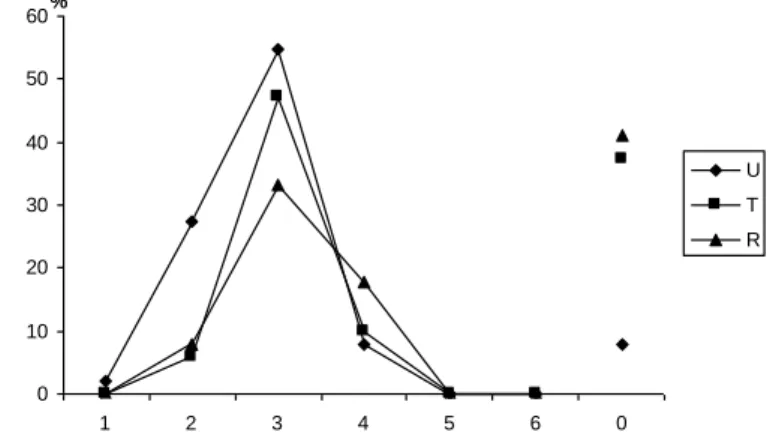
Ecology. Analysing the behaviour of the species which compose the phytocoenoses on account of the main ecological factors, we can notice the prevalence of mesophyle species, micromesothermic species and amphitolerant (euriionic) species (Borhidi, A., 1995 and Niculescu M., 2006)(fig. 1).
0 10 20 30 40 50 60
1 2 3 4 5 6 0
%
U T R
Fig.1. Ecologic indexes for the ass. Clinopodio vulgaris-Pteridietum aquilinii Dihoru 1975 (for the relevees from the Capatanii Mountains)
Physiognomy and floristic composition. These phytocoeonoses (fig. 3, 4, 5, 6) do not have a special composition, being characterised by the dominance of the species
Pteridium aquilinum, and also the species: Potentilla reptans, P. argentea, Agrostis capillaris, Ranunculus repens, Thymus pulegioides, Prunella vulgaris, Viola tricolor, V. reichenbachiana, Urtica dioica, Fragaria viridis, Festuca rubra, Carex caryophyllea. Analysing these phytocoenoses on the basis of bioforms, we notice the prevalence of geophytes. The results which were obtained as a result of the analyses upon the phytocoenoses, according to phyto-geographic criteria underline the prevalence of the Eurasian elements, followed by circumpolar elements. The caryologic spectrum prevailingly contains polyploid species, followed by the diploid and diplo-polyploid species (fig. 2).
Fig. 2. Caryologic spectrum for the
ass. Clinopodio vulgaris-Pteridietum aquilinii Dihoru 1975
0 10 20 30 40 50 60 70
D P D-P
182
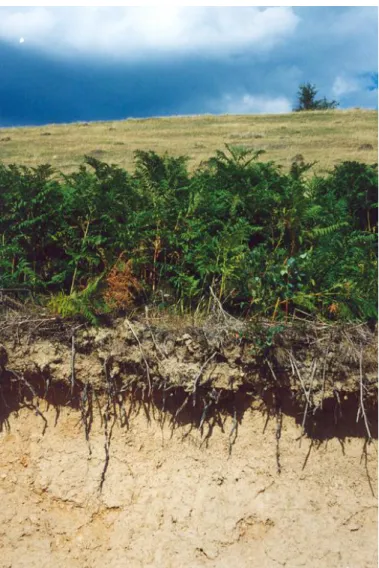
Fig .3. Pteridium aquilinum by invading the meadows from the south-western part of the country (Semenic Mountains) (foto Alma Lioara Nicolin)
183
Fig.5. Ass. Clinopodio vulgaris-Pteridietum aquiliniii Dihoru 1975, Jaristea Vaideenilor- Capatanii Mountains (foto Mariana Niculescu)
Fig. 6. Ass. Clinopodio vulgaris-Pteridietum aquiliniii Dihoru 1975, Dealul Mare – Capatanii Mountains (foto Mariana Niculescu)
Syndynamics. The fern groups usually grow at the edge of the Turkey oak and the common oak reaching up to the oak forests.
184
Ass. Clinopodio vulgaris-Pteridietum aquiliniii Dihoru 1975 Table no. 1
No. of relevée 1 2 3 4 5 6 7 8 9 10 K
Altitude m.o.s. (x 10 m) 55 60 60 30 30 30 75 80 75 89
Exposure SV V SE E - - N S SV SE
Inclination (in grades) 15 7 10 5 - - 50 40 40 30
Coverage (%) 95 100 100 100 95 100 100 100 100 95
Area (m2) 200 200 200 200 200 200 100 100 100 100
Vegetation height 170 170 175 140 140 150 100 60 60 120
Char. ass.
Pteridium aquilinum 5 5 5 5 5 5 5 5 5 5 V
Clinopodium vulgare + + + + + + + + + + V
Trifolio-Geranietea sanguineii & Origanetalia
Astragalus glycyphyllos - - + - + + - - - - II
Coronilla varia - - + - + + - - - - II
Origanum vulgare - + + - - - + - - - II
Viola hirta + - - - + + - - - - II
Campanula rapunculoides - + - - - + - - I
Euphorbia epithymoides - + - - - + - - I
Stachys germanica - - - + + - - I
Peucedanum oreoselinum - + - - - - + + - - I
Prunella laciniata - - - + + + - - II
Molinio-Arrhenatheretea & Molinietalia
Trifolium repens + - + - + - - - + - II
Poa pratensis + - + - + + + - - - III
Medicago lupulina - + + - - + - + - - II
Achillea millefolium - + - - + + + - + - III
Bromus mollis + - + - - - - + - - II
Ranunculus repens + - + + - + + + - + IV
Trifolium pretense + + - + + - + + + - IV
Festuca rubra + + + + + + + + + + V
Anthoxanthum odoratum - + + + - - - II
Potentilla reptans + + + + + + + + + + V
Stellaria graminea - - + + - + + + - + III
Thymus pulegioides + + + + + + + + + + V
Prunella vulgaris - + + + + + + + + + V
Leucanthemum vulgare + - + - - - + + - - II
Agrostis capillaris + + + + + + + + + + V
Vicia cracca + + + + - + + + - - IV
Viola tricolor + + + + - + + - - - III
Cerastium fontanum ssp. vulgare
- - - + + - - I
Dactylis glomerata + - - + + - - + - - II
Euphrasia rostkoviana - - - + - - - - + - I
Festuca pratensis + - - + - + + + + - III
Holcus lanatus - + - - + + - - - - II
Leontodon hispidus + - - - + + - - - - II
Plantago lanceolata - + - - - + - - I
Achillea millefolium - + - - - + - - I
Anthriscus sylvestris - - - + + - - I
Knautia arvensis - + - - - - + + - - I
Luzula campestris - - - + + + - - II
Dactylorhiza maculata - - - + + - I
Juncus effusus - - - + + - I
Lychnis flos-cuculi - - - + + - I
Linum catharticum - - - + + - - I
185
Trifolium dubium + - - - + - - - I
Daucus carota - - - - + + - - - - I
Molinion
Galium boreale - - - - + + - - - - I
Molinia caerulea - - - + - + - - I
Succisa pratensis - - - - + + - - - - I
Viola elatior - - - + + - - I
Nardetalia & Nardo-Callunetea
Nardus stricta - - - + - + I
Danthonia decumbens - - - - + + - - - - I
Potentilla erecta - - - - + + - - - - I
Antennaria dioica - - - - + + - - - - I
Carex pallescens - - - - + + - - - - I
Hypericum maculatum - - - - + + - + - - II
Veronica officinalis + + - - + + - - - - II
Cynosurion
Phleum pratense - - - + - + + - - - II
Achillea crithmifolia - - - + - - + - - - I
Fesuco-Brometea
Lotus corniculatus - + + + - - + - - - II
Teucrium chamaedrys - + + + - - - II
Carex caryophyllea + + + - + - - + + - III
Potentilla argentea + + + + + + - + + + V
Hypeicum perforatum - + + + - + - - - + III
Agrimonia eupatoria - - + + - - + - - - II
Festuca rupicola - - - - + + - - - + I
Ajuga genevensis + + + - - + + + - + IV
Asperula cynanchica - - - + + - - - I
Brachypodium pinnatum - - + + + - - - II
Campanula glomerata - + - - - + - + - - II
Dichanthium ischaemum - - - + + - - - I
Eryngium campestre - - - + + - - - I
Euphorbia cyparissias - - - + + + - - II
Galium mollugo - + - + + - - - II
Pimpinella saxifraga - + - + - + + - - - II
Potentilla recta - + - + - + + - - - II
Seseli annuum - - - + + - - - I
Artemisietea
Urtica dioica + + + - - + + + - + IV
Ballota nigra - + + + + - - - II
Erigeron annuus - - + + + - - - II
Chrysopogon gryllus - + - + - + + - - - II
Cruciata laevipes - + - + - + + - - - II
Chenopodietea
Veronica persica + - + - - - - + - - II
Lamium purpureum - - + + - - - I
Solanum nigrum - + - - - + - + - + II
Veronica hederifolia - + - + - + + - - - II
Centaurea phrygia ssp. pseudophrygia
- - - - + + - - - - I
Querco-Fagetea
Viola reichenbachiana + + + - + + + + + + V
Euphorbia amygdaloides - - + + - - + - - - II
Brachypodium sylvaticum - + + + - - + - - - III
Fagetalia
Myosotis sylvatica - - - - + - + - - - I
Scophularia nodosa - - + - - + - - - - I
186
Pulmonaria officinalis - - - + + - - - I
Quecetalia pubescentis
Campanula persicifolia + + - - + - - - II
Lychnis coronaria - - - + + - - - I
Quercus petraea reg. - - - - + + - - - - I
Prunetalia
Crategus monogyna + + - - + - - - II
Rosa canina - - - - + + - - - - I
Prunus spinosa - - - + + - - - I
Variae Syntaxa
Solanum dulcamara + + - - + - - - II
Fragaria viridis + + + + + + + + + + V
Rumex acetosella + + - + - + - - - + III
Rorippa sylvestris - + + + - - + + - - III
Campanula patula ssp. patula - + + - + - - + + - III
Euphorbia cyparissias - + + + - - - + - - III
Carthamus lanatus - - - + + - - - I
Briza media - - - - + - - + - + II
Aira elegantissima - - - + - + - - I
Alchemilla monticola - - - + + - - I
Carex acuta - - - + + - - I
Carex ovalis - - - + - + I
Calamagrostis epigeios - - - - + + - - - - I
Cichorium intybus - - - + + - - - I
Juncus tenuis - - - + - + I
Potentilla reptans - - - + + + II
Odontites verna ssp. serotina - - - + + - - - I
Lolium perenne - - - + + + II
Thymus pulegioides - - - + + + II
Thymus pannonicus - - - + + + II
Thymus x porcii - - - + + + II
Agrimonia eupatoria - - - + + - - I
Nepeta nuda ssp. nuda - - - + + +
Centaurium erythraea Rafn ssp. erythraea
- - - + - - - + - - I
Calamagrostis arundinacea - - + + - - - + + - II
Scabiosa ochroleuca - - - + - + I
Achillea setacea - - - + + - - - I
Chamaespartium sagittale - - - + + - - I
Polygala vulgaris - - - - + + - - - - I
Viola canina - - - + + - - I
Cirsium vulgare - - - - + - - + - - II
Vulpia myuros - - - + - + - - II
Veronica serpyllifolia - - - + - + - + - - II
Veronica chamaedrys - - - - + + - + - - II
Trifolium montanum - - - + + + II
Stachys annua - + - + - - - + - - II
Solidago virgaurea - - - + + + II
Primula vulgaris - - - + + - - - I
Potentilla argentea + - - - - + + - - - II
Rubus fruticosus - - - + - + - - I
Rubus plicatus - - - + + - - - I
Rubus discolor - - - + + - - - I
Silene nutans ssp. dubia - - - + - + I
Spiranthes spiralis - - - + - + I
Quercus cerris reg. - - - + + - - - I
187
Importance. They have no economic importance, being harmful plants. Nevertheless, the leaves of the bracken fern are used as sheets for animals, especially for pigs. The spores of this fern are cancerous for human beings: Hirayama (Page, C.N., 1997 and Scragg, E.B., McKelvie, A.D., Kilgour, D.W., 1972) discovered a high rate of cancer in one region in Japan where the new leaves of the fern are considered dainties. In
England, the ashes of the plant were used to prepare a lye which replaced the soap or as a fertilizer for potatoes (West, T. M., Lawrie, J., Cromack, T., 1995). The other uses of the plant were limited to caustic in dye industry.
CONCLUSIONS
The areas with Pteridium aquilinum have largely extended in south-western of Romania in the last years. The causes of this expansion are: the mismanagement of pastoral patrimony, pasture degradation, bad agricultural practices, and the degradation of some agricultural land because of the lack of interest of some categories of landowners, the bad and very expensive chemical control taking into account the current economic framework and the biological features of the plant. The extension of the fern has multiple repercussions: the disappearance of some agricultural regions, the deterioration of the agricultural land, further threats to the health of people and animals, the reduction of the specific biodiversity.
BIBLIOGRAPHY
Borhidi, A. - 1995, Social Behaviour types, the naturalness and relative ecological indicator values of the higher plants in the Hungarian Flora, Acta Botanica Hungarica, 39(1-2): Budapest, 81-97 pp.
Braun– Blanquet J. – 1932, Plant Sociology, the study of plant communities, Ed. Mc-Graw – Hill Book Company, Inc. New – York and London, 31-33.
Dihoru, G. -1975, Învelişul vegetal din Muntele Siriu, Editura Academiei R.S.R., Bucureşti, 210 pp.
Alma Lioara Grigoriu – 2004, Studiul ecologic şi fitocenologic al vegetaţiei de pajişti din bazinul superior şi mijlociu al râului Timiş, Teză de doctorat, Universitatea de Ştiinţe Agricole şi Medicină Veterinară a Banatului, Timişoara
Niculescu, M. - 2006, Flora and vegetation in the upper basin of the Luncavat River, Ph.D. thesis, "Babes-Bolyai" University of Cluj-Napoca,.347 pp.
Oberdorfer, E. - 1992, Süddeutsche Pflanzen – gesellschaften, Teil IV: Wälder und Gebüsche 2, Stark berabeilete Auflage Texband, Gustav Fischer Verlang, Jena, New York
Page, C.N. - 1997, The Ferns of Britain and Ireland, Cambridge University Press, Cambridge, htttp://rbge.org.uk/search-bin/nph-r.
Pysek, P. -1995, On the terminology used in plant invasion studies. Plant invasions: general aspects and special problems (ed. by P. Pysek, K. Prach, M. Rejmánek & M. Wade), SPB Academic Publishing, Amsterdam 71–81 pp.
Scragg, E.B., McKelvie, A.D., Kilgour, D.W. - 1972, Control of bracken with Asulam in the north of Scotland, in Proceedings of the 11th British Weed Control Conference 1972, 13th – 16th November, Brighton, vol. I, 335-341 pp.
West, T.M., Lawrie, J., Cromack, T. - 1995, Responses of bracken and its understroey flora to some sulfonylurea herbicides and asulam, in „Brighton Crop Protection