AN EMPLOYMENT AND POST-SECONDARY EDUCATION INTERVENTION INVESTIGATING EXECUTIVE FUCTION TREATMENT OUTCOMES FOR
ADOLESCENTS WITH HIGH FUNCTIONING AUTISM
Katerina M. Dudley
A thesis submitted to the faculty at the University of North Carolina at Chapel Hill in partial fulfillment of the requirements for the degree of Masters of Arts in the Department of
Psychology and Neuroscience in the School of Arts and Sciences.
Chapel Hill 2017
Approved by: Deborah Jones Laura Grofer Klinger Don Baucom
ABSTRACT
Katerina M. Dudley: An Employment and Post-Secondary Education Intervention Investigating Executive Function Treatment Outcomes for Adolescents with High Functioning Autism
(Under the direction of Laura Grofer Klinger)
Research has shown that those with high functioning ASD are demonstrating poor employment and post-secondary education outcomes. One domain that may be of critical importance to these outcomes is executive function (EF). Although EF has proved to be a malleable intervention target related to a variety of other areas of functioning, EF interventions have yet to be tested in the transition to adulthood age group for those with ASD. The current pilot study addressed this gap in the research by testing a high school-based, employment and post-secondary intervention targeting EF through a waitlist control design. Results indicated that adolescents who received the intervention improved in their EF skills, especially in regards to metacognitive processes. Additionally, initial evidence suggested EF moderates the changes seen in employment skills. This pilot study emphasizes the importance of examining EF in
TABLE OF CONTENTS
LIST OF TABLES………. vi
LIST OF FIGURES………...vii
LIST OF ABBREVIATIONS………..viii
INTRODUCTION ………..1
Employment and Post-Secondary Education in ASD………..3
Executive Function in ASD………...7
EF as a Target for Intervention………9
EF as Moderator to Intervention Change………...11
The TEACCH School Transition to Employment and Post-Secondary Education Program (T-STEP)………12
Summary………14
Present Study……….15
METHOD………..17
Participants……….17
Recruitment………18
Measures………19
Procedure………...23
RESULTS………..27
Effect of Intervention on Executive Function: Full Group Analyses………28
Moderating Effect of Executive Function: Full Group Analyses………..33
Moderating Effect of Executive Function: School-Based Sample………35
DISCUSSION………....38
Limitations and Future Directions………...44
APPENDIX A………....59
APPENDIX B………....61
LIST OF TABLES
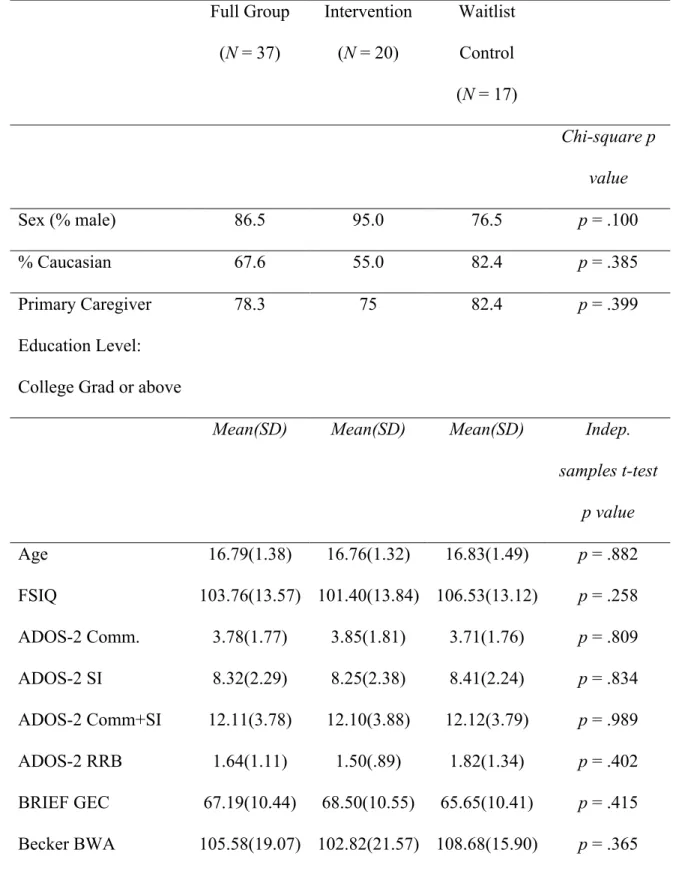
Table 1. Demographic and baseline characteristics for the total sample
and for intervention and waitlist control conditions………..48
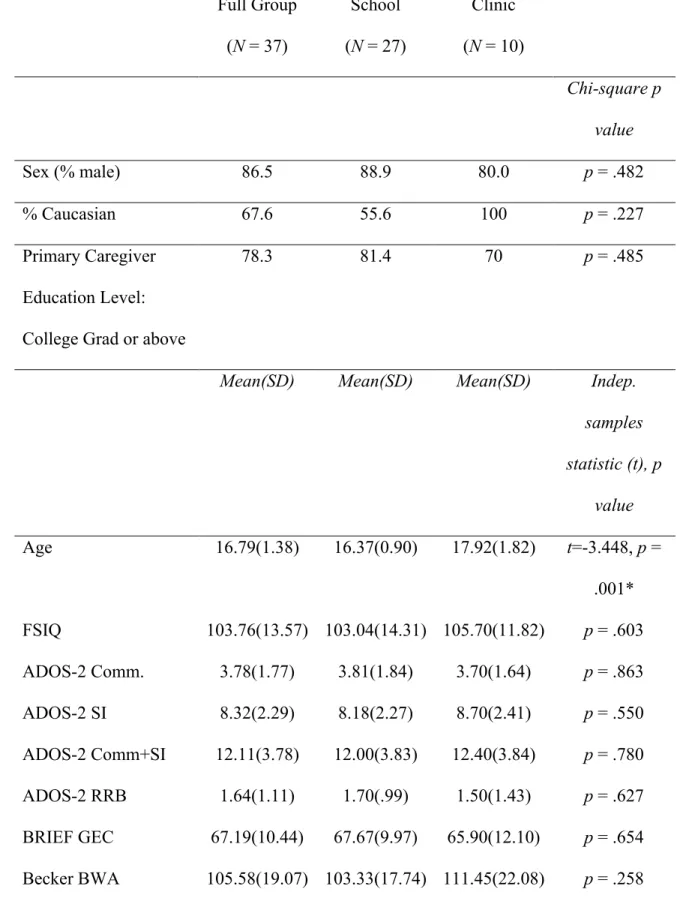
Table 2. Demographic and baseline characteristics for the total and divided
site group samples……….……….50
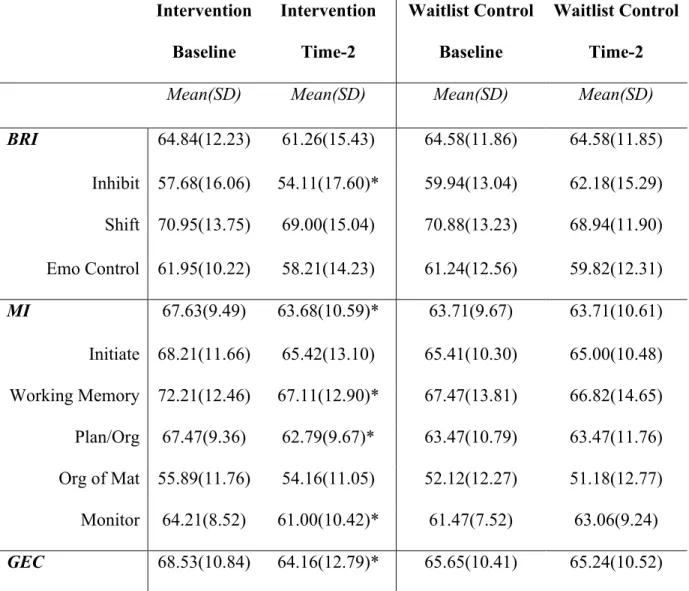
Table 3. Change in BRIEF indices and scales assessing executive function
from Baseline to Time-2 for the total sample.………...52
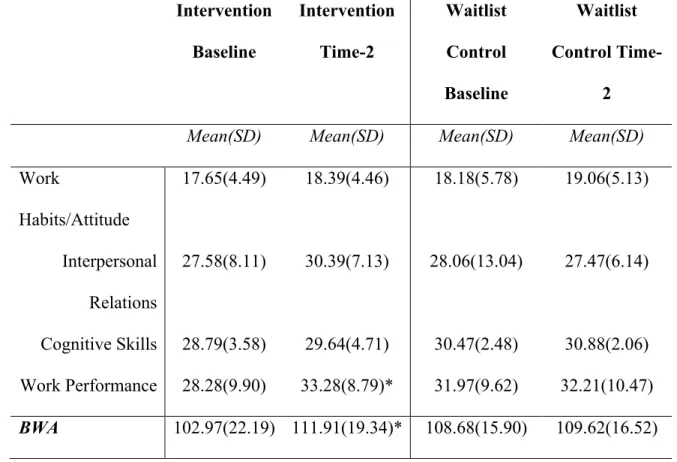
Table 4. Change in Becker domains assessing employment skills from Baseline
LIST OF FIGURES
Figure 1. Change in BRIEF Global Executive Composite (GEC) from baseline to Time-2 for those in the intervention versus waitlist control
conditions (full sample).………54
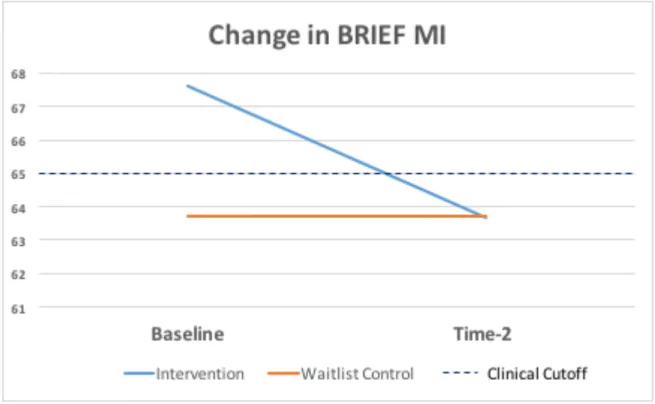
Figure 2. Change in BRIEF Metacognitive Index (MI) from baseline to Time-2 for those in the intervention versus waitlist control conditions
(full sample).………..55
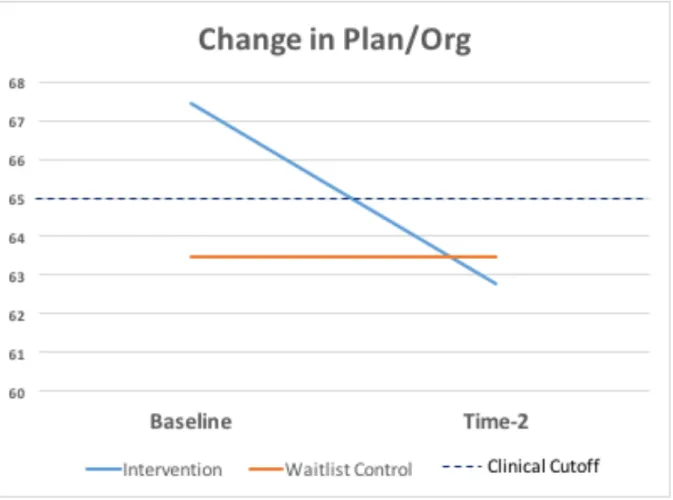
Figure 3. Change in BRIEF Planning/Organization (plan/org) from baseline to Time-2 for those in the intervention versus waitlist control conditions
(full sample).………..56
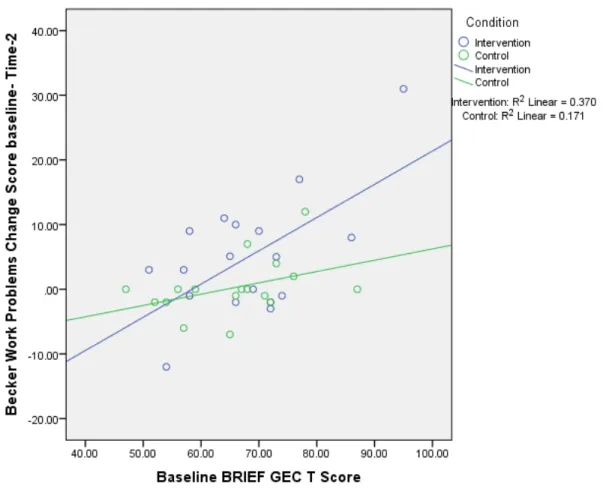
Figure 4. Moderating effect of baseline BRIEF GEC on change in Becker
Work Performance for the full group sample..………..57
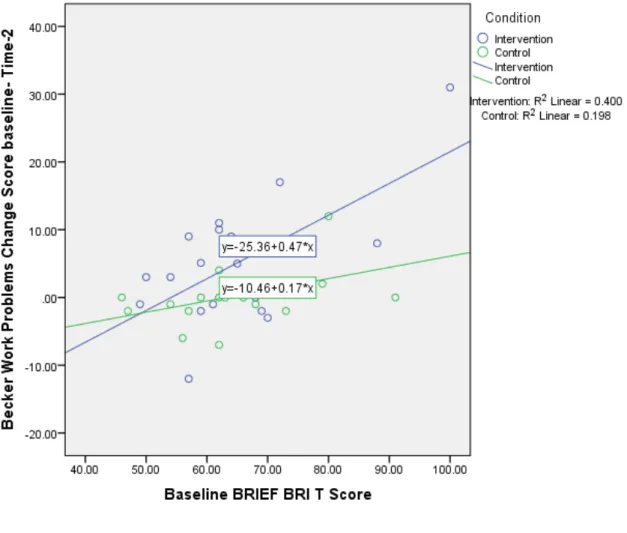
Figure 5. Moderating effect of baseline BRIEF BRI on change in Becker
LIST OF ABBREVIATIONS ASD Autism Spectrum Disorder
ID Intellectual Disability
INTRODUCTION
Autism spectrum disorder (ASD) is characterized by deficits in social interaction and communication, and includes the presence of restricted and repetitive behaviors and interests (American Psychiatric Association, 2013). Current estimates from the Centers for Disease Control (CDC) indicate that the national prevalence of ASD has risen from 1 in 150 eight year olds in 2002 to 1 in 68 eight year olds in 2010 (Christensen et al., 2016). This represents a 121% increase in the prevalence of school-aged children diagnosed with ASD. Given that the first cohort of school aged children in the CDC studies are now 23 years of age, we can expect a parallel increase in adolescents with ASD transitioning into adulthood in the next eight years. This represents a potential crisis for school systems across the country struggling to effectively serve and prepare students for life after high school.
adulthood time period (Shattuck, Narendorf, et al., 2012). Those that have examined this area of research have found that individuals with autism, even those without intellectual disability (ID), tend to have poor outcomes (Howlin, 2003).
increasingly difficult qualification standards after high school exit (Shattuck, Wagner, Narendorf, Sterzing, & Hensley, 2011). Thus, providing high school transitional supports to those who are least likely to qualify for services after high school exit but are still showing poor outcomes, namely those with HFASD, could have a meaningful impact on adult outcomes. Employment and Post-Secondary Education in ASD
Employment and post-secondary education interventions may be a specific area in which supports may be necessary for those with HFASD prior to leaving high school, as they are often not targeted in the regular education high school curriculum. Based on the Individuals with Disabilities Education Act (2004), the principal goal of receiving a public education is to prepare individuals for employment (Individuals with Disabilities Education Act, 2004). In addition to schools and policy makers emphasizing the importance of employment for those with
disabilities, researchers have also supported its significance. Various studies have found that having a job relates to better quality of life (Villamisar & Hughes, 2007; García-Villamisar, Wehman, & Diaz Navarro, 2002; Persson, 2000) and increased economic stability (Skalli, Theodossiou, & Vasileiou, 2008). A recent longitudinal study found that adults with ASD who demonstrated higher degrees of vocational independence experienced subsequent reduction of autism symptoms, problem behaviors, and overall improvements in daily living skills (Taylor, Smith, & Mailick, 2014). Thus, results from several studies support the various benefits of employment for those with ASD. However, there is ample evidence that those with ASD are not well equipped to attain and maintain employment.
approximately half of the 21-25-year-old ASD sample had ever received paid work since leaving high school, which was a significantly lower rate of paid employment compared to those with learning disabilities, emotional disturbance, speech and language impairments, or intellectual disability (Roux et al., 2013). In addition, Roux and colleagues (2013) found that those with ASD received significantly lower paid hourly wages and had less variation in types of jobs compared to the other clinically impaired groups. In further support of employment challenges for those with ASD, a recent study found that although more young adults with ASD are accessing vocational rehabilitation (VR) services over the last ten years, employment outcomes have failed to improve in the last decade (Burgess & Cimera, 2014). After reviewing
employment outcomes for over 35,000 transition-aged adults, researchers found that adults with ASD are underemployed in wages received and hours worked per week compared to other young adults without ASD being served by VR. In addition, only one-third of these individuals with ASD achieved successful employment, further demonstrating the lack of positive employment outcomes for this capable group (Burgess & Cimera, 2014). Longitudinal studies also suggest that even individuals who gain employment are unlikely to maintain employment for long periods of time (Taylor, Henninger, & Mailick, 2015)
These poor employment statistics for those with ASD are not only seen in research studies within the United States, but are evidenced internationally. For example, a study within the United Kingdom indicated that only one-third of a sample of adults with ASD had some type of employment at the time of the study, and only 13% had competitive employment (Howlin et al., 2005). In a Canadian study of young adults with ASD, researchers found that only 45% of their sample of adults with autism had ever been employed, only 4% were competitively
Ho, 2008). Results across studies consistently suggest that young adults with ASD need additional transition-based supports to increase the likelihood of employment success.
Similarly, post-secondary education statistics for those with ASD look bleak, with few attending post-secondary education and even fewer receiving degrees. For individuals with ASD, just as for their typically developing peers, postsecondary education can provide greater
employment opportunities, particularly for those with HFASD. Furthermore, pursuing postsecondary education can be important in fostering independence and self-determination. Whether the education culminates in a degree or not, postsecondary education can be a
reasonable path to personal growth, independence, and success for individuals with disabilities (Test et al., 2009). A 2007 national study of individuals receiving special education services revealed 84.4% of individuals with ASD reported they would “definitely” or “probably” get some form of postsecondary education. Of these, 61.7% indicated high likelihood of pursuing at least a 2-year degree and 54.2% reported they would probably or definitely pursue a 4-year degree (Wagner, Newman, Cameto, Levine, & Marder, 2007). By contrast, large, nationally representative samples report that only approximately one-third of young adults with ASD attend college within six years of high school completion (Shattuck, Narendorf, et al., 2012). In
addition, fewer than half of college students with ASD feel they are able to handle most of the challenges they encounter after high school exit (Shattuck et al., 2014). In support of this finding, Shattuck and colleagues (2012) reported that those with ASD had the highest rates of no
statistic, with high rates of young adults reporting being disconnected from post-secondary education and employment opportunities after high school exit (Wei, Wagner, Hudson, Yu, & Shattuck, 2015). Together, the literature suggests that those with ASD have significant
difficulties surrounding employment and post-secondary education, and the current system of care is not adequately supporting these individuals in the transition from high school to these settings.
One potential reason for vocational and education attainment difficulties for those with HFASD is the fact that they may encounter unique obstacles within these settings compared to other clinical groups, despite having the capacity and willingness to work (Baldwin, Costley, & Warren, 2014; Chen, Leader, Sung, & Leahy, 2015). For example, those with ASD often have significant difficulties navigating social interactions (i.e., social functioning; Sperry & Mesibov, 2005), managing their emotions (i.e., emotion regulation; Higgins, Koch, Boughfman, &
Interestingly, one particular domain, executive function, may be the linking factor between social-communication and emotion regulation difficulties experienced by adolescents with ASD; therefore, executive function may be an important intervention target for employment and post-secondary education interventions. Research not only supports that EF is a significant deficit for those with ASD, but also that it is related to other important abilities such as emotion regulation and social functioning. Although executive function may be a key intervention target, it is rarely emphasized within the current transition to adulthood system of care.
Executive Function in ASD
Executive function (EF) can be defined as one’s ability to manage oneself and one’s resources, and includes interrelated abilities such as planning, monitoring, inhibition, working memory, and cognitive flexibility (Rogers & Bennetto, 2000; Welsh & Pennington, 1988). EF has been associated with the cognitive control network of the brain, with executive function tasks shown to activate areas of the prefrontal, dorsal anterior cingulate, and parietal cortices
(Niendam et al., 2012).
The literature frequently documents significant executive function deficits for the
Granader and colleagues (2014) found EF deficits for this population in a large (total N = 878) child sample (FSIQ ≥ 70) including individuals with ASD and age and sex matched controls. In this sample, HFASD participants had significantly higher parent-reported EF problem scores compared to children with typical development (Granader et al., 2014). In addition, Rosenthal and colleagues (2013) examined parent-reported executive function deficits across age groups in a child and adolescent sample. Results indicated overall impaired EF across ages, with older HFASD youth having worse EF scores than younger children, and adolescents showing a larger gap in EF abilities compared to their typically developing age-cohort (Rosenthal et al., 2013). These results suggest that adolescents with HFASD may demonstrate greater impairments in EF compared to younger children, and that the EF gap evidenced between those with HFASD compared to typically developing youth may worsen with age. Evidence suggests that these executive function deficits persist into adulthood for those with HFASD, with an adult sample exhibiting significantly more impaired EF abilities compared to a normative sample (Wallace et al., 2016).
With EF deficits evidenced consistently across the literature for those with ASD,
flexibility abilities compared to controls (Ozonoff & Jensen, 1999). Similarly, Wallace and colleagues (2016) found that young adults with ASD had peak parent-reported EF problems in flexibility and planning in comparison to the other aspects of executive function (i.e., inhibition, working memory, emotional control, self-monitoring, task monitor, organization of materials, and initiation). Furthermore, Brundson and colleagues (2015) found that when comparing adolescents with ASD to children with typical development, those with ASD performed significantly worse on behavioral EF tasks involving cognitive flexibility and planning
(Brunsdon et al., 2015). Together, the literature not only supports general EF deficits for those with ASD, but more specifically suggests greater impairments in flexibility and planning abilities. Clinically, EF deficits for a child with ASD may appear as extreme difficulties with planning (e.g., coming up with multiple, sequential steps to accomplish a goal) and getting stuck on activities with difficulty shifting away from these stimuli. In comparison, an individual with ADHD with EF deficits might appear to have more difficulties with inhibiting their verbal or behavioral responses and having difficulty maintaining their attention on relevant stimuli. EF as a Target for Intervention
targeting executive function difficulties in ASD may improve social communication skills. Additionally, the first and the most widely used school-based executive function intervention for elementary school-aged children with HFASD, Unstuck and On Target! (UOT; Cannon,
Kenworthy, Alexander, Adler Werner, & Anthony, 2011), has been shown to significantly improve both EF and social skills. When UOT was compared to a commonly used and well-validated social skills intervention in a randomized controlled trial (RCT), children with ASD who received this cognitive-behavioral EF intervention improved significantly more in problem-solving, planning/organization, and flexibility as measured by blinded classroom observations, behavioral testing, and parent-report measures (Kenworthy & Anthony et al., 2013). Outside of ASD research, executive function interventions have also been tested for children diagnosed with ADHD. Tested EF interventions for the ADHD population have proved efficacious, with
EF as Moderator to Intervention Change
Not only is there ample support suggesting that EF could be an important intervention target, but EF has also been shown to relate to other key domains of functioning and outcome areas for individuals with ASD. For instance, research has supported relationships between EF deficits and poorer occupational adjustment (Barkley & Murphy, 2010), impaired social
functioning (Muscara, Catroppa, & Anderson, 2008), poorer emotion regulation (Cole, Usher, & Cargo, 1993; Jahromi & Stifter, 2008), greater autism symptomology (Yerys et al., 2009), poorer theory of mind (Carlson & Moses, 2001; Gökçen, Frederickson, & Petrides, 2016; Gökçen, Petrides, Hudry, Frederickson, & Smillie, 2014), greater internalizing symptoms (Wallace et al., 2016), and greater externalizing behaviors (Lerner, White, & Mcpartland, 2012). In addition, studies have suggested that EF relates to a domain that is supported to be the most important predictor of one’s independent living status for those with ASD, namely, adaptive behavior (Farley et al., 2009; Kanne et al., 2011). Adaptive behavior is defined as one’s ability to function independently in his or her life, and includes skills such as self-care, engaging in appropriate social relationships, and managing money. A longitudinal study testing the relationship between EF and adaptive behavior found that prior executive function accounted for a large percent of the variance seen in later adaptive behavior scores in a child and adolescent HFASD sample
critical domains, ultimately further supporting its importance as an intervention target to promote more positive young adult outcomes.
Because of the relations between EF and other targets of intervention (e.g., occupational adjustment, emotion regulation, theory of mind, internalizing and externalizing behaviors, adaptive behavior, etc.), researchers within and outside of the autism research community believe that there is theoretical evidence for including executive function in models of social-emotional intervention change (Lerner et al., 2012; Riggs, Jahromi, Razza, Dillworth-Bart, & Mueller, 2006). In support of this, Bierman and colleagues (2008) found in their school-readiness RCT that baseline executive function abilities in four-year-olds moderated intervention change in social-emotional competencies and aggression when IQ and age were controlled (Bierman, Nix, Greenberg, Blair, & Domitrovich, 2008). The results of non-ASD studies, the theoretical support, and the presence of EF variability would suggest a need to explore executive function as a
moderator of intervention change. While, no autism studies to date have specifically investigated this area of research, there is evidence of variability in EF skills for those with ASD (Brunsdon et al., 2015), which would increase one’s ability to see a true moderating effect if one was present. The TEACCH School Transition to Employment and Post-Secondary Education Program (T-STEP)
The TEACCH School Transition to Employment and Post-Secondary Education Program (T-STEP) is a manualized intervention that contains six employment skills modules (21
emotion regulation skills (e.g., accepting corrective feedback, coping with being upset). Each module includes skill instruction, direct and interactive practice within the classroom,
generalization practice within a “real-world” school employment/internship setting for an additional 1-2 hours per week, and a home practice worksheet to be completed with a parent. In-school sessions include a variety of activities including worksheets, hands-on activities such as video modeling, role-plays and skill practices, and collaborative group discussions. Please see Appendix A for more detailed curriculum information and schedule.
The T-STEP was created to address the current paucity of HFASD interventions designed for the adolescent population targeting improved transition to adulthood. In order to target EF, social skills, and emotion regulation, the T-STEP integrates various evidence-based practices as defined by the National Professional Development Center (Wong et al., 2015). For example, the didactic session on accepting corrective feedback in college and employment settings includes (1) a social story on the importance of receiving and using corrective feedback, including the negative ramifications of not accepting corrective feedback (i.e., social narrative); (2) instruction on using deep breathing and coping statements when receiving corrective feedback (i.e.,
cognitive behavioral therapy techniques); and (3) the development of a personal routine for how to accept corrective feedback, including visual cues that alert the need to use this routine (i.e., visual supports; structured teaching techniques). Please see Appendix B for more details on the evidence-based practices (EBPs) utilized throughout the T-STEP.
children with autism and their families. Structured teaching is used to create environmental accommodations that provide structure and organization to promote learning. Examples of structured teaching elements are visual supports, schedules (i.e., indicates what the individual is supposed to be doing and when activities will occur), and work systems (i.e., tells individual how much is to be accomplished and what to do after activity complete). This EBP has been used to teach individuals across a wide range of age and functioning levels (Turner-Brown, Hume, Boyd, & Kainz, 2016; Van Bourgondien, Reichle, & Schopler, 2003), across settings (Bennett,
Reichow, & Wolery, 2011; Ozonoff, Cathcart, Bourgondien, Reichle, & Schopler, 2003) and across skill areas, including the development of independent work skills (Hume & Odom, 2007) and engagement (Hume, Plavnick, & Odom, 2012). Structured teaching strategies included in the T-STEP are based on our current understanding of cognitive differences experienced by students with ASD (Fein, 2011). Specifically, the curriculum is based on the idea that learning differences in selective attention (e.g., sticky attention; Renner, Klinger, & Klinger, 2006; Travers, Klinger, & Klinger, 2011), implicit or automatic learning (Klinger & Dawson, 2001; Klinger, Klinger, & Pohlig, 2006; Travers et al., 2013), and executive function (EF) and organization (Craig et al., 2016) create difficulties in understanding environmental expectations and difficulties tolerating unpredictability, and as a result, lead to challenging behavior. T-STEP intervention techniques, such as visual schedules and rules, are designed to provide environmental supports to facilitate learning by focusing attention on relevant information, providing clear, explicit instructions, and supporting organization skills needed to improve EF.
Summary
Roux, et al., 2012; Taylor & Seltzer, 2010), and that their outcomes in employment and post-secondary education settings are poor despite having average to above average IQs (Eaves & Ho, 2008; Howlin et al., 2005; Roux et al., 2013; Shattuck, Narendorf, et al., 2012). One domain that may be key to improving employment and post-secondary education outcomes is executive function, with its link to a variety of other fundamental areas of functioning including social skills, emotion regulation (Jahromi & Stifter, 1982; Muscara et al., 2008), and occupational adjustment (Barkley & Murphy, 2010). Although EF has proved to be a malleable intervention target and could play a moderating role in treatment change in other domains, executive function interventions have yet to be tested in the transition to adulthood age group for those with
HFASD. The T-STEP could address these significant gaps in the current research, as it is a high school-based, transition to adulthood intervention that teaches critical employment skills to help with the transition into employment and post-secondary education, and specifically targets executive function.
Present Study
The aims of the present study were to investigate whether high-school students with HFASD: (1) show change in executive function after completing the T-STEP intervention program, (2) and whether baseline executive function is a moderator of intervention change in employment skills.
Hypotheses:
EF domains that are typically more impaired for those with ASD, and may be more likely to show improvement.
METHOD
This Autism Speaks funded pilot study utilized a waitlist control design. In the first wave of the intervention (i.e., Fall semester of school year), approximately half of the participants received the T-STEP program and half of the participants received their typical school accommodation services and did not receive any additional TEACCH services. In the second wave of the intervention (i.e., Spring semester of school year), the waitlist control group received the T-STEP intervention. Testing occurred for both groups prior to the Fall semester (i.e.,
baseline) and when the intervention group completed the T-STEP treatment (i.e., approximately 11 weeks after Fall intervention start date; Time-2 assessments). This waitlist control design occurred twice over the course of two school years. The first year of the study was completed during the 2015-2016 school year, and the second year of the study occurred during the 2016-2017 school year.
Participants
Across both academic years, participants included in the final sample were 37
adolescents (32 males) with high functioning ASD between the ages of 14 and 20 years of age (M age = 16.79) who were currently enrolled or recently completed the regular/general education high school curriculum. Please see Table 1 for more demographic information about participants. An additional eight participants were consented for research participation, of whom, four
control) was identified as an outlier and was excluded from analyses (see Results section for more information about this participant).
Recruitment
Two different recruitment approaches were used in this study in order to increase participant sample size. First, participants were recruited through Wake County Public Schools high schools to participate in school-based T-STEP groups. School-based participants included 27 adolescents (24 males) with HFASD between the ages of 14 and 18 (M age = 16.37). Across both years of the study, 27 participants completed the T-STEP intervention in four Wake County Public Schools high schools (N intervention group = 17; N waitlist control group = 10). In total, eight groups (i.e., 4 intervention groups, 4 waitlist control groups) were conducted with one intervention and one waitlist control group held at each of the enrolled high schools.
Second, participants from the surrounding Greensboro community were recruited for clinic-based groups. Clinic-based participants included 10 adolescents (8 males) with HFASD between the ages of 14 and 20 (M age = 17.92). Please see Table 2 for more information about school- and clinic-based participants. The secondary recruitment methods were utilized because we did not meet our projected sample size through school-based recruitment. For clinic-based groups, a total of 10 participants completed the T-STEP intervention at the UNC Greensboro TEACCH Clinic (N intervention group = 3; N waitlist control group = 7). A total of four groups (i.e., 2 intervention groups, 2 waitlist control groups) were conducted across both years of the study.
using the gold-standard diagnostic methods of the Autism Diagnostic Observation Schedule-Second Edition (ADOS-2, Lord et al., 2012) and clinical judgment. In addition, all participants received a Full Scale IQ (FSIQ) score of 85 or above (M 2-subtest FSIQ = 103.76; range = 85-135) as measured by the Wechsler Abbreviated Scale of Intelligence-Second Edition (WASI-II; Wechsler, 2011) to confirm HFASD status. Because males are disproportionately diagnosed with ASD compared to girls (i.e., boys 4.5 times more likely to have ASD compared to girls), we expected to see more males within our sample (Centers for Disease Control and Prevention, 2016). Our distribution of 86% male participants is slightly higher than the typical 75-80% gender ratios found in ASD. As comorbid diagnoses (e.g., attention deficit hyperactivity disorder, depression, anxiety, etc.) are extremely common in those with autism spectrum disorders, individuals with additional diagnoses other than ASD were included in the study. All participants were fluent English-speakers, as the curriculum is currently only available in English.
Measures
Autism Diagnostic Observation Schedule-2 (ADOS-2; Lord et al., 2012).
reliable and valid instrument to assess ASD symptoms, with receiver operating characteristic (ROC) analyses indicating high sensitivity and specificity for distinguishing those with ASD from other clinical groups (sensitivity AUC = .91; specificity AUC = .82; Hus & Lord, 2014). The ADOS-2 took approximately 45 minutes to one hour to complete. The ADOS-2 was
administered by a licensed psychologist or doctoral candidates in clinical psychology supervised by the licensed psychologist. The ADOS-2 was only administered at baseline to confirm autism diagnosis and assess autism symptom severity.
Wechsler Abbreviated Scales of Intelligence-Second Edition (WASI-II; Wechsler, 2011). The WASI-II is an abbreviated IQ test that provides an estimate of verbal and nonverbal
intellectual abilities and was administered to ensure that participants have a Full Scale IQ (FSIQ) score of 85 or above. Two subtests of the WASI-II were administered, namely, the Vocabulary subtest and the Matrix Reasoning subtest, in order to compute a two-subtest FSIQ score. The Vocabulary subtest provides information regarding the participant’s verbal communication abilities, whereas the Matrix Reasoning subtest provides information regarding the participant’s perceptual reasoning skills. Based on raw score and T-score translations, a two-subtest standard Full Scale IQ score was computed (M = 100, SD = 15), with higher scores indicating higher intellectual abilities. The WASI-II has been supported as a reliable measure for estimating FSIQ scores, with the two-subtest FSIQ composite score demonstrating an average reliability
coefficient of .93 (Maccow, 2011). The two-subtest version of the WASI-II was administered by a trained researcher and took approximately 30 minutes to complete. The WASI-II was only administered at baseline assessments.
The Behavior Rating Inventory of Executive Functioning (BRIEF; Gioia, Isquith, Guy, & Kenworthy, 2000).
to executive function that have occurred within the last four weeks. The BRIEF is the most commonly used measure to assess everyday use of EF skills at home and at school (Gioia, Kenworthy, & Isquith, 2010). The real-world applicability of the EF skills assessed, such as ability to shift from different tasks, organize materials, and plan for future tasks, increases the external validity of the measure (Gioia et al., 2010). Each item is scored on a Likert scale from 1 (Never) to 3 (Often). The BRIEF contains eight scales corresponding to the following real-world EF scales: inhibition (i.e., ability to control impulses and stop engaging in a behavior); shift (i.e., ability to move freely from one activity or situation to another; flexibility); emotional control (i.e., ability to appropriately regulate emotional responses); initiation (ability to start an activity and independently generate new problem-solving ideas); working memory (i.e., ability to hold information when completing task, encode information, or generate plans); planning and
organization (i.e., ability to set goals, develop steps in a sequential order, anticipate future events, organize and understand main ideas); organization of materials (i.e., putting order to materials in school, work, and home spaces); and monitoring (i.e., ability to monitor one’s performance and check work). From these subscales, two higher order EF indices are obtained: The Behavioral Regulation Index (BRI; comprised of the inhibition, shift, and emotional control scales) and the Metacognition Index (MI; comprised of the initiate, working memory, planning and
consistency with coefficients ranging from .82 to .98 for clinical samples; test-retest reliability is also high, with correlations ranging from .72 to .83 in a clinical sample (Gioia et al., 2000). The measure is also considered to have high content and construct validity (Gioia et al., 2000). Research indicates that the BRIEF is significantly correlated with other performance-task measures of EF such as the Delis-Kaplan Executive Function System (D-KEFS; Parrish et al., 2007), and demonstrates strong correlations with other report measures of behavior functioning in children (Gioia et al., 2000). Completion of the report form took approximately 15 minutes to complete. The BRIEF was administered at baseline and Time-2 assessments.
Becker Work Adjustment Profile: 2 (Becker; Becker, 2005).
The Becker Work Adjustment Profile is a 63-item caregiver-report questionnaire that measures employment strengths and weaknesses in relation to work habits, coworker relationships, cognitive skills, and performance skills. This measure was specifically designed to assess the overall employment skills of individuals with special needs. Each item is scored on a 0 (Performance Limited to None) to 4 (Performance Exceptional), with higher scores indicating better occupational adjustment. The Becker contains four domains: Work Habits/Attitudes, Interpersonal Relations, Cognitive Skills, and Work Performance Skills. The Work
Habits/Attitudes (HA) domain includes 10 items that assess internal worker traits such as attendance and punctuality, hygiene, work motivation, and dependability. The Interpersonal Relations (IR) domain includes 12 items related to skills associated with social interaction, emotional stability, and cooperation in the workplace. The Cognitive Skills (CO) domain
accuracy. A total score, the Broad Work Adjustment (BWA), is calculated as an aggregate of other domain raw scores to measure global vocational abilities, with higher scores indicating better work adjustment. The Becker has high internal consistency (r = .87), test-retest reliability (r = .86), and inter-rater agreement (r = .82; Bolton, 2001). Caregivers completed the Becker to evaluate participants’ overall employment skills. The form took approximately 15 minutes to complete and was administered at baseline and Time-2 assessments.
Demographic Form.
Parents/caregivers completed a demographic form that included questions about their child’s age, sex, race, ethnicity, any current diagnoses, and the education level of the parent. The form took approximately 10 minutes to complete. The Demographic form was administered at baseline assessments.
Procedure
participants were scheduled for in-person baseline evaluations to assess executive function skills, autism symptomology, employment skills, and intellectual functioning. All assessments began with an approved IRB consent and assent process in a private room at the UNC TEACCH Autism Program—Chapel Hill Clinic. Baseline assessments took approximately three hours and participants were compensated $30 for their time.
School-based groups were created by school personnel. Enrolled research participants were either assigned to a semester-long, non-academic course. For example, in Year 1, three groups were held during a curriculum assistance (i.e., a study skills/study hall) course; in Year 2, four groups were held during a curriculum assistance course), or assigned to an after-school group (i.e., in Year 1, one group) in which the T-STEP group occurred. Placement in the
intervention or waitlist control groups was determined by school personnel to fit with student and teacher schedules. Because the intervention occurred within a student’s regular school schedule, true random assignment could not be used. However, this approach of having the school assign condition based on student schedule constraints was not based on any defining feature of the student (e.g., symptom severity, intellectual level, etc.). All students were enrolled in the general education curriculum (i.e., North Carolina “Future-Ready Core Course Curriculum”) within their school, although they were able to receive a study hall or curriculum assistance course to assist in their academic progress.
School-based T-STEP groups were delivered by two interventionists: the special educator who taught the curriculum assistance course and a clinician from the University of North
intervention fidelity and internal validity. The intervention was provided over the course of one semester and occurred in 21, 75-minute sessions approximately two times a week. Intervention groups included 2-6 participants.
Because clinic participants attended different schools, these groups had slightly different recruitment methods. Families with children between the ages of 14-20 diagnosed with HFASD who had provided their contact information to the UNC Greensboro TEACCH Clinic and indicated that the clinic could contact them for future research studies were sent recruitment fliers for the study. If interested, caregivers of the teens contacted research study staff to set up a screening phone call. On the screening phone call, all interested families were provided with more information regarding study participation and were screened for the same eligibility criteria listed for school-based participants (e.g., age, ASD diagnosis) with the exception of the location of their schooling (i.e., in or recently completed regular education curriculum in accord with Guilford County Public Schools high school requirements). Once initial eligibility criteria were confirmed, participants were scheduled for the same procedural in-person baseline evaluations as school-based participants to assess executive function skills, autism symptomology, employment skills, and intellectual functioning. All assessments began with an approved IRB consent and assent process in a private room at the UNC TEACCH Autism Program—Chapel Hill Clinic or the UNC TEACCH Autism Program—Greensboro Clinic. Baseline assessments took
approximately three hours and participants were compensated $30 for their time.
allowed to change groups to enhance enrollment numbers. Enrollment in these groups was not based on any other defining feature of the participant (e.g., symptom severity, intellectual level, etc.).
Clinic groups were delivered by two interventionists. The primary interventionist was one of the same TEACCH clinicians delivering the T-STEP program to two of the high schools participating in the study. The secondary interventionist was another TEACCH clinician who had not been previously trained on the T-STEP program to better match the curriculum knowledge of the co-facilitators (e.g., special education teachers) in the schools. TEACCH clinicians held a master’s degree or doctoral degree in a clinical field (i.e., psychology, special education). The co-facilitator intervention model allowed for the direct training of other clinic providers, increasing intervention fidelity and internal validity. The intervention was provided over the course of one semester and occurred in 21, 75-minute sessions approximately two times a week. Intervention groups included 2-5 participants.
RESULTS
All data were analyzed using IBM SPSS Statistics. All data were scored and double entered by two trained research staff to ensure accuracy of the data. Once data entry was complete, descriptive analyses such as central tendency and frequency were conducted to investigate distributional assumptions. Box plots and histograms were performed on all continuous variables of interest to investigate distributional properties and check for outliers. One participant was excluded from all analyses as being an outlier, as his Becker BWA Total score was more than 2.5 standard deviations below the mean and his parent indicated that he could not toilet independently, suggesting that a group intervention program would not be the best fit for his current needs. All analyses were conducted with a two-tailed alpha of p < .05.
Independent samples t-tests were conducted to test whether there were any baseline differences between the intervention and waitlist control groups on key variables (i.e., age; FSIQ; baseline BRIEF GEC score; baseline Becker BWA score; baseline autism symptom severity ADOS-2 scores). There were no significant differences between groups on key baseline variables (p’s = .258-.989). In addition, chi-squares were conducted in order to assess differences in sex ratio, race identification, or primary caregiver education level between groups. There were no significant differences on sex ratios (p = .100), race identification (p = .385), or education of the primary caregiver (p = .399) between the intervention and waitlist control groups. Thus, no additional variables were controlled for in later analyses. Please see Table 1 for more
In addition, independent samples t-tests were conducted to test whether there were any baseline differences between the school- and clinic-based groups on key variables (i.e., age; FSIQ; baseline BRIEF GEC score; baseline Becker BWA score; baseline autism symptom severity ADOS-2 scores). There was a significant difference on baseline age of participants between the school- and clinic-based samples [t(35) = -3.448, p = .001]. Those in the clinic-based group (M = 17.92) were significantly older than those in the school-based group (M = 16.37). Because of this, bivariate correlations were conducted to assess whether age was significantly related to intervention change in employment skills or intervention change in executive function. Age of participant was not a significantly correlated to intervention change on the Becker domains (p’s = .280-.949) or BRIEF GEC (p = .311). There were no other
significant differences in baseline characteristics between participants in school- and clinic-based samples (p’s = .258-863). In addition, chi-squares were conducted in order to assess differences in sex ratio, race identification, or primary caregiver education level between groups. There were no significant differences on sex ratios (p = .482), race identification (p = .227), or primary caregiver education level (p = .485) between the school and clinic groups. Please see Table 2 for more information about baseline characteristics and comparisons for the full sample, school, and clinic samples. In order to account for any unknown differences in recruitment methods and intervention delivery site, full group analyses and separate analyses examining only the school-based sample were conducted for each of the pilot study aims.
Effect of Intervention on Executive Function Skills: Full Group Analyses
General Linear Model (GLM) analyses were conducted to test the major hypothesis that
those in the intervention condition would show more improvement in EF skills compared to
conducted using time (baseline versus Time-2) as a repeated measure, and condition
(intervention versus waitlist control) as a between subject variable. Intervention effects are
evident as an interaction between time and treatment condition such that the intervention group
should show greater improvement in executive function from baseline to Time-2 than the waitlist
control group. Dependent variables included: (1) the BRIEF Global Executive Composite (GEC)
score that assesses overall executive function impairments; (2) the BRIEF Behavioral Regulation index (BRI) to assess various executive function domains related to behavior regulation; (3) the BRIEF Metacognitive index (MI) to assess various executive function domains related to metacognitive processes; and (4) specific BRIEF scale executive function score of planning/organization (assesses planning skills) identified by previous research as a peak impairment in the ASD population; and (5) specific BRIEF scale executive function score of shift (assesses flexibility skills) identified by previous research as a peak impairment in the ASD population. In addition, when specific indices of the BRIEF showed a significant or trending interaction, they were probed further in order to evaluate whether specific scale scores were driving these interactions. For significant or trending interactions, paired-samples t-tests were conducted to assess whether there was a significant change in scores from baseline to Time-2. A
decrease in BRIEF scores indicates an improvement in EF. Effect size data is provided using
Cohen’s guidelines (i.e., partial eta squared [ηp2] of .01 is a small effect, .06 is a moderate effect, and .14 is a large effect).
There was a trending interaction with a medium-large effect size for the GEC index [F(1, 34) = 3.777, p = .060, ηp2 = .100]. This trending interaction was characterized by a significant 4.4 point decrease in GEC scores from baseline (M = 68.53) to Time-2 (M = 64.16) for the
decrease in their total EF score (Please see Figure 1). There was no significant time by condition interaction for BRI scores (p = .140; ηp2 = .063). There was a significant time by condition interaction with a medium-large effect size for the Metacognitive index [F(1, 34) = 4.711, p = .037, ηp2 = .122]. Paired sample t-tests indicated that the interaction was characterized by a significant 4.0 point decrease (improvement) in MI scores from baseline (M = 67.63) to Time-2 (M = 63.68) for intervention group [t(18) = 2.639, p = .017], while the waitlist control group showed no change in their total EF score (Please see Figure 2). A significant time by condition interaction with a medium-large effect size was evidenced for the planning/organization scale
[F(1, 34) = 4.597, p = .039, ηp2 = .119]. The interaction was characterized by a significant 4.7 point decrease in planning/organization scores from baseline (M = 67.47) to Time-2 (M = 62.79) for the intervention group [t(18) = 2.840, p = .011], while the waitlist control group showed no change in scores from baseline to Time-2 (Please see Figure 3). There was no significant time by condition interaction for the scale of shift (p = .999, ηp2 = .000).
Because there was a trending significant interaction for the overall BRIEF composite score and a significant interaction for the MI index, the remaining 6 scales were tested to probe which aspects of EF may be driving these relationships. There was a significant time by
condition interaction with a medium-large effect size for the inhibit scale [F(1, 34) = 4.856, p = .034, ηp2 = .125]. The interaction was characterized by a significant 3.6 point decrease
working memory scores from baseline (M = 72.21) to Time-2 (M = 67.11) for the intervention group [t(18) = 2.679, p = .015], while the waitlist control group only showed a .6 decrease in scores. In addition, a significant time by condition interaction with a large effect size was present for the monitor scale [F(1, 34) = 6.123, p = .018, ηp2 = .153]. The interaction was characterized by a significant 3.2 point decrease in monitor scores from baseline (M = 64.21) to Time-2 (M = 61.00) for the intervention group [t(18) = 2.214, p = .040], while the waitlist control group showed a 1.6 increase in scores. There were no significant time by condition interactions for the remaining scales of emotional control (p = .283; ηp2 = .034), initiate (p = .319; ηp2 = .029), and organization of materials (p = .686; ηp2 = .005).
For the major indices of GEC and MI, and for the scale score of planning/organization, Time-2 scores for the intervention group dropped below the clinical cutoff score. In addition, scores for inhibition and monitoring abilities remained below the clinical cutoff and continued to decrease from the clinical cutoff range for the intervention group. The most elevated EF score for the intervention group (i.e., working memory), dropped to approach the cutoff score for clinical significance. Please see Table 3 for more information about changes in BRIEF scores from baseline to Time-2 for the intervention and waitlist control groups.
Effect of Intervention on Executive Function Skills: School-Based Sample
As with the full group analyses examining change in EF, 2 x 2 repeated measures
ANOVAs were conducted on the school-based sample using time (baseline versus Time-2) as a
repeated measure, and condition (intervention versus waitlist control) as a between subject
variable) to test the major hypothesis that those in the intervention condition would show more
improvement in EF skills compared to those in the waitlist control condition. Dependent
variables included BRIEF scores of: (1) GEC; (2) BRI; (3) MI; (4) planning/organization; (5)
shift. In addition, when specific indices of the BRIEF showed a significant or trending interaction, they were probed further in order to evaluate whether specific scale scores were driving these interactions. For significant or trending interactions, paired-samples t-tests were conducted to assess whether there was a significant change in scores from baseline to Time-2.
When examining only the school-based sample, all previously trending or significant interactions found in the full sample decreased in their levels of significance, with the exception of BRI and inhibition which increased in their levels of significance. There were several trending significant interactions that were characterized by medium-large effect sizes: (1) GEC index [F(1, 24) = 3.136, p = .089, ηp2 = .116]; (2) BRI index [F(1, 24) = 2.971, p = .098, ηp2 = .110]; (3) MI index [F(1, 24) = 3.729, p = .065, ηp2 = .134]; (4) planning/organization scale [F(1, 24) = 3.851, p = .061, ηp2 = .138]. There was no significant time by condition interaction for the scale of shift (p = .702, ηp2 = .006).
effect size for the monitor scale [F(1, 24) = 3.139, p = .089, ηp2 = .116]. Lastly, there was also a was a significant time by condition interaction with a large effect size for the working memory
scale [F(1, 24) = 4.975, p = .035, ηp2 = .172]. Time by condition interactions for the remaining scales (i.e., emotional control, initiate, organization of materials) remained non-significant (p’s = .266-794).
When examining only the school-based sample, paired samples t-tests indicated
significant improvements in GEC, MI, planning/organization, inhibition, and working memory (p’s < .043). Additionally, there were trending significant improvements in BRI and monitoring abilities (p’s < .090). For all scales, effect sizes associated with 2-way interactions increased, although this did not always result in an increase in level of significance.
Moderating Effect of Executive Function: Full Group Analyses
In order to test the moderating effect of EF on change of employment skills, General
Linear Model (GLM) analyses were conducted. Specifically, 2 x 2 repeated measures
ANCOVAs were conducted using time (baseline versus Time-2) as a repeated measure,
condition (intervention versus waitlist control) as a between subject variable, and executive
function as a covariate. Dependent variables included baseline and Time-2 domains of the
Becker: (1) Broad Work Adjustment (BWA); (2) Work Habits/Attitude; (3) Interpersonal
Relations; (4) Cognitive Skills; (5) Work Performance. Covariates included baseline measures of
BRIEF: (1) GEC; (2) BRI; (3) MI. These covariates were entered into the interaction model
one-by-one to test whether baseline EF moderated baseline to Time-2 change in employment skills
First, change in employment skills was assessed via 2 x 2 repeated measures ANOVAs using baseline and Time-2 Becker domains as dependent variables. There was a trending
interaction with a medium-large effect size for the Becker Work Performance domain [F(1, 33) = 3.670, p = .064, ηp2 = .100]. This trending interaction was characterized by a significant 5.0 point increase in scores from baseline (M = 28.28) to Time-2 (M = 33.28) for the intervention group [t(17) = -2.278, p = .036], while the waitlist control group showed only a .2 increase in their work performance skills. There were no other trending or significant time by condition
interactions for the other Becker domains of BWA (p = .137; ηp2 = .066), Work Habits/Attitude (p = .896; ηp2 = .001), Interpersonal Relations (p = .113; ηp2 = .072), or Cognitive Skills (p = .597; ηp2 = .008). Please see Table 4 for more information about changes in Becker scores from baseline to Time-2 for the intervention and waitlist control groups.
Next the 3-way interaction was examined to test for moderating effects of executive function on change in Becker employment skills. Results indicated that two of the three initial indices of the BRIEF had trending moderating effects (3-way interactions) on the change of the Becker Work Performance domain from baseline to Time-2 (Please see Figure 4 and Figure 5 for graphs of these trending 3-way interactions). There was a trending time by condition by BRIEF GEC 3-way interaction with a medium effect size for the Becker Work Performance domain [F(1, 31) = 2.832, p = .102, ηp2 = .084]. In addition, there was a trending time by condition by BRIEF BRI 3-way interaction with a medium-large effect size for the Becker Work Performance domain [F(1, 31) = 3.070, p = .090, ηp2 = .090]. There was no significant 3-way interaction for the BRIEF MI scale (p = .141, ηp2 = .069). There were no other trending or significant
.739-989), or the total Broad Work Adjustment domains (p’s = .246-293). All trending 3-way interactions indicated that those participants with worse baseline EF skills in GEC and BRI showed greater improvements in Becker Work Performance from baseline to Time-2.
Because there were trending interactions for the overall BRIEF composite score and the BRIEF BRI index on the Becker Work Performance domain, the remaining BRIEF scales were entered in one-by-one as covariates to probe which aspects of EF may be driving the moderating relationship of baseline EF on change in work performance skills. There was a trending time by condition by BRIEF inhibit 3-way interaction with a medium-large effect size for the Becker Work Performance domain [F(1, 31) = 3.573, p = .068, ηp2 = .103]. In addition, there was a trending time by condition by BRIEF emotional control 3-way interaction with a medium-large effect size for the Becker Work Performance domain [F(1, 31) = 3.660, p = .065, ηp2 = .106]. These trending 3-way interactions indicated that those with worse baseline EF skills in these scales showed greater improvements in Becker Work Performance from baseline to Time-2. There were no other trending or significant 3-way interactions for the remaining BRIEF scales on the Becker Work Performance domain (p’s = .107-.521).
Moderating Effect of Executive Function: School-Based Sample
Separate site analyses were conducted for the school-based sample to evaluate if there were any differences in moderating effects of EF.
As in the full sample moderation analyses, 2 x 2 repeated measures ANCOVAs were
conducted using time (baseline versus Time-2) as a repeated measure, condition (intervention
versus waitlist control) as a between subject variable, and executive function as a covariate.
Dependent variables included baseline and Time-2 domains of Becker: (1) BWA; (2) Work
Covariates included baseline measures of BRIEF: (1) GEC; (2) MI; (3) BRI. These covariates
were entered into the interaction model one-by-one to test whether baseline EF moderated
baseline to Time-2 change in employment skills (i.e., predicted 3-way interaction). If this predicted 3-way interaction was significant or trending in significance, other scale scores of the BRIEF were entered as covariates in order to test which aspects of baseline EF may be driving this moderating relationship. If this predicted 3-way interaction was significant or trending in significance, other scale scores of the BRIEF were entered as covariates in order to test which aspects of baseline EF may be driving this moderating relationship.
First, change in employment skills was assessed via 2 x 2 repeated measures ANOVAs using baseline and Time-2 Becker domains as dependent variables. When examining only the school-based sample, the previously trending interaction for the Work Performance domain
became significant, as well as the BWA and the Interpersonal Relations domains of the Becker.
There was a significant interaction with a large effect size for the BWA domain [F(1, 23) = 6.356, p = .019, ηp2 = .217]. This significant interaction was characterized by a significant 12.1 point increase in scores from baseline (M = 98.23) to Time-2 (M = 110.49) for the intervention group [t(14) = -2.938, p = .011], while the waitlist control group showed a 3.0 decrease in their overall employment skills. There was also a significant interaction with a large effect size for the Interpersonal Relations domain [F(1, 23) = 7.615, p = .011, ηp2 = .241]. This significant
significant 6.6 point increase in scores from baseline (M = 25.87) to Time-2 (M = 32.47) for the intervention group [t(14) = -2.885, p = .012], while the waitlist control group showed a .7 decrease in their work performance skills. There were no other trending or significant time by condition interactions for the other Becker domains of Work Habits/Attitude (p = .473; ηp2 = .022) or Cognitive Skills (p = .513; ηp2 = .018).
Next the 3-way interaction was examined to test for moderating effects of executive function on change in Becker employment skills. When examining only the school-based sample, all previously trending 3-way interactions between BRIEF scales and the Becker Work Performance domain decreased in their significance levels (GEC p = .578, ηp2 = .015; BRI p = .344, ηp2 = .043; MI p = .693, ηp2 = .008; inhibit p = .078, ηp2 = .140; emotional control p = .154, ηp2 = .094). While decreasing in its significance level, a time by condition by BRIEF inhibit 3-way interaction remained trending for the Becker Work Performance domain [F(1, 21) = 3.422,
p = .078, ηp2 = .140] and increased to a large effect size. In addition, there was a trending time by condition by BRIEF BRI 3-way interaction with a medium-large effect size for the Becker BWA Total score [F(1, 21) = 3.079, p = .094, ηp2 = .128]. Lastly, there was a trending time by
DISCUSSION
The present study investigated whether high-school students with HFASD who
completed a transition to adulthood intervention targeting executive function, social skills, and emotion regulation skills (i.e., the T-STEP intervention program): (1) showed change in
executive function, and (2) whether baseline executive function was a moderator of intervention change in employment skills. Results from this pilot study indicated that those who completed the T-STEP intervention showed greater improvement in various areas of executive function, but especially those involved in metacognitive processes. In addition, there is initial evidence that baseline EF is a moderator to change of other important intervention targets. The moderating relationship present in this study was characterized by medium to large effect sizes and
Significant improvements in executive function processes related to metacognition, such as planning and organization, working memory, and monitoring abilities, indicate that the T-STEP is successfully targeting aspects of EF. With the knowledge that very few interventions have effectively targeted EF, and none to date have done so with the transitioning to adulthood HFASD population, these results have important implications for the field. This study is the first of its kind evidencing intervention-based improvements in EF for adolescents with ASD who have average to above average IQs. Despite the growing number of individuals with HFASD entering adulthood and in need of services, this group has historically been falling through the cracks after high school exit, with very few evidence-based interventions available (Shattuck, Narendorf, et al., 2012). Thus, preliminary findings of improved EF following T-STEP
participation offer support for a larger scale clinical trial. With EF’s relationship to key outcome areas such as occupational adjustment (Barkley & Murphy, 2010) adaptive behavior (Farley et al., 2009; Kanne et al., 2011), social functioning (Muscara et al., 2008), emotion regulation (Cole et al., 1993; Jahromi & Stifter, 2008), autism symptomology (Yerys et al., 2009), theory of mind (Carlson & Moses, 2001; Gökçen et al., 2016; Gokcen et al., 2014), and internalizing symptoms (Wallace et al., 2016), and externalizing behaviors (Lerner et al., 2012), these results suggest that the T-STEP may be linked to a variety of positive outcomes that could improve later adult outcomes.
The T-STEP attempted to specifically target metacognitive aspects of EF (i.e.,
planning/organization, monitoring, working memory) and some aspects of behavior regulation (i.e., emotional regulation and flexibility). The strongest improvements were seen for
direct, and consistent teaching of specific executive function strategies. For example, specific routine strategies related to goal planning are weaved in throughout the program. These goal-planning strategies are likely related to the improvements seen in the goal-planning/organization area of EF. In addition, the routine strategy of utilizing visual supports (e.g., sticky notes, planners, calendars, alarms) to help remember when to complete items is consistently emphasized. These structured teaching techniques are designed to “translate the expectations and opportunities of the environment into concepts that people with ASD can understand, master, and enjoy” (p. 34, Mesibov, Shea, & Schopler, 2004). Thus, visual support strategies are often seen as an external reminder system, and are likely related to the working memory improvements seen by those who completed the T-STEP.
Other areas of executive function that were targeted, flexibility and emotion regulation, were addressed in fewer sessions. While it was hoped that some improvements in these areas would be found, only changes in inhibition occurred. Thus, these results suggest that a greater focus on flexibility and behavior regulation may be needed in the T-STEP, including the direct and explicit practice that occurred with other metacognitive skills. Indeed, interventionists noted that the amount of time spent on emotion regulation was too short and have already
features of executive function (Kenworthy & Anthony et al., 2013). Alternatively, it may be that not all types of executive function are as amenable to intervention in adolescents with ASD. Clinically, interventionists noted that EF skills related to metacognition were much easier to teach to students due to the less abstract nature of these strategies, versus skills related to behavior/emotion regulation which may be more engrained temperament characteristics of an individual. Thus, it is important for creators of interventions to think in depth about what aspects of EF they want to improve through their treatment, to include direct and extended practice of these skills, and to identify which aspects of EF are more amenable to treatment.
In order to examine moderating effects of EF on employment skills, the change in employment skills was first examined. Results indicated trending improvements in work performance skills characterized by a medium to large effect size within the full sample. In addition, when examining only the school-based sample, results suggested significant
improvements in not only work performance, but also interpersonal relation skills and overall employment skills. Importantly, the T-STEP targets skills related to two of the Becker scales, including Interpersonal Relations (e.g., social communication skills, social niceties, and
Narendorf, et al., 2012), this information could have powerful implications for the transition to adulthood autism community. Despite the need for evidence-based interventions that support the transition to employment, relatively little work has been done in this area. Taylor and colleagues (2012) reviewed 4,855 ASD intervention studies published since 1980 and reported that only five evidence-based intervention papers addressed vocational skills in adolescents and young adults with ASD. They suggested that “all were of poor quality and all focused on on-the-job supports as the employment/vocational intervention” (p. 531). Results, especially those from the school-based portion of the study, suggest that the T-STEP could fill a major gap in the current
transition to adulthood research line and provide evidence-based services to the growing number of adults in need.
Although the direction of this moderating relationship is different than what was
originally hypothesized, one of the few other studies examining the moderating role of behavior regulation EF skills in change of social-emotional competencies in a non-ASD sample found very similar results. In a preschool Head Start school-readiness study, Bierman and colleagues (2008) found that those who had worse EF at the start of the intervention, especially in inhibitory control, made the most gains in social-emotional competencies. The researchers attribute this result to the fact that their program specifically targeted executive function, and thus, was able to compensate for preschoolers who had worse EF deficits by providing an environment in which they could grow in other skill areas. These less-skillful children often struggled in “usual practice” learning environments, but the content and structure of their Head Start intervention targeting EF provided a space where gains could be made in other domains (Bierman et al., 2008). The results of the current study support these findings. The T-STEP and other specialized interventions targeting EF may effectively support individuals who normally struggle in
treatment programs due to baseline EF impairments, especially deficits related to behavior regulation.
The results from this pilot study may also be valuable to consider when determining client selection into the T-STEP program. The T-STEP intervention was originally designed for those with average to above average IQs who exhibited significant impairments in executive function, emotion regulation, social functioning, and employment skills. Thus, sessions were designed to teach more basic skills and strategies in these areas. Because of this, those with less severe EF impairments may not have received the level of detail needed to make ample
skills. A more individualized versus a group-based approach may be necessary for these
individuals so that they can get the most out of the T-STEP program. Additionally, these results suggest that individuals who have significant EF deficits at baseline should not be turned away from program entry. Alternatively, these clients may be most helped by this type of targeted intervention. In sum, baseline EF characteristics should be taken into consideration when determining client intervention needs. This concept of acknowledging and understanding the features of client weaknesses and strengths upon treatment entry may be useful for other researchers and clinicians to consider when examining their own treatment curriculum.
Lastly, it is noteworthy that the aspects of EF that moderated who improved most in employment skills (i.e., behavior regulation aspects of EF) are different than the EF skills that improved most after the T-STEP intervention (i.e., metacognitive aspects of EF). These findings suggest that both indices of executive function may play an important role in intervention
studies. Metacognitive areas of EF may be most amendable to change and easiest to teach, while behavior regulation areas of EF may prove to moderate improvements in other targeted areas, such as employment skills. Thus, it is essential to consider both aspects of executive function in treatment studies.
Limitations and Future Directions
as there may be distinctive factors that bring families to the clinic to seek services that may be different than those who received services at the school. Despite the small sample size, the effect sizes seen for intervention-based improvements in EF and the moderating role of EF on changes in employment skills were moderate to large, suggesting that with a larger sample the present results would increase in their levels of significance.
In addition, participants in this study are nested within groups across and within school and clinic samples, so group effects may be present. However, the current study did not have the power to analyze the potential presence of these effects. Future studies should include larger sample sizes to examine potential group effects. If improvement levels function differently across groups, group and individual characteristics should be examined to see which attributes predict greater improvements. The small sample size of this study also hinders one’s ability to see the entire picture of the possible moderating effect of baseline EF. It may be that the