Spring 5-5-2014
Improv to Improve Interprofessional
Communication, Team Building, Patient Safety,
and Patient Satisfaction
Candace A. Campbell
Candace Campbell, [email protected]
Follow this and additional works at:https://repository.usfca.edu/dnp
Part of theCognition and Perception Commons,Counselor Education Commons,Educational Sociology Commons,Health Communication Commons,Health Policy Commons,Health Psychology Commons,Industrial and Organizational Psychology Commons,International and Intercultural Communication Commons,Interpersonal and Small Group Communication
Commons,Leadership Studies Commons,Medicine and Health Commons,Medicine and Health Sciences Commons,Organizational Communication Commons,Organization Development Commons,Other Communication Commons,Other Social and Behavioral Sciences Commons, Peace and Conflict Studies Commons,Social Influence and Political Communication Commons, and theSociology of Culture Commons
This Project is brought to you for free and open access by the Theses, Dissertations, Capstones and Projects at USF Scholarship: a digital repository @ Gleeson Library | Geschke Center. It has been accepted for inclusion in Doctor of Nursing Practice (DNP) Projects by an authorized administrator of USF Scholarship: a digital repository @ Gleeson Library | Geschke Center. For more information, please [email protected].
Recommended Citation
Campbell, Candace A., "Improv to Improve Interprofessional Communication, Team Building, Patient Safety, and Patient Satisfaction" (2014).Doctor of Nursing Practice (DNP) Projects. 27.
Improv to Improve Interprofessional Communication, Team Building,
Patient Safety, and Patient Satisfaction
by
Candace A. Campbell
B.A., University of Puget Sound
MSN-HCSM, Loyola University New Orleans
A Final Projects Paper submitted in partial fulfillment of the requirements for the degree
of DOCTOR OF NURSING PRACTICE, in the College of Social Sciences, School of
Nursing and Health Sciences, University of San Francisco
ii
All rights reserved. This paper may not be reproduced, in whole or in part, by
photocopying or other means, without permission of the author.
Doctoral Committee
Amy Nichols, EdD, RN
Chair
Elena Capella, PhD, RN, CNL
Committee member
Diane Moore, PhD, RN, CNM
iii
within a healthcare team utilizing applied improvisational exercises (AIEs), and to lay
the groundwork for more effective inter- and intra-professional communication.
Literature review: AIEs have been shown to facilitate individual participant
communication strengths through a process of un-learning certain common behavioral
habits, and learning new habits that assist in creating and expanding closed-loop
communication. Such un-learning and learning enriches the participant’s awareness of
the environment and encourages participant adaptability through positive group
interactions.
Method: Anall-day AIE seminar/workshop was conducted with members of two
healthcare teams that work closely together. The course included exercises to enhance
situational awareness of non-verbal communication, listening skills, ability to establish
trust in a new environment, spontaneity, ability to accept new information, memory,
willingness to contribute ideas, self-confidence in group interactions, and creative
problem solving.
Results: Attendee’s post-seminar surveys showed solid enthusiasm for the AIE-based
learning process.
Conclusion: Teams that train with AIEs are able to facilitate bridging the inter- and
intra-professional healthcare communication gap and improve patient safety and satisfaction.
Keywords: applied improvisational exercises, medical improv, complex adaptive
iv
I would like first to extend my sincere gratitude to all the participants in the pilot
study at Lucille Packard Children’s Hospital, who gave a whole day off work,
enthusiastically delved into the process, and graciously gave their comments in pre and
post surveys. Also, my thanks go out to all of my committee members, including
Professor Elena Capella and Professor Diane Moore, who have continually encouraged
me in this somewhat unorthodox (within healthcare) endeavor, and for their help
suggesting improvements for the published articles and this paper. You have held a high
standard for me. I would especially like to thank Professor Emeritus Amy Nichols for her
hours of listening to me whine and persevere over the next twist in the road. You have
been my mentor, guide and friend whenever doors needed opening or other obstacles
appeared in completing both the project and this paper.
Thank you also to Kelly Johnson, faithful LPCH Center For Nursing Excellence
Administrative Assistant, who has her finger on the pulse of all that happens within those
hallowed halls. You went above and beyond duty to assist me in preparing the
administrative details of what was required for this project. Thank you also to Linda
Ikuda, MSN, RN and Nancy Vierhaus, MSN, RN at LPCH, who helped push the project
forward in their respective departments and gave me insightful feedback on the
challenges they face. You also agreed to participate in the seminar, which was an added
v
Thank you to all of my teachers, fellow students and friends, who each in your
own way have helped me to achieve completion of this work. We have laughed and cried
together.
My journey down this path began in 2011, when Professor Elizabeth Gifford told
me she was leaving the university where we both taught, to teach at the University of San
Francisco. She said, “You’re coming with me, and you’re going to get a doctorate.” I
thought that perhaps she had hit her head. She encouraged me to inculcate my experience
as a theatre professional into communication-focused courses for nurses, in order to make
a difference. Thank you, Lisa, for that push.
To all my teachers and fellow-improvers, from Improv-Works, BATS, ACT, and
the Barely Insane Players, you have added to my life experience immeasurably. Also to
the AIE community and Medical Improv folks, and Scott Reeves and Dan Cicerone at
UCSF, thanks for your encouragement. Will Weigler, PhD, who helped create and
directed my second solo-show, Full Frontal Nursing: A Comedy with Dark Spots, was
another champion of this work, and ever an encourager.
To my brother and sister-in-law, Chuck and Marty Campbell, for always being
there to assist, encourage and lend an ear in trying times, especially since 1992, when I
became a single mom raising three children alone, I could never thank you enough. To
vi
To my children, Cassandra, Christina, and Daniel, for your loving support all
along, through the valleys to the mountain tops (literally). It has been an honor to watch
you blossom into adulthood. It is with great humility and gratitude; I say thanks for your
encouragement.
And my thanks to USF provosts and Dean Judith Karshmer, for providing the
spiritual environment conducive to ecumenical acceptance of all students desiring to add
peace and love to the world through their scholarship. The USF motto, Change the world
from here, is not just a catchy phrase. Your support shows you truly desire to make the
vii
I dedicate this to the spirit of the late Florence Nightingale. Without you, we
would have no nursing profession. As a scholar and an innovator, youwould have loved
improv training, I am quite sure.
In addition, to all my nursing students, you are the future of healthcare. Someday,
we will all need you to be kind and caring to us. I hope this work helps in your quest to
be the best you can be.
Finally, I thank my Lord and Savior, Jesus Christ, for His saving grace, and for
directing my path to this good work.
viii
Acknowledgements iv
Dedication vii
Chapter 1 Introduction 1
Problem Statement 1
Background and Significance of the Study 2
Project Questions 4
Evolution of culture change utilizing theatre. 5
Definition of terms. 6
Intended Improvement 6
Chapter 2 Review of Selected Literature and Research 7
Search Strategy 8
Inclusion and Exclusion Criteria 9
Article Evaluation Criteria 9
Psychology of the Problem 10
Physiology of the Problem 13
AIE research. 17
Theoretical and Conceptual Frameworks 23
Chapter 3 Methodology 27
Local Problem and Population 27
Instrumentation 29
ix
Implementation 45
Data Collection 46
Data Analysis 48
Chapter 4 Findings 50
Program Implementation 50
Response Rate 50
Demographics 51
Outcomes 52
Chapter 5 Summary, Conclusions, Discussion, and Recommendations 53
Summary 53
Conclusions 54
Discussion 56
Conclusions 66
Recommendations 70
Chapter 6 Other information 72
Other Relevant Factors 72
Funding 73
References Error! Bookmark not defined.
Appendix A Healthcare Team Behaviors 82
Appendix B Bloom’s Revised Taxonomy 83
x
Appendix F Stakeholder Meeting Plan 87
Appendix G SWOT Analysis 89
Appendix H Gap Analysis 90
Appendix I Project Flier 86
Appendix J Personal Responsibility Matrix 92
Appendix K Gannt Chart Project Timeline 94
Appendix L Cost/Benefit Analysis 95
Appendix M Pre-‐Seminar Survey 97
Appendix N Immediate post-‐ seminar survey 104
Appendix O Three months post-seminar survey 110
Appendix P Six-‐months post-‐seminar survey 115
Appendix Q Handout Packet 120
Appendix R Project Market Analysis 128
Appendix S IRB Protocol Exemption 129
Improv to Improve Interprofessional Communication, Team Building,
Patient Safety and Patient Satisfaction
“It may seem a strange principle to enunciate as the very first requirement in a hospital
that it should do the sick no harm. It is quite necessary, nevertheless, to lay down such a
principle.” Florence Nightingale (1863)
Chapter 1
Introduction
Problem Statement
More people die from mistakes made in hospitals by healthcare personnel each
year, than from highway accidents, breast cancer, or AIDS, according to the Institute of
Medicine (IOM, 2001). Although statistical data varies, the IOM and The Joint
Commission (TJC, 2002) report that the root cause is clear: communication error ranks as
the second most frequent contributor to so-called never events. These include: operative
and post-operative complications, unintended retention of foreign objects, wrong-site,
wrong-patient, or wrong-procedure incidents. Communication error is still cited as the
number one cause of delay in treatment (Institute of Medicine, 2001; TJC, 2007; TJC,
2012; TJC, 2013). The Joint Commission, an independent watchdog over healthcare,
launched their National Patient Safety Goals (NPSG) in 2002 and annually since then.
communication among caregivers” (para. 2), which they defined as including oral,
written and internet communications.
Background and Significance of the Study
In 2008, TJC delivered a Sentinel Event Alert publication (TJC, 2008) titled,
Behaviors That Undermine a Culture of Safety. The report revolves around “intimidating
and disruptive behaviors in health care organizations” (para. 3). It outlines perceived root
causes of these behaviors, their related revised requirements for accreditation, and a list
of 11 suggested action steps for organizations to catalyze change in this regard. The
report was written because the characteristics that were unearthed in their investigations
of sentinel events, i.e., the problem of intimidation/disruption, and professionals keeping
silent about this phenomena, overarches all types of healthcare organizations,
independent of organization size, place, or specialty.
Albeit a noble aspiration, TJC’s attempt to impose and/or codify behavior, even
among those with otherwise altruistic professional goals, has been difficult to enforce.
TJC is a private entity that invites healthcare organizations (HCOs) to submit details of
their sentinel events voluntarily (TJC, 2006). As such, the data collection cannot begin to
be complete, and unreported variables may be outstanding. According to TJC (2013),
despite their 2008 report, predictably and regrettably, the problem of
This lateral violence exists between physicians to nurses, nurses to nurses,
physicians to physicians, etc., throughout any/all healthcare hierarchies (TJC, 2008), as
well as in the non-healthcare business world. Newberg and Waldman (2012) note that the
problem of negative thinking that produces intimidation/disruption and silence-keeping is
a human problem, but change that is possible.
In terms of nursing professionals, Argyris (1994) (as cited in Maxfield, D.,
Grenny, J., McMillan, R., Patterson, K., & Switzler, A., 2005) suggest that there are two
sorts of behaviors that cause nurses to keep silent instead of speaking out to professional
colleagues who practice intimidation and/or disruptive behaviors: (a) their own mistakes
and (b) undiscussables. Argyris defines the rationale for the first reason as
self-protection, and the second as a fear of recrimination or embarrassment. There have been
numerous behavioral studies in organizational development, including many other
industries, which concur with this assertion (Walrath, Dang & Nyberg, 2012).
The current tide of organizational and clinical knowledge of this problem has
resulted in several attempts at bridging the communication gap within the healthcare
industry. Aside from the aforementioned TJC’s report (TJC, 2008), programs from other
disciplines (Assertiveness Training™, Crew Resource Management, TeamSTEPPS™),
have been utilized, each of which includes a series of scripted dialogues to advance
closed-loop communication. In addition, some experts tout similar positive results by
Simpson & Mapel, 2012). Each of these processes attempts to lessen inter-professional
friction.
No doubt, all of the above mentioned tools have had a positive impact in terms of
the epistemological commitment to lessen the chance of miscommunication and error
within inter-professional healthcare teams. However, the hierarchical culture of
healthcare remains. Such a culture works to stifle, choke, and extinguish communication.
Based on TJC updated NPSGs every year since 2002, these modalities have had limited
measureable outcomes, in terms of enhanced IPC, decreased sentinel events,
teambuilding, patient safety, and patient satisfaction (see Appendix A).
Project Questions
The concerned healthcare professional should consider this and ask why,
according to the TJC (2013), miscommunication in healthcare is still a problem?
This author asked: Does a process exist where healthcare teams can learn to build better
professional (and personal) relationships, in order to lessen disruptive behaviors and
incivility? Does a process exist, which teaches communication strategies that are
unscripted, spontaneous, adaptable, effective, and fun? Happily, many educators believe
the answer to the question is, yes. The answer lies within the arts; specifically, theatre
Evolution of culture change utilizing theatre.
In his Poetics, Aristotle (400 B.C./1961) spoke of theatre’s motivational
relationship to culture change, and the playwright’s responsibility to communicate
change worthy ideas. Aristotle felt that the individual (i.e., the hero) needed to change in
order to conform to society, not that the society needed to be changed. For Aristotle, the
individual’s change was a process to strengthen the status quo, which he perceived as the
civil, peacekeeping sector of the populous, and theatre was, at it’s best, a vehicle to
achieve harmonious results.
In the 20th century, Baol (1969/1993) introduced the applied theatre model, and
argued that theatre can be a form of educational and social reorganization, to benefit
oppressed groups of people, so that society could be changed. The long-range goal of
such applied theatrical performances is to give voice to some disparate group and/or shed
light upon some perceived cultural, political, or other inequity, and bring about some sort
of change to the status quo.
Applied theatre performancesare collaborations between trained theatre artists
and other community partners, who band together for a specific performance goal within
their community (Cohen-Cruz, 2005). Applied theatre’s collaborative plays germinate
from the process of improvisational exercises. The performance pieces that evolve into
scripted plays from these exercises work to nurture relationships between the amateur
entertainment value of the performances, both educational and inspirational, are often
utilized as fundraising organ for some pre-determined altruistic goal within the
community; this serves a dual purpose, to unite various sub-groups within the local
culture, and promote acceptance outside it.
Definition of terms.
When used outside of theatre, e.g., in business or personal growth, this modality now has
the common moniker, applied improvisational exercises (Applied Improvisational
Network, 2013). The overarching goal of AIEs to instigate change remains, only on a
smaller scale, and within the culture of an organization, or for personal growth.
Intended Improvement
This author’s many years in clinical practice as a nurse, and in theatre as an
actor/director, have provided what I believe to be sufficient training, experience and
education to recognize that this process (albeit largely unexplored within healthcare) is an
appropriate process tool to facilitate inter- and intra-professional communication.
The rationale for this project is based upon the author’s intention to share the benefit of
her theatrical training and experience with members of the healthcare community.
This test of change attempted to answer the question: To what extent can AIEs
help healthcare professionals to build self-confidence and better teams? The assumption
was that if healthcare communication/teamwork can be improved, patient safety and
The AIM statement was: Participants’ perceived inter- and/or intra-professional
communication will improve between the team members of the NICU/PICN units at
LPCH, after a one-day AIE seminar, and they will be equipped to begin to use the AIE
lessons learned immediately thereafter. Participants should be able to recognize
significant improvement in communication objectives, in terms expressed on a 1-4 Likert
scale of “3-4” as in “mostly agree, to agree.”
Chapter 2
Review of Selected Literature and Research
Over the past two years, in order to understand the complexities of healthcare
interprofessional miscommunication, this author began a study for a better understanding
of the larger subject of communication with an examination of the nature of
communication from a physiological and sociological point of view. The reading began
with research about aspects of how the brain processes information and memory, from
the field of neuroscience, including studies within neurolinguistics, to how we best learn,
from the field of cognitive science. Readings were also included from behavioral
science; especially how stress, human factors, and complex adaptive systems influence
the change process. Finally, ethnographic studies on cultural adaptations to societal
expectations, organizational development, applied theatre studies, and improvisation in
Search Strategy
Several topic-specific literature reviews were completed with keywords such as:
communication science, neuroscience and communication, neurolinguistics and
communication, cognitive learning, stress and communication, positivity science,
miscommunication, interprofessional healthcare communication, interprofessional
education, human factors analysis, complex adaptive systems and miscommunication,
sentinel events and communication error, applied improvisational exercises,
interprofessional communication, teambuilding, improvisation, and their Boolean
combinations.
The author searched: The Cochrane Register of Controlled Trials (CENTRAL),
the Database of Abstracts of Reviews and effects (DARE), the ACP Journal Club,
National Guidelines Clearinghouse, Cochrane Methodology Register, ProQuest
Dissertations and Theses, MedLIne, Pub Med, PsycINFO,® FUSION, Ovid, and
CINAHL databases, using subheadings (MeSHs), plus government databases for
meta-analyses, or systemic reviews on the subject and additional free terms. There were none
extant.
Hand searching, Internet searching, and attention to the grey literature was given,
in an attempt to perform as thorough a search possible in peer-reviewed publications, and
reports in the unpublished literature that have been judged for academic quality(Melnyk,
Inclusion and Exclusion Criteria
Articles and reviews from the past 10 years, from all disciplines, printed in
English, were included in the search. Large sections of classic, definitive studies cited
within the selected articles were also read. Abstracts of more than 800 articles were
considered and over 200 articles were read with keywords (as mentioned above) that
deal, in general, with neuroscience and behavioral science elements of communication.
The keyword, improvisation in FUSION database, between the years 2007-2013,
of peer-reviewed articles, resulted in 27,929 entries. The keywords, applied
improvisational exercises and/or medical improv (i.e., theatrical), in CINAHL, from
2000 – 2013, returned 1, 842 peer-reviewed articles, and in FUSION the same keywords
returned 33, 483 articles Upon closer inspection, the majority of these concerned
improvisation in jazz (music and/or dance), and elementary classroom education.
Abstracts relating to medical* and improvisation, of the remaining pool of 132 articles
and reviews were read, and four main works were selected to help answer the noted
PICOTS question. No articles were accessed that dealt with interprofessional healthcare
education.
Article Evaluation Criteria
The Qualitative Data Appraisal tool from Melnyk and Fineout-Overholt (Melnyk
& Finecut-Overholt, 2011) was used to critically evaluate qualitative articles for validity
nursing practice. When selecting reviews, validity was discerned based on search
strategy, assessment of individual studies, consistency of results, effect size and/or level
of statistical significance, and generalizability of results to nursing practice. Finally, the
U.S. Preventive Services Task Force (AHRQ, 2007) rating for quality of evidence
definitions of certainty (low, moderate, or high), were applied to all selected works.
In some cases, the certainty grade was determined as low, because the information
was not specific to healthcare professions, or the study used a small number of
participants. However, despite a low Task Force rating, one dissertation, and three
articles, were included in this paper because of a paucity of evidence on the subject (i.e.,
improvisation training in healthcare), and because each work contained at least one
theoretical concept deemed transferable to healthcare practitioners, including the
professional nurse.
Psychology of the Problem
Research in the various fields that add to understanding of human communication
shows that as people increase their independent capacity to communicate on a level
playing field, they achieve greater agency (Weigler, 2011). In his dissertation
surrounding the process of communication that causes aesthetic arrest (aka, an Aha!
moment), Weigler defines agency as the ability to give voice to a particular person or
group. His key point, that an audience (in this case, the learner) must suspend
healthcare professionals. Indeed, it is particularly important for nurses, who comprise the
most numerous of all the healthcare professions (Bureau of Labor Statistics, 2014), and
who often complain they have no voice in the hierarchy (TJC, 2008). (Note: Per the 2014
Department of Labor statistics report, there were more than three million registered U.S.
nurses in 2013, compared to 878,194 physicians, in 2010 (Young, et al., 2012). The
obvious implication is that it is imperative for nurses to have access to communication
tools/processes to achieve greater agency.
Digging further, in order to understand and describe patterns of effective
communication, this author read widely on the study of miscommunication. Key articles
included Gong, Zhu, Li, Turley, and Zhang’s (2006) and Mischel and Shoda (1995)
studies on the ontology of miscommunication.
Gong et al. summarize that miscommunication is not limited to the time, location,
particpants, message, and media of the events to inform listener understanding, but upon
many other subtle and sometime conflicting perceptions. These perceptions vary from
person to person, and may include non-verbal information, including facial experessions,
perceived authority of the speaker, and comfort-level of the listener. Mischel and Shoda
(1995) used the ontology of miscommunication to inform the study of cognitive affective
processes that have been pivotal to development of Simulation Learning (SL). They
conclude with the observation that education departments within healthcare organizations
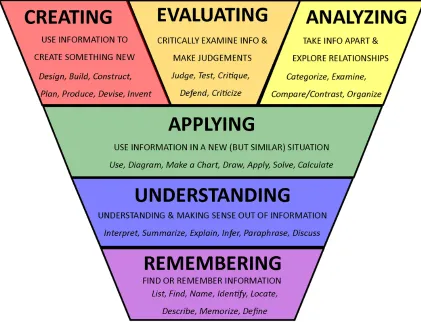
which builds on Bloom’s revised taxonomy of learning domains (Anderson &
Krathwohl, 2001)(see Appendix B, also theoretical and conceptual models).
This author was pleased and surprised to find scholarly literature on the act of
listening. The importance of listening must be considered when discussing
miscomunication and how to remedy it. The research is sparse concerning the subjective
concept(s) of listening and how it applies to miscommunicaiton in healthcare. Questions
arise as to what it means to listen in context of different cultures? Many factors determine
the focus of the listener, including objectives, purpose, climate, interactivity, status,
power,conversational rules, and speaker characteristics. Personal characteristcs brought
to the act of listening include: knowledge, ability, memory, and motivation.
A study was accessed with healthcare professional participants (n=158,
physicians, nurses, and healthcare adminitrators) that sought to determine which activities
each perceives as similar or identical to listening, and their relative importance (Davis,
Thomspn, Foley, Bond, & DeWitt, 2008). The results showed that on the individual
(micro) level, concepts of listening determine the quality and the quantity of processing
resources available for and allocated to listening. The study asked professionals to rank
the importance of listening in these categories: organizing information, relationship
building, critical listening, learning & integrating information. The unexpected results
showed that administrators scored consistetly higher in all categories. Nurses also scored
Understanding the importance of listening in healthcare leads to the next question: What
can cause us to lose focus and/or just not listen?
Physiology of the Problem
In the very first study of stress and neuroscience, Cannon (1929) found a
connection between emotional stress and physiology. This early experimental work
showed that stimuli associated with emotional arousal led to changes in physiological
processes. The sympathetic fight/flight symptoms of self-consciousness include:
sweating, restlessness, deep breathing, rapid pulse, inability to concentrate on the action
in the scene, memory loss, trouble listening and engaging with others, and lack of skill
adapting to unforeseen circumstances (Hall, 2010).
In this century, Lupien, McKewen, Gunnar and Heim’s systemic review (2009) of
neuroscience studies related to stress, reveals the complex mosaic of mental processes
that participate in human memory and cognition. Studies that use fMRIs show thatthe
adrenal glands, in response to perceived threat, whether a real life-threatening threat, or
perceived threat as small (in terms of a lifespan) as a personal embarrassment, stimulate
the release of sympathetic nervous system hormones, cortisol, norepinephrine and
epinephrine. The effect of stress hormones on neurotransmission causes an interruption
of communication between the corpus collosum and the cingulate gyrus, which directs
headlights, or performance anxiety phenomenon). Surprisingly, a mere frown may
trigger a release of such hormones in response to perceived fearful stimuli.
The opposite is also true. A smile at ten feet away causes a release of dopamine
on neurotransmission (Csikszentmihalyi, 1997), which stimulates subsequent endocrine
release of dopamine, relaxin and serotonin, i.e., the happy hormones to the learning and
memory center in the limbic system. This infusion of endorphins allows optimal learning
conditions. According to research by Anderson, and Krathwohl (2001), who built on
Bloom’s Taxonomy and the study of cognitive learning behaviors, only relaxed,
non-judgmental, playful conditions stimulate optimal learning and memory functions.
Csikszentmihalyi has spent a lifetime studying this process of attention to detail, in a safe
environment, as a means to experiencing contentment in life. He calls this flow, also
known as the ability to be in the moment (Johnstone, 1994); it’s hallmark focus is the
ability to listen well. AIEs encourage focused listening and attention to detail, in a safe
environment, which helps learners assimilate the lessons.
Extant Communication Solutions in Healthcare
Most of the articles on communication in healthcare cite first the 2001 IOM report
regarding miscommunication in relation to sentinel events in healthcare. Since then,
some helpful programs have been adopted from other risk-adverse industries, such as
aviation’s Crew Resource Management (CRM) model (Helmreich, Merritt, & Wilhelm,
individuals. Helmreich and colleagues note a similarity between pilots’ and physicians’
attitude of autonomy, and resistance to change, as a major roadblock to the inculcation of
CRM outside the classroom.
Building on the CRM model, the literature names several healthcare specific
interventions, which seek to improve communication in healthcare, including Team
briefings (DeFontes & Surbida, 2004), SBAR (Marshall, Harrison & Flanagan, 2009),
Surgical Safety Checklists (Haynes, Weiser, Berry, et al., 2009), TeamSTEPPS™
(Weaver, Rosen, DiazGranadoa, et al., 2010), and Simulation Learning (SL)(Gaba,
2004).
Weaver and colleagues describe the inception of the TeamSTEPPS™ model and
how it can effectively meld the research and success of teambriefings, SBAR, surgical
checklists, SL plus specific new language for use in emergency patient care and/or
worrisome situations. The concept of scripted dialogue (e.g., CUS, for “I’m concerned, I
don’t understand, this is a safety issue”) has application value in many actual healthcare
scenarios. Therefore, SL and TeamSTEPPS™ articles were accessed.
The SL studies, including Clancy, Effken, and Pesut (2008), mention SL methods
(both computer generated and participatory), have been used to:
• Shorten patient delivery processes,
• learn how leaders who look at data and ask deeper questions may find patterns, useful to understand and prevent mistakes before they happen,
• learn how information technology might use data to predict patient acuity,
• and based on the findings, to form algorithms for staffing.
DeBourgh and Prion (2011) demonstrated that SL, focused on patient safety, helped
build knowledge, skills, confidence, and has capability for reducing the potential for risk
and harm. Siassakos, et al. (2010) observed teams in training who were racing the clock
to implement a standard of practice intervention in an OB simulation. Interestingly, teams
performed more quickly when the closed-loop form of communication (i.e., task clearly
and loudly delegated, accepted, executed, and completion acknowledged) was dropped,
and an open-loop personal directive using a team member name, or lightly touching, and
looking directly at the face, was employed. This fact addresses the need for some
scripting in emergent situtations in risk-averse professions, like healthcare, and hints at
the need for heightened study of the human factor in healthcare SL.
According to Gaba, et al. (2004) and Kolbe et al., (2013), the most successful SL
environments are those in which specific scenarios are scripted and rehearsed, so
participants understand what they must do, where, when, with what tools, and what
words to use in an emergency.
Savoldelli, Naik, Hamstra, and Morgan (2005) also studied perceived barriers to
deterrents to SL as time pressure and a general lack of willingness to actively engage in
simulation, based on fear of embarrassment.
According to TJC (TJC, 2002 – 2012) despite the gains from all the previously
mentioned techniques utilized, the healthcare industry has realized limited measurable
success, in terms of sentinel events. Additional measures are clearly needed to help
bridge the communication gap, as healthcare teams are formed with members who often
have never met, but must quickly join to perform complex tasks.
AIE research.
The sort of improvisation training referred to in this paper originated with Viola
Spolin (Spolin, 1963/1983), a teacher who designed educational games for theatre
students with the goals of decreasing performance anxiety, by building confidence, trust,
and collaboration in their onstage performances. She noticed the role that anxiety played
in her student’s ability to perform onstage; even the best-prepared students showed
symptoms of performance anxiety when they performed in front of an audience, no
matter how small a group.
Spolin noted these symptoms emerged in students, despite their efforts to
concentrate and control their emotions. She recognized that first, in order to help
students relax and concentrate, she would need to help them overcome the fear of failure.
She facilitated the theatre games with students by creating an atmosphere of
showed less fear, and exhibited freedom to take risks and potentially fail when they
reacted to an action onstage. In addition, student ability to recall lines and blocking
improved. Furthermore, students showed an increased spontaneity and ability to
problem-solve instantaneously.
Since that time, improvisational games have been used frequently within artistic
disciplines and corporate business worlds, to encourage these same skills.
It is interesting that improvisation-based training is rarely evidenced in the healthcare
literature, although the process is not new. This author could find only three
peer-reviewed articles, and one journal opinion-piece that record improvisation training used
in healthcare, and none was conducted within nursing. (Note: this author’s upcoming
article on AIE will be in May 20, 2014 edition of the journal, Creative Nursing, (20) 2.)
The grey literature provides little insight, but one website tells that clinicians of a
Kaiser Medical Group outpatient organization, based in northern California, have found
AIE training useful (Bay Area Theatre Sports), and another hosts conversations with
evidence from various business sectors, called the Applied Improvisational Network
(AIN). Within the AIN website, a special interest group, Medical Improv, exists. Lively
interprofessional discussions take place about the interest in improvisational skills,
mainly within medical schools.
Hoffman, Utley and Ciccarone’s opinion-piece (2008) speaks of AIE success with
virtues of improvisational training with medical students, while Boesen and colleagues
(2009) worked with pharmacy students. They each used a slightly different program of
AIEs to facilitate communication and teambuilding. (Note:The focus of this DNP project
includes licensed healthcare professionals, but no articles were found with licensed,
inter-professional participants. Nevertheless, it will be shown that parallel outocmes may
exist.)
In their opinion piece, Hoffman, et al., echoed the same sentiments as in all three
articles and studies: they developed the course to improve student’s communication skills
with methods that are both effective and fun (p. 537). They had been utilizing SL with
standardized patients prior the idea of AIEs surfaced, and they complained that not only
were the outcomes with standardized patients widely variable, in terms of students’
perception of teaching success, but the program was quite expensive. Meanwhile, two
medical students trained in AIEs volunteered to lead a quarter-long elective for first year
med students with three themes:
• How do we best portray ourselves?
• How do we perceive others?
• How can we improve interpersonal interactions?
Their weekly sessions included AIEs that coached specific skills, including quick
thinking, learning about social status, telling stories, and team building. They note that
with patients. Students felt relaxed and open to learning because the AIEs are not
specifically focused on clinical situations. Instead, the AIE vocabulary and structure
afforded them a natural framework for applying the communication skills to real life
clinical practice situations later.
Both Shochet and colleagues’ (2013) study at Johns Hopkins University School of
Medicine (JHUSM), and Watson’s (2011) mixed method study at Northwestern
University Feinberg School of Medicine (NUFSM) offered elective AIE communication
seminars to first and second-year medical students. All courses included a limit of 20
medical/pharmaceutical students per class, who each attended four two-hour sessions at
JHUSM, and five two-hour sessions at NUFSM, of AIE workshops.
Boesen and colleagues (2009) offered their University of Arizona College of
Pharmacy (UACP) students 12 one-hour sessions in the Interviewing and Counseling
clinical communications course as a precursor to SL sessions, which instructors evaluated
based on behavioral criteria. All of these schools offered the AIE classes each term,
consistently for two years.
Shochet et al. built their classes upon Kern’s six-step approach to curriculum
development (Kern & Thomas, as cited in Shochet et al., 2013). Watson and Boesen
built classes based on the clinical practice communication objectives of NUFSM and
interview-skills training, and that AIEs would adequately supplement their present
curriculum. In it, they introduced improv principles and included AIEs.
In Shochet and colleagues’ study, only 71% of all students (n=38) completed the
post-curriculum surveys, but 81% rated their enjoyment as tremendous (p.120). Most
(85%) of the respondents agreed the course was very much or tremendously relevant to
patient care (p.120). In Watson’s study, (n=87) of the students 88 % who completed the
post-curriculum surveys, 92% said the class helped them become a better team
member/collaborator, and 100% of these said they would recommend the course to other
medical students (p. 1823). Boesen et al. student responses (n=83) to the exit survey
item, “improv training did improve my communication skills” (p.7) included 90% who
agreed.
Both Shochet et al. and Watson explained why AIEs are a more efficacious tool than
SL to teach interviewing skills, even with standardized patients (a comment on a
technique that was weaved into the earlier Boesen study). Both conclude that although
SL is quite helpful regards repetitive practice to improve a clinician’s practical skills, and
that debriefing may enlighten weaknesses and strengths for self-assessment (by way of
behavioral checklists), there remains one skill that SL does not adequately address. That
is, how to best “function and adapt within the interpersonal communicative space
…created by the learner and patient“ (Shochet et al., p.120). They argue that the present
produce “rigid and stereotyped” responses (p. 120), whereas the basis of AIEs depend
upon listening, and responding spontaneously.
After the first session, students of both the Shochet and Watson studies spoke with
instructors and identified areas on their perceived weak points. To match student
concerns, instructors chose AIEs targeted on mindfulness, active listening,
comprehension, agreement, acceptance, and articulating ideas clearly. Part of the
mid-course assignment for both of the med school studies (not graded or evaluated) asked
students to compose a narrative of how their improv training might inform their future
practice. Students shared these testimonials in class; each expressed that the AIE
techniques contained valuable learning that “heightened their awareness about mindful
practice” (Shochet et al., p. 122). A common thread in student essays was that this kind
of communication training, otherwise non-existent in the regular med school curriculum,
allowed for creative experiences that were simultaneously useful for clinical practice and
fun. The students said AIEs assisted them to develop more confidence in their
professional roles, a greater ability to intuitively respond to surprises that arise in patient
care, and a greater acceptance of patients.
Boesen and colleagues’ students included a few exceptions to the positive comments.
The authors concluded that perhaps the limited time given (one hour) to AIEs was a
predictable negative variable. Participants suggested instructors allow more time for
Overall, we can see from these three studies that the goals and practices of AIEs align
perfectly with hermeneutical studies, which outline the ways in which human beings
learn (Gong, et al., 2006; Corsum,Young, McManus & Erdem, 2006). Specific
advantages mentioned were in the areas of learner connection, confrontation, and
heightened collaboration. The disadvantage of these studies, in terms of internal validity,
is that they were measured by participant perception of having learned a skill.
An argument might be made that elements of improvisation exist within planned
simulation scenarios, because all groups function and communicate slightly differently at
any given time. Given this characteristic of simulation learning with planned scenarios in
healthcare, the literature reflects methods to measure quantitatively the skills
accomplished. Less precise are the qualitative results, per the eyes of the researcher,
whether the individuals worked as a cohesive team. Future studies might include a
team-behavior rating system based on skills as well as iterative rating scales for observed
collarboration, effective confrontation, and connection.
Theoretical and Conceptual Frameworks
Several theories and concepts apply to the process of communication and AIEs
for use with healthcare personnel, including Complex Adaptive Systems (CAS),
Kahneman’s human factor concept, Friere’s oppression theory, and Rogers’s diffusion of
The theory of Complex Systems (CS), and (CAS) provides opportunities for
assimilation to inter- and intra-professional healthcare communication, and AIEs.
Characteristics of CASs are that these systems learn and adapt to change over time
(Clancy, Effken & Pesut, 2008). An example is the human body, which adapts and
changes based on internal and external fluctuations, and regulates blood pressure,
temperature, etc. The authors point out that organizations have the capacity to become
CASs if rigid hierarchical structure can be replaced by more malleable quasi-networked
reporting. When this change takes place, departmental barriers can be broken down,
dialogue and brainstorming can occur, and the organization can adapt positively to a
culture that encourages patient safety. AIEs employ a process of communication that
allows for transformation of hierarchies by teaching learners how to adapt to any given
situation.
Kahneman’s human factor concept of high communication load (Kahneman,
1973) is also applicable to healthcare communication and AIEs. Kahneman includes
studies in various risk-adverse environments, particularly aviation, that demonstrates how
stress and fatigue affect judgment, communication and performance. High
communication load, defined as the combination of time pressure, workload stress,
distractions, interruptions, differences in training, social-cultural differences, fatigue, and
degree of professional experience, directly affects one’s ability to process information
miscommunication, error, and sentinel events. AIEs teach how to listen, connect, and
spontaneously react to information that can be helpful to keep lines of communication
open during the times of high stress and fatigue.
In a review of theoretical research on human cognition, Bloom’s revised
Taxonomy of Learning Domains (Anderson & Krathwohl, 2001) asserted that the
cognitive learning process is limited or enhanced depending on the pedagogy/andragogy
employed. Clinical research has demonstrated that static lectures produce short-term
learning outcomes, compared to higher knowledge acquisition and longer retention with
an interactive learning model that uses visual, aural, and kinesthetic presentations.
Friere’s seminal work, Pedagogy of the Oppressed (1967) informs a basic
psychological theory that also applies to nurses, who so often feel marginalized in HCO
hierarchies (Amcom Software, 2013; Argryis, 1994). Friere addresses problems in his
native Brazilian religious educational system that nurses commonly face within the
culture of interprofessional education and communication. He states that because the
educational culture of that time was rigid, students functioned as oppressed people. He
points out that students were only allowed to sit, listen to lectures, memorize answers,
and never question anything. Friere calls this banking of ideas, and gives the image of
depositing information into a person’s brain-bank. (One might also call it, read and
regurgitate,death by Power Point, or teaching to the NCLEX.) The opposite of brain
critically through questions that stimulate creative thinking. AIEs are designed to
accomplish this task of encouraging critical and creative thought.
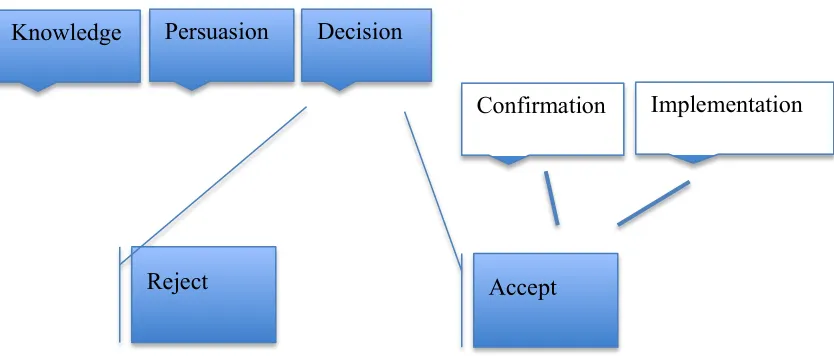
In addition Rogers’s diffusion of innovation theory is useful to help sculpt
expectations for the AIE project process. Rogers posits that in order to complete a real
and lasting behavioral change, participants must travel through several degrees of change.
He names the steps: knowledge, persuasion, decision (accept or reject), implementation,
and confirmation (see Appendix D). This theory is applicable to the question that AIEs
help answer: How may we inspire nurses (and other healthcare personnel) to rethink their
communication styles and effect a lasting change? Rogers emphasizes that peers often
maintain lasting change through the application of the change, and it’s acceptance by
others. The principle is that change comes with altered thinking, and that emotional
support and repetition of behaviors is necessary to make new habits. AIEs are founded
on such principles.
These broad theories address the kind of learning AIEs provide, which can be
easily translatable to the healthcare environment (see Appendix E).
According to Spolin (1963/1983), Johnstone (1994), and Gee and Gee (2011),
AIEs also address the conceptual work necessary to create lasting change. Spolin’s
original theatre games created a safe environment for experimentation and strong group
encourages change behaviors that lead to less fear of embarrassment for speaking out,
increased self-confidence, and overall more effective closed-loop communication
Chapter 3
Methodology
Local Problem and Population
As previously shown, a looming problem in many HCOs is miscommunication.
The question for my local study was: Which hospital would give me access to one or
more of their teams and allow me to train them in communication using AIEs?
The non-profit Lucille Packard Children’s Hospital (LPCH) came to mind. The
advantage to selection of this site was practical, as my Committee Chair, Dr. Amy
Nichols, held a post as Director of the Center for Nursing Excellence (CNE) there, and
was able to grant easy access to key leaders within a relatively short timespan. Equally
important, this author has many years clinical experience as a neonatal nurse, the LPCH
facility houses a large tertiary NICU center, and has ancillary NICU units. Since nurses
of the same specialty have a common lexicon, I was encouraged; we understand each
other.
LPCH and associated medical clinics belong to the Stanford Medical Center,
located in the San Francisco Bay Peninsula area, in the western region of the United
The general professional population of the institution includes roughly 1100
registered nurses, and 350 medical doctors. The specific population of the NICU includes
160 full time NICU/PICN nurses.
The challenges of this organization at the time of initial contact with key leaders,
in the spring of 2013, included a possible nurses’ union strike (Moore, 2013),
administrative re-structuring, new equipment training, and training in preparation of an
on-boarding of a new computer software system to connect all departments, per the
federal mandate (personal communication, A. Nichols, March 13, 2013). Considering
these challenges, which coincidentally overlapped timeframes and impacted every LPCH
employee, patient, and family member, threats of increased interprofessional
miscommunication and possibility of errors were numerous, and unacceptable to all.
The nature and severity of the combined threats was multifactorial: Threat of a
nurses’ strike would mean clinical managers and agency nurses would temporarily take
on the striking nurses assignments, which would create greater potential for
miscommunication and error. Administrative re-structuring had begun in the midst of
nurse-strike threats, as newer leadership forecast a leaner workforce, which also caused a
ripple effect of stress to employees. Mandatory new equipment training and computer
training caused various staff to be absent, so units often ran short-staffed, or nurses
worked long overtime shifts. Since research shows that fatigue and associated
industries, like healthcare, these multifactorial threats were no small matter (Rosekind,
2013; THJ, 2013).
The combination threat to patient care by use of temporary staff unaccustomed to
the existing system, disgruntled workers who faced possible reduced pay from strike
action and/or personal job-loss, and overtired, hypoglycemic temporary staff, created a
combination of eventsthat might easily lead to staff miscommunication, errors of all
sorts, patient endangerment, and patient dissatisfaction; it was predictable. Indeed, if
LPCH were a small country, the leadership would be preparing for an armed invasion.
Instrumentation
After a few weeks of back and forth emails, it was clear that with their present
institutional challenges, the managers of the NICU and PICN were very busy. In spite of
the lure of better interprofessional communication outcomes, they had little time to help
launch a new process improvement project; it took weeks to book a preliminary one-hour
meeting.
My first informational meeting with the two assigned managers of the NICU and
PICN lasted 50 minutes (see Appendix F). Prior the assigned time, one of the managers
arrived several minutes early. We immediately exchanged personal history that
connected us by way of mutual acquaintances and interests. In terms of building
relationships and communicating, this introductory time was key to establishing trust and
question was, “How long will this meeting take, and what do I have to do?” (N.Vierhaus,
personal communication, April 29,2013). I understood these questions highlighted the
stress of increased work responsibilities on management.
We completed the initial meeting agenda in the allotted 50 minutes. I had
emailed the agenda, so we addressed items/concerns, and discussed questions. The
project proposal was vetted and problems within each unit were discussed, in terms of
communication and teambuilding, and staff resistance to change. On a positive note,
each manager had been in her leadership position for several years, and was qualified to
assist the creation of a SWOT analysis for the units (see Appendix G).
We discussed action items, including the written goals/objectives for the seminar.
I assigned tasks, and we decided upon a timeline. At the end of the meeting, despite the
extra work involved in assisting me in this project, both managers agreed they would
welcome the help to instill better inter- and intra-professional communication among
staff (N.Vierhaus & L. Ikuta, personal communication, April 29, 2013). According to the
managers, the nature and severity of the problem was serious. They felt that inter- and
intra-professional communication was strained already and the stress increased on a daily
basis, thanks to so many changes scheduled so close together or simultaneously. They
agreed that the intrapersonal communication amongst nurses of the two units was,
They suggested that the main problem at this time was incivility amongst the
nursing staff, that relations between NICU/PICN staff and the pharmacists, respiratory
therapists, and clinical laboratory scientists might be improved, and that one particular
shift seemed to have more complaints than the other two shifts. All these complaints
made the current situation unacceptable. They prophesied the interprofessional
communication would be worse later on in the year, in September, when the pilot AIE
project would take place. The bulk of their complaints emanated from the lower-acuity
PICN units, who complained that the higher-acuity NICU nurses often gave report with
distain in their voice or negative facial expressions. Nurses felt this was disingenuous to
their position as equals, unwarranted by any behaviors, and insulting. The managers also
mentioned the physician interns would be rotating out just prior the scheduled AIE
seminar, which would be another communication nightmare, as the RNs prepared to
orient and teach them. From this conversation, I created the Gap Analysis (see Appendix
H).
In terms of a gap analysis, since the problem was multifactorial, the current state
of miscommunication in the NICU/PICN units was difficult to assess. There was some
disagreement about the source of miscommunication between the managers. As a result,
we brainstormed and identified some basic questions and behaviors. The questions were,
1. “What are we doing now that we should stop doing?” and
It was interesting to note that the list of negative behaviors rolled easily off the
manager’s tongues, whereas the positive behaviors list took twice as much time to
concoct. This phenomenon is noted in the research about positivity (Csikszentmihalyi,
1997; Maxwell, 2010) compard to negativity and it’s effect on our personal and
professional lives. The first list represents what behaviors were foremost on their minds.
I made mention of the impact of carrying a degree of negative feelings around at work,
and how that is a habit that becomes a vicious cycle, which is difficult to break. It’s many
effects are sustained physically, of which the nurses were keenly aware, and admittedly
ignoring, just to get through the day. They were eager to hear more about how AIE helps
participants focus on positive awareness of the world around them.
The managers gave their constructive criticism of the mock-up project flier, and I
noted the suggestions as action-items I should have completed within the next week (see
Appendix I for completed flier). We also discussed how to book the room at the CNE,
the questions around the offer of CEUs, budget, provision of am/pm snacks and lunches,
and requisite comfortable attire for the experience. We decided that participants would
be responsible to provide their own lunches, and I would inquire with Dr. Nichols about
the budget for coffee, water, and snacks. We discussed how to disseminate the fliers and
stimulate interest in the AIE seminar day. The managers suggested I attend the Nursing
calendar to check the speaking dates. We discussed pre- and post- surveys, including the
number of questions, and how to match the questions to the objectives.
We agreed that our next communications would be via email, and the next time we
would meet in person would be on a day of meetings, when I would address the two
NICU/PICN leadership groups. Dr. Nichols’ administrative secretary would assist in the
online publication of data, and pre-and post- surveys #1 and #2. The pre-survey would
be automatically sent to participants as soon as they finished course registration. The
post- survey#1 would be sent the day after the course, while the post- surveys #3 and #4
would be sent three and six months later. (See Appendix J for the Responsibility
Communication Matrix and timeline we developed for this project.)
Improv to Improve Team Building is a process improvement project that I could have
structured many ways to fit the client requirements. I explained that the sessions could
last for an hour, 90 minutes, a day, two days, or a week, and how to design a facilitation
plan for shorter meetings. During the discussion that followed, the managers chose the
full-day workshop as the most appropriate. Because of the need for close supervision
during the AIE process, the group would be limited to 20 participants. We brainstormed
on methods to engage the medical staff, respiratory therapy staff, medical social workers,
parent advocates, and whoever else might be a part of the inter-professional unit culture.
I explained to the managers the goals, why I believed AIEs would be helpful, and the
mesocosm (their HCO). During the daylong AIE communication workshop, participants
would learn methods to collaborate, confront, and connect with others. Expected
outcomes included enriched communication skills and teambuilding, and, I projected, a
resultant decreased number of healthcare errors when at least 10% of the team attended
the daylong seminar, after six months time.
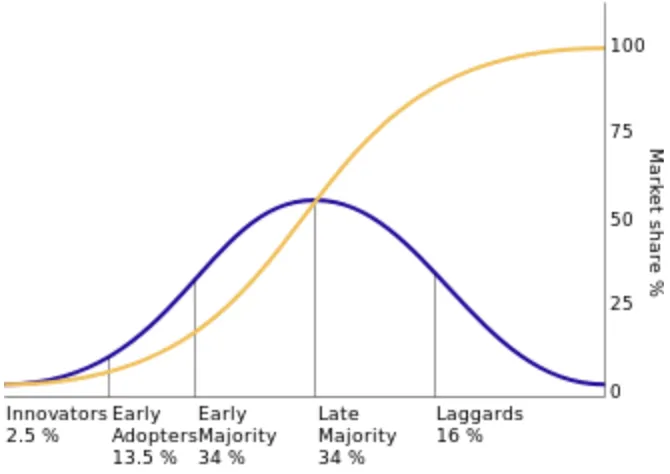
I referred to Rogers’s diffusion of innovation theory (Rogers, 1962/2003), and
explained that use of improv to increase teambuilding skill was an idea used for several
decades in the arts. AIEs have also been used in business since the mid-1990’s. The idea
has only lately been applied to healthcare, so we are either innovators or laggards,
depending upon one’s point of view.
The process improvement project PICOTS questions included:
• “Within the interprofessional healthcare population, can an effective
communication skills and teambuilding process improvement product using AIE
be produced within six months (by September 2013)?”
• “In terms of communication and teambuilding, will participants who attend the AIE seminar agree that the experience is worthwhile and enables them to utilize
their newly learned skills?”
Towards the end of the meeting, the managers inquired what experience I brought to
the work, and why I began this project? These were anticipated questions, rightly brought
forward in a spirit of scholarly inquisitiveness that deserved an answer, however
personal. I explained that the idea for this project had been ruminating in mind since the
mid-90’s, when I first began learning, then performing, theatrical improvisation (aka:
improv) on a regular basis. One evening after a performance by the company I helped
found (The Barely Insane Players), a gentleman approached and asked if we could teach
his engineers about spontaneity, and adaptability. That was the beginning of my
improv-facilitation career. Since then, I sought, and failed, to gain administrative approval to
teach improv to various groups within the community hospital where I worked. Then,
four years ago, during my introduction to Simulation training, I met Dr. K.T Waxman,
who encouraged me to think about ways to adapt AIEs to Simulation Learning (SL).
That query led to one of the central premises of this paper: that since AIEs can be easily
adapted to learner needs, AIEs are well suited to be used as a prequel to SL, in order to
lessen performance anxiety and create a safe atmosphere for learning. However, this
project required a more focused immersion into AIEs, in order to help move the LPCH
NICU/PICN culture from knowledge to persuasion, to a decision to accept and
implement the process as helpful (Rogers, 1962/2003).
Since the research in healthcare (Boesen et al., 2009; Shochet et al.,2013;Watson,
training helped increase their listening skills, as well as their self-esteem, I offered those
as two more outcome goals.
Ethical Concerns
The project prospectus was reviewed by both Stanford and the University of San
Francisco Office(s) for the Protection of Research Subjects and deemed not to require
Institutional Review Board approval (see Appendix S).
No personal or demographic information was included in the participant
applications. Upon initial acceptance of the invitation, participants indicated their
institutional email address and professional license type only. Participants were assured
that information in the pre- and post- surveys, including free-hand comments, would be
tallied anonymously, and that personal information would be kept anonymous through
the SurveyMonkey.com software.
Participants were warned that the seminar involved mild physical activity and that
any personal physical mobility limitations may make it difficult to participate in some
exercises, and that they did so at their own risk of well being.
Six continuing educational units (CEUs) for Registered Nurses, Respiratory Therapists,
Occupational Therapists, Speech Therapists, were offered to participants, plus one
educational leave day was allowed, per the healthcare institution.
The author and facilitator of the seminar had no conflict of interest, received no monies
Setting
There were physical elements of the LPCH care environment that the managers
identified as likely to influence the success of the AIE change management project. They
felt the communication problem between NICU/PICN units was due, in part, to the
physical separation that an older building imposed upon the units, which comprised two
floors of nurseries, in several separate smaller rooms (each housed ~ 8-10 patients), and a
separate room for the extracorporeal membrane oxygenation (ECMO) cases. The
structure is dark in many places, although in the center hall, an atrium provides sunlight
and greenery. However, most NICU/PICN nurses work away from the main entry hall in
nursery rooms with no windows.
Noise is another issue in this atmosphere. Kahneman (1973) researched the effect
of noise on subjects’ sleep, and work habits. In his seminal work on sensory perception,
he coined the term, sensory overload. Lipowski (1975) wrote that constant aural battering
adds sensory overload to internalized stress and noise fatigue. His research showed a
correlation between sensory overload and irritability, which Kahneman theorized, could
cause communication error. Within the multi-patient rooms at LPCH, the
cardio-respiratory and pulse oximeter alarms beep and squawk continually; sensory overload is a
fact of life for the patients, who are young (neonates) and resilient. However, the adult
workforce must attempt to ignore it best they can, and deal with the resultant
Florence Nightingale (1863), who wrote that patients and staff need to enjoy
quiet, along with sun and fresh air in order to encourage healthfulness, would agree that
most of the small nurseries at this facility are not conducive to good mental health.
Managers Vierhaus and Ikuda stated that often, handoffs between the ECMO nurses to
the regular NICU staff, and the NICU staff to the PICN staff, were strained (personal
communication, April 29, 2014). (Note: They also stated they did not recall evidence of
blatant doctor-nurse incivility, but both admitted they were not on the floor often enough
to know for certain.)
Another factor that added to miscommunication was the number of nurses and
patients. Because LPCH is one of two tertiary NICU centers in northern California,
patients come from a 300-mile radius, sometimes further, for care. This means they have
a large staff of full and part time nursing staff employed to care for the babies. Nurses
who seldom work with each other and who see each other infrequently may have no
personal relationship with nurses in the other codependent units. This adds another
variable to the problem.
Other negative habits and traditions at LPCH involve the staff lounge, also called
the break room. There are two such rooms; one for the NICU and one for the PICN.
Both rooms are small. The PICN lounge, especially, is so extremely small as to be the
opposite of conducive to a pleasant or relaxing meal. The small size of the room sends an