
Original Research Article
Comparative study to determine self-medication practice and pattern in
urban and rural areas of Etawah district
Nishant Singh
1, Naresh Pal Singh
1*, Pankaj Kumar Jain
1, Vaibhav Singh
1,
Shailendra Chaurasiya
1, Ravikant Verma
2, Mridula Ranjan
3INTRODUCTION
According to William Osler, a great feature which distinguishes man from animals is the desire to take medicine.1 Self-medication is an age old practice. According to World Health Organization guidelines “self-medication is defined as use of medicinal products by the
individuals to treat self-recognized disorders or symptoms, or the intermittent or continuous use of a medication prescribed by a physician for chronic or recurring diseases or symptoms.2 Self-medication involves acquiring medicines without a prescription, resubmitting old prescriptions to purchase medicines, sharing medicines with relatives or members of one’s
ABSTRACT
Background: According to William Osler, a great feature which distinguishes man from animals is the desire to take medicine. Self-medication is an age old practice. According to World Health Organization guidelines “self-medication is defined as use of medicinal products by the individuals to treat self-recognized disorders or symptoms, or the intermittent or continuous use of a medication prescribed by a physician for chronic or recurring diseases or symptoms.
Methods: It was a cross sectional study, which was conducted among residents of urban and rural areas of Etawah district, Uttar Pradesh by using 40×5 cluster sampling. The data was collected by using pre designed, semi-structured questionnaire. Proforma included socio- demographic profile, practice of medication and pattern of self-medication.
Results: Most of the participants who indulged in self-medication in urban areas 69.5% and rural areas 65% belong to the age group 20-39 years. Majority of the participants (51.0%) in urban areas belonged to the nuclear family while most of the participants (50%) belonged to joint family followed by nuclear family (40%) in rural areas. most common reason for self-medication in urban area was the availability of old prescription which is present in 30.0% (60) of subjects but in rural area most common reason for self-medication was high fee of doctor which was 29.0% (58).
Conclusions: Most common age group indulged in medication was 20-39 years. Most common reason for self-medication was availability of old prescription at home while in rural area, high fees of doctor was the common reason for self-medication.
Keywords: Self-medication, Practice, Pattern
1Department of Community Medicine, Uttar Pradesh University of Medical Sciences, Saifai, Etawah, Uttar Pradesh,
India
2Department of Pathology, 3Department of Opthalmology, Baba Raghav Das Medical College, Gorakpur, Uttar
Pradesh, India
Received: 30 October 2019
Accepted: 06 December 2019
*Correspondence:
Dr. Naresh Pal Singh,
E-mail: [email protected]
Copyright: © the author(s), publisher and licensee Medip Academy. This is an open-access article distributed under the terms of the Creative Commons Attribution Non-Commercial License, which permits unrestricted non-commercial use, distribution, and reproduction in any medium, provided the original work is properly cited.
social circle or using leftover medicines stored at home.3 The youth are highly influenced by the media and the internet which promote self-medication behavior.4 The increased advertising of pharmaceuticals poses a larger threat of self-medication to the younger population in general. This raises concerns of incorrect self-diagnosis, drug interaction and use of drugs other than for the original indication.5 A number of reasons could be enumerated for the rise of self-medication. One of the reasons being the increase in chronic diseases and their incidence has risen from 30% to 80% in the last 40 years. Other reasons which are responsible for self‑ medication in developing countries are urge of self‑ care, feeling of sympathy toward family members in sickness, lack of health services, poverty, ignorance, misbelieves, extensive advertisement, use of drugs from informal sectors such as open markets and quacks, illegal purveyors of drugs (non-licensed sellers in the market) etc.6,7 However, people should be properly educated about the practice of self-medication in order to prevent the harmful effects caused by the practice. The increasing self-medication will require more and better education of both the public and health professionals to avoid the complications arising from this practice.8,9 In recent years there has been increasing practice of using OTC drug, which means over-the counter drug. Over the counter (OTC) drugs are non-prescription drugs found in pharmacies and retail outlets.10
The aim of the present study were to determine various correlates of self-medication in urban and rural areas of Etawah district, to assess the self-medication practice in urban and rural areas of Etawah district and to assess the self-medication pattern in urban and rural areas of Etawah district.
METHODS
This was a community based descriptive cross sectional study.
Study period
The study was conducted from January to September 2019.
Study population
The study population included study subjects from the urban and rural areas of Etawah district who have given the history of self-medication. A total sample of 400 was recruited in the study based on 40×5 cluster sampling technique, 200 from urban area and 200 from rural area of Etawah.
Study area
The study was conducted at urban and rural area of Etawah district.
Tools of the study
The data was collected by using pre designed semistructured questionnaire.
Inclusion criteria
Person aged 20 years and above, person providing consent for being a part of the study and persons providing a history of self-medication within the last 6 month were included in the study.
Exclusion criteria
Person less than 20 years, person not giving consent, seriously ill patient and person who are not permanent resident of the study area were excluded from the study.
Methodology
40×5 cluster sampling technique. Etawah district has 8 community development blocks namely Badapura, Basrehar, Bharthana, Chakkar nagar, Jaswant nagar, Mahewa, Saifai, Takha with a total of 421 gram panchayats representing the rural area of Etawah district. The urban area of Etawah district has 40 wards with 161 mohallas.
We have used the 40×5 cluster sampling technique for collecting the data from the study subjects. At first, line listing of all the 421 gram panchayats of Etawah district was done. Then by simple random sampling using lottery method, 40 gram panchayats were selected from which one village was selected from each selected gram panchayats in rural areas randomly using lottery method, following this a pencil was thrown in air and the starting point was decided for the recruitment of the house according to the direction in which pencil landed on the ground. 5 houses were selected serially from the decided direction. From each of the 5 selected houses one individual was selected who fulfilled the inclusion criteria of the study. If all the individuals from the selected house did not fulfil the criteria then we proceeded to the next house till the decided criteria were met. This process was continued till 5 individuals selected from that specific village. Hence in total 200 study subjects from rural community were interviewed. Similarly in urban area forty wards were randomly selected from which one colony was selected from each selected wards using lottery method. Then, again similar process of selection of houses by pencil is started. 5 study subjects, who were fulfilled the inclusion criteria of our study were selected from each house and interviewed for data collection. Hence in total, 200 study subjects were interviewed in urban area also.
direct face-to-face interview on the predesigned pretested questionnaire. Each interview lasted for at least 20-30 minutes. All necessary precautions were taken to ensure that the respondent understood the questions completely and answers were then recorded straight away.
Statistical tools
The data was entered in Microsoft Excel worksheet and analyzed using SPSS version 24. Descriptive statistics like frequencies, percentages were calculated. Ethical clearance certificate was taken by ethical committee of the medical university.
RESULTS
Section 1
Illustrates that most of the participants in urban areas
(69.5%) and rural areas (65%) belong to the age group 20-39 years. Among the urban participants males were 61.5% and females were 38.5%. Where as in rural areas males were 67.0% and females were 33%. Most of the participants in both urban and rural areas were married i.e., 77.0% and 76.0% respectively. Majority of the participants (51.0%) in urban areas belonged to the nuclear family while most of the participants (50%) belonged to joint family followed by nuclear family (40%) in rural areas. Education level was found to be mixed in both urban and rural areas, majority (22%) being educated upto Middle school followed by secondary (19.0%), illiterate (17.5%), graduate (17.0%), primary school (15.5%) and post graduate (9.0%) in urban areas where as most of the participants (27.5%) were educated upto middle school followed by secondary (22.0%), illiterate (18.0%), primary school (16.0%), graduate (14.0%) and post graduate (2.5%) in rural areas.
Table 1: Socio-demographic distribution of study participants.
Variables Urban areas Rural areas
Age group (in years)
N % N %
20-39 139 69.5 130 65.0
40-59 45 22.5 54 27.0
60-79 15 7.5 16 8.0
80-99 1 0.5 0 0.0
Total 200 100.0 200 100.0
Gender
Male 123 61.5 134 67.0
Female 77 38.5 66 33.0
Transgender 0 0.0 0 0.0 Total 200 100.0 200 100.0
Marital status
Unmarried 40 20.0 45 22.5 Married 154 77.0 152 76.0
Divorced 1 0.5 1 0.5
Widow 5 2.5 2 1.0
Total 200 100.0 200 100.0
Type of family
Nuclear 102 51.0 80 40.0
Joint 53 26.5 100 50.0
Three generation 45 22.5 20 10.0 Total 200 100.0 200 100.0
Educational status
Illiterate 35 17.5 36 18.0 Primary 31 15.5 32 16.0 Middle school 44 22.0 55 27.5 secondary 38 19.0 44 22.0 Graduate 34 17.0 28 14.0 Post graduate 18 9.0 5 2.5 Total 200 100.0 200 100.0
Section 2: Practice of self-medication
Figure 1 illustrates that that most common reason for self-medication in urban area was the availability of old prescription which is present in 30.0% (60) of subjects and second most common reason was high fee of doctor which was seen in 26.5% (53) of subjects and in rural area most common reason for self-medication was high
fee of doctor which was 29.0% (58) and second most common (27.5%, n= 55) reason was doctor/clinic away from home.
etc. are the most common indication for self-medication. In rural area 28.0% (56) participants said that body pain was the most common (28.0%, n=56) symptom which initiate for self-medication.
Table 2 illustrates that most of the participants i.e., 45.0% (90) in the urban area and 51.5% (103) in the rural area get their drugs for self-medication from pharmacy shop.
Figure 1: Distribution of study subjects according to reasons for self-medication.
Figure 2: Distribution of study subjects on the basis of common indications for self-medication.
Table 2: Distribution of study subjects according to mode of obtaining drug for self- medication.
Mode of obtaining self-medication drugs
Urban participants Rural participants
No. % No. %
Pharmacy shop 90 45.0 103 51.5
Primary health centre 48 24.0 57 28.5
Medical representative 5 2.5.0 4 2.0
Friends 8 4.0 0 0.0
Family 28 14.0 16 8.0
Quack 21 10.5 20 10.0
Total 200 100.0 200 100.0
12.5%
27.5%
14.0%
20.5% 26.5%
29.0% 30.0%
13.0%
9.5%
6.0%
3.0%
0.5% 4.5%
3.5%
0.0% 5.0% 10.0% 15.0% 20.0% 25.0% 30.0% 35.0%
Urban Rural
Doctor/clinic away from home
Save time
High fee of Doctor
Old prescription
Medicine of family member
No trust in doctor
Pharmacist advice
18.0%
28.0%
10.0%
27.5%
6.5%
9.5%
1.5%
2.0% 10.0%
7.5%
3.0%
1.5% 3.5%
0.5% 12.0%
5.0% 9.5%
7.0%
5.0% 3.5%
21.0%
8.0%
0.0% 5.0% 10.0% 15.0% 20.0% 25.0% 30.0%
Urban Rural
Body pain Fever Running nose Infection Hypertension Diabetes mellitus Malaria
Table 3: Distribution of study subjects according to the pattern of drug consumed commonly in self medication practice.
Type of drug consumed commonly in self medication
Urban participants
Rural participants
No. % No. %
Analgesic 36 18.0 56 28.0
Antibiotics 13 6.5 11 5.5
Antimalarials 7 3.5 1 0.5
Antitussive 19 9.5 14 7.0
Antihypertensive 20 10.0 15 7.5
Antidiabetic 6 3.0 3 1.5
Anti-allergic 13 6.5 19 9.5
Anti-pyretic 20 10.0 55 27.5
Antacid 24 12.0 10 5.0
Others 42 21.0 16 8.0
Total 200 100.0 200 100.0
Table 4: Distribution of the most common form of medicine taken during self-medication practice among participants.
Most common form of medicine taken during self-medication practice
Urban participants Rural participants
No. % No. %
Tablets 157 78.5 157 78.5
Capsule 20 10 26 13.0
Syrup 11 5.5 8 4.0
Ointment 10 5.0 8 4.0
Injections 0 0.0 0 0.0
Others 2 1.0 1 0.5
Total 200 100.0 200 100.0
Table 3 illustrates that in urban areas the most common drug consumed during self-medication practice was other drugs (21.0%) which includes antifungal, iron folic acid tablets, antispasmodic, anti-scabies, calcium, multivitamin etc. followed by analgesic. In rural areas the most common drug which consumed during practice of self-medication is analgesic (28.0%) followed by antipyretic (27.5%).
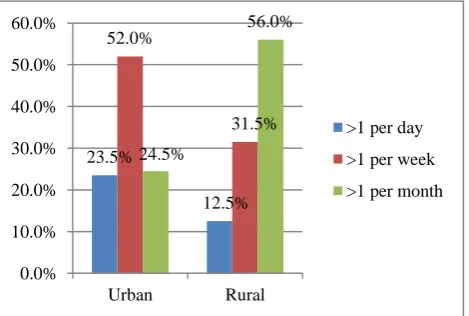
Figure 3: Distribution of frequency of self-medication practice among respondents.
Table 4illustrates that in both urban and rural areas most of the participants (78.5%) have taken drugs in the form of tablets followed by capsule, syrup, ointment and other forms respectively.
Figure 3 illustrates that in urban area most participants (52.0%, n=104) had self-medication practice of more than once a week and in rural area a huge proportion (56.0%) of participants had practice of self-medication more than once a month.
DISCUSSION
Before discussing about the issue of self-medication and its determinants in urban and rural areas of Etawah district we have focused on the point that the phenomena of self-medication is not exactly similar to the phenomena reported in various surveys or studies. The variation may be due to extent of development, different patterns of urbanization and rural area or may be due to different population composition or different socio-economic status.
This study was conducted among 200 participants in urban and 200 in rural area. This study revealed that in urban and rural area most of the participants are males
23.5%
12.5% 52.0%
31.5% 24.5%
56.0%
0.0% 10.0% 20.0% 30.0% 40.0% 50.0% 60.0%
Urban Rural
(61.5%, 67.0%) respectively and rest females and most common age group in urban and rural area was 20-39 years (69.5%, 65.0%) respectively. Makeen et al conducted a study in which majority of participants were female (58.0%), most common age group was 26-36 years (48.8%).11 Another study conducted by Mamo et al in which proportion of female was 53.0% as compared to male, while Varadarajan et alreported that majority of participants were females (59.4%).12,13 Study conducted by Gadekar et al reported 78.3% of the study subject was males and most common age group was 30-39 years (39.0%).14 This difference in the male and female distribution in the present study and other previous studies could be because of difference in geographical area
Most participants in both urban and rural area were married (77.0%, 76.0%) respectively while were unmarried (20.0%, 22.5%), divorced (0.5%, 0.5%), widow category (2.5%, 1.0%). Similar finding were reported by other researcher, namely Dutta et al (82.45% married), Sharma et al (74.6% married) and Lei et al (72.1% married).15-17
In the present study most of the participants in urban area belonged to nuclear family (51.0%) and rest are belonged to joint (26.5%) and three generation family (22.5%) while in rural area half of the participants belonged to joint family and those belonging to nuclear family were (40.0%) and three generation family (10%) respectively. On the other hand study conducted by Dutta et al in Chennai, Tamil Nadu reported that 62.5% participants were belong to nuclear family and rest are belong to third generation and joint family.15
In urban and rural areas most of the people were educated upto middle grade of education (22.0%, 27.5%) followed by illiterate (17.5%, 18.0%), primary (15.5%, 16%), secondary (19.0%, 22.0%), graduate (17.0%, 14.0%) and post graduate (9.0%, 2.5%) respectively. Dutta et al conducted a study in Chennai, Tamil Nadu in which 33.9% had middle school education, 20.6% had high school education and 11.5% had post high school/diploma and 15.2% had primary education, another study conducted in Nanded city by Gadekar et al in which most of the participants upto secondary school (23%), followed by 18% upto higher secondary school and 10% were illiterate.14,15 Kurniawan et al conducted a study in East Indonesia in which majority of the respondent (56.3%) were educate upto senior high school graduate, Ira conducted a study in Comilla district, Bangladesh in which 23.3% respondent were educate upto school level, 36% respondent were under graduate, 27.7% respondent were educate upto graduate and 13% respondent had education upto to post-graduation.18,19 The difference in educational status is because of difference in literacy rate in different place of previous study The difference observed is mainly because of difference in socio-economic status condition in the various study areas.
Most common reason for self-medication practice in urban area was old prescription 30% (60) and other reasons were doctor/clinic away from home (12.5%), to save time (14%), high fee of doctor (26.5%), medicine of family member (9.5%), no trust in doctor (3%) and pharmacist advice (4.5%) while in rural area most common reason for practice of self-medication was high fee which makes 29% (58) of all respondent and other reasons were Doctor/clinic away from home (27.5%), to save time (20.5%), medicine of family member (6%), no trust in doctor (0.5%) and pharmacist advice (3.5%). A study conducted by Idoko et al reported that the most common reason was prior knowledge of illness and treatment.20 Other reasons include previous successful self-medication (35.9%), to many protocols at the hospital (31%), to save time (27.5%), to save money (20.2%), urgency and impoliteness of health care practitioners (3.8%).
Most of the participants in urban area 21% (42) said that other disease or symptoms or indications which include vomiting, burning micturation, malaise, tingling sensation, fungal infection, body itching etc., are the most common reason for self-medication and other reasons were body pain (18%), fever (10%), running nose (6.5%), infection (1.5%), hypertension (10%), diabetes mellitus (3%), malaria (3.5%), heart burn (12%), cough (9.5%), diarrhea (5%) but in rural area body pain was the most common indication for self-medication which make 28% (56) of all respondents followed by fever (27.5%), running nose (9.5%), infection (2%), hypertension (7.5%), diabetes mellitus (1.5%), malaria (0.5%), heart burn (5%), cough (7%), diarrhea (3.5%), and other indication (8%). Makeen et al conducted a study in which 1/3rd participants self-medicated for pain (38.3%), 26.3% for influenza/common cold 24% for cough and 11.4% for allergy.11
In the current study, most common source for obtaining drug for self-medication in urban area was pharmacy shop (45%) followed by primary health centre (24%), medical representative (2.5%), friends (4%), family (14%) and quack (10.5%) while in rural area most common source for obtain drugs for self-medication is also pharmacy shop (51.5%) followed by primary health centre (28.5%), medical representative (2%), family (8%), quack (10%). Mamo et al conducted a study, in which 2/5th (40.3%) participants reported pharmacy professionals as a main source for self-medication drugs while 18.9% of respondent were advised by neighbors, friends or relatives.12
practice of self-medication is analgesic (28%) followed by anti-pyretic (27.5%), anti-allergic (9.5%), other drugs (8%), antihypertensive (7.5%), antitussive (7%), antibiotics (5.5%), antacid (5%), anti-diabetics (1.5%) and anti-malarials (0.5%). A similar study conducted by Mamo et al reported that analgesic was the most commonly (42.2%) used medicine followed by respiratory drug (31.1%) and gastrointestinal drug (19.5%).12 Study conducted by Bagewadi et al stated that most commonly drug used were antipyretics (60%), antimicrobials (47%), analgesic (46%), antihistaminic (36%).21 This study revealed that majority of participants which is 62.5% (125) in urban area and 50% (100) participants in rural area took others drug along with commonly used drugs during practice of self-medication.
CONCLUSION
Most common age group indulged in the practice of self-medication was 20-39 years in both urban and rural study area, practice of self-medication was found more in males than females, practice of self-medication was found more in married people, in urban area was more common in persons of upper lower socio-economic status (31%) while in rural area, it is more common in lower class socio-economic status (36%) people. Major source for obtaining the drug in both urban and rural area was nearby pharmacy shop and most common drug consumed during practice of self-medication in urban area was belonged to other drugs category which included antihelminthic drugs, antispasmodic drugs, antifungal drug, iron folic acid tablets, calcium and multivitamin tablets while in rural area most common drug consumed was belong to analgesic drugs category
Recommendations
Practice of self-medication may be perilous to pregnant ladies, children and geriatrics patients. Public awareness need be increased about the drug safety. There is need to ensure community education, safety and efficacy of OTC drugs, so that even after its improper use, they prove to be safe. Easy availability of OTC drugs is a major factor responsible for irrational use of drugs in self-medication as, thus resulting in impending health consequences like antimicrobial resistance, increase load of morbidity and economic loss. There is a need for concerned authorities to make existing laws regarding OTC drugs more stringent for their rational use. Also, specific pharmaco-vigilance is needed and the patient, pharmacist and physician must be encouraged to report any adverse events. The need for promoting appropriate use of drugs in the health care system is not only for financial reasons, with which policy makers and managers are usually most concerned, but also for health and medical care of patients and the community.
Funding: No funding sources Conflict of interest: None declared
Ethical approval: The study was approved by the Institutional Ethics Committee
REFERENCES
1. Balamurugan E, Ganesh K. Prevalence and pattern of self-medication use in coastal regions of South India. BJMP. 2011;4(3):428.
2. Guidelines for the regulatory assessment of medicinal products for use in self-medication. Geneva: WHO; 2000.
3. Filho AL, Lima-Costa MF, Ucho’a E. Bambu’ Project: a qualitative approach to self-medication. Cad Saude Publica. 2004;20(6):1661-9.
4. Klemenc-Ketis Z, Hladnik Z, Kersnik J. A cross sectional study of sex differences in self- medication practices among university students in Slovenia. Coll Antropol. 2011;35(2):329-34.
5. Burak LJ, Damico A. College students’ use of widely advertised medications. J Am Coll Health. 2000;49(3):118-21.
6. Kiyingi KS, Lauwo JA. Drugs in the home: danger and waste. World Health Forum. 1993;14:381-4. 7. World Health Organization (WHO). The use of
essential drugs. World Health Organ. Tech Rep Ser. 1983;685:44-5.
8. Durgawale PM. Practice of self-medication among slum dweller Indian J Public Health. 1998;42:53-5. 9. Chimal PA, Flores MLM, Rodriguez JFM. Self-
medication in urban population Cuernavaca, Morelos. Salud Publica Mex. 1992;34:554-61. 10. Jamison AJ, Kielgast PJ, Hoek AJM, Reinstein JA.
Responsible self- medication. Joint statement by the international pharmaceutical federation and world self-medication industry. BJPS. 1999.
11. Makeen HA, Albarraq AA, Banji OJ, Taymour S, Meraya A, Alqhatani S, et al. Knowledge, attitudes, and practices toward self-medication in a rural population in South-Western Saudi Arabia. Saudi J Health Sci. 2019;8:54-9.
12. Mamo S, Ayele Y, Dechasa M. Self-medication practices among community of Harar city and its surroundings, Eastern Ethiopia. J Pharma. 2018:2757108.
13. Varadarajan V, Christina M, Paul P, Swapna S, Preethi S, kumar K, et al. A cross sectional study on the prevalence of self-medication in a Chennai based population, Tamil Nadu, India. Int J Community Med Public Health. 2017;4:418-23. 14. Gadekar RD, Gattani PL, Dhande VS. A study of
self-medication among the adult people of the Nanded city, western India. Int J Community Med Public Health. 2017;4:3814-8.
15. Dutta R, Raja D, Anuradha R, Dcruze L, Jain T, Sivaprakasam P. Self-medication practices versus health of the community. Int J Community Med Public Health. 2017;4:2757-61.
17. Lei X, Jiang H, Liu C, Ferrier A, Mugavin J. Self-medication practice and associated factor among resident in Wuhan city, China. Intl J Environ Res Public Health. 2018;15(68):10.
18. Kurniawan, Posangi J, Rampengan N. Association between public knowledge regarding antibiotics in Teling Atas community health center, East Indonesia. Med J Indonesia. 2017;26(1):62-9. 19. Israt IJ. Present condition of self-medication among
general population of Comilla district, Bangladesh. Pharma J. 2015;4(1):87-90.
20. Idoko CA, Omotowo BI, Ekwueme OE, Chidolue I, Ezeoke U, Ndu AC, et al. Prevalence and pattern of self-medication among Medical Students in a
Nigerian University. Int J Med Health Dev. 2018;23(1):189-93.
21. Bagewadi HG, Deodurg PM, Patil BV, Zahid SH. Perceptions and practices of self-medication among undergraduate medical students at Gulbarga Institute of Medical Sciences, Kalaburagi. Int J Basic Clin Pharmacol. 2018;7:63-7.


![The crystal structure of the zwitterionic co crystal of 2,4 dichloro 6 {[(3 hydroxypropyl)azaniumyl]methyl}phenolate and 2,4 dichlorophenol](data:image/gif;base64,R0lGODlhAQABAIAAAP///wAAACH5BAEAAAAALAAAAAABAAEAAAICRAEAOw==)