Early Childhood and Elementary Education Dissertations
Early Childhood and Elementary Education Department
8-7-2018
Elementary School Teachers' Integration Of Digital
Literacy During Collaborative Planning Sessions In
a Project-Based School
Zehra Ozturk Georgia State University
Follow this and additional works at:https://scholarworks.gsu.edu/ece_diss
This Dissertation is brought to you for free and open access by the Early Childhood and Elementary Education Department at ScholarWorks @ Georgia State University. It has been accepted for inclusion in Early Childhood and Elementary Education Dissertations by an authorized administrator of ScholarWorks @ Georgia State University. For more information, please [email protected].
Recommended Citation
Ozturk, Zehra, "Elementary School Teachers' Integration Of Digital Literacy During Collaborative Planning Sessions In a Project-Based School." Dissertation, Georgia State University, 2018.
ACCEPTANCE
This dissertation, ELEMENTARY SCHOOL TEACHERS’ INTEGRATION
OF DIGITAL LITERACY DURING COLLABORATIVE PLANNING SESSIONS IN A PROJECT-BASED SCHOOL, by ZEHRA OZTURK, was prepared under the direction of the candidate’s Dissertation Advisory Committee. It is accepted by the committee members in partial fulfillment of the requirements for the degree, Doctor of Philosophy, in the College of Education and Human Development, Georgia State University.
The Dissertation Advisory Committee and the student’s Department Chairperson, as
representatives of the faculty, certify that this dissertation has met all standards of excellence and scholarship as determined by the faculty.
Mona Matthews, Ph.D. Committee Chair Julie Dangel, Ph.D. Committee Member
Caitlin McMunn Dooley, Ph.D. Committee Member
Date Joseph Feinberg, Ph.D.
Committee Member Lynn C. Hart, Ph.D.
Chairperson, Department of Early Childhood and Elementary Education
Paul A. Alberto, Ph.D.
AUTHOR’S STATEMENT
By presenting this dissertation as a partial fulfillment of the requirements for the advanced degree from Georgia State University, I agree that the library of Georgia State University shall make it available for inspection and circulation in accordance with its regulations governing materials of this type. I agree that permission to quote, to copy from, or to publish this
dissertation may be granted by the professor under whose direction it was written, by the College of Education and Human Development’s Director of Graduate Studies, or by me. Such quoting, copying, or publishing must be solely for scholarly purposes and will not involve potential financial gain. It is understood that any copying from or publication of this dissertation which involves potential financial gain will not be allowed without my written permission.
NOTICE TO BORROWERS
All dissertations deposited in the Georgia State University library must be used in accordance with the stipulations prescribed by the author in the preceding statement. The author of this dissertation is:
Zehra Ozturk
Early Childhood and Elementary Education College of Education and Human Development
Georgia State University
The director of this dissertation is:
Mona Matthews
Department of Early Childhood and Elementary Education College of Education and Human Development
CURRICULUM VITAE
Zehra Ozturk ADDRESS: 11785 Stratham Dr.
Alpharetta, GA 30009
EDUCATION:
PROFFESSIONAL EXPERIENCE:
2013-Present GRA/GTA
Georgia State University Department of Early Childhood and Elementary Education
2007-2012 Pre-K Lead Teacher
Kids R Kids
2003-2007 Kindergarten Teacher
Upper Arlington, Ohio School System
PUBLICATIONS:
Ozturk, Z., McMunn Dooley, C., & Welch, M. (2018) Finding the Hook: Computer Science Education in Elementary Contexts, Journal of Research on Technology in Education, 50:2, 149-163, DOI: 10.1080/15391523.2018.1431573
Farran, K. L., Matthews, M., Bingham, G.E. & Ozturk, Z. (in preparation) Arabic Diglossia as a Socio-cultural and a Cognitive Process. Journal of Early Childhood Literacy
Ozturk, Z., & Matthews, M.W. (in preparation). Engaging Tenets of Socio-historical Theory along with Tomasello’s Model of Intentionality to Understand an Emergent Bilingual’s Interactions with Digital Tools
Ozturk, Z., & Dooley, C.(under review) Assessing Engagement and Play in a Children’s Museum. Visitor Studies
Ph.D. 2018 Georgia State University
Early Childhood and Elementary Education
Masters Degree 2007 The Ohio State University Early Childhood Education Bachelors Degree 2003 Gazi University
İnan, H. Z., İnan, T. & Ozturk, Z. (2014). Farklı Eğitim Yaklaşım ve Modellerinde Yaratıcılık.
E. Çelebi-Öncü (Ed.), Her Yönüyle Okul Öncesi Eğitim 2: Yaratıcılığın Keşfi (Bölüm 4, sf. 55-74). Ankara: Hedef CS Basın Yayın.
Ozturk, Z. (2015) translated in Turkish Bredekamp, S. chapter 6 Effective Practices in Early Childhood Education: Building a Foundation (2nd Edition).
Ozturk, Z. (2013). A Mandate for Playful Learning in the Preschool: Presenting the Evidence. The Association for the Study of Play Newsletter, 40(1), 11.
Ozturk, Z. & Dooley, C. (2014). Language and Muslim Immigrant Childhoods: The Politics of Belonging by Immaculada Ma García-Sánchez Linguistics and Education
PRESENTATIONS:
Ozturk, Z. (November, 2017) Elementary School Teachers’ Meaning Making of Digital
Literacy Integration During Collaborative Planning Sessions in a Project-Based School.Literacy Research Association. Tampa, FL.
Welch, M., Ozturk, Z., & Dooley, C. (November, 2017) Integrating Digital Literacies While Covering Standards: A Challenging Project for 3rd, 4th, and 5th GradeTeachers. Literacy Research Association. Tampa, FL.
Ozturk, Z., & Matthews, M.W. (November, 2017) Engaging Tenets of Socio-
historical Theory along with Tomasello’s Model of Intentionality to Understand an Emergent Bilingual’s Interactions with Digital Tools. Association of Literacy Educators and Researchers. St.Petersburg, FL.
Thompson, C., Shelton, A., Welch, M., & Ozturk, Z. (March, 2017) Computer Science for All. Georgia Charter Schools Conference. Atlanta, GA.
Dooley, C., Welch, M., & Ozturk, Z. (July, 2016) Technology in Literacy Education Special Interest Group Program. International Literacy Association. Boston, MA.
Ozturk, Z., Dooley, C., & Welch, M. (April, 2016) Integrated Computer Science (ICS): Teacher Learning to Transform Curriculum. American Educational Research Association.
Washington, DC.
Bingham, G.E., Quinn, M., Ozturk, Z and French-Lee, S. (December, 2014) Early Literacy and Language Coaching in Head Start: Associations Between Content, Intensity, and Teacher Behavior. Paper presented at the Annual Conference of the Literacy Research
Association. Marco Polo, FL.
Dooley, C. &Ozturk, Z. (August, 2014). Instrumentation for Informal Learning at the
ELEMENTARY SCHOOL TEACHERS’ INTEGRATION OF DIGITAL LITERACY
DURING COLLABORATIVE PLANNING SESSIONS IN A PROJECT-BASED
SCHOOL
by
ZEHRA OZTURK
Under the Direction of Mona Matthews
ABSTRACT
The notions of literacy and literacy instruction have changed in profound ways as new technology and the Internet become central to the use of information and the acquisition of knowledge (Lankshear & Knobel, 2003; Leu, Kinzer, Coiro & Cammack, 2004). The social, cultural and technological changes point out the importance of integrating new literacies into classrooms literacy instruction in order to prepare students for 21st century work, life and career opportunities (Ito et al., 2013; Leu & Kinzer, 2000). To support the development of digital literacy, a need exists to find effective ways to integrate technology within classroom instruction. Teachers play a central role in ensuring this need is met, particularly for students who attend school in low SES urban areas. This study addressed need by examining the complex situation of teachers’ understanding of digital literacy integration as revealed during their collaborative
used a case study design. Participants included third-grade teachers from an urban charter school that serves a low-income community. Data collection included observations of planning sessions, teacher interviews, researcher reflections and memos. Data were analyzed using constant
comparative methods. This study indicated that the planning process was a dynamic, non-linear and an iterative process that required revisions and edits during the project planning and
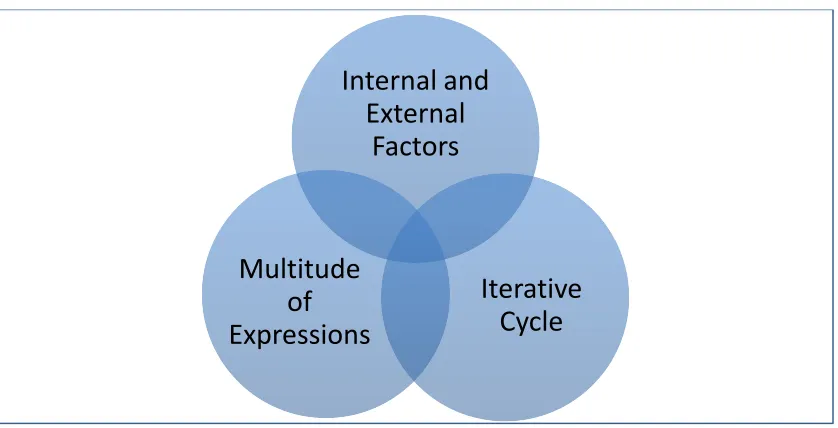
implementation period. Planning was a dynamic process created by multiple internal and external factors. This study illuminated the nature of the interactions of the teachers during planning meetings. Planning for the teachers was expressed in three different ways: collaborative, pair, and individual planning. This study revealed teachers demonstrated the shift in understanding of what it means to be literate in the 21st century. The third-grade team’s insights about digital literacy encompassed developing 21st century skills, changing the definition of what means to be literate, becoming a digital citizen, creating relevance to students’ lives, using technology for pleasure as well as teaching. The examination of the five teachers’ collaborative interactions as they planned to use digital technology offers insights into how to assist other teachers in those efforts.
ELEMENTARY SCHOOL TEACHERS’ INTEGRATION
OF DIGITAL LITERACY DURING COLLABORATIVE PLANNING SESSIONS IN A PROJECT-BASED SCHOOL
by
ZEHRA OZTURK
A Dissertation
Presented in Partial Fulfillment of Requirements for the
Degree of
Doctor of Philosophy
in
Early Childhood and Elementary Education
in
The Department of Early Childhood Education
in
the College of Education and Human Development Georgia State University
Copyright by Zehra Ozturk
DEDICATION
This work is dedicated to the village supporting me through the journey of life. To my husband, Ozgur Ozturk, it is to you that I am most grateful, as none of this work would have been possible without you. From late night classes to “ I can’t do this” cries, you have worked tirelessly in your support of my efforts. I truly don’t know how I’ll ever thank you enough for helping to make this dream come true. I have made it this far because of your love and support. To my children, Omer Bera and Ali Safa, for the nights when I closed the door and missed your kisses goodnights. Thank you for your gifts of laughter and hugs when I needed them the most. To my parents, Sevket and Selime Gunenc, for several oversea trips from all the way Turkey without hesitation, taking care of my family while I am “gone to dissertating”. Your unconditional love, prayers were lights in this journey. To my brother, Mehmet Gunenc, who believed in me without hesitation and encouraged me through this transition. To my friends, Ummuhan, Gonca, two Zehras, Meral, Mercan, Nezahat, your prayers, support along this journey have not gone
ACKNOWLEDGMENTS
My deep gratitude goes out an amazing network of mentors whom I have been blessed to get to know and work with through this journey. First, the members of my committee have been invaluable to shaping who am as a novice scholar. It is with deep gratitude that I extend my thanks to my advisor, my academic mother, exceptional mentor to me Dr. Mona Matthews, carefully reviewing my work 24/7, guiding me as a doctoral student, challenging me while providing support, consistently setting high standards then helping me to achieve what once seemed impossible. I am grateful for your patience, support, dedication to quality work and for being a guiding light for me. I feel honored to have had the opportunity to work closely with such an incredible mentor, like you. Dr. Caitlin McMunn Dooley, my second academic mother, role-model who “held me tightly” while I was stumbling in this journey. Thank you for including me in exciting research projects, believing in me, and holding me to my own values. Your faith in me gave me the confidence I needed to continue in this path. I also owe thanks to my
committee members: Dr. Julie Dangel and Dr. Joseph Feinberg supporting me throughout this process. Your expertise and attention to detail has been extremely useful in my work. You each influenced me and my work and for that I am thankful. My academic sisters, Dr. Stacey French-Lee and Dr. Tiffany G. Jacobs, I am grateful for the friendship we fostered along this journey and now beyond. Your unconditional support and guidance was often a breath of fresh air in the darkest days of this path. Your empathy and comfort throughout this process has only
encouraged me to become more. I am grateful for laughter and encouragement. Dr. Margaret Quinn, my dear friend, I am thankful for our friendship, laughter, your support and
TABLE OF CONTENTS
ACCEPTANCE ... i
AUTHOR’S STATEMENT ... ii
NOTICE TO BORROWERS ... iii
CURRICULUM VITAE ... iv
DEDICATION... i
ACKNOWLEDGMENTS ... ii
List Of Tables ... vii
List Of Figures... viii
Definition Of Terms ... ix
Abbreviations ... x
1 INTRODUCTION AND STATEMENT OF THE PROBLEM ... 1
Purpose and Significance of the Study ... 3
Research Questions ... 8
Background for the Study ... 8
Digital Literacy ... 8
Theoretical Framework ... 10
Sociocultural Theoretical Framework ... 10
Literacy as Practice... 11
Situated Learning Theory ... 12
Overview of the Study ... 14
2 LITERATURE REVIEW ... 15
How Digital Tools Supports Literacy Development ... 17
Integrating Digital Tools to Support Reading Comprehension ... 17
Integrating Digital Tools to Promote Communication, Collaborative Knowledge Construction, and Learning ... 19
Current State of Professional Development ... 23
Need for Effective Professional Development ... 23
Community of Practice in Professional Development ... 26
Collaborative Teaching and Learning ... 28
Planning ... 31
What is Teacher Planning and What Does It Involve? ... 32
What Influences Planning? ... 33
What are Challenges to Teacher’s Planning? ... 34
What Works for Teachers? ... 35
3 RESEARCH DESIGN ... 38
Methodology ... 39
Case Study ... 39
Methods ... 40
Setting ... 40
Participants ... 43
Data Collection ... 44
Data Management ... 49
Researcher Role and Perspective ... 56
Trustworthiness ... 58
Ethical Considerations ... 60
4 RESULTS ... 62
Brief Description of the Participants ... 64
Thematic Findings ... 69
Planning: A Dynamic and Nonlinear Process ... 71
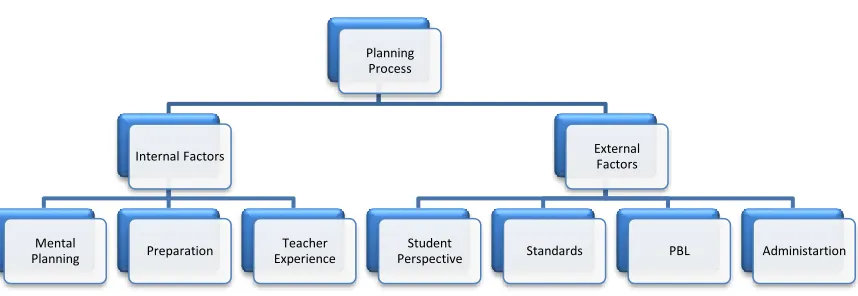
Planning: Internal and External Factors ... 72
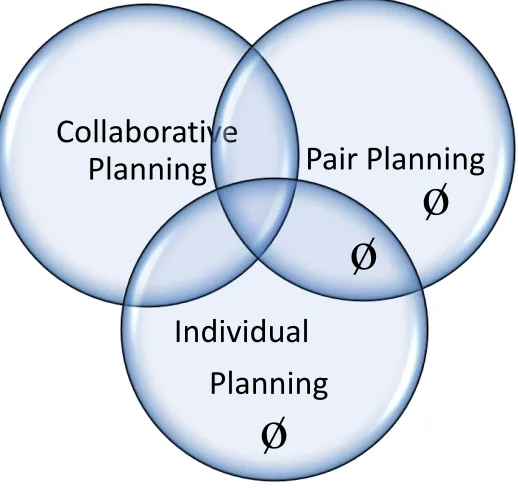
Planning: A Multitude of Expressions ... 92
Expression One: Collaborative Planning... 94
Expression Two: Pair Planning ... 104
Expression Three: Individual Planning ... 106
Change in Planning: A Non-linear and Iterative Cycle ... 108
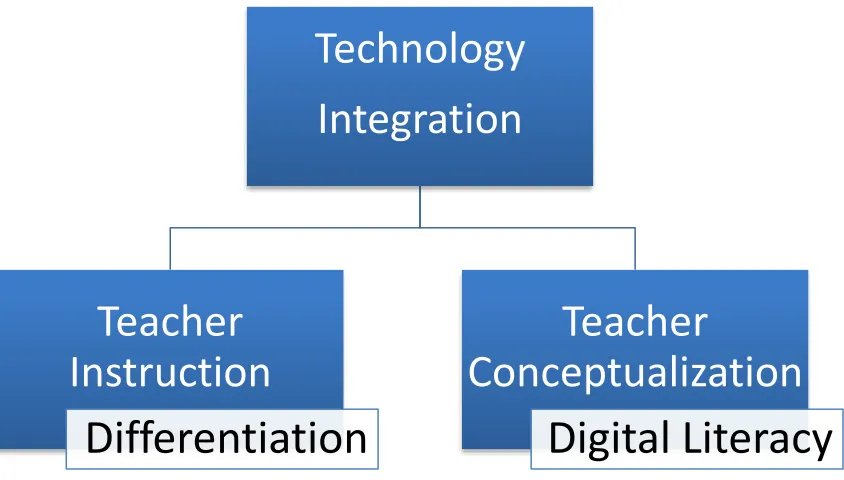
Technology Integration: Collaborative Exploration ... 112
Teacher Instruction ... 112
Conceptualization of Technology Integration ... 124
Constraints: Roadblocks ... 134
Infrastructure ... 134
Lack of Shared Knowledge ... 139
Personality Differences ... 142
Summarizing Findings by Research Question ... 145
How do elementary teachers interact in their planning sessions? ... 146
What understanding of digital literacy is implied in how the teachers integrate in their planning sessions? ... 147
5 DISCUSSION ... 149
Interpretations of the Findings ... 150
Suggestions for Practice ... 156
Suggestions for Research ... 159
Limitations ... 160
Conclusion ... 161
References ... 163
List Of Tables
Table 1 Data Sources ... 44
Table 2 Timeline of Data Collection ... 45
Table 3 Final Codes and Themes ... 55
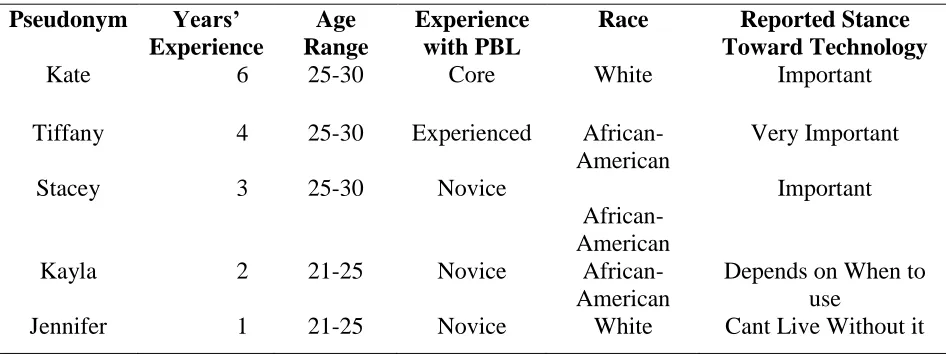
Table 4 Teacher-Participant Information ... 64
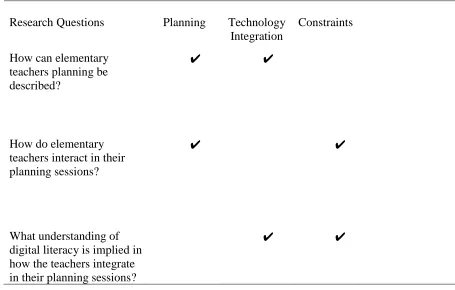
Table 5 Research Questions with Matching Themes ... 69
Table 6 Themes ... 70
List Of Figures
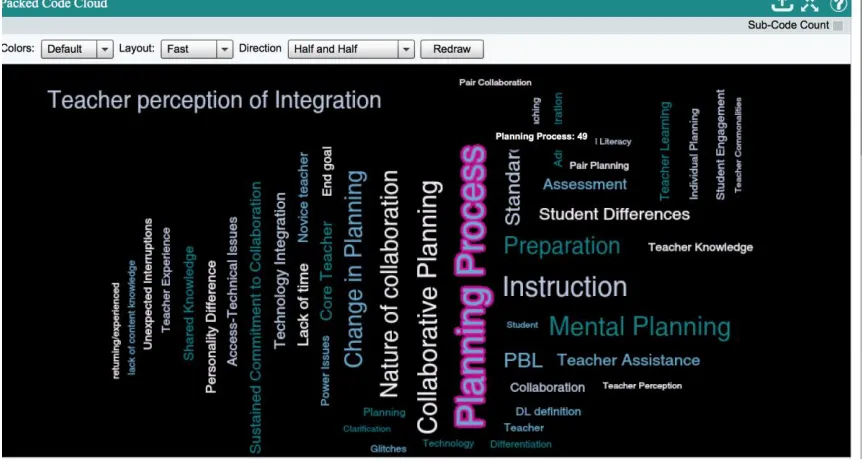
Figure 1 Packed Code Cloud of Data Analysis Cycle 1 ... 53
Figure 2 Third-Grade Team Planning Process ... 71
Figure 3 Planning: Internal and External Factors... 72
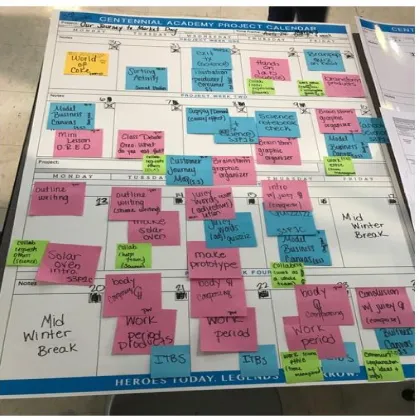
Figure 4 The Third Grade PBL Calendar ... 87
Figure 5 Multitude of Expressions of Teacher Planning ... 93
Definition Of Terms
Community of Practice: “a set of relations among people, activity, and world, over time
and in relation with other tangential and overlapping communities of practice” (Lave & Wenger, 1991, p. 98).
Digital Literacy: “the ability to understand and use information in multiple formats from a wide variety of sources when it is presented via computers” (Gilster, 2007, p. 1).
Literacy as Practice: “a set of socially organized practices, which makes use of symbol
system and technology for producing and disseminating it,” (Scribner & Cole, 1981, p. 236).
Project-Based Learning: “a teaching method in which students gain knowledge and
skills by working for an extended period of time to investigate and respond to an authentic, engaging and complex question, problem, or challenge” (Buck Institute, 2016).
Situated Learning: “the notion of learning knowledge and skills in contexts that reflect
Abbreviations
BIE—Buck Institute for Education CCSS—Common Core State Standards
CCSSO—Council of Chief State School Officers CoP— Community of Practice
ICS— Integrated Computer Science ILA— International Literacy Association LPP—Legitimate Peripheral Participation
NCTE—National Council of Teachers of English NGA—National Governors Association
NLS—New Literacy Studies
NSDC—National Skill Development Corporation PBL—Project Based Learning
1 INTRODUCTION AND STATEMENT OF THE PROBLEM
A sociocultural view of learning centers attention on cultural historical practices and views those practices as fundamental to understanding the nature of learning (Scribner & Cole, 1981). Through social interactions, human beings construct their beliefs, their ideas, and make their own interpretations with all influenced by their previous experiences. According to a sociocultural perspective, human action employs meditational means such as tools and language that shape the action in significant ways (Wertsch, 1991). In other words, this perspective of learning is highly relational and tied to a shared context, purpose, and activity with culturally defined tools mediating the interactions within those activities (Lave, 1988; Ito et, al. 2013; Rogoff, 2003).
For young children, becoming literate is one of the most important outcomes of their interactions within these shared contexts, because what counts as literacy within those contexts helps them understand how the world operates (Halliday, 2013). A sociocultural perspective expands the definition of literacy by attending to the myriad ways individuals make meaning within the flow of their social life and their participation in other kinds of purposeful activities. This expanded definition challenges the traditional view of literacy by arguing that reading and writing are neither neutral nor technical operations. Rather, literacy is shaped by one’s values, attitudes, and personal relationships (Heath, 1983; Scribner & Cole, 1981; Street, 1993).
Lankshear and Knobel (2011) account for these changes in their definition of literacy as the ways people generate, communicate, and negotiate meanings through mediated texts (p. 33).
resources, such as the Internet, are not equally distributed. Children who attend schools in low socioeconomic status (SES) areas are less likely than their White middle-class peers to have access to many types of technology (Gutnick et al. 2011). According to The Search for Computer Science: Access and Barriers in U.S. K-12 Report (2013), only four in ten students who attend
schools in low SES communities reported using computers every day at school. While the percentage of students using technology increases at later grade levels, the disparities in access between racial and economic groups continues throughout their schooling with the disparities most notable within populations of African American children in low SES, urban areas. Students in these areas often lack the same opportunities to use technology within classroom settings as do their White middle-class peers. Moreover, inequality in technology access and use contributes to disparities in participatory digital practices. In other words, lack of access to technology leads to a participation gap (Jenkins et al., 2009) with specific groups of students having more
opportunities to participate in these digital literacy practices than others.
guidance and support (Tucker & Willis, 2011). That support can come in many forms such as professional development, the availability of technology resources, and administrative backing (Tucker & Willis, 2011). Because the existence of such support aims to influence teachers’ integration of technology within their classroom instruction, investigating how teachers plan for that instruction offers one way to examine the influence of that support.
This study aimed to contribute to the understanding of how teachers, supported in their efforts to integrate technology within their instruction, plan that instruction. To that end, I
investigated how one group of third grade elementary teachers who teach in an urban school with students from a low SES community planned to integrate technology within their planning sessions. I chose to study their planning sessions because planning is an important component of understanding how teachers apply various systems of knowledge when designing instruction for their students (Cho & Woodward, 2014). In addition, using qualitative methods allowed me to conduct an in-depth examination of the teachers’ planning. Specifically, I used methods,
observation, interviews, and field notes, which allowed me to examine the complex situation of teachers' understanding of digital literacy as revealed during their collaborative planning sessions while they designed their project-based learning (PBL) unit.
Purpose and Significance of the Study
to participatory involvement (Jenkins, et al., 2006) expanding what counts as literacy (Gee, 1990). This broader reconceptualization of literacy fueled by the presence of digital technologies, includes participation and collaboration as central elements of knowledge construction. Within this broader conceptualization, digital literacies imply a critical approach to information access. This critical approach encompasses integrating, evaluating, analyzing, synthesizing digital sources, and constructing new knowledge (Lankshear & Knobel, 2007, 2011). As a result, social practices that engage these new technologies shift the focus away from a search and publish model towards a model of information circulation, which highlights the production, distribution, evaluation, reproduction, and communication of information (Lankshear &Knobel, 2011). This changing nature of literacy brought on by digital technologies emphasizes the need to consider reading and writing beyond technical operations. Notions of literacy and literacy instruction have changed in profound ways as these new digital technologies and the Internet become central to the dissemination of information and the acquisition of knowledge (Lankshear & Knobel, 2003; Leu, Kinzer, Coiro & Cammack, 2004).
groups have always exhibited multiple versions of participation, today's technologies have made it easier to participate in longstanding practices, such as communicating with loved ones.
Jenkins, Ito, and Boyd (2015) add "technologies are not participatory, cultures are" (p.11). In other words, participatory culture cannot be limited to a set of technological features. Instead, it represents an evolving concept that relates to existing practices and norms (Jenkins, Ito, & Boyd, 2015).
These digital participatory spaces created by this culture increase participation that enable equal collaboration. However, it is important to question whether everyone has the opportunity to participate at the same level. The opportunity gap between privileged and non-privileged groups cannot be ignored. Jenkins, Ito, and Boyd (2015) also argue that “we live in a more participatory culture, but we don’t live in a fully participatory culture” (p.180). Hence, while all
people should possess agency and voice, because of the gap in physical access to technology and resources not everyone has the opportunity to use their agency and voice in wider platforms.
These social, cultural, and technological changes point out that for students who live in the 21st century to be successful in this technology-infused society, they need to be able to participate and communicate in a digital society across print, visual, and multiple media (NCTE, 2008). Schools need to emphasize the importance of integrating these new literacies into
classrooms to prepare students for 21st century work, life, and career opportunities (Ito et al.,
essential to closing the participation gap and to using technology in ways that promote learning. For this to occur, however, they asserted, teachers need support. For example, researchers such as Kim and Lee (2011) recommended that when that support is in the form of professional development it should attend to enhancing teachers’ understanding of effective digital literacy practices that help them prepare and plan to integrate technology and promote participatory practices in their instruction. Other research (Leu, Kinzer, Coiro & Cammack, 2004) suggests that when professional development attends to these areas, teachers gain an understanding of how to use digital technology and build their digital skills. As a result, teachers create active student engagement and participatory learning opportunities.
Incorporating the use of digital technology into well-designed collaborative and project-based learning environments provides effective and enjoyable contexts in which students can learn and in which teachers want to teach. A project based-learning (PBL) model creates
and enables students to use digital technologies (Darling-Hammond, Zielezinski & Goldman, 2014). Which in turn helps students become competent contributors and participants in society and affects their future life opportunities (Ito et al., 2013). Today's students enter a job market that values the skills and ability to work in teams, to solve complex problems, and to apply what they know and can do from one context to another.
Relevant to this study are the technologies used to mediate learning within a PBL model. This study provides insights into how teachers who had received support in the form of
professional development in implementing PBL and support in using technology plan
instruction. Therefore, situating the study within this school offered a unique context to study how teachers planned to use technology in their instruction. One, the teachers in this study experienced support in their efforts to integrate technology. Two, the teachers the summer prior to my study received online PD in how to design instruction using a PBL framework. Three, the PBL framework included the teachers participating in collaborative planning, and four, the teachers worked in an urban school with a predominant low SES African American population.
Although studies exist that have investigated a PBL approach (Barron & Darling-Hammond, 2008) and the use of technology in low SES schools (The Search for Computer Science: Access and Barriers in U.S. K-12 Report, 2013) none of the studies located combined all of these. Therefore, this study adds to the current literature in several ways. First, this research documented how teachers supported in their efforts to integrate technology within their
that recently had adopted an instructional model guided by principles of design thinking and project-based learning. Such environments offer multiple opportunities for students to use digital literacies as they work for extended periods of time investigating complex problems in authentic and engaging ways (Buck Institute, 2016). Fourth, the school partnered with two research universities. The proximity of the school to these two universities facilitated the establishment of a long-term partnership with both universities. That university partnership provided the teachers professional development in technology integration and computational thinking.
Research Questions
This study investigated the following research question: 1. How can elementary teachers planning be described?
2. How do elementary teachers interact in their planning sessions?
3. What understanding of digital literacy is implied in how the teachers integrate technology into their planning sessions?
Background for the Study
To answer the questions that guided this study, I present the view of digital literacies that informed my study. This information guided how I viewed teachers’ integration of technology and digital literacies when planning their PBL project and how I examined the teachers’
perceptions of digital literacies and new literacy practices.
Digital Literacy
In the 1990’s and 2000’s Gee (1990, 1996, 2007) originated the phrase New Literacy
Studies (NLS) to refer to the interaction of old and new literacies. Influenced by a sociocultural
the ways of thinking about literacy. Within this framework, time, place, people, and mediational tools all contribute to an individual’s literacy development and practices (Street, 1993). As a
consequence, NLS researchers extend the scope of literacy practices to include digital literacies.
read a website by navigating through hyperlinks and writing by uploading digital photos to a social networking site” (Hague & Williamson, 2009, p. 5). In this sense, digital literacy
represents the functional skills required for operating and communicating with technology.
Theoretical Framework
This section presents the theoretical assumptions that framed this investigation. Each theory offered a unique contribution to the study while collectively they provided a framework through which to examine the complex situation of teachers' understanding of digital literacy integration as revealed during their collaborative planning sessions while they designed their PBL project.
Sociocultural Theoretical Framework
A sociocultural theory provided the overarching frame for this study and supported my attention to the context in which the teachers' planning session occurred; the teachers'
(Rogoff, 1990, 2003; Vygotsky, 1978; Wertsch, 1991). From this perspective, therefore, human mental functioning does not occur in isolation.
Literacy as Practice
As discussed previously, a sociocultural frame brought attention to the context of the teachers’ planning session, the interactions that occurred within the sessions, and the mediation
Barton and Hamilton (2000) and Street (1984) add that to understand a community’s conception of literacy, we should focus on “what people do with literacy” (p.7) rather than the skills they acquire. Similar to Scribner and Cole (1981), these scholars conceive literacy practices as what people do with reading, writing, and texts in real-world contexts (Barton & Hamilton, 2000). These practices, they add, are connected and shaped by the extant culture’s values, attitudes, feelings, and transmitted through social relationships. Further Barton and Hamilton (2000) emphasized that literacy practices can only be understood by observing them within the social relationships and institutions in which they occur, meaning different literacies connect to different domains of life, and patterned after the contexts in which these literacies are learned and used.
Situated Learning Theory
I conclude the presentation of my theoretical framework by examining situated learning theory. Whereas a sociocultural view of learning supported my attention to the context of the teachers’ planning session, the interactions that occurred within the sessions, and the mediation of those actions and a literacy as practice view guided my examination of the teachers’
conceptions of the practice of literacy, a situated learning theory offered a helpful lens through which to examine and interpret the individual teacher’s participation and interactions within the broader community of practice, i.e., the third-grade planning team. And it offered a way to examine and interpret the third-grade team’s participation and decision-making within the broader community of practice of the school.
gravitating towards theories that emphasize the social nature of cognition and meaning (Resnick, 1987). Situated learning theory offers such an emphasis. Situated learning theory stems from cognitive theories and social psychology, which highlight the role of social interaction and the authentic learning that takes place within a specific context, within a learning community (Brown, Collins & Duguid, 1989). Situated learning theory suggests that learning emerges from actions during social engagements that occur within an interactive and collaborative environment (Brown, Collins & Duguid, 1989; Lave & Wenger, 1991; Takahaski, 2011). According to
situated theory, learning is an “integral part of social practice in the lived-in-world” (Lave & Wenger, 1991 p.35), which takes place within an individual’s mind but as a consequence of her/his social interactions. Through this social and interactive environment, shared meaning is constructed through the learner’s agency and participation. Thus, the theoretical framework of situated learning theory that guided this study conceptualizes a view of teachers’ planning sessions as teachers engaged in a community of practice where teachers negotiate the purpose and meaning of the project, where teachers are offered opportunities to learn through
discussions, and where teachers are engaged in pedagogical reasoning (Horn, 2005, 2007). Wenger (1998) defined a community of practice as a community bound through practice, in which practice serves to bring coherence to the community through mutual engagement, joint enterprise and a shared repertoire of information, resources and experience (p. 73).
Overview of the Study
Teachers need continuous on-site support as they acquire knowledge of technology and 21st century literacies and the skill to integrate technology into their instruction. With the importance of teachers’ need for support in their efforts to integrate technology in mind, I
examined the complex situation of teachers’ understanding of digital literacy integration as revealed during their collaborative professional development planning sessions while they designed their project-based learning (PBL) unit. Participants included a team of third grade teachers who teach in an urban charter school that serves a low-income community. This study used a case study design and qualitative methods. Data collection included observations of planning sessions, researcher reflections and memos, and teacher interviews. Data were analyzed using constant comparative methods.
2 LITERATURE REVIEW
New Ways of Understanding Literacy
Today we read and write in new ways to reflect new times (Leu, 2016). Digital forms of writing and reading have significantly changed how we interact with texts and as a result, require the acquisition of new skills to engage with these new forms (Corio, Knobel, Lankshear & Leu, 2008; Kress, 2003; Lankshear & Knobel, 2007). Kress (2003) described reading and writing as multimodal because it expands communication beyond traditional paper and pencil formats to include color, sound, image and video and the inclusion of such digital tools as blogs, wikis, and iPads. Similarly, Lankshear and Knobel (2007) argue that digital tools create new literacies, such as engaging in fan fiction, blogging, sharing, remixing artifacts, by providing opportunities to engage with various forms of texts with new purposes. While these new formats and new tools do not negate the uses of print literacies, they do expand the understanding of how print-literacies can be transformed with the use of digital tools (Leander, 2009).
Responding to these changes, professional organizations call for educators to integrate digital technologies into their reading and writing instruction. For instance, the International Literacy Association (ILA), formerly the International Reading Association, promoted such integration in its “New literacies and 21st century technologies” position statement:
To become fully literate in today’s world, students must become proficient in the new literacies of 21st-century technologies. As a result, literacy educators have a
responsibility to effectively integrate these new technologies into the curriculum, preparing students for the literacy future they deserve. (ILA, 2009)
and language arts are integrated throughout the Common Core State Standards (National Governors Association Center [NGA] for Best Practices & Council of Chief State School Officers [CCSSO], 2010). For instance, Anchor Standard Seven for the Reading strand states teachers should: “Integrate and evaluate content presented in diverse formats, including visually and quantitatively as well as in words” (NGA Center, CCSSO, 2010, p. 35). Similarly, Anchor
Standard Five for the Speaking and Listening strand states teachers should, “Make strategic use of digital media and digital displays of data to express information and enhance understanding or presentations” (NGA Center & CCSSO, 2010, p. 48). Throughout the standards, references are
made for students to incorporate digital technology and to understand the information, conveyed through digital media. In other words, as Dalton (2012) noted, “the standards assume that being literate means being digitally literate” (p. 333). However, even though the Common Core
English Language Arts Standards mandate the use of digital technology in the English Language Arts curriculum, its standards neither elaborate on what digital literacies involves nor provides information about how to promote its use.
How Digital Tools Supports Literacy Development
The literature review begins with research related to how digital tools support literacy development. Specifically, I examine research related to (1) how integrating digital tools within literacy instruction supports students’ reading comprehension, and (2) how integrating digital
tools within literacy instruction promotes students’ communication, collaborative knowledge construction, and overall literacy learning.
Integrating Digital Tools to Support Reading Comprehension
The research that examines the integration of digital tools revealed that digital tools could be valuable in literacy instruction and can support student’s literacy development (Barone & Wright, 2008). Most of that research investigated digital tools’ impact on reading comprehension and suggested that integrating digital tools brings authenticity to reading and creates engagement which in turn enhances students’ reading comprehension. In this section, I summarize the few studies related to these topics.
The research revealed that the use of digital instruments can boost students’ reading comprehension. Multiple tools such as iPads, e-readers, podcasts, and apps are thought to enhance existing literacy practices. For instance, Hutchison, Beschorner and Scmidt-Crawford (2012) conducted a case study and examined the impact of using iPads to support and enhance literacy instruction. The participant was a fourth-grade teacher and her 23 students. Data
reinforced the students’ use of two reading comprehension strategies: visualization and the identification of a main idea and its supporting details. Strip Designer was used to help the students learn how to retell information, and Sundry Notes was used to help the students learn how to illustrate cause and effect relationships. The findings suggested that the iPads apps encouraged students’ nonlinear thinking and in the process the students gained important digital
literacy skills such as navigating the hypertexts in the eBooks. Furthermore, these apps provided opportunities different from those provided by paper-based activities. For example, the Popplet app allowed students to sequence story events by shifting text boxes and adding and modifying those boxes. Similarly, many of the iPad apps gave students the opportunity to reread and revise as they worked to create visual texts.
In another study, Vasinda and McLeod (2011) conducted a mixed-methods study that examined the impact creating podcasts had on students’ reading comprehension. The participants were six third-grade teachers and their students from a Title-I school. During the 10-week study, students digitally recorded themselves each week reading a readers’ theater script and then
uploaded the script for podcasting. At the end of the study, the researchers used the
Developmental Reading Assessment (DRA) to evaluate the students’ reading comprehension. The findings suggested that producing podcasts and posting them online created a wider audience, which added authenticity as well as expanded the audience beyond the classroom. Additionally, this experience created opportunities for the students to self-evaluate their reading fluency and for the students to revise and improve their podcast performance. Finally, the students’ performance on the DRA assessment suggested that their use of podcasts increased
Other research suggests reading digital books supported the expansion of students’ text reading processes, which in turn, enhanced their reading comprehension. In addition, the results of these studies suggest the results occurred because Digital books challenge the linear, right-to-left, and top-down text processing used in most printed texts (Leu, 2002). For example, Larson (2010) conducted a qualitative case study and examined the impact of the use of digital tools for reading online on students’ reading comprehension. The participants’ were17 second graders
who attended school in a low SES school district located in the Midwestern part of the United States. The students read online texts, blogged about their reading experiences, and engaged in online book discussions. Reading e-books, enabled students to adjust sizing, to listen to parts of a story by activating the text-to-speech-feature, to highlight key words and passages, and to add annotations to the text. The researcher found that manipulating text through digital tools
enhanced the students’ ability to make connections between themselves and the text. Larson also
noted that the teacher said she was able to examine the students’ reading behaviors and their application of comprehension skills by observing their responses to the e-book tools.
Integrating Digital Tools to Promote Communication, Collaborative Knowledge
Construction, and Learning
Another key affordance of digital tools for digital literacies is they involve collaborative construction of knowledge. Although few studies that investigated this affordance of digital tools exist, those I located suggest that using online discussion forums, such as social networking sites, blogs, and Wikis promote collaborative sharing and construction of knowledge. Coldwell and Hutchison found that the online platforms provided opportunities for students to use
one-year ethnographic study that examined the teacher’s literacy instruction while her students used Comic Creator, a Web 1.0 tool located at ReadWriteThink.org. Comic Creator enabled the students to generate comic strips during a writing unit on graphic novels. The students also used BlogSpot (Web 2.0) to post their responses to their readings. The goal was to encourage students to interact through their writing. The participants were eight native Spanish-speaking fourth grade boys at different stages of English-language development. The students attended a low-income school. During the writing unit, the students blogged, responded to each other’s comments, and answered each other’s questions. The teacher reported the students were more careful with their writings. For example, when using the comic creator and the BlogSpot website, students who typically did not proofread began adding proper punctuation. In addition, the students critically read their peers’ posts and asked their classmates to support their claims. The
findings suggested that blogging created space for authentic writing and conversations and engaged the English language learners in writing and conversing.
Similarly, Liu, Liu, Chen, Lin and Chen (2011) conducted a quantitative study that investigated how hypermedia and linear approaches to storytelling influenced students’
stories fostered an effective collaboration process, enhanced peer support, and ensured a sense of authorship.
Other research revealed that using a digital platform for communication and discussion spaces enhanced students’ social learning and provided equitable opportunities for students to
share their ideas. For instance, Larson (2009) conducted a qualitative study in a low SES Midwestern city to examine students’ online literature discussions. The participants were a
diverse group of 26 fifth-graders, 15 boys and 11 girls. The students were given two choices of historical fiction books to read. Then, they were divided into two book groups, one for each book, to read and respond to each other on a message board. They spent about 30 minutes reading the book and responding in their personal journal. Afterwards, they spent an additional 15-20 minutes discussing and posting their responses to the reading on the discussion board. The findings suggested that while they participated in the discussions they took ownership of and monitored their discussions. The teacher acted as a facilitator. During the discussions, students asked clarifying questions, offered their peers compliments, and shared alternative points of views. The students indicated they felt a responsibility to dig more deeply as they read so they could respond to their classmates. Moreover, the asynchronous discussion format provided equal opportunities for the students to share their ideas. Findings indicated that being a part of an online discussion group fostered the students’ learning of new skills such as navigating the
website.
Other research suggests that collaborative learning can be mediated by the use of many digital and online tools during language and literacy instruction. For instance, Andes and
Claggert (2011) conducted a yearlong writing project and examined students’ use of a class Wiki
studied as they used multiple digital resources such as photo editing, PowerPoint, and electronic mail. Their writing preparation followed a problem- solving approach: identifying the statement of a problem (orienting), gathering data about the problem (making connections), creating a plan (coordinating), and evaluating the plan (making sense). The students’ reading was assessed by the Reading Benchmark Assessments program. The Wiki page provided spaces for the students to share their projects. Therefore, the class Wiki page served as a space where they posted their work, collaborated with their e-pals, and shared their writing products. The findings suggested that writing for authentic purposes and having an authentic audience motivated the students to read and write. Additionally, the students’ performance on the reading assessment suggested their involvement in the wiki project improved their reading achievement scores.
The aforementioned studies highlight the positive benefits to students’ literacy learning when teachers integrate digital tools and technology within their literacy instruction. The use of technology integration supported literacy instruction in several ways. The technology provided the students’ opportunities to read, write, and converse for authentic purposes, as well as to collaborate and to evaluate critically each other’s work. The inclusion of multimodality enhanced students’ reading and comprehension (Colwell & Hutchison, 2015). These positive findings
Current State of Professional Development
Given that my study examined the complex situation of teachers’ understanding of digital literacy integration as revealed during their collaborative professional development planning sessions while designing their PBL unit, I reviewed the current state of professional development for improving teachers’ knowledge and integration of technology within their instruction.
Need for Effective Professional Development
To take advantage of the affordances of technology and digital tools, the research suggests that teachers need professional development that assists them to integrate those tools within their literacy instruction. According to a national survey conducted by Hutchison and Reinking (2011) of 1441 US literacy teachers revealed that literacy teachers conceptualize digital literacy integration primarily as a technical rather than a curricular tool. The teachers viewed integration of digital tools as a way to enhance conventional instructional goals or they viewed it as using technology for its own sake. Similarly, literacy teachers recognized the importance of digital literacy skills and strategies associated with 21st-century literacy, but they did not perceive digital literacies as central to instructional integration. The survey also revealed that 81.6 % of the teachers reported a shortage of professional development related to how to integrate technology, and 73% of the teachers reported that they did not have time to teach students the skills needed to use digital literacies for complex tasks (Hutchison & Reinking, 2011).
Traditional professional development models focus on helping teachers acquire the knowledge and skills possessed by more effective teachers (Cochran-Smith & Lytle, 1999; Vescio, Ross, & Adams, 2008). The traditional professional development experience was delivered by experts, usually someone affiliated with a university, and thus removed from the classroom. Once the experts delivered the information, they departed without providing any follow-up support, leaving the teachers to implement the knowledge alone in their classroom (Vescio, Ross, & Adams, 2008). This one-time shot (Clarke & Hollingsworth, 2002) workshop model offered no follow-up or support, yet was presented as a panacea for developing better teaching.
For decades, researchers criticized this one-time shot professional development model. Scholars including Guskey (1986), McLaughlin and Marsh (1990), and Wilson and Berne (1999), and more recently, Day and Sachs (2004) and Schwille and Dembélé (2007) provided persuasive evidence of the ineffectiveness of such pre-packaged or one-shot treatments as a professional development approach. To illustrate, scholars from the American Institutes for Research provided a comprehensive analysis of 1,300 studies to examine the potential effects of professional development on student learning outcomes (Yoon, Duncan, Lee, Scarloss, & Shapley 2007). They found that there is not a common understanding of what constitutes effective professional development.
knowledge within their classrooms, and g) inviting collaborative participation among teachers within the same school, grade level or department (Borko, 2004; Brody & Hadar, 2011; Desimone, 2011; Vescio, Ross & Adam, 2008). In addition to these factors, researchers identified other factors to consider in order to ensure teachers’ participation and utilization of their new knowledge and skills. Of relevance to my study, Guskey (1994, 2000; 2003) asserted that teacher planning is important for changing teacher practice and for sustaining that change over time.
According to Professional Learning in the Learning Profession, a 2009 report from the NSDC and Stanford School Redesign Network (SRN) (Darling-Hammond, Wei, Andree, Richardson, & Orphanos, 2009), while US teachers participate in as many professional
development activities as teachers in other nations, US teachers have fewer opportunities (a) to collaborate with colleagues, (b) to plan instruction during the school day, (c) for learning through peer coaching, and (d) for input into the types of professional learning offered. In the 2004 Schools and Staffing Survey (SASS), US teachers stated that they worked in isolation, attended content-loaded training/workshops, and do not receive effective learning opportunities (Darling-Hammond, et. al., 2009). Further, opportunities for teacher collaboration have recently been declining. In 2000, 34 percent of teachers indicated they worked cooperatively with their colleagues. In 2008, the percentage of teachers who indicated they worked cooperatively with peers had dropped to 16 percent (Darling-Hammond, et. al., 2009).
professional development focused on content that they taught, however the learning was not intensive. During the 2003-2004 school year, 57 percent of the teachers received fewer than two days (16 hours) of professional development related to the content area they taught within the last 12 months. Only 23 percent of teachers reported that they had 33 hours or more professional development related to the content they taught.
According to Regional Educational Laboratory Southwest report, Yoon et al., (2007) reported that the amount of professional development time that teachers receive affected students’ success. In this report, they (2007) reviewed more than 1300 studies and found that
when teachers received more than 16 hours of professional development, it had a positive and significant effect on their students’ achievement. Other factors they identified that positively affected student achievement included the duration of the professional development sessions, the presence of ongoing feedback, and the opportunity for reflection. A more recent review, The Mirage (2015), conducted by The New Teacher Project (TNTP) provides information about professional development. This review highlighted the importance of feedback sessions that included the identification of steps to pursue next, and opportunities to practice new skills to master. Given the literature review, it is clear that effective professional development should include sufficient and continuous support, active learning opportunities with a focus on content, alignment with school goals, and collaborative participation among teachers.
Community of Practice in Professional Development
accomplish a joint task or activity within an informal environment (Lave & Wenger, 1991). Mutual engagement, joint enterprise, and shared interests serve as key components for the success of a community of practice (Lave & Wenger, 1991; Wenger, 1998). Through
engagement and joint work individuals come together and acquire a shared meaning of the joint work within a shared community. Lave and Wenger (1991) coined the term legitimate peripheral participation (LPP) to reflect a central defining characteristic of CoP and asserted that LPP
serves as a conceptual bridge between the person and the community of practice. LPP describes the process by which newcomers participate with more knowledgeable others. Through
continued practice, newcomers acquire the knowledge and skills and gradually move their peripheral participation into full participation (Lave & Wenger, 1991). In other words, the participant moves from the role of observer to one who fully participates (Herrington & Oliver, 2000). Through the process of LPP, newcomers gain access to experts in the target activity and gradually become members of that community of practice (Lave & Wenger, 1991).
New perspectives, such as those described by Lave and Wenger (1991) of the nature of knowledge, learning, and thinking, have shaped current reform movements in education. For example, educators and policymakers discuss how to develop a deeper understanding by situating teachers learning within a meaningful context. For example, Borko (2004) states that effective professional development built around a situated perspective is a “powerful tool and [promotes] a new view of knowledge and thinking” (Putnam & Borko, 2000, p. 4). Professional development from a situated perspective is a non-linear process that enables teachers, and
Collaborative Teaching and Learning
A situative learning perspective encompasses my view of teacher learning and offered a lens through which to examine the teachers’ participation during their collaborative planning sessions. Moreover, a situative learning perspective offered a framework that allowed me to gain more in-depth information about the nature of the professional development planning sessions. According to Borko (2004), learning is fostered through strong professional communities. These communities can exist in different contexts, such as schools, classroom, and communities outside of schools. Given that the contexts in which people learn serve as the fundamental component of a situative perspective, scholars such as Borko (2004) highlight the need to study learning within those contexts. To garner a full understanding of the situation, one must also examine the
individuals as well as the social environment in which they participate.
A study by Yousef and Dajani (2014) illustrates Du Four’s (2004) first two big ideas, the need to focus on learning not teaching and the need to focus on building a culture of
collaboration. Yousef and Dajani’s (2014) study revealed the benefits accrued to the teachers who participated in a professional learning community. They investigated a group of Palestinian English language teachers’ views of collaborative learning communities and the impact of these
learning circles on their instructional practices. They found that collaborative learning
communities offered the teachers not only the chance to observe, examine, and reflect on their own learning but their colleagues’ practices, as well. Hence, their effective collaboration
necessitated more than physical togetherness among teachers. Furthermore, their collaborative learning community led to deeper learning and offered opportunities for them to help one another find alternative solutions for their instructional problems. Moreover, the teachers reported that participating in the learning circles improved their ability to talk about their practice and their confidence and cultivated a culture of collaboration and learning among the members of the group.
Finally, Du Four’s second big idea is teachers need to seek evidence of their students’ learning. He asserts that working together to improve student achievement should be an ongoing process. Teachers need to identify students’ current achievement level, establish targeted goals
for raising that achievement, and work together to achieve that goal. Borko (2004) argued that strong professional learning communities can foster teacher learning and improve instruction. Borko (2004) referred to The Community Teacher Learners Project (Grossman, Wineburg & Woolworth, 2001; Wineburg & Grossman, 1998) as an example of a strong professional learning community. The Community Teacher Learning Project identified the key components of
responsibility for norms and behaviors, and assuming responsibility for colleagues’ growth and development (Grossman, Wineburg, & Woolworth, 2001).
As stated previously, a situative approach to professional development has brought attention to the social aspects of learning. A focus on the social aspects of learning draws attention to the concept of interdependence and brings it into the professional development discourse. Members of successful collaborative learning groups are interdependent because their members rely on each other to achieve their goals. Borko (2004) and Westheimer (1999, 2008) build on this idea of interdependence by emphasizing the importance of educating teachers as individual learners while extending their professional learning throughout the participatory community culture. Through collaboration, teacher professional communities serve as a catalyst for creating a school culture in which social transformation takes place. Westheimer (1999, 2008) goes further and asserts it is a way to transform society by creating school cultures in which the students and teachers value collaborative projects and where teachers and students learn tolerance, the value of participation, and skills crucial for a pluralist society (Westheimer, 2008).
However, barriers to collaboration exist. Schools often contain structural and political structures that impede teachers’ attempts to form participatory collaborative communities (Darling-Hammond, et. al., 2009). Teacher isolation imposes a major threat to teacher collaboration. Elmore and Burney (1997) named teacher isolation as the “greatest enemy of instructional improvement” (p. 268). In a typical instructional day, teachers rarely get
interconnected goals for developing professional learning communities to minimize isolation: (1) improve teacher practice so students will learn; (2) create a culture of intellectual inquiry by making ideas matter to students and teachers; (3) include teachers in school leadership and school management; (4) promote teacher learning among novice teachers; (5) work to reduce teacher isolation and alienation; and (6) focus on the principles of social justice and democracy (p. 759). Westheimer (2008) concluded that teachers are not only responsible for creating effective learning environments for their students but they should assert responsibility for creating environments that promote their professional development. Reforms in professional learning begin with the recognition that teachers, like their students, are learners. Ideally, teachers’ learning opportunities start during their first in-service experience and continues throughout their professional career (Cochran-Smith, 2005).
Throughout the literature, collaboration, and teacher learning have been emphasized as main tenets for effective professional development. Teacher learning is enhanced when teachers create communities of practice within their schools (Elmore & Burney 1997). Collaborative professional learning environments are spaces that could help teachers understand how to incorporate various technologies to create authentic teaching and learning opportunities. Such opportunities could support teachers’ efforts to integrate digital technology into their instruction
(Colwell & Hutchison 2015) and support my research focus.
Planning
In my study, I examined teachers’ understanding of digital literacy integration as revealed during their collaborative professional development planning sessions. For that reason, I
“How can elementary teachers planning be described?” and “How do elementary teachers interact in their planning sessions?”.
What is Teacher Planning and What Does It Involve?
Tapping into teachers’ thinking and understanding of how they translate concepts into their instruction is not easy. Given that effective planning is essential for effective teaching, research suggests that examining teachers’ planning offers one way this can be accomplished (Clark & Peterson, 1986).
While few definitions of planning exist in the professional literature, generally teacher planning can be described as both a psychological process and a practical activity (Wolcott, 1994). According to Clark and Peterson (1986), planning is a process in which a person
visualizes the future, conceives a goal and the means to accomplish that goal, and then constructs a framework to guide his or her future action to achieve the goal (p. 260). As a practical activity, planning is less precisely defined as “the things that teachers do when they say they are planning (Clark & Peterson, 1986, p. 260)
of security, relieving anxiety, or building confidence. In addition, they found that teachers plan to prepare themselves for instruction and to create a framework to guide their behavior.
What Influences Planning?
Many factors influence teacher planning. First, planning is a chaotic and non-linear process (Kimmel, 2012; Wolcott, 1994). While some prescribed steps and procedures might guide the behavior of teachers in instruction, it is a complex mental activity that necessitates teachers to engage in reflective thinking (McCutcheon, 1980). Kimmel (2012) conducted an ethnographic study and examined how a team of second-grade teachers and a school librarian organized their planning meetings. Block grade-level planning meetings between teachers and the school librarian were held monthly. In total, eight meetings occurred and each meeting lasted two hours. The findings suggested that the group’s planning resembled problem solving with the statement of a problem (orienting), gathering data about the problem (making connections), creating a plan (coordinating), and evaluating the plan (making sense). Interestingly, while McCutcheon (1980) documented that some teachers limited their written plans to an outline or a list of topics they checked off as they were completed, she also found that the teachers formed mental images of plans, and that the images were nested or embedded within more
comprehensive planning images. In other words, teachers mentally reviewed their plans to elaborate on their initial ideas. Similarly, Clark and Yinger (1979) described teacher planning as a successive, recursive, and cyclical process influenced by a teacher’s prior experience.
Brown (1988) conducted a descriptive case study that examined the structure of teachers’ planning decisions, the teachers’ use of a rational model of planning, and factors that influenced teachers’ planning decisions. The participants were 12 middle school teachers from three
they completed a questionnaire related to planning selected units, and they were asked to describe their planning aloud. The findings suggested that teachers often reflected on their prior experiences and pulled from what worked in the past to use in their plans for future lessons. They surmised that experience helped the teachers reflect on how they could improve teaching.
McCutcheon’s (1980) referred to this type of mental planning as “reflecting on the past and envisioning what might occur in current and subsequent lessons” (p.11) Other research suggests
that teachers’ planning also is influenced by the contexts in which teachers work. Examples of such influences include school schedules, instructional materials, standardized tests, curriculum guidelines, physical facilities, and student characteristics (Brown, 1988; McCutcheon, 1980; Warren, 2000; Wolcott, 1994). In addition, the interest and abilities of students shape teachers’ planning. Similarly, McCutcheon (1980) suggested that teachers plan to make the curriculum fit the needs of all students.
For example, Clark and Yinger (1979) conducted a case study and examined teacher planning practices and the relationship between teacher planning and the implementation of instruction. The participants were six upper elementary teachers. The teachers kept journals documenting their planning and thinking. Data were also collected through biweekly interviews and classroom observations. The findings suggested that some teachers spent the first few weeks of school reviewing their students’ behavior, their needs, and their motivation for learning. They used the needs of their students to guide their planning.
What are Challenges to Teacher’s Planning?
change the daily school schedule, challenge teacher planning. When this occurs, teachers must adjust their schedules and time according to their administrators’ request to accommodate additional school activities such as aligning test schedules, completing paperwork, or organizing field trips (Dever & Lash, 2013; McCutcheon, 1980). These interruptions force teachers to take into account what students would miss when such adjustments are made and plan when to include missed lessons.
Additionally, lack of guidance and support from the school’s administration create challenges to teachers’ planning. Dever and Lash (2013) conducted an in-depth case study and examined how middle school teachers used common planning time to cultivate professional learning opportunities. The participants were five teachers within one eighth-grade team. The teachers met twice per week and discussed the purpose of designing interdisciplinary units, student affairs, and day-to-day-issues. The findings showed that the teachers continuously stated their desire for administrator support for their autonomy in making instructional decisions and sharing resources for a successful planning and instruction.
What Works for Teachers?