Western University Western University
Scholarship@Western
Scholarship@Western
Electronic Thesis and Dissertation Repository
8-7-2014 12:00 AM
Behavioral Feeding Problems of Normally Developing Children
Behavioral Feeding Problems of Normally Developing Children
Under 4 Years of Age
Under 4 Years of Age
Julia Stanislavskaia
The University of Western Ontario
Supervisor
Dr. Alicia C. Garcia
The University of Western Ontario
Graduate Program in Foods and Nutrition
A thesis submitted in partial fulfillment of the requirements for the degree in Master of Science © Julia Stanislavskaia 2014
Follow this and additional works at: https://ir.lib.uwo.ca/etd
Part of the Human and Clinical Nutrition Commons
Recommended Citation Recommended Citation
Stanislavskaia, Julia, "Behavioral Feeding Problems of Normally Developing Children Under 4 Years of Age" (2014). Electronic Thesis and Dissertation Repository. 2331.
https://ir.lib.uwo.ca/etd/2331
This Dissertation/Thesis is brought to you for free and open access by Scholarship@Western. It has been accepted for inclusion in Electronic Thesis and Dissertation Repository by an authorized administrator of
Behavioural Feeding Problems in Normally Developing Children Under Four Years of Age
(Thesis format: Monograph)
by
Julia Stanislavskaia
Graduate Program in Foods and Nutrition
A thesis submitted in partial fulfillment of the requirements for the degree of Master of Science in Foods and Nutrition
School of Graduate and Postdoctoral Studies The University of Western Ontario
London, Ontario, Canada
ii
Abstract
Objectives: The objectives were to identify common problematic behaviours in cases of normally-developing children under four years of age and determine whether there were
associations between responsiveness to treatment and number of behaviours and visits to the
clinic, as well as low body weight. Rationale: The motive for this study was to address the gaps in literature by characterizing the population, acquiring data to help establish consistent
nomenclature and categorization as well as information to help design a screening tool in the
future. Methods: Secondary data was collected retrospectively from 106 medical charts that fit the inclusion criteria. The data was analyzed to determine whether there is an association
between responsiveness to treatment and the number of problematic behaviours, frequency of
visits to the clinic, presence of a medical condition and weight, using descriptive statistics and
two-tailed t-test for data analysis. Results: There were statistically significant differences
between the responsive and non-responsive groups in the total number of problematic behaviours
(p<0.0001), specific problematic behaviours, total number of visits (p<0.0001) and presence of
concurrent medical condition (p<0.0001). Conclusion: It may be useful to establish definitions for severe cases of feeding difficulties as the severe and non-severe groups differed significantly.
Keywords: behavioural feeding disorders, feeding disorders in infants and children, behavioural feeding problems, feeding problems in infants and children, feeding aversion, and sensory
iii
Acknowledgments
Foremost, I would like to extend my sincere gratitude and appreciation to the principal
investigator, Dr. Alicia Garcia, who has provided me with immense support throughout this
process. She has patiently guided me through this program by sharing her knowledge and
support and has helped me get closer to my academic and career goals.
I would like to thank the co-investigator, Dr. Colleen O’Connor for very detailed and helpful feedback that has helped me ameliorate my proposal and research and ensure that no detail has been missed.
Furthermore, I would like to thank Dr. Berall, the collaborator, who has provided me with the
fundamental education and experience leading to my desire and pursuit of research in the field of
paediatric feeding disorders. Dr. Berall has served as the inspiration to move beyond my comfort
zone and develop ideas and skills that contribute to the innovation and enhancement of our
patient care practices.
iv
Table of Contents
Abstract………...…ii
Acknowledgements………....ⅲ Table of Contents………...ⅳ List of Tables………...…ⅴ List of Figures……….ⅵ List of Appendices……….ⅶ Chapter 1………..1
Chapter 2………10
Chapter 3………33
Chapter 4………42
Chapter 5………....59
References……….66
Appendix A………...73
Appendix B………...74
Appendix C………...76
Appendix D………..…………...77
Appendix E………...78
Appendix F………...79
Appendix G………...81
v List of Tables
Table 1: Behavioural patterns in paediatric feeding difficulties………23
Table 2: Proposed Classification Systems for Feeding Disorders of Early Childhood………….26
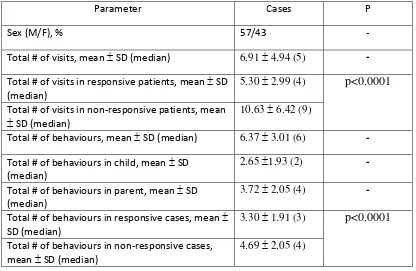
Table 3: Demographics, number of clinic visits and number of behaviours displayed…………44
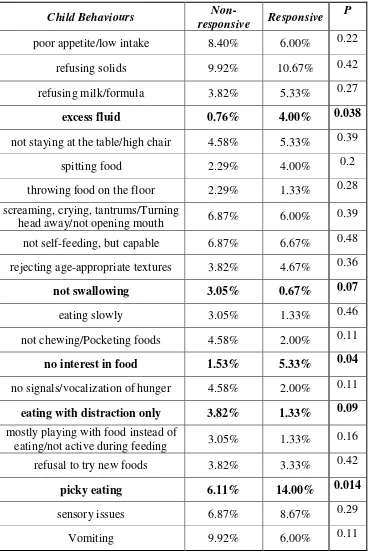
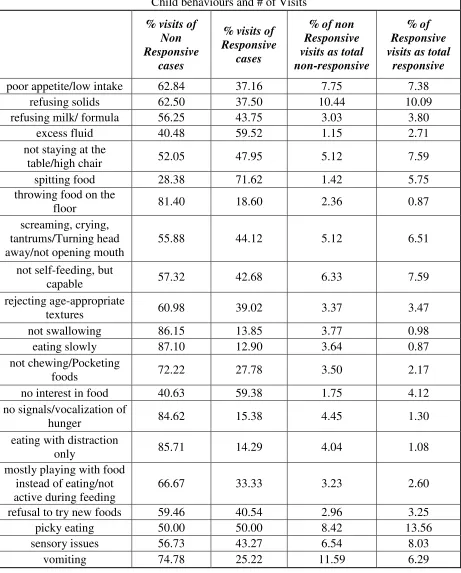
Table 4: Child behaviour in responsive and non-responsive groups……….50
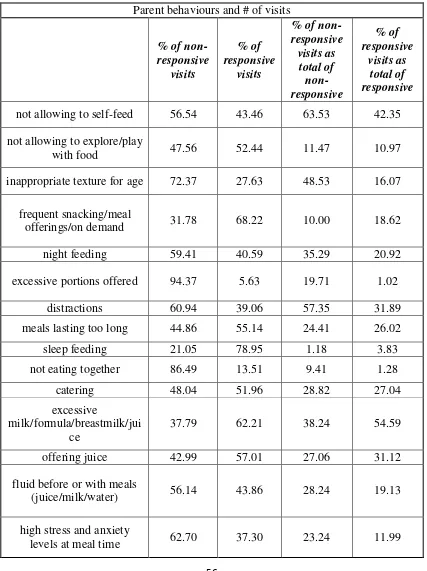
Table 5: Parent behaviours in responsive and non-responsive groups………..51
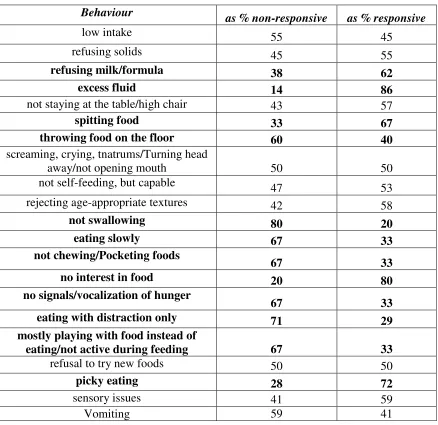
Table 6: Child behaviours: as percent of responsive and non-responsive cases………...52
Table 7: Parent behaviours: % as responsive and non-responsive cases………...53
Table 8: Number of visits for each child behaviours & percent of all visits for each behaviour..56
Table 9: Number of visits for each parent behaviours & percent of all visits for each behaviour………...57
vi
List of Figures
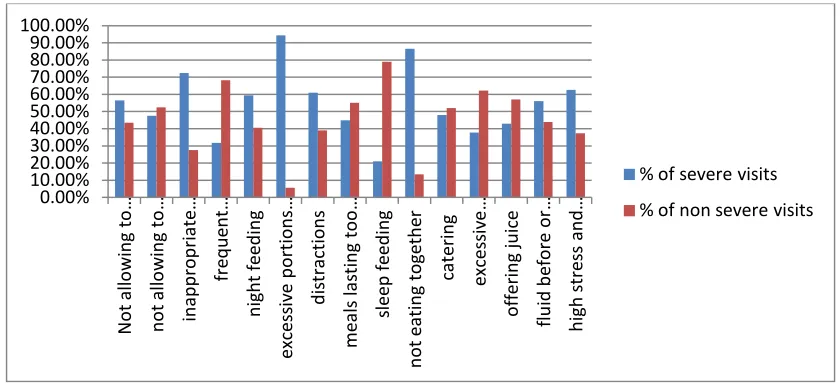
Figure 1: Number of visits for main child behaviours (responsive vs non-responsive groups)...55
vii
List of Appendices
Appendix A: Ethic Approval……….73
Appendix B: Letter of Information for Collaborator……….74
Appendix C: Consent Form for Collaborator………76
Appendix D: Chart Abstraction Sheets for Initial Assessment………..77
Appendix E: Chart Abstraction Sheets for Follow-Up Appointments………...………...78
Appendix F: Initial Assessment Form………...79
1
Chapter 1
INTRODUCTION
This chapter provides background information on the prevalence and the potential impact of
feeding disorders in children. It outlines the complex nature, causes, characteristics and types of
feeding disturbances of early childhood along with the challenges of managing these. This
information along with the objectives, hypothesis and rationale for this research help elucidate
the significance and importance of the current study.
Background
According to Statistics Canada, children under 14 years of age make up 16% of Canada’s
population, while seniors make up 15 percent (Stats Canada, 2006). Although seniors and young
children make up similar proportions of Canada’s population, the health care resources allocated
to pediatric-care are scant in comparison to the care of the baby boomer population that carries a
significant financial burden (CIHI, 2013).This study focuses on children under 4 years of age,
who comprise 5.5% of the population. This signifies that there are 1,921,412 young children
residing in Canada at the present time (Stats Canada, 2013). Each year 376,294 children are born
with the birth rate remaining stable between 2007 and 2011 (Stats Canada, 2013). There are
numerous health concerns within this population that warrant more attention and research.
Feeding problems is one of these concerns. It has been estimated that 25 to 45% of normally
developing children experience feeding difficulties (FD), while 20 to 60% of parents report that
their children are not eating well (Linscheid, 2006; Chatoor et al, 1994; Kerzner B, 2009).
Amongst patients with developmental delay, up to 80% of children encounter feeding-related
problems (Linscheid, 2006; Chatoor et al, 1994). This means that approximately 480,000 to
865,000 children in Canada may be struggling with feeding difficulties of varying severities and
with variable potential health outcomes such as faltering growth, nutrient deficiencies,
inappropriate development of motor skills and most notably long-term behavioural and
emotional issues. Meanwhile, practitioners may not be aware of or equipped with knowledge and
2
definition or classification system and there are no treatment guidelines for this issue that is very
multifactorial in nature and thus may require the involvement of a multidisciplinary team, which
is not always accessible (Levine et al, 2011; Aldridge et al, 2010; Chatoor, 2003; Levy et al,
2009; Davies et al, 2006). Limited research, lack of consensus on terminology, optimal
interventions and absence of clinical guidelines, even for the normally developing population, on
a basic topic such as childhood feeding problems should prompt concern and further exploration
(Levine et al, 2011; Chatoor, 2003; Davies et al, 2006).
Feeding is a basic, innate ability that is necessary to sustain life and support growth and
development. Development of normal feeding depends upon the integration of specific physical
functions, appropriate nutrition, adequate feeding and a synergistic relationship between the
parent and the child (Satter, 1995; Gahagan S, 2012). Disruption in any of these areas can lead to
feeding difficulties at early stages of life, which may be quite complex in nature, as well as
significantly impact long-term negative effects on health (Chatoor et al, 2003; Marchi and
Cohen, 1990; Kotler et al, 2011).The management of feeding difficulties in early childhood and
their treatments are poorly understood and receive limited recognition, but are affecting a
significant proportion of the young population (Davies et al, 2006; Benjamin et al, 2009). This is
evidenced by lack of consensus on terminology, lack of clinical instruments, scant literature on
treatment options and evaluations and finally the limited availability of interdisciplinary teams to
address this issue (Linscheid, 2006; Greer et al, 2008).
Feeding difficulties may present as, but are not limited to: delay or absence of age-appropriate
feeding skills, difficulty in tolerating solids or fluids, refusal to eat foods due to sensory aversion,
lack of appetite and interest in food, sitophobia (fear of food or eating), weight loss, malnutrition
and significant behavioural disturbances during and outside mealtimes (Aldridge et al, 2010;
Davies et al, 2006; Bryant-Waugh et al, 2010; Chatoor et al, 2003.). When feeding problems at
an early age are not addressed, failure to develop age-appropriate feeding skills, failure to thrive,
nutrient deficiencies, delay in oral motor development, painful response to food, behavioural
issues and impaired parent-child interactions along with other problems may result (Satter, 1995;
Chatoor et al, 2003; Bryant-Waugh et al, 2010). Some of the most significant risk factors for
development and maintenance of feeding issues include poor parental modelling, chaotic
3
Potential long-term effects of unaddressed feeding problems in early life include later
deceleration in weight gain and growth, anorexia nervosa, bulimia, obesity, anxiety disorders,
aggressive behaviour, difficulty adjusting, attention problems and different degrees of
malnutrition in childhood and adolescence (Chatoor et al, 2004; Dahl et al, 1994; Ammaniti et al,
2012; Kotler et. al, 2001; Marchi and Cohen, 1990).
There is a recently emerging interest and more research on this topic, which is evidenced by the
limited number of articles available prior to the 1990s and a surge of research along with
multiple attempts to create an acceptable diagnostic or classification system for feeding
difficulties around the year 2000 and after (Chatoor, 2005; ICD-10, 2010; Berall, 2009; Sharpt et
al, 2010; Emder et al, 2005). Despite this interest, there is still limited knowledge and awareness
of childhood feeding practices and especially feeding challenges within the health care system.
For instance, many states in the United States of America may not be implementing standard
infant feeding regulations in inpatient and outpatient-based practices (Benjamin et al, 2009).
Some of the regulations for infant feeding in the United States include starting solids at an
appropriate time, introducing cow’s milk at the right time, feeding on demand during the
appropriate time period and disruption of any of these standard practices may lead to FDs. An
average of two out of 11 regulations are implemented in all the American states (Benjamin et al,
2009), which may be an indication of limited awareness, knowledge and education on this topic.
There are multiple reasons for this lack of clarity around management of FDs. Firstly there is no
consistent agreement on what constitutes a feeding difficulty. This can be discerned by reviewing
distinct definitions provided in the Diagnostic and Statistical Manual for Mental Health
(DSM-IV) or International Classification of Diseases (ICD) and comparing those offered by researchers
and clinicians specializing in the field and those actually utilized in paediatric clinics as well as
by the plethora of definitions used in different research studies (Lucarelli et al, 2013; DSM
IV-TR, 2000; ICD-10, 2010; Chatoor, 2003; Davies et al, 2006; Berall, 2009; Burklow et al, 1997;
Kerwin, 2003). All these are described in further detail in Chapter 2. Furthermore, there is no
evidence-based guidance to determine what constitutes a clinically significant feeding difficulty
that may result in long-term health issues such as stunted growth, anxiety or eating disorders.
Guidance to distinguish between potentially short-lived and clinically significant problems to
4
et al, 2009; Levine et al, 2011). There is no widespread knowledge or acceptance of a
classification system of different subtypes of feeding problems, such as sensory aversion or
post-traumatic feeding disorder because in most inpatient or outpatient settings there are no
information available on this for the patient or the health care provider, unless it is a specialized
clinic. However, there is an increasingly greater number of practitioners who are publishing
articles acknowledging and/or recommending the use of Chatoor’s categorization system, which
encompasses distinct types of FDs (Kerzner, 2009; Steinberg, 2007). Thus, there are no clear,
consistent definitions used in the literature and consequently, there is limited recognition and
diverse or inconsistent recommendations for treating these problems. Finally, there are no
available screening or assessment tools tailored to this population to help practitioners identify
types of feeding difficulties and insufficient research is available on different types of treatment
modalities and outcomes in current practice. The screening tools available are either generalized
and looking at the overall eating habits of the paediatric population encompassing all ages under
18 or there are very specialized screening tools like those for children with tube feeds or children
with specific medical conditions such as cystic fibrosis (Odar et al, 2010; Lewinsohn et al, 2005;
Crist et al, 2004; Archer et al, 1990). The general tools may be useful in research to look at
incidence of feeding difficulties in a population for instance, but have limited application in
clinical practice (Linscheid, 2006.) Treatment practices are poorly documented and are often
limited to case studies (Sharp et al, 2010; Babbitt and Hoch, 1994).
Categorization and/or classification of feeding difficulties is particularly challenging due to the
complex nature of this issue. There are many potential causes underlying FDs including organic,
behavioural, neurological, nutritional and psychological, making it challenging to develop
definitions, tools and treatment protocols (Burklow et al, 1997; Davies et al, 2006; Levy et al,
2009; Aldridge et al, 2010). However, a consistent component of treating FDs involves
nutritional and behavioural strategies that concentrate on the meal and the mealtime
environment, as well as child and caregiver behaviours that may present (Burklow et al, 1997;
Owen et al, 2012; Martin et al, 2008). Children with FDs and their families often present with
behavioural challenges as a primary or secondary concern (Burklow et al, 1997; Chatoor et al,
2002). Some of the studies looking at causes of pediatric feeding problems have found that a
behavioural component is present in the majority of cases, no matter what other concurrent
5
literature, it can be said that nature of FDs is multifaceted and thus may be difficult to assess, but
behavioural issues appear to be consistently present and thus should require as much attention as
medical history when screening and assessing a child.
Given the heterogeneous nature of FDs, a diverse team of specialists may also be required to
address them appropriately. As evidenced by recently emerging literature, a multidisciplinary
approach involving several experts is considered the most efficient treatment of FDs as all
components, including physiology, nutrition, behaviour, parent-child interactions and overall
family function often have to be addressed (Martin et al, 2008; Owen et al, 2012; Greer et al,
2008; Cole and Lenham, 2011). A multidisciplinary approach involves input from more than one
specialized health care practitioner. In the case of FDs, these may include a physician nutrition
specialist, a psychologist, a psychiatrist, a registered dietitian, a nurse practitioner, a speech
language pathologist, an occupational therapist, and/or others (Owen et al, 2012; Martin et al,
2008; Aldridge et al, 2010). It has been disputed as to which practitioner plays the central role in
the care of children with FDs, and this is hard to determine as there are few healthcare facilities
specializing in these services and those that do exist often have differences in structure and
operative functions, such as types of specialists available, referral criteria and others (Owen et al,
2012).Furthermore, there is simply a lack of trained specialists and limited financial coverage by
the national health plan(Ontario Ministry of Health and Long-Term Care, 2010).There is a
substantial cost, which is typically over 100 dollars per session,for access to most trained
specialists such as registered dietitians, occupational therapists (OT), psychologists or speech
language pathologists that is not covered by the Ontario Health Insurance Plan (OHIP) (Ontario
Ministry of Health and Long-Term Care, 2010; CAOTBC, 2013). This cost may be covered by
some of the insurance plans, but not always and not every family has one. Based on the author’s
(JS) current practice, it can also be noted that locally, few of these professionals actually
specialize in feeding.For instance, when referring to an OT in Toronto, there is only one
individual specializing in feeding difficulties in children and consequently she has a very long
waiting list.
Despite the numerous gaps in the literature, the limited number of specialists addressing FDs and
the differences in practice, a common set of FD categories has been proposed by different expert
6
et al, 2006). Based on some of the recent literature (Bryant-Waugh et al, 2010; Berall, 2009;
Kerzner, 2009) and current clinical practice where this study took place, the following types of
FD categories are used in this report: i) children with poor appetite due to organic causes, ii)
children who are poor eaters as per parental misperception, iii) children with no interest in food
and limited intake who are otherwise vigorous, iv) children with poor appetite who are also
apathetic or withdrawn, v) children with limited intake and/or poor appetite due to sensory
aversions, and vi) children who fear feeding due to a past traumatic event.
Definitions
When an infant presents with poor appetite and/or weight loss, an organic cause has to be ruled
out first. Infants with poor intake due to a medical condition may exhibit symptoms such as
dysphagia, diarrhea, vomiting, recurrent chest symptoms, allergic reactions and other numerous
symptoms (Kerzner, 2009; Levy et al, 2009; Kerwin, 2003; Manikam and Perman, 2000). When
a medical condition is present, other feeding issues may develop as a byproduct or may be
co-existing. For example, fear of feeding may develop after severe, untreated gastro-esophageal
reflux disease. This in turn can provoke other behavioural issues as parents may proceed to cater
excessively to child’s preferences or force-feed in order to prompt weight gain (Manikam and
Perman, 2000; Kerzner, 2009; Satter, 1995; Burklow et al, 1998). In this study, feeding issues, in
which only organic cause is the focus of treatment and no other types of FDs are present, are not
addressed. For example, when a child has difficulty with feeding due to vomiting (secondary to
gastroesophageal reflux disease), but the vomiting resolves once medication is started and there
are no other feeding issues, it is not an appropriate case for this study as it looks at the medical
condition only. However, FDs that are organic in nature with behavioural issues coexisting or
developing in the process are explored.
Families often present with a child that is not eating well, not gaining enough weight or exhibits
faltering growth, which refers to a growth rate below expected for the child’s age and sex and
encompasses weight, length/height and head circumference (Shields et al, 2012.). Sometimes this
occurs only due to parental misperception as they may have a personal set of expectations that
are not realistic or based on clinical facts. On other occasions, difficulties may be arising due to
inappropriate diet and/or feeding environment (Parkinson et al, 2004; Berall, 2009). In some of
7
may be poor, but the weight gain may be appropriate. In most patients with moderate to severe
complexity of FDs, lack of weight gain, weight loss, malnutrition and high levels of distress
among the family members may be observed (Chatoor et al, 2003; Berall, 2009). Parents need to
be educated on the expectations around development of feeding skills, normal dietary intake and
growth pattern. Most importantly, families need to be educated, trained and supported through
learning what constitutes an appropriate, balanced diet and a healthy meal environment
(Manikam and Perman, 2000).
Another category of FDs includes vigorous, healthy children who display minimal interest in
food and are easily engaged in anything but eating and rarely express hunger signals. This is also
deemed by some experts as infantile anorexia and often becomes evident between 6 months and
three years of age, as the transition from spoon to self-feeding occurs (Bryant-Waugh et al, 2010;
Chatoor et al, 2003; Berall, 2009; Chatoor et al, 2004). Again, parental behavioural, meal setting
and dietary quality are the points of focus when managing this subset of children (Berall, 2009.)
Children who have poor appetite and also present as apathetic, withdrawn and appear depressed,
may be subject of parental neglect (Berall, 2009). In part based on personal experience, it can be
said that this type of FD is seen in practice less frequently, but may warrant a hospital admission
and/or involvement of a specialized health team, including child services, psychiatry and others,
more often (Chatoor et al, 2003, Berall, 2009). Although this category is included, it is minimally
addressed due to low incidence rates
Children with sensory aversion present as very selective eaters with a hypersensitive nervous
system (Chatoor, 2003). They may exhibit tactile, taste, smell, auditory and/or visual
hypersensitivities with varying degrees of anxiety when exposed to unfamiliar foods or other
stimuli (Chatoor, 2009; Chatoor, 2003; Berall, 2009). Highly selective eaters often present with
both behavioural and sensory issues and one has to determine what predominates, as in some
cases addressing the behavioural component alone may help manage sensory aversion.
Finally, children with post-traumatic feeding disorders, although there is a low incidence of, may
require a specific approach. Children with fear of feeding will often present as crying at the sight
8
force-feeding, is likely preceding an onset of this FD (Chatoor, 2003; Chatoor et al, 2001; Berall,
2009).
When managing any of the above types of feeding difficulties, behavioural and dietary strategies
are usually the central component of clinical intervention (Crist and Napier-Phillips, 2001;
Burklow et al, 1997). Therefore, all these categories will be grouped under the umbrella term of
behavioural feeding problems (BFPs).
Objectives
The current study aimed to gather data on a group of children, under four years of age, with
BFPs referred to a specialized clinic where feeding issues are commonly addressed. The data
collected included population characteristics and some demographic information, clinical
interventions and subsequent outcomes. Based on these, the secondary objective was to create
and test a tool that will help identify the type and severity of the FD and determine the optimal
treatment approach at earlier stages of care.
More specifically, the first objective was to collect secondary data, which initially has been
collected during patient appointments as part of the regular assessment. The goal was to use the
collected data to determine whether there is an association between the type and the number of
problematic feeding behaviours, displayed by either the child or the parent, the number of
interventions needed for treatment and the severity of the case. Associations between
behavioural characteristics and ideal body weight as well as other health complications were also
analyzed. Based on this data, a tool in the form of a ranking scale was designed. The purpose of
the tool is to aid in determining the type, severity level and optimal treatment pathway for a
patient with a FD. The final objective of the study was to collect primary data using this ranking
scale to validate it as an effective tool to plan feeding interventions.
Hypotheses
The nullhypothesis of the study was that the number and the types of feeding behaviours present
in a child or parent are not associated with an increased number of required interventions, lower
body weight and increased severity of the case. Furthermore, it was hypothesized that the
ranking tool developed from the secondary data collection will predict the type of the feeding
9
Rationale
The motive for this research was the need to clarify and establish the existing types of feeding
difficulties in infants and toddlers and bring to light the complexity and diversity of this health
issue. It is necessary to understand how the medical community manages this patient population,
especially when looking at a setting that caters specifically to it, and how one can manage the
feeding problems more effectively. The need for consistent and well-defined categories along
with screening and assessment tools for this common paediatric issue prompted this exploration.
The development and use of such a tool is essential to defining common types of feeding
difficulties and understanding what types of symptoms and behavioural manifestations are
common which may lead to more complex medical, psychosocial or other health problems.
Optimal interventions to implement and the intensity/frequency of required interventions may
also be defined. Overall, the goals of this tool are to quickly identify and treat complex, severe
feeding difficulties while avoiding complications and to determine and provide more efficient
and fluid care to patients who have less complex problems.
With a better understanding of this clinical population and utilization of such a tool, one can
anticipate a number of health benefits. Some of these benefits may include but are not limited to
appropriate weight gain, appropriate growth and development, appropriate development of
feeding skills, prevention or rectification of nutrition deficiencies such as iron deficiency anemia,
and the development of a healthy relationship with food and a healthy psychosocial dynamic
between parent and child.
Lastly, with few specialists trained in addressing FDs and limited evidence and understanding as
to which specialists are typically central in this care, the role of a registered dietitian may also be
10
Chapter 2
LITERATURE REVIEW
The literature search was conducted manually using search terms including, but not limited to:
behavioural feeding disorders, feeding disorders in infants, feeding disorders in children,
behavioural feeding problems, feeding problems in infants, feeding aversion and sensory
aversion. Secondary topics such as the role of maternal and parental anxiety, behavioural
interventions, and the importance of the multidisciplinary team in addressing infant feeding
disorders were also searched. Searches were conducted using several databases and online
clinical journals available at the University of Western Ontario Library system. The databases
included: PubMed, Proquest, Wiley, Ovid, EMBASE, Web of Science and Scopus. Some of the
main journals used for the search were Paediatrics, American Journal of Clinical Nutrition,
Journal of the American Medical Association, Lancet, Journal of Paediatric Psychology,
Nutrition in Clinical Practice and Journal of Eating Disorders. Journal articles from the year
1990 to 2014 were included. Approximately 70 relevant articles were found, but only the most
pertinent ones were used. Some of the articles were editorials, opinion papers and case studies
rather than clinical trials; they were not utilized in the literature review, but kept on file for
additional supporting evidence. All of the most relevant literature was divided into different
subtopics to review all the main aspects and demonstrate what has been done in the field of
paediatric feeding problems to date.
Impact of feeding difficulties on nutritional status, growth and health in later life
Despite the significant prevalence, 25-45%, of feeding problems in early childhood, limited
research has been conducted to examine how this issue may affect children at later stages of life
(Linscheid, 2006). Of particular concern may be the impact of feeding difficulties (FDs) on
growth, nutritional status and development of feeding skills, cognition, social and emotional
health, among other potential health problems.
One study examined if parent-reported feeding problems actually correlate with lower caloric
11
measures at two points in time were used to analyze the dietary intake and growth of 15 children
and a similar group of control subjects with no feeding issues. Food records collected at first
point in time demonstrated that the experimental group had more children consuming less than
50% of caloric requirements. At the second time interval, all children with reported FDs
consumed less than 50% of their caloric needs, whereas only three children from the control
group consumed less than 50% of recommended energy intake. Children in the control group
also had higher weights over time. This is one of the few studies showing that parent-identified
feeding problems in early childhood are associated with a lower nutritional intake and lower
weight and length/height when compared to healthy controls.
A Swedish study looked at persistence of early problematic eating behaviours into primary
school years in children presenting with refusal to eat in infancy without a medical explanation
(Dahl et al, 1994). The research looked at 18 children with refusal to eat in infancy and how they
later compared to 240 control subjects in primary school. The results showed that early food
refusal, without underlying medical conditions, was predictive of problematic feeding
behaviours, such as eating small amounts, refusing many foods and poor behaviour at meal
times, persisting into childhood. Significant differences between the two groups in weight and
height attained were observed only at one year of age. By the second point in time, in primary
school, the growth has increased and there were no significant differences in measurements
between the two groups.
An earlier study looked at the relationship between early childhood feeding behaviours and
development of eating disorders (EDs) in later life (Marchi and Cohen, 1990). Parents and their
children were interviewed on specific, problematic feeding behaviours at three different points in
time over a span of 10 years. The results showed that problematic eating behaviours were stable
and tended to persist from early childhood into adolescence. Furthermore, specific behaviours
were associated with eating disorders later in life. For example, selective eating was predictive of
anorexia nervosa (AN), while pica and challenging meal times were predictive of significant
symptoms for bulimia nervosa (BN) (Marchi and Cohen, 1990). According to this research,
when problematic feeding behaviours are left untreated, they may persist into adulthood
12
Another study also investigated the longitudinal relationship between early-life eating behaviours
and development of eating disorders: from childhood, through adolescence, early adulthood and
adulthood (Kotler et al, 2001). Eight hundred children and mother pairs were interviewed at three
points in time, starting from early childhood, on the presence of specific feeding behaviours.
These behaviours included picky eating, unpleasant meal times, physical struggles such as
pushing spoon away or degree of force-feeding by the parent during eating, food quantity
consumed, meal duration and interest in food. The results showed an association between lack of
interest in food, limited intake and the development of BN. Struggles with meals were associated
with both AN and BN in adulthood. These results are similar to the finding of Marchi and Cohen
(1990), indicating that behavioural challenges during meals times and limited intake due to
selectiveness and/or lack of interest in food in early childhood may be associated with
development of eating disorders in later life. Neither of these studies addressed the category of
Eating Disorders Not Otherwise Specified (EDNOS). Further research is necessary to determine
whether there is a relationship between behavioural feeding problems and eating disorders as
well as obtain new information or replicate previous findings on specific behaviours that may be
risk factors for development of EDs.
A more recent investigation looked at children diagnosed with infantile anorexia and whether
their nutrition status and eating behaviours change overtime (Ammaniti et al, 2012). More
specifically, the study looked at how malnutrition and behavioural feeding difficulties differ at
two, five and seven years of age. The investigators examined the psychological characteristics of
the mothers and the potential correlations between mothers’ behavioural profiles and children’s
emotional and feeding development. The sample consisted of 70 children diagnosed with feeding
disorders as per Diagnostic and Statistical Manual of Mental Disorders DSM criteria and 72
control subjects. The results showed that although initially 51% of children with Infantile
Anorexia (IA) showed chronic malnutrition, by the third time interval 87% of children had none
or mild malnutrition and showed no evidence of malnutrition in later follow up sessions with
their paediatricians. Problematic behaviours appeared to decrease over time with the exception of
“food fussiness”, which appeared to increase in children with IA at second and third visits. When
examining the emotional functioning of children with IA, the analysis revealed overall higher
scores for emotional reactivity, somatic complaints, aggressive behaviour, withdrawal and
13
higher scores for attention problems and aggressive behaviours. This research is further proof of
the significance of the behavioural component in management of FDs, as there is mounting
evidence demonstrating a connection between problematic feeding behaviours and emotional
health in later life.
Chatoor et al. (2004) looked at the impact of failure to thrive (FTT) on cognitive development in
thirty infants with infantile anorexia (IA) compared to picky eaters with normal growth patterns
and healthy controls. All three groups fell within healthy range of cognitive functions, but the
picky eaters and IA group had significantly lower scores on the mental development index
(MDI) and did not differ from each other. Both the picky eaters group and the IA group exhibited
lower percentages of ideal body weight, with the IA group being the lowest. However, there was
no statistically significant correlation between % ideal body weight and MDI score. Children
with IA also displayed higher levels of problematic behaviours, including feeding and playing
conflict, struggle for control during feeding and less reciprocity. Socioeconomic status (SES) and
maternal education were inversely related to MDI score. Difficult interactions, such as feeding
conflict and struggle for control were negatively associated with MDI score. This led the authors
to conclude that psychosocial factors like infant-mother interactions, SES and maternal education
were associated with lower cognitive development scores as opposed to faltering growth alone
(Chatoor et al, 2004). This study elucidates some important concepts, such as that lower weight
and/or poor nutrition status are not the only significant factors in a child’s mental development.
Importance of behavioural patterns and the quality of child-parent interactions must be
acknowledged and incorporated into assessment of FDs to prevent future cognitive, behavioural
and psychological problems.
It is challenging to deduce concrete conclusions from these studies as there is great heterogeneity
in the definitions of FDs used, sample sizes and outcome measures. While some of them focus
on specific feeding behaviors (Dahl et al, 1994)which also vary, others look solely at IA or FTT
(Chatoor et al, 2004; Ammaniti et al, 2012). However, in order to have a complete and clear
understanding of the repercussions of FDs, all types of behavioural feeding problems and all the
associated behaviours should be investigated. So far the studies seem to indicate that although
growth and nutritional status may correct or improve into later childhood and adolescence, it is
14
association between FDs and eating disorders, but this has to be investigated further. Potentially,
one of the most important tasks in studying this topic could be identification and labelling of the
predominant, recurrent parental and child behaviours, such as force-feeding by parent or
rejecting milk by child, as they may be predictive of the subtype of FD and the overall difficulty
level of a patient case, understanding which may help clinician assess, educate and treat more
effectively.
All these studies used varying definitions and looked at non-organic FDs only, but in practice
FDs frequently develop secondary to a medical condition or they may co-exist together (Levy et
al, 2009; Levine et al, 2011, Burklow et al, 1998).
Terminology in the Literature
The study of feeding difficulties of early childhood is a relatively new field and thus presents
with a number of challenges: 1) there is no consistent nomenclature of feeding difficulties (FD)
subtypes, although categorizations have been proposed; 2) the definitions used in research
literature are inconsistent; 3) consequently, there are no clear, agreed upon practice guidelines
and there is lack of general knowledge and understanding of how to identify and treat feeding
difficulties; 4) there are no validated tools available to help practitioners identify and/or
categorize type/s of FDs; and 5) overall, limited literature is available on different types of
feeding difficulties, treatments and outcomes.
Since there is no consistent definition and understanding of FD within the health care system, a
number of terms are generally used in research and they have been varying through decades.
These terms are typically ambiguous and based on loose criteria or they refer to very specific FD
subtypes.
One common term used in the literature is failure to thrive (FTT), which refers to inadequate
growth or decelerated growth velocity in early childhood (Cole and Lenham, 2011). There is no
consensus amongst practitioners and health organizations on the anthropometric data that should
be used to support this definition, but in practice it usually refers to weight for age that falls
below the 5th percentile or drop off the usual weight curve by two major percentile lines on the
growth chart (Cole and Lanham, 2011). Using this as single criteria has shown to have a low
15
symptom of a feeding disorder, not a diagnosis (Shields, 2012). One study examined the
sensitivity and predictive value of seven different anthropometric criteria, such as Waterlow
criteria and low body mass index (BMI) for FTT by applying them to a birth cohort of
approximately 6000 children (Olsen et al, 2007). As a result each single criteria identified less
than half of the children who were significantly malnourished and most children were identified
by one criteria only, showing very poor concurrence (Olsen et al, 2007). This shows the
limitations of FTT as well as the existing anthropometric criteria in identifying children with
malnutrition.
Often FDs are defined by the standards of Diagnostic and Statistical Manual for Mental
Disorders (DSM-IV-TR). This manual has a category of “feeding disorder of early childhood”,
which is defined as failure to obtain adequate nutrition for at least one month along with weight
loss or failure to gain weight and in the absence of a medical condition or a mental disorder,
before six years of age. This definition does not provide details on what constitutes an
inappropriate weight or weight gain. Moreover, there are no specifications about the potential
causes of the feeding disturbances, yet the criteria are restrictive and may be excluding many
patients with clinically significant feeding difficulties. The criteria are also limiting because
children can maintain weight while consuming a nutritionally inadequate diet or lacking
age-appropriate feeding skills as parents may be force-feeding or providing excessive amounts of
formula and milk to compensate (Levy et al, 2009; O’Connor and Szekely, 2001). Finally, they
may exhibit faltering growth over time rather than just weight loss or slow gain (Marchand,
2012). It is not clear what other evidence, aside from low weight, is needed to define a feeding
disorder. It is also possible that low weight may not be a key component in feeding disorders, but
rather a secondary criterion. To illuminate the limitations of these definitions, one study looked
at 234 children referred to a feeding clinic and found that only 19 of them or 8% met the criteria
for DSM-IV-TR definition (Williams et al, 2009).
The International Classification of Diseases, ICD-10, used by the World Health Organization
(WHO) has a category for Feeding Disorder of Infancy and Childhood, which is defined as food
refusal and extreme selectivity in the presence of adequate food supply, absence of organic
disease and under the care of a competent caregiver (ICD-10, 2010). Again, several issues arise
16
inappropriate environment are excluded and the possibility of overlap with organic disease is
eliminated.
Another common definition used in research is infantile anorexia (IA). It refers to children who
refuse to consume adequate amounts of food for over one month (Chatoor et al, 2004, Ammaniti
et al, 2012). They are alert, vigorous and display healthy interactions, but show limited interest in
food and do not exhibit or communicate hunger signals (Chatoor et al, 2004). IA commonly
occurs within the first three years of life, typically during the transition from spoon-feeding to
self-feeding and is believed to often be outgrown by three years of age.
Other literature refers to more specific subtypes of feeding disorders that have been emerging in
the past ten years as researchers are attempting to identify common terminology and categories
for FDs. Some of these FDs include sensory food aversion (SFA), post-traumatic FD, food
neophobia, pica and rumination disorders (Chatoor et al, 2004; Lucarelli at al, 2013,
Bryant-Waugh et al, 2010, Chatoor and Ganiban, 2003; ICD-10, 2010).
Lastly, other studies examined FDs by looking for a set of behaviours, such as food refusal,
selective or fussy eating, pocketing foods, eating very slowly, and others via direct observation
or as reported by parents (Sanders et al, 1993). While identifying specific behaviours may be
essential to understanding and categorizing the type of feeding difficulty and its severity, it does
not provide a definition. It may be helpful to have one standard, well-defined term that
encompasses all types of feeding difficulties. All the subcategories of FDs should also be defined
separately and consistently while grouped under one general term. Simplifying and using one
consistent term for FDs as well as consistent definitions for the subcategories may facilitate the
research process, provide a better understanding on this issue for care providers and prompt more
effective discussion and education amongst clinicians and patients.
Characterizing behaviours
A number of studies attempted to characterize the typical behaviours present in children with FD
and their parents. A group of researchers compared the feeding behaviours of parents and
children, aged nine months to seven years, between three groups: normative/healthy group,
clinical group with medical issue and a clinical, non-medical group (Crist and Napier-Phillips,
17
(BPFAS). Some of the main parental behaviours they examined included coaxing, catering by
preparing multiple meals, force-feeding and using threats. Children’s behaviours that were
analyzed included self-feeding, duration of eating, tantrums, getting up from the table during the
meal and others. The researchers found that the clinical group of children without medical
problems had higher scores and thus more feeding difficulties than the children with a medical
issue present. Both clinical groups exhibited more problematic behaviours when compared to the
control group (Crist and Napier-Phillips, 2001). Furthermore, there was a significant correlation
between high scores on poor parental strategies and dietary restrictiveness. These results provide
baseline evidence that children with FDs, with or without medical conditions, demonstrate more
problematic behaviours when compared to the control group. It is important to note, that the FD
group with medical issues displayed less problematic behaviour than the group with FD alone. It
will be useful to compare the outcomes of this investigation to see whether results are replicated
(although different tools and parameters are used to collect information.)
There is more research looking at prevalence of specific behaviours, especially high risk
behaviours such as force-feeding. One study has examined the actual prevalence of coercive
feeding practices among children with FD and how parental behaviours differentiate when
compared to healthy controls and their parents (Sanders et al, 1993). The investigators coded all
the behaviours and came up with 17 general categories including compliance,
non-interaction and oppositional behavior. The results showed that children with FD demonstrated
significantly more food refusal, noncompliance, oppositional behaviour as well as a significantly
lower rate of chewing. Parents of children with FD engaged in more frequent negative
behaviours such as frequent contact, negative instructions and comments, negative prompting
and negative social attention. Associations were also found between specific parental and child
behaviours. For instance, a child’s excessive playing with foods was associated with negative
parent behaviours. Examples include negative physical contact such as restraining arms or
forcefully placing spoon in mouth and negative instructions such as aversive verbal commands to
continue eating when child wants to stop (Sanders et al, 1993). Another study used direct
mealtime observation to determine the behavioural characteristics of children with FTT
compared to the controls (Chatoor et al, 1997). The authors found no significant differences in
mealtime behaviour between the cases and controls. However, many typical behavioural
18
schedules, mealtime distractions and others. In addition, children not meeting the criteria for FTT
and/or of adequate weight may have feeding difficulties, rendering this comparison flawed
(Parkinson et al, 2004).
Levy et al (2009) conducted a cohort study looking at behavioural patterns of patients with FTT
that would help distinguish between organic and behavioural causes of FD. The researchers
found that typical behavioural issues such as food aversion, fixation and anticipatory gagging
appeared more frequently in the behavioural than the organic group. Surprisingly, the quantity of
food ingested and vomiting frequency did not differ significantly between the two groups. Poor
weight gain was significantly more frequent in those with organic disorders, but more than 50%
of the behavioural group also met the criteria for FTT. The researchers recommended for
practitioners to incorporate relevant behavioural questions to help distinguish between organic
and non-organic causes. The challenge remains that feeding difficulty is a multi-factorial issue
and behavioural feeding problems are often present in those with organic disease and may
develop pre- or post- medical condition.
A group of researchers created an instrument that measures problematic feeding behaviours of
36-month old children as perceived by mothers in a community setting (Lewinsohn et al, 2005).
The two most common behaviours reported by mothers included spitting out of foods and
inappropriate behaviour when food was restricted. Some other commonly reported behaviours
were tantrums, choking, turning head away and pushing or throwing away food. Although it is
helpful to look at community samples, the clinical significance may be limited as many of these
behaviours may not be of clinical value unless occurring at a certain frequency and intensity.
Some behaviours, like turning head away, is anticipated as it is a way to signal that one is full
and is too vague. Thus, the characteristics described could be simply a less joyous part of feeding
that most young children exhibit at some point in time. This paper does provide insight into
parents’ perception of feeding, which is important in understanding parents’ perceived
challenges and in developing educational programs and materials for families.
Parental Behaviours
It is crucial to understand that, while much of the focus of FDs has been the child, it is the
19
behavior alone (Davies et al, 2006; Bryant-Waugh et al, 2010). Parental feeding style and
temperament and/or the child’s temperament may not always be an idyllic match. In these cases,
parents will require guidance on how to work through the feeding relationship. Education and
instructions are provided, either at the end of each appointment or towards the end of a hospital
admission, after the parents had sufficient opportunity to observe the feeding process (Manikam
and Perman, 2000).The parents should be educated on how to modify their feeding style,
provide a healthy meal environment, understand their child’s temperament and potentially work
on their emotional disposition (especially during meal time) in order to succeed (Manikam and
Perman, 2000; Babbitt and Hoch, 1994) . Therefore, studying parental behaviours in FDs is of
equal importance and they have been investigated in most of the studies mentioned above
(Chatoor, 2004; Levy et al, 2009; Lewinsohn et al, 2005; Sanders et al, 1993).
Some parents simply may be providing an imbalanced diet, for example, inadequate caloric
intake due to missing macronutrients, offering excessive milk or formula amounts or giving
inappropriate textures for the child’s age (Byard et al, 1996). The feeding environment may also
be inappropriate for multiple reasons, such as use of distractions, feeding child in isolation or
allowing child to leave and come back to the table as they please (Davies et al, 2006). Parents
who are too rigid may not be responsive to their children’s feeding cues nor allow them to
advance with feeding skills at an appropriate pace (Davies et al, 2006). Parents who are more
chaotic may fail to provide the structured environment that is vital for a child’s feeding
development (Davies, 2006). For instance, if a parent provides continuous snacks and allows the
child to graze, rather than using a regular schedule for meals, the child will not have an
opportunity to feel the hunger cues. When there is subsequently no appetite, the child may
exhibit picky behaviour at meal time while filling up on crackers through the day or in cases of
IA may just eat fewer calories overall as these children have a lower interest in food (Berall,
2009; Bryant-Waugh, 2010).
One study looked at the specific maternal behaviour of frequent breastfeeding and its association
with FTT by reviewing case studies of infants 8-11 months old receiving most of their calories
from breast milk (O’Connor and Szekely, 2001). The authors concluded that the focus of the
treatment should be the mothers’ psychosocial issues as in most cases the mothers were using
20
randomized trials looking at the impact of excessive milk or breast milk consumption on infants
and toddlers with low or normal weights although this is regularly seen in practice. One
cross-sectional study did demonstrate excessive milk drinking as a problematic feeding behaviour
frequently cited by parents. It showed that excessive milk drinking was correlated with poor
appetite, but not FTT (Wright et al, 2007).
Chatoor et al (2004) looked at associations between IA and maternal characteristics as well as
mothers’ perceptions of the child’s temperament. The authors found that signs of insecure
attachment were more prevalent amongst mothers of children with IA. However, there were no
correlations between marital problems and mothers’ unhealthy eating attitude and presence of IA
(Chatoor et al, 2000).
While more and more researchers are looking at parental behaviours and characteristics when
studying FDs, it is still not known what parental behaviours predominate in the context of FDs
and which behaviours and characteristics yield more challenges in managing FDs. Impact of
parental anxiety is an important factor that should be looked at independently as well.
Organic versus behavioural cases
One of the first steps to classifying feeding difficulties is distinguishing between organic and
non-organic cases (Kerzner, 2009; Levy et al, 2009). A number of studies have addressed the
challenge of distinguishing organic versus non-organic feeding issues. One interdisciplinary
feeding team retrospectively reviewed reports of 103 children presenting with FD in order to
determine the existing categories of FDs (Burklow et al, 1998.) The results showed that the
minority of cases, approximately 15%, can be classified only under one category. Moreover, the
largest group with only one identified category consisted of children presenting solely with
behavioural issues. Overall, 80% of children had a significant behavioural component as part of
the FD, despite other organic causes such as structural, neurological or metabolic. This research
supports the complexity of feeding difficulties and illustrates the centrality of behavioural
feeding issues in children with or without other medical conditions (Burklow et al, 1998).
Another multidisciplinary team identified some of the maternal and infant behaviours that would
diagnose infant feeding disorders requiring behavioural intervention, in the absence of or with
21
One cohort consisted of 68 children that responded to medical therapy not requiring behavioural
intervention, while the other group of 83 children presented with food refusal responsive to
behavioural therapy only, not medical, surgical or nutritional interventions. The behavioural
group exhibited significantly higher frequencies of food aversion, food selectiveness, head
turning, gagging, food pocketing, emesis, absence of hunger signals and an overall lower intake
and poor weight gain when compared to the medical group that required no behavioural
interventions. Parental behaviour also differed between the two groups as parents in the
behavioural group displayed significantly more frequent force feeding, nocturnal feeding,
conditional distractions, prolonging meal times and disregard for the child’s hunger cues.
Furthermore, researchers found that emesis was present in both groups and referrals for poor
weight gain, FTT and vomiting did not help distinguish between children with organic and
non-organic feeding disorders. Many children with behavioural feeding difficulties also did not
necessarily meet the criteria for FTT, as they likely met weight criteria due to the maladaptive
feeding strategies adopted by parents. The general characteristics of FDs were the presence of a
disruptive infant feeding behaviour, abnormal parental feeding practices and an initial trigger,
such as transition to self-feeding, traumatic event or a medical condition. The authors identified
and compiled lists of specific parental and child behaviours that may be very helpful in
understanding and treating feeding disorders of infancy.
These two studies are of great value as they demonstrate the prevalence and centrality of
behavioural difficulties in infant feeding disorders no matter the context. This is a strong
indication that behavioural components should always be evaluated and clinicians should be
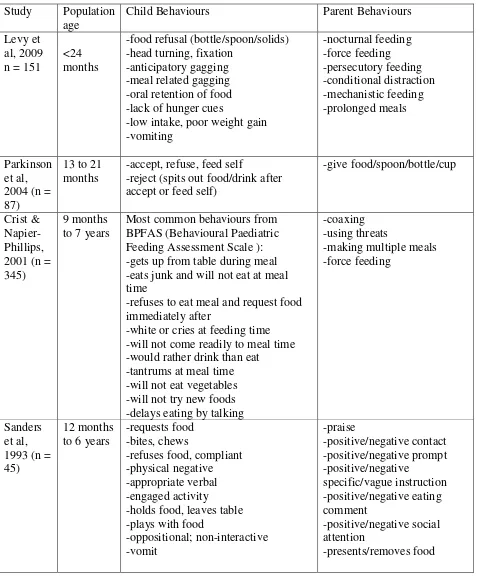
prepared to provide the corresponding interventions. Table 1 outlines the different parental and
child behaviours investigated in the studies cited earlier. This table helps to illustrate the
differences and similarities in the behaviours of concern investigated.
Proposed categorization scales
In the midst of confusion around classifying feeding disorders, while encompassing all the
influencing factors, multiple authors and organizations tried to identify and categorize different
FDs (ICD-10, 2009; Emder et al, 2005; Chatoor, 2002; Berall, 2009). The goal of the
classification system would be to identify the subtype(s) of FDs present in a patient, the clinical
22
warranted. Furthermore, a classification system is necessary for further exploration of treatment
options for each type of FD and the creation of screening and assessment tools.
Chatoor (2002) has been one of the most forthcoming researchers in this field and her team has
proposed a classification system along with the diagnostic criteria that has been adopted by
several other groups. Based on the different types of FDs reported and documented by other
practitioners, Chatoor (2002) has described and categorized different types of feeding problems.
The subtypes proposed include feeding disorder of state regulation, feeding disorder of
reciprocity (neglect), infantile anorexia, sensory food aversions, posttraumatic feeding disorder
and FDs associated with a medical condition (Chatoor, 2002). Overall, much of Chatoor’s
research concentrates on posttraumatic FD, sensory aversion and IA (also labeled as
unpredictable food refusal) (Chatoor and Ganiban, 2003). The detailed diagnostic criteria and
proposed treatment modalities for these categories can be found in several papers (Chatoor,
2002; Chatoor and Ganiban, 2003; Davies et al, 2006).
The subtypes proposed in the present study (poor appetite duet to parental misperception, poor
appetite in apathetic child, poor appetite in vigorous child, sensory aversion and post-traumatic
feeding disorder) are a more accurate representation of FDs as they are seen and understood in
current practice when compared to diagnostic criteria put forward by DSM IV-TR, ICD and
others (ICD-10, 2010; Emder et al, 2005; Chatoor, 2002; Berall, 2009; DSM IV TR, 2000).
In 2005, The National Centre for Infants, Toddlers and Families, known as Zero to Three has
adopted Chatoor’s diagnostic classification with slight modifications. Two subtypes were
23
Table 1: Behavioural patterns in paediatric feeding difficulties
Study Population age
Child Behaviours Parent Behaviours
Levy et al, 2009 n = 151
<24 months
-food refusal (bottle/spoon/solids) -head turning, fixation
-anticipatory gagging -meal related gagging -oral retention of food -lack of hunger cues
-low intake, poor weight gain -vomiting -nocturnal feeding -force feeding -persecutory feeding -conditional distraction -mechanistic feeding -prolonged meals Parkinson et al, 2004 (n = 87)
13 to 21 months
-accept, refuse, feed self
-reject (spits out food/drink after accept or feed self)
-give food/spoon/bottle/cup
Crist & Napier-Phillips, 2001 (n = 345)
9 months to 7 years
Most common behaviours from BPFAS (Behavioural Paediatric Feeding Assessment Scale ): -gets up from table during meal -eats junk and will not eat at meal time
-refuses to eat meal and request food immediately after
-white or cries at feeding time -will not come readily to meal time -would rather drink than eat
-tantrums at meal time -will not eat vegetables -will not try new foods -delays eating by talking
-coaxing -using threats
-making multiple meals -force feeding
Sanders et al, 1993 (n = 45)
12 months to 6 years
-requests food -bites, chews
-refuses food, compliant -physical negative -appropriate verbal -engaged activity -holds food, leaves table -plays with food
24
Lastly, another group of physicians specializing in FDs, many of them referenced above,
gathered in 2009 to discuss the latest categorization scale proposed. Again, similar categories
emerged, including: 1) infants with poor appetite due to organic causes, 2) those with poor
appetite due to parental misperception, 3) those with poor appetite who are otherwise vigorous,
4) poor appetite in an apathetic child, 5) children who display selective behaviours, 6) infants
with colic, and 7) infants with fear of feeding (Berall, 2009). This is the categorization scale that
will be used in the current study with the exclusion of colic as that category pertains to children
under 3 months of age.
As one can note, all the recently proposed categorizations are quite similar and reflect the current
population with FDs seen in practice. Table 2 outlines the terminology and diagnostic criteria to
compare the proposed classification systems.
Measurement Instruments
Tools available for screening and assessment of paediatric feeding are few and scarce. A number
of tools were designed to assess meal time behaviours and are general, while others pertain to a
specific clinical area or category of feeding difficulties. For example, an assessment scale was
designed for children with severe feeding disorders, who are fully or partially tube fed, in order
to help clinicians assess progress from tube feeds to solid foods (Crist et al, 2004).
A great tool has been developed by an occupational therapist for children with sensory aversions,
who are also often known to be selective eaters. This tool is called the Winnie-Dunn sensory
profile, and it allows researchers to establish the type of sensory processing difficulties a child
25
Table 2:Proposed Classification Systems for Feeding Disorders of Early Childhood
RESOURCE DISORDER CLASSIFICATION
DSM-IV-TR (2000) -Feeding Disorder of infancy or early childhood -Rumination disorder
-Pica
Chatoor’s subtypes (2002) -Feeding disorder of state regulation -Feeding disorder of reciprocity (neglect) -Infantile Anorexia
-Sensory food aversions
-Feeding disorder associated with concurrent medical condition -Posttraumatic feeding disorder
Emder et al. (2005) -Feeding disorder of state regulation
-Feeding disorder of caregiver-infant reciprocity
-Infantile Anorexia -Sensory food aversions
-Feeding disorder associated with concurrent medical condition -Feeding disorder associated with insults to gastrointestinal tract Glenn Berall (2009) -Children with poor appetite due to organic cause
-Children with poor appetite due to parental misconception -Children with poor appetite, but otherwise vigorous -Children displaying highly selective feeding behaviours -Children who fear feeding
-Children with colic that interferes with feeding
26
to what extent they may be impairing usual daily activities and what interventions may be most
appropriate (Tomchek and Dunn, 2007). While it is not specific to feeding only, relevant
components may be helpful in assessing this type of FD.
Another instrument that has been created is the Children’s Eating Behaviour Inventory (CEBI),
which is a reliable, validated parent-report questionnaire intended to assess feeding and mealtime
problems (Archer et al, 1991). While the CEBI is easy to use, it is intended for a very wide range
of ages and medical conditions and consists of numerous questions. It is difficult to use the same
questionnaire for infants, preschoolers and older children as the nature of feeding problems
varies significantly. It does not question frequency or intensity of behaviours, making it
unsuitable for clinical practice use. Furthermore, distinct tools are needed for children with
developmental delays or other specific medical conditions and those who are normally
developing as their medical and thus feeding needs and skills differ too greatly (Odar et al, 2010;
Crist et al, 2004).
Similarly, the Behavioural Paediatric Feeding Assessment Scale (BPFAS) is another validated
tool created to assess mealtime behaviour (Crist and Napier-Philips, 2001). It is a parent reported
questionnaire that contains 25 child behaviours and 10 parental behaviours and uses a five-point
Likert scale to determine frequency of occurrence. The BPFAS has been used in several
populations from Type 1 Diabetes and cystic fibrosis to overweight children. It has been
recommended that the BPFAS be modified and validated for different patient populations. This
scale is used to assess meal time behaviours across different ages and medical histories rather
than serving as a screening or assessment tool (Crist and Napier-Philips, 2001; Odar et al, 2010).
Another questionnaire was created for parents based on categories for pickiness, food refusal,
struggle for control and positive parental behaviour (Lewinsohn et al, 2005). The tool comprised
of the most relevant questions pooled from all other existing questionnaires previously
mentioned. The purpose was to measure prevalence and correlations between problematic
feeding behaviours by administering questionnaires to mothers in the community. The usability
of the results may be limited as the questionnaire has numerous items but does not consistently
measure frequency and/or intensity of behaviours and was administered at one point in time. The