BUPRENORPHINE: A GUIDE FOR NURSES
Technical Assistance Publication (TAP) Series
30
U.S. DEPARTMENT OF HEALTH AND HUMAN SERVICES
Substance Abuse and Mental Health Services Administration Center for Substance Abuse Treatment
1 Choke Cherry Road Rockville, MD 20857
Acknowledgments
This report was prepared for the Substance Abuse and Mental Health Services Administration (SAMHSA) by LTJG Sara Azimi-Bolourian, B.S.N., M.S.N., M.H.A., M.B.A. (Center for Substance Abuse Treatment (CSAT), and Katherine Fornili, M.P.H., R.N., C.A.R.N. (University of Maryland
School of Nursing). Abt Associates, Inc.,
provided editorial and production
assistance under contract/task order
number 270-03-9003, U.S. Department
of Health and Human Services (HHS),
SAMHSA. Kathleen Thompson
Gargano, R.N., and Colleen LaBelle,
R.N., provided expert nurse review.
Raymond D. Hylton, Jr., R.N., M.S.N.
(CSAT) edited this publication, and
Mr. Hylton and Michele Westbrook
served as CSAT’s Government Project
Officers. SAMHSA reviewers provided
expert content review:
Robert Lubran, M.S., M.P.A.(CSAT)
Nicholas Reuter, M.P.H.(CSAT)
CAPT Melissa Rael, M.P.A., R.N.,
B.S.N.(CSAT)
Disclaimer
The views, opinions, and content of this publication are those of the authors and do not necessarily reflect the views, opinions, or policies of SAMHSA or any other part of HHS.
Public Domain Notice
All material appearing in this document is in the public domain and may be reproduced or copied without
permission from SAMHSA. Citation of the source is appreciated. However, this publication may not be reproduced or distributed for a fee without the specific, written authorization of the Office of Communications, SAMHSA, HHS.
Electronic Access and Copies
of Publication
This publication may be accessed electronically through the following Internet World Wide Web connection: http://www.kap.samhsa.gov. For
additional free copies of this document, please call SAMHSA’s National
Clearinghouse for Alcohol and Drug Information at 1–800–729–6686 or 1–800–487–4889 (TTD) or visit http://www.ncadi.samhsa.gov.
Recommended Citation
Center for Substance AbuseTreatment. Buprenorphine: A Guide for Nurses. 2009. DHHS Pub. No. (SMA) 09-4376. Rockville, MD:
Substance Abuse and Mental Health Services Administration.
Originating Office
Division of Pharmacologic Therapies, Center for Substance Abuse
Treatment, Substance Abuse and Mental Health Services
Administration, 1 Choke Cherry Road, Rockville, MD 20857.
DHHS Publication No. (SMA) 09-4376 Printed 2009
Contents
Introduction ... 1
Purpose of This Guide ... 1
Learning Objectives... 1
Background ... 3
Data 2000: Legislative Authority for Buprenorphine Treatment ... 3
Physicians’ Qualifications ... 3
Buprenorphine and the Role of the Nurse ... 7
Buprenorphine Pharmacology ... 9
General Opioid Pharmacology ... 9
Opioid Receptors ... 9
The Functions of Opioids at Receptors ... 9
Full Agonists ... 9
Antagonists... 9
Partial Agonists... 9
Consequences of Repeated Administration and Withdrawal of Opioid Drugs ... 10
Spontaneous Withdrawal ... 10
Precipitated Withdrawal ... 10
Affinity, Intrinsic Activity, and Dissociation ... 11
Characteristics of Abused Drugs ... 11
Pharmacological Properties ... 12
Monotherapy and Combination Therapy ... 12
Dosing ... 12
Abuse Potential ... 13
Safety Profile ... 13
Pregnancy ... 14
Adverse Effects ... 15
Interactions, Cautions, and Contraindications ... 15
Allergic Reactions ... 16
Cost and Supply ... 17
Buprenorphine Treatment Protocols—Office-Based Treatment ... 19
Medically Supervised Withdrawal (Opioid Detoxification With Buprenorphine) ... 19
Classifications of Medically Supervised Withdrawal ... 21
Buprenorphine: A Guide for Nurses
vi
Precipitated Withdrawal and Withdrawal Symptoms ... 25
Avoiding Precipitated Withdrawal ... 25
Assessment of Withdrawal Symptoms ... 25
Helping Patients Manage Mild Withdrawal Symptoms ... 26
Tapering ... 27
Self-Management of Mild Withdrawal Symptoms With Over-the-Counter or Prescription Medications ... 27
Management of Patients With Co-Occurring Pain ... 27
Pain Assessment ... 28
Multimodal Approach to the Treatment of Pain ... 28
Management of Acute Pain in Patients on Buprenorphine Maintenance Therapy ... 29
Physicians’ and Patients’ Responsibilities ... 31
Nurses’ Responsibilities ... 33
Nursing Practice and the Use of Buprenorphine for the Treatment of Opioid Addiction ... 35
Screening and Assessment ... 35
Diagnosis of Opioid-Related Disorders ... 37
Determining Appropriateness for Buprenorphine Treatment ... 38
Treatment Planning ... 38
Ongoing Treatment Monitoring ... 39
Counseling and Referral for Psychosocial Treatment ... 40
Treatment Retention and Relapse Prevention ... 41
Confidentiality and Privacy ... 43
Title 42 Code of Federal Regulations, Part 2, Subpart C—Disclosures With Patient’s Consent ... 43
For More Information ... 45
Resources for Buprenorphine Training Sessions ... 47
Appendix A: Buprenorphine Physician and Treatment Program Locator ... 49
Appendix B: Clinical Guideline Algorithms ... 55
Appendix C: Screening Instruments ... 67 Appendix D: Assessment Instruments ... 75
Introduction
Purpose of This Guide
This guide is intended to provide nurses (including Registered Nurses (RNs), Licensed Practical Nurses (LPNs), and Nurse Practitioners (NPs)) with general information about buprenorphine products—Suboxone®(buprenorphine and naloxone) and Subutex® (buprenorphine)—for the
pharmacological treatment of opioid addiction. The guide can also serve as a resource to help nurses working with community physicians to improve treatment outcomes for individuals receiving office-based treatment for opioid addiction.
Providing comprehensive services in conjunction with medication is the most effective method of treating opioid addiction. It is important that buprenorphine be administered in conjunction with behavioral therapy and psychosocial support to ensure medication compliance and to increase patient functioning (NAADAC, 2002). The ultimate success of buprenorphine will depend on its integration into a broader continuum of health care services that includes counseling for patients with substance use disorders. Nurses in all settings may be called upon to work with individuals undergoing treatment for opioid addiction with buprenorphine products and with physicians to improve treatment outcomes by providing behavioral treatment and counseling.
Learning Objectives
The guide is intended to fulfill the following objectives:
1. To provide nurses with general information on the pharmacology, safety profile, adverse effects, interactions, cautions,
contraindications, and abuse potential of buprenorphine products (note: Suboxone® and
Subutex® are the registered names
of these products).
2. To increase nurses’ factual
knowledge on protocols for the use of buprenorphine products in medically supervised withdrawal (detoxification) and maintenance treatment services.
3. To help nurses, in conjunction with authorized physicians, design strategies for providing
comprehensive physical and psychosocial assessments, treatment monitoring, and appropriate referral for opioid addiction and co-occurring medical and psychiatric conditions.
4. To provide comprehensive and practical guidance for patient screening, assessment, induction, stabilization, and prevention of precipitated withdrawal in
medically supervised withdrawal (“detoxification”) or maintenance treatment services.
Buprenorphine: A Guide for Nurses
5. To educate nurses about effective communication, assessment of patients’ readiness to change, and appropriate motivational
enhancement interventions to ensure that psychosocial counseling is delivered
concurrently with pharmacological interventions.
6. To enhance addiction recovery management by educating nurses about stigma, patient
empowerment and the recovery partnership, evidence-based practices, the application of
technology, and the importance of ongoing patient monitoring and support.
Background
Data 2000: Legislative
Authority for Buprenorphine
Treatment
Federal legislation—the Drug Addiction Treatment Act of 2000 (DATA 2000)—changed addiction treatment in the United States by permitting office-based physicians to treat addiction to opioid (narcotic) drugs, such as heroin and many prescription pain relievers, with Schedule III–V narcotic medications approved by the U.S. Food and Drug Administration (FDA). Under the statutory provisions of DATA 2000, physicians who wish to prescribe (or dispense) approved medications for opioid therapy must first obtain a waiver that releases them from the separate registration requirements of the Narcotic Addiction Treatment Act of 1974 and its enabling regulations for the provision of opioid addiction treatment. (One enabling regulation is Title 42 of the Code of Federal
Regulations (CFR), Part 8: Opioid Drugs in Maintenance and
Detoxification Treatment of Opiate Addiction; Final Rule.) The
Department of Health and Human Services (HHS) responsibility for the waiver program is administrated by the Substance Abuse and Mental Health Services Administration
(SAMHSA) in HHS and follows certain criteria specified in DATA 2000 by which physicians’ qualifications are considered before a waiver is issued.
Before prescribing Suboxone® or
Subutex®, qualified physicians must
notify the Secretary of HHS of their intent by submitting applications for a waiver. To obtain a DATA 2000
waiver, a physician must send SAMHSA a notification of intent to begin practicing this form of therapy. The notification of intent may be submitted online at the SAMHSA Buprenorphine Web site
(http://buprenorphine.samhsa.gov) or mailed or faxed to SAMHSA using a notification form, SMA-167, that can be downloaded from the Web site. The notification of intent must contain information on the physician’s qualifying credentials, training certificates, and other information. Each physician must certify that the physician has the capacity to refer addiction patients for appropriate counseling and other
nonpharmacological therapies.
Physicians must also certify that they will use certain treatment medications and adhere to patient limits.
Physicians’ Qualifications
Under DATA 2000, prescription of buprenorphine products (Suboxone® or Subutex®) for the treatment of opioid addiction is limited to physicians who meet qualifying requirements.
Physician Assistants (PAs), Nurse Practitioners (NPs), and Advanced Practice Nurses (APNs) may not prescribe buprenorphine products for the treatment of addiction even in
Buprenorphine: A Guide for Nurses
States that allow them to prescribe Schedule III, IV, or V drugs.
Physicians may be considered
qualified to prescribe buprenorphine products if they:
•Meet at least one of the following training requirements:
– Hold a subspecialty board certification in addiction psychiatry from the American Board of Medical Specialties; – Hold a certification from the
American Society of Addiction Medicine (ASAM);
– Hold a subspecialty board
certification in addiction medicine from the American Osteopathic Association;
– Have completed not less than 8 hours of authorized training on the treatment or management of opioid-dependent patients. This training may include classroom situations, seminars at
professional society meetings, electronic communications, or other media;
•AND meet both of the following criteria:
– Have the capacity to provide or to refer patients for necessary
ancillary services, such as psychosocial therapy; and – Agree to treat the applicable
numbers of patients (30 or 100) in their individual or group practice (DATA 2000; Office of National Drug Control Policy
Reauthorization Act of 2006 (ONDCPRA—Public Law 109-469)).
Originally, waivered physicians were limited to treating no more than 30 patients with approved
buprenorphine products at any one time under DATA 2000, and physician group practices were also limited to 30 patients. The physician group practice limit was eliminated by
Public Law 109-56, effective August 2, 2005, so that each physician in a group practice, like a physician in solo practice, was permitted to treat up to 30 patients at any given time.
Under the ONDCPRA, effective December 29, 2006, physicians who meet the following criteria may notify the Secretary of HHS of their need and intent to treat up to 100 patients at any one time. To meet the
requirements, (1) the physician must currently be qualified under DATA 2000, (2) at least 1 year must have elapsed since the physician submitted the initial notification for
authorization, (3) the physician must certify his or her capacity to refer patients for appropriate counseling and other appropriate ancillary services, and (4) the physician must certify that the total number of patients at any one time will not exceed the applicable number. The SAMHSA Buprenorphine
Information Center has information specialists available to answer questions about buprenorphine and DATA 2000 on weekdays from
8:30 a.m. to 5:00 p.m., Eastern time. The Information Center may be
reached by telephone at 866–287–2728 or by e-mail at
[email protected]. SAMHSA will communicate with the Drug Enforcement Administration (DEA) in the Department of Justice, review the notification, and inform the DEA whether or not the physician is qualified as required by DATA 2000. The DEA will issue a unique
Background
identification number that indicates that the physician is qualified under DATA 2000. The physician then will be authorized to dispense and/or prescribe under the authority of his or her DEA practitioner registration. CSAT will send the physician a letter with the newly assigned DEA
identification number. A new DEA registration certificate will be issued to the physician that documents the new DEA number that must be written on buprenorphine
prescriptions as well as the original DEA registration number assigned to the physician.
DATA 2000 only permits physicians to prescribe and dispense approved opioid medications for the treatment of addiction. At this time, only
Subutex® (buprenorphine) and
Suboxone® (buprenorphine/naloxone)
have been approved for office-based treatment. Physicians are specifically prohibited from delegating prescribing opioids for detoxification and/or
maintenance purposes to
nonphysicians (i.e., Advanced Practice Nurses (APNs), Nurse Practitioners (NPs), and Physician Assistants (PAs)).
Since 2001, SAMHSA has been responsible for monitoring and regulating the use of opioid medications in treatment with
methadone and buprenorphine. Since the implementation of DATA 2000, SAMHSA can provide office-based physicians a waiver to prescribe Schedule III, IV, and V medications such as Subutex® (buprenorphine) and
Suboxone® (buprenorphine and
naloxone) in their office settings (CSAT, 2004).
Buprenorphine and the Role of the
Nurse
Currently, advanced practice nurses and NPs may not prescribe or dispense
buprenorphine products for the treatment of addiction even in States that allow them to prescribe scheduled medications under certain controls, supervisions, and other restrictions. This guide will highlight the addictions management skills of nurses and promote a mutually respectful team
environment in which nurses and
physicians collaboratively work to improve the care provided to individuals who are addicted to opioids. This care may include assessment, induction, stabilization, maintenance, monitoring, addiction counseling, and relapse prevention. The nurse’s roles with patients receiving buprenorphine for the treatment of addiction (1) may be
subject to State practice regulations and (2) may include, but not be limited to: • Conducting screening, assessment,
treatment monitoring, counseling, and supportive services;
• Educating patients, their family members, or other supportive individuals about buprenorphine therapy as well as risks, benefits, potential side effects, interactions, program requirements, consents, and treatment contracts;
• Involving patients in the
development of the treatment plan, and working with the patient and the interdisciplinary team to individualize the plan for meeting the patients’ needs;
• Enhancing treatment readiness, supporting treatment completion, ensuring safety, and promoting sustained recovery outcomes for
individuals undergoing buprenorphine treatment for opioid addiction;
• Improving access, identifying
community resources, and providing information about them; and
explaining reimbursement options for office-based buprenorphine treatment; • Assisting patients in accessing care
elsewhere when the present practice is not a suitable option for them; and • Assisting patients in accessing other
treatment options as needed (e.g., day treatment, residential,
outpatient, methadone detoxification or maintenance, etc.).
More detailed information is available in Clinical Guidelines for the Use of Buprenorphine in the Treatment of Opioid Addiction, SAMHSA’s Treatment Improvement Protocol (TIP) #40 (CSAT, 2004). The guidelines cover screening,
assessment, and diagnosis of opioid dependence and its associated
problems. The guidelines also contain detailed protocols for the use of
buprenorphine under a variety of clinical scenarios, including the use of buprenorphine with patients who are experiencing co-occurring pain or psychiatric disorders, or chemical dependency involving more than one substance.
Buprenorphine Pharmacology
General Opioid Pharmacology
Opioid ReceptorsOpioid receptors are molecules on the surface of cells to which opioid
compounds attach and through which they exert their effects. Three different types of opioid receptors are present in the brain: mu, kappa, and delta. Two of these opioid receptors (mu and kappa) are also found in the spinal cord and mediate pain transmission at this level of the nervous system, i.e., from the periphery to the brain. The receptor most relevant to opioid abuse and treatment is the mu receptor. It is through activation of the mu receptor that opioids exert the majority of their analgesic (pain-relieving property), euphorigenic (euphoria or “high”), and addictive effects (CSAT, 2004).
Although the mu receptor is, as noted, the most relevant to opioid abuse and treatment, the kappa and delta
receptors are also responsible for opioid addiction.
The Functions of Opioids at Receptors Opioids can interact with receptors in different ways. Three types of
drug/receptor interactions are agonists (or full agonists), antagonists, and partial agonists (CSAT, 2004).
Full Agonists
Drugs that activate receptors in the brain are termed agonists. Agonists
bind to receptors and turn them on, thereby producing an effect in the organism. Full mu opioid agonists activate mu receptors. Opioids with the greatest abuse potential are full agonists (e.g., morphine, heroin, methadone, oxycodone,
hydromorphone) (CSAT, 2004).
Antagonists
Antagonists also bind to opioid receptors, but instead of activating receptors, they effectively block them. An antagonist is like a key that fits in a lock but does not open it and
prevents another key from being inserted to open the lock. Examples of opioid antagonists are naltrexone and naloxone (CSAT, 2004).
Partial Agonists
Partial agonists possess some of the properties of both antagonists and full agonists. Partial agonists bind to receptors and activate them, but not to the same degree as do full agonists. At lower doses and in individuals who are not dependent on opioids, full agonists and partial agonists produce effects that are indistinguishable. As doses are increased, both full and partial agonists produce increasing effects. At a certain point, however, the increasing effects of partial agonists reach maximum levels and do not increase further, even if doses continue to rise—”the ceiling effect.” As higher doses are reached, partial agonists can act like
Buprenorphine: A Guide for Nurses
antagonists—occupying receptors but not activating them (or only partially activating them), while at the same time displacing or blocking full agonists from receptors. Buprenorphine is an example of a mu opioid partial agonist (CSAT, 2004).
Consequences of Repeated
Administration and Withdrawal of Opioid Drugs
The repeated administration of a mu opioid agonist results in tolerance and dose-dependent physical dependence. Tolerance is characterized by a
decreased subjective and objective response to the same amount of opioids used over time or by the need to keep increasing the amount used to achieve the desired effect. In the case of abuse or addiction, the desired effect typically is euphoria. Physical dependence is manifested as a set of withdrawal signs and symptoms in response to reduction, cessation, or loss of the active compound at receptors (withdrawal syndromes). Typical signs and symptoms of the opioid withdrawal syndrome include lacrimation (tears), diarrhea,
rhinorrhea, piloerection (goose flesh), yawning, cramps and aches, pupillary dilation, and sweating. In an
individual who otherwise is in good general health (e.g., with no history of significant cardiovascular disease), opioid withdrawal is not life
threatening. Patients with
cardiovascular disease or other severe conditions will need comanagement involving the appropriate specialist, as well as consultation with an addiction specialist (CSAT, 2004). The primary distinguishing characteristic that differentiates dependence from addiction, as outlined in the
Diagnostic and Statistical Manual IV (Text Revision) (DSM-IV-TR) (APA,
2000) criteria, is the behavioral component of continued use despite negative consequences.
Two types of withdrawal are
associated with mu opioid agonists: spontaneous withdrawal and
precipitated withdrawal.
Spontaneous Withdrawal
Spontaneous withdrawal can occur when an individual who is physically dependent on mu agonist opioids (e.g., has been using opioids on a daily basis) suddenly discontinues that opioid use. It also can occur if an individual who is physically
dependent markedly decreases his or her daily opioid use. In an individual who is physically dependent on heroin, spontaneous withdrawal usually
begins 6–12 hours after the last dose and peaks in intensity 36–72 hours after the last use. The spontaneous withdrawal syndrome from heroin lasts approximately 5 days, although a milder, protracted withdrawal may last longer. Other short-acting opioids, such as oxycodone and hydrocodone, have kinetic profiles that are similar to heroin, and the time course of spontaneous withdrawal for these agents should be similar to that documented for heroin. Opioids with longer half-lives have a longer period before the onset of spontaneous withdrawal (e.g., 24–72 hours for methadone) and a longer period before peak withdrawal is experienced
(CSAT, 2004).
Precipitated Withdrawal
Precipitated withdrawal usually occurs when an individual who is physically dependent on opioids is administrated an opioid antagonist. In
Buprenorphine Pharmacology
an individual who is not physically dependent on opioids, the acute administration of an antagonist typically produces no effects. In an individual who is physically
dependent on opioids, however, an antagonist produces a syndrome of withdrawal that is qualitatively similar to that seen with spontaneous withdrawal (although the onset is faster and the syndrome is shorter, depending on the half-life of the
antagonist). One way to conceptualize precipitated withdrawal is that the antagonist displaces agonists from receptors, but because the antagonist does not activate the receptor, there is a net decrease in agonist effect,
resulting in withdrawal. It is also possible for partial agonists to precipitate withdrawal. If an individual who is physically
dependent on opioids receives an acute dose of a partial agonist, the partial agonist can displace the full agonist from the receptors, yet not activate the receptors as much as the full agonist had. The net effect would be a
decrease in agonist effect and a precipitated withdrawal syndrome. Precipitated withdrawal with a partial agonist is more likely to occur in an individual who has a high level of physical dependence (e.g., high use of opioids each day), who takes the
partial agonist soon after a dose of full agonist, and/or who takes a high dose of the partial agonist (CSAT, 2004).
Affinity, Intrinsic Activity, and Dissociation
The strength with which a drug binds to its receptor is termed its “affinity.” The degree to which a drug activates its receptors is termed its “intrinsic activity.” Affinity for a receptor and activation of the receptor are two different qualities of a drug. A drug
can have high affinity for a receptor but not activate the receptor (e.g., an antagonist). Mu opioid agonists, partial agonists, and antagonists can vary in their affinity. In addition to variation in affinity and intrinsic activity, drugs also vary in their rate of dissociation from receptors.
“Dissociation” is a measure of the disengagement or uncoupling of the drug from the receptor. Dissociation is not the same as affinity—a drug can have high affinity for a receptor (it is difficult to displace it from the
receptor with another drug once the first drug is present), but it still dissociates or uncouples from the receptor with some regularity. Buprenorphine’s slow dissociation contributes to its long duration of action (CSAT, 2004).
Characteristics of Abused Drugs The rate of onset of the
pharmacological effects of a drug, and thereby its abuse potential, is
determined by a number of factors. Important among these are the drug’s route of administration, its half-life, and its lipophilic property (which determines how fast the drug reaches the brain). A faster route of drug administration (e.g., injection, smoking), a shorter half-life, and a faster onset of action are associated with a higher abuse potential of a drug. With all classes of drugs of abuse, the likelihood of abuse is related to the ease of administration, the cost of the drug, and how fast the user experiences the desired results after the drug’s administration (CSAT, 2004).
Buprenorphine: A Guide for Nurses
Pharmacological Properties
Buprenorphine is characterizedpharmacologically as an opioid partial agonist with both agonist and
antagonist properties, depending on dosage and clinical circumstances. It can be abused, particularly by
individuals who are not physically dependent upon opioids, but its
maximal effects are significantly less than those of full agonists such as heroin and methadone (CSAT, 2004). At lower doses, buprenorphine acts as an opioid agonist, enabling opioid-dependent individuals to discontinue opioids without experiencing
withdrawal. At moderate doses, the agonist effects reach a plateau (ceiling effect). At higher doses, the opioid antagonist properties dominate and, in certain circumstances, higher doses of buprenorphine can displace opioid agonists, precipitating withdrawal symptoms in acutely
opioid-intoxicated individuals.
(http://buprenorphine.samhsa.gov/ about.html).
Buprenorphine’s ceiling effect
enhances its safety profile, making it less likely to produce opioid overdose and reducing its potential for
diversion (National Association of State Alcohol and Drug Abuse Directors (NASADAD), 2002). The combination of buprenorphine (a partial agonist) and naloxone (a pure antagonist) in Suboxone® discourages
patients dependent on mu opioid receptor agonists (heroin, methadone, hydrocodone, oxycodone, and the like) from injecting dissolved tablets and further decreases the likelihood of diversion and abuse.
Buprenorphine is also a long-acting agent, so many patients may not need
to take medication every day. These properties may offer some treatment advantages over the use of methadone.
Monotherapy and
Combination Therapy
In October 2002, the FDA approved two products for the treatment of opioid dependence:
1. Subutex®: buprenorphine monotherapy product; and 2. Suboxone®: buprenorphine and
naloxone combination product. Other forms of buprenorphine (e.g., Buprenex®) are NOT approved for opioid addiction treatment. The Clinical Guidelines for the Use of Buprenorphine in the Treatment of Opioid Addiction, a consensus-based treatment guideline published by SAMHSA, recommends that the buprenorphine and naloxone
(Suboxone®) combination product be
used for most patients (CSAT, 2004).
Dosing
Subutex®, the buprenorphine-only
formulation, is available as sublingual tablets in doses of 2 milligrams (mg) and 8 mg. Suboxone®, the
buprenorphine and naloxone
combination product, is available as sublingual tablets in doses of 2 mg buprenorphine/0.5 mg naloxone, and 8 mg buprenorphine/2 mg naloxone. Naloxone is added to buprenorphine to decrease the potential for abuse by the parenteral route. Usually dosage is adjusted over several days. Initial prescriptions may be limited to 1-day doses for the first several days before providing a prescription for several days. Usually, 2–4 mg of buprenorphine are administered sublingually on the
Buprenorphine Pharmacology
first day of treatment, then the patient is monitored for 2 hours. If signs or symptoms of withdrawal develop after the first dose, another 2–4 mg may be administered. Typically, the total dose on the first day should not exceed 8 mg. The FDA Web site at
http://www.fda.gov/cder/drug/infopage/ subutex_suboxone contains drug-labeling information for Subutex® and
Suboxone®. If the patient continues to
complain of withdrawal symptoms after receiving 8 mg of buprenorphine, symptoms may be managed with
nonopioid over-the-counter
medications. This phenomenon is not common, and most patients find that 8 mg alleviates withdrawal symptoms. The average maintenance dose is usually 16 mg. Some patients may need several days to stabilize on their dose, and they may have some
discomfort for several days during the induction process. Although the
treatment flow charts in appendix B include a maximum daily
buprenorphine dose of 32 mg, more recent clinical data suggest that daily doses above 24 mg do not provide additional therapeutic benefit to the vast majority of patients. Clinical trials underway could establish an even lower maximum daily
buprenorphine dose recommendation (Greenwald et al., 2003).
Abuse Potential
Because of its opioid-agonist effects, buprenorphine can be abused, particularly by individuals who are not physically dependent on opioids. However, the abuse potential is low in comparison with that of full agonists. In the Suboxone® product, the
opioid-antagonist medication naloxone is combined with buprenorphine to decrease the likelihood that
opioid-dependent patients will inject the medication.
Sublingual naloxone has relatively low bioavailability, while sublingual
buprenorphine has good
bioavailability. Both naloxone and buprenorphine have poor
gastrointestinal bioavailability. Thus, if a tablet containing both
buprenorphine and naloxone is taken sublingually, as directed, the patient will experience predominantly a buprenorphine effect. However, if an opioid-dependent person dissolves and injects the combination tablet, the antagonistic effect of naloxone will predominate because of the high parenteral bioavailability, and opioid-dependent patients will experience a precipitated withdrawal syndrome. Thorough counseling of buprenorphine therapy candidates about the risk of precipitated withdrawal if they crush and inject the combination tablet (Suboxone®) will decrease the
likelihood of its misuse. Under certain circumstances, buprenorphine by itself may also precipitate withdrawal in opioid-dependent individuals. This
withdrawal is more likely to occur with higher levels of opioid
dependence, with higher doses of buprenorphine, or with shorter time intervals between the dose of an opioid full agonist and a dose of
buprenorphine (e.g., up to 6–8 hours for short-acting opioids or more than 24 hours for long-acting opioids).
Safety Profile
Because of buprenorphine’s ceiling effect, the drug is less likely than opioid full agonists to produce respiratory depression and other adverse effects. The maximal agonist
Buprenorphine: A Guide for Nurses
effects of buprenorphine appear to occur in the dose range of 16–32 mg for sublingual tablets (CSAT, 2004). However, according to FDA labeling (FDA, 2002), cases of cytolytic
hepatitis and hepatitis with jaundice have been observed in the population of persons who are addicted to opioids and receiving buprenorphine, both in clinical trials and in postmarketing adverse event reports. The spectrum of abnormalities ranges from transient asymptomatic elevations in hepatic transaminases to case reports of hepatic failure, hepatic necrosis, hepatorenal syndrome, and hepatic encephalopathy. In many cases, the presence of pre-existing liver enzyme abnormalities, infection with hepatitis B virus (HBV) or hepatitis C virus (HCV), concomitant usage of other potentially hepatotoxic drugs, and ongoing injecting drug use may have played a causative or contributory role. In other cases, insufficient data were available to determine the etiology of the abnormality. The possibility exists that buprenorphine had a causative or contributory role in the development of the hepatic
abnormality in some cases. Liver function tests, measured prior to initiation of treatment, are
recommended to establish a baseline. Periodic monitoring of liver function tests during treatment is also recommended. A biological and
etiological evaluation is recommended when a hepatic event is suspected. Depending on the case, the drug should be carefully discontinued to prevent withdrawal symptoms and a return to illicit drug use; strict
monitoring of the patient also should be initiated.
Also, Suboxone® and Subutex® may
impair the mental or physical abilities
required for the performance of potentially dangerous tasks such as driving a car or operating machinery, especially during drug treatment induction and dose adjustment. Patients should be cautioned about operating hazardous machinery, including automobiles, until they are reasonably certain that buprenorphine therapy does not adversely affect their ability to engage in such activities. Like other opioids, Suboxone® and
Subutex® may produce orthostatic
hypotension in ambulatory patients (adapted from FDA labeling for Suboxone® and Subutex®, 2002, at
).
Pregnancy
Research on the safety and efficacy of buprenorphine in pregnant women and neonates is scarce, and data on the pharmacokinetics of
buprenorphine in pregnant women and neonates are extremely limited (Johnson et al., 2003; Marquet et al., 1997). The FDA classifies
buprenorphine as a Pregnancy
Category C drug. The FDA Pregnancy Labeling Task Force, whose long-term goal is to determine how animal
toxicologic information contributes to clinically meaningful information in pregnancy, assigns a prescription drug for humans to Pregnancy Category C (1) if animal reproduction studies have shown an adverse effect on the fetus, (2) if there are no adequate and well-controlled studies in humans, and (3) if the benefits from the use of the drug in pregnant women may be acceptable despite its potential risks. In addition to considering the FDA warnings pertaining to the use of buprenorphine in pregnant women, physicians and other health care providers also must consider the risks
Buprenorphine Pharmacology
of infectious diseases and lifestyle issues (e.g., poor nutrition, lack of prenatal care) when addressing the needs of these patients (CSAT, 2004). There is also a question whether the buprenorphine and naloxone
combination is recommended for use in pregnancy. Naloxone is labeled by FDA as a Pregnancy Category B drug. The FDA Pregnancy Task Force
assigns a prescription drug for
humans to Pregnancy Category B (1) if animal reproduction studies failed to demonstrate a risk to the fetus and (2) if there are no adequate and well-controlled studies in pregnant women. Despite the fact that naloxone is classified as Pregnancy Category B, it should be used with caution in
pregnant women who are addicted to opioids.
Because both mother and fetus will be dependent on the opioids used by the mother, administration of naloxone could precipitate withdrawal in both. If it is determined that buprenorphine is the only acceptable option for the treatment of the pregnant woman, and she understands the issues and risks, then she should be treated with buprenorphine monotherapy so as to avoid the risk of fetal exposure to naloxone. It should be noted that use of buprenorphine monotherapy, because of its greater potential for abuse, necessitates more frequent monitoring of patients and their medications (e.g., every 1–2 weeks) (CSAT, 2004).
Adverse Effects
The adverse effects of buprenorphine are similar to those of other opioids, but usually these effects are less intense than those seen with full agonists. The most common adverse
effects of buprenorphine are nausea, vomiting, headaches and constipation, which can be severe enough to make some patients not want to continue with induction. It can be difficult in the beginning to distinguish between ongoing, unresolved withdrawal from the abused opioid drug and
withdrawal that is precipitated by the buprenorphine. Please refer also to the section on Precipitated Withdrawal and Withdrawal Symptoms.
Interactions, Cautions, and
Contraindications
For a complete list of drug
interactions, contraindications, warnings, and precautions, please refer to the Subutex® and
Suboxone® package inserts
• In some instances, relapse to opioid drug use may be life threatening. A number of deaths have occurred when individuals have misused buprenorphine intravenously, particularly when there is
concomitant use of benzodiazepines, alcohol, or other opioids. Patients should be warned of the potential danger of self-administration of benzodiazepines or other central nervous system depressants while under treatment with Subutex® or
Suboxone®.
• Patients should tell their family members and friends that, in the case of emergency, the treating physician or emergency room staff should be informed that the patient is physically dependent on opioids and that the patient is being treated with Subutex® or Suboxone®.
Buprenorphine: A Guide for Nurses
• In the case of overdose, primary management should be the re establishment of adequate ventilation with mechanical
assistance of respiration, if required. Naloxone may not be effective in reversing respiratory depression produced by buprenorphine.
• Patients with hepatic (liver) disease may not properly metabolize these drugs; their doses may need to be adjusted, and these patients should be observed for opioid toxicity or precipitated opioid withdrawal. • Drugs that require extra precautions
and may require dosage adjustments include ketoconazole, an antifungal medication frequently used with patients with HIV/AIDS; certain antibiotics; HIV protease inhibitors and non-nucleoside reverse
transcriptase inhibitors; and certain barbiturates used to control epilepsy (seizures).
• Buprenorphine products should be administered with caution in elderly or debilitated individuals, and in those with severe impairments in hepatic, pulmonary, or renal function.
Allergic Reactions
Cases of acute and chronic
hypersensitivity to buprenorphine have been reported both in clinical trials and in the postmarketing experience. The most common signs and symptoms include rashes, hives, and pruritus. Cases of bronchospasm, angioneurotic edema, and
anaphylactic shock have been
reported. A history of hypersensitivity to buprenorphine is a contraindication to Subutex® or Suboxone® use. A
history of hypersensitivity to naloxone is a contraindication to Suboxone® use.
(Adapted from FDA labeling for Suboxone® and Subutex®, 2002, at
http://www.fda.gov/cder/foi/label/2002/ 20732,20733lbl.pdf.)
Several medical conditions and medications, as well as concurrent abuse of other drugs and alcohol, necessitate caution or are relative contraindications to buprenorphine treatment. Examples include (CSAT, 2004):
• Seizures. Caution should be taken when buprenorphine is used
concurrently with antiseizure medications (e.g., carbamazepine). In addition, the relative risk of interaction between buprenorphine and sedative hypnotics (e.g.,
phenobarbital) should be kept in mind. Monitoring for therapeutic plasma levels of antiseizure
medications should be considered. • HIV. Caution should be taken when
buprenorphine is used in
combination with HIV antiretroviral medications, because they may inhibit, induce, or be metabolized by the cytochrome P450 3A4 enzyme system. These patients may require dosage adjustment.
• Hepatitis and impaired hepatic function. Viral hepatitis, such as infection with HBV and HCV, is common among individuals who abuse opioids and should be
evaluated and treated appropriately. Although pharmacotherapy with buprenorphine is not
contraindicated on the basis of mildly elevated liver enzymes, liver enzymes should be evaluated prior to induction of treatment and monitored frequently; dosage modifications may be necessary. • Pregnancy. Risks and benefits of
buprenorphine treatment must be
Buprenorphine Pharmacology
considered if the patient is pregnant or likely to become pregnant during the course of treatment with
buprenorphine. Detoxification
should not be considered for women who become pregnant while on buprenorphine products; this could be harmful to the fetus. If these women continue with buprenorphine therapy (as opposed to switching to methadone), they should be switched from Suboxone® to Subutex®.
• Use of other drugs.
Buprenorphine is a treatment for opioid addiction, not for addiction to other classes of drugs. Patients who use or abuse more than one
substance present unique problems and may need referral to resources outside the office setting for more intensive treatment.
• Alcohol. Since alcohol is a sedative-hypnotic drug, patients should be advised to abstain from alcohol while taking buprenorphine. Patients may present with
withdrawal symptoms from other drugs at the same time they are experiencing opioid withdrawal symptoms. Buprenorphine will not control seizures caused by
withdrawal from alcohol or other sedative-hypnotic substances.
Cost and Supply
Prescriptions written by qualified physicians will be valid at any pharmacy, but not all pharmacies carry these medications. If qualified physicians treat patients with
buprenorphine products but do not maintain supplies of tablets for
induction, they must establish
relationships with one or more specific pharmacies that can provide initial doses and provide specific instructions for patients to return to the office setting for induction and follow-up prescriptions. Prescribers of buprenorphine are responsible for familiarizing themselves with all pertinent Federal regulations as well as State-specific requirements for the maintenance of buprenorphine
products in office settings.
For more information about State-specific requirements for maintenance of buprenorphine products in office settings, or for instructions on establishing relationships with suppliers of the medication for
induction use, refer to the Suboxone®
Web site () or
call 1–877–SUBOXONE.
The cost of therapy may be a major limitation to the use of buprenorphine products (Suboxone® and Subutex®).
Nurses who work with
opioid-dependent individuals should become familiar with State and local resources and funding requirements for
reimbursement through both public and private payers. State substance abuse treatment directors may provide more information about specific State and local resources to fund
buprenorphine therapy. Refer to the National Association of State
Alcohol/Drug Abuse Directors (NASADAD) Web site at
for information about how to contact substance abuse directors in particular States.
Buprenorphine Treatment
Protocols—Office-Based Treatment
Office-based treatment of opioid dependence, in contrast to federally regulated opioid treatment programs (OTPs), is now permitted by DATA 2000. Office-based treatment involves the coordination of services by a
physician’s office as opposed to OTPs in which physicians have limited involvement (Fiellin & O’Connor, 2002).
Advantages and challenges are
associated with providing office-based treatment. The advantages include (1) increasing the availability of treatment, (2) the ability to tailor services to the needs of patients, (3) minimization of the potential stigma associated with treatment, and (4) limiting patients’ contact with drug-abusing patients.
Challenges to implementing office-based treatment include (1) the need for health care providers to acquire clinical experience with a new population of patients who abuse or are addicted to opioids and other drugs, and (2) the ability to provide or recommend appropriate psychosocial services (such as counseling,
educational, and vocational services). In addition, issues such as
inappropriate prescribing, medication diversion, and patient confidentiality must be addressed properly (CSAT, 2004; Fiellin &and O’Connor, 2002). It is vital for nurses to seek educational courses (such as buprenorphine courses offered by the ASAM) to
improve their professional skills and prepare them for best practices in the addiction settings. For more
information on buprenorphine treatment training please visit the following Web site:
http://buprenorphine.samhsa.gov/pls/ bwns/training.html.
Medically Supervised
Withdrawal (Opioid
Detoxification With
Buprenorphine)
The term “medical withdrawal” has been chosen by experts in the field because it more accurately reflects the physician’s role in withdrawal.
(adapted from CSAT Guidelines for the Accreditation of Opioid Treatment Programs 1999 at
).
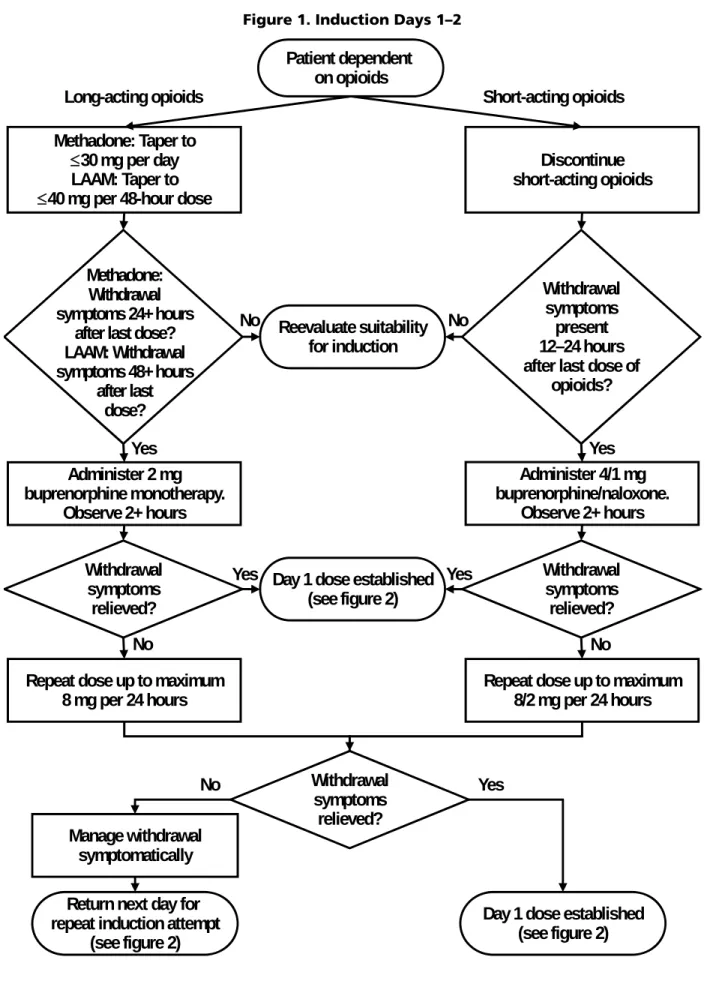
For patients who are physically dependent on heroin or other short-acting opioids, buprenorphine may be initiated at least 6–8 hours, but
preferably 12–24 hours, after the patient last used opioids (CSAT, 2004). Optimally, buprenorphine should be administered when the patient exhibits definite signs of withdrawal. The maximal
recommended induction dose of
buprenorphine is 8 mg on day 1 (given at once or in divided doses, as
Buprenorphine: A Guide for Nurses
Precipitated withdrawal may occur in switching from methadone or other long-acting medication to
buprenorphine. Therefore, patients who are physically dependent on methadone or other long-acting
opioids must be carefully selected for buprenorphine therapy. Appropriate patients may include those who have had difficulty adhering to scheduled visits at OTPs due to personal
conflicts and work schedules or travel, as opposed to those who have been noncompliant with methadone treatment appointments. Other appropriate candidates include patients who have a history of
uncontrollable adverse effects or true hypersensitivity to methadone.
Patients who are stable on methadone maintenance and who do not have a compelling reason to switch therapy should continue methadone
maintenance because of the elevated risk for precipitated withdrawal
during the conversion from methadone to buprenorphine. This risk is
especially significant when
buprenorphine is started shortly after the last methadone dose, and in
patients maintained on methadone doses greater than 30–40 mg daily. To avoid precipitous onset of withdrawal symptoms, long-acting opioids should be tapered to the equivalent of 30–40 mg of methadone daily, and the last dose of methadone should be taken at least 24 hours prior to initiation of the buprenorphine therapy for methadone and at least 48 hours for levomethadyl acetate (LAAM). Note that this
conversion dose of methadone should not be considered as the dose
equivalent to a starting dose of
buprenorphine. The induction dose of buprenorphine should start at 2 mg and may be repeated, as needed, up to
8 mg in a 24-hour period (CSAT, 2004).
Medically supervised withdrawal is only the first stage of addiction treatment and by itself often does little to change long-term drug use. The goal of medically supervised withdrawal is to manage the acute physical symptoms of withdrawal safely. Medically supervised
withdrawal is strongly indicated as a precursor to effective drug-addiction treatment for some individuals. However, medically supervised
withdrawal alone is rarely sufficient to achieve long-term abstinence (CSAT, 2004; CSAT, 2005a). Providers must help patients avoid withdrawal symptoms while making a smooth transition from a physically dependent to a physically nondependent state, so patients can then engage in further rehabilitation to prevent relapse without opioid-agonist treatment. To be effective, medically supervised withdrawal should be followed by long-term drug treatment therapy or naltrexone therapy to minimize the risk of relapse to opioid abuse (CSAT 2004).
[A]bsent a compelling need for the complete avoidance of all opioids, long-term maintenance treatment with buprenorphine is to be preferred in most instances to any form of detoxification or withdrawal treatment. The literature suggests that the use of buprenorphine for gradual
detoxification over long periods is probably more effective than its use for rapid medically
supervised withdrawal over short or moderate periods (CSAT, 2004, page 59).
Buprenorphine Treatment Protocols—Office-Based Treatment
The optimal rate at which
buprenorphine should be reduced is a matter of ongoing research. However, the dose may be decreased by as much as 50 percent per day, with a mild withdrawal syndrome that generally becomes manifest several days after the last dose and that can be treated with non-opioid, over-the-counter symptomatic remedies.
The best method is one that is slow, easy, and comfortable for patients. Medical withdrawal of compliant patients should proceed slowly at a rate that the prescriber determines to be therapeutic (for example, at 2 mg per month until the patient feels ready to discontinue buprenorphine
altogether).
Noncompliant patients may need to be transferred to other medical
treatment, such as methadone
programs, or to nonmedical treatment programs where they can receive more structure and supervision.
Classifications of Medically
Supervised Withdrawal
• Short-term medically supervised withdrawal. Patients with a
compelling reason to be opioid-free quickly (impending incarceration, foreign travel, job requirement, etc.) will be considered for this method, in which the buprenorphine dose is reduced over 3 days or longer and then discontinued. This method is better accepted and more effective in relieving withdrawal symptoms than is clonidine (Cheskin, Fudala, & Johnson, 1994). However, data are insufficient about relapse rates and long-term outcomes for patients who undergo short-term withdrawal (CSAT, 2004).
• Mid-term medically supervised withdrawal. Patients without a compelling need to undergo short-term medically supervised
withdrawal, but with a desire to be opioid free and to engage in
rehabilitation, may be placed in a moderate-period reduction. Patients in this group may be withdrawn over a period of 10–14 days or more (up to 30 days) (CSAT, 2004).
• Long-term medically supervised withdrawal. Patients who are unwilling or unable to engage actively in rehabilitation services without agonist support may not be good candidates for short-term detoxification, but they may benefit from a long period of reduction, which may last between 30 and 180 days. These patients may also be suitable candidates for
maintenance therapy (CSAT, 2004). Few patients are likely to maintain abstinence without medication, so medically supervised withdrawal is considered only for patients with evidence of sustained medical and psychosocial stability. Patients should be encouraged to continue with
buprenorphine maintenance therapy if medically supervised withdrawal is unsuccessful.
Maintenance Treatment
The three phases of buprenorphine therapy include induction,stabilization, and maintenance. Maintenance is reached when the patient is doing well on a steady dose of buprenorphine—preferably
Suboxone®, the buprenorphine and
naloxone combination product. • Induction phase. The induction
Buprenorphine: A Guide for Nurses
and supervised start-up of
buprenorphine therapy. The goal of induction is to find the minimum dose at which the patient markedly reduces or eliminates use of other opioids and experiences no
withdrawal symptoms, side effects, or cravings. Induction can be
initiated in the physician’s office, with induction doses administered as observed treatment, and
subsequent doses provided through prescription (CSAT, 2004). Most patients can be inducted into treatment over 2–3 days by using the combination product Suboxone®.
During the induction phase, buprenorphine products are administered when an
opioid-dependent individual has abstained from using short-acting opioids for at least 6–8 hours, and when individuals on long-acting opioids have abstained for more than
24 hours and are in the early stages of withdrawal. Buprenorphine treatment cannot begin until patients are exhibiting objective signs and symptoms of opioid withdrawal. If patients are not in the early stages of withdrawal (i.e., when they have other opioids in the bloodstream), the administration of buprenorphine may precipitate withdrawal (FDA, 2002; HRSA-BPHC, 2003).
Patient education is very important in the induction phase. Withdrawal involves extreme discomfort, and patients may act to avoid it. It may be particularly helpful to ask patients about their typical first three signs of withdrawal and when they occur, so that the patient and provider can work together to prevent withdrawal.
One exception to the rule about adequate objective withdrawal signs
is the highly motivated patient who has already detoxified himself several days before beginning induction. This patient may not exhibit significant objective
withdrawal symptoms but may be dealing with significant cravings (Kathleen Thompson-Gargano, personal communication, October 2006).
•Stabilization phase. The stabilization phase begins when patients who have discontinued or greatly reduced the use of their drug of abuse no longer have cravings and are experiencing few or no side effects. The buprenorphine dose may need to be adjusted during this phase. Once stabilization has been achieved, the long half-life of
buprenorphine sometimes makes it possible to switch patients to
alternate-day dosing (HRSA-BPHC, 2003). Psychosocial counseling is a priority during the stabilization phase (HRSA-BPHC, 2003). •Maintenance phase. The
maintenance phase is reached when the patient is doing well on a steady dose of buprenorphine (preferably Suboxone®, the buprenorphine and
naloxone combination product). The length of time of maintenance
therapy is individualized, and it may be indefinite (CSAT, 2004). Patients should receive ongoing assessments and urine drug screens (CSAT, 2004).
Initially, patients should be seen daily or have daily phone contact while induction is being completed. Then they should be seen at least weekly until they are well stabilized, when they may be seen no less
frequently than every 4 weeks (CSAT, 2004).
Buprenorphine Treatment Protocols—Office-Based Treatment
Physicians should determine the length of treatment on buprenorphine according to the individual patient’s needs and be sure to involve patients in the development of their treatment
plans. The length of treatment may be as short as a few days for medical withdrawal (detoxification) services to as long as several years for
Precipitated Withdrawal and
Withdrawal Symptoms
Avoiding Precipitated
Withdrawal
Precipitated withdrawal is more likely to occur with higher levels of opioid
dependence, with short-time intervals (e.g., less than 2 hours) between a dose of a full opioid agonist and a dose of
buprenorphine, and with higher doses of buprenorphine. Withdrawal may be intense and of rapid onset. The best way to avoid precipitated withdrawal is to assess accurately the individual’s patterns of opioid use, to determine
whether the patient was on short- or long-acting opioid medications before initiating buprenorphine, and to monitor trial
Buprenorphine can precipitate an opioid withdrawal syndrome if administered to a patient who is opioid dependent and whose receptors are currently occupied by opioids. Therefore, a patient should no longer have any residual opioid effect from his or her last dose of opioid before
receiving a first dose of buprenorphine. This condition is of particular
importance for patients on long-acting opioid agonists (e.g., methadone). Due to this required abstinence before the initiation of buprenorphine treatment, it is likely that patients will feel that they are experiencing the early stages of withdrawal when they present for buprenorphine induction treatment. If a patient has early symptoms of
withdrawal, the opioid receptors are unlikely to be occupied fully;
precipitated withdrawal from
administration of buprenorphine will be avoided, and the efficiency of
buprenorphine in alleviating
withdrawal symptoms can be assessed more easily (CSAT, 2004).
Assessment of Withdrawal
Symptoms
Common signs and symptoms of opioid withdrawal include:
(
Objective Subjective
• Elevated pulse and blood pressure • Vomiting/diarrhea
• Diaphoresis (sweating) • Lacrimation (tears) • Rhinorrhea (runny nose) • Dilated pupils
• Piloerection (“goose flesh”) • Yawning
• Mild fever
• Dysphoric mood • Nausea
• Muscle aches/cramps/bone pain • Low back pain
• Abdominal pain • Insomnia • Craving
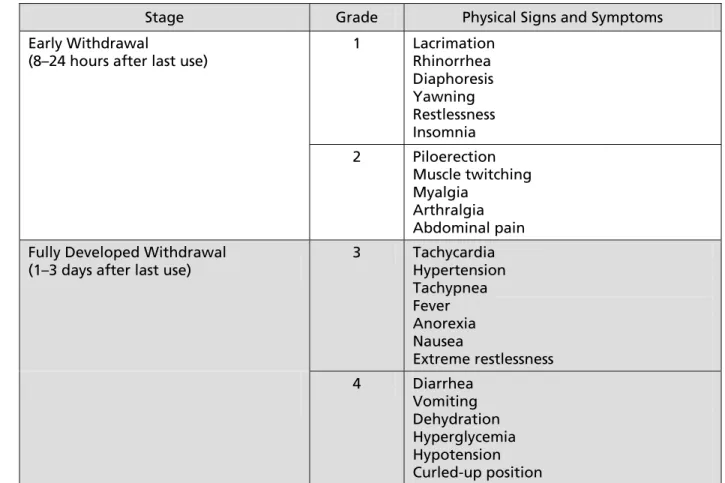
Figure 1. Staging and Grading Systems of Opioid Withdrawal
Early Withdrawal
(8–24 hours after last use)
Buprenorphine: A Guide for Nurses
Stage Grade Physical Signs and Symptoms
Early Withdrawal
(8–24 hours after last use)
1 Lacrimation Rhinorrhea Diaphoresis Yawning Restlessness Insomnia 2 Piloerection Muscle twitching Myalgia Arthralgia Abdominal pain Fully Developed Withdrawal
(1–3 days after last use)
3 Tachycardia Hypertension Tachypnea Fever Anorexia Nausea Extreme restlessness
Fully Developed Withdrawal (1–3 days after last use)
4 Diarrhea Vomiting Dehydration Hyperglycemia Hypotension Curled-up position
HIV Web Stud) Supported by HRSA
As individuals progress through the following stages of opioid withdrawal, they progressively have more severe symptoms: (CSAT, 2004)
Signs and symptoms of withdrawal may be assessed by using
standardized instruments such as the Clinical Opiate Withdrawal Scale (COWS) (Wesson & Ling, 2003), the Subjective Opiate Withdrawal Scale (SOWS) (Handelsman et al., 1987), or the Objective Opiate Withdrawal Scale (OOWS) (Handelsman et al., 1987) (see Appendix D: Assessment Instruments).
Helping Patients Manage
Mild Withdrawal Symptoms
Usually, medically supervisedwithdrawal from Suboxone® causes
mild, transitory withdrawal symptoms. Patients should be
prepared for the occurrence of possible symptoms such as reduced energy, reduced appetite, irritability, or insomnia. It is also important for patients to understand that they can halt the medical withdrawal at any time and return to a higher dose. (See Suboxone® Treatment Walkthrough:
http://www.suboxone.com/hcp/ opioiddependence/
suboxone_treatment.aspx.)
Precipitated Withdrawal and Withdrawal Symptoms
Tapering
The patient’s Suboxone® dose should be
tapered slowly at a rate that both the prescriber and the patient consider acceptable. Patients commonly want to taper more quickly, so helping patients set realistic goals at the outset is
important. Some patients will ask to proceed directly from stabilization to medically supervised withdrawal. However, unless there is a compelling reason to discontinue Suboxone®
quickly (e.g., travel), a slow taper is usually encouraged, because it is associated with a higher likelihood of treatment success (CSAT, 2004). Although no standard dosing protocol exists for medically supervised
withdrawal, sample protocols are provided in the Suboxone® and
Subutex® Dosing Guide at
http://www.suboxone.com/hcp/
opioiddependence/ dosing_guide.aspx.
Self-Management of Mild
Withdrawal Symptoms With
Over-the-Counter or
Prescription Medications
Medical withdrawal from Suboxone®causes mild withdrawal symptoms, such as muscle pain, nausea, gastrointestinal (GI) distress, and insomnia. Patients may benefit from over-the-counter medications or prescribed medications to alleviate symptoms.
Over-the-counter medications for symptom relief include those listed in Erickson (2006) and at http://www.fda.gov/ cder/Offices/OTC/default.htm.
•Ibuprofen, 800 mg by mouth every 6 hours as needed for muscle aches •Acetaminophen, 1,000 mg by mouth
every 4 hours as needed for pain
•Maalox®, 30 cc by mouth every
2 hours as needed for GI distress •Diphenhydramine, 50 mg by mouth at
bedtime as needed for severe insomnia The following prescribed medications may be helpful at controlling
withdrawal symptoms (see Erickson, 2006; and http://www.fda.gov/ohrms/ dockets/dailys/03/jul03/072503/072503 .htm and http://www.fda.gov/cder/ Offices/OTC/default.htm).
•Dicyclomine, 40mg by mouth every 6 hours as needed for abdominal pain •Promethazine, 25 mg
intra-muscularly every 6 hours as needed for nausea and vomiting
•Promethazine, 25 mg by mouth every 6 hours as needed for nausea •Lopermide, 2 mg by mouth every
6 hours as needed for diarrhea •Clonidine, 0.1 mg by mouth every
2 hours as needed for severe anxiety
Management of Patients
With Co-Occurring Pain
Pain is an unpleasant sensory and emotional experience associated with actual or potential tissue damage, or described in terms of such damage (Merskey, 1979). Pain may be classified as either acute or chronic. Acute pain is associated with injury to body tissue, often accompanied with objective signs of sympathetic nervous system activity, and generally subsides as the injury heals. Chronic pain extends beyond a normal healing period, or in some cases the underlying cause of the pain cannot be identified. Chronic pain usually persists longer than 3 months and is rarely accompanied by symptomatic nervous system activity. Lack ofBuprenorphine: A Guide for Nurses
to conclude that the patient doesn’t appear to be in pain (APS, 2003; Loeser & Melzack, 1999). Both acute and chronic pain can have an impact on the dimensions of the patient’s quality of life including physical, social,
psychological, and spiritual well-being (Ferrell et al., 1999).
Pain Assessment
The purpose of pain assessment is to (1) identify the pain level at which pain does not interfere with activities related to recovery or quality of life (QOL) level at which the patient can perform
activities of daily living (ADLs); and (2) effectively measure interventions used in each patient’s pain management plan (Grimes, 2006). The criteria of pain assessment are as follows:
Onset and treatment pattern
• When did the pain start? • How often does the pain
occur?
• Has pain intensity changed?
Location • Where is the pain?
• Is there more than one site of pain?
Description • What does the pain feel like?
• What words describe the pain?
Aggravating and
alleviating factors
• What makes the pain better? Worse?
Previous treatment
• What treatment have you tried to relieve the pain?
• Were these effective?
Effect • How does the pain affect
physical and social function?
Intensity • Using a pain scale, rate the intensity of the pain. (AHCPR, 1994)
Multimodal Approach to the Treatment of Pain
The first approach to the treatment of pain is pharmacologic intervention. Carr and Goudas (1999) state that patients with moderate to severe acute pain often require opioid analgesics while they are receiving regular opioid-agonist therapy. If acute pain remains undertreated, it will decrease a patient’s responsiveness to opioid analgesics; thus, controlling the subsequent pain will be far more difficult (Collett, 1998; Mao, Price, & Mayer, 1995). Multimodal analgesia, such as nonsteroidal
anti-inflammatory drugs (NSAIDs), and acetaminophen and adjuvant
analgesics, such as tricyclic
antidepressants that enhance opioid effects, may be an appropriate pain therapy to decrease the total amount of opioid provided to patients (Kehlet & Dahl, 1993; Mitra & Sinatra, 2004). Meanwhile, clinicians must continue the opioid-agonist treatment for the patient before prescribing analgesia to avoid the increased pain sensitivity associated with opioid withdrawal (Jasinski, 1997).
The second approach is
nonpharmacological interventions including physical and cognitive behavioral modalities. Cutaneous (skin) stimulation, exercise,
immobilization, and acupuncture are examples of physical intervention. Cognitive behavioral modalities include relaxation and imagery, distraction and reframing, patient education, structured support, hypnosis, and pastoral counseling (Simon et al., 2002).
Finally, ongoing assessment and documentation of pain management intervention are crucial. Nurses
Precipitated Withdrawal and Withdrawal Symptoms
should periodically assess the four “A’s” of pain management. Those include (1) Analgesia, (2) Activities of daily living, (3) Adverse effects, and (4) Aberrant drug-related behaviors (APS, 2003).
Management of Acute Pain in Patients on Buprenorphine Maintenance Therapy
If the patient requires opioid analgesics while receiving
buprenorphine maintenance therapy, the following options may be
appropriate (Alford, Compton, & Samet, 2006):
1. Provide titrated short-acting opioid analgesics (for short-duration pain
only) while continuing
buprenorphine maintenance
therapy.
2. Administer opioid analgesics while discontinuing buprenorphine maintenance therapy. Return to buprenorphine therapy when acute pain is less intense and does not require opioid analgesics.
3. Divide buprenorphine dose, and administer every 6–8 hours.
4. Discontinue buprenorphine in case of hospitalization, and provide
methadone (20–40 mg) for treating opioid dependence and short-acting opioid analgesics for treating pain. Availability of naloxone as an opioid antagonist in this situation is also necessary in case of emergency.