University of South Florida
Scholar Commons
Graduate Theses and Dissertations Graduate School
11-19-2014
The Effects of Collaborative Critical Thinking
Training on Trust Development and Effectiveness
in Virtual Teams
Mark Grichanik
University of South Florida, [email protected]
Follow this and additional works at:https://scholarcommons.usf.edu/etd Part of thePsychology Commons
This Thesis is brought to you for free and open access by the Graduate School at Scholar Commons. It has been accepted for inclusion in Graduate Theses and Dissertations by an authorized administrator of Scholar Commons. For more information, please [email protected].
Scholar Commons Citation
Grichanik, Mark, "The Effects of Collaborative Critical Thinking Training on Trust Development and Effectiveness in Virtual Teams" (2014).Graduate Theses and Dissertations.
The Effects of Collaborative Critical Thinking Training on Trust Development and Effectiveness in Virtual Teams
by
Mark Grichanik
A thesis submitted in partial fulfillment of the requirements for the degree of
Master of Arts Department of Psychology College of Arts and Sciences
University of South Florida
Major Professor: Michael D. Coovert, Ph.D. Michael T. Brannick, Ph.D.
Doug Rohrer, Ph.D.
Date of Approval: November 19, 2013
Keywords: monitoring, cognitive trust, affective trust, team viability, team cooperation, team efficacy
Table of Contents
List of Tables ... ii
List of Figures ... iii
Abstract ... iv
Chapter 1: Introduction ...1
The Landscape of Contemporary Decision Making ...2
Teams ...5
Defining teams and subtypes ...5
Information age warfare ...7
Virtual teams ...8
Defining virtual teams ...9
Virtuality ...10
Virtual team effectiveness ...12
Trust ...15
Defining trust ...15
Models of trust ...16
Trust development in virtual teams ...21
Trust and performance ...24
Trust and team monitoring ...26
Defining team monitoring ...26
Negative, control-based monitoring ...27
Positive, need-based monitoring ...28
Monitoring and performance ...30
Decision-Making ...31
Models of decision-making ...32
Cognitive biases: Individual judgment under uncertainty ...34
Social biases ...35
Evaluating and choosing among alternatives ...39
Naturalistic decision-making ...42
Individual critical thinking ...42
Collaborative critical thinking ...46
How CCT serves collaboration ...47
Managing CCT ...49
Present Study and Hypotheses ...51
Chapter 2: Method ...56
Task ...57
Training ...59
Collaborative critical thinking training (CCT) ...59
Control group training ...59
Measures ...60 Background ...60 Personality ...60 Trust ...61 Monitoring ...61 Team effectiveness ...61
Objective team performance ...61
Team viability ...62 Team cooperation ...62 Team efficacy ...62 Procedure ...62 Chapter 3: Results ...65 Descriptives ...65 Scale Dimensionality ...66 Hypothesis Testing ...69 Chapter 4: Discussion ...106
Relationship between trust and effectiveness ...109
Monitoring ...111
Trust ...112
Limitations and Future Directions ...114
Conclusion ...116
References ...117
Appendices ...135
Appendix A: DDD Scenario 1 Briefing ...136
Appendix B: DDD Scenario 2 Briefing ...137
Appendix C: DDD Scenario 3 Briefing ...138
Appendix D: DDD CCT Training Quiz ...139
Appendix E: SURVIVAL Training Activity ...140
Appendix F: Background Questionnaire ...141
Appendix G: Personality Questionnaire ...142
Appendix H: Trust Questionnaire ...144
Appendix I: Monitoring Questionnaires ...146
Appendix J: Team Viability Questionnaire ...148
Appendix K: Team Cooperation Questionnaire ...149
Appendix L: Team Efficacy Questionnaire ...150
Appendix M: DDD Quick Guide – Map and Actions ...151
Appendix N: DDD Quick Guide – Tasks and Team Structure ...152
List of Tables
Table 1: Study timeline ...92
Table 2: Descriptive statistics ...93
Table 3: CCT correlation matrix ...94
Table 4: Control correlation matrix ...96
Table 5: Correlations between DDD scores and subjective team effectiveness measures ...98
Table 6: Confirmatory factor analyses for trust items ...99
Table 7: Confirmatory factor analyses for monitoring items ...100
Table 8: Exploratory factor analysis for monitoring items ...101
Table 9: Confirmatory factor analyses for team effectiveness items ...102
Table 10: Fit statistics for trust-effectiveness models ...103
Table 11: Repeated measures ANOVA statistics ...104
List of Figures
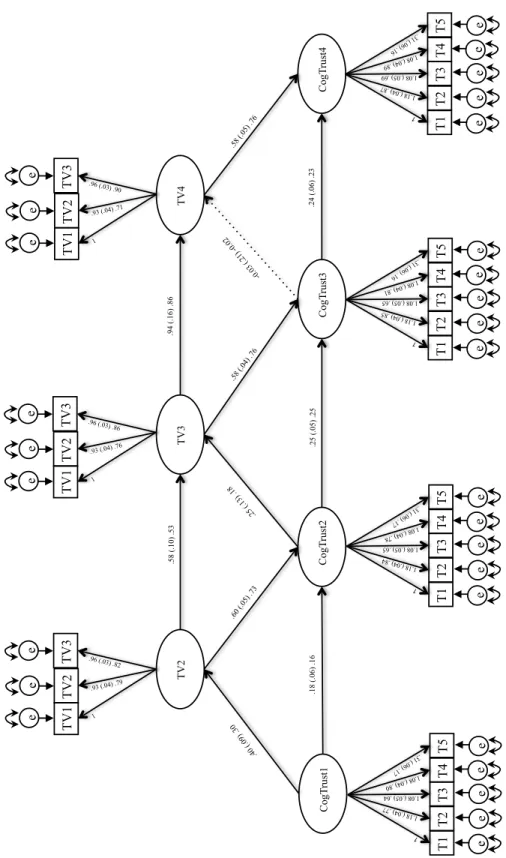
Figure 1: Model CV – Cognitive Trust with Team Viability ...78
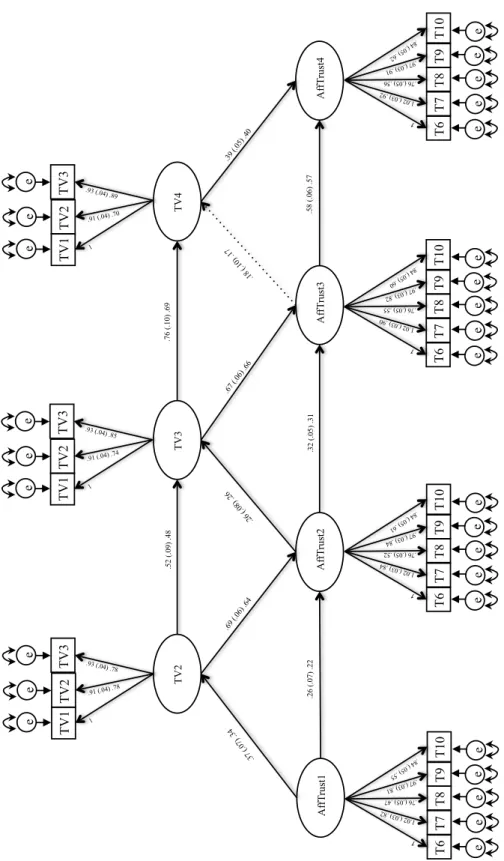
Figure 2: Model AV - Affective Trust with Team Viability ...79
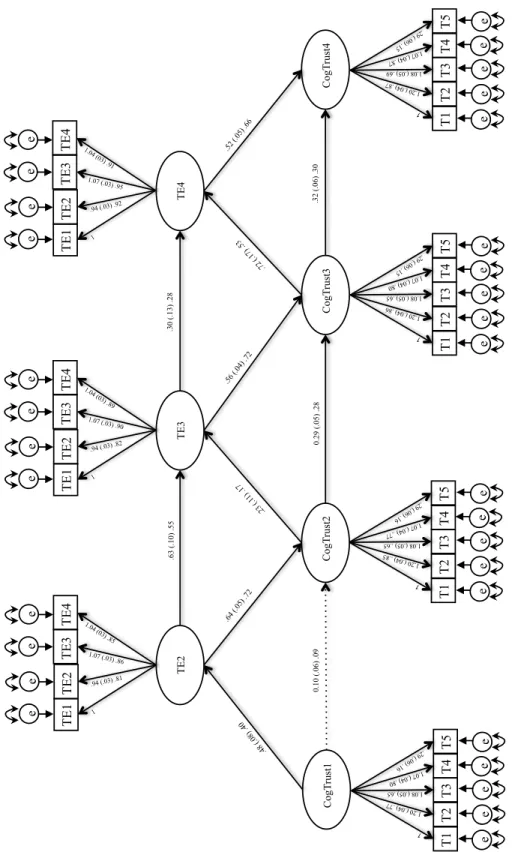
Figure 3: Model CE - Cognitive Trust with Team Efficacy ...80
Figure 4: Model AE - Affective Trust with Team Efficacy ...81
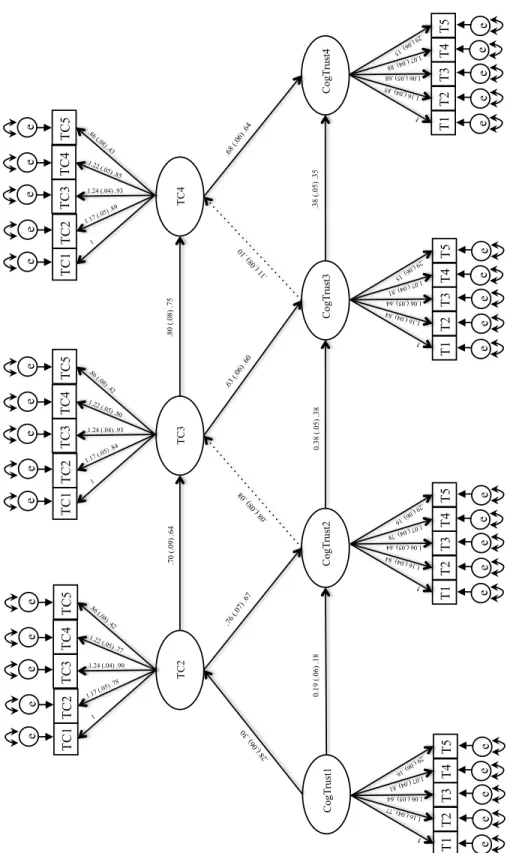
Figure 5: Model CC - Cognitive Trust with Team Cooperation ...82
Figure 6: Model AC - Affective Trust with Team Cooperation ...83
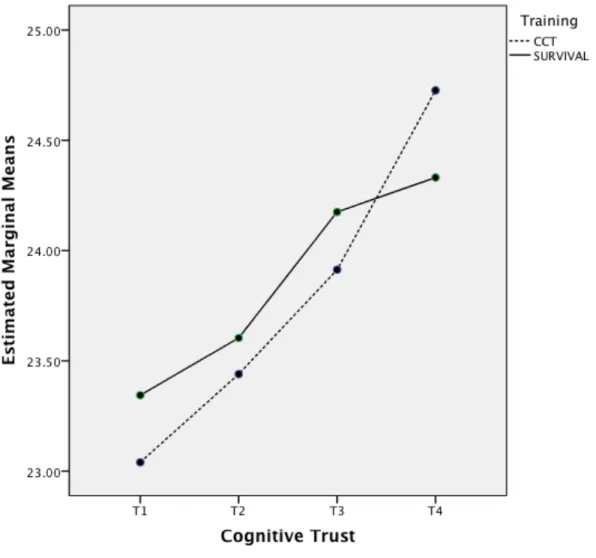
Figure 7: Changes in cognitive trust over time, by training ...84
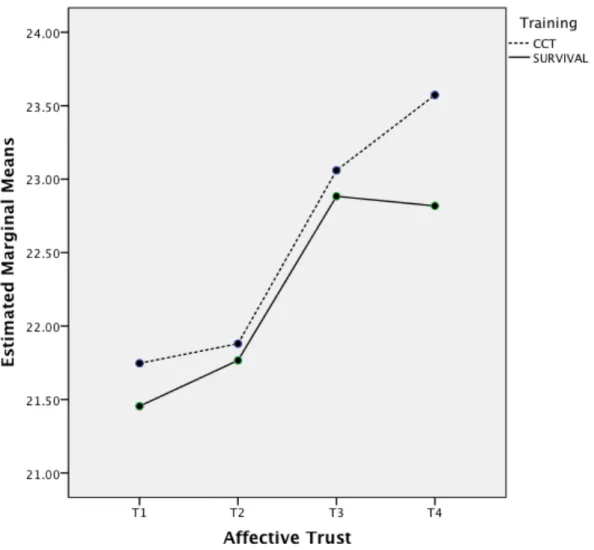
Figure 8: Changes in affective trust over time, by training ...85
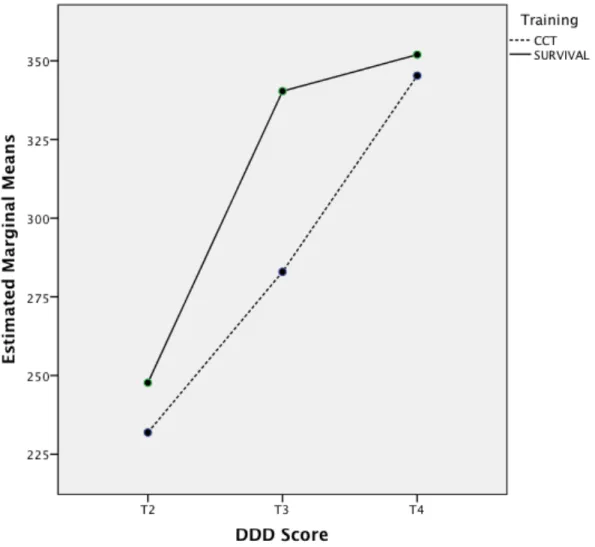
Figure 9: Changes in DDD scores over time, by training ...86
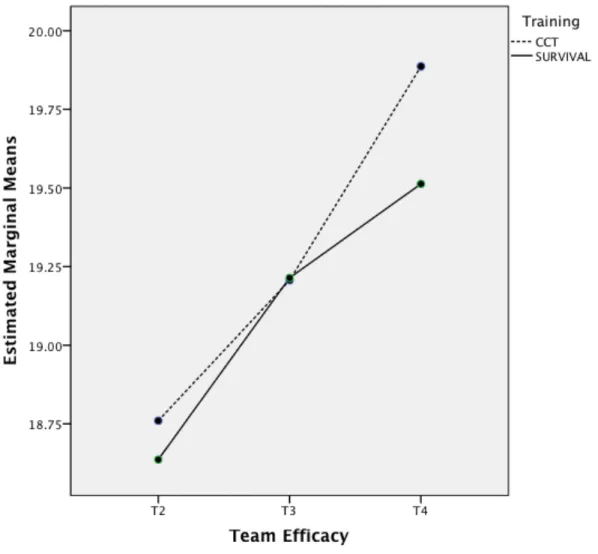
Figure 10: Changes in team efficacy over time, by training ...87
Figure 11: Changes in team viability over time, by training ...88
Figure 12: Changes in team cooperation over time, by training ...89
Figure 13: Changes in negative monitoring over time, by training ...90
Abstract
Workers in modern teams that perform tasks over computer-mediated communication channels encounter challenges in building trust and performing effectively. Finding interventions to mitigate such losses could improve team performance. Collaborative critical thinking (CCT) training has the potential to improve trust, monitoring, and effectiveness in virtual teams. Using a simulated search-and-rescue task, the effects of CCT training, as compared with a control
training, were evaluated in 105 three-member teams. No effects of CCT training were found on team positive or negative monitoring, team cognitive or affective trust, team efficacy, or team viability. However, teams trained in CCT reported consistently higher levels of team
cooperation. Directions for future research are discussed so as to maximize the possibility that CCT might yet be an effective intervention.
Chapter 1: Introduction
Dynamic market conditions and enterprising enemies require that modern civilian and military organizations rapidly solve complex problems in the face of uncertainty. As a result, a majority of contemporary organizations have turned away from hierarchical personnel structures in favor of flatter configurations, which rely primarily on teams in order to accomplish
organizational objectives. As communication technology has become more reliable and affordable, organizations have increasingly embraced virtual teams, in which team members work across geographic, temporal, or organizational boundaries.
While virtual teams allow organizations to quickly and inexpensively bring together cross-disciplinary expertise to solve problems, make decisions, and accomplish goals not
realizable by individuals alone, teamwork is a fragile enterprise. Face-to-face teamwork requires strong interpersonal and communication skills, the demands for which are often amplified when virtual teams interact over sparse communication channels. In order for teammates to be able to effectively collaborate and share responsibilities, they must trust one another, and the
development of such interpersonal trust is, among other things, dependent on keen social skills. In order to make good decisions, teams must reduce situational uncertainty. One way teams can do this is by engaging in a process of collaborative critical thinking (CCT) wherein interdependent teammates break constrained group processes and thinking by collectively sharing siloed ideas, experience, knowledge, and information, critiquing assumptions, and generating alternative interpretations and solutions. I propose that the reduction of situational uncertainty through CCT is critically dependent on the reduction of interpersonal uncertainty
(i.e., the development of trust). That is, teammates must trust one another if they are to share information.
If both trust development and good decision-making are pivotal determinants of team effectiveness, it is important to develop strategies to help teams enhance both of these processes. In the current study, I use a computer simulation of a search-and-rescue task to investigate how a collaborative critical thinking training intervention impacts trust development, attitudes, and performance in ad-hoc, virtual action teams. If teammates receive CCT training, this can create a norm of monitoring. While some forms of monitoring are associated with distrust, questioning one another’s thinking and monitoring out of genuine care and concern for a teammate’s
performance, as is the goal in CCT, can be a signal of trust. Furthermore, if CCT training makes teams communicate more frequently, this will dilate the channel for the exchange of social and task-related information, both robust predictors of trust. I thus contend that the trust-CCT
relationship is bidirectional; trust among teammates is necessary to engage in CCT, but partaking in CCT also builds trust.
The literature review for the current study begins with a description of the setting within which contemporary teams operate and progresses to covers topics related to virtual teams, trust development, decision-making, and collaborative critical thinking. Finally, I propose several hypotheses and a design for an empirical investigation of my hypotheses.
The Landscape of Contemporary Team Decision-Making
Market and technology changes have driven structural changes in organizations. Burns & Stalker (1961) describe two types of organizational structures. The first type of structure is called mechanistic. Mechanistic structures feature centralized decision-making, high standardization and formalization, low differentiation of tasks, and low levels of integration across, for example,
divisions. This type of structure operates effectively and efficiently in a stable market environment where decisions, changes, and innovations don’t necessarily need to be made quickly. The second type of structure is organic. Organic structures feature decentralized decision-making, little standardization and formalization, high differentiation of tasks, and high levels of integration across divisions. These structures are more useful in dynamic and uncertain environments because they allow information and knowledge to be propagated quickly through an organization. In turn, the organization can react quickly to changes. As Burns and Stalker indicated as early as 1961, organizations seem to be moving towards more organic structures in order to meet the ever-changing demands of consumers and clients as well as to respond to the sophisticated and dynamic strategies of competitors. Such fluid, flat organizations have less rigid boundaries around jobs roles and create jobs that require people to “thrive on chaos” and
embrace change.
Additionally, Dess, Rasheed, McLaughlin, Priem, and Robinson (1995) suggest that, while boundaries are rigid in traditional companies, the once unidimensional roles of managers and employees are being replaced by “fluid, ambiguous and deliberately ill-defined tasks and roles.” The previously bureaucratic, control-oriented, and hierarchical organizations are giving way to barrier/boundary free organizations (BFOs). In order to be viable, organizations need to quickly embrace the non-traditional structures that are more flexible, responsive, and highly tolerant of ambiguity. Furthermore, BFOs emphasize results over the maintenance of rigid internal relationships, which allows them to rapidly and continually adapt to dynamic world markets.
The evolution away from traditional, hierarchical, authoritarian, and mechanistic organizations towards permeable, organic organizations implies that the targets and modes of
interaction, coordination, and control have also changed. That is, whereas before employees interacted primarily either with machinery or with those above or below them in a chain of command, the targets of interaction are now oriented more horizontally (e.g., teammates, other divisions) and externally (e.g., clients, customers, coalition partners). While Ferris, Davidson, and Perrewe (2010) point out that competing interests, scarce resources, and coalition building have always made organizations inherently social arenas, they also argue that the increased volume and variety of human interaction make employees with adept interpersonal skills, flexibility, and adaptability crucial in modern organizations.
Although having good communication skills and job knowledge has always been important in organizations, these alone are not enough to function in the highly collaborative, participative, and democratic environments characteristic of modern organizations. Networking, negotiating shared interests, building trust, and sharing resources are pivotal for working in self-managed teams, across parts of an organization (e.g., interdivisional task forces), and with external stakeholders (e.g., clients, customers) (Burns & Stalker, 1961; Dess et al., 1995; Ferris et al., 2010). In order to achieve results, employees must coordinate and cooperate with both internal and external constituencies to establish beneficial relationships and exercise influence over relevant targets over whom they do not necessarily have line authority, but in whose work they have a stake nonetheless. Furthermore, superiors issue instructions and decisions less frequently. Instead, knowledge is distributed across a network, and employees need to learn how to capture and share information, dispense advice, and coach others. Employees must also work with teammates and stakeholders to ensure that people stay unified, satisfied, and productive well as learn how to resolve conflicts without relying on mechanisms of traditional authority structures. Costa (2003) aptly summarizes that, “new emphasis [in contemporary organizations]
is given on interpersonal and group dynamics at the workplace, where trust is seen as one of the critical elements” (italics added, p. 605). I later expand on Costa’s idea and review interpersonal and team trust as a pivotal determinant of team processes and outcomes.
Teams
Challenged with the task of handling large of amounts of complex information in dynamic environments that require the collaboration of expertise across multiple areas, organizations have embraced teams as relevant and effective tools (Townsend, DeMarie, & Hendrickson, 1998). Teamwork requires team members to coordinate, share responsibilities, rely on one another, and participate in decision-making to accomplish personal and collective goals not otherwise achievable through individual effort (A.C. Costa, 2003). Furthermore, virtual teams have become nearly ubiquitous in contemporary organizations. In a recent investigation by the Economist's Intelligence Unit (2009), 78% of participants from a wide range of industries reported working in virtual teams currently or in the recent past. Virtual teams are teams whose members are geographically, temporally, and/or organizationally dispersed and who spend a substantial portion of their time collaborating through technology. The evolution from face-to-face to virtual teams has largely been an organic response to increased global competition and interdependency across departments and business units (The Economist Intelligence Unit, 2009). While virtual teams are a practical, effective, and cheap solution for organizational members to collaborate, there are some substantive differences in trust and performance outcomes when they are compared with face-to-face teams. Below, I define teams and virtual teams, discuss their necessity, and compare their effectiveness.
Defining teams and subtypes. A variety of definitions of teams have been proposed in the literature. For example, Costa (2003) defines work teams as “organizational groups, that have
some goal or attainable outcome which team members contribute to and are responsible for, and where there is sufficient task interdependence such that individuals need to develop shared understandings and expected patterns of behavior.” (p. 606 ) Salas, Dickinson, Converse, and Tannenbaum (1992) define a team as "a distinguishable set of two or more people who interact dynamically, interdependently, and adaptively toward a common and valued goal/object/mission, who have each been assigned specific roles or functions to perform, and who have a limited life span of membership" (p. 4). These two definitions complement one another; each argues that teams are goal-driven groups consisting of multiple members with distinct yet interdependent roles. The Costa (2003) definition additionally specifies that teams develop common mental frameworks, and Salas et al. (1992) adds that teams are temporary, meaning that they “work interdependently for an extended time to accomplish a common objective in a limited time span” (Webber, 2008).
Teams are often assembled to accomplish a specific goal and are disbanded when their purpose has been served. Due to the ever-changing composition of talent, teammates often have not had an opportunity to collaborate with one another in the past; such groups are called ad-hoc teams (Stone, Kaminka, Kraus, & Rosenschein, 2010). For instance, when disasters strike, governments and relief agencies need to quickly assemble ad hoc teams or even teams-of-teams (J. M. Schraagen & van de Ven, 2008; J. M. Schraagen & van de Ven, 2011). Members of crisis management teams are typically unfamiliar with one another due to the infrequency of large-scale catastrophic events, and are unlikely to work together again in the future (Jarvenpaa & Leidner, 1998). Furthermore, such teams can be characterized as action teams wherein, “expertise, information, and tasks are distributed across specialized individuals, [and] team
effectiveness depends on rapid, complex, and coordinated task behavior, and the ability to dynamically adapt to the shifting demands of the situation” (Ferris et al., 1996, p. 254).
It is unlikely that a central individual can effectively manage all facets of the complex processes characteristic of modern organizations. Organizations have thus become flatter such that hierarchical choreography is often replaced with the horizontal interactions characteristic of self-managing teams, which are groups of “interdependent individual[s] that can self-regulate on relatively whole tasks” (emphasis added; Cohen, Ledford, & Spreitzer, 1996 from Langfred, 2004). Finally, all of the aforementioned team subtypes are critically dependent on effective collaboration processes. Hess, Freeman, and Coovert (2008) define collaboration as a “social process by which people exchange information and perspectives, create knowledge and discuss and integrate the implications of these processes” (p. 241). Collaboration thus creates an atmosphere of constructive dissent where members of self-governing teams are encouraged to cultivate independent thought and freely express ideas in order to generate novel knowledge (Olivares, 2005).
Information age warfare. While the transition from top-down control processes to team-based structures in civilian organizations can largely be attributed to market and technology changes, a parallel transformation has occurred in military organizations as a result of information-driven warfare (Alberts, Garstka, Hayes, & Signori, 2001). New and rapidly changing adversaries have necessitated structural and technological changes in command and control (C2) environments. Relatively impermeable boundaries and the restrictive, top-down control characteristic of traditional C2 structures allows for stable and dependable operations in the face of static adversaries. However, such structures are not conducive to the rapid
unconventional enemies innate to asymmetric warfare (Rosen, Fiore, Salas, Letsky, & Warner, 2008).
Modern command and control environments are thus advanced socio-technical systems underpinned by relatively unstructured, agile teams (Cooke, Gorman, & Winner, 2007). Teams in modern C2 are often composed of heterogeneous (e.g., multidisciplinary, multicultural), rotating members with little to no previous joint experience. The teams must operate and adapt in time-pressured environments to accomplish highly interdependent missions. Tasked with solving ad-hoc, short duration problems, teams are required to make accelerated decisions and take decisive action in the face of ambiguous cues and large amounts of complex, dynamic, and uncertain information (M. Letsky, 2007; M. P. Letsky, Warner, Fiore, Rosen, & Salas, 2007). Military command and control settings are thus natural habitats for the types of teams previously described (e.g., self-managing, ad hoc, mission-critical, action teams), albeit with intensified stress and stakes. The present study simulates an emergency search-and-rescue operation, which is often undertaken by military teams (e.g., Coast Guard). Although no enemies are present, teammates unfamiliar with one another will be faced with uncertainty, a common objective, and high task interdependence. Team members will be required to coordinate, collaborate, and problem solve in a complex and rapidly evolving environment.
Virtual teams. Another dimension along which teams can differ is the communication medium subserving team interactions. While teams have traditionally met face-to-face (FtF), military and civilian organizations are increasingly composing teams that are geographically, temporally, and organizationally distributed (Jarvenpaa & Leidner, 1998). As product cycles have become compressed and as companies have distributed and globalized their work through offshoring and outsourcing activities, building and managing virtual teams (VTs) has become an
attractive option to overcome the space, time, and relational constraints that burden FtF teams (Jarvenpaa & Leidner, 1998; Kirkman, Rosen, Tesluk, & Gibson, 2004; M. Letsky, 2007; Townsend et al., 1998; Warkentin, Sayeed, & Hightower, 1997). Enabled by developments in information and communication technologies (ICTs; Robert, Denis, & Hung, 2009), VTs are enticing because they offer the “flexibility, responsiveness, lower costs, and improved resource utilization necessary to meet ever-changing task requirements in highly turbulent and dynamic global business environments” (Jarvenpaa & Leidner, 1998, p. 791).
Defining virtual teams. After reviewing and integrating many definitions of virtual teams,
Martins, Gilson, and Maynard (2004) define virtual teams as “teams whose members use technology to varying degrees in working across locational, temporal, and relational boundaries to accomplish an interdependent task” (p. 808). This definition is particularly useful because it supplements but does not change the definition of teams proposed above. That is, a virtual team is, first and foremost, a team – it is temporary, goal-driven, has interdependent roles, and
involves shared responsibility (MacDonnell, O’Neill, Kline, & Hambley, 2009). The difference, then, between a colocated team (i.e., FtF) and a virtual team is the presence of technology-supported “virtualness” as a team characteristic. In the Martins et al. (2004) definition, the locational boundary refers to the physical separation of team members (e.g., separated workstations within a single workplace, one workstation in India and another in China). The temporal boundary refers to the separation of communication and performance times across team members (e.g., differences in shifts or time zones, differences in team lifecycle). Finally, the relational boundary refers to differences in culture and the permeability of organizational boundaries (e.g., teams choosing teammates based on “what they know” rather than “who they know”) (Martins et al., 2004).
Virtuality. Forming relationships, communicating, interacting, and completing work in distributed teams requires members to utilize ICT networks (Aubert & Kelsey, 2003;
MacDonnell et al., 2009) to engage in computer-mediated communication (CMC), also commonly referred to as computer supported cooperative work (CSCW; Coovert & Foster-Thompson, 2001; Thompson & Coovert, 2006). Laboratory-based research has often
dichotomized face-to-face and virtual teams. That is, teams in these studies are operationalized such that they either exclusively interact virtually or face-to-face. However, it is important to note that Martins et al.'s (2004) definition does not specify that a team must solely rely on ICTs to function. In fact, it explicitly states that VTs “use technology to varying degrees” (italics mine). In application, teams are often hybrids, which utilize a combination of face-to-face and virtual interactions (Bjørn & Ngwenyama, 2009; Griffith & Neale, 2001; Maznevski & Chudoba, 2000). Therefore, while former definitions reserved the “virtual” label only for those teams that never met face-to-face, current treatments typically described a team’s virtuality as a matter of degree or otherwise necessitate that electronic communication represent a substantial or majority portion of team interactions (e.g., Gibson & Cohen, 2003; MacDonnell et al., 2009; Maznevski &
Chudoba, 2000).
Many technologies are available to support virtual team communication and performance. For example, whereas virtual teams previously had to rely on “lean”
communication technologies such as text-based chat and e-mail, more advanced groupware, such as tele- and video-conferencing, are now available (MacDonnell et al., 2009; Thompson & Coovert, 2006). These higher fidelity options allow for increased social bandwidth in electronic communication, and yet are still affordable enough to offset the travel and infrastructure costs associated with face-to-face work (Thompson & Coovert, 2006). Furthermore, ICTs allow
multiple parties to simultaneously participate (MacDonnell et al., 2009), for records to be kept of all communications, for synchronous or asynchronous communication (Warkentin et al., 1997), and for the incorporation of collaboration and productivity tools that assist team members in the decision-making process and the “sophisticated collection, processing, management, retrieval, transmission, and display of data and knowledge” (MacDonnell et al., 2009, p. 2).
Although most accounts of virtuality focus exclusively on the extent to which a team uses ICTs to communicate and accomplish tasks, Kirkman & Mathieu (2005) propose an expanded framework for evaluating team virtuality. The model consists of three non-orthogonal dimensions – extent of use of virtual tools, informational value, and synchronicity. The first dimension is the extent of use of virtual tools, as discussed above in Martins et al.'s (2004) definition of VTs. The second dimension is informational value. This is based on the idea of media richness (Daft & Lengel, 1986; Venkatesh & Johnson, 2002), which differentiates between “lean” and “rich” ICTs based on their information-carrying capacity. With respect to
communication technology, text chat is considered a lean channel (i.e., high virtuality) while
videoconferencing is considered a rich channel (i.e., low virtuality) because it provides both verbal and nonverbal information. Technology for conveying data can also be categorized along a low-high virtuality continuum. For instance, providing a verbal description of a restaurant design may be considered highly virtual, whereas constructing and sharing a 3D “walk-through” is considered less virtual. Kirkman & Mathieu's (2005) final dimension, synchronicity, refers to whether exchanges are lagged (off-line communication, more virtual) or real-time (on-line communication, less virtual) such that members can simultaneously exchange information. Whether asynchronous or synchronous exchanges are preferred depends on the task team members are engaged in. For example, when reviewing a written product for quality assurance,
asynchronous communication may be preferred so that a team member has time to process it and craft feedback without the pressure of a “hovering” teammate. On the other hand, it would be dangerous to use asynchronous communication when decisions need to be made quickly about a target during a combat operation.
The present study makes use of synchronous communication technology because the search-and-rescue task requires participants to problem-solve under time pressure. Participants must also use “on-line” communication to coordinate their strategies. Although a voice chat client is available in the simulation system, participants will only be allowed to communicate through a text-based chat window. Although this is perhaps one of the most impoverished ICTs, it will allow me to investigate the lower-boundary (i.e., highest degree of virtuality) of virtual collaborative critical thinking effectiveness.
Virtual team effectiveness. Many studies have investigated whether virtual teams are
more effective than face-to-face teams. Some advantages of virtual teams are that they can increase the range, capacity, depth, and speed of information dissemination, access, and exchange (Warkentin et al., 1997). They can also mitigate process losses that occur in face-to-face settings. For example, virtual interactions can be more intimate and encourage more participation than face-to-face interactions since virtual team members can be less formal and less concerned with etiquette (e.g., turn-taking, formalities, impressions) (Thompson & Coovert, 2006). This, in turn, can reduce anxiety about judgment by others and embolden team members to defend opinions and consider alternatives that may otherwise not get discussed in face-to-face teams as a result of evaluation apprehension (Dubrovsky, Kiesler, & Sethna, 1991; Kiesler & Cummings, 2002). Furthermore, asynchronous virtual communication can reduce stress and
distractions, while increasing privacy for team members and allowing them the time to “put their best face forward” (e.g., carefully crafting an email).
There are also many limitations to virtual teams. For example, team members must learn and adapt to new information and communication technologies, while a fear of electronic monitoring and the existence of a communications archive may inhibit some discussion
(Townsend et al., 1998). Warkentin et al. (1997) summarize that, in many instances, teams using ICTs communicate less effectively than colocated teams. He attributes a large portion of the deficiency to an insufficient amount of paraverbal (e.g., vocal inflection) and non-verbal (e.g., body language) context cues, which regulate the “give-and-take” orderliness of interaction (e.g., conversation flow, turn-taking, feedback acceptance). He acknowledges, though, that the deficit depends on the particular ICT. Whereas the lag in asynchronous communication can cause difficulty in maintaining a “train of thought”, synchronous VT discussions can get out-of-sync as a function of differences in team member reading or typing proficiencies as well information overload due to simultaneous discussions, which itself can lead to difficulties in building consensus (Walther & Burgoon, 1992). Jarvenpaa & Leidner (1998) also emphasizes the limitations of virtual work, explaining that, “low individual commitment, role overload, role ambiguity, absenteeism, and social loafing may be exaggerated in a virtual context.” (p. 791).
Although a comprehensive review of the empirical work examining virtual team benefits and deficits is beyond the scope of this paper (see Martins et al., 2004 for a thorough summary), it seems that virtual team efficaciousness, when compared with colocated teams, depends on a variety of input parameters (e.g., task, technology, team size and composition). For example, Colquitt, Hollenbeck, Ilgen, LePine, and Sheppard (2002) found that team composition
teams composed of members high in openness to experience were able to reap the benefits of a computer-assisted communication strategy. In an important review of VT advantages and
disadvantages, Thompson & Coovert (2006) conclude that the three most pressing challenges for virtual teams are: 1) ineffective and inefficient communication as a result of the low quality and quantity of exchanges, 2) difficulties in maintaining shared situational awareness, and 3)
difficulties in developing cohesive and trusting interpersonal relationships.
Thompson & Coovert's (2006) three challenges interact with one another. For example, monitoring teammates and controlling their resources is often not feasible in virtual teams (Aubert & Kelsey, 2003) as a result of impoverished communication and information channels (Challenge 1), yet teammate observation is critical for the formation of shared mental models (Challenge 2). These first two challenges are particularly relevant for collaborative critical thinking, a major focus of this study. If teammates have difficulty transmitting mission information or developing a shared mental framework, it may also be challenging for them to engage in collaborative critical thinking. Challenge 3 is also critical because the development of quality interpersonal relationships has been associated with a variety of positive outcomes such as enhanced motivation, creativity, morale, and performance, another important outcome in the present study (Walther & Burgoon, 1992). Also, since it takes more effort to engage in
computer-mediated communication, task-related communication is often more focused than in face-to-face teams (Challenge 1; Spears & Lea, 1994). While focused task-related
communication may be positive, an increased communication threshold means that less social-emotional data is exchanged among team members, thus retarding the development of relational links (Challenge 2, Chidambaram, 1996) such as trust, another major focus of the current study that I expand on below.
Trust
Trust has been studied in a variety of different contexts and using various levels of
analysis. These approaches have come from diverse fields such as sociology (e.g., Shapiro, 1990; Lewis & Weigert, 1985), anthropology (e.g., Hewlett, Lamb, & Scholmerick, 2000), economics (e.g., Rigdon, McCabe, & Smith, 2007), and psychology, and have included the study of
interpersonal trust (e.g., McAllister, 1995), trust in teams (Langfred, 2004), trust in leaders (Dirks & Ferrin, 2002), and trust in organizations (Koufaris & Hampton-Sosa, 2004). This study evaluates how trusting individual team members are of their teams as a whole. While I
specifically explore trust at the team level, the team trust approach is grounded in interpersonal trust since teams are composed of interacting individuals.
Defining trust. Many definitions of trust have been proposed. For example, McAllister (1995) defines trust as the “extent to which a person is confident in, and willing to act on the basis of, the words, actions, and decisions of another” Wilson, Straus, and McEvily (2006) define trust as “confident positive expectations about the conduct of another.” (p. 18). Henttonen & Blomqvist (2005) define trust as “an actor’s expectation of the other actors’ capability,
goodwill and self-reference visible in mutually beneficial behaviors enabling cooperation under risk” (pg. 108). Although the trust literature has not converged on a single definition of trust, two elements appear consistently across definitions. The first is an anticipation of positive behavior from others (A.C. Costa, 2003; Lewicki & Bunker, 1995, 1996), and the second is a willingness to assume vulnerability (A.C. Costa, 2003; Mayer, Davis, & Schoorman, 1995; Zand, 1972). That is, the trustor subjects him or herself to risk or uncertainty under the assumption that the trustee will attempt to mitigate negative outcomes (e.g., not fulfilling commitments, disclosing confidential information) through well-intentioned behavior. Imperfect knowledge and risk thus
create the opportunity for trust, the belief that one can act confident that another party won’t take advantage (McAllister, 1995; Rousseau, Sitkin, Burt, & Camerer, 1998; Wilson et al., 2006). For example, if a teammate has perfect knowledge about a colleague, then trust is unnecessary
because no risk is involved. In situations of perfect ignorance, trust is also irrelevant as the trustor is unable to make any rational predictions of trustee behavior (Lewis & Weigert, 1985; McAllister, 1995).
While the previous definitions of trust focus on trust between two individuals, Mayer et al.'s (1995) definition accommodates a wider variety of trust relationships. Mayer et al. (1995) define trust as “a willingness to be vulnerable to the actions of another party based on the
expectation that the other will perform a particular action important to the trustor, irrespective of the ability to monitor or control that other party” (p. 712). Mayer et al.'s (1995) definition is particularly useful because it not only captures the drivers of interpersonal trust, but the use of “party” makes the definition sufficiently broad to capture trust in teams-of-teams, employees and clients with organizations, supervisors with their work units, and team members with their teams. In these cases, trust is not a function of a one-to-one relationship between individuals, but rather is dependent on the reciprocal interactions of one-to-many and many-to-one. As such, Langfred (2004) adds to the definition of trust to account for these complex, emergent phenomena. He defines intrateam trust as an “aggregate perception of trustworthiness that team members have about one another” (p. 386).
Models of trust. Team functioning can be characterized in terms of an Input-Process-Output (IPO) model (Hackman & Morris, 1975). With respect to teams, Inputs represent the starting conditions of a group (e.g., team size, task, technology, composition). Processes are dynamic cognitive, verbal, and behavioral activities among team members that convert inputs to
outcomes to achieve a collective goal (e.g., goal setting, communication, monitoring,
participation). Finally, outcomes represent the consequences of a team’s activities (e.g., team member satisfaction, performance; Martins et al., 2004). Although theories disagree on basal levels of trust in relationships as well as the antecedents of trust, they all agree that initial trust, whether high or low, can always be characterized. That is, individuals don’t interact in a trust or distrust vacuum. These levels of trust in turn can predict team processes such as team reflexivity and effort (De Jong & Elfring, 2010; McAllister, 1995), which in turn inform team outputs. Therefore, while Martins et al. (2004) characterizes trust as an interpersonal team process along with conflict, informality, cohesiveness, and group identity, other research considers trust as a team input (De Jong & Elfring, 2010; Dirks, 1999). It is conceivable that antecedents of trust such as team composition and team member characteristics can be considered inputs, trust a process, and performance or satisfaction, outcomes. However, the current study’s focus on collaborative critical thinking as a process to convert team trust into team performance is more concordant with the latter view of trust as an input.
In a comprehensive review of models of interpersonal trust development, Lewicki,
Tomlinson, and Gillespie (2006) summarize three major theoretical conceptions of psychological trust – unidimensional, two-dimensional, and transformational. While the behavioral approach is briefly discussed, Lewicki et al. (2006) largely dismiss this notion of trust because the
operationalization of trust as cooperation or defection in economic games (e.g., a prisoner’s dilemma; Axelrod, 1984) is potentially confounded with other factors unrelated to trust such as boredom or decision error. The psychological approaches differ in how trust is defined,
The unidimensional approach treats trust and distrust as opposing ends of a single continuum. Unidimensional trust (e.g., Lewis & Weigert, 1985; Mayer et al., 1995; McAllister, 1995; Rousseau et al., 1998) is underpinned by two major processes. First, trust is derived from positive expectations about the intentions and behaviors of another party. Second, a trustor assumes risk and liability in the actions of the trustee. It is important to note that although trust is theoretically unidimensional in these models (i.e., you either trust or distrust), trust is often further subdivided into multiple components such as cognitive trust, affective trust, and,
occasionally, behavioral intentions (Cummings & Bromiley, 1996). Trust can begin either at zero or from a moderate-high level and forms, initially, as a result of antecedents such as personality, reputation, and roles. The further development of unidimensional trust then depends on factors such as communication with the trustee and violations of positive expectations, among others.
McAllister (1995) proposed perhaps the most well-known model of unidimensional trust. His model features two principal forms of trust, cognitive-based (CBT) and affect-based trust (ABT). The former is derived from trustor beliefs about trustee competence, reliability,
capability, and dependability while the latter is grounded in emotional bonds of care and concern between individuals and the trustworthy intentions of others (Cook & Wall, 1980). ABT
develops as a result of a trustee’s altruistic or extra-role citizenship behavior (similar to
benevolence in the Mayer et al., 1995 model) as well as the interaction frequency of a trustor and trustee such that the more social data is exchanged between the parties, the more confident a trustor’s attributions become. Webber (2008) also found that citizenship behavior is positively related to ABT, but did not find evidence of interaction frequency as a predictor. ABT generally takes a longer time to develop than CBT (McAllister, 1995; Williams, 2001), and the two forms of trust are distinct; each has its own developmental trajectories, antecedents, and relationships
with outcomes. However, CBT is an antecedent of ABT, particularly at the beginning of relationships.
More recent work has addressed the development of unidimensional trust over time in teams (e.g., Jones & George, 1998). For example, Aubert & Kelsey (2003) used virtual and face-to-face (FtF) teams to test Mayer et al.'s (1995) propositions that antecedents of trust would change over time. They found no evidence that integrity is more important than benevolence during the beginning stages of relationships nor that the effect of benevolence on trust increases over time. Arguing that the large amount of cross-sectional research had neglected the important developmental aspects of trust over time (e.g., Rousseau et al., 1998) and that previous research failed to allow sufficient time for a two-factor (i.e., CBT and ABT) trust solution to emerge (Dirks, 1999; Ferrin & Dirks, 2003), Webber (2008) used semester-long student project teams in her study. She demonstrated that trust emerges as one factor early on during the life-span of a team (“early trust”), but that cognitive and affective trust later emerge as separate components, each with their own predictors. For example, prior team member familiarity only predicts early trust, presumably because team members can rely on more telling behaviors observed throughout the course of teamwork for later forms of trust. Although Webber (2008) found no direct
relationship between previous reliable project performance and cognitive based trust, she did find that cognition-based trust was driven by an interaction of performance and early trust such that reliable performance only affects cognitive trust in the presence of high early trust.
Two-dimensional trust assumes that trust relationships are multi-faceted, and thus, trust and distrust can be measured separately. For example, the trustor can trust the trustee in one setting (e.g., to engage a target), but can simultaneously distrust the same person in another domain (e.g., conducting surveillance). This model assumes that trust and distrust both begin at
low levels, and that they develop as a function of support or violations of expectations in a various settings and circumstances (Lewicki et al., 2006).
Finally, the transformational approach suggests that the nature of trust itself changes over time. For example, Lewicki & Bunker (1995, 1996) propose that relationships begin with
calculus-based trust (i.e., mitigating risk and maximizing benefits), progress to knowledge-based trust (i.e., being able to predict behavior), and if the trust relationship continues to develop successfully, arrive at identification-based trust (i.e., identifying with the other party). Since the development of a trust relationship begins with calculus-based trust, trust is initially built upon reputation as well as deterrents against defecting and rewards for cooperating or being
trustworthy. Finally, although some relationships may only develop as far as the calculus-based or knowledge-based stages (e.g., a casual, transactive relationship with a cashier), others can achieve identification-based trust as a result of positive interactions, emotional bonding, and reliable predictions about the trustee’s behaviors and intentions. Although this conceptualization is attractive because it explicitly addresses the development of trust over time, it has received little empirical attention.
The present study adopts the unidimensional model of trust (McAllister, 1995), which incorporates both elements commonly found in trust definitions – a willingness to assume risk and positive expectations about the behavior of others. The unidimensional approach also remains the most robust model of trust. In their meta-analysis of trust in leadership, Dirks & Ferrin (2002) found that 94% of studies were based on a unidimensional definition of trust (Webber, 2008) and that the measures used to assess it are the most frequently used and well-validated trust instruments available (McEvily & Tortoriello, 2011). Although it was originally
developed to model interpersonal trust in dyads of managers, it generalizes well to team settings (e.g., Wilson et al., 2006) because it assesses trust in horizontal (i.e., peer) relationships.
Trust development in virtual teams. There are many reasons to believe that the development of trust in VTs is more challenging than in FtF teams. This creates a catch-22 in VTs since the loose coupling of virtual team members makes trust even more critical, while opportunities for close relations through colocation (Lewicki & Bunker, 1996) and monitoring are heavily restricted (Wilson et al., 2006). For example, in VTs team members often lack a shared social context and do not expect to work together in the future. The lack of colocation makes teammates less likely to be heedful of the shadow-of-the-future (Powell, 1993) and to appreciate the shared values and social similarities pivotal to the development of trust (Jarvenpaa & Leidner, 1998). As Jarvenpaa and Leidner (1998) eloquently summarize, “the heart of Handy's argument centers on trust and a belief that ‘trust needs touch’. Paradoxically though, only trust can prevent the geographical and organizational distances of global team members from becoming psychological distances: trust allows people to take part in risky activities that they cannot control or monitor and yet where they may be disappointed by the actions of others” (p. 792).
Multiple theories argue that CMC and FtF teams differ qualitatively in their development of trust. For example, Media Richness Theory (Daft & Lengel, 1986; Daft, Lengel, & Trevino, 1987), Social Presence Theory (Short, Williams, & Christie, 1976), and Time, Interaction, and Performance Theory (TIP; Mcgrath, 1991) all broadly argue that not all communication mediums are created equal. Leaner communication technologies (e.g., chat client) convey less social information than richer mediums (e.g., videoconferencing, face-to-face communication). Since the technology channels used by distributed teams constrict the bandwidth for the
communication of pivotal social cues that reveal intention such as facial expressions, vocal inflections, gestures, warmth, attentiveness, and physical appearance, trust development in CMC teams will be stunted relative to FtF teams. Finally, Cues-Filtered-Out Theory also argues that the decreased amount of social context cues in CMC teams makes trust development in these teams qualitatively different than in FtF teams, such that FtF teams demonstrate higher levels of trust than CMC teams (Culnan & Markus, 1987; Rousseau et al., 1998; Wilson et al., 2006). Lean communication technology thus leads to a paucity of non-verbal feedback cues, which in turn results in deindividualization and difficulty in developing close personal relationships with less salient/aware communication partners. For instance, Connolly, Jessup, and Valacich (1990) found that CMC group communication was more task-oriented and less personal than FtF team interaction. In summary, these theories question the prospect of relationship development, and as a corollary, trust development in VTs.
Meyerson, Weick, and Kramer (1996) explored how it is that temporary face-to-face teams (e.g., film crews, flight crews) develop trust. Since these teams have limited lifespans, there isn’t much time to build relationships, yet the people still need to rely on one another to accomplish common tasks. He claimed that temporary teams develop “swift trust”, which is initially based on positive stereotypes and is subsequently maintained through a "highly active, proactive, enthusiastic, generative style of action" (Meyerson et al., 1996, p. 180). That is, swift trust is based less on interpersonal trust and more first on imported, category-driven social information and subsequently on performance. This supports Lea and Spears' (1992) Social Identification/Deindividuation Theory (SIDE), which suggests that in the absence of
individuating information, as is the case in lean communication mediums, people rely on categorical in-group/out-group impressions.
Jarvenpaa and Leidner (1998) studied swift trust in virtual teams. He found that first impressions are crucial and that few teams who started off with low trust ever developed to high trust. However, he also found that initial trust levels are not only imported as suggested by Meyerson et al. (1996), but are also dependent on early outgoing and incoming communication behaviors, which demonstrate task commitment and enthusiasm. Communication conveying support for the project and tasks serves to maintain trust, and social communication not at the expense of task-related communication serves to enhance trust. Jarvenpaa and Leidner's (1998) research thus suggests that swift trust development is not as depersonalized as Meyerson et al. (1996) proposed. While this study did not directly compare face-to-face and virtual teams, Jarvenpaa & Leidner's (1998) findings are important because they demonstrate that individuating information can be communicated very early on in the presence of an extremely lean medium (i.e., email) and that this social cue information is critical for trust formation. This data is therefore less consistent with the stereotype accounts of Lea & Spears' (1992) SIDE and Meyerson et al.'s (1996) swift trust, but is instead more consistent with Mcgrath's (1991) TIP where factors such as member-support (i.e., relational links between members) and group well-being (e.g., links between member and the rest of the group) are important for ad-hoc teams with no shared history.
Unlike the previous approaches, Social Information Processing Theory (SIP) argues that the differences between trust development in virtual and face-to-face teams are a matter of quantity rather than quality. Specifically, time is a conduit for social information (Harrison, Price, Gavin, & Florey, 2002 in Wilson et al., 2006) and given sufficient time, distributed teammates come to trust one another in the same way FtF teammates do. While SIP
assumes that people are uniformly driven to develop social relationships regardless of the
communication medium. Thus, team members will still “test their assumptions about others over time, refine their impressions, and adjust their relational communication…[but] computer-mediated groups can take up to four times as long to exchange the same number of messages as face-to-face groups” (Wilson et al., 2006, p. 19). Since a majority of research comparing CMC to FtF teams is cross-sectional, Wilson et al. (2006) explored the development of trust in both types of undergraduate teams over a 3-week period. Indeed, he found that early measurements of cognitive and affective trust supported a Cues-Filtered-Out account (i.e., CMC teams had lower levels of both types of trust), but that time neutralized the effects of the communication medium such that the CMC teams eventually caught up in trust with the FtF teams. Finally, Chidambaram (1996) also found that the relational distance among virtual team members dissipated to face-to-face levels when virtual teams were given sufficient time to collaborate.
Trust and performance. Trust is an important determinant of effectiveness. McAllister (1995) invited readers to consider trust as a lubricant in the social system. Rather than discussing the smooth functioning of a team, this metaphor becomes particularly effective when you
consider the friction in a distrusting, “un-lubricated” system. When team members lack trust in one another, they ineffectively employ their resources. The added costs of distrust take various forms such as monitoring, defensive behavior, documenting problems, and re-doing work. It is this misdirected use of time and effort which ultimately negatively impacts both team
performance and satisfaction (i.e., effectiveness; Costa, 2003) since team members are not focusing their resources on primary goals and tasks. Additionally, team members may withhold information from one another and thus compromise team learning or may refuse to work with one another on subsequent tasks (Wilson et al., 2006).
While a few studies have found no relationship between trust and performance, an overwhelming majority of studies have demonstrated that team trust is positively related to performance. In a longitudinal study of virtual team trust and performance, Aubert & Kelsey (2003) found that trust and performance were unrelated. Dirks (1999) and Porter and Lilly (1996) also found no relationship between trust in team members and team performance. On the other hand, many studies have found that trust is important for effectiveness (e.g., Costa, 2003; Costa, Roe, & Taillieu, 2001; Dirks, 2000; Dirks & Ferrin, 2002; Jarvenpaa & Leidner, 1998; Klimoski & Karol, 1976; Mayer et al., 1995; McAllister, 1995; Morgan & Hunt, 1994; Smith & Barclay, 1997; Webber, 2008). In a 2001 meta-analysis, Dirks & Ferrin summarized many studies examining the trust-effectiveness relationship. They not only confirmed that trust is positively related to team performance and satisfaction, but also found positive effects of trust on organizational citizenship behavior and communication as well as negative effects on conflict and competitive behavior. Although the above studies focused on the trust ! performance relationship, it is also important to note that several studies have demonstrated a positive relationship in the opposite direction (i.e., performance ! trust; e.g., Aubert & Kelsey, 2003; Webber, 2008). Additionally, prior task-oriented communication performance is a predictor of team trust as demonstrated in two longitudinal studies by Jarvenpaa and Leidner (1998) and Rico, Alcover, Sanchez-Manzanares, and Gil (2009).
Finally, it is important to note that the Input-Process-Output framework (Hackman & Morris, 1975) is merely a snapshot in time (Marks, Mathieu, & Zaccaro, 2001). Teams typically work through performance episodes, which are “distinguishable periods of time over which performance accrues and is reviewed” (Mathieu & Button, 1992, p. 1759) and separated by goals and goal accomplishment (Marks et al., 2001). Therefore, teams will iterate through the IPO
framework multiple times during their lifecycle. While it is unlikely that ad-hoc virtual team members are familiar with one another’s performance capabilities or histories when forming initial perceptions, the development of trust will certainly be impacted by performance as teammates cycle through performance episodes.
Trust and team monitoring. In this study of collaborative critical thinking, team trust is considered an essential input and team monitoring, a critical team process, when team
functioning is framed using Hackman & Morris' (1975) IPO model. Team process is defined as “members' interdependent acts that convert inputs to outcomes through cognitive, verbal, and behavioral activities directed toward organizing taskwork to achieve collective goals” (Marks et al., 2001, p. 357). In light of the fact that team processes mediate between team inputs and outputs and therefore play an important role in team performance, Marks et al. (2001) created a useful taxonomy of team processes with three broad categories – transition phase processes, action phase processes, and interpersonal processes. In transition phase processes, teams evaluate and plan activities to guide their goal attainment (e.g., goal specification and refinement, mission analysis, strategy formulation); these activities typically take place between performance
episodes. During action phase processes team members coordinate, monitor, and backup teammates while tracking systems and progress towards goals; this is the time during which teams engage in activities directly related to goal attainment (i.e., during performance episodes). Finally, interpersonal processes take place during both action and transition phases. In these processes, teammates manage conflict, affect, confidence, and motivation – all important predictors of the success of other processes.
Defining team monitoring. Monitoring is an action-phase process that teammates employ
Dickinson and McIntyre (1997) define team monitoring as, “primarily a cognitive operation in which team members observe actions of their teammates and watch for errors or performance discrepancies”. Monitoring, however, has a “two-faced” nature (Bijlsma-Frankema, de Jong, & van de Bunt, 2008). Extant literature differentiates between two types of monitoring, control-based monitoring (CBM; Costa et al., 2001; McAllister, 1995) and need-control-based monitoring (NBM; McAllister, 1995). Although the behaviors associated with each type of monitoring are similar, the two conceptions are driven by diametrical relationships with trust.
Negative, control-based monitoring. Control-based monitoring is associated with
interpersonal distrust (Zand, 1972). In McAllister's (1995) model of trust, perceptions of trustworthiness translate into two basic types of trust behaviors. Cooperative behavior is the result of perceptions of trustworthiness while monitoring behaviors are indicative of distrust. Control-based monitoring is thus an omen of distrust; those who cannot be relied upon to handle their respective tasks need to be monitored (McAllister, 1995). Suspicious teammates surveil their colleagues to “make sure” that they are performing appropriately. This form of negative monitoring can be experienced as control by those being monitored, which in turn, breeds more distrust in the system (Bijlsma-Frankema et al., 2008; Langfred, 2004).
Multiple lines of research have focused on negative monitoring. While Fransen,
Kirschner, and Erkens (2011) found no effect of trust on performance monitoring, the studies of Costa and her colleagues have repeatedly demonstrated an inverse relationship between trust and monitoring (Costa et al., 2001; Costa, 2003; Costa & Anderson, 2011) such that if monitoring is perceived as control, then team performance suffers since monitoring is a signal of distrust. These studies, however, repeatedly operationalize monitoring exclusively as a negative,
as described below. Langfred (2004) found that high trust in teams may preclude monitoring activity, despite the little-contested notion that monitoring supports team performance. If highly cohesive and trusting teams perceive that monitoring is a sign of distrust, then social pressures to maintain group harmony may dissuade team members from recommending monitoring.
However, the apprehension to endorse monitoring is less prevalent in teams with low levels of trust since social sanctions are less costly and the threshold for perceiving a violation of trust is significantly higher. High trust teams thus establish a norm of non-monitoring while teams in which colleagues are perceived as untrustworthy freely monitor one another (Bijlsma-Frankema et al., 2008; Langfred, 2004). As a result, performance suffers in those teams in which high autonomy combines with high trust and low monitoring (Langfred, 2004).
Positive, need-based monitoring. Unlike control-based monitoring, need-based monitoring
(NBM; McAllister, 1995), also known as mutual performance monitoring (MPM; Salas, Sims, & Burke, 2005), is associated with trust among teammates. McAllister (1995) explains that positive monitoring is characteristic of communal relationships and is driven by affect-based trust, team members’ sensitivities to one another’s needs, and teammates taken on one another’s problems as their own. Salas (2005) explicitly defines mutual performance monitoring as, “the ability to develop common understandings of the team environment and apply appropriate task strategies to accurately monitor teammate performance” (p. 560). Mutual performance monitoring is considered a sign of caring about the progress of others such that teammates can recognize when others are struggling. Teammates can then offer relevant assistance to improve fellow
teammates’ performance (Marks & Panzer, 2004). This form of monitoring is “enhanced by a deep and affective form of trust” (De Jong & Elfring, 2010) wherein teammates perceive that their colleagues are looking out for them and providing necessary, appreciated assistance, rather
than trying to control them. Trust therefore orients teammates towards the needs and goals of others, this is reciprocated, and teammates are willing to help one another with performance demands. Thus, trust and a shared team mental model are prerequisites for high quality mutual performance monitoring (Salas et al., 2005).
Several studies have demonstrated that trust is positively related to monitoring. For example, Bijlsma-Frankema et al. (2008) and De Jong and Elfring (2010) both found that trust has a positive effect on monitoring, and that monitoring mediates the positive relationship between trust and performance in teams of tax consultants and students, respectively. In a
longitudinal study, Yee et al. (2010) found that cooperative (i.e., trusting) behaviors decreased as monitoring (i.e., distrusting) behaviors increased in a military peacekeeping simulation as
teammates moved from training missions to performance missions. This result is surprising in light of the notion that teammates should increasingly trust one another as they become more mutually proficient in the domain and get to know one another through interaction. However, task- and context-transfer from the training- to the mission-phase created uncertainty, which can be managed by teammates through mutual performance monitoring (i.e., trusting, positive monitoring). While the operationalization of monitoring in this study did not explicitly
differentiate between negative CBM and positive MPM, it is likely the case that monitoring was associated with perceptions of support rather than control. Positive monitoring is especially important for team performance under stressful, uncertain conditions since teammates can catch one another’s mistakes, lapses, and slips in order to provide their teammates with mission support. Martins et al. (2004), however, points out that monitoring and feedback may be
challenging in virtual teams using lean communication channels because high levels of virtuality make it difficult to be aware of a teammate’s progress. Finally, performance monitoring must
become an accepted norm, even under trusting teams, if it is to be effective at boosting team performance (Salas et al., 2005).
Monitoring and performance. While there is appreciable debate whether team trust is
positively or negatively related to monitoring behavior, it is clear that performance monitoring is ultimately a critical determinant of team performance. In multiple studies, monitoring has been shown to positively affect performance (e.g., Bijlsma-Frankema et al., 2008; De Jong & Elfring, 2010; Fransen et al., 2011; Yee et al., 2010). According to Langfred (2004), monitoring in self-managing teams is good and necessary. It can reduce process loss because awareness of teammates’ activities can allow for better team coordination and situational awareness (e.g., being aware of others’ actions, timing, and resources; Salas et al., 2005). Additionally, monitoring should reduce detrimental group effects such as free riding and social loafing (Langfred, 2004).
Lack of effective monitoring can lead to mission failure, which carries consequences for the entire team. This point is particularly salient when considering interdependent teams
operating in dynamic, uncertain environments. In these scenarios, the failure of a single member constitutes the failure of the entire team. Since one of the main tenets of trust is the licensing of personal risk to other parties, it is particularly important that monitoring become a team-level activity because personal risk is inextricably linked with whole-team outcomes. As Langfred (2004) admonishes, high levels of individual autonomy should be accompanied by high levels of monitoring since poor monitoring will lead to decrements in performance.
The positive relationship between mutual performance monitoring and team effectiveness is mediated by backup behaviors. That is, teammates monitor their colleagues to detect when they are in need of assistance, and in turn, to facilitate corrective actions (Marks & Panzer,
2004). While, team monitoring and backup behaviors were previously considered a single construct consisting of observing teammates and being sensitive to performance discrepancies (i.e., monitoring) as well as providing feedback and assistance to those in need (i.e., backup), they have been separated in recent treatments (Marks & Panzer, 2004; Salas et al., 2005). Salas et al. (2005) defines backup behaviors as the “ability to anticipate other team members’ needs through accurate knowledge about their responsibilities. This includes the ability to shift
workload among members to achieve balance during high periods of workload or pressure.” For example, teammates can either provide verbal feedback (i.e., coaching) to enable the struggling team member to self-correct (Salas et al., 2005) or they can physically assist a team member to ensure that all aspects of the team task are completed successfully.
Decision-Making
Individuals and teams need to make important decisions in order to accomplish their goals. Decision-making is the cognitive process of making a decision, of choosing a single option from among a set of alternatives (Hastie, 2001). Decision-making is an immense field with contributions from many disciplines including business, artificial intelligence, medicine, and psychology, among others. Below I discuss several decision-making strategies at multiple levels, which are particularly relevant to collaborative critical thinking. In particular, I focus my discussion on making errors because they are useful in elucidating normal decision-making processes. I broadly follow Duffy's (1993) framework, which proposes that biases and errors in team decision-making stem from one of three sources – cognitive, organizational, and social. Cognitive biases stem from individual limitations in information processing, and thus reliance on over-simplified cognitive shortcuts (i.e., heuristics). Organizational biases occur as a result of decisions and policies implemented at higher levels of the organization (e.g., defaults,
culture, structure, management, work design, resources). While organizational factors are
important, I do not discuss them further because they are of marginal significance for the present study. Finally, bias and error also come from a team’s social interactions (e.g., social
influence/group biases, social projection).
Models of decision-making. Decision-making theories can be broadly categorized into two types, descriptive and normative. Descriptive approaches to decision-making explain how people actually make decisions, whereas normative models describe how decisions should be made (Edwards & Fasolo, 2001). While below I mostly explain principles of descriptive decision-making, it is also important to describe normative decision-making models and why they are inappropriate for team decision-making in complex, dynamic, and uncertain
environments.
Normative decision-making tools are mathematical models designed to quantify the “best” option. Edwards & Fasolo (2001) summarize three normative rules – multi-attribute utility measurement (MAU), Bayes’ theorem of probability (Bayes), and maximization of subjectively expected utility (Max SEU). Although an explanation of the specific mathematical principles underlying each of these decision tools is outside the scope of this review, it is important to consider the purpose of each and the requisite conditions that can make this collection of tools effective. These tools rely on a payoff matrix, which is composed of options (these are under the decision-maker’s control) and states (conditions in the world not under the decision-maker’s control), and outcomes. MAU is a tool to determine utilities for each outcome, or the subjective value/payoff for each option-state combination. Another important step in normative decision-making is to enumerate and determine the probabilities of all possible states. However, given the inherent uncertainty in the world, it is difficult to determine what all the possible states are, let