i
An exploration of the effect of simulation on perceptions of medical
st
udents’ preparedness for professional practice
; a mixed-methods,
longitudinal study
Dr Ciara Carpenter, MBChB, MRCOG.
A study submitted in fulfilment of the requirements for the degree of
Doctor of Medicine at Lancaster University
Lancaster Medical School
iii
Declaration of Authorship
I, Ciara Carpenter, declare that this thesis entitled: “An investigation into the effectiveness of simulation to prepare medical students for professional practice; a mixed-methods, longitudinal study”, and the work presented in it is my own and has been generated by me as the result of my original research.
I confirm that:
1. This work is carried out under the auspices of Lancaster Medical School as the fulfilment of the requirements for the degree of Doctor of Medicine (MD).
2. Where any part of this thesis has been previously submitted for a degree or any other qualifications at this university or any other institution, this has been clearly stated. 3. Where I have used or consulted the published work of others, this is always clearly
attributed.
4. Where I have quoted from the works of others, the source is always given. With the exception of such quotations, this dissertation is entirely my own work.
5. I have acknowledged all sources used for the purpose of this work.
Word count (including appendices, excluding references): 70,257
Signature: _______________________
v
Abstract
Studies have shown that some medical students do not feel prepared to practice as a foundation doctor (FY1) once they graduate. Although there have been various reforms in medical education, levels of preparedness have remained static since 2012. Preparedness is vital to ensure patients are getting the best, safest care, and to avoid stress, anxiety and burnout in junior doctors. Technology-enhanced learning has become commonplace in medical education; with this, simulation has been introduced in wide-ranging ways. Although the evidence for simulation improving patient outcomes is clear across postgraduate and continuing professional education, studies have failed to systematically show the same outcomes for undergraduates, despite the widespread use of simulation in undergraduate medical curricula.
This mixed-methods, two-phase study was designed to explore the effects of simulation on perceptions of students’ preparedness for professional practice. The study took a
longitudinal format, over two academic years, gathering data (with questionnaires and interviews) from two participant groups; fifth-year medical students and key stakeholders. The study compared two diverse simulation formats; ward simulation and bleep simulation, both designed to develop the knowledge and non-technical skills required for the transition to professional practice.
The results of this thesis suggest that simulation has a role in preparing students for the knowledge required for professional practice and may result in a change in behaviour longitudinally. However, there is an apparent disconnect between stakeholder and student perceptions of preparedness, and while students may feel prepared, their supervisors and other stakeholders do not agree. Furthermore, despite feeling prepared, students still feel concerned and anxious about the transition to professional practice. The results also
highlighted the difficulties in thoroughly preparing students for the complexities of becoming an independent practitioner and emphasises the importance of support and continued learning throughout the foundation years.
vii
Acknowledgements
I would first and foremost like to thank my supervisors, Liz Brewster and Gill Vince, for their remarkable patience, advice and support through this process. They kept me sane when I felt that the study would never get HRA approval, when I was drowning in data and
transcription, and guided me carefully through the murky waters of qualitative and
quantitative methodology and analysis. I would have never gotten to this stage without their guidance, and for that, I will be eternally grateful.
A further thanks go to Tom Keegan. Although he has not converted me to the ‘dark side’ of epidemiology and statistics, his statistical assistance, tolerance of my ignorance and input into draft chapters was invaluable.
Never would I think that I would be pleased to go to (clinical) work for a ‘break’! Thanks go to my clinical supervisor at LTHTR, Alison Gale, for believing a novice researcher could
accomplish an MD and providing me with this amazing opportunity. I have, through this role, had the privilege to work with the best team of midwives, doctors, health care assistants, and theatre staff, who have become like a family over these three years.
Without the participants, there would be no thesis. A massive thanks go to the students and stakeholders who agreed to be part of the study and share their views and their precious time. For me, the most enjoyable part of this research was hearing their stories and experiences.
A final thanks go to Andy, who was upgraded from boyfriend to husband while writing this MD. He has been a welcome source of humour and a person to vent my frustrations to, despite him never fully understanding why I chose to add another three years to my
postgraduate training! Our dog Jolie has provided much-needed pet therapy during the most frustrating and difficult periods of writing, without the both of them, our family and friends to keep me rational, I would have never seen this project to completion.
ix
Contents
Abstract………..….v
Acknowledgements………..…vii Table of Contents……….…...ix
List of Figures……….…..xiv
List of Tables……….….…xv Glossary……….….xvii
1 Introduction: Simulation and the transition to professional practice ... 1
1.1 Background ... 1
1.2 Simulation in medical education ... 5
1.2.1 Essential components, benefits, and challenges ... 7
1.2.2 Theoretical underpinnings of simulation ... 9
1.2.3 Feedback and ‘the debrief’ ... 13
1.2.4 Simulation in postgraduate medical education ... 14
1.3 Assessing the impact of simulation ... 15
1.3.1 Kirkpatrick’s training evaluation model ... 15
1.4 Transitions in medical training and ‘Preparation for Practice’ ... 17
1.4.1 Scope of the preparedness problem ... 19
1.4.1.1 Tomorrow’s Doctors 2009 (TD09) and the Prescribing Safety Assessment (PSA) 20 1.4.2 Interventions to improve preparedness ... 21
1.4.2.1 Student assistantship ... 21
1.4.2.2 Shadowing and structured induction ... 22
1.4.2.3 Curriculum ... 22
1.4.2.4 Preparedness courses ... 23
1.5 Summary ... 24
1.6 Aims, objectives and research questions ... 24
2 Literature review: Simulation in undergraduate medicine ... 27
2.1 Search strategy... 29
2.1.1 Inclusion/exclusion criteria ... 29
2.1.2 Search methods ... 30
2.1.3 Data extraction ... 32
2.1.4 Quality appraisal ... 32
2.2 Literature review results ... 34
x
2.2.2 Simulation for preparedness for practice ... 37
2.2.2.1 The role of simulation for improving medical students’ knowledge and skills around preparedness for practice ... 37
2.2.2.2 The role of simulation for improving medical students’ perceived knowledge and skills around preparedness for practice ... 42
2.2.2.3 Summary... 48
2.2.3 Simulation for assessing medical emergencies ... 49
2.2.3.1 The role of simulation for improving medical students’ knowledge and skills around assessing medical emergencies ... 49
2.2.3.2 The role of simulation for improving medical students’ perceived knowledge and skills around assessing medical emergencies ... 59
2.2.3.3 Summary... 63
2.2.4 Simulation for non-technical skills ... 64
2.2.4.1 The role of simulation for improving medical students’ knowledge and skills around non-technical skills ... 65
2.2.4.2 The role of simulation for improving medical students’ perceived knowledge and skills around non-technical skills ... 70
2.2.4.3 Summary... 77
2.3 Summary ... 78
2.4 Strengths and weaknesses of the evidence ... 79
2.5 Conclusions ... 80
3 Methodology and Research design ... 83
3.1 Introduction ... 83
3.2 Overview... 83
3.3 Methodology ... 85
3.3.1 Reflexivity ... 87
3.3.2 Mixed methods... 89
3.3.3 Mixed methods – Triangulation design ... 92
3.3.4 Mixed methods – Triangulation of methods ... 93
3.3.4.1 Questionnaire ... 93
3.3.4.2 Team Assessment Behaviours (TAB) form ... 96
3.3.4.3 Interviews and focus groups ... 97
3.3.5 Mixed methods – Triangulation of participants ... 98
3.3.6 Longitudinal design ... 99
3.4 Study design ... 101
3.4.1 Population ... 102
3.4.1.1 Setting... 102
3.4.1.2 Interventions - The simulation courses ... 103
xi
3.4.2 Participants and recruitment ... 107
3.4.2.1 Medical students/FY1 Doctors ... 107
3.4.2.2 Recruitment issues ... 109
3.4.2.3 Supervisors ... 110
3.4.2.4 Stakeholders ... 110
3.4.3 Research Ethics ... 111
3.4.4 Data collection methods ... 111
3.4.4.1 Questionnaires ... 111
3.4.4.2 Interviews/Focus groups ... 115
3.4.4.3 Team Assessment Behaviours ... 116
3.5 Analysis ... 117
3.5.1 Quantitative data analysis ... 117
3.5.1.1 The quality of quantitative research ... 121
3.5.2 Qualitative data analysis ... 122
3.5.2.1 The quality of qualitative data ... 124
3.6 Summary ... 125
4 Preparedness for practice: the transition ... 127
4.1 Preparedness for transition to medical practice: knowledge and skills ... 127
4.2 Preparedness for practice: Assessing medical emergencies and non-technical skills 137 4.3 Overall preparedness, conceptualisation of preparedness ... 142
4.3.1 Conceptualisation of preparedness ... 145
4.3.2 Preparedness for the transition ... 146
4.3.2.1 Preparedness for the transition; Assessing medical emergencies and non-technical skills ... 149
4.3.3 Student concerns about professional practice ... 153
4.3.4 Stresses and concerns for FY1 doctors ... 159
4.3.5 Reflections on preparedness and learning on the job ... 162
4.4 Summary ... 164
5 Preparedness for practice: the role of simulation ... 167
5.1 The role of simulation for preparedness ... 167
5.2 ‘Learning by doing’: medicine in theory and in practice ... 169
5.2.1.1 Simulation ... 170
5.2.1.2 Assistantship and direct roles in patient care ... 174
5.2.2 The role of simulation for preparedness for assessing medical emergencies and non-technical skills ... 176
5.3 Developing the opportunities for ‘learning by doing’ to improve preparedness .. 180
5.3.1.1 Simulation ... 180
xii
5.3.2 FY1 doctors’ reflections on ‘learning by doing’ ... 187
5.3.2.1 Reflections on undergraduate experiences and simulation for assessing medical emergencies and non-technical skills ... 192
5.4 Summary ... 193
6 Discussion: Addressing the preparedness issue ... 197
6.1 Overview... 197
6.2 Simulation is associated with student self-reported preparedness, but students are still concerned about the transition ... 198
6.2.1 Both simulation courses were associated with perceived preparedness for assessing medical emergencies and non-technical skills ... 198
6.2.2 Both simulation courses were associated with perceived overall preparedness for the transition ... 200
6.2.3 There were no differences in preparedness of participants between the two simulation courses despite their differing formats ... 201
6.2.4 Simulation has an important role alongside the student assistantship to prepare students for professional practice ... 203
6.3 There is a considerable contrast between student and stakeholder views on simulation and preparedness ... 208
6.3.1 Students may value simulation more highly than stakeholders for preparing themselves for the transition ... 208
6.3.2 Students feel more prepared for assessing medical emergencies and non-technical skills than stakeholders judge them to be ... 209
6.4 There may be a ceiling of preparedness, meaning that we can never fully prepare students for the realities of being an independent practitioner ... 211
6.5 Summary ... 213
7 Conclusions ... 215
7.1 Strengths and limitations of the thesis ... 217
7.2 Recommendations ... 221
7.2.1 Improving preparedness ... 222
7.2.2 Future research ... 223
7.3 Dissemination of research findings ... 223
7.4 Summary ... 224
8 References ... 225
APPENDIX 1 – Search strategies ... 241
APPENDIX 2 – Information collected in TAB ... 243
244 APPENDIX 3 – GANNT chart of thesis ... 244
APPENDIX 4 – Ethics approvals ... 245
APPENDIX 5 – Participant consent form ... 249
xiii
APPENDIX 7 – Student PIS ... 252
APPENDIX 8 – Email invitation to student participants ... 255
APPENDIX 9 – Student phase questionnaire ... 256
APPENDIX 10 – Foundation doctor questionnaire ... 259
APPENDIX 11 – Email to stakeholder participants ... 264
APPENDIX 12 – Stakeholder PIS ... 265
APPENDIX 13 – Stakeholder questionnaire ... 268
APPENDIX 14 – Interview schedule ... 270
xiv
List of Figures
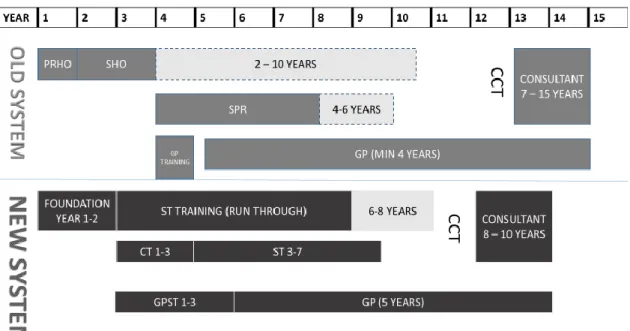
Figure 1-1 – Medical training before and after MMC (11, 12) ... 2
Figure 1-2 - Types of simulation and fidelity (1 pg164-168, 31) ... 6
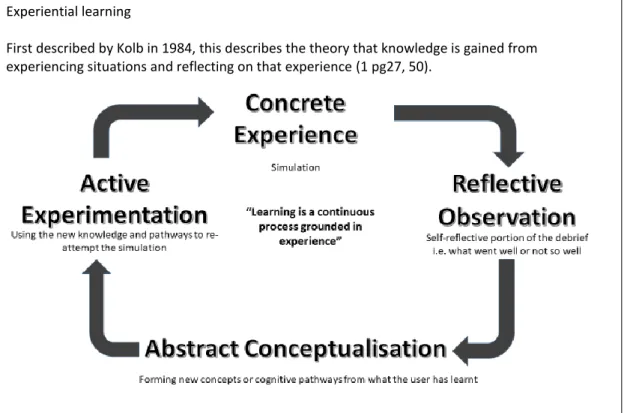
Figure 1-3 - Theoretical underpinnings of simulation (1 pg27, 69, 60 pg223-224) ... 12
Figure 1-4 - Kirkpatrick’s training evaluation levels(94 pg21-26, 95, 96) (KP1-4) ... 16
Figure 1-5 – Differences between student assistantship and shadowing ... 21
Figure 2-1 –Kirkpatrick’s levels of evaluation (see 1.3 for more information)... 29
Figure 2-2 – Literature search results... 31
Figure 2-3 - CASP qualitative checklist; each main question may be answered yes/no/can’t tell ... 34
Figure 2-4 - Year of publication for included papers ... 35
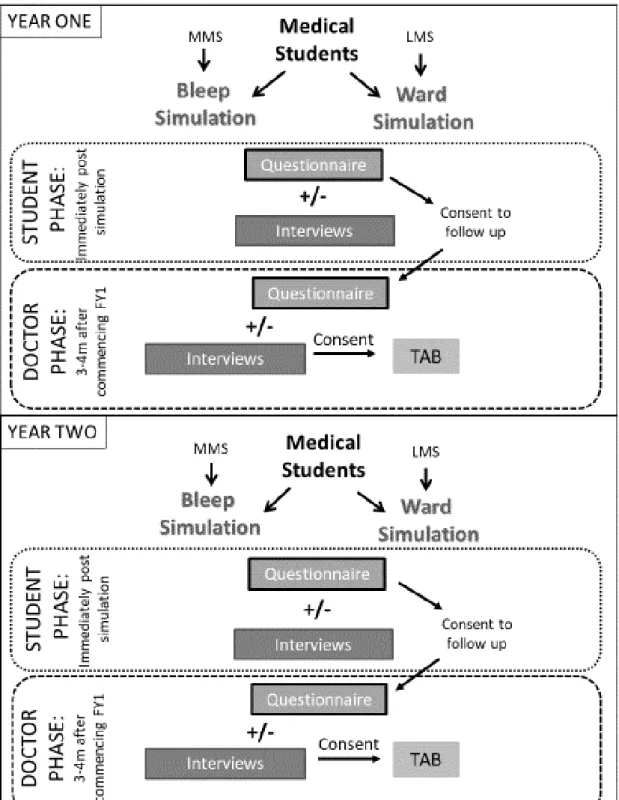
Figure 3-1 - Overview of the study. ... 84
Figure 3-2 – Study diagram with number of participants and response rates for year one .. 108
Figure 3-3 - Study diagram with number of participants and response rates for year two .. 110
Figure 3-4 – Additional questions for the stakeholder questionnaire ... 115
Figure 3-5 - Example of open coding of an excerpt from a student interview ... 123
Figure 4-1 – Scatter plots showing correlation between stress levels prior to commencing FY1, upon commencing FY1 and now. a. Correlation between stress levels before and upon commencement of FY1, b. Correlation between stress levels upon commencement of FY1 and now. Best fit line with 95% confidence intervals is shown, p= <0.05 considered statistically significant. ... 144
Figure 4-2 – Quotes on the conceptualisation of preparedness, student and stakeholder participants. ... 145
Figure 4-3 – Participants who answered that their concerns were mild with the associated example quotes, split into themes as per Table 4-13. ... 156
Figure 4-4 – Participants who answered that their concerns were moderate with the associated example quotes, split into themes as per Table 4-13. ... 157
Figure 4-5 – Participants who answered that their concerns were major with the associated example quotes, split into themes as per Table 4-13 ... 158
xv
List of tables
Table 1-1 – Worldwide difference in medical training (17-21) ... 4
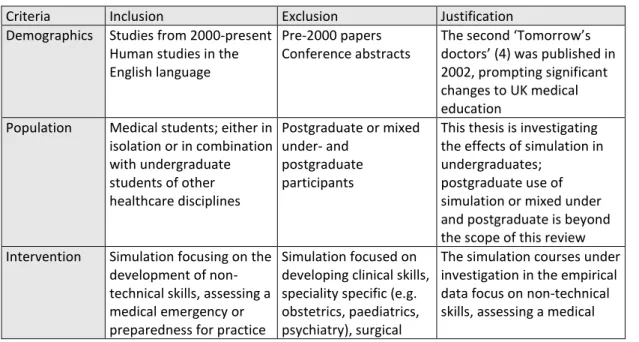
Table 2-1 Inclusion/exclusion criteria and justification ... 29
Table 2-2- Data extracted from papers. ... 32
Table 2-3 MERSQI (174) ... 33
Table 2-4– Ways in which simulation is evaluated throughout the literature included in this review ... 36
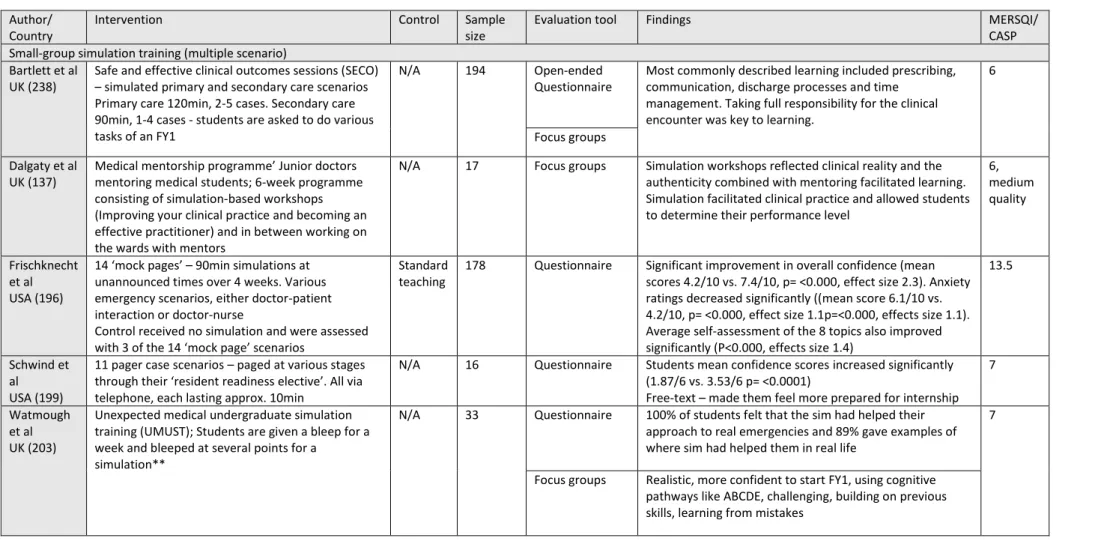
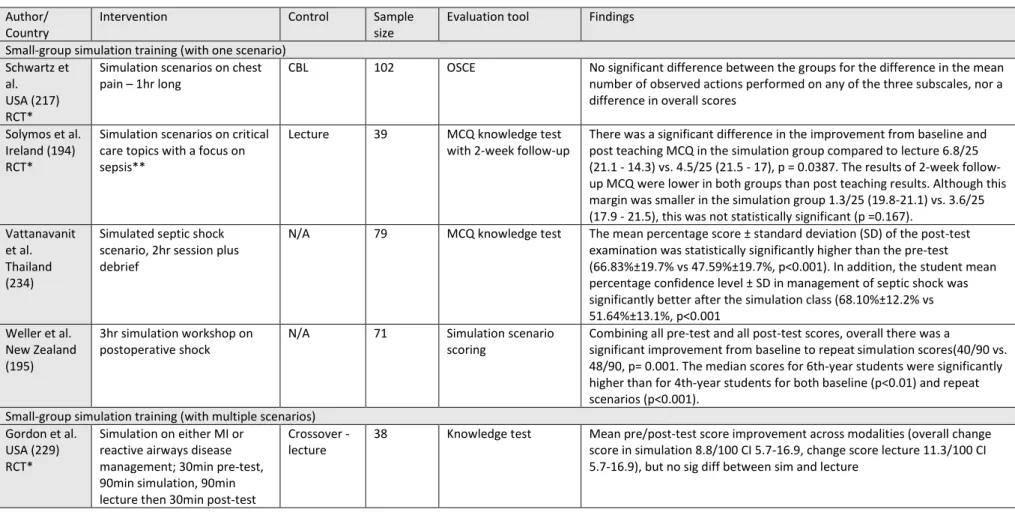
Table 2-5- Studies included demonstrating objective evidence for simulation training for preparedness for practice.*denotes RCTs. **indicates length of simulation not specified. ‘Survey’ and ‘questionnaire’ were referred to interchangeably throughout the literature, therefore for clarity are referred to by questionnaire. Y1-5 denotes the year of study for students; if missing this was not specified in the study... 40
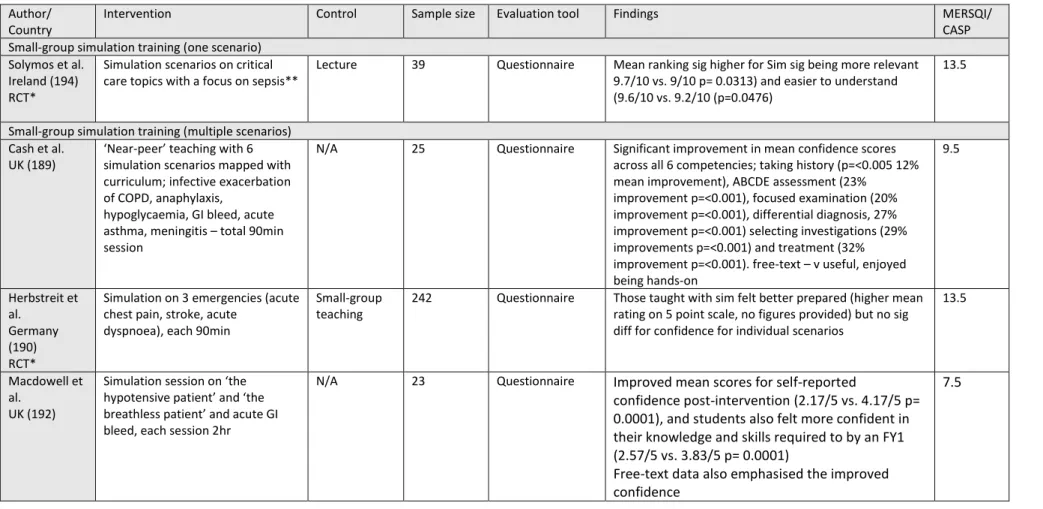
Table 2-6- Studies included demonstrating self-reported evidence for simulation training for preparedness for practice.*denotes RCTs. **indicates length of simulation not specified. ‘Survey’ and ‘questionnaire’ were referred to interchangeably throughout the literature, therefore for clarity are referred to by questionnaire. Y1-5 denotes the year of study for students; if missing this was not specified in the study... 45
Table 2-7 – Studies included demonstrating objective evidence for simulation training for assessing medical emergencies.*denotes RCTs. **indicates length of simulation not specified. ‘Survey’ and ‘questionnaire’ were referred to interchangeably throughout the literature, therefore for clarity are referred to by questionnaire. Y1-5 denotes the year of study for students; if missing this was not specified in the study. ... 54
Table 2-8 - Studies included demonstrating self-reported evidence for simulation training for assessing medical emergencies.*denotes RCTs. **indicates length of simulation not specified. ‘Survey’ and ‘questionnaire’ were referred to interchangeably throughout the literature, therefore for clarity are referred to by questionnaire. Y1-5 denotes the year of study for students; if missing this was not specified in the study. ... 61
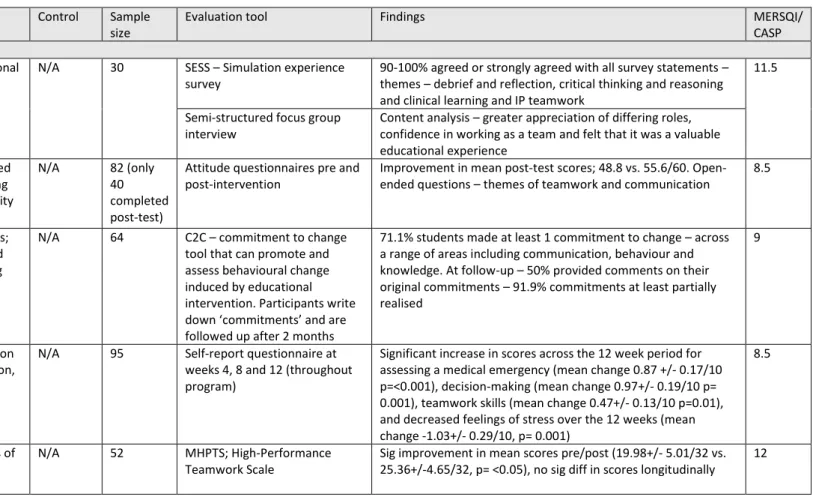
Table 2-9- Studies included demonstrating objective evidence for simulation training for non-technical skills.*denotes RCTs. **indicates length of simulation not specified. ‘Survey’ and ‘questionnaire’ were referred to interchangeably throughout the literature, therefore for clarity are referred to by questionnaire. Y1-5 denotes the year of study for students; if missing this was not specified in the study. ... 68 Table 2-10 - Studies included demonstrating self-report evidence for simulation training for non-technical skills.*denotes RCTs. **indicates length of simulation not specified. ‘Survey’ and ‘questionnaire’ were referred to interchangeably throughout the literature, therefore
xvi
for clarity are referred to by questionnaire. Y1-5 denotes the year of study for students; if
missing this was not specified in the study. ... 74
Table 3-1 – Advantages and disadvantages of various questionnaire collection methods (adapted from (262 pg34-39)) ... 93
Table 3-2 – Research problems that may be suitable for mixed methods with relevance to this study ... 101
Table 3-3 – Sources of data ... 101
Table 3-4 – Key features of MMS and LMS (291). ... 103
Table 3-5 - Details of the simulation courses ... 104
Table 3-6 – Key components of simulation as per BEME guide(32,33), mapped to simulation courses ... 105
Table 3-7 – Total population available for each participant group by academic/training year and site ... 106
Table 3-8 – Table demonstrating competencies from OG2015(3) and their corresponding questionnaire item. Students answered on a five-point Likert scale. Full questionnaires are in Appendices 8, 9 and 11. ... 113
Table 3-9 – Table demonstrating additional questions for the student and doctor phase ... 114
Table 3-10 – Likert responses grouping ... 117
Table 3-11 – Table demonstrating total population, number consented to and completed questionnaire, missing data, and numbers for interview ... 118
Table 3-12 – Table demonstrating triangulation data that the individual questionnaire items provide, data from the statistical comparisons and how these answer the research questions ... 118
Table 3-13 – Coding process... 124
Table 4-1 The doctor as a practitioner; The graduate will be able to carry out a consultation with a patient; comparison table with total, MMS and LMS numbers and p value for Chi-squared statistical test ... 131
Table 4-2 Diagnose and manage clinical presentations; comparison table with total, MMS and LMS numbers and p value for Chi-squared statistical test ... 131
Table 4-3 Communicate effectively with patients and colleagues in a medical context; comparison table with total, MMS and LMS numbers and p value for Chi-squared statistical test ... 132
Table 4-4 Prescribe drugs safely, effectively and economically; comparison table with total, MMS and LMS numbers and p value for Chi-squared statistical test ... 132
xvii Table 4-5 The doctor as a professional; reflect, learn and teach others and protect patients and improve care; comparison table with total, MMS and LMS numbers and p value for Chi-squared statistical test ... 132 Table 4-6 comparison table for procedural competencies, with total, MMS and LMS numbers and p value for Chi-squared statistical test ... 135 Table 4-7 comparison table for procedural competencies, with total and FY1 numbers and p value for Chi-squared statistical test ... 136 Table 4-8 comparison table for procedural competencies, with total and stakeholder
numbers and p value for Chi-squared statistical test ... 136 Table 4-9 Comparison table for assessing medical emergencies and non-technical skills, demonstrating total numbers, numbers from MMS and LMS and p values for the Chi-squared statistical test ... 140 Table 4-10 Comparison table for assessing medical emergencies and non-technical skills, demonstrating total numbers, and numbers from the FY1 follow-up (doctor phase) and p values for the Chi-squared statistical test... 140 Table 4-11 Comparison table for assessing medical emergencies and non-technical skills, demonstrating total numbers, numbers from stakeholder data and p values for the Chi-squared statistical test ... 141 Table 4-12 – Descriptive statistics for how stressed participants felt before, upon
commencement and currently in their foundation posts. ... 143
Table 4-13 – Free-text themes and explanations; themes described with example comments in Figure 4-3, Figure 4-4, and Figure 4-5. ... 154 Table 5-1 – Frequency table demonstrating stakeholders views on simulation for
preparedness for practice ... 168 Table 5-2 – Educational components that stakeholders ranked from most important to least important (a score of 1 = most important, 7 = least important). ... 168
xviii
GLOSSARY
ALERT – Acute Life-Threatening Events – Recognition and Treatment (simulation)
ABCDE – Mnemonic for patient assessment in an emergency; Airway, Breathing, Circulation, Disability, Exposure
ADR – Adverse drug reaction
ALS – Advanced Life Support training ALSO – Advanced Life Support in Obstetrics
AMEE – Association for Medical Education in Europe ARCP – Annual Review of Competence Progression BEME – Best Evidence Medical Education (review) BLS – Basic life support
CASP - Critical appraisal skills programme checklist CBL – Case-based learning
CCT – Certificate of Completion of Training CMT/CST – Core medical/surgical training CPD – Continuing Professional Development CPR – Cardiopulmonary resuscitation CT1, CT2, CT3 – Core Trainee year 1, 2, 3 ECG – Electrocardiogram
ELHT – East Lancashire Health Trust; Royal Blackburn Teaching Hospital E-Portfolio – Electronic portfolio
EWTD – European Working Time Directive FY1/2 - Foundation year doctor 1/2 GMC – General Medical Council
GPST – General Practice Speciality Trainee (years 1-3) HEE – Health Education England
Intern - Intern/PGY1/FY1 – the first postgraduate year. In some countries full registration or licencing will be awarded (with or without an examination) following this year.
KP1-4 –Kirkpatrick’s levels 1-4 LMS – Lancaster Medical School
LTHTRTR – Lancashire Teaching Hospitals NHS Trust (Royal Preston Hospital) MCQ – Multiple choice questions
xix MDT – Multidisciplinary team (within the hospital setting, often made up from nurses, doctors, physiotherapists and other ancillary staff)
MERSQI - Medical Education Research Study Quality Instrument MLA – Medical licencing examination
MMC – Modernising Medical Careers MMS – Manchester Medical School NHS – National Health Service
OG2015 – Outcomes for Graduates – The GMC, 2015 OR – Odds ratio
OSAT- Objective Simulation Assessment Tool (in this thesis; outside of this thesis OSAT refers to objective structured clinical assessment)
OSCE – Objective Structured Clinical Examination PBL – Problem-Based Learning
PIS – Participant information sheet
PRHO – Pre-registration House Officer (old term, replaced by FY1) PROMPT – PRactical Obstetric MultiProfessional Training
PSA – Prescribing safety assessment
RCOG – Royal College of Obstetricians and Gynaecologists RCS – Royal College of Surgeons
RCT – Randomised control trial
Resident/ Speciality trainee – period of training in a specific speciality e.g. obstetrics and gynaecology, paediatrics. Term used in many non-UK health settings
SBAR – Mnemonic for handover; Situation, Background, Assessment, Recommendation SHO – Senior House Officer (old term – but may be used to describe any doctor more senior than an FY1 but junior to a registrar, for example, FY2, CT1-3, ST1-2, GPST1-2)
SJT – Situational judgement test SpR – Speciality Registrar
ST1, ST2, ST3 – Speciality Trainee year 1, 2, 3 TAB – Team assessment behaviour form
TD09 –Tomorrow’s Doctors 2009, a report by the GMC
TeamSTEPPS - ‘evidence-based teamwork system to improve communication and teamwork skills among health care professionals’ developed and used by postgraduate healthcare professionals in the US
xx
UKFP – UK Foundation Programme
Participant acronyms
S (number suffix) – Student participant SH (number suffix) – Stakeholder participant
FYD (number suffix) – Foundation Doctor participant SFTQ – Student free-text questionnaire response SHFTQ – Stakeholder free-text questionnaire response
1
1
Introduction: Simulation and the transition to
professional practice
This thesis sought to explore the effects of simulation in undergraduate medical education on medical students’ perceived preparedness for practice. This chapter presents the
background to the rationale of the thesis. First, a brief background on medical education and the changes over the last 15-20 years are described to situate the reader in recent
developments and how they have impacted preparedness. Following this, simulation is introduced, with a history of the technique, the educational theories informing simulation, a description of the essential components and the benefits and drawbacks of the method. An overview of Kirkpatrick’s levels follows; the methodology used throughout this thesis to evaluate the effectiveness of educational interventions. Finally, the concept of preparedness for practice is introduced, along with a description of the interventions that have already been implemented to improve preparedness, and how simulation may help to improve preparedness.
1.1
Background
The fundamental purpose of medical education is to produce up-to-date, competent doctors who put patients’ needs and safety first. Medical education has been transformed over the past 30 years from apprenticeship-style ‘see one, do one, teach one’ to integrated
undergraduate curricula and an emphasis on objective workplace-based assessments (1 pg1-4, 37, 69-70). Modern medical education covers a continuum of undergraduate,
postgraduate and continuing professional development (CPD) of clinicians.
The catalyst for these changes was the General Medical Council’s (GMC) first “Tomorrows Doctors” (1993, updated in 2002 and 2009, replaced in 2015 and 2018 with Outcomes for Graduates) (2-6). These documents were reflections of the research-driven changes in educational methods. The first Tomorrow’s Doctors marked a change in the form of the GMC’s guidance on medical education, suggesting that undergraduate medicine be taught in an ‘integrated’ systems-based way, with early and sustained clinical content (6). The
emphasis shifted from the previous stance that valued only knowledge acquisition to an educational programme focused on clinical reasoning and communication skills (6). Following this and its successor in 2002, there was pressure on medical schools to reform their curricula. Lecture-based ‘traditional’ curricula focused on basic science which contained
2
little clinical experience were mostly replaced with problem- or case-based learning (PBL/CBL) integrated courses with an emphasis on communication and early clinical experience (see 1.4.2.3)(7). In addition to an emphasis on communication, non-technical skills have come to the forefront. The use of technology in medical education also intensified and alongside various digital technologies, simulation has been introduced in wide-ranging ways.
In addition to undergraduate reforms, postgraduate training was also affected, principally by the European Working Time Directive (EWTD, 2003). The EWTD limited the working week to an average of 48hrs (in contrast to previous practice, in which there were no restrictions on doctors’ hours), with compulsory rest breaks and days (8). The directive thereby reduced doctors’ hours and precluded the practice of 24-hour resident on-calls (8). At the time, there were concerns that the EWTD would affect continuity of care for patients and cause a reduction in training opportunities (9, 10). Following the introduction of the EWTD,
developments in medical education and the move to a competency-based system, there was a pressing need to streamline training, accomplished by Modernising Medical Careers (MMC, 2005 (11)). MMC restructured postgraduate training across all specialities, created the Foundation Programme (UKFP) and resulted in a reduction in the overall length of training ( Figure 1-1), adding to concerns about training opportunities. The new UKFP replaced the old Pre-registration house officer (PRHO) year with two years of general training, with full registration to practice awarded by the GMC after the first year (11).
3 Alongside the changes in education, working time restrictions, staffing pressures, and
financial austerity may mean that clinicians have less time and funding dedicated to training juniors. Many NHS trusts are now in significant financial deficit, and there are enormous burdens on our health service (13, 14). The rise in nurse practitioners and other ancillary staff delivering care that would have previously been a doctor’s domain may have led to fewer learning experiences, compounding concerns about training opportunities.
Furthermore, patient safety is at the forefront following the Francis and Kirkup reports on failings at Mid-Staffordshire NHS Foundation Trust and the University Hospitals of
Morecambe Bay NHS trusts respectively (15, 16). In an increasingly litigious climate (15, 16), and with an increase in accountability, quality, safe, cost-effective medical education has never been more vital. Changes in medical education, with an increase in costs and resources needed, and substantial burdens on the NHS have undoubtedly put pressure on training provision. Simulation technology is a safe method of providing training, may be a way to address this issue, and has become routine throughout medical education.
Despite differences in healthcare systems, simulation is internationally recognised and used. Therefore, international studies will be considered throughout this thesis. Although the context of medical education in the UK is different from that in other countries, it is useful to consider international studies in this thesis, albeit with caution, given the unique nature of training and service provision in the NHS. Other countries’ systems for medical education vary, and they have different terms for trainees at various stages, which can make them difficult to situate within the UK context (see Table 1-1 for medical education systems in the nations with papers included in this thesis).
4
Table 1-1 – Worldwide difference in medical training (17-21)
Australia Canada Europe Southeast Asia USA UK
Direct entry from secondary education
Yes, graduate entry also available
No, previous BSc required
Yes, graduate entry also available
Yes, some have pre-med component, graduate entry available
No, previous BSc required
Yes, graduate entry also available
Degree MBBS, 5-6 years MD, 4 years MD, 5-6 years MBBS 5-6 years MD, 4 years MBBS, MbChB, MB,
5-6 years Internship Yes, Postgraduate
year one (PGY1)
No Depends on country* Depends on country* No Yes, two-year foundation programme (FY1-2) Licencing Automatically following PGY1 Licencing examination immediately after graduation Licencing examination immediately after graduation Automatically following FY1 Residency GP/Family medicine training
3-4 years 2 years 3-5 years 3 years 3 years
Speciality training 3-7 years May be split into basic/ advanced, most have an exit examination
4-6 years May be split into basic/ advanced
4-8 years May be split into basic/ advanced
4-6 years 3-7 years 5-7 years
May be run-through or uncoupled, most split into basic/ advanced
*Germany – licensing exam at graduation, no intern year. Netherlands, Spain, Greece, Turkey – Automatic licensing at graduation, no intern year. Ireland – Intern year followed by licensing examination. Singapore – Intern year followed by licensing examination. Thailand – Licensing exam at graduation, followed by intern year (some specialities require 2-3-year internship). Korea – Licensing exam at graduation
5
1.2
Simulation in medical education
Simulation in medical education includes any scenario using mannequins, devices, computers or actors to recreate reality (1 pg164-165). Many different disciplines outside medicine use simulation technologies in training; the aviation industry in particular has used simulation to reduce human error and improve safety. In clear parallels with medicine, industry experts in aviation worried that “training in the real world would be too costly and dangerous” (22). Primitive wooden flight simulators from the early 20th century paved the way for expensive, state-of-the-art technology so advanced that users may now learn to fly an aircraft without leaving the ground (22). Non-technical skills team training was introduced in aviation in the 1970s, years before it was used for this purpose in medical education (23). Anatomical models have been used to train medical scholars for thousands of years,
including life-sized bronze models for acupuncture in the 10th century (24), and various birth simulation models in the 18th century (24, 25). At this time, there were high levels of fetal and maternal mortality, reflecting the ethos of using simulation in high-risk areas where training, in reality, may be too dangerous.
The origins of medical simulation as it is known now began in the 1960s with Resusci-Anne, a basic resuscitation mannequin (26). The resuscitation movement was a catalyst for
increasingly realistic, sophisticated simulators that provided feedback to the users, developed through the 1960-80s (27), precursors to the integrated mannequins seen in modern simulation (27). From its roots in anaesthetics and resuscitation, simulation is now used in almost every speciality, across the three levels of medical education (28).
In medicine, simulation (Figure 1-2) allows users to practise diagnostic reasoning,
management, communication or non-technical skills before or alongside contact with real patients. A simulated patient is a person or actor trained to recreate the signs and symptoms of a real patient; they may be standardised, particularly as they are extensively used in assessment in undergraduate, postgraduate, and CPD medical education (29, 30). Realism or fidelity describes how ‘true to life’ the situation or equipment is; traditionally reflecting how advanced the technology was, categorised as low, medium or high fidelity (1 pg164-168, 31, 32). Over time, this classification was developed to avoid the inference that high-fidelity simulation was the best or most effective. Basic skills training (such as pelvic examination or venepuncture) requires less technical fidelity than that necessary for a multiprofessional advanced trauma course (Figure 1-2), but both may be equally appropriate and effective.
6
Figure 1-2 - Types of simulation and fidelity (1 pg164-168, 31)
Type of simulation
Description Technical fidelity:
The technological complexity of the simulation(28)
Situational fidelity:
How ‘true to life’ the simulation is
Environmental How well the simulator presents other elements of the environment
Engineering How well the simulator or equipment imitates reality
Psychological How realistic the simulation is to the user Part Task
Trainers
Used to teach and practice technical skills in isolation Task trainer/ low Low situational fidelity Examples: Venepuncture or cannulation arm, pelvic examination model
Computer-Based Trainers
Virtual simulation via a computer program which allows for self-directed learning; may be related to basic sciences or more complex scenarios
High Low situational fidelity
Examples: MicroSim suite (Laerdel©) – A computer program that simulates medical emergencies to develop users’ decision-making and critical thinking skills (10)
Virtual Reality and Haptic Simulators
Computer-based representation of a task or environment which the user interacts with (similar to computer-based trainers) combined with haptic systems which provide a physical and tactile element
High High environmental and engineering fidelity, psychological fidelity will depend on the user
Examples: Laparoscopic simulators for surgical skills, Endoscopic simulators
Integrated Simulators
Combination of a mannequin with a computer that controls the physiology, which can be altered in response to actions by the user. The computer may fully control the mannequin, or a technician may be needed to control the system manually
High High situational fidelity
Examples: Instructor driven; ‘SimMan’ (Laerdel©) Computer/model driven; ‘CAE Apollo’ (CAE Healthcare©) Simulated
Patients
A well person, patient or professional, trained to recreate signs and symptoms of a disease; this may or may not be standardised
Low May be high or low
Simulated Environment
Contextualised simulation; overlaps with the fidelity of the simulation May be high or low High situational fidelity Examples: Simulated ward, theatre
7
1.2.1
Essential components, benefits, and challenges
Various factors contribute to simulation’s efficacy, applying to any style or type of
simulation. The Best Evidence Medical Education (BEME) systematic review on high-fidelity simulation (updated in the Association for Medical Education in Europe (AMEE) guide) (32, 33) determined the essential components of simulation (shown below). Nearly half of all included studies cited feedback as the most important component of simulation, and therefore, debriefing is discussed further in 1.2.3.
1. Feedback (or ‘the debrief’)
In simulation-based learning, feedback from the simulator or instructors is the single most important characteristic (33). Feedback is a key feature of the theories discussed in 1.2.2 and allows learners to reflect on their performance and make changes towards improvement.
2. Repetitive/deliberate practice
Simulation provides an opportunity for users to participate in intensive, repetitive practice, which can improve competence and confidence. Repetition is vital for gaining and
maintaining skills, but is difficult to recreate in the clinical domain (32). 3. Curriculum integration
Simulation is most effective when it is embedded into the curriculum: for example, a chest pain simulated scenario when learning about cardiac disease (34, 35) and used within the assessment of medical learners.
4. Range of difficulty level
Providing prior knowledge has been determined, users can start at an appropriate level and progressively ascend through the difficulty levels. Having a range of difficulty levels may be particularly crucial for procedural skills such as laparoscopic skills.
5. Multiple learning strategies
Simulation is adaptable to many learning strategies: large and small groups, individual learning, with or without instructors.
6. Clinical variation
A range of presentations containing different patients and diseases can be provided by simulation, in particular, rarer diseases not often experienced in reality.
8
7. Controlled environment
In a simulation, users may make decisions on diagnoses and treatment options in a completely standardised and safe environment, unlike real clinical settings, where patient safety prohibits this. Standardisation of scenarios allows equitable education for students, and due to the ability to standardise, simulation is now used extensively in medical examinations of all levels.
8. Individualised learning
Simulation provides learners with the opportunity to have active roles in patient care, stepping past the passive observer role that they might have in the real clinical environment. Learning can be individualised for each participant, depending on their needs.
9. Defined outcomes
Simulation can provide defined outcomes, for example, mastering basic suturing skills or procedural skills such as catheterisation or endoscopy. Users are more likely to achieve competence in skills if they have defined outcomes that are set at the right levels.
10. Simulator validity
Simulators provide realism/fidelity to recreate the clinical environment, which allows learning transfer to real clinical settings.
Communication, procedural and surgical skills are some of the skills increasingly taught using simulation technology (36-39). Patients now expect that clinicians have been trained to an acceptable level before providing care. Furthermore, patients may not want untrained students or doctors ‘practising’ on them (40, 41). While clinical experience is still fundamental to medical education, expertise can be maximised using both clinical
experience and simulation. Finally, medicine is following the aviation industry with a focus on simulation for non-technical skills team training (23, 42-44). The empirical evidence for the benefits of simulation training is discussed in 1.2.4 and 2.2.
There are several challenges facing simulation and its use in healthcare. In the current financial climate, cost-effectiveness is at the forefront. Although there are many lower-cost options, cost may prohibit the use of the higher-fidelity integrated simulators (see Figure 1-2), particularly in lower-income countries. In addition to expensive mannequins, other overheads mean the cost of simulation can be difficult to estimate and is often not included in simulation studies (45). Zendejas et al found just 1.6% of all studies compared the cost of
9 simulation with another educational modality (45). Nonetheless, if simulation training has beneficial effects on patient care, this may justify the cost outlay.
It is unclear exactly how much simulation is required for it to be effective, and how to balance experience with real and simulated patients. One study showed that junior medical undergraduates valued simulated patient experiences over real ones (46). However, some users find it more challenging to act as they would in clinical practice and find it hard to ‘suspend disbelief’; these users are unlikely to find simulation beneficial. In addition, a previous good or bad experience with simulation may influence how useful simulation is for that individual. Simulation’s effectiveness is as much reliant on the user as it is on the mannequin or simulated patient. No matter the fidelity, there will be some scenarios or topics that cannot be adequately taught with simulation. Given the cost, it is essential to focus simulation technology where it will be most effective and involve users who will gain the most from it.
1.2.2
Theoretical underpinnings of simulation
Simulation is underpinned by theories of how and why we learn, including mastery learning (47), the five-stage model of skills acquisition (48) behaviourism (1 pg169), deliberate practice (49) and experiential learning (50).
Mastery learning originated from research in schools, and is based on two key principles: 1. All learners have the chance to achieve educational excellence, and 2. Following the process of mastery learning, all learners would be expected to have attained similar outcomes (51, 52). The process of mastery learning has been applied in medical education and begins with a baseline assessment to establish appropriate learning objectives with increasing difficulty. The learning objectives and difficulty level would therefore in theory be different for different learners at different stages; for example, learning objectives for a 5th year medical student learning how to manage breathlessness would be different to a ST5 speciality registrar in respiratory medicine. Following the baseline assessment and learning objectives, the learner should “engage in powerful and sustained educational activities focused on reaching objectives” (51); in the context of this thesis, simulation. There are fixed standards that must be passed, with formative assessment and feedback to ensure learners advance to the next educational objective. Following this, there is repetitive, or deliberate practice (spending time on a specific task with repetition following structured feedback; see later in this section (49)) until ‘mastery standard’ is achieved (51). This kind of structure is the basis for mandatory courses such as Advanced Life Support (ALS).
10
The literature around simulation for mastery learning tends to focus on the acquisition of particular skills, for example ALS (53) and laparoscopic skills (52, 54), therefore, in the context of preparedness, mastery learning may not be the most appropriate theory to use. Preparedness comprises not just practical skills, but also confidence, readiness, and external factors such as the environment and support structures. In addition, the focus on a minimum passing standard is difficult in the context of preparedness because there is no validated measure of preparedness and there is so much focus on self-confidence or self-efficacy. Although mastery learning may be useful for specific skills that are important for the transition, for overall preparedness, a different approach may be necessary.
Mastery learning and deliberate practice are closely linked with another learning theory developed by Dreyfus: the five-level model of skills acquisition (48). According to Dreyfus, there are five stages of development; novice, advanced beginner, competent, proficient and expert; at each level the learner builds upon the skills from the previous level and moves through the stages, gaining knowledge, skills and experience which leads to changed behaviours (analogous to Kirkpatrick’s levels discussed later in the chapter) (48, 55, 56). Novice learners have no experience. Therefore, to deal with a scenario, they are taught specific rules with which to deal with that scenario (48, 56). The advanced beginner has a small amount of experience and learns to recognise patterns or different contexts which may change the rules with which they can deal with that situation. Competency is attained when the learner sees their actions in the longer term and therefore can begin to prioritise
situations and tasks. The proficient stage is characterised by the learner viewing scenarios as a whole, realising what typically happens and how to change plans in response to events. At the final expert level, the learner no longer relies on rules to interpret situations. Their experience allows them to have an intuitive grasp of the situation, they know what needs to be done and how to do it. The emphasis in this model of skills acquisition is on increasing experience changing knowledge and perceptions, which clearly overlaps with experiential learning and to some extent deliberate practice. There are several critiques of Dreyfus that make the levels less relevant to the research questions for this thesis (1.6). The presentation of the model as linear does not take into account the complexities of medical education and medical learners. In addition, novice learners may not necessarily be passive learners and may have experience that impacts their decision-making in certain scenarios (57).
Furthermore, expert learners are not infallible; doctors make mistakes and come across situations where they do not know what to do at all levels of training. A further reason why Drefus’s model is less relevant for this thesis is that the participants in this thesis are at the
11 lower levels of Drefus’s model and the simulation courses being studied do not allow
learners to ascend Dreyfus’s levels. Such simulation would need to be longitudinal over several years with repeated exposure, which would be beyond the scope of this thesis. Simulation learning may also be linked to the theory of behaviourism. Behaviourists believe that learning is “a change in behaviour in the desired direction” (58); ‘conditioning’ feedback with encouragement for correct behaviour and criticism for incorrect behaviour is followed by repetition, more feedback and reinforcement for corrections (58). The approach is teacher-centred, with an emphasis on the learning environment to produce a specific response. Observable behaviour is the focus of learning, the environment shapes behaviour and reinforcement is essential (59). Behaviourism is the basis of competency-based
education. However, as preparedness is not only about competence, but also confidence, and other external factors have a role in developing and maintaining preparedness, the behaviourist method may not be appropriate when considering simulation for preparedness. Furthermore, the concept of preparedness is about more than observable behaviours, therefore, behaviourism was not used, as applying this theory would not allow preparedness to be fully explored.
The two most relevant theories for considering simulation for professional preparation in medical education are Ericsson’s deliberate practice (49) and Kolb’s experiential learning (50) (Figure 1-3).
Deliberate practice
Deliberate practice involves spending time on a specific activity, task or skill to improve
performance, with repetition following structured feedback (49). Rather than simply repeating the scenario, learners must receive feedback to focus on improving performance.
12
Experiential learning
First described by Kolb in 1984, this describes the theory that knowledge is gained from experiencing situations and reflecting on that experience (1 pg27, 50).
Figure 1-3 - Theoretical underpinnings of simulation (1 pg27, 69, 60 pg223-224)
Both deliberate practice and experiential learning reflect a fundamental concept of medical education: the concept of learning in the workplace (1 pg27, 69). Nonetheless, allowing undergraduates full responsibility for patient care is not ethically acceptable. Simulation may, therefore, provide opportunities for experiential learning in a safe environment, prior to and alongside patient interactions. The debrief portion of simulation perfectly illustrates the ’reflective learning’ element of Kolb’s theory and is an essential part of Ericsson’s deliberate practice (see 1.2.1 (33, 61)). Repetition of tasks to cement knowledge is a central feature of deliberate practice and experiential learning and may be provided in a
standardised way in simulation.
There are multiple similarities between the theories discussed in terms of how learners acquire knowledge with repetition, actual experience and meaningful feedback. In all the theories, active involvement of the learner is paramount, and this is reflected in the empirical data from this thesis. Furthermore, the essential components of simulation described in 1.2.1 link into experiential learning and deliberate practice; this helps to describe how the mechanisms of action of simulation training links into the theories of how and why people learn from simulation. In particular, feedback is essential for both theories to ensure reflection on performance and development of knowledge to improve subsequent
13 performance. In addition, allowing repetitive practice with different simulation scenarios at different difficulty levels allows learners to develop knowledge and skills over time.
For undergraduates, simulation allows independent experience of assessing medical emergencies. By gaining ‘concrete experience’ in such scenarios, with a debrief allowing reflection on their performance, and repetitive practice with repeated scenarios of increasing difficulty, students may improve their diagnostic abilities and correct errors in management, so by the time it comes to dealing with a medical emergency in the clinical environment, they have the necessary skills and confidence. In a similar way, simulation scenarios can be designed to introduce and develop students’ non-technical skills. Educators may design a scenario in which, to succeed, participants must work as a team, prioritising and managing their time effectively. By using feedback, participants may hone and develop their non-technical skills by repeating scenarios and tackling new scenarios, thereby solidifying their knowledge and utility of non-technical skills prior to independent practice.
1.2.3
Feedback and ‘the debrief’
As discussed in 1.2.1, a vital part of simulation training is immediate feedback, known as a debrief. While there is an extensive literature on the many different types of debrief and on the effectiveness of each, a detailed discussion of that topic is beyond the scope of this thesis. Instead, a concise summary of the essential characteristics of a debrief is presented below.
Debriefing allows users to identify strengths and weaknesses in their performance, with guidance from a facilitator (expert in the clinical scenario and in giving feedback), and then re-attempt the scenario to consolidate the new knowledge or skill (62). It ensures that potential bad practice is not repeated, but also allows the user to ‘de-role’ or let go of the responsibility they may have taken on during the simulation (62). Furthermore, feedback ensures that learning goals are achieved and any questions are discussed (32). In some cases, the simulator can give feedback data, particularly in the case of simulated patients, and therefore, students may value simulated patient interactions more than real patient
interactions (46, 63). Video feedback may be used to provide real-time examples of good and bad practice.
Planning, pre-brief, and the provision of feedback (the ‘three Ps’ (32)) are considered to be the three most important aspects of debriefing. Planning for the feedback to be in line with the learning goals of the session and adopting a flexible approach as to when and how the
14
feedback should be given in line with the learning goals of the session, with flexibility, allows learners to add objectives if they arise. Priming or ‘pre-briefing’ informs learners of the non-threatening, safe nature of the simulation and covers rules and expectations (32). Finally, various models are available to guide feedback. Most models arise from the natural process of experiencing, reflecting, discussing and then learning and changing behaviours as a result (64). As reflection may not occur naturally, or even at all, having a structured debrief enables learners to focus on the reflective process. Three key debriefing models come from Thatcher and Robinson (65), Lederman (66), and Petranek (67). Feedback, “the heart and soul of simulation training”, (68) is a critical part of many of the learning theories underlying simulation, and many authors have described its importance (32, 69).
Through an effective debrief, and the other essential components (1.2.1) simulation can be effective across specialities for a diverse range of topics. In particular, simulation has proven effectiveness in the postgraduate domain, described in the following section.
1.2.4
Simulation in postgraduate medical education
Simulation is well established in the postgraduate education domain and is used in
compulsory courses, competency assessments and also in postgraduate examinations (70). The Royal College of Surgeons (RCS) suggests that simulation should be “embedded and enhanced within the surgical curricula”, (71) and furthermore, a recent Health Education England (HEE) report suggests that practical procedures should be taught with simulation technologies throughout core medical training (CMT) (36).
In laparoscopic surgery, simulation training can improve surgical skills, translating into reduced training and operating time (72-75). Reduced operating time may result in improved patient outcomes because longer operating times result in increased rates of postoperative infection and length of hospital stay (76-78). Equally, shorter operating times may result in less blood loss, reduced length of stay and improved efficiency of theatre lists with a quicker turnover of patients. Although simulation training for laparoscopy has brought about reduced error rates in the simulation setting, this has not yet been proven in the operating room (79).
Obstetrics is a procedure-based, high-risk speciality, with high litigation and cost of claims (80). Teamwork failure contributes to adverse outcomes for mothers and babies (81); good multiprofessional teamwork is essential to provide quality care (82). Team simulation training in obstetrics has been associated with improved technical and non-technical skills
15 and a change in behaviours, which resulted in a reduction in neonatal injury (83-86).
PRactical Obstetric Multiprofessional Training (PROMPT), an evidence-based
multiprofessional simulation course, has been shown to improve neonatal outcomes following obstetric complications (85-87) and is now widely used internationally. Resuscitation was the catalyst for the simulation movement, and in this field, simulation training results in decreased deaths after cardiac arrest and an increase in survival to discharge (88-91). It is, therefore, not surprising that many of the medical colleges have compulsory resuscitation simulation courses within their postgraduate curriculum (92). Furthermore, the GMC requires that all FY1 doctors undertake simulation training in Immediate Life Support (ILS) and Foundation year 2 (FY2) doctors in ALS (93).
Considering this high-level evidence for simulation training, for postgraduate doctors, simulation results in better patient care and outcomes. Whether these benefits can cross over to the undergraduate domain remain to be seen; however, this evidence provides promising results that have attracted attention.
1.3
Assessing the impact of simulation
1.3.1
Kirkpatrick’s trai
ning evaluation model
In 1959 Donald Kirkpatrick proposed four levels at which training programmes may be evaluated; Reaction, Learning, Behaviour, and Results, labelled KP1-4 (Figure 1-4). These levels may be applied to any training programme in any discipline, but have particular relevance in healthcare due to the ambition to improve patient care (level 4 –‘Results’) (94 pg25). As the levels ascend, the evaluation process becomes more difficult and time-consuming; no levels should be bypassed in the evaluation process (94 pg23). Each is important and interacts with the others. For example, if learners are not satisfied with the programme (Reaction-KP1), they will not be motivated to learn (Learning-KP2); if they do not learn, they cannot change their behaviours (Behaviour-KP3)(94 pg23).
The literature on educational interventions often refers to Kirkpatrick’s levels when
evaluating outcomes and they or an adaptation are often used in medical education research to determine what impact an intervention has had (33, 95).
16
KP1. Reaction: Learner satisfaction levels
If learners are not satisfied with a course, they will not be motivated to learn.
For example, when compared with lectures, students undertaking a simulation course reported significantly increased satisfaction
KP2. Learning: Change in attitudes or acquisition of knowledge/skills
For example, when compared with lectures, students undertaking a simulation course performed significantly better in their end of placement assessment
KP3. Behaviours: Change in behaviour; usually over time
Learners must satisfy level 2 to bring about a change in behaviour and also must • Want to modify their practice (related to satisfaction and self-efficacy)
• Have knowledge of the requirements and how to achieve them (related to learning from the programme)
• Have a positive and encouraging work climate (refers directly to supervision or support offered in the workplace)
• Be rewarded for changing (intrinsic sense of achievement, extrinsic feedback from supervisor/promotion)
For example, when compared with lectures, students who undertook a simulation course were shown to use the information learned in clinical practice
KP4. Results: Benefits to organisation/patients
For example, whether clinical incidents or drug errors were reduced
Figure 1-4 - Kirkpatrick’s training evaluation levels(94 pg21-26, 95, 96) (KP1-4)
There are similarities between the KP levels and Miller’s 1990 ‘Pyramid’ which was developed specifically for medical education (97). However, Miller focuses on trainee assessment rather than training programme evaluation and fails to step beyond learner outcomes towards patient outcomes. Therefore, Kirkpatrick’s levels are more relevant to this thesis.
The BEME group uses Kirkpatrick’s levels (in their pure form or adapted) in many of their reviews, particularly those focusing on the efficacy of an intervention. KP levels give a distinct grading of effects and explicit associations between learning and outcomes, essential for developing an effective educational intervention (33, 95, 98, 99). Other conceptual models exist, often developed from Kirkpatrick, including Barr et al (100), which includes subsections for levels KP2 (a. modification of attitudes and b. acquisition of knowledge/skills) and KP4 (a. change in organisational practice and b. benefits to patients). Belfield and
colleagues (99) also developed a modified version, highlighting the difficulties of outcome-based research in medical education, as effects on patients (KP4) may only become apparent after several years (99, 101). It is also evident that despite having specified levels, the
heterogeneity of medical education research often makes it difficult to make comparisons. No study has compared these classifications.
17 The main criticism of the Kirkpatrick levels is that it is a hierarchy and implies that KP4 outcomes are more important than those at KP1. Yardley (96) also argued that medical education is much more multifaceted than the original context in which Kirkpatrick developed the levels (business), and also that some methodologies used in medical
education research are not suited to analysis with these levels (96). Some argue that the use of levels may influence how an intervention is designed (101).
Despite criticisms, frameworks using Kirkpatrick’s levels or variations are used throughout medical education literature (32, 33, 98, 102, 103). They provide a helpful framework to analyse literature and outcomes in this thesis, referred to by KP1-KP4 (Figure 1-4).
1.4
Transitions in medical training and ‘Preparation for Practice’
A key feature in ensuring patient safety is preparing clinicians for major transitions within training. It is essential that, when doctors take on more responsibility, they are safe and prepared for the role. Concern that patient care may suffer during medical staff transitions may not be a result of lack of experience alone; other factors include a change in geography and organisational procedures (104). A large Australian study showed that when anaesthetic trainees commence work at the start of the academic year, there is an increase in adverse events and near misses, regardless of seniority (104).
Transitions happen throughout medical training, not only from undergraduate to
postgraduate but at all stages of training; SHO to registrar, junior doctor to consultant. The greater the increase in responsibility, the more effect the transition has on confidence (105). Doctors must be supported through transitions in order to be able to acquire the necessary new knowledge and skills; transitions are a dynamic process which rely on doctors having appropriate coping strategies in order to succeed (106). Part of the dynamic process involves re-examining one’s skills, competence and confidence, which may lead to feelings of
uncertainty, and it is vital that educators and supervising doctors ensure juniors are able to recognise and seize these learning opportunities (106).
Arguably, the most significant transition of any doctor’s life is the transition from medical student to doctor. In the UK, all new graduates start work on the first Wednesday of August; nicknamed ‘Black Wednesday’, due to evidence that patient mortality increases1(107). It is
1 In a retrospective study of mortality rates in UK hospitals the rate on the first Wednesday in August
18
not difficult to contemplate the difficulties transitioning from the sheltered undergraduate level to independent practice. Direct responsibility for patients’ lives adds immense pressure and expectation, and unsurprisingly levels of anxiety and stress are high (108-110). During this highly stressful time, coupled with maintaining patient safety, it is essential to protect new doctors’ physical and mental health (111, 112). Stress has been shown to detrimentally affect the performance of doctors (113, 114), and must be managed to avoid anxiety, depression, and burnout, which are prevalent amongst medical professionals (115, 116). While a certain amount of apprehension is expected, new FY1s must make sound clinical decisions, which requires confidence in one’s own knowledge and skill. To protect patients and doctors, it is essential that new graduates are both confident and competent; that they feel prepared. The enormity of this transition and the resulting stress highlight the need to better facilitate this challenge and find new ways to support the transition (117)
Preparation for practice is a complex concept that has been described in many ways. In 2014, the GMC (118) highlighted “professionalism, employability, competence, readiness, fitness for purpose and fitness to practice” as key to preparedness, and described preparedness for practice as “both a long- and short-term venture” (119). Preparedness is based not only on knowledge or competence but also on the individual student’s (and stakeholder’s) life experiences (118). The GMC acknowledges that “it is particularly difficult to define a precise boundary between being prepared and not” (120), and there is no ‘one way’ to measure preparedness. Preparedness is equally dependant on actual competence and perceptions of competence and confidence, and while all medical schools should train students to the same level of competence, perceptions of competence may vary widely for each student. There are also other factors that contribute to preparedness, such as resilience, familiarity with local protocols and procedures, and support, both professionally and personally (109, 121-123).
When assessing preparedness, differentiating between self-reported confidence and objective competence is difficult. Evidence suggests that clinicians are not good at self-assessment, yet it is a key responsibility for doctors (3, 124). Furthermore, some studies have shown that the correlation between stakeholder and student judgements on preparedness varies, further highlighting the complexities of assessing preparedness (110, 125). Therefore, obtaining an accurate judgement of how prepared graduates are is complex, and is likely to require multiple sources: self-assessment, stakeholder assessment and objective
assessments such as the situational judgement test (SJT) (126) (introduced into the UKFP application). Despite a drive for more objective measurements of preparedness, the
19 importance of graduates’ self-reported efficacy must not be underestimated. A key
component of preparedness is confidence, which can only be self-reported. This is reflected across the preparedness literature, with the majority of studies using self-report data, discussed in 1.4.2.
1.4.1
Scope of the preparedness problem
Studies over the years have shown repeatedly that new graduates do not feel prepared for professional practice (127, 128). Just 36% of 1999-2000 graduates felt that their medical school prepared them well for practice (129, 130), increasing to 58.2% in 2005, but this percentage declined on follow-up (130). By 2008-2009, preparedness had dropped slightly (53% and 49% respectively), but the numbers feeling unprepared had declined (31% of 1999-2005 graduates, 19% of 2008-09 graduates). By 2014, data collected by the GMC suggested that 69.8% of students felt prepared. Since then, there have been no improvements in perceptions of preparedness (69.9% in 2018) (131). Furthermore, data showed substantial differences in students’ preparedness between medical schools: the gap between the most prepared and least prepared is considerable (118).
Further work has revealed that, although students and new FY1s feel prepared for history-taking and examining patients (119, 132-134), they feel unprepared for emergencies (134-137). Assessing a medical emergency is a vital aspect of doctors’ professional practice. In situations where a patient is deteriorating, decisions must often be made quickly; delayed management due to underconfidence may have catastrophic outcomes. FY1 doctors are often the first to assess such patients. Therefore, they must feel confident and competent to do so.
Non-technical skills are the skills required to interact with colleagues and the work
environment (138) and relate to the perception of a setting and communication, rather than clinical knowledge. Non-technical skills include working in a multidisciplinary team (MDT), prioritisation, time management, and situation awareness. Poor performance in these domains can lead to clinical error and therefore impact patient safety. It is essential that new FY1s have non-technical skills to cope with their new responsibilities, but studies have shown that new FY1s do not feel prepared for using non-technical skills (108, 110, 139).
The day-to-day administrative tasks of an FY1 have been a source of concern (110, 129, 130). These administrative skills have continued to cause concern, which has not improved over time (129), and prescribing continues to be an area that students and stakeholders feel