Doctoral Dissertations Graduate School
Summer 2016
PTSD, Academic Achievement, and College Persistence: The
PTSD, Academic Achievement, and College Persistence: The
Moderating Effects of Coping Mechanisms and Social Support
Moderating Effects of Coping Mechanisms and Social Support
Rebecca GrandaLouisiana Tech University
Follow this and additional works at: https://digitalcommons.latech.edu/dissertations Part of the Clinical Psychology Commons, and the Counseling Psychology Commons Recommended Citation
Recommended Citation
Granda, Rebecca, "" (2016). Dissertation. 113.
https://digitalcommons.latech.edu/dissertations/113
This Dissertation is brought to you for free and open access by the Graduate School at Louisiana Tech Digital Commons. It has been accepted for inclusion in Doctoral Dissertations by an authorized administrator of Louisiana Tech Digital Commons. For more information, please contact [email protected].
PTSD, ACADEMIC ACHIEVEMENT, AND COLLEGE PERSISTENCE: THE MODERATING EFFECTS OF
COPING MECHANISMS AND SOCIAL SUPPORT by
Rebecca Granda, M. S. Ed.
A Dissertation Presented in Partial Fulfillment Of the Requirements for the Degree
Doctor of Philosophy
COLLEGE OF EDUCATION LOUISIANA TECH UNIVERSITY
All rights reserved
INFORMATION TO ALL USERS
The quality of this reproduction is dependent upon the quality of the copy submitted.
In the unlikely event that the author did not send a complete manuscript
and there are missing pages, these will be noted. Also, if material had to be removed, a note will indicate the deletion.
ProQuest
Published by ProQuest LLC ( ). Copyright of the Dissertation is held by the Author.
All rights reserved.
This work is protected against unauthorized copying under Title 17, United States Code Microform Edition © ProQuest LLC.
ProQuest LLC.
789 East Eisenhower Parkway P.O. Box 1346
Ann Arbor, MI 48106 - 1346 10301526 2017
SIGNATURE PAGE Insert sign sheet here (graduate school form: gsform13a .pdf). It doesn’t require a page number.
http://www.latech.edu/graduate_school/thesis_dissertations/grad_forms_thesis.shtml
Do not attempt to use this template before reading the instructions.
DISCLAIMER: This template attempts to provide assistance. There is no guarantee that it follows either APA or the Graduate School’s requirements. This product is meant for educational purposes only. Not responsible for direct, indirect, incidental or consequential damages resulting from any defect, error or failure to perform. Use only as directed. No other warranty expressed or implied. Void where prohibited. Subject to approval. Apply only to affected area. Some assembly required. Do not use while operating a motor vehicle or heavy equipment. Postage will delivery. No purchase necessary. Processed at location stamped in code at top of carton. Shading within a garment may occur. Use only in well-ventilated area. Keep away from fire or flame. Replace with same type. Approved for veterans. Not tax deductible. Some equipment shown is optional. Price does not include taxes. Not recommended for children. List at least two alternate dates. First pull up, and then pull down. Decision of judges is final. Batteries not included. Contents may settle during shipment.
iii
ABSTRACT
Prevalence rates of lifetime exposure to trauma for college students range from 50 to 90% indicating that most college students begin the first year of college with a history of trauma. Previous studies suggest a significant negative relationship between
posttraumatic stress disorder (PTSD) and college retention; however, these studies have mainly focused on the negative effects of trauma exposure and PTSD on college students’ persistence. As a result, it was unknown whether the effects of PTSD on academic
achievement and college persistence can be moderated by protective factors, such as coping skills and social support.
The purpose of this study was to examine moderators of the relationship between PTSD with academic achievement and college persistence. Specifically, this study
explored: 1) whether PTSD symptomatology in the first term of college predicts first-year grade point average (GPA) and second-year enrollment, after controlling for high school GPA and gender, and b) whether social support and coping mechanisms (i.e., approach coping and avoidance coping) moderate the relationship between PTSD symptomatology and college outcomes (i.e., first-year cumulative GPA and second-year enrollment). A longitudinal study design was utilized with an original sample of 1,058 first-year students followed over the course of two years. The final sample included 483 trauma-exposed first-year students. Data of this study were analyzed using ordinary least squares
explore the significant moderating effects. Results indicated that, after controlling for high school GPA and gender, PTSD symptomatology did not significantly predict first year GPA or second year enrollment. Also, the relationship between PTSD symptoms and first-year GPA was not moderated by approach coping, avoidance coping, or social support. Additionally, the relationship between PTSD symptomatology and second-year dropout was not moderated by approach or avoidance coping. On the other hand, results indicated that social support was a significant moderator of the relationship between PTSD symptomatology and second year enrollment; however, the moderating effect was in an unexpected direction, where high levels of social support strengthened the
APPROVAL FOR SCHOLARLY DISSEMINATION
Insert “Approval for Scholarly Dissemination” form (does not require a page number).
vi
SIGNATURE PAGE ... ii
ABSTRACT ...iii
LIST OF TABLES...viii
ACKNOWLEDGMENTS ... ix
CHAPTER ONE INTRODUCTION... 1
Definition of Terms ... 4
CHAPTER TWO REVIEW OF THE LITERATURE ... 7
Predictors of College Persistence ... 8
Trauma Exposure and PTSD in College Students ... 12
The Effects of Trauma Exposure and PTSD ... 18
Trauma, PTSD, Academic Achievement, and College Persistence ... 21
Coping and Social Support as Moderators of the PTSD- College Achievement and Persistence Relationship ... 23
The Present Study ... 29
CHAPTER THREE METHOD ... 32
Participants ... 32
Instruments ... 35
Procedure ... 38
CHAPTER FOUR RESULTS ... 42
Descriptive Statistics and Preliminary Analyses ... 43
Hypotheses 1 through 4 ... 47
Hypotheses 5 through 8 ... 54
CHAPTER FIVE DISCUSSION... 63
Overview of Results ... 63
Practical Implications ... 71
Limitations ... 75
REFERENCES ... 77
APPENDIX B MULTIDIMENSIONAL SCALE OF PERCEIVED SUPPORT ... 87
APPENDIX C REVISED STRESSFUL LIFE EVENTS SCREENING QUESTIONNAIRE ... 89
APPENDIX D PTSD CHECKLIST- CIVILIAN VERSION ... 92
APPENDIX E BRIEF COPE ... 94
viii
Table 1. Demographic Characteristics of the Sample ... 34
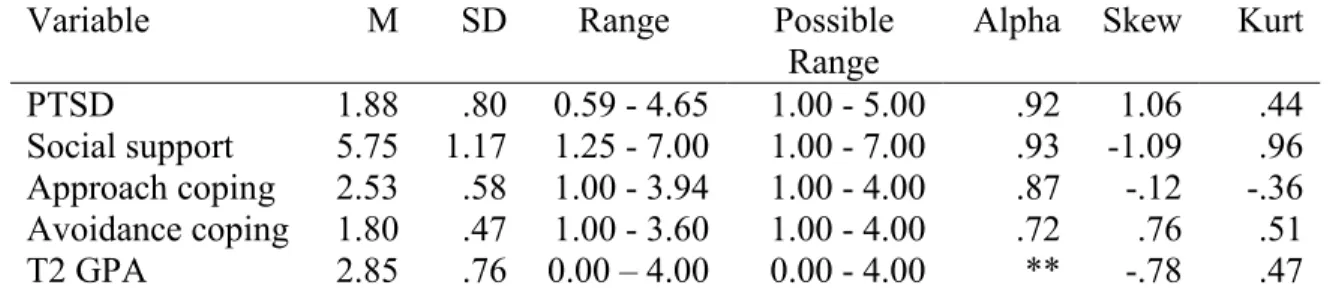
Table 2. Means, Standard Deviations, Range, and Reliabilities for Trauma Sample ... 42
Table 3. Type of Traumatic Events by Gender ... 44
Table 4. Bivariate Correlations for Trauma Sample ... 46
Table 5. PTSD as a Predictor of First Year GPA ... 49
Table 6. Approach Coping as a Moderator of the Relationship between PTSD Symptomatology and First Year GPA ... 50
Table 7. Avoidance Coping as a Moderator of the Relationship between PTSD Symptomatology and First Year GPA ... 52
Table 8. Social Support as a Moderator of the Relationship between PTSD Symptomtology and First Year GPA ... 53
Table 9. PTSD as a Predictor of Second Year Enrollment ... 57
Table 10. Approach Coping as a Moderator of the Relationship between PTSD Symptomatology and Second Year Enrollment ... 58
Table 11. Avoidance Coping as a Moderator of the Relationship between PTSD Symptomatology and Second Year Enrollment ... 59
Table 12. Social Support as a Moderator of the Relationship between PTSD Symptomatology and Second Year Enrollment ... 60
ix
I would like to send my appreciation and thanks to those who have encouraged me to work hard in my life: my husband, my father, my brother, and my friends. I would also like to thank my research assistant and friend, Lacey Tidwell, for helping me to truly understand that sometimes two people can get more done than one. I’d like to dedicate this dissertation to her in hopes that she will continue to follow her academic dreams. I would like to acknowledge my dissertation committee for being supportive throughout this process, and being the best committee I could imagine. I’d also like to send my sincerest appreciation to Dr. Guler Boyraz for believing I could get started early and being such a hardworking chair, always responding immediately, and pushing me to work harder than I ever thought possible.
1
CHAPTER ONE INTRODUCTION
Starting college is an important transition in young people’s lives, which can lead to stress, sleep problems, anxiety, or depression for some students (Buboltz et al., 2009; Kahen Johnson, Gans, Kerr, & LaValle, 2010; Lester, 2013; McCabe et al., 2007). Students who reported better or adequate emotional adjustment in their first year were more likely to continue to enroll in college (Credé & Niehorster, 2012). Therefore, understanding the factors that affect college students’ adjustment and persistence in their first year is important and can guide the development of campus-based interventions designed to increase student enrollment.
Prior findings indicate that the experience of traumatic events and PTSD is closely related to students’ academic and emotional adjustment to college (Banyard & Cantor, 2004). Greater trauma exposure was associated with decreased academic and personal-emotional adjustment among first-year college students. This finding suggests college freshmen, especially those with a history of multiple traumas, may be at high risk of experiencing adjustment difficulties during college. PTSD has been linked to decreased academic success and college persistence (Bachrach & Read, 2012; Boyraz, Horne, Owens, & Armstrong, 2013; Duncan, 2000). Specifically, students who reported high levels of PTSD in their first year, had lower grade point average (GPA) while in college
(Bachrach & Read, 2012; Boyraz et al., 2013) and were more likely to dropout before graduation (Boyraz et al., 2013; Duncan, 2000). In addition, trauma exposure and PTSD have been linked to other negative outcomes among college students, such as alcohol and drug use (Bachrach & Read, 2012; Read et al., 2012) and re-traumatization during college (Frazier et al., 2009). For example, in Frazier et al.’s study, 21% of the trauma-exposed college students reported a new traumatic event while in college (Frazier et al., 2009). These findings highlight the negative consequences of trauma exposure and PTSD among college students, and emphasize the need for further research in this area.
The prevalence of trauma-exposure among college students is high.
Approximately 50 to 90% of college students report being exposed to at least one trauma prior to entering college (Bensimon, 2012; Bernat, Ronfeldt, Calhoun, & Arias, 1998; Fisher et al., 2000; Frazier et al., 2009; Grasso et al., 2012; Green et al., 2000; Read et al., 2012; Smyth et al., 2008; Vrana & Lauterbach, 1994). Many of these students enter college with a history of multiple traumatic events (Banyard & Cantor, 2004; Duncan, 2000; Galatzer-Levy, Burton, & Bonanno, 2012; Green et al., 2000; Read, Ouimette, White, Colder, & Farrow, 2011), which increases PTSD symptomatology (Read et al., 2011) and college adjustment difficulties (Banyard & Cantor, 2004). To date, only a few studies have focused on examining the relationship between PTSD and college
persistence (Banyard & Cantor, 2004; Bachrach & Read, 2012; Boyraz et al., 2013; Duncan, 2000; Zamostny, Slyter, & Rios, 1993). Although these studies increase our understanding of the negative effects of PTSD on college achievement and persistence, there is limited information in the literature regarding the mechanisms through which
PTSD affects college persistence, as well as the potential protective factors that may defend trauma-exposed college students against academic difficulties and college dropout.
Not all students with trauma exposure develop PTSD. The prevalence of PTSD among trauma-exposed college students ranges from approximately 4 to 20% (Bernat et al., 1998; Boyraz et al., 2013; Frazier et al., 2009; Grasso et al., 2011; Read et al., 2011; Smyth et al., 2008; Vrana & Lauterbach, 1994). These findings suggest that despite the high prevalence of trauma exposure among college students, many trauma-exposed students report positive adjustment. Although research is limited regarding the variables that may contribute to positive adjustment among trauma-exposed college students, the existing findings indicate that certain factors, such as coping skills and social support, may serve as protective factors and reduce PTSD symptomatology (Galatzer-Levy & Bonanno, 2013). For example, high quality and stable social support has been found to be a protective factor for trauma-exposed college students (Galatzer-Levy et al., 2012). In addition, Chao (2012) found students with high levels of stress and poor coping skills reported decreased well-being. Furthermore, in a sample of trauma-exposed college students, approach coping and higher levels of perceived support were associated with decreased PTSD symptomatology (Grasso et al., 2011).
The above findings suggest that social support and effective coping skills may reduce adjustment difficulties after adverse life events. However, there were no studies found that examined whether coping skills and social support protect trauma-exposed college students against academic difficulties or college dropout. Given that trauma exposure and PTSD are risk factors for college adjustment difficulties and dropout (Banyard & Cantor, 2004; Boyraz et al., 2013; Duncan, 2000), it is important to develop
an understanding of the variables that may moderate the effect of PTSD on college outcomes. Therefore, the purpose of this study was to examine the moderators of the relationship between PTSD symptomatology and both academic achievement and college persistence among college students. More specifically, this study examined whether approach coping, avoidance coping, and perceived social support moderated the effect of PTSD symptomatology in the first year of college on first-year academic achievement and second-year college enrollment.
Understanding the protective factors that influence academic achievement and college persistence among trauma-exposed students can provide valuable information for college administrators, counselors, and educators. Developing an understanding into these protective factors can also provide valuable information for researchers who develop intervention programs for college students with trauma-exposure. For example,
determining the protective factors that reduce the effects of PTSD on college outcomes can aid the development of the intervention programs for students who enter college with trauma exposure. In addition, examining these protective factors would fill an important gap in the literature, as previous studies in this area have mainly focused on the negative effects of PTSD on college achievement and persistence.
Definition of Terms Traumatic Event
The Diagnostic and Statistical Manual of Mental Disorders, 4th edition, text
revision (DSM-IV-TR) diagnosis was used for the purpose of this study as the DSM-5 remained in a time of transition during data collection. The DSM-IV-TR defines trauma as
“experienced, witnessed, or was confronted with an event or events that involved actual or threatened death or serious injury, or a threat to the physical integrity of self or others” which resulted in a response of “intense fear, helplessness, or horror” (American
Psychiatric Association [APA], 2000, p. 467). Examples of traumatic events include life-threatening illnesses and accidents, physical and sexual violence, and witnessing a death. In the present study, trauma exposure was measured by the Revised Stressful Life Events Screening Questionnaire (R-SLESQ; Goodman, Corcoran, Turner, Yuan, & Green, 1998; Green, Chung, Daroowalla, Kaltman, & DeBenedictis, 2006), which assesses lifetime exposure to 13 different types of traumatic events (e.g., being in a robbery, experiencing physical or emotional abuse, and losing a loved one as a result of violent death).
Posttraumatic Stress Disorder
The DSM-IV-TR defines PTSD as involving three symptom clusters:
experiencing the event, avoidance behaviors, and hyperarousal. Symptoms related to re-experiencing the event are nightmares and flashbacks (APA, 2000). Those associated with avoidance behaviors are not talking about the event or avoiding triggers and certain related situations. Individuals with hyperarousal may be alert, experience difficulty sleeping, or have concentration problems. For the purpose of this study, PTSD was measured using the PTSD Checklist-Civilian Version (PCL-C; Weathers, Litz, Herman, Huska, & Keane, 1993), which measures the three PTSD symptom clusters defined in the DSM-IV-TR (APA, 2000). A cut-off score of 50 is indicative of a PTSD diagnosis
Approach Coping
Approach coping involves active, problem-focused strategies for management of stressful events and related emotions. Some examples of approach coping strategies include positive reframing, planning, emotional support, and acceptance (Carver, 1997).
Avoidance Coping
Avoidance coping involves individuals’ attempts and efforts to escape or avoid distress. Some examples of avoidance coping involves self-distraction, denial, substance use, venting, behavioral disengagement, and self-blame (Carver, 1997).
Social support
Zimet, Dahlem, Zimet, and Farley (1988) defined social support using three dimensions: support from family, support from friends, and support from significant others. For the purposes of this study, I assessed participants’ perception of social support from these three sources.
7
CHAPTER TWO
REVIEW OF THE LITERATURE
More than ever before, high school students are seeking a college education. For instance, during the last decade there was an increase in college enrollment from 11% between 1990 and 2000 to 37% between 2000 and 2010 (National Center for Educational Statistics, retrieved 9/20/13). As of 2011, it is estimated that approximately 41 to 50% of college-aged individuals were enrolled in college, totaling almost 18 million
undergraduate college students in the United States (U.S. Department of Education, 2012; U.S. Department of Commerce, 2011). The start of college provides the opportunity to meet new people, learn new areas of expertise, adjust to a new stage in development, and overcome challenging experiences.
The first year of college is an important time in the life of a young adult with ambition to graduate from college. This first year of college includes a critical adjustment period that presents various challenges (e.g., finding a new place of residence,
socialization, forming intimate relationships, choosing a major, time management, and stress management) for students that may affect academic persistence and achievement (Al-Qaisy, 2010; Bowman, 2010; Calaguas, 2011; Credé & Niehorster, 2012; Hunt, Boyd, Gast, Mitchell, & Wilson, 2012; Kahen Johnson et al., 2010; Krumrei-Mancuso, Newton, Kim, & Wilcox, 2013; Secuban, 2012; Sharma, 2012; Smith & Wertlieb, 2005).
Students who enter college that have already faced many obstacles, such as trauma exposure, may find even more obstacles during the first year of college (Bernat et al., 1998; Bensimon, 2012; Grasso et al., 2011; Green et al., 2000; Frazier et al., 2009; Smyth et al., 2008; Vrana & Lauterbach, 1994). In addition, students who enter college with both trauma exposure and PTSD are at greater risk of poor academic performance and college dropout (Boyraz et al., 2013; Duncan, 2000). However, literature available in this area is limited and further research is needed to understand the protective factors that may guard them against poor achievement and college dropout. Therefore, the purpose of the present study was to examine the relationship between PTSD and college outcomes, as well as to determine whether coping mechanisms and social support would moderate this
relationship.
Predictors of College Persistence
Pascarella and Terenzini’s (1980) model of student persistence emphasized the importance of academic and social integration on students’ perseverance in college. More specifically, they found that five factors predict college persistence and dropout: positive peer-group interactions, encouraging interactions with faculty, faculty concern for student development and teaching, academic and intellectual development, and institutional and goal commitments (i.e., students’ commitment to the institution and goal of graduation). In addition to this, the decision to dropout of college has been evaluated in college persistence research. Specifically, Hunt et al. (2012) investigated the reasons seniors about to graduate chose to dropout of college. They found that students typically
grading period. Sixty-one percent indicated dropout was due to family expectations and pressure. Other stressors that influenced college retention included: employment off-campus, family and financial obligations, and poor academic achievement (Hunt et al., 2012). Supporting Pascarella and Terenzini’s (1980) model of student persistence, Hunt et al. (2012) found that half of the withdrawn seniors in their study reported a lack of social involvement on campus as a barrier for their college persistence. Another major issue found with these students was that they perceived faculty did not care about their problems (Hunt et al., 2012). The authors (Hunt et al., 2012) also found that 48% of the students who dropped-out in their study did not re-enroll in the following 6 years. Hunt et al. (2012) suggest four areas of implication that are related to college retention: family issues, social involvement/sense of belonging, off-campus employment, and upper-level advising. In particular, it is important to note how campus activity, belonging, and social involvement in the school environment are related to dropout and persistence.
In order for college students to graduate, some degree of focus needs to be dedicated towards academic achievement and persistence of coursework. Some students unfortunately do not surpass the first year of college due to social difficulties, personal risk factors, or low academic performance (Credé & Niehorster, 2012; Kahen Johnson et al., 2010; Secuban, 2012; Sharma, 2012). Smith and Wertlieb (2005) studied freshmen expectations regarding academic achievement in relation to grade point average (GPA) and social experiences. They found no relationship between grades and academic expectations. Therefore, expectations alone did not predict or relate to GPA for the 31 students studied over the course of their first year of college. Instead, they discovered higher expectations about college achievement gradually declined over the first year. Both
social and academic expectations decreased throughout freshmen year, most likely because college students enter college emotionally unprepared with unrealistic and idealistic expectations. Throughout the course of the first year of college, expectations gradually became more realistic (Smith & Wertlieb, 2005). Those first-year students with exceptionally high expectations (socially and academically) indeed had lower overall GPAs in their freshmen year of college (Smith & Wertlieb, 2005). Thus, entering college with realistic expectations supports academic achievement in the first year of college which may then influence whether these students remain enrolled beyond the first year of college.
A study conducted by Krumrei-Mancuso et al. (2013) examined whether
psychosocial factors are more predictive of college success than intelligence factors alone. They found that in addition to previous GPA, several psychosocial factors such as
academic self-efficacy, organization and attention to study, stress and time management, involvement with college activity, and emotional satisfaction with academics significantly predicted college GPA. These findings suggest that in addition to academic and cognitive factors, psychological and psychosocial factors may have important influences in college students’ academic achievement and persistence.
In addition to psychosocial factors, college retention studies have found gender to be a factor related to persistence where women have been found to have higher graduation rates than men, with women approximately 17% more likely to graduate than men (Ewert, 2012). Ewert (2012) studied the factors that may lead women to be more persistent than men in college such as attendance patterns, choice of college major, social integration, and academic performance. She collected data from 1988 to 2000 using the National
Education Longitudinal Study and followed over 12,000 students with four follow-up interviews until eight years after graduation (Ewert, 2012). She found a significant gender gap in graduation rates and that males had more disruptions in attendance, required time off from school, and attended school part-time rather than full-time. Additionally, women participated in more social and academic organizations while men were more active in intramural sports. Finally, Ewert (2012) found that women had higher GPAs while in college than men. Of these gender differences, increased attendance, social integration, and higher academic achievement were the factors that related to and increased
persistence and graduation rates of female college students.
Another important variable that affects college persistence is prior academic achievement. For example, Calaguas (2011) examined the relationship between high school general weighted averages (GWA) and academic difficulties among 329 college freshmen. He found a significant relationship where increased academic achievement in college was based on higher senior high school GWA and thus lower college academic difficulties. In other words, college freshmen with higher grades in high school reported less academic difficulties freshmen year, and those with lower high school grades had more difficulty with academics in college.
These findings suggest that several academic and non-academic factors influence college students’ academic achievement and persistence. Most of these studies, as well as other empirical research (Al-Qaisy, 2010; Bowman, 2010; Credé & Niehorster, 2012; Kahen Johnson et al., 2010; Secuban, 2012; Sharma, 2012) have mainly focused on students’ college experiences (e.g., academic integration, social integration), prior academic achievement, and demographic factors (e.g., socio-economic status) as
predictors of college persistence. However, previous findings indicate that trauma exposure and PTSD also play an important role in students’ academic achievement and college persistence (e.g., Boyraz et al., 2013; Duncan, 2000; Read et al., 2012; Zamostny et al., 1993). Therefore, more research is needed to develop a better understanding of the needs of the students who are at risk due to trauma exposure and PTSD.
Trauma Exposure and PTSD in College Students
In the previous literature, some researchers’ defined traumatic events based on DSM-IV-TR (APA, 2000) and others defined trauma more broadly to examine a wide range of potentially traumatic events. Therefore, prevalence rates of trauma exposure among college students show variations in the previous literature. According to the Criterion A of the DSM-IV TR, two criteria should be met for an event to be considered a traumatic event; individual must have 1) individual must have “experienced, witnessed, or was confronted with an event or events that involved actual or threatened death or serious injury, or a threat to the physical integrity of self or others” and they must experience 2) a response of intense fear, helplessness, or horror (APA, 2000, pg. 467 - 468). Bernat et al. (1998) examined Criterion A trauma exposure and PTSD symptomatology among 937 college students and found that 67% of these students experienced a traumatic event in their lifetime. Traumatic events were most stressful when they occurred before 18 years old, with a mean age of onset beginning during adolescence. In reference to the most traumatic event, 51% reported a life-threatening incident that placed their life in serious danger. They found that 4% of this sample met criteria for PTSD. An increased risk of development for PTSD symptomatology after trauma exposure was a general
vulnerability (i.e., being of the female gender with a history of exposure to traumatic events) and severity of the trauma (i.e., threat to life, injury, witnessed serious injury, or death of another person). Bernat et al. (1998) found that type of trauma differed based on gender, where women were more likely to have been sexually assaulted, and men were more likely to have been in automobile accidents, physically assaulted, or involved in violence or combat. These findings highlight the high prevalence of trauma exposure among college students and indicate gender differences exist in the type of trauma experienced.
Vrana and Lauterbach (1994) defined trauma more broadly and conducted a study that surveyed prevalence of trauma exposure and its psychological impact among 440 undergraduate students. They compared both students with and without trauma in regards to PTSD, anxiety, depression, and substance abuse. They examined whether type of event, number of traumas, and gender influenced the outcomes. They found that 84% of the participants reported at least one traumatic experience. In addition to this, one-third of these trauma-exposed participants stated they had experienced four or more traumatic events in their lifetime. College students with trauma, when compared to those without trauma, were significantly more likely to have anxiety, depression, and PTSD.
Gender differences were found in Vrana and Lauterbach’s (1994) study. For instance, females who witnessed a death had more severe PTSD symptoms than males who experienced the same event. Also, males reported they had more anxiety and depression after trauma exposure that they had difficulty openly expressing feelings to others, such as childhood abuse. Overall, males had a greater mean number of traumatic events than females. Type of trauma again differed where males were more likely to
experience combat, accidents, fires, life-threatening deaths; and females were more likely to have been raped or in an abusive relationship. These gender differences are consistent with Bernat et al.’s (1998) findings and suggest that females are at greater risk of
experiencing sexual traumas. Women, when compared to men that witnessed a violent death, had a greater amount of PTSD symptomatology. Additionally, males with childhood sexual abuse (CSA) had greater anxiety than females and were less likely to discuss the trauma with others, both of which were high indicators of PTSD for males. Females with sexual assault viewed it as their most distressing trauma more so than males, 53% of the time compared to 11% for males. Overall, differences in gender for this study were found based on amount of trauma, type of trauma, and expressed PTSD
symptomatology.
A study completed by Green et al. (2000) examined the effects of single versus multiple exposures to trauma, the diverse mental health outcomes due to one or more traumatic events, and the impact of interpersonal trauma. They recruited by mail a sample of 1,909 college sophomore women over the course of two years from six various
colleges in the Washington, D.C. area. The SLESQ was developed at this time for their study and was given to participants to complete among other self-report surveys to measure the history of Criterion A1 events (Goodman et al., 1998). They found that 65% reported at least one traumatic event in their lifetime and 38% of the total sample had experienced more than one type of trauma. The researchers also decided to screen out self-reported trauma that did not fit with Criterion A1 of DSM-IV TR (APA, 2000). They found that non-interpersonal trauma (such as having an illness, traumatic loss, or
multiple interpersonal traumas (e.g., sexual or physical assault) had the highest risk of current PTSD symptomatology.
Frazier et al. (2009) also defined trauma broadly and explored the prevalence of trauma within 1,528 undergraduate students. They asked participants to indicate whether they had experienced any of 22 events (e.g., unexpected death, motor vehicle accident, natural disaster, abortion, uninvited/unwanted sexual attention) using the Traumatic Life Events Questionnaire (TLEQ; Kubany, 2004). They then had the sample identify which event caused the most intense fear, helplessness, or horror as measured using the DSM-IV TR Criterion A2 descriptor (APA, 2000). Over the course of two data collection periods and at multiple sites, they found 85% reported a traumatic event in their lifetime and 21% experienced a trauma within the 2-month time period between data collection during college. The prevalence of PTSD among the total sample was 6.2%. The six most
traumatic events that occurred in this college sample were: unexpected deaths, accidents, survival of a loved one’s life-threatening experience, family violence, unwanted sexual attention, and sexual assault. In particular, it was found that a history of traumas with family violence, unwanted sexual attention, and sexual assault are associated with the most stress, depressive, and anxious symptoms. Of the individuals who experienced an unexpected death, 63% of them rated this as their worst overall event. However, among those that experienced unwanted sexual attention only 9% rated it as their worst event. Losing a loved one was designated as the most severe event rather than sexual assault, despite the fact that sexual assault had the highest number of distress symptoms. This study recognizes that most college students have experienced trauma prior to college and
they may experience re-traumatization while in college, which can potentially result in more distressing and severe symptomatology.
Read et al. (2011) investigated the prevalence and risk factors for PTSD in freshmen college students. They measured students’ lifetime exposure to Criterion A traumas. In their large sample (N = 1,999), they found a prevalence of 66% for students who reported previous traumatic events and 9% of the total sample met the criteria for PTSD. They found that characteristics of trauma and severity of trauma were more likely to predict PTSD, more so than socio-demographic factors (Read et al., 2011). Also, female college students experienced sexual assault five times more than males (Read et al., 2011). Of the total 66% of participants who reported a history of trauma, 23%
reported exposure to one traumatic event, 20% had experienced two traumatic events, and 25% stated they had three or more events. The two most common traumas experienced in this sample were life-threatening illness and death of a loved one. Similar to prevalence studies of the overall population, female college students were more likely to experience trauma and they experienced a larger number of traumatic events than men. In a similar study that Read and colleagues (2012) completed the following year, they found that within the total sample, 74% of college students had a prior traumatic incident where 15% had developed partial PTSD and 15% met the criteria for a PTSD diagnosis. However, Vrana and Lauterbach (1994) previously reported a larger mean number of traumas for males rather than females. Ethnicity was not found to be associated with trauma exposure; however, participants with lower socioeconomic status (SES) were more likely to have experienced trauma. They found, similar to the other studies discussed thus far, that increased number of exposure to trauma increased PTSD symptomatology.
In another study that examined trauma within college students, Smyth et al. (2008) sought to measure the prevalence and disclosure of adverse life events, in addition to the severity, nature, and development of PTSD after trauma exposure. Approximately 9% of this college sample met the criteria for PTSD and 11% reported subclinical PTSD symptoms. In particular, women were found to rate events as more severe and were therefore more likely to disclose the nature of events to others. The degree of disclosure was found to be 7.2% for those who did not disclose a traumatic event to another person, 12.4% reported minimal disclosure, 40.3% reported speaking to others somewhat, 27.7% reported a moderate amount of disclosure with others, and 12.4% talked extensively with others about the event. They evaluated duration of trauma length and the mean amount of years since college enrollment. Thirty-three percent of the participants reported a trauma experience that lasted less than three months in length, where 20% had a trauma that ranged between three and six months in length, 20% were between six months and a year, and 27% indicated their traumatic event had a time period more than one year. On
average, the mean length of time since traumatic exposure and beginning college was 4.61 years. They concluded that as the level of trauma severity increases, the level of disclosure about the event increases (Smyth et al., 2008).
Grasso et al.’s (2011) study examined trauma exposure and PTSD as they relate to perceived social support, personal resources, and coping strategies. They compared over the course of six years three groups of college students (n = 3,119): those with trauma exposure but no PTSD, both trauma exposure and PTSD, and no exposure to trauma. The Posttraumatic Diagnostic Scale (PDS; Foa, 1995) includes a list of 12 potentially
used the Brief COPE (Carver, 1997) to measure the coping styles of these students. In this sample of college students, it was found that about half (49.92%) of the students
experienced a PTE and 16.69% of the students exposed to PTEs met the criteria for PTSD. They found that the students with PTSD reported fewer personal resources (e.g., perceived social support, self-esteem, and optimism), in comparison to those trauma-exposed students without PTSD and the non-trauma-exposed students. Low self-esteem and low perceived support were found to relate to increased PTSD symptom severity for students exposed to a PTE. Therefore, it is possible that certain factors such as personal resources and social support may protect trauma exposed students from developing PTSD.
The Effects of Trauma Exposure and PTSD
The literature reviewed above highlights the vast prevalence of lifetime exposure to traumatic events among college students. Trauma exposure and PTSD affect college students’ mental and physical health negatively. For example, in Read et al.’s (2012) study, PTSD symptomatology was found to be a risk factor for other possible negative consequences, such as drug and alcohol abuse among college students. In their
longitudinal study, students with higher PTSD symptomatology were more likely to have negative drug and alcohol consequences. It was determined that those individuals who started college with PTSD had twice as many negative consequences than freshmen without reported PTSD (Read et al., 2012). Therefore, students with trauma and PTSD are more likely to have negative college experiences.
The time period in an individual’s life that they experience trauma, such as childhood or adolescence, may then play a role in the negative consequences expressed
during college adjustment. For instance, childhood abuse has been consistently found to have negative, long-term psychological effects for individuals (Asberg & Renk, 2013; Duncan, 2000). College students with CSA have been found to have increased risks for incarceration when abuse was more severe, there was a lack of social support, and substance abuse was involved (Asberg & Renk, 2013). Other factors linked to traumatic exposure and PTSD were negative physical health consequences. Students with both PTSD and depression are at risk for poor health outcomes and are less likely to engage in exercise according to Rutter, Weatherill, Krill, Orazem, and Taft (2013). Thus, college students with both PTSD and depressive symptoms also have increased symptoms of poor health. A possible explanation is that the hyperarousal cluster of PTSD is strongly related to both exercise and health which is perhaps due to hypervigilance and avoidance of students’ engagement of social exercise. Engaging in exercise for students with PTSD and depressive symptoms, however, was found to increase the health of these college
students. Although research is limited that has examined the effects of trauma exposure and PTSD among college students, studies that examined the general population indicated PTSD has negative effects on cognitive functioning, with elevated comorbidity of other disorders, self-blame, and interpersonal consequences (Jayawickreme, Yasinski,
Williams, & Foa, 2012; Kessler, Sonnega, Bromet, Hughes, & Nelson, 1995; Tolin & Foa, 2006). Additionally, students who enter college with PTSD and trauma exposure are at a higher risk of poor mental and physical health, higher levels of substance and alcohol abuse, incarceration, a lack of social support, and increased college dropout (Asberg & Renk, 2013; Duncan, 2000; Read et al., 2012; Rutter et al., 2013).
Findings also indicate that trauma exposure and PTSD affect students’ adjustment to college. For example, Banyard and Cantor (2004) completed a study that explored trauma and students’ adjustment to college in a sample of freshman students. Trauma was defined according to the SLESQ (Goodman et al., 1998), which measures Criterion A traumas. Approximately 54% of the participants reported a history of at least one trauma. They found that greater amounts of trauma exposure related to decreased academic and personal-emotional adjustment. This finding emphasizes that college freshmen with trauma are an at-risk population that experience challenges when adjusting to the first year of college.
In another study, Zamostny et al. (1993) examined how early trauma and
resources influence later college adjustment. The participants for their study consisted of mostly White female introductory psychology students (N = 250). Structural equation modeling was used to examine a proposed theoretical model where early trauma and resources may predict psychological damage and thus adjustment to college. They determined that trauma affects college adjustment in three ways: there is a direct positive path between trauma and adjustment which suggests trauma can influence adjustment; there was a strong indirect path from trauma to college adjustment through psychological damages; and the weakest path was between early resources on trauma. The researchers suggest the connection between resources and trauma is a complex one. They suggest that the ability to use resources after or during trauma should be further assessed using coping responses based on the context of trauma experienced.
Trauma, PTSD, Academic Achievement, and College Persistence
There have only been a few studies identified that measure the effect of trauma and PTSD on college students’ achievement and persistence (Bachrach & Read, 2012; Boyraz et al., 2013; Duncan, 2000). Boyraz et al. (2013) studied how trauma exposure and PTSD symptomatology affected academic achievement and persistence among first-year African American college students. Data were collected at three time points between 2010 and 2012 (first semester of college, end of first year, and end of second-year). With 569 participants enrolled in two different universities, 74% of the total sample reported a history of trauma exposure and 20.6% of these trauma-exposed students met the criteria for PTSD. Of the college students that reported previous trauma (N = 423), 33% were not enrolled by the spring of their second year. More specifically, 47.1% of those who met the criteria for PTSD at Time 1 were not enrolled by the end of their second year (Time 3) compared to 28.7% of those with trauma exposure but not PTSD. Boyraz et al.’s (2013) findings also indicated that the relationship between PTSD symptomatology and college dropout was mediated by first-year cumulative GPA for female students. More
specifically, female students with higher levels of PTSD symptoms in the first semester of college (Time 1) had lower first-year GPA (Time 2), which in turn, resulted in an
increased likelihood of college dropout by Time 3. On the other hand, increased PTSD symptomatology did not significantly predict academic achievement or college dropout for males.
Other researchers also reported a significant relationship between PTSD symptomatology and college persistence. For example, Duncan (2000) followed 210 freshmen during their four years of college. It was found that students who reported high
levels of PTSD symptomatology in the first year of college were less likely to continue to enroll in college. Specifically, 35% of those students with multiple trauma and 50% of those sexually abused did not dropout by the end of senior year, compared to 60% of non-victims. Higher levels of PTSD symptomatology in the first semester of college were found to relate to decreased senior year attendance. Even more concerning, students who had experienced multiple traumas and sexual abuse were significantly less likely to be enrolled by the second semester of freshmen year. The largest drop in enrollment occurred at the end of the first semester of freshmen year. In particular, victims of child abuse, CSA, or multiple abuses during childhood and with higher rates of PTSD
symptomatology were even more at-risk for dropout with each attended semester in college. Duncan (2000) therefore encourages future research of college students to focus on the first semester of freshmen year in order to capture all students exposed to trauma, not just those that have remained due to healthier coping.
Bachrach and Read (2012) examined the relationship between PTSD, alcohol, and academic performance among first-year college students. Their sample of 1,002
university students was invited to complete surveys at five time points over the course of their freshmen year. They found 73.4% of the participants had experienced at least one Criterion A trauma in their lifetime. They placed students in one of four groups: new trauma, no trauma, remitted trauma (did not meet PTSD diagnosis in final two time points), and unremitted trauma (met PTSD diagnosis when assessed at least four out of five time points). In their study, better high school GPA was associated with higher end-of-first-year GPA. They found that students with unremitted PTSD had lower GPAs and alcohol concerns by the end of the first year. Additionally, students with both PTSD and
alcohol consequences were more likely to dropout by the end of the freshmen year. Therefore, college students with PTSD are more likely to experience negative consequences such as lower GPA, alcohol concerns, or dropout.
Overall, only a few studies have been identified that relate to trauma, PTSD, and college retention (Bachrach & Read, 2012; Boyraz et al., 2013; Duncan, 2000). The results of these studies suggest that PTSD is an important risk factor for low academic achievement and college dropout. These results also highlight the need for conducting more studies on trauma, PTSD, academic achievement, and persistence in college students. Although these findings provide a preliminary understanding of the role of PTSD in college adjustment and persistence, more research is needed to develop an in depth understanding of the experiences of college students who enter college with a history of traumatic events, as well as the protective factors that may help despite the distress they have experienced.
Coping and Social Support as Moderators of the PTSD— College Achievement and Persistence Relationship
Although PTSD symptomatology is related to negative outcomes, research suggests that several protective factors, such as effective coping skills and social support foster recovery from distress (Bensimon, 2012; Chao, 2012; Galatzer-Levy et al., 2012; Galatzer-Levy & Bonanno, 2013; Gan, Hu, & Zhang, 2010; Grasso et al., 2011; Zimet et al., 1988). Effective coping skills and support from others may play a significant role in academic success of trauma-exposed college students which may help persistence despite college stressors.
Coping processes have been defined with a range of terminology; however, for the purposes of this study I used two of the major types of coping that individuals characteristically use during times of stress, either approach or avoidance coping
(Dempsey, Overstreet, & Moely, 2000; Grasso et al., 2011; Rutherford & Endler, 1999). Approach coping is a way of actively seeking out information about a stressor to integrate and process traumatic events (Dempsey et al., 2000; Grasso et al., 2011; Rutherford & Endler, 1999). Examples of approach coping mechanisms are acceptance, emotional support, positive reframing, and planning (Carver, 1997). Avoidance coping is defined as cognitive dissonance, distraction, or diversion of attention away from stressors, cues, or triggers of a previous traumatic event (Foa & Kozak, 1986; Grasso et al., 2011;
Rutherford & Endler, 1999). Examples of these are denial, disengagement, self-distraction, self-blame, substance use, and venting (Carver, 1997). In addition to this, theoretical bases (Parker & Endler, 1992; Rutherford & Endler, 1999; Schwarzer & Schwarzer, 2006) suggest coping is dispositional in nature as individuals are more likely to have typical coping styles they reference when faced with stressful experiences. For instance, a meta-analysis by Rutherford and Endler (1999) found that dispositional coping substantially influences an individual’s choice of situation-specific coping style in
response to stress. Individuals are therefore inherently inclined to exclusively practice either approach or avoidance coping mechanisms in which they then select the specific coping strategy within the approach-avoidance group according to the specific stressor.
Foa and Kozak’s emotional processing theory (1986) provides a framework for understanding the development of PTSD symptomatology, as well as the mechanisms that may foster recovery from PTSD. According to emotional processing theory, PTSD results
from the pathological fear structures that may develop due to trauma exposure. Fear structure includes unconscious mechanisms that lead an individual to avoid or escape as a response of processing emotional information after a perceived dangerous threat.
According to this theory, after an individual is exposed to trauma, his or her fear structure has been activated because of a truly frightening, horrifying, or life-threatening event. This activation of the fear structure during an emergency influences the sympathetic nervous system resulting in physical changes within the body (e.g., increased blood pressure, shortness of breath, perspiration). These bodily changes are designed as an alert to dangerous situations, and prepare the individual for handling such an emergency. Once the traumatic situation alleviates and the individual returns to a safe environment, their parasympathetic nervous system should decrease such symptomatology (Center for Integrated Healthcare, 2009). However, some individuals that are exposed to trauma do not return to baseline and instead they develop pathological fear structures, which lead to the development and maintenance of PTSD.
Fear structure becomes pathological when it is intense and hinders individuals’ functioning. In addition, while normal fear occurs in response to a real threat or a
dangerous situation, individuals with pathological fear structures may experience intense fear responses even when there are no indications of danger (Foa & Kozak, 1986). The pathological fear structures are very closely linked to escape and avoidance behaviors. When individuals’ pathological fear network is activated, they engage in avoidance and escape behaviors to manage intense fear responses. According to this theory, the escape or avoidance behaviors associated with these learned fear responses contribute to the development and maintenance of PTSD. On the other hand, emotional processing of
trauma and exposure to fear stimulus provide an opportunity for new learning and modification to occur, which then promotes recovery from PTSD (Foa, Hembree, & Rothbaum, 2007). In other words, emotional processing of trauma increases fear memory in such a way that it is incompatible with current functioning and requires emotional modification, and most likely an eventual reduction in fear and decrease in
symptomatology over time. When trauma-exposed individuals use strategies to resist modification of meaning and emotional processing (e.g., avoidance and escape
behaviors), it may temporarily relieve distress; yet long-term avoidance of trauma triggers and reminders will then maintain PTSD symptomatology (Foa et al., 2007).
At the time of this present study, there have been no identifiable empirical studies that investigated whether avoidance or approach coping mechanisms moderate the effects of PTSD symptoms on college outcomes; however, in light of the literature reviewed above, it is plausible to suggest that trauma-exposed college students require modification of meaning and emotional processing so as to reduce PTSD symptomatology and prevent academic difficulties. Therefore, approach based coping mechanisms (e.g., positive reframing, use of emotional and instrumental support, and acceptance) may foster academic outcomes by helping trauma-exposed individuals process their traumatic experience in a way that promotes recovery. On the other hand, students who rely on avoidance coping mechanisms (e.g., denial, substance abuse, behavioral disengagement, self-distraction) to escape from emotional processing and modification of such fear structures may experience increased academic difficulties due to increased distress.
There is considerable evidence that avoidance coping is related to negative
(2011) studied the differences among college students that did and did not develop PTSD after trauma. They found that those students that did not develop PTSD after trauma had more approach coping factors. These researchers also discovered that students in this sample that had more severe PTSD utilized more avoidance coping than approach coping. In Galatzer-Levy et al.’s study (2012), they investigated college students exposed to trauma over the course of four years and how coping behaviors influenced development of stress-related pathology. They found that students’ coping strategies remained
consistent over four years of college, whether exposed to trauma or not, and most students exposed to trauma experienced little to no distress. However, they discovered a specific group of trauma-exposed students categorized as “distressed-recovered” that had a trajectory during their four years of college that displayed more trauma-focused coping and furthermore, eventual improvement of nonclinical levels of distress. In a study conducted at a Chinese university, proactive and preventive coping were assessed in relation to college adjustment and stress (Gan et al., 2010). Gan et al. (2010) recruited 423 college freshmen four weeks after orientation from two universities to participate in this study. Students that had proactive coping mechanisms (e.g., who seek new challenges and opportunities despite potential challenges) had less stress and in turn, reduced
maladjustment. Preventive coping (e.g., building up resources and resistance for future stressors) was also related to decreased levels of maladjustment but did not have as strong a relationship as proactive coping. Furthermore, this study emphasizes the importance of coping with stressful experiences as it relates to college maladjustment. College students without effective coping strategies and protective factors are more likely to experience stress and maladjustment which could then hinder college adjustment.
In addition to coping, social support has been found to be an important protective factor. Zimet et al. (1988) explain that social support is not only helpful to individuals in all situations, but it may also be credited as a buffer during times of stress. Galatzer-Levy et al.’s study (2012) also confirmed the positive influence social support has during times of distress for college students. They found that social support is most critical for students with presenting symptoms of distress (Galatzer-Levy et al., 2012).
Additionally, Chao (2012) examined social support and coping within 459 college students in relation to perceived stress and well-being. They had a sample limited to mostly White students that volunteered to complete an online survey. Students who perceived they had less stress and more social support had healthier psychological well-being. Additionally, they determined that students with negative coping had higher stress and lower well-being, despite the amount of social support. This suggests that type of coping trumps the buffer that social support provides students (Chao, 2012).
Grasso et al. (2011) examined positive aspects that may cultivate after exposure to trauma, rather than the risk factors. This study had a large sample (N = 3,119) of
undergraduate students given course credit to complete self-report surveys or online questionnaires. They found that students who developed PTSD had significantly lower personal resources (identified as perceived support, optimism, and self-esteem) than those who did not develop PTSD after trauma. Also, trauma-exposed students who perceived that they had more social support and higher self-esteem had less severe PTSD
symptomatology. The factors that protect students from PTSD development after trauma are thus multifaceted yet most likely related to social support.
As of now, there has been limited to no empirical research that has examined the effects of coping mechanisms and social support on the relationship between PTSD and college outcomes. However, it is suggested from the literature reviewed above that PTSD symptomatology is ameliorated by social support and coping mechanisms (Bensimon, 2012; Dempsey et al., 2000; Galatzer-Levy et al., 2012; Grasso et al., 2011). Based on these findings, it was expected that first-year students exposed to trauma with more approach coping factors and social support were less likely to face challenges related to academic achievement and persistence. In other words, approach coping and social support may reduce the negative effects of PTSD symptomatology on college outcomes. On the other hand, higher levels of avoidance coping may strengthen the negative relationship between PTSD symptomatology and college outcomes.
The Present Study
The literature reviewed highlights the high prevalence of trauma exposure among college students suggesting that trauma exposure and PTSD symptomatology negatively affect college students’ academic achievement and college persistence (Banyard & Cantor, 2004; Boyraz et al., 2013; Duncan, 2000; Zamostny et al., 1993). The findings also emphasize the need for further research in this area. Although previous studies indicate students with PTSD symptoms have more negative college outcomes, it appears that there is no study in the literature that examined the influence of negative effects of trauma and PTSD symptoms on college achievement and persistence as moderated by protective factors, such as coping skills and social support. Therefore, this study
as the moderators of this relationship. More specifically, this study examined whether (1) PTSD symptomatology in the first term (first ten weeks) of college predicted first-year cumulative GPA and second-year college enrollment among college students who enter college with a history of traumatic events, whether (2) coping mechanisms (e.g., approach and avoidance coping) and social support moderated the relationship between PTSD symptomatology in the first term of college and first-year cumulative GPA, and whether (3) coping mechanisms (e.g., approach and avoidance coping) moderated the relationship between PTSD symptomatology in the first term of college and second-year enrollment. Because previous findings suggested that gender and high school GPA affect academic achievement and college persistence (Al-Qaisy, 2010; Bowman, 2010; Calaguas, 2011; Credé & Niehorster, 2012; Ewert, 2012; Kahen Johnson et al., 2010; Laskey & Hetzel, 2011; Secuban, 2012), I used these two variables as control variables in the analyses.
It was hypothesized that:
After controlling for the control variables gender and high school GPA,
1. PTSD symptomatology in the first term of college will significantly and
negatively predict first-year cumulative GPA.
2. Approach coping will moderate the relationship between PTSD
symptomatology and first-year GPA, such that the negative relationship between PTSD symptomatology and first-year GPA will be stronger for participants who report low levels of approach coping.
3. Avoidance coping will moderate the relationship between PTSD
PTSD symptomatology and first-year GPA will be stronger for participants who report high levels of avoidance coping.
4. Social support will moderate the relationship between PTSD
symptomatology and first-year GPA. Specifically, the negative relationship between PTSD symptomatology and first-year GPA will be stronger for participants who report low levels of social support.
5. Higher PTSD symptomatology in the first term of college will be
associated with increased likelihood of dropping out of college by the beginning of second year.
6. Approach coping will moderate the relationship between PTSD
symptomatology and dropout. More specifically, the relationship between PTSD
symptomatology and second-year dropout will be stronger for participants who report low levels of approach coping.
7. Avoidance coping will moderate the relationship between PTSD
symptomatology and dropout. More specifically, the relationship between PTSD symptomatology and second-year dropout will be stronger for participants who report high levels of avoidance coping.
8. Social support will moderate the relationship between PTSD
symptomatology and dropout. More specifically, the relationship between PTSD
symptomatology and second-year dropout will be stronger for participants who report low levels of social support.
32
CHAPTER THREE METHOD
A longitudinal study design was utilized to examine the research questions of this study. This dissertation study was part of a larger study, where only the measures used specifically for the dissertation are presented in the appendices. Time 1 (T1) data was collected at the start of freshmen year during Fall 2013. Using a quantitative survey, I collected information about students’ demographic characteristics, trauma exposure, distress, coping mechanisms, and social support. Students’ first-year cumulative GPA (Spring 2014; Time 2) and second-year enrollment (Fall 2014; Time 3) information was obtained from the university.
Participants
The participants of this study included first-year students attending a public, mid-sized university in the southern United States. Participants were selected based on their enrollment in the required University Seminar course designated for all first-year freshmen students. After obtaining permission from instructors, freshmen students were given survey packets to complete during October 2013 of Fall term in their University Seminar course. The inclusion criteria were a) 18 years of age or older, and b) enrollment as a freshman student at the university. Students with dual enrollment status during high
school that were fully enrolled in a college setting during their first term were included as participants.
The number of students who participated in the study was 1,058 (total number of students enrolled in University Seminar classes was 1,552). Of the original sample (N = 1,058), 35 did not provide participation consent, 45 did not provide consent to access academic records, 11 were not 18 years of age, and 36 were not classified as first-year freshmen students. Therefore, these participants’ data was not included in the study. Data from participants who gave less than 80% complete data (N = 46) or withdrew
prematurely from college in the first year of the study (N = 1) were not included in the data analysis. After data entry and cleaning, students (n = 927) who had complete data and who gave permission to access their academic records were included in the
preliminary analyses. The final sample included 483 students who reported exposure to lifetime traumatic events (52% of the total sample). Because this study focused on trauma-exposed participants, students who did not report lifetime exposure to traumas were not included in the main analyses.
The demographic characteristics of the sample are provided in Table 1. The mean age of the 483 trauma-exposed participants was 18.23 (SD = .61) with 57% male (n = 276) and 43% female (n = 207). Ethnicity of the sample was 75.78% Caucasian (n = 366), 16.77% African American (n = 81), 1.66% Hispanic/Latino (n = 8), 1.66%
Biracial/Multiracial (n = 8), 1.24% American Indian/Alaskan Native (n = 6), .41%
Asian/Asian American (n = 2), .21% Native Hawaiian/Pacific Islander (n = 1), and 2.28% other (n = 11). Seven (1.45%) students identified themselves as international students. Students who reported they had residency within-state from another town was 74.33% (n
= 359), those with residency out-of-state was 10.77% (n = 52), those in-state from the local community was 9.32% (n = 45), and those from a neighboring state was 4.14% (n = 20).
Table 1
Demographic Characteristics of the Sample (N = 483)
Students enrolled in their first term of college in this sample were 97.3% (n = 470) and those who had already been previously (dually) enrolled were 2.3% (n = 11). Of these students, 89.2% (n = 431) said this was their first university, 3.9% (n = 19) said it was not, 3.7% (n = 18) had been dually enrolled, and 2.3% (n = 11) transferred from a junior college. Students in the trauma sample who were living away from family for the first time was 71.4% (n = 345), students currently living with family was 14.7% (n = 71), and
Variable Frequencies Percent
Gender Male 276 57.14 Female 207 42.86 Ethnicity Caucasian 366 75.78 African American 81 16.77 Hispanic/Latino 8 1.66 Biracial/Multiracial 8 1.66
American Indian/Alaskan Native 6 1.24
Asian/Asian American 2 .41
Native Hawaiian/Pacific Islander 1 .21
Other 11 2.28
Residency
International Students 7 1.45
Residency In-State 359 74.33
Residency Out-of-State 52 10.77
Residency In-State Local 45 9.32
students who had lived away from family previously was 13.5% (n = 65). Approximately 70% (n = 337) of the sample resided on-campus in a dorm or other campus apartments. The majors of the students in this trauma sample varied from engineering and science (38.7%, n = 187), applied and natural sciences (19.7%, n = 95), education (11.2%, n = 54), liberal arts (10.6%, n = 51), business (10.4%, n = 50), college of arts (.8%, n = 4), nursing (.4%, n = 2), and other (2.3%, n = 11).
Instruments
Information collected during Time 1 was amount of exposure to trauma and PTSD symptomatology, as well as information about coping style and social support.
Demographics
Prior to completing the instruments of the study, participants completed a demographic questionnaire (Appendix A) that included questions about their
demographic characteristics (e.g., age, ethnicity) and prior academic achievement (e.g., high school GPA).
Multidimensional Scale of Perceived Social Support.
The Multidimensional Scale of Perceived Social Support (MSPSS) questionnaire includes 12 questions that measure three dimensions of social support: support from family, support from friends, and support from significant others (Zimet et al., 1988). This survey uses a Likert scale of 1 to 7 ranging from very strongly disagree to very strongly agree (Appendix B). Cronbach’s coefficient alpha for the total scale was .88 and test-retest reliability was .85 for the whole scale. The MSPSS was negatively correlated with
anxiety and depression (Zimet et al., 1988). For the present study, a cronbach’s alpha of .93 was found for this scale.
Revised Stressful Life Events Screening Questionnaire
The Revised Stressful Life Events Screening Questionnaire (R-SLESQ; Goodman et al., 1998; Green et al., 2006) assesses 13 types of Criterion A1 traumatic events, such as experiencing a life threatening illness or being involved in a robbery (Appendix C; see Table 3 for a list of these events). Examples of questions in this instrument are “Have you ever had a life threatening illness? If yes, at what age?” and “Were you ever in a life-threatening accident? If yes, at what age?” This measure has participants circle yes or no, as to whether they experienced the event. If they circled yes, it specified what age the traumatic event occurred. Convergent and concurrent validity of the SLESQ have been measured and supported using college students, with a correlation of r = .77 for
convergent validity between number of traumatic events reported using the screening measure and then two-weeks later during an interview (Goodman et al., 1998). It was found to have good discrimination validity between DSM-IV TR Criterion A and non-Criterion A traumatic event stressors. Test-retest reliability was a median kappa of .73, and a .89 when measured over a two-week time period (Goodman et al., 1998).
The PTSD Checklist Civilian Version
PTSD symptomatology was assessed by using the PTSD Checklist Civilian
Version (PCL-C), which is a self-report checklist format (Weathers et al., 1993). There
are 17 questions that describe various symptoms of PTSD as described in the DSM-IV-TR (APA, 2000), such as difficulty concentrating or having repeated disturbing dreams (Appendix D). Answers are provided by selecting a choice from 1 to 5 ranging from not