EFFECT OF STORAGE TEMPERATURE AND DURATION ON PHYSICO-CHEMICAL PROPERTIES, MICROBIAL GROWTH AND NUTRITIONAL
COMPOSITION OF PAPAYA AND BANANA FRUITS
SUAAD GHAIT ABDARRAHMAN ABUHAMRA
EFFECT OF STORAGE TEMPERATURE AND DURATION ON PHYSICO-CHEMICAL PROPERTIES, MICROBIAL GROWTH AND NUTRITIONAL
COMPOSITION OF PAPAYA AND BANANA FRUITS
SUAAD GHAIT ABDARRAHMAN ABUHAMRA
A thesis submitted in
fulfilment of the requirement for the award of the Master of Science
Faculty of Science Technology and Human Development Universiti Tun Hussein Onn Malaysia
In the name of Allah, Most Gracious, Most Merciful All praise and thanks are due to Allah Almighty and peace and
blessings be upon His Messenger
The results of this effort are truly dedicated to my mother and father whose example as devoted professionals, as well as, parents taught
me to be perseverant, responsible and loyal to my belief.
To my brothers, and sisters, and my best friend for all their support, encouragement, sacrifice, and especially for their love.
ACKNOWLEDGEMENT
First and foremost I would like express my thanks to Almighty ALLAH on successful completion of this research work and thesis.
I hereby, express my sincere and profound gratitude to my supervisor Associate Prof. Dr. ALONA CUEVAS LINATOC and DATIN RUGAYAH BINTI ISSA for their continuing assistance, support, guidance, and understanding throughout my graduate studies. Their trust, patience, knowledge, great insight, modesty, and friendly personality have always been an inspiration for me and will deeply influence my career and future life.
The author is grateful to the Faculty of Science, Technology and Human Development, UTHM for the support and facilities provided to carry out the experimental work. The author is also grateful to the staff of the food laboratories for their support, assistance and friendly treatment that not only facilitated the work, but also made it pleasant.
ABSTRACT
ABSTRAK
TABLE OF CONTENTS
DECLARATION ii
DEDICATION iii
ACKNOWLEDGEMENT iv
ABSTRACT v
ABSTRAK v
TABLE OF CONTENTS viii
LIST OF TABLES xi
LIST OF FIGURES xii
LIST OF APPENDICES xiv
CHAPTER 1 INTRODUCTION 1
1.1 Research Background 1
1.1.1 Papaya 1
1.1.2 Banana 3
1.2 Problem Statement 4
1.3 Objectives of Research 6
1.4 Scope of the Study 6
1.5 Significance of the study 7
CHAPTER 2 LITERATURE REVIEW 8
2.1 Introduction 8
2.2 Papaya 9
2.2.1 Papaya Maturity 10
2.2.2 Skin Color of Papaya Fruits 10
2.3 Banana 11
2.3.1 Ripening Process of Musa sp. 12
2.4 Effect of Temperature on Fruits 13
2.5 Ethylene Production from Fruits 14
2.6 Fruits Respiration 14
2.8 Physico-Chemical Properties 16
2.8.1 pH and Titratable Acidity 16
2.8.2 Total Soluble Sugar Content (TSS) 18 2.8.3 Total Soluble Solids to Titritable Acidity 19
2.8.4 Taste of Fruits 20
2.8.5 Weight Loss 20
2.9 Nutritional Quality of Papaya and Banana 21
2.10 Enzymes 22
2.11 Post-Harvest Microbiology 22
2.12 Relative Humidity 23
2.13 Conclusion 24
CHAPTER 3 RESEARCH METHODOLOGY 26
3.1 Materials 26
3.1.1 Chemicals and Reagents 26
3.1.2 Source of Banana and Papaya 27
3.1.3 Storage Conditions 28
3.2 Overview of Research Activity 30
3.3 Preparation of the Banana and Papaya Samples 32 3.4 Papaya and Banana Physico-Chemical Evaluation 32 3.4.1 Physical Properties of Papaya and Banana 32
3.4.1.1 Weight Loss 32
3.4.1.2 Peel Color 33
3.4.2 Chemical Properties 33
3.4.2.1 Total Soluble Sugar (TSS) 33 3.4.2.2 Measurement of pH and
Titratable Acidity (TA) 34
3.4.2.3 Total Soluble Sugar to Titratable
Acidity (TSS/TA) 34
3.4.2.4 Free Phenolic Content (FPC) 34
3.5 Microbial Growth (Bacteria and Fungus) 35
3.6 Total Polysaccharide Estimation 36
3.7 Protein Estimation 37
CHAPTER 4 RESULTS AND DISCUSSION 40 4.1 Influence of Storage Temperature and Duration on
Postharvest Physico-Chemical Properties 40
4.1.1 Physical Properties 40
4.1.1.1 Weight Loss 40
4.1.1.2 Peel Color 44
4.1.2 Physico-Chemical Properties 54 4.1.2.1 Total Soluble Sugar (TSS) 54 4.1.2.2 Titratable Acidity (TA) and pH 56 4.1.2.3 Total Soluble Sugar to Total
Acids Ratio (TSS/TA) 61
4.1.2.4 Free Phenolic Content (FPC) 63
4.2 Microbial Growth of Banana and Papaya Fruits
during Different Storage 66
4.3 Total Polysaccharide 71
4.4 Total Protein Estimation 74
CHAPTER 5 CONCLUSION AND RECOMMENDATIONS 77
5.1 Conclusion 77
5.2 Recommendation 78
REFERENCES 79
LIST OF TABLES
3.1 The selected fruit sample conditions at harvest. 27
3.2 Color scale for papaya and banana. 33
4.1 Skin color of papaya and banana during storage
LIST OF FIGURES
2.1 Papaya tree and fruit 9
2.2 Papayas maturity stage description 11
2.3 Banana ripening (adapted from Chiquita Brands
International web) 12
3.1 Papaya (A) and banana (B) at harvest time 28
3.2 Home refrigerator used as a storage 29
3.3 Thermometer used for compartments temperature
measurement 30
3.4 Research flow diagram 31
4.1 (a) Weight loss of banana in the storage, (b) Weight loss
of papaya in the storage 42
4.2 (a) Weight loss % of papaya, (b) Weight loss % of
banana 43
4.3 Peel color of stored banana (A, B, C, D, E) at 4°C and at
different periods. 47
4.4 Peel color of stored banana (A, B, C, D) at 10 °C and at
different periods. 48
4.5 Peel color of stored banana (A, B, C, D) at 30°C and at
different periods 49
4.6 Peel color of stored papaya (A, B, C, D, E) at 4 oC and at
different periods 50
4.7 Peel color of stored papaya (A, B, C, D) at 10°C and at
different periods 51
4.8 Peel color of stored papaya (A, B, C, D) at 30°C and at
4.9 (a) The percentage of total soluble sugar (TSS°Brix) of banana, (b) The percentage of total soluble sugar
(TSS°Brix) of papaya 55
4.10a Titratable acidity (TA°Brix) of banana, (b) Titratable
acidity (TA°Brix) of papaya 58
4.11 (a) pH of banana, (b) pH of papaya 59
4.12 (a) Total soluble sugar to total acids ratio (TSS/TA) of banana, (b) Total soluble sugar to total acids ratio
(TSS/TA) of papaya 62
4.13 (a) Free phenolic content in banana, (b) Free phenolic
content in papaya 65
4.14 (a) Bacterial growth of banana (cfu/g) on the sime-log scale, (b) Bacterial growth of papaya (cfu/g) on the sime-log scale, (c) Fungal growth of banana (cfu/g) on the sime-log scale, (d) Fungal growth of papaya (cfu/g) on
the sime-log scale 67
4.15 (a) The changes of total polysaccharide in banana during different durations and temperatures storage conditions, (b) The changes of total polysaccharide in papaya during
different durations and temperatures storage conditions 73 4.16 (a) Protein estimation of banana during different storage
conditions, (b) Protein estimation of papaya during
LIST OF APPENDICES
APPENDIX TITLE PAGE
A Banana 95
B Papaya 111
CHAPTER 1
INTRODUCTION
1.1 Research Background
1.1.1 Papaya
Parris, 1938; Evans and Ballen, 2012). Consequently, the consumption of papaya is increased.
The consumption of papaya fruit in the market are largely restricted to the its quality. The lack of appropriate postharvest technology such as storage conditions may effect on fruits demand. Postharvest handling practices which include packaging and postharvest conditions such as temperature control may be used to keep the fruit quality to prolong storage periods (Rivera-Lopez et al., 2005). Storage temperature is one of the very important environmental factors that affect postharvest life of fresh fruit. The temperature regulates the rate of all associated physiological processes, microbial growth and biochemical reactions (Li and Kader, 1989). Many reports have shown that physico-chemical, physiological, phytochemical, mechanical, sensory qualities and microbial properties of papaya fruits are influenced by packaging, storage temperature, and atmospheric conditions (Williams, 2005). The papaya is very popular worldwide. Furthermore, it is mainly cultivated in tropical countries. Therefore, many non-tropical countries import papaya from Malaysia and other tropical countries. The fruit may be stored at temperatures below 10 °C to extend the marketing value (Azarkan et al., 2003).
1.1.2 Banana
Banana fruits are produced in tropical and subtropical areas in large quantities. Banana is globally important as a food crop because it is the staple food for millions of people worldwide (Sagi et al., 1995). The previous study reported that world production of Musa in 2003 was estimated at 102 million tons of which about 68% was classified as bananas and 32% as plantains (Fao and Foods, 2004). The crop of banana is very important for the human being in the growing areas that it forms a major portion of the annual income and a source of food. Production, as well as exports and imports of bananas are highly concentrated in a many countries. Ecuador, India, Brazil and China are considered the major banana-producing countries of total global production which reached about 75% in 2003. Furthermore, Latin America and the Caribbean islands are the major suppliers of banana. Malaysia, Costa Rica, Ecuador, the Philippines and Colombia are exporters countries of banana (Fao and Foods, 2004). There are four common banana cultivars widely grown in all regions in Malaysia. These cultivars are Mas (AA), Embun (AAA), Rastali (AAB) and Berangan (AAA) (Abdullah, et al., 1990). The bananas are exported to Singapore and Brunei Darussalam by loading onto open conventional trucks at ambient temperature (Ratule et al., 2006).
Banana is one of the sixteen fruit types that have been identified by the Malaysian Ministry of Agriculture as having commercial potential either as fresh or processed fruit. Banana is a great economic importance in the moister areas of tropical agriculture and it is an important fruit crop in Malaysia as well. Banana is a soil conservative, productive, and non-seasonal fruits. It is sweet fruits which contains staple starch and other nutrition. In addition, there are some useful secondary products such as fibers, beverage, dyes, cordage and wrappings materials. The commercial plantations are consider revenues from exporting bananas (Noor, 2002).
balbisiana are edible bananas (Ortiz et al., 1998; Robinso, 1996; Zhang et al., 2005). M. acuminate developed primarily in tropical of Southeast Asia. Consequently, Musa acuminata (AA group) has been selected in this research.
Banana is considered very important for human diets. So, the quality of this fruit can significantly affect consumer appeal, handling practice, storage potential, and market selection. In addition, the ripening changes of banana might be influenced by storage temperature. It has been reported that the storage temperature of 16 °C to 18 °C may be the better commercial ripening of banana (Ahmad, et al. 2006). Therefore, the control of the ripening temperature is important to obtain the best quality fruit within in specific marketable life.
1.2 Problem Statement
words, the fruits must be not over ripening, high rate of chilling injury, damage, infested fruits.
In addition, the fruits taste, texture and appearance may suffer as well. The fruits may lose their pharmaceutical properties and nutrition such a proteins, sugar, phenolics which are considered antioxidant compounds as a result of spoilage. In the current time, many diseases have been globally increasing. As a result of this, the consumption of fruits has been increased by human being because the research studies referring that fruits may help prevent particular sorts of illnesses, due to their potentially high antioxidant properties (Gayosso-García, et al., 2010). Consequently, it is necessary to indicate that if fruit storage conditions are not convenience, metabolism accelerates and could exhaust its energetic reserves, resulting in the loss of nutritional value of the fruit (Gonzalez-Aguilar et al., 2009; Gayosso-García, et al., 2010). In this case, the technology of postharvest is essentially required to reserve the harvested fruits otherwise, the rate of deterioration of this produce might be augmented. Furthermore, the fruits cannot be satisfactory to customers which leads to reduce salesman income.
1.3 Objectives of Research
The objectives of the study are as follows:
1. To evaluate papaya and banana fruits physico-chemical properties (weight loss, peel color), (TSS, TA, PH, TSS:TA, FPC), total polysaccharide and total protein content responses under different temperatures of storage and durations.
2. To evaluate the effect of temperature and storage period on the microbial growth in papaya and banana fruits.
3. To recommend the optimum storage conditions for papaya and banana fruits in tropical setting.
1.4 Scope of the Study
1.5 Significance of the study
This study has focused on some factors that may have effectiveness such as temperature and time on the papaya and banana fruits into the storage. The deterioration of the food in the storage is an indicator to the responsible competent authorities to take into consideration the temperature and storage period and find out the best resolution to protect the stored products against deterioration, harmful bacteria, fungi, which cause diseases to human body as well as loss of quality and weight during storage and transportation.
CHAPTER 2
LITERATURE REVIEW
2.1 Introduction
2.2 Papaya
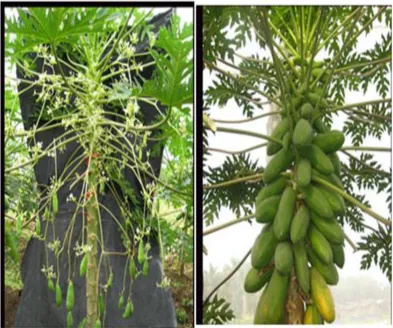
[image:23.595.122.516.343.671.2]Papaya is a fast growing tree that may reach three to ten meters high. It has only one stem without branches at initial growth. Some new shoots appear after about one year at the lower trunk and some branches may grow (Jiménez et al., 2014). Figure 2.1 shows the papaya tree and fruits. The mass of leaves at the apex and along the top of the stem. The leaves are about fifty (50) to seventy (70) centimeter in diameter, deeply palmate lobed, with about seven to eleven lobes. The leaves contain white milk latex. Papaya flowers appear in the axils of leaves. The fruit is ripe when it feels soft and its skin has attained an amber to orange hue (Gross et al., 2014; Nakasone and Paull, 1998).
2.2.1 Papaya Maturity
The papaya fruits maturity can be determined by property of texture which include some characteristics such as firmness, color and latex. In addition, the taste of papaya can be one of the properties that determines the maturity of it. For example, sweetness, acidity and total soluble solid (TSS) (Basulto et al., 2009).
2.2.2 Skin Color of Papaya Fruits
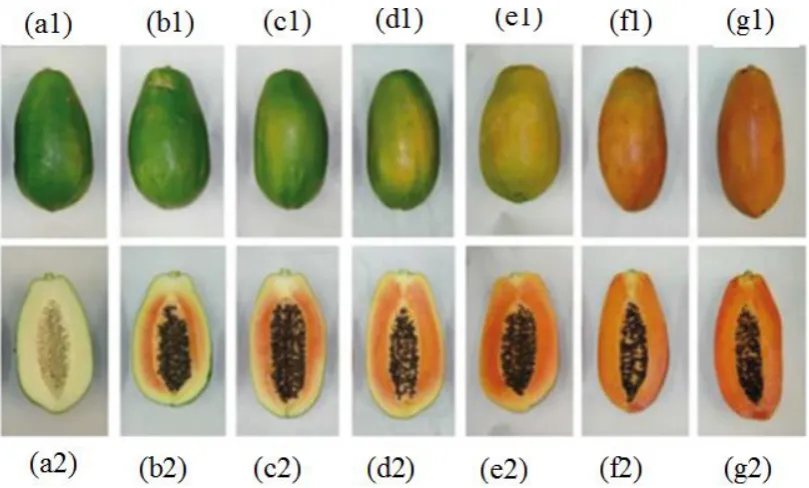
Figure 2.2: Papayas maturity stage description (Basulto et al., 2009)
2.3 Banana
The word banana is a general term embracing a number of species or hybrids in the genus Musa of the family Musaceae (Zhang et al., 2005). Banana cultivars are yellow when it is ripe. Consequently, the ripe banana may be damaged and lost its quality during transportation from farm to the market. Banana is one of important foods that source of energy, mineral salts and vitamins. Furthermore, sensorial attributes of the banana, as flavor, taste, texture, and color, are significantly influenced by its chemical composition, especially by acids, sugars, and phenolic compounds (Carvalho et al., 2009).
nematode infection in turn predisposes plants to fungal pathogen infections as well (Rahman et al., 2008).
2.3.1 Ripening Process of Musa sp.
[image:26.595.115.528.351.574.2]The composite of the processes that occur from the last stage of growth of fruit and development through the early stages of senescence is called ripening process (Johnson, 2009). The process will results in characteristic visual fruit quality. It can be changed in composition, color, texture, or other sensory attributes (Johnson, 2009). Figure 2.3 shows the banana’s ripening stages.
Figure 2.3: Banana ripening (adapted from Chiquita Brands International web)
Furthermore, banana fruit is hard and green at the harvested time. Therefore, the banana fruit needs few days for onset of ripening. In addition, the products progressively soften, change color and develop aroma at a certain rate into the storage.
development. The rate at which ripening will occur under particular storage conditions depends upon the stage of ontogeny at harvest. More mature fruit will ripen more rapidly than less mature fruit. The ripening schedules were customarily five to eight days from date of delivery of bananas to the ripening rooms (Johnson, 2009). The temperature is maintained inside the ripening room in the range of 16 to 18 °C. Consequently, the bananas do not overheat and spoil at delivery time (Johnson, 2009).
2.4 Effect of Temperature on Fruits
0, 5, 7, 11, and 13 days after harvest. The obtained results shown higher antioxidant capacity, total phenolics, and anthocyanins at 5 °C and 10 °C than those stored at 0 °C. However, the postharvest life based on overall quality such as decay, TSS, TA, pH, fruit color, and aroma compounds was longer at 0 °C than at 5 °C and 10 °C (Ayala-Zavala et al., 2004).
2.5 Ethylene Production from Fruits
Ethylene gas (C2H4) is produced by many plant species. It is generated naturally by fruits metabolism. The plant release ethylene and diffuses quite quickly in the air. This gas may regulate fruits development and senescence. The production rate of ethylene can increase with ripening (Müller, 2000), physical injuries, disease occurrence caused by microorganisms such as bacterial and fungal which infect fruits (Müller, 2000) and increasing of temperatures as high as 30 °C (Aharoni, 2004; Irtwange, 2006). In contrast, there are some means can decrease the ethylene production rate such as cold storage, low oxygen concentration and reduction in carbon dioxide in the storage which lead to delay ripening stages (Aharoni, 2004; Ali, 2011; Irtwange, 2006) and increase the time of preservation of the produces (Lis et al., 2000). In addition, climacteric fruits including banana and papaya that produce ethylene at high rate at onset of increasing in respiration rate (Irtwange, 2006).
2.6 Fruits Respiration
Carbone dioxide may be generated by utilizing oxygen throughout the respiration at atmospheric pressure. For instance, the chemical equation of the metabolic oxidation of glucose can be expressed as follows (Irtwange, 2006):
Consequently, it can be found out from this process that the waste of stored food reserves such as glucose may be occurs because the energy is released as a heat as well as sweetness (Irtwange, 2006). Therefore, the organic substances in the stored fruits such as fats, carbohydrates and proteins can be degraded into simple compositions during respiration process which lead to release heat (energy). In this case, the technology of postharvest is essentially enfluenced by the harvested fruits as a result of deterioration rate of this produce which might be augmented along of storage period (Irtwange, 2006).
2.7 Benefits of Papaya and Banana Fruits
Many studies illustrated the contribution of the fresh quality hygienic fruits to reduce several diseases such as neurological, carcinogenic illnesses and cardiovascular (Sancho et al., 2011). Papaya and banana are considered nutritious fruits and consumed widely and particularly throughout tropical regions. These cultivars can lower human body risk of many health conditions. For example, these fruits contain amount of antioxidant compounds including phenols which reduce the oxidative stress produced by free radicals that cause to damage the calls (Bico et al., 2009; Zuhair et al., 2013). In addition, papaya contains many active compounds including papain, chymopapain, cystatin, α-tocopherol, ascorbic acid, flavonoids, cyanogenic glucosides and glucosinolates that can utilized as a pharmacological effects such as anti-inflammation, anti-platelet, anti-thrombotic, and antiallergic effects (Ming et al., 2012). Similarly, the banana has benefits such as neutralize the acidity of gastric juices, so reducing ulcer irritation by coating the lining of the stomach as well as promote healing and relieve painful (Kumar and Bhowmik, 2012). In contrast, the reduction protein level in the fruits can cause protein deficiency in mankind who usually
2.8 Physico-Chemical Properties
Knowledge of the sensory properties of storage fruit such as color, flavor, sweetness, sourness and overall acceptance is essential for the product development, design and evaluation of the process equipment such as optimum temperature (Zuhair et al., 2013; Vitali and Rao, 1984). Sensory measurements have also been considered as an analytical tool to provide fundamental insights on the structural organization of banana and papaya. Numerous studies have been conducted on the sensory properties of papaya and banana fruits (Ahmed et al., 2002). Therefore sensory parameters of papaya and banana are required for research and engineering applications as design and optimization of cooling units. For example, the change in fruits peel color including increase of degree of browning and decrease of color values (Carvalho et al., 2009), chilling injury occurrence which is considered physiological damages under cold storage conditions (Ratule et al., 2006).
Consequently, the sensory quality attributes of fruit play an important role in consumer satisfaction and repeated purchase (Alasalvar et al., 2001; Almora et al., 2004). Like other fruits, papaya and banana encounter postharvest quality losses during storage too. The quality assessment of papaya and banana fruits at harvest is based on a wide range of physico-chemical characteristics including fruit color and titritable acidity (Almora et al., 2004; Choo and Aziz, 2010). The flavor sensation and aroma produced from non-volatile compounds generates a characteristic saltiness, sweetness, bitterness, sourness and pungent (Choo and Aziz, 2010).
2.8.1 pH and Titratable Acidity
believed to be associated with an increase in free galacturonic acid in papaya fruit (Workneh et al., 2012). Furthermore, it has been reported an increase in total acidity of Solo papayas during twenty days of storage at ambient condition (Cámara et al., 1993).
The pH of papaya pulp ranges from 4.55 to 5.9, and the total titratable acidity (TA) calculated as citric acid is 0.2 to 1.4% (Cámara et al., 1993). There are about 80% of the titratable acidity (TA) of papaya which is made up of ascorbic acid which together with malic, citric and β-ketoglutaric acid. These acids make the total titratable acid (Paull et al., 1999). Total volatile acids contribute 8% of the total titratable acidity. Malic and citric acid are formed in about equal amounts which being ten times more abundant than β-ketoglutaric acid, malonic acid, fumaric acid and succinic acid. Ascorbic acid of papaya quadruples during fruit ripening. It has been reported that ascorbic acid content of papayas increased 20 to 30% during ripening, independent of the maturity stages at harvest (Bron and Jacomino, 2006). In addition, the study showed that the ascorbic acid content increased before the fruit developed full yellow color (Wills and Widjanarko, 1995). Furthermore, titratable acidity (TA) showed increasing trend to a maximum about the time of attaining full yellow color (Wills and Widjanarko, 1995). It was indicated that, seal packaging of papaya with polyethylene film reduced the amount of titratable acidity (TA) during ripening at 24 to 28 °C (Lazan et al., 1995). Total acidity content in papaya can be used to determine its maturity. In some researches, it is evident that the physic-chemical such as acidity parameter of papaya differed from one another which are supposed to be due to different genetic makeup the variety and also because of difference in their total fruit development and ripening period (Bron and Jacomino, 2006).
2.8.2 Total Soluble Sugar Content (TSS)
Sugars are the major soluble solids in fruit juice (Magwaza and Opara., 2015: Chope et al., 2007: Wardowski et al., 1979). Soluble solids concentration, °Brix) can be determined in a small sample of fruit juice using a hand held refractometer. Consequently, soluble sugar content may express to the percentage (%) of fresh soluble sugar into the fruit juice and it might be referred by °Brix. Therefore, Brix technically refers only to the sugar content of fruit juices. In principle, the unit °Brix, which has been in common use in industry for many years, represents the dry substance content of solutions containing mainly sucrose (Wardowski et al., 1979; Echeverria and Ismail, 1987; Dongare et al., 2014). For instance, a juice sample that has 25 degree of Brix is assumed to contain 25 g of sugar/100 g of solution (Ball, 2006).
In addition, the term of total soluble solid is another term may be expressed as a percentage of fresh matter mass, shows high positive correlation with sugars content, and is therefore generally accepted as an important quality trait of fruits (E Silva et al., 2006). Moreover, total soluble solid may be measured on expressed fruit
juice and in percent using handheld refractometer (Rivera‐López, 2005; Fawole et al., 2013). The change of total soluble solids contents in papaya during different storage situations, depending on the storage conditions, agro-climatic regions, cultivar types and fruit maturity at harvest (Agar et al., 1999; Ayala-Zavala et al., 2004; Lamikanra et al., 2000). Soluble solids content was affected by temperature and storage period. Papaya cubes and slices stored at 20 °C had the lowest soluble solids content after 6 days of storage. Total soluble solids in papaya cubes and slices stored at 5 °C and 10 °C also decreased. The difference in total soluble solid loss between papaya cubes stored at 5 °C and 10 °C was larger compared with papaya slices stored at the same temperature (Rivera-López et al., 2005).
10°C slowly decreased while it remained at higher level in bananas stored at 14 °C (Srisuvor et al., 2013).
Therefore, considering the sugars (sucrose, glucose and fructose) and sugar alcohols (sorbitol and manitol) constitute the majority (approximately 85%) of total soluble solids in many fruits. Consequently, it is not surprising that both terms of total soluble solids and total soluble sugar have become synonymous. However, this does not hold true for fruit such as limes, in which sugars constitute only 25% of the total soluble solid content (Wardowski et al., 1979). A previous study showed that the removal of anthocyanins and phenolic compounds before measuring soluble sugar of blueberry and strawberry fruit with a refractometer increased the reliability of soluble solids as an indicator of sweetness during storage (Kader et al., 2003). It has been shown that total soluble solid was two-fold higher with higher total sugars (Chope et al., 2007).
2.8.3 Total Soluble Solids to Titritable Acidity
The fruit quality can be measured by totalIsolubleIsolids to titritable acidity ratio. Consequently, the tota soluble sugar TSS:TA ratio is very important, because it provides information on the balance of sugars and acids in the fruit (Voča et al., 2008). It is generally realized that quality fruits benefit from a higher sugar:acid ratio which refers to sweetness (Muhtaseb, 2007). In the contrary however, the lower sugar:acid ratio may indicate to lower fruit quality which refers to sourness (Muhtaseb, 2007; Rodríguez et al., 2011). Furthermore, increase totalIsolubleIsolids to titritable acidity ratio ratio indicates to fruit maturity and better taste (flavor) (Muhtaseb, 2007). Consequently, the maturity index of totalIsolubleIsolids to titritable acidity ratio illustrated to be a good indicator of fruit maturity as it increased significantly during fruit ripening. It has been noted that total soluble sugar of banana fruits increased after 25 days of storage which indicated to the ripening (Carvalho et al., 2009).
1998; Jordan et al., 2001). One difficulty is that the same ratio may be derived from different concentrations of TSS and TA, leading to different flavor perceptions for the same ratio.
2.8.4 Taste of Fruits
Taste and aroma are the main sensory characteristics of papaya including volatile compounds such as benzylisothiocyanate, terpenes, hydrocarbons, esters, aldehydes, ketones, alcohols, and organic acids (De Oliveira and Vitória, 2011). Consequently, the aroma is derived from combinations of volatile components (Ayala-Zavala et al., 2004). In addition, changes in texture, peel, and pulp´s color, organic acid levels, and synthesis of volatile compounds usually occur during papaya ripening. The sucrose, glucose, and fructose concentration are usually used as an index because these sugars associate the ripening process (Gómez and Lajolo, 2002). For instance, banana starch concentration may be metabolized to sucrose at postharvest period which causes to fruits sweetness. Therefore, the sweet taste is an important quality parameter for fruits.
2.8.5 Weight Loss
2.9 Nutritional Quality of Papaya and Banana
Papaya contains relatively high levels of vitamins A, B1, B and C (De Oliveira and Vitória, 2011; Sancho et al., 2011; Tripathi et al., 2011; Wall, 2006). The papaya fruit is also known to be an excellent source of glucose, fructose and sucrose (De Oliveira and Vitória, 2011). Some nutritional compositions of Rainbow papaya and SunUp papaya such as protein content which was similar pedigree for both studied cultivars (Tripathi et al., 2011). The investigations showed that the β-cryptoxanthin esters such as laurate and caprate were already present in early ripening stages of papaya and both esters may be form about 42% of total carotenoids (Bunea et al., 2014; Schweiggert et al., 2011).The result indicated that the building up of carotenoids such as β-cryptoxanthin laurate and total lycopene contents significantly correlate with a subsequent fruit maturation (Schweiggert et al., 2011). On the other hand, the aroma of papaya is mainly due to esters, ethyl acetate, ethyl butanoate, ethyl 2-methyl butanoate and ethyl hexaonateare the most potent odor compounds (De Oliveira and Vitória, 2011). Papaya is also considered as a functional food fruit and the consumption of ripe papaya fruit has been associated with a curing effect to a certain diseases. For example, it was reported that papaya has a pharmacological functions such as antifertility agent, laxative, meat tenderizer and many other uses (De Oliveira and Vitória, 2011).
2.10 Enzymes
Enzymes may be defined as proteins with catalytic activity. These enzymes have ability to accelerate reactions from 103 to 1011 times more than the non-enzyme catalyzed reactions (Whitaker, 1993; Ortega, 2011). The enzymes might be part of many reactions, because enzymes may not be consumed by the reaction. Another important characteristic of enzymes is their specificity, when enzymes bind the substrate in the active site to convert it into product; enzymes that are highly specific catalyze only one particular reaction, while others catalyze reactions involving specific types of chemical bonds or functional groups (Whitaker, 1996). Enzymes are also responsible for several chemical reactions that are indispensable for living organisms. These enzymes have the same physical and chemical characteristics as all other proteins found in nature (Ortega, 2011).
2.11 Post-Harvest Microbiology
Postharvest decays of crops has been estimated that about 20 to 25% of the harvested fruits are deteriorated by pathogens throughout postharvest handling (Sharma et al., 2009). So, postharvest decays of fruits are considered of significant postharvest losses. Therefore, the deterioration of horticultural commodities by microorganisms can be rapid and severe, particularly in tropical areas where high temperature and high relative humidity which lead to increase microbial growth. Furthermore, ethylene produced by rotting can cause premature ripening and senescence of other products in the same storage. Therefore, the other stored fruits may be contaminated by rotting organisms which cause to spoilage the entire products. Fruits may be infected by direct penetration of certain fungi through intact cuticle or through wounds and natural opening in their surface (Wills et al., 1981).
fruit-surface rot and a harvest-wound rot that are two most common post-harvest rots of papaya (Alvarez et al., 1987). The presence of the disease is characterized by small black or light brown spots, which gradually enlarge and may coalesce and sink. The major post-harvest diseases that caused by fungi in papaya are stem-end rot (Lasiodiplodia theobromae), anthracnose (Colletotrichum gloeosporioides), and Phomopsis rot (Phomopsis caricae-papayae) which result in relatively high postharvest losses (Abeywickrama et al., 2012; Gonzalez-Aguilar et al., 2003; Peña et al., 2002). In addition, the bacterial diseases also cause damage of papaya such as purple-stain disease that caused by pigment-producing strains of Erwiniaherbicola (Loehnis) and internal yellowing disease that caused by Enterobacter cloacae (Alvarez et al., 1987).
Decay reduction and disease control may be through sanitation, careful handling, cooling of produce and use of approved chemicals such as fungicides which prevent or delay the appearance of rots and molds in the products. Others include use of metabolic inhibitors that block certain biochemical reactions that normally occur, ethylene absorbents, physical treatments such as heat treatments, and modified atmosphere (replacement of air with water vapor (Irtwange, 2006). Modifications of the storage atmosphere can be advantageous in retarding postharvest disease development. Furthermore, modified atmosphere has been a solution to improve quality of fresh products by reducing microbial decay (Irtwange, 2006). It was noted that, shredded green papaya in modified atmosphere conditions had longer shelf life by reducing respiration rate, ethylene production, color change and microbial growth (Lichanporn and Kanlavanarat, 2006).
2.12 Relative Humidity
high humidity. Therefore, there is an interaction between fruit size and relative humidity (Ahmed et al., 2006). This can be concluded that fruits at low humidity levels lost more weight due to their faster rate of respiration and transpiration than that of high humidity levels (Ahmed et al., 2006). The interaction between temperature and relative humidity showed greater effect at high relative humidity. It could be due to the ability of high relative humidity to reduce the respiration rate an transpiration processes (Ahmed et al., 2006). The other study demonstrated that pomegranate fruit weight loss was high into storage due to a lower relative humidity during storage resulting in a marked fruit weight loss between 20 and 25% (Fawole et al., 2013). Therefore, relative humidity must be maintained to reduce excessive water loss. In addition, papaya and banana have been stored at relative humidity storage of 90 % and low relative humidity may reduce green life period of fruits (Praeger et al., 2013; Ali et al., 2011).
2.13 Conclusion
REFERENCES
Abeywickrama, K., Wijerathna, C., Rajapaksha, N., Sarananda, K., & Kannangara, S. (2012). Disease Control Strategies for Extending Storage Life of Papaya (Carica papaya), Cultivars' Red Lady'and'Rathna'. Ceylon Journal of Science (Biological Sciences), 41(1).
Abuhamra, S. G. A. (2016). Effects of Different Storage Temperatures and Durations
on Physiochemical Properties and Nutritional Composition of Banana and
Papaya. Journal of Biotechnology Science Research, 3(3).
Agar, I., Massantini, R., Hess‐Pierce, B. and Kader, A. (1999). Postharvest CO2 and Ethylene Production and Quality Maintenance of Fresh‐Cut Kiwifruit Slices. Journal of Food Science, 64(3), 433-440.
Ahmad, S. A. E. E. D., Perviez, M. A., Chatha, A., & Thompson, A. K. (2006). Improvement of Banana Quality in Relation to Storage Humidity, Temperature and Fruit Length. International Journal of Agriculture and Biology, 8, 377-380.
Ahmed, J., Shivhare, U. and Debnath, S. (2002). Color Degradation and Rheology of Green Chilli Puree during Thermal Processing. International Journal of Food Science & Technology, 37(1), 57-63.
Alasalvar, C., Grigor, J. M., Zhang, D., Quantick, P. C. and Shahidi, F. (2001). Comparison of Volatiles, Phenolics, Sugars, Antioxidant Vitamins, and Sensory Quality of Different Colored Carrot Varieties. Journal of Agricultural and Food Chemistry, 49(3), 1410-1416.
Ali, A., Muhammad, M. T. M., Sijam, K., and Siddiqui, Y. (2011). Effect of Chitosan Coatings on the Physicochemical Characteristics of Eksotika II Papaya (Carica Papaya L.) Fruit during Cold Storage. Food Chemistry, 124(2), 620-626.
Almora, K., Pino, J. A., Hernandez, M., Duarte, C., González, J. and Roncal, E. (2004). Evaluation of Volatiles from Ripening Papaya (Carica Papaya L., var. Maradol roja). Food Chemistry, 86(1), 127-130.
Alvarez, A. M., & Nishijima, W. T. (1987). Postharvest Diseases of Papaya. Plant Disease, 71(8), 681-686.
Amankwah, E., Barimah, J., Nuamah, A., Oldham, J., Nnaji, C. and Knust, P. (2009). Formulation of Weaning Food from Fermented Maize, Rice, Soybean and Fishmeal. Pakistan Journal of Nutrition, 8(11), 1747-1752.
Anyasi, T. A., Jideani, A. I. and Mchau, G. A. (2015). Morphological, Physicochemical, and Antioxidant Profile of Noncommercial Banana Cultivars. Food Science & Nutrition, 3(3), 221-232.
Anyasi, T. A., Jideani, A. I. and Mchau, G. R. (2013). Functional Properties and Postharvest Utilization of Commercial and Noncommercial Banana Cultivars. Comprehensive Reviews in Food Science and Food Safety, 12(5), 509-522. ARĚAS, J. A. G. and LAJOLO, F. (1981). Starch Transformation during Banana
Ripening: I—The Phosphorylase and Phosphatase Behavior in Musa Acuminata. Journal of Food Biochemistry, 5(1), 19-37.
Arendse, E., Fawole, O. A., & Opara, U. L. (2015). Discrimination of Pomegranate Fruit Quality by Instrumental and Sensory Measurements during Storage at Three Temperature Regimes. Journal of Food Processing and Preservation, 39(6), 1867-1877
Awoyale, W., Sanni, L. O., Shittu, T. A. and Adegunwa, M. O. (2015). Effect of Storage on the Chemical Composition, Microbiological Load, and sensory Properties of Cassava Starch‐Based Custard Powder. Food Science & Nutrition. 3(5), 425-433
Azarkan, M., El Moussaoui, A., Van Wuytswinkel, D., Dehon, G. and Looze, Y. (2003). Fractionation and Purification of the Enzymes Stored in the Latex of Carica Papaya. Journal of Chromatography B, 790(1), 229-238.
Babsky, N., Toribio, J. and Lozano, J. (1986). Influence of Storage on the Composition of Clarified Apple Juice Concentrate. Journal of Food Science, 51(3), 564-567.
Baldwin, E. A., Scott, J. W., Einstein, M. A., Malundo, T. M. M., Carr, B. T., Shewfelt, R. L., & Tandon, K. S. (1998). Relationship between Sensory and Instrumental Analysis for Tomato Flavor. Journal of the American Society for Horticultural Science, 123(5), 906-915.
Ball, D. W. (2006). Concentration Scales for Sugar Solutions. J. Chem. Educ, 83(10), 1489.
Barriga, M., Trachy, G., Willemot, C. and Simard, R. (1991). Microbial Changes in Shredded Iceberg Lettuce Stored under Controlled Atmospheres. Journal of Food Science, 56(6), 1586-1588.
Bassinello, P. Z., Cordenunsi, B. R. and Lajolo, F. M. (2002). Amylolytic Activity in Fruits: Comparison of Different Substrates and Methods using Banana as Model. Journal of Agricultural and Food Chemistry, 50(21), 5781-5786. Basulto, F. S., Duch, E. S., y-Gil, F. E., Diaz Plaza, R., Saavedra, A. L., &
Santamaría, J. M. (2009). Postharvest Ripening and Maturity Indices for Maradol Papaya. Interciencia, 34(8), 583.
Bayram, E., Dundar, O. and Ozkaya, O. (2006). Effect of Different Packaging Types on Storage of Hicaznar Pomegranate Fruits. Proceedings of the 2006 I International Symposium on Pomegranate and Minor Mediterranean Fruits, 818, 319-322.
Bico, S., Raposo, M., Morais, R. and Morais, A. (2009). Combined Effects of Chemical Dip and/or Carrageenan Coating and/or Controlled Atmosphere on Quality of Fresh-Cut Banana. Food Control, 20(5), 508-514.
Bron, I. U. and Jacomino, A. P. (2006). Ripening and Quality of'golden'papaya Fruit Harvested at Different Maturity Stages. Brazilian Journal of Plant Physiology, 18(3), 389-396.
Bunea, A., Socaciu, C., and Pintea, A. (2014). Xanthophyll Esters in Fruits and Vegetables. Notulae Botanicae Horti Agrobotanici Cluj-Napoca, 42(2), 310. Cámara, M., Diez, C. and Torija, M. (1993). Changes during Ripening of Papaya
Fruit in Different Storage Systems. Food Chemistry, 46(1), 81-84.
Carlin, F., Nguyenthe, C., Cudennec, P. and Reich, M. (1989). Microbiological Spoilage of Fresh, Ready-To-Use Grated Carrots. Sciences des Aliments, 9(2), 371-386.
Carvalho, G. B., Silva, D. P., Santos, J. C., Izário Filho, H. J., Vicente, A. A., Teixeira, J. A., and Silva, J. B. A. (2009). Total Soluble Solids from Banana: Evaluation and Optimization of Extraction Parameters. Applied Biochemistry and Biotechnology, 153(1-3), 34-43.
Chan, Y. K. (2009). Breeding Papaya (Carica papaya L.). in Breeding Plantation Tree Crops: Tropical Species (pp. 121-159). Springer New York.
Chemists, A. A. (1990). Official Methods of Analysis. Vol. I. 15th ed. AOAC, Arlington, VA.
Choo, C. L. and Aziz, N. A. A. (2010). Effects of Banana Flour and β-glucan on the Nutritional and Sensory Evaluation of Noodles. Food Chemistry, 119(1), 34-40.
Chope, G. A., Terry, L. A., and White, P. J. (2007). The Effect of the Transition between Controlled Atmosphere and Regular Atmosphere Storage on Bulbs of Onion Cultivars SS1, Carlos and Renate. Postharvest Biology and Technology, 44(3), 228-239.
Connor, A. M., Luby, J. J., Hancock, J. F., Berkheimer, S. and Hanson, E. J. (2002). Changes in Fruit Antioxidant Activity among Blueberry Cultivars during Cold-Temperature Storage. Journal of Agricultural and Food Chemistry, 50(4), 893-898.
da Silva, J. T., Rashid, Z., Nhut, D. T., Sivakumar, D., Gera, A., Souza Jr, M. T., (2007). Papaya (Carica papaya L.) Biology and Biotechnology. Tree and Forestry Science and Biotechnology, 1(1), 47-73.
De Oliveira, J. G. and Vitória, A. P. (2011). Papaya: Nutritional and Pharmacological Characterization, and Quality Loss due to Physiological Disorders. An Overview. Food Research International, 44(5), 1306-1313.
Der Agopian, R. G., Peroni-Okita, F. H. G., Soares, C. A., Mainardi, J. A., do Nascimento, J. R. O., Cordenunsi, B. R.,. (2011). Low Temperature Induced Changes in Activity and Protein Levels of the Enzymes Associated to Conversion of Starch to Sucrose in Banana Fruit. Postharvest Biology and Technology, 62(2), 133-140.
Do Nascimento, J. R. O., Júnior, A. V., Bassinello, P. Z., Cordenunsi, B. R., Mainardi, J. A., Purgatto, E.,. (2006). Beta-amylase Expression and Starch Degradation during Banana Ripening. Postharvest Biology and Technology, 40(1), 41-47.
Dominguez-Puigjaner, E., Vendrell, M. and Ludevid, M. D. (1992). Differential Protein Accumulation in Banana Fruit during Ripening. Plant Physiology, 98(1), 157-162.
Dongare, M. L., Buchade, P. B., Awatade, M. N., and Shaligram, A. D. (2014). Mathematical Modeling and Simulation of Refractive Index Based Brix Measurement System. Optik-International Journal for Light and Electron Optics, 125(3), 946-949.
Downes, F. P. and Ito, K. (2001). Compendium of Methods for the Microbiological Examination of Foods American Public Health Association. Washington, DC, 473-481.
Echeverria, E. D., and Ismail, M. (1987). Changes in Sugars and Acids of Citrus Fruits During Storage. In Proc. Fla. State Hort. Soc (Vol. 100, pp. 50-52). Englyst, H. N. and Cummings, J. H. (1986). Digestion of the Polysaccharied of
Banana (Musa Paradisiaca Sapientum) in the Human Small Intestine. The American Journal of Clinical Nutrition, 44(1), 42-50.
Evans, E. A., & Ballen, F. H. (2012). An Overview of Global Papaya Production, Trade, and Consumption. Gainesville: University of Florida.
Ewaidah, E. (1992). Studies on Commercially Canned Juices Produced Locally in Saudi Arabia: Part 3—Physicochemical, Organoleptic and Microbiological Assessment. Food Chemistry, 44(2), 103-111.
Facundo, H. V. D. V., Gurak, P. D., Mercadante, A. Z., Lajolo, F. M., & Cordenunsi, B. R. (2015). Storage at Low Temperature Differentially Affects the Color and Carotenoid Composition of Two Cultivars of Banana. Food Chemistry, 170, 102-109.
Falah, M. A. F., Nadine, M. D., & Suryandono, A. (2015). Effects of Storage Conditions on Quality and Shelf-life of Fresh-cut Melon (Cucumis Melo L.) and Papaya (Carica Papaya L.). Procedia Food Science, 3, 313-322.
Fao, J. and Foods, M. H. I. (2004). Food and Agriculture Organization of the United Nations. Rome, URL: http://faostat. fao. Org.
Fawole, O. A., and Opara, U. L. (2013). Effects of Storage Temperature and Duration on Physiological Responses of Pomegranate Fruit. Industrial Crops and Products, 47, 300-309.
Finkel, T. (2003). Oxidant Signals and Oxidative Stress. Current Opinion in Cell Biology, 15(2), 247-254.
Floyd, R. A. (1990). Role of Oxygen Free Radicals in Carcinogenesis and Brain Ischemia. The FASEB Journal, 4(9), 2587-2597.
Francis, F. (1995). Quality as Influenced by Color. Food Quality and Preference, 6(3), 149-155.
Gerhardt, P., Murray, R., Wood, W. A. and Krieg, N. R. (1994). Methods for General and Molecular Bacteriology (Vol. 1325): American Society for Microbiology Washington, DC.
Gol, N. B. and Ramana Rao, T. (2011). Banana Fruit Ripening as Influenced by Edible Coatings. International Journal of Fruit Science, 11(2), 119-135. Gonzalez-Aguilar, G. A., Buta, J. G., & Wang, C. Y. (2003). Methyl Jasmonate and
Gonzalez-Aguilar, G., Fortiz, J., Cruz, R., Baez, R. and Wang, C. (2000). Methyl Jasmonate Reduces Chilling Injury and Maintains Postharvest Quality of Mango Fruit. Journal of Agricultural and Food Chemistry, 48(2), 515-519. González-Aguilar, G., Ruiz-Cruz, S., Cruz-Valenzuela, R., Rodrıguez-Félix, A. and
Wang, C. (2004). Physiological and Quality Changes of Fresh-Cut Pineapple Treated with Antibrowning Agents. LWT-Food Science and Technology, 37(3), 369-376.
Gonzalez‐Aguilar, G. A., Celis, J., Sotelo‐Mundo, R. R., De La Rosa, L. A., Rodrigo‐Garcia, J. and Alvarez‐Parrilla, E. (2008). Physiological and Biochemical Changes of Different Fresh‐Cut Mango Cultivars Stored at 5° C. International Journal of Food Science & Technology, 43(1), 91-101.
Gorny, J., Cifuentes, R., Hess‐Pierce, B. and Kader, A. (2000). Quality Changes in Fresh‐Cut Pear Slices as Affected by Cultivar, Ripeness Stage, Fruit Size, and Storage Regime. Journal of Food Science, 65(3), 541-544.
Goswami, B. and Borthakur, A. (1996). Chemical and Biochemical Aspects of Developing Culinary Banana (Musa ABB) ‘Kachkal’. Food Chemistry, 55(2), 169-172.
Gross, K.C., Wang, C.Y. and Saltveit, M., (2004). The Commercial Storage of Fruits, Vegetables, and Florist and Nursery Stocks. Agriculture Handbook, 66.
Huang, L., Guan, T., Qian, Y., Huang, M., Tang, X., Li, Y., (2011). Anti-Inflammatory Effects of Maslinic Acid, A Natural Triterpene, in Cultured Cortical Astrocytes Via Suppression of Nuclear Factor-Kappa B. European Journal of Pharmacology, 672(1), 169-174.
Huang, S.-S., Chiu, C.-S., Lin, T.-H., Lee, M.-M., Lee, C.-Y., Chang, S.-J., (2013). Antioxidant and Anti-Inflammatory Activities of Aqueous Extract of Centipeda Minima. Journal of Ethnopharmacology, 147(2), 395-405.
Irtwange, S. V. (2006). Application of Modified Atmosphere Packaging and Related Technology in Postharvest Handling of Fresh Fruits and Vegetables. Agricultural Engineering International: CIGR Journal. Invited Overview No. 4. Vol. VIII.
Jacob, D. (2014). Advances in Temperate Fruit Production: Oxford Book Company. Jamaluddin, S. H. (2000). Banana R&D thrusts in Malaysia. Advancing Banana and
Plantain R & D in Asia and the Pacific, 108-111..
Jayasena, V., and Cameron, I. (2008). °Brix/acid Ratio as a Predictor of Consumer Acceptability of Crimson Seedless Table Grapes. Journal of Food Quality, 31(6), 736-750.
Jiménez, V. M., Mora-Newcomer, E., & Gutiérrez-Soto, M. V. (2014). Biology of the Papaya Plant. In Genetics and Genomics of Papaya (pp. 17-33). Springer New York
Johnson, G.I. and Hofman, P.J., (2009). 15 Postharvest Technology and Quarantine Treatments. ResearchGate.
Jordan, R. B., Seelye, R. J., & McGlone, V. A. (2001). A Sensory-Based Alternative to Brix/Acid Ratio. Food Technology, 55(6), 36-44.
Kader, A.A., (2003). A Perspective on Postharvest Horticulture (1978-2003). HortScience, 38(5), .1004-1008.
Kader, A. A., Hess-Pierce, B., and Almenar, E. (2003). Relative Contributions of Fruit Con-Stituents to Total Soluble Solids Content Measured by Refractometer. HortScience, 38, 383.
Kader, A.A. and Rolle, R.S., 2004. The Role of Post-Harvest Management in Assuring the Quality and Safety of Horticultural Produce (Vol. 152). Food & Agriculture Org.
Kaplan, F., Sung, D. Y. and Guy, C. L. (2006). Roles of β‐amylase and Starch Breakdown during Temperatures Stress. Physiologia Plantarum, 126(1), 120-128.
Karakurt, Y. and Huber, D. J. (2003). Activities of Several Membrane and Cell-Wall Hydrolases, Ethylene Biosynthetic Enzymes, and Cell Wall Polyuronide Degradation During Low-Temperature Storage of Intact and Fresh-Cut Papaya (Carica papaya) Fruit. Postharvest Biology and Technology, 28(2), 219-229.
Kumar, H., Koppula, S., Kim, I.-S., Vasant More, S., Kim, B.-W. and Choi, D.-K. (2012). Nuclear Factor Erythroid 2-Related Factor 2 Signaling in Parkinson Disease: A Promising Multi Therapeutic Target Against Oxidative Stress, Neuroinflammation and Cell Death. CNS & Neurological Disorders-Drug Targets (Formerly Current Drug Targets-CNS & Neurological Disorders), 11(8), 1015-1029.
Lamikanra, O., Chen, J., Banks, D. and Hunter, P. (2000). Biochemical and Microbial Changes during the Storage of Minimally Processed Cantaloupe. Journal of Agricultural and Food Chemistry, 48(12), 5955-5961.
Lante, A., Tinello, F., and Nicoletto, M. (2016). UV-A Light Treatment for Controlling Enzymatic Browning of Fresh-Cut Fruits. Innovative Food Science & Emerging Technologies, 34, 141-147.
Lazan, H., Selamat, M. and Ali, Z. M. (1995). β‐Galactosidase, Polygalacturonase and Pectinesterase in Differential Softening and Cell Wall Modification during Papaya Fruit Ripening. Physiologia Plantarum, 95(1), 106-112. Li, C. and Kader, A. A. (1989). Residual Effects of Controlled Atmospheres on
Postharvest Physiology and Quality. Journal of the American Society for Horticultural Science, 114, 629-634.
E Silva, P. S. L., Antonio, R. P., and de Sousa Nunes, G. H. (2006). Juice Extraction for Total Soluble Solids Content Determination in Melon. Caatinga, 19(3), 268-271.
Lis, J.A., Becker, M. and Schaefer, C.W., (2000). Burrower Bugs (Cydnidae). Heteroptera of Economic Importance. CRC, Boca Raton, pp.405-419.
Lichanporn, I. and Kanlavanarat, S. (2006). Effect of Organic Acid and Modified Atmosphere Conditions on Quality of Shredded Green Papaya (Carica Papaya L.). Proceedings of the 2006 IV International Conference on Managing Quality in Chains-The Integrated View on Fruits and Vegetables Quality, 712, 729-734.
Magalhães, L. M., Santos, F., Segundo, M. A., Reis, S. and Lima, J. L. (2010). Rapid Microplate High-Throughput Methodology for Assessment of Folin-Ciocalteu Reducing Capacity. Talanta, 83(2), 441-447.
Markwell, M. A. K., Haas, S. M., Bieber, L. L. and Tolbert, N. E. (1978). A Modification of the Lowry Procedure to Simplify Protein Determination in Membrane and Lipoprotein Samples. Analytical Biochemistry, 87(1), 206-210.
Martinez-Ferrer, M., Harper, C., Pérez-Muñoz, F. and Chaparro, M. (2002). Modified Atmosphere Packaging of Minimally Processed Mango and Pineapple Fruits. Journal of Food Science-Chicago, 67(9), 3365-3371. Maqbool, M., Ali, A., Alderson, P. G., Mohamed, M. T. M., Siddiqui, Y., & Zahid,
N. (2011). Postharvest Application of Gum Arabic and Essential Oils for Controlling Anthracnose and Quality of Banana and Papaya during Cold Storage. Postharvest Biology and Technology, 62(1), 71-76.
Medina, J. D. L. C., Gutiérrez, G. V., & García, H. S. (2003). Pawpaw: Post-harvest operation. Food and Agriculture Organization, 31.
Ming, R., Yu, Q., Moore, P. H., Paull, R. E., Chen, N. J., Wang, M. L., & Paterson, A. H. (2012). Genome of Papaya, a Fast Growing Tropical Fruit Tree. Tree Genetics & Genomes, 8(3), 445-462.
Mitra, S. K. (1997). Postharvest Physiology and Storage of Tropical and Subtropical Fruits. (pp.167-189). UK: CAB International.
Morris, D., Khurasany, M., Nguyen, T., Kim, J., Guilford, F., Mehta, R., (2013). Glutathione and Infection. Biochimica et Biophysica Acta (BBA)-General Subjects, 1830(5), 3329-3349.
Müller, R., Sisler, E. C., & Serek, M. (2000). Stress Induced Ethylene Production, Ethylene Binding, and The Response to the Ethylene Action Inhibitor 1-MCP in Miniature Roses. Scientia Horticulturae, 83(1), 51-59.
Ng, F. (2015). Breeding the Papaya-Carica Papaya. Utar Agriculture Science Journal. Vol. 1 No. 2. 32-42
Nguyen‐the, C. and Prunier, J. (1989). Involvement of Pseudomonads in Deterioration or ‘Ready‐to‐Use’ Salads. International Journal of Food Science & Technology, 24(1), 47-58.
Nishijima, K., Couey, H. and Alvarez, A. (1987). Internal Yellowing, a Bacterial Disease of Papaya Fruits Caused by Enterobacter Cloacae. Plant Disease, 71(11), 1029-1034.
Nunes, M., Emond, J. and Brecht, J. (2006). Brief Deviations from Set Point Temperatures during Normal Airport Handling Operations Negatively Affect the Quality of Papaya (Carica Papaya) Fruit. Postharvest Biology and Technology, 41(3), 328-340.
O'CONNOR‐SHAW, R., Roberts, R., Ford, A. and Nottingham, S. (1994). Shelf life of Minimally Processed Honeydew, Kiwifruit, Papaya, Pineapple and Cantaloupe. Journal of Food Science, 59(6), 1202-1206.
Oloyede, O. (2005). Chemical Profile of Unripe Pulp of Carica Papaya. Pakistan Journal of Nutrition, 4(6), 379-381.
Ortega, M. M. G. (2011). Effect of Proteolytic Enzyme and Fiber of Papaya Fruit on Human Digestive Health. Doctoral Dissertation, University of Illinois at Urbana-Champaign. p 10-11
Ortiz, R., Madsen, S. and Vuylsteke, D. (1998). Classification of African Plantain Landraces and Banana Cultivars using a Phenotypic Distance Index of Quantitative Descriptors. Theoretical and Applied Genetics, 96(6-7), 904-911.
Patapanian, E. and Rieves, C., Patapanian, Edward, Rieves and Cheryl, (1997). Gas Permeable Envelope with Ethylene Absorbing Chemicals Packaged in Airtight Container, for Controlling Ripening of Fruits and Vegetables. U.S. Patent 5,624,478.
Parniakov, O., Roselló-Soto, E., Barba, F. J., Grimi, N., Lebovka, N., & Vorobiev, E. (2015). New Approaches for the Effective Valorization of Papaya Seeds: Extraction of Proteins, Phenolic Compounds, Carbohydrates, and Isothiocyanates Assisted by Pulsed Electric Energy. Food Research International, 77, 711-717.
Parris, G. K. (1938). A New Disease of Papaya in Hawaii. Proceedings of the 1938 Proceedings of the American Society for Horticultural Science, 263-265. Pathare, P. B., Opara, U. L. and Al-Said, F. A.-J. (2013a). Color Measurement and
Analysis in Fresh and Processed Foods: A Review. Food and Bioprocess Technology, 6(1), 36-60.
Paull, R. E., Gross, K. and Qiu, Y. (1999). Changes in Papaya Cell Walls during Fruit Ripening. Postharvest Biology and Technology, 16(1), 79-89.
Pilar Cano, M., de Ancos, B., Gloria Lobo, M. and Monreal, M. (1996). Carotenoid Pigments and Color of Hermaphrodite and Female Papaya Fruits (Carica papaya L) cv Sunrise During Post‐Harvest Ripening. Journal of the Science of Food and Agriculture, 71(3), 351-358.
Pinto, J. A. V., Schorr, M. R. W., Thewes, F. R., Ceconi, D. L., Both, V., Brackmann, A., and Fronza, D. (2015). Relative Humidity during Cold Storage on Postharvest Quality of Niagara Rosada Table Grapes. Ciência Rural, 45(3), 386-391.
Ploetz, R. C. (2007). Diseases of Tropical Perennial Crops: Challenging Problems in Diverse Environments. Plant Disease, 91(6), 644-663.
Praeger, U., Linke, M., Jedermann, R., Moehrke, A., Geyer, M., and BVBA, D. E. I. (2013). Effect of Storage Climate on Green-Life Duration of Bananas. In 5th International Workshop Cold Chain Management, Bonn, Germany, University Bonn.
Rahman, S. S. A., Zain, S. M., Mat, M. B., Sidam, A. K., Othman, R. Y., & Mohamed, Z. (2014). Population Distribution of Plant-parasitic Nematodes of Bananas in Peninsular Malaysia. Sains Malaysiana, 43(2), 175-183.
Rao, C., Verma, A., Gupta, P. and Vijayakumar, M. (2007). Anti-Inflammatory and Anti-Nociceptive Activities of Fumaria Indica Whole Plant Extract in Experimental Animals. Acta Pharmaceutica, 57(4), 491-498.
Rahman, M. A., Mahmud, T. M. M., Kadir, J., Abdul Rahman, R., & Begum, M. M. (2008). Major Postharvest Fungal Diseases of Papaya cv. Sekaki in Selangor, Malaysia. Pertanika Journal of Tropical Agricultural Science, 31(1), 27-34. Ratule, M., Osman, A., Ahmad, S. and Saari, N. (2006). Development of Chilling
Injury of ‘Berangan’banana (Musa cv. Berangan (AAA)) during Storage at Low Temperature. Journal of Food, Agriculture & Environment, 4(1), 128-134.
Rivera‐López, J., Vázquez‐Ortiz, F. A., Ayala‐Zavala, J. F., Sotelo‐Mundo, R. R., and González‐Aguilar, G. A. (2005). Cutting Shape and Storage Temperature Affect Overall Quality of Fresh‐Cut Papaya cv. ‘Maradol’. Journal of Food Science, 70(7), s482-s489.
Rivera‐Pastrana, D. M., Yahia, E. M. and González‐Aguilar, G. A. (2010). Phenolic and Carotenoid Profiles of Papaya Fruit (Carica Papaya L.) and Their Contents under Low Temperature Storage. Journal of the Science of Food and Agriculture, 90(14), 2358-2365.
Robinso, J. (1996). Distribution and Importance; Taxonomic Classification, Cultivars and Breeding. Banana and Plantains. Wallingford: CAB International, 1-33. Rocha, A., Nunes, M. C., Morais, A. and DE, M. M. B. (2000). Effects of controlled
Atmosphere on Quality of Minimally Processed Apple (cv. Jonagored). Journal of Food Processing and Preservation, 24(6), 435-451.
Roongruangsri, W., Rattanapanone, N., Leksawasdi, N., & Boonyakiat, D. (2013). Influence of Storage Conditions on Physico-Chemical and Biochemical of Two Tangerine Cultivars. Journal of Agricultural Science, 5(2), 70.
Rossmann, B., Müller, H., Smalla, K., Mpiira, S., Tumuhairwe, J. B., Staver, C., (2012). Banana-associated Microbial Communities in Uganda are Highly Diverse but Dominated by Enterobacteriaceae. Applied and Environmental Microbiology, 78(14), 4933-4941.
Sagnia, B., Fedeli, D., Casetti, R., Montesano, C., Falcioni, G. and Colizzi, V. (2014). Antioxidant and Anti-Inflammatory Activities of Extracts from Cassia alata, Eleusine indica, Eremomastax Speciosa, Carica Papaya and Polyscias fulva Medicinal Plants Collected in Cameroon. PloS One, 9(8), e103999.
Sahaa, R. K., Acharyaa, S., Shovon, S. S. H. and Royb, P. (2013). Medicinal Activities of the Leaves of Musa Sapientum var. Sylvesteris in vitro. Asian Pacific Journal of Tropical Biomedicine, 3(6), 476-482.
Salunkhe, D. K., Bolin, H. R. and Reddy, N. R. (1991). Processing and Nutritional Quality of Fruits and Vegetables. 2nd Edition Vol. 1. CRC Press, Boca Raton, Florida
(Carica papaya L., cv. Maradol) fruit determined by HPLC-DAD-MS/MS-ESI. Food Research International, 44(5), 1284-1291.
Schweiggert, R. M., Steingass, C. B., Mora, E., Esquivel, P. and Carle, R. (2011). Carotenogenesis and Physico-Chemical Characteristics during Maturation of Red Fleshed Papaya Fruit (Carica papaya L.). Food Research International, 44(5), 1373-1380.
Sharma, R. R., Singh, D., & Singh, R. (2009). Biological Control of Postharvest Diseases of Fruits and Vegetables by Microbial Antagonists: A Review. Biological Control, 50(3), 205-221.
Smith, R. (2015). Banana Production in Greenhouses. University of Minnesota: Ph.D. Thesis
Sripanidkulchai, B., Wongpanich, V., Laupattarakasem, P., Suwansaksri, J. and Jirakulsomchok, D. (2001). Diuretic Effects of Selected Thai Indigenous Medicinal Plants in Rats. Journal of Ethnopharmacology, 75(2), 185-190. Srisuvor, N., Prakitchaiwattana, C., Chinprahast, N. and Subhimaros, S. (2013). Use
of Banana Purée from Three Indigenous Thai Cultivars as Food Matrices for Probiotics and Application in Bio‐Set‐Type Yoghurt Production. International Journal of Food Science & Technology, 48(8), 1640-1648. Subedi, P. P., & Walsh, K. B. (2011). Assessment of Sugar and Starch in Intact
Banana and Mango Fruit by SWNIR Spectroscopy. Postharvest Biology and Technology, 62(3), 238-245.
Tripathi, S., Suzuki, J. Y., Carr, J. B., McQuate, G. T., Ferreira, S. A., Manshardt, R. M., (2011). Nutritional Composition of Rainbow Papaya, the First Commercialized Transgenic Fruit Crop. Journal of Food Composition and Analysis, 24(2), 140-147.
Valko, M., Leibfritz, D., Moncol, J., Cronin, M. T., Mazur, M. and Telser, J. (2007). Free Radicals and Antioxidants in Normal Physiological Functions and Human Disease. The International Journal of Biochemistry & Cell Biology, 39(1), 44-84.
Vitali, A. A. and Rao, M. A. (1984). Flow Properties of Low-Pulp Concentrated Orange Juice - Effect of Temperature and Concentration. Journal of Food Science, 49(3), 882-888.
Wall, M. M. (2006). Ascorbic Acid, Vitamin A, and Mineral Composition of Banana (Musa sp.) and Papaya (Carica papaya) Cultivars Grown in Hawaii. Journal of Food Composition and Analysis, 19(5), 434-445.
Wang, L., and Sun, D. W. (2001). Rapid Cooling of Porous and Moisture Foods by using Vacuum Cooling Technology. Trends in Food Science & Technology, 12(5), 174-184.
Wardowski, W., Soule, J., Grierson, W., and Westbrook, G. (1979). Florida Citrus Quality Test. University of Florida, USA. Coop. Ext. Servo Bull, 188.
Wei, X. D., Zou, H. L., Chu, L. M., Liao, B., Ye, C. M., & Lan, C. Y. (2006). Field Released Transgenic Papaya Affects Microbial Communities and Enzyme Activities in Soil. Plant and Soil, 285(1-2), 347-358.
Whipkey, A., Simon, J. E. and Janick, J. (1999). 154 Indiana CropMAP and New Crop Compendium: New Developments from Purdue's Center for New Crops and Plant Products. HortScience, 34(3), 468-468.
White, D. T., Blackall, L. L., Scott, P. T., & Walsh, K. B. (1998). Phylogenetic Positions of Phytoplasmas Associated with Dieback, Yellow Crinkle and Mosaic Diseases of Papaya, and Their Proposed Inclusion in ‘Candidatus Phytoplasma Australiense’and a New Taxon,‘Candidatus Phytoplasma Australasia’. International Journal of Systematic and Evolutionary Microbiology, 48(3), 941-951.
Whitaker, J. R. (1993). Principles of Enzymology for the Food Sciences (Vol. 61). CRC Press. 120-123
Whitaker, J. R. (1996). Enzymes. In: Food Chemistry by Fenema, 489-492
Wiley, R. C. and Ooraikul, B. (1995). Minimally Processed Refrigerated Fruits and Vegetables. Trends in Food Science and Technology, 6(2), 67.
Williams, K. A. (2005). An overview of the US National Plant Germplasm System's Exploration Program. HortScience, 40(2), 297-301.
Workneh, T. S., Azene, M., & Tesfay, S. Z. (2012). A Review on the Integrated Agro-Technology of Papaya Fruit. African Journal of Biotechnology, 11(85), 15098-15110.
Yahia, E., De Jesus, J. and Elansari, A. (2011). Postharvest Technologies to Maintain the Quality of Tropical and Subtropical Fruits. Postharvest Biology and Technology of Tropical and Subtropical Fruits: Volume 1: Fundamental issues, 142-193.
Yang, B.-m., Lin, D., Li, J. J., liu, f., Zhu, Z. Q. and Cheng, N. N. (2007). Studies on the Nutrition Characteristics of Banana. Journal-Yunnan Agricultural University, 22(1), 117.
Yousaf, M. S., Yusof, S., Manap, A., Bin, M. Y. and Abd‐aziz, S. (2010). Storage Stability of Clarified Banana Juice Fortified with Inulin and Oligofructose. Journal of Food Processing and Preservation, 34(s2), 599-610.
Zhang, P., Whistler, R. L., BeMiller, J. N. and Hamaker, B. R. (2005). Banana Starch: Production, Physicochemical Properties, and Digestibility—A Review. Carbohydrate Polymers, 59(4), 443-458.
Zhuang, H., Barth, M. M. and Hildebrand, D. (2002). Fatty Acid Oxidation in Plant Tissues. Food Science and Technology-New York-Marcel Dekker-, 413-464. Zipkes, M. R., Gilchrist, J. E. and Peeler, J. T. (1981). Comparison of Yeast and
Mold Counts by Spiral, Pour, and Streak Plate Methods. Journal-Association of Official Analytical Chemists, 64(6), 1465-1469.