ScholarWorks @ Georgia State University
Neuroscience Institute Dissertations Neuroscience Institute
4-30-2018
Differences in Cognitive Flexibility Within the
Primate Lineage and Across Human Cultures:
When Learned Strategies Block Better Alternatives
Sarah M. Pope
Follow this and additional works at:https://scholarworks.gsu.edu/neurosci_diss
This Dissertation is brought to you for free and open access by the Neuroscience Institute at ScholarWorks @ Georgia State University. It has been accepted for inclusion in Neuroscience Institute Dissertations by an authorized administrator of ScholarWorks @ Georgia State University. For more information, please [email protected].
Recommended Citation
Pope, Sarah M., "Differences in Cognitive Flexibility Within the Primate Lineage and Across Human Cultures: When Learned Strategies Block Better Alternatives." Dissertation, Georgia State University, 2018.
ACROSS HUMAN CULTURES:
WHEN LEARNED STRATEGIES BLOCK BETTER ALTERNATIVES
by
SARAH MICHELLE POPE
Under the Direction of William D. Hopkins, PhD
ABSTRACT
By applying learned rules, humans are able to accurately solve many problems with
minimal cognitive effort; yet, this sort of habit-based problem solving may readily foster a type
of cognitive inflexibility termed ‘cognitive set’. Cognitive set occurs when an alternative – even
more efficient – strategy is masked by a known, familiar solution. In this research, I explored
how cognitive set differs between primate species and across human cultures, using a nonverbal
computerized ‘LS-DS’ task, which measures subjects’ ability to depart from a three-step, learned
strategy (LS) in order to adopt a more efficient, one-step, direct strategy (DS or ‘the shortcut’).
First, I compared baboons’, chimpanzees’, and humans’ abilities to break cognitive set and found
that all baboon and chimpanzee subjects used the DS shortcut when it became available; yet,
humans exhibited a remarkable preference for the LS. Next, in an effort to elucidate how
human subjects saw the shortcut, they did not use it until their conceptualization of the problem
constraints were altered. Lastly, to further distinguish between perceptual and conceptual
influences on cognitive set, I compared shortcut-use between Westerners and the semi-nomadic
Himba of northern Namibia. This study found that susceptibility to cognitive set varied across
human cultures and presented further evidence that problem conceptualization, and not
perceptual processing, influences individuals’ ability to break set and use the alternative.
Overall, this research provides a novel comparison of cognitive flexibility within the primate
lineage and across human cultures. The implications for set-promoting influences, including the
potentially mechanizing problem-solving methods typical of Western education, are discussed.
ACROSS HUMAN CULTURES:
WHEN LEARNED STRATEGIES BLOCK BETTER ALTERNATIVES
by
SARAH MICHELLE POPE
A Dissertation Submitted in Partial Fulfillment of the Requirements for the Degree of
Doctor of Philosophy
in the College of Arts and Sciences
Georgia State University
Copyright by Sarah Michelle Pope
ACROSS HUMAN CULTURES:
WHEN LEARNED STRATEGIES BLOCK BETTER ALTERNATIVES
by
SARAH MICHELLE POPE
Committee Chair: William Hopkins
Committee: Joël Fagot
Adrien Meguerditchian
David Washburn
Electronic Version Approved:
Office of Graduate Studies
College of Arts and Sciences
Georgia State University
DEDICATION
To my mother, Sandra W. Doncaster,
who most fervently supported my monkey scientist dreams.
Thank you for teaching me,
for letting me learn the hard way sometimes,
for holding my hand,
and for challenging me to explore.
ACKNOWLEDGEMENTS
Many people have contributed to the synthesis of this research. I cannot hope to
adequately thank them all on a single page, but here goes.
To Bill Hopkins, who graciously provided me with the rare opportunity and resources to
research what interested me most. For that, I am eternally grateful. Thank you for all of your
encouragement, critiques, advice, and support.
To Joël Fagot, who welcomed me into his lab and truly shaped my research path. Thank
you for lending your knowledge, time, and resources to my research pursuits. The learning
environment, which you provided, was truly inspirational.
To Adrien Meguerditchian, who made this research and my cotutelle possible. Thank
you for always having an idea to discuss with me. Thank you for challenging me to think
critically and for your ever-enthusiastic feedback, it provided encouragement when I needed it
most. Also, thank you for not being terribly angry when I got a speeding ticket in Switzerland
with your car.
Additionally, I want to thank Lindsay Mahovetz for all the time she spent helping to
debug the program and generally for being the kindest person I know. To Michelle Autrey,
thank you for the countless hours collecting data / avoiding projectile chimp poo with me. To
each of the inspiring people who have contributed to this project, including: David Washburn,
Sarah Davis, Arianne Ribeiro, Nadia deKoekkoek, thank you.
Lastly, to my family, but especially Michael Pope, Jesse and Philip Coffey, and Philip
Doncaster, your enormous contributions over the years are what have made this possible. I will
TABLE OF CONTENTS
ACKNOWLEDGEMENTS ... V
LIST OF TABLES ... XIII
LIST OF FIGURES ... XIV
LIST OF ABBREVIATIONS ... XVI
1 INTRODUCTION TO COGNITIVE FLEXIBILITY IN PRIMATES AND ACROSS
HUMAN CULTURES ... 1
1.1 Introduction to Cognitive Flexibility ... 1
1.1.1 Adaptive Significance of Flexible Behavior ... 1
1.1.2 Abstract Problem Solving ... 3
1.2 Measuring Cognitive Flexibility ... 4
1.2.1 Cognitive Flexibility as a Multifaceted Construct ... 4
1.2.2 Forced Switch Paradigms ... 5
1.2.3 Optional Switch Paradigms ... 7
1.3 Cognitive Set: When Sufficiency Blocks Efficienc ... 8
1.3.1 What is Cognitive Set? ... 8
1.3.2 The Up-Side of Inefficiency ... 10
1.4 The Evolution of Cognitive Flexibility ... 11
1.4.1 The Origins of Human Cognitive Flexibility ... 11
1.4.3 Cognitive Flexibility in Apes... 15
1.4.4 Evolutionary Implications ... 21
1.5 Cross-Cultural Influences on Cognitive Flexibility ... 22
1.5.1 Humans and Rule-Use ... 23
1.5.2 Purported Universality of Cognition ... 24
1.5.3 Westerners’ Global Perceptual Bias... 25
1.5.4 Cross-Cultural Differences in Perceptual Biases ... 25
1.5.5 Cross Cultural Differences in Problem Conceptualization ... 27
1.5.6 Impact of Cultural Differences on Problem Solving ... 28
1.6 Current Research Aims and General Approach... 31
1.6.1 Specific Aims ... 31
1.6.2 General Approach ... 32
1.6.3 Overview of Research Chapters ... 34
1.6.4 Overarching Hypotheses ... 34
1.6.5 Summary and Significance ... 35
2 BABOONS (PAPIO PAPIO), BUT NOT HUMANS, BREAK COGNITIVE SET IN A VISUOMOTOR TASK ... 37
1.7 Introduction ... 39
1.8 Methods ... 42
1.8.2 Testing ... 43
1.8.3 Training ... 45
1.8.4 Data Analysis... 46
1.9 Results ... 47
1.9.1 Baboons ... 47
1.9.2 Humans ... 48
1.10 Discussion... 50
3 THE EVOLUTION OF COGNITIVE FLEXIBILITY IN PRIMATES: CHIMPANZEES’ INTERMEDIATE SUSCEPTIBILITY TO COGNITIVE SET ... 57
1.11 Introduction ... 59
1.12 Methods ... 65
1.12.1 Subjects ... 65
1.12.2 Equipment and Materials ... 65
1.12.3 LS-DS Training ... 65
1.12.4 LS-DS Experimental Trials ... 67
1.12.5 Data Analysis ... 67
1.13 Results ... 68
1.13.1 Training... 68
1.13.3 Impact of Strategy on Performance ... 70
1.13.4 Switch Cost Analysis ... 70
1.14 Comparative Analyses ... 71
1.14.1 Subjects and General Procedure ... 71
1.14.2 Analysis ... 72
1.15 Comparative Results ... 72
1.15.1 General Species Differences... 72
1.15.2 Species Differences in Training ... 72
1.15.3 Error Analyses ... 73
1.15.4 Cross-species Differences in Shortcut-Use ... 74
1.15.5 Impact of Strategy on Performance ... 75
1.15.6 Switch Cost Analysis ... 76
1.16 Discussion... 77
1.16.1 Implications for Cognitive Flexibility in Chimpanzees ... 77
1.16.2 Species Differences in Cognitive Flexibility on the LS-DS Task ... 79
1.16.3 Evolutionary Implications ... 82
2 BREAKING COGNITIVE SET: SEEING AN ALTERNATIVE STRATEGY IS NOT THE SAME AS LOOKING FOR ONE ... 85
2.1 Introduction ... 87
2.2.1 Subjects ... 89
2.2.2 General Methods ... 90
2.2.3 The LS-DS Task ... 91
2.2.4 Data Analysis... 92
2.2.5 Gaze Analysis ... 92
2.2.6 Questionnaire Analysis ... 93
2.3 Results ... 94
2.3.1 Effects of Seeing the Triangle ... 94
2.3.2 Impact of Video Information ... 95
2.3.3 Impact of Strategy on Performance ... 98
2.3.4 Impact of Conceptual Understanding on Strategy ... 99
2.4 Discussion... 100
3 ENHANCED COGNITIVE FLEXIBILITY IN THE SEMI-NOMADIC HIMBA .... 106
3 BRAIN AND LANGUAGE RESEARCH INSTITUTE, MARSEILLE, FRANCE ... 106
3.1 Introduction ... 108
3.2 Methods ... 113
3.2.1 Subjects ... 113
3.2.2 LS-DS Task ... 114
3.2.3 Data Analysis... 115
3.3.1 DS-Use ... 116
3.3.2 Conceptual Influences on Cognitive Set ... 117
3.3.3 Immediacy and Consistency of DS-use ... 118
3.3.4 Influence of Urban Exposure ... 119
3.3.5 Effect of Training... 120
3.3.6 Effects of Shortcut-Use on Performance ... 121
3.3.7 Switch Costs... 121
3.4 Discussion... 123
4 DISCUSSION ... 131
4.1 Summary of Findings ... 131
4.2 Species Differences in Shortcut-Use ... 131
4.2.1 The Frontal Cortex, Cognitive Flexibility, and Language ... 132
4.2.2 Species Differences in Rule Encoding ... 134
4.2.3 Summary... 136
4.3 Human Variation in Shortcut-Use ... 137
4.3.1 Developmental ... 137
4.3.2 Working memory ... 138
4.3.3 The Influence of Problem Conceptualization on Cognitive Set ... 139
4.3.4 Summary... 140
4.4.1 Cultural Influences ... 141
4.4.2 The Impact of Language on Cognitive Set ... 142
4.4.3 Potential Impact of Educational Background ... 143
4.5 Concluding Remarks ... 144
REFERENCES ... 146
LIST OF TABLES
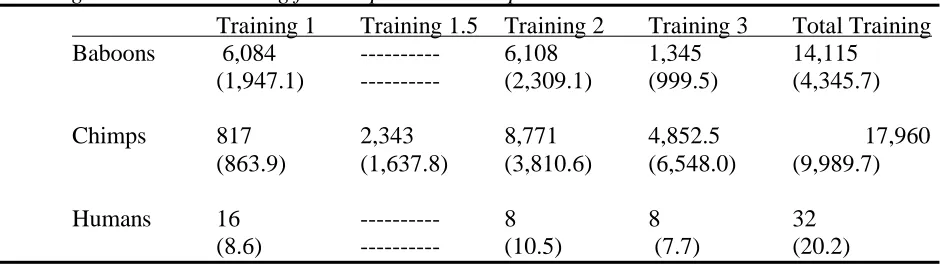
Table 3.1 Median number of training trials for Training 1, Training 1.5, Training 2,
Training 3 and Total Training for all species. SD in parentheses. ... 73
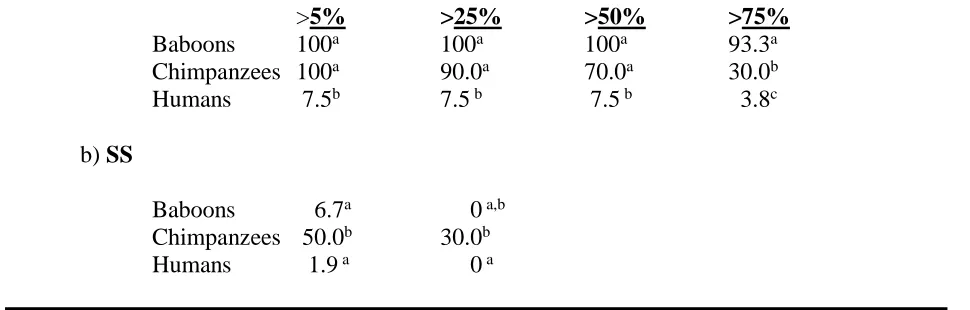
Table 3.2 Proportion of each group which used the a) DS or the b) SS in greater than 5%,
25%, 50%, and 75% of trials. Superscripts identify statistically distinguishable
groupings... 75
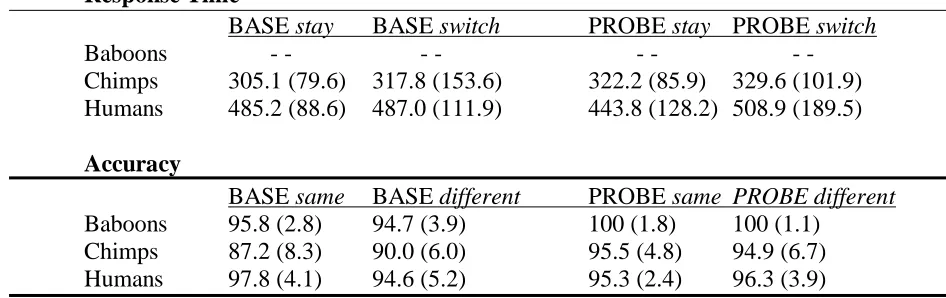
Table 3.3 For BASE/PROBE conditions, mean response time (ms) and median accuracy
(%) for subjects’ Response 1 in stay/switch strategy types and same/different trial
types. SD in parentheses. ... 76
Table 4.1 Proportion of each group that used the DS in greater than 5%, 25%, 50%, and
75% of trials. Superscripts denote statistically distinguishable groupings. ... 99
Table 5.1 Proportion of each group that used the DS in greater than 5%, 25%, 50%, and
75% of trials. Sub-groups based on the number of city visits are included for
Traditional Himba. Superscripts denote statistically distinguishable groupings. ... 119
Table 6.1 The proportions of human populations classified as DSers. ... 141
LIST OF FIGURES
Figure 1.1 Example water jar problem, solvable via the four-step, learned rule. ... 9
Figure 1.2 Example water jar problem, solvable via the learned rule or the better
alternative ... 9
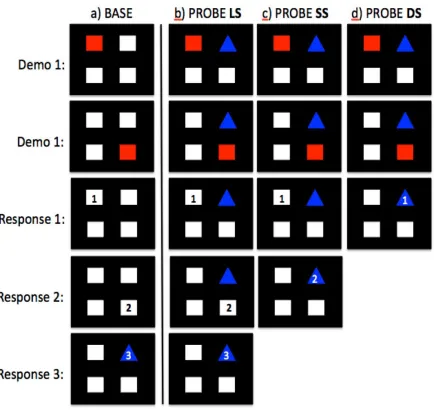
Figure 1.3 An exemplar LS-DS trial depicting the Top left → Bottom right → Top right
configuration. a) On BASE trials, only the LS can be successfully employed
because the Triangle is ‘hidden’ until Square1 and Square2 are correctly selected.
On PROBE trials, subjects may utilize any of three response strategies to be
correct: b) the learned strategy (LS), c) the switch strategy, (SS), or d) the direct
strategy (DS). Numbers indicate the correct Response 1, Response 2, and
Response 3, for this configuration. ... 33
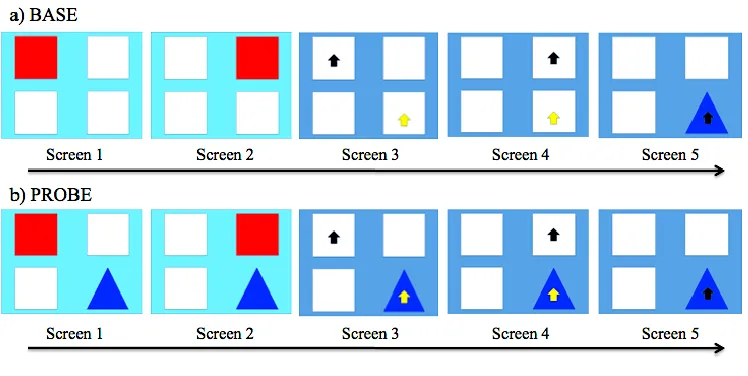
Figure 2.1 The demonstration (light blue) and response (dark blue) screens for a) BASE
and b) PROBE conditions. Black arrows indicate the LS. Yellow arrows indicate
where the subject could touch to use the DS. Arrows were not visible during
testing. Upon touching the blue Triangle, the subject is rewarded. ... 46
Figure 2.2 The percentage of subjects classified as DSers in the BASE and PROBE
conditions across baboons and humans. ** p ≤.001. ... 49
Figure 2.3 The percentage of subjects classified as DSers in the BASE and PROBE
conditions across human children, adolescents, and adults. ** p ≤.001 ... 50
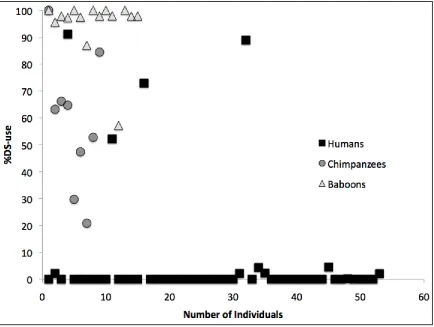
Figure 3.1 The proportion of each subjects’ PROBE trials in which the DS was used,
Figure 4.1 The percentage of BASE and PROBE trials in which subjects fixated on the Triangle in PRE and POST blocks. Informed and Control subjects viewed the DS
and LS video demonstrations, respectively. ** p < .001. ... 96
Figure 4.2 Response 1 gaze data compiled across all subjects during the Top Left
(Square1), Bottom Left (Square2), Top Right (Triangle) BASE and PROBE trial
configurations, for PRE and POST trial blocks. ... 97
Figure 5.1 The proportion of DSers within each group for before (PRE) and after (POST)
receiving the prompt. ** p < .001. ... 117
Figure 5.2 Mean BASE and PROBE same and switch trials’ RT1s for subjects who used
LIST OF ABBREVIATIONS CHAPTER 1
S-R………Stimulus-Response RT………Response Time WCST………Wisconsin Card Sorting Task DCCS………Dimensional Change Card Sort CSST………Conceptual Set Shifting Task WEIRD………Western, Educated, Industrialized, Rich, Democratic LS-DS………Learned Strategy – Direct Strategy Square1……1st Square to flash red in the demo, and the correct LS 1st response.
Square2….2nd Square to flash red in the demo, and the correct LS 2nd response.
Triangle…Correct 3rd LS response or 1st response when using the DS or shortcut.
LS………Learned Strategy, Sqaure1→ Square2→Triangle
BASE………..…………Baseline Condition, in which the Triangle is hidden. PROBE……Probe Condition, in which the Triangle is visible throughout the trial.
DS………Direct Strategy, 1st response is Triangle
SS………Switch Strategy, Square1 → Triangle
CHAPTER 2
ALDM………Automated Learning Device for Monkeys DSer………DS Strategy-User LSer………LS Strategy-User CHAPTER 3
RT1……….Response Time for the 1st Response
BASE stay………BASE trial in which subjects’ repeated their previous strategy.
BASE switch………BASE trial in which subjects’ switched strategies.
PROBE stay……PROBE trial in which subjects’ repeated their previous strategy.
PROBE switch………PROBE trial in which subjects’ switched strategies.
BASE same………BASE trial preceded by a BASE trial.
BASE different………BASE trial preceded by a PROBE trial.
PROBE same………PROBE trial preceded by a PROBE trial.
PROBE different………PROBE trial preceded by a BASE trial.
CHAPTER 4
Informed………Subjects who watched the video demonstrating the DS Control……… Subjects who watched the video demonstrating the LS PRE………The first block of 48 trials, occurring prior to watching the video. POST…………The second block of 48 trials, occurring after watching the video. Look LS………Subjects used the LS after fixating on the Triangle No Look LS……… Subjects did not use the LS after fixating on the Triangle CHAPTER 5
PRE…………The first block of 48 trials, occurring prior to receiving the prompt. POST………The second block of 48 trials, occurring after receiving the prompt. CHAPTER 6
1 INTRODUCTION TO COGNITIVE FLEXIBILITY IN PRIMATES AND ACROSS HUMAN CULTURES
1.1 Introduction to Cognitive Flexibility
1.1.1 Adaptive Significance of Flexible Behavior
Flexible strategy-use is the foundation of adaptive problem solving. Situations requiring
decisive action emerge almost continuously when navigating dynamic environments and an
individual’s response to such shifting social and ecological inputs can be profoundly
consequential. Fitness, and even survival, often hinge upon adaptive problem solving in which a
response is not only determined by variable stimuli but also by shifting contexts (Potts, 2012;
Reader, Morand-Ferron, & Flynn, 2016; Tebbich, Griffin, Peschl, & Sterelny, 2016).
Accordingly, cognitive flexibility is considered a nontrivial component of intelligent behavior
(Buttelmann & Karbach, 2017; Genovesio & Wise, 2008; Ionescu, 2012; Rosati, 2017; Stoet &
Snyder, 2008).
Here, I will broadly define cognitive flexibility as the ability to incorporate both known
solutions and innovated or acquired novel solutions in a contextually appropriate manner
(modified from Buttelmann & Karbach, 2017; and Lehner, Burkart, & Schaik, 2011). Thus,
flexible responses must integrate external environmental cues with internal inputs, such as past
experience, and in the case that a previous strategy is no longer the most appropriate, flexible
behavior requires inhibiting that previous response and switching to a more efficient strategy.
During development, humans acquire and refine a suite of cognitive skills that eventually
enable successful, and self-sufficient, navigation of their environment. This suite of skills,
(Zelazo, 2008), are commonly identified as being comprised of three components: inhibition,
working memory, and switching (Miyake & Friedman, 2012). From early childhood to
adolescence, executive functioning develops rapidly, which has been associated with
developmental changes in the prefrontal cortex (reviewed in Buttelmann & Karbach, 2017;
Genovesio & Wise, 2008; Thompson-Schill, Ramscar, & Chrysikou, 2009). Accordingly,
children, adolescents and adults exhibit differing degrees of cognitive flexibility across a range
of tasks; yet both direct (increase in age = increase in flexibility; Cunningham, 1965; Zelazo,
2008) and inverse (increase in age = decrease in flexibility; Ardiale & Lemaire, 2012; Defeyter
& German, 2003; German & Defeyter, 2000; Gopnik, Griffiths, & Lucas, 2015; Lemaire &
Leclere, 2014; Lucas, Bridgers, Griffiths, & Gopnik, 2014; Luchins, 1942) relationships between
cognitive flexibility and age are observed (however, see: Chelune & Baer, 1986; Diamond &
Kirkham, 2005). Furthermore, cognitive flexibility has been linked to academic achievement
(Buttelmann & Karbach, 2017; Cole, Duncan, & Blaye, 2014; Titz & Karbach, 2014), social skill
(Buttelmann & Karbach, 2017), health (Besnard & Cacitti, 2005; Masley, Roetzheim, &
Gualtieri, 2009), and is found to differ between some clinical populations such as in alcoholism
(Trick, Kempton, Williams, & Duka, 2014) and Autism Spectrum Disorder (Yeung, 2015). Still,
flexible behavior is not unequivocally beneficial.
The interplay between flexible strategy updating and maintenance of extant solution
strategies presents an interesting opposition. On one hand, if an existing representation is too
concrete and impervious to contextual inputs, then newly relevant information is ignored,
resulting in a familiar but potentially inefficient response. On the other hand, if the
representation is too easily perforated, then response efficiency is impaired by distractibility
unable to adapt flexibly to shifting environments, such as a new stream that must be crossed in
order to reach food, they may starve. Yet, if behavior is too flexible, the same animal may
attempt to cross an insurmountable obstacle, with the same fatal result. Thus, optimal behavior
requires a balance between exploiting a known solution and exploring alternatives (Brosnan &
Hopper, 2014; Chrysikou et al., 2013).
1.1.2 Abstract Problem Solving
Problems range wildly in complexity, as do possible solutions. In simple cases, an
appropriate response may be acquired through conditional associations or trial and error learning
(Petrides, 2008). This occurs when a stimulus and an action produce a reward with some
consistency, thus favoring that specific response in the presence of that specific stimulus. These
Stimulus-Response (S-R) associations often require an extended learning period but, once
developed, are characterized by faster, more consistent, responses and reduced distractibility
(Smith & Graybiel, 2016). However, such automaticity, although certainly beneficial in some
situations (red traffic light → stop), cannot be generalized to instances in which that specific
stimulus is not present (pedestrians crossing the road → stop). Thus, countless S-R associations
would be required to fully understand a problem space, placing an impractical load on one’s
cognitive processing.
Abstract response contingencies overcome this limitation by providing a response
framework that can be generalized across situations (Miller & Buschman, 2008). Derived from
the Latin word abtrahere, which translates to “to drag away,” abstractions are not fixed to a
specific stimulus (Christoff & Keramatian, 2008). Thus, whereas S-R associations reduce
solution to multiple problems. Yet, selecting an appropriate response strategy, in and of itself,
leaves room for error. Simply put, an action is only as effective as the strategy that guides it.
“Decisions based on abstractions require a number of coordinated processes, including the top-down biasing of inputs to the prefrontal cortex; the categorization of contextual information, including sensory inputs, memories, and signals about internal states; the integration of contextual information with the actions and goals appropriate to that context; the choice among potential actions or goals, based on the predicted outcome of each possibility; and active maintenance of those choices or goals in memory, as a prospective code, without completely dispensing with the alternatives” (Genovesio &
Wise, 2008, p. 101)
1.2 Measuring Cognitive Flexibility
1.2.1 Cognitive Flexibility as a Multifaceted Construct
In accordance with its behavioral importance, cognitive flexibility has been measured in
humans and other animals extensively (Bilalić, McLeod, & Gobet, 2008; Bonte, Kemp, & Fagot,
2014; Chrysikou & Weisberg, 2005; Davis, Vale, Schapiro, Lambeth, & Whiten, 2016; Diamond
& Kirkham, 2005; Duncker & Lees, 1945; Hommel & Colzato, 2017; Ionescu, 2012; Kolodny,
Edelman, & Lotem, 2015; Luchins, 1942; Meiran, 1996; Rumbaugh, 1971; Stoet & Snyder,
2003); yet, each of these studies employed entirely different paradigms. This is not to say that
one task is better or more telling than the others; however, it is important to distinguish between
“And just as the sides of a cube are not cubes themselves but squares, it is hard to imagine that the sides of cognitive flexibility are cognitive flexibilities, too. Instead it might be more logical to consider these sides as essential mechanisms or processes (that can themselves be flexible) that contribute to the overall cognitive flexibility.” (Ionescu, 2017, p. 6)
1.2.2 Forced Switch Paradigms
The vast majority of cognitive flexibility metrics require subjects to switch strategies and then measure the ensuing deficits, typically in accuracy or response times (RTs). Among these
forced switch tasks, the simplest paradigm is a reversal learning, where a previously valid
strategy is no longer correct (Rosati, 2017). When the strategies are simple S-R associations
(e.g., first the red circle is correct but later the blue circle is correct), this is referred to as a
discrimination reversal task. Inflexibility or perseveration results when the subject continues to
use their first-learned strategy after it is no longer correct and can be measured via a transfer
index, calculated as performance on reversal trials divided by performance on the initial
discrimination. Presumably the ability to extinguish the learned response determines how
readily it is replaced (Roberts, 2008). In another forced switch paradigm, the A-not-B task, one
of two targets is repeatedly baited and the subject is rewarded upon its selection. After an initial
learning phase, the other location is baited. Subjects must switch from their learned response
and instead select the newly baited location. Indeed, human infants (~9 months old) and
monkeys continue to reach for the first-learned location (Diamond & Goldman-Rakic, 1989;
Stroop tasks, in which subjects must ignore an attribute of a stimulus that conflicts with
the correct response, are another measure of inhibitive ability and are also often reported
alongside cognitive flexibility measures (Bunge & Wallis, 2008). Although inhibition is clearly
involved in switching away from a learned solution, Friedman et al. (2008) recently proposed
that inhibition may be an emergent property of other aspects of task shifting, such as updating
(keeping a rule on-line in working memory) and switching (switching between rules), rather than
a separable entity in and of itself (see Hommel & Colzato, 2017 for review).
Another commonly used forced switch measure of cognitive flexibility is the Wisconsin
Card Sorting Task (WCST), or its simpler derivative the Dimensional Change Card Sort (DCCS)
task (Ionescu, 2012; Jordan & Morton, 2012; Kirkham, Cruess, & Diamond, 2003; Manrique &
Call, 2015; Zelazo et al., 2003). These measures require subjects to first sort a deck of
multi-dimensional cards based on one stimulus attribute. For example, if the first rule is to sort based
on color, cards with a red object would be placed in one pile and cards with a blue object would
be placed in another, regardless of the objects’ shapes. After this first sort, subjects are then
asked to sort the cards based on the other dimension. For example, now subjects would need to
place all the cards with a circle in one pile and all the cards with a square in the other pile,
regardless of the objects’ colors. Human children tend to perseverate with the first-learned rule;
however, inflexibility on this task seemingly decreases with age (Kirkham et al., 2003; Zelazo,
2008). By 10 years old, children can perform similarly to adults (Chelune & Baer, 1986).
Perseveration in adulthood is associated with executive impairment typical of schizophrenia and
alcoholism (Sullivan et al., 1993) but RT deficits have also been observed in a typical adult
population, suggesting that the ‘attentional inertia’ which leads to perseverative behaviors may
Deficits associated with switching response strategies, as opposed to repeating a strategy,
are referred to as switch costs (Brass, Derrfuss, & von Cramon, 2008). Measured in response
time delays or accuracy drops following a strategy change, switch costs are evident across a wide
range of tasks and are often attributed to the cognitive reconfiguration allowing the new strategy
to guide behavior (Lemaire, Luwel, & Brun, 2017; Luwel, Schillemans, Onghena, &
Verschaffel, 2009; Meiran, 1996). Both children and adults exhibit switch costs (Ionescu, 2012;
Zelazo, 2008) and they can be somewhat reduced if the subject knows that the switch is coming
(Rogers & Monsell, 1995) or if they have more time to prepare for the new strategy (Arrington &
Logan, 2004).
1.2.3 Optional Switch Paradigms
Problem solving strategies, or procedures for performing a task (Ardiale & Lemaire,
2012), generally fall into one of two categories. History-cued strategies are motivated by
previous experience, while means-end strategies identify a path from the current state to a
desired state; they are inspired by a goal (Sweller, Mawer, & Howe, 1982). Truly adaptive
behavior goes beyond simply inhibiting and switching between known response contingencies.
Often, one must engage in means-end problem analysis and actively select or even devise a
solution strategy. This type of cognitive flexibility can be measured via insight problem solving
tasks, wherein the solution requires approaching the problem in some novel way (Defeyter &
German, 2003; Ionescu, 2012).
In the classic functional fixedness paradigm, an object for which the normal function is
known must be used in an abnormal way to complete the task (Duncker & Lees, 1945; Knoblich,
a certain height, subjects are less likely to succeed, which requires using a large box as the base
of the tower, if the other building materials are inside of the box when provided to the subject.
This mental ‘block,’ attributed to their prior knowledge regarding the box’s function, results in
an inability to re-conceptualize the problem space (Duncker & Lees, 1945; Knoblich et al.,
2001). In fact, difficulty replacing a familiar concept frequently affects humans’ performance on
optional switch tasks, resulting in a ‘cognitive set.’
1.3 Cognitive Set: When Sufficiency Blocks Efficienc
1.3.1 What is Cognitive Set?
A cognitive set occurs when prior knowledge or experience biases the interpretation of
task-relevant information, thus blocking a novel or better solution strategy. It has also been
referred to as fixedness, einstellung, conservatism, proactive interference, negative transfer,
entrenchment, satisficing, and task set (Badre, 2008; Bilalić et al., 2008; Bunge & Wallis, 2008;
Dean, Kendal, Schapiro, Thierry, & Laland, 2012; Duncker & Lees, 1945; Hrubesch, Preuschoft,
& van Schaik, 2009; Kolodny et al., 2015; Luchins, 1942; Sweller et al., 1982). Described as
‘pernicious’ (Bilalić et al., 2008), cognitive set has been documented in thousands of subjects
across variable task designs (Bilalić et al., 2008; Chrysikou & Weisberg, 2005; Lemaire &
Leclere, 2014; Luchins, 1942; Luchins & Luchins, 1950).
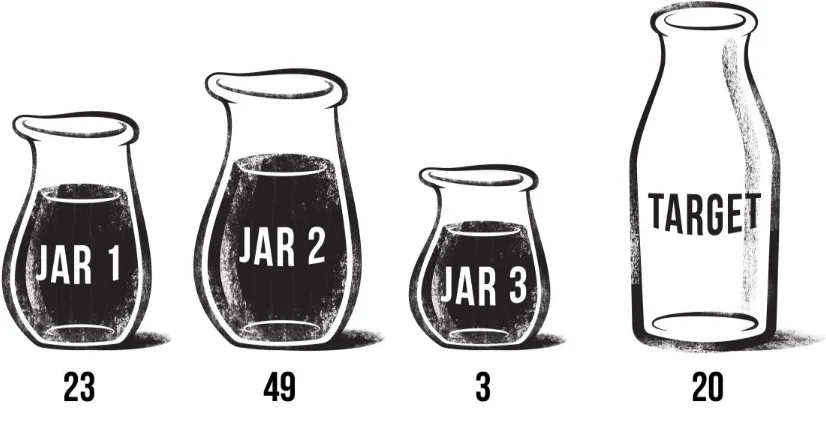
In 1942, Abraham Luchins published a detailed account of cognitive set, referring to it as
the ‘Einstellung effect’ (Luchins, 1942). He used a ‘water jar’ task in which three jars were
drawn and labeled with the quantity of water they contained. Using these values, subjects were
required to add/subtract in order to ‘obtain’ a target quantity. The first five problems could all be
Figure 1.1 Example water jar problem, solvable via the four-step, learned rule.
However, the next two problems could be solved either by this four-step strategy or a simpler two-step strategy: Jar 1 - Jar 3 (see Figure 1.3-2).
[image:28.612.142.555.421.634.2]Luchins tested thousands of subjects of various ages and levels of education and found
that the vast majority of subjects (70-100%, depending on the population sampled) continued to
solve the problems using the more complicated, learned method rather than adopting a more
efficient, but novel, two-step strategy. In fact, even when subjects were given actual jars of
water to manipulate (Luchins & Luchins, 1950), or the order of the jars was varied (Aftanas &
Koppenaal, 1962), they persisted in their use of the learned strategy.
Luchins described this phenomenon as a mechanization of problem-solving and suggested that it arises in certain situations when previous experience with a problem-solving method
infringes on a subject’s ability to see the problem with an open state of mind (Luchins, 1942).
For example, Bilalić et al. (2008) found that expert chess players, after finding one possible
move, reported that they were looking for another. However, their gaze indicated that they
continued to look at the solution they had already found. In another study, subjects were given a
problematic example diagram of a bike rack and asked to redesign it such that these problems
would be minimized; however subjects seemed unable to move past the examples and included
even the problematic aspects in their designs (Chrysikou & Weisberg, 2005). Lemaire and
Leclere (2014) noted that, when given two strategies for solving multiplication problems,
subjects were more likely to repeat a strategy even if the other was more appropriate. Cognitive
set emerges across a wide variety of tasks. But why? Why do subjects persistently use
inefficient or problematic strategies when other, better strategies are available?
1.3.2 The Up-Side of Inefficiency
Cognitive set may not always be detrimental. Chunking, an enhanced association of
load by automating certain behavioral responses (Kolodny et al., 2015; Smith & Graybiel, 2016).
Further, while response-planning results in prolonged reaction times, especially at the beginning
of a sequence (Rushworth, Croxson, Buckley, & Walton, 2008), routine behaviors can run on
autopilot, they “require few of the processes needed for abstract response strategies” (Genovesio
& Wise, 2008). Notably, switch costs are even apparent when strategy switching is voluntary
and subjects tend to repeat a previous strategy more often than if their strategy was randomly
selected (Arrington & Logan, 2004). In fact, increased speed, increased accuracy and decreased
distractibility are some of the hallmarks of habit formation (Smith & Graybiel, 2016). Another
consideration is that humans tend to avoid ambiguity, even sometimes choosing a riskier option
rather than attempting one with an unknown outcome (Camerer & Weber, 1991).
Cognitive set affects a broad range of human problem solving conditions. Following a
learned rule offers outcome security and can support the development of task proficiency;
however, this eventually comes at the cost of task optimization. Mechanical solutions often
occlude alternative, sometimes more efficient strategies, yet are seemingly pervasive in human
problem solving.
1.4 The Evolution of Cognitive Flexibility
1.4.1 The Origins of Human Cognitive Flexibility
Currently, human culture is inseparable from technology. Over the past several
millennia, humans have constructed an advanced assemblage of tools and techniques, a feat
reliant upon the interplay between innovation and maintenance. Without invention, there is no
novel technique to adopt and without behavioral maintenance, there is nothing to upgrade upon.
basic stone tools to our current technological advancements (Davis et al., 2016; Hovers, 2012;
Tennie, Call, & Tomasello, 2009; Tomasello, Kruger, & Ratner, 1993) and yet, ‘ratcheting’ is
conspicuously less apparent in other primate species (Carr, Kendal, & Flynn, 2016; Davis et al.,
2016). Thus, a perplexing contradiction arises: humans appear better equipped for cognitive
flexibility than any other primate species; yet, when confronted with focused problem solving
tasks, humans seem crippled by inflexibility. Elucidating when and how flexible strategy-use
evolved and why similarly proficient invent-adopt-upgrade behavior appears to be lacking in
nonhuman primates seems crucial for understanding these complexities.
Comparative cognitive research, especially across primate species, provides unique
insights into the selection pressures potentially underlying the emergence of certain behaviors.
Much of our evolutionary history has been shared with monkeys and, to an even greater extent,
nonhuman apes (henceforth ‘apes’). Thus, comparing behaviors between monkeys, apes, and
humans provides insights into which traits may have been present prior to their evolutionary
divergences and which may have been uniquely derived (Rosati, 2017).
1.4.2 Cognitive Flexibility in Monkeys
Old world monkey (Cercopithecoidea) and ape (Hominoidea) lineages diverged
approximately 25 million years ago (Stevens et al., 2013). Monkeys’ evolutionary proximity to
humans and broadly similar neural organization has fueled numerous comparative studies aimed
at identifying the origins and neural underpinnings of executive functions, including cognitive
flexibility (Genovesio, Brasted, Mitz, & Wise, 2005; Genovesio & Wise, 2008; Manrique &
Call, 2015; Rosati, 2017; Stoet & Snyder, 2008). Within these comparisons, several basic
training to grasp response contingencies and even their most advanced socio-cognitive and
executive processes are basic components of human cognition (Beran, Pate, Washburn, &
Rumbaugh, 2004; Dean et al., 2012; Gallup, 1976; Manrique & Call, 2015; Stoet & Snyder,
2008; Visalberghi & Fragaszy, 2002). Second, monkeys’ response times are recurrently faster
than humans,’ which may be attributable to faster neuronal conduction in smaller brains and/or
some mechanical advantage (Ringo, Doty, Demeter, & Simard, 1994; Stoet & Snyder, 2008).
Despite these differences, monkeys and humans show similarly inflexible behaviors on some
tasks.
1.4.2.1 Evidence for Inflexibility in Monkeys
In basic forced-switch tasks, such as transfer index, which rewards subjects for selecting
a certain response and then switches to rewarding a different response (Berg, 1948; Rumbaugh,
1971; Zelazo, Frye, & Rapus, 1996), monkeys and humans exhibit similar difficulties adopting
the new solution (Bonté, 2011; Bonte et al., 2014; Ionescu, 2012; Jordan & Morton, 2012;
Manrique & Call, 2015; Piaget, 1954; Rosati, 2017; Rumbaugh, 1971; Zelazo, 2008). In fact, on
the Conceptual Set Shifting Task (CSST), a WCST derivative developed for nonhuman primates,
both rhesus macaques and baboons increasingly produced perseverative behaviors with age,
which is consistent with the human developmental trajectory on similar tasks (Bonté, 2011;
Manrique & Call, 2015). Similarly, younger baboons outperformed older baboons on a transfer
index task in both pre- and post-reversal sections (Bonte et al., 2014). Thus, monkeys and
humans have shown similar inadequacies when switching behaviors; yet, when required to select
1.4.2.2 Evidence for Flexibility in Monkeys
Like humans, monkeys are capable of learning abstract rules. In fact, rhesus macaques
(Macaca mulatta) successfully enacted a conditional repeat-stay/change-shift strategy that requires completely ignoring S-R associations (Genovesio et al., 2005; Genovesio & Wise,
2008). In another study, a cue at the beginning of each trial signaled which of two strategies
(e.g., judgecolor or judge orientation) rhesus monkeys and humans should apply to a stimulus
(Stoet & Snyder, 2003). In some trials, both strategies called for the same response (e.g., choose
left) but in others, the strategies were in conflict with one another (e.g., color strategy = choose
left, orientation strategy = choose right). The monkeys successfully learned to adjust their strategies based on the cue and accurately responded to novel stimuli, confirming their grasp of
the abstract contingencies (Stoet & Snyder, 2008). However, this study also revealed a key difference between monkeys’ and humans’ abstract rule-use. In stark contrast to humans,
monkeys did not show slower response times when the strategy switched: in other words, they
did not exhibit switch costs (Stoet & Snyder, 2003; however, see Huguet, Barbet, Belletier,
Monteil, & Fagot, 2014 and Chapter 3 Footnote 1). As mentioned previously, humans are
plagued by switch costs, which are even apparent after 23,000 trials (Stoet & Snyder, 2007), yet
these monkeys were seemingly unaffected. Interestingly, the authors noted another difference
between humans’ and monkeys’ task-switching abilities: unlike humans, monkeys showed lower
accuracy and longer response times when facing the incongruent trials, those in which the two
strategies signaled different responses (Stoet & Snyder, 2003). Thus, monkeys but not humans
were significantly affected by irrelevant stimulus information.
Thus, although there is limited evidence for both flexible and inflexible forced switch
strategy switching in monkeys, their propensity to forsake a learned strategy in order to adopt a
better alternative, when it is available, is unclear.
1.4.3 Cognitive Flexibility in Apes
Within the Hominoidea superfamily, Hominidae or apes emerged ~13-18mya, with the
Pan-Homo divergence occurring ~6-7mya (Perelman et al., 2011). As our closest extant relatives, apes provide an invaluable glimpse into the evolution of human cognitive processes.
Apes possess relatively advanced cognitive abilities compared to monkeys and non-primate
species (Biro & Matsuzawa, 1999; de Waal & Ferrari, 2010; Gallup, 1970; Haun & Call, 2008;
Moore, 2016) but are outperformed by humans in many domains, especially with regards to
language and social learning (Conway & Christiansen, 2001; Corballis, 2010; Heyes, 1993;
Huber et al., 2009). It seems plausible that, given our shared ancestry, apes and humans might
exhibit similar explorative/exploitative tendencies. However, if we consider the evolution of
human culture to be predicated upon flexible strategy updating, it is also possible that a
fundamental difference in explorative/exploitative behaviors gave rise to our vastly different
technological trajectories.
To what extent apes are able to flexibly adopt new strategies is a topic of considerable
debate and investigation (Hrubesch et al., 2009; Manrique, Völter, & Call, 2013;
Marshall-Pescini & Whiten, 2008; Price, Lambeth, Schapiro, & Whiten, 2009; Van Leeuwen, Cronin,
Schutte, Call, & Haun, 2013). In some measures, apes perseverate similarly to children (Beran,
Call, 2010). Additionally, inflexibility was observed in all ape species on a reversal task, in
which subjects first learned (over 100 trials) to push a lever one direction but then were required
to extinguish this learned response and switch directions (Manrique & Call, 2015). Still other
accounts state that, like humans, apes proficiently extinguish previous responses in A-not-B tasks
(Amici, Aureli, & Call, 2008; MacLean et al., 2014), even performing equivalently to human
children (Barth & Call, 2006). Yet the validity of these findings has recently been challenged.
Recall that A-not-B tasks measure subjects’ ability to switch from their learned (A) response and
select the actual location of the food (B) but, typically, only three A responses are required
before this ‘strategy’ is considered learned (Amici et al., 2008; Barth & Call, 2006; MacLean et
al., 2014). Davis (2017) argued that three trials is not enough to make this claim and required
subjects to utilize the A strategy a minimum of 20 times. Under these methods, chimpanzees
responded at chance on the critical B trials, suggesting that their abilities to extinguish a learned
response were, in fact, impaired.
Evidence regarding apes’ abilities to switch between abstract rules is limited. One
account suggested that on a DCCS task, chimpanzees’ use of the second rule was impaired by
their knowledge of the first (Moriguchi, Tanaka, & Itakura, 2011). However, the reported error
rate post-switch was 52.9% and although the authors state that this was statistically different
from chance, only 6 chimpanzees were tested and those only passed the pre-switch section in an
average of 42.9% of sessions, shedding doubt on the extent to which even the first rule was
adopted. If the first strategy was not established, difficulty learning the second strategy cannot
confidently be attributed to cognitive set.
Importantly, chimpanzees are capable of abstract rule-use such as same/different
Premack, 1988; Thompson, Oden, & Boysen, 1997), even using an exclusion tactic to group
unknowns (Beran & Washburn, 2002). Further, in computerized mazes, chimpanzees are
unimpaired when the correct path requires moving away from the goal briefly (Dolins,
Schweller, & Milne, 2017; Fragaszy et al., 2009; Menzel & Menzel, 2007), suggesting that
chimpanzees are capable of reasoning between and selecting appropriate strategies. However, to
my knowledge, there have been no published investigations evincing chimpanzees’ ability to
switch between abstract solutions, prior to the current research.
Many social learning studies, investigating apes’ ability to flexibly adjust their behavior
after viewing a demonstration of an alternative method, have described both explorative and
exploitative behaviors (Hopper, Kurtycz, Ross, & Bonnie, 2015; Yamamoto, Humle, & Tanaka,
2013). As this clearly relates to cognitive flexibility, I will briefly review their findings;
however, with two caveats in mind. First, inflexibility in social learning contexts could also stem
from an inability to extract the relevant information from a demonstration (for whatever reason),
rather than from cognitive set (Dean et al., 2012). Second, inflexibility might also be observed if
apes cannot perform or do not grasp the physical affordances of the alternative strategy. That
being said, social learning paradigms are undoubtedly more representative of how group-specific
behavioral repertoires (cultures) evolve or persist within ape populations.
1.4.3.1 Evidence for Behavioral Inflexibility in Apes
Several studies report that chimpanzees stick to a learned strategy, even after watching a
demonstration of a more-rewarding alternative (Davis, 2017; Marshall-Pescini & Whiten, 2008).
Marshall-Pescini and Whiten (2008) reported that among 5 chimpanzees, which were trained to
but one failed to switch to the new strategy. This led to speculation that chimpanzees may use a
copy-when-dissatisfied heuristic, such that, as long as they receive some reward they do not switch to an alternative (Davis, 2017; Laland, 2004). Yet, without demonstrating that the probe
technique would have been more readily adopted if they hadn’t first learned the dip method,
inflexibility cannot be conclusively determined. A similar finding was observed in one
population of wild chimpanzees, that were unable to use a stick to access honey, even when the
stick was pre-placed inside of the honey-baited tube (Gruber, Muller, Reynolds, Wrangham, &
Zuberbuhler, 2011).
Recently, Davis (2017) presented chimpanzees with a ‘pitfalls’ box, in which a reward
could be accessed via multiple portals however, if chimpanzees used their learned method (Door
1), the best portion of the reward fell into a pit. Thus, to access the reward in its entirety,
subjects needed to use a demonstrated, novel method (Door 2). The authors found that
chimpanzees trained to use Door 1 adopted the Door 2 strategy after a median of 14 more
attempts than naïve individuals, concluding that prior behavior credibly delayed but did not
prevent use of the alternative.
In fact, some chimpanzees are conservative even when the alternative solution is easier.
For example, chimpanzees proficient in a raking technique to obtain food from a food board, did
not switch to a more efficient rattle method after their group members invented it (Hrubesch et
al., 2009). In another example, after learning how to combine two components to construct a
tool, chimpanzees continued to do so, even when the reward could easily be accessed via the
individual components (i.e. did not require tool-construction; Price et al., 2009). This finding
was mirrored in (Davis et al., 2016) who demonstrated that, while naïve chimpanzees easily
trained to use a more complex strategy were not able to switch to the more efficient alternative
following a demonstration. It is worth noting that for some of the tasks labeling apes as
conservative, the alternative strategy is ‘locked’ during training (Davis, 2017; Manrique & Call,
2015). Subsequently, avoidance of that solution is not necessarily a function of the learned
response – it could also be that subjects’ own personal unrewarding experience with that option
delays (or prevents) their using it – compared to naïve controls that have no positive/negative
experience with either solution.
Some of these findings are, indeed, reminiscent of the cognitive set literature in humans.
If apes and humans similarly struggle to move past a known solution strategy to adopt a more
efficient or more rewarding alternative, we might consider conservatism a homologous, ancestral
trait. However, this assertion would be, as yet, unjustified.
1.4.3.2 Evidence for Behavioral Flexibility in Apes
In fact, another narrative heralds apes’ robust behavioral flexibility. This seems
particularly evident when the alternative strategy yields a higher pay-off. For instance, in token
exchange paradigms, chimpanzees flexibly switched to exchanging an unfamiliar token, when it
became more highly rewarded than the familiar token (Van Leeuwen et al., 2013). Additionally,
(Hopper et al., 2015) found that chimpanzees would flexibly travel to a more distant
token-exchange location for a better payoff; echoing the potential foraging benefits of explorative
behavior. Further, in a honey-baited tube experiment, a small subset of wild apes applied a
familiar leaf-sponging technique to the novel task, suggesting a certain degree of innovation,
Recently, (Davis, 2017) proposed that variable findings regarding cognitive flexibility in
chimpanzees may be linked to the relative differences in strategy complexity between the learned
solution and the alternative, such that relatively simple alternatives or modifications promote
flexibility. This was supported by three lines of evidence (Davis, 2017). First, after learning
how to slide a lever to achieve a peanut, chimpanzees were able to switch to another, more
efficient strategy after it was demonstrated; however, they only switched if the other strategy
yielded an increase in the reward value. Second, the authors introduced another reward retrieval
paradigm and found that subjects would flexibly add a step to their response techniques, again, to
attain a better reward. Third, when the difficulty of the first technique was increased, subjects
readily switched to an easier alternative. These findings are in line with others demonstrating
that simple strategy modifications are well within apes’ capabilities (Lehner et al., 2011;
Yamamoto et al., 2013).
Additionally, apes are certainly able to switch strategies when their learned method no
longer works. For example, Manrique et al. (2013) showed that apes could readily master a
puzzle box requiring consecutively more advanced solutions. Once a solution technique was
learned, it subsequently became ineffective; thus, subjects were required to consecutively
innovate other strategies. Further, disabled apes are certainly able to adapt familiar behaviors to
deal with handicaps (Hobaiter & Byrne, 2010; Hockings et al., 2015), which means that, at least
when it is required, apes are capable of flexibly modifying a strategy.
Further complicating the picture, chimpanzees have even exhibited flexible behavior
above and beyond that of humans’. After being shown how to extract a reward from an opaque
box, children and chimpanzees copied all demonstrated actions to achieve the reward. However,
demonstrated actions, even the obviously unnecessary ones, such as tapping the outside of the
box (Horner & Whiten, 2005; McGuigan, Whiten, Flynn, & Horner, 2007). Furthermore, this
‘overimitation’ was amplified in adults, who reproduced the unnecessary actions with even
higher fidelity than children (McGuigan, Makinson, & Whiten, 2011). Yet, on the same task,
chimpanzees discarded the causally irrelevant portions of the demonstration and accessed the
reward with greater efficiency than either children or adults (Horner & Whiten, 2005). In fact,
like humans, functional fixedness has even been suggested to afflict apes: presented with the
floating peanut task, chimpanzees were unable to use water from their drinking source to float
the peanut to an accessible height; however, when an alternate water source was provided, a
small subset (5 out of 24) did succeed in procuring the peanut (Hanus, Mendes, Tennie, & Call,
2011).
1.4.4 Evolutionary Implications
Both flexible and inflexible behavior is observed in nonhuman primates. Seemingly,
response style (exploitative vs explorative) can be influenced by a range of factors including the
strength of the learned solution, the relative difficulty of enacting the alternative, and the reward
difference between the two (Davis, 2017; Hopper et al., 2015; Marshall-Pescini & Whiten, 2008;
Van Leeuwen et al., 2013).
Flexibility offers numerous advantages in terms of potential outcomes (Brosnan &
Hopper, 2014; Sweller & Levine, 1982). More productive alternatives might be discovered or
adopted. Novel resources might be exploited. In an ever-changing environment, it is nontrivial
behavior (Holmes & Cohen, 2014). Adaptation is predicated upon flexible strategy use (Crone,
Donohue, Honomichl, Wendelken, & Bunge, 2006; Lemaire & Leclere, 2014).
Yet, there are also potential disadvantages to flexibility. Explorative tendencies may
predispose an individual towards distractibility (Hommel & Colzato, 2017; Stoet & Snyder,
2008). Effort spent developing a new technique or even the cognitive processes associated with
switching between techniques, might be costly (Holmes & Cohen, 2014; Stoet & Snyder, 2003).
Moreover, environmental change could be fleeting, rendering an adaptation useless (Brosnan &
Hopper, 2014) or at the very least, a waste of time. Further, an innovated strategy is untested,
whilst the pre-existing behavior sufficiently supported survival thus far (van Schaik et al., 2016).
In other words, if the current solution elicits some reward, the relative benefit of exploring
alternatives might be negligible or even detrimental. Hence the colloquialism: “If it ain’t broken,
don’t fix it.”
Yet, conservatism, especially in regards to abstract rule-use, is restricting. It impedes
innovatory behavior thereby lowering the probability of discovering adaptive solutions or niches
(Brosnan & Hopper, 2014). Moreover, without the flexibility to choose between alternatives,
optimization is unlikely.
1.5 Cross-Cultural Influences on Cognitive Flexibility
Thus far, I have compared humans’ cognitive flexibility with monkeys’ and apes,’ without
fully acknowledging that there is much evidence showing inter-individual variability in humans’
specifically focusing on cross-cultural influences, which might affect humans’ propensities to
break cognitive set.
1.5.1 Humans and Rule-Use
Human problem solving is unequivocally advanced. To a large extent, this dexterity is
facilitated by codified rules-of-thumb and equations, which enable us to accurately solve many
problems, even without necessarily understanding why a solution strategy is effective. For example, one can successfully calculate the circumference of a circle without ever grasping the
intricacies of pi. Undoubtedly, codified solution strategies offer a tremendous advantage when
solving many, similar problems. For this reason, repetitive rule-use is a staple of Western
education, yet the real-world applications of this approach are dubious. First, how often do every
day problems require identical solution strategies? Simply determining when and where to cross
the road affords infinite solutions and reproducing the actions that allowed you to safely cross
previously could be morbidly ineffective under the current conditions. Second, might rote
learning reasonably lead to cognitive inflexibility (Star & Seifert, 2006)? In a novel problem
space, the search for a solution takes precedence but if a solution is provided and subsequently
memorized, search might never truly occur. With regards to cognitive set, perhaps alternative
solutions are not found because they are not sought. In fact, stoked by partial differences in
alternative strategy-use between publicly and privately schooled children, Luchins (1942)
repeatedly professed that typical Western educational practices might be largely accountable for
1.5.2 Purported Universality of Cognition
Thousands of subject have been tested on Luchins' water jar task (see Section 1.3.1)
under various manipulations and a consistent majority persist in their use of the learned rule.
This has led to a conclusion that, within human problem solving, cognitive set is universal
(Aftanas & Koppenaal, 1962; Luchins, 1942; Luchins & Luchins, 1950; McKelvie, 1984). Yet,
despite attempts to account for subjects' age, occupation, and education, only Western
(American, British, and Canadian) subjects were tested, leaving the potential for cross-cultural
differences in susceptibility to cognitive set completely unexplored. Recently, investigators have
rightfully called into question the ‘universality’ of many cognitive processes, of which our
understanding is predominantly derived from Western, Educated, Industrialized, Rich,
Democratic (WEIRD) subjects’ data (Clegg & Legare, 2016; Henrich, Heine, & Norenzayan,
2010; Legare & Nielsen, 2015). One particularly concerning assessment found that in 2007,
67% of studies in the Journal of Personality and Social Psychology, solely collected data from undergraduate psychology students (Arnett, 2008; Jahoda, 2016). In fact, studies that defy this
trend often find that WEIRD data are at the extremes of more globally diverse samples. Which
is not surprising, given Westerners’ highly unusual social and ecological environments compared
to those of the vast majority of humans currently, and those in which all humans belonged to
very recently in our evolutionary past (see Henrich et al., 2010 for review). The comparatively
few studies investigating cross-cultural cognition have identified differences in both perceptual
1.5.3 Westerners’ Global Perceptual Bias
Visual assessment of one’s surroundings is crucial to survival; yet the specific demands
are necessarily different in different environments. What may be visually important to a hunter
(e.g., judging the speed and directionality of movement) will not be the same as what is
important to an artist (e.g., attending to the minute details within a visual scene). Thus,
unsurprisingly, humans have been shown to exhibit differences in visual perceptual processing.
Westerners have been found to 1) make more accurate judgments regarding a global
figure comprised of conflicting local figures than vice versa and b) preferentially group figures
based on global rather than local features (Caparos, Ahmed, et al., 2012; Davidoff, Fonteneau, &
Fagot, 2008; Navon, 1977). In the visual system, the lateral geniculate nucleus, which receives
visual input directly from the retina and projects to the primary visual cortex, is comprised of six
laminae: four layers of cells with small receptive fields (parvocellular) and two layers of cells
with large receptive fields (magnocelullar). Indeed, the interplay between magno- and
parvocellular inputs appears to be the source of humans’ observed global bias, evidenced by the
ability to attenuate it by suppressing a portion of the cells in the magnocellular pathway
(Michimata, Okubo, & Mugishima, 1999). Thus, one might expect global/local perceptual
biases to vary consistently between individuals.
1.5.4 Cross-Cultural Differences in Perceptual Biases
Differences in local/global perceptual biases have been reported across cultural, ethnic,
and even religious groups (see Hommel & Colzato, 2017 for review). For example, in a task
which requires subjects to judge the verticality of a line (rod) within a frame, East Asian
Nisbett, 2000). In a similar task, Japanese participants more accurately reproduced a line that
was proportional to the frame, compared to Americans who were better able to ignore the frame
and reproduce the absolute size of the line; this was also true for Americans living in Japan and
Japanese living in America (Kitayama, Duffy, Kawamura, & Larsen, 2003). Eye tracking
analyses showed that, when viewing a picture, American participants fixated more on the focal
object, but Chinese participants tended to look at the background (Chua, Boland, & Nisbett,
2005). Additionally, this attentional selectivity seemed to impact information processing: when
describing a scene, Japanese participants mentioned the background first, but Americans
mentioned foreground objects first (Masuda & Nisbett, 2001), which influenced their ability to
recognize the scenes after changes to either the foreground or background were made (Masuda &
Nisbett, 2006). However, similar to Americans, on the hierarchical figures task (Navon, 1977),
Japanese and British participants’ exhibited equivalently global biases (Caparos, Ahmed, et al.,
2012).
Humans have also been shown to possess local perceptual biases. In direct comparisons,
the seminomadic Himba of northern Namibia exhibited a ‘dramatic’ local bias on hierarchical
figure tasks compared to Western participants (Davidoff et al., 2008), and remarkably, this bias
decreased as the number of exposures to an urban environment increased (Caparos, Ahmed, et
al., 2012). Further, compared to British participants, Himba were significantly less affected by
the Ebbinghaus illusion, in which the size of an inner object appears to change depending on the
composition of surrounding objects (Caparos, Ahmed, et al., 2012; de Fockert, Davidoff, Fagot,
Parron, & Goldstein, 2007). Likewise, in a categorization task, the Himba grouped shapes with
local similarities even when they fell into different Western shape categories (i.e. triangles,
greater attentional control than Westerners, as evidenced by their enhanced performance on an
Eriksen-type flanker task compared to British participants (de Fockert, Caparos, Linnell, &
Davidoff, 2011). Thus, there is clear evidence that visual perception differs between cultures.
However, if and to what extent this interacts with environmental factors to affect problem
solving is less clear.
1.5.5 Cross Cultural Differences in Problem Conceptualization
The ways in which humans conceptualize problems and their solutions, differ
substantially across human populations. Many environmental factors may contribute to humans’
performance on cognitive tasks. For one, cross-cultural differences in linguistic encoding might
lead to variation in subjects’ abilities to remember and discriminate between stimuli, especially
those which fall along a continuum such as color (Davidoff, Davies, & Roberson, 1999;
Davidoff & Fagot, 2010; Roberson, Davidoff, Davies, & Shapiro, 2005) or quantity (Frank,
Everett, Fedorenko, & Gibson, 2008). That said, Ji, Zhang, and Nisbett (2004) found that culture
but not language influenced subjects’ categorization: when provided with three words and
instructed to select the two most related, Americans preferred to group the words based on
categorizations (e.g., monkey and panda) whereas Chinese participants preferred relationship-based categorizations (e.g., monkey and banana), regardless of testing language. Similarly, Chinese children grouped items based on functionality while American children utilized more
categorical groupings (Chiu, 1972; Nisbett, Choi, Peng, & Norenzayan, 2001) and Asian adults
were more likely to interpret events as stemming from environmental causes, compared to
Americans who more often attributed them to internal causes (Norenzayan & Nisbett, 2000).