Digital Commons @ George Fox University
Doctor of Education (EdD) Theses and Dissertations
2-27-2018
The Influence of Age, Employment, and Ethnicity
on Associate Degree Nursing Students' Perception
of Instructor Caring
Pamela Fifer
This research is a product of the Doctor of Education (EdD) program at George Fox University.Find out moreabout the program.
This Dissertation is brought to you for free and open access by the Theses and Dissertations at Digital Commons @ George Fox University. It has been accepted for inclusion in Doctor of Education (EdD) by an authorized administrator of Digital Commons @ George Fox University. For more information, please [email protected].
Recommended Citation
Fifer, Pamela, "The Influence of Age, Employment, and Ethnicity on Associate Degree Nursing Students' Perception of Instructor Caring" (2018).Doctor of Education (EdD). 107.
Running head: ADN STUDENTS’ PERCEPTIONS OF INSTRUCTOR CARING
THE INFLUENCE OF AGE, EMPLOYMENT, AND ETHNICITY ON ASSOCIATE DEGREE NURSING STUDENTS’ PERCEPTIONS OF INSTRUCTOR CARING
by
Pamela Fifer
FACULTY RESEARCH COMMITTEE Chair: Dane C. Joseph, PhD Member: Karen Buchanan, EdD
Member: Scot Headley, PhD
Presented to the Faculty of the
Doctor of Educational Leadership Department
George Fox University
in partial fulfillment for the degree of
DOCTOR OF EDUCATION
ADN STUDENTS’ PERCEPTIONS OF INSTRUCTOR CARING ii Abstract
The aim of this study was to explore ADN students’ perceptions of instructor caring, including the relationships between age, employment, and race/ethnicity, utilizing the Nursing Students’ Perception of Instructor Caring (NSPIC) instrument. Understanding some of the unique needs and what behaviors demonstrate caring to students can help nurse educators develop and utilize more of these caring behaviors in various interactions with students. Standard multiple
regression, multiple correlations, and one open-ended question were used to analyze the data. Age, employment status, and race were not statistically significant predictors of students’ perceptions of instructor caring for any of the scales. Each of the five scales had moderate to high levels of internal consistency. Inter-item correlations demonstrated most items were moderately to highly correlated within each scale. Common themes regarding behaviors that students wanted changed or improved included feedback, communication, availability, support, respect, and understanding. Implications for nurse educators and administrators include
increasing the awareness of students’ perceptions of instructor caring behaviors and
incorporation of quality teaching practices that reflect these behaviors. This can help build the instructor-student relationship, help students develop their caring efficacy, and potentially help students succeed in nursing school and in the profession.
ADN STUDENTS’ PERCEPTIONS OF INSTRUCTOR CARING iii
Acknowledgements
Earning my doctoral degree would not have been possible without the support of so many people. These few words of acknowledgement cannot begin to describe my appreciation for each of you.
First, I want to thank God for providing this amazing life and journey. His mercies, trials, and blessings throughout my life have led me to this point. He has surrounded me with love and support through so many people. To God be the glory.
David – You are not only my husband, you are my best friend. Your love,
encouragement, and understanding have been constant. You have sacrificed a great deal to make this a reality. You prepared meals, folded laundry, shopped for groceries, edited countless papers, and much more so that I could do homework, study, and write. You have taught me so much about love, the precious gift of time, and enjoying the simple moments God gives us. Thank you for your patience and total commitment to me and this endeavor. It is a blessing to be your wife. I love you.
Dad and Mom – A daughter couldn’t ask for better parents. You have been models of Christ throughout my life, serving others, loving unconditionally, providing generously to others, and demonstrating mercy. Your love, encouragement, and prayers throughout this journey were enormous blessings. The meals you made, the “sanctuary time”, and your willingness to listen to me share about my dissertation again and again are just a few examples of your overwhelming support.
ADN STUDENTS’ PERCEPTIONS OF INSTRUCTOR CARING iv Denny, Lynda, Rick, and Dennette – You four are the greatest friends and accountability group. We have been through so much together. It is a blessing that we get to do life with you, sharing the joys and sorrows along the way. Thanks for being such an integral part of this particular journey.
My Lakepoint Church family – Your encouraging words, prayers, and understanding when I had to say no to church events are greatly appreciated. I am becoming a better person as I learn from the weekly messages, the wisdom of those in our church, and opportunities to serve others.
The George Fox EdD faculty and staff – From the interview process, ice cream during the first summer intensive, to conversations about faith and family over coffee, and supportive notes and cards in the mail, you all demonstrate caring exceedingly well. Examples such as allowing access to a course syllabus early, praying with the class during difficult, emotionally draining discussions, or providing encouragement and tips to continue moving forward on this journey all demonstrate the care and support you have for your students. Dr. Dane Joseph, I can’t begin to thank you enough for your support and assistance throughout the dissertation process. Your feedback, insights, encouragement, and expertise have been invaluable. You demonstrate caring behaviors from all five of the NSPIC scales! I am also grateful to Dr. Karen Buchanan and Dr. Scot Headley for their service on my dissertation committee. My committee has helped make me a better scholar with their wisdom, feedback, and support.
ADN STUDENTS’ PERCEPTIONS OF INSTRUCTOR CARING v
Table ofContents
Abstract ... ii
Acknowledgements ... iii
List of Tables ... viii
List of Figures ... x
Chapter One ... 1
Rationale for the Study ... 1
Purpose of the Study ... 3
Research Questions ... 4
Significance of the Study ... 5
Definition of Terms ... 6
Limitations and Delimitations ... 7
Chapter Two... 10
Literature Review... 10
Caring ... 11
Watson’s Theory of Transpersonal Caring ... 12
Caring in Nursing Education ... 14
Self-Efficacy Theory ... 16
Students’ Views of Caring ... 18
Students’ Caring Self-Efficacy... 22
Effects of Caring and Support on Student Socialization to the Profession ... 24
Students’ Perceptions of Instructor Caring Behaviors ... 29
Age and Students’ Perception of Instruction... 39
Employment and Academic Achievement in Nursing Education ... 42
Race/Ethnicity and Academic Achievement in Nursing Education... 46
Chapter 3 ... 49
Methodology ... 49
Introduction ... 49
Research Questions ... 49
Design and Sample ... 51
ADN STUDENTS’ PERCEPTIONS OF INSTRUCTOR CARING vi
Variables... 52
Administration of the Instrument ... 55
Analysis of Data ... 56
Research question 1. ... 56
Research question 1a... 56
Research question 1b. ... 56
Research question 1c... 56
Analysis for research question 1, 1a, 1b, and 1c. ... 56
Analysis of research question 2. ... 57
Analysis of research question 3. ... 58
Research Ethics ... 60
Chapter Four ... 61
Results ... 61
Introduction ... 61
Participants ... 61
Research Question One – Assessed with Multiple Regression ... 64
Assumptions. ... 64
Instills confidence through caring – scale one. ... 66
Supportive learning climate – scale two. ... 67
Appreciation of life’s meaning – scale three. ... 67
Control versus flexibility – scale four. ... 67
Respectful sharing – scale five. ... 68
Overall NSPIC survey – scale six. ... 68
Research Question Two – Assessed with Multiple Correlation ... 70
Instills confidence through caring – scale one. ... 70
Supportive learning climate – scale two. ... 70
Appreciation of life’s meaning – scale three. ... 71
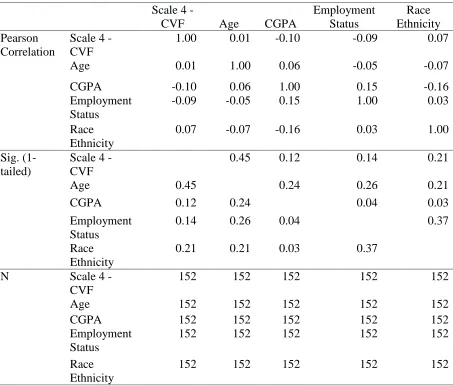
Control versus flexibility – scale four. ... 71
Respectful sharing – scale five. ... 71
Overall NSPIC survey... 72
Research Question Three – Assessed Using Extrapolated Themes ... 73
Chapter Five ... 76
ADN STUDENTS’ PERCEPTIONS OF INSTRUCTOR CARING vii
Introduction ... 76
Discussion of Findings ... 76
Narrative comments. ... 77
Age, employment status, and race/ethnicity. ... 80
NSPIC scales. ... 84
NSPIC scales ranked ... 89
Implications ... 90
Nursing instructors. ... 90
Nurse administrators. ... 92
Limitations ... 93
Suggestions for Future Research ... 94
Conclusions ... 95
References ... 97
Appendices ... 112
Appendix A ... 113
Appendix B ... 115
Appendix C ... 118
Appendix D... 119
Appendix E ... 122
Appendix F ... 123
ADN STUDENTS’ PERCEPTIONS OF INSTRUCTOR CARING viii
List of Tables
Table 1. Multiple Regression Models Involving Employment as a Variable……… 43
Table 2. Hierarchical Multiple Regression Models Involving Employment……… 45
Table 3. Overview of Analysis of Data……… 59
Table 4. Statistics for Age and Cumulative GPA………. 62
Table 5. Statistics for Gender……… 63
Table 6. Statistics for Employment Status……… 63
Table 7. Statistics for Race/Ethnicity... ……… 63
Table 8. Mean Scores and Standard Deviations of Scales……… 64
Table 9. Multiple Regression Models for the Six NSPIC Scales………. 69
Table 10. Overall Cronbach’s Alpha for each NSPIC Scale...………. 72
Table 11. NSPIC Scale Correlations………. 73
Table 12. Requested Caring Behaviors of Instructors Crosswalked with NSPIC Scales.. 75
Table 13. NSPIC Scales Ranked by Means……….. 90
Table F1. Model Summary of Each Scale (Durbin-Watson Statistic)……….. 123
Table F2. Instills Confidence Through Caring (ICC) Correlations………... 124
Table F3. Collinearity Statistics………. 125
Table F4. Instills Confidence Through Caring Casewise Diagnostics………... 125
Table F5. Supportive Learning Climate (SLC) Correlations……… 129
Table F6. Supportive Learning Climate Casewise Diagnostics……… 129
Table F7. Appreciation of Life’s Meaning (ALM) Correlations……….. 134
Table F8. Control Versus Flexibility (CVF) Correlations……… 137
ADN STUDENTS’ PERCEPTIONS OF INSTRUCTOR CARING ix
Table F10. Respectful Sharing (RS) Correlations……….. 142
Table F11. Respectful Sharing Casewise Diagnostics……… 142
Table F12. Total NSPIC (Scale 6) Correlations………. 147
Table F13. Total NSPIC Instrument Casewise Diagnostics……… 147
Table G1. Instills Confidence Through Caring (ICC) Inter-Item Correlation Matrix….... 149
Table G2. Instills Confidence Through Caring Item-Total Statistics………... 150
Table G3. Supportive Learning Climate (SLC) Inter-Item Correlation Matrix………….. 151
Table G4. Supportive Learning Climate Item-Total Statistics……….... 152
Table G5. Appreciation of Life’s Meaning Inter-Item Correlation Matrix………. 153
Table G6. Appreciation of Life’s Meaning Item-Total Statistics………... 153
Table G7. Control Versus Flexibility Inter-Item Correlation Matrix………. 153
Table G8. Control Versus Flexibility Item-Total Statistics………... 154
Table G9. Respectful Sharing Inter-Item Correlation Matrix……….… 154
ADN STUDENTS’ PERCEPTIONS OF INSTRUCTOR CARING x
List of Figures
Figure F1. Instills Confidence Through Caring Scatterplot...……… 123
Figure F2. Instills Confidence Through Caring Histogram....……… 125
Figure F3. Instills Confidence Through Caring P-P Plot of Regression……… 126
Figure F4. Supportive Learning Climate Scatterplot...……….. 126
Figure F5. Partial Regression Plot (Supportive Learning Climate and Age)………. 127
Figure F6. Partial Regression Plot (Supportive Learning Climate and CGPA)………... 127
Figure F7. Partial Regression Plot (Supportive Learning Climate and Employment)….. 128
Figure F8. Partial Regression Plot (Supportive Learning Climate and Race Ethnicity)... 128
Figure F9. Supportive Learning Climate Histogram……….……… 130
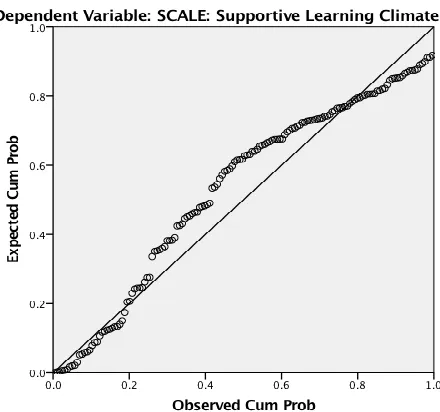
Figure F10. Supportive Learning Climate P-P Plot of Regression….……… 130
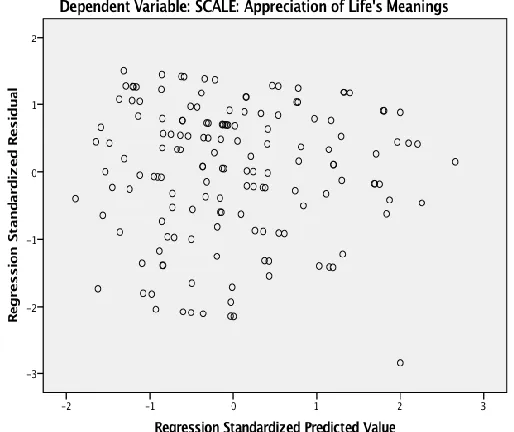
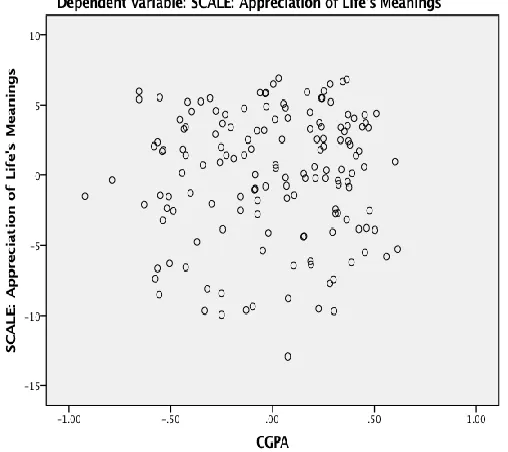
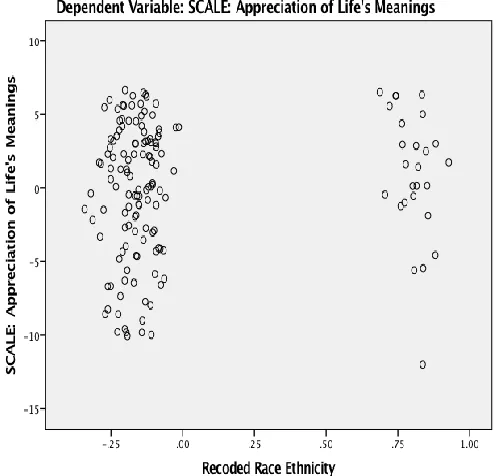
Figure F11. Appreciation of Life’s Meaning Scatterplot……… 131
Figure F12. Partial Regression Plot (Appreciation of Life’s Meaning and Age)………… 131
Figure F13. Partial Regression Plot (Appreciation of Life’s Meaning and CGPA)……... 132
Figure F14. Partial Regression Plot (Appreciation of Life’s Meaning and Employment).. 132
Figure F15. Partial Regression Plot (Appreciation of Life’s Meaning and Race Ethnicity) 133 Figure F16. Appreciation of Life’s Meaning Histogram…..………... 135
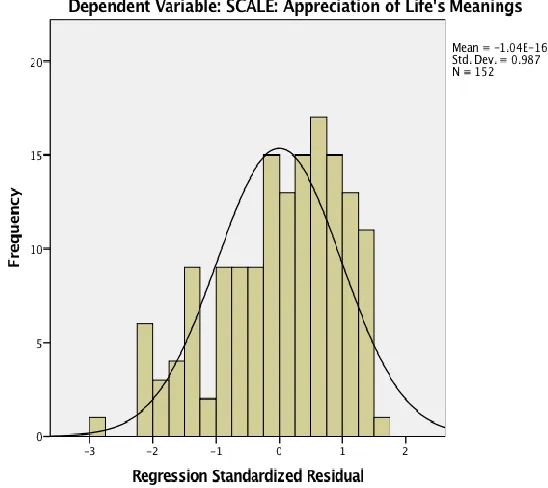
Figure F17. Appreciation of Life’s Meaning P-P Plot of Regression………...….. 135
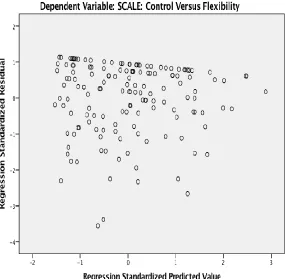
Figure F18. Control Versus Flexibility Scatterplot....………..….. 136
Figure F19. Control Versus Flexibility Histogram....………...….. 138
Figure F20. Control Versus Flexibility P-P Plot of Regression....………...… 138
Figure F21. Respectful Sharing Scatterplot....………...………. 139
ADN STUDENTS’ PERCEPTIONS OF INSTRUCTOR CARING xi
Figure F23. Partial Regression Plot (Respectful Sharing and CGPA)………...…. 140
Figure F24. Partial Regression Plot (Respectful Sharing and Employment Status)..……. 140
Figure F25. Partial Regression Plot (Respectful Sharing and Race Ethnicity)……..……. 141
Figure F26. Respectful Sharing Histogram....………...….. 143
Figure F27. Respectful Sharing P-P Plot of Regression....………. 143
Figure F28. Total NSPIC Instrument Scatterplot....……….……….. 144
Figure F29. Partial Regression Plot (Total NSPIC Instrument and Age) ……….…. 144
Figure F30. Partial Regression Plot (Total NSPIC Instrument and CGPA)………... 145
Figure F31. Partial Regression Plot (Total NSPIC Instrument and Employment Status)... 145
Figure F32. Partial Regression Plot (Total NSPIC Instrument and Race Ethnicity)…..…. 146
Figure F33. Total NSPIC Instrument Histogram....……….… 148
ADN STUDENTS’ PERCEPTIONS OF INSTRUCTOR CARING 1
Chapter One
During the past five years, this nurse educator has heard students comment on a variety of negative instructor behaviors. These comments included examples of instructor incivility, student perceptions of uncaring and unprofessional instructor behaviors, and lack of instructor support. To nurse educators, these comments should be disturbing. Caring is one of the core values of nursing (Labrague, McEnroe-Petitte, Papathanasiou, Edet, & Arulappan, 2015; Landers,
Weathers, McCarthy, & Fitzpatrick, 2014; Li, et al., 2013; Mlinar, 2010; Tanner, 1990; Wade & Kasper, 2006), and as such nursing instructors should model and teach caring to their students. With the increased technological competencies required in today’s healthcare environment, there is concern that caring may be minimized or lost (Grobbel & Rowe, 2014).
As health care has become more complex and community focused, having caring nurses is even more important to meet the holistic needs of patients (Brewer & Watson, 2015). To that end, improving nursing students’ caring abilities becomes essential for student success, high quality nursing practice, and positive patient outcomes (Ma, Li, Zhu, Bai, & Song, 2013). If nursing instructors are seen as uncaring, how will the students learn and demonstrate caring behaviors? These questions led to this study about students’ perceptions of nursing instructor caring.
Rationale for the Study
ADN STUDENTS’ PERCEPTIONS OF INSTRUCTOR CARING 2 uncaring (Clark, 2008). Students partially learn caring by experiencing caring interactions with instructors (Labrague, et al., 2016; Tanner, 1990; Wade & Kasper, 2006). Demonstrations of caring behaviors have been identified as important influences in the student-instructor
relationship (Christiansen, O’Brien, Kirton, Zubairu, & Bray, 2015; Del Prato, Bankert, Grust, & Joseph, 2011; Hanson & Smith, 1996; Levett-Jones, Lathlean, Higgins, & McMillan, 2009; Li et al., 2013; Wade & Kasper, 2006). Additionally, studies indicate students’ abilities to practice and experience a collaborative, supportive instructor-student relationship helps to develop
socialization in the role of a nurse (Ware, 2008; Watson, 1988).
In order to understand the actualization of caring within nursing education, it is important to look at instructor behaviors for examples of caring. When the atmosphere of nursing education is perceived as caring, students can develop a way of being that reflects these behaviors and is professional (Labrague, et al., 2016; Li et al., 2013; Price, 2008; Tang, Chou, & Chiang, 2005; Valiee, Moridi, Khaledi, & Garibi, 2016). Nursing students must understand what caring is, how it is demonstrated, and be able to provide these caring behaviors to their patients. Instructors help socialize students into the profession of nursing, which includes role modeling caring behaviors (Wade & Kasper, 2006; Zamanzadeh, Shohani, & Palmeh, 2015).
Not only do nursing instructors have the responsibility to teach caring concepts and behaviors to their students, they also should model caring as a method of support and
ADN STUDENTS’ PERCEPTIONS OF INSTRUCTOR CARING 3 and control…, but they do not themselves feel cared for” (Noddings, 2005, para. 3). It is valuable for nurse educators to evaluate how their caring is perceived as part of their teaching. Nursing instructors are role models to the nursing students who will be future nurses. These caring interactions between students and instructors reflect the nurse-patient relationship (Watson, 1988).
Purpose of the Study
ADN STUDENTS’ PERCEPTIONS OF INSTRUCTOR CARING 4 Understanding some of the unique needs and what behaviors demonstrate caring to students can help nurse educators develop and utilize more of these caring behaviors in various interactions with students. Nurse educators can also better communicate with students regarding the various expressive and technical aspects of caring. This can help build the instructor-student relationship, help students develop their caring efficacy, and potentially help students succeed in nursing school and in the profession. Incorporating the variables of age, employment, and race/ethnicity will allow the researcher to examine three of the factors that may have an influence on students’ perceptions of instructor caring.
Research Questions
1. What is the relationship between nursing student age, employment status, and
race/ethnicity with nursing students’ perceptions of instructor caring?
1a. Is there a statistically significant difference in nursing students' perceptions of
instructor caring by age?
1b. Is there a statistically significant difference in nursing students' perceptions of
instructor caring by employment category?
1c. Is there a statistically significant difference in nursing students’ perceptions of
instructor caring by race/ethnicity?
2. To what extent are the factors on the NSPIC instrument for students’ perceptions of
instructor caring related?
3. What (if they could) would nursing students change about their nursing instructors’ caring
ADN STUDENTS’ PERCEPTIONS OF INSTRUCTOR CARING 5
Significance of the Study
This study may advance nursing education by addressing a gap in the research with regards to understanding ADN students’ perceptions of instructor caring, and the relationships between age, employment, and race/ethnicity. Quantitative results regarding caring perceptions, and variables related to them, will create baseline data regarding ADN students that can be further studied. This could include research with larger sample sizes, stratified samples of various levels within ADN programs, and relationships between other variables. These perspectives may assist nurse educators to appreciate students’ views of caring and compare them with their own perceptions. Gaining awareness of more non-traditional students’ perceptions of instructor caring may help instructors expand their use and demonstration of caring behaviors that are meaningful to a variety of students.
As instructors consider the individual needs, responsibilities, and experiences of students, further strategies can be developed to teach and demonstrate key caring behaviors that are
ADN STUDENTS’ PERCEPTIONS OF INSTRUCTOR CARING 6
Definition of Terms
Caring: An ethical ideal that is a context-specific interpersonal process which includes
competence, interpersonal sensitivity, and intimate relationships (Finfgeld-Connet, 2007;
Watson, 1991).
Incivility: Speech or behaviors that are considered rude or discourteous that violate the
norms of mutual respect, and cause conflict or stress (Clark, 2008).
Non-traditional student: College students who possess one or more of the following characteristics: 25 years of age or older, married, did not earn a traditional high school diploma, enrolled part-time, work full-time, or have children (Eckel & King, 2004; Jeffreys, 2015).
Nursing students’ perception of instructor caring: “Nursing students’ awareness of a
mutual and reciprocal connection between the self and the instructor that enables them to search
for meaning and wholeness and grow as caring professional nurses” (Wade & Kasper, 2006, p.
164).
Pre-licensure nursing programs: Any nursing program that trains students to become
licensed registered nurses. In the United States these programs include associate degree,
diploma, and baccalaureate degree programs. Upon graduating from this type of program, the
graduate is eligible to take the National Council Licensure Examination-RN (NCLEX-RN) to
become a registered nurse.
Self-efficacy: One’s own judgment of one’s capability to perform a given action to meet
given situational demands (Zulkosky, 2009). It influences how one feels, thinks, behaves, and is
ADN STUDENTS’ PERCEPTIONS OF INSTRUCTOR CARING 7
Limitations and Delimitations
This study had several limitations and delimitations. The first limitation was that caring is a difficult concept to define and conceptualize. Caring can be viewed as a way of being, an affect, an interpersonal interaction, a subjective experience, and/or a therapeutic intervention (Watson, 2008). This researcher chose to develop a definition of caring using components from Watson’s caring theory (1991), and a meta-synthesis of caring research in nursing (Finfgeld-Connet, 2007). Measuring caring has often been a qualitative process, however there are valid and reliable tools to help measure caring more quantitatively. Instruments have been developed that operationalize caring and then participants responded to the survey questions based on their perceptions of their own experiences. This still involves an element of subjectivity, but that too is a part of caring.
A second limitation was it is reasonable that multiple factors may influence a student’s perception of instructor caring. For example, student factors may include age, marital status, care giving responsibilities, employment status, race/ethnicity, health status, anxiety level, and prior negative or positive experiences with the instructor.
A third limitation was that students complete the survey instrument based on their own experiences. Given the recency effect described in the literature of psychology, these experiences may be strongly influenced by the teaching style and behaviors of the instructor the participants have last experienced before completing the survey. Although subjectivity is necessary at some level to understand caring, this could lead a student to rank an instructor’s caring higher or lower based on one extremely negative or positive interaction that taints the student’s overall
ADN STUDENTS’ PERCEPTIONS OF INSTRUCTOR CARING 8 A fourth limitation was the survey instrument. This researcher chose to use the Nursing Students’ Perceptions of Instructor Caring (NSPIC) instrument developed by Wade and Kasper (2006). Although there are several tools that measure caring from the nurse or patient
perspective, the NSPIC is specifically designed to collect students’ perceptions of instructor caring. The initial factor analysis was done with 131 students. According to Osborne and
Fitzpatrick (2012), the minimum number of participants to obtain reliable results should be 10 to 15 participants per variable. For a 31-item instrument, the minimum sample size for a reliable factor analysis would be approximately 310. Therefore, the small sample used by Wade and Kasper limits reliability of the factor structure.
However, Li, et al. (2013) conducted principal component analysis with varimax rotation with the Chinese NSPIC version. The same five factors were identified, accounting for 62.58% of the variance, and all items loaded between 0.410 and 0.829, indicating good fit and unique variances. The factor analysis for this study was valid and reliable because the sample was 358 students. However, three of the instrument items shifted between factors compared to the original NSPIC. The sample size of this dissertation research was not large enough to perform a reliable exploratory factor analysis to validate the original NSPIC five factor structure. Thus, there were limitations to the overall inferences that can be made. Additionally, the NSPIC is a survey, and therefore data is limited to choices on the scale. A qualitative design might capture more specific themes, but lacks the measurable aspect that the quantitative approach brings to generalize findings to the population.
ADN STUDENTS’ PERCEPTIONS OF INSTRUCTOR CARING 9 Since this type of study has not been conducted before, the data obtained and findings may be conceptually valuable for all ADN instructors in understanding what caring behaviors students perceive as important.
A second delimitation was the choice of independent variables. This researcher chose age, employment (working; not working), and race/ethnicity. The students surveyed should have a diversity of ages and race/ethnicity since ADN students tend to be more non-traditional (Eckel & King, 2004). These students are typically 25 years of age and older, often first generation college students, and tend to include more minority students (Eckel & King, 2004). Additionally, non-traditional students often have to work while going to school. Gender was not chosen as a variable because of the limited number of male students enrolled in nursing programs.
Approximately 15 percent of pre-licensure students are male (National League of Nursing, 2014). The small number of male nursing students within any given research sample limits findings related to gender.
A third delimitation was that only peer-reviewed articles relating to pre-licensure nursing education programs were included. This was to maintain a focus on caring within nursing
ADN STUDENTS’ PERCEPTIONS OF INSTRUCTOR CARING 10
Chapter Two
Literature Review
In order to understand how nursing students learn to care, nursing instructors need insight
into how instructor-student interactions influence students’ perceptions of caring and students’
ability to care (Labrague, et al., 2015; Li, et al., 2013; Wade & Kasper, 2006). Many factors are involved in developing nursing student caring self-efficacy. Student perception of instructor caring behaviors is one factor that has been studied and can be further examined (Beck, 1991; Cook, 2005; Hanson & Smith, 1996; Hughes, 1992; Labrague, et al., 2015; Li, et al., 2013; Wade & Kasper, 2006). Knowing the behaviors students view as caring can help instructors incorporate these behaviors into teaching and their interactions with students. For this literature review the EBSCOhost search engine was used with the key words ‘student’, and ‘perceptions’ or
‘attitudes’ or ‘opinion’, and ‘nursing’, and ‘faculty’ or ‘instructor’, and ‘caring’ with a date range of 1990 – 2017. The search resulted in 328 articles. This researcher wanted literature that
focused on nursing students’ perceptions of caring, not patients’ perceptions. Only peer-reviewed articles relating to pre-licensure nursing education programs were included to maintain a focus on students’ perceptions of caring prior to any professional nursing experience. Additionally, the key words ‘self-efficacy’ or ‘caring efficacy’ or ‘caring self-efficacy’, and ‘nursing’, and
‘student’ were also searched to incorporate literature related to caring efficacy of nursing students. References were also located by reviewing reference lists of relevant articles and book chapters.
ADN STUDENTS’ PERCEPTIONS OF INSTRUCTOR CARING 11 education. Specifically nursing students’ views of caring, nursing students’ caring self-efficacy, effects of instructor caring and support on nursing students’ success and socialization to the profession of nursing, and nursing students’ perceptions of instructor caring behaviors are reviewed. The purpose of this review is to synthesize the research to highlight the similarities of caring behaviors in various aspects of nursing education, and to demonstrate the importance of understanding nursing students’ perceptions of nursing instructor caring. Additionally, research regarding age and students’ perceptions of instruction, as well as the relationships of
employment status and ethnicity to academic achievement in nursing education are included to better understand the independent variables in this study.
Caring
ADN STUDENTS’ PERCEPTIONS OF INSTRUCTOR CARING 12
Watson’s Theory of Transpersonal Caring
Watson’s caring theory helps nurses to return to the deep roots and values of the
profession; moving from nursing as just a job to nursing as a noble, gratifying profession (Cara,
2003). According to Jean Watson (1991), the goal of nursing revolves around helping people
gain a higher degree of harmony within the mind, body, and soul. This goal is achieved through
caring transactions. Watson's caring theory allows the nurse to provide compassion, promote
healing and dignity, and expand the nurse's own actualization. Originally developed in 1979,
major elements of Watson's (1991) theory are the carative factors, the transpersonal caring
relationship, and the caring occasion.
Watson uses the term carative to contrast medicine's curative factors. The ten carative
factors are a guide for nursing. A brief synopsis of the ten carative factors (Watson, 1991) are:
1. The formation of a humanistic-altruistic system of values. This includes practicing acts of kindness.
2. The installation of faith-hope. This includes being authentically present and honoring others.
3. The cultivation of sensitivity to one’s self and to others. This implies being sensitive to self and others by understanding individual beliefs and practices.
4. The development of a helping-trusting, authentic relationship.
5. The promotion and acceptance of the expression of positive and negative feelings. This includes authentic and active listening, as well as encouraging reflection.
ADN STUDENTS’ PERCEPTIONS OF INSTRUCTOR CARING 13 7. The promotion of interpersonal teaching-learning. This is a shared, collaborative
experience that incorporates individual needs and learning styles.
8. The provision for a supportive, protective and/or corrective mental, physical, socio-cultural, and spiritual environment. This involves creating a healing environment on all levels.
9. Assistance with the gratification of human needs, including physical, emotional, and spiritual needs.
10.The allowance for existential-phenomenological forces. This includes slowing down and allowing space for unexpected wonder and miracles to happen.
As Watson's theory has evolved, she introduced the clinical caritas processes in place of
the ten carative factors. Her emphasis was to develop a greater spiritual dimension in each
carative factor through the caritas processes (Watson, 2001). For the purpose of this study, the
carative factors will be used to remain consistent with the terminology used in the caring
instruments selected. Additionally, Watson suggested that the carative factors provided a more
stable framework for instrument development (Wade & Kasper, 2006). These carative factors
provide a structure for understanding nursing education and practice.
Watson (1991) characterizes the transpersonal caring relationship as holistic, and a
special type of human care that depends on multiple factors. These include a moral commitment
to protect and enhance human dignity, respect for the person, connection as human beings,
authentic presence, maintaining balance, and a caring conscious intention – doing for and being
with another who is in need. Transpersonal means to go beyond the objective assessment, to a
ADN STUDENTS’ PERCEPTIONS OF INSTRUCTOR CARING 14
relationship involves protecting and preserving the person’s dignity, humanity, and wholeness
(Watson, 1991).
A caring occasion, or caring moment, occurs when two people come together in an
authentic, meaningful, honoring experience, bringing their own unique backgrounds that lead to
new discovery of self and other (Watson, 1991). Both the cared-for and the caregiver can be
influenced by the caring moment. This is influenced by the choices decided and actions taken
within the relationship. These choices are determined by one’s past, present, and even imagined
future.
Caring in Nursing Education
Watson’s (2001) Theory of Transpersonal Caring honors another’s autonomy, freedom of
choice, and becoming. It serves as a guide for the profession of nursing. The American Nurses
Association (ANA) Code of Ethics (2015) includes practicing with compassion, respect, and
honoring self-determination. A fundamental principle undergirding all nursing is respect for the
dignity, values, choices, and rights of all persons. This is a demonstration of caring between
nurse and patient. In nursing education, caring is a transpersonal process involving educators and
students. This occurs when instructors use teaching moments as caring occasions (Bevis &
Watson, 1989). The instructor-student relationship is reflective of the nurse-patient relationship
(Watson, 1988).
Using Watson’s theory, Wade and Kasper (2006) identified factors that represent caring
nursing instructor behaviors. These factors were: instills confidence; supportive learning climate;
appreciation of life’s meanings; control versus flexibility, and respectful sharing (Wade &
Kasper, 2006). Several studies about nursing instructor effectiveness reflect Watson’s carative
ADN STUDENTS’ PERCEPTIONS OF INSTRUCTOR CARING 15
caring and support (Elcigil & Sari, 2008; Gillespie, 2005; Magnussen & Amundson, 2003;
Valiee, Moridi, Khaledi, & Garibi, 2016; Wade & Kasper, 2006). Interpersonal relations also
were found to be important in students’ perceptions of nursing instructor effectiveness. This
included caring behaviors such as conveying confidence, respecting students, and providing
honest, direct communication (Elcigil & Sari, 2008; Gignac-Caille & Oermann, 2001;
Rowbotham & Owen, 2015; Tang, Chou, & Chiang, 2005). Considering all these behaviors
reflect caring, there are infinite opportunities for caring encounters between teacher and student
(Bevis & Watson, 1989).
Noddings discusses the caring relation in teaching. She views the role of instructor as carer. Noddings (2005) includes listening to students, building trust, engaging in dialogue, collaborating, encouraging moral development, and increasing one’s competence as key caring behaviors in education. These share similarities with Watson’s Ten Carative Factors.
A caring learning environment also is important in nursing education because this is one
of the first instances where students learn about the values of the profession (Begum & Slavin,
2012; Del Prato, Bankert, Grust, & Joseph, 2011). The main method by which students are
socialized to these values and attitudes is in their interactions with faculty (Hughes, 1992:
Labrague, et al., 2015; Watson, 2008). Several research studies have discussed the importance of
faculty role modeling as an effective teaching strategy (Beck, 1991; Grams, Kosowski, &
Wilson, 1997; Tang, et al., 2005; Valiee, et al., 2016). Evaluation has also been identified as
important for teacher effectiveness, student growth, and student self-efficacy (Elcigil & Sari,
ADN STUDENTS’ PERCEPTIONS OF INSTRUCTOR CARING 16
Self-Efficacy Theory
Self-efficacy is one of the major concepts of Bandura’s (1977) social cognitive theory.
Zulkosky (2009) explains that self-efficacy is not a generalized feeling of confidence, but
judgments of a person’s capabilities to perform a given action to meet given situational demands.
It influences how one feels, thinks, behaves, and is motivated (Bandura, 1997).
The key components of self-efficacy are cognitive processes, affective processes, and
motivation. People build anticipatory cognitive scenarios to set goals and guide their actions.
These are influenced by one’s appraisal of capabilities. Those who have high levels of
self-efficacy set higher goals and visualize success that provides positive guides for action instead of
visualizing failure and dwelling on how things might go wrong (Bandura, 1997). Affective
processes, including stress and depression in threatening or taxing situations, are affected by
beliefs in one’s coping capabilities. Those who believe they can manage threats lower their stress
and anxiety by acting in ways that exercise control over the potential threat (Bandura, 1997).
People’s perception about the underlying causes of successful or deficient performances in their
lives affects motivation. Efficacy beliefs mold causal attributions. Those with high self-efficacy
attribute failures to insufficient effort or inadequate strategies, which can be corrected (Bandura,
1997).
Expectations of self-efficacy are developed from four sources of information:
performance accomplishments, vicarious experience, verbal persuasion, and physiological cues
(Bandura, 1977; Zimmerman, 2000). Performance accomplishment involves successful
completion of tasks. Self-efficacy increases when a person is repeatedly successful. For example,
providing feedback and acknowledging a student’s successful accomplishments of skills is one
ADN STUDENTS’ PERCEPTIONS OF INSTRUCTOR CARING 17
experiences occur when one watches another do a task and feels confident that he or she also can
successfully complete the same task. Nursing instructors often demonstrate skills and model
caring behaviors for students in lab, clinical, and the classroom. Verbal persuasion relates to
someone convincing another that he or she can be successful at a task. For example, nursing
instructors often provide encouragement and positive reinforcement to students. This verbal
persuasion may help build students’ self-efficacy. The fourth source of information is
physiological cues. People rely on their somatic signs, such as anxiety and tension, to judge their
capabilities. Nursing instructors can help students become more aware of the tension or anxiety
they may experience related to declining patient status, safety issues, and potential medication
errors. These four sources of information must occur in order for self-efficacy to be sensed
(Zulkosky, 2009).
Caring efficacy is one’s belief or ability to express caring attitudes and behaviors, and
establish caring relationships with patients (Coates, 1997; Reid, Courtney, Anderson, & Hurst,
2014). Self-efficacy theory provides a connection between beliefs and behaviors in
environmental situations and “thus informs the definition and assessment of caring” (Coates,
1997, p. 54). Nursing students’ perceptions of being cared for by instructors helps to nurture the
students’ abilities to care for others (Tanner, 1990).
Learning more about students’ perception of instructor caring can help nurse educators and students alike. Instructors can more effectively demonstrate caring strategies and focus on behaviors that exhibit caring more universally. Effective teaching reflects various caring
ADN STUDENTS’ PERCEPTIONS OF INSTRUCTOR CARING 18 modeling and conveying caring can help perpetuate one of nursing’s core values (Labrague, et al., 2015; Li, et al., 2013; Livsey, 2009; Wade & Kasper, 2006).
Students’ Views of Caring
Several studies have been done regarding students’ views of caring. Some address
students’ perceptions of important caring behaviors while others address students’ views of
caring at different stages within the nursing program. Only two of these studies were done with
ADN students (Grams, Kosowski, & Wilson, 1997; Simonson, 1996).
Simonson (1996) did a phenomenological study describing the process teachers used to
convey caring in an ADN program in New Mexico, and the perspectives of the participants.
Simonson used Watson’s (1991) Ten Carative Factors as a theoretical base that is similar to other
studies (Ali, 2012; Coates, 1997; Hanson & Smith, 1996; Labrague, et al., 2016; Labrague, et al.,
2015; Li, et al., 2013; Meyer, Nel, & Downing, 2016; Wade & Kasper, 2006; Zamanzadeh,
Shohani, & Palmeh, 2015). The four major themes which emerged for both instructors and
students were: formation of a humanistic-altruistic system of values, cultivation of sensitivity to
one’s self and to others, promotion of interpersonal teaching-learning, and provision for a
supportive, protective, and corrective environment. The findings indicate instructors
demonstrated caring as a way of being and modeled caring consistently (Simonson, 1996). This
is reflective of other qualitative studies on students’ perceptions of instructor caring (Dillon &
Stines, 1996; Hughes, 1992).
ADN STUDENTS’ PERCEPTIONS OF INSTRUCTOR CARING 19 (Beck, 1991; Dillon and Stines, 1996; Hughes, 1992; Reutter, Field, Campbell, & Day, 1997; Simonson, 1996: Tang, et al., 2005; Valiee, et al., 2016). Students also commented that there was a reciprocal relationship of caring between members in the group. This helped participants feel cared for as well as expanded their ability to care for others. Additionally, students stated that creating trust was integral to caring, and consisted of encouragement, nurturing, honesty, and openness (Grams, et al., 1997). This is reflective of Watson’s (1991) helping-trusting
relationship, and was similar to findings in Adamski, Parsons, and Hooper’s (2009) qualitative study on student perceptions of caring when nurses share their stories.
Several quantitative studies have been done to evaluate students’ perceptions of caring
based on level within the program. Sadler (2003) measured the caring competency of a
cross-section of 193 BSN students in one program using the Caring Efficacy Scale (CES), Form B.
This version is similar to the original 30-item instrument except it has equal numbers of
negatively and positively worded items (Cronbach’s alpha = 0.90) (Coates, 1997). Pearson
correlation revealed no statistically significant relationship between caring score and level within
the program (r = -0.03, p = 0.72). Variability of caring efficacy score was lowest in the first
semester sophomore class (Sadler, 2003).
This finding is similar to two other studies that used the original, 42-item Caring
Behaviors Inventory (CBI) (Wolf, Giardino, Osborne, & Ambrose, 1994) to ascertain whether
students’ perceptions of caring vary at different levels in the nursing program (Loke, et al., 2015;
Murphy, Jones, Edwards, James, & Mayer, 2009). The CBI is made up of mostly expressive
aspects of caring, and all statements are positive. The initial study included a convenience
ADN STUDENTS’ PERCEPTIONS OF INSTRUCTOR CARING 20 rotation was used resulting in a five-factor structure (factor loadings > 0.40) (Wolf, et al., 1994). Limitations include a convenience sample of both nurses and patients. Although the overall sample size is 541, these are two separate groups with differing views of caring. The factor analysis of either group independently would be more beneficial, but the sample would need to be a minimum of 420 in either group for a reliable factor analysis (Osborne & Fitzpatrick, 2012).
The five factors of the CBI are reflective of Watson’s carative factors, and include: respect;
assurance of human presence, positive connectedness, knowledge and skills, and attentiveness to
the other’s experience (Wolf, et al., 1994).
One additional study using the CBI had dissimilar findings, with third year Slovenian
nursing students rating caring behaviors as more important than first year students (Mlinar,
2010). Although the overall mean scores for caring for both first and third year students were
high, the third year students’ overall score was lower in two of the studies (Loke, et al., 2015;
Murphy, et al., 2009). This could be related to more novice nursing students responding with
idealistic views or strictly from a theoretical perspective. Additionally, it is postulated that
expressive caring may decrease over time as instrumental caring increases with more training
and a greater focus on the complexity of patient needs (Loke, et al., 2015; Murphy, et al., 2009).
Mlinar’s (2010) differing findings could be related to cultural values, focus on caring later in the
curriculum, or a commitment to the value of caring as socialization into the profession.
Two other qualitative studies had similar findings regarding students’ idealism early in
the nursing program. Mackintosh (2006) performed a longitudinal study of 16 students’ views
about care and the effects of socialization through length in the nursing program. The first
interview occurred six to nine months after entering the three-year program, and the second
ADN STUDENTS’ PERCEPTIONS OF INSTRUCTOR CARING 21
views about caring and nursing. By the second interview personal disillusionment with care and
nurses’ role were expressed by all 16 participants (Mackintosh, 2006). Rhodes, Morris, and
Lazenby (2011) explored 74 junior nursing students’ motivation for nursing and perceptions of
caring in the first month of a BSN program. Altruism was found to be the most common theme
for students’ primary motivation for entering nursing. Students expressed a desire to help others
and contribute to society. Additionally, themes of connection and trust were identified as the
most important aspect of caring (Rhodes, et al., 2011).
One cross-sectional comparative, descriptive study is contrary to the above findings
(Khademian & Vizeshfar, 2008). The authors adapted the Caring Assessment Questionnaire and
surveyed 90 baccalaureate nursing students in Iran. The caring behaviors were identified in seven
subscales: accessible, explains and facilitates, comforts, trusting relationship, anticipates,
monitors and follows through, and spiritual care. The researchers stated there was no statistically
significant difference between year of study and perceptions of caring behaviors, however
specific r and p values were not included (Khademian & Vizeshfar, 2008). Students also
perceived technical caring behaviors as more important than affective behaviors. Although there
is a cultural element in this study, the findings are similar to more senior nursing students’
perceptions found in Loke, et al. (2015) and Murphy, et al. (2009). The findings differ from one
study focused on students’ experiences learning caring (Drumm & Chase, 2010), and several
studies that were more focused on students’ perception of faculty caring which indicate
expressive behaviors as more relevant than instrumental behaviors (Labrague, et al., 2015;
ADN STUDENTS’ PERCEPTIONS OF INSTRUCTOR CARING 22 Drumm and Chase (2010) studied senior BSN students’ experience with learning caring. The two major themes extracted from the data included innate knowing of self as caring, and caring in the curriculum. Students commented on their increased capacity to care by
understanding one’s own beliefs as well as the other person’s which is reflective of Watson’s third carative factor. A sub-theme of caring in the curriculum was doing little things to express caring (Drumm & Chase, 2010). Students’ examples included asking if someone needed
assistance and providing a smile. This concurs with other studies that found expressive behaviors as important to students’ perceptions of faculty caring behaviors (Labrague, et al., 2015; Livsey, 2009; Wade & Kasper, 2006).
Students’ Caring Self-Efficacy
Livsey (2009) performed a descriptive correlational study of 243 students enrolled in
BSN programs in 16 southern states. This quantitative study described the relationships between
students’ perceptions of empowerment in clinical, leadership behaviors of clinical instructors,
and student caring self-efficacy. One instrument used was the CES. Results included a positive
correlation between empowerment and caring self-efficacy, although not significant (r = 0.12, p
ADN STUDENTS’ PERCEPTIONS OF INSTRUCTOR CARING 23 faculty help shape students’ views about caring which is a critical element of nursing. All of these studies were done with baccalaureate nursing students only.
Rowbotham and Owen (2015) performed a quantitative study of 115 junior and 121 senior baccalaureate nursing students to examine the relationship between clinical instructor behavior and student self-efficacy. The researchers used the student self-efficacy (SSE) questionnaire and the Nursing Clinical Teacher Effectiveness Inventory (NCTEI). The SSE survey is a 10-item questionairre using a four-point Likert-type scale addressing four areas: academic performance, skill and knowledge development, social interaction with faculty, and coping with academic stress (Chronbach’s alpha = 0.81). The NCTEI consists of 47 questions using a sevent-point Likert-type scale within five categories: teaching ability, nursing
competence, evaluation, interpersonal relationship, and personality (Chronbach’s alpha = 0.99). Students were then placed in high or low student self-efficacy groups. Using multivariate analysis of covariance (MANCOVA), the only teacher effectiveness category that was
statistically significant with the higher student self-efficacy group was evaluation (F (1, 229) = 7.47, p = .01, partial eta squared = .03) (Rowbotham & Owen, 2015). This seems to correlate to students’ perceptions of effective instructor behaviors regarding feedback and evaluation in multiple studies (Elcigil & Sari, 2008; Gignac-Caille & Oermann, 2001; Gillespie, 2002).
These studies support the important role of evaluation in students’ perception of effective
instructor behaviors, and in the overall learning process (Elcigil & Sari, 2008; Gignac-Caille &
Oermann, 2001; Gillespie, 2002; Rowbotham & Owen, 2015). Performance accomplishment is
one source of developing expectations of self-efficacy (Bandura, 1997). Instructor evaluation and
feedback of student performance can influence students’ beliefs about their caring self-efficacy
ADN STUDENTS’ PERCEPTIONS OF INSTRUCTOR CARING 24
caring and developing in the nursing profession (Beck, 1991; Dillon & Stines, 1996; Grams, et
al., 1997; Tang, et al., 2005; Valiee, et al., 2016).Other instructor behaviors that students seemed
to consistently view as caring in the research include sharing of self (Beck, 1991; Dillon & Stine,
1996; Wade & Kasper, 2006), developing trust (Cook, 2005; Li et al., 2013, & Rhodes, 2011),
instilling confidence (Beck, 2001; Hanson & Smith, 1996; Labrague, et al., 2016; Labrague, et
al., 2015; Wade & Kasper, 2006), and creating a respectful and supportive learning climate
(Beck, 2001; Simonson, 1996; Wade & Kasper, 2006). These caring behaviors can be reinforced
with verbal persuasion and role modeling.
Effects of Caring and Support on Student Socialization to the Profession
Verbal persuasion is one source of developing expectations of self-efficacy (Bandura,
1977). It also relates to someone convincing another that he or she can be successful at a task.
Research supports that caring instructor-student relationships help students grow in their caring
abilities and their development of a professional nursing identity (Del Prato, 2013; Gillespie,
2002; Labrague et al., 2015; Magnussen & Amundson, 2003; Simonson, 1996; Wade & Kasper,
2006). This caring-learning environment is collaborative and respectful, and promotes student
success (Bankert & Kozel, 2005; Del Prato, et al., 2011; Hughes, 1992; Magnussen &
Amundson, 2003).
Research on student support and socialization into the profession of nursing covers a broad array of topics from pre-requisite course grades and demographics to stressors in the nursing environment. For this literature review the focus was specifically on instructor support and caring with pre-licensure nurses and the effects on student socialization into nursing.
DuToit’s quote of Cohen’s definition of professional socialization is relevant to all professions,
ADN STUDENTS’ PERCEPTIONS OF INSTRUCTOR CARING 25
Professional socialization is the complex process by which a person acquires the
knowledge, skills, and sense of occupational identity that are characteristic of a
member of that profession. It involves the internalization of the values and norms
of the group into the person’s own behavior and self-conception (DuToit, 1995, p.
165).
Socialization into nursing is an essential process of learning skills, attitudes, and
behaviors necessary to assume the professional role (Del Prato, 2013; Howkins & Ewens, 1999;
Secrest, Norwood, & Keatley, 2003). Socialization in nursing also includes understanding the
norms and values fundamental to the profession (Howkins & Ewens, 1999; Price, 2008). Nursing
students' professional formation occurs formally in both the classroom and in the clinical
environment (Del Prato, 2013). Socialization to professional values also occurs during informal
experiences. This informal curriculum is experienced in how faculty teach and in the
faculty-student relationship (Bevis & Watson, 1989). Practicing and experiencing a collaborative,
supportive instructor-student relationship exemplifies the nurse-patient caring relationship and
helps students develop self-efficacy and socialization in the role of a nurse (Ware, 2008; Watson,
1988).
Research on nursing students’ socialization to the professional role has been mainly
focused on BSN students. There are only two studies that have been done with ADN students.
Shelton’s (2003) research addressed the relationship between faculty support and ADN student
success, which includes attaining the professional role. Del Prato’s (2013) research focused on
ADN STUDENTS’ PERCEPTIONS OF INSTRUCTOR CARING 26 Shelton’s (2003) quantitative study researched the relationship between faculty support and student persistence in nine ADN programs in Pennsylvania and New York. The researcher developed the Perceived Faculty Support Scale, a five-point likert-type scale made up of 24 items. To establish content validity the instrument was reviewed by three expert nurse educators. Factor analysis using varimax rotation revealed two factors: psychological support and
functional support. Factor loadings ranged from .52 to .79 and .49 to .77 respectively. The Cronbach’s alpha for the pilot study of 22 students was 0.92 and 0.96 for the full study of 458 students. Using one-way analysis of variance (ANOVA) with a post hoc Scheffe analysis, Shelton (2003) determined students who persisted perceived faculty support as significantly greater than those who withdrew (mean difference = 11.57; p < .001). This relates to several studies that address students’ perceptions of instructor caring as support (Hanson & Smith, 1996; Hughes, 1992; Labrague, et al., 2016; Labrague, et al., 2015; Livsey, 2009). Combining
perceived faculty support and caring with student caring self-efficacy brings together the importance of instructor behavior and modeling on student abilities toward caring and positive student outcomes, including socialization to the professional role (Livsey, 2009; Rowbotham & Owen, 2015; Shelton, 2003; Shelton, 2012).
Del Prato (2013) studied the lived experiences of ADN students and the practices that
supported students' socialization to nursing. Students commented that they appreciated caring
faculty who provided formative feedback, conveyed belief in their abilities, and assisted them in
dealing with challenges (Del Prato, 2013). This is similar to other findings suggesting that the
construction of a nursing identity and socialization is grounded in interactions with faculty and
others (Secrest, et al., 2003; Ware, 2008). Conversely students expressed disillusionment of
ADN STUDENTS’ PERCEPTIONS OF INSTRUCTOR CARING 27
"negatively influenced professional formation by hindering students' learning, esteem,
self-efficacy, confidence, and developing identity as a nurse" (Del Prato, 2013, p. 288). Research
suggests that caring instructor-student relationships and a sense of belonging supports students'
learning, self-efficacy, and socialization (Christiansen, O’Brien, Kirton, Zubairu, & Bray, 2015;
Del Prato, et al., 2011; Levett-Jones, Lathlean, Higgins, & McMillan, 2009; Secrest, et al.,
2003).
Mackintosh (2006) performed a qualitative, longitudinal study in the United Kingdom exploring how socialization influenced nursing students’ views about caring. A general theme among the 16 three-year nursing students during their second interview was personal
disillusionment with care brought about from poor role models, reflecting negative caring examples. This led to two varying perspectives from students. One view included rejecting the cynicism of the staff nurses to maintain a caring focus. The contrasting view of several other students focused on the need to have some amount of emotional hardening or lessening of care in order to cope with the complex patient issues that occur (Mackintosh, 2006). This second view seems to relate more with the disillusionment found in the Del Prato (2013) study with ADN students.
A meta-analysis done by Price (2008) reviewed ten qualitative studies on early
socialization experiences and career choices by nursing students and new graduate nurses. Early
experiences, such as interactions with nurse role models including instructors, strongly
influenced a student’s view of nursing. The review also addressed that early negative
experiences can lead to distress related to idealism versus reality in practice. This dissonance
can lead to burnout and an intention to leave the profession within the first year of professional
ADN STUDENTS’ PERCEPTIONS OF INSTRUCTOR CARING 28
opportunity to help students with this important transition to the profession. Instructors’ positive
role modeling and caring can help students actualize their ideals to fit with their professional
identity and needs (Beck, 1991; Dillon & Stines, 1996; Grams, et al., 1997; Price, 2008; Reutter, et al., 1997; Tang, et al., 2005; Valiee, et al., 2016; Ware, 2008).
A study by Levett-Jones, et al. (2008) supports the finding that the instructor-student
relationship and sense of belonging positively influence socialization. This study examined
nursing students' perceptions of belongingness and the duration of clinical placement. The
mixed method study included 362 students completing the Belongingness Scale-Clinical
Placement Experience instrument. This is a 34-item instrument designed to measure
belongingness. The Cronbach's alpha was 0.92 (Levett-Jones, et al., 2008). Additionally a
purposive sample of 18 students was recruited from among those who completed the instrument.
Semi-structured interviews were conducted with these 18 students. Findings suggested that
students' self-concept, self-efficacy, confidence, and motivation were all positively affected
when their feelings of belongingness were higher (Levett-Jones, et al., 2008). A
phenomenological study done by Secrest, Norwood, and Keatley (2003) with BSN students also
found the theme of belonging as important in developing socialization. The other two themes
noted in this study were competence and affirmation (Secrest, et al., 2003).
ADN STUDENTS’ PERCEPTIONS OF INSTRUCTOR CARING 29 method by which students are socialized to the profession (Beck, 1991; Grams, et al., 1997; Tang, et al., 2005; Valiee, et al., 2016).
Students’ Perceptions of Instructor Caring Behaviors
Beck (1991) explored baccalaureate students’ perceptions of caring interactions with
nursing instructors. The three themes that emerged through her phenomenological, descriptive
study were attentive presence, sharing of selves, and positive consequences (Beck, 1991). Dillon
and Stines (1996) replicated Beck’s (1991) qualitative study; however, the subjects were LPN
and nurses’ aide students. This study (Dillon & Stines, 1996) was included because many ADN
programs offer a nurses’ aide certification after completion of one or two terms. Additionally,
many ADN programs are designed so students receive their LPN certificate after completing the
first year. Only the theme of sharing of selves was similar between the two studies. Respecting
the student as a unique individual and role-modeling were the other two themes that emerged
(Dillon & Stines, 1996). Some of the differences in findings could be related to the variation of
experience level, maturity, and need for more direct instructor involvement for LPN and nurses’
aide students. Common behaviors reported in both studies included instructors taking time with
individual students, attentive listening in a non-judgmental manner, concern for one’s
well-being, and treating the student with equality and respect (Beck, 1991; Dillon & Stines, 1996).
Two qualitative studies described faculty-student caring interactions from junior BSN
students’ perspectives (Hanson & Smith, 1996; Hughes, 1992). Themes of recognition,
connection, and confirmation/affirmation emerged in Hanson and Smith’s (1996) study.
Although terms varied in Hughes’ (1992) study, similar themes included dialogue and
ADN STUDENTS’ PERCEPTIONS OF INSTRUCTOR CARING 30
both studies were fairly homogeneous; however, subjects in Hanson and Smith’s (1996) study
represented three ethnicities while those in Hughes’ (1992) study were all Caucasian.
Cook (2005) compared junior and senior students’ perceptions of inviting teaching
behaviors of clinical faculty from ten different BSN programs. This descriptive, correlational,
and comparative study also addressed the relationship between students’ perceptions of teaching
behaviors and students’ anxiety. Instruments used included the Clinical Teaching Survey (CTS)
(Ripley, 1986) and Spielberger’s (1983) State Anxiety Scale (SAS). Reliability and validity of
the instruments were discussed. The CTS consists of 44 items used to measure nursing students’
perceptions of clinical instructors’ inviting teaching behaviors. The survey consists of both
positively and negatively worded items for both subscales of personally and professionally
inviting behaviors. The Cronbach’s alpha for the CTS was reported as 0.97 (Cook, 2005). The
SAS consists of 20 items measuring essential characteristics including feelings of tension,
nervousness, worry, and apprehension (Spielberger, 1983). Cronbach’s alpha for the SAS range
from 0.89 to 0.96 (Cook, 2005).
Inviting behaviors included core concepts of respect, trust, care, optimism, and
intentionality (Cook, 2005). These behaviors reflect Watson’s carative factors and the
transpersonal caring relationship. All participants rated clinical instructors as having high levels
of inviting behaviors. Using independent means t-tests, findings indicated a significant
difference between junior and senior students’ perceptions. Junior students rated faculty as more
personally (t = 3.07, df = 182.6, p < .002) and professionally (t = 2.03, df = 189.1, p < .04)
inviting than senior students (Cook, 2005). These findings could be related to the need for more
faculty support and assistance with junior nursing students who are just beginning their clinical
ADN STUDENTS’ PERCEPTIONS OF INSTRUCTOR CARING 31
more independence in their practice, thus possibly seeing faculty as more distant (Cook, 2005).
There was; however, no statistically significant difference between junior and senior students’
perception of anxiety.
Wade and Kasper (2006) developed and tested the Nursing Students’ Perceptions of
Instructor Caring (NSPIC) instrument. The instrument was developed in collaboration with Dr.
Jean Watson, an expert in nursing caring theory and caring research. It was pilot-tested with 20
senior nursing students. A convenience sample of 43 junior and 88 senior BSN students was
used for the research study. The average age for students was 23 years, which represents
traditional students. The instrument does contain both positive and negative items that may
decrease the possibility of a response set bias. Principal component analysis (PCA) with
varimax rotation was performed on the 31-item instrument. The five factor solution explained
71.7% of the variance (Wade & Kasper, 2006). The five factors identified in the instrument are:
instills confidence, supportive learning climate, appreciation of life’s meanings, control versus
flexibility, and respectful sharing (Wade & Kasper, 2006). These factors, reflective of
transpersonal caring in nursing education, are similar to the five categories of inviting behaviors
used in Cook’s (2005) study. They’re also similar to the five themes of presencing, sharing,
supporting, competence, and uplifting effects of caring found in Beck’s (2001) meta-synthesis of
caring in nursing education.
Convergent validity was analyzed using Golden’s (1993) semantic differential scale
which also measures nursing students’ perceptions of instructor caring. The NSPIC scores were
significantly correlated (r = 0.89, p ≤ 0.01) with scores from Golden’s scale, indicating that they
both are measuring nursing students’ perceptions of instructor caring. Predictive validity was
ADN STUDENTS’ PERCEPTIONS OF INSTRUCTOR CARING 32
NSPIC and CES was statistically significant (r = 0.33, p ≤ 0.01) (Wade & Kasper, 2006). This
suggests the NSPIC is a moderate predictor of caring efficacy. The 31-item instrument had a
Cronbach’s alpha of .97, indicating good reliability (Wade & Kasper, 2006). Although
reliability and validity were confirmed, this was the preliminary data, and obtained from one
BSN program in the United States. Additionally, the principal component analysis (PCA) of the
31-item instrument was done with a sample of 131 students, although the minimum sample size necessary to produce reliable results with PCA should be 10 to 15 participants per item (Osborne & Fitzpatrick, 2012), which would mean a minimum of 310 participants. This small sample may have caused a faulty factor structure.
Both junior and senior students perceived their instructors as caring. However, senior
students’ perceptions of their instructors were significantly more positive than junior students (p
= 0.032) (Wade & Kasper, 2006). This is directly opposite to Cook’s (2005) findings that junior
students rated their instructors as having greater inviting behaviors than senior students. One
explanation for this could be the more experienced senior students were better able to recognize
caring behaviors in their own practice that reflected the caring behaviors of their instructors.
Ali (2012) utilized the NSPIC in a descriptive study to explore students’ perceptions of
clinical instructor caring behaviors. A convenience sample of 113 nursing students in a
baccalaureate program in Saudi Arabia was surveyed. The NSPIC was translated into Arabic and
piloted with 10 students to test the questions for wording and clarity. Rankings of sub-scales
were calculated relative to maximum scores. The highest ranked sub-scale was respectful sharing
(81.5%), followed by appreciation of life’s meaning (79.5%) (Ali, 2012). This is reflective of the