Geschke Center
Doctor of Nursing Practice (DNP) Projects Theses, Dissertations, Capstones and Projects
Fall 12-12-2013
The Creation and Implementation of
Interprofessional Simulation Leadership Scenarios
Angeline C. DelucasFollow this and additional works at:https://repository.usfca.edu/dnp
Part of theEducational Leadership Commons,Educational Methods Commons,Leadership Studies Commons, and theNursing Commons
This Project is brought to you for free and open access by the Theses, Dissertations, Capstones and Projects at USF Scholarship: a digital repository @ Gleeson Library | Geschke Center. It has been accepted for inclusion in Doctor of Nursing Practice (DNP) Projects by an authorized administrator of USF Scholarship: a digital repository @ Gleeson Library | Geschke Center. For more information, please [email protected].
Recommended Citation
Delucas, Angeline C., "The Creation and Implementation of Interprofessional Simulation Leadership Scenarios" (2013).Doctor of Nursing Practice (DNP) Projects. 20.
The Creation and Implementation of Interprofessional Simulation Leadership Scenarios
Christine Delucas, DNP(c), MPH, RN
University of San Francisco
DNP Comprehensive Project
Comprehensive Project Committee
K.T. Waxman, DNP, MBA, RN, CNL, CENP
Committee Chairperson
Timothy Godfrey, SJ, DNP, RN, PHCNS-BC
Committee Member
Acknowledgements
The author wishes to thank Dr. KT Waxman and Dr. Timothy Godfrey for their support
and encouragement, without which this project would not have come to fruition.
I owe many thanks to my colleagues and newfound friends in our ELDNP cohort who
always made themselves available to offer support and advice. I would also like to extend a
special note of appreciation to C.W., T.F., R.T., and D.L. whose faith in my project was
exemplified by their willingness to assist in obtaining implementation sites. For their assistance
in testing the scenarios and for their acting abilities, I would also like to thank John Jaramillo and
Alphonse Menkefor. And, of course, a special thank you to each of the participants who have
requested anonymity. A note of gratitude is also extended to Dr. Parvati Dev, Dr. LeRoy
Heinrichs and their team for their encouragement and support in developing the virtual reality
scenarios.
A special thank you goes to Christine Gamlen with whom an instant bonding occurred.
She has seen me through all of the hurdles of this journey and has been there to encourage me to
go forward at times that backward seemed the right direction. Notes of thanks are also extended
to Jamie Volkenner for her assistance with data collection, and to Ashley Waxman for technical
expertise in editing.
Last, but not least, I offer appreciation and love to my family and especially my niece,
my goddaughter Nichole, who was always willing to listen, analyze data, and offer
Abstract
Healthcare is in a historical state of change creating an era that requires superior leadership
skills. Leaders face burgeoning challenges in a competitive environment ensconced in reform.
Today’s dynamic healthcare environment demands that nurse and interprofessional leaders be
astute in a variety of areas including: fiscal responsibility and accountability, organizational
politics, interpersonal skills, human resources, communication, conflict resolution, and emotional
intelligence. Some areas such as fiscal management are considered hard skills, or skills which
can be taught, while others such as conflict resolution are referred to as soft skills, or skills that
are learned through experience. Though soft skills have been identified to be equal to hard skills
in importance for successful leadership, there has been minimal educational development in this
arena. Simulation provides an integrated approach to transformational leadership tied to
experiential learning. While many industries led by aviation and the military have a long history
of simulation training in human factors, there has been a modicum of training in healthcare. This
Doctor of Nursing Practice comprehensive project design identifies key soft skills for successful
leadership. Furthermore, the goal of this project is to determine whether simulation is a viable
methodology for assessment and development of these skills for nursing and interprofessional
leaders, and thereby expanding the evidence for the use of simulation in leadership development.
The overwhelming results indicate that simulation is a viable, efficacious, and efficient
methodology for leadership development in soft skill competencies.
Keywords: leadership, soft skills, simulation, interprofessional, human factors,
Table of Contents
Acknowledgements ……… 2
Abstract ………. 3
Introduction/Background ……… 7
Evidence-Based Literature Review ………. 13
Search Strategy ……….. 13
Evidence Model ………. 14
Article Evaluation ………. . 14
Literature Synthesis ……… 26
Theoretical Frameworks ………. 27
Transformational Leadership ……… . 28
Experiential Learning ……… . 28
Theory Integration ……… . 29
Methods ………. 30
Ethical Issues ……….. 30
Setting ………. 31
Planning the Intervention ………. 31
Implementation Process ……… . 37
Evaluation Process ………. 38
Analysis ……….. 38
Results ……… 39
Project Evaluation/Outcomes ……….. 39
Summary ………. 48
Lessons Learned ………. 49
Barriers/Limitations ……… 50
Implications for Evidenced Based Practice ……… 51
Correlated Evidence ……….. . 52
Conclusions ……… 53
References ……….. 55
Appendices Appendix A: Hopkins Evidence Based Rating Scale ……….... 62
Appendix B: Evidenced Based Scoring ……… 63
Appendix C: Dimensions of Simulation ……… 86
Appendix D: Transformational Leadership Model ……… 87
Appendix E: Kolb’s Learning Styles Model ………. 88
Appendix F: Kolb’s Learning Styles Matrix ……… 89
Appendix G: TELS - Model of Simulation Learning ……… 90
Appendix H: Analysis of participants ……… 91
Appendix I: USF IRB Approval ………. 93
Appendix J: Gantt Chart ………. 94
Appendix K: CSA SWOT Analysis ………. 95
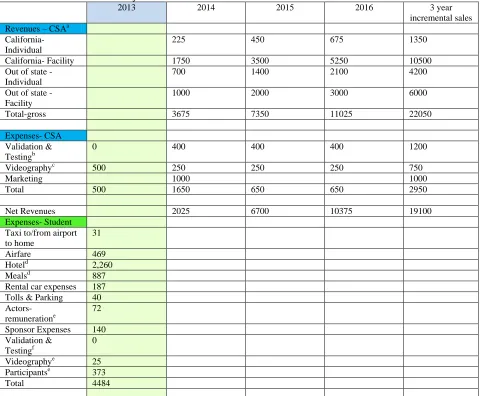
Appendix L: CSA Incremental Financial Projections ……… 96
Appendix M: Leadership Attribute Survey ………. 97
Appendix N: Synopsis of Project ………. 102
Appendix P: Sample Scenarios ……….. 115
Appendix Q: On-site Evaluation Questions ……… 135
Appendix R: Simulation Evaluation Survey ……….. 136
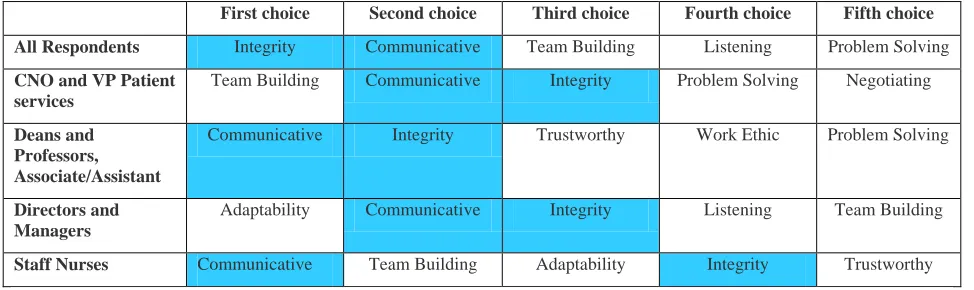
Appendix S: Top Five soft skills by Group ……… 139
Appendix T: Respondent Answers to On-site Evaluation ……….. 141
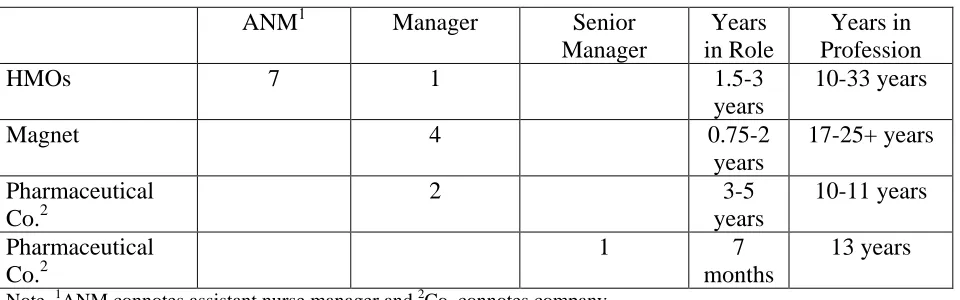
List of Tables and Figures Tables Table 1 Management levels and experience ………. 41
Table 2 Respondent answers to whether the experience was beneficial ……. 46
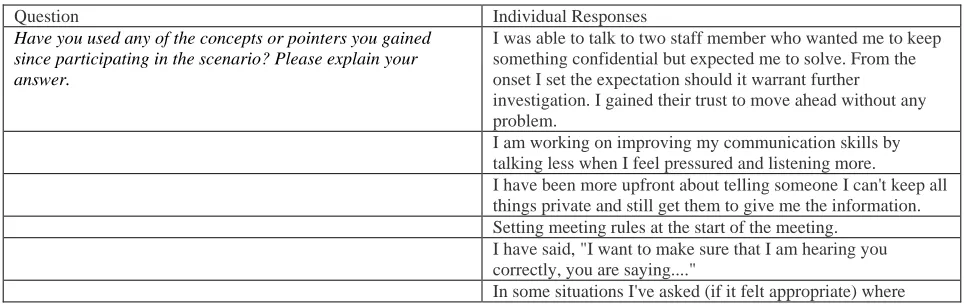
Table 3 Respondent answers to implementing concepts learned ………. 47
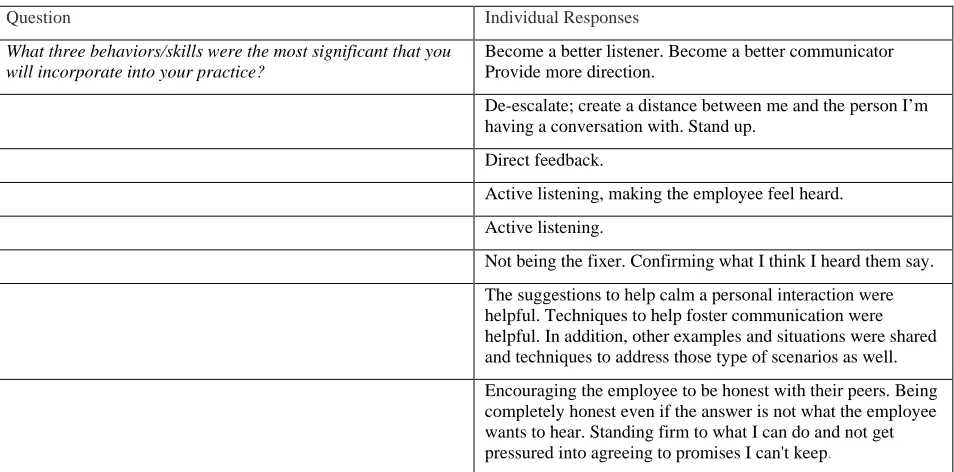
Table 4 Respondent answers regarding the most significant skills …………. 48
Table 5 Top five soft skills by all respondents and sub-groups ………... 50
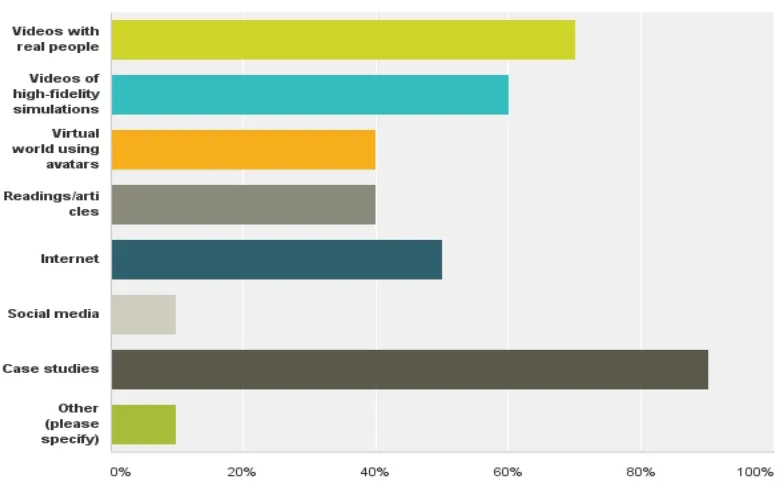
Figures Figure 1 Preferable self-directed learning methods ………. 49
The Creation and Implementation of Interprofessional Simulation Leadership Scenarios
Healthcare is in a historical state of change creating an era that requires superior
leadership skills. Healthcare leaders face burgeoning challenges in a competitive environment
ensconced in reform. It is imperative that leaders draw on experience, values, social behaviors,
technical and interpersonal skills, and innovation to meet those challenges (Institute of Medicine
[IOM], 2010; Dow, Salas, & Mazmanian, 2012; Kalargyrou, Pescosolido, & Kalargiros, 2012).
Mumford, Campion, and Morgeson (2007) contended that leadership skills can be
learned and are not necessarily in-born traits or intellectual abilities. Furthermore, they noted
that a particular skill will vary in importance from one situation to another. Mumford, Zaccaro,
Harding, Jacobs, and Fleishman (2000) asserted that leaders should be able to motivate
employees, influence and persuade peers, communicate organizational vision, and effectively
facilitate problem solving and performance. Meng, Berger, Gower, and Heyman (2012)
conducted a study of middle and senior level executives who identified strategic
decision-making, problem-solving, and communication skills and knowledge to be the three significant
factors for successful leadership. Twenty-five percent of the participants were from non-profit
and educational organizations. Though founded in the public relations arena, it is easy to
transpose the results into healthcare.
Nurses’ leadership abilities are fundamental to the success of a healthcare organization as
they strive to achieve identified strategic goals (Kanste, 2008). Leadership is comprised of hard
skills (e.g., business planning, budgeting) and soft skills (e.g., human attributes). Upenieks
(2003) and Kanste (2008) findings indicated that transformational nursing leadership behavior
predicated upon influence, inspirational motivation, and intellectual stimulation, along with
There is a broad range of definitions for leadership, however the simplest is the ability to
influence others to achieve goals (Kanste, 2008; World Health Organization, 2009; Government
Accounting Office, 2010; Metcalf & Benn, 2013). Kotter (1990) stated that leadership involves
providing the organization with a strategic vision, communicating the vision to employees, and
inspiring, motivating, and aligning staff to achieve the vision. Leadership is not an intrinsic
quality; it is comprised of a diverse collection of competencies, personal attributes, and vision
requiring education, leadership development, and mentoring (Hughes, 2009).
A United Kingdom (UK) study revealed that staff perceptions of the effectiveness of
senior managers’ leadership are associated with decreased rates of patient complaints and
improved clinical ratings (Shipton, Armstrong, West, & Dawson, 2008). “Two absolute
requirements for successful clinical change are visible support from senior leadership and strong
clinical leadership” (Leonard, Graham, & Bonacum, 2004). Upenieks (2003) stated that
transformational leaders exhibit such human factor attributes as respect, passion, self-confidence,
responsiveness, and credibility. Bennett, Perry, and Lapworth (2010) found that emotional
intelligence, which includes qualities such as self-confidence, commitment, and empathy, is seen
as pivotal for organizational success.
According to the World Health Organization (WHO) (2009), human factors may be
defined in several ways, yet the widely recognized definition is from the Health and Safety
Executive (HSE) (1999, p.2): “Human factors refer to environmental, organizational, and job
factors, and human and individual characteristics, which influence behavior at work in a way
which can affect health and safety.” The HSE (1999) further espoused that human factors should
be considered regarding the job, individual, and organization, and the impact that they have on
Individual human factors most often are cognitive, social, and personal resource skills,
which are non-technical skills that contribute to safe and efficient performance (Flin, O’Connor,
& Crichton, 2008). The concept of non-technical skills including leadership attributes emanates
from aviation’s Crew Resource Management (CRM) and are recognized as contributing factors
to safety (Myers & Orndorff, 2013; Vickers, 2009; Flin et al., 2008). While many industries led
by aviation and the military have a long history of training in human factors, there has been a
modicum of training in healthcare (Halamek, 2010; Kuehster & Hall, 2010). Most research
looks at leadership in relation to business strategies such as performance and productivity
(WHO, 2009). The Institute of Medicine (2010) advocated for nurses to be innovative and to
take the lead in collaborating for healthcare change.
Cacioppe (1998) contended that a more effective approach to leadership comes from
greater emphasis on the human perspective rather than technological or scientific perspectives
and that employing simulation is an effective means of leadership development. Exploring the
characteristics of simulation provides a perspective on its utilization in soft skill leadership
development.
Curtis, DiazGranados, and Feldman (2012) indicated that “simulation refers to any
system that replicates real-world processes, actions, or behaviors” (p. 255). Simulation is
frequently used in healthcare education, both with staff and students. The value of simulation in
nursing education became highly regarded as it is reported to enhance critical thinking, as well as
problem solving, clinical judgment, and rapid response skills (Jeffries, 2007).
Lambton, O’Neill, and Dudum (2008) demonstrated students’ abilities to recognize
medical errors and increased collaboration and communication skills as a result of
them to address similar circumstances when they occurred and that learning through their
mistakes in a safe environment improved their competencies.
Traditionally, fidelity has been defined by how closely it models real-life situations
(Lewis, Strachen, & Smith, 2012). While many simulation methods focus on high fidelity
simulation, there are a variety of other methods used in training such as standardized patients,
fidelity simulators, and multi-media applications. Simulation is referred to as high- or
low-fidelity in the sense of physical low-fidelity, such as environment, equipment utilized, and sensory
application; however there are other types of fidelity: functional and psychological (Curtis,
DiazGranados, & Feldman, 2012; Dow, Salas, & Mazmanian, 2012). Functional fidelity relates
to how realistic the trainee’s actions and responses are compared to the realism of the simulation
and simulation instrumentation (Curtis et al., 2012). Psychological fidelity is lower in cost as it
does not necessitate high physical fidelity. However, psychological fidelity is comprised of task,
scenario, temporal, perceptual, and experiential components, all of which vary in fidelity based
upon the situation and cognitive skills being addressed (Curtiset al., 2012).
The IOM (1999) recognized full scale simulation as introducing human interaction and
communication factors that are critical to patient safety. Organizational achievement is related to
successful leadership, yet while the literature discusses at length the competencies required, there
is little to address the mechanisms for acquiring soft skill competencies. These skills tie into the
American Organization of Nurse Executives’ (2011) five competencies: communication,
leadership, knowledge, professionalism, and business skills. Utilizing simulation as a method to
develop soft skills provides an innovative approach using both self-directed and full-scale
With nearly one-third of the nursing workforce in the United States eligible to retire in
the next 10-15 years (HRSA, 2013), it is imperative that succession planning be implemented in
healthcare organizations. Middle management positions often remain unfilled or have high
turnover. Stichler (2009) noted the criticality of succession planning as the nursing shortage
looms and baby boomers retire. Appropriate candidate selection is paramount to patient care,
teamwork, and success. Candidate selection in some arenas such as college leadership included
addressing such attributes as communication, collaboration, integrity, and innovation (Frimpon,
2012). Utilizing simulation provides an adjunct to traditional modes of candidate selection
(Mota & Scalabrini, 2012).
One key to succession planning is providing aspiring leaders and current managers with
leadership development opportunities to ensure success. Given that simulation is a proven
methodology in industries outside of healthcare for leadership development, it should also be an
effective modality to educate current and aspiring healthcare leaders at all organizational levels.
Nurse leaders have been developed, appointed, and hired throughout history based upon a
variety of methodologies. Hiring practices historically have included telephone, individual, and
group interviews, as well as a combination of all three. Nurses are often placed in management
positions with little or no training (Stichler, 2009). Promotional opportunities often occur
through appointments based upon the nurse being the best clinician. Eddy et al. (2009) described
the “Last Woman Standing Model of Leadership” (p.12) as becoming a leader by default, the
most senior or the best bedside nurse. It is not an uncommon theme to hear from nurse leaders
that they were promoted based upon being the last one standing regardless of whether they had
the skills or competencies to be successful (Eddy, et al., 2009). Such research coupled with
understand the need for the development of leadership competencies by professional
organizations such as the American Organization of Nurse Executives (AONE).
Today’s dynamic healthcare environment demands that nurse leaders need to be astute in
a variety of areas including: fiscal responsibility and accountability, organizational politics,
interpersonal skills, human resources, communication, conflict resolution, and emotional
intelligence. Some such as fiscal management are considered hard skills, those which can be
taught, while others such as conflict resolution are referred to as soft skills, those learned through
experience. Robles (2012) stated that not only are executives expecting candidates and leaders
to possess soft skills, but also that soft skill abilities should be seen as an investment as they are
critical in the modern market. While Robles referred to business, the analogy to healthcare is
apparent.
While leaders are expected to possess or develop these skills, time often limits
opportunities to develop and practice these skills prior to embarking on a leadership position.
Leaders in academia, seeking to make paradigm changes to curricula and programs, are drawing
on nurse executives in practice settings to collaborate on changes and assisting those in practice
with staff development processes (Crosby & Shields, 2010; Eddy et al., 2009). Jennings, Scalzi,
Rodgers, and Keane (2007) identified a dearth of nurse leaders based upon three major issues:
clinical careers are more highly valued than leadership, educational preparation aimed at
grooming the nurse for these positions is lacking, and a decreased appeal for leadership roles as a
result of the changes and restructuring that occurred in the 1990s.
The IOM (2003) indicated that health professionals need to improve communication,
collaboration, and team work (all soft skills) through interprofessional education (IPE). While
learning procedures, there is a scarcity of evidence concerning its use in staff development
around soft skills such as communication and teamwork (Halamek, 2010; Kuehster & Hall,
2010). Robertson et al. (2010) demonstrated that simulation improved knowledge, attitudes, and
abilities to discern teamwork and communication, and communication skills. Vickers (2009)
found that simulation-based education improved staff soft skill competencies, as well as
improved patient safety.
Organizational success is tied to successful leadership. Although the literature discusses
at length some of the competencies required, there is little to address the mechanisms for
acquiring these skills, especially soft skills. The aim for this project is three-fold: identify the top
five soft skills that leaders consider central to successful leadership; create and implement
simulation scenarios addressing those five skills; and integrate them into interprofessional
situations. The question posed is: Will nurse leaders and other healthcare leaders enhance their
soft skill competencies through the use of simulation?
Evidenced-based Literature Review
Search Strategy
Examining the study question resulted in exploring the literature in the three domains of
leadership, soft skills, and simulation and the integration of the domains. Four databases were
used: The Cumulative Index of Nursing and Allied Health Literature (CINAHL), Business
Premier, PubMed, and Library, Information Science and Technology Abstracts. The search
filters included English only in peer-reviewed journals spanning the years 1985 to 2013. Though
1985 may seem too early, the literature for the foundation of simulation becomes evident during
interest in leadership and leadership competencies became more prevalent in the 1990s, as
previously discussed.
Search headings and key words included leadership, soft skills, human attributes,
management, and simulation. Truncated key words were used for leadership, administration,
management, simulation, education, training, and coaching. The results yielded 454 articles for
all domains after duplicates were removed. Following title review and abstract evaluation, 117
articles remained. An additional 10 articles winnowed from a non-annotated simulation
bibliography provided by the California Simulation Alliance (CSA) were also reviewed.
Evidence Model
The Johns Hopkins Nursing Evidence-Based Practice (JHNEBP) © model (Newhouse, Dearholt,
Poe, Pugh, & White, 2007) was applied to evaluate the articles (see Appendix A). Based upon
the JHNEBP© model: 33% were non-experimental scoring A or B; 9.5% were qualitative scoring
A; 19 % were organizational scoring A or B; 14% were literature reviews scoring A, B and C;
9.5% were case studies scoring A or B; 9.5 % were expert opinions scoring A; and, 5% was a
systematic review scoring A (see Appendix B). Rounding error accounts for 0.5 percent of the
scoring. There were no experimental, quasi-experimental, meta-analysis, or meta-synthesis
identified.
Article Evaluation
Leadership and soft skills. Leadership and management are often used interchangeably.
Jennings et al. (2007) initiated a systematic review of the literature based upon concerns over the
dearth of nurse administrators and the need to address changes in educational curricula. Their
agreement with other authors that there are differences and commonalities between the roles of
competencies. Review of 140 articles found that there was a merging of the distinction between
the roles as of the 894 competencies identified, 862 intersected. The 26 distinct leadership
competencies fell into the categories of setting the vision and developing people, while those for
the six distinct management competencies were in human resource management and information
management. The review further discussed educational programs and determined that nursing
administration programs will need to change significantly if they are to survive and prepare
leaders for the future.
Triola (2007) completed a literature review, business and nursing, based upon the
American Association of Critical Care Nurses (AACN) leadership standard regarding authentic
leadership. According to many authors cited, authentic leaders are aware of themselves, how
they think, and how others see them. Additionally, authentic leaders are seen as inspirational,
relationship-centered, resilient, empathetic, and will more readily retain and engage staff.
Leaders who are authentic display emotional intelligence and are seen as transformational,
leading their organizations to thrive. Triola concluded that there is still much work to be done in
refining the characteristics and competencies of the authentic leader.
Successful leaders are critical to an organization’s success. Distinguishing management
from leadership is a theme found in the literature. Bennett, Perry, and Lapworth (2010) of the
UK performed a literature review in an effort to address leadership styles and skills, and to
apprise nurses of key skills to develop a culture of empowerment. This analysis found that
vision and inspiration were strategic leadership attributes, while management focused on
operational issues. They observed that emotional intelligence, which includes qualities such as
self-confidence, commitment, empathy, and social attributes, is seen as central to organizational
and empowered teams. The article further elucidated that leaders need to be astute at change
management, negotiating, conflict management, and the ability to adapt and be flexible.
If organizations are to be successful in a rapidly changing environment, then leadership
development, processes, and practices necessitate transformation (Newhall, 2012). While
Newhall related this to business, it readily translates to changing healthcare and nursing
dynamics. His two case studies involve international businesses and depict two different but
similar approaches to leadership development. The premise for both, as found in the literature, is
that quality leadership has a positive effect on the competition and affects employee retention
and commitment. Decentralized programs were identified as less beneficial than structured
models. The first case study involved an international company with 11,000 leaders in 35
countries. A unified and more structured approach involving 10 modules was implemented.
Curriculum included leadership skills for the future, communicating for results, effective
decision-making, and contributing to change. Results included a continuing developmental
process for leaders and an appeal for new talent, which created a more sustainable pipeline. Case
study two involved an international company that implemented the Leading for Accelerated
Performance and Growth Program (LEAP) in partnership with the developers. The program
consisted of five training modules. More than 750 leaders across all levels of management and
1049 observers participated. Observers included direct reports, peers, and managers who
provided feedback on how effectively the leaders practiced their new skills. After 3-12 months,
results included positive behavioral change across all levels, globally.
Nurses from practice and academia in western New York formed a task force to address
the need to plan for the succession of the next generation of nurse leaders (Crosby & Shields,
thinking, it was determined that a needs assessment was required to address leader development
and the recommended educational content necessary to support it. Conditions to facilitate or
constrain leadership were also identified. Themes that emerged included: people skills as
facilitating development, lack thereof constraining development, and resource availability that
could positively or negatively affect development. Mentorship, educational opportunities, time,
and financial support were identified as key resource issues. An educational component of the
assessment was designed to define what the participants saw as the cognitive basis for leadership
development. Results of the educational component identified 13 categories with a wide variety
of topics as necessary for development. Based upon the assessment, and in light of diminished
resources and downsizing of local organizations’ staff development departments, a local
university working with administrators developed creative ways to address needs of leaders and
aspiring leaders. Among the suggestions was to create a freestanding nurse leadership academy
designed to provide educational programs and enrichment opportunities to promote
collaboration, collegial support, and career advice. The first year was deemed successful.
Leadership style often originates prior to one being recognized as a leader. Gunther,
Evans, Mefford, and Coe (2007) contributed meaningful data to the literature through research
by comparing the leadership styles of junior and senior baccalaureate nursing students. Their
descriptive study was grounded in the three frameworks of leadership, emotional intelligence,
and the relationship to empathy. The three leadership styles addressed were transactional,
transformational, and laissez-faire. Findings indicated that both groups predominant leadership
style was transformational while the juniors had a correlation to laissez-faire. Junior students
showed a statistically significant, though weak, relationship to empathy in one of two
preferred transformational leadership in 4 of 5 elements scored higher in empathy. The decrease
in laissez-faire with seniors was attributed to increased knowledge, emotional security, and
critical thinking skills. It was determined that graduates who prefer transformational leadership
look for organizations demonstrating the essential elements of transformation. While
undergraduates have not been in practice, it is opined that the foundation for leadership
development starts before one enters into a profession.
Nurse managers’ leadership style is pivotal to the success of an organization. McGuire
and Kennerly (2006) made a significant contribution to the sparse research on middle
management leadership. Their effort was to clarify the link between the leadership style of the
nurse manager and staff commitment to the organization. Transactional and transformational
styles were linked to staff commitment utilizing a descriptive correlational study methodology.
Though nurse managers saw themselves as transformational, staff often saw them as
transactional. It appeared that this outcome is partially caused by role descriptions requiring
transactional activities, which creates a struggle for managers who prefer transformational styles.
There was a statistically significant correlation from staff in relation to transformational
leadership and their organizational commitment. The authors concluded that performance
standards that promote transformational leadership characteristics and advocacy from senior
leadership will enhance the organization and foster a competitive, healthy work environment.
As is well known, the role of the nurse manager evolved over the last two decades.
Kramer et al. (2007), using a descriptive design with strategic sampling, explored behaviors
relating to how nurse managers support staff and how organizational and leadership practices
support them. More than 3000 nurses identified nine key supportive behaviors of nurse
promote nurse managers’ ability to transit the changing environment and staff expectations.
Staff identifiedtwo role behaviors as very important: leadership, especially soft leadership
behaviors such as guiding and nurturing, and managing resources including facilitating
teamwork and talent acquisition. Caring was identified by staff as one of the most important
attributes nurse managers should possess.
As there is an insufficient number of nurse leaders with appropriate competencies to
function in today’s changing healthcare environment, it is necessary to address curricula in
nursing leadership graduate programs (Eddy et al., 2009). The authors used focus group design
to ascertain from practice leaders the common themes and background meanings related to
leadership in nursing. Leaders urged educators to advise students that leaders do practice
nursing, and leadership should be a valued function of nursing. Additionally, leaders urged
educators to coach students that leadership may be found in all levels of nursing, not just in
management roles. Themes identified were: communication emphasizing listening skills,
conflict resolution, communicating a vision, the ability to utilize data and technology, and the
ability to face change proactively. Based upon the findings, curricula in various formal
educational settings were changed, revised, or initiated to address the identified leadership
themes, behaviors, and competencies. Another outcome was enriched cooperative relationships
between academic and practice leaders.
Leadership connectedness and people-centered relations have been the focus of increased
attention over the last decade. Mentoring has been addressed for decades as a relationship for
success. McCloughen, O’Brien, and Jackson (2009) took the theme of esteemed connection:
creating the mentoring relationship from a previous study and expanded on its importance in
personal informal relationships even when embedded in professional relationships. Regardless
of the personal relationship, mentoring sets well defined professional boundaries grounded in
integrity and respect. Age did not play a part in the mentor relationship as mentors were seen as
people who were admired for their broad skillsets and role modeling and as people of merit.
Mentees were seen as having potential leadership abilities and worth investment of the mentor’s
time. Through honoring human connections, the mentor-mentee relationship is established. The
study revealed that the two people in a mentoring relationship established an esteemed
connection, which “implicitly determined compatibility, well-defined professional intent, mentor
actions and mentee vision contributed to instituting mentoring relationships with a specific
purpose of developing nurse leaders” (p. 332).
Simulation and soft skills. Dow, Salas, and Mazmanian (2012) described the insights
from human factors studies and industrial and organizational psychology as related to healthcare.
Psychological fidelity was identified as more difficult to achieve than physical or functional
fidelity as it is based on human responses and individual needs to develop team behaviors.
Those insights or lessons learned included: (1) the complex healthcare environment requires
novel approaches to continuing professional development; (2) simulation as an educational
modality can improve expertise and adaptability to complex situations; (3) simulation is
instrumental in evaluating competency skills longitudinally; and (4) interdisciplinary studies of
healthcare professionals development provides new understandings of complex issues. Based on
their view, simulation-based education is “poised to advance health care delivery by allowing
participants and planners to identify gaps at the individual and systems levels” (p. 234). This
finding correlates to the proposal that a gap exists in the evidence regarding improvement of soft
According to Halamek (2010), while simulation has been adopted at a rapid pace, it has
been focused on realistic physical environments providing care to simulated patients using real
medical equipment in which behavioral skills are critical. He indicated that healthcare
professionals have not been formally educated in these specific skills, nor have instructors and
content experts had resources to elucidate what and how these skills are used in professional
practice. Behavioral skills critical to successful patient outcomes are described as effective
communication, teamwork, and leadership. A discussion ensued regarding the use of simulation
as an appropriate methodology to integrate content knowledge, technical skills, and behavioral
skills. Predicated on the events of Apollo 13 and using movie clips of the accident, Halamek
demonstrated how his organization, Lucile Packard Children’s Hospital at Stanford, used the
video to address learning behavioral skills and teaching the efficacy of simulation. Healthcare
has the opportunity to learn from other industries that have used simulation in high-risk domains
to teach and learn critical behavioral skills.
There is controversy over whether simulation provides a realistic learning situation for
participants and thus, whether it is an effective modality for teaching and learning. Gaba (2007)
conveyed that experience has shown that participants in simulation readily shed their disbelief
and act as they would in their real jobs. He described 11 dimensions representing different
attributes of simulation (see Appendix C), stating that the integration across the dimensions
provides a significantly large number of combinations that may be intertwined to address the
complexities of healthcare. As described, simulation is not only effective for individuals and
teams, but also for members throughout the healthcare system, from nursing assistants to leaders
and regulators. Gaba stated, corroborating with other authors (Vickers, 2009; IOM, 2003), that
improve safety, including facilitating recruitment and retention of skilled personnel, acting as a
lever for culture change, and improving quality and risk management activities” (p. 127).
Though healthcare has increasingly engaged in simulation over the last quarter century,
aviation along with the military led the way as is widely indicated in the literature. Vickers
(2009) addressed lessons learned from aviation in developing simulations for staff education and
training subsequent to untoward events in her organization. Having reviewed the literature and
various studies, it became evident that human factor skills (e.g., communication, situational
awareness, teamwork, leadership, and empowerment) are contributing factors to adverse events
and are more common than previously recognized. Aviation, through the years, developed Crew
Resource Management (CRM) training and utilized simulation as a modality for ensuring that
personnel were competent in human factor skills. Combined with organizational support and
consultation from experts in the airline industry, simulations were developed resulting in
enhanced skills related to humanity, empowerment, communication, leadership, and situational
awareness and improved patient safety in the operative suite.
Reed, Lancaster, and Musser (2009) discussed that while faculty have used simulation for
clinical situations, there is an absence of simulation training in leadership and management
skills. They postulated students do not have the opportunities to practice leadership roles during
their clinical rotations and were unable to discover any illustrations in simulation literature
related to the complex leadership issues facing the modern nurse. Faculty researched appropriate
simulation processes from development through evaluation and then created leadership
simulation scenarios that included leadership and management skills, specifically: time
management, prioritization, delegation, and communication with other healthcare team members.
in complex situations, thus confirming their assumptions that leadership simulation scenarios are
an effective way of teaching leadership and management skills.
High fidelity simulation, the use of computer-driven mannequins, provides a safe
environment for practitioners to learn and practice communication and teamwork (Kuehster &
Hall, 2010). Though the literature supports the process of enhanced communication, teamwork,
and systems approaches to improve patient safety, Kuehster and Hall (2010) found little
published evidence to confirm the use of high fidelity simulation in staff education. The authors
addressed the development and implementation of high fidelity simulation in 10 rural facilities
designed to provide realistic scenarios around complex situations for which rural providers need
to be prepared but may rarely encounter. Simulations emphasized teamwork and
communication, and the participants were often video recorded to provide immediate feedback
during the debriefing period.
Participants in the Kuehster and Hall (2010) simulations reported that the simulation
experience provided them with realistic scenarios after which they felt better prepared to address
when similar or actual events occurred. Furthermore, they indicated that simulation provided
them with the opportunity to practice skills in a safe environment whereby learning from
mistakes also increased their competence. According to Kuehster and Hall, simulation is a
“promising pedagogy for health care” (p.127), with the potential capability of reducing errors
through the assimilation of communication and teamwork with skills development and retention.
Walsh (2010) described narrative pedagogy as focusing on the human experience
stemming from the meanings and interpretations of stories. Combining narrative pedagogy with
the conventional content- and competency-driven pedagogy through multi-media simulation
advantages and disadvantages of online simulation, the use of avatars versus human actors, and
humanizing simulation, a goal of utilizing narrative pedagogy. Walsh explained the Stilwell
model, which is a simulated community accessed through an online platform with stories about
the community and healthcare narratives based upon real patients sharing their perspectives.
This model allows participants to become engaged with the characters, and to interpret and learn
from the patient’s experiences. The methodology provides learners with an increased range of
experiences through the use of technology, though it is recognized that it will not replace
experiential learning in the practice setting.
Robertson et al. (2010), as with other authors, found that communication and teamwork
are not usually taught in healthcare professionals’ formal education. They described the
collaboration between the medical and nursing schools of their university in adapting the
TeamSTEPPS curriculum, designed for practicing professionals, into their programs. The
philosophy is to teach interprofessional teams the value of their role in patient-centered care.
Simulation and video were used to develop team knowledge and attitudinal skills related to
teamwork. Evaluation of the program resulted in significant student satisfaction with the
methodology, increased knowledge and skills, and enhanced attitudes toward teamwork and its
importance in patient care. Though the authors indicated that teamwork skills require time and
energy to become expert, they found that even four hours of exposure increased knowledge,
attitudes and the ability to discern team skills.
Facilitating transition into practice is a goal faculty often find is not realized because
opportunities to address the education to practice gap in the areas of leadership and management
are not found in clinical rotations. Thomas, Hodson-Carlton, and Ryan (2011) addressed this
realism of the scenario. Scenarios were developed depicting issues students would not normally
encounter during a clinical rotation such as staff conflicts, interaction among members of various
departments, critical decision-making and priority setting around patient concerns, and
communication regarding errors and other hospital crises. Overall, the authors felt that
simulation provided for skill development and that transition into practice would be smoother
and retention increased. They contended greater emphasis should be placed upon developing
leadership and management skills, and that the simulation lab offers a milieu to provide feedback
for problem-solving and clinical decision-making skills utilizing faculty and practicing staff.
After review of the literature, Titzer, Swenty, and Hoehn (2012) found that while the cost
of healthcare had risen, the correlational improvement in safety was non-existent and poor
communication, problem solving, and communication were significant detractors. Subsequently,
they embarked upon developing interprofessional simulations across four disciplines (nursing,
radiology, occupational health, and respiratory) to improve collaboration and problem solving.
Their university opened a simulation center in 2007, providing easy access to this educational
modality. Collaboration, communication, and problem solving issues were interjected into
clinical scenarios, and each discipline was represented in the simulation. Benner’s Novice to
Expert Model (1984) was utilized as the learning concept. Simulation as a safe learning
environment was noted as students felt they had the opportunity to learn without adversely
affecting patient outcomes and to learn from mistakes. The authors concluded that simulation
provided an effective interprofessional development experience, and students learned how their
roles integrated with each other and that their perceptions of roles differed from reality.
Robles’ (2012) study was designed to ascertain the soft skills that executives expect of
technical expertise and knowledge needed for the position. The study results indicated the top 10
soft skills, interpersonal or people skills, were: integrity, communication, courtesy,
responsibility, social skills, positive attitude, professionalism, flexibility, teamwork, and work
ethic. Integrity and communication were overwhelmingly denoted as the top two. Robles
quoted Sutton (2002), stating that soft skills are so important that they are rated number one
across industries as significantly important. Research suggested soft skills are just as reliable an
indicator of job performance as hard skills, and both skillsets are necessary and should
complement each other.
Literature Synthesis
Leadership has been researched and discussed in literature within and outside of health
care for decades. Rapidly changing dynamics leads nurses to explore whether the skills and
competencies of the past will fit with the new era of nursing and healthcare leadership. As
discussed in the review, there is concern about what constitutes a leader, what skills and
competencies are essential for leaders, and what organizations and individuals do to support and
develop leaders.
Transformational leadership is identified as the style that will lead an organization to
success. However, transactional expectations from organizations present challenges in balancing
those needs. Characteristics of successful leaders include emotional intelligence as a mechanism
to facilitate a transformational style and lead staff to organizational commitment. While
competencies have been set forth by organizations such as AONE, it is evident there is consistent
agreement regarding transformational leadership and the attributes constituting the style.
A major concern emerging in the review is the perceived dearth of leaders for the future,
yet one might surmise that the talent is there waiting to be developed and encouraged to step into
another form of nursing-formal leadership. Facilitating that encouragement requires changes in
formal and informal educational opportunities. The ever-increasing utilization of simulation
appears to indicate that it is an innovative approach to leadership development.
Exploring the domains of leadership, soft skills, and simulation provided evidence to
pursue the question: Will nurse leaders and other healthcare leaders enhance their soft skill
competencies through the use of simulation? The literature clearly identifies leadership styles,
skills, and competencies necessary for successful leadership and in turn for successful
organizations. Although the literature is sparse, some academic institutions are pursuing the
integration of leadership and management education through simulation. Additionally, it is
evident that with the changing times, required skills and competencies have not only
transformed, but are creating a need for academia and informal educational programs to make a
paradigm shift. To that end, one approach would be for educational institutions and healthcare
organizations, individually or in collaboration, to utilize simulation as a methodology to teach
and assist leaders in learning how to practice 21st century leadership styles and demonstrate soft
skill attributes.
Theoretical Frameworks
Kolb’s Experiential Learning and Bass’ Transformational Leadership theories are
fundamental in supporting the development and implementation of simulation-based leadership
scenarios. Transformational Leadership Theory integrates with development of soft skills, while
Transformational Leadership
Throughout the literature, transformational leadership has also been referred to as
charismatic leadership. Originally, transformational leadership was defined by Downton in
1973, but it was significantly disseminated by James MacGregor Burns, presidential biographer,
leadership expert, and Pulitzer Prize-winning historian. Burns (1978) espoused that
transformational leaders, through their personality and vision, inspire their followers or
employees to change their expectations, perceptions and motivation to work toward common
goals. Translated differently, one might say that transformational leaders inspire and motivate
employees to embrace organizational goals through their charismatic qualities and commitment
to mission, vision, and values.
Bass (1985) expanded on Burns’ idea of transformational leadership, indicating it was
based upon the impression leaders leave on their followers. Furthermore, he stated
transformational leadership contains four components: intellectual stimulation, individualized
consideration, inspirational motivation, and idealized influence. The four components may be
defined respectively as leaders who: (1) not only challenge the status quo, but encourage
innovation and creativity; (2) maintain open communication, cultivate supportive relationships,
and offer direct recognition of contributions; (3) have and articulate a clear vision and provide
the milieu for others to be passionate and motivated to fulfill the vision; and (4) act as role
models garnering respect and trust resulting in followers who emulate their ideals. This
definition became known as Bass’ Transformational Leadership Theory (see Appendix D).
Experiential Learning
Experiential learning is founded on learning from one’s experiences and learning styles.
individual’s experiences and learning styles from which knowledge is created. According to
ELT, individuals fall within four learning styles: diverging, accommodating, converging, and
assimilating. The learning styles function across a four-stage learning cycle, which flows as:
experiencing, reflecting, thinking, and acting. Based upon transiting each part of the cycle, the
learner develops concrete experiences that lead to observations and reflections. While learners
may prefer one stage of the cycle, Kolb indicated that to be wholly effective, learners should
transit all stages to create new experiences from their observations and reflections.
McLeod (2010) depicted Kolb’s model (see Appendix E) integrating learning styles and
cycles across two axis continuums identified by Kolb as perception, or the emotional response or
how one feels about a task, and processing, or how a task is considered. Additionally, McLeod
developed a two-by-two matrix (see Appendix F) depicting Kolb’s learning styles, which are a
combination of two preferred styles along the intersecting continuums. McLeod defined the
learning styles as: (1) accommodating learners, who are hands on, rely on intuition, and are
attracted to new challenges and experiences; (2) diverging learners, who look at things from
different perspectives, are idea generators, good at brainstorming, like groups, and are good
listeners; (3) converging learners, who solve problems using their learning, prefer technical
tasks, are less people-oriented, find practical solutions, simulate, and experiment with new ideas;
and (4) assimilating learners, who prefer a concise logical approach, are less concerned with
people, require explanation over practical opportunity, and are attracted to sound theory over
practical value-based approaches.
Theory Integration
Soft skill scenario simulations are designed to provide leadership development at all
reality, using scenarios that individuals may react to, founded on their own background and
education. Kolb’s model, ELT, provides an overarching framework in which simulation
functions. As represented, leadership scenario simulations incorporating the concepts of ELT
and providing immediate feedback may be used as an iterative process for continual
development. Utilizing today’s technology and the variety of simulation options offers the
opportunity to design and provide individualized, self-directed, or facilitated learning scenarios
whereby individuals may develop leadership skills focused on becoming transformational
leaders. Experiential Learning Theory readily corresponds to psychological fidelity (Curtis et
al., 2012) founded on experience and generating a realistic encounter.
Transformational Leadership addresses intellectual stimulation, individualized
consideration, inspirational motivation, and idealized influence thus integrating with ELT’s
concepts of individual development rather than organizationally oriented, traditional learning
methodologies. The two theories are related in their focus on transformation: one on the
transformational skills and characteristics of a leader and the other on the transformation of the
leader’s experiences and learnings into new knowledge. Consequently, these two theories are
explicitly and implicitly interrelated to address the successful implementation of soft skill
leadership simulations (see Appendix G).
Methods
Ethical Issues
Ethical issues are minimal as participants and organizations were assured that their names
and responses would remain confidential. Surveys conducted were anonymous, though the
ability for the investigator to determine who had answered each survey was made possible
analysis of the responses occurred. The addresses were not utilized, nor researched. Prior to
conducting the surveys and simulations, conference calls were held with the sponsoring
agencies’ representatives to discuss the process, including confidentiality. While participants
provided demographic information to the investigator (see Appendix H), names were withheld
from the analysis and report. Participants were also assured the results of the simulation
experience would remain confidential unless the participant chose to share them with her/his
colleagues or supervisors.
Setting
Though the initial goal was to determine soft skill attributes and utilize simulation to
determine the level of expertise of nurse leaders, it became evident through the literature review
(Appendix B), personal conversations with key leaders, and review of professional
organizations’ objectives/websites (e.g., AONE, Society for Simulation in Healthcare) that
interprofessional education (IPE) is considered fundamental to successful organizations.
Therefore, it was decided to include a non-hospital healthcare organization in the project. Two
“sister” organizations from a large Health Maintenance Organization (HMO), one Magnet
medical center (i.e., designation conferred by the American Nurses Credentialing Center), and a
division of a large international pharmaceutical company volunteered to participate in the
implementation of leadership simulations in their organizations.
Planning the Intervention
Although the literature is replete with studies and articles regarding leadership and
individual soft skills, there is a negligible amount tying them together and relating them to the
success of healthcare organizations. It is also evident that there has been insufficient education
leadership or organizational success (IOM, 1999; IOM, 2003; Halamek, 2010; Kuehster & Hall,
2010). Based on his study, Robles (2012) contended business executives value soft skills as
much as hard skills, and that in today’s competitive environment, leaders need to be competent
in these cognitive skills. Ten top soft skills were identified, with integrity and communication
being highest. Similar evidence was not found specifically for healthcare or nursing, nonetheless
one might assert that these would be similar.
In review of the California Simulation Alliance (CSA) library of over 65 evidence-based
scenarios, a gap exists as there are no leadership scenarios. Though there is an abundance of
evidence regarding simulation as a modality for teaching and practicing procedures, tasks, and
CRM, there is minimal documentation for its use involving “soft” skill leadership development.
Furthermore, during the 2013 International Meeting on Simulation in Healthcare and the 2013
AONE annual meeting, several participants and presenters commented on the lack of leadership
simulations and scenarios.
Predicated upon foregoing evidence as well as dialogue with colleagues, nurse leaders
and advisors, it was determined to investigate the human attributes or cognitive soft skills that
healthcare leaders identified as essential leadership competencies. Subsequently, scenario-based
simulations would be developed and implemented for leaders and aspiring leaders to address
their current levels of expertise in the top five identified soft skills. Discussions included the
areas of consideration in which these types of scenarios could be utilized: leadership
development, candidate selection, and succession planning. The Institutional Review Board of
Implementation of the project included determining the soft skills to utilize for developing simulation scenarios entailed significant planning. Conceptually, the project was divided into five phases: (1) securing confidence in and support for the project; (2) determining the soft skills upon which to create the scenarios; (3) obtaining implementation sites, preferably allowing for interprofessional participation; (4) implementation; and, (5) evaluation. The overall process comprised multiple steps delineated in a Gantt chart (see Appendix J) that was utilized for tracking and updating the project as it progressed.
Securing project support. Prior to embarking on the project, it was necessary to secure
support from a credible organization that supports nursing and simulation as a modality for teaching. Led by the California Institute for Nursing and Healthcare (CINHC), the CSA is an alliance designed to promote and enhance the development of simulation for “transforming the
education of registered nurses and healthcare professionals”
(https://www.californiasimulationalliance.org). Supporters of the CSA include: the California
Board of Registered Nursing, the California Community Chancellor’s Office, the Employment
Development Department, and the California Hospital Association. After conversing with Dr.
Waxman, Director of the CSA, it was approached regarding interest and support for the project. Presentation of the SWOT analysis (see Appendix K) assisted in solidifying the CSA’s support for the project. Strengths and opportunities offset concerns regarding whether
organizations would understand the benefits of leadership development through simulation. Discussion occurred addressing the use of the scenarios for development of current and aspiring leaders, succession planning, candidate selection, and the impact on patient safety.
adapting the CSA template for leadership scenario development. Moreover, the CSA’s
agreement for validation and testing was in-kind payment, thus the expenses associated with the project were borne by the student (see Appendix L). However, longer term, the student would become a CSA faculty member, hence gaining experience while being reimbursed for
participating in and/or developing courses administered by the organization. Historically, the CSA has referred its faculty for consultative engagements to organizations seeking content or simulation expertise.
Whereas the CSA may be entering an agreement with a third party to sell its scenarios, the organization currently benefits from the sales of its subscriptions, annual conference fees, and educational courses. The addition of the leadership scenario template, leadership scenarios, and leadership bibliography to the CSA library fills an existing gap, the absence of leadership simulation scenarios. As a result of supporting the efforts related to this DNP project, the CSA may project incremental subscription sales. Though it may be difficult to ascertain if new subscriptions are a result of adding the leadership scenarios, it is not uncommon for
organizations to realize a benefit for increasing advantages for its membership. Moreover, the addition of a faculty member provides the CSA with potential revenue increases through development and implementation of contemporary leadership development courses.
alerting current and prospective subscribers to the enhancement of the library related to leadership scenarios, template, bibliography, and future leadership offerings.
In the event the CSA had chosen to sponsor the project in its entirety, it would have realized a return on investment (ROI) in the second year and year three by meeting half of the assumptions alone. There were no assumptions made for increased revenues from additional courses that may be developed and offered.
Determining soft skills for scenario development. As elucidated previously, successful
leadership is contingent upon leaders being decidedly competent in soft skills as well as hard skills. It is clearly delineated by organizations such as the IOM and AONE that cognitive or soft skills have a positive impact on leadership and patient safety. Instead of arbitrarily selecting five skills, a survey of a cross-section of leaders, faculty, and nurses to ascertain which top five should be utilized in developing the first leadership simulation scenarios was conducted (see Appendix M). Twenty-one soft skill attributes were culled from the literature for respondents to select their top five.
SurveyMonkey® was identified as the tool for developing, distributing, and analyzing the questionnaire. A Skype™ video conference call into the classroom of a DNP leadership class took place to explain the project and secure volunteers to test the questionnaire prior to distribution. Eighteen of the 20 students completed the questionnaire and provided feedback. Modifications were made and sent to the volunteers. Twenty students completed the
questionnaire with minor suggestions that were incorporated, after which, the questionnaire was finalized. The volunteers included nurses in the roles of Chief Nursing Officer, director,
Initially, a convenience sample of attendees at the 2013 AONE conference was obtained
through a manual distribution of the survey. Subsequently, the same survey was distributed via
SurveyMonkey® to the following constituents: University of San Francisco DNP students and
faculty, Doctors of Nursing Practice list-serve, CSA subscribers via newsletter, and an array of
healthcare professionals known to the author. After two weeks, a follow-up email was sent as a
reminder requesting completion of the survey. Two weeks later, the survey was closed.
Once the surveys were analyzed, initial scenarios were developed, validated, and tested
prior to implementation. While nurse leaders remained the initial focal point, based on the
literature, simulations were designed for nursing and interprofessional leadership education and
development. A literature search for each identified soft skill was conducted with the aim of
providing appropriate study materials for each skill.
Obtaining implementation sites. In an effort to obtain a cross-section of types and geographic
locations, leaders of two national health systems were contacted. Additionally, leadership
representatives of four hospitals and one pharmaceutical company were contacted regarding
interest in participating. All were provided with a written synopsis of the project (see Appendix
N). Discussions with the organizations’ representatives included phone calls, e-mails, Skype™,
and one-on-one meetings. After careful deliberation, the two national health systems and one
hospital were eliminated from participation due to inability to participate in identified
time-frames, competing projects, and expense beyond budget for implementation and evaluation.
Four organizations agreed to participate in the project: two “sister” HMO organizations,
one Magnet hospital, and one nationally recognized pharmaceutical company. After agreeing to
participate, each organization’s representatives were asked to identify potential participants,
questions were answered, and they were informed that simulations would occur on-site or in the
organization’s simulation center. Information sharing occurred via email with representatives,
conference calls with prospective participants, and follow-up from organizational
representatives. Based on feedback from the organizations’ leadership representatives, the
implementation sites and dates were determined ahead of time and coordinated over a two-week
period. It was estimated that scenarios, including pre-briefing and debriefing, would average
60 to 90 minutes.
An evaluation process will be developed and implemented to determine the effectiveness
of the simulation education. Follow-up and participation in the evaluation will be accomplished
through mutually agreed upon methods (e.g., webinar, Skype™, on-site). Feedback from
participating organizations is imperative for improving scenarios, updating them, and future
development of additional scenarios pertaining to other soft skills.
Implementation Process
Once analysis of the survey was completed, scenarios were developed for the top five
soft skills that respondents identified as necessary for successful leaders: communication,
integrity, teamwork, listening, and problem-solving. Prior to developing the scenarios, it was
essential to revise the CSA scenario template as it was designed primarily for clinical
simulations. After modifying the template, it was submitted to CSA experts for validation prior
to its use to develop the leadership scenarios. The template (see Appendix O) was
operationalized in the development of the five soft skill scenarios.
Dr. Waxman, Director of the CSA and known simulation expert, validated the scenarios
prior to implementation. Students in the DNP program at the University of San Francisco (USF)
five scenarios. Following testing of each scenario, a debriefing occurred to determine whether
revisions were needed or the scenarios were acceptable as submitted. Minimal modifications
were needed, and all were accepted during a two-day period. Sample scenarios are provided in
Appendix P.
Given that simulation is also multi-media based and may be self-directed or facilitated,
two scenarios were video-recorded for future educational purposes. The project designer, as
director, provided guidance to the actors and videographer. Two versions of each scenario were
recorded: one illustrating appropriate learner responses and one displaying an array of
inappropriate responses by the learner.
Evaluation Process
Evaluation of the simulation experience and of lessons learned was accomplished via
three methods: simulation debriefing, on-site verbal evaluation following the debriefing utilizing
a pre-determined set of questions (see Appendix Q), and a follow-up survey linked to
SurveyMonkey® sent to participants 10 days after the simulation completion (see Appendix R).
The follow-up survey was vetted by a chief nursing officer colleague and the designer’s advisor,
Dr. Waxman. After one week, a follow-up email reminder was sent to all participants requesting
completion of the survey. The survey was closed after two weeks.
Analysis
SurveyMonkey® analytics were utilized to identify the respondents’ top five soft skills
required for successful leadership and to determine variations in sub-groups’ responses
compared to the whole. Total group responses were the basis for developing the leadership
scenarios. The analytics feature of SurveyMonkey® was also utilized to compile the results of