JUNE 22, 2012
Libraries, patrons, and e-books
12% of e-book readers have borrowed an e-book from a library. Those
who use libraries are pretty heavy readers, but most are not aware they
can borrow e-books.
Kathryn Zickuhr
Research Specialist, Pew Internet Project
Lee Rainie
Director, Pew Internet Project
Kristen Purcell
Associate Director for Research, Pew Internet Project
Mary Madden
Senior Research Specialist, Pew Internet Project
Joanna Brenner
Web Coordinator, Pew Internet Project
Pew Research Center’s Internet & American Life Project 1615 L St., NW – Suite 700
Washington, D.C. 20036 Phone: 202-419-4500
Table of Contents
Summary of findings ... 5
12% of readers of e-books borrowed an e-book from the library in the past year. But a majority of Americans do not know that this service is provided by their local library. ... 5
E-book borrowers appreciate the selection of e-books at their local library, but they often encounter wait lists, unavailable titles, or incompatible file formats. ... 6
Many Americans would like to learn more about borrowing e-books. ... 6
58% of Americans have a library card, and 69% say that their local library is important to them and their family. ... 6
Library card holders are more than twice as likely to have bought their most recent book than to have borrowed it from a library. Many e-book borrowers purchase e-books, too. ... 7
Library card holders use more technology, and they report that they read more books. ... 8
Leading-edge librarians and patrons say that the advent of e-books has produced a major transformation in book searching and borrowing at libraries. ... 8
Imagining the future of libraries ... 8
In brief: About this research ... 9
Quantitative data ... 9
Qualitative material ... 9
Acknowledgements ... 9
Part 1: An introduction to the issues surrounding libraries
and e-books ...11
The strained relationship between libraries and publishers ... 12
The current state of play between libraries and publishers ... 13
The rise of Amazon ... 14
About this research ... 15
Quantitative data ... 15
Qualitative material ... 16
Part 2: Where people discover and get their books ...17
The way people prefer to get books in general: To buy or to borrow? ... 18
Where did the most recent book come from? ... 21
The e-book ecosystem: Where do e-book readers start their search? ... 24
Part 3: Library users ...26
How important are libraries? ... 27
Library users are more engaged with all kinds of reading ... 29
Part 4: How people used the library in the past year ...32
Book-borrowing patterns ... 35
Print books ... 35
Audiobook borrowers ... 36
E-book borrowers ... 36
Using the library for research ... 37
Research resources and periodicals ... 37
Get research help from a librarian ... 38
Part 5: Libraries in transition ...42
How patrons’ book-borrowing habits are changing ... 42
Librarians: Changes in library holdings ... 43
The changing roles of librarians ... 44
The move to e-books ... 45
Staff training... 45
Patron training ... 47
Part 6: A closer look at e-book borrowing ...48
Overview of responses in our online panel ... 48
Checking out e-books ... 49
How they find out about the process ... 49
The checkout process ... 50
Borrowing e-books: The good, the bad, and OverDrive ... 51
Selection of e-books in libraries ... 51
Issues patrons have encountered ... 52
Sidebar: The main questions librarians hear ... 59
How to improve the process for the future ... 59
Part 7: Non-e-book borrowers ...63
Why not borrow e-books? ... 64
Help and training from librarians ... 66
Part 8: Final thoughts ...70
How patron’s reading habits have changed since reading and borrowing e-books... 70
Larger changes in library services ... 70
The future of libraries ... 72
Patrons ... 72
Librarians ... 73
Methodology ...75
Reading Habits Survey ... 75
Summary ... 75
Design and Data Collection Procedures ... 75
Sample Design ... 75
Contact Procedures ... 75
Weighting and analysis ... 76
Effects of Sample Design on Statistical Inference ... 78
Summary of findings
12% of readers of e-books borrowed an e-book from the library in the past
year. But a majority of Americans do not know that this service is provided by
their local library.
Some 12% of Americans ages 16 and older who read e-books say they have borrowed an e-book from a library in the past year.
Most e-book borrowers say libraries are very important to them and their families and they are heavy readers in all formats, including books they bought and books lent to them. E-book borrowers say they read an average (the mean number) of 29 books in the past year, compared with 23 books for readers who do not borrow e-books from a library. Perhaps more striking, the median (midpoint) figures for books reportedly read are 20 in the past year by e-book borrowers and 12 by non-borrowers. But most in the broader public, not just book readers, are generally not aware they can borrow books from libraries. We asked all those ages 16 and older if they know whether they can borrow e-books from their library and 62% said they did not know if their library offered that service. Some 22% say they know that their library does lend out e-books, and 14% say they know their library does not lend out e-books.
These findings are striking because more than threquarters of the nation’s public libraries lend e-books.1
In the general public, even many of those who presumably have an interest in knowing about the availability of free library loans of e-books are not sure about the situation at their local library:
58% of all library card holders say they do not know if their library provides e-book lending services.
55% of all those who say the library is “very important” to them say they do not know if their library lends e-books.
53% of all tablet computer owners say they do not know if their library lends e-books.
48% of all owners of e-book reading devices such as original Kindles and NOOKs say they do not know if their library lends e-books.
47% of all those who read an e-book in the past year say they do not know if their library lends e-books.
1 “Libraries Connect Communities: Public Library Funding & Technology Access Study 2011-2012,” the American
Library Association and the Information Policy & Access Center (University of Maryland), June 19, 2012. http://www.ala.org/research/plftas/2011_2012
E-book borrowers appreciate the selection of e-books at their local library, but
they often encounter wait lists, unavailable titles, or incompatible file formats.
Focusing on those who do borrow e-books from libraries, two-thirds say the selection is good at their library: 32% of e-book borrowers say the selection at their library is “good,” 18% say it is “very good,” and 16% say it is “excellent.” Some 23% say the selection is only “fair,” 4% say it is “poor,” and 8% say they don’t know.We asked those who borrowed e-books whether they had experienced several of the difficulties that could be associated with such borrowing, and found that:
56% of e-book borrowers from libraries say that at one point or another they had tried to borrow a particular book and found that the library did not carry it.
52% of e-book borrowers say that at one point or another they discovered there was a waiting list to borrow the book.
18% of e-book borrowers say that at one point or another they found that an e-book they were interested in was not compatible with the e-reading device they were using.
Many Americans would like to learn more about borrowing e-books.
We also asked all those who do not already borrow e-books at the public library how likely it would be that they might avail themselves of certain resources if their library were to offer them. The results:
46% of those who do not currently borrow e-books from libraries say they would be “very” or “somewhat” likely to borrow an e-reading device that came loaded with a book they wanted to read.
32% of those who do not currently borrow e-books say they would be “very” or “somewhat” likely to take a library class on how to download e-books onto handheld devices.
32% of those who do not currently borrow e-books say they would be “very” or “somewhat” likely to take a course at a library in how to use an e-reader or tablet computer.
Those most interested in these services include some groups that librarians are especially eager to reach. African-Americans, Hispanics, and those who live in lower-income households are more likely than others to say they would be interested in borrowing pre-loaded e-reading devices and take classes about how to use the devices and download books.
58% of Americans have a library card, and 69% say that their local library is
important to them and their family.
Some 58% of those ages 16 and older have a library card, and 69% report that the library is important to them and their family. Women, whites, and parents of minor children are more likely to have library cards than other groups, and having a library card is also strongly correlated with educational
attainment: 39% of those who have not completed high school have a library card, compared with 72% of those with at least a college degree. Those living in households making less than $30,000 per year,
those living in rural areas, and adults ages 65 and older are less likely than other groups to have a library card.
At the same time, African-Americans and Hispanics are more likely than whites to say that the local library is important to them and their families. Overall, 38% of Americans ages 16 and older say that the public library is “very important,” and 31% say it is “somewhat important.” Some 17% say it is “not too important,” while 13% say it is “not important at all.” By comparison, some 48% of African-Americans say the library is very important to them, along with 43% of Hispanics, compared with 35% of whites. When it comes to specific library services, African-Americans are more likely than whites 1) to use the local library to get access to historical documents or genealogical records; 2) to use the library to get access to databases such as legal or public records; and 3) to use the library to access or borrow newspapers or magazines or journals.
Library card holders are more than twice as likely to have bought their most
recent book than to have borrowed it from a library. Many e-book borrowers
purchase e-books, too.
In our December 2011 survey, 78% of those ages 16 and older said they had read a book in the past year. We asked those book readers about their borrowing and buying habits.
Among those who had read a book in the previous year, 48% say they had bought their most recent book; 24% borrowed it from a friend; 14% borrowed it from the library; and 13% got it another way. Among library card holders, a similar proportion (47%) say they had bought their most recent book, while 20% borrowed it from a friend, 20% borrowed it from the library, and 12% got it another way. Among those who read e-books, 41% of those who borrow e-books from libraries purchased their most recent e-book.
We also asked book readers about their general preferences when it came to getting books. Fully 55% of the e-book readers who also had library cards said they preferred to buy their e-books and 36% said they preferred to borrow them from any source—friends or libraries. Some 46% of library card holders said they prefer to purchase print books they want to read and 45% said they preferred to borrow print books.
When it comes to e-book borrowers, 33% say they generally prefer to buy e-books and 57% say they generally prefer to borrow them.
The importance of buying books to e-book borrowers is also apparent when it comes to the places where they get book recommendations. Some 71% of e-book borrowers say they get book
recommendations from online bookstores and websites; 39% say they get recommendations from the staff at bookstores they visit; and 42% say they get recommendations from librarians.
Asked where they look first when they are trying to find an e-book, 47% of those who borrow e-books from libraries say they first look at online bookstores and websites and 41% say they start at their public library.
Library card holders use more technology, and they report that they read more
books.
Library card holders are more likely to own and use digital devices than those who don’t have cards. Card holders are more likely than others to be internet users (87% vs. 72%), more likely to own a cell phone (89% vs. 84%), and more likely to have a desktop or laptop computer (81% vs. 67%). And they are more likely than others to say they plan to purchase an e-reader or a tablet computer.
Library card holders also report they read more books than non-holders. In the 12 months before our December survey, library card holders report that they read an average (the mean number) of 20 books, compared with 13 books for non-card holders. The median (midpoint) figures for books reportedly read are 10 by library card holders and 5 by non-holders.
Leading-edge librarians and patrons say that the advent of e-books has
produced a major transformation in book searching and borrowing at
libraries.
In addition to conducting a representative phone survey, we also solicited thousands of comments online from library staff members and library patrons about their experiences in the relatively new world of e-books and e-book borrowing. Here are some of the main themes in their answers:
Book-borrowing habits are changing. Some of the most avid library users report they are going to library branches less and using the library website more for book and audio downloads. Additionally, patrons’ browsing is moving from in-library catalogs to online searches of library websites. As a result, “routine” traditional library interactions between patrons and librarians are receding in some places as interactions shift to online communications and downloads. Library holdings are changing.A number of librarians report that some funds for purchasing
printed books have been shifted to e-book purchases. Others’ libraries have cut back on other media purchases, such as CD audiobooks, to free up funds for purchases of e-books.
Librarians’ roles are changing. A majority of the librarians who responded to our query said they are excited about the role that books have played in their institutions and the way that e-books have added to patrons’ lives. At the same time, many report that much more of their time is devoted to providing “tech support” for patrons—both in their hardware needs and mastering software and the web—and away from traditional reference services. Librarians often are anxious about the new set of demands on them to learn about the operations of new gadgets, to master every new web application, and to de-bug every glitch on a digital device. A notable portion of librarians report they are self-taught techies. Staff training programs often help, but librarians report wide variance in the quality of some training efforts.
Imagining the future of libraries
Patrons and librarians were fairly uncertain about the exact way that libraries would function in the future. Overall, most librarians from our online panel thought that the evolution of e-book reading devices and digital content has been a good thing for libraries, and all but a few thought that the evolution of e-book reading devices and digital content has been a good thing for reading in general.
Still, there was a strong sense in answers from librarians and users that significant change was inevitable, even as readers’ romance with printed books persists. Some patrons talked about libraries with fewer printed books and more public meeting and learning spaces. Some librarians struggled to see past a murky transition. There was a combination of apprehension and excitement in their answers without a clear consensus about the structure and shape of the institution.
In brief: About this research
Quantitative data
All the statistics in this report, including all specific data about various groups, comes from a series of nationally-representative phone surveys of Americans. They were conducted in English and Spanish, by landline and cell phone. The main survey, of 2,986 Americans ages 16 and older, was conducted on November 16-December 21, 2011, and extensively focused on the new terrain of e-reading and people’s habits and preferences. This work was underwritten by a grant from the Bill & Melinda Gates
Foundation.
Several other nationally-representative phone surveys were conducted between January 5-8 and January 12-15, 2012 to see the extent to which adoption of book reading devices (both tablets and e-readers) might have grown during the holiday gift-giving season, and those growth figures are reported here. Finally, between January 20-Febuary 19, 2012, we re-asked the questions about the incidence of book reading in the previous 12 months in order to see if there had been changes because the number of device owners had risen so sharply. In general, however, all data cited in this report are from the November/December survey unless we specifically cite the subsequent surveys.
Qualitative material
The qualitative material in this report, including the extended quotes from individuals regarding e-books and library use, comes from two sets of online interviews that were conducted in May 2012. The first group of interviews was of library patrons who have borrowed an e-book from the library. Some 6,573 people answered at least some of the questions on the patron canvassing, and 4,396 completed the questionnaire. The second group of interviews was of librarians themselves. Some 2,256 library staff members answered at least some of the questions on the canvassing of librarians, and 1,180 completed the questionnaire. Both sets of online interviews were opt-in canvassings meant to draw out comments from patrons and librarians, and they are not representative of the general population or even library users. As a result, no statistics or specific data points from either online questionnaire are cited in this report.
Acknowledgements
About Pew Internet
The Pew Research Center’s Internet & American Life Project is an initiative of the Pew Research Center, a nonprofit “fact tank” that provides information on the issues, attitudes, and trends shaping America and the world. The Pew Internet Project explores the impact of the internet on children, families, communities, the work place, schools, health care and civic/political life. The Project is nonpartisan and
takes no position on policy issues. Support for the Project is provided by The Pew Charitable Trusts. More information is available at www.pewinternet.org.
Advisors for this research
A number of experts have helped Pew Internet in this research effort:
Larra Clark, American Library Association, Office for Information Technology Policy Mike Crandall, Professor, Information School, University of Washington
Allison Davis, Senior Vice President, GMMB Catherine De Rosa, Vice President, OCLC
Amy Eshelman, Program Leader for Education, Unban Libraries Council Sarah Houghton, Director, San Rafael Public Library, California
Mimi Ito, Research Director of Digital Media and Learning Hub, University of California Humanities Research Institute
Patrick Losinski, Chief Executive Officer, Columbus Library, Ohio Jo McGill, Director, Northern Territory Library, Australia
Dwight McInvaill, Director, Georgetown County Library, S.C. Bobbi Newman, Blogger, Librarian By Day
Carlos Manjarrez, Director, Office of Planning, Research and Evaluation, Institute of Museum and Library Service
Mayur Patel, Vice President for Strategy and Assessment, John S. and James L. Knight Foundation Sharman Smith, Executive Director, Mississippi Library Commission
Francine Fialkoff, Editor-in-Chief, Library Journal
D
isclaimer from the Bill & Melinda Gates Foundation
This report is based on research funded in part by the Bill & Melinda Gates Foundation. The findings and conclusions contained within are those of the author and do not necessarily reflect positions or policies of the Bill & Melinda Gates Foundation.
Part 1: An introduction to the issues
surrounding libraries and e-books
The emergence of digital content has disrupted industries and institutions that have enjoyed relatively stable practices, policies, and businesses for decades. News organizations, record companies, broadcast and movie producers, and book publishers have all been dramatically affected by the change.
So have libraries. Interest in e-books took off in late 2006 with the release of Sony Readers, and accelerated after Amazon’s Kindle was unveiled a year later. And this public interest prompted many libraries to offer e-books to borrow, and this patrons’ interest in e-books has only grown over time. For instance, the Buffalo & Erie County Public Library system found several months ago that “circulation of the system's 10,346 electronic volumes is skyrocketing—at the same time that circulation of
traditional materials has been remaining steady or dropping slightly,” according to an article in The Buffalo News. “In a four-day period after Christmas,” the article reports, “library cardholders
downloaded 3,028 library-owned electronic titles onto devices including home computers, [cell phones] and digital readers such as NOOKs and Kindles.”2
These changes are systemic. There are over 16,600 library buildings in the nation’s 9,000 public library systems in the United States, according to the American Libraries Association,3 and some 76% of them now offer e-books for patrons to borrow—up from 67% last year.4 Though overall use of e-books is still relatively low compared to print books and other types of digital content, libraries across the country have seen significant growth in patron demand for e-book titles, especially new releases and bestsellers. OverDrive, a global distributor of digital content to library patrons, reported that in 20115:
Its library website traffic more than doubled to 1.6 billion page views and visitor sessions also doubled to nearly 100 million.
Mobile device use increased to 22% of all checkouts. During the year, the OverDrive Media Console (a free e-book and audiobook app) was installed on 5 million devices, up 84% during the year and making the total install base 11 million users.
• 35 million digital titles were checked out of libraries in 2011, with 17 million holds on e-books that people were waiting for.
The company also reported in March 2012 that more than 5 million visitors viewed 146 million pages in 12.6 million visits to the firm’s hosted digital catalog.6 On average, e-book catalogs hosted more than 408,000 visits each day. Visitors viewed 11.6 pages and browsed the site for 9 minutes 34 seconds on
2 Charity Vogel, “Era of e-books has arrived.” The Buffalo News, January 17, 2012. Accessed January 17, 2012.
http://www.buffalonews.com/city/article712552.ece
3 http://www.ala.org/tools/libfactsheets/alalibraryfactsheet01 4
“Libraries Connect Communities: Public Library Funding & Technology Access Study 2011-2012,” the American Library Association and the Information Policy & Access Center (University of Maryland), June 19, 2012. http://www.ala.org/research/plftas/2011_2012
5 http://overdrive.com/news/eBook-Discovery-and-Sampling-Skyrocketing-at-Public-Libraries 6
Material available at: http://www.overdrive.com/news/OverDrive-to-Preview-Library-eBook-Data-at-London-Book-Fair-
average. The firm also reported that e-book browsing is an evening activity: Visitors are most active from 8-9 p.m. in their respective regions, followed by 7 p.m. and 10 p.m.
According to OverDrive, about 60% of those accessing the collection browsed public library e-book collections to discover new content, rather than searching for a specific title. Among those browsers, romance was the most popular genre, followed by all fiction, mystery and suspense, historical fiction, and science fiction and fantasy.
Libraries are sometimes hard-pressed to keep up with this demand. Extremely long waiting lists for popular books are common. In Fairfax County in suburban Washington, D.C., for instance, “officials more than doubled the inventory of e-book copies from 2010 to 2011, to more than 10,000, but demand for the books tripled in that time,” according to TheWashington Post. “Now the average wait time [for an book] is three weeks.” On a typical day in early December 2011, about 80% to 85% of the system's e-books are checked out, Elizabeth Rhodes, the collection services coordinator for the Fairfax library system, was quoted as saying. But after the holidays when the number of e-reader owners and tablet computer owners exploded, 98% of the collections were spoken for. 7
More change is inevitable. There are several major efforts underway to digitize books, especially older, out-of-print, non-copyright protected books, including at Google, the Internet Archive, and Harvard University. And a recent survey of 411 publishers found that 63% plan to publish a digital book in 2012, and 64% said they were primarily interested in publishing non-fiction and technical digital content–a sign that publishers see a host of business and educational opportunities for the format and devices that can read e-material.8
The strained relationship between libraries and publishers
These changes have brought significant tension to the relationship between libraries and major publishers. Many publishers are worried about the effect that unlimited library lending of e-books will have on sales of digital titles and about piracy of digital material. In an open letter to librarians
explaining its switch to limit the number of check-outs a library can offer on an e-book, HarperCollins said that its previous policy of “selling e-books to libraries in perpetuity, if left unchanged, would
undermine the emerging e-book eco-system, hurt the growing e-book channel, place additional pressure on physical bookstores, and in the end lead to a decrease in book sales and royalties paid to authors.”9 Similarly, Simon & Schuster’s executive vice president and chief digital officer Elinor Hirschhorn says that the company does not make its e-books available to libraries at all because “[w]e’re concerned that authors and publishers are made whole by library e-lending and that they aren’t losing sales that they might have made in another channel.”10
7 Christian Davenport, “As demand for e-books soars, libraries struggle to stock their virtual shelves.” Washington
Post, A20, January 14, 2012. See http://www.washingtonpost.com/local/as-demand-for-e-books-soars-libraries-struggle-to-stock-their-virtual-shelves/2012/01/13/gIQAkIOXzP_story.html
8
Data Conversion Laboratory (DCL), “Survey Shows That Readers Will Shun Poorly Digitized e-books.” December 27, 2011. http://www.dclab.com/press/press_20111227_dcl_digital_publishing_survey.asp
9
“Open Letter to Librarians,” HarperCollins, Library Love Fest blog. March 3, 2011. http://harperlibrary.typepad.com/my_weblog/2011/03/open-letter-to-librarians.html
10
Randall Stross, “Publishers vs. Libraries: An E-book Tug of War.” New York Times, December 24, 2011. http://www.nytimes.com/2011/12/25/business/for-libraries-and-publishers-an-e-book-tug-of-war.html
Meanwhile, libraries and their allies argue that library lending of digital works introduces those works to a wider audience and ultimately increases the demand for them. An August 2011 survey of 2,42111 adults by Library Journal found “that over 50% of all library users report purchasing books by an author they were introduced to in the library,” according to Rebecca Miller, Library Journal’s executive editor. Miller maintained that the findings “[debunk] the myth that when a library buys a book the publisher loses future sales. Instead, it confirms that the public library does not only incubate and support literacy, as is well understood in our culture, but it is an active partner with the publishing industry in building the book market, not to mention the burgeoning e-book market.”12
The current state of play between libraries and publishers
At the moment, two of the “big six” publishers, Simon & Schuster and MacMillan, do not sell e-books to libraries at all or allow any digital library lending of their titles. A third and a fourth, Hachette13 and Penguin, 14 do not generally sell to libraries but are embarking on pilot programs to test models for e-book borrowing. A fifth publisher, HarperCollins, limits library lending to 26 check-outs per e-e-book, after which libraries may repurchase the title to continue lending it.15 The firm recently ended its relationship with OverDrive and is testing a new lending system with the 3M company.16 And the sixth major
publisher, Random House, places no restrictions on its digital titles.17 At the same time, Random House
recently raised its prices for e-book sales to libraries so that the cost for some titles as much as tripled. For instance, to purchase a newer title that is available in print as a hardcover will now cost a library anywhere from $65-$85, while titles available as paperbacks will generally be in the $25-$50 range.18 In general, publishers’ e-book lending restrictions often attempt to mirror the logistics of print lending— for instance, only allowing an e-book to be lent out to one patron at a time through a “one book, one user” arrangement. According to a November 2010 survey from Library Journal and School Library Journal, “one book/one user” was the standard use license for about four in ten of responding public libraries; about one in ten had unlimited access, and another four in ten had both.19
11 More about the survey: “The data is being collected with the help of Bowker PubTrack Consumer. The first issue
summarizes the findings of an August 2011 survey pinpointing usage patterns of library patrons, with special attention to e-book usage. In all, 3,193 people participated in the initial survey, and that number was screened so that the frequency of ‘library patronage and book buying behaviors were similar to statistically derived norms,’ resulting in a sample of 2,421. Responders were all U.S. residents aged 18 and over.”
12
Andrew Albanese, “Survey Says Library Users Are Your Best Customers.” Publishers Weekly, October 28, 2011. http://www.publishersweekly.com/pw/by-topic/industry-news/publishing-and-marketing/article/49316-survey-says-library-users-are-your-best-customers.html 13 http://americanlibrariesmagazine.org/e-content/ebooks-promising-new-conversations 14 See http://online.wsj.com/article/SB10001424052702304898704577479174051216172.html 15
This circulation limit “was arrived at after considering a number of factors, including the average lifespan of a print book, and wear and tear on circulating copies.”
http://www.libraryjournal.com/lj/home/889452-264/harpercollins_puts_26_loan_cap.html.csp
16
Penguin recently ended its relationship with OverDrive, and as such has stopped offering e-books and digital audiobooks to libraries (until it can find a new distributor). http://paidcontent.org/article/419-penguin-ends-relationship-with-overdrive-no-e-books-in-libraries-at-all/
17
http://paidcontent.org/article/419-random-house-will-keep-all-its-e-books-in-libraries-with-a-price-increa/
18
“Librarians Feel Sticker Shock as Price for Random House E-books Rises as Much as
300%.” http://www.thedigitalshift.com/2012/03/ebooks/librarians-feel-sticker-shock-as-price-for-random-house-ebooks-rise-as-much-as-300-percent/
19 According to a survey conducted in August 2010 by Library Journal and School Library Journal, available at
http://www.libraries.wright.edu/noshelfrequired/2011/02/09/library-journal-publishes-library-ebook-survey-results-sample-data-here/
A central issue in these debates is whether libraries own their e-book titles as they do print titles, or if they merely lease access to them as they would subscription to an external digital database. Jo Budler, the state librarian of Kansas, recently ended her state’s libraries’ contract with OverDrive over this issue. According to Library Journal, Budler refused to renew the libraries’ contract with OverDrive when the distribution service attempted not only to significantly raise fees, but also to rewrite the terms of the contract in such a way that would prevent the libraries from ever transferring their holdings to a different provider.20 The State Library of Kansas then decided to transfer the libraries’ existing digital content to a new e-book lending service from technology company 3M, although Budler said that they first had to secure individual publishers’ permission to transfer the titles. (The libraries were able to transfer about two-thirds of their content.)21
Similarly, the Douglas County Libraries in Colorado have made agreements with publishers “that will allow the library to purchase outright and manage the digital rights for e-books, furthering the library’s effort to replicate the traditional print purchasing model for electronic content.”22
The rise of Amazon
Prior to 2011, e-book borrowers were able to check out several formats of e-books from their local libraries. The formats available were compatible with devices such as Barnes & Noble’s NOOK, the Sony Reader, and the Kobo reader, but not Amazon’s Kindle.23 In April 2011, however, Amazon announced that it was partnering with OverDrive to allow library patrons to check out Kindle books. Kindle Library Lending, which became available September 21, 2011, allows library patrons who own Kindles to borrow Kindle books from over 11,000 public and school libraries in the United States. It also allows borrowers to make notes in their copy of the e-book and to highlight certain passages; these markups are visible only to that user, not other library patrons or Amazon users.24 The service is only available to libraries, schools, and colleges in the U.S.25
With Kindle Library Lending, any title the library owns that is available via OverDrive can now be downloaded by patrons who own Kindles, or who have devices running the Kindle app, such as Android devices; iPads, iPod touches, and iPhones; desktop computers, including Macs and PCs; BlackBerry devices; or Windows Phones. The library patron is technically not downloading the library’s copy of that e-book, but a copy directly from Amazon that corresponds to the library’s title—although the title will still be “unavailable” to other patrons when it is checked out to a Kindle. This means that libraries do not need to convert any files from ePub or other formats in order to have those titles available via Kindle. As a result, one controversy surrounding Kindle Library Lending is that library patrons who choose to download a Kindle e-book are redirected to Amazon’s website, where they must log in with an Amazon account (as opposed to completing the entire process within their library’s system). This has raised 20 http://www.libraryjournal.com/lj/home/891052-264/kansas__state_librarian_argues.html.csp and http://americanlibrariesmagazine.org/features/01122012/threats-digital-lending 21 http://www.kansan.com/news/2011/nov/01/kansas-libraries-lead-way-e-book-access/ and http://www.startribune.com/154308815.html 22 http://www.thedigitalshift.com/2011/10/ebooks/douglas-county-libraries-strikes-new-deals-with-publishers-to-own-ebooks/ 23 http://www.nytimes.com/2011/04/21/technology/21amazon.html 24 http://www.businesswire.com/news/home/20110420005787/en/Amazon-Launch-Library-Lending-Kindle-books 25 http://overdriveblogs.com/library/2011/04/20/kindle-library-lending-and-overdrive-what-it-means-for-libraries-and-schools/
questions of privacy, as Amazon is able to track library patrons’ borrowing habits in a way that many librarians are uncomfortable with.26
Amazon itself has declined to provide exact figures as to its number of overall customers, number of Amazon Prime members, or number of Kindles sold. A recent press release said only that in December 2011, “customers purchased well over 1 million Kindle devices per week.”27
About this research
This report explores the world of e-books and libraries, where libraries fit into these book-consumption patterns of Americans, when people choose to borrow their books and when they choose to buy books. It examines the potential frustrations e-book borrowers can encounter when checking out digital titles, such as long wait lists and compatibility issues. Finally, it looks at non-e-book-borrower interest in various library services, such as preloaded e-readers or instruction on downloading e-books.
To understand the place e-reading, e-books, and libraries have in Americans’ evolving reading habits, the Bill & Melinda Gates Foundation has given the Pew Internet Project a grant to study this shifting digital terrain. Libraries have traditionally played a key role in the civic and social life of their
communities, and this work is aimed at understanding the way that changes in consumer behavior and library offerings might affect that unique relationship between libraries and communities.
This report is part of the first phase of that Gates Foundation-funded research. Subsequent reports will cover how people in different kinds of communities (urban, suburban, and rural) compare in their reading habits and how teens and young adults are navigating this environment. Further down the line, our research will focus on the changing landscape of library services.
Quantitative data
The Pew Internet Project conducted several surveys to complete the work reported here. All
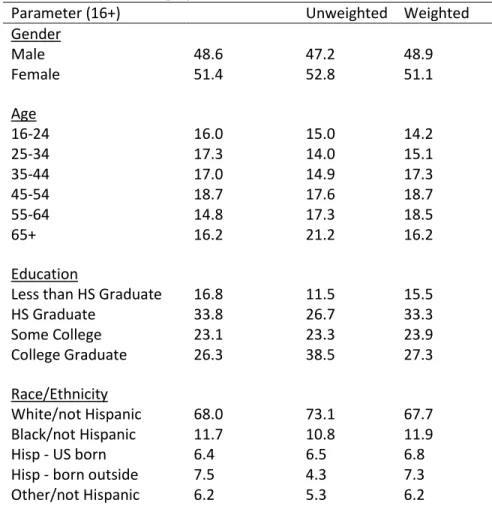
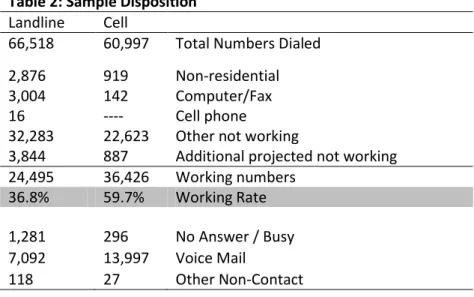
quantitative findings in this report, including all specific numbers and statistics about various groups, come from a series of nationally-representative phone surveys. The first was a nationally-representative phone survey of 2,986 people ages 16 and older between November 16 and December 21, 2011. The sample was conducted 50% on landline phones and 50% on cell phones and in English and in Spanish. In addition, the survey included an oversample of 300 additional tablet computer owners, 317 e-reader owners, and 119 people who own both devices. The overall survey has a margin of error of ± 2 percentage points.
Beyond our December 2011 telephone survey, we asked a modest number of questions about tablets and e-readers in two telephone surveys conducted in January on an “omnibus” survey. These surveys involved 2,008 adults (age 18+) and were fielded between January 5-8 and January 12-15. Those surveys were conducted on landline and cell phones and were administered in English. We fielded them to determine if the level of ownership of e-readers and tablets had changed during the holiday gift giving season–and in fact it had. We reported that the level of ownership of both devices had nearly doubled in
26
http://blog.libraryjournal.com/ljinsider/2011/04/20/after-kindle-lending-the-deluge/
a month–from 10% ownership for each device in December to 19% in January.28 The margin of error for the combined omnibus survey data is ± 2.4 percentage points.
Finally, we asked questions about book reading and ownership of tablets and e-books in a survey fielded from January 20-February 19, 2012. In all, 2,253 adults (age 18+) were interviewed on landline and cell phone and in English and Spanish. The margin of error for the entire sample is ± 2 percentage points. In general, all data cited in this report are from the November/December survey unless we specifically cite the subsequent surveys.
Qualitative material
The qualitative material in this report, including the extended quotes from individuals regarding e-books and library use, comes from two sets of online interviews that were conducted in May 2012. The first group of interviews was of library patrons who have borrowed an e-book from the library. Some 6,573 people answered at least some of the questions on the patron canvassing, and 4,396 completed the questionnaire. The second group of interviews was of librarians themselves. Some 2,256 library staff members answered at least some of the questions on the canvassing of librarians, and 1,180 completed the questionnaire. Both sets of online interviews were opt-in canvassings meant to draw out comments from patrons and librarians, and they are not representative of the general population or even library users. As a result, no statistics or specific data points from either online questionnaire are cited in this report.
Throughout this report we quote from individual patrons’ answers about their experiences checking out e-books and their reactions to this relatively new service being offered by libraries. The majority of our patron respondents are female, and about half were in their forties or older. Their most common community type was “a small city or suburb,” followed by “a large metropolitan area or big city.” Among the library staff who completed questionnaires, a strong majority were female. They were generally ages 25-64. The most common position title was “librarian,” followed by “director” or “chief officer.” The most common community type for their library was a small city or suburb, followed by a large metropolitan area or big city. About half of the libraries had 50,000 or fewer patrons.
28
The results of the omnibus surveys were reported here: http://pewinternet.org/Reports/2012/E-book readers-and-tablets.aspx
Part 2: Where people discover and get
their books
As part of our exploration of the new ecosystem of books, we asked respondents in our December 2011 survey about the way they discover books and then obtain them. We found that personal
recommendations dominate book recommendations. At the same time, logarithms on websites, bookstore staffers, and librarians are in the picture, too.
In our December 2011 survey, we asked all the respondents if they ever got book recommendations from several sources and they reported:
64% of those ages 16 and older said they get book recommendations from family members, friends, or co-workers. Those most likely to cite these sources include: women (70%), whites (67%), those under age 65 (66%), college graduates (82%), those in households earning over $75,000 (81%), parents of minor children (69%), suburban residents (66%), and all types of technology users (tablet owners, e-reader owners, internet users).
28% of those ages 16 and older said they get recommendations from online bookstores or other websites. Those most likely to get online recommendations include internet users who are: women (38%), those ages 30-64 (38%), college graduates (47%), those in households earning more than $75,000 (46%), tablet owners (51%), and e-reader owners (64%).
23% of those ages 16 and older said they get recommendations from staffers in bookstores they visit in person. Those most likely to get recommendations this way include: college
graduates (28%), those living in households earning more than $75,000 (30%), parents of minor children (27%), technology owners and users, urban and suburban residents, and those
connected to libraries29.
19% of those ages 16 and older said they get recommendations from librarians or library websites. Those most likely to get recommendations this way include: women (23%), 16- and 17-year-olds (36%), college graduates (26%), owners of e-readers (25%), those who have read a printed book in the past year (23%), and those who have listened to an audiobook (37%). We did not specifically ask about the role of professional book critics as a source of book discovery because we assumed they would be a source that factored into all these options.
Library users and library fans were more likely to cite all these sources of book recommendations, perhaps because they read more than non-library users. Among those who said the local library was very important to them and their family, 32% said they got book recommendations from librarians. Library card holders also got recommendations from all these sources at greater levels than non-card holders (28% vs. 7%).
Our online patron respondents said they received recommendations from a variety of sources, with the vast majority saying they get recommendations from family and friends, book reviews, and website recommendations.
29
Such as library users, library card holders, and those who said the local library was very important to them and their family
“If I hit on a genre I like,” one reader on our panel said, “I'll go to Amazon.com, look up a book I've read and enjoyed, and then look to see what other books Amazon thinks is like the book I just looked up. I also use social networking book sites, like Good Reads, to get ideas. I also use recommendations from Facebook friends as a place to start.”
Where people get book recommendations
Among Americans ages 16+Source: Dec. 2011 results are from a survey of 2,986 people ages 16 and older
conducted November 16-December 21, 2011. The survey was conducted in English and Spanish and on landline and cell phones. The margin of error is +/- 2 percentage points.
In addition to friends and family, our online query respondents frequently mentioned book clubs as the recommendation source of their most recent book. Some also turned to browsing (both a library’s physical stacks and external websites), podcasts, TV and radio reviews, and award lists for more recommendations.
The way people prefer to get books in general: To buy or to borrow?
In our December 2011 survey, we found that 78% of Americans ages 16 and older read or listened to a book in the past year. We asked those book readers how, in general, they prefer to get their books, and found that a majority of print readers (54%) and readers of e-books (61%) say they prefer to purchase their own copies of these books rather than borrow them from somewhere else. In contrast, most audiobook listeners prefer to borrow their audiobooks; just one in three audiobook listeners (32%) prefer to purchase audiobooks they want to listen to, while 61% prefer to borrow them.
75% 38% 28% 28% 51% 28% 16% 7% 0% 20% 40% 60% 80% 100% Family, friends, co-workers Online bookstore/ website
Bookstore staff A librarian/ library website
When you want to do the following, do you prefer purchasing your own
copy, or borrowing it from a library or some other source?
Among Americans ages 16+ who in the past year read print books, e-books, and audiobooks, respectively
Source: Dec. 2011 results are from a survey of 2,986 people ages 16 and older conducted November 16-December 21, 2011. N for print book readers in the past 12 months= 2,295. N for e-reader owners in the past 12 months=793. N for audiobook listeners in the past 12 months=415. The survey was conducted in English and Spanish and on landline and cell phones.
Looking more closely at preferences by format, we find:
Among print readers: Men are more likely than women to want to purchase their books, and
print readers in households making at least $75,000 per year are more likely to want to
purchase their books than those in lower-income households. Those who own tablet computers or e-readers are more likely than non-owners to want to purchase printed books. Conversely, those who do not own such devices are more likely than owners to want to borrow books.
Among e-book readers: Readers of e-books in households making at least $50,000 per year are
more likely to want to purchase their e-books than those in lower-income households. E-reader and tablet owners are considerably more likely than non-owners to say they prefer to buy their e-books.
Among audiobook listeners: There is an interesting division of preferences among audiobooks of different genders, as men are almost equally likely to prefer purchasing their audiobooks (47%) as borrowing them (45%), but women are much more likely to prefer borrowing (74%) to purchasing (19%).
Looking specifically at library card holders, we find they are buyers as well as borrowers of books. At the same time, they are more likely to say they borrow than are the book readers who are non-card holders. Audiobook listeners with library cards are much more likely than others to prefer borrowing their audiobooks, and those without library cards are more likely to prefer buying their own copy.
32% 61% 54% 61% 31% 38% 4% 6% 7% 0% 20% 40% 60% 80% 100% Listen to an audiobook (among audiobook listeners)
Read an e-book (among e-book readers)
Read a book in print (among print readers)
Library card holders are book buyers, too, and are more likely to
want to borrow books
Among Americans ages 16+ who read print books, e-books, and audiobooks, respectively, the percentage who said they generally prefer to purchase or borrow that type of book
Source: Dec. 2011 results are from a survey of 2,986 people ages 16 and older conducted November 16-December 21, 2011. N for print book readers in the past 12 months= 2,295. N for e-book readers in the past 12 months=793. N for audioe-book listeners in the past 12 months=415. The survey was conducted in English and Spanish and on landline and cell phones.
Our online group of e-book borrowers offered some insight into how they decide whether to borrow or buy their books. Generally tech-savvy, our respondents are also particularly heavy readers.30 When it comes to e-book borrowers, 33% say they generally prefer to buy e-books and 57% say they generally prefer to borrow them.
Many respondents in our online panel said they liked to purchase books they might want to re-read or share with others, especially spiritual and self-help books. Many also preferred to purchase books for reading to children (although others cited their children’s voracious reading appetites as the reason for regular library trips). Graphics-heavy books, reference books, and books that are part of a series were also frequently mentioned as best for purchasing. At least one student mentioned a preference for purchasing used books, “so I can highlight and mark pages at will.”
30
For instance, about half of our online questionnaire respondents said they read at least 20 print books per year, and about half read at least 11 e-books in the same time frame. And though audiobooks were not as popular as print or e-books, about half of the respondents had listened to at least on audiobook in that time—also significantly more than the general population we polled in our representative phone surveys.
46% 45% 68% 25% 0% 20% 40% 60% 80%
Purchase own copy Borrow
Print book readers Library card holder No card
55% 36% 76% 18% 0% 20% 40% 60% 80%
Purchase own copy Borrow E-book readers
Library card holder No card
26% 67% 52% 41% 0% 20% 40% 60% 80%
Purchase own copy Borrow Audiobook listeners Library card holder No card
Finally, some found the permanence of a personal print copy reassuring. “I know that electronic devices can fail,” one respondent said. “If [a device] does fail, what I once thought was permanent... isn't.”
Where did the most recent book come from?
We asked book readers about the most recent book they read in any format, print, audio, or e-book: How had they obtained it? Almost half (48%) of readers ages 16 and older said they had purchased it. About a quarter (24%) said they had borrowed it from a friend or family member, and 14% said they borrowed it from a library.
Thinking about the last book you read, in any format, did you...
Among Americans ages 16+ who read a book in the past 12 months, the percentage who got their most recent book from each sourceSource: Pew Research Center’s Internet & American Life Reading Habits Survey of 2,986 people ages 16 and older conducted November 16-December 21, 2011. The survey was conducted in English and Spanish and on landline and cell phones. N for people who read a book in any format in the past 12 months=2,474.
The profile of those in each category varies:
48% of book readers had purchased the book. Whites (49%) were more likely than minorities to
have purchased their most recent book. Those living in households earning more than $75,000 (59%) were more likely than those in lower-income households to have bought their most recent book.
24% had borrowed the book from a friend or family member. Some 30% of African Americans
had gotten their most recent book this way, compared with 23% of whites. Those with high school diplomas (29%) were more likely than those with higher education to have borrowed their latest book from family or friends. Those living in households earning less than $75,000 (26%) were more likely than those in households earning more (18%) to have gotten their latest book this way. Some 31% of non-internet users borrowed their most recent book, compared with 22% of internet users. And those who chose to take our survey in Spanish were
48% 24% 14% 13% 0% 10% 20% 30% 40% 50% 60%
Purchase it Borrow from friend/family
Borrow from library
considerably more likely than English speakers to have borrowed their most recent book from a family member or friend.
14% had borrowed the book from the library. Fully 37% of the 16- and 17-year-olds in our survey got their most recent book from the library, and 20% of those ages 65 and older followed suit. Those whose most recent book came from the library tended to be those in the least well-off households—those earning $30,000 or less. Non-tech owners—those who don’t have tablets or e-readers or cell phones or internet access—were more likely than tech owners to have gotten their most recent book from the library.
Those who are audiobook consumers are particularly likely to rely on the library for their recent books: 24% of those who listened to an audiobook in the past year had borrowed a book from the library, compared with 13% of those who didn’t consume audiobooks.
In terms of device ownership, those who own e-readers or tablets are more likely than non-owners to have bought the last book they read–and they are more likely to say they prefer buying books than getting them other ways. Some 64% of e-reader owners purchased their last book, compared with 46% of e-reader owners. For tablet owners, 59% purchased their last book, compared with 47% of non-tablet owners.
Owners of e-readers and tablets have different acquisition behaviors
Among Americans ages 16+ who read a book in the past 12 months, the percentage who got their most recent book from each source
Source: Pew Research Center’s Internet & American Life Reading Habits Survey of 2,986 people ages 16 and older conducted November 16-December 21, 2011. The survey was conducted in English and Spanish and on landline and cell phones. N for people who read a book in any format in the past 12 months=2,474.
Beyond device ownership, those who had read an e-book (on any device) in the previous year were also more likely than print readers to have bought their most recent book: 55% of e-book readers had bought their most recently read book of any format, compared with 49% of print readers.
A closer look at libraries
Asked where they got the most recent book they read, library card holders are just as likely as non-card holders to have purchased the book, but much less likely to have gotten it from a family member or
64% 15% 11% 10% 46% 25% 15% 13% 0% 10% 20% 30% 40% 50% 60% 70% Purchase it Borrow from someone Borrow from library Other way E-book reader owner Non-owner
59% 13% 10% 16% 47% 25% 15% 13% 0% 10% 20% 30% 40% 50% 60% 70% Purchase it Borrow from someone Borrow from library Other way Tablet owner Non-owner
friend and more likely to have obtained it from the library. Overall, some 20% of book readers say their most recently read book came from the library.
Library card holders are also notably more likely than others to be consumers of other kinds of content, especially material in electronic form: 62% of card holders say they regularly read daily news or a daily newspaper (vs. 52% of non-card holders) and most of them say they read such material on a computer or handheld device. Some 55% of library card holders regularly read magazines and journals (vs. 39% of non-card holders) and 35% of those card-holding readers say they read such material on a computer or handheld device.
Our online panel respondents outlined the complex paths they often take to find and pursue books that catch their eye. One respondent read the Hunger Games series along with her 13 year-old daughter: “We got the books from the library after waiting a long time for reserved copies. We loved them so much that we are going to purchase the whole series tomorrow from the school Scholastic book order form. Also I have all them on my new iPad Kindle app and my son is now able to start reading them.” Another online panelist wrote that she had found her latest book by chance at the library, which she described as “a complete fluke since I rarely browse physical shelves these days. I have a preschooler and he rarely stays put still long enough for me to find something while we're in the library.” She added, “Usually, I find books in the catalog, go to Amazon to read reviews about it, request books for pickup at my local branch and then pick them up on our way to the children's section in the library.”
Library card holders have different book-acquiring strategies
Among Americans ages 16+ who read a book in the past 12 months, the percentage who got their most recent book from each sourceSource: Pew Research Center’s Internet & American Life Reading Habits Survey of 2,986 people ages 16 and older conducted November 16-December 21, 2011. The survey was conducted in English and Spanish and on landline and cell phones. N for people who read a book in any format in the past 12 months=2,474.
47% 20% 20% 12% 50% 29% 4% 14% 0% 10% 20% 30% 40% 50% 60%
Purchased it Borrowed from family/friend
Borrowed from library
Some other way Library card holder No card
Many of our online respondents described how the library fit into their book discovery process as a way to “try out” new authors and genres before committing to a print purchase. “I like to read new-to-me authors by borrowing from the library,” one said. “If I enjoy the book, I will then purchase it.” Many of our online panelists wrote that even when they preferred to borrow a book, they often purchased books that had long wait lists or were unavailable at their local library, or if they thought the book would be too long to finish in the allotted time.
The library was also an important source for the many respondents who described themselves as voracious readers, as it freed their reading habits from the constraints of budget and storage space. Still, there some who buy the book after having read a borrowed copy. The only time I buy a book to keep is when I have read it and liked it enough to feel like I want to have it forever and read it again and again,” one wrote.
The e-book ecosystem: Where do e-book readers start their search?
In our December 2011 survey, three-quarters of people who read e-books (75%) said that when they want to read a particular e-book, they usually look for it first at an online bookstore or website, while 12% said they tend to look first at their public library.
When you want to read a particular e-book, where do
you look first?
Among Americans ages 16+ who read an e-book in the past 12 months
Source: Dec. 2011 results are from a survey of 2,986 people ages 16 and older conducted November 16-December 21, 2011. The survey was conducted in English and Spanish and on landline and cell phones. N for people who read an e-book in past 12 months=793. 75% 12% 5% 5% 0% 10% 20% 30% 40% 50% 60% 70% 80% At an online bookstore/ website At your public library
Among those who read e-books, men are more likely than women to look first at online booksellers, and whites are more likely to look online than African Americans. E-book readers with at least some college experience are more likely to look at online booksellers first than those with less education, and e-book readers who live in households making at least $50,000 per year are more likely to look online first than those making less (who are more likely to say that they don’t know where they would look first). One in twenty e-book readers said that they usually first look for e-books someplace other than an online bookseller or their public library. It’s possible that among these sources is Amazon’s Kindle Owners’ Lending Library (KOLL),31 which allows Amazon Prime members to check out one e-book at a time up to once a month.32
Outside of the Kindle Lending Library, Amazon has an option that allows
Kindle e-books to be lent to another individual once for 14 days, although not all titles have this option enabled.33Even e-book borrowers take their cues from commercial sources. Some 71% of e-book borrowers say they get book recommendations from online bookstores and websites; 39% say they get
recommendations from the staff at bookstores they visit; and 42% say they get recommendations from librarians.
31 http://www.amazon.com/kindleownerslendinglibrary 32
“Customers Love Kindle Owners’ Lending Library—KDP Authors and Publishers Benefit.” Amazon.com press release, Business Wire, 12 Jan 2012. http://www.businesswire.com/news/home/20120112005567/en/
33
Amazon.com Help: Lending Kindle Books. Last accessed June 14, 2012. http://www.amazon.com/gp/help/customer/display.html?nodeId=200549320
Part 3: Library users
Our December 2011 survey showed that 58% of Americans ages 16 and older said they had a library card.
Library user demographics
Among each group of Americans ages 16+, the percentage who say they have a library card
% who have a library card
All Americans ages 16+ 58%
Men 48
Women 67
Race/ethnicity
White, Non-Hispanic 59
Black, Non-Hispanic 56
Hispanic (English- and Spanish-speaking) 47
Age 16-17 62 18-29 56 30-49 60 50-64 58 65+ 52 Household income
Less than $30,000/yr 50
$30,000-$49,999 62
$50,000-$74,999 60
$75,000+ 65
Educational attainment
No high school diploma 39
High school grad 50
Some College 64 College + 72 Geographic location Urban 59 Suburban 61 Rural 48 Parental status
Parent of minor child 66
Not a parent 54
Source: Pew Research Center’s Internet & American Life Reading Habits Survey of 2,986 people ages 16 and older conducted November 16-December 21, 2011. The survey was conducted in English and Spanish and on landline and cell phones.
Women, whites, and parents of minor children are more likely to have library cards than other groups, and having a library card is also strongly correlated with educational attainment: 39% of those who have not completed high school have a library card, compared with 72% of those with at least a college degree. Those living in households making less than $30,000 per year and those living in rural areas are less likely than other groups to have a library card, and seniors ages 65 and older are somewhat less likely to have one as well.
These findings are in line with the results of a January 2011 ALA/Harris Interactive poll, which found that 58% of adults ages 18 and older said they had a library card. (Our survey found 57% of those ages 18 and above had a card.34)
Technology users are more likely to have library cards than non-users. For instance, those who use the internet are more likely to have a library card than non-internet users (62% vs. 37%); cell users are more likely to have a library card than non-users (59% vs. 47%); and those who own e-readers (like an original Kindle or NOOK) are more likely to have a library card than non-users (69% vs. 56%). However, tablet owners are no more or less likely to have library cards than non-owners.
How important are libraries?
Beyond the particulars of library card holding, we asked respondents about the role of the local library in their life. Almost seven in ten Americans (69%) say that public libraries are important to them and their family: 38% of Americans ages 16 and older say that the public library is “very important,” and 31% say it is “somewhat important.” Some 17% say it is “not too important,” while 13% say it is “not important at all.”
Many groups that are less likely to have a library card are also more likely to say that the public library is not important to their family, including men (compared with women), those who have not completed high school (compared with those with higher levels of education), rural residents (compared with urban and suburban residents), and people without minor children living at home (compared with parents). At the same time, minorities are generally more likely to say libraries are important than whites and minorities are notably more likely to say libraries are very important: Some 48% of African-Americans say that and 44% of Hispanics say that, compared with 35% of whites. Though the number of Spanish-speaking respondents was relatively small in the sample (89 cases), they were more likely than English-speakers to say the library was very important to them and their families. Fully half (50%) of parents with minor children say that libraries are very important to them and their families, compared with 35% of non-parents who have that view.
On the other hand, the youngest respondents (those 16-17 years old) were substantially less likely than adults to say that libraries are “very important”—just 13% of this youngest age group say this, compared with over a third (39%) of adults ages 18 and older.
34
January 2011 Harris Interactive Poll (PDF) http://www.ala.org/ala/research/librarystats/2011harrispoll.pdf and http://www.ala.org/news/mediapresscenter/americaslibraries/publiclibraries
How important is the public library to your family?
Among Americans ages 16+ in each group, the total percentages of those who said the library was important (“very important” or “somewhat important”) and not important (“not too important” or “not important at all”)
Source: Pew Research Center’s Internet & American Life Reading Habits Survey of 2,986 people ages 16 and older conducted November 16-December 21, 2011. The survey was conducted in English and Spanish and on landline and cell phones.
65% 80% 62% 69% 71% 73% 70% 68% 60% 67% 69% 71% 70% 67% 68% 73% 68% 54% 75% 73% 67% 73% 64% 69% 33% 19% 35% 30% 28% 27% 29% 29% 37% 33% 29% 28% 28% 29% 31% 26% 32% 45% 23% 25% 32% 25% 35% 30% 0% 10% 20% 30% 40% 50% 60% 70% 80% 90% 100% Not a parent Parent Parental status Rural Suburban Urban Geographic location College + Some College High school grad No high school diploma Educational attainment $75,000+ $50,000-$74,999 $30,000-$49,999 Less than $30,000/yr Household income 65+ 50-64 30-49 18-29 16-17 Age Hispanic* Black, Non-Hispanic White, Non-Hispanic Race/ethnicity Women Men All adults 16+
There are others who are particularly likely to say the library is important to them: Those who have listened to an audiobook in the past year are more likely than others to say libraries are very important (49% vs. 39%). Those who read at least monthly for their own pleasure are also more likely to say libraries are very important (41% vs. 29%). And those who read monthly to keep up with current events are more likely to say libraries are very important (39% vs. 33%).
In our survey we asked if respondents had any physical or health conditions that make reading difficult or challenging for them. Some 17% of respondents said they had an issue like that in their lives and those who have health or physical issues that make reading difficult are more likely than others to say the library is very important to them—44% vs. 37%.
Library users are more engaged with all kinds of reading
Those who have library cards and think well of the library’s role in their lives stand out in several ways from others. For starters, they are more likely to say their own quality of life is good or excellent. When it comes to technology, library card holders are more connected than those who don’t have cards. They are more likely than others to be internet users (88% vs. 73%), more likely to own a cell phone (89% vs. 84%), and more likely to have a desktop or laptop computer (81% vs. 67%). And they are more likely than others to say they plan to purchase an e-reader or a tablet computer.
Library card holders read more books than non-holders. In the 12 months before our December survey, library card holders say they read an average (the mean number) of 20 books, compared with 13 books as the mean number of books read by non-card holders. The median (midpoint) figures for books read were 10 by library card holders and 5 by non-holders.
On any given day, those who have library cards are considerably more likely to be reading a book than non-card holders: In our survey, 53% of card holders said they had read a book “yesterday”—or the day before we reached them to take the survey. Some 31% of non-card holders responded yes to that question.
These library card holders are also more likely than non-card holders to have read a book in the past year in every medium, as shown in the following chart.
Library card holders are more likely to consume books in
every format
Among Americans ages 16+ who have read a book in each format in the previous 12 months, the percentage who read books in the following formats
Source: Pew Research Center’s Internet & American Life Reading Habits Survey of 2,986 people ages 16 and older conducted November 16-December 21, 2011. The survey was conducted in English and Spanish and on landline and cell phones. n=2,474 people who read a book in the past 12 months.
When it comes to people’s different purposes for reading, library card holders are more likely than others to say they read for every reason that we queried in the survey—for pleasure, to keep up with current events, to conduct research on subjects that were personally interesting to them, and for work or school. Card holders are also more likely to read more often for each of those purposes.
When asked what they most like about reading, library card holders are similar to other readers, but they are a somewhat more likely to say they enjoy the escape that reading gives them and chance to use their imaginations. 95% 24% 17% 88% 17% 8% 0% 20% 40% 60% 80% 100%
Printed book E-book Audiobook
Library card holders read for more reasons
Among Americans ages 16+ in each group, the percentage who say they read for each reason
Source: Pew Research Center’s Internet & American Life Reading Habits Survey of 2,986 people ages 16 and older conducted November 16-December 21, 2011. The survey was conducted in English and Spanish and on landline and cell phones.
87% 83% 79% 62% 70% 70% 68% 48% 0% 20% 40% 60%