IMPACT OF FEEDING PROGRAMMES ON PRE-SCHOOL CHILDRENS’ SELECTED PERFORMANCE PARAMETERS IN KABARE ZONE,
KIRINYAGA COUNTY, KENYA
BY
NEWTON W. MBUNJE E55/0L/25148/11
A RESEARCH PROJECT SUBMITTED IN PARTIAL FULFILLMENT FOR THE AWARD OF THE DEGREE OF MASTER OF EDUCATION, DEPARTMENT OF EARLY CHILDHOOD STUDIES IN THE SCHOOL OF
EDUCATION, KENYATTA UNIVERSITY
DECLARATION
I declare that this project is my original work and has not been presented in any of the university/institution for consideration of my certification. This research project has been complemented by referenced sources during acknowledged where test, data(including spoken words), graphics, pictures or tables have been borrowed from other sources including internet, these are specifically accredited and references cited using current APA system and in accordance with anti-plagiarism regulations.
Signature………Date……….…… Newton W. Mbunje
E55/0L/25148/11
This project has been submitted for appraisal with my approval as University Supervisor.
Signature………Date……….…… Dr. Juliet W. Mugo.
DEDICATION
ACKNOWLEDGEMENT
TABLE OF CONTENTS
DECLARATION ………..………..………..………..…..ii
DEDICATION... iii
ACKNOWLEDGEMENT ... iv
TABLE OF CONTENTS ... v
LIST OF FIGURES ... viii
LIST OF TABLES ... ix
ABBREVIATIONS AND ACRONYMS ... x
ABSTRACT ... xi
CHAPTER ONE: INTRODUCTION ... 1
1.0 Introduction ... 1
1.1 Background of the Study ... 1
1.2 Statement of the Problem ... 6
1.2.1 Purpose of the Study ...7
1.2.2 Objectives of the Study ...7
1.2.3 Research Questions ...7
1.3 Significance of the Study ... 8
1.4. Limitations and Delimitations of the Study ... 8
1.4.1 Limitations of the Study... 8
1.4.2 Delimitations of the Study ... 9
1.5 Assumptions of the Study ... 9
1.6 Theoretical Framework and Conceptual Framework ... 10
1.6.1 Theoretical Framework ...10
1.6.2 Conceptual Framework ... 13
1.7 Operational Definitions of Terms ... 15
CHAPTER TWO : LITERATURE REVIEW ... 16
2.0 Introduction ... 16
2.1 Overview of School Feeding Programmes ... 16
2.3 Influence of SFP’s on Children’s Attendance ... 27
2.4 Influence of SFP’s on Children’s Comprehension/ Retention of Learning Content .. 31
2.5 Ways to Alleviate Hunger in Schools ... 39
2.6 Summary of the Reviewed Literature ... 43
CHAPTER THREE: RESEARCH DESIGNS AND METHODOLOGY ... 44
3.0 Introduction ... 44
3.1 Research Design... 44
3.2 Variables of the Study ... 44
3.2.1 Independent Variables ...45
3.2.2 Dependent Variables ...45
3.3 Study Locale ... 46
3.4 Target Population ... 46
3.5 Sampling Techniques and Sample Size ... 47
3.5.1 Sample Size ... 48
3.6 Research Instruments ... 48
3.7 Piloting ... 50
3.7.1 Validity ...50
3.7.2 Reliability ...51
3.7.3 Data Collection ...51
3.8 Data Analysis ... 51
3.9 Logistical and Ethical Considerations ... 52
3.9.1 Logistical Considerations...52
3.9.2 Ethical Considerations ...52
CHAPTER FOUR: PRESENTATIONS OF FINDINGS, INTERPRETATION AND DISCUSSION ... 53
4.1 Introduction ... 53
4.2 Questionnaire Return Rate ... 54
4.3 Demographic Information of Teachers and Parents ... 54
4.3.2 Demographic Information of Parents ...57
4.4 Presence of Feeding Programs in Pre-Schools ... 59
4.5 Types of Meals Offered in Pre-Schools ...60
4.6 Influence of SFP’s on Different Performance Parameters in Preschool Children ... 63
4.6.1 Pre-School Children’s Enrolment ... 63
4.6.2 Children’s School Attendance ... 67
4. 7 Strategies of Enhancing School Feeding Programs for Children ... 77
CHAPTER FIVE : SUMMARY, CONCLUSIONS AND RECOMMENDATIONS 81 5.1Introduction ... 81
5.2 Summary of Findings ... 81
5.3 Conclusions ... 83
5.4 Recommendations of the Study ... 85
5.5 Recommendations for Further Studies... 86
REFERENCES ... 87
APPENDICES ... 93
Appendix A: Observation Guide ... 93
Appendix B: Interview Guide For Teachers ... 94
Appendix C: Questionnairres For Parents ... 96
Appendix D: Approval Letter From Graduate School ... 99
Appendix E: Authorization Letter From Graduate School ... 100
Appendix F: Authorization Letter From NACOSTI ... 101
LIST OF FIGURES
Figure 1.1: Illustration of Maslow’s Hierarchy of Needs……….……….……….11
Figure 1.2 : Conceptual diagram on effect of feeding programmes on preschool children’s performance ... 13
Figure 4.1: Age Brackets of Pre-School Teachers………...………..54
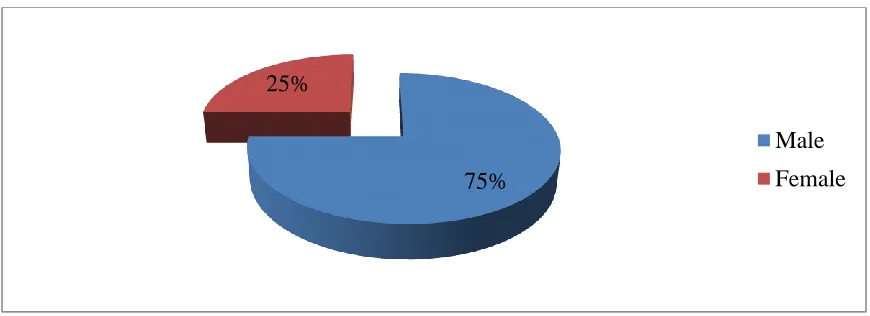
Figure 4.2: Gender of Pre-School Teachers………...55
Figure 4.3 : Rate of Retention per school ... 72
LIST OF TABLES
Table 3.1 : Target Preschools with and without SFP’s ... 47
Table 3.2 : Sample Frame ... 48
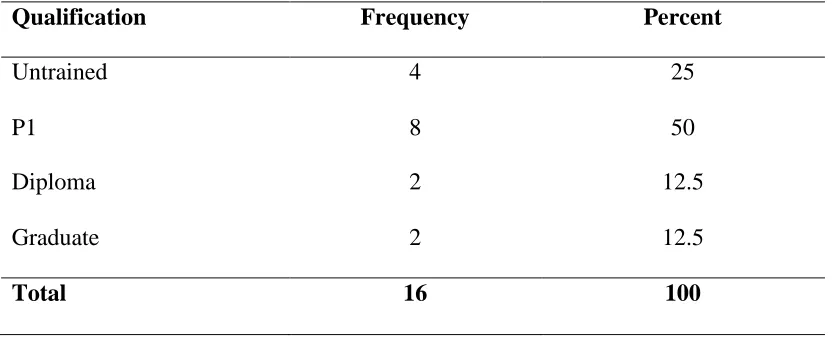
Table 4.1 : Number of Pre-School Teachers by Qualification ... 56
Table 4.2 : Number of Parents by Gender ... 57
Table 4.3 : Parents’ Income/Occupation ... 58
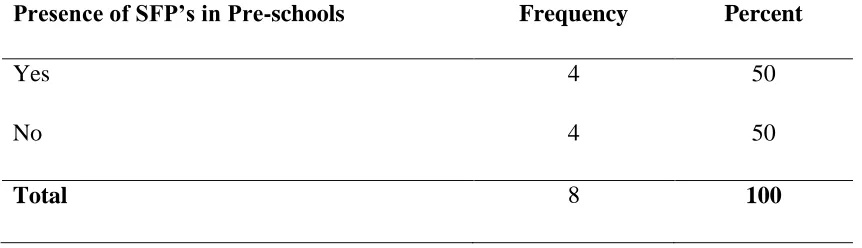
Table 4.4 : Availability of School Feeding Programme as Reported by Teachers ... 59
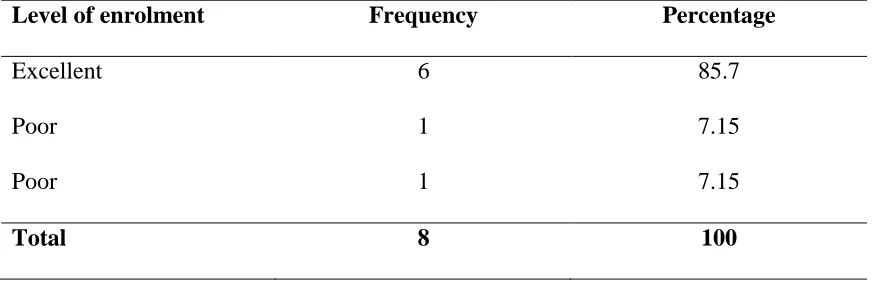
Table 4.5 : Numbers of Children Enrolled in Pre-Schools with/without SFP; 2013-201663 Table 4.6 : Rate of Enrolment in Pre-schools with/ without SFP ... 64
Table 4.7 : Attendance of children in Pre-Schools with/without SFP; 2013-2016 ... 67
ABBREVIATIONS AND ACRONYMS
AEO - Assistant Education Officer BEFA - Basic Education for All CRS - Catholic Relief Services DEO - District Education Officer. EFA - Education For All
GHI - Global Hunger Index
IFPRI - International Food Policy Research Institute MOEST - Ministry of Education, Science and Technology. M.D.G - Millennium Development Goals
NACOSTI - National Commission for Science, Technology and Innovation
N.C.P.B - National Cereals and Produce Board NSFCK - National School Feeding Council of Kenya UNDP - United Nations Development Programme U.N - United Nations.
UPE - Universal Primary Education W.B - World Bank.
ABSTRACT
CHAPTER ONE INTRODUCTION 1.0 Introduction
This chapter shows the background to the above study, statement of the problem, purpose of the study, significance of the study, delimitations and limitations, assumptions and theoretical framework of the study.
1.1 Background of the Study
SFP’s have been established for children in different parts of the world. The special supplementation of food programme (SSFP), for example in the United States of America (U.S.A) as (IFPRI, 1992) shows, helped the country to save in its medical care costs for children and women .Similarly, in another study done in Jamaica (S. America), the government gave breakfast to children for a year and found that attendance rose by 2.3% points more than it rose for control group as (Powell et al. 1998, cited in Ahmed, 2004) indicate. A randomized controlled trial of a school breakfast programme in Perualso in South America conducted by Jacoby, Cueto and Pollit(1996), found out that there was higher attendance rates amongst children who were included in the school feeding programme compared to those who were not .
According to this survey, average enrollment rates of mid-day meal programme beneficiaries were 22.68 percentage points higher than those of non-beneficiaries. When restricted to public school children only, the programme effect rose to a 29.53 percentage point enrollment increase. They intended study in Kabare zone will find out if SFPS can increase children’s enrolment in school.
Other countries in Africa such as democratic republic of Congo, South Sudan and Somalia are facing problems of hunger due to drought, civil war, diseases, and climatic changes and so on. School, feeding programme in these countries improves nutritional status of the children and hence high retention rates and good class performance as (Aselmau, Gilgau & Lehrer, 2008) show. The above literature however, is not in our local context and it would be more satisfactory to establish the real situation in Kenya where poverty levels are said to be below 46 % as (Strategic Papers 2014-18) reveal.
Recent studies in Kenya by the African Development Bank Group through a strategy paper (CSP) 2014-18 reveals that Kenya's level of poverty is estimated at 46%. In Kirinyaga County where the researcher conducted the study, poverty rate is estimated at 25.6% based on KIHBS data for Constituencies in 2005/6 and it was likely that it contributed to low school enrollment and dropout rates which could ultimately affect learning performance. Further, about 40% of pre-school children in the County did not attend or enroll in school as (MoE, 2008) pointed out. This study therefore was compelled to suggest that the low enrollments and school attendance could be as a result of factors related to SFPS and needed to be critically analyzed. In addition, the Government of Kenya (GOK) as (Onyimbo, 2007) notes, does not have the capacity to support and sustain school feeding programmes.
1.2 Statement of the Problem
The presence of school feeding programmes have been found to assist vulnerable groups of people particularly children during early years to acquire a good and firm foundation in preparation for future life. However, about 65% or there about of pre-school children in Kenya do not attend school as (Murungi, 2012) notes. Besides, about 40% of pre-school children in the area of study in Kirinyaga County do not attend or enroll in pre-school (MoE), 2008). This is probably due to lack of SFP’S and hence the need to carry out this study.
1.2.1 Purpose of the Study
The overall purpose of this study was to find out the impact of feeding programmes on pre-school children’s performance in selected parameters such as enrollment, attendance, retention as well as learning activities in the area of study, Kirinyaga County in Kenya.
1.2.2 Objectives of the Study The objectives of this study were to:-
i. To confirm the number of pre-schools with/ without SFP’s in Kabare Zone Kirinyaga County.
ii. To establish whether the types of meals provided in pre-schools in Kabare Zone, Kirinyaga county are well balanced or not.
iii. To determine the extent to which pre-school feeding programmes influenced children’s enrolment rate in pre-schools in Kabare Zone.
iv. To establish the extent to which pre-school feeding programmes influenced children’s daily attendance.
v. To find out the extent to which school feeding programmes contributed to children’s comprehension/ retention of learning content in pre-schools in Kabare zone.
vi. To explore strategies of enhancing school feeding programs for children.
1.2.3 Research Questions
i. How many pre-schools have/have no SFPs in Kabare Zone, Kirinyaga County? ii. What types of meals are provided in pre-schools in Kabare Zone, Kirinyaga
iii. To what extent is the influence of pre-school feeding programmes on children’s school enrolment rates?
iv. What was the extent of influence of pre-school feeding programmes on children’s daily attendance rates?
v. To what extent do school feeding programmes contribute to children’s retention of learning content in our pre-schools in Kabare zone?
vi. What are the strategies of enhancing school feeding programmes in Kabare zone?
1.3 Significance of the Study
This research may benefit the community as well as the Government (MOE) to appreciate the importance of school feeding programmes. Research finding from this study may also help the stakeholders to understand the need or importance of supporting school feeding programmes through funding for example from (CDF) money or from the county funds. The findings from the research may also be used by the Government to formulate policies regarding feeding programmes. Last and not least, interested future researchers in the area of school feeding programmes can use my findings for future researches in related areas.
1.4. Limitations and Delimitations of the Study
The following were the limitations and delimitations of the study.
1.4.1 Limitations of the Study
pre-schools out of 26, 16 teachers out of 40 and 264 out of 881 population of parents targeted. Further, while findings of the current study may be typical of Kabare Zone and to a certain extent the Kirinyaga County, they may but with caution, be applied to other regions in the country with similar characteristics as the study locale.
1.4.2 Delimitations of the Study
The study was confined to pre-school children aged 4-6 years in Kabare Zone, Kirinyaga County, their teachers and parents. Moreover, it only focused on the influence of school feeding programmes on pre-school children’s performance rates in terms of enrollment, attendance, retention and learning.
1.5 Assumptions of the Study
This study was based on the following assumptions:
i. That the school feeding programmes are well organized and managed in all the pre-schools where it is available.
ii. That all the respondents selected would be available for the interview and return the questionnaires.
iii. Not all pre-schools had feeding programmes.
1.6 Theoretical Framework and Conceptual Framework
The following are the theoretical and conceptual frameworks of the study;
1.6.1 Theoretical Framework
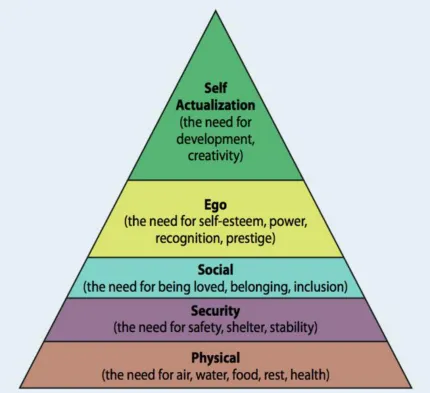
This study was guided by Abraham Maslow (1971) theory of motivation and hierarchy of needs. According to Maslow, naturally good physical shape and development in a person will occur in a healthy society. Maslow further shows that the environment should allow people to express their ideas, needs and also make their own resolutions. The surrounding should similarly provide the necessary materials to satisfy and sustain the needs. Maslow placed needs in an ascending order of importance starting from biological needs to need for self-actualization and that the lower or basic needs must be attained before the child can focus on the next level of needs.
self-actualization. This is the desire in the child to become self-developed or the best of what they can be. The five levels are illustrated on figure 1.1.
Figure 1.1 Illustration of Maslow’s Hierarchy of Needs Source: Maslow (1954)
dependent. In this regard, the child cannot be motivated to focus on stability or security needs, making friends or enjoying their play company among other needs let alone attending school, learning or even retaining what he or she is taught. The child normal development fails to thrive due to worry about the aspects lacking in his or her environment. This child may fail to attend school or concentrate on learning and therefore perform poorly.
Provision of food as a basic need through school feeding programme is one way of supporting the performance component which comprises the following indicators: their enrolment into preschool, successful or regular class attendance, being retained in school and ultimately doing well in learning. Food as visualized by Maslow helps the child to grow healthy and to seek other needs like: safety, esteem, love and even self-actualization. Food enhances learning in a major way as a hungry child cannot learn properly as (Murungi, 2012) reveals. Such a child is miserable, weak and cannot concentrate nor retain learning content in school and he/she is likely to perform poorly.
1.6.2 Conceptual Framework
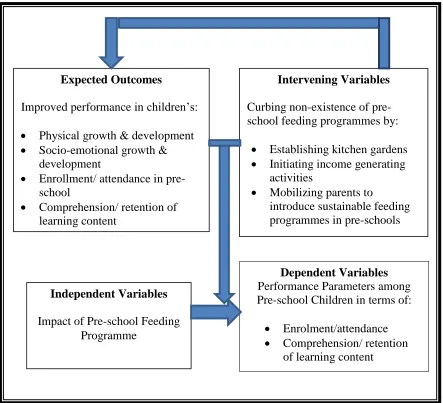
The conceptual diagram below (figure 1.2), shows the relationship between the dependent variables (children’s performance in relation to enrollment in pre-school, comprehension/ retention of learning content) while the independent variable which is school feeding programmes.
Figure 1.2 Conceptual diagram on effect of feeding programmes on preschool children’s performance
As shown in the conceptual diagram, it was envisioned that the existence or non-existence of school feeding programmes could positively or negatively influence the
Independent Variables Impact of Pre-school Feeding
Programme
Intervening Variables Curbing non-existence of pre-school feeding programmes by:
Establishing kitchen gardens Initiating income generating
activities
Mobilizing parents to
introduce sustainable feeding programmes in pre-schools Expected Outcomes
Improved performance in children’s: Physical growth & development Socio-emotional growth &
development
Enrollment/ attendance in pre-school
Comprehension/ retention of learning content
Dependent Variables Performance Parameters among Pre-school Children in terms of:
Enrolment/attendance Comprehension/ retention
1.7 Operational Definitions of Terms
Attendance : Action of children regularly going to pre-schools sampled on a daily basis within one school term.
Enrolment : Admission through registration of children in sampled pre-primary schools.
Health : A state of physical, mental and social well-being of 3-8 year old children, leading to good participation in preschool.
Performance Parameters : It referred to number of children admitted to preschool, extent to which they were present in school and how well or not they attended to learning activities as a result of availability/ non availability of SFP.
Pre- School Children : These are individuals aged 9 years and below in a centre offering care.
Retention : Action of children remaining in sampled pre-schools for duration of at least one year.
CHAPTER TWO LITERATURE REVIEW 2.0 Introduction
In this chapter, emphasis is on the influence of school feeding programme on the attendance, enrolments, participation and learning performance of the pre-school children. This section deals with overview of the history and advantages of SFP, its influence on participation, enrolment, retention, learning and strategies to enhance SFP.
2.1 Overview of School Feeding Programmes
A School Feeding Programme (SFP) is a scheduled activity designed to provide food to children such as those in pre-school. Ideally, it is supposed provide enough nutritious and a balanced diet to a selected group of children in order to foster their holistic growth and development, including school enrolment, attendance and retention.
The emergence of school feeding programme was traced to the 1930s by Tomlinson (2007) in the United Kingdom and the United States of America with a focus on improving the growth of children particularly from families in low income bracket. UNESCO (2010) affirms that poverty is one of the obstacles contributing to poor educational achievement and academic growth because hungry children cannot concentrate in school. SFP’s
This was most important because as child development theorists namely Berndt (1997); Ingule et. al. (1996); Piaget (1983); Freud (1965); Erikson (1963) divulge that aspects of growth and development are not only interrelated but also interdependent. A child’s physical needs for example, may therefore affect his or her mood, thus he or she may not relate well with others in class nor concentrate in other areas that are important in their lives such as learning.
Precisely, Netherlands became the first country in 1900, to move the programme to a new level of incorporating school meals into a national legislation. By the 1930s, the United Kingdom and the United States had also instituted the school feeding programme as part of their national programmes. A further account indicates that school feeding initiatives have been in existence since the late1700’s and originated as projects of donors in Europe.
children in the 1940s after the Second World War. Since then, school feeding programmes have become a key part of food assistance, relief emergency and development programmes. School Feeding Programme is a social safety net for children and as part of the national development goals. It provides an important new opportunity to assist poor families and feed hungry children. It provides incentive for poor families to send their children to school and keep them there. In order to improve the nutritional status of school children, the Federal Government of Nigeria launched the Home-Grown School Feeding and Health Programme in September, 2005 under the coordination of the Federal Ministry of Education. The programme aimed to provide pupils with adequate meal during the school day (FME, 2007, as cited in Adekunle & Ogbogu, 2016).
Hungry children cannot enroll in school nor attend or remain in school let alone paying attention in class. According to World Food Programme (2008), hunger is one of the most pervasive and damaging phenomena for millions of children today. It has far-reaching effects on the development of both individuals and nations. Hunger negatively affects the brain development of children and impedes their chances of educational success later on. When children are hungry, chances that they would attend school are limited, and without education, their chances of breaking poverty trap are significantly reduced.
school children are particularly vulnerable to short-term hunger, especially where diets of poor quality are consumed. Factors such as the long distances children walk to school, having to complete chores before going to school and poor quality and quantity of meals consumed at home, contribute to hunger in school children. Children who come to school hungry have diminished attentiveness, a greater likelihood of becoming distracted and a lack of interest in learning, resulting in failure, low achievement and repetition.
In the UK free school feeding programmes were withdrawn from all schools except for children considered to come from poor backgrounds and therefore needy. Many countries in the world introduced SEPs in response to particular needs for example Brazil in South America introduced its school nutrition and food security programme (SNFS) in their schools after the end of Second World War. The country’s SFP was funded by the United Nations as well as the United States Agency (USAID, Swartz, 2009). Local schools meals councils were established to the country to manage the implementation of the programme (WFP, 2010) notes.
In Malawi and ZAMBIA their SFPs were supported financially by the United Nations, the World Bank and WFP (WFP, 2010). In Malawi the programme is called the food for education (FFP) which offers snacks in order to reduce short-term hunger and hence achieve the intended objective for improving school enrolment, attendance, participation and learning(Swartz, 2009).. The pre-school children in Kabare zone should be fed with at least a cup of porridge during break time. This would help to reduce their short- term hunger and hence improve their participation in learning.
In Kenya, the national school feeding programme started in the early 1967. It was supposed to use locally produced foods from the national cereals and produce board (NCPB). The feeding programme was later supported financially by the WFP and other development partners (UNICEF, 1994). Their main objective was to achieve universal primary education (UPE) in the ASAL areas and maintain regular attendance, increase enrolment participation and learning outcomes in schools. During the study, efforts were made to find out whether or not children in preschool are provided with lunch or not.
2.2 Influence of SFP’s on Children’s Enrolment
was 2 percent as (Gilligan, 2009) reports. A study by Yendaw and Dayour (2015) which sought to assess the contribution of national school feeding programme towards pupils’ enrolment and retention in Ghana examined enrolment by looking at two periods where parents enrolled their children in schools, before and after the implementation of the School Feeding Programmes (SFP). The findings of their study indicated that enrolment before the introduction of the SFP stood at 35.8%, but increased phenomenally to 64.2% after the implementation of the programme.
Osei-Fuso (2011) observed that school feeding programmes and other school-based nutrition and health programmes motivate parents to enroll their children in school and to see that they attend school regularly. World Food Programme case studies in some West African countries like Niger similarly documented strong improvements in enrolment when families received food incentives in return for good school attendance (WFP Report, 2010). This report advocated that school meal has significant positive effect on such indicators as primary completion rates, continuation to secondary and exam scores. Specifically, enrollment is higher, particularly in early grades in the schools that offered school meals.
education, most of them fail exams. This may be attributed to many factors, poor implementation of SFP being the major one. Does this phenomenon also occur in pre-schools? This study sought to establish the influence of SFP on children’s enrollment at pre-school level in Kabare Zone in Kirinyaga County, Kenya.
A study by Lamber (2009) in Burkina Faso based on SFP revealed that school gross enrollment in rural schools in Sahel region was the lowest in the country at 48.8% with high gender disparity, especially at the beginning of SFP in 2003. The programme began with 234 schools and 30,000 pupils in the statistics show that the admissions rate increased from 50.5% in 2003/4 the first year of the programme to 69.7% in 2008 while the gross rate enrollment also increased from 21.8% to 48.8% over the same period (Lamber & WFP, 2009).
According to the analysis by Gelli (2006) conducted from WFP’s assisted 4,175 schools in 32 Sub-Saharan African countries which provided food to 21.7 million children in 2005 showed a 14% yearly increase in enrolment for both boys and girls. Similarly, the United Nations reported that providing children with take-home ratios in addition to school meals increased enrolment in 32 countries and particularly beneficial for girls in the primary schools (WFP, 2010). World Food Programme report also contemplates that 1.2 million children remain out of school. The enrolment in pre-school programmes continues to grow in Kenya, from 300,000 in 1973 to recent statistics of 951,997 but still 65% of children are not attending pre-school education.
Another study on 32 Sub-Saharan Africa countries shows that providing food in school under the Food for Education (FFE) scheme contributed to increasing absolute enrollment in WFP assisted schools by 28% for girls and 22% for boys in just one year (Gelli, 2007). After the first year, however, enrollment pattern showed variation depending on the type of FFE program, that is, whether the provision of food in school was combined with take home rations or was served alone. In those places where on-site feeding and take home rations were offered together, girls’ absolute enrollment kept on increasing by 30% subsequent to the first year. Meanwhile, schools that provided only on-site feeding have just recorded increase in an absolute enrollment that was same as before the feeding program was implemented.
create a social pressure and prompt similar action on the part of those who have not enrolled their children yet.
Enrollments have been noticed to increase gradually and sometimes decline completely in some places in Kenya. School Feeding Programme have led to increase in enrollments in some schools due to its consistency, while in others there have been a decline in enrollment in spite of provision of SFP. This proves that the SFP should not be underestimated. Ouko (2012) found out that SFP are an incentive to pupils which make them attend school. Ouko (2012) further revealed that with the provision of SFP, school attendance and enrollment may increase gradually or even decline due to other factors.
the improved rates of attendance and punctuality to the introduction of universal school breakfast programmes.
Lack of SFP in schools may disadvantage vulnerable children who get little or no food at their homes. According to Murungi (2012), such a child is not able to concentrate in class, can be absent from school or may fail to enroll completely. This study therefore contends that lack of SFP in school can lead to low enrolment and school attendance in pre-schools. In Kenya, approximately 65% of children are not attending pre-school education (Murungi, 2012). This could be attributed to inadequate and underfunded SFP. Hunger affects learning in a big way. A hungry child cannot effectively learn since he/she lacks energy to participate in school’s activities. Such a child is not able to concentrate in class or interact with the environment effectively.
activities) in Kabare zone Kirinyaga County. In addition, efforts were made to find out whether or not the amount of food served to children was adequate in terms of quantity or not.
2.3 Influence of SFP’s on Children’s Attendance
An important factor in the current study was to determine to what extent SFP aided children’s attendance in pre-school. In the year 2000, the WFP, fed over 12 million children in various schools in 54 different countries in the world to attract them to attend schools where enrolment ratios were lowest. In a review of US bilateral food aid programme spanning 1980-1985, the United States Bureau of food, peace and voluntary assistance came to the conclusion that SFP programme was found to improve enrolment and attendance. Levinger (1986) in her literature review on SFP (Brazil) concluded that it probably makes a difference in enrolment and attendance if they take into account the environment in which they operate. She also concluded that SFP should be introduced in all poor, unstable rural areas where enrolment and attendance are low.
food prepared in school. This implied that the quality of food prepared for pupils should be enhanced so as to boost enrolment and high attendance in the area. This study sought to establish whether the kinds of food provided to children in school have influence on the attendance.
In Bangladesh a programme of school-based food distribution increased attendance rates by 20% versus a 2% decline in non-participating schools (Ahmed & Del-Ninno, 2003). Successful schools began by engaging pupils and making sure they come to school regularly. Attendance in schools with School Feeding Programmes (SFP) was found to be 12 points higher than in schools without SFP (70% compared to 58% respectively). Drop-out rates were also found to be 9 points lower in schools with SFP than in schools without SFP. Although School Feeding Programmes (SFP) may be expensive, its benefits could be achieved more cheaply. Food attracts children to school and reduces hunger while they learn. The programmes have considerably impacted on school participation in terms of attendance (Gilligan, 2009).
group participated 35.9 percent of the time compared to 27.4 percent in the comparison (control) group and this difference was statistically significant (Vermeerch, 2004).
The School Feeding programme increased participation of both children who were previously enrolled and children who would have gone to school in absence of the program. But they emphasize that any expansion in terms of school participation in the absence of qualified teachers falls short of better educational achievement since there are strong complementarities between teacher attributes and school meals. Pre-school participation has remained generally low due to other factors, major factor being lack of SFP. Is this situation the same for the case of Kabare Zone in Kirinyaga County, Kenya? This study sought to fill this gap in order to build a comprehensive knowledge on the influence of SFP on attendance in different settings.
after the commencement of the breakfast program and following those 30 days the breakfast program was also implemented in the control schools. This study also attempted to compare the attendance trend between schools with SFP and those pre-schools without SFP in Kabare Zone in Kirinyaga County, Kenya.
In Pakistan, a food programme provides an income transfer in the form of one or two tins of oil to families whose girls attend school for 20 days per month. This incentive programme demonstrated that it could make a significant contribution to full attendance. In participating schools enrolment improved by 76% compared to 14% in the province overall. Therefore there is need to provided SFP in Kenyan pre-schools since it may decrease the percentage of children not attending school. In his study, Murungi (2012) found that 65% of children are not attending pre-school education. Even though factors like uniform, sickness, family affairs, lack of food at home, lack of fee levies, lack of SFP in many pre-schools may be a major contributing factor. This study sought to establish whether feeding programme has any influence on children’s attendance pre-schools in Kabare Zone.
2007). According to Duggan, Watkins and Walker (2008) introduction of universal school breakfast programmes improve rates of attendance and punctuality and decrease rates of psychological symptoms. Similarly, Ahmed and Nimmo (2002) showed that SFP increased school attendance by a huge percentage. In their study, the overall rate of attendance in school with SFP was 70% compared to 58% in schools without SFP. The utilization of take home rations also led to a significant increase in attendance since it acts as an incentive to attend school. This therefore suggests that there was need for school feeding programmes in pre-schools. This study attempted to ascertain the extent of association between SFP and attendance among children in pre-schools in Kabare Zone in Kirinyaga County, Kenya.
2.4 Influence of SFP’s on Children’s Comprehension/ Retention of Learning Content
(2009) found out that SFP do not always achieve the same effect because factors like modality of SFP, gender of the beneficiaries and types of food provided can influence the programme outcomes.
A study by Yendaw and Dayour (2015) in Ghana explored retention by looking at the dropout rates of pupils before and after the implementation of the SFP. The findings of the study revealed that school dropout rates (73.8%) was higher among pupils before the introduction of the SFP compared to the period after the introduction of the programme with only 26.2% dropout rate. A chi-square test of the hypothesis that there is a statistically significant association between the implementation the Ghana school feeding programme and the school dropout rates among pupils gave (X2=29.767, df=4, P=0.000) indicating that the operation of the programme has significantly improved pupil’s retention in school compared to the period before the introduction of the programme.
Evaluations of SFP in Burkina Faso found that school canteens were associated with regular attendance, consistently lower repeater rates, lower dropout rates in disadvantaged provinces, and higher success rates on national exams, especially among girls (WFP, 2006). Niger has one of the five lowest school retention rates in the world; the school feeding program is intended to enhance attendance of nomad and transhumant families, particularly of girls. Beneficiaries receive the equivalent of the total daily recommended food intake (2,079kcal) in three meals per day. In addition, as an incentive for girls’ participation in schools, some families receive an additional take-home ration. Evidence from past experience with the SFP shows that it contributes to its objectives: Whenever canteens have been closed, even provisionally, immediate and high absenteeism follows and children are withdrawn from school. In areas with nomadic and transhumant populations, the school year cannot commence until food stocks arrive (WFP, 2006).
child over long run. The improved nutritional status as a result of school meals will in turn enhance a child’s physiological capacity for learning thereby increasing the benefits of schooling and the child’s desire to attend school. Third, school meals can also reduce morbidity through improved nutrition and consequently enhance both retention and attendance. Morbidity is a cause of absence in many developing countries and school meals help children overcome this problem and learn longer. In this regard school feeding increases micronutrients intake and hence will strengthen children’s immunity and avoid infectious diseases among children (Scrimshaw and San Giovanni 1997 cited on Adelmanet al., 2008).
According to Bundy (2009) reviews carried out in selected international schools yielded mixed results on enrolments. Bundy (2009) further purports that SFP do not always achieve the same effect due to factors like modality of SFP, gender of beneficiaries and types of food provided. School feeding programmes were started in Kenya in 1967. Kenya was first supported to start and implement SFP by (WFP, 1981). Their main objective was to support children from ESAL areas with food to minimize hunger and hence retain them in class. During the study, the researcher found out whether or not SFP’s helped in maintaining children in pre-school in Kabare zone.
influences their concentration and ultimately school performance. A child who is sick or hungry is less active and doesn’t interact well with the environment around him/her (Werner 1982). Mitchell (1983) also argues that eating is a crucial part of every person’s life. It is well known as Gagne (1977) argues that nutritional problems interfere with learning since it reduces the degree of concentration. School feeding helps to alleviate this problem and hence helps to increase participation, capacity and good learning performance.
learning and address the issue of poor school performance due to hunger. In Brazil, the SFP was supported by FAO which is engaged in a number of activities aimed at helping them to achieve various millennium development goals. Brazil’s great experience with SFP s has a 50 year history. By 2012, its national feeding program reached nearly 45 Million pupils. According to Hutchinson et al (2006), in developing countries SFP aims to increase school attendance, enrolment and encourage children stay in school longer. SFP s positively impact educational attainment by increasing enrolment attendance and reducing absenteeism.
SFPS can have a positive effect on rates of enrolment and attendance. A pilot school feeding programs in Malawi was evaluated for its effect on enrolment and attendance over a three month period and there was a 5% increase in children enrolment and up to 36% improvement in attendance as compared to control schools over the same period (WFP, 1996). Niger has one of the five lowest school enrolment rates in the world. As an incentive for girl’s attendance in schools, some families receive an additional take-home ration. Whenever canteens have been closed, high absenteeism follows and most children are withdrawn from school. In some areas with nomadic populations the school year cannot commence until food stocks arrive (WFP, 1995, 1996).This study sought to find out whether SFPS reduces the absenteeism of pupils in Kabare zone Kirinyaga County.
2005). School feeding programmes helps in reducing poverty and disease. It provides a platform for addressing child health and also nutrition especially through de-worming schemes.
The national school feeding programme in Kenya was founded in 1967. It was supposed to mainly use locally produced foods from the national cereals and produce board. However, this programme alone could not meet the demands for feeding programmes in the whole country. In the process, the Kenyan government encouraged development partners to join in and assist. The WFP is among the many development partners who have been supporting US (Republic of Kenya and UNICEF, 1994). In 1981, WFP and the GOK started a school feeding programme together. Its main objective was to help Kenya achieve universal primary education (UPE) in the ASAL areas. The immediate objectives were to maintain regular attendance rates in the schools, increase enrolment in pre-primary schools. Levinger (1989) says that SFPS make a difference in enrolment and attendance of children to school. The school feeding programme helps poor families by providing their children with a good meal each day and hence saving family food. The focus is on school feedings role in maximizing children’s learning capacity through the relief of short-term hunger, and thus improving pupils’ performance.
feeding transforms schools into potential centres for addressing a range of children’s needs. The school feeding programme has the strongest impact on education and also in solving social vulnerability (WFP, 2008). The study sought to find out if parents in Kabare Zone understand the importance of providing their children with a balanced diet and its effects on their health and class performance.
SFPS are one of several interventions that can address nutrition and health problems of pre-school children. The SFPs can also be used to motivate parents to enroll their young children in school and to make sure that they attend regularly. According to Bowlby (1988), food quantity and quality should be considered. Children should be given right nutrients to enhance their growth, mental development so that their class performance can improve. Providing children with proper nutrition promotes stimulation of a child’s senses and enhance the development and organization of the brain. Food is a basic need and a right for survival for all humanity especially children who are supposed to enjoy highest attainable standard of health, nutrition and good performance, CRC (1989). WFP sometimes uses fortified food in order to ensure that children receive the nutrients they deserve. Various studies show that good nutrition play a major part in physical and intellectual development in young children. This study sought to establish whether children in Kabare zone are provided with food with proper nutrients.
nutrition and also good care of the children. The people who care for the pre-primary school children should, therefore, ensure that the food given to them is well balanced. The current study sought to find out whether well fed pre-primary school children in Kabare zone concentrated in their class work. Pollit (1984) says that malnutrition has become the highest risk factor for the educational future of the children. The Kenyan Government should dedicate its efforts towards improving the health of its people by putting more emphasis on education and eradicating poverty and disease. The children in pre-school are losing part of the most important period of education due to poor health as a result of poor diet. Hough (1987), in his book education and the National economy says lack of food; good health and hygiene have a major effect on life and thus performance in education. Hunger has adverse effects on cognition problem solving and concentration due to the fact that hungry children are less alert and Lethargic (UNESCO 1990). The current study sought to find out whether there could be a link between lack of school feeding program and children’s low performance in pre-schools in Kabare zone.
2.5 Ways to Alleviate Hunger in Schools
Many governments and education ministries in developing countries are struggling to manage functioning education systems and may not be equipped financially to deal with issues of food distribution as (Bundy & World Bank, 2011) reveals. This implies that providing SFP remains a challenge in most schools including pre-schools where children are in a critical stage of growth and development. The current study sought to explore strategies on enhancing school feeding programs for children at pre-school level in Kabare Zone in Kirinyaga County, Kenya. According to Robert (2011) high poverty levels have hindered children from participation in school. Parents can involve in children’s education by raising funds to purchase foods, preparing kitchen gardens as well as preparing and cooking meals. Lack of participation among parents is attributed to such factors as lack of knowledge, finances and motivation.
According to Tailor (2010), local stakeholders with the help of WFP focus on complementary health and nutrition to overcome reliance on outside food sources which has remained a big challenge due to inadequate funds. Other complementary interventions provided are micronutrient supplementation and e-worming although not all children receive these services. Furthermore, they assure sustainability by working through community since most governments do not have financial resources to sustain feeding programmes as (World Food Programme, 2006) reveals.
been provided with emergency food assistance that focus on relief and recovery, school feeding programmes and nutrition (Thirlway, 2014). In Nigeria, Chad and Cameroon malnutrition rates are high and security and instability factors have hindered access for the WFP. Despite these issues, WFP has struggled to offer food assistance to affected people including the pre-schools.
Parents should be encouraged to start small kitchen gardens in their schools and other various income generating activities. The county government and other development partners in the county should be encouraged to support school feeding programmes. Much research have been conducted on the influence of short-term hunger related to learning capacity and in-school meals (SFP’s) provided the children to reduce hunger (WFP 2004). Learning, class attendance and children retention is affected greatly by hunger due to lack of meals. Hunger is contributed by many factors among pre-school children. Some of these factors include poverty; long distances covered by school children to reach school, cultural practices that include no breakfast and also parents ignorance on the importance of good feeding in the morning.
with a meal in school can improve their physical growth, class performance and prevent other nutritional deficiencies.
School feeding programmes when designed with micro nutrients in mind, can greatly improve the children’s micronutrient status and improve their class attendance, retention and participation. This is known as hidden hunger due the fact that the effects are not always visible (Briggs, 2008). To alleviate this type of hunger the designers of the school feeding programmes must make sure that the diet contains the three main micronutrient for example irons, Vitamin A and also Iodine. All these three micronutrients are linked to mental and learning capacity. The attendance of children with reduced hunger due to school feeding programmes leading to improved learning performance (Del ROSSO, 1999). During the study, efforts were made to find out whether or not; the learning performance of children in preschools with SFP’s and those without is similar or different.
the government to implement the new constitution, the response to food insecurity remains in question.
As provided in 2015/2016 budget, the government emphasized its commitment to improve food security by modernizing and investing concerning schools. Henceforth, 5.6 billion was set aside to cater for food insecurity and 2.6 billion for SFP (MoDP, 2015). Despite the allocation of funds, there are claims that no monies have been dispatched to be put into use. In Early Childhood Education, only half of public pre-schools benefit from SFP, though not fully yet such programmes are necessary to boost enrolment and retention in school as (Murungi, 2012) notes. There was therefore need to explore strategies on enhancing school feeding programs for children in Kabare Zone in Kirinyaga Zone, Kenya.
2.6 Summary of the Reviewed Literature
According to WFP, food attracts children to enroll/ attend school but most importantly, it improves their comprehension or grasp and retention of learning content. Furthermore, a study conducted by International Food Policy Research Institute (IFPRI) in 2003 shows that school feeding programme improves academic achievement in school.
CHAPTER THREE
RESEARCH DESIGNS AND METHODOLOGY 3.0 Introduction
This chapter discusses research methodology. It focuses on research or study design, target population, sample and sampling procedure, research instruments, validity and reliability of the instruments data collection and data analysis procedures.
3.1 Research Design
The study employed a descriptive research design using the survey method. The survey method is the most suited for gathering descriptive information. There are different types of surveying methods for example; unstructured and structured. Unstructured survey method allows the interviewer to probe respondents and guide the interview according to the answers. On the other hand, structured survey uses formal list of questions asked of all respondents in the same way. Both structured and unstructured survey methods were used because it can be used to collect many different kinds of information. It is also quick and low cost as compared to observation and experimental method.
3.2 Variables of the Study
3.2.1 Independent Variables
The independent variables were pre-school feeding programmes or plans on food provision whose availability or non-availability influenced children’s enrolment, attendance and retention of learning content.
3.2.2 Dependent Variables
The dependent variables were pre-school children’s performance in terms of: enrollment/ attendance and extent to which they showed comprehension and retention of learning content based on the Kenya Institute of Curriculum Development. Measurement of the specified dependent variables was done as follows:
Enrollment:
Data on enrollment of pre-school children was obtained from admission records in the pre-school’s administration office. The researcher compared enrollments of children where school feeding programme exists/do not exist and form a ratio. Finally, the researcher made a conclusion.
Attendance: Data relating to children attending well or not in pre-schools was obtained from class registers in the selected pre-schools. The researcher then compared the pupils’ attendance before the introduction of SFP and after its introduction. The comparison was also made between the schools with SFPs and those without and finally interpreted the ratio.
schools with SFP’s and the one’s without was carried out and conclusions made based on frequencies obtained.
3.3 Study Locale
This study was carried out in Kabare Zone in Kirinyaga County, Kenya. The location was purposively chosen because it had a high population with an extensive and diverse catchment area compared to other zones in the county. In addition, many children did not attend school MOE (2008) and it would be important to find out whether or not there might be a link between the current situation of children’s lowered performance in school attendance and lack of school feeding programmes.
3.4 Target Population
The target population included all the 26 pre-primary schools in Kabare Zone of Kirinyaga County, 40 teachers and 881 parents of pre-school children.
3.4.1 Baseline Study
Table 3.1: Target Preschools with and without SFP’s
Presence of feeding program Total No
Pre-schools with SFP’s Pre-schools without SFP’s
16 10
Total 26
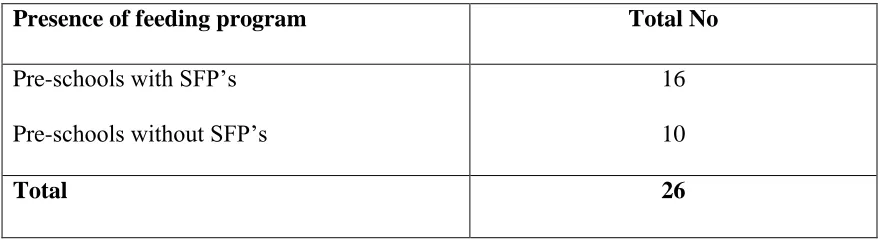
As table 3.1 shows, a total of 16 pre-schools had SFP while the remaining number did not.
3.5 Sampling Techniques and Sample Size
Section 3.5 describes the procedure used to select or come up with the sample size.
3.5.1 Sampling Techniques
3.5.1 Sample Size
Table 3.2 presents the sample size used for the study. Table 3.2: Sample Frame
Category Target Sample size % sample size
Pre- Schools 26 8 30%
Teachers 40 16 40%
Parents/Guardians 881 264 30%
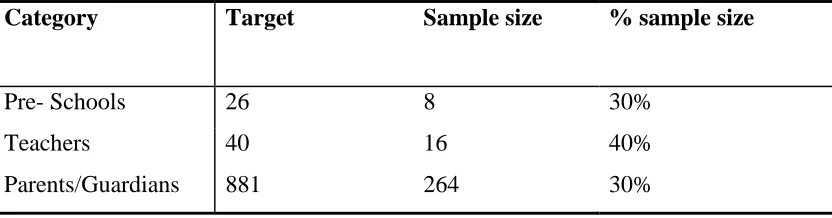
Eight (8) 30% out of the 26 pre-schools (four with SFP and the other four without) were sampled. Similarly, 16 (40%) or two teachers per school out of the 40 teachers targeted and 30% of parents from the total 881 which translated to 264 formed the sample size of study participants (see Table 3.2). Mugenda and Mugenda (1999) pointed out that 30% sample of the total study target is adequate in descriptive studies such as this one.
3.6 Research Instruments
The study utilized three different research instruments to collect data, namely: an observation guide, interview guide for teachers and questionnaires for parents. The three research instruments are hereby described.
3.6.1 Observation Guide
school admission registers, class attendance register and assessment tests were scrutinized to note the rate of enrolment, attendance as well as performance. This method was preferred because it yielded important information which respondents might have been unwilling or unable to provide.
3.6.2 Interview Guide for Teachers
The interview guide for teachers helped to find out whether or not, children in preschools sampled were provided with lunch. It also sought to find out whether or not school feeding programmes helped in improving children’s enrolment in preschool, their attendance and retention. It equally sought to establish whether there was any difference in the learning performance of children who were either provided with food in school or not. The tool was found to be useful because the researcher was able to probe for answers and elicit relevant information that was required.
3.6.3 Questionnaires for Parents
It was also convenient for use because they were not compelled in any way to state anything contrary to their conviction, Observations were conducted to find out whether or not SFP affected children’s enrolment, attendance, retention and their learning performance.
3.7 Piloting
A pilot study was conducted in four (4) pre-schools, 2 with a feeding programme and the other two without in a period of one week. The purpose for piloting was to check for clarity and relevance of the research tools so that any necessary amendments could be done if necessary in preparation of the main study. These four schools were not included in the final study to guard against respondents becoming too familiar with the study questions.
3.7.1 Validity
3.7.2 Reliability
To test reliability, the split half technique was used as Mugenda and Mugenda (1999) show. This involved splitting the questionnaire items into two equal halves and then correlating the results of each item using spearman’s rank correlation test. An overall correlation coefficient of 0.7 was obtained and accepted to be reliable as Mugenda & Mugenda (1999) point out.
3.7.3 Data Collection
The researcher visited the pre-schools during the learning session and conducted observations in order to establish presence or absence of feeding programme and whether or not it affected children’s enrolment, attendance, retention and their learning performance. Interview guides were also conducted with teachers and questionnaires delivered to the parents through the teacher respondents within a time limit of two weeks. After this period the questionnaires were collected and kept safely to await analysis.
3.8 Data Analysis
The information given by each respondent was put together and recorded down for interpretation and analysis. They involved both qualitative and quantitative aspects. Qualitative data analysis involved going through the content of the interviews and questionnaires first in order to identify the main things that emerged from the responses given by the respondents in different steps as follows:
responses in the text of the report. Quantitative data obtained was analyzed using frequencies, percentages and means. Tables, graphs and pie charts helped in summarizing and describing variable states relating to the quality and quantity of meals offered in schools.
3.9 Logistical and Ethical Considerations
The following are the logistical and ethical issues that were put into consideration during the study:
3.9.1 Logistical Considerations
The researcher sought for clearance from the Graduate School of Kenyatta University, to go and collect data. After this, the researcher sought research permit from the National Commission for Science, Technology and Innovation (NACOSTI), in order to be cleared to collect data from the study participants. Permission to visit the schools was also sought from the head teachers of participating schools.
3.9.2 Ethical Considerations
CHAPTER FOUR
PRESENTATIONS OF FINDINGS, INTERPRETATION AND DISCUSSION
4.1 Introduction
This chapter consists of data findings, analysis, presentation and interpretation. This study aimed at finding out the impact of feeding programmes on children’s selected performance parameters: enrollment, attendance, retention learning in pre-schools in Kabare Zone, Kirinyaga County in Kenya. Descriptive research design was used to help achieve the research objectives where data collected was analyzed using frequencies, means and percentages to interpret the findings. For easier analysis and interpretation, the chapter is divided into two sections: Section one presents demographic information and section two presents data as per the study objectives which were:
i. To confirm the number of pre-schools with/ without SFP’s in Kabare Zone Kirinyaga County.
ii. To establish whether the types of meals provided in pre-schools in Kabare Zones, Kirinyaga County were well balanced or not.
iii. To determine the extent to which pre-school feeding programmes influenced children’s enrolment rate in pre-schools in Kabare Zone.
iv. To establish the extent to which pre-school feeding programmes influenced children’s daily attendance.
v. To find out the extent to which school feeding programmes contributed to children’s comprehension/ retention of learning content in pre-schools in Kabare zone.
4.2 Questionnaire Return Rate
Questionnaire return rate which is the proportion of the sample that participated as intended in all the research procedures was established. Specifically, out of 12 teachers and 267 parents sampled, 12 teachers (100%) and 150 parents (56.2%) returned their questionnaires. These percentages return rates were deemed sufficient for the study as Mugenda and Mugenda (2008) recommends a response rate of 50% and above.
4.3 Demographic Information of Teachers and Parents
In this section the researcher analyzed the demographic information of both teachers and parents. Results relating to teachers’ demographic information are presented first in section 4.3.1 followed by those of parents in section 4.3.2.
4.3.1 Teachers’ Demographic Information
The background information of participating teachers involved age, gender
and teaching qualifications.
Distribution of Teachers by Age
Figure 4.1: Age Brackets of Pre-School Teachers
As shown in Figure 4.1, the researcher found that majority 8(66.7%) of the teachers were aged between 31-40 years. Three (25%) of the respondents were aged between 23-34 years and only 1(8.3%) was aged above 40 years. The findings reveal that all teacher respondents were mature adults which implied that they had good knowledge on the importance of feeding young children on a balanced diet. The next task sought to know the gender of participating teachers.
Distribution of Teachers by Gender
Teachers were asked to indicate their gender. The results are presented in Figure 4.2.
Figure 4.2: Gender of Pre-School Teachers
25%
66.7% 8.3%
23-34 Years 31-40 Years 40 and Above
75% 25%
The study established that majority of the teacher respondents 9(75%) were males. The results also show that 3(25%) of the teachers were female. This implies that teachers were not evenly distributed in most pre-schools based on gender. The researcher observed that male teachers responded more freely to questions as compared to female teachers. The female teachers did not respond well maybe due to shyness or lack of interest. The last task with regard to teachers’ demographic information was teachers’ academic credentials described in the next section.
Distribution of Teachers by Level of Training
Level of training was considered significant factor to the flow of pupils and general performance in pre-schools. Table 4.1 presents the qualification of teachers in Pre Schools.
Table 4.1 Number of Pre-School Teachers by Qualification
Qualification Frequency Percent
Untrained 4 25
P1 8 50
Diploma 2 12.5
Graduate 2 12.5
Total 16 100
teachers had pursued higher education which may be attributed to lack of opportunities for pursuing higher learning. It was further observed that teachers who were trained were aware of the importance of school feeding programmes and its impact on children’s class attendance, retention, enrollment and good performance.
4.3.2 Demographic Information of Parents
The demographic or background information of parent participants sought during the study was gender, marital status and socio-economic status. The results are presented in Tables 4.2 to 4.4 beginning with gender of parents.
Parents’ Gender
The researcher wanted to find out the gender or marital status of respondents Table 4.2: Number of Parents by Gender
Gender Frequency Percent
Male 70 26.2
Female 194 73.8
Total 264 100
school and all parents had at least a child in pre-school. From the findings, majority of parents 182(69%) of the parents reported that their children took lunch in school while 82(31%) said that their children carried their food to school.
Parents’ Socio-economic Status
The study also established the socio-economic status of parents as Table 4.3 shows.
Table 4.3 Parents’ Income/Occupation
Occupation Frequency Percentage
Formal Employment 14 5
Business 30 11
Casual employment 130 50
Peasant farmer 90 34
Total 264 100%
4.4 Presence of Feeding Programs in Pre-Schools
The first objective of the study sought to confirm the availability of feeding programmes in pre-schools sampled in Kabare Zone, Kirinyaga County. The researcher first conducted a baseline study to establish how many of the 26 preschools sampled had feeding programmes or not as per table 3.3.Thereafter, the researcher randomly selected 16 (40%) pre-schools, 8 of which had feeding programmes and another 8 that did not, for the purposes of fair comparison The 8 teachers from each category were then asked to confirm whether or not their pre-school had a school feeding programme to which they did and the findings are presented in Table 4.3.
Table 4.3 Availability of School Feeding Programme as Reported by Teachers
Presence of SFP’s in Pre-schools Frequency Percent
Yes 4 50
No 4 50
Total 8 100
Thus poor parents may not be able to provide or support School Feeding Programme which may interfere with learning performance as Pollit (2001) affirms.
4.5 Types of Meals Offered in Pre-Schools
The second study objective was to find out the types of meals provided in pre-schools in Kabare Zone, Kirinyaga County. This was done by observing the meals provided at break time and lunch time in pre-schools in Kabare zone, Kirinyaga County.
Meals Provided
The researcher observed the type of meals served to children for a period of 5 days in a week as per their feeding programme timetable (see Table 4.4).
Table 4.4 Types of Meals Served to Preschool Children Days Vegetables
with ugali
Rice and Beans
Porridge Githeri Total
Frequencies
1 2 2 1 5 7
2 2 1 1 3 7
3 2 2 - 2 6
4 1 1 1 2 5
5 2 1 - 4 7
Totals 9 7 3 16