Predicting risk of repeat
firelighting in young people:
The development and evaluation of
the Behaviour Risk Tool
Kara Dadswell
Thesis submitted in fulfilment of the requirements
for the degree of Doctor of Philosophy
College of Health & Biomedicine
Victoria University, Australia
Abstract
Firelighting is not an uncommon behaviour for young people. A review of the relevant literature shows that, fortunately, most young people who light fires, do so because they are curious, and fire safety education intervention is enough to prevent any future firelighting activity. However, a small number have significant psychosocial issues that may contribute to continued firelighting behaviour.
The Juvenile Fire Awareness and Intervention Program (JFAIP) is a fire safety education program established in Victoria, Australia to target active young firelighters. While some young firelighters referred to the program have mental health problems, the JFAIP is not designed for such cases. Thus a need has been identified for a screening questionnaire to identify young people with psychosocial disturbance predictive of ongoing firelighting behaviour, in order to recommend supplementary mental health intervention. The overarching aim of this project was to develop such a screening tool.
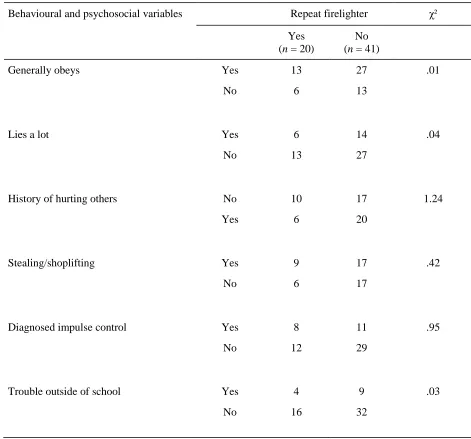
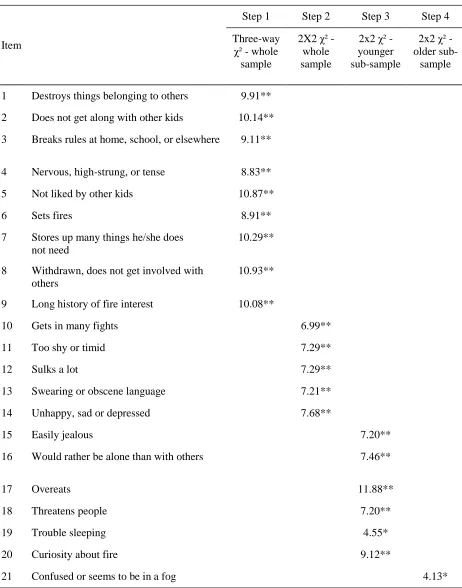
predicting that half of the non-repeat firelighters were also at risk. The results also identified significant differences on a number of fire-specific and psychosocial variables between repeat and non-repeat firelighters. The 25 specific items or themes across the four instruments used to collect data demonstrating the greatest differences between the repeat and non-repeat firelighters were combined into a new screening tool, termed the Behaviour Risk Tool (BRT).
Study 2 was designed to measure the validity and reliability of the BRT using new samples. In Part A the BRT was completed by the parent/guardian of 63 young people in the JFAIP (5-17 years of age) at their initial pre-intervention interview. A minimum six month follow up contact determined the presence or absence of repeat firelighting. Results demonstrated the BRT had a sensitivity of 0.8 and specificity of 0.7 at the cut-off score of 57.5. Thus the BRT detected 80% of the repeat firelighters and 70% of the non-repeat firelighters correctly. In Part B, the test-retest reliability and internal consistency of the BRT was assessed. Parents/guardians of 76 children (5-17 years) in the general population completed the questionnaire twice, two weeks apart. The results indicated high repeatability across time (r=.93) and high internal consistency (.88-.93) for the BRT. Hence, Study 2 found that the BRT had better sensitivity and specificity than the CRS and FRS and was a reliable questionnaire.
Student Declaration
I, Kara Dadswell, declare that the PhD thesis entitled ‘Predicting risk of repeat firelighting in young people: The development and evaluation of the Behaviour Risk Tool’ is no more than 100,000 words in length including quotes and exclusive of tables,
figures, appendices, bibliography, references and footnotes. This thesis contains no material that has been submitted previously, in whole or in part, for the award of any other academic degree or diploma. Except where otherwise indicated, this thesis is my own work.
Acknowledgments
Firstly I’d like to thank the Metropolitan Fire Brigade and Country Fire Authority for
their industry partnership with Victoria University for this project. In particular, the Juvenile Fire Awareness and Intervention Program (JFAIP) is owed much
acknowledgement for the wonderful work they do in providing their services to young people who light fire, and for continually reflecting and striving to improve
and enhance the program as they go. A very special thank you goes to Murray Talbot, the State Coordinator of the JFAIP. Murray, your time, patience, instrumental support and faith in this project has enabled this day to come and I cannot express my
appreciation for you enough.
I’d like to thank Charles Luwoko and Neil Diamond for providing statistical support at
different stages in the research. A special thank you also to Anique Muttiah for being such a competent research assistant for the data collection in study 2 (Part B).
To my PhD family in E212, I feel so lucky to have been able to share this experience with you and forever grateful that I have made some lifelong friends on this
journey. You have all played some role in helping me get to this point and for that I truly thank you. So much appreciation goes to my PhD super-hero Dr Laura Thompson. I need a lot more room to describe the support you’ve given me. You’re just awesome.
So thank you!
To my real family… the truth is, without your support, babysitting and the ability to have the occasional meltdown without judgement, I would never have been able to do this. I appreciate you all, and all that you have done, and still do, to help me out more than you will ever know.
Rhett, my incredibly supportive, patient, understanding and perfect husband, words cannot express how thankful I am to have found you. You make me a better me. I love you more than words could ever express.
And most importantly to my favourite little people, Mack, Miller and Tilly. You will always be my greatest achievement and I am so proud to be your mum. Thank you for just being you and for putting up with the phrase “Mummy just has to do some work”
Table of Contents
Abstract ii
Student Declaration iv
Acknowledgements v
Table of Contents vii
List of Tables xvi
List of Figures xviii
List of Abbreviations xix
Statement of the Problem 1
Chapter 1 3
A Current Issue 3
Defining Key Terminology 4
Terminology in the Field 5
Fire Interest 5
Fireplay/Firestarting 5
Firesetting 6
Pyromania 7
Arson 8
Recidivism/Recidivist 8
Juvenile 8
Terminology in this Thesis 9
Firelighting and Firelighter 9
Repeat Firelighting and Repeat Firelighter 10
Young Firelighter Prevalence 11
Young Repeat Firelighter Prevalence 16
Costs of Firelighting 18
Financial 18
Injury and Death 19
Other Costs 20
Precursor for Adult Arson 20
Precursor for other Antisocial Behaviours 21
Risk in the Australian Environment 22
Summary 23
Chapter 2: Firelighter Characteristics, Theories, Typologies, and Risk 24
Characteristics of Young Firelighters 24
Demographic Factors 24
Age and Development 24
Sex 28
Fire-specific Factors 29
Fire Interest and Curiosity 29
Early Onset of Firelighting and Greater Past Involvement 31 Knowledge of Fire Safety and Competency with Fire 32 Exposure to Influential Models and Access to Fire-related Materials 32
Availability of Incendiaries 34
Family and Environmental Factors 35
Peer Influence, Delinquent Friends, and Boredom 35
Parental Supervision 36
Disciplinary Measures 37
Parental Psychopathology 40
Child Psychopathological Factors 41
Impulsivity, Hyperactivity, and Attention Deficit Hyperactivity Disorder 41
Poor Social Skills 42
Externalising Behaviours 42
Internalising Problems 45
Summary of Firelighter Characteristics 47
Theories of Firelighting 48
Historical Overview and Single Factor Theories 48
Current Multifactorial Theories 50
Fineman’s (1980) Dynamic-behavioural Model of Firelighting 51
Kolko and Kazdin’s (1986) Social-learning Model of Firelighting 51
Learning experiences and cues 52
Personal repertoire 52
Parent and family influences and stressors 53
Firelighter Typologies 54
Theory-driven Typologies 55
Curious firelighter 55
Crisis firelighter 56
Delinquent firelighter 57
Severely disturbed firelighter 58
Empirically-derived Typologies 59
Conventional-limited 59
Home-instability-moderate 59
Risk Categorisation 60
Summary 60
Chapter 3: Prevention and Intervention 63
Treatment 64
Primary Prevention Education 64
Fire Safety Education and Awareness Intervention 65
Psychosocial Intervention 67
Collaborative Approach 71
Summary of Treatment Approaches 76
Fire Service Screening Tools 77
Mental Health Service Assessment Tools 80
The Juvenile Firesetter Child and Family Risk Surveys 81 The Children and Fire – A Bad Match Screening Tool 84
Juvenile with Fire Screening Tool 85
Strengths & Difficulties Questionnaire 88
Australia’s Approach 89
Victoria’s Primary Prevention Education – Fire Ed. 90 Victoria’s Secondary Intervention – Juvenile Fire Awareness and
Intervention Program 90
Summary 92
Chapter 4: Study 1: Distinguishing between Repeat and Non-repeat Firelighters: Evaluating Pre-existing Screening Tools and Developing a New Firelighter
Screening Tool 94
Method 98
Materials 99
Stage One: Pre-intervention 99
The Juvenile Firesetter Child and Family Risk Surveys 99
Brief Agency Contact History 101
Firesetting Risk Interview (Kolko, 1989a) 102
The Child Behaviour Checklist 103
Stage Two: Post-intervention 105
The Fire History Screen 105
The Questionnaire about Mental Health Services 106 The Questionnaire for the Counsellor or Mental Health Professional 106
Procedure 107
Ethics approval 107
Data collection: stage one (pre-intervention) 107 Data collection: stage two (post-intervention) 108
Data analysis 109
Results 111
Rate of Repeat Firelighting 111
Demographics: Age and Sex 112
Discriminant Ability of the Juvenile Firesetter Child and Family Risk
Surveys 114
Profiling Repeat and Non-repeat Firelighters 120
Fire-specific variables 120
Family variables 122
Behavioural and psychosocial variables 124
Categorical items 128
Continuous items 131
Phrasing and Combining of Screening Tool Items 133
Discussion 135
Rate of Repeat Firelighting 136
Pre-existing Screening Measures 137
Profile of Repeat Firelighters 140
Demographic variables 140
Fire-specific variables 141
Family-specific variables 148
Psychosocial variables 151
The Behaviour Risk Tool 155
Limitations 157
Summary 159
Chapter 5: Study 2: Evaluation of the Behaviour Risk Tool’s Validity and
Reliability 161
Method 162
Part A: Predictive Validity of the Behaviour Risk Tool 163
Participants 163
Materials 163
Procedure 163
Ethics approval 164
Data collection 164
Part B: Test-retest Reliability and Internal Consistency of the Behaviour
Participants 165
Materials 166
Procedure 166
Ethics approval 166
Data collection 166
Data Analysis: Parts A and B 167
Results 168
Part A: Predictive Validity of the Behaviour Risk Tool 169
Sensitivity and specificity 170
Option one: Analyses using raw totals (missing values become
zero) 171
Option two: Analyses using mean response for missing values 171 Option three: Analyses using multiple imputation for missing
values 172
Part B: Reliability of the Behaviour Risk Tool 176
Internal consistency 176
Test-retest reliability 176
Discussion 176
Validity and Reliability of the Behaviour Risk Tool 178
The Behaviour Risk Tool in Practice 179
Advantages of the Behaviour Risk Tool 180
Limitations of the Behaviour Risk Tool 183
Limitations of this Study 183
Summary 185
Future Directions 187
Recommendations 189
Conclusion 189
References 191
Appendices
Appendix A: The Juvenile Firesetter Child Risk Survey (CRS) 216 Appendix B: The Juvenile Firesetter Family Risk Survey (FRS) 221
Appendix C: The Brief Agency Contact History 223
Appendix D: Firesetting Risk Interview (FRI) 225
Appendix E: The Child Behaviour Checklist (CBCL) 230
Appendix F: The Fire History Screen (FHS) 235
Appendix G: Questionnaire about Mental Health Services 238 Appendix H: Questionnaire for the Counsellor or Mental Health Professional 242 Appendix I: Introduction letter to participants 1 247 Appendix J: Information to parents of children/adolescents involved in research
document 1 249
Appendix K: Directions to parents of children/adolescents involved in research
document 1 254
Appendix L: Consent form for parents and children/adolescents involved in research
Part A 256
Appendix M: Letter of appreciation 1 259
Appendix N: Introduction letter to participants 2 261 Appendix O: Information to parents of children/adolescents involved in research
document 2 263
Appendix Q: Consent to contact the mental health professional 271 Appendix R: Information to the mental health professional involved in the research
brief 273
Appendix S: Letter of appreciation 2 275
Appendix T: Behaviour Risk Tool 277
Appendix U: Social media advertisement seeking participation for Study 2 280
Appendix V: Automated pop-up message 282
List of Tables
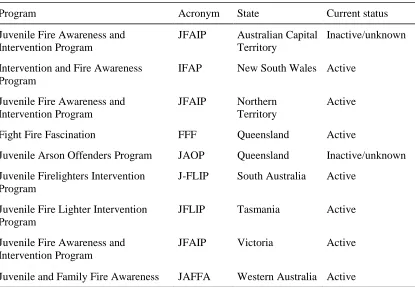
Table 1 Secondary Juvenile Fire Intervention Programs in Australia 94 Table 2 Assumptions and Methods for Checking Data for Analyses in
Study 116
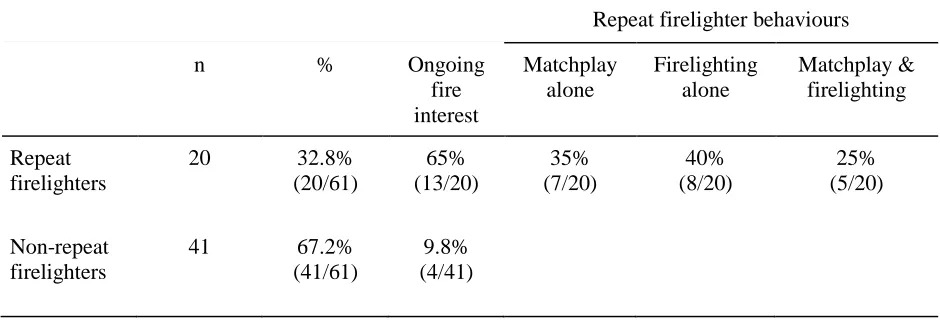
Table 3 Frequency (Percentages and Ratios) of Fire-related Activity of Repeat Firelighters and Non-repeat Firelighters within 12
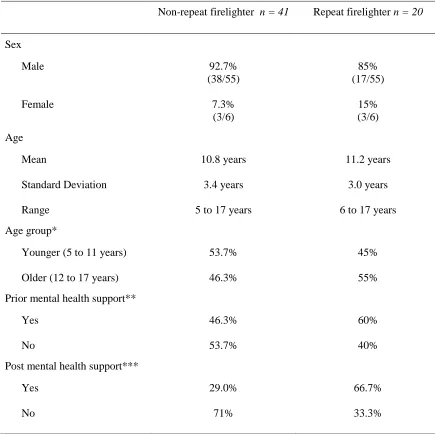
Months Post-JFAIP Intervention (N = 61) 117 Table 4 Sex, Age and Prior Mental Health Contact of Non-repeat and
Repeat Firelighters (N = 61) 118
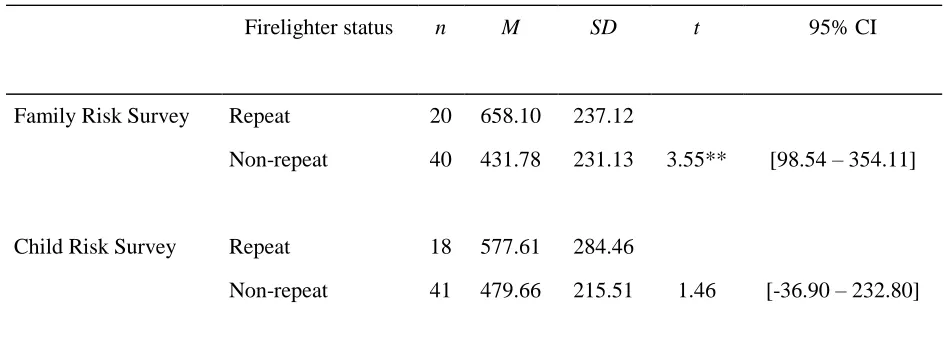
Table 5 Descriptive Statistics and Independent Samples t-tests Comparing the Total Scores of Repeat Firelighters and
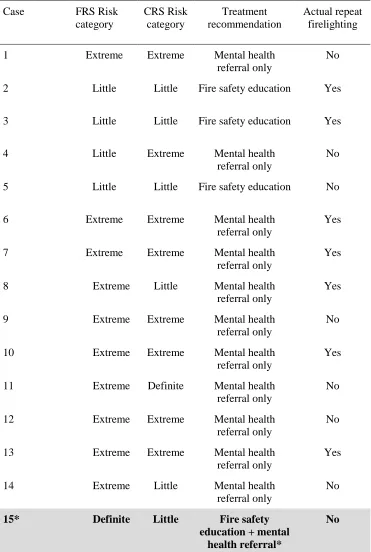
Non-repeat Firelighters on the CRS and FRS 120 Table 6 Raw Scores, Risk Category, and Treatment Recommendation
according to the CRS and FRS 121
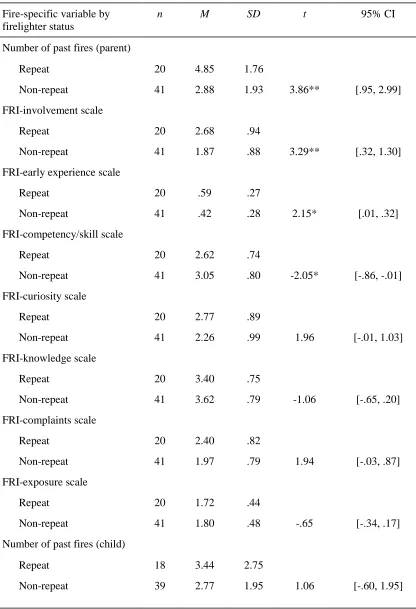
Table 7 Descriptive Statistics and Independent Samples t-test Comparisons of Repeat Firelighters and Non-repeat
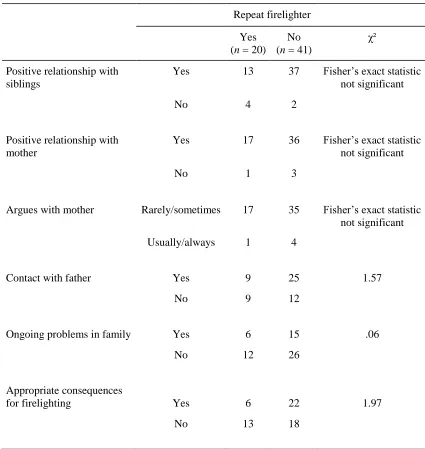
Firelighters on Continuous Fire-specific Variables 125 Table 8 Descriptive Statistics and Chi-square Analyses for Repeat
Firelighters and Non-repeat Firelighters on Dichotomous
Family and Parent Variables 127
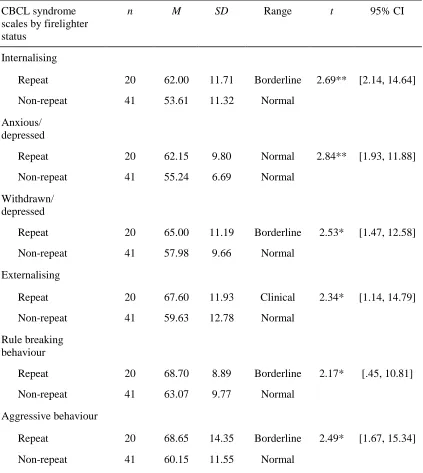
Table 9 Descriptive Statistics and Independent Samples t-test Comparisons of Repeat Firelighters and Non-repeat
Firelighters on Continuous Emotional/behavioural Variables 128 Table 10 Summary of Chi-square Analyses for Repeat Firelighters and
Behavioural Variables Reported by Child or Parent 131 Table 11 Significant Chi-square Analyses Determining Associations
between Individual Categorical Items on the CBCL, FRI, CRS and FRS for Repeat Firelighters for the Whole Sample,
Younger Sub-sample and Older Sub-sample 133
Table 12 Significant Independent Samples t-tests Comparisons for Continuous Items on the FRI, CRS, and FRS for Repeat
Firelighters for the Whole Sample 135
Table 13 Number and Percentage of Each Item on the BRT with
Missing Data 175
Table 14 Raw BRT Total, BRT Risk Classification and Treatment
List of Figures
List of Abbreviations
ABC Australian Broadcasting Corporation ADD Attention Deficit Disorder
ADHD Attention Deficit Hyperactivity Disorder
ASEBA Achenbach System of Empirically Based Assessment AUC Area under the curve
BRT Behaviour Risk Tool CBCL Child Behaviour Checklist CFA Country Fire Authority
CFI Children’s Firesetting Inventory CHI Children’s Hostility Inventory
CRS Juvenile Firesetter Child Risk Survey
DSM Diagnostic and Statistical Manual of Mental Disorders FACES III Family Adaptation and Cohesion Scale
FEMA Federal Emergency Management Agency, United States Fire Administration
FHS Fire History Screen
FL Firelighter
FRI Firesetting Risk Interview
FRS Juvenile Firesetter Family Risk Survey
HREC Human Research Ethics Committee, Victoria University JFAIP Juvenile Fire Awareness and Intervention Program MFB Metropolitan Fire Brigade
NSW New South Wales
SPSS Statistical Package for Social Sciences, Version 22 TAPP-C The Arson Prevention Program for Children
UK United Kingdom
Statement of the Problem
“If you play with fire you get burnt” (Speake, 2015, p. 250).This adage reflects
the notion that engaging in dangerous or risky or contentious acts will eventually result in detrimental consequences. When applied to the issue of young people lighting fires, this old saying is literally a reality.
Young people lighting fires poses serious risks to individuals and communities, particularly in Australia. Nationwide, fire services have active programs in place that attempt to prevent and intervene with young firelighter behaviour. The Juvenile Fire Awareness and Intervention Program (JFAIP) in Victoria, Australia, run jointly by the Metropolitan Fire Brigade (MFB) and Country Fire Authority (CFA), is dedicated to reducing and controlling the fire risk behaviour of young people.
The JFAIP is an education-based intervention program that aims to achieve cessation of firelighting in active young firelighters. The program is targeted towards those considered to be more low risk, or straightforward cases, where education intervention is sufficient to eradicate continued firelighting behaviour. The JFAIP acknowledges that they receive referrals for cases that would be considered more high risk and require a multidisciplinary approach to intervention, incorporating mental health services. For over ten years a team of researchers from Victoria University’s discipline of psychology have worked in partnership with the MFB/CFA on a number of research projects, and specifically with the JFAIP. Dr Kate McDonald completed a doctoral thesis in 2010 that highlighted the need for a young firelighter screening tool in the JFAIP that could identify “at-risk” cases, requiring additional mental health
Chapter 1
Fires started by children and adolescents have previously resulted in some devastating consequences and have the potential to do the same in the future. Firelighting is also a current clinical health issue and a social problem. This issue is explained thoroughly in this chapter. The first section defines and clarifies the terminology used in the literature and provides justifications for the key terminology used in this thesis. The second section presents some of the many concerns surrounding the problem, thereby highlighting the overall importance of continued research into young firelighters. More specifically, the negative individual and social consequences of young firelighter behaviour are discussed, along with the known extent of the issue and the difficulties inherent in collecting and interpreting data in this field. Thus, chapter 1 sets some of the foundations for this research thesis by clarifying terminology and establishing the importance of conducting research in this difficult area.
A Current Issue
in police arson sting,” 2015). In 2016, another eight children all under the age of 12 were caught intentionally starting 20 fires at a property in NSW, which resulted in firefighters battling a 20-acre inferno for over 4 hours (McLauchlan, 2016). Recently, six children aged between 9 and 13 deliberately started a fire at a shopping centre in Queensland causing the evacuation of the entire shopping complex, and $140,000 worth of damage. The same group of children were believed to be responsible for two other fires set at shopping centres earlier that month (“Juveniles charged over shopping centre fires in Brisbane and Logan,” 2017). A 15-year-old girl was charged for intentionally starting a bushfire during a summer heatwave in Victoria in early 2018. The fire spread across 1.5 kilometres, burned 36 hectares of bushland, and damaged one home (Lord, 2018). This sample of incidents elucidate the seriousness of firelighting behaviour by children and youth in an Australian context.
Defining Key Terminology
firelighting. Fire-related terminology is defined, clarified, and discussed below. A summary of, and justification for, the language used in this thesis follows.
Terminology in the Field
Fire Interest
Fire interest refers to a general attentional bias towards fire as demonstrated by certain behaviours such as inquisitiveness about fire, discussions about fire, and
wanting to play with fire-related toys (e.g., fire trucks). Generally, it has been discussed in relation to younger children (e.g., aged 3 to 5). It has further been described as an overall curiosity with fire in the absence of engaging in physical fire-related behaviours (FEMA, 2002). The literature uses terms such as curiosity, fascination, and even
preoccupation, which all indicate some degree of fire interest, each to a greater or lesser extent. Although Kolko hypothesises that fascination is distinct from curiosity, this has not yet been empirically investigated (McDonald, 2010).
Fireplay/Firestarting
Fireplay is the term used to describe fire experimentation that evolves out of curiosity (Grolnick, Cole, Laurenitis, & Schwartzman, 1990; Kolko, 2001). Fireplay is viewed as more of a progressed fire-related behaviour than pure fire interest because of the physical involvement. It is generally described as motivated by interest and naïvety rather than malice and psychopathology. Fireplay has been used interchangeably with
firestarting (FEMA, 2002).
Firestarting has been described broadly as an incidence of actual
often an attempt to extinguish the fire or get help if necessary (FEMA, 2002). In fact, some research classified children whose fireplay was limited to acts such as lighting matches and candles as non-firesetters based on the innocent intent (Kolko & Kazdin, 1989a).
Firesetting
Commonly, the description of firesetting is qualitatively different from fireplay based on the underlying motivations, persistence and severity of the behaviour.
Firesetters are usually described as having a greater intent to cause harm and damage, with more complex driving forces. Generally, firesetting is intentional and planned, directed at a particular target, and involves ignition sources that are flammable, and concealed. Reportedly it is common that there is no attempt to extinguish the fire and often the firesetter will stay and observe the destruction (FEMA, 2002).
However, firesetting is also used to describe deliberate firelighting behaviour where the perpetrator is not arrested or convicted. Often this term is used when: a fire cannot be identified as deliberate, there is limited evidence to support an arson conviction, the perpetrator is unknown, the damage is minimal, or the age of the
overlapping and alternative ways of interpreting these terms can obscure the connections between research studies in this field.
Pyromania
Pyromania is a mental health term used to describe a diagnosable disorder where firelighting is the core behaviour. The term pyromania originated in 1833 out of the term “impulsive incendiarism,” which, at the time, was used to describe a form of insanity characterised by acts of impulsivity in the absence of motive (Mehregany, 1993). Over time, the Diagnostic and Statistical Manual of Mental Disorders (DSM) definition of pyromania, and the criteria to meet a diagnosis, has changed. Currently the DSM requires that multiple criteria are met to satisfy a diagnosis, including repeated deliberate firesetting acts that are precipitated by tension and affective arousal and consequential feelings of pleasure, gratification or relief. In addition, a distinct fascination with fire and fire-related situations is necessary. Finally, the firesetting cannot be better explained by another reason (e.g., monetary gain) or diagnosis in the DSM where firesetting is a criterion (e.g., Conduct Disorder) (DSM-5, 2013).
Arson
According to the Australian Institute of Criminology (2004) “Arson is the act of intentionally and maliciously destroying or damaging property through the use of fire” (p. 1). Four key elements are fundamental to the definition of arson: (a) a fire must be lit, (b) the fire must have been intended, (c) there must have been associated malice, and (d) property must have been the target of burning. Arson is a legal term used to describe serious intentional firesetting incidents where the perpetrator has been convicted
(Dickens & Sugarman, 2012). Very few cases of child and adolescent firelighting are considered to be arson (Grolnick et al., 1990). The firelighting literature referring to young people generally avoids this term.
Recidivism/Recidivist
Recidivism is used often throughout the literature on firelighting, again in somewhat variable ways. The term has been used to define multiple criminal convictions for firelighting incidents, as well as repeat firelighting incidents in the absence of criminal charges or convictions. For example, Lambie, Ioane, Randell, and Seymour (2013) defined recidivism related to firelighting in its true form, specifically, as subsequent convictions of fire-related offences. Conversely, Root, MacKay,
Henderson, Del Bove, and Warling (2008) defined firelighting recidivism as “the presence of any unsanctioned fire involvement during the follow up period” (p. 167). Some studies (Brett, 2004) failed entirely to define what constituted firelighting
recidivism in their research. The main commonality in all studies referring to recidivists is that they all describe repeated firelighting behaviour in some form. These
Juvenile
The term juvenile has been used in the firelighting literature to describe children and adolescents of all ages. Furthermore, intervention programs designed specifically to target young firelighter behaviour regularly include the term juvenile in the program’s title (see Muller & Stebbins, 2007). It is clear that the term is used to describe the young age or youth of the people engaging in firelighting behaviour. The term juvenile
originated out of the legal field to describe a period in which a person’s actual age and corresponding expected cognitive maturity is pre-adult. This is described as mitigating culpability to some degree (Steinberg, 2017).
Terminology in this Thesis
As described above, the literature uses fire-related terminology in variable and often overlapping ways. The degree of seriousness and criminality implied in the definitions of fireplay/firestarting, firesetting, recidivism, and juvenile vary. This thesis acknowledges the disparities that exist in the research and literature and notes that caution should be exercised when comparing studies that may use the same term in variable ways, or different terms to describe the same behaviour. For the sake of consistency, the key terminology used throughout this thesis is stated below, including justification for these choices.
Firelighting and Firelighter
firelighting. Moreover, the term firelighter will be used to refer to young people engaging with firelighting. When adult firelighting is being referred to it will be specifically stated.
Repeat Firelighting and Repeat Firelighter
Much of the literature refers to repeat firelighters as recidivists and describes their continued firelighting behaviour as recidivism. The formal definition of a recidivist in the Oxford Dictionary of English is “a convicted criminal who reoffends, especially repeatedly” and the term is used to describe serious, ongoing, criminal behaviour
(Stevenson, 2010). Accordingly, recidivistic firelighting technically describes a relapse or repeat case of criminal, fire-related offending. However, many of the included behaviours referenced as firelighting recidivism in the literature, and in this study, are not typically considered criminal. The author believes that this term does not always adequately reflect the cohort of young people at the heart of this discussion.
Acknowledging the imperfections in the language, the term repeat firelighters is used throughout this thesis to depict young people who repeatedly engage in any form of unsanctioned firelighting behaviour, irrespective of the degree of seriousness. The term
repeat firelighting is used similarly to describe the behaviour of these aforementioned individuals.
Young People
negative connotation, and while by definition it is appropriate, by social perception it is not reflective of all the young people it has been used to describe. Furthermore, use of the term “juvenile recidivist” to label young people repeatedly involved with
unsanctioned firelighting could in fact be damaging psychologically to the individual and have a negative influence on the perceptions of those tasked with providing services and support for them, and the perceptions of the general population. Consequently, this thesis employs the terms “young people” or “children and adolescents” to describe this cohort.
Finally, it is important to acknowledge that “people are not their diagnoses” (DiMillo, 2002, p. 154). References to this population of interest as “juvenile
firelighters” implies that the child and the behaviour are one and inseparable. Ideally, a
phrase that separates the two, such as “young people who light fires,” is less suggestive in this regard. That said, for the sake of readability and being concise, the phrases “young firelighters” and “young people who light fires” are both employed in this
thesis.
Young Firelighter Prevalence
The number of fires set by young people is presumed to be much higher than official, documented figures (presented below) suggest (Baretto et al., 2004). Estimates suggest that for every fire started by a young person that is reported, anywhere between two and five instances are not (Baretto et al., 2004). Similarly, Stadolnik (2000) reports that only about 20-25% of young firelighters become known to intervention services. It has been suggested that official figures of arson are inaccurate largely because
The variability within documented statistics on young firelighters is also
significant. This is partially attributable to differences in the operational definitions and methods of measuring firelighting across studies and services (MacKay, Feldberg, Ward, & Marton, 2014). For example, statistics that only measure firelighting that result in prosecution and a guilty verdict (otherwise known as arson) fail to recognise the instances of young people lighting fires that do not result in a criminal conviction. Thus, in terms of reported prevalence, there is a large difference between these arson statistics and statistics that measure firelighting via positive response to a single self-report survey item (e.g., “I have set fires”). It is likely that children are accounting for many more fires than arrest statistics would suggest considering so few young people are actually convicted of arson offences (Grolnick et al., 1990).
The disparity in the reported figures on young firelighters also reflects different sources of data (MacKay et al., 2014). Data collected via self- or parent-report surveys relies heavily on the child’s honesty or the parent’s accurate knowledge of any fire engagement, and subsequently, their preparedness to share that information with investigating parties. False reporting of incidents is unlikely because of the negative connotation connected to firelighting, and the notion that people are prone to the effects of the social desirability bias when self-reporting (Nederhof, 1985; Dickens &
information from fire service databases will only include information from fires that have been reported and attended to by the fire brigade. Such databases fail to capture cases where official causes were undetermined or fires that were extinguished without the fire brigade in attendance. Furthermore, many deliberately lit fires are attributed to unknown or suspicious causes when there is a level of uncertainty for determining deliberate ignition. This is a reflection of the difficulties inherent in fire investigation and the caution exercised by professionals when making a final determination as to the cause of a fire (Bryant, 2008). It is clear that there are important questions about the accuracy of figures on the prevalence of firelighting by children and adolescents.
Differences in the populations from which statistics have been derived demonstrate further disparity. Much of the data on young firelighters comes from populations of young people connected with mental health services (e.g., in-patient or out-patient clinics) (Stewart & Culver, 1982; Kazdin & Kolko, 1986) or the justice system (Forehand, Wierson, Frame, Kemptom, & Armistead, 1991; Hanson, MacKay-Soroka, Staley, & Poulton, 1994). One criticism this field of research has faced has been the overuse of data from clinical or criminal populations (Mehregany, 1993; Stadolnik, 2000). Data from these samples is valuable in that it provides insight into the young firelighter problem from groups where firelighters are over-represented, but it leaves us with a limited understanding of firelighting in the general population. Furthermore, the bulk of the current understanding of young firelighters has derived from research conducted in the United States of America (USA) on populations of young American firelighters. Other countries have a very limited research portfolio into local young firelighters, including Australia.
problem is very difficult to ascertain, but nonetheless, it exists as an important clinical and social concern. Based on the limitations inherent in this area of research it can be assumed that statistics are grossly underestimating the magnitude of the issue (Doley, Dickens, & Gannon, 2015). With this in mind, it is reported that approximately 261,330 deliberately lit fires came to the attention of fire services in the USA between 2010 and 2014. In 34% of cases where charges were laid, the perpetrator was under 18
(Campbell, 2017). Australian data reports that from 2013 to 2014, 101,867 fire incidents were attended to by fires services nationally. This figure consisted of 19% structural fires, 43% landscape fires, and 38% other type fires (e.g., car). Ten percent of the structural fires were attributed to deliberate ignition or were suspected to be deliberately lit, with a further 23% recorded as undetermined or not recorded (Steering Committee for the Review of Government Service Provision, Productivity Commission, Australian Government (SCRGSP), 2015). Children and adolescents are reported as the instigators of more than 40% of deliberate structural fires in the USA (Stadolnik, 2000).
Extrapolating from these statistics and assuming that 40% of the deliberately lit structural fires in Australia (where potentially between 10-33% of all structural fires were deliberately lit) were lit by children or adolescents, calculations suggest that possibly between 770 and 2,555 structural fires attended by the Australian fire services from 2013 to 2014 may have been deliberately lit by children or adolescents.
deliberate ignition by children or adolescents annually. These figures highlight the potential widespread extent of the problem.
The reported rates of young people lighting fires worldwide differ substantially due to the methodological differences previously discussed. Kolko and Kazdin (1988a) reported the prevalence of firelighting to be 35% for in-patients and 19% for out-patients at a child psychiatric clinic in the USA. In an Australian sample of both offending and non-offending youth, 67% and 38% respectively admitted to lighting an object on fire at least once (Watt et al., 2015). Dadds and Fraser (2006) studied a community population of 4 to 9-year-olds in Australia and found 5% had engaged in some form of fire or match play as reported by the parent/carer informant. Similarly, 6% of a community sample of 12 to 17-year-olds in the USA self-reported lighting a fire within the past 6 months (Chen, Arria, & Anthony, 2003). A large study of over 43,000 people in a nationally representative sample of the general population in the USA concluded the lifetime prevalence of firesetting to be 1.7% for males and 0.4% for females. This was based on respondents’ answers to the question “In your entire life did you ever start a fire on purpose to destroy someone else’s property or just to see it burn?” (Hoertel, Le Strat, Schuster, & Limosin, 2011). It should be noted that this study
similar prevalence. Twenty-seven percent of the adolescents in their Canadian study responded that in the past twelve months they had in fact set something on fire that they were not supposed to, and a total of 68% reported the same across their lifetime. These figures illuminate the disparity in the reported rates of firelighting across sample types, methods of measuring firelighting around the world, and the potential degree of the problem present within different populations.
Young Repeat Firelighter Prevalence
In many instances young people who begin firelighting continue with this behaviour and thus become repeat firelighters. Some persist even after they have been detected, reprimanded and/or following intervention. Empirical estimates of repeat firelighting are relatively rare (McDonald, 2010). The collection of this information requires a prospective and longitudinal research design. Thus, repeat firelighting has been measured over a period as short as 6-months (Kolko, Watson & Faust, 1991) with the inherent assumption that most repeat firelighting behaviour will continue to occur within this time. Some studies (Lambie et al., 2013) have measured continued
firelighting behaviour over ten years.
three times, while more than 40% of an offending sample of adolescents reported the same (Watt et al., 2015). However, it should be noted that this was a retrospective study and it is unknown if anyone other than the young person had knowledge of the fires. Hence, possibly no detection leading to intervention or reprimand occurred. It can only be hypothesised that some form of intervention (e.g., educational or mental health) would have altered these figures. In a 10-year longitudinal follow-up study of participants in the New Zealand Fire Awareness and Intervention Program, only 2% recidivism was found for fire-related offences. However the rate of other types of further offending was quite high (59%) (Lambie et al., 2013). Stewart and Culver (1982) found 23% of participants admitted to a psychiatric unit in the USA with a firelighting history (excluding matchplay), set further fires after discharge. A similar rate (26%) in Ontario, Canada, was found after a brief firelighting intervention was provided at an out-patient psychiatric clinic (MacKay, Henderson, Del Bove, Marton Warling, & Root, 2006).
Although there remains some variability, statistics within community samples are somewhat more consistent. In Italy, a reported 15% of firelighters in a community sample continued to engage in at least one incident of fire-related behaviour within a 2 to 6-year follow-up period (Del Bove et al., 2008). In Australia, a 29% repeat
firelighting rate of at least one incident was reported after brief educational intervention. However an additional 30% of participants were unable to be contacted for follow-up and therefore no information about their firelighting status post intervention was
about one third (Ducat & Ogloff, 2011). These prevalence rates, albeit with possible inaccuracies, combined with the potential devastation that fires can cause, demonstrate the importance of focusing attention on this issue.
Costs of Firelighting
Firelighting caused by young people results in significant costs and
consequences. In terms of costs, the financial expense associated with fires is well-recognised. Similarly, accurate estimates of monetary costs are questionable, but the available data and its limitations are detailed here. Fortunately less common, but still apparent, is the cost of human life or injury due to fire. The figures relating to injury and death are presented in this section along with a discussion of other potential “costs” of fire that are virtually impossible to quantify (e.g., psychological trauma).
Financial
Fires in general, many of which are known to be deliberately lit by young people, constitute a financial burden resulting in a range of direct and indirect expenses (Ashe, McAneney, & Pitman, 2009). For example, these expenses include, but are not limited to the cost of resources devoted to attending, extinguishing and cleaning-up after fires, replacing lost and damaged property, lost income, and costs related to healthcare, the justice system, and other relevant government department services.
medical costs from sustained injuries or associated psychological trauma). Finally, the nature of information collected, how it is recorded, and what data is considered
important, varies from country to country, state to state, and service to service, making it difficult to combine and/or compare data (Haines, Lambie & Seymour, 2006; Bryant, 2008).
Nonetheless, deliberately lit fires have been shown to be expensive worldwide. In 2005, structural loss alone from deliberate fires is reported per annum on average to cost $777 million in the USA, $33 million in New Zealand, and $155 million in Australia (Haines et al., 2006). Other sources estimate the total cost of arson in
Australia to be around $1.35 billion (Smith, Jorna, Sweeney, & Fuller, 2014). Although the financial burden specifically relating to firelighting by young people in Australia is unknown, extrapolating from Muller’s (2008) juvenile arson figure of 22% estimates that young firelighters cost Australia approximately $297 million per annum. The financial burden of fire, while still relatively unclear, is therefore high. The ultimate cost of fire however, is human life.
Injury and Death
this data only includes structural fires. In 1999 the National Fire Protection Association reported that 600 deaths per annum in the USA are attributable to fires lit by young people. Comparable Australian data does not exist (Ducat & Ogloff, 2011).
Other Costs
Fires can result in repercussions beyond financial and direct physical costs. The individual psychosocial ramifications resulting from injuries sustained in fires can be devastating. Such impacts include, for example, absence from work, loss of income, caregiver burden, and loss of social capital. Psychological effects, and in particular, post-traumatic stress symptoms are common for people injured in fires. However, research has identified that even people who are involved in a fire incident, but not injured, can also experience the effects of post-traumatic stress (Schneider et al., 2012).
It is clear that the true cost of fires, regardless of cause, is extremely difficult to calculate. Breaking down further the “costs” specific to deliberately lit fires, and further again, to the “costs” attributed purely to fires deliberately lit by young people, is
virtually impossible. However, as discussed below, firelighting by young people has links to adult firelighting, so irrespective of whether deliberately lit fires are the result of intentional adult or child actions, there is still a critical need to target and effectively treat firelighting behaviour in childhood and adolescence.
Precursor for Adult Arson
adolescents who light fires are unlikely to become adult arsonists. In essence, the lack of prospective research that has followed the progression or cessation of firelighting from childhood through to adolescence and into adulthood, makes it difficult to understand any lifetime developmental pathway that may exist (Doley et al., 2015). Nonetheless, retrospective research describes a relationship between adults lighting fire and the commencement of firelighting in childhood or adolescence (Fineman, 1995). The suggestion that adult arson develops along a pathway from childhood firelighting into adult arson holds logic. Indeed it has been asserted that it is uncommon to find an adult arsonist whose firelighting began in adulthood (Fineman, 1995. Kolko and Kazdin (1992) have claimed that there are similarities in the reasons why children and adults light fires, suggesting that what is known about adults could be cautiously applied to understand children. This is a valuable idea given that, historically, more research has focused on adult firelighting/arson than young firelighters. In addition, the study by Lambie et al. (2013) highlighted that while most young people do not grow-up to become arsonists, they often do continue on an antisocial path, which is still problematic for society.
Precursor for other Antisocial Behaviours
be charged with a violent offence than those not reported as child firelighters (Becker et al., 2004). A recent New Zealand study found that 59% of young people charged with a fire-related offence were charged with another offence (largely unrelated to fire) within a 10-year follow-up period (Lambie et al., 2013). Similarly, Repo and Virkkunen (1997) found that 73% of the criminal sample in their study committed a further offence within 7 years (only one third of which was arson). These findings suggest that prolonged firelighting behaviour is uncommon and young firelighters are more likely to cease firelighting and advance to other antisocial behaviour if they do not take a more positive path.
Risk in the Australian Environment
Australia has a large proportion of land perfect for a bushfire to become established. Therefore, increased bushfire risk is inherent in this country (Ducat & Ogloff, 2011). In fact, Australia is the most fire-prone country in the world (Bryant, 2008). However, only a small percentage of bushfires are attributed to natural causes. This indicates that humans, whether on purpose or by accident, play a significant role in the establishment of bushfires (Willis, 2005). Furthermore, the lines separating rural and urban living have become blurred as built-up residential townships are established on the fringes of the countryside. These fringe locations attract the most bushfire risk (Lohm & Davis, 2015). This is particularly relevant given that the majority
(approximately 60-65%) of the cases of young people who became known to the fire services for fireplay or firelighting in Victoria between 2015 and 2016, came from areas classified as the jurisdiction of the CFA, which are inclusive of rural and rural fringe locations (M. T., JFAIP. (2017, November 2). [Personal communication].
been deliberately lit, but it is suggested that, in reality, this figure could be as high as 50%, with over one third of bushfires recorded as suspicious (Muller, 2009). Young firelighters are suspected to contribute significantly to this figure with approximately 1 in 3 of those charged with arson in Australia being under 18 (Muller, 2008). Given that many young people are rarely convicted of arson (Grolnick et al., 1990), many more bushfires could likely be attributed to them.
Summary
The evidence presented in this chapter highlights the significant impact that young firelighter behaviour has had on society. Notwithstanding the obstacles that researchers and service providers face in determining the true extent of the issue, the data that is available suggests that fires lit by young people have caused, and have the potential to cause, substantial loss and devastation. Both the human and non-human costs, and the likelihood of future problematic behaviour having an impact on the wider community, necessitates further research in this area with a focus on prevention and dissipation. It is apparent that there is a relatively limited literature in the area of young firelighters in general (Stadolnik, 2000). The magnitude of this problem, and the comparative shortage of research, clearly demonstrates a need for more empirical investigation in this area to further understanding of young firelighters and their
behaviour. The next chapter explores the literature relating to the known characteristics and profiles of young firelighters and possible theoretical explanations for their
Chapter 2
Firelighter Characteristics, Theories, Typologies, and Risk
The first section of this chapter reviews the literature regarding known
characteristics, correlates, and risk factors of firelighters. It focusses on those that are linked to the risk of continued problematic firelighting behaviour. The subsequent section provides an overview of the theoretical explanations of firelighting, and a discussion of how they have developed over time. Finally, the last section discusses existing theoretically-driven and empirically-derived typologies of firelighters that differentiate them into sub-categories, and how these typologies relate to risk of continued firelighting behaviour.
Characteristics of Young Firelighters
Research has focused on identifying key characteristics of young people who light fires in an attempt to understand them, predict their behaviour, and inform their management. A number of demographic, fire-specific, family, environmental, and psychosocial variables have been explored in relation to young firelighters, some of which have been linked to persistent and more problematic firelighting behaviour. These variables are discussed in detail below.
Demographic Variables
Age and Development
to be a developmentally normal behaviour for a child, but not for an adult, and at some point prior to adulthood unsanctioned firelighting is expected to cease (Perrin-Wallqvist & Norlander, 2003). Conversely, there are some experts who argue that firelighting is not a normal part of a child’s development and there could be a danger in normalising its presence during this period (Pinsonneault, 2002). This behaviour may or may not be part of typical development, but nonetheless it is common.
Children and adolescents of all ages have been found to light fires (Stadolnik, 2000). A recent study analysing data of more than 26,000 cases of fire attributed to young people (birth to 16 years of age) known to the fire services in New South Wales (NSW), over a 10-year period, determined that the two most common age groups lighting fire were 6 to 12 years (16.9%) and 13 to 16 years (52%). MacKay, Paglia-Boak, Henderson, Marton, and Adlaf (2009) found relatively equal portions of early and late onset of firelighting in their study of 1,119 firelighters, who admitted to lighting at least one unsanctioned fire in the past. Interestingly, the portion of participants that indicated they were of a young age when they lit their first fire were over-represented in the group with a more extensive history of firelighting incidents (three or more). In contrast, it has been found that while younger children make up the majority of young firelighters, older children are at greatest risk of repeat firelighting (Kolko & Kazdin, 1994). This fact is inherent in the risk typologies detailed later in this chapter, which describe low risk firelighters as young, naïve firelighters and high risk firelighters as antisocially-driven older youth (Federal Emergency Management Agency, United States Fire Administration [FEMA], 2002).
Age has not generally been shown to be a useful predictor of firelighting
Bowling, Merrick, & Omar, 2013). In general, pre-school and primary school-age children who start fires are often described as fire curious and as naïve to the dangerous consequences of fire. For younger children, the elements of fire itself, such as the colour and movement, are intriguing. In addition, the perceived “control” a child has over the fire adds a further layer of appeal (Pinsonneault, 2002). Generally, children will have experienced positive outcomes in their previous encounters with fire, which potentially serves to reinforce firelighting behaviour (Pinsonneault, 2002; Pollack-Nelson, Faranda, Porth, & Lim, 2006). For example, lighting and blowing out birthday candles, watching parents cook dinner on a gas stove, and observing firewood burning for heat, are
in the event that fire-related experimentation gets out of hand, children may not raise an alarm immediately out of fear of being perceived as incompetent, which can further exacerbate the destruction a fire can cause when not detected quickly (Pinsonneault, 2002). Hence, younger children typically set fires that are more dangerous in terms of injury and death (Stadolnik, 2000), particularly for themselves and/or family when the fire is lit inside a residence. They may also use fire as a means of coping with emotional turmoil by attempting to exert control over it (Pinsonneault, 2002). This indicates an underlying level of psychopathology in the motive that may require targeted mental health intervention.
The literature describes changing motivations behind firelighting as children develop into adolescents (Stadolnik, 2000). Society considers adolescents to be developmentally capable of understanding the distinction between right and wrong behaviour. Adolescents tend to set more fires in the community with their peers (FEMA, 2012; Pinsonneault, 2002). Often schools and rubbish bins are targeted in the evening hours using ignition sources that are more complex and versatile than what is expected from younger children (Stadolnik, 2000). Adolescents tend to cause fires that result in more damage to property and financial loss (Stadolnik, 2000). Of young people responsible for bushfires, adolescents are reported to be the main perpetrators (Muller, 2008). This is most likely because they have more parental freedom and ability to explore further away from the residential home. Engaging in antisocial behaviour in general has also been reported as a typical part of adolescent development in the process of identity formation (Moffit, 2006). At a more severe level, antisocial behaviour
Irrespective of these observed age and developmental differences, it has been suggested that there is currently no clear empirical evidence to determine that there is a difference in terms of psychopathological underpinnings between younger and older children and adolescents who light fires (Lambie & Randell, 2011). More recent research has shown that age was not an important variable in distinguishing between low, moderate, and high risk firelighters (Del Bove & MacKay, 2011). The literature is consistent with this lack of distinction, discussing children and adolescent firelighters together as one group, but more research into age differences is warranted as this will have implications on treatment
Sex
Apart from males clearly outnumbering females in firelighting engagement, it is unclear if there are sex differences in the firelighting behaviour of young people, or the profiles of male and female firelighters. However, males are generally over-represented in populations of antisocial individuals in general (Alegria, Blanco, Petry, Skodol, Liu, Grant, & Hasin, 2013), and firelighting behaviour is no exception. Due to this disparity, research into potential sex differences is somewhat limited. The male to female ratio of young firelighters has been reported as high as 9:1 (Muller, 2008). Other studies (Chen, Arria, & Anthony, 2003; Martin, Bergen, Richardson, Roeger, & Allison, 2004; Roe-Sepowitz & Hickle, 2011) have not reported such a large disparity between the sexes, but nonetheless, males are still predominate compared to females in terms of
Due to the rarity of young female firelighters, limited (if any) empirical research exists regarding their profile. Hence most of the knowledge in the field has derived from populations of young child and adolescent males. Nonetheless, based on clinical
judgement, female firelighters have been described as more severely disturbed than their male counterparts (Fineman, 1995). Fineman expected that there would be an increase in the occurrence of female firelighters as time progressed due to societal changes in the Western world promoting assertiveness in women. This does not appear to have been borne out, as recent studies have reported similar portion splits to the long held 85-90% male and 10-15% female firelighter frequencies (Lambie & Krynen, 2017). A more specific focus on the underling motivations for young female firelighters is essential. In particular, more empirical evidence of similarities or differences between young male and female firelighters is critical, given that currently females are assessed and targeted based on models developed overwhelming on a male population.
Fire-specific Factors
Fire Interest and Curiosity
Fire interest has also been identified as a key risk factor for ongoing firelighting behaviour (Del Bove & MacKay, 2011). A number of studies have found increased interest in fire and preoccupation with fire to be significant factors for predicting repeat firelighters and the severity of their firelighting behaviour (Watt, Geritz, Hasan, Harden, & Doley, 2015; Bailey, Smith, & Dolan, 2001; Kolko & Kazdin, 1994). Even when controlling for other prominent firelighting predictors (e.g., antisocial tendencies), increased fire interest has been shown to be a key element in firelighting severity and persistence (MacKay, Henderson, Del Bove, Marton, Warling, & Root, 2006).
Furthermore, excitement by fire, which encompasses interest, has been identified as one of the strongest variables in a predictive equation for severe firelighting (Sakheim, Osborn, & Abrams, 1991). Recently, it was empirically demonstrated in a Stroop-style experiment that firelighters were more distracted by fire-related stimuli than non-firelighters, inferring that they have a particular attentional bias and interest towards fire. Remarkably, this study found that fire-related attentional bias was negatively correlated with self-reported fire interest. Basically, self-reported fire interest was unable to differentiate between firelighters and non-firelighting controls, but the firelighter group performed worse on a fire-related Stroop task (Gallagher-Duffy, MacKay, Duffy, Sullivan-Thomas, & Peterson-Badali, 2009). This indicates that there is some utility in using methods for assessing fire interest other than self-report that may tap into subconscious fire interest within individuals, or fire interest that individuals are unwilling to disclose (Hoerold & Tranah, 2014; Gallagher-Duffy et al., 2009).
curiosity, and fascination may have been precariously ignored as a critical feature of an “at-risk” firelighter (MacKay et al., 2006). Furthermore, researchers have suggested that
curiosity-driven firelighting is possibly the most dangerous due to probable coexisting ignorance towards the potential consequences (Stadolnik, 2000). Therefore, assessing fire interest and feelings of stimulation related to firelighting experiences appears to be significant for detecting firelighters at risk of causing great devastation (Watt et al., 2015). Perhaps self-report measures are insufficiently valid and assessment should focus more on sophisticated methods such as measuring underlying implicit attentional biases. In light of this more recent evidence, further research in the area of fire interest in warranted.
Early Onset of Firelighting and Greater Past Involvement
More frequent firelighting engagement has shown to be linked to a younger age of firelighting onset (Hoerold & Tranah, 2014). Both early onset and frequent
involvement with firelighting behaviours have demonstrated predictive capability for detecting repeat episode firelighters (McCardle, Lambie, & Barker-Collo, 2004). Past firelighting behaviour has demonstrated to be predictive of repeat firelighting (Kolko, Bridge, Day, & Kazdin, 2001). In an American study of firelighters aged between 6 and 17 years, over one quarter of the sample reported having engaged in their first
Firelighters responsible for severe firelighting incidents have also been more readily described as having an extensive history of fire involvement (Hanson, MacKay-Soroka, Staley, & Poulton, 1994). Additionally, greater past involvement has been identified as a strong predictor of severe firelighting (Sakheim & Osborn, 1999) and repeated firelighting behaviour (Kennedy, Vale, Khan, & McAnaney, 2006). Research has also demonstrated that children and adolescents with the most extensive histories of fire involvement progressively become more resourceful in their firelighting activities (Del Bove & MacKay, 2011). This indicates that firelighting behaviour generally starts with basic activities (e.g., lighterplay) and becomes increasingly more sophisticated and versatile (e.g., sparkler bombs, grass fires) as these behaviours form part of the child’s developing behavioural repertoire. It is clear that early preventative measures are fundamental to a reduction in prevalence of young firelighters and the incidence of more problematic firelighting behaviour.
Knowledge of Fire Safety and Competency with Fire
Limited research exists surrounding the role of fire safety knowledge and fire competency in preventing or promoting firelighting behaviour. In the past, children and parents have displayed deficiencies in fire safety knowledge and skills. Specifically, children have demonstrated a limited ability to correctly identify combustible items and an inadequate understanding of how to appropriately respond in a fire emergency (Kafry, 1980). Poor knowledge of fire safety has been associated with repeat
by the authors (Kolko & Kazdin, 1989a) and it was found not to be associated with any meaningful differences between firelighters and non-firelighters. Promisingly, a group fire safety and prevention skills training program was able to increase fire safety knowledge and reduce firelighting behaviour in already active firelighters (Kolko, Watson, & Faust, 1991). It should be noted that fire safety knowledge and fire competency are different concepts. Specifically, if effective, fire safety knowledge should result in a reduction of fire risk behaviour. In contrast, while fire competency is not overly well defined in the literature, it could potentially infer more capability in using fire which may promote increased use. This specific area has received limited empirical attention with regards to repeat firelighters and should be considered in future. Exposure to Influential Models and Access to Fire-related Materials
One of the most critical ways children learn how to behave appropriately is by observing the behaviour of their key adult role models (Eisenberg & Fabes, 1998). Firelighters have been found to have greater exposure to family members who are interested in fire (Kolko & Kazdin, 1989a, 1989b). Jackson, Glass, and Hope (1987) reported on early research that found firelighters had been exposed to more fire-related activities in their lives prior to their own firelighting engagement. For example, father figures of firelighters have reportedly often been employed in fire-related roles (e.g., firefighters) or firelighters themselves reside in more rural settings where fire is regularly used for legitimate purposes. These environmental influences may serve to promote a child's involvement with fire. Furthermore, inappropriate fire use by family role models can have a negative influence on the firelighting behaviour of young people (Slavkin & Fineman, 2000).
the most popular source of online videos for young people and it is loaded with
unregulated content (Romer, Jamieson, Hall Jamieson, Jones, & Sherr, 2017). A simple search of YouTube on 4 April 2017 using the phrase “kids lighting fire” resulted in approximately 1,020,000 results. The first page of results alone included a video entitled “dumb kids almost start forest fire,” and consisted of 2.5 minutes of footage of three
young boys, presumably under 12 years of age, lighting a small grass fire in parkland that quickly spread out of their control. Some of the other videos that appeared on the first page of results were titled: “Lighting random stuff on fire,” “Kid lights hand on fire,” “Funny video: Kid lights his hair on fire,” “Lighting some leaves on fire AND THEN,” and “William goes psycho and burns car over Xbox.” Collectively, these six
videos had been viewed almost 680,000 times. This content, and that of a similar nature, is readily available to all young people with Internet access and the ability to use an Internet browser to search for material of interest. Such media exposure has been described as a source of deviant influence and learning. The importance of adult supervision around Internet use and behaviour is stressed as essential for known firelighting young people (Thomas, MacKay, & Salsbury, 2012).
unknown, it could be expected that with such a rapid increase in available and unregulated Internet content that this will become more of a problem over time. Therefore, more research focus into the influence online media has on young peoples firelighting interest and behavior is critical here.
Availability of Incendiaries
Firelighting activity is facilitated by the availability of fire-related materials and the absence of parental monitoring (Kolko & Kazdin, 1986; Cox-Jones, Lubetsky, Fultz, & Kolko, 1990). This is particularly relevant for younger children. The industry regulations relating to the operating mechanisms of lighters have been adapted over the years, resulting in lighters becoming “child resistant” (Smith, Greene, & Singh, 2002). Emphasis has also been placed on educating caregivers about the importance of ensuring incendiary materials are kept out of reach of children (Pollack-Nelson et al., 2006). The improved safety standards of ignition sources has reportedly resulted in a significant reduction in fires started by young children specifically (Smith et al., 2002).
child-resistant ignition source. Additionally, child-resistant lighters do not have a prohibiting impact on functionality for older children and adolescents. Antisocial adolescents, some of whom are firelighters, are reported to commonly be carrying their own lighters the majority of the time (Hoerold & Tranah, 2014).
Easy access to ignition sources may aid in the firelighting activity, and in some cases, may be one of the factors that plants the seed to light a fire. However, young people, including young children, who have the intention of engaging in fire activity have been found to be resourceful in locating the materials they need. This indicates that hiding ignition sources from young people is important, particularly for younger
children, but it is equally important to consider that this is not sufficient to prevent a child from lighting a fire if that is their intention.
Family and Environmental Factors
Peer Influence, Delinquent Friends, and Boredom
Firelighting often occurs with an accomplice, particularly with regards to
adolescent firelighters (Bailey et al., 2001; McCardle et al., 2004). Affiliation with peers and social support from relatable others is highly valued by young people during
adolescence (Steinberg & Morris, 2001). Consequently, adolescents are vulnerable to peer influence. Positive and neutral reactions from peers for firelighting behaviour has been found to increase the risk of future firelighting behaviour three-fold (Kolko & Kazdin, 1994). Peer pressure has also been identified as a commonly reported motivation by young firelighters (Bailey et al., 2001; Lambie, Ioane, Randell, and Seymour, 2013; Walsh & Lambie, 2013). Fireplay and experimentation in the absence of “something better to do” has been reported as the most common motive for
2003). Similarly, in a longitudinal study of young firelighters, the main reasons reported for the original firelighting behaviour was experimentation and boredom (Lambie et al., 2013). A positive correlation between popularity and antisocial behaviour in adolescents has been identified (Moffit, 2006). One study found that over half of the males and nearly two thirds of the females charged with arson were among a group of peers when they committed the crime (Roe-Sepowitz & Hickle, 2011). Furthermore, associating with antisocial friends is a common feature linked to those described as “juvenile arsonists” (Roe-Sepowitz & Hickle, 2011). How this relates to repeated firelighting
after intervention remains an open question. Parental Supervision
Parental supervision reduces the incidence of accidents, injury, and death (Morrongiello & Schell, 2010). Parents often regard the bedroom, family room, and playroom to be the “safest” areas for children to play alone (Pollack-Nelson et al., 2006). However, research has found that the bedroom is the most common location where pre-school children start fires while unsupervised (Hall, 2010; Pollack-Nelson et al., 2006). The bedroom increases the risk of detrimental consequences because the child is in a confined space with the fire and the caregiver may be unaware of its existence until the fire is uncontrollable. It has been found that younger firelighters experience minimal parental supervision in their home environment (Roe-Sepowitz & Hickle, 2011). Low parental monitoring has also been reported by adolescent