A CURRICULUM FRAMEWORK FOR AN INTRODUCTORY
PROGRAMME IN THE NATIONAL DIPLOMA: ENGINEERING AT
THE VAAL UNIVERSITY OF TECHNOLOGY
G. SUTHERLAND
Dissertation presented for the Degree of Doctor of Philosophy
In the Faculty of Education
at Stellenbosch University
Promoter: Prof E.M. Bitzer Co-promoter: Prof C.A. Kapp
Declaration
By submitting this dissertation electronically, I declare that the entirety of the work contained therein is my own, original work, that I am the owner of the copyright thereof (unless to the extent explicitly otherwise stated) and that I have not previously in its entirety or in part submitted it for obtaining any qualification.
December 2009
Copyright © 2009 Stellenbosch University
ABSTRACT
The aim of this study was to develop a curriculum framework for engineering introduction programmes offered at a higher education institution, using a case study design.
The South African government is attempting to redress the social inequalities which prevailed in the education sector during the apartheid era. One of their efforts has involved the widening of access to diverse groups in society in order to increase participation within the higher education sector. However, many students attempting their higher education studies are academically under prepared. This is mainly due to insufficient life skills, communication skills, numeric skills and literacy skills. The lack of these skills has inspired various international and national higher education institutions to develop academic programmes aimed at bridging the gap that exists between secondary schooling and higher education. Introduction programmes for prospective engineering students have to ensure high-quality curriculum development procedures in order to secure these students’ academic success throughout their engineering studies. This, in turn, leads to quality graduates and addresses the huge shortage experienced by the industry.
An overview of the contextual and conceptual views on curriculum development is given against the backdrop of the current higher education legislation in South Africa. The overview regarding curriculum development links the introduction programme curriculum to generic learning outcomes specifically set at the National Qualification Framework Level 4. It suggests the application of continuous assessments, in line with outcomes-based education criteria, together with quality assurance in order to fit the Higher Education Quality Committee and the Engineering Council of South Africa’s accreditation criteria applicable to higher education institutions.
During the design and methodological stages, it was established, by means of a theoretical investigation, that the first phase of this study determines whether students that successfully completed the introduction programme perform academically better than students entering the diploma programmes directly. The theoretical investigation also established that the second phase of this study
determines if the diploma students dropped out of the programme for reasons other than academic performance.
A triangulation approach was used to increase the validity of the empirical part of the study and to enhance the rigorous use of both quantitative and qualitative data. The study results shed light on the need for introduction programmes. In addition, it proposed a curriculum framework for improved engineering introduction programmes at the Vaal University of Technology.
Keywords: Curriculum Development, Curriculum Framework, Academic
Development, Engineering Introduction Programmes, Engineering Education
OPSOMMING
Die doel van hierdie studie was om ʼn kurrikulumraamwerk vir ʼn oorbruggingsprogram vir ingenieurswese-studente in hoër onderwys te ontwikkel. Die kurrikulumraamwerk is ontwikkel deur middel van ʼn gevallestudie wat die implementering van oorbruggingskursusse in die ingenieurswese indringend ondersoek het.
Die huidige Suid-Afrikaanse regering poog om die sosio-politieke wanbalanse as nalatenskap van apartheid, uit te wis. Dit word gedoen deur middel van inisiatiewe waarin onder meer hoër onderwys ʼn prominente vennoot is wat aan ʼn diverse samelewing gelyke geleenthede bied. Die huidige, meer toeganklike bedeling in hoër onderwys in Suid-Afrika het ʼn groot toename van studente uit histories agtergeblewe gemeenskappe tot gevolg gehad. Die meeste studente wat in hierdie konteks die hoëronderwyssektor betree, blyk in ʼn groot mate onvoorbereid te wees vir hoër onderwys vanweë hul gebrek aan lewens-, kommunikasie-, numeriese en taalvaardighede. Hierdie tendens kom ook op internasionale vlak voor. Dit het inisiatiewe ten opsigte van akademiese ontwikkeling op nasionale sowel as internasionale vlak genoodsaak. Die doel van akademiese ontwikkeling is primêr om die gaping tussen die skool en hoër onderwys te oorbrug.
Oorbruggingskursusse moet van ʼn hoë gehalte wees om sodoende te kan verseker dat voornemende studente vir hoër onderwys, en vir die doel van hierdie studie meer spesifiek ingenieurstudente, van groter akademiese sukses verseker kan wees. Die suksesvolle implementering van oorbruggingskursusse vir ingenieurswese-studente behoort in ʼn groot mate tot ʼn beter gehalte gegradueerde te lei en ʼn bydrae te lewer tot die vraag na ingenieurswese-studente vir die nywerheidswêreld.
Kontekstuele en konsepsuele beskouings ten opsigte van kurrikulumontwikkeling in die hoër onderwys in Suid-Afrika word deur generiese leeruitkomste bepaal. Hierdie uitkomste is op vlak 4 van die land se Nasionale Kwalifikasieraamwerk vasgepen. Dit het ook tot gevolg dat alle programme volgens amptelike Departement van Onderwys-dokumente aan deurlopende assessering onderwerp moet word, dat die gehalte van die kursus onderworpe is aan die gehalteversekeringskriteria van die
Hoëronderwys se Gehaltekomitee (‘HEQC’) en dat dit moet voldoen aan die vereistes van die Ingenieursraad van Suid-Afrika.
ʼn Teoretiese raamwerk is tydens die ontwerp- en metodiekstadium van die studie daargestel. Die doel van hierdie eerste fase van die studie was om te bepaal of diplomastudente wat die oorbruggingskursusse suksesvol voltooi het, akademies beter gepresteer het as daardie studente wat nie die oorbruggingskursus gevolg het nie. Die tweede studiefase het bepaal of die diplomastudente hul studies vir redes gestaak het wat moontlik nie met akademiese sukses verband hou nie.
Die navorsing het van triangulasie gebruik gemaak, ten einde die doeltreffende gebruik van sowel kwantitatiewe as kwalitatiewe data te verhoog. Die resultate van die studie werp lig op en onderstreep die behoefte aan oorbruggingskursusse. Die navorsing beveel ʼn kurrikulumraamwerk aan vir die ontwerp van verbeterde oorbruggingskursusse in die ingenieurswese aan die Vaal Universiteit van Tegnologie.
Sleutel woorde: Kurrikulumontwikkeling, Kurrikulumraamwerk, Akademiese
Ontwikkeling, Oorbruggingskursusse in Ingenieurswese, Ingenieursonderwys
ACKNOWLEDGEMENTS
I wish to express my gratitude to the Lord, who gave me the ability to undertake this research. In addition, I would like to thank the following individuals who enabled this document to be completed successfully:
− My promoter, Prof Eli Bitzer, for his insight and his knowledge-sharing capabilities. Prof, all the thoughtful and insightful comments were appreciated. I could not have completed a thesis of this academic standard without your valuable inputs. Thank you for providing me the opportunity to work through a co-promoter who was situated on the VUT campus.
− My co-promoter, Prof Chris Kapp, for his willingness to assist me given that I was unable to travel to Cape Town on a regular basis to see my promoter. − Dr Hans Brits who assisted with the initial phases of the thesis.
− The VUT; Vice-Rector, Academic; the Executive Dean, Faculty of Engineering and Technology; and the Head of Department, EDSU, for the opportunity of completing this research.
− My language editor, Dr Ayesha Bevan-Dye for her time and constant motivation to complete the study.
− The Skills Development Committee who partially supported the study financially.
− Mr Yegash Naidu for his time and efforts in extracting the necessary data from the VUT’s ITS system.
− Dr Joanne Habig for her willingness to assist with the statistical analysis of the study.
− Last, but not least, all my colleagues within the EDSU who played a vital part in the completion of this study.
CONTENTS
DECLARATION ii ABSTRACT iii OPSOMMING v ACKNOWLEDGEMENT vii LIST OF FIGURES xvLIST OF TABLES xviii
LIST OF ANNEXURES xx
GLOSSARY OF ABBREVIATIONS AND ACRONYMS xxi
CHAPTER 1
ORIENTATION TO THE STUDY
1.1 INTRODUCTION 01
1.2 BACKGROUND TO THE STUDY 02
1.3 STATEMENT OF THE PROBLEM 07
1.4 PURPOSE OF THE STUDY 08
1.5 OBJECTIVES OF THE STUDY 09
1.6 RESEARCH DESIGN 10
1.7 CLARIFICATION OF KEY CONCEPTS 12
1.8 CLASSIFICATION OF THE STUDY 13
CHAPTER 2
PERSPECTIVES ON HIGHER EDUCATION IN SOUTH
AFRICA
2.1 INTRODUCTION 15
2.2 THE SOUTH AFRICAN HIGHER EDUCATION LANDSCAPE 15
2.2.1 Historical background 16
2.3 HIGHER EDUCATION LEGISLATION AND STRUCTURES 23
2.3.1 The South African Qualification Authority (SAQA) 24
2.3.2 The National Qualifications Framework (NQF) 25
2.3.3 The Higher Education Quality Committee (HEQC) 26
2.3.4 The new Higher Education Qualification Framework (HEQF) 27
2.4 DEVELOPMENTS IN HIGHER EDUCATION 30
2.4.1 The role of universities in society 31
2.4.2 The role of universities of technology in society 34
2.4.3 The Vaal University of Technology (VUT) 35
2.4.4 Academic skills and competencies 37
2.4.5 Teaching and learning in higher education 39
2.5 THE ENGINEERING COUNCIL OF SOUTH AFRICA (ECSA) 41
2.6 CONCLUSION 44
CHAPTER 3
PERSPECTIVES ON CURRICULUM DEVELOPMENT
3.1 INTRODUCTION 46
3.2 CURRICULUM DESIGN AND DEVELOPMENT 47
3.2.1 Curriculum theory and development 47
3.2.2 Constructivism 53
3.3 THE SHIFT IN EMPHASIS FROM TEACHING TO LEARNING 56
3.3.1 Learning domains 57
3.3.1.1 Bloom’s taxonomy 57
3.3.1.2 Adaptation of Maslow’s hierarchy of needs 59
3.3.2 Deep learning versus surface learning 62
3.3.3 Problem-Based Learning (PBL) 64
3.4 THE FURTHER EDUCATION AND TRAINING (FET) BAND 64
3.4.1 The Revised National Curriculum Statement (RNCS) 65
3.4.2 Statistics within the Further Education and Training (FET) and higher
education sectors
66
3.5 INTERNATIONALISATION OF THE CURRICULUM 69
3.5.1 African and developing countries 70
3.5.2 Canada 71
3.5.3 China 71
3.5.4 Scotland 72
3.5.5 The United Kingdom (UK) 73
3.5.6 The United States of America (USA) 73
3.6 ACADEMIC DEVELOPMENT IN ENGINEERING 74
3.7 INTRODUCTION PROGRAMMES IN ENGINEERING 77
3.7.1 The University of Cape Town (UCT) 77
3.7.2 The University of KwaZulu-Natal (UKZN) 78
3.7.3 The University of Pretoria (UP) 79
3.7.4 The University of Stellenbosch (US) 79
3.7.5 Cape Peninsula University of Technology (CPUT) 79
3.7.6 Durban University of Technology (DUT) 80
3.7.7 Tshwane University of Technology (TUT) 80
3.8 FORMATION OF THE INTRODUCTION PROGRAMME AT VUT 82
3.8.1 Introduction to Engineering (2002 - 2003) 85
3.8.2 Introduction to Science, Engineering and Technology - Programme
Outline (2004 - 2006)
3.9 THE PROGRAMME: INTRODUCTION TO SCIENCE, ENGINEERING AND TECHNOLOGY
89
3.10 CONCLUSION 89
CHAPTER 4
RESEARCH METHODOLOGY
4.1 INTRODUCTION 92
4.2 RESEARCH APPROACH 92
4.3 RESEARCH DESIGN 93
4.3.1 Arguments regarding quantitative and/or qualitative approaches 96
4.3.2 Phase 1 of the empirical study 99
4.3.3 Phase 2 of the empirical study 99
4.3.4 The case-study design 102
4.4 DATA COLLECTION 103
4.4.1 Target groups 105
4.4.2 Sampling 105
4.4.3 Data analysis 106
4.4.4 Triangulation 107
4.4.5 Consent and confidentiality 108
4.4.6 Validity and reliability 109
4.5 CONCLUSION 112
CHAPTER 5
PHASE 1: STUDENT PERFORMANCE RESULTS
5.1 INTRODUCTION 114
5.2 ACADEMIC PERFORMANCE RESULTS 114
5.2.1 The subject: Mathematics I 115
5.2.3 The overall academic performance 119
5.3 DROPOUT RESULTS 121
5.4 GRADUATION RESULTS 122
5.5 CONCLUSION 124
CHAPTER 6
PHASE 2: QUESTIONNAIRE RESULTS
6.1 INTRODUCTION 126
6.2 BIOGRAPHICAL INFORMATION 126
6.3 PRE-SELECTING HIGHER EDUCATION INSTITUTIONS 130
6.3.1 Summary of pre-selection of higher education institutions 138
6.4 ENVIRONMENTAL ISSUES 138
6.4.1 Programme environment 139
6.4.1.1 Summary of the programme environment 148
6.4.2 Institutional environment 149
6.4.2.1 Summary of the institutional environment 152
6.4.3 Demographical Environment 152
6.5 OTHER REASONS FOR DROPPING OUT 153
6.5.1 Financial obligations 153
6.5.1.1 Summary of the financial obligations 157
6.5.2 Health obligations 157
6.5.3 Partner obligations 158
6.5.4 Course material 159
6.5.4.1 Summary of the course material 162
6.5.5 Teaching and learning 163
6.5.5.1 Summary of teaching and learning 170
6.6 HIGHER ORDER ANALYSIS OF DATA AND IDENTIFICATION OF EMERGING PATTERNS
172
6.6.1 Pattern 1: The importance of pre-selection knowledge of higher
education institutions before enrolment
173
6.6.2 Pattern 2: The importance of environmental issues 173
6.6.3 Pattern 3: Why students did not complete their studies 173
6.7 CONCLUSION 174
CHAPTER 7
SYNTHESIS, CONCLUSIONS AND RECOMMENDATIONS
7.1 INTRODUCTION 176
7.2 SYNTHESIS OF THE STUDY 177
7.3 CONCLUSIONS 181 7.4 RECOMMENDATIONS 183 7.4.1 Recommendation 1 183 7.4.2 Recommendation 2 183 7.4.3 Recommendation 3 184 7.4.4 Recommendation 4 184 7.4.5 Recommendation 5 185
7.4.5.1 External development (peripheral layer) 186
7.4.5.2 Curriculum development (second layer) 186
7.4.5.3 Institutional development (third layer) 187
7.4.5.4 Programme development (central layer) 187
7.5 UNIQUE CONTRIBUTIONS OF THE STUDY 187
7.5.1 Access criteria 188
7.5.2 Internationalisation 189
7.6 RELATING THE STUDY TO APPLICABLE CURRICULUM THEORY 189
7.8 CONCLUDING REMARKS 192
REFERENCES 193
LIST OF FIGURES
FIGURE 2.1 The public and higher education system in South Africa until 1993 18
FIGURE 2.2 Structure of the HEQF framework with the inclusion of an articulation programme
30
FIGURE 2.3 Harmonising accreditation criteria 41
FIGURE 2.4 Target engineering qualifications and professional designations 42
FIGURE 3.1 A compact representation of the DAD model or hierarchy of emotions 61
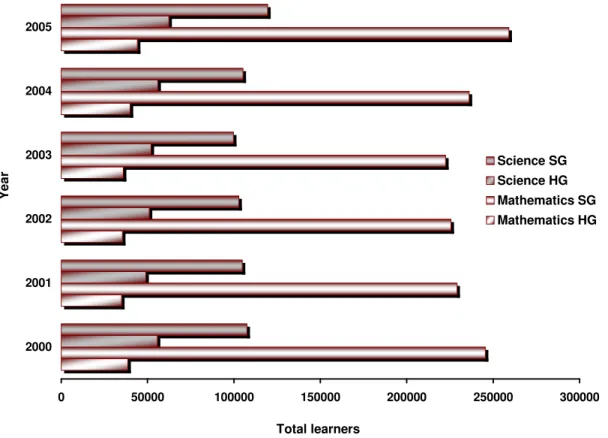
FIGURE 3.2 Senior Certificate examination results for the subjects of mathematics and physical science
66
FIGURE 3.3 Maximum application for access to an engineering programme versus total enrolments in higher education institutions
67
FIGURE 3.4 Headcount of students in public higher education institutions (a) 68
FIGURE 3.5 Headcount of students in public higher education institutions (b) 68
FIGURE 4.1 Engineering diploma: entrance-to-exit level 94
FIGURE 4.2 Conceptual framework of the study 95
FIGURE 4.3 The comparison group post-test only design 99
FIGURE 4.4 The conceptual framework for Phase 2 of the empirical study 100
FIGURE 5.1 Number of attempts for Intro students and direct students before passing the subject Mathematics I
116
FIGURE 5.2 Number of attempts of Intro students and direct students before passing the subject Electrical Engineering I
118
FIGURE 5.3 Overall examinations completed by the Intro students and direct students
120
FIGURE 5.4 Dropout ratio between Intro students and direct students 122
FIGURE 5.5 Graduation ratio between Intro students and direct students 123
FIGURE 6.1 Study level at dropout 127
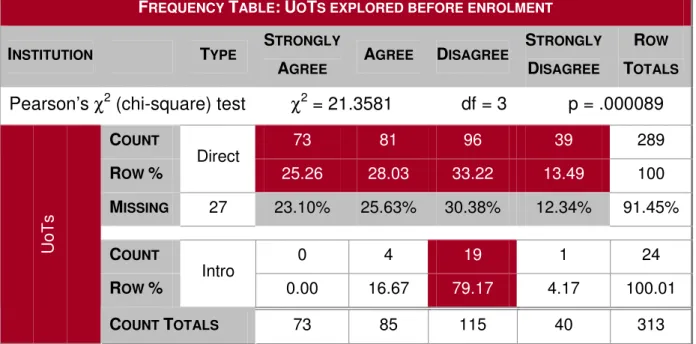
FIGURE 6.3 Universities explored before enrolment 131
FIGURE 6.4 Universities of technology explored before enrolment 132
FIGURE 6.5 How students knew where to study 133
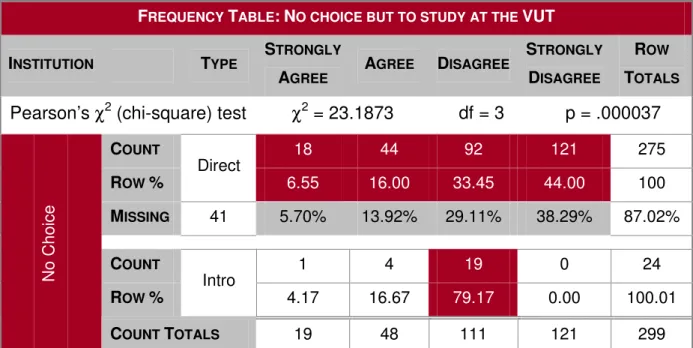
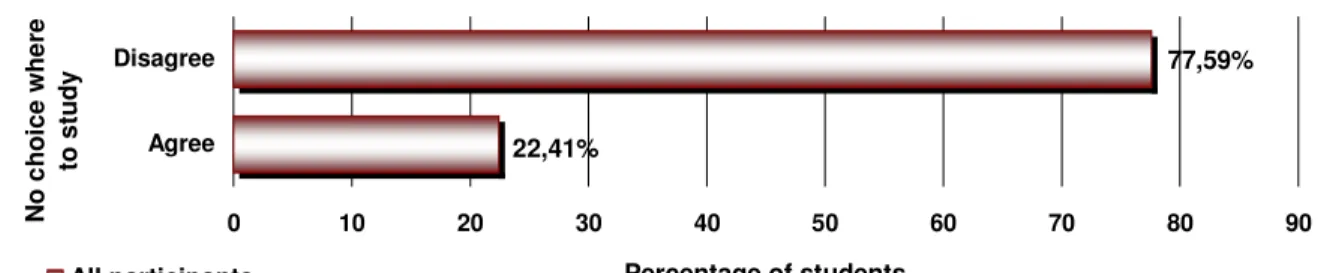
FIGURE 6.6 No choice but to study at the VUT 135
FIGURE 6.7 Why students were restricted to study only at the VUT 136
FIGURE 6.8 Freedom of choice available and preferred the VUT 137
FIGURE 6.9 Section 2 - Pre-selection knowledge of higher education institutions 138
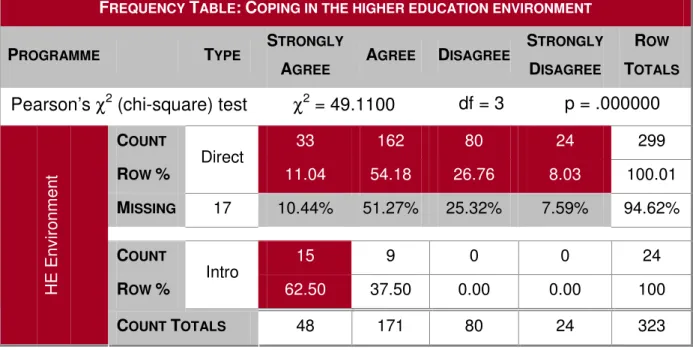
FIGURE 6.10 Coping in the higher education environment 140
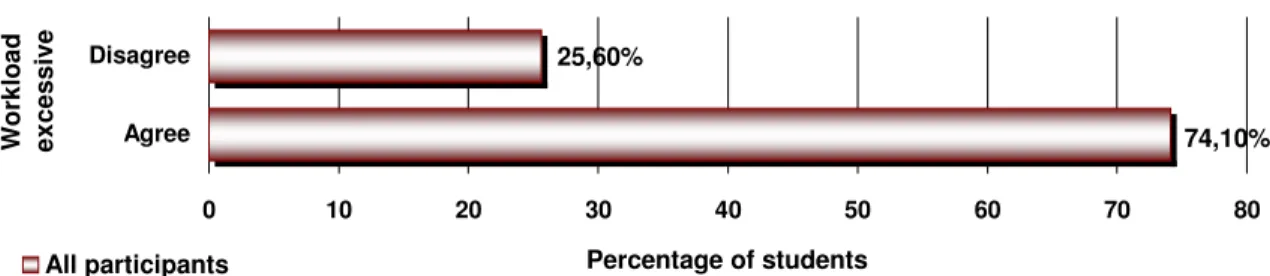
FIGURE 6.11 Difficulties experienced with the workload 141
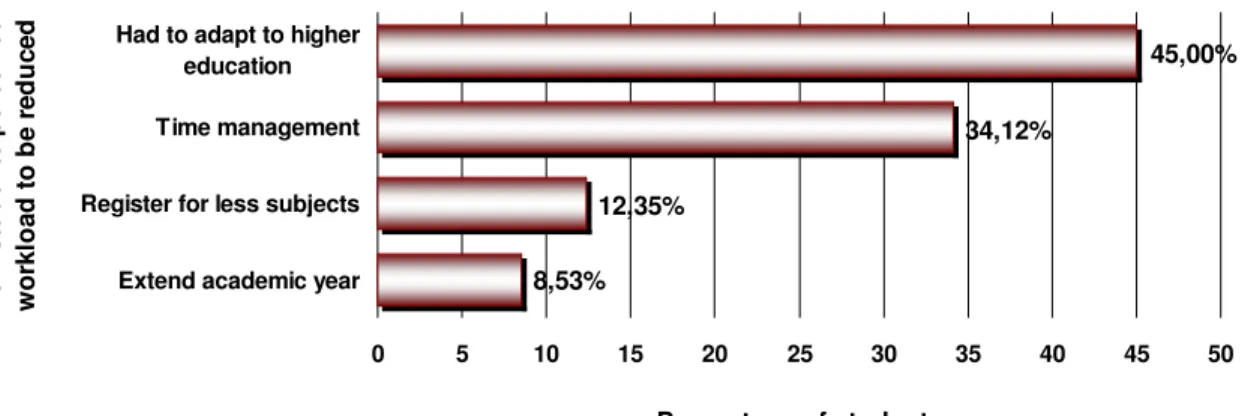
FIGURE 6.12 Students’ views of how the workload could be reduced 142
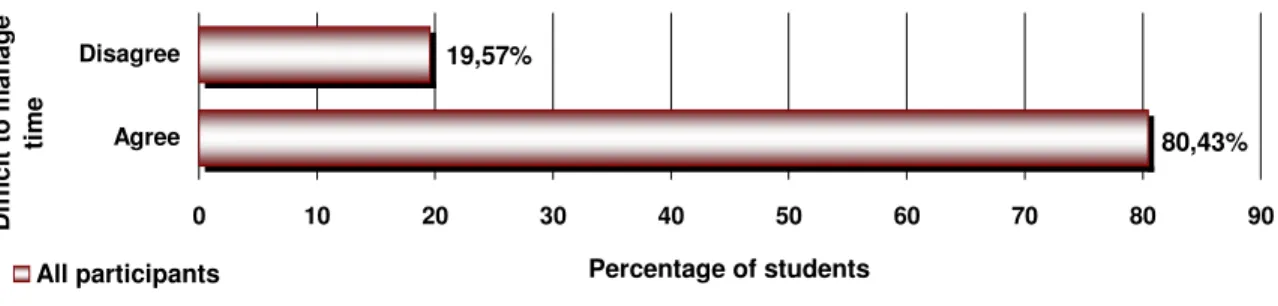
FIGURE 6.13 Difficulties experienced with time management 143
FIGURE 6.14 Students’ views as to how time management could be improved 144
FIGURE 6.15 Difficulties experienced with study methods 145
FIGURE 6.16 Students’ views as to how study methods could be improved 146
FIGURE 6.17 Gap experienced between the school environment and the higher education environment
147
FIGURE 6.18 An EIP can make transition easier 148
FIGURE 6.19 Section 3.1 - Programme environment 149
FIGURE 6.20 The library offered ample study material 150
FIGURE 6.21 The library provides sufficient computers to work on 151
FIGURE 6.22 Section 3.2 - Institutional environment 152
FIGURE 6.23 Section 3.3 - Demographical environment 153
FIGURE 6.24 Students had bursaries during their studies 154
FIGURE 6.25 The students were financially dependent on their parents or a guardian
155
FIGURE 6.27 Section 4.1 - Financial obligations 157
FIGURE 6.28 Section 4.2 - Health obligations 158
FIGURE 6.29 Section 4.3 - Partner obligations 158
FIGURE 6.30 Students could not afford some of the prescribed textbooks 160
FIGURE 6.31 Students hardly ever utilised the prescribed textbooks 161
FIGURE 6.32 Students preferred textbooks in their home language 162
FIGURE 6.33 Sub-section 4.4 - Course material 163
FIGURE 6.34 Students not understanding lecturers’ explanations 164
FIGURE 6.35 Lecturers did not explain subject material 165
FIGURE 6.36 Lecturers only taught new concepts 166
FIGURE 6.37 Lecturers only read from textbooks 167
FIGURE 6.38 How students perceive teaching and learning could be improved 168
FIGURE 6.39 Overcrowded classes 170
FIGURE 6.40 Section 4.5 - Teaching and learning 171
FIGURE 6.41 Section 4.6 - Personal reflections 172
FIGURE 7.1 A curriculum framework for an EIP at a higher education institution 185
LIST OF TABLES
TABLE 3.1 Overview of the five concurrent curricula 50
TABLE 3.2 Technical production systems 52
TABLE 3.3 Comparison between the instruction and the learning paradigm 57
TABLE 3.4 DAD hierarchy of emotions adapted from Maslow’s hierarchy of needs 60
TABLE 3.5 A simplified comparison between deep learning and surface learning approaches
63
TABLE 3.6 Summary of the higher education institutions offering introduction programmes in South Africa
81
TABLE 3.7 Intro SET Programme outline for 2004 - 2006 86
TABLE 5.1 Number of attempts for Intro students and direct students before passing the subject Mathematics I
115
TABLE 5.2 Number of attempts of Intro students and direct students before passing the subject Electrical Engineering I
117
TABLE 5.3 Overall examinations completed by the Intro students and direct students
119
TABLE 5.4 Dropout ratio between Intro students and direct students 121
TABLE 5.5 Academic progress of Intro students and direct students 123
TABLE 6.1 Study level at dropout 127
TABLE 6.2 Diploma programmes registered for at dropout 128
TABLE 6.3 Age categories 129
TABLE 6.4 Gender distribution 130
TABLE 6.5 Universities explored before enrolment 131
TABLE 6.6 Universities of technology explored before enrolment 132
TABLE 6.7 How students knew where to study 133
TABLE 6.8 No choice but to study at the VUT 134
TABLE 6.10 Freedom of choice available and preferred the VUT 137
TABLE 6.11 Coping in the higher education environment 139
TABLE 6.12 Difficulties experienced with the workload 140
TABLE 6.13 Students’ views of how the workload could be reduced 141
TABLE 6.14 Difficulties experienced with time management 142
TABLE 6.15 Students’ views as to how time management could be improved 143
TABLE 6.16 Difficulties experienced with study methods 144
TABLE 6.17 Students’ views as to how study methods could be improved 145
TABLE 6.18 Gap experienced between the school environment and the higher education environment
147
TABLE 6.19 An EIP can make transition easier 148
TABLE 6.20 The library offered ample study material 150
TABLE 6.21 The library provides sufficient computers to work on 151
TABLE 6.22 Students had bursaries during their studies 154
TABLE 6.23 The students were financially dependent on their parents or a guardian 155
TABLE 6.24 Studies not completed due to financial constraints 156
TABLE 6.25 Students could not afford some of the prescribed textbooks 159
TABLE 6.26 Students hardly ever utilised the prescribed textbooks 160
TABLE 6.27 Students preferred textbooks in their home language 162
TABLE 6.28 Students not understanding lecturers’ explanations 164
TABLE 6.29 Lecturers did not explain subject material 165
TABLE 6.30 Lecturers only taught new concepts 166
TABLE 6.31 Lecturers only read from textbooks 167
TABLE 6.32 How students perceive teaching and learning could be improved 168
LIST OF ANNEXURES
ANNEXURE 1 The post-apartheid national landscape of the South African higher
education sector
216
ANNEXURE 2 The critical cross-field outcomes: criteria specified by SAQA 218
ANNEXURE 3 Goals and strategic objectives of the National Plan for Higher
Education, 2001, as linked to the Higher Education White Paper 3
219
ANNEXURE 4 The NQF qualification structure 220
ANNEXURE 5 NQF objectives as outlined in the SAQA Act No. 58 of 1995 221
ANNEXURE 6 TABLE A-6.1 Issues of context to be taken into consideration
for a QA system
222
TABLE A-6.2 Criteria for HEQC audit judgements 223
ANNEXURE 7 HEQF characteristics of generic programmes 224
ANNEXURE 8 Entrance criteria applicable to the Faculty of Engineering and
Technology at the VUT
225
ANNEXURE 9 The HEQF levels as applied in higher education institutions from
January 1, 2009
226
ANNEXURE 10 TABLE A-10.1 Functions of a UoT, as provided by the CTP 227
TABLE A-10.2 Characteristics of a UoT, as provided by the CTP 228
TABLE A-10.3 Brook’s outlook of UoTs 229
ANNEXURE 11 The three learning domains frequently used at the VUT 230
ANNEXURE 12 The questionnaire completed by all the dropout students that
could be persuaded to participate in the study
GLOSSARY OF ABBREVIATIONS AND ACRONYMS
ABET Adult Basic Education and Training
AD Academic Development
ADP Academic Development Programme
ANC African National Congress
ASPECT Academic Support Programme for Engineering in Cape Town
ATN Australian Technology Network
B Tech Baccalaureus Technologia
BSc Bachelor of Science
CAML Community Access to Mainstream Learning
CAT Credit Accumulation and Transfer
CBE Council for the Built Environment
CDTL Centre for Development of Teaching and Learning
CHE Council on Higher Education
CHET Centre for Higher Education Transformation
COE Council for Opportunity in Education
CORE China Open Resources for Education
CPUT Cape Peninsula University of Technology
CTP Committee of Technikon Principles
D Tech Doctor Technologiae
DAD Direct Access Development
DIT Durban Institution of Technology
DoE Department of Education
DUT Durban University of Technology
ECSA Engineering Council of South Africa
EFP Engineering Foundation Programme
ETQA Education Training Quality Assurance
FET Further Education and Training
FHEQ Framework for Higher Education Qualification
FP Foundation Programme
HEQC Higher Education Quality Committee
HEQF Higher Education Qualification Framework
HESA Higher Education South Africa
IAU International Association of Universities
Intro Eng Introduction to Engineering
Intro SET Introduction to Science, Engineering and Technology
ITS Integrated Tertiary System
M Tech Magister Technologiae
MoE Minister of Education
NACI National Advisory Council on Innovation
NAP New Academic Policy
NCHE National Commission on Higher Education
NCIHE National Committee of Inquiry into Higher Education
NEPI National Education Policy Investigation
NQF National Qualification Framework
NWG National Working Group
OBE Outcomes Based Education
PBL Problem-Based Learning
PrCert Eng Professional Certificate Engineer
PrEng Professional Engineer
PrEng Technician Professional Engineering Technician
PrEng Technologist Professional Engineering Technologist
QA(A) Quality Assurance (Agency)
RPL Recognition of Prior Learning
RSA Republic of South Africa
SA South Africa
SACBE South African Council for the Built Environment
SAEON South African Environmental Observation Network
SAQA South African Qualification Authority
SAT Scholastic Aptitude Test
SATN South African Technology Network
SAUVCA South African Universities Vice-Chancellors Association
SCER Select Committee of Education and Recreation
SETA Sector Education and Training Authorities
SFP Science Foundation Programme
TAP Technology Access Programme
TBVC Transkei, Bophuthatswana, Venda and Ciskei
TUT Tshwane University of Technology
UCT University of Cape Town
UDUSA Union of Democratic University Staff
UK United Kingdom
UKZN University of KwaZulu-Natal
UL University of Limpopo
UNAM University of Namibia
UoT University of Technology
UP University of Pretoria
US University of Stellenbosch
USA United States of America
UTP Universiti Teknologi Petronas
VUT Vaal University of Technology
CHAPTER 1
ORIENTATION TO THE STUDY
1.1 INTRODUCTION
The history of South Africa has been characterised by political conflict and socio-cultural divisions along race and class lines. The well-documented South African education system of the apartheid era has been described as racist, Euro-centred, sexist, authoritarian, prescriptive, unchanging, context blind and discriminatory (Turner, Myers & Creswell, 1998: 33; Jansen & Christie, 1999: 4; Tisani, 2004: 175). The educational legacy of this era was a divided higher education sector of uneven socio-structural equality. A challenge for the South African government was to progress beyond the apartheid legacy as well as beyond the multitude of enduring problems and weaknesses in higher education, and to create a new landscape that meets economic and social development needs through the production of quality graduates (De Jager & Nassimbeni, 2005: 33).
Post-apartheid legislation focused on expanding participation into higher education as a means of reducing the stratified race and class structure of the country (Fraser & Killen, 2005: 26). Internationally, it is recognised that with this expansion of access has come a shift from the heterogeneity structure to one of diverse participation that is reflected in language, socio-economic backgrounds, cultures, race and mass higher education (Northedge, 2003a: 169-180; Reay, David & Ball, 2005; Asmar, 2006: 9-20).
The South African higher education system has been greatly influenced by global movements, including concerns about the nature of skills required for the knowledge economy, employability of graduates and demands for greater accountability (De Jager & Nassimbeni, 2005: 33). The progress of Academic Development (AD) in South Africa has generally run parallel to the transformation of the higher education sector and, in particular, parallel to the expansion and broadening of access to this sector (Pandor, 2006: 1-6). AD has played an important role in the broadening
access to higher education through, among others, the development of alternative admissions and placement processes (Pandor, 2006: 1-6).
1.2 BACKGROUND TO THE STUDY
In South Africa, many of the students entering higher education programmes are under prepared because of insufficient life skills input at school level, which leads to valuable losses in human potential (Rooth, 1997; Sutherland & Waetzel, 2005: 1). Life skills are specified skills that should be mastered and applied successfully to enable an individual to cope with general and complex problem situations and to make correct and meaningful decisions (Raijmakers, 1993). Life skills that are vital in the changing higher education environment include assertiveness, time management skills, communication skills, planning skills and listening skills (Hamburg & Takanishi, 1989: 825; Lodder, 1993; Takanishi, 1995; Sutherland, 2004: 120). Factors that could possibly be attributed to the difficulties experienced by higher education students include diversity within the school curricula, a lack of teaching quality, and a lack of interpersonal and intra personal life skills orientation (Antonovsky, 1987; McFarlane, 1998; Asmal, 2000a; Vermeulen, 2002). Higher education in South Africa could face a bleak future should the secondary school sector not perform at adequate levels (Shay, Bond & Hughes, 1994: 21; Taylor & Vinjevold, 1999: 139; Park, 2003: 5-8; Fraser, Killen & Nieman, 2005: 235). This situation places higher education institutions under further pressure in their quest to continue providing quality graduates to their customers. The challenge is how this should be achieved (Arcaro, 1995: 56-57). The specific influence of these factors, with respect to the higher education sector, is discussed next.
Diversity within the school curricula is the first possible factor that may contribute to the difficulties experienced by higher education students. Each province has its own curriculum that schools work from, but the National Senior Certificate examinations are based on a central curriculum (Asmal, 2000a). Pandor (2008: 2) agrees that different approaches (to overcome these inequalities) are required to ensure greater participation in or access to higher education. With regard to the second influencing factor, lack of teaching quality, Asmal (2000b) states that the majority of school learners only have access to a poor quality education. Pandor (2007: 2) acknowledges progress in this regard, but stresses that more has to be done to
improve quality within the education system. McFarlane’s (1998) studies on the third possible influencing factor, recognises that secondary variables (intra personal skills, personal growth of students and subject content) had an impact on the development and acquisition of certain life skills. Intra personal aspects, such as sense of coherence - feeling of purpose and sense in life - and family well-being, also influence first-year students who are attempting to bridge the gap between their grade 12 and their first-year tertiary level experience (Vermeulen, 2002).
Only a small proportion of school leavers obtain university exemption and, consequently, degrees in South Africa (Barker, 1999; Department of Education (DoE), 2006: 32, 34). Over a decade ago, the South African government anticipated that there would be 1,5 million students in higher education. This, however, did not occur (Pandor, 2008: 1). Higher education has seen immense changes, which have left a permanent imprint on the system, its constituent institutions and their practices. One of these changes and a unique feature of the South African Higher Education Qualifications Framework (HEQF), referred to in the New Academic Policy (NAP) (South Africa (SA), 2002: 37) and again highlighted within the new HEQF document (DoE, 2007: 7), is the articulation column, which provides for diagonal articulation. Diagonal articulation generally implies that a student may be required to undertake additional enrichment learning in a specific target area prior to them being admitted into a higher education programme. It has been proposed by the Council on Higher Education (CHE) that programmes which fall into the articulation column be made up of 60 credits (one semester of full-time study), in order to allow academics to offer short, focused programmes that meet the specific in-service or upgrading needs of students (SA, 2002: 37). The purpose behind this is to facilitate student mobility as well as progression, and can be used to admit those students who do not meet the full entry requirements for their target programmes into the higher education system (McFarlane, Sutherland & Vermeulen, 2004: 98; DoE, 2007: 7).
In the higher education sector, both the policy makers and the academics have come to recognise the need for special AD programmes, in the form of introduction programmes, to facilitate the success of promising, but under-prepared prospective students (Felix, 2002; SA, 2002). Despite the wide variety of and many differences between AD initiatives, one common purpose runs through them all: the need to develop each student’s potential optimally. That is, to enable students to learn and
study effectively, to cope with the demands of their studies, and to attain a level of academic performance that matches their abilities and strength of commitment (Scott, 2001). According to the South African Qualification Authority (SAQA), knowledge gained via intervention programmes should add value to the student and, consequently, provide benefits to society and the economy by, amongst other things, the enrichment of the individual and the opening up of access routes to additional education and training (SA, 1995; SA, 2002; DoE, 2007). Pearce (2000a: 1) recognises that the demand for academic support in higher education engineering studies has grown substantially. However, Kluth and Straut (2001: 43-46) advise that in order for introduction programmes to be effective, they should answer the needs of diverse students (Fraser et al., 2005: 234). While a critical analysis still needs to be carried out on the full extent and scope of the influence of AD on the transformation of higher education, including its impact on teaching and learning practice, the achievements of the AD programmes over the past years must be acknowledged and applauded (Pandor, 2006: 1-6). However, these AD programmes have to suit the higher education sector in terms of legislative and academic practices.
Many countries, whether industrially developed or newly industrialised, recognise the crucial role of an effective system of education as part of their national plan for social and economic development (Van Dyk, Nel, Van Zyl Loedolff & Haasbroek, 1999: 4). Higher education is involved in enhancing people’s ability to think individually and, accordingly, it provides individuals with the opportunities needed for personal enrichment and employment via the acquisition of basic knowledge and skills (Nellmapius, 1996). A fundamental consideration in developing a curriculum for an Engineering Introduction Programme (EIP) is how best to bridge the gap that exists between secondary school studies and first-year higher education engineering studies. Curriculum developers have to take into consideration the academic level of the prospective student entering the EIP, and work towards the academic level required for the first-year higher education engineering study fields. Delpit (1976) states that learning the material is not the problem; rather, the problem is discovering what material needs to be learned.
Bodendorf and Swain (2001: 102) claim that higher education is facing two major challenges; first, a shift to a, supply-orientated view where there is an increasing
demand for new knowledge and skills; secondly, the rapid growth in the amount of information that needs to be mastered, which often becomes archaic just as quickly. The emphasis in South Africa today is on the acquisition of knowledge as a productive force. However, it is not merely any knowledge, but the application of theoretical, codified knowledge that allows individuals to utilise the gained knowledge in such a way that it adds direct value to the economy of the country (Sutherland, McFarlane & Vermeulen, 2002: 21). Higher education institutions must be increasingly efficient and effective in providing their services or they are at risk of losing their place in the educational market (McNealy, 1993: 373). Cultivating more talent of a technical nature across the board makes good business sense (Kelly III, 2008). He further states that the number of workers retiring from the science and engineering fields will most likely mushroom over the next twenty years, aggregating an existing shortage of technical skills that has already left 1,3 million engineering jobs vacant. This statement is supported by Beute (1996), who stated years ago that the long-term need for engineers and scientists is not being adequately addressed.
According to Miller (2001: 1), a new paradigm of education has emerged - one that places greater relevance on the world of work; hence, the importance of including language literacy and communication within the curriculum of an EIP. Even though Miller’s (2001: 1) perspective is American, it may equally be valid for the South African context. Furthermore, the EIP curriculum should introduce skills in report writing, note taking, study skills, time management skills, public speaking skills, debating skills and knowledge of current affairs. In terms of the Outcomes Based Education (OBE) approach to education, as accepted by SAQA (SA, 1995; SA, 2002; Revised National Curriculum Statement (RNCS), 2005: 1-6; DoE, 2007), the teaching of languages falls under the learning area of language literacy and communication, where the skills of reading, listening and observing are emphasised. According to Clayton (2000: 103), reading promotes the essential cognitive-development skills one must acquire in order to succeed in adult life. Comprehension is the focal point of the reading process as it involves relating vocabulary to experience; understanding ideas, concepts and processes; recognising relationships; making comparisons; drawing inferences; reflecting, interpreting and ‘reading between the lines’. As these skills are mastered, comprehension occurs. This, in turn, fosters the ability to evaluate ideas critically, which is an essential capability within the field of engineering (Pienaar, 2000: 126). This can be interpreted
as the intrinsic value of language as an instrument for problem solving, decision making and creative thinking - critical and evaluative - that needs to be developed across the entire curriculum (Niemann, Swanepoel & Venter, 2000).
Consequently, higher education institutions in South Africa, including the Vaal University of Technology (VUT), have designed engineering intervention programmes in the form of introduction programmes. These programmes have been implemented for different reasons and are designed to meet different needs (Sutherland & Waetzel, 2006: 343). However, questions have arisen regarding the quality of these programmes. The CHE, through its Higher Education Quality Committee (HEQC), has been assigned the responsibility of quality assurance in higher education, which it has started to exercise through the national institutional audits associated with quality improvement and enhancement (De Jager & Nassimbeni, 2005: 33). The aim of an EIP should not merely be to increase the intake of first-year engineering students at higher education institutions. Rather, such programmes should focus on delivering proficient students into the higher education engineering study fields. By doing so, the pass rate and, therefore, the throughput rate of academic programmes of an engineering faculty may be increased.
Various international higher education institutions have EIPs available (Canada, China, Namibia, Omani, Scotland, The United Kingdom, The United States of America). Most of the countries abroad have a central-based foundation department that ensures the quality of the affiliated EIPs offered at their colleges and universities (Reid & Loxton, 2004: 1-5; Grimm, 2005: 1-2; Kelly III, 2008). According to these countries, EIPs provide an ideal pathway to undergraduate studies at colleges and universities.
In order for prospective students to adapt to the demands of higher education engineering studies, the VUT has had to design an EIP to enhance prospective students academically, by providing academic skills and social skills, so that they are able to attempt their engineering diploma studies at VUT successfully (Sutherland & Waetzel, 2006: 341). Education changes as technology changes and the transition (into higher education) should be made as easy as possible for the students. The transition includes spreading the workload and increasing productivity, together with increasing pass rates and, most importantly, throughput rates, without compromising
academic standards. The EIP aims to meet the needs of prospective students who are denied access to study an engineering diploma at the VUT. Hay and Marais, (2004: 60) state that higher education institutions that believe in introduction programmes are obligated to engage in research to prove that such programmes are successful and, therefore, have a place in higher education. To date, no study has been undertaken to provide scientific evidence that an EIP may lead to an increase in engineering graduates and, therefore, an increase in the throughput rate of an engineering faculty. Hence, the main purpose of the study is the development of a sound curriculum framework for an EIP offered at a higher education institution.
According to O’Day and Smith (1992: 25), curriculum frameworks outline the content to be taught in core disciplines and that all elements of the broadly defined education system are linked in a common effort to accomplish common goals. The proposed framework focuses specifically on curriculum development practices, and considers how these practices can be applied to create a sustainable EIP for prospective students in the higher education sector. The proposed framework may be used by any higher education institution for benchmarking, classifying and implementing best sustainable practices.
Benchmarking is recognised as an essential tool for the continuous improvement of quality (Datakumar & Jagadeesh, 2003: 26). Benchmarking goes beyond merely analysing the competition. It includes analysing organisational processes and methods to assess how other higher education institutions achieved their position. The earlier stages of benchmarking developments stressed a process and/or activity orientation. However, the scope of benchmarking has expanded to include strategies and systems (Yasin, 2002: 85).
1.3 STATEMENT OF THE PROBLEM
Given the background of the study, an increase in the engineering diploma programme pass rate of alumni EIP students (Introduction students (Intro students)) over a five-year period (2002 - 2006), together with the identification of the reasons students drop out of the diploma programme, may serve as important indicators of the possible success of the engineering intervention programme. This, in turn, might provide a basis for the formulation of a sound programme framework.
Currently, in terms of a sound basis of curriculum theory, the EIP has not been adequately analysed, nor have the changes in EIP been well documented. Similarly, the performance of students that have proceeded from the EIP into engineering studies has not been sufficiently analysed and described. The gap in curriculum design calls for the development of a proper curriculum framework for EIPs at the Vaal University of Technology. Although the Vaal University of Technology offers an EIP, it does not know whether this programme is effective in rendering potential engineering students better prepared for their higher education engineering studies.
1.4 PURPOSE OF THE STUDY
The focus of the study is on the acquisition of life skills, together with the academic resources necessary to enrich and competently upgrade prospective engineering students with a National Qualification Framework (NQF) Level 4 qualification to an acceptable level for entrance (HEQF Level 5) into the VUT’s engineering diploma programmes (HEQF Level 7). The study is positioned within the current South African education and higher education contexts and deals with the challenges of providing equal opportunities for success across the entire system. The study empirically contributes to the body of knowledge in the field of engineering education and its role in student learning. As higher education institutions provide access to a diversity of students, effective measures towards student support and effective student learning have to be maintained, especially among under-prepared students. The findings of this study aspire to provide additional insights into developing teaching and learning strategies, as well as curricula to address these challenges.
The key catalyst for embarking on this study was first-hand experience of the effect of under preparedness on first-year electrical engineering students at the VUT. Following interviews with other first-year engineering lecturers at the VUT, it was determined that first-year students do indeed encounter difficulties with their academic studies due to under preparedness. This led to the researcher initiating an AD programme at the VUT, EIP for prospective engineering students, which targets those students who were rejected for the mainstream engineering diploma studies. The researcher is equipped with 11 years of industrial (engineering) experience, 18 years of lecturing experience and seven years of experience with the AD programme at the VUT. While the researcher’s involvement in AD has an unavoidable impact on
all aspects of the study, every effort has been made to ensure the trustworthiness of the study. Throughout this study, the researcher draws on the epistemic knowledge obtained from the literature and on the practical knowledge acquired over the years from working with prospective engineering- and mainstream-engineering diploma students.
1.5 OBJECTIVES OF THE STUDY
In order to simplify and clarify the problem being addressed, the first step of the study was exploratory in nature. This led to the formulation of the research questions which guided the study. It was necessary to investigate these research questions before a curriculum framework for an EIP could be developed. The main objective of the study was the formulation of a sound curriculum framework for an EIP at a higher education institution, with the main research question formulated as:
What comprises a curriculum framework aimed at prospective engineering students at the VUT?
The following sub-questions, which served to answer the main research question, guided the study:
− When compared to students entering the engineering diploma programmes directly (direct students), do Intro students perform better in their academic studies? (Phase 1 of the study)
− In comparison to direct students, do Intro students have a better graduation rate? (Phase 1 of the study)
− In comparison to direct students, do the same number of Intro students drop out of the diploma programmes? (Phase 1 of the study)
− Do engineering diploma students drop out of the programmes due to reasons other than academic performance? (Phase 2 of the study)
The second step of the study was descriptive in nature, and provided a portrayal of the social phenomenon under investigation: EIP at higher education institutions. It also provided insight into similar programmes on offer nationally and internationally. The last step of the study was both descriptive and interpretive, seeking to describe
and interpret the meaning and relevance of the data gathered relating to an EIP for prospective engineering students.
The rationale for the study was therefore to provide evidence that an increase in the pass rate of Intro students over a five-year period, together with the identification of the reasons for students dropping out of the diploma programmes, serve as important indicators of the success of the EIP at the VUT. These indicators, in turn, provide a basis for formulating a sound curriculum framework for an introduction programme.
1.6 RESEARCH DESIGN
The study was located within the empirical-analytic paradigm, using quantitative and qualitative data. The study addressed the research problem, which was articulated by the research question and sub-questions. At first glance, these questions placed the empirical part of the study in the category of implementation evaluation research (a form of applied research). Implementation evaluation research aims to answer the question of whether an intervention programme, theory, policy or strategy, has been properly implemented (process evaluation studies), whether the target group has been adequately covered and whether the intervention was implemented as designed (Mouton, 2001: 158).
However, case study methodology engages in an in-depth, longitudinal examination of a single instance, event or, as in this case, the EIP offered at the VUT. Case studies provide a systematic way of looking at events, collecting data, analysing information and reporting the results. As a result, the researcher may gain a sharpened understanding of why the instance happened as it did, and identify what might be important to look at more extensively in future research (Flyvbjerg, 2006: 219-245).
Yin (2002), on the other hand, suggests that the case study approach should be defined as a research strategy, an empirical enquiry that investigates a phenomenon within its real-life context. According to him, case study research means single and multiple case studies, which can include quantitative evidence, and which relies on multiple sources of evidence and benefits from the prior development of theoretical
propositions. Case studies should not be confused with qualitative research and they can be based on any mix of quantitative and qualitative evidence. Single-subject research provides the statistical framework for making inferences from quantitative case study data (Yin, 2002; Lamnek, 2005).
The descriptive case study for this research was mainly positioned in the positivism paradigm. The target groups for the study included the Intro and direct students at the VUT over a period of five years. A longitudinal perspective implies examining the same group(s) at different time intervals (Welman, Kruger & Mitchell, 2005: 96) within the same bounded context.
Riley (1963: 5-6) asserts that the research process starts with a conceptual model or an organising image of the phenomena to be investigated. According to Mouton and Marais (1990: 139-144), it is through this process of integrating scientific statements into conceptual frameworks that the familiar structure of science, typologies, theories and models are developed. The research questions resulted in the formulation of the conceptual framework, which divided the study into two separate phases. Phase 1 of the study deals with the academic performance of both the Intro and direct students for a period of five years. Phase 2 of the study deals with the reasons (other than academic performance) for dropping out of the diploma programmes.
It is common in implementation evaluation studies to utilise all available modes of observation: both structured (questionnaires, tests, scales) and less structured (focus group interviews, individual interviews, participation observation), as well as analysing existing documentary sources (Mouton, 2001: 159). Data for the study were obtained from the academic examination results of Intro students as well as the direct students (those that were registered within the engineering diploma programmes), and from an administered questionnaire survey of students who have dropped out of the engineering diploma programmes. Both quantitative and qualitative data collection approaches were applied and the results were triangulated with the literature review undertaken.
A detailed description of the methodology for the empirical part of the study is provided in Chapter 4.
1.7 CLARIFICATION OF KEY CONCEPTS
Although the terminology used within the study is known to individuals involved in the education and higher education sectors, there are terms that may cause confusion regarding the different educational sectors. These terms are discussed here to mitigate any potential misconception.
During the study, the term ‘learner’ was used to describe an individual studying within the school sector, while the term ‘student’ refers to an individual studying within the higher education sector. The term ‘learner’ has not been altered within the legislation documentation referred to in the study, but should be interpreted in context.
The term ‘teacher’ was used to describe an educator within the school system, while the term ‘lecturer’ was used to describe an educator within the higher education sector. Both teachers and lecturers are known as academics within their respective fields.
The terms ‘curriculum’ and ‘curriculum development’ are further explored in Chapter 3 and will not be discussed here.
The term ‘framework’ was described in this study as an underlying set of ideas, principles, agreements or rules that provide the basis or outline for an EIP at a higher education institution. In context, it provides the general background to and context for the particular action of curriculum development for an EIP in a higher education institution.
The term ‘EIP’ was described as an AD programme for prospective students, designed to enhance their NQF Level 4 results in order to gain access (HEQF Level 5) to the main diploma engineering programmes (HEQF Level 7) at the VUT. The term ‘EIP’ is further explored and defined in Chapter 3. The term ‘AD’ in engineering is also dealt with in Chapter 3.
1.8 CLASSIFICATION OF THE STUDY
This chapter described the orientation to the study, why it was undertaken, how it was undertaken and when it was undertaken. It also provided a brief overview of the study. In addition, the research questions formulated for the study were outlined. These research questions clarify why the study had to be in line with the South African higher education environment and legislative changes that recently occurred.
Chapter 2 presents a literature review aimed at contextualising the current perspectives on higher education in South Africa. The changes within the higher education system brought by legislation from the DoE are described, together with the effect these changes had on the curriculum development of an EIP.
Chapter 3 comprises a literature review that strives to explain the conceptual perspectives on curriculum design and curriculum development. In addition, this chapter presents an in-depth review of the EIPs for prospective engineering students at various higher education institutions. Both national and international programmes on offer were explored, and the current EIP offered at the VUT was benchmarked against them.
Chapter 4 outlines the research design and methodologies used in the empirical portion of the study. The case study, quantitative and qualitative data, research approaches, methods and procedures are described. The integration of the quantitative and qualitative data findings through a process of triangulation is described. The validity and reliability of the study are also dealt with in this chapter.
The statistical analysis of Phase 1 (academic results) of the study is interpreted in Chapter 5, while the statistical analysis of Phase 2 (reasons for student dropout) is interpreted and described in Chapter 6. The concluding chapter, Chapter 7, draws together all the results of the previous chapters, providing a synthesis of the interpreted findings with the theory that was discussed in the literature study. The chapter closes with the conclusions, recommendations and a curriculum framework for an EIP offered at the VUT.
1.9 CONCLUSION
Since the early 1990s, the South African government has been working towards rectifying the social inequalities that prevailed in the education sector during the apartheid era. One of these efforts involved the widening of access to higher education institutions in order to allow greater participation in higher education by members of South Africa’s diverse cultures. However, the gap between the secondary school sector and the higher education sector has resulted in many students being ill equipped to cope with higher education academic studies. This is thought to stem mainly from the students’ lack of life skills, communication skills, numeric skills and literacy skills.
The assumed lack of these skills has inspired various higher education institutions to develop academic programmes to bridge the gap between the secondary school sector and the higher education sector. An AD programme for prospective engineering students has to comprise curriculum development procedures to ensure these students’ academic success throughout their engineering studies. These AD programmes can lead to participation within the higher education sector and assist in providing high quality graduates. This, in turn, serves to redress the significant work force shortages experienced within the engineering and technology sector. The South African government has provided the higher education system with various changes in legislation throughout the last decade and, consequently, has provided a basis for AD programmes, in the form of EIPs, to be implemented within this sector. Curriculum development of an EIP can only be of a high quality if these legislative changes are taken into consideration.
The next chapter, Chapter 2, deals with the changes in legislation that occurred within the South African higher education sector during the post-apartheid era. In addition, it discusses recent changes within the qualification structures and provides a perspective of the higher education sector in South Africa.
CHAPTER 2
PERSPECTIVES ON HIGHER EDUCATION IN SOUTH AFRICA
2.1 INTRODUCTION
The aim of this chapter is to provide a contextual overview of the South African higher education landscape, higher education legislation and relevant structures, as well as to explore developments in higher education. It is important to differentiate the South African higher education landscape contextually, how the educational system was divided during the apartheid years, and how post-apartheid higher education transformation has influenced the current landscape.
The main emphasis is on the post-apartheid transformation development processes, which were implemented through government legislation. As the research focuses on the development of a curriculum framework towards an introduction programme for prospective engineering students, it is also necessary to explore the role of the Engineering Council of South Africa (ECSA) in higher education institutions.
2.2 THE SOUTH AFRICAN HIGHER EDUCATION LANDSCAPE
South Africa built a strong higher education sector during the apartheid years. There were separate institutions for different race groups, with historically ‘White’ institutions being the most favourably located and resourced. Race-based inequalities, duplications and inefficiencies were rife (Jansen & Christie, 1999: 4; Tisani, 2004: 175; Study SA, 2007: 1-4). There was a binary system featuring academic universities and vocational technikons (Study SA, 2007: 1-4). The purpose of universities as being primarily academic has been cited by, amongst others, Becher (1989), Pascarella and Terenzini (1995), Habermas (1997: 1-3), Brennan and Lebeau (2002: 4), Chomsky (2003: 278), Du Pré (2004: 24), Harvey (2004: 3-4), Juma (2005: 1-3) and Sharma and Ghista (2008: 1). The name ‘technikon’ was a unique South African invention [sic] and was in use for 25 years (1979-2004) (Du Pré, 2004: 20). The apartheid educational legacy was experienced by many as a binary divide in the higher education sector and not in line with emerging world
trends [sic] (Du Pré, 2000; Du Pré, 2004: 19; Tisani, 2004: 175; Study SA, 2007: 1-4).
2.2.1 Historical background
The origins of formal western education can be traced back to the mid seventeenth century and the early eighteenth century respectively (Sehole, 2006: 4). Malherbe (1925) states that the education system in the Cape was a direct replication of institutions in the Netherlands. Education was based on the Dutch system, where students were forced to learn the Dutch language and elements of the Christian religion (Sehole, 2006: 4). In South Africa, the foundation of university education was laid in the second and third quarters of the nineteenth century in the Cape Colony. The first state-aided propriety college was the South African College, which opened in Cape Town in 1829, and then in 1837 it was incorporated as a public institution and students were prepared for the matriculation and higher education examination of the University of London (Sehole, 2006: 6-7). Colleges that followed were Diocesan College, Rondebosch (1848), St Andrew’s College, Grahamstown (1855) and Victoria College, Stellenbosch (1866) (Behr, 1988: 183; Sehole, 2006: 6-7). Behr (1988: 183) states that these institutions experienced difficulties mainly with finance and fluctuating student numbers, but they succeeded in preparing their students for admission to European universities.
The University of Cape of Good Hope was established in 1873. Initially, the university did not teach courses but laid down the curricula, conducted examinations and awarded degrees for courses taught by the colleges (Sehole, 2006: 6-7).
The mining industry, with the discovery of diamonds in 1867 in the Kimberley district and gold in 1886 on the Witwatersrand, led to an influx of people from all over Europe to South Africa. In 1894, the first training of mining engineers started at the South African College. The University of the Witwatersrand (1922) had its origins in the Transvaal Technical Institute, which was established in 1903, following the transfer of the School of Mines and Technology from Kimberley to Johannesburg that year (Behr, 1988; Sehole, 2006: 7). During 1918, the South African College became the University of Cape Town and the Victoria College, the University of Stellenbosch, in terms of Act 12 and 13 respectively of 1916 (Sehole, 2006: 7).