FACTORS AFFECTING TOOTH CLEANING
PATTERN, STRUCTURE AND PERFORMANCE IN
BRAZILIAN ADULTS
Claides Abegg
Thesis Submitted for the Degree of Doctor of Philosophy of the University of London
ProQuest Number: 10055428
All rights reserved
INFORMATION TO ALL USERS
The quality of this reproduction is dependent upon the quality of the copy submitted.
In the unlikely event that the author did not send a complete manuscript and there are missing pages, these will be noted. Also, if material had to be removed,
a note will indicate the deletion.
uest.
ProQuest 10055428
Published by ProQuest LLC(2016). Copyright of the Dissertation is held by the Author.
All rights reserved.
This work is protected against unauthorized copying under Title 17, United States Code. Microform Edition © ProQuest LLC.
ProQuest LLC
789 East Eisenhower Parkway P.O. Box 1346
ABSTRACT
Tooth cleaning behaviour can be divided into pattern (frequency of tooth cleaning), performance (relative effectiveness of tooth cleaning), and structure (range of items used in tooth cleaning). The main aim of this programme of research was to assess whether those three dimensions were associated with routines of daily activities, flexibility of daily
activities and flexibility of working time schedule (job personal schedule freedom).
The hypothesis is that tooth cleaning behaviour is affected by the level of routines and flexibility of daily activities, as well as the level of flexibility of the working time schedule. It is hypothesized that subjects who enjoy higher rather than lower levels of routines in daily activities are more likely to clean their teeth less frequently and have worse cleaning performance, use fewer oral hygiene aids, and have more
bleeding gums. In addition, subjects who have higher levels of flexibility in daily activities, compared to those with lower levels of flexibility, tend to clean their teeth more frequently, have better cleaning performance, make use of more oral hygiene aids, and have fewer teeth with gums bleeding after probing.
gums bleeding after probing, as well as employ more oral hygiene items, as opposed to those who have lower levels of flexibility of working time schedule.
The study was conducted on a sample of 471 Brazilian adults, 234 women and 237 men, from two social classes. The age range was 24 to 44 years. Behaviourial socio-economic and clinical data was collected through structured interviews and clinical examinations. Data were analysed by means of logistic regression analysis.
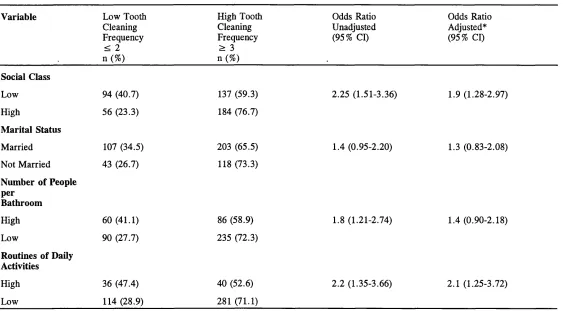
There was a highly significant relationship between routines of daily activities and pattern of tooth cleaning behaviour. There was no significant association between routines of daily activities and tooth cleaning performance, structure and gums bleeding. A significant relationship was observed between pattern, performance and less gums bleeding after probing, and flexibility of daily activities.
Flexibility of working time schedule was significantly associated with tooth cleaning pattern, performance and structure.
It was concluded that routines of daily activities was strongly
associated with tooth cleaning pattern and that flexibility of daily activities is an important correlate of tooth cleaning pattern, performance and gums bleeding. In addition, flexibility of working time schedule influences tooth cleaning pattern, performance and structure.
TABLE OF CONTENTS
Abstract ... i
Dedication ... iii
Table of Contents ... iv
List of Tables ... ix
List of Appendices ... xii
Acknowledgements ... xiv
CHAPTER 1 INTRODUCTION AND LITERATURE REVIEW 1 1.1 Introduction ... 2
1.2 Oral Hygiene Practices: An Overview ... 4
1.2.1 Toothbrushing Patterns ... 4
1.2.2 Use of Dental Floss ... 6
1.3 Factors Influencing the Adoption of Personal Oral Hygiene Measures ... 10
1.3.1 ’Tntra Individual Determinants" ... 11
1.3.1.1 The Health Belief Model ... 11
1.3.1.2 Health Locus of Control ... 12
1.3.1.3 Theory of Reasoned Action ... 14
1.3.1.4 Self-efficacy ... 15
1.3.1.5 Fear Arousal ... 16
1.3.2 Socialization ... 16
1.3.3 Cultural Values and Social Environment ... 19
1.3.5- Enabling Factors: Information, Skill, Resources and the
Environment ... 21
1.4 The Rationale of the Present Study ... 22
1.5 Aim, Objectives and Hypothesis ... 28
1.5.1 Aim ... 28
1.5.2 Objectives ... 28
1.5.3 Hypothesis ... 29
CHAPTER 2 METHODOLOGY 31 2.1 Introduction ... 32
2.2 Study Location ... 32
2.3 Development o f Research Instrument-Behavioural Data 33 2.3.1 The Pre-Pilot Studies ... 33
2.3.2 Main Questionnaire ... 34
2.4 Pilot Study ... 35
2.4.1 Description ... 35
2.4.2 Response rate ... 37
2.4.3 Discussion ... 38
2.4.3.1 Clinical examination ... 38
2.4.3.2 Questionnaire ... 38
2.5 Main Study ... 39
2.5.1 Main Study Population ... 39
2.5.1.1 Age ... 40
2.5.1.2 Social class ... 40
2.5.1.3 Sample representativeness ... 42
2.5.2 Methods of Sample Selection ... 43
2.5.3 Response Rate ... 44
2.5.4 Data Collection ... 44
2.5.4.1 Behavioural data ... 44
2.5.4.2 Clinical data ... 46
2.5.4.3 Socio-economic status ... 46
2.6 Data Analysis ... 47
2.7 The Construction of the Measurements ... 48
2.8 Outcome Variables ... 61
2.8.1 Tooth Cleaning Pattern ... 62
2.8.2 Tooth Cleaning Structure ... 63
2.8.3 Tooth Cleaning Performance ... 64
2.8.4 Outcome of Tooth Cleaning Performance ... 66
2.9 Confounding variables ... 66
2.10 Reliability of the Structured Interview ... 67
CHAPTER 3 RESULTS 69
3.1 Introduction ... 70
3.2 Descriptive Data ... 71
3.3 Explaining Tooth Cleaning Frequency ... 74
3.4 Explaining Levels of Dental Plaque ... 80
3.5 Explaining Gums Bleeding after Probing ... 84
3.6 Explaining the Range of Oral Hygiene Aids Used to Clean the Teeth ... 86
3.7 Relationship between Selected Outcome Variables ... 88
3.7.1 Relationship between Tooth Cleaning Frequency and Level of Dental Plaque ... 88
3.7.2 Relationship between Tooth Cleaning Frequency and the Range of Items Used to Clean the Teeth ... 89
3.7.3 Relationship between Range of Items Used to Clean the Teeth and Level of Dental Plaque ... 89
3.8 Summary ... 90
3.8.1 Tooth Cleaning Frequency ... 90
3.8.2 Levels of Dental Plaque ... 91
3.8.3 Bleeding on Probing ... 92
3.8.4 Range of Items Used to Clean the Teeth ... 93
3.8.5 Relationship between the Outcome Variables ... 93
CHAPTER 4 DISCUSSION AND CONCLUSION 117
4.1 Introduction ... 118
4.2 Discussion ... 118
4.2.1 Tooth Cleaning Pattern ... 118
4.2.2 Performance of Tooth Cleaning Behaviour ... 123
4.2.3 The Outcome of Tooth Cleaning Performance Gums Bleeding after Probing ... 127
4.2.4 Structure of Tooth Cleaning Behaviour ... 128
4.2.5 Tooth Cleaning Pattern and Performance; Tooth Cleaning Pattern and Structure ... 129
4.2.6 Tooth Cleaning Performance and Structure ... 130
4.3 Conclusion ... 131
4.3.1 Pattern, Structure and Performance ... 131
4.3.2 Implications for dental health education ... 134
4.3.3 Implications for Further Research ... 135
APPENDICES ... 136
LIST OF TABLES
C h a p t e r 2
Table 1 Original Set of Variables to be Used in the Data Analysis 47
C h a p t e r 3
Table 1 Final Set of Variables Used in the Data Analysis ... 70
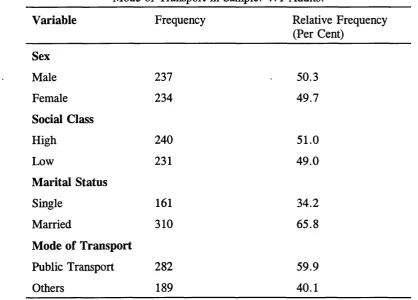
Table 2 Frequency Distribution of Sex, Social Class, Marital Status and Mode of Transport in Sample: 471 Adults ... 95
Table 3 Mean, Minimum, Quartiles and Maximum Values of Age, Size of Household, Number of Working Hours in Sample: 471 Adults . 96
Table 4 Frequency Distribution of Tooth cleaning By Sex: 471 Adults 96
Table 5 Frequency Distribution of Use of Dental Floss and Toothpick by Sex: 471 Adults, 234 Women, 237 Men ... 97
Table 6 Frequency Distribution of Plaque Scores by Sex: 471 Adults, 234 Women, 237 Men ... 97
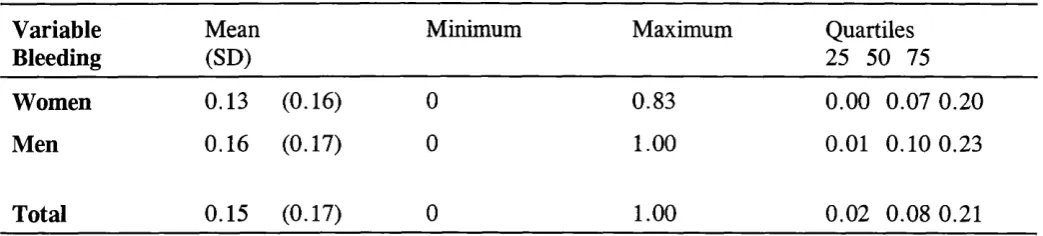
Table 7 Mean, Minimum, Quartiles and Maximum Values of Bleeding in Sample: Adults, 234 Women, 237 Men ... 98
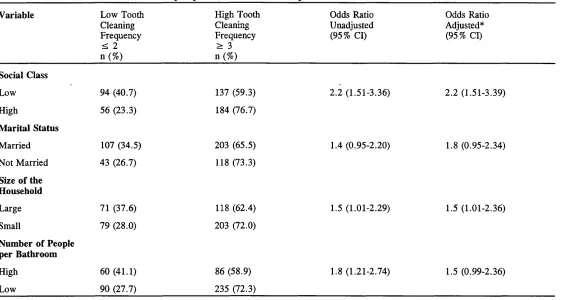
Table 8 Distribution of Tooth Cleaning Frequency, according to Social Class, Marital Status, Size of Household and Number of People per
Bathroom in Sample: 471 Adults ... 99
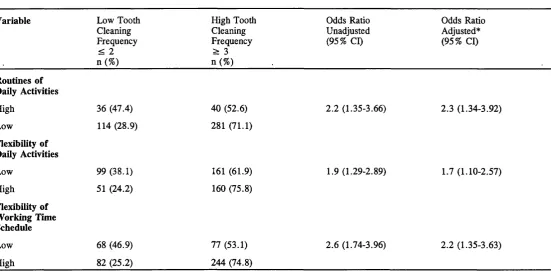
Table 9 Distribution of Tooth Cleaning Frequency, according to Routines of Daily Activities, Flexibility of Daily Activities and Flexibility of
Working Time Schedule in Sample: 471 Adults ... 100
Class, Marital Status, Size of Household and Routines of Daily Activities in Sample: 471 Adults ... 101
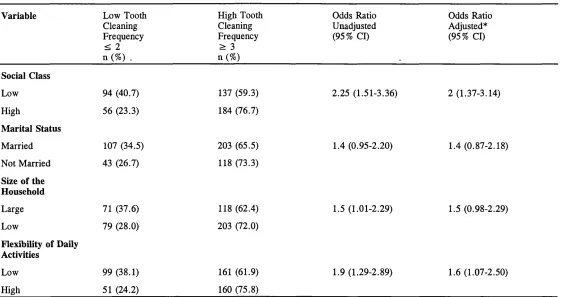
Table 11 Distribution of Tooth Cleaning Frequency, according to Social Class, Marital Status, Size of the Household and Flexibility of Daily Activities in Sample: 471 Adults ... 102
Table 12 Distribution of Tooth Cleaning Frequency, according to Social Class, Marital Status, Number of People per Bathroom and Routines of Daily Activities in Sample: 471 Adults ... 103
Table 13 Distribution of Tooth Cleaning Frequency, according to Social Class, Marital Status, Number of People per Bathroom and Flexibility of Daily Activities in Sample: 471 Adults ... 104
Table 14 Distribution of Level of Dental Plaque, according to Social Class, Marital Status, Size of Household and Number of People per
Bathroom ... 105
Table 15 Distribution of Level of Dental Plaque, according to Routines of Daily Activities, Flexibility of Daily Activities and Flexibility of Working Time Schedule in Sample: 471 Adults ... 106
Table 16 Distribution of Level of Dental Plaque, according to Social Class, Marital Status and Flexibility of Daily Activities in Sample: 471 Adults ... 107
Table 17 Distribution of Level of Dental Plaque, according to Social Class, Marital Status, Size of Household and Flexibility of Daily
Activities in Sample: 471 Adults ... 108
Table 19 Distribution of Teeth with Gums Bleeding after probing,
according to Social Class, Marital Status, Size of Household and Number of People per Bathroom ... 110
Table 20 Distribution of Teeth with Gums Bleeding after probing.
According to Routines of Daily Activities, Flexibility of Daily Activities and Job Personal Schedule Freedom in Sample: 471 Adults . . . . I l l
Table 21 Distribution of Oral Hygiene Aids used, according to Social Class, Marital Status, Size of the Household and Number of People per Bathroom in Sample: 471 Adults ... 112
Table 22 Distribution of Oral Hygiene Aids used, according to Routines of Daily Activities, Flexibility of Daily Activities and Flexibility of
Working Time Schedule in Sample: 471 Adults ... 113
Table 23 Distribution of Level of Dental Plaque, according to Tooth Cleaning Frequency in Sample: 471 Adults ... 114
Table 24 Distribution of Oral of Oral Hygiene Aids used, according to Tooth Cleaning Frequency in Sample: 471 Adults ... 114
Table 25 Distribution of Level of Dental Plaque According to Oral
Hygiene Aids Used in Sample: 471 Adults ... 115
Table 26 Relationship between Tooth Cleaning Behaviour and
LIST OF APPENDICES
APPENDIX 1 Pre-Pilot Study Number 1 137
1. Introduction ... 138
2. Description of the Data Collected ... 139
3. Conclusions ... 141
APPENDIX 2 Pre-Pilot Study Number 2 143 1 Introduction . ... 144
2 Results and Conclusions ... 145
2.1 The structure of the day ... 145
2.2 Control over the daily work of the respondents ... 146
2.3 General cleanliness, patterns of eating and exercises ... 147
2.4 Dental hygiene ... 148
APPENDIX 3 Pre-Pilot Study Number 1 Questionnaires 154 3.1 Questionnaire in English ... 155
3.2 Questionnaire in Portuguese ... 158
APPENDIX 4 Pre-Pilot Study Number 2 Questionnaires 161 4.1 Questionnaire in English ... 162
4.2 Questionnaire in Portuguese ... 175
APPENDIX 5 Main Study Questionnaires 188 5.1 Questionnaire in English ... 189
5.2 Questionnaire in Portuguese ... 202
APPENDIX 6 ABA-ABIPEME Classification 217 Table A.6.1 Economic Indicators and Number of Points Assigned .2 1 9 Table A.6.2 Level of Education Indicators Used and the Number of Points Assigned ... 219
Table A.6.3 Socio-economic Groups Definition and the Final Score Assigned ... 220
APPENDIX 7 Clinical Form 221 APPENDIX 8 Response Rate of the Pilot and the Main Studies 224
Table A.8.1 Response Rate of the Pilot Study ... 225 Table A.8.2 Response Rate of the Main Study ... 226
APPENDIX 9 Clinical Examination 227
Dental Plaque ... 228 Bleeding ... 230
APPENDIX 10 Workplaces Visited for the Main Study 231 APPENDIX 11 Frequency Distribution of Household Types 233
Table A. 11.1 Frequency Distribution of Types of Size of Household: 471 Adults ... 234
APPENDIX 12 Frequency Distribution of Number of People per
Bathroom 235
Table A. 12.1 Frequency Distribution of Number of People per
Bathroom ... 236
APPENDIX 13 Frequency Distribution of Tooth Cleaning Pattern 238
Table A. 13.1 Frequency Distribution of Tooth Cleaning Pattern . 239
APPENDIX 14 Frequency Distribution of Tooth Cleaning
Structure 240
Table A. 14.1 Frequency Distribution of Tooth Cleaning Structure 241
APPENDIX 15 Frequency Distribution of Tooth Cleaning
Performance 242
ACKNOWLEDGEMENTS
The moment of concluding a Ph.D. thesis is important to every single person who has faced this difficult but fascinating experience. Any balance of my work must start with special thanks to Professor Aubrey Sheiham, Dr. Wagner Marcenes and Dr. Ray Croucher, for their help and assistance in the preparation of this thesis. I will always be indebted to them. My supervisor, Professor Aubrey Sheiham, whose humane attitudes and academic abilities are a model to be remembered for the remaining years of my career. My friend Dr. Wagner Marcenes has been specially supportive and given me much needed help with statistical
analyses. Dr. Ray Croucher has provided invaluable assistance throughout the preparation of the thesis.
Several other people have been helping me in this study who I would like to thank. My friend Malu for her assistance with the SPSS program and for most helpful discussions about the data analyses. Sonia Slavutzky and Solange Capellari for their assistance with the data
collection in Brazil, and Abbas Rahimi for his statistical guidance.
five years.
I am also most grateful to my family and friends, especially to Malu, Maluzinha, Zeka, Fernando, Marcia, David, Fabio, Bea and Cecile, whose love and support have made these past years easier.
Thanks also to Dr.Regis Campus Cruz for his always needed support and assistance.
CHAPTER 1
INTRODUCTION
1.1 Introduction
Toothbrushing is the most common way to clean teeth, and is accepted as a universal social behaviour in industrialized countries.
However, daily tooth cleaning, as practised by the majority of people, is frequently considered not to be good enough, if the aim is to control dental plaque (Frandsen, 1986).
Many dental health education attempts to enhance dental health behaviour to date have revealed that health education has not been very successful. Planned dental health education programmes have revealed a short-term effect on gingival health status, but few long-term gains in dental health have been demonstrated because of the tendency for these programmes to focus on knowledge and behaviour, rather than on values and needs (Schou 1985, Kiyak and Mulligan, 1986). Methods of health education which assume a straight-line relationship between educators’ inputs of information and movements of the person receiving the
Increased knowledge is a necessary but not sufficient condition for more stable and long-term changes in dental health (Kiyak and Mulligan, 1986).
It is generally accepted that prevention must begin in childhood, because it is at this time that health routines, of which oral hygiene practices is one, are acquired, and patterns of health behaviour are established (Baric, Blinkhorn and MacArthur, 1974). However, the question that remains is: how to motivate adults to enhance their oral health behaviours to bring about better mouth cleanliness? Dental advice given by dental staff is seen as difficult to follow, demanding too much time and interfering in individuals’ daily routines. In addition, for many people, daily life is characterized by high levels of routines and little flexibility, offering scant opportunity for change. Moreover, oral hygiene activities are the least flexible in terms of changing the times and location where they are carried out (Croucher, 1989a, 1989b; Cullen and Phelps,
1975). It is argued that people may have good logical reasons for not complying entirely with dental health behaviours (Sheiham and Croucher,
1992). It seems that most dental professionals have not paid enough attention to these reasons.
behaviours is required. Sections 1.2 and 1.3 offer an overview of the literature on oral hygiene practices and on the factors affecting the adoption of preventive oral health measures. The subsequent section
presents the rationale of the present programme of research, while Section 1.5 states its aim, objectives and hypothesis.
1.2 Oral Hygiene Practices: An Overview
1.2.1 Toothbrushing Patterns
Gift (1986) reviewed studies on oral hygiene practices from several industrialized countries, from the early 1940’s to the 1980’s. The most common patterns of toothbrushing described in these studies were one to two times per day for most of the subjects interviewed. Women brushed more regularly than men, irrespective of age, type of patient, or culture. Toothbrushing frequency decreased with age, increased with income and was related to other oral hygiene activities (Gift, 1986).
day, 25%, and more than once a day, 43% (Murtomaa, 1979). In a later study, where the oral hygiene behaviour of Nordic schoolchildren was measured, daily brushing was practised by a majority in all countries. The highest proportion of daily brushers was among Swedish and Norwegian girls, whereas the proportion reporting the least daily brushing was lowest among Finnish boys (Rise et al., 1991a). From the data collected, it was reported that female teenagers of upper socio-economic status (based on education of head of household) living in urban areas report brushing more frequently than teenagers with lower socio-economic status or who reside in non-urban areas (Murtomaa, 1979; Nyyssonen and Honkala,
1984a).
Honkala and Freeman (1988), in a study on oral hygiene behaviour in European adolescents, evidenced that an improvement in toothbrushing behaviour and a decrease in plaque and gingivitis scores has occurred in Denmark, Finland, Germany and the United Kingdom over the past 20 years.
reported cleaning their teeth at least twice a day has slightly risen in the past 10 years from 64% to 67%.
Women were more likely than men to say they cleaned their teeth at least twice a day (76% for women, 58% for men). The proportion of dentate adults who cleaned their teeth twice a day or more was highest among those aged 45-54 (70%), and lowest among those aged 75 and over (59%). Data from Brazil revealed that tooth cleaning frequency was high. Men reported brushing their teeth, on average, 2.7 times a day, whilst with women the frequency was greater: on average, 3.1 times per day. In addition, few subjects reported doing so less than once a day (Marcenes, 1990).
1.2.2 Use of Dental Floss
Regular use of dental floss is not a commonly reported behaviour. It is practised by a relatively small proportion of the population, varying with demographic and socio-economic status (Gift, 1986). Data from the U.S.A. in the 1970s revealed that about 40% of the people reported using dental floss. Ten per cent reported daily use, with another 10% reported using it once or twice per week.
were more likely to use it daily than boys. The percentage of adolescents who used dental floss on a daily basis did not change over the four years period of 1977-81. Nonetheless, the proportion of sporadic users
increased by 11% over the same period (Honkala et al., 1981).
From a study of dental health behaviours of Nordic schoolchildren, it has emerged that the highest proportion of daily users of dental floss was in Norwegian girls, whilst the lowest figures were registered among
I Finnish boys (Rise, et al., 1991a)
The U.S.A. Family Toothbrushing Survey from the 1980s found that flossing was more frequent among upper-income educated women in urban areas. The use of dental floss on a daily basis was reported by 20% of the women, and 12% of the men and its use peaks in the 25 to 44 year old age group (Gift, 1986).
The Adult Dental Health Survey (Todd and Lader, 1991) provides information on the use of dental floss in the United Kingdom. Twenty percent of the adults interviewed reported using dental floss; this
Evidence from the studies reviewed suggests that most of the population of industrialized countries clean their teeth once to twice per day. However, oral hygiene practices of most of these people have not been sufficiently effective in removing dental plaque, as periodontal disease is still prevalent in industrialized countries (Pilot and Miyazaki,
1991; Miyazaki et al., 1991; Sheiham, 1979). An average daily cleaning of two minutes in duration will remove about half of the plaque, leaving the other half to promote regrowth (Frandsen, 1986).
Studies done by Rugg-Gunn and Macgregor (1978), who observed and videotaped brushing behaviours of three age groups (5, 11, and 18-22 years old), showed that of a total of 16 selected teeth areas, the
In conclusion, the results of the reviewed studies demonstrated that,
although improvements in oral hygiene practices have occurred, the dental
health behaviour of people has much room for improvement.
Moreover, in "The Performance Gap", Croucher (1989b)
highlighted some of the major problems of the health education approach,
showing the impact on people’s daily lives caused by dental advice
received from hygienists and dental practitioners. Dental advice on
brushing and flossing was seen by the patients as disrupting an existing
routine of tooth cleaning, implying a difficult change in behaviour and
routines. The general feeling was that it was not easy to follow the
hygienists’ advice, because in their daily activities there were competing
demands of lifestyle, such as getting the family ready to go to school,
catching a bus to go to work, and getting to work on time. Clearly, this
indicates that the dental team failed to take into consideration patients’
daily lives, and the social context in which oral hygiene behaviours are
1.3 Factors Influencing the Adoption of Personal Oral Hygiene Measures
There are a variety of factors which might influence the adoption of
personal oral hygiene by individuals and groups. A summary of the main
factors will be presented in what follows of this section. As stated earlier,
there are differences in dental hygiene practices between social classes,
and sexes (Gift, 1986; Honkala et al., 1981, 1984; Murtomaa, 1979;
Honkala and Freeman, 1988; Todd and Lader, 1991).
Research to date has evidenced that preventive health behaviours
tend to be more common among females than males. This may be
explained in terms of social role obligations, socio-cultural and socio-
psychological factors (Kandrack, 1991). It is also argued that society puts
social pressure upon girls to make themselves sexually attractive,
therefore they become more concerned about their appearance than boys,
1.3.1 "Intra Individual Determinants"
Numerous models have been formulated to explain preventive dental health practices considering individuals health beliefs or their perception of control over health outcomes.
1.3.1.1 The Health Belief Model
The Health Belief Model (Haefner, 1974; Janz and Becker, 1984) posits that individuals will adopt a preventive behaviour if they feel susceptible to the disease, if the disease is identified as severe enough to affect some aspect of their lifestyle, and if they believe their action will help in overcoming the disease and outweigh any costs involved in it. The cue for action can be provoked by an individual’s private perception or by reading about health matters (Mullen, et al., 1987). Haefner (1974), in a review of studies done on the Health Belief Model and preventive dental behaviours, concluded that for each of the health beliefs there is evidence from some studies that the belief is related to preventive dental behaviour. On the other hand, he also pointed out that for each health belief there is another study or studies that have not obtained the expected relationship. Consider, for instance, that the Health Belief Model has not proved to predict children’s dental health behaviour in terms of dental visits
(Kegeles, 1963), participation in a preventive programme (Weisenberg et al., 1980), or adherence to at-home mouthrinsing (Kegeles and Lund,
It appears that health related behaviours, such as toothbrushing and flossing, are not a function of health beliefs. It might be that these
habitual behaviours are so automatic that rational considerations of threats and cost/benefits do not modify the behaviour (Inglehart and Tedesco,
1995).
1.3.1.2 Health Locus of Control
The Health Locus of Control derives from the locus of control concept of Rotter’s social learning theory (Rotter et al., 1972). It refers to the extent to which individuals perceive the events that happen to them as being dependent on their own effort and ability, or else as a result of external factors, such as luck, chance, or fate. Individuals who believe that they have control over what happens to them are called "internals", while those who believe that events are largely a matter of chance or fate and do not perceive themselves as having control over what happens to them are termed "externals". The external factors have been divided into two dimensions: "powerful others control", which relates to influential people, and "chance control", which relates to random factors (Sogaard,
1993).
Internal locus of control has been associated with the use of
contraceptives (Lundy, 1972) and the use of seat belts (Williams, 1972). External locus of control has been more associated with ill health
Kent et al., (1984), when evaluating the oral health status of a group of 30 patients, observed that those classified as having good oral health were more likely to have an internal locus of control than those whose oral health status was classified as moderate or poor. Odman et al. (1984) have found no significant relationship between locus of control and improvement in oral hygiene skill or plaque reduction. A study (Galgut et al., 1987) investigating whether locus of control could serve to anticipate the response of subjects to a plaque control programme concluded that subjects could be classified in two groups. The first included those individuals who perceive their susceptibility to disease as influenced by powerful external factors or who believed that susceptibility can be controlled by their own actions, while the second consisted of those who considered that susceptibility to disease is influenced by chance. The
important point to be stressed is that only members of the first group have more positive response to the plaque control regime. The application of locus of control construct in dental research has been limited, nor does it appear to be adequate to explain the adoption of oral hygiene behaviours (Gift, 1986; Kiyak and Mulligan, 1986; Croucher, 1989a).
Croucher (1989a), when reviewing the use of the Health Belief Model and Health Locus of Control in dental research, summarized the main criticisms of these two models by saying that they are individually oriented and have paid little attention to aspects such as habitual
like clinics or bathrooms. The emphasis has been on the use of services, such as dental visiting, rather than those of self-care, such as
toothbrushing.
1.3.1.3 Theory of Reasoned Action
The Theory of Reasoned Action developed by Fishbein and Ajzen (1977) postulates that behaviour is predicted by one’s intention to perform or not the behaviour. Behaviourial intention is a function of two major factors: subjective norm and attitude toward that behaviour. Subjective norm means that individuals perceive other people’s desire of them to behave in a specific way. Attitude is a function of beliefs about the consequences of the behaviour, together with an evaluation of the importance of those consequences (Sogaard, 1993).
Several applications of this model to health related behaviours have been made in family planning, weight loss, physical exercise, patient satisfaction, immunization and hypertension. Such studies found that behaviourial intention often predicts behaviour, especially when the time frame is short and the intention is clearly defined (Mullen et al., 1987).
In dentistry, the Theory of Reasoned Action has been tested to predict toothbrushing behaviour, intentions to floss (Bateman, 1985; McCaul et al., 1988), and demand for dental care |(Hoogstraten, et al.,
was found, however, to be associated with intentions to brush and floss, as well as with self-monitoring records of brushing and flossing (McCaul et ah, 1988). Besides, the model did not predict demand for dental care (Hogstraten et al., 1985). In fact, the Theory of Reasoned Action has been criticized for assuming a simple causal structure, intention predicting behaviour, with attitudes mediating completely the effects of cognitions on intention (Sogaard, 1993).
1.3.1.4 Self-efficacy
Self-efficacy was first defined by Bandura (1977, 1986), and has since been employed in numerous studies on health related behaviours. It can be understood as the confidence that a desired behaviour can be carried out and that individuals can evaluate the extent to which they can control their own behaviour given particular situations (Ogden, 1995).
Self-efficacy sees behaviour change as dependent on a person’s perceived capability to cope with stress and boredom and to mobilize one’s resources and courses of action necessary to meet the situational demand. It affects the intention to change risk behaviour, the effort made to accomplish this purpose, and the determination to carry on trying despite barriers which may undermine motivation (Schwarzer, 1992).
1) intention to floss and the actual flossing behaviour,
2) intention to engage in preventing the consequences of breast cancer and breast self-examination, and
3) intention and use of contraceptives.
Because many studies have revealed the relationship of self-efficacy and health behaviour, this concept has recently become more salient in health promotion research (Sogaard, 1993).
1.3.1.5 Fear Arousal
Fear arousal relies on intrinsic motivation and attempts to scare individuals into preventive oral health behaviours by emphasizing the consequences of failing to maintain high levels of oral hygiene. This type of determinant of the adoption of oral hygiene measures has been
forwarded by some authors (Locker, 1989). Silversen and Kornacki (1984) reviewed the role of fear arousal in preventive dental health behaviours and concluded that "the role of fear arousal in motivating preventive dental behaviour remains inconclusive."
1.3.2 Socialization
experience which continues throughout life. Socialization is usually divided into primary socialization and secondary socialization.
Primary socialization occurs in early childhood and is rated most highly, since it incorporates the fundamental norms and values of society. The influence of mothers is considered the strongest on an individual’s attitudes, beliefs and behaviour (Blinkhorn, 1976). The process of
primary socialization operates via a system of reward and punishment and involves role modelling. Children identify with parental behaviour and, through modelling themselves on the parents, they internalize forms of behaviour which become generalized and embedded in routines (Baric, Blinkhorn and Mac Arthur, 1974).
Blinkhorn (1976) showed that mothers played the central role in teaching toothbrushing to young children, along with washing their faces as part of "cleanliness" behaviour. Rayner and Cohen (1974) also
described mothers’ oral hygiene practices as the prominent influence on their children’s oral hygiene practices. Children copied their mother, and by copying them, a value was acquired. By reinforcement, this value then became a habit.
Bateman (1985) summarized factors that influence children’s dental health behaviour during secondary socialization:
1) The continuing influence of parents at home, 2) Role modelling, especially of media stars, 3) Peer pressure to be clean and attractive,
4) Media advertising of dental health products, and
5) School health education and dental health education by members of the dental team in a clinical setting.
Peer groups are believed to act as strong forces or as strong barriers to preventive behaviours. Hodge et al. (1982) revealed that adolescents toothbrushing behaviour was more responsive to peer groups and family influences than the influence of dental professionals. They also showed that toothbrushing was related to grooming and cleanliness.
Plamping (1986) demonstrated how peer pressure can be put into practice by health educators using children as the teachers. Beliefs, attitudes and behaviours which are conducive to health, learnt in early life, are important in that they relate to health behaviours in later life. In addition, as these behaviours are learnt in early life, they are deeply ingrained and resistant to change (Baric, Blinkhorn and Mac Arthur,
1.3.3 Cultural Values and Social Environment
The dental health behaviour of an individual is also affected by cultural and societal forces. A person tends to see himself or herself as belonging to a specific social class, and this is very much dependent on
social factors, such as occupation, education, income, ethnic origin and race. Nonetheless, there may be inconsistencies among these factors.
When inconsistencies exist between attributed status and achieved status, a person will choose that aspect of his or her status which will give him or her the highest prestige. Once individuals have defined a social status for themselves, they behave in terms of their position in the social structure and in the environment in which they live. They are influenced by values and social pressures perceived specifically by them as being characteristic of their social class (Rayner and Cohen, 1974; Jacob and Plamping,
1986).
Baric, Blinkhorn and Mac Arthur (1974) suggested that a dominant role for behaviour will be played by social norms, which are defined as the shared-beliefs within a group community or a subculture. These social norms are assumed to define expected behaviour, prescribing a certain type of behaviour and proscribing any other form, in a certain situation.
It is recognized that in Western nations and newly industrialized countries adolescents (especially girls) are highly concerned with the image they project. Concern with general appearance and facial
maintaining preventive oral health practices. Studies done in America and Israel demonstrated that adult people regarded appearance of teeth as important in making friends and in dating. In addition, two thirds of the Americans interviewed thought that dental appearance was a central factor in getting a job (Silversen and Kornacki, 1984).
1.3.4 Rewards and Self-Reinforcement
One of the most common behaviourial strategies for promoting behaviour change is that of reinforcement. Reinforcement strategies are based upon the belief that rewarding immediately following a behaviour tends to strengthen an individual’s commitment to that behaviour (Locker, 1989). Some studies have found that positive reinforcement resulted in improvements in oral hygiene, but usually in the short term. However, other studies have observed that compliance in oral hygiene practices declined when rewards were withdrawn (Silversen and Kornacki, 1984; Locker, 1989).
Self-management strategies mean that patients may reward
themselves (or the parents reward their children), as well as monitor and regulate their behaviour. It is suggested that this approach could be
applied to promote oral hygiene practices. However, very little research has been done on the application of self-management strategies in
1.3.5 Enabling Factors: Information, Skill, Resources and the Environment
Knowledge: an individual must have correct information about the efficacy of toothbrushing and flossing, and about the consequences of inadequate behaviour.
Skill and resources: in addition to knowledge, it is vital that individuals have the skills and resources to perform the appropriate behaviours adequately.
Environment: the environment in which an individual lives facilitates or hampers the adoption and maintenance of oral hygiene behaviours. Modifying the environment by introducing external control (e.g., restricting the availability of sugar-rich food in school canteens) should be considered and better evaluated in relation to health behaviour (Silversen and Kornacki, 1984; Gift, 1986).
Research to date has shown that neither knowledge alone nor information plus the teaching of oral hygiene skills improve long-term compliance with dental health behaviour for the majority. What is
1.4 The Rationale of the Present Study
The review of factors affecting oral hygiene behaviours showed that several factors, such as socio-demographic and psychological factors, are associated with oral health behaviours. It appears, however, that these factors do not provide an adequate explanation for oral health behaviour, particularly in adults. More decisively, they seem not to close the gap between available preventive dental measures and their adoption by individuals (Silversen and Kornacki, 1984).
Hunt and Macleod (1987) suggested that planned health education and health promotion programmes have not been very successful in changing people’s behaviour, by placing insufficient emphasis on the context in which health related behaviours occur. These programmes failed to pay enough attention to the social, economic and structural constraints of people’s daily lives. Hunt and Macleod (1987) also
suggested that health related behaviours are built into everyday activities in a routine way. That is to say that they are habitually performed, and for most of the time higher level cognitive processing is unnecessary. Many studies of these behaviours have demonstrated that, by virtue of their routine nature, they tend to fall into predictable and relatively stable individual patterns (Hunt and Martin, 1988).
behaviours are "integrated into the social relationships and adaptive processes which are part of the meaning system of an individual’s life" (Hunt and Macleod, 1978). Self-initiated behaviourial change often occurs when formerly routine activities are brought into awareness for a
prolonged period of time, such that it becomes salient or problematic (Hunt and Martin, 1988).
Croucher (1989b) demonstrated that tooth cleaning was perceived by patients as part of routines which were placed in a sequence of activities, timings and location. These routines were based on two features:
1) primary socialization: what was learnt as a child. If people had learnt to clean their teeth at a certain time and in a certain place, in association with other activities, such as washing, then this learning would often be readily retained into adulthood (Croucher, 1994), and
2) lifestyle, tooth cleaning fitted into the daily activities of people: where there are competing demands placed upon their time, and a set of social constraints related to limits of time, energy and finance are interfering in tooth cleaning reducing its effectiveness.
hygienists and the dentists. Complying with dental advice was seen as conflicting with what they had learnt as children and impacting on daily family life (Sheiham and Croucher, 1992). Croucher (1989a, 1989b) noted that the advice received from the dental professionals was more easily understood and put into practice by the patients in terms of pattern and structure. Pattern refers to the frequency and location of tooth
cleaning in the daily routines. Structure is defined as the range of items used in tooth cleaning.
Moreover, Croucher also noticed that pattern and structure of tooth cleaning were similar to pattern and structure of the food system of
British families as described by Douglas (1982). She developed a model to describe the food system of a group of British families. She noted that, family meals were taken on a regular basis at different times of the day obeying a pattern, which could vary from weekdays to weekends. In addition, Douglas also noted that a structure of the food system could be observed, which might vary according with criteria of ranking (depending on whether it was a major or a minor meal). A major meal has more structure, that is, this meal is more plentiful and more ceremonious, whilst a minor meal has less structure, is less plentiful, consisting of fewer items, and is less ceremonious.
observed. He also described criteria for ranking of tooth cleaning
patterns. There was a primary and a secondary event. The primary event took place either in the evening or morning, the former being more
likely. The secondary event usually occurred at the opposing time, that is to say, morning or evening. In addition, a third tooth cleaning event could also occur, to which no specific timing was attached (Croucher,
1989a). Depending upon the ranking of the tooth cleaning event, its structure varied. A primary event had more structure than a secondary, and so one. Possibly, in a primary event, more than simply a toothbrush and paste were used (e.g., floss, mouthwash or single-tufted interdental brush), whilst a tertiary event had less structure, as only toothbrush and toothpaste were used.
Croucher (1989a) argued that, for the purpose of education, tooth cleaning might be considered in its three dimensions: pattern, structure and performance. Performance is about the effectiveness of cleaning resulting from structure and pattern (Sheiham and Croucher, 1992). As Hunt and Macleod (1987), Douglas (1982) and Croucher (1989a, 1989b) have highlighted, the way people order their daily lives is important for understanding routines and control over their activities.
Seventy percent of the day (excluding sleep) was described as routine, and 90% was characterised as lacking any real choice. The scenario described by the subjects was a dominant and inflexible pattern of
routinized paid work, as well as domestic activities, punctuated by equally inflexible and routinized meals and personal chores. Activities associated with getting up and going to bed were both the least activity flexible (that is, not capable of replacement by other activities) and the least location flexible (i.e., not capable of being performed elsewhere).
Cullen and Phelps (1975) suggested that the extent to which one’s day was routinized was more responsive to situational rather than to cultural factors. One of the main situational factors increasing or
decreasing the flexibility of the lifestyle of the people was paid work, as most of the individuals faced inflexible working hours. That did not leave them a great deal of flexibility in their working day schedule. In addition to the working day schedule, three other situational factors intervened in the amount of flexibility of lifestyle:
3) size of the household^: small households were less difficult to manage. Generating less time-consuming domestic routines increases the flexibility of the lifestyles of household members. On the other hand, larger
households routines were more rigid and inflexible, decreasing the flexibility of the lifestyles of those who are members of them.
Cullen and Phelps (1975) highlighted the fact that the level of
routines and flexibility of daily activities may be different from one group to another. A significant difference in the degree of routines and
flexibility of daily activities was discovered when comparing the findings of the study with working class families and an earlier study done by Cullen and Godson (1975), where the structure of the day of academic staff and students was analysed. The level of routinization amongst
working class people was much higher than that of the academic staff and students.
The issue concerning routines was also discussed by Graham
(1984), in her study of British families. She found that mothers described most of their daily activities as routines. Considering a context where there are conflicting pressures and shortage of resources, family welfare may depend on routines in which individual health is shaped. Graham
argues that, for many families, routines may be considered the health choices which keep the family going.
The studies described above are similar, as regards the issue of routines, flexibility and health behaviour. The hypothesis to be tested in this thesis is that those issues were linked and could be applied to tooth cleaning behaviour. For improvements in the effectiveness of tooth
cleaning behaviour to occur, a better understanding is needed of everyday social routines and the way people fit tooth cleaning into daily activities.
1.5 Aim, Objectives and Hypothesis
1.5.1 Aim
The central purpose of this study is to explore how tooth cleaning behaviour is integrated into the daily activities of a group of adult
Brazilians.
1.5.2 Objectives
The main objectives of the study were:
2) to evaluate the impact of different levels of routines in daily living on pattern (frequency of tooth cleaning), structure (range of items used in tooth cleaning), performance (relative effectiveness of tooth cleaning), and the outcome of performance (i.e., gums bleeding on probing) in tooth cleaning behaviour,
3) to assess the effect of different levels of flexibility in daily activities on pattern, structure, performance and the outcome of performance (gums bleeding after probing) in tooth cleaning behaviour, and
4) to appraise the effect of different levels of flexibility of working time schedule on pattern, structure, performance and the outcome of
performance (gums bleeding on probing).
1.5.3 Hypothesis
frequently, have better cleaning performance, use more oral hygiene aids, and have fewer teeth with gums bleeding on probing.
CHAPTER 2
2.1 Introduction
This is a case study on dental health behaviour. A questionnaire covering topics related to the structure of people’s working day, time schedule of paid working hours and dental health behaviour was developed. Clinical oral cleanliness was assessed so that reported behaviourial data could be related to oral cleanliness. The method was tested in Brazil on a sample of 471 people, aged 25 to 44 years old, of two social classes, both sexes, and with different levels of routines and flexibility in their working day. The research instrument was developed and tested in two pre-pilot studies (Appendices 1, 2, 3; 3.1, 3.2; 4, 4.1,
4.2).
2.2 Study Location
The study was conducted in the city of Porto Alegre. With its 1.3 million inhabitants, this is one of the largest Brazilian cities. Founded in
per capita Gross Domestic Product of about US$ 3900, greater than the Brazilian per capita Gross Domestic Product of US$ 3000.
2.3 Development of Research Instrument - Behaviour/al Data %
2.3.1 The Pre-Pilot Studies
The development of the main questionnaire initially involved two pre-pilot studies. These were exploratory in nature and were primarily concerned with the conceptualization of the research problem
(Oppenheim, 1992).
The first pre-pilot study was conducted in Oxford and London. As the instrument was going to be tested in Brazil, a group of Brazilian and Portuguese adults were interviewed over a period of two months.
Interviews were held and oral health behaviour topics explored. The interview method was chosen because it was believed to be the most useful way to gather people’s views and to help in the development of new ideas for the main study. According to Oppenheim (1992), a useful set of exploratory interviews can greatly broaden and deepen the original plan of the study.
"Adult Survey - Adult Dental Health" (Todd and Lader, 1991), (Appendices 3.1, 3.2).
The second pre-pilot study was carried out over a period of two months in Porto Alegre. A self-administered questionnaire was applied and interviews were carried out. The research instrument for this research programme was based on the previous study and on the Health Survey - Whitehall II study (Marmot, M.G. et al., 1991). The topics covered were on dental health behaviour, structure of working day and working
characteristics (Appendix 4 ; 4.1, 4.2).
2.3.2 Main Questionnaire
The main research instrument consisted of 36 questions, covering three main topics: the structure of the working day, paid working hours characteristics and dental health behaviour (Appendix 5.1, 5.2). The questions used were based on the two pre-pilot studies and on the
Behaviour in Adolescents" (Bateman, 1985), and "Diary Techniques and the problems of Urban Life" (Cullen and Phelps, 1975).
2.4 Pilot Study
2.4.1 Description
Prior to the main study, a pilot study was conducted in order to assess the techniques developed for the principal study (structured interviews and clinical examination). The pilot study also aimed to determine different levels of flexibility in the working day of 60 people (women and men) from two social classes (high social class and low social class).
Four companies were contacted: BANRISUL (Bank of the State of Rio Grande do Sul), CIENTEC (Foundation of Science and Technology), Ferramentas Gerais (Trading Company), and Trevo (Public Transport Company). The places contacted were easily accessible to the researcher.
obtained from the head of the Department of Human Resources, people with different functions and posts in the company, and from different social classes, were selected. Workers were approached in their
workplaces, and given some explanation about the research. Four main points were emphasised. First, the confidentiality of the research. Second, the fact that the interview was not a test, and therefore there would be no wrong or right answers to the questions asked. Third, all the questions posed referred to a typical working day. The fourth point stressed was concerning the sterilization of the instruments used in clinical
examination.
Interviews and clinical examination were conducted by the researcher. The purpose of the structured interviews was to collect economic, social and behaviourial data. Throughout the interviews, understanding, phrasing and sequence of questions were checked. After the first six people (four from lower social class and two from higher social class), minor changes in the wording were made and checked in the next 54 interviews. Information about their socio-economic status was obtained through questions on socio-economic indicators (ABA-
Clinical examinations were conducted to assess oral cleanliness. The amount of plaque was the indicator of present oral cleanliness while gingival bleeding was the indicator of current brushing effectiveness. The Plaque Index (Silness and Loe, 1964) was adopted for the assessment of plaque.
The assessment of presence or absence of teeth with gums bleeding after probing was done using the first indicator of periodontal status of the Periodontal Index of Treatment Needs (CPITN; WHO, 1987). For the purpose of this study, all teeth present in the mouth were examined and recorded.
Clinical examinations had been recorded and afterwards transcribed to a clinical form (Appendix 7). It had been decided not to use a dental chair to do the clinical examinations, to allow more freedom to the researcher to go to places where there were no dental offices. Clinical examinations took an average of eight minutes.
2.4.2 Response rate
Of the 71 people contacted 60 agreed and 11 declined to
15 lower social class and 14 higher social class. After the first six interviews, some small changes were made to the questionnaire (Appendix 8:1).
2.4.3 Discussion
On the whole, the research design proved to be satisfactory. However, a few minor adjustments had to be made. These adjustments will be discussed now.
2.4.3.1 Clinical examination
The clinical examination did not need any modification, since the clinical criteria, adapted from WHO (1987) and Silness and Loe (1964), proved to be applicable to the purpose of the study. A complete
description of the clinical examination is presented in Appendix 9.
2.4.3.2 Questionnaire
2.4.3.3 Companies acceptance
The four companies contacted accepted to participate in the study. The reason for some people to decline was because, at the period of interviews, they had no spare time.
2.5 Main Study
2.5.1 Main Study Population
The chief purpose of the present study was to explore how tooth cleaning behaviour is integrated into the daily activities of a group of Brazilians from two different social classes, with different levels of routines and flexibility in their daily activities. In addition, the study aimed to investigate the effects of different levels of routines and flexibility on tooth cleaning behaviour.
Furthermore the study intended to appraise the effect of different levels of flexibility in working hours on tooth cleaning behaviour.
The present research did not aim to be representative of the
flexibility and routines in daily activities was selected. As suggested by WHO (1987), the population of this study was drawn from organized groups, such as factories, offices, banks, shops and hospitals.
As oral health behaviour is related to sex (Silversin and Kornacki, 1984; Gift, 1986), the sample included both sexes.
2.5.1.1 Age
The people who took part in this research aged from 25 to 44. This study is concerned with dental health behaviour in adults. As there is no standard group to investigate dental health behaviour in adults, the
selected age range was considered appropriate for the purpose of the study.
2.5.1.2 Social class
Since socio-economic factors play an important role in oral health behaviour, the subjects of the study were divided into two socio
Appendix 6 show, respectively, the indicators of resources and education employed, and the number of points assigned to each. For resources, points are assigned according to the number of each of the seven resources available at home. For education levels, points are given according to the number of schooling years of the head of the family.
The points obtained in each category are then summed up and a final score, which defines the socio-economic group, is given. Socio economic groups definition and the score given to each of the five socio economic groups are described in Table 6.3 (Appendix 6). The
distribution of the five socio-economic groups in the two largest Brazilian cities, Sao Paulo and Rio de Janeiro, is presented in Table 6.4 (Appendix 6). Those with the highest socio-economic status were coded as class A followed by classes B, C, D and E, which were those with the lowest socio-economic status. In this study, higher social class included,
2.5.1.3 Sample representativeness
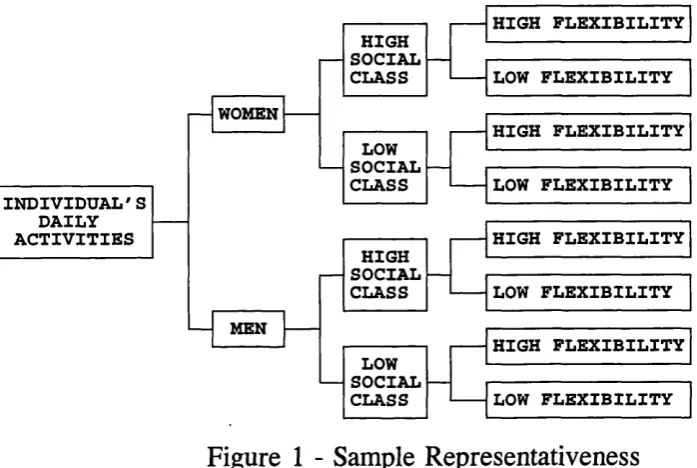
In order to test the hypothesis that tooth cleaning behaviour is affected by the level of routines and flexibility of people’s daily activities, an attempt was made to have a sample composed of eight categories as shown in Figure 1.
MEN WOMEN LOW SOCIAL CLASS HIGH SOCIAL CLASS HIGH SOCIAL CLASS LOW SOCIAL CLASS HIGH FLEXIBILITY HIGH FLEXIBILITY LOW FLEXIBILITY HIGH FLEXIBILITY LOW FLEXIBILITY LOW FLEXIBILITY LOW FLEXIBILITY HIGH FLEXIBILITY INDIVIDUAL'S DAILY ACTIVITIES
Figure 1 - Sample Representativeness
Each of the eight groups was composed of at least 50 volunteers. There are two main reasons for selecting this sample size. Firstly, the minimum acceptable number of units per cell for an adequate statistical analysis is 30 units in each cell (Bland, 1987). Therefore, the number of 50 units per cell was an adequate number for statistical purposes.
were collected by the researcher, time had to be allowed for the interviewing and examination of about 500 people.
The present study aims to describe a case study of dental health behaviour. The sample is not random, any findings should be taken as suggestive, not as definitive and cannot be extrapolated to cover the general population.
2.5.2 Methods of Sample Selection
Initially, there was a thought of dealing with a random sample. Because specific groups of people with specific characteristics, such as age range, social class and different levels of flexibility in their working day were looked for, a convenience sample was chosen instead. To gather the adequate number of participants several workplaces had to be visited. These included factories, banks, hospitals, health centres and offices (Appendix 10).
The first contact with the companies, banks, hospitals and factories was usually by telephone. Whenever the contact was successful, an
appointment was made with the head of the Department of Human
the working hours of the subjects was obtained. If there was a medical department in the company, its staff was contacted through the head of the Department of Human Resources, and sometimes they would be in charge of assisting the researcher to select and invite people to
participate. In some companies, invitations to take part were set out by a departmental head or by the researcher herself.
The majority of the interviews and examinations were conducted during working hours, in specially allocated rooms, in refectories, workrooms, and kitchens. Some interviews were conducted in the presence of other people, but most were carried out in private.
2.5.3 Response Rate
2.5.4 Data Collection
The data collected were of three types: clinical, socio- economic and behaviourial. They were collected using clinical examinations combined with structured interviews. The following three sub-sections will describe the process of data collection.
2.5.4.1 Behaviourial data
Data on behaviour were collected through structured interviews (Appendix 5.1). The reason for employing this method of interview was twofold: some open-ended questions were asked, and it was possible to include illiterate people in the study.
All interviews were preceded by explanations about the research, as outlined in section 2.4.1. Interviews were conducted by the researcher.
People were questioned on activities of a typical working day, followed by questions on work characteristics and dental health
2.5.4.2 Clinical data
The oral examination was conducted to assess oral cleanliness. Dental plaque and bleeding were measured. The reliability of exams was assessed throughout the field work. Every tenth subject was re-examined to assess intra-examiner consistency.
The Plaque Index devised by Silness and Loe (1964) was adopted for the assessment of the amount of plaque. The assessment of teeth with gums bleeding after probing was done using bleeding criterion of the Periodontal Index of Treatment Needs (CPITN) (WHO, 1987).
Clinical examinations were tape recorded and later transcribed on to a special form (Appendix 7). Each examination took an average of eight minutes.
2.5.4.3 Socio-economic status
Data on socio-economic status were obtained through the structured interview. Confidentiality was emphasised and necessary explanations were presented on how to answer the questions. Classification questions were asked. These were concerned with age, marital status, size of the household, profession, and socio-economic indicators (Appendices 5.1,
2.6 Data Analysis
Data from interviews and clinical examination were coded and entered into a computer. Analysis was carried out using the Statistical Package for Social Sciences (SPSS/PC for Windows, version 6, 1993) program.
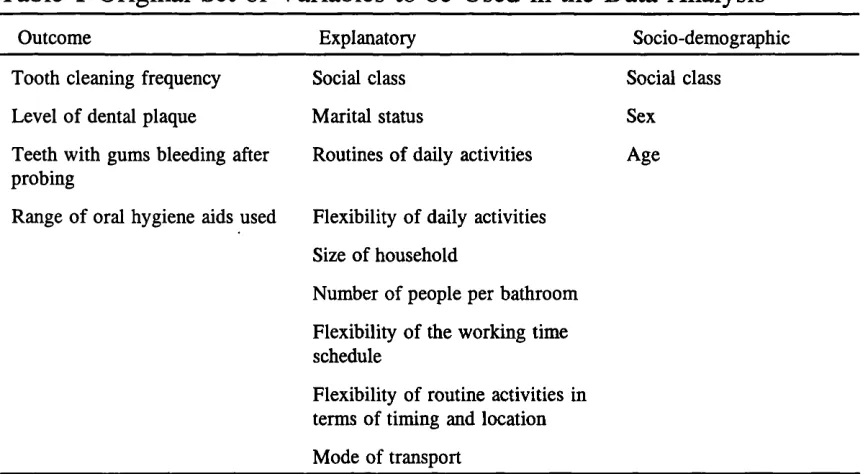
Only the variables related to the hypotheses of the study were selected to be entered into data analysis. This procedure provided four outcome variables, 9 explanatory variables, and three socio-demographic variables which were entered into the data analysis (Table 1).
Table 1 Original Set of Variables to be Used in the Data Analysis
Outcome Explanatory Socio-demographic
Tooth cleaning frequency Social class Social class
Level o f dental plaque Marital status Sex
Teeth with gums bleeding after probing
Routines of daily activities Age
Range o f oral hygiene aids used Flexibility of daily activities
Size of household
Number of people per bathroom
Flexibility of the working time schedule
Flexibility of routine activities in terms of timing and location
Mode of transport
Initially, a descriptive analysis was undertaken to assess the general characteristics of the sample. Subsequently, univariate relationships