University of Pennsylvania
ScholarlyCommons
Publicly Accessible Penn Dissertations
1-1-2012
Protein Hydrogen Exchange, Dynamics, and
Function
John Skinner
University of Pennsylvania, [email protected]
Follow this and additional works at:http://repository.upenn.edu/edissertations
Part of theBiochemistry Commons, and theBiophysics Commons
This paper is posted at ScholarlyCommons.http://repository.upenn.edu/edissertations/582 For more information, please [email protected].
Recommended Citation
Protein Hydrogen Exchange, Dynamics, and Function
Abstract
Models derived from X-ray crystallography can give the impression that proteins
are rigid structures with little mobility. NMR ensembles may suggest a more dynamic
picture, but even these represent a rather narrow range of possibilities close to the lowest
energy state. In reality proteins participate in a wide range of dynamics from the subtle
and rapid sidechain dynamics that occur in nanoseconds in the PDZ signaling domain to
the large and slow rearrangement of secondary structure that takes days in the mitotic
checkpoint protein Mad2. Between these extremes are motions on time scales typically
associated with protein function, such as those in SNase monitored by hydrogen
exchange. The dynamic character of several protein systems, including PDZ domain,
Calmodulin, SNase, and Mad2, were explored using a variety of biophysical techniques.
This broad investigation demonstrates the dynamic variability between and within
proteins. The study of PDZ and Calmodulin illustrates how a computational technique
can recapitulate experimental results and provide additional insight into signal
transduction. The case of SNase shows that HX NMR data can be exploited to reveal
protein dynamics with unprecedented detail. The Mad2 system highlighted some of the
pitfalls associated with this technique and some alternative strategies for investigating
protein dynamics.
Degree Type Dissertation
Degree Name
Doctor of Philosophy (PhD)
Graduate Group
Biochemistry & Molecular Biophysics
First Advisor S Walter Englander
Second Advisor Ben E. Black
Keywords
CLEANEX-PM, HX, Hydrogen exchange, Mad2, Protein folding, Pump probe molecular dynamics
Subject Categories Biochemistry | Biophysics
PROTEIN HYDROGEN EXCHANGE, DYNAMICS, AND
FUNCTION
John J. Skinner
A DISSERTATION in
Biochemistry and Molecular Biophysics
Presented to the Faculties of the University of Pennsylvania in
Partial Fulfillment of the Requirements for the Degree of Doctor of Philosophy
2012
Supervisor of Dissertation Co-Supervisor of Dissertation
______________________ _______________________
S. Walter Englander Ben E. Black,
Professor Assistant Professor
Biochemistry and Biophysics Biochemistry and Biophysics
Graduate Group Chairperson ______________________ Kate Ferguson
Associate Professor Physiology
Dissertation Committee Members Kim Sharp, Associate Professor,
Biochemistry and Biophysics
A. Joshua Wand, Benjamin Rush Professor, Biochemistry and Biophysics
Ravi Radhakrisnan, Associate Professor, Bioengineering
P. Leslie Dutton, Eldrige Reeves Johnson Professor, Biochemistry and
Biophysics
Greg Van Duyne, Jacob Gershon-Cohen Professor, Biochemistry and Biophysics
ii
iii
ACKNOWLEDGMENTS
I would like everyone who contributed this work. Foremost, I would like to thank
my advisers Walter Englander and Ben Black who provided guidance throughout most of
my graduate career and Kim Sharp who provided guidance during the early phase of my
graduate studies. I would also like to thank Stacey Wood, Leland Mayne, Ninad Prabhu,
and Yibing Wu for the training and assistance they provided. In addition to sharing her
HXMS data with me, Sandya Ajith proved to be a valuable friend at all times. Samuel
Getchell in my tribulations of protein purification and partnered with Brian Wexler to
collect some of the Mad2 kinetic data that has been included in this thesis. I would also
like to thank J. Nathan Scott for his patience in answering my endless Matlab questions.
Many thanks to those who provided materials, data, and assistance including Sergei
Vignodagrav who provided Rhodamine B flourophore, Lee Solomon who helped me
incorporate the fluorophore into a synthetic peptide, and Bogumil Zelent who guided me
in my fluorescence measurements. Thanks to Michele Vendruscolo and Liu Tong for
providing some of the HX predictions used in Chapter 4 and to Tobin Sosnick who not
only allowed me to use the NMR facility at University of Chicago, but also allowed me
to stay in his home while doing so. I would also like to thank all the members of the
Englander and Black labs for helpful discussions throughout my time in those labs.
Finally, I want to thank my dog Montana who made lab all the more enjoyable with his
iv
ABSTRACT
PROTEIN HYDROGEN EXCHANGE, DYNAMICS, AND
FUNCTION
John J. Skinner S. Walter Englander
Ben E. Black
Models derived from X-ray crystallography can give the impression that proteins
are rigid structures with little mobility. NMR ensembles may suggest a more dynamic
picture, but even these represent a rather narrow range of possibilities close to the lowest
energy state. In reality proteins participate in a wide range of dynamics from the subtle
and rapid sidechain dynamics that occur in nanoseconds in the PDZ signaling domain to
the large and slow rearrangement of secondary structure that takes days in the mitotic
checkpoint protein Mad2. Between these extremes are motions on time scales typically
associated with protein function, such as those in SNase monitored by hydrogen
exchange. The dynamic character of several protein systems, including PDZ domain,
Calmodulin, SNase, and Mad2, were explored using a variety of biophysical techniques.
This broad investigation demonstrates the dynamic variability between and within
proteins. The study of PDZ and Calmodulin illustrates how a computational technique
can recapitulate experimental results and provide additional insight into signal
transduction. The case of SNase shows that HX NMR data can be exploited to reveal
protein dynamics with unprecedented detail. The Mad2 system highlighted some of the
pitfalls associated with this technique and some alternative strategies for investigating
v
TABLE OF CONTENTS
CHAPTER 1: INTRODUCTION………1
1. Protein Dynamics……….1
1.1 Allostery……….1
1.2 Relating Protein Dynamics to Hydrogen Exchange Data………..2
1.3 Conformational Switching……….3
2. Hydrogen Exchange Theory………4
2.1 Hydrogen Exchange Rates……….4
2.2 Mechanisms of Amide Exposure………...5
3. Overview of this thesis……….6
4. Bibliography………7
CHAPTER 2: Using pump-probe molecular dynamics to find allosteric pathways…….12
1. Introduction………12
2. Methods………..18
2.1 PPMD………...18
2.2 Quantifying the Coupling, or Effectiveness of Transmission of the Pumped Motion………20
2.3 Comparison of Coupling Profiles………21
2.3.1 Outlier analysis……….21
2.3.2 Percentile analysis……….22
2.4 Frequency and Correlation Analysis………23
vi
2.6 Additional PPMD Enhancements………25
2.7 Proteins Studied………...26
2.7.1 CaM (PDB entry 1CDL)………...27
2.7.2 PDZ domain protein (PDB entry 1BE9)………...28
3. Results………29
4. Discussion………..46
5. Future Directions………...55
6. Bibliography………..57
CHAPTER 3: Enhancing the Accuracy of Hydrogen Exchange Rates Determined by 1 H-1H Measurements………...68
1. Introduction………68
2. Theory - Magnetization Transfer………...69
3. Methods………..70
3.1 Data Collection………70
3.2 Accurate Fitting Algorithm………..71
3.3 Removal of Background Noise………71
4. Results………72
4.1 Stepwise Fitting………...72
4.2 Rate Validation………78
4.2.1 pH Dependence……….78
4.2.2 Comparison to 2H-1H Rates………..79
4.2.3 Comparison to Theoretical Rates………..80
5. Conclusions………80
vii
CHAPTER 4: Comparing Hydrogen Exchange Models to Measured Experiments…….84
1. Introduction………84
2. Materials and Methods………...86
2.1 HX Rates………..86
2.2 Structure-Based Calculations………...88
3. Results and Discussion………..89
3.1 Solvent Accessibility………...89
3.2 Solvent Penetration………..90
3.3 Electrostatic Effects on HX Rates………92
3.3.1 Validating Electrostatic Calculations………92
3.3.2 Applying Electrostatic Calculations to SNase………..95
3.4 Packing Density………...98
3.5 COREX………..101
4. Conclusions………..104
5. Bibliography………105
CHAPTER 5: Interpreting Protein Dynamics from Hydrogen Exchange Data………..110
1. Introduction………..110
2. Materials and Methods……….111
3. Results and Discussion………112
3.1 Hydrogen Bond Acceptor Types………...112
3.2 Structural Context………..114
3.2.1 Global unfolding……….114
viii
3.2.3 Varied Exchange in Three α Helices………..120
3.2.4 Loops and Water……….123
3.2.5 Resolving Structural Ambiguities………...127
3.2.6 Local Fluctuations……….………..130
3.3 Modeling HX behavior………..134
3.3.1 Accuracy of kch………...134
3.3.2 The HX Competent State………136
3.3.3 Multiple Exchange Pathways………..136
4. Conclusion………...137
5. Bibliography………....139
CHAPTER 6: The Mad2 Conformational Transition………..144
1. Introduction………..144
1.1 Mad2 Function………...144
1.2 Mad2 Structural Rearrangement………...….148
1.3 Conformational Switching Models………150
1.4 An Unfolding Model for Mad2 Conformational Change………..153
2. Materials and Methods……….157
2.1 Mutations………...…157
2.2 Protein Purification………158
2.2.1 Cell Growth……….159
2.2.2 Purification………..160
2.2.3 Chromatography……….161
2.3 Peptide Synthesis………...162
ix
2.4.1 Circular Dichroism………..163
2.4.2 Fluorescence Correlation Spectroscopy………..163
2.4.3 NMR………...165
2.5 Hydrogen Exchange Mass Spectroscopy………...166
2.6 Electrostatic Calculations………...166
3. Results and Discussion………....166
3.1 Separation of Mad2 conformers……….166
3.2 Mad2 Interconversion………169
3.2.1 Macroscopic Interconversion………..…169
3.2.2 Residue Specific Interconversion………...…173
3.2.3 Electrostatic Considerations………178
3.2.4 Summary of the Mad2 Intermediate………...…179
3.3 Hydrogen Exchange………...181
3.3.1 NMR………...181
3.3.2 Hydrogen Exchange Mass Spectroscopy………....183
3.4 NMR Peak Assignments………....185
3.5 Peptide Binding………..187
4. Conclusions………..192
5. Future Directions……….194
x
LIST OF TABLES
Table 2.1 Phase Delay of a 10 ps Pump Applied to H76 of PDZ………..43
Table 2.2 Summary of changes in coupling due to mutations in PDZ domain protein….46 Table 3.1 pH-independent log k0 rates for SNase………..77
Table 5.1 SNase protection factors………..133
Table 6.1 Mad2 mutants used in this study………..157
Table 6.2 Temperature dependent interconversion rates………...173
Table 6.3 Rates of decay for O-Mad2 and rise of C-Mad2 peaks………...175
xi
LIST OF FIGURES
Figure 2.1 Fluctuation power spectra of some atomic motions in CaM………30
Figure 2.2 Coupling profiles for CaM with the C helix pumped………...31
Figure 2.3 Coded structural representation of CaM………...32
Figure 2.4 Coded structural representation of PDZ domain protein………..32
Figure 2.5 PDZ domain coupling profiles……….34
Figure 2.6 Plot of coupling strength vs. Cα–Cα distance for PDZ domain pumped at H76……….35
Figure 2.7 Percentile analysis of similarity of coupling profiles for CaM………37
Figure 2.8 Percentile analysis of similarity of coupling profiles for PDZ………38
Figure 2.9 Fluctuation cross-correlation for PDZ domain protein from a control simulation………...41
Figure 2.10 Time cross-correlation functions for Cα atoms in PDZ domain………42
Figure 2.11 Time autocorrelation functions for atomic motions in CaM with implicit or explicit solvent………...45
Figure 3.1CLEANEX-PM pulse sequence………...69
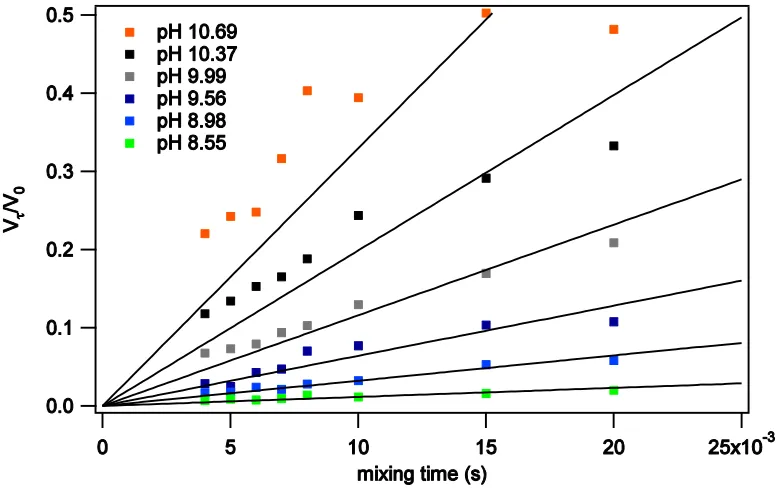
Figure 3.2 Uncorrected peak volumes as a function of mixing time for SNase Gly86….73 Figure 3.3 Peaks volumes after background signal has been subtracted………...73
Figure 3.4 Linear fits to time courses………74
Figure 3.5 Best fit lines using Eq. 3.1 with the approximation R1A = 0………75
Figure 3.6 Best fit lines using Eq. 3.1 to fit both kex and R1A………75
Figure 3.7 Fit for all pH’s simultaneously……….76
Figure 3.8 Final pH dependent fitting step………77
Figure 3.9 kex determined from linear slope vs final kex………78
xii
Figure 4.1 Log kex vs pH for SNase………...87
Figure 4.2 Protection factors as a function of distance to the protein surface…………...91
Figure 4.3 ΔG of deprotonation calculated by Qnifft compared to previously published ΔpKa calculations for rubredoxin………..93
Figure 4.4 ΔG of deprotonation calculated by Qnifft compared to previously published ΔpKa calculations for CI2 and FKBP12………93
Figure 4.5 ΔG of deprotonation calculated by Qnifft compared to previously published ΔpKa calculations for ubiquitin……….94
Figure 4.6 ΔpKa from electrostatic calculations vs measured HX rates for SNase……...95
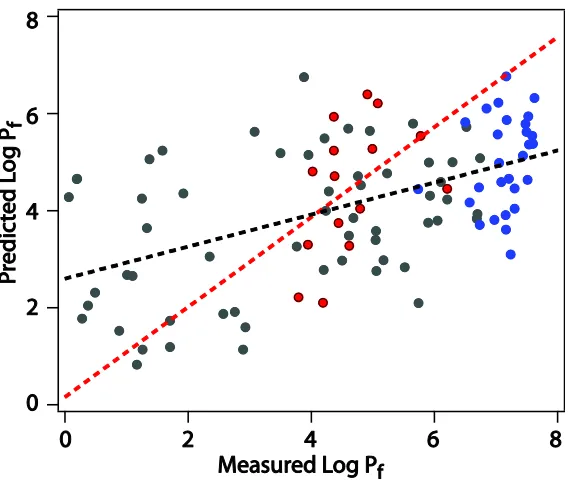
Figure 4.7 Measured log Pf vs log Pf predicted from local packing density……….99
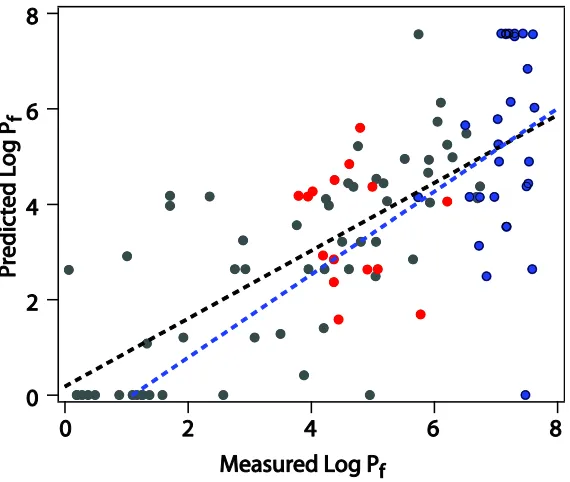
Figure 4.8 Log Pf predicted by H-COREX vs measured log Pf………..102
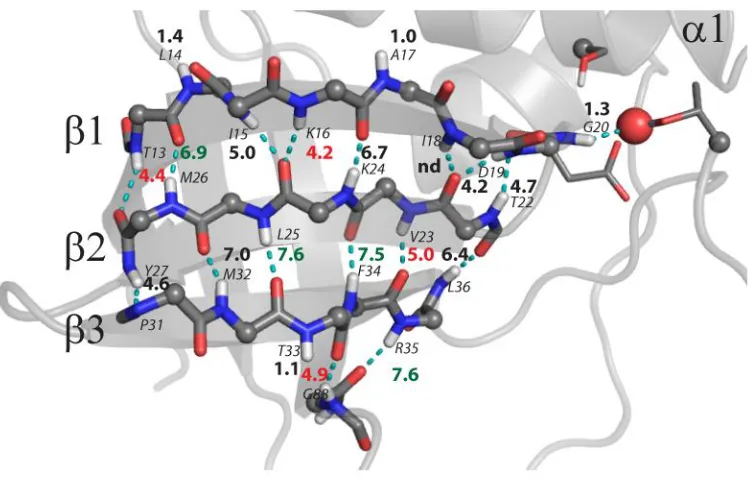
Figure 5.1 Hydrogen bond inventory for SNase………..113
Figure 5.2 HX protection pattern indicating global unfolding on one face of the SNase β -barrel………115
Figure 5.3 Heterogeneous exchange in the SNase β-barrel……….118
Figure 5.4 Sidechains between solvent and Val23 and Leu25………120
Figure 5.5 HX behavior in the SNase α-helices………...121
Figure 5.6 Cooperative motion in the α1/β4 loop………124
Figure 5.7 An internal water molecule and several loops………125
Figure 5.8 Loops with internal waters……….127
Figure 5.9 Electron density map surrounding Thr82………..….128
Figure 5.10 The Asn138 protection factor is consistent with the SNase NMR structure………129
Figure 5.11 Exchange mechanisms displayed on the structure of SNase………131
Figure 6.1 The mitotic checkpoint ensures equal partitioning of chromosomes in anaphase………...146
xiii
Figure 6.3 Mad2 unfolding and refolding considerations………155
Figure 6.4 Mad2 purification gel……….161
Figure 6.5 Anion exchange and size exclusion chromatograms for Mad2RQ…………..168
Figure 6.6 CD spectra forMad2RF………...169
Figure 6.7 Mad2 interconversion……….170
Figure 6.8 Structure highlighting interactions involving the residues that have been mutated in Mad2RQ and Mad2RF………..172
Figure 6.9 1H-15N HSQC spectra for Mad2……….174
Figure 6.10 1H-15N peaks that shift from open to closed conformations mapped onto O-Mad2 and C-O-Mad2 structures………...177
Figure 6.11 Electrostatic analysis of differences in binding affinity for O-Mad2 and C-Mad2………179
Figure 6.12 HX mass spectroscopy results for Mad2RF………...184
Figure 6.13 2D projections of HNCA and HN(CO)CA spectra………..…186
Figure 6.14 FCS results for RhB-MBP1 binding to Mad2………..188
xiv
ABBREVIATIONS
APC – Anaphase promoting complex/cyclosome BSA – Bovine serum albumin
CaM - Calmodulin CD – Circular dichroism
Cdc20 – Cell division cycle 20. A protein regulated by Mad2 C-Mad2 – Closed conformation of Mad2
FCS – Fluorescence correlation spectroscopy FPLC – Fast pressure liquid chromatography
GdmCl – Guanidinium chloride
HSQC – Heteronuclear single quantum coherence HX – Hydrogen exchange
IPTG –Isopropyl β-D-1-thiogalactopyranoside LB – Lysogeny broth
Mad1 – Mitotic arrest deficient protein 1 Mad2 – Mitotic arrest deficient protein 2
Mad2ΔC– Mad2 with the last 10 residues truncated
Mad2ΔN– Mad2 with the first 10 residues truncated Mad2RF– Mad2 R133A/F141A mutant
Mad2RQ– Mad2 R133E/Q134A mutant
MBP1 – Mad2 binding peptide 1 MCC – Mitotic checkpoint complex MD – Molecular dynamics
xv
NMR – Nuclear Magnetic Resonance O-Mac2 – Open conformation of Mad2
PDZ – PSD-95, Discs Large, Zo-1. A common protein domain. Pf– Protection factor
PMSF - Phenylmethanesulfonylfluoride PPMD – Pump-probe molecular dynamics
RhB-MBP1 – MBP1 covalently linked to a Rhodamine B derivative SEC – Size exclusion chromatography
SNase – Staphylococcal nuclease
WT Mad2 –Post PreScission™ cleavage form of Mad2. Pro has been inserted at the +2
1 CHAPTER 1
INTRODUCTION
1. Protein Dynamics
Models derived from X-ray crystallography can give the impression that proteins
are rigid structures with little mobility. NMR ensembles may suggest a more dynamic
picture, but even these represent a rather narrow range of possibilities close to the lowest
energy state. In reality proteins participate in a wide range of dynamics from the subtle
and rapid sidechain dynamics that occur in nanoseconds in the PDZ signaling domain (1)
to the large and slow rearrangement of secondary structure that takes days in the mitotic
checkpoint protein Mad2 (2). Between these extremes are motions on time scales
typically associated with protein function, such as those in SNase monitored by hydrogen
exchange.
1.1 Allostery
Allosteric effects require interactions between spatially separated sites without
obvious structural reconfiguration. The mechanism underlying this process is not
completely understood. Allostery can be thought of as occurring by modulation of
dynamic pathways (3) or by perturbing the overall protein ensemble (4). These models
2
distal domains to somehow communicate with one another and a pathway view is
compatible with multiple routes.
One popular method for investigating protein dynamics is to apply molecular
dynamics (MD) simulations. Unfortunately, it is difficult to parse the dynamics relating
to allosteric regulation from the other dynamics occurring throughout a protein. Chapter 2
describes a novel technique called pumped-probe MD (ppmd; (1) that allows for the
detection of allosteric pathways by applying a low frequency pumping force to an MD
simulation and monitoring how the force transfers through the protein.
1.2 Relating Protein Dynamics to Hydrogen Exchange Data
Hydrogen exchange (HX) has proved to be a valuable technique for studying
protein dynamics. What makes this method so powerful is that it is only sensitive to the
populations in which a backbone amide is exposed to solvent. For most residues this
corresponds to higher energy states that become populated anywhere from 10-1 to 10-9 of
the time. Because HX rates are known for unfolded peptides (5, 6), HX rates measured
for folded proteins can be translated into stability constants. Combining this technique
with 2D NMR (7) allows for the determination of residue resolved stabilities.
HX rates have often been associated with protein folding (8). However, faster
rates often result from local motions that occur on timescales relevant to many protein
functions. Obtaining HX rates for marginally protected and unprotected residues has
3
made to fitting algorithms. Chapter 3 describes a novel algorithm for accurately
determining HX rates from magnetization transfer experiments.
Several groups have applied models to relate HX data to protein structure (12–
14). Chapter 4 evaluates the effectiveness of these models at predicting HX rates for
Staphylococcal nuclease (SNase). The failure of each of these methods to accurately
predict HX rates inspired the detailed examination of the SNase structure in relation to
measured HX rates, discussed in Chapter 5. The structural analysis leads to several
general conclusions including that residues with multiple layers of secondary structure
between themselves and the edges of those structures tend to exchange as cooperative
units regardless of the proximity to solvent and that an amide can hydrogen bond to a
water molecule without becoming HX competent. In several cases involving local
structural fluctuations detailed motions could be inferred from the context of nearby
residues based on HX rates and local structure.
1.3 Conformational Switching
Mad2 is one of a handful of proteins, known as metamorphic proteins (15), that
undergo a drastic structural rearrangement as part of their function. Other such proteins
include RNA polymerase (16, 17), viral glycoprotein (18), chloride ion channel (19),
lysozyme (20), and chemokine lymphotactin (21, 22). Of this group, Mad2 is the only
protein known to exist in both of its conformations in the absence of ligand or
environmental perturbation. In the case of Mad2 this conformation change includes the
4
Conformational switching is required for Mad2 to bind either its upstream effector or the
protein Mad2 regulates (23). While this switching is necessary for Mad2’s function as a
mitotic regulatory protein, the structural details of this transition have not been described
(24). Chapter 6 of this thesis describes an investigation of the intermediate I-Mad2
conformation by various biophysical techniques.
2. Hydrogen Exchange Theory
2.1 Hydrogen Exchange Rates
Backbone amides have a pKa >18, which means they are in constant exchange
with solvent even though the population is never significantly deprotonated. Above pH
~3 HX is catalyzed by OH-, thus the rate of HX increases by 10-fold for each pH unit. N
-is a stronger base than OH- by >100-fold so amide NH to OH- ion collision occurs >100
times before the proton is actually carried away. For a polypeptide chain in a random
coil HX rates at pH 7 at 0 oC are about 1 s-1. These rates are dependent on sequence,
temperature, pH and isotope, which have been accurately calibrated (5, 6).
When an amide is hydrogen bonded it is isolated from solvent and therefore
completely protected from attack by OH- catalyst. HX occurs only when the amide
samples a state in which it is exposed to solvent. The resulting HX rate can be described
as follows:
5
where kch is the known HX rate for the amide if it were in a random coil, kop is the rate
for opening the amide to solvent, and kcl is the reclosing rate. In most cases kcl >> kch and
kcl>>kop, which reduces Eq. 1 to
kobs = kopkch/kcl Eq. 1.2
This is known as the EX2 case. Since kch is known, one can determine the ratio kop/ kcl
which is trivially converted into stability against the opening reaction. It should be noted
that this analysis assumes that the exposed state exchanges at the same rate as a random
coil, which may not be true in all cases (discussed in Chapter 5).
When pH is high and kcl is slow (kcl<< kch), we enter the EX1 regime. Here Eq.
1.1 reduces to
kobs = kopkch/ kch = kop Eq. 1.3
EX1 behavior has only been observed in the most stable regions of very stable proteins.
2.2 Mechanisms of Amide Exposure
The stability and (un)folding rates of proteins are typically determined by
methods that analyze the protein as a whole or possibly one specific region of the protein.
NMR HX allows the determination of these properties on a residue-by-residue basis. This
has led to the observation that hydrogen bonded amides exchange by three different
6
For amides that exchange by global unfolding, HX exhibits the same stability, denaturant
dependence, and unfolding rate (kop) as the protein as a whole as measured by other
methods (25, 26). Collectively, these residues appear to represent the first fragment or
“foldon” of the protein to fold and the last to unfold (8). This first foldon may be stable independently of the rest of the protein and can provide the nucleus or template upon
which the rest of the structure can form (27).
Amides that exchange by a sub-global unfolding mechanism have a lower
stability and shallower denaturant dependence than their global counterparts (27). The
shallower denaturant dependence is due to the partially unfolded conformers exposing
less surface area than the globally unfolded state. When these amides are clustered into
foldons by their equilibrium and kinetic properties and mapped onto the protein, they are
typically found to be clustered spatially as well. These units are thought to build upon the
global scaffold and one another in a sequential manner (28).
Exchange by local fluctuations is the least understood of the three mechanisms.
These residues exhibit no denaturant dependence, which presumably means little or no
additional surface area is exposed in the exchange competent state. From the perspective
of one studying protein folding, local fluctuations are an annoyance which one tries to
circumvent by adding denaturant until the stability becomes such that the amide
exchanges by way of a more interesting global or sub-global unfolding. However, these
fluctuations may play an important role in other protein functions.
7
The dynamic character of several protein systems, including PDZ domain,
Calmodulin, SNase and Mad2, were explored using a variety of biophysical techniques.
This broad investigation demonstrates the dynamic variability between and within
proteins. The study of PDZ and Calmodulin illustrates how a computational technique
can recapitulate experimental results and provide additional insight into signal
transduction. The case of SNase shows that HX NMR data can be exploited to reveal
protein dynamics with unprecedented detail. The Mad2 system highlighted some of the
pitfalls associated with this technique and some alternative strategies for investigating
protein dynamics.
4. Bibliography
1. Sharp, K., and J.J. Skinner. 2006. Pump-probe molecular dynamics as a tool for
studying protein motion and long range coupling. Proteins. 65: 347-361.
2. Luo, X., Z. Tang, G. Xia, K. Wassmann, T. Matsumoto, J. Rizo, and H. Yu. 2004.
The Mad2 spindle checkpoint protein has two distinct natively folded states. Nat
Struct Mol Biol. 11: 338-345.
3. del Sol, A., C.-J. Tsai, B. Ma, and R. Nussinov. 2009. The Origin of Allosteric
Functional Modulation: Multiple Pre-existing Pathways. Structure. 17: 1042-1050.
4. Wrabl, J.O., J. Gu, T. Liu, T.P. Schrank, S.T. Whitten, and V.J. Hilser. 2011. The
role of protein conformational fluctuations in allostery, function, and evolution.
8
5. Bai, Y., J.S. Milne, L. Mayne, and S.W. Englander. 1993. Primary structure effects
on peptide group hydrogen exchange. Proteins. 17: 75-86.
6. Connelly, G.P., Y. Bai, M.F. Jeng, and S.W. Englander. 1993. Isotope effects in
peptide group hydrogen exchange. Proteins. 17: 87-92.
7. Wagner, G., and K. Wüthrich. 1982. Amide proton exchange and surface
conformation of the basic pancreatic trypsin inhibitor in solution: Studies with
two-dimensional nuclear magnetic resonance. Journal of Molecular Biology. 160:
343-361.
8. Englander, S.W., L. Mayne, and M.M.G. Krishna. 2007. Protein Folding and
Misfolding: Mechanism and Principles. Quarterly Reviews of Biophysics. 40:
287-326.
9. Gemmecker, G., W. Jahnke, and H. Kessler. 1993. Measurement of fast proton
exchange rates in isotopically labeled compounds. J. Am. Chem. Soc. 115:
11620-11621.
10. Hwang, T.-L., S. Mori, A.J. Shaka, and P.C.M. van Zijl. 1997. Application of
Phase-Modulated CLEAN Chemical EXchange Spectroscopy (CLEANEX-PM) to
Detect Water−Protein Proton Exchange and Intermolecular NOEs. J. Am. Chem. Soc. 119: 6203-6204.
11. Hwang, T.-L., P.C.M. van Zijl, and S. Mori. 1998. Accurate Quantitation of
9
EXchange (CLEANEX-PM) Approach with a Fast-HSQC (FHSQC) Detection
Scheme. Journal of Biomolecular NMR. 11: 221-226.
12. nderson . . . ern ndez, and D.M. LeMaster. 2008. A Billion-fold Range in Acidity for the Solvent-Exposed Amides of Pyrococcus furiosus Rubredoxin.
Biochemistry. 47: 6178-6188.
13. Best, R.B., and M. Vendruscolo. 2006. Structural Interpretation of Hydrogen
Exchange Protection Factors in Proteins: Characterization of the Native State
Fluctuations of CI2. Structure. 14: 97-106.
14. Hilser, V.J., and E. Freire. 1996. Structure-based Calculation of the Equilibrium
Folding Pathway of Proteins. Correlation with Hydrogen Exchange Protection
Factors. Journal of Molecular Biology. 262: 756-772.
15. Murzin, A.G. 2008. Biochemistry. Metamorphic proteins. Science. 320: 1725-1726.
16. Yin, Y.W., and T.A. Steitz. 2002. Structural Basis for the Transition from Initiation
to Elongation Transcription in T7 RNA Polymerase. Science. 298: 1387 -1395.
17. Tahirov, T.H., D. Temiakov, M. Anikin, V. Patlan, W.T. McAllister, D.G.
Vassylyev, and S. Yokoyama. 2002. Structure of a T7 RNA polymerase elongation
complex at 2.9 A resolution. Nature. 420: 43-50.
18. Roche, S., F.A. Rey, Y. Gaudin, and S. Bressanelli. 2007. Structure of the Prefusion
10
19. Littler, D.R., S.J. Harrop, W.D. Fairlie, L.J. Brown, G.J. Pankhurst, S. Pankhurst,
M.Z. DeMaere, T.J. Campbell, A.R. Bauskin, R. Tonini, M. Mazzanti, S.N. Breit,
and P.M.G. Curmi. 2004. The Intracellular Chloride Ion Channel Protein CLIC1
Undergoes a Redox-controlled Structural Transition. Journal of Biological
Chemistry. 279: 9298 -9305.
20. Xu, M., A. Arulandu, D.K. Struck, S. Swanson, J.C. Sacchettini, and R. Young.
2005. Disulfide Isomerization After Membrane Release of Its SAR Domain
Activates P1 Lysozyme. Science. 307: 113 -117.
21. Tuinstra, R.L., F.C. Peterson, S. Kutlesa, E.S. Elgin, M.A. Kron, and B.F. Volkman.
2008. Interconversion between two unrelated protein folds in the lymphotactin
native state. Proceedings of the National Academy of Sciences. 105: 5057 -5062.
22. Alexander-Brett, J.M., and D.H. Fremont. 2007. Dual GPCR and GAG mimicry by
the M3 chemokine decoy receptor. The Journal of Experimental Medicine. 204:
3157 -3172.
23. Luo, X., Z. Tang, J. Rizo, and H. Yu. 2002. The Mad2 Spindle Checkpoint Protein
Undergoes Similar Major Conformational Changes Upon Binding to Either Mad1 or
Cdc20. Molecular Cell. 9: 59-71.
24. Skinner, J.J., S. Wood, J. Shorter, S.W. Englander, and B.E. Black. 2008. The Mad2
partial unfolding model: regulating mitosis through Mad2 conformational switching.
11
25. Bai, Y., J.J. Englander, L. Mayne, J.S. Milne, and S.W. Englander. 1995.
Thermodynamic parameters from hydrogen exchange measurements. In: Energetics
of Biological Macromolecules. Academic Press. pp. 344-356.
26. Huyghues-Despointes, B.M.P., C.N. Pace, S.W. Englander, and J.M. Scholtz.
Measuring the Conformational Stability of a Protein by Hydrogen Exchange. In:
Protein Structure, Stability, and Folding. New Jersey: Humana Press. pp. 069-092.
27. Bai, Y., T. Sosnick, L. Mayne, and S. Englander. 1995. Protein folding
intermediates: native-state hydrogen exchange. Science. 269: 192 -197.
28. Krishna, M.M.G., H. Maity, J.N. Rumbley, Y. Lin, and S.W. Englander. 2006.
Order of Steps in the Cytochrome c Folding Pathway: Evidence for a Sequential
12 CHAPTER 2
Using Pump-Probe Molecular Dynamics to Find Allosteric Pathways
1. Introduction
Pump-probe molecular dynamics (PPMD) was developed by Dr. Kim Sharp
during my brief time in his laboratory prior to my Ph.D. candidacy. While that work was
largely driven by Dr. Sharp, I was able to contribute enough to be included as an author
on the manuscript that introduced this technique (1). That work has been included here
for the sake of completeness.
PPMD is a novel method for analyzing the dynamics of proteins. A set of
oscillating forces are applied to a set of atoms or residues as part of a molecular dynamics
simulation. How these forces propagate to other parts of the protein is probed using a
Fourier transform of atomic motions. From this analysis, a coupling profile is determined
which quantifies the degree of interaction between pump and probe residues. Various
physical properties of the method such as reciprocity and speed of transmission are
examined to establish the soundness of the method. The coupling strength can be used to
address questions such as the degree of interaction between different residues at the level
of dynamics, and identify propagation of influence of one part of the protein on another
via ―pathways‖ through the protein. The method is illustrated by analysis of coupling
between different secondary structure elements in the allosteric protein calmodulin, and
13
Proteins are dynamic objects, and motions of a protein play an important part in
their function. Functionally important conformational changes in proteins are typically
driven by energies of only a few kT, provided, for example, by the binding of ligands or
other proteins. Techniques such as NMR and hydrogen exchange (HX) provide detailed
site resolved dynamic information on proteins, revealing the stability, extent, and time
scale of motion of individual groups through HX protection factors (2), the generalized
order parameter (S2), relaxation rates (τ), chemical shift averaging, and other quantities (3). Molecular dynamics (MD) simulations also provide a detailed description of protein
motion and play an important role in the interpretation of experimental probes of protein
dynamics. With the routine ability to do all atom simulations on multinanosecond time
scales and longer, the amount of information provided by these simulations is enormous.
Analyzing the fluctuations in a useful way and relating them to specific experiments is
nontrivial.
An important class of methods for studying protein motion is based on frequency
analysis. An early example is the now classic method of normal mode (harmonic)
analysis (4), which decomposes the possible motions of a protein around a minimum
conformation into harmonic, orthogonal modes. An important insight from this analysis
is that the lowest frequency modes represent the softest, most thermodynamically
accessible ways a protein could change its conformation (the stiffness being proportional
to the square of the frequency). These modes involve long range, concerted motions
because they are low frequency, i.e. they have a large effective mass, and hence involve
many atoms (5). A related method is the quasi-harmonic method that uses coordinate
14
change (6–9). This allows for a limited amount of anharmonicity. The coordinate
covariance matrices may then be analyzed in terms of eigen-vectors and subjected to the
same frequency analysis as with normal modes. Principle component and essential
dynamics analysis also use effective modes obtained from coordinate fluctuation
covariances(10–12). However, extracting, interpreting, and using the modes obtained by this kind of frequency analysis is not easy (13–16). Alternatively, coupling between different atoms, residues, or segments may be analyzed directly using the covariance
terms (17). Another approach is to use simplified harmonic models (Elastic network or
Tirion type potentials; (18, 19) that can be combined with other treatments of large
anharmonic motion (20) and sequence/mutation data (21). Fourier transformation (FT)
and filtering of frequencies can be used to simplify and analyze MD trajectories (22, 23).
Removal of high frequency motions allows clearer analysis of the putatively more
interesting, or at least large scale, low frequency motions. Other methods take this a step
further by actively manipulating selected frequency components of the velocity during
MD simulations to probe, or drive conformational changes (24–27). Dynamics quantities such as amide and methyl NMR order parameters and relaxation rates can be obtained
directly from MD simulations, and are most effectively obtained through the frequency
domain via fast Fourier transform (FFT; (28–31).
The view of native protein motion as a superposition of oscillatory motions
(harmonic or anharmonic) of different frequencies around a minimum energy
conformation has provided an attractive model for allosteric (literally ―other shape‖)
interactions (8, 20, 32, 33), which gives further impetus to frequency-based methods of
15
sites. One such mechanism is via collective motion of a large spatial array of atoms,
which in turn is characteristic of ―low frequency modes‖ of protein motion. This model (dubbed here the low frequency mode model) naturally invokes analytical methods such
as normal mode analysis, essential dynamics, and quasi-harmonic analysis. A different
but not necessarily mutually exclusive view of allostery comes from many experiments,
the specific residue–residue interaction model. This model does not derive from a low frequency mode view of protein motions, and different ways to analyze MD simulations
are required if they are to help interpret these types of experiments.
The specific residue–residue interaction model for allostery emerges from many studies on different proteins with a variety of methods, of which we mention a few
pertinent examples. Some classic examples involving oxygen carrying proteins and
allosteric enzymes such as glycogen phosphorylase and phosphofructokinase have been
reviewed in detail by Perutz (34). For example, in hemoglobin, oxygen binding to heme
iron causes a flattening of the heme-porphyrin plane, which is transmitted to the distal
histidine, then via a leucine and isoleucine on the F-helix, to movement of the end of the
F-helix, and the CD loop in the cooperative α1β2 and α2β1 interfaces (35).
Using a statistical mechanical ensemble model of protein fluctuations Friere (36)
traced the effect of substrate binding to Lysozyme at helix F through a specific pathway
involving residues 24–37 on a neighboring helix, through residues 8–15 on the next helix on to residues in a sheet region on the opposite side of the protein.
In Calmodulin (CaM) residue Y138 has been shown to interact with residues E82,
16
with helix A. These specific interactions are required for cooperativity and linkage of
Ca2+ binding and peptide substrate binding (37–40).
In the PDZ class of proteins (a peptide binding domain found in signaling
proteins) a combination of genomics analysis of sequences, mutations, and binding
assays has traced specific reside–residue interactions necessary for allostery, for example from residue H76 through F29 and E57 to A51 on the other side of the protein (41). This
coupling pathway has also recently been detected in dynamic behavior on the ps to ns
timescale from changes in NMR-derived backbone and side chain order parameters (42).
A similar sequence/mutation analysis of coupling has been done on the large class of
G-coupled protein receptors (GPCR). Significantly, these networks of interactions are quite
sparse, i.e. relatively few of the residues mediate allostery, and not all close residues
interact in way relevant for allostery (43). More generally, recent NMR experiments
show that mutations cause changes in dynamics that propagate along nonhomogenous,
long range, and apparently specific paths (42, 44, 45).
Significantly, the specific residue–residue interactions that are mapped out by the experimental and genomic analyses described above are far from obvious by
retrospective analysis of these systems in purely structural terms, i.e. in terms of distances
between residues. It is hard to explain in purely structural terms why particular residue
interactions are important, while others of equal or lesser distance are not. An extra
dimension to the interactions must arise from the motions these groups undergo, and the
coupling between them, i.e. from protein dynamics. However, in terms of the specific
17
influence Y, and by how much? Are they more strongly coupled than an arbitrary pair
X-Z. How does influence propagate as a function of direction and distance? Can one detect
pathways of allosteric action analogous to those found experimentally? Even experiments
that probe simpler dynamic properties of proteins than allostery can be difficult to
explain. An example is the NMR order parameter, which is a measure of the mobility of a
single backbone or side chain group. CaM has anomalous order parameter data such as
inverted temperature dependence for some residues (the order parameter increases with
T), and an unexpectedly large variation in methionine order parameters (46, 47). These
observations imply significant correlation between motions of specific residues, but these
correlations are not evident in covariance fluctuation matrices or standard frequency
analysis (17, 48). Mayer et al. recently obtained detailed residue–residue correlation matrices in protein G from analysis of the correlation in NMR order parameter changes
induced by mutations (49). A direct comparison with residue–residue correlations obtained by covariance matrix analysis of MD simulations found almost no relationship
to the experimental correlations (50). These and other studies illustrate shortcomings with
the available tools for conformational fluctuation analysis in trying to explain
experimental data on protein dynamics. This led us to devise a new technique,
pump-probe molecular dynamics (PPMD), to address these types of questions and to fill a gap
18 2. Methods
2.1 PPMD
The method called here pump-probe molecular dynamics (PPMD) can be applied
within any standard MD simulation using existing force field parameters and most
simulation conditions. The basic PPMD protocol is as follows:
1. An atom or set of atoms to be pumped is selected.
2. An oscillating force of a specified magnitude, direction, and frequency
ν0(period τ = 1/ν0) is applied to the pumped atom(s).
3. Coordinate snapshots are saved throughout the simulation.
4. After the simulation the fluctuation power spectra, or spectral density, W(ν) of the motions of particular atoms or groups of interest (probe atoms) are obtained
via Fast Fourier Transform (FFT) of their Cartesian coordinate trajectories. It
should be noted that the power W(ν) in this context is proportional to the contribution to the mean squared displacement of that atom from motions at
frequency ν: summation over the entire power spectrum yields total mean squared displacement of an atom over the simulation period.
5. The pump frequency region of each probe spectrum is examined to see how
much the fluctuation power spectrum is increased by the pump, by comparing
19
The basic PPMD protocol can be applied repeatedly with different pump atoms,
force magnitudes, and pump periods as appropriate, to build up a detailed picture of how
the pump impulses are transmitted throughout the protein. In the current implementation,
pumping of atoms is done in a circular motion around the Z-axis with the same phase and
direction of force for all pumped atoms. This application of the force had no particular
rationale other than its simplicity, and it was chosen merely for the initial implementation
and exploration of the technique. Obviously PPMD is not restricted to this way of
applying the force, and other ways of applying it could be selected using some other
physical considerations. For example, the axis of the applied circular force could be
varied in case the Z-axis direction is atypical for any particular protein/group.
Pumped dynamics are not energy conservative. Elementary considerations show
that the power deposited by a particular magnitude of pumping increases as the square of
the period τ. Pumping force magnitudes are communicated to the MD program
CHARMM (51) in its units (kcal/mole/Å), but since we had no a priori information,
suitable magnitudes were determined by experimentation, and typically were 1–3 in these units for the range of frequencies examined here. With the range of pumping forces
applied in this work, we have found that the temperature control algorithms in standard
MD simulation packages can handle the increase in energy, as judged by a stable value of
T during the simulation, and negligible structure distortion.
In practice we found that the increase in power (contribution to rms fluctuation) at
the pumped frequency was usually clear enough in the probe atom's power spectrum that
comparison of a control power spectrum (no pumping force) of the same atom was not
20
baseline power spectrum to either side of ν0 by a suitable peak finding algorithm, obviating the increase in noise inherent in any spectrum subtraction procedure.
2.2 Quantifying the Coupling, or Effectiveness of Transmission of the Pumped
Motion
The displacement of an atom in response to a given force will vary depending on
how stiff that region of the protein is. Thus, each fluctuation power spectrum is
normalized by the sum over W(ν) (which is just the mean square deviation of the atom) before comparison. After normalization of the power spectra, one can quantify coupling
between atoms. If the increase in power of the pumped atom iat frequency ν compared to the control simulation is designated as δWi(ν), and the corresponding increase in power of a probed atom jis δWj(ν), then the coupling constant at a particular pump frequency ν0 can be defined as the ratio of total increase in power (relative contribution to rms
fluctuation) of probe to pump atom.
(2.1)
C is written in terms of integration over a frequency range centered on the pump
frequency large enough to capture any frequency shifting in transmission to the probe
atom due to the nonlinear nature of protein force fields. We allow for the possibility of
frequency shifting so as not to miss the coupling, although we have encountered no
detectable frequency shifting in applications thus far. If a group of atoms are pumped, the
21
coupling metric, one can compute a coupling profile through the sequence of a protein for
any pumped frequency. Since C is a dimensionless quantity, and for a given
protein/simulation condition only relative values across the sequence convey information,
Cin plots presented here have been ―normalized‖ and shifted for clarity in graphing. Analysis of residue–residue coupling constants showed that very similar results were obtained if they were computed for the entire backbone of the probe residue (N, C, O,
and Cα), its side chain atoms, or just its Cα atom. Results presented here are for coupling
constants using just the Cα atom unless otherwise stated.
2.3 Comparison of Coupling Profiles
To compare two coupling profiles of a protein, obtained for example before and
after a mutation or other perturbation, or with different simulation conditions, two types
of analysis were employed. These were developed bearing in mind that only relative
values of coupling constant within a single profile have significance, and that most of a
typical coupling profile is baseline, with relatively few peaks of interest.
2.3.1 Outlier analysis
One set of coupling constants is treated as the independent variable xi, the other
set as a dependent variable, yi, where xi and yi are the coupling values of the ith residue
say before and after the perturbation. The two sets are subject to linear regression to the
22
scaled residual ri = (yi– (axi + b))/σ is computed for each residue. A residual of less than
−1.5σ or greater than 1.5σ indicates an outlier from the regression, i.e. a significant
decrease or increase in coupling, respectively, at that residue due to the perturbation.
2.3.2 Percentile analysis
One set of residue coupling constants (yi) is plotted against the other (xi). The
resulting scatter plot typically shows the majority of points in a cluster with low coupling
constant in both simulations (Fig. 2.7). This cluster contains the ―non-interesting‖
coupling constants in any profile that are close to baseline, i.e., have coupling that is
weak or below the noise level in both simulations. The more interesting coupling
constants are the stronger ones corresponding to peaks in the coupling profile. The values
that divide the upper 10th percentile from the lower 90th percentile are calculated for
both sets of coupling constants, designated x0.1 and y0.1, respectively. Vertical and
horizontal lines are drawn at x = x0.1 and y = y0.1, respectively. This divides the plot into
four regions: lower left, containing residues with low, baseline level coupling in both
simulations; upper right, containing residues that have stronger (upper 10th percentile)
coupling in both simulations; upper left and lower right regions containing residues that
show a coupling peak in one simulation but not the other, i.e. with a significant
difference. If for example all the points fell into either the lower left ―baseline‖ region or the upper right ―peak‖ region there is complete agreement between the two coupling profiles at a 10% significance level. Put another way, there is a peak in one simulation if
23
typical ratio of residues in peak vs. baseline regions of the coupling profiles analyzed
here. The ratio would be adjusted for profiles with less/more peak regions.
Both forms of comparison have the advantage that they are sensitive to the shape
of the coupling profile, i.e. the number and location of peaks. They are insensitive to a
difference in average coupling between two simulations, or a difference in the range of
coupling values between low and high that might occur through differences in scaling, or
systematic but nonspecific differences arising from simulation conditions. We note that
the linear regression R2 value alone does not provide a good way either to measure the
similarity of profiles or detect differences in peaks: first, the R value is typically always
low, dominated as it is by the uncorrelated cluster of baseline points. Second, a low R
would occur even if all the peaks occupy in the same positions in the two profiles but
they are of different heights.
2.4 Frequency and Correlation Analysis
FT, time autocorrelation functions, and time cross-correlation functions for
atomic motions were computed from CHARMM format output trajectories using the
FORTRAN versions of the routines FFT and CORREL described in Numerical recipes
(52). Time autocorrelation functions for the Brownian harmonic oscillator (BHO) model
were computed from standard analytical expressions (53). The behavior of a BHO is
governed by the dimensionless ratio of friction coefficient to harmonic force constant G =
24
and over-damped conditions, respectively. To match the approximate time scale of
relaxation seen in time autocorrelation functions derived from explicit atom simulations
of proteins, a constant oscillator frequency of ω0 = 0.05 radian/ps (oscillation period of 125.7 ps) was chosen with friction coefficients of 0.033, 0.1, or 0.2 ps−1 yielding
G =
0.33 (under-damped), 1 (critically damped), and 2 (over-damped), respectively.
2.5 MD Protocol
The PPMD method has been implemented in a Fortran77 subroutine that is called
by CHARMM (51). For the purposes of developing and testing the PPMD methodology,
we used the following standard simulation parameters/conditions: CHARMM version 27
force field with all atoms (54), the Verlet algorithm with a time step of 1 fs, a temperature
of 298 K held constant by periodic velocity reassignment, a nonbond cutoff of 14 Å with
force shifting, and a total simulation time of at least 10 times the pump frequency period,
usually longer than 1 ns. The number of simulation steps and frequency of coordinate
saving were adjusted so that exactly 2n snapshots were generated for FFT. This obviates
padding or truncation, and maximizes precision. For most of the simulations we used an
approximate but rapid solvent treatment by using the distance dependence dielectric
option in CHARMM with a constant of 4. While this model has well-documented
shortcomings, it is rapid, and given the large number of simulations required to develop
and test the PPMD method, this is an acceptable trade off. The impact of this on our
25
For simulations using Langevin dynamics (LD), the Langevin MD command in
CHARMM was used. Friction coefficients γ were assigned to all non-hydrogen atoms using
(2.2)
where η = 0.89 cP is the viscosity of water, m is the atomic mass, a is the atomic radius in the CHARMM forcefield, and f is the fraction of exposed surface area of that atom,
calculated using the program SURFCV (55). Thus, buried atoms experience no solvent
friction/fluctuation force, while exposed atoms typically have friction coefficients in the
range 50–90 ps−1. Hydrogens are assigned a friction coefficient of zero since they are
constrained to the heavy atom positions using the SHAKE algorithm (56).
For simulations using NMR type nuclear Overhauser effect (NOE) type distance
restraints, the CHARMM command NOE was used. A list of restraints was generated for
each pair of Cα atoms within 10 Å of each other in the starting structure. For each pair of
Cα atoms an NOE type restraint was applied using a harmonic potential with force
constant 1 kcal/mole/Å. The force was applied if the distance varied by more than 2.5 Å
from the starting structure, other wise no force was applied, i.e., a 5 Å zone of fluctuation
with no restraining force was allowed.
2.6 Additional PPMD Enhancements
In our initial application of PPMD the pumped frequency does not correspond to
26
Thus, it is necessary to scan pumping over as wide a range of frequencies as possible to
build up a complete picture of the coupling. To reduce the amount of simulation we
investigated pumping at several frequencies simultaneously. Provided the frequencies are
well separated, we found that the effects were independent (additive). All results
presented here were thus obtained using four simultaneous pumping frequencies: a base
frequency with period τ, and three others with periods 3τ, 5τ, and 7τ, respectively.
To explore the sensitivity of the PPMD method simulations of increasing pump
magnitude were performed. It was found, not surprisingly, that larger magnitudes
eventually resulted in structural distortions in the protein by the end of the simulation.
However, by using the NOE-type restraint facility in CHARMM applied to the Cα atoms
we could pump with larger magnitudes and so increase sensitivity. NOE-type restraints
are convenient for this purpose because they apply no force as long as the distances stay
within the upper and lower bounds. These restraints thus can keep a simulation
conformation within reasonable bounds while providing minimal bias to the dynamics.
PPMD results with and without NOE-type restraints described below show very similar
coupling behavior.
2.7 Proteins Studied
For the initial development and testing of PPMD, we selected two proteins for
which good structures were available, and for which detailed experimental data related to
27
specifically, for each protein a variety of experiments and analysis has demonstrated
specific residue–residue couplings of functional importance.
2.7.1 CaM (PDB entry 1CDL (57)
CaM is a calcium-regulated protein involved in signal transduction, trafficking,
muscle contraction, and many other cellular processes. It is known to recognize over 200
targets (58), and so it is central in cell regulation and signaling. CaM binds four calcium
ions, forming a dumb-bell like structure with two globular domains each containing two
ions separated by a long helical domain. Studies of the CaM system include the structural
basis for its protein target recognition (38, 59), the thermodynamics of calcium binding
(60), the thermodynamics of smMLCK target peptide peptide binding (61), and the
concerted conformational change upon peptide (62). Wand et al. have an extensive set of
dynamic information for calcium-loaded CaM/smMLCK peptide complex, including
NMR order parameters (S2) and relaxation times (τ) for almost all the amide and methyl groups over the range 15–73°C, and additional order parameter data for the uncomplexed CaM, and for CaM mutants. This work has resulted in an unprecedented amount of site
resolved dynamics data on a protein, and interesting dynamic behavior that we have only
partly been able to explain with standard MD simulation analysis (17, 48). There is also
an extensive series of studies systematically exploring the relationship between
fluctuations, conformational changes, binding, and cooperativity (37–40, 63). This experimental work has elucidated specific residue interactions involved in allostery, for
28
and D80 of linker region and residues on helix A. CaM shows two levels of allosteric
interaction: between calcium and peptide binding and peptide binding and large binding
related changes in conformation.
2.7.2 PDZ domain protein (PDB entry 1BE9 (64)
PDZ domain proteins are a family of modular peptide binding domains found in
many cytosolic signalling proteins (65). Extensive sequence data and several high
resolution structures are available. Lockless and Ranganathan (41) have used
evolutionary sequence analysis and mutation/function analysis to identify specific
coupling at the level of residue–residue interactions. These interactions form a network that spans a significant distance in space (i.e. they are allosteric in nature). By examining
the spatial sequence of pairs of couplings they can trace pathways of communication. For
example residue H76, which is crucial for determining peptide binding specificity, is
coupled, through residues F29 and E57 to A51 on the opposite side of the protein. Their
combined genomics and experimental analysis also identifies other couplings between
some, but by no means all, close residues. The fact that in their analysis not all close
residues are coupled forms an important control for the concept of specificity in residue–
residue interactions. Recently, Fuentes et al. have shown that very similar coupling
pathways are revealed by changes in NMR-derived side chain and backbone order
parameters upon peptide binding to PDZ (42), a direct demonstration of long range
29
Starting structures of the single site mutants G33A, G34A, F29K, F44A, S75T, A80V,
K84A, and T89S were generated from the wild-type structure (pdb entry 1BE9) using
CHARMM by changing the residue template, rebuilding the atoms of the mutated residue
and then minimizing the structure using the adaptive basis Newton–Raphson minimizer for 1000 steps. PPMD simulations were then run on the mutants under the same
conditions as the wild type.
3. Results
PPMD simulations were run on CaM, pumping residues 46–53 in helix C with oscillating forces of 10, 30, 50, and 70 ps period. Figure 2.1 shows typical fluctuation
power spectra obtained from a 5 ns simulation. The upper plot shows a typical power
spectrum of an atom from a control simulation with no pumping. The lower plot shows
the spectrum of a pumped atom in residue Gln49. Against the rather featureless
background four sharp peaks at the pumping frequencies can easily be distinguished as
one would expect since this is a pumped atom. The spectra at selected probe atoms in
residues T29 and L32 in the neighboring helix and a more distance residue T110, which
neighbors residues 29 and 32 but not the pumped helix, show similar features except the
spikes have different relative intensities, some being undetectable altogether. This
30
Figure 2.1 Fluctuation power spectra of some atomic motions in CaM with 10, 30, 50, and 70 ps period
pumping forces applied to helix C, over a total simulation time of 5 ns. Traces are displaced vertically for
clarity, and from the bottom up are for the Cα atom in residues Q45 (a pumped residue), T110, L32, and
T29. Top trace: Fluctuation power spectrum of Cα atom of Q54 in a control simulation with no pumping
force.
Figure 2.2 shows the coupling profile for the simulation in Figure 2.1, obtained
from analyzing the fluctuation power spectra for all the residues, extracting the relative
intensities at the pumped frequencies, and applying Eq. 2.1. The coupling profiles exhibit
a large peak at the pumped residues, indicating trivial coupling of the pumped residues
with themselves. More significantly, there are peaks in coupling at more distant residues
in both sequence and space, e.g. at residues 29, 32, and 110, indicating nonhomogeneous
31
Figure 2.2. Coupling profiles for CaM with the C helix pumped. Traces are displaced vertically for clarity.
From bottom up, couplings for 10, 30, 50, and 70 ps period pumping. Probe residues whose fluctuation power spectra are shown in Figure 2.1 are labeled.
An alternative way to display the coupling is through a coded structural
representation of the protein (Figs. 2.3 and 2.4). Here the thickness of the backbone worm
indicates the degree of coupling, and enables one to see which parts of the protein are
more coupled, and where they are. Figure 2.3 shows a PPMD simulation on CaM where
helix C was pumped at 10, 30, 50, and 70 ps. The coupling profile at 10 ps is coded on
the figure. The pumped helix C shows strong coupling to the B helix, which contains
residues 29 and 32 and forms one flap closing over the peptide. There is ―follow-on‖
coupling to the helix turn containing residue 110 on the opposite flap. Residues 29, 32,
32
Figure 2.3 Coded structural representation of CaM. Worm thickness is proportional to coupling to Helix C
at the 10 ps oscillation period. Probe residues whose fluctuation power spectra are shown in Figure 2.1 are rendered in CPK.
Figure 2.4 Coded structural representation of PDZ domain protein. Residue H76 was pumped. Worm
33
Figure 2.4 shows a similar representation for a PPMD simulation of the PDZ
domain protein. In this case residue H76, a key coupled residue identified by Lockless
and Raganathan (41) was pumped at 10, 30, 50, and 70 ps. The coupling at 10 ps is
shown on the figure. This figure shows that coupling from the pumped residue extends
down the helix containing H76 and also across to the β strand containing F29.
Interestingly, coupling is much less effective in the other strand direction from H76:
round the turn. Heterogeneous coupling to other regions is also apparent. Since the
coupling is frequency dependent, average coupling profiles using data from multiple
frequencies provide a better picture of the coupling through the protein and increase the
sensitivity. To obtain average coupling profiles, profiles from eight different pumping
periods, 1, 3, 5, 7, 10, 30, 50, and 70 ps, were averaged. Figure 2.5 shows two such
coupling profiles for the PDZ protein. Each coupling profile represents a set of
simulations in which either residue H76 or G33 was pumped. These two residues were
shown experimentally to be coupled (41). Each profile shows a peak in the region of the
pumped residue, and other peaks. In the simulations where H76 is pumped, coupling
down one side of the helix to the residues one and two helical turns down (A80 and K84)
is clearly seen, recapitulating the pathway seen by Lockless and Ranganathan (41).
Significantly, one sees a peak at G33 when H76 is pumped, and a peak at residue H76
when pumping G33, i.e. the coupling is reciprocal. To better illustrate the heterogeneous
nature of the coupling, in Figure 2.6 the residue coupling constants from the H76 pump
simulation of PDZ domain illustrated in Figure 2.5 (upper profile) are plotted against the
distance of each residue from the pumped residue H76. The figure illustrates a general
34
protein. However, examining the couplings at a given distance in the 5–15 Å region shows a wide range of coupling strengths at each distance, notably even at the very
shortest distances that represent neighboring residues.
Figure 2.5 PDZ domain coupling profiles for pumping at H76 (-x-, trace displaced upward for clarity) and
35
Figure 2.6Plot of coupling strength vs. Cα–Cα distance for PDZ domain pumped at H76. Coupling
strengths are taken from the profile averaged over 1, 3, 5, 7, 10, 30, 50, and 70 ps pumping periods (Fig.
5.5). Distances are measured from the pumped residue H76 Cα.
These coupling profiles illustrate several key features revealed by the PPMD
simulations:
i. Heterogenous coupling in space. Not all residues close to the pumped residue(s)
are coupled to the same extent (Fig. 2.6).
ii. Long range coupling. Significant transmission is observed, in some cases from
one secondary structure element across another to a third as illustrated in Figures
2.2 and 2.3.
iii. Coupling does not necessarily occur via the shortest pathway, as illustrated by the
coupling of F29 to H76 via A80 and K84 in PDZ domain protein (Fig. 2.4).
iv. Reciprocity of coupling between pump and probe residues, as illustrated in Figure