to Competency Development: An
Exploratory Study on the Risk
Management Function of Banks
Eric H.Y. Koh*, Avvari V. Mohan and Kim Hua Tan
ABSTRACT
Banks face a shortage of competent risk management professionals despite this function’s increasing importance. Hence, banks need a more comprehensive approach to risk management competency development. However, extant literature is inadequate because they discuss specific banking technicalities, human capital and conceptual matters rather than competency development issues in a comprehensive and granular way. This paper addresses this gap by integrating three inter-related concepts (core competencies, dynamic competencies, and learning organisation), each of which focuses on one competency development area. This is done by first, identifying the operationalised indicators through risk management context literature review; and secondly, re-affirming the indicators from the interviews with ten leading Chief Risk Officers of banks in Malaysia. The analyses re-affirm the findings from literature and reveal further indicators, each of which illustrates at least one of the concepts’ variables. These findings support the proposed approach and lay important groundwork for further empirical studies in an under-researched risk management context.
Keywords: Banks, Competency Development, Risk Management JEL Classification: G21, M10
* Corresponding author: Eric H.Y. Koh is a Senior Lecturer at the Faculty of Business and Accountancy, University of Malaya, 50603 Kuala Lumpur, Malaysia. E-mail: [email protected]. my.
Avvari V. Mohan is an Associate Professor at the Nottingham University Business School, 43500 Semenyih, Selangor, Malaysia. Email: [email protected].
1. Introduction
The year 2014 is memorable with Germany scoring a devastating 7-1 goal over Brazil during the Soccer World Cup semi-final and the result had stunned many. Despite its unknown potential, Germany had proceeded to win the World Cup, the first ever to be achieved by a European team that is competing in a South American country. Unlike its rivals’ heavy reliance on individual superstars (such as Argentina’s Messi, Brazil’s Neymar and Portugal’s Ronaldo), the German players had worked together as one well-mobilised team. This approach contrasted sharply from its 2000 Euro Championships’ early exit debacle.
Nonetheless, it has to be admitted that Germany’s success is not an overnight miracle. Its success stems from a comprehensive and well-executed competency development programme which appears to have produced a deep and broad pool of competent players. This pool of players is regularly replenished, revitalised and reorganised so as to maximise the team’s joint performance (Bach, 2014). In that regard, it can be said that Germany’s 2014 World Cup success underscores the importance of a team’s competency development over that of the individual’s competency. The German’s success story may offer hope for the business industry, in particular, banking.
To begin, this study explores the potential application of competency development by linking it to the widely-blamed culprit of the 2008 Global Financial Crisis i.e. the risk management function of banks (Kashyap, 2010). First and foremost, banks are key financial mobilisers globally and this is more so in the Asian context which comprises mainly emerging economies. However, banks are perceived to be “black holes..., powerful and influential, but are to some degree, unfathomable” (Morgan, 2002, p. 888) as if suggesting that it is hard to understand process flows in banks. Banks play many important roles but their positions have been made more risky through added competition and product complexity (Holland, 2010; Rajan, 2005).
recruiting staff - be it for increased or replacement headcounts. However, it is inadequate because banks’ organisational capabilities must first be effective (Groysberg, Nano, & Nohria, 2004). To compound the problem, skyrocketing compensation packages (caused by the increased competition for scarce talent) have made staff pinching unsustainable. To fortify themselves, banks need to continuously build on their pool of internal talents (Taing & Goh, 2011) which can be accomplished by identifying the items or indicators that are required for addressing their risk management functions’ continuous competency development.
Despite all that is said, relevant guidance to help banks identify the indicators for risk management competency development is not readily apparent in extant literature. For instance, banking literature tend to emphasise technical finance matters such as bank performance, capital adequacy or risk modelling (Ahmad, Skully, & Ariff, 2008; Rokhim & Susanto, 2013). Next, human resources literature provide input on people-related matters such as different competency notions but not on how banks’ risk management functions can be continuously developed. Moreover, professional banking institutes such as the Institute of Banking and Finance Singapore and the Institute of Bankers Malaysia (now known as Asian Institute of Chartered Bankers) tend to prescribe the competencies required of individual professionals but not at the risk management function level.
Strategy-related literature study competency development under three concepts but each of these concepts (core competencies, dynamic competencies, and learning organisation) only emphasises one area of competency development such as stretching the competencies (Hamel & Prahalad, 1994), adapting well to external changes (Helfat, Finkelstein, Mitchell, Peteraf, Singh, Teece, & Winter, 2007; Teece, Pisano, & Shuen, 1997), and enhancing internal learning environment (Senge, 2006). None of these three concepts by themselves adequately guides competency development. Moreover, many of these studies are conceptually-oriented and not sufficiently granular (Ambrosini & Bowman, 2009; Jamali & Sidani, 2008). Likewise, empirical work has also been scarce and of those which are available, many focus on manufacturing industries rather than banking (den Hertog, van der Aa, & de Jong, 2010).
development indicators. The findings of this study, if appropriate for the banking sector, may be applicable to other sectors too.
The remainder of this paper is organised as follows. Section 2 reviews previous works on the three competency concepts and argues for the pooling of these concepts. Section 3 discusses the methodology adopted to operationalise the competency development indicators for the risk management function. Section 4 discusses the findings and section 5 concludes.
2. Literature Review
Motivation for competency development is to sustain, if not, to enhance a firm’s competitive advantage. This is a far cry from the early agrarian era of the 1800s where economists like Ricardo emphasise natural endowments as a key competitive differentiator (Barney & Arikan, 2001). According to Fagerberg and Srholec (2005) and Mills, Platts, and Gregory (1995), Selznick theorised in the 1950s that it was unique competencies that set a firm apart from its competitors. Indeed, it is each firm’s different bundles of internal competencies, resources and utilisation thereof which contribute to its different growth rates (Penrose, 1959). In the 1980s, Porter’s (1980) industry structure and firm positioning overshadowed Penrose’s firm growth theory. However, in light of increased market volatility, re-positioning was harder to implement. Hence, there was subsequent reversion to studying internal competencies (Campbell & Luchs, 1997). It was only in the 1990s that practitioners became more aware of the competency concepts gained from Prahalad and Hamel’s (1990) breakthrough article on core competencies (Wernerfelt, 1995). The following four subsections discuss the three concepts (core competencies, dynamic competencies, and learning organisation) and propose a more comprehensive approach to competency development.
2.1 Core Competencies
The ability of those firms to introduce such products can be attributed to the adoption of a non-silo view which sees the firm as comprising competency portfolios (analogous to Penrose’s view of the firm as resource bundles) rather than as separate business units. Hence, firm personnel with diverse skills from different functions learn together in an enriching fashion. Their coming together help the firm to stretch its vision and to leverage the firm’s core competencies which ultimately, continue to extend and diversify its product offerings (Danneels, 2008; Doving & Martin-Rubio, 2013; Hamel & Prahalad, 1994). Likewise, multinational firms whose operations are more integrated through connecting staff from diverse functions and countries are more likely to have greater innovative capacity (Berry, 2014). Nonetheless, this concept does not deal with the development of baseline competencies. Further, the concept is premised on leveraging the diversity of internal competencies but it does not explicitly deal with external parties or external changes. These two limitations are addressed in the next concept of dynamic competencies.
2.2 Dynamic Competencies
The concept of dynamic competencies deals with the “ability to integrate, build and reconfigure internal and external competencies in order to address rapidly changing environments” (Teece et al., 1997, p. 516). A firm must constantly be in tune with, and adapt to, fast-changing external environments or even influence market transformation (Morgan, Vorhies, & Mason, 2009) but any competitive advantage attained is, at best, temporary (Eisenhardt & Martin, 2000). Thus, a firm must continuously build on its relevant competencies which should include both new and enduring baseline competencies (Doving & Gooderham, 2008). This concept of dynamic competencies also explicitly considers the building of external value chains such as customers, suppliers and industry peers so that it is able to sense external changes (Freeman, 2007; Vieth & Smith, 2008). Finally, a firm also needs to “reconfigure” itself whereby it re-examines its current competency profiles so as to check for their relevance (Doving & Gooderham, 2008). Any irrelevant competencies uncovered should be removed because if the practice is continued such competencies would become core rigidities and hinder the firm’s development (Eisenhardt & Santos, 2002).
changes. However, unlike core competencies, the dynamic competencies concept does not emphasise continuous stretching and leveraging of competencies. Further, both concepts do not deal with the internal structural, socio-political or conducive firm environmental factors, all of which are required for continuous competency development (Easterby-Smith & Prieto, 2008; Wilden, Gudergan, Nielsen, & Lings, 2013). This limitation may be addressed in the learning organisation concept.
2.3 Learning Organisation
The concept of a learning organisation is one which has a conducive climate that facilitates continuous learning collectively, and where its staff create, acquire and transfer knowledge effectively (Marsick & Watkins, 2003; Senge, 2006). It comprises three variables, namely, ‘aspiration’, ‘reflection and conversation’, and ‘understanding complexity’.
The idea of ‘aspiration’ (similar to ‘stretched vision’ under the core competencies concept) is seen as a factor that energises staff to drive the desired change (Hamel & Prahalad, 1994). It is only when these aspirations are consistent with the staff’s innate desires and also when members’ goals are aligned with those of the firm that these members would truly expand on their efforts to pursue these goals (Marsick & Watkins, 2003); hence, towards true competency development.
The notion of ‘reflection and conversation’ represents the frames of reference which encourage deliberation and better appreciation of business dynamics. In this respect, it resembles ‘integrate’ in dynamic competencies, in terms of understanding the external developments and implications it casts on the firm. Such exercises may involve deliberating possible future developments through scenario planning (Senge, 1990) or by drawing lessons from past events through “After Action Reviews” (Garvin, Edmondson, & Gino, 2008; Levinthal & March, 1993). Such deliberations can connect staff members and build a collective infrastructure for continuous knowing and learning (Senge, 2006). Further, to the extent possible, knowledge should be retained (Yaniv & Brock, 2008), diffused firmwide (Simon & Welsh, 2010), codified and institutionalised as a set of properly-documented reference points which can be used for further improvement (Crossan & Berdrow, 2003).
core competencies) of seeing connectedness to surrounding causation factors rather than merely restricting it to a linear cause-effect approach (Senge, 2006). Moreover, Chiva, Ghauri, and Alegre (2013) assert that organisational learning, innovation and internationalisation are linked through a complex model and not linearly. A firm that wishes to thrive in the handling of chaotic changes must have adequate adaptation and transcendence abilities. Although the learning organisation concept addresses the limitation of the core and dynamic competencies concepts (by dealing with creating a conducive learning environment), it is tacit on the proactive use of external means to sense external developments.
2.4 A Comprehensive Approach to Competency Development
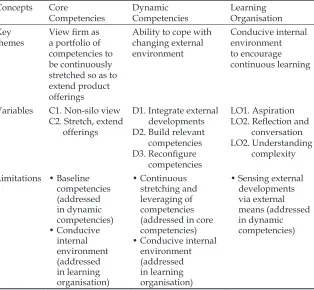
Table 1 summarises the foregoing discussions.
Concepts Core
Competencies Dynamic Competencies Learning Organisation Key
themes View firm as a portfolio of competencies to be continuously stretched so as to extend product offerings
Ability to cope with changing external environment Conducive internal environment to encourage continuous learning
Variables C1. Non-silo view C2. Stretch, extend
offerings
D1. Integrate external developments D2. Build relevant
competencies D3. Reconfigure
competencies
LO1. Aspiration LO2. Reflection and
conversation LO2. Understanding
complexity
Limitations • Baseline competencies (addressed in dynamic competencies) • Conducive internal environment (addressed in learning organisation) • Continuous stretching and leveraging of competencies (addressed in core competencies) • Conducive internal
environment (addressed in learning organisation)
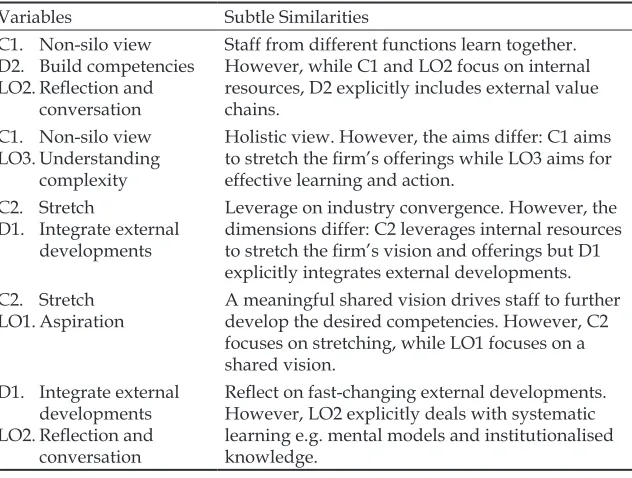
A review of Table 1 suggests that the limitations that exist in one given concept can be addressed in another concept. In other words, these concepts complement one another. This can be seen in the examples provided. The key theme in the core competencies concept is the continuous stretching of competencies so as to extend product offerings. It has one limitation which is the fact that it does not deal with the development of baseline or fundamental competencies. This limitation is, however, addressed in the dynamic competencies concept. At the same time, there are some subtle similarities among some variables and yet they are not totally identical and this is presented in Table 2. From the table, it can be seen that the variables C1 (non-silo view), D2 (build competencies) and LO2 (reflection and conversation) emanate from the three concepts of core competencies, dynamic competencies and learning organisation respectively. These variables are subtly similar because they converge on the similar theme of joint learning when staff from different functions come together. At the same time, these variables differ subtly for example C1 (non-silo view) encourages
Table 2: Subtle Similarities Among Some Variables
Variables Subtle Similarities
C1. Non-silo view D2. Build competencies LO2. Reflection and
conversation
Staff from different functions learn together. However, while C1 and LO2 focus on internal resources, D2 explicitly includes external value chains.
C1. Non-silo view LO3. Understanding
complexity
Holistic view. However, the aims differ: C1 aims to stretch the firm’s offerings while LO3 aims for effective learning and action.
C2. Stretch
D1. Integrate external developments
Leverage on industry convergence. However, the dimensions differ: C2 leverages internal resources to stretch the firm’s vision and offerings but D1 explicitly integrates external developments. C2. Stretch
LO1. Aspiration A meaningful shared vision drives staff to further develop the desired competencies. However, C2 focuses on stretching, while LO1 focuses on a shared vision.
D1. Integrate external developments LO2. Reflection and
conversation
staff not to view things from a narrow departmental view but rather from a broader firmwide perspective. Likewise, LO2 (reflection and conversation) encourages staff to discuss and reflect on lessons learnt. From this comparison, it can be said that both C1 (non-silo view) and LO2 (reflection and conversation) focus on internal resources whereas D2 (build competencies) explicitly considers the building of external value chains.
The complementarities and subtle similarities observed (Tables 1 and 2) suggest that a framework integrating the three concepts of core competencies, dynamic competencies and learning organisation, would be more powerful than utilising any one concept in isolation. In addition, by merely applying any one concept in isolation on a study, the output would be suboptimal because it would be isolated from the broader context (Enders, Konig, Hungenberg, & Engelbertz, 2009) of the research problem which covers all three competency development areas. Hence, this paper proposes a framework which integrates these three concepts. It adopts an integrative approach similar to Lei, Hitt, and Bettis (1996) who integrate organisational learning processes and outcomes into systemic meta-learning, and Miller and Tsang (2010) who use an integrated process to enhance rigour in testing theory. The next section describes the methodology employed to operationalise the indicators corresponding to the pooled variables illustrated in Table 1.
3. Methodology
3.1 Stage 1: Review of Risk Management Context Literature
The first variable, C1 (non-silo view), may be operationalised as integrated risk management which sees the various risk categories (credit, market and operational risks) as being interrelated; hence, they should be managed together (Hartmann, 2010). Moreover, instead of viewing issues narrowly, dialogues among staff from different functions should be encouraged so as to facilitate a better understanding of risk matters (Kaplan, Mikes, Simons, Tufano, & Hoffman, 2009).
The second variable, C2 (stretch), may be illustrated by business partnering, i.e. actively building positive relationships with business units so as to add value to the bank for example exploring ways to facilitate faster product development or to access new markets (Bugalla & Kugler, 2009; KPMG, 2009).
The third variable, D1 (integrate external developments), entails the need to work with external parties such as suppliers or even regulators through mutually beneficial arrangements so as to sense external changes (Edwards & Wolfe, 2006).
The fourth variable, D2 (build), includes being aware of, and subsequently building competencies in new risk management techniques, products and other relevant areas (Herring, 1999). This variable also calls for building relevant competencies such as better soft skills which can facilitate interacting and influencing top management (Mikes, Hall, & Millo, 2013; Widmer, 2012).
The fifth variable, D3 (reconfigure), calls for regular inspections of risk management competency profiles so as to check on their relevance. Irrelevant competencies which are in the form of core rigidities should be removed (Eisenhardt & Santos, 2002).
The sixth variable, LO1 (aspiration), suggests that the goals of risk management functions and the business units should be aligned so as to ensure a bank-wide directional coherence (Yi, 2008). Without such an alignment, the bank’s environment would not be conducive for risk management competency development.
for continuous improvements (Holland, 2010). Banks should aim to adopt a risk awareness culture whereby all parties learn to respect and embrace key risk principles (BNM, 2013). An absence of such a culture,
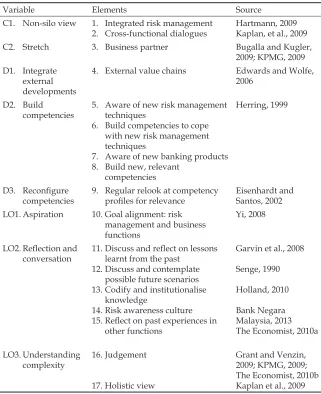
Table 3: The Operationalised Indicators Based on Risk Management Context Literature Review
Variable Elements Source
C1. Non-silo view 1. Integrated risk management
2. Cross-functional dialogues Hartmann, 2009Kaplan, et al., 2009 C2. Stretch 3. Business partner Bugalla and Kugler,
2009; KPMG, 2009 D1. Integrate
external developments
4. External value chains Edwards and Wolfe, 2006
D2. Build
competencies 5. Aware of new risk management techniques 6. Build competencies to cope
with new risk management techniques
7. Aware of new banking products 8. Build new, relevant
competencies
Herring, 1999
D3. Reconfigure
competencies 9. Regular relook at competency profiles for relevance Eisenhardt and Santos, 2002 LO1. Aspiration 10. Goal alignment: risk
management and business functions
Yi, 2008
LO2. Reflection and
conversation 11. Discuss and reflect on lessons learnt from the past 12. Discuss and contemplate
possible future scenarios 13. Codify and institutionalise
knowledge
14. Risk awareness culture 15. Reflect on past experiences in
other functions
Garvin et al., 2008
Senge, 1990
Holland, 2010
Bank Negara Malaysia, 2013 The Economist, 2010a
LO3. Understanding
complexity 16. Judgement
17. Holistic view
it is deduced, would render the risk management functions ineffective; thus, the competency development meaningless. In learning through reflecting on past experiences gathered from other related functions, staff can help to facilitate competency development as exemplified by Goldman Sachs’ practice of transferring traders to the risk management function (The Economist, 2010a). These risk managers have better insights into business dynamics, potential sources of risks and risk mitigation matters. Such insights facilitate better connection with and anticipation of business risk issues, thus sharpening risk management competencies.
Finally, the eighth variable, LO3 (systems thinking), calls for the proper exercise of judgement rather than overly relying on quantitative risk model outputs. This is because real world complexities would mean that some items are non-quantifiable (Grant & Venzin, 2009; KPMG, 2009) and moreover, risk models can never be perfect (The Economist, 2010b). In this aspect, it is inevitable that risk professionals need to adopt a holistic view which can be met by seeing beyond the immediate or the obvious or even individual risk items. As risk professionals, they need to understand trends and interactions which have risk implications (Kaplan et al., 2009). Table 3 summarises the foregoing discussions by listing the operationalised indicators as inferred from the review of risk management context literature.
3.2 Stage 2: Re-Affirmation Through the Analysis of Interviews In the second stage, attempts to re-affirm the understanding of the findings of Stage 1 were conducted. Interviews were conducted with ten CROs or their respective representatives of banks in Malaysia. Though the interviews were conducted just before the 2008 Global Financial Crisis erupted in the United States, the findings are still relevant as banks in Malaysia are not significantly affected by the Crisis. This is attributed to the foundation of banks in Malaysia which have been critically restructured and further strengthened after the 1998 Asian Financial Crisis and after the Central Bank’s stringent risk management guidelines were adopted. Moreover, banks in Malaysia had “negligible exposure to subprime-related assets and affected counterparties” (Ibrahim, 2010, p. 1).
from an industry-sponsored CROs’ networking group which meets regularly to discuss the industry’s risk management regulatory and professional development matters. This study enhanced the engagement and participation of the selected CRO interviewees by obtaining a written endorsement from a trusted organisation which is a professional banking institute (Bloom, Kretschmer, & Van Reenen, 2011). Further, the interviewees were endorsed by their respective Chief Executive Officers as being the appropriate knowledgeable persons.
The CROs are labelled as L1 to L5 (from local-controlled banks) and as F1 to F4 (from foreign-controlled banks), and their respective profiles are as follows:
• L1 is among the first CROs in banks in Malaysia with the responsibility of managing risks centrally in an integrated manner, which is a fairly new idea in Malaysia. L1’s bank, among the country’s largest, is also stable and growing regionally.
• L2 was previously attached to a banking regulatory authority. L2’s bank, among the country’s largest, has recently been reorganised, following some mergers. It is also growing regionally.
• L3 has experience working in a banking regulatory authority and L3’s bank is mid-tiered.
• L4 is a veteran previously attached to a major foreign-controlled bank. L4’s bank, among the smallest, was previously saddled with credit risk issues and it is currently undergoing transformation. • L5 was previously attached to an international consultancy firm.
L5’s bank is mid-tiered and has a high performance culture. • F1’s experience is mainly in market risk (unlike most CROs who
are more credit risk-inclined). F1’s bank has its headquarters in a Western country and it is among the oldest and largest in Malaysia. • F2A focuses on credit risk and F2A’s bank, with its headquarters in a Western country, is part of a dynamic global banking group and it dominates selected markets in Malaysia.
• F2B is attached to the same bank as F2A but F2B focuses on operational risk (unlike most banks, this bank’s in-country risk functions are separately managed).
• F3, a veteran banker, is attached to a bank whose headquarters is in an Asian country and it is a stable bank.
In sum, the interviewees are knowledgeable, experienced and come from different backgrounds, thus providing rich insights into risk management competency development matters.
The selection of appropriate knowledgeable persons from multiple banks and the adoption of open-ended semi-structured interview questions help to reduce potential informant biasness (Martin & Eisenhardt, 2010). The interview outlines were despatched to the respondents beforehand and the interview questions adhered to the outlines closely so as to lend focus in eliciting the interviewees’ objective and informed views. The semi-structured interview questions centred on the themes of trends and challenges in risk management, risk management competencies required, and considerations for learning and development. Each interview took, on average, one hour. In order to reduce interviewer biasness (Saunders, Lewis, & Thornhill, 2000), the interviews were tape-recorded and facilitated by at least one interviewer (in most cases, there were two interviewers) and one independent transcriber. The interview transcripts were compiled soon after each interview and reviewed by the interviewers before being finalised.
For the purpose of data analysis, the transcripts were collated and emerging themes or indicators were identified (Grbich, 2007; Moschieri, 2010). These indicators were then matched with those identified from the risk management context literature review in Stage 1 (see Table 3). The indicators in Stage 2 which can be matched against those in Table 3 re-affirm the researchers’ understanding of the indicators which were then used to operationalise the conceptual variables. The indicators not listed in Table 3 were checked to see whether or not they appropriately illustrate the variables in Table 1. This was done by using a spreadsheet with the variables stated as category headers and the indicators as content, a similarity reflected in Babbie (2010, p. 407).
4. Findings
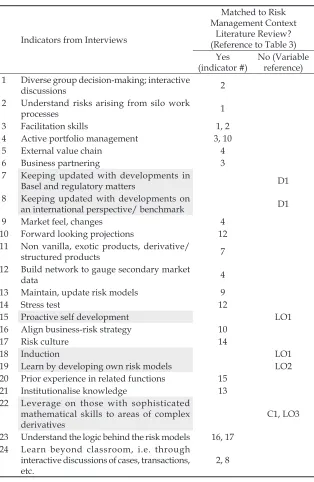
Table 4 presents the indicators inferred from the interviews and the appropriate matching with the review of risk management context literature presented in Table 3 and where they are not listed in Table 3, they were matched to the variables of the three competency concepts presented in Table 1.
Table 4: Matching the Indicators: Those Inferred from Interviews vis-à-vis Those Inferred from Literature
Indicators from Interviews
Matched to Risk Management Context
Literature Review? (Reference to Table 3)
Yes
(indicator #) No (Variable reference) 1 Diverse group decision-making; interactive
discussions 2
2 Understand risks arising from silo work
processes 1
3 Facilitation skills 1, 2
4 Active portfolio management 3, 10
5 External value chain 4
6 Business partnering 3
7 Keeping updated with developments in
Basel and regulatory matters D1
8 Keeping updated with developments on
an international perspective/ benchmark D1
9 Market feel, changes 4
10 Forward looking projections 12
11 Non vanilla, exotic products, derivative/
structured products 7
12 Build network to gauge secondary market
data 4
13 Maintain, update risk models 9
14 Stress test 12
15 Proactive self development LO1
16 Align business-risk strategy 10
17 Risk culture 14
18 Induction LO1
19 Learn by developing own risk models LO2
20 Prior experience in related functions 15
21 Institutionalise knowledge 13
22 Leverage on those with sophisticated mathematical skills to areas of complex
derivatives C1, LO3
23 Understand the logic behind the risk models 16, 17 24 Learn beyond classroom, i.e. through
interactive discussions of cases, transactions,
indicator #11 was mentioned by CROs L2 and L5 (“derivative”) and F4 (“exotic”) as products. New products are constantly being developed and thus, risk management becomes increasingly complex. Hence, this indicator (#11) is matched to Table 3’s indicator #7 (aware of new banking products). Likewise, F1 mentions that risk managers should not be mere “users” but rather “thinkers” of the risk models’ logic flow (indicator #23). This finding corresponds to indicator #17 (holistic view) and also indicator #16 (judgement) in Table 3, rather than merely using the model results.
Second, some of the indicators which were drawn from the interviews (#3, #4, #23 and #24) correspond to two indicators each which was inferred from literature. However, these interview indicators are mere examples illustrating the generic description of the literature indicators rather than additional indicators which had not been identified from literature. This is exemplified by the following. Interviewee L3 suggests that operational risk management requires ‘facilitation skills’ (interview indicator #3) because “no one knows every process”; hence, it is added to the risk managers’ need to facilitate discussions so as to be able to “crystallise” the process flows and to know how they interrelate. In this regard, ‘facilitation skills’ corresponds to indicator #1 (integrated risk management) and indicator #2 (cross-functional dialogues) because it requires both competencies. Likewise, L1 mentions “active portfolio management” (indicator #4) and this corresponds to indicators #3 and #10 (under the concepts of core competencies and learning organisation respectively) because it requires both functions to work as ‘business partners’ (indicator #3) so as to be able to optimise the bank’s risk/return tradeoff. Since L1 also mentions that this risk/return tradeoff may form a part of the two functions’ compensation, it also calls for ‘goal alignment’ (indicator #10). Moreover, as indicator #4 cuts across the two concepts of core competencies and learning organisation, the occurrence is used to reinforce the argument that the concepts are subtly similar.
(Box & Platts, 2005). However, given the rapid changes occurring in the banking industry and the peculiarities of each bank’s context (Grant & Venzin, 2009; Walter, 2009), it is highly unlikely that a totally complete checklist can endure over time as the climate in banking may change. As such, it is recommended that the prescribed checklist be used in conjunction with the variables.
For instance, four CROs view indicator #8 (international perspective/ benchmark) from different angles. F2B and F3 are of the opinion that risk managers should view development from an international “perspective” and “benchmark” respectively. At the same time, the risk management function also needs to keep abreast with products and concepts adopted internationally in more developed markets. This situation includes looking at “credit derivatives” (cited by L2) and “risk-adjusted pricing” (cited by L4). Hence, indicator #8 operationalises the variable D1 (integrate external developments).
Likewise, indicator #22 is found to correspond to two variables: core competencies’ C1 (non-silo view) and learning organisation’s LO3 (understanding complexity) and this finding is similar to the second finding mentioned above. This finding further reinforces the “subtle similarities” argument. For instance, L2 suggests that staff with “sound mathematical background[s]” such as physics or engineering can “quickly understand [the] sophistication of derivatives pricing and structuring”. This finding operationalises C1 (non-silo view) because it stretches people’s mathematical competencies for them to be used in the risk management context. The finding also operationalises LO3 (understanding complexity) because it needs a ‘holistic view’ of how the various components of complex derivatives interrelate.
Fi
gu
re
1
:
Th
e
Pr
op
os
ed
A
pp
ro
ac
h
to
C
om
pe
te
nc
y
D
ev
el
op
m
en
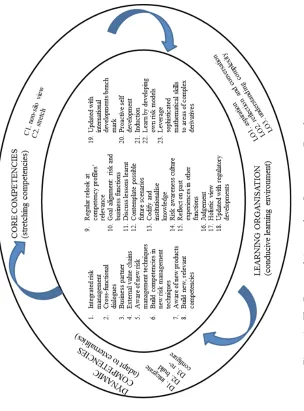
Figure 1 shows the three competency concepts and their variables on the outer circle as the broad guide. These concepts are pooled together so as to develop a more comprehensive approach to competency development. Concomitantly, a list of operationalised indicators is provided in the inner circle to demonstrate a more granular guide in the context of risk management.
5. Conclusion
requirements and brainstorming for ideas. This approach can also be applied to other Asian countries which may have the twin problem of talent shortage and increasing challenging demands on risk management function.
As is present in most research, this paper has at least two limitations. First, the interviews conducted were limited to ten CROs of banks in Malaysia. Future research may expand the respondent base in terms of numbers, seniority levels, risk management functions outside Malaysia or even other functions in both banking and other industries. Second, this paper discusses and shows some examples of the concepts’ inter-relatedness (in Table 4) but it is unable to provide extensive empirical evidence. Future research may consider addressing these limitations through a survey of a wider respondent base. These limitations, however, do not detract the researchers from their aim of providing a more comprehensive approach to competency development; instead, the limitations provide directions for further research.
References
Ahmad, R., Skully, M., & Ariff, M. (2008). Malaysian bank capital and risk profiles: Causality tests. Asian Journal of Business and Accounting, 1(2), 1-18. Ambrosini, V., & Bowman, C. (2009). What are dynamic capabilities and are they a useful construct in strategic management? International Journal of Management Reviews, 11(1), 29-49.
Babbie, E. (2010). The Practice of Social Research. Belmont, CA: Wadsworth. Bach, D. (2014). Is Germany’s World Cup triumph a triumph of management?
Available at http://insights.som.yale.edu/insights/germanys-world-cup-triumph-triumph-management (accessed on 6 Augist 2014).
Bank Negara Malaysia (BNM). (2008). Bank Negara Malaysia Annual Report 2007. Kuala Lumpur.
Bank Negara Malaysia (BNM). (2013). Policies on Risk Governance BNM/RH/GL 013-5. Kuala Lumpur.
Barney, J.B., & Arikan, A.M. (2001). The resource-based view: Origins and implications. In Michael A. Hitt, R. Edward Freeman & Jeffrey S. Harrison (Eds.), The Blackwell Handbook of Strategic Management (pp. 124-188). Oxford: Blackwell Publishing Ltd.
Berry, H. (2014). Global integration and innovation: Multicountry knowledge generation within MNCs. Strategic Management Journal, 35(6), 869-890. Bloom, N., Kretschmer, T., & Van Reenen, J. (2011). Are family-friendly
Box, S., & Platts, K. (2005). Business process management: Establishing and maintaining project alignment. Business Process Management Journal, 11(4), 370-387.
Bugalla, J., & Kugler, D. (2009). The upside of risk. Risk Management, 56(2), 57. Campbell, A., & Luchs, K.S. (1997). Understanding competencies. In A. Campbell & K.S. Luchs (Eds.), Core Competency-Based Strategy (pp. 5-12). London & Boston, MA: International Thomson Business Press.
Chiva, R., Ghauri, P., & Alegre, J. (2013). Organisational learning, innovation and internationalisation: A complex system model. British Journal of Management, 25(4), 687-705.
Crossan, M.M., & Berdrow, I. (2003). Organisational learning and strategic renewal. Strategic Management Journal, 24(11), 1087-1105.
Danneels, E. (2008). Organisational antecedents of second-order competences. Strategic Management Journal, 29(5), 519-543.
den Hertog, P., van der Aa, W., & de Jong, M.W. (2010). Capabilities for managing service innovation: Towards a conceptual framework. Journal of Service Management, 21(4), 490-514.
Doving, E., & Gooderham, P.N. (2008). Dynamic capabilities as antecedents of the scope of related diversification: The case of small firm accountancy practices. Strategic Management Journal, 29(8), 841-857.
Doving, E., & Martin-Rubio, I. (2013). Managing team learning in a Spanish commercial bank. Journal of Workplace Learning, 25(5), 281-295.
Easterby-Smith, M., & Prieto, I.M. (2008). Dynamic capabilities and knowledge management: An integrative role for learning. British Journal of Management, 19(3), 235-249.
Edwards, J., & Wolfe, S. (2006). A compliance competence partnership approach model. Journal of Financial Regulation and Compliance, 14(2), 140-150. Eisenhardt, K.M., & Martin, J.A. (2000). Dynamic capabilities: What are they?
Strategic Management Journal, 21(10/11), 1105-1121.
Eisenhardt, K.M., & Santos, F.M. (2002). Knowledge-based view: A new theory of strategy? In A. Pettigrew, H. Thomas & R. Whittington (Eds.), Handbook of Strategy and Management (pp. 139-164). London: Sage Publications Ltd. Enders, A., Konig, A., Hungenberg, H., & Engelbertz, T. (2009). Towards an
integrated perspective of strategy. Journal of Strategy and Management, 2(1), 76-96.
Fagerberg, J., & Srholec, M. (2005). Catching Up: What are the Critical Factors for Success? Availabe at http://dcsh.xoc.uam.mx/eii/globelicswp/wpg0707. pdf (accessed on 18 February 2008).
Garvin, D.A., Edmondson, A.C., & Gino, F. (2008). Is yours a learning organisation? Harvard Business Review, 86(3), 109-116.
Grant, R.M., & Venzin, M. (2009). Strategic and organisational challenges of internationalisation in financial services. Long Range Planning, 42(5/6), 561-587.
Grbich, C. (2007). Qualitative Data Analysis - An Introduction. London: Sage Publications Ltd.
Groysberg, B., Nano, A., & Nohria, N. (2004). The risky business of hiring stars. Harvard Business Review, 82(5), 92-100.
Hamel, G., & Prahalad, C.K. (1994). Competing for the Future. Boston, Massachusetts: Harvard Business School Press.
Hartmann, P. (2010). Interaction of market and credit risk. Journal of Banking & Finance, 34(4), 697-702.
Helfat, C.E., Finkelstein, S., Mitchell, W., Peteraf, M.A., Singh, H., Teece, D.J., & Winter, S.G. (2007). Dynamic Capabilities: Understanding Strategic Change in Organisations. Malden, MA: Blackwell Publishing.
Herring, R.J. (1999). Credit risk and financial instability. Oxford Review of Economic Policy, 15(3), 63-79.
Holland, J. (2010). Banks, knowledge and crisis: A case of knowledge and learning failure. Journal of Financial Regulation and Compliance, 18(2), 87-105. Ibrahim, M. (2010). Impact of the global crisis on Malaysia’s financial system.
BIS Papers No. 54.
Jamali, D., & Sidani, Y. (2008). Learning organisations: Diagnosis and measurement in a developing country context - The case of Lebanon. The Learning Organisation, 15(1), 58-74.
Jonsson, S., & Regner, P. (2009). Normative barriers to imitation: Social complexity of core competences in a mutual fund industry. Strategic Management Journal, 30(5), 517-536.
Kaplan, R.S., Mikes, A., Simons, R., Tufano, P., & Hoffman, M. (2009). Managing risk in the new world. Harvard Business Review, 87(10), 69-75.
Kashyap, A.K. (2010). Lessons from the financial crisis for risk management. Paper Prepared for the Financial Crisis Inquiry Commission February 27, 2010. Available at http://faculty.chicagobooth.edu/anil.kashyap/research/ papers/lesson_for_fcic.pdf (accessed on 28 May 2015).
KPMG. (2009). Never Again? Risk Management in Banking Beyond the Credit Crisis. Available at http://www.kpmg.com/LU/en/IssuesAndInsights/ Articlespublications/Documents/ Risk-management-in-banking-beyond-the-credit-crisis.pdf (accessed on 13 March 2009).
Lei, D., Hitt, M.A., & Bettis, R. (1996). Dynamic core competencies through meta-learning and strategic context. Journal of Management, 22(4), 549-569. Levinthal, D.A., & March, J.G. (1993). The myopia of learning. Strategic
Management Journal, 14(Special Issue), 95-112.
organisation questionnaire. Advances in Developing Human Resources, 5(2), 132-151.
Martin, J.A., & Eisenhardt, K.M. (2010). Rewiring: Cross-business-unit collaborations in multibusiness organisations. Academy of Management Journal, 53(2), 265-301.
Mikes, A., Hall, M., & Millo, Y. (2013). How experts gain influence. Harvard Business Review, 91(7/8), 70-74.
Miller, K.D., & Tsang, E.W.K. (2010). Testing management theories: Critical realist philosophy and research methods. Strategic Management Journal, 32(2), 139-158.
Mills, J., Platts, K., & Gregory, M. (1995). A framework for the design of manufacturing strategy processes - A contingency approach. International Journal of Operations & Production Management, 15(4), 17-49.
Morgan, D.P. (2002). Rating banks: Risk and uncertainty in an opaque industry. The American Economic Review, 92(4), 874-888.
Morgan, N.A., Vorhies, D.W., & Mason, C.H. (2009). Market orientation, marketing capabilities, and firm performance. Strategic Management Journal, 30(8), 909-920.
Moschieri, C. (2010). The implementation and structuring of divestitures: The unit’s perspective. Strategic Management Journal, 32(4), 368-401.
Penrose, E.T. (1959). The Theory of the Growth of the Firm. Oxford: Blackwell. Porter, M.E. (1985). The Competitive Advantage: Creating and Sustaining Superior
Performance. New York: Free Press.
Prahalad, C.K., & Hamel, G. (1990). The core competence of the corporation. Harvard Business Review, 68(3), 79-91.
Rajan, R.G. (2005). Has financial development made the world riskier? NBER Working Paper 11728.
Rokhim, R., & Susanto, A.P. (2013). The increase of foreign ownership and its impact on the performance, competition and risk in the Indonesian banking industry. Asian Journal of Business and Accounting, 6(2), 137-153. Saunders, M., Lewis, P., & Thornhill, A. (2000). Research Methods for Business
Students. Essex: Pearson Education Limited.
Senge, P.M. (1990). The leader’s new work: Building learning organisations. Sloan Management Review, 32(1), 7-23.
Senge, P.M. (2006). The Fifth Discipline - The Art and Practice of the Learning Organisation. London: Random House Business.
Simon, G.L., & Welsh, D.H.B. (2010). International professional service firms: How do they affect government policy? The Service Industries Journal, 30(1), 11-23.
Taing, A., & Goh, J. (2011). Survival of the fittest. The Edge Malaysia, 4 April, pp. 68-69 & 71.
The Economist. (2010a). A special report on financial risk: A matter of principle - Why some banks did much better than others, 13 February, p. 9. The Economist. (2010b). A special report on financial risk: Number-crunchers
crunched, 13 February, pp. 5-7.
The World Bank (2011). Malaysia Economic Monitor April 2011: Brain Drain. Bangkok: The World Bank.
The World Bank and International Monetary Fund. (2013). Financial Sector Assessment Program: Malaysia - Basel Core Principles for Effective Banking Supervision — Detailed Assessment of Observance. Available at https:// openknowledge.worldbank.org/bitstream/handle/10986/16023792100/ WPOMalay0box0377369Public0.pdf?sequence=1 (accessed on 1 July 2015). Vieth, C.S., & Smith, T.W. (2008). Engineering and technical leadership
development: Challenges in a rapidly changing global market. Chief Learning Officer, February, pp. 46-49.
Walter, I. (2009). Economic drivers of structural change in the global financial services industry. Long Range Planning, 42(5/6), 588-613.
Wernerfelt, B. (1995). The resource-based view of the firm: Ten years after. Strategic Management Journal, 16(3), 171-174.
Widmer, L. (2012). Risk management makeover. Risk Management, 13 November 2012.
Wilden, R., Gudergan, S., Nielsen, B.B., & Lings, I. (2013). Dynamic capabilities and performance: Strategy, structure and environment. Long Range Planning, 46(1/2), 72-96.