International Journal of Advances in Social Science and Humanities Available Online at: www.ijassh.com
RESEARCH ARTICLE
Evaluation of the YSR as a Screening Tool for Depression in a
Population of Adolescents
Marcos Antonio da Silva Cristovam
1*, Sandra Regina Baggio Muzzolon
2, Lúcia
Helena Coutinho dos Santos
(in memorian)
31School of Medicine at the State University of Western Parana, Cascavel, Parana, Brazil; Pediatrician with Expertise in Adolescent Medicine by the Brazilian Society of Pediatrics.
2Rehabilitation Service of Clinical Hospital at Federal University of Parana- Curitiba, Parana, Brazil. Ph.D., Federal University of Parana, Curitiba, Paraná, Brazil.
3Department of Pediatrics, Ph.D. Child Neurology Unit, Federal University of Paraná, Curitiba, Paraná, Brazil.
*Corresponding Author:Marcos Antonio da Silva Cristovam
Abstract: Objectives To detect the prevalence of depression in adolescents with the Youth Self-Report for Ages 11-18 (YSR) and the Beck Depression Inventory (BDI). To assess the sensitivity and specificity of the YSR, and determine using a receiver operating characteristic (ROC) curve the best cutoff point in the YSR that identifies patients with depression, using the BDI as a gold standard. Methods Cross-sectional study, which YSR and BDI questionnaires were completed by 206 adolescents attending 26 public schools in Cascavel, Brazil. The participants responded the survey after signed consent was obtained from the parents. The study was approved by the Ethics Committee at Universidade Estadual do Oeste do Paraná. Results 206 adolescents (132 girls) completed the questionnaires. Mean age: 13 years. Mean BDI score: 13.5. The BDI showed high specificity with Activities and Social, and Rule-Breaking Behavior, and high sensitivity with the Anxious/Depressed, Internalizing Problems, and Total Problems. There was a significant association of the BDI with the girls and YSR items 18 and 91, and of the Anxious/Depressed with item 91. Conclusion Scales assessing depressive symptoms are helpful in the evaluation of adolescents. The mean BDI score was high in this cohort, with a significant association of depression with girls.
Keywords: Adolescent, Tests/Interviews Psychometric, Epidemiology, Child Psychiatry, Mood Disorder Unipolar.
Article Received: 01 June 2019 Revised: 12 June 2019 Accepted: 24 June 2019
Introduction
Depression is a highly prevalent disorder and a serious public health problem [1]. According to estimates, in the year 2020 depression will be the second cause of disability worldwide and the most frequent disease in developing countries [2-4]. It can be considered one of the main disorders of our time.
Until 1960, when research on depression in childhood and adolescence was just starting, mood disorders were understood as a rare condition in this age group. Although there were reports of depressive symptoms in children and young individuals even before 1960 (Freud, Klein), the National Institute of Mental Health of the United States only accepted the occurrence of depression in children and adolescents in 1975 [2, 5].
The annual prevalence of depression ranges from 3.3% to 17%, and its occurrence is more frequent in females. The prevalence of depression at any point in life reaches approximately 20%, with recurrence rates of 60 to 70% [3, 6]. Depression is common in adolescents and increases rapidly after puberty, reaching prevalence rates similar to those in adults, and showing high morbidity and mortality rates [1, 2, 5, 7, 8].
adolescence, with data comparable with those in the international literature [2, 5]. The use of rating scales in clinical and epidemiological research is broad, so it is important to assess the validity of these scales using a standard clinical cutoff for particular groups [9]. With the discovery of effective antidepressant drugs and development of cognitive behavioral therapy during the second half of the last century, several standardized scales to assess depression and the efficacy of its therapies have been proposed and are currently widely used.
The Beck Depression Inventory (BDI) is one such scale of easy implementation, with excellent psychometric properties for clinical and non-clinical populations, and valid for measurement the intensity of the depression [7, 9, 14]. Pediatricians should become familiar with symptoms of depression in adolescence since referral and early treatment decrease psychic distress and improve prognosis.
This study aimed at evaluating the prevalence of depression in a population of adolescent students of elementary II and secondary schools with application of the Youth Self-Report for Ages 11-18 (YSR) and BDI, evaluate the accuracy of the YSR as a screening instrument for depression in adolescents, comparing the results with those obtained with the BDI, evaluate the sensitivity and specificity of the YSR, and determine using a receiver operating characteristic (ROC) curve the best cutoff point in the YSR that identifies patients with depression, using the BDI as a gold standard.
Methods
Population
This study is part of an initial project in which the YSR was completed by 3518 adolescents. Of these, 206 presented a score ≥ 70 in the YSR Anxious/Depressed (AD) scale and were then included in this analysis. This was a cross-sectional and epidemiological study conducted from March 2011 to November 2013 and the participants were a representative sample of students enrolled in 26 elementary (grades 6 to 9) and secondary (grades 1 to 4) public schools in the city of Cascavel (Paraná). The invitation to participate in the study was delivered to the students in the classrooms after explanation
of the objectives of the research and clarification when needed.
A cell phone number was included in the Informed Consent Form (ICF) to answer questions by parents or guardians.
Inclusion and Exclusion Criteria
We included adolescents between the ages of 11 and 18 years of both genders and enrolled in the schools participating in the study. All adolescents included in the study demonstrated an interest in participating voluntarily and delivered an ICF signed by them and by their parents or guardians on the day of the YSR application. We excluded from the study those students who missed school on the day of the YSR application, those whose parents did not authorize the participation (by not signing the ICF), students who refused to participate even with parental consent, and those who had their questionnaires canceled for lack of identification or response to one or more YSR item.
Evaluation Instrument
The initial assessment consisted on completion of the YSR, which is an instrument used for tracking psychiatric syndromes. The YSR consists of two parts. The first part includes information on gender, age, school level, and race, in addition to evaluation of Social and Activities Competences (e.g., involvement and performance in sports, games, hobbies, jobs, daily chores, participation in youth groups, performance in school subjects, personal relationship, etc.). The score increases according to the performance in the social competence evaluated.
In this first part, the scores are divided as follows: (A) Activities: normal (>33), borderline (30 to 33), and clinical (< 30); (B) Social Competence: normal (>33), borderline (30 to 33), and clinical (< 30); and (C) Total Competence: normal (>40), borderline (37 to 40), and clinical (<37). The second part of the YSR evaluates the occurrence of emotional and behavioral problems and consists of 112 questions to which the respondent assigns a score of 0 (not true), 1 (somewhat or sometimes true), or 2 (very true or often true).
software Assessment Data Manager® (ADM)
and analyzed according to age and gender, resulting in a total score. The YSR score is divided into three categories: normal (up to 67), borderline (from 67 to 70), and clinical (above 70). Participants with a clinical score are categorized into one of the following psychiatric syndromes: Withdrawn (W), Somatic Complaints (SC), A/D, Social Problems (SP), Thought Problems (TP), Attention Problems (AP), Rule-Breaking Behavior (RBB), and Aggressive Behavior (AB).
Internalizing Problems (IP) consist of the sum of the psychiatric syndromes W, SC, and A/D, whereas the Externalizing Problems (EP) item considers the sum of the psychiatric syndromes RBB and AB. The last item is named Total Problems and has scores divided into normal (< 60), borderline (60 to 63), and clinical (>63). The time to complete the questionnaire ranges from 50 to 90 minutes.
The first author was responsible for obtaining the questionnaire from the participants and was available for questions by the students during the application. The YSR was adapted and translated into Portuguese by Bordin et al. in 1995 [6, 7, 15]. It is an easily understandable, valid, and reliable screening tool for adolescents aged 11 to 18 years and considered a gold standard for screening mental disorders during adolescence. Adolescents who scored ≥ 70 in the YSR A/D scale, or received a score of 2 in the YSR items 18 ("I deliberately try to hurt or kill myself") and/or 91 ("I think about killing myself") underwent a second evaluation on a different date from that of the YSR application.
In this second evaluation, the main investigator obtained the clinical history of each participant individually, assessing the presence of depression criteria according to the International Classification of Diseases, family history of depression (father, mother, and siblings), and use of illicit drugs (marijuana, cocaine and opiates, hallucinogens, solvents, anti-anxiety drugs, and amphetamines/stimulants)[16,17]. The main investigator also applied a version of the BDI adapted and translated into Portuguese by Cunha [18]. The BDI is a self-report scale to measure the severity of depression, comprised of 21 questions, each with four possible answers reflecting
increasing degrees of depression severity, with scores ranging from 0 (zero) to 3 (three). The score levels for the Portuguese version are distributed as follows: normal (0 to 11), mild (12 to 19), moderate (20 to 35), and severe (36 to 63). The total score ranges from 0 to 63 and is obtained by the sum of the highest score of each item. To assess the depressive disorder, we consider 20 as a cutoff value, with scores ≥ 20 characterizing moderate/severe scores.
In addition to the symptoms of depression, we assessed the variables gender, race, degree of education, and age. Adolescence was strategically divided according to age into early (10 to 13 years), middle (14 to 16 years), and late (17 to 20 years) adolescence. For improved statistical accuracy, we considered age in months and not in years [19]. The principal investigator was trained and mentored by a psychologist on the implementation of the BDI, which was applied individually to each participant. Statistical Analysis
The database was organized in a Microsoft Excel® 2012 spreadsheet. Quantitative variables were represented as mean, median, minimum, maximum, and standard deviation values. For qualitative variables, we used frequencies and percentages. To assess the association between qualitative variables, we used the chi-square test or Fisher's exact test. The homogeneity of the association between gender and YSR score in different adolescence groups was evaluated with the Mantel-Haenszel test.
To compare quantitative variables between two groups, we used Student's t-test for independent samples. The cutoff points for YSR were set from adjusted ROC curves, considering the BDI classifications normal/mild or moderate/severe. The data were analyzed with the software IBM SPSS Statistics®, version 20. P values < 0.05 indicated statistical significance.
Ethics Committee
The study was submitted to and approved by the Research Ethics Committee at Universidade Estadual do Oeste do Paraná
de Cascavel-Paraná under number
All participants agreed verbally to participate in the study and submitted an ICF, which was signed by the participants themselves and by their parents or guardians.
Results
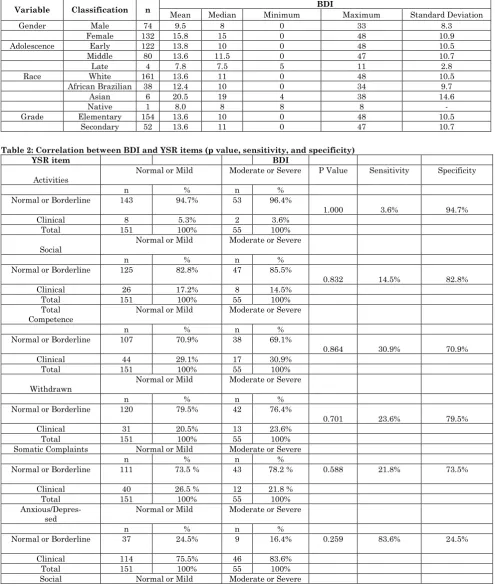
In total, 206 BDI questionnaires were completed by 74 boys and 132 girls. Using 20 as a cutoff value for the score, 56 (27.1%) students presented a moderate/severe score
(≥ 20), of whom 11 (5.3%) were male and 45 (21.8%) were female. The BDI score ranged from zero to 33 (mean 9.51) in males and from zero to 48 (mean 15.8) in females, with a general average score of 13.5. The youngest age was 11 years (132 months), and the oldest age was 18 years (204 months) in both genders, but the average age was lower in males (152.5 versus 161.4 months). Table 1 shows the number of participants and their demographic variables.
Table 1: Socio-demographic data of the study participants
Variable Classification n BDI
Mean Median Minimum Maximum Standard Deviation
Gender Male 74 9.5 8 0 33 8.3
Female 132 15.8 15 0 48 10.9
Adolescence Early 122 13.8 10 0 48 10.5
Middle 80 13.6 11.5 0 47 10.7
Late 4 7.8 7.5 5 11 2.8
Race White 161 13.6 11 0 48 10.5
African Brazilian 38 12.4 10 0 34 9.7
Asian 6 20.5 19 4 38 14.6
Native 1 8.0 8 8 8 -
Grade Elementary 154 13.6 10 0 48 10.5
Secondary 52 13.6 11 0 47 10.7
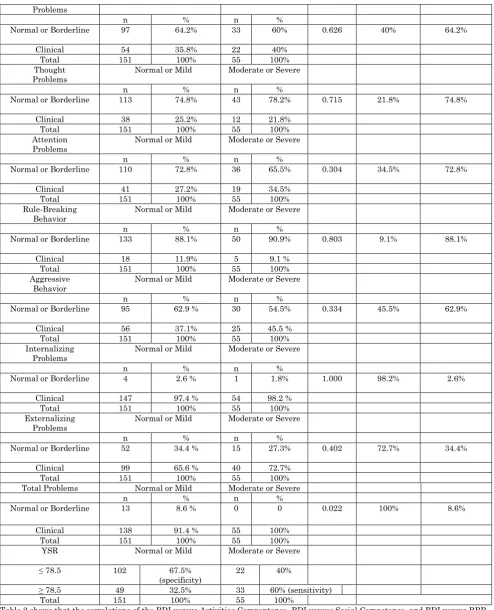
Table 2: Correlation between BDI and YSR items (p value, sensitivity, and specificity)
YSR item BDI
Activities Normal or Mild Moderate or Severe P Value Sensitivity Specificity
n % n %
Normal or Borderline 143 94.7% 53 96.4%
1.000 3.6% 94.7%
Clinical 8 5.3% 2 3.6%
Total 151 100% 55 100%
Social
Normal or Mild Moderate or Severe
n % n %
Normal or Borderline 125 82.8% 47 85.5%
0.832 14.5% 82.8%
Clinical 26 17.2% 8 14.5%
Total 151 100% 55 100%
Total
Competence Normal or Mild Moderate or Severe
n % n %
Normal or Borderline 107 70.9% 38 69.1%
0.864 30.9% 70.9%
Clinical 44 29.1% 17 30.9%
Total 151 100% 55 100%
Withdrawn Normal or Mild Moderate or Severe
n % n %
Normal or Borderline 120 79.5% 42 76.4%
0.701 23.6% 79.5%
Clinical 31 20.5% 13 23.6%
Total 151 100% 55 100%
Somatic Complaints Normal or Mild Moderate or Severe
n % n %
Normal or Borderline 111 73.5 % 43 78.2 % 0.588 21.8% 73.5%
Clinical 40 26.5 % 12 21.8 %
Total 151 100% 55 100%
Anxious/Depres-
sed Normal or Mild Moderate or Severe
n % n %
Normal or Borderline 37 24.5% 9 16.4% 0.259 83.6% 24.5%
Clinical 114 75.5% 46 83.6%
Total 151 100% 55 100%
Problems
n % n %
Normal or Borderline 97 64.2% 33 60% 0.626 40% 64.2%
Clinical 54 35.8% 22 40%
Total 151 100% 55 100%
Thought
Problems Normal or Mild Moderate or Severe
n % n %
Normal or Borderline 113 74.8% 43 78.2% 0.715 21.8% 74.8%
Clinical 38 25.2% 12 21.8%
Total 151 100% 55 100%
Attention
Problems Normal or Mild Moderate or Severe
n % n %
Normal or Borderline 110 72.8% 36 65.5% 0.304 34.5% 72.8%
Clinical 41 27.2% 19 34.5%
Total 151 100% 55 100%
Rule-Breaking
Behavior Normal or Mild Moderate or Severe
n % n %
Normal or Borderline 133 88.1% 50 90.9% 0.803 9.1% 88.1%
Clinical 18 11.9% 5 9.1 %
Total 151 100% 55 100%
Aggressive Behavior
Normal or Mild Moderate or Severe
n % n %
Normal or Borderline 95 62.9 % 30 54.5% 0.334 45.5% 62.9%
Clinical 56 37.1% 25 45.5 %
Total 151 100% 55 100%
Internalizing
Problems Normal or Mild Moderate or Severe
n % n %
Normal or Borderline 4 2.6 % 1 1.8% 1.000 98.2% 2.6%
Clinical 147 97.4 % 54 98.2 %
Total 151 100% 55 100%
Externalizing
Problems Normal or Mild Moderate or Severe
n % n %
Normal or Borderline 52 34.4 % 15 27.3% 0.402 72.7% 34.4%
Clinical 99 65.6 % 40 72.7%
Total 151 100% 55 100%
Total Problems Normal or Mild Moderate or Severe
n % n %
Normal or Borderline 13 8.6 % 0 0 0.022 100% 8.6%
Clinical 138 91.4 % 55 100%
Total 151 100% 55 100%
YSR Normal or Mild Moderate or Severe
≤ 78.5 102 67.5%
(specificity)
22 40%
≥ 78.5 49 32.5% 33 60% (sensitivity)
Total 151 100% 55 100%
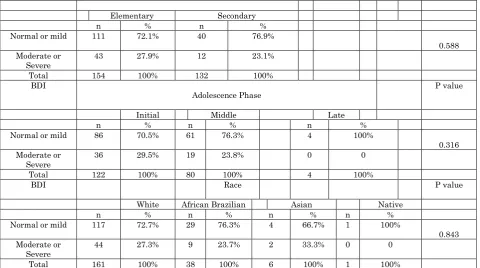
Table 2 shows that the correlations of the BDI versus Activities Compentence, BDI versus Social Competence, and BDI versus RBB showed high specificity and low sensitivity, but no significant differences were observed. In contrast, BDI versus A/D, BDI versus IP, and BDI versus Total Problems showed high sensitivity and low specificity, with the latter correlation showing a 100% sensitivity and p < 0.002
Table 3: Correlation between the BDI and gender, education level, adolescence phase, and race
BDI Gender P value
Male Female
n % n %
Normal or mild 64 86.5% 87 65.9%
0.002 Moderate or
Severe
10 13.5% 45 34.1%
Total 74 100% 132 100%
Elementary Secondary
n % n %
Normal or mild 111 72.1% 40 76.9%
0.588 Moderate or
Severe 43 27.9% 12 23.1%
Total 154 100% 132 100%
BDI
Adolescence Phase P value
Initial Middle Late
n % n % n %
Normal or mild 86 70.5% 61 76.3% 4 100%
0.316 Moderate or
Severe 36 29.5% 19 23.8% 0 0
Total 122 100% 80 100% 4 100%
BDI Race P value
White African Brazilian Asian Native
n % n % n % n %
Normal or mild 117 72.7% 29 76.3% 4 66.7% 1 100%
0.843 Moderate or
Severe 44 27.3% 9 23.7% 2 33.3% 0 0
Total 161 100% 38 100% 6 100% 1 100%
Table 3 shows the correlation of the BDI with gender, education level, adolescence phase, and race. The correlation of the BDI with female gender showed statistical significance (p = 0.002), but no significant differences were observed in the other variables analyzed (BDI with education level, adolescence, and race)
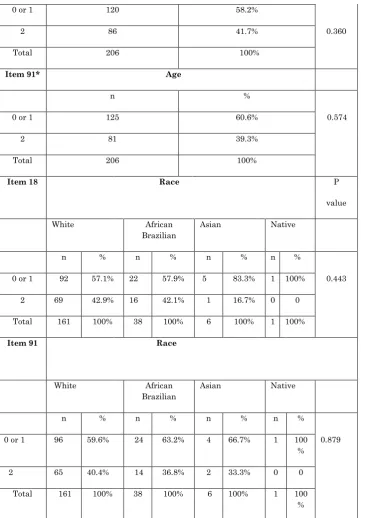
Table 4: Correlation between items 18 and 91 with the BDI, education, family history of depression, use of drugs, gender, YSR Anxious/Depressed scale, adolescence, age, and ethnicity. *YSR items 18 and 91
Item 18* BDI
P value Sensitivity Specificity
Normal or Mild Moderate or Severe
n % n %
0 or 1 92 60.9% 28 50.9%
0.206 49.1% 60.9%
2 59 39.1% 27 49.1%
Total 151 100% 132 100%
Item 91* Normal or Mild Moderate or Severe
n % n %
0 or 1 102 67.5% 23 41.8%
<0.001 58.2% 67.5%
2 49 32.5% 32 58.2%
Total 151 100% 55 100%
Item 18* Education Level
Elementary Secondary
n % n %
0 or 1 88 57.1% 32 61.5% 0.628
2 66 42.9% 20 38.5%
Item 91* Education Level
Elementary Secondary
n % n %
0 or 1 92 59.7% 33 63.5% 0.743
2 62 40.3% 19 36.5%
Total 154 100% 52 100%
Item 18* Family History of Depression
Yes No
n % n %
0 or 1 27 46.6% 93 62.8% 0.041
2 31 53.4% 55 37.2%
Total 58 100% 148 100%
Item 91* Family History of Depression
Yes No
n % n %
0 or 1 32 55.2% 93 62.8% 0.343
2 26 44.8% 55 37.2%
Total 58 100% 148 100%
Item 18* Use of Illicit Drugs
Yes No
n % n %
0 or 1 1 25% 119 58.9% 0.310
2 3 75% 83 41.1%
Total 4 100% 206 100%
Item 91* Use of Illicit Drugs
Yes No
n % n %
0 or 1 2 50% 123 60.9% 0.647
2 2 50% 79 39.1%
Total 4 100% 202 100%
Item 18* Gender (male and female)
Yes No
n % n %
2 28 37.8% 58 43.9%
Total 74 100% 132 100%
Item 91* Gender (male and female)
Yes No
n % n %
0 or 1 47 63.5% 78 59.1% 0.555
2 27 36.5% 54 40.9%
Total 74 100% 132 100%
Item 18* Anxious/Depressed score Sensitivity Specificity
Normal or Borderline
Clinical
n % n % 0.055 60% 72.7%
0 or 1 3 27.3% 117 60%
2 8 72.7% 78 40%
Total 11 100% 195 100%
Item 91* Anxious/Depressed score
Normal or Borderline
Clinical
n % n %
0 or 1 2 18.2% 123 63.1% 0.008 63.1% 81.8%
2 9 81.8% 72 36.9%
Total 11 100% 195 100%
Item 18* Adolescence Phase
Early Middle Late
n % n % n %
0 or 1 73 59.8% 44 55% 3 75% 0.627
2 49 40.2% 36 45% 1 25%
Total 122 100% 80 100% 4 100%
Item 91* Adolescence Phase
Early Middle Late
n % n % n %
0 or 1 75 61.5% 48 60% 2 50% 0.887
2 47 38.5% 32 40% 2 50%
Total 122 100% 80 100% 4 100%
Item 18* Age
0 or 1 120 58.2%
2 86 41.7% 0.360
Total 206 100%
Item 91* Age
n %
0 or 1 125 60.6% 0.574
2 81 39.3%
Total 206 100%
Item 18 Race P
value
White African
Brazilian
Asian Native
n % n % n % n %
0 or 1 92 57.1% 22 57.9% 5 83.3% 1 100% 0.443
2 69 42.9% 16 42.1% 1 16.7% 0 0
Total 161 100% 38 100% 6 100% 1 100%
Item 91 Race
White African
Brazilian
Asian Native
n % n % n % n %
0 or 1 96 59.6% 24 63.2% 4 66.7% 1 100
%
0.879
2 65 40.4% 14 36.8% 2 33.3% 0 0
Total 161 100% 38 100% 6 100% 1 100
%
Table 4 presents a correlation of the YSR items 18 and 91 with the BDI, education, family history of depression, drug use, gender, and score in the YSR A/D item, adolescence phase, age, and race. We observed a low sensitivity and specificity in the correlations of items 18 and 91 with the BDI, with statistical significance (p < 0.001) in the correlation of item 91 with the BDI. There was a positive correlation between the YSR item 18 with family history of depression (p = 0.041) and between item 91 and the YSR A/D item (p = 0.008), which showed a high specificity.
Table 5: Correlations between the YSR scale Anxious/Depressed with race, adolescence, family history of depression, and use of illicit drugs. *(N: normal; B: borderline; Clinical)
A/D Ethnicity
White African Brazilian Asian Native
n % n % n % n %
N/B* 126 78.3% 29 76.3% 4 66.7% 1 100% 0.783
C* 35 21.7% 9 23.7% 2 33.3% 0 0
Total 161 100% 38 100% 6 100% 1 100%
A/D Adolescence Phase
Early Middle Late
n % n % n %
N/B* 27 22.1% 18 22.5% 1 25% 1.000
C* 95 77.9% 62 77.5% 3 75%
Total 122 100% 80 100% 4 100%
A/D Family History of Depression
n % n %
N/B* 12 20.7 % 34 23% <0.853
C* 46 79.3 % 114 77%
Total 58 100% 148 100%
A/D Use of Illicit Drugs
Yes No
n % n % <0.577
N/B* 0 0 46 22.8%
C* 4 100% 156 77.2%
Total 4 100% 202 100%
In Table 5, we evaluated the correlation of the YSR A/D scale with race, adolescence, family history of depression, and use of illicit drugs, and observed no association between these variables
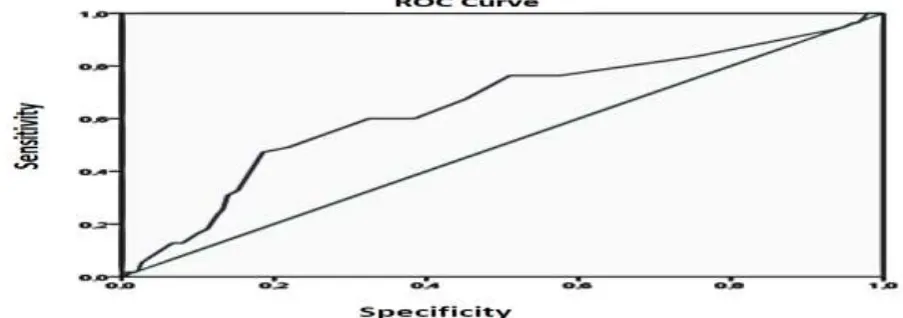
To determine a cutoff point for the YSR associated with BDI, we adjusted a ROC curve for the YSR considering the BDI as a gold standard in two classifications, normal/mild or moderate/severe (Figure 1). The area under the curve was 0.646 with statistical significance (p = 0.001) indicating that the YSR is a good discriminator between normal/mild BDI and moderate/severe BDI. The cutoff point for YSR that maximizes the product of sensitivity and specificity is 78.5. For this cutoff point, the probability of true
positivity (sensitivity) is 60%, indicating the proportion of individuals with YSR > 78.5, given that the BDI score is moderate/severe. The probability of false positivity (the proportion of those with score > 78.5 who are classified as normal/mild) is 32.5%. The probability with YSR ≤ 78.5 considering an individual with normal/mild BDI (specificity) is 67.5%, and the probability of a false-negative result (probability of an individual presenting YSR > 78.5 when having moderate/severe BDI) is 40%.
Figure 1: ROC curve determining the cutoff point for the YSR, considering the BDI as the gold standard
Table 6: Cutoff point of the YSR and BDI
YSR BDI
Normal/Mild Moderate/Severe
≤ 78.5 102 22
67.5% (specificity) 40.0% (false negativity)
> 78.5 49 33
32.5% (false negativity) 60.0% (sensitivity)
Total 151 55
Table 6 presents the results of the intersection of the YSR with this cutoff point and the BDI
Discussion
Depression in adolescents is considered a priority problem by the World Health Organization (WHO) due to its increased prevalence and high rates of recurrence and complications. Despite controversies in the literature regarding how to measure depression during adolescence, due to the characteristic emotional volatility of this phase, depressed adolescents present symptoms similar to those of depressed adults. At this stage, the intensity of feelings in response to simple events, such as poor performance in a test or lack of invitation to a party, makes it difficult sometimes to differentiate a normal sadness characteristic of adolescence from a major depression [4,7,14,20].
When left untreated, depression is associated with a variety of physical and psychosocial impairments, such as absence from school, pregnancy, drug use, psychiatric comorbidities, increased risk of suicide, and progression of the disorder into adulthood [7,14]. There are currently no studies in Brazil correlating the YSR and BDI in non-clinical adolescents. This study tried to fill this void in the literature by evaluating the psychometric properties of the YSR, correlating the YSR with the BDI, and administering the BDI to 206 adolescents enrolled in elementary and secondary schools in the city of Cascavel (Paraná) who underwent previous evaluation with the YSR.
Many cases of major depression begin during adolescence and maintain a strong relationship with the scores of rating scales [7,21]. It is thus important to understand the correlations of depressive symptoms with the various rating scales currently available, which can help establish an early diagnosis of depression. Few studies have included in their cohorts adolescents who had not received any type of treatment for mental disorders. The validity of the BDI as a depression measurement is already a consensus among clinicians.
The BDI is a good tool to discriminate depressed and non-depressed adolescents, which shows that the BDI items are in accordance with the nine DSM depression criteria, whereas the YSR presents questions related to these nine criteria [14]. The mean score of the BDI in our study was higher than that reported in the literature [9,11,22], but
well below the score found in patients diagnosed with major depression (≥ 25.6) [12,23]. The percentage of adolescents with moderate/severe depressive symptoms according to the BDI was close to that found by Teri [25], and above both the percentage found in international studies using the same methodology as ours [22,26], as well as Brazilian studies using other methodologies [5,8].
We noticed a high specificity in the correlations between the BDI and the YSR items Social Competence, Activities Competence, and RBB. Both the YSR and the BDI are broad mental health indicators and a high score in these scales may [12,24] or may not [9]be also explained by social problems. It is important to remember that the study was conducted in public schools and involved suburban neighborhoods, where social problems are more exacerbated. We noticed a high sensitivity in the correlations of BDI with AD, IP, and Total Problems, with statistical significance for BDI vs. Total Problems.
This increased sensitivity for the YSR items A/D and IP makes the YSR an appropriate screening method for evaluation of depression. Although this result was probably expected due to the common comorbidity of anxiety and depression, it could also be attributed to the common features of the compared instruments. In addition, the YSR item IP is characterized by the items W, SC, and A/D, reflecting internal conflicts and stress [12]. Considering sensitivity as an instrument's ability to recognize the true positive among all the patients, in screenings of probable cases of major depression, sensitivity should be regarded as the most important indicator in minimizing the chance of false negatives [12].
However, epidemiological studies on depression in adolescence have shown discrepancies regarding its frequency and different rates according to age and gender [5, 8, 9, 27]. These differences could be explained by different methodologies, but are also influenced by cultural differences, fears, needs, desires, and different score cutoffs. For example, a subject categorized as depressed in one study may not receive the same categorization in another study.
In addition, the BDI should not be used as the only tool to diagnose a major depressive episode, but rather, to detect depressive symptoms and monitor the effectiveness of the treatment [10, 11, 14]. In this study there was a significant correlation with a high specificity on the YSR item 91 ("I think about killing myself") with the A/D score, and the BDI with the YSR item 91, showing a convergent validity of these two tools in the evaluation of suicidal thoughts, although with low sensitivity and specificity in this last correlation.
The presence of symptoms of depression is very concerning since they are predictors of suicidal ideation. There is a strong correlation between depression severity and suicidal behavior [21, 28]. To think repetitively about death is a sign that life is causing displeasure generally so intense that the only way to relieve it is to die. The attraction to thoughts of suicide or death is almost a constant in the constellation of depressive symptoms [4]. It is noteworthy that items 18 and 91 alone cannot be regarded as pathological since they should always be considered in combination. However, items such as these that signal towards self-destruction may require special attention from clinicians and researchers. In Brazil, the pediatrician is often the only professional with whom the adolescent has a chance to talk about emotional problems, including depression. Therefore, the role and obligation of the pediatrician to identify depressive conditions and suicidal ideation becomes indispensable. In addition, there is a lack of specialized mental health services to care for these adolescents. The YSR item 18 correlated positively with family history of depression. Since family members with a history of suicide usually exhibit depressive symptoms, pediatricians caring for adolescents must question them during routine appointments about family history of
depression and suicide, regardless of the reason for the appointment. Studies suggest that there is a high rate of relatives with psychiatric disorders among depressive children and that children of depressive parents are at risk for a variety of psychiatric disorders, including depressive conditions [24, 28]. The early onset of depression is associated with an increased familial genetic load. Depression that emerges before the age of 20 years is strongly associated with a familial load. Children of parents who presented a depressive disorder before the age of 20 years have a 14-fold greater risk of developing major depression before the age of 15 years when compared with controls [29].
The area under the ROC curve (0.646) indicated that the YSR discriminates well normal/mild from moderate/severe BDI cases, showing a high correlation between the YSR and BDI. This study indicates that the cutoff of 78.5 for the YSR can detect up to 60% of the adolescents with a possible depressive disorder in screening studies, showing that the YSR can be an effective screening tool for depressed adolescents. It is worth mentioning that the YSR is not a diagnostic instrument but a screening tool and should be used with caution, since depending on the adopted cutoff point, more adolescents will present symptoms of depression whereas others will not be detected (67.5%) or will be considered as false positives (32.5%).
Moreover, the effectiveness of a scale in differentiating the two diagnostic groups depends not only on sensitivity and specificity, but also on the prevalence of the disease studied in the cohort, the adopted cutoff value, and cultural and personality differences of each participant of the study [7,12]. In this regard, we point out that the study was conducted with nonclinical adolescents. This study has some limitations:
adolescence; and the low participation rate of individuals of certain races suggests the need for future studies to determine the prevalence of depression in these races. Despite these limitations, this is the first Brazilian study to correlate the YSR and the BDI in a sample of adolescents of elementary and secondary school. The use of rating scales to identify patients for detailed evaluation has been advocated to improve the search for patients with depression through screening programs, but the detection rates, treatment, and prognosis are still controversial [9,14].
Instruments to measure depression must have reliable psychometric features and demonstrate good reliability, validity, and sensitivity. The BDI covers all DSM-IV criteria for major depression and remains a reliable indicator of the severity of the depressive symptoms; their ability and validity as an instrument for study research are already well established [10]. The BDI is a good option from a cost-benefit perspective, showing good correlation with the clinical evaluation and requiring little time for completion [9, 12].
Conclusion
The depression scores of the adolescents were high when compared with scores reported in the literature, with a predominance of higher
scores in the female gender. The YSR and BDI were useful tools to screen depression in adolescents. Pediatricians who care for adolescents should be prepared for a preliminary assessment of mental disorders, depression, and suicidal ideation in adolescence since early diagnosis reduces mental suffering in youths and can prevent suicide. In addition, the lack of mental health services impairs the assessment of these adolescents by psychiatrists, and the pediatrician is often the only health professional with whom the youth has contact. Removing stressful factors, especially from girls, would decrease the percentage of depressed but would require an increased provision of mental health services. Finally, this study may be helpful for planning and developing new strategies for evaluation, treatment, and prevention of depression and suicide in adolescents in a regional and even national context.
Acknowledgments
We would like to thank the students who agreed to participate voluntarily in the research, the parents who authorized their participation, and the directors and educational coordinators of public schools in the city of Cascavel (Paraná) who kindly provided the spaces for development of the study.
References
1. Kupfer DJ, Frank E, Phillips ML (2012) Major depressive disorder: new clinical, neurobiological, and treatment perspectives. Lancet, 17; 379(9820):1045-1055. Doi: 10.1016/S0140-6736(11)60602-8. 2. Monteiro KCC, Lage AMV (2007) A
Depressão na Adolescência. Psicologia em Estudo, Maringá, 12(2):257-265.
3. Bautista CF, Velázquez JV, Icaza MEMM, López MM, López MLG, Robles NO (2012) Sociodemographic and personal factors related to depressive symptomatology in the Mexican population aged 12 to 65. Rev Bras Psiquiatr, 34:395-404.
4. Aragão TA, Coutinho MPL, Araújo LF, Castanha AR (2009) A psychosocial perspective of depressive symptoms in adolescence. Ciência & Saúde Coletiva, 14(2):395-405.
5. Bahls SC (2002) Epidemiology of depressive symptoms in adolescents of a public school in Curitiba, Brazil. Rev. Bras. Psiquiatr, 24(2):63-7.
6. Birmaher V, Arbelaez C, Brent D (2002) Course and outcome of child and adolescent major depressive disorder. Child Adolesc Psychiatr Clin. N. Am, 11:619-637.
7. Winter LB, Steer RA, Jones-Hicks L, Beck AT (1999) Screening for Major Depression Disorders in Adolescent Medical Outpatients With the Beck Depression Inventory for Primary Care. Journal of Adolescent Health, 24:389-394.
9. Ambrosini PJ, Metz C, Bianchi MD, Rabinovich H, Undie A (1991) Concurrent Validity and Psychometric Properties of the Beck Depression Inventory in Outpatient Adolescents. J. Am. Acad. Child Adolesc Psychiatry, 30(1):51-57.
10.Beck AT, Ward CH, Mendelson M, Mock J, Erbaugh J (1961) An Inventory for Measuring Depression. Archives of General Psychiatry, 4:561-571.
11.Hatzenbuehler LC, Parpal M, Matthews L (1983) Classifying College Students as Depressed or Nondepressed Using the Beck Depression Inventory: An Empirical Analysis. Journal of Consulting and Clinical Psychology, 51(3):360-366.
12.Wang Y-P, Gorenstein C (2013) Assessment of depression in medical patients: A systematic review of the utility of the Beck Depression Inventory-II. Clinics, 68(9):1274-1287.
13.Shean G, Baldwin G (2008) Sensitivity and Specificity of Depression Questionnaires in a College-Age Sample. The Journal of Genetic Psychology, 169(3):281-288.
14.Basker M, Moses PD, Russel S, Russel PSS (2007) The psychometric properties of Beck Depression Inventory for adolescent depression in a primary-care paediatric setting in India, 1:1-8. Acesso em
,disponível em
http://www.capmh.com/content/I/I/8
15.Bordin IA, Rocha MM, Paula CS, Teixeira MCTV, Achenbach TM, Rescorla LA, Silvares EFM (2013) Child Behavior Checklist (CBCL), Youth Self-Report(YSR) and Teacher’s Report Form(TRF): an overview of the development of the original and Brazilian versions. Cad. Saúde Pública, Rio de Janeiro, 29(1):13-28.
16.Bizeto J, Vieira Jr. AC (2010) Dependencies’ não químicas. In: Falcão LFR. Manual de Psiquiatria. São Paulo: Roca, 169.
17.Scivoletto S (2001) Abuso e Dependência de Drogas. In: Saito MI, Silva LEV. Adolescência-Prevenção e Risco.São Paulo: Atheneu, 65-386.
18.Cunha JA (2001) Manual da versão em português das Escalas de Beck. São Paulo: Casa do Psicólogo.
19.Reato LFN (2007) Papel do Pediatra na Educação Sexual. In: Crespin J, Reato
LFN. Hebiatria-Medicina da Adolescência. São Paulo: Roca editor, 134-142.
20.Stafford B(2011) Child& Adolescent Psychiatric Disorders & Psychosocial Aspects of Pediatrics. In: Hay Jr. WW, Levin MJ, Sondheimer JM, Deterding RR. Current Diagnosis & Treatment Pediatrics. 20th Edition. New York: McGraw Hill
Lange, 171-211.
21.Osman A, Barrios FX, Gutierrez PM, Williams JE, Bailey J (2008) Psychometric Properties of the Beck Depression Inventory-II in Nonclinical Adolescent Samples. Journal of Clinical Psychology, 64(1):83-102.
22.Lightfoot SL, Oliver JM (1985) the Beck Inventory: Psychometric Properties in University Students. Journal of Personality Assessment, 49(4):434-436.
23.Strober M, Green J, Carlson G (1981) Utility of the Beck Inventory Depression with psychiatrically hospitalized adolescents. J. Consult. Clin. Psychol, 49:482-483.
24.Lima D (2004) Bipolar disorder and depression in childhood and adolescence. J. Ped,80(S2):S11-S20
25.Teri L (1982) The use of the Beck Depression Inventory with adolescentes. J. Abnorm. Child. Psychol, 10:277-284.
26.Pietsch K, Hoyler A, Fruhe B, Kruse J, Schulte-Korne G, Allgaier AK (2012) Early Detection of Major Depression in Paediatric Care: Validity of the Beck Depression Inventory-Second Edition(BDI-II) and the Beck Depression Inventory-Fast Screen for Medical Patients(BDI-FS). Psychother Psych Med, 62:418-424.
27.Dutra SEM (2001) Depressão e suicídio em crianças e adolescentes. Mudanças Psicoterapia e estudos Psicossociais, 9(15):27-35.
28.Alves VM, Silva AMS, Magalhães APN, Andrade TG, Faros ACM, Nardi AE (2014) Suicide attempts in a emergency hospital. Arq. Neuropsiquiatr, 72(2):123-128.