The challenges of using mainframes
Racepoint Micro Focus
Mainframe research results
February 2014
74 23 46 106 108 113 120 Other commercial sector Media, leisure &
entertainment Business & professional services Financial services Retail, distribution and transport IT & software Manufacturing 100 100 100 100 100 50 25 15 UK USA France Germany
Brazil Australia/New Zealand Singapore Hong Kong
… a range of American,
European, and Asian
countries
Figure 3: Analysis of location of respondents’ organisation (590 respondents)
… a range of private sector
organisations
Figure 2: “Within which sector is your organisation?”
(590 respondents)
Demographics
… in organisations of 500+
employees
590 senior IT decision-makers in organisations with
mainframes in their infrastructure were interviewed in
September and October 2013, split in the following ways...
Figure 1: Analysis of size of
organisations’ organisation (590 respondents) 171 204 215 501-1000 employees 1001-3000 employees More than 3000 employees
Four areas of interest:
1:
IT debt
2:
Modernisation
3:
Skills shortage
IT debt on the mainframe is increasing
…an increase from $8.5m on average in 2012
Organisations have not modernised their mainframe applications over the past year. On average, they have let their mainframe applications get even more out of date…
…suggesting that many are not maintaining their mainframe
applications, let alone overhauling them
Is this indicative of organisations’ IT debt as a whole?
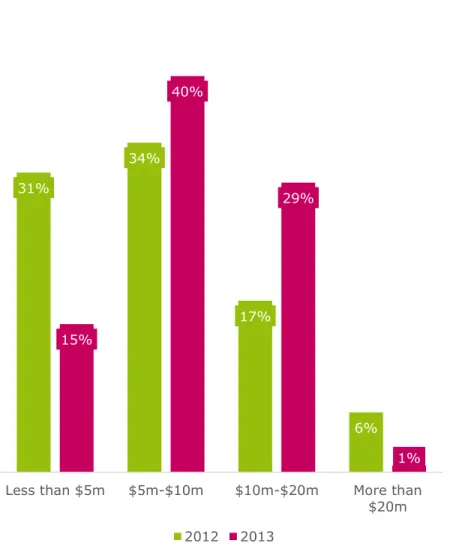
Figure 4: Analysis of how much would need to be spent to bring the mainframe enterprise application portfolio up-to-date; comparison of 2012 and 2013 research (590 respondents each year)
An average of $11m of IT debt
is currently located on
organisation’s mainframes…
31% 34% 17% 6% 15% 40% 29% 1%Less than $5m $5m-$10m $10m-$20m More than $20m 2012 2013
Mainframes are likely to represent most of an
organisation’s IT debt
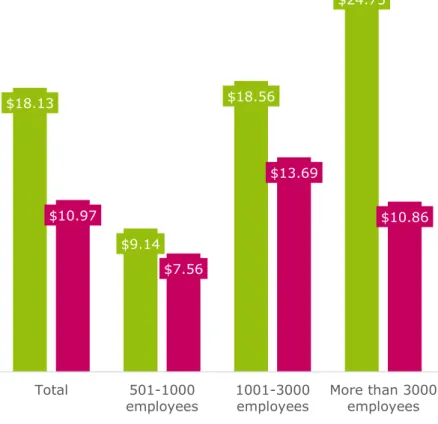
Figure 5: Current entire enterprise IT debt vs current IT debt located on the mainframe, analysed by size of organisation
(590 respondents)
The average of $11m of mainframe
debt is over half of the average
total of $18m of debt
In essence, the mainframe is likely tohold the majority of the out-of-date software in an organisation This is particularly the case in smaller organisations, where almost all the IT debt is located on the mainframe As the rate of out-of-date software on the mainframe becomes increasingly expensive to update, this is likely to be a problem that gets worse unless it is addressed quickly
Will IT debt continue to grow?
$18.13 $9.14 $18.56 $24.75 $10.97 $7.56 $13.69 $10.86 Total 501-1000
employees 1001-3000employees More than 3000employees
Average current IT debt (in million dollars)
IT debt is predicted to increase
…only around 5% of the total say that their IT debt will not grow, meaning that 95% predict that this problem will get worse
On average, the debt is predicted to grow by 9% over the next five years This gives further weight to the need to update applications now or risk the cost being more prohibitive later
Are organisations actively modernising their applications?
Figure 6: “By how much do you expect your IT debt to grow over the next five years?”, analysed by size of organisation (590 respondents)
Only a small minority say that
their IT debt will not grow over
the next five years…
0% 5% 10% 15% 20% 25% 30% 35% 0% 1-5% 5-10% 10-15% 15-20% More than 20% Total 501-1000 employees
Mainframes are not obsolete yet
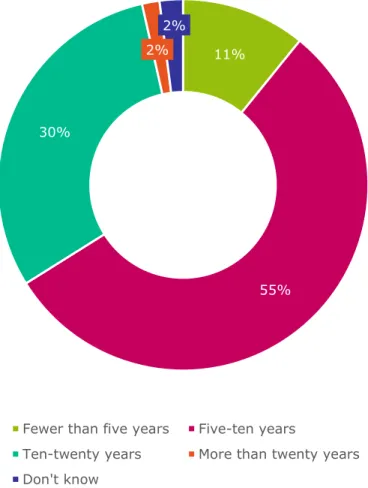
Figure 7: “How many more years do you think your organisation will continue to rely on mainframe applications?”
(590 respondents)
Only 11% expect to use
mainframes for another five
years or less
On average, respondents expect their organisations to continue to rely on mainframe applications for 10 years
32% believe that they will still be using mainframes beyond 10 years’ time Although mainframes are a legacy technology, most organisations that use them intend to keep using them for the immediate future
Given this prolonged use, are organisations able to justify mainframe expenditure? 11% 55% 30% 2% 2%
Fewer than five years Five-ten years
Ten-twenty years More than twenty years Don't know
Difficulty in justifying the cost of mainframe app
maintenance
Organisations have to undertake a lot of due diligence and spend a lot of time convincing internal stakeholders of the need to update
Many say that updating is difficult to argue for as it does not offer a new innovation or an immediate financial benefit
In fact, almost one in ten respondents say that it is nearly impossible to justify the cost of updating mainframe applications
This may partly explain why IT debt on the mainframe is increasing so dramatically
What is the impact of not being to justify the cost of updating?
Figure 8: “How difficult is it to justify expenditure on the maintenance of legacy mainframe applications?”
(590 respondents)
Only 19% say that it is not
difficult to justify spend on
maintaining mainframe
applications
19% 42% 31% 9%Not difficult at all Quite difficult - We have to undertake a lot of due diligence
to prove the business case and resulting benefits Extremely difficult - It is difficult
to convince internal stakeholders on anything that
doesn't deliver an immediate and direct financial benefit or
cutting-edge innovation Nearly impossible - Internal stakeholders are simply not interested in anything that doesn't deliver an immediate and direct financial benefit or
Not updating mainframe apps has significant
ramifications
Figure 9: “What is the impact on your business in instances where you can't justify expenditure on the maintenance of mainframe applications?”
(478 respondents)
Only 10% of those who
encounter resistance are always
able to eventually justify the cost
Almost two thirds (63%) say that their organisation is exposed to compliance/risk issues and almost half say that the resilience of their mainframe is put at risk
It is not just a problem of risk and resilience though – 42% say that a lack of mainframe application maintenance means that they are unable to develop or innovate as well as they could… …which could put the organisation at a
competitive disadvantage 10%
1%
42% 47%
63%
This never happens as we always justify the cost of maintaining mainframe legacy
applications
Other Our competitive positioning is eroded by being unable to
develop or innovate The resilience of our mainframe
is put at risk
Our business is exposed to compliance/risk issues
Fewer staff with mainframe skills
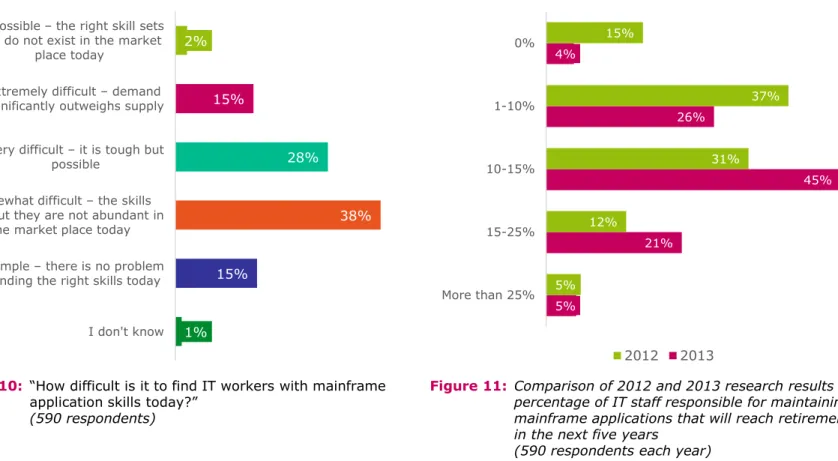
84% of respondents say that it is difficult to find IT workers with mainframe application skills at present, and on average, the percentage of existing staff with these skills approaching retirement age is increasing New staff are difficult to find, and existing staff are increasingly likely to be retiring
Figure 10: “How difficult is it to find IT workers with mainframe application skills today?”
(590 respondents)
Figure 11: Comparison of 2012 and 2013 research results for the percentage of IT staff responsible for maintaining mainframe applications that will reach retirement age in the next five years
(590 respondents each year)
1% 15% 38% 28% 15% 2% I don't know Simple – there is no problem
finding the right skills today Somewhat difficult – the skills exist but they are not abundant in
the market place today Very difficult – it is tough but
possible
Extremely difficult – demand significantly outweighs supply Impossible – the right skill sets just do not exist in the market
place today 5% 21% 45% 26% 4% 5% 12% 31% 37% 15% More than 25% 15-25% 10-15% 1-10% 0% 2012 2013
Lack of mainframe skills is prompting a rethink
Almost a third are rewriting their apps in more modern languages, and a quarter are replacing legacy apps with off-the-shelf solutions
There is no majority response here; organisations are having to make changes, but those changes vary from company to company
Only 4% say that they would rather they moved away from the
mainframe. Most still find it valuable and want to keep using it even
though the requisite skills are difficult to find
Do organisations have knowledge of their existing mainframe application estate?
Figure 12: “Which one of the following best describes the impact of the mainframe application skills challenge on your business?”
(493 respondents)
Organisations are changing
their mainframe use as a result
of this skills gap
4% 8% 14% 17% 25% 31%
I would rather we moved off the mainframe altogether in the future We are using a software solution to
modernise our mainframe applications, to help negate the
skills challenge
We are increasing our reliance on outsourcing vendors for mainframe
app development and testing The mainframe is strategically important to our business but the skills shortage means we are having
to look for ways to navigate around the mainframe
We are replacing key legacy mainframe applications with commercial off-the-shelf (COTS)
packages to negate the skills challenge
We are re-writing strategic mainframe apps in more modern
languages to negate the skills challenge
Lack of knowledge of existing mainframe apps
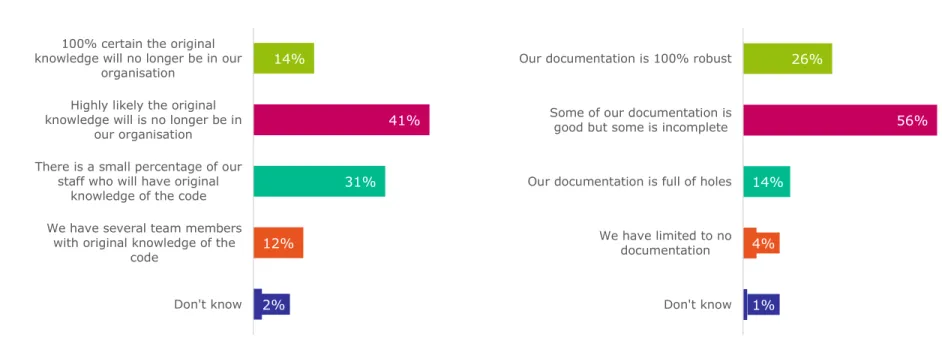
Over half of respondents say that it is highly likely or certain that original knowledge of mainframe applications will no longer be in their organisation, meaning that updates to applications will be difficult to perform This problem is exacerbated by the fact that only 26% say that their mainframe application documentation is totally robust
Figure 13: “How likely is it that the original knowledge of the application and supporting data structure is no longer with your organisation?”
(590 respondents)
Figure 14: “When new legislation requires compliance changes to be made to your mainframe applications, how robust is your internal application documentation to enable quick and easy changes?”
(590 respondents) 2% 12% 31% 41% 14% Don't know We have several team members with original knowledge of the
code
There is a small percentage of our staff who will have original
knowledge of the code Highly likely the original knowledge will is no longer be in
our organisation 100% certain the original knowledge will no longer be in our
organisation 1% 4% 14% 56% 26% Don't know We have limited to no documentation Our documentation is full of holes
Some of our documentation is good but some is incomplete Our documentation is 100% robust
The need for students to learn mainframe languages
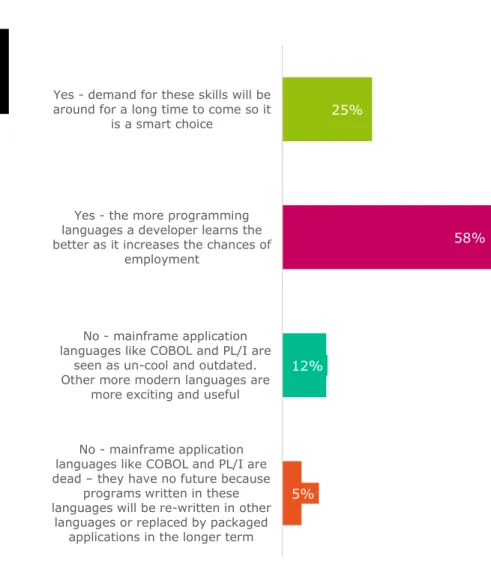
Figure 15: “Do you believe it is valuable for today's students to learn mainframe application programming languages like COBOL and PL/I?”
(590 respondents)
83% of respondents say that it is
valuable for students to learn
mainframe programming languages
A quarter say that there will be demand for these languages long term, and over half say that it is beneficial for programmers to learn as many languages as possible
This desire for students to learn these skills is evidence of a need for such programming expertise in these organisations
Only 5% believe that such programming languages are dead
5% 12%
58% 25%
No - mainframe application languages like COBOL and PL/I are dead – they have no future because
programs written in these languages will be re-written in other
languages or replaced by packaged applications in the longer term
No - mainframe application languages like COBOL and PL/I are
seen as un-cool and outdated. Other more modern languages are
more exciting and useful Yes - the more programming languages a developer learns the better as it increases the chances of
employment
Yes - demand for these skills will be around for a long time to come so it
Percentage of mainframe apps accessible through
mobile/cloud is increasing
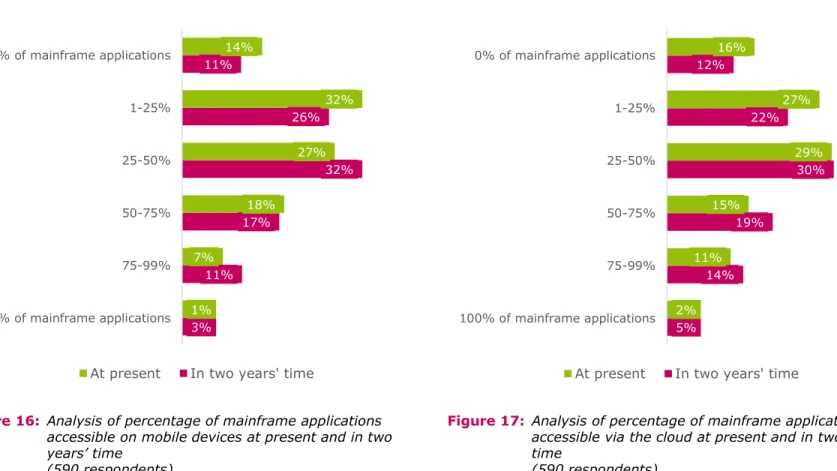
Only around a third of mainframe applications are accessible on mobile devices and/or via the cloud at present, though respondents indicate that this percentage will increase in two years’ time… …meaning that organisations are making efforts to improve the availability of their mainframe applications
Figure 16: Analysis of percentage of mainframe applications accessible on mobile devices at present and in two years’ time
(590 respondents)
Figure 17: Analysis of percentage of mainframe applications accessible via the cloud at present and in two years’ time (590 respondents) 3% 11% 17% 32% 26% 11% 1% 7% 18% 27% 32% 14% 100% of mainframe applications 75-99% 50-75% 25-50% 1-25% 0% of mainframe applications
At present In two years' time
5% 14% 19% 30% 22% 12% 2% 11% 15% 29% 27% 16% 100% of mainframe applications 75-99% 50-75% 25-50% 1-25% 0% of mainframe applications
The difficulty of developing mainframe mobile/cloud
apps
Few say that development is impossible, but most say that it is difficult to some degree
The increased IT debt on the
mainframe and the lack of workers with mainframe skills are likely to be contributory factors to this difficulty… …as is the problem of making legacy infrastructure compatible with modern methods of delivery
Is this indicative of a more general development problem?
Figure 18: Analysis of how difficult it is to develop mainframe applications for mobile devices and the cloud (590 respondents)
Under a fifth of respondents
say that developing mainframe
apps for mobile/cloud is simple
7% 18% 37% 27% 9% 2% 7% 17% 37% 24% 13% 3% I don't know Simple Somewhat difficult Very difficult Extremely difficult Impossible
Mainframes hinder application development
Figure 19: Analysis of those who say that having a mainframe makes developing mobile applications or deploying existing systems to the cloud more difficult
(590 respondents)
Only around a fifth of
respondents say that having a
mainframe makes no difference
to developing mobile/cloud apps
One in ten say that having a mainframe makes mobile/cloud development incredibly difficult It is not just the case that it is difficult to make mainframe apps mobile/cloud compatible; having a mainframe means that organisations find it difficult to create mobile apps and deploy existing systems to the cloud
Again, the problems of out-of-date mainframe applications and a lack of skill in the marketplace are likely to make this problem worse
20% 41% 30% 9% 16% 41% 32% 10% No – it makes no difference at all
Yes – it makes it somewhat difficult
Yes – it makes it very difficult Yes – it makes it incredibly
difficult
Developing mobile applications
In summary…
• IT debt on mainframes is increasing…
…to the extent that the majority of an average organisation’s IT debt is now located on the mainframe
IT debt is predicted to increase by an average of 9% over the next five years • 81% find it difficult to justify expenditure on maintaining legacy mainframe applications
Amongst that 81%, only 10% can always eventually justify the cost…
…and most say that lack of investment leaves the organisation open to compliance/risk issues
On average, organisations predict that they will continue using mainframes for another ten years
• Organisations struggle to find IT staff with mainframe skills…
…and many existing staff are reaching retirement age
This lack of skill in the marketplace is forcing most organisations to rethink their mainframe applications
• The percentage of mainframe applications accessible through cloud or mobile devices is increasing…
…although around four in five say that it is difficult to make mainframe apps mobile/cloud compatible…
…and most say that having a mainframe in their infrastructures is a liability when they are making mobile/cloud applications in general