BUILDING COMPLEX COMMUNITIES TO PROMOTE INDIVIDUAL MEMBERS’ PERSISTENCE AND AFFECT BEHAVIORS
Susanna L. Harris
A dissertation submitted to the faculty of the University of North Carolina at Chapel Hill in partial fulfillment of the requirements for the degree of Doctor of Philosophy in the
Department of Microbiology and Immunology in the School of Medicine.
Chapel Hill 2020
iii ABSTRACT
Susanna L. Harris: Building Complex Communities to Promote Individual Members’ Persistence and Affect Behaviors
(Under the direction of Elizabeth A. Shank)
Faced with a growing population to feed and a lack of environmentally friendly agricultural interventions, researchers are turning to microbes as the next solution to improve crop yield. Plant growth-promoting bacteria (PGPB) are applied directly to crops or soil to increase plant development, survival or yields. As some PGPB do not maintain colonization on plant roots, the grower must apply them multiple times to maintain any benefit. Multispecies bacterial communities often show synergistic traits, including in some cases increasing the survival or biomass of individual bacterial species. I thus hypothesized that bacterial
co-inoculants could improve PGPB association with plant roots. In my dissertation, I examine root colonization dynamics of bacterial communities and analyze how co-inoculation with
rhizosphere bacteria affects PGPB abundance and localization on the root.
To measure the kinetics of bacterial association with plant roots, I created a high-throughput system for hydroponic growth of plants. In contrast with the PGPB strain
Pseudomonas simiae and bacterial isolates native to the A. thaliana rhizosphere, the model soil-dwelling bacterium Bacillus subtilis did not maintain initial colonization, mirroring a
iv
I used this system to characterize 96 fully genome-sequenced bacterial strains isolated from the A. thaliana rhizosphere for their ability to maintain colonization on Arabidopsis roots or
improve the maintenance of B. subtilis. I characterized three strains for their effects on B. subtilis over a longer time course and determined their spatial localization along the seedling root. I found that these rhizobacteria also increased the maintenance of two commercially available
PGPB strains of Bacillus amyloliquefaciens.
The long‐term goal for this research is to identify functional microbial consortia that consistently associate with plant roots to improve plant health and yields. These results illustrate the utility of our system to address questions about plant-microbe interactions and may help
v
ACKNOWLEDGEMENTS
This dissertation is dedicated to those special humans who hear “I’m not okay”
and respond with
vi
TABLE OF CONTENTS
LIST OF TABLES ... x
LIST OF FIGURES ... xi
LIST OF ABBREVIATIONS AND SYMBOLS ... xii
CHAPTER 1: INTRODUCTION ... 1
1.1. Harnessing the Phytobiome ... 1
1.2. Plant Growth-Promoting Bacteria... 2
1.3. Bacillus Species as Plant Growth Promoting Bacteria (PGPB)... 3
1.4. Mechanisms of Bacillus Plant Growth-Promotion ... 5
1.4.1. Manipulation of Plant Chemical Production or Gene Expression ... 5
1.4.2. Inhibition of Pathogens ... 6
1.4.3. Modulations of Plant-Associated Microbiomes... 7
1.4.4. Required Properties for Producing Plant-Beneficial Effects ... 8
1.4.5. Chemotaxis ... 8
1.4.6. Biofilm Formation ... 8
1.4.7. Metabolite Production ... 9
1.4.8. Additional Influences ... 9
vii
1.5.1. Hydroponic Growth ... 11
1.5.2. Agar-plate-based Growth ... 12
1.5.3. Microcosm Growth ... 14
1.5.4. Closed-soil Systems ... 14
1.5.5. Open-soil Systems ... 16
1.6. Selection of Individual and Combinations of PGPB ... 18
1.7. Maintenance and Effects on the Microbiome ... 19
1.8. Effects of Bacillus PGPB on Field Microbiomes ... 20
1.8.1. Concerns about Using Bacillus Species as PGPB ... 21
1.9. Introduction to the Dissertation ... 22
1.10. Tables and Figures ... 24
REFERENCES ... 26
CHAPTER 2: MONITORING BACTERIAL COLONIZATION AND MAINTENANCE ON ARABIDOPSIS THALIANA ROOTS IN A FLOATING HYDROPONIC SYSTEM... 34
2.1. Overview ... 34
2.2. Introduction ... 35
2.3. Materials and Methods ... 38
2.4. Results ... 42
2.5. Discussion ... 45
viii
2.7. Tables and Figures ... 49
REFERENCES ... 57
CHAPTER 3: BACTERIAL COMMUNITY MEMBERS INCREASE BACILLUS SUBTILIS MAINTENANCE ON THE ROOTS OF ARABIDOPSIS THALIANA ... 59
3.1. Overview ... 59
3.2. Introduction ... 60
3.3. Materials and Methods ... 61
3.4. Results ... 65
3.5. Discussion ... 73
3.6. Acknowledgements ... 77
3.7. Tables and Figures ... 78
REFERENCES ... 90
CHAPTER 4: DISCUSSION AND FUTURE EXPERIMENTS ... 96
4.1. Summary of Results ... 96
4.2. Significance... 99
4.3. Future Directions ... 103
4.4. Future Experiments ... 107
4.5. Closing Statement ... 110
REFERENCES ... 111
ix
A.1. Overview ... 117
A.2. Introduction ... 117
A.3. Existing Support Options ... 118
A.4. Benefits of Online Resources ... 120
A.5. Limitations of Online Resources ... 123
A.6. Recommendations ... 124
A.7. Conclusions ... 125
x
LIST OF TABLES
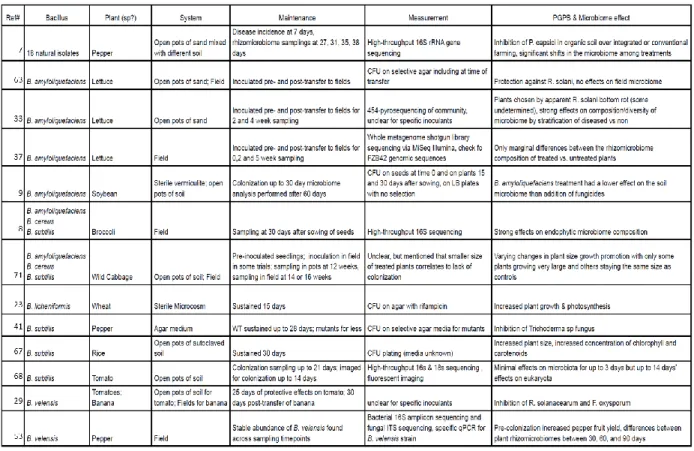
Table 1.1 – Select findings from studies on Bacillus spp. colonization and maintenance
under different experimental conditions. ...24
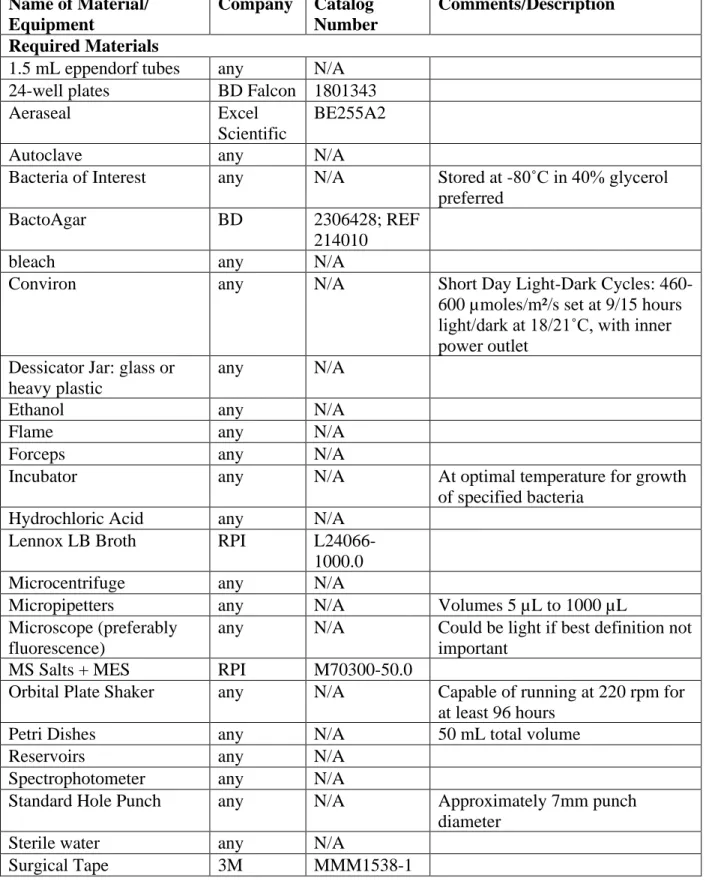
Table 2.1 – Materials List ...49
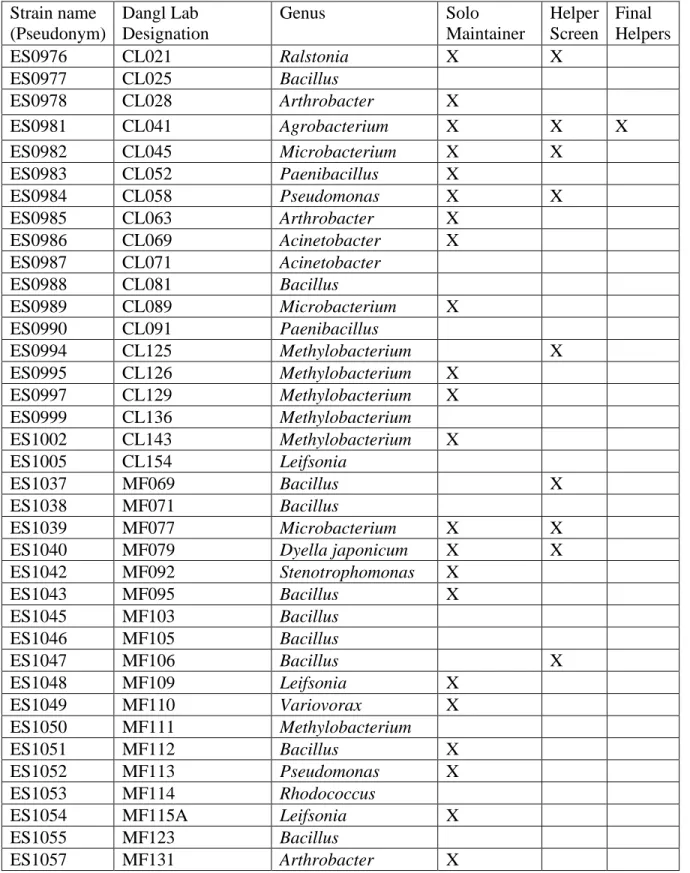
Table 3.1 – Natural Rhizosphere Isolates...78
xi
LIST OF FIGURES
Figure 1.1 – Plant-microbe interactions at the rhizosphere can be examined through
various experimental methods ...25
Figure 2.1 – Assay for bacterial colonization and maintenance on A. thaliana roots. ...51
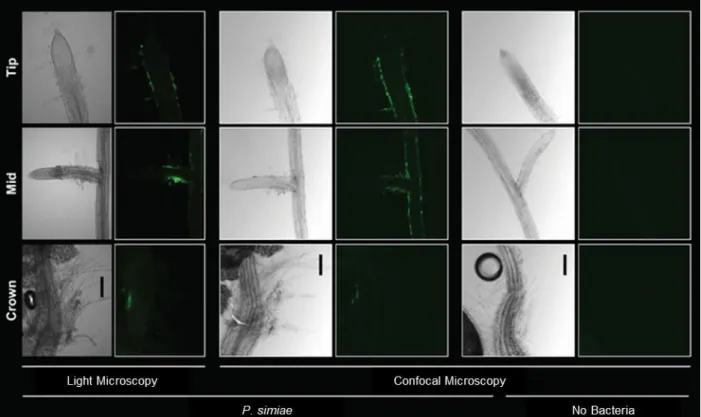
Figure 2.2 – Visualizing P. simiae colonization of roots with fluorescent microscopy ...52
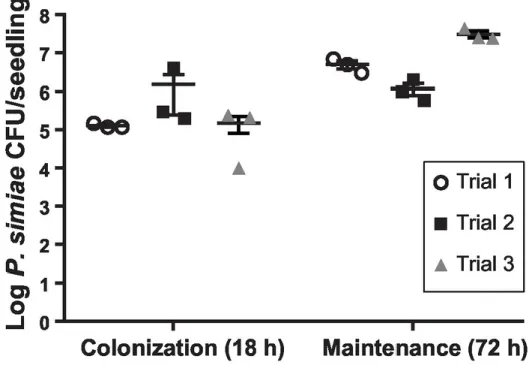
Figure 2.3 – Quantification of P. simiae on A. thaliana roots ...53
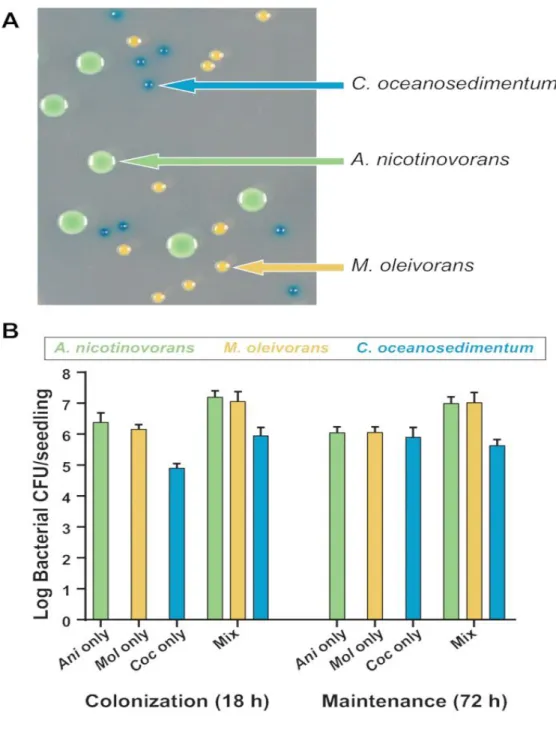
Figure 2.4 – Quantification of colonization and maintenance of a mixed bacterial community on A. thaliana roots...54
Figure 2.5 – Ultrasonication disrupts the root surface ...56
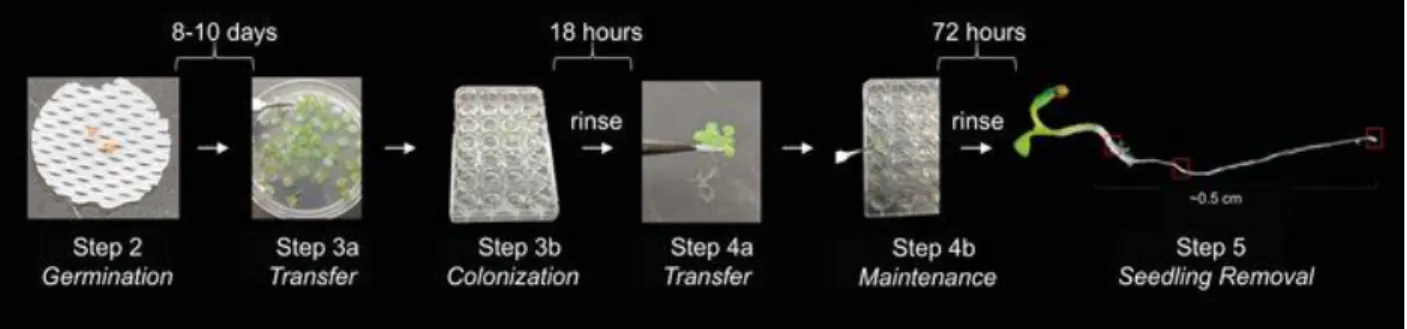
Figure 3.1 – Schematic of hydroponic growth system for quantification and imaging of bacterial associations with A. thaliana seedling roots ...82
Figure 3.2 – Maintenance of initial bacterial colonization ...83
Figure 3.3 – Secondary screen of isolates implicated to increase B. subtilis maintenance in co-culture ...84
Figure 3.4 – Spatiotemporal kinetics of B. subtilis association with plant roots in co-culture with rhizosphere isolates. ...85
Figure 3.5 – Maintenance of PGPB Bacillus species’ colonization in co-culture with each rhizosphere isolate individually and in combination ...86
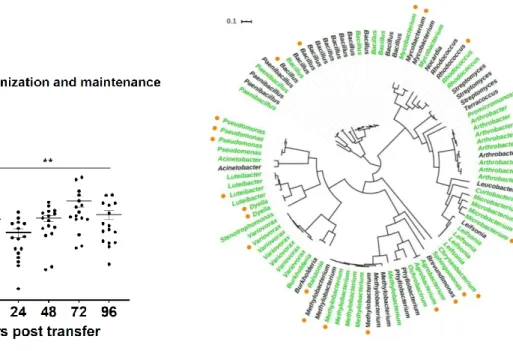
Figure 3.6 – Unrooted phylogenetic tree of screened strains based on 47 strain-specific marker genes ...87
Figure 3.7 – Localization of B. subtilis following colonization and maintenance either alone or in coculture with the indicated strains. ...88
xii
LIST OF ABBREVIATIONS AND SYMBOLS
Agtech – Agricultural Technology A. thaliana – Arabidopsis thaliana
A. nicotinovorans – Arthrobacter nicotinovorans B. amyloliquifaciens – Bacillus amyloliquifaciens
B. cereus – Bacillus cereus
B. licheniformis – Bacillus licheniformis B. subtilis – Bacillus subtilis
B. thuringiensis – Bacillus thuringiensis
BSL – Biosafety Level
CFP – Cyan Fluorescent Protein
C. oceanosedimentum – Curtobacterium oceanosedimentum ddH20 – Deionized Distilled Water
MLS – Erythromycin-Lincomycin GOI – Genes of Interest
GMO – Genetically Modified Organism g – Grams
Hpt – Hours Post-Transfer HCL – Hydrochloric Acid h or hr – hour
xiii MgCl2 – Magnesium Chloride
MALDI – Matrix Assisted Laser Desorption/Ionization M. oleivorans – Microbacterium oleivorans
MES – [2-(N-morpholino)ethanesulfonic acid] MS – Murashige and Skoog
p – P-value
µg – Micrograms µL – Microliters mL – Milligrams mL – Milliliters nm – Nanometers
OD600 – Optical Density at the 600 nanometer wavelength PGPB – Plant Growth-Promoting Bacteria
PGPR – Plant Growth-Promoting Rhizobacteria PPE – Personal Protective Equipment
P. fluorescens – Pseudomonas fluorescens P. putida – Pseudomonas putida
P. simiae – Pseudomonas simiae
qPCR – Quantitative Polymerase Chain Reaction rRNA – Ribosomal Ribonucleic Acid
Rpm – Rotations per minute s – seconds
xiv spp. – Species (plural)
URM – Underrepresented Minority VOC – Volatile Organic Compound
1
CHAPTER 1: INTRODUCTION
1.1. Harnessing the Phytobiome
We are facing an impending crisis of food security. Studies estimate that agricultural yields will fail to meet the needs of the global population by the year 20501. In addition to the ever-growing human population, climate change due to human activities threatens to destabilize our current farming systems. To address these concerns, we must quickly identify methods for increasing food production while minimizing the negative environmental impact of using harsh agrochemicals.
Traditional farming approaches have focused on breeding plants for traits like increased yield and time to harvest, adaptation of the environment through building irrigation systems, and application of synthetic fertilizers and chemicals to protect against pests and pathogens2. While up to this point, these measures have greatly increased our ability to produce food, most of these applications originating from the Green Revolution are not optimal for improvement3,4. For example, plant breeding for desired traits requires creating and testing new crops over multiple growth cycles, which can take years from initial experimentation to the identification of a substantially better product2. Scientists can shortcut this process by directly modifying the genome of the plant2; however, insufficient data around the environmental impacts of GMO crops5 and consumer concerns about GMO foods has slowed the use of these technologies for implementation in commercial agriculture6. Although effective in the shorter term,
2
harms the environment by depleting it of resources and reducing biological diversity. Runoff from these chemicals, which is increased by certain irrigation and planning systems, has negatively impacted waterways and soil systems around the world7. Scientists are therefore increasingly focusing on how to improve plant health without the needs for such measures. Instead, to improve crop yield and food production, researchers hope to identify natural promoters of plant health by studying the biological interactions occurring in the phytosphere. The phytosphere comprises all environmental components of the ecosystem in which a plant is grown; this includes the bacteria8, fungi9, archaea10, and animals11 living on and around the plant, as well as the abiotic factors of the soil substrate in which they live. Phytobiomes (the collection of organisms found within a phytosphere) are shaped by interactions within their ecosystem; living organisms interact with each other, as well as with their environment, and their behaviors are determined by a complex interplay of chemical and physical signals. Maintaining the balance of these interkingdom interactions is important for the survival of all members of the ecosystem, since small perturbations can lead to the plant’s destruction by microbial pathogens12. Plants that are abundant producers under optimal conditions can fail as crops if their growth conditions shift towards an imbalanced state. By promoting healthy phytobiomes, scientists and farmers could better address food production concerns while maintaining the stability of the phytosphere and the health of the soil for long-term crop production.
1.2. Plant Growth-Promoting Bacteria
3
academic researchers alike. Species of Bacillus are commonly described as PGPB and have become attractive targets for development into agricultural additives due to their wide host ranges and their ability to form hardy, dormant endospores that can be safely and stably stored for prolonged periods of time. One concern of using PGPB-based interventions is that some of these bacteria do not maintain their original levels of colonization on plant roots, and the treatments may thus lose efficacy over time. For my dissertation I have investigated the
hypothesis that bacterial co-inoculants could improve the association of PGPB with plant roots; specifically, I have examined the dynamics of root-associated bacterial communities and
analyzed how co-inoculation with rhizosphere isolates affects PGPB abundance and localization on the A. thaliana root
1.3. Bacillus Species as Plant Growth Promoting Bacteria (PGPB)
Members of the genus Bacillus are Gram-positive facultative anaerobes that can form hardy dormant endospores (here simply called spores) that allow them to survive restrictive conditions like high heat and low levels of hydration or nutrient availability13,14. Bacillus species have been isolated from myriad environments, from the depths of the oceans to within
4
genomic sequencing of these environmental bacteria by both governmental and industrial agencies24: over 4,000 strains of Bacilli and their genomes are currently publicly available25.
Interest in this taxon has also been driven by the genetic tractability and robust biofilm formation of several species of Bacillus subtilis under both in vitro and in vivo conditions26,27. Laboratory strains such as B. subtilis 168 readily take up exogenous DNA, enabling scientists to easily modify its genome and biochemical activities, while the NCIB3610 strain of B. subtilis (likely an ancestor of 168) may better approximate the phenotypes of native soil bacteria while still allowing for genomic manipulation through bacteriophage transfection28,29.
Strains of Bacillus amyloliquifaciens are closely related to B. subtilis and are some of the most extensively studied and commercially applied rhizobacteria for agricultural use29,30. B. amyloliquefaciens strains FZB42 and GB03 are the bioactive components of multiple
companies’ patented formulations for field additives to promote crop growth and increase yields 14,31. Much of the appeal of Bacillus species as biofertilizers is that, in contrast to other well-known PGPB such as Pseudomonas species, the ability of Bacillus to form spores means they can be made into shelf-stable inoculants that can be added directly to soils or into seed mixtures as biofertilizers17. While dozens of different Bacillus strains have been identified in association with plant roots – and thus have the potential to benefit plant development – researchers have traditionally focused on characterizing only a handful of Bacillus species 22,26,29,30,32.
This introduction focuses on the application of Bacillus species for the promotion of plant growth through the inoculation of plant rhizospheres, the region directly surrounding plant roots. I will also highlight the potential benefits and limitations of Bacillus species as PGPB in
5
Paenibacillus have historically been erroneously identified as Bacillus, the research on these bacteria is outside the scope of this dissertation8.
1.4. Mechanisms of Bacillus Plant Growth-Promotion
PGPB are so-named due to their observed ability to increase plant growth, development, fruiting or flowering yield, or survival16,26. The factors driving these phenotypes can be
characterized into three overlapping categories: I) manipulation of plant chemical production or gene expression, II) direct inhibition of pathogens, and III) modulation of plant-associated microbiomes. As others have extensively covered these effects17,26,30,33, I will only briefly summarize recent findings about how interactions with Bacilli affect plant health and growth with regards to these themes.
1.4.1. Manipulation of Plant Chemical Production or Gene Expression
6
multiple effects; for instance, not only does Bacillus licheniformis promote photosynthesis in wheat, but also the cytokinins secreted by this bacterium speed plant development and modulate root structure to increase water and nutrient uptake33,34.
1.4.2. Inhibition of Pathogens
Infections by plant pathogens result in crop losses totaling over one billion US dollars annually35. Identifying measures to decrease pathogen infection and plant death without further use of chemical pesticides and antibiotics has come to the forefront of bioadditive research13,17,27; bioadditives are technically considered biologically derived additives, either bacteria themselves or their products. Bacilli can increase plant resistance to microbial pathogens, both through direct antagonism of the invading organisms and by changing plants’ physiology through biochemical characteristics to better resist infection36,37. Bacilli can directly and indirectly inhibit bacterial, fungal, viral, and even microscopic eukaryotic pathogens38. Direct antagonism of pathogenic microbes is often mediated through the production of antibiotics and antimicrobials, and Bacilli dedicate substantial genomic space to encoding such specialized metabolites14,39–41. Bacillus species can also directly outcompete other microbes for resources during colonization and thus dominate the plant niche42.
Bacillus colonization of the rhizosphere can increase plants’ ability to defend themselves
against foliar pathogens; this phenomenon is called Induced Systemic Resistance (ISR)31. These long-range impacts of Bacillus root colonization have been attributed to the production of
7
laboratory strains of Bacillus28,39,40. This protection primarily occurs through priming of defense responses both at multiple levels of plant physiology, from regulation of transcription to
changing post-transcriptional mechanisms17. These effects are promising and have been observed to reduce the impact of pathogens on crops, including staple agricultural plants like tomatoes, tobacco, lettuce, and cereals24,26,43,44. Other Bacillus compounds such as fungicins, surfactins, acetoin, 2,3-butanediol, and various iturins have also been shown to activate these immune pathways37,40,45,46. These chemicals are often produced during Bacillus biofilm formation, indicating that the ability of these strains to generate anti-pathogen molecules may depend on their environment and developmental stage.
1.4.3. Modulations of Plant-Associated Microbiomes
One of the potential benefits of using bioadditives rather than agrochemicals is the hypothesis that adding microbes to fields will be less disruptive to the endogenous field microbiome than traditional agrochemicals17,41. The research supporting this idea is still contentious, however. In some cases, small and sustainable shifts in microbial community
8
1.4.4. Required Properties for Producing Plant-Beneficial Effects
Some factors that support beneficial Bacillus-plant associations are generally conserved across bacterial and plant species17.
1.4.5. Chemotaxis
For bacteria to successfully colonize a plant root, they must first locate and move towards the root surface, or rhizoplane. Bacillus cells containing mutated chemotaxis machinery (that are thus unable to move towards the gradient of root exudates nutrients such as sugars and amino acids) are defective in initiating rhizoplane colonization36.
1.4.6. Biofilm Formation
Following contact with the root, Bacilli switch from their motile state to a stationary (biofilm) state and attach to external root cells. This change from a planktonic form to a biofilm-producing form requires a massive overhaul of genetic regulation15. Biofilms are thought to provide benefits to the plant20 as well as to allow the bacteria to survive and maintain on the plant root by protecting them from drought and salinity stress and shielding them from physical disturbances19. Bacillus strains mutated to no longer produce biofilm structural components or unable to sense the environmental signals that stimulate the expression of biofilm genes are deficient in plant association26,37,49. Genes encoding biofilm production are conserved across many Bacillus species of PGPB24 and both B. subtilis and B. amyloliquefaciens biofilms have been found on the rhizoplane of crops grown in soil, demonstrating that they form biofilms on plant roots in situ15,50.
9 1.4.7. Metabolite Production
Within these biofilms, bacteria produce antibiotic compounds and other molecules that can be perceived as signals by neighboring microbes and plants. These compounds include VOCs. VOCs have been shown both to directly inhibit pathogens as well as to elicit ISR, a plant immune response that increases resistance to pathogens in both the rhizosphere and the above-ground phytosphere 26,38,51. For example, production of 2,3-butanediol by B. subtilis inhibits fungal plant pathogens whether or not the bacterium is present; interestingly, these volatiles do not affect Pseudomonas protegens, another known PGPB52. Non-volatile metabolites also impact rhizosphere colonization by PGPB. For instance, fengycins have been found to be important in restricting fungal disease on tomatoes, as well as in bananas in pots40. B. subtilis and B.
thuringiensis colonization is enhanced by the production of specialized metabolites22; mutations that increase the production of specialized metabolites increase the capacity for controlling pathogens29. Catalases, lipopeptides, and acetoin are also produced in the biofilm stage of Bacillus growth, all of which have been found to inhibit plant pathogen proliferation45,53,54.
The direct effects of specialized metabolites on PGPB colonization can be difficult to determine; effects mediated by the chemicals themselves often can’t be separated from the effects of direct bacterial interactions with the plants. Nevertheless, researchers have used creative approaches even in open-soil systems (Fig. 1.1) to demonstrate that VOCs are the causative component of ISR51.
1.4.8. Additional Influences
10
microbes. In addition, the temperature, hydration levels, pH, and physical structure of the surrounding environment can impact Bacillus cellular phenotypes, as can the neighboring members of the microbiota55. Over time, small molecules are exchanged, nutrients used and produced, and conditions change; this complex interkingdom relationship between biological organisms entails innumerable possible variables, and reductionist experiments can only include a limited number of these factors. For instance, the bacterial production of surfactin, an essential molecule for colonization, is increased in the presence of plant roots and its exudates39. Even field studies only represent a subset of possible conditions. These caveats are important when considering the experimental conditions of studies designed to reveal the relationships between plant hosts and Bacillus species.
1.5. Colonization of the Rhizosphere in Gnotobiotic Systems
Many plant hosts can be cured of microbes to become gnotobiotic, often through seed sterilization or successive breeding to select for plants without endophytic bacteria. These simplified plant systems can then be associated with individual microbes whose behaviors, including initial colonization, biofilm formation, and chemical production, can be studied under different environmental conditions. These highly-reductionist approaches have been essential for teasing apart interactions between plant hosts and Bacillus species. Examples of different
11 1.5.1. Hydroponic Growth
Hydroponic systems (Fig. 1.1A, 1.1B) have been developed to grow plants in controlled, liquid-only environments, whether or not these plants are natively found growing in water. Gnotobiotic systems have been developed to study the hydroponic colonization (such as biofilm formation) and early few days of maintenance by rhizobacteria56–58. These experiments have underscored the importance of the chemotactic sensory and motility machinery for initiating colonization, and how these processes are shaped by the presence and activity of the host
plant24,36. For example, cucumber root exudates affect B. amyloliquefaciens chemotaxis52; while bacterial intracellular signaling through cyclic-di-AMP affects biofilm formation in B. subtilis, thus impacting its ability to effectively colonize the rhizoplane59. One advantage of the
hydroponic design is that these exudates can easily be collected for further characterization52. Studying how Bacilli interact with the roots of hydroponically-grown plant systems can be performed both with laboratory model organisms and agricultural crops like tomato, tobacco, cucumber, and pepper species8,24,37,50,60. While many studies have focused on monoculture association of bacteria with plants, hydroponic assays can also easily be used to study
interactions between rhizosphere members or the direct interactions between Bacillus PGPB and plant pathogens24,37. Live-cell imaging using non-destructive approaches like confocal
12
glycerol and sucrose; since bulk soil is typically nutrient-limited, these additions should be noted when interpreting results from hydroponic or other laboratory assays that include them27,36,60.
1.5.2. Agar-plate-based Growth
Both bacteria and plants are routinely cultivated separately on defined agar medium (Fig. 1.1C, 1.1D). The Bacilli and plants are typically independently cultured under growth conditions specifically suited to them, such as with increased carbon (for microbes) or increased nitrogen and phosphate (for plants). The challenges of satisfying the growth conditions of both bacteria and plants can be overcome through the use of plant-growth-medium agar supplemented with simple sugar carbons or ‘split’ plates that allow each organism to grow on its preferred substrates but still participate in VOC-mediated signaling51,61. Split-plate assays allowed scientists to
identify that inhibition of fungi by B. subtilis was partially mediated through production of the VOC 2,3-butanediol, since the plastic barrier ensured the microbes were not in direct contact but could still pass VOCs between them52.
13
part of the root, eliminating our ability to project results to interactions occurring in a three-dimensional environments like soil38.
Agar-based assays can be modified to include mixed microbial inoculants rather than single bacterial species as well as plant root exudates (in addition or in place of plant roots themselves). For example, three bacteria repeatedly co-isolated from the soybean rhizosphere (B. cereus, Flavobacterium johnsoniae, and Pseudomonas koreensis) were interrogated on agar, demonstrating a number of pairwise and emergent coculture interactions in terms of their colony expansion and biofilm formation62. In another example, by growing both plants and bacteria on the same agar, researchers showed that B. subtilis was able to outcompete Serratia plymuthica to reduce rhizosphere infection by this pathogen39. By adding root exudates into bacterial growth agar, the presence of plant-derived chemicals were shown to affect the interactions between B. cereus and other plant commensal bacteria63.
14 1.5.3. Microcosm Growth
The physical structure of environments can affect the phenotypes of both microbes and plants; thus, the interactions between a microbiome and its host may similarly be affected. Multiple systems have been designed to model plant-microbe interactions while still allowing non-destructive monitoring of these processes over time. Microcosms that include ports for flow of liquids containing chemicals, nutrients, and salts can help scientists understand how microbial species and combinations of bacteria colonize and survive on plant roots during changing
environmental conditions26,29.
Optically transparent substrates, such as the pseudo-soil Nafion, provide a soil-like structure in which to observe colonization of the rhizosphere in an environment where plants display extensive branching and elongation patterns reminiscent of those in native soils65,66. As this substrate is transparent when saturated with aqueous solutions, the microcosms can be subjected to confocal microscopy for ongoing observation. Multiple bacterial species can be co-inoculated into these pseudo-soil systems, as was done to study how P. fluorescens and B. licheniformis interact to positively increase biofilm production34. In addition to these
microcosms, EcoFAB, a recently formed cross-disciplinary initiative, is focused on stimulating discussions and collaborations by scientists interested in probing ecosystem processes through controlled model ecosystems67; this approach may stimulate new and unified experimental systems to ask about plant-microbe interactions.
1.5.4. Closed-soil Systems
15
that approximate soil (like clay or sand) are therefore especially useful in conducting closed-system assays: those in which only specific microorganisms are introduced. In these sterile, closed systems, the structure and chemical composition of the soil is more complex than in synthetic systems, but more simplified than native soils.
Scientists have developed multiple ways to rid natural soils of their endogenous microbes, with each technique having pros and cons. One early approach of autoclaving thin layers of soil to reach sterility is accessible to most research laboratories, but the autoclaving process both destroys some natural soil biochemicals while also producing new compounds toxic to some microbes69. To address this toxicity, scientists have recently developed a time-intensive hot-water rinsing technique to reduce chemical alteration of the soil while still ridding the soil (peat in this instance) of endogenous organisms70. Furthermore, many fungi and some bacteria form spores that are recalcitrant to autoclaving, in part because the soil structure itself can reduce local temperatures and pressure gradients, reducing the efficacy of autoclaving70. To minimize these concerns, gamma radiation has been applied to thin sheets of soil, either alone or in conjunction with autoclaving69. However, few researchers have access to gamma radiation sources, limiting the adoption of this effective approach.
16
adhere to clay particles, suggesting that these systems can affect Bacillus phenotypes71,72; how these behaviors replicate those in more native soils is unclear.
One disadvantage of these sterile-soil approaches is that the opacity and spectral
properties of these substrates inhibit the use of most imaging techniques for visualizing bacteria within the rhizosphere; even after multiple rinses, particles of soil remaining adhered to plant roots often exhibit fluorescence or refract light, restricting the use of fluorescence microscopy. X-ray imaging allows researchers to monitor spatial changes in soil and the plant root
morphology, but is unable to measure microbial localization or behaviors69,73. One approach that has been used is to introduce small numbers of native soil particles into sterilized microcosms to better approximate interactions in complex structural environments while still enabling
visualization34.
1.5.5. Open-soil Systems
When compared to gnotobiotic systems, experimental systems that are open to
17
greenhouse and field settings can be manipulated by the addition of PGPB inoculants, such as Bacillus species, as well as affected by the addition of fertilizers, chemicals, water, and pathogens.
In open-soil systems, uncontrolled variables can affect both the phenotypes of the plants and their associated microbes. Variations between biological and technical replicates must be accounted for when interpreting findings, as the weather across growth seasons or the specific location in a field can affect local growth environments. These differences can be partially mitigated through the randomization of plantings and the separation of samples to reduce cross contamination. Increasing the total sample size or replication across growing seasons can lend statistical significance to findings but also requires more space, time, and money per experiment. Ecological studies can provide references for best practices48.
To increase throughput of open-soil systems and account for variability, seeds or seedlings can be pre-inoculated with Bacillus species. During this process, seedlings can be collected and analyzed to measure the pre-colonization efficiency of the PGPB inoculation as well as the evenness of plant size distribution. This may prove particularly important since it appears that B. subtilis inoculation in field settings results in differences in plant size; this size variability would be detrimental to harvesting procedures, even if the overall average size of the crops were increased20. Whether this can be ameliorated or accounted for by pre-inoculating and selecting consistently sized seedlings for the field remains to be seen.
18
reported conflicting results, indicating that B. amyloliquefaciens failed to colonize lettuce for more than a few days, although it did have sustained effects on the lettuce rhizobiome51. Yet another study found that B. amyloliquefaciens spores applied directly to soil could colonize the rhizosphere of lettuce both in the field and in greenhouse conditions74. Maintaining PGPB
colonization following field inoculation or after transfer to different growth environments will be discussed below in the Maintenance and Microbiome Effects section.
1.6. Selection of Individual and Combinations of PGPB
In addition to identifying and applying single PGPB, many studies are driven by the desire to identify new bioactive strains of Bacilli or to understand how combinations of strains may impact plants. Synergistic effects between different phyla of PGPB have also been
demonstrated: chickpea plants inoculated with both P. putida and B. amyloliquefaciens in a greenhouse setting showed increased drought tolerance compared to the effects of either inoculum alone75. One advantage of using non-sterile soils is that these systems enable researchers to screen for wild PGPB isolates. In a study of heat-stressed wheat plants, four bacterial strains (of Pseudomonas brassicacearum, B. thuringiensis, B. cereus, and B. subtilis) were identified that increase drought tolerance due to their production of catalases and other specialized metabolites53. Similarly, isolates of B. subtilis taken from the rhizosphere of healthy tomato plants were found to increase the host’s resistance against Ralstonia solanacearum due to conserved biofilm production genes24.
In addition to single PGPB, simplified communities have been identified that
19
of PGPB Bacilli. Some bacterial combinations exhibit additive effects on their community members in terms of proliferation and biofilm production, both of which are required behaviors for effective application of Bacilli as PGPB19,20,53. In another example, one strain of B. cereus was selected for its ability to co-exist and promote growth of commensal rhizobacteria,
suggesting possible routes for discovery of PGPB able to coexist with members of endogenous soil microbiome63. Finally, the THOR microbiome was designed around B. cereus and the “hitchhiking” bacteria often co-isolated with it from the soybean rhizosphere; these isolates increase biofilm production by both B. cereus and a Pseudomonas species62.
1.7. Maintenance and Effects on the Microbiome
20
Assessment of maintenance by PGPB Bacillus species through these approaches has indicated that some bacteria show reproducible long-term associations with plants; a selected set of recent articles specifically focused on the maintenance of inoculated Bacilli is compiled in Table 1.1. In brief, maintenance has been observed in both gnotobiotic and open systems, from greenhouses to field trials19–21,34,40,44,48,51,52,74(p42),78–80. Maintenance studies using plant species from A. thaliana to major crops such as wheat to soybeans have explored host plant stresses induced by pathogens or environmental conditions; this shows general trends do exist across plant species but that even small variations in plant genotype or growth setting can significantly impact plant development.
Despite the encouraging studies summarized in Table 1.1, many Bacillus-based biofertilizers fail to produce robust beneficial results in the field, even when laboratory or greenhouse trials indicate their potential as PGPB23. Thus, while bacterial additives are less costly to produce and apply than other fertilizers, it is unclear whether PGPB will consistently show comparable effects on crop yield increases and over what timespans; the long-term effects of PGPB application may depend on whether these microbes are maintained on plants and how they impact the overall plant and soil microbiomes20,79.
1.8. Effects of Bacillus PGPB on Field Microbiomes
Bioadditives such as Bacillus strains are often marketed as not only being more sustainable than chemical fertilizers or antibiotics, but also causing a smaller shift to the
21
balance and plant health21,81. Multiple studies have shown that introduction of PGPB Bacilli result in measurable changes in the plant and surrounding soil microbiomes19,20,44,64,79. These shifts in microbiome composition at both the species and genera levels can occur even when the PGPB inoculant is not maintained at detectable levels20,79. It is worth noting that these effects on microbiome composition are difficult to separate from those due to differences in plant age, plant development, presence of a pathogen, or other impacts the PGPB might have on the plant or its pathogen resistance19,44,74. Other studies report minimal or no changes to the endogenous microbial communities upon PGPB treatment, especially as compared to the substantial shifts observed following the addition of chemicals like fungicides19,21.
1.8.1. Concerns about Using Bacillus Species as PGPB
As noted above, one concern regarding the use of Bacillus PGPBs is that Bacillus
22
spores themselves change the native microbiome such that the composition or activity of the microbiota elicits the beneficial effects48.
Finally, some concerns have been raised about Bacillus-based crop treatments since in some cases Bacillus species appear to increase the growth and proliferation of pathogenic microbes, as demonstrated with the potato pathogen Fusarium coeruleum42. Again,
understanding the complex layers of interactions between soils, plants, and bacteria that occur in response to adding PGPB to fields will require significantly more work before these approaches become consistent and predictable.
1.9. Introduction to the Dissertation
Researchers are turning to using plant growth-promoting bacteria (PGPB) to increase plant development or survival rates83; if adopted in place of current agricultural techniques, PGPB treatments would allow farmers to reduce their use of environmentally and economically costly chemicals. The adoption of PGPB based interventions has been slowed due to their
varying levels of efficacy, which may be partly due to the loss of initial bacterial association with the plant hosts74. Understanding the mechanisms underlying the loss of association and defining potential means by which to improve beneficial outcomes would help researchers develop more effective agricultural interventions. As multispecies microbial communities can promote the growth and development of their individual members76,84, it is possible that bacterial
communities in the rhizosphere affect interactions of PGPB with the host plant. Using a
23
associations with roots of A. thaliana seedlings. My thesis concentrated on testing the hypothesis that bacterial co-inoculants could improve PGPB association with plant roots.
To test differences in bacterial strains’ abilities to maintain initial colonization of a plant root, I created a novel experimental system for hydroponic growth A. thaliana58. Using this system, I found that the PGPB strain Pseudomonas simiae maintained initial colonization of A. thaliana seedling roots, while the PGPB strain B. subtilis was unable to do so. After screening a large collection of bacterial isolates native to the A. thaliana rhizosphere, I determined that 61% of the strains were able to maintain colonization on their own, and that five of the 96 screened strains increased the colonization and maintenance of B. subtilis when co-inoculated. Of these, I characterized prolonged maintenance and spatial localization of B. subtilis on the seedling root when in coculture with three of these strains, ultimately finding that each strain and a
combination of all three also increased the maintenance of two commercially available PGPB strains of Bacillus amyloliquefaciens.
The objective of my thesis was to identify conditions under which PGPB species would better colonize or maintain association with the roots of a host plant. I hypothesized that
24 1.10. Tables and Figures
Table 1.1. Select findings from studies on Bacillus spp. colonization and maintenance under different experimental conditions.
25
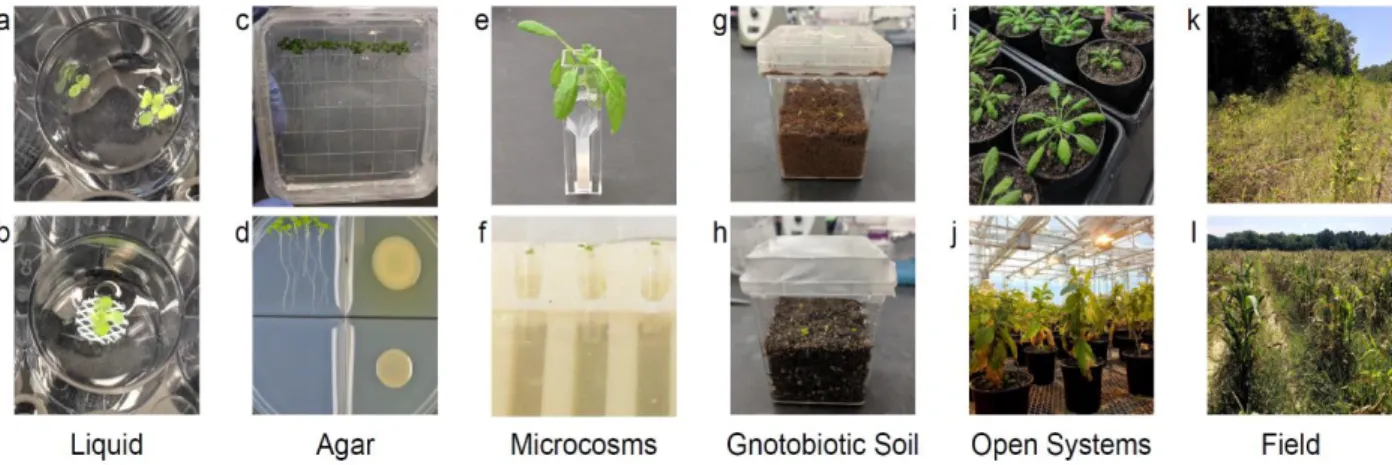
Figure 1.1. Experimental System for Examining Rhizomicrobiome Interactions. Hydroponic systems may include plants grown in (a) or floating atop (b) liquid
containing microbes. Vertical agar plates allow for visualization of root growth where plants are in direct contact with (c) or physically separated from (d) microbes. Systems can incorporate transparent granular substrates (e) or microfluidic mechanisms for liquid and nutrient flow approximate native microcosms for plant growth while allowing for visualization of interactions (f). Growth in sterilized sand (g) or soil (h) allows for introduction of plants and specific
microbes in closed systems, while “open pot” systems in incubators (i) or in greenhouses (j). Associations with microbes can be further studied and surveyed with plants grown in
26
REFERENCES
1. McKenzie FC, Williams J. Sustainable food production: constraints, challenges and choices by 2050. Food Secur. 2015;7(2):221-233. doi:10.1007/s12571-015-0441-1
2. Bailey-Serres J, Parker JE, Ainsworth EA, Oldroyd GED, Schroeder JI. Genetic
strategies for improving crop yields. Nature. 2019;575(7781):109-118. doi:10.1038/s41586-019-1679-0
3. Khush GS. Green revolution: the way forward. Nat Rev Genet. 2001;2(10):815-822. doi:10.1038/35093585
4. Conway GR, Barbier EB. After the Green Revolution: Sustainable Agriculture for Development. Routledge; 2013.
5. Dunfield KE, Germida JJ. Impact of Genetically Modified Crops on Soil- and Plant-Associated Microbial Communities. J Environ Qual. 2004;33(3):806-815.
doi:10.2134/jeq2004.0806
6. Laros FJM, Steenkamp J-BEM. Importance of fear in the case of genetically modified food. Psychol Mark. 2004;21(11):889-908. doi:10.1002/mar.20039
7. Kellogg RL, Nehring RF, Grube A, Goss DW, Plotkin S. Environmental Indicators of Pesticide Leaching and Runoff from Farm Fields. In: Ball VE, Norton GW, eds. Agricultural Productivity: Measurement and Sources of Growth. Studies in Productivity and Efficiency. Boston, MA: Springer US; 2002:213-256. doi:10.1007/978-1-4615-0851-9_9
8. Bulgarelli D, Schlaeppi K, Spaepen S, van Themaat EVL, Schulze-Lefert P. Structure and Functions of the Bacterial Microbiota of Plants. Annu Rev Plant Biol. 2013;64(1):807-838. doi:10.1146/annurev-arplant-050312-120106
9. Rodriguez RJ, Jr JFW, Arnold AE, Redman RS. Fungal endophytes: diversity and functional roles. New Phytol. 2009;182(2):314-330. doi:10.1111/j.1469-8137.2009.02773.x 10. Moissl-Eichinger C, Pausan M, Taffner J, Berg G, Bang C, Schmitz RA. Archaea Are Interactive Components of Complex Microbiomes. Trends Microbiol. 2018;26(1):70-85. doi:10.1016/j.tim.2017.07.004
11. Castillo JD, Vivanco JM, Manter DK. Bacterial Microbiome and Nematode Occurrence in Different Potato Agricultural Soils. Microb Ecol. 2017;74(4):888-900. doi:10.1007/s00248-017-0990-2
27
13. Little AEF, Robinson CJ, Peterson SB, Raffa KF, Handelsman J. Rules of engagement: interspecies interactions that regulate microbial communities. Annu Rev Microbiol. 2008;62:375-401. doi:10.1146/annurev.micro.030608.101423
14. Beauregard PB, Chai Y, Vlamakis H, Losick R, Kolter R. Bacillus subtilis biofilm induction by plant polysaccharides. Proc Natl Acad Sci. 2013;110(17):E1621-E1630. doi:10.1073/pnas.1218984110
15. Vlamakis H, Chai Y, Beauregard P, Losick R, Kolter R. Sticking together: building a biofilm the Bacillus subtilis way. Nat Rev Microbiol. 2013;11(3):157-168.
doi:10.1038/nrmicro2960
16. Ambreetha S, Chinnadurai C, Marimuthu P, Balachandar D. Plant-associated Bacillus modulates the expression of auxin-responsive genes of rice and modifies the root architecture. Rhizosphere. 2018;5:57-66. doi:10.1016/j.rhisph.2017.12.001
17. Aloo BN, Makumba BA, Mbega ER. The potential of Bacilli rhizobacteria for
sustainable crop production and environmental sustainability. Microbiol Res. 2019;219:26-39. doi:10.1016/j.micres.2018.10.011
18. van Dam NM, Bouwmeester HJ. Metabolomics in the Rhizosphere: Tapping into Belowground Chemical Communication. Trends Plant Sci. 2016;21(3):256-265.
doi:10.1016/j.tplants.2016.01.008
19. Li H, Cai X, Gong J, Xu T, Ding G, Li J. Long-Term Organic Farming Manipulated Rhizospheric Microbiome and Bacillus Antagonism Against Pepper Blight (Phytophthora capsici). Front Microbiol. 2019;10. doi:10.3389/fmicb.2019.00342
20. Gadhave KR, Devlin PF, Ebertz A, Ross A, Gange AC. Soil Inoculation with Bacillus spp. Modifies Root Endophytic Bacterial Diversity, Evenness, and Community Composition in a Context-Specific Manner. Microb Ecol. 2018;76(3):741-750. doi:10.1007/s00248-018-1160-x 21. Correa OS, Montecchia MS, Berti MF, et al. Bacillus amyloliquefaciens BNM122, a potential microbial biocontrol agent applied on soybean seeds, causes a minor impact on rhizosphere and soil microbial communities. Appl Soil Ecol. 2009;41(2):185-194. doi:10.1016/j.apsoil.2008.10.007
22. Sansinenea E, Ortiz A. Secondary metabolites of soil Bacillus spp. Biotechnol Lett. 2011;33(8):1523-1538. doi:10.1007/s10529-011-0617-5
28
24. Chen Y, Yan F, Chai Y, et al. Biocontrol of tomato wilt disease by Bacillus subtilis isolates from natural environments depends on conserved genes mediating biofilm formation. Environ Microbiol. 2013;15(3):848-864. doi:10.1111/j.1462-2920.2012.02860.x
25. Genomes OnLine database (GOLD) v.7: updates and new features | Nucleic Acids Research | Oxford Academic. https://academic.oup.com/nar/article/47/D1/D649/5144132. Accessed August 4, 2019.
26. Radhakrishnan R, Hashem A, Abd_Allah EF. Bacillus: A Biological Tool for Crop Improvement through Bio-Molecular Changes in Adverse Environments. Front Physiol. 2017;8. doi:10.3389/fphys.2017.00667
27. Fan B, Borriss R, Bleiss W, Wu X. Gram-positive rhizobacterium Bacillus
amyloliquefaciens FZB42 colonizes three types of plants in different patterns. J Microbiol. 2012;50(1):38-44. doi:10.1007/s12275-012-1439-4
28. Shank EA, Klepac-Ceraj V, Collado-Torres L, Powers GE, Losick R, Kolter R.
Interspecies interactions that result in Bacillus subtilis forming biofilms are mediated mainly by members of its own genus. Proc Natl Acad Sci U S A. 2011;108(48):E1236-1243.
doi:10.1073/pnas.1103630108
29. Wu L, Wu H-J, Qiao J, Gao X, Borriss R. Novel Routes for Improving Biocontrol Activity of Bacillus Based Bioinoculants. Front Microbiol. 2015;6.
doi:10.3389/fmicb.2015.01395
30. Rendueles O, Ghigo J-M. Mechanisms of Competition in Biofilm Communities. Microbiol Spectr. 2015;3(3). doi:10.1128/microbiolspec.MB-0009-2014
31. Ferreira CMH, Soares HMVM, Soares EV. Promising bacterial genera for agricultural practices: An insight on plant growth-promoting properties and microbial safety aspects. Sci Total Environ. 2019;682:779-799. doi:10.1016/j.scitotenv.2019.04.225
32. Hashem A, Tabassum B, Fathi Abd_Allah E. Bacillus subtilis: A plant-growth promoting rhizobacterium that also impacts biotic stress. Saudi J Biol Sci. May 2019.
doi:10.1016/j.sjbs.2019.05.004
33. Vacheron J, Desbrosses G, Bouffaud M-L, et al. Plant growth-promoting rhizobacteria and root system functioning. Front Plant Sci. 2013;4:356-356. doi:10.3389/fpls.2013.00356 34. Ansari FA, Ahmad I. Fluorescent Pseudomonas -FAP2 and Bacillus licheniformis interact positively in biofilm mode enhancing plant growth and photosynthetic attributes. Sci Rep. 2019;9. doi:10.1038/s41598-019-40864-4
29
36. Allard-Massicotte R, Tessier L, Lécuyer F, et al. Bacillus subtilis Early Colonization of Arabidopsis thaliana Roots Involves Multiple Chemotaxis Receptors. mBio. 2016;7(6).
doi:10.1128/mBio.01664-16
37. Bais HP, Fall R, Vivanco JM. Biocontrol of Bacillus subtilis against infection of Arabidopsis roots by Pseudomonas syringae is facilitated by biofilm formation and surfactin production. Plant Physiol. 2004;134(1):307-319. doi:10.1104/pp.103.028712
38. Shafi J, Tian H, Ji M. Bacillus species as versatile weapons for plant pathogens: a review. Biotechnol Biotechnol Equip. 2017;31(3):446-459. doi:10.1080/13102818.2017.1286950
39. Debois D, Fernandez O, Franzil L, et al. Plant polysaccharides initiate underground crosstalk with bacilli by inducing synthesis of the immunogenic lipopeptide surfactin. Environ Microbiol Rep. 2015;7(3):570-582. doi:10.1111/1758-2229.12286
40. Cao Y, Pi H, Chandrangsu P, et al. Antagonism of Two Plant-Growth Promoting Bacillus velezensis Isolates Against Ralstonia solanacearum and Fusarium oxysporum. Sci Rep.
2018;8(1):4360. doi:10.1038/s41598-018-22782-z
41. Khan N, Maymon M, Hirsch AM. Combating Fusarium Infection Using Bacillus-Based Antimicrobials. Microorganisms. 2017;5(4). doi:10.3390/microorganisms5040075
42. Cray JA, Connor MC, Stevenson A, et al. Biocontrol agents promote growth of potato pathogens, depending on environmental conditions. Microb Biotechnol. 2016;9(3):330-354. doi:10.1111/1751-7915.12349
43. Tahir HAS, Gu Q, Wu H, Niu Y, Huo R, Gao X. Bacillus volatiles adversely affect the physiology and ultra-structure of Ralstonia solanacearum and induce systemic resistance in tobacco against bacterial wilt. Sci Rep. 2017;7. doi:10.1038/srep40481
44. Erlacher A, Cardinale M, Grosch R, Grube M, Berg G. The impact of the pathogen Rhizoctonia solani and its beneficial counterpart Bacillus amyloliquefaciens on the indigenous lettuce microbiome. Front Microbiol. 2014;5. doi:10.3389/fmicb.2014.00175
45. Rudrappa T, Biedrzycki ML, Kunjeti SG, et al. The rhizobacterial elicitor acetoin induces systemic resistance in Arabidopsis thaliana. Commun Integr Biol. 2010;3(2):130-138.
46. Cawoy H, Mariutto M, Henry G, et al. Plant Defense Stimulation by Natural Isolates of Bacillus Depends on Efficient Surfactin Production. Mol Plant Microbe Interact. 2013;27(2):87-100. doi:10.1094/MPMI-09-13-0262-R
30
48. Kröber M, Wibberg D, Grosch R, et al. Effect of the strain Bacillus amyloliquefaciens FZB42 on the microbial community in the rhizosphere of lettuce under field conditions analyzed by whole metagenome sequencing. Front Microbiol. 2014;5:252. doi:10.3389/fmicb.2014.00252 49. Alekhova TA, Zakharchuk LM, Tatarinova NY, et al. Diversity of bacteria of the genus Bacillus on board of international space station. Dokl Biochem Biophys. 2015;465:347-350. doi:10.1134/S1607672915060010
50. Pandin C, Le Coq D, Canette A, Aymerich S, Briandet R. Should the biofilm mode of life be taken into consideration for microbial biocontrol agents? Microb Biotechnol. 2017;10(4):719-734. doi:10.1111/1751-7915.12693
51. Tahir HAS, Gu Q, Wu H, et al. Effect of volatile compounds produced by Ralstonia solanacearum on plant growth promoting and systemic resistance inducing potential of Bacillus volatiles. BMC Plant Biol. 2017;17(1):133. doi:10.1186/s12870-017-1083-6
52. Yi H-S, Ahn Y-R, Song GC, et al. Impact of a Bacterial Volatile 2,3-Butanediol on Bacillus subtilis Rhizosphere Robustness. Front Microbiol. 2016;7:993.
doi:10.3389/fmicb.2016.00993
53. Ashraf A, Bano A, Ali SA. Characterisation of plant growth-promoting rhizobacteria from rhizosphere soil of heat-stressed and unstressed wheat and their use as bio-inoculant. Plant Biol Stuttg Ger. 2019;21(4):762-769. doi:10.1111/plb.12972
54. Ongena M, Jacques P. Bacillus lipopeptides: versatile weapons for plant disease biocontrol. Trends Microbiol. 2008;16(3):115-125. doi:10.1016/j.tim.2007.12.009 55. Powers MJ, Sanabria-Valentín E, Bowers AA, Shank EA. Inhibition of Cell
Differentiation in Bacillus subtilis by Pseudomonas protegens. J Bacteriol. 2015;197(13):2129-2138. doi:10.1128/JB.02535-14
56. Massalha H, Korenblum E, Malitsky S, Shapiro OH, Aharoni A. Live imaging of root– bacteria interactions in a microfluidics setup. Proc Natl Acad Sci. 2017;114(17):4549-4554. doi:10.1073/pnas.1618584114
57. Haney CH, Samuel BS, Bush J, Ausubel FM. Associations with rhizosphere bacteria can confer an adaptive advantage to plants. Nat Plants. 2015;1(6). doi:10.1038/nplants.2015.51 58. Harris SL, Pelaez CA, Shank EA. Monitoring Bacterial Colonization and Maintenance on Arabidopsis thaliana Roots in a Floating Hydroponic System. JoVE J Vis Exp.
2019;(147):e59517. doi:10.3791/59517
59. Townsley L, Yannarell SM, Huynh TN, Woodward JJ, Shank EA. Cyclic di-AMP Acts as an Extracellular Signal That Impacts Bacillus subtilis Biofilm Formation and Plant
31
60. Chen Y, Cao S, Chai Y, et al. A Bacillus subtilis sensor kinase involved in triggering biofilm formation on the roots of tomato plants. Mol Microbiol. 2012;85(3):418-430.
doi:10.1111/j.1365-2958.2012.08109.x
61. Asari S, Matzén S, Petersen MA, Bejai S, Meijer J. Multiple effects of Bacillus amyloliquefaciens volatile compounds: plant growth promotion and growth inhibition of phytopathogens. FEMS Microbiol Ecol. 2016;92(6). doi:10.1093/femsec/fiw070
62. Lozano GL, Bravo JI, Diago MFG, et al. Introducing THOR, a Model Microbiome for Genetic Dissection of Community Behavior. mBio. 2019;10(2):e02846-18.
doi:10.1128/mBio.02846-18
63. Peterson SB, Dunn AK, Klimowicz AK, Handelsman J. Peptidoglycan from Bacillus cereus Mediates Commensalism with Rhizosphere Bacteria from the Cytophaga-Flavobacterium Group. Appl Environ Microbiol. 2006;72(8):5421-5427. doi:10.1128/AEM.02928-05
64. Zhang Y, Gao X, Shen Z, et al. Pre-colonization of PGPR triggers rhizosphere microbiota succession associated with crop yield enhancement. Plant Soil. 2019;439(1):553-567.
doi:10.1007/s11104-019-04055-4
65. Downie HF, Valentine TA, Otten W, Spiers AJ, Dupuy LX. Transparent soil microcosms allow 3D spatial quantification of soil microbiological processes in vivo. Plant Signal Behav. 2014;9(10). doi:10.4161/15592316.2014.970421
66. Downie H, Holden N, Otten W, Spiers AJ, Valentine TA, Dupuy LX. Transparent soil for imaging the rhizosphere. PloS One. 2012;7(9):e44276. doi:10.1371/journal.pone.0044276
67. Zengler K, Hofmockel K, Baliga NS, et al. EcoFABs: advancing microbiome science through standardized fabricated ecosystems. Nat Methods. 2019;16(7):567-571.
doi:10.1038/s41592-019-0465-0
68. Marschner P, Crowley D, Yang CH. Development of specific rhizosphere bacterial communities in relation to plant species, nutrition and soil type. Plant Soil. 2004;261(1):199-208. doi:10.1023/B:PLSO.0000035569.80747.c5
69. Berns AE, Philipp H, Narres H-D, Burauel P, Vereecken H, Tappe W. Effect of gamma-sterilization and autoclaving on soil organic matter structure as studied by solid state NMR, UV and fluorescence spectroscopy. Eur J Soil Sci. 2008;59(3):540-550.
doi:10.1111/j.1365-2389.2008.01016.x
32
71. Stotzky G. Persistence and biological activity in soil of the insecticidal proteins from Bacillus thuringiensis, especially from transgenic plants. Plant Soil. 2005;266(1):77-89. doi:10.1007/s11104-005-5945-6
72. Ma W, Peng D, Walker SL, et al. Bacillus subtilis biofilm development in the presence of soil clay minerals and iron oxides. Npj Biofilms Microbiomes. 2017;3(1):4. doi:10.1038/s41522-017-0013-6
73. Helliwell JR, Sturrock CJ, Mairhofer S, et al. The emergent rhizosphere: imaging the development of the porous architecture at the root-soil interface. Sci Rep. 2017;7.
doi:10.1038/s41598-017-14904-w
74. Chowdhury SP, Dietel K, Rändler M, et al. Effects of Bacillus amyloliquefaciens FZB42 on Lettuce Growth and Health under Pathogen Pressure and Its Impact on the Rhizosphere Bacterial Community. PLOS ONE. 2013;8(7):e68818. doi:10.1371/journal.pone.0068818 75. Kumar M, Mishra S, Dixit V, et al. Synergistic effect of Pseudomonas putida and Bacillus amyloliquefaciens ameliorates drought stress in chickpea (Cicer arietinum L.). Plant Signal Behav. 2016;11(1):e1071004. doi:10.1080/15592324.2015.1071004
76. Niu B, Paulson JN, Zheng X, Kolter R. Simplified and representative bacterial community of maize roots. Proc Natl Acad Sci. 2017;114(12):E2450-E2459.
doi:10.1073/pnas.1616148114
77. Lundberg DS, Lebeis SL, Paredes SH, et al. Defining the core Arabidopsis thaliana root microbiome. Nature. 2012;488(7409):86-90. doi:10.1038/nature11237
78. Singh A, Gupta R, Pandey R. Rice Seed Priming with Picomolar Rutin Enhances Rhizospheric Bacillus subtilis CIM Colonization and Plant Growth. PLOS ONE.
2016;11(1):e0146013. doi:10.1371/journal.pone.0146013
79. Qiao J, Yu X, Liang X, Liu Y, Borriss R, Liu Y. Addition of plant-growth-promoting Bacillus subtilis PTS-394 on tomato rhizosphere has no durable impact on composition of root microbiome. BMC Microbiol. 2017;17. doi:10.1186/s12866-017-1039-x
80. Mendis HC, Thomas VP, Schwientek P, et al. Strain-specific quantification of root colonization by plant growth promoting rhizobacteria Bacillus firmus I-1582 and Bacillus amyloliquefaciens QST713 in non-sterile soil and field conditions. PloS One.
2018;13(2):e0193119. doi:10.1371/journal.pone.0193119
33
83. Finkel OM, Castrillo G, Herrera Paredes S, Salas González I, Dangl JL. Understanding and exploiting plant beneficial microbes. Curr Opin Plant Biol. 2017;38:155-163.
doi:10.1016/j.pbi.2017.04.018
84. Ren D, Madsen JS, Sørensen SJ, Burmølle M. High prevalence of biofilm synergy among bacterial soil isolates in cocultures indicates bacterial interspecific cooperation. ISME J.
34
CHAPTER 2: MONITORING BACTERIAL COLONIZATION AND MAINTENANCE ON ARABIDOPSIS THALIANA ROOTS IN A FLOATIN HYDROPONIC SYSTEM1
2.1. Overview
Bacteria form complex rhizosphere microbiomes shaped by interacting microbes, larger organisms, and the abiotic environment. Under laboratory conditions, rhizosphere colonization by plant growth-promoting bacteria (PGPB) can increase the health or the development of host plants relative to uncolonized plants. However, in field settings, bacterial treatments with PGPB often do not provide substantial benefits to crops. One explanation is that this may be due to loss of the PGPB during interactions with endogenous soil microbes over the lifespan of the plant. This possibility has been difficult to confirm, since most studies focus on the initial colonization rather than maintenance of PGPB within rhizosphere communities. It is hypothesized here that the assembly, coexistence, and maintenance of bacterial communities are shaped by
deterministic features of the rhizosphere microenvironment, and that these interactions may impact PGPB survival in native settings.
To study these behaviors, a hydroponic plant-growth assay is optimized
using Arabidopsis thaliana to quantify and visualize the spatial distribution of bacteria during initial colonization of plant roots and after transfer to different growth environments. This
35
system’s reproducibility and utility are then validated with the well-studied PGPB Pseudomonas
simiae. To investigate how the presence of multiple bacterial species may affect colonization and
maintenance dynamics on the plant root, a model community from three bacterial strains
(an Arthrobacter, Curtobacterium, and Microbacterium species) originally isolated from the A.
thaliana rhizosphere is constructed. It is shown that the presence of these diverse bacterial
species can be measured using this hydroponic plant-maintenance assay, which provides an alternative to sequencing-based bacterial community studies. Future studies using this system may improve the understanding of bacterial behavior in multispecies plant microbiomes over time and in changing environmental conditions.
2.2. Introduction
Crop destruction by bacterial and fungal diseases results in lowered food production and can severely disrupt global stability1. Based on the discovery that microbes in suppressive soils are responsible for increasing plant health2, scientists have asked whether the plant microbiome can be leveraged to support plant growth by modifying the presence and abundance of particular bacterial species3. Bacteria found to aid in plant growth or development are collectively termed plant growth-promoting bacteria (PGPB). More recently, studies have shifted from simply identifying potential PGPB to understanding how interkingdom interactions in the soil, around roots, or in the rhizosphere (the area directly surrounding and including the root surface) may be impacting PGPB activity4.
36
greenhouse and laboratory settings6. One hypothesis for this difference is that the growth or behavior of PGPB may be inhibited by native soil bacteria or fungi in the fields7,8. Beneficial effects by rhizosphere bacteria generally depend on the ability of the bacteria to 1) locate and move towards the root, 2) colonize the root through biofilm formation, and 3) interact with the host plant or pathogens via production of small molecule metabolites7,9. Any of these
colonization behaviors may be affected by the presence and activity of neighboring microbes10. We designed a system to quantify and visualize these distinct bacterial colonization stages of the rhizosphere (Fig. 2.1). This approach will facilitate studies investigating why long-term PGPB maintenance is sometimes not observed following transfer of plants into new
environments, such as during the planting of pre-inoculated seedlings. Arabidopsis thaliana was chosen as a plant model due to its extensive use in laboratory studies as well as the ample data available about its microbial interactions11. There are three stages in the system: 1) A.
thaliana growth, 2) bacterial colonization, and 3) bacterial maintenance (see Fig. 2.1).
37
transfer from either the colonization medium or the maintenance medium. This hydroponic system is very flexible, allowing experimental conditions and applied stresses to be easily altered depending on interests of the researchers.
This described method is important in the context of the larger body of literature about plant-microbe interactions because it provides a robust system for studying these interactions at the root surface while also being customizable to the growth preferences of different bacteria. Plant biology labs often perform plant-microbe colonization experiments on solid agar, allowing for only planar movement (if that) of bacteria while also requiring the potentially destructive manipulation of plants during subsequent transfer. In contrast, microbiology labs have frequently prioritized the health of the bacteria within their experiments, to the detriment of the plants14,15. These different priorities of plant- and microbiology-focused labs have historically made it difficult to compare results between these groups, since each typically optimizes experimental conditions to optimize their organism of interest15. The floating-mesh-plant-growth system described here prevents full plant submersion, a notable advantage to previous microbiology-oriented studies, while also temporarily optimizing the growth and survival of bacteria to facilitate colonization. Thus, the assay we present here may address concerns from both plant biologists (about over-hydration and tactile manipulation of the plant) while satisfying the criteria of microbiologists (allowing for different bacterial growth conditions and multiple species’ interactions)7. This protocol is designed to be adaptable for use with various bacteria,
38 2.3. Materials and Methods
The experimental setup is described for clarity and used to generate the representative results included in this report, but conditions can be modified as desired. All steps should be performed using PPE and following institutional and federal recommendations for safety, according to the BSL status of the bacteria used.
Characterization of bacteria
Determine the morphology of bacteria on the growth medium agar plate. Resuspend cells at an approximate OD600 = 0.5 and plate a 1 µL volume onto agar medium of choice. Add X-gal to agar plates to a final concentration of 20 mg/mL to better differentiate individual members of the specific bacterial community. Grow at 24 °C or 30 °C until colonies form, then take pictures of and notes on colony morphology.
Define the correlation between each bacterial strain’s optical density and the number of CFU (colony forming units) per mL16. Resuspend bacteria in 1 mL of water in a 24-well plate to an approximate OD600 = 5, perform two-fold serial dilutions, monitor OD600 of all dilutions, and plate each to determine the viable CFU/mL in each sample at multiple optical densities.
Determine the maximum sonication tolerance for each bacterial strain. To do this, aliquot cells into a 24-well plate containing liquid medium, reserving some cells as an unsonicated control sample. Using an ultrasonicator with a 24-tip horn attachment, apply three rounds of 12 s of sonication at 40 amp with 2 s pulses.
39
Perform 10-fold serial dilutions of the sonicated and unsonicated samples and spot onto agar plates. Determine whether there is a reduction in viable cells after sonication. If so, use a fresh sample and repeat sonication step using a reduced total sonication time or amplitude until the treatment has no effect on final CFU/mL17.
Preparation of Arabidopsis thaliana seedlings on a plastic mesh
Create disks of the plastic mesh using a standard hole puncher. Collect the disks in a glass container with a loose cover of aluminum foil and sterilize using an autoclave set to a 20 min dry cycle13. Using flame-sterilized tweezers, distribute approximately 40 sterilized mesh disks in a single layer across the surface of a plant-growth-medium agar plate. Use 0.5x Murashige and Skoog (MS) salts, containing 500 mg/L of MES buffer
[2-(N-morpholino)ethanesulfonic acid] and 1.5% Bacto agar, as plant growth medium, with 50 µg/mL benomyl added to the limit fungal contamination of the seedlings. Prepare axenic seeds of A. thaliana as previously described17.
Place approximately 100–300 seeds each into individual centrifuge tubes in a rack and place into a resealable glass or heavy plastic container (“jar”) in a fume hood. Using caution, place a beaker of 100 mL of bleach into the jar, add 3 mL of concentrated HCl to the bleach, and immediately seal the jar and allow fumes to sterilize seeds for at least 4 h.
Carefully remove the tubes of sterilized seeds from underneath the jar and seal.
40
Colonization of plants in liquid bacterial growth medium
Add 1 mL of bacterial growth medium to each well of a sterile 24-well plate, except for media-only control wells. Use Lennox Luria Broth (10 g of tryptone, 5 g of yeast extract, 5 g of NaCl) as the bacterial growth medium. Transfer the germinated seedlings embedded in mesh from agar plates to the liquid (Fig. 2.1). Gently peel the mesh containing two germinated seedlings up and off the agar plate using flame-sterilized forceps. Choose mesh with equally sized and undamaged seedlings. If removal from the agar is not smooth, discard that mesh and plant. Transfer one float to each well of bacterial growth liquid, root side down.
Inoculate bacteria into wells containing floating seedlings. Resuspend bacteria grown overnight on agar plates to an OD600 equivalent to 108 CFU/mL in the bacterial growth medium liquid. Add 10 µL of bacterial suspension to each well for a final concentration of 106 CFU bacteria per well. If preparing a mix of bacteria, resuspend each to the OD600 equivalent to 108 CFU/mL, mix in equal proportions, and add 10 µL of the final mix per well of liquid.
Seal the plate for sterile growth. Without touching the sticky side, carefully press the gas-permeable film across the plate. Ensure that each well has been individually sealed by applying pressure around each of the rings made by the wells. Replace the plate’s plastic lid snuggly over the plate and gas-permeable film (Fig. 2.1). Incubate the plates for 18 h in a plant growth
chamber, under the same conditions as the seedlings were originally germinated, except on an orbital plate shaker set to 220 rpm.
Maintenance of bacterial colonization