AN ACUTE METABOLIC EVALUATION OF EXERCISE AND NUTRITION IN WOMEN
Hailee Lorrain Wingfield
A thesis submitted to the faculty of the University of North Carolina at Chapel Hill in partial fulfillment of the requirements for the degree of Master of Arts in the Department
of Exercise and Sport Science (Exercise Physiology).
Chapel Hill 2014
Approved by: Abbie E. Smith-Ryan
Anthony C. Hackney
ii © 2014
iii ABSTRACT
Hailee Lorrain Wingfield: An Acute Metabolic Evaluation of Exercise and Nutrition in Women
(Under the direction of Abbie Smith-Ryan)
The purpose of the current study was to examine the effect of aerobic endurance exercise (AEE), high-intensity interval training (HIIT), and high-intensity resistance training (HIRT), combined with pre-exercise carbohydrate (CHO) or protein (PRO) ingestion on resting energy expenditure (REE) and respiratory exchange ratio (RER) in women. Participants completed six sessions, of three exercise modalities: AEE, HIIT, and HIRT, and two acute nutritional interventions: 25 grams of CHO and PRO.
Measurements were taken at baseline, immediately post, 30min post and 60 min post. Post exercise, HIIT elicited the largest increase in REE compared to AEE (p<0.0001) and HIRT (p<0.0001). HIIT and HIRT resulted in significantly lower RER
iv
ACKNOWLEDGEMENTS
v
TABLE OF CONTENTS
LIST OF TABLES ... IX LIST OF FIGURES ... X
CHAPTER I ... 1
Purpose ... 5
Research Questions ... 6
Research Hypothesis ... 6
Delimitations ... 6
Limitations ... 7
Assumptions ... 7
Theoretical ... 7
Statistical ... 8
Definition of terms ... 8
Significance of study ... 9
CHAPTER II ... 10
Introduction ... 10
Exercise and Energy Expenditure ... 11
Aerobic Endurance Exercise (AEE) ... 12
High-Intensity Interval Training (HIIT) ... 13
High-Intensity Resistance Training (HIRT) ... 14
Summary ... 16
vi
The Influence of Nutrient Timing and Content on EE and RER ... 17
Summary ... 18
Influence of Sex on Metabolism ... 19
Summary ... 20
Conclusion ... 20
CHAPTER III ... 22
Experimental Design ... 22
Participants ... 23
Preliminary Testing ... 23
Heart Rate Reserve Measurement ... 23
Body Composition Assessment ... 24
Maximal Strength Test ... 24
Energy Intake Assessment ... 25
Experimental Protocol ... 26
Saliva collection and analysis ... 26
Nutritional Intervention ... 27
Aerobic Endurance Exercise (AEE) ... 27
High-intensity Interval Running (HIIT) ... 27
High-intensity Resistance Training (HIRT) ... 27
Metabolic Measurements ... 28
Statistical Analyses ... 28
CHAPTER IV ... 30
Introduction ... 30
Methods ... 32
vii
Participants ... 33
Heart Rate Reserve Measurement ... 33
Body Composition Assessment ... 34
Maximal Strength Test ... 34
Energy Intake Assessment ... 35
Saliva collection and analysis ... 36
Nutritional Intervention ... 37
Aerobic Endurance Exercise (AEE) ... 37
High-intensity Interval Running (HIIT) ... 37
High-intensity Resistance Training (HIRT) ... 38
Metabolic Measurements ... 38
Statistical Analyses ... 39
Results ... 39
Estradiol ... 39
REE (kcal/day) ... 40
RER ... 40
Cortisol ... 41
HR and RPE ... 42
Discussion ... 42
Estradiol ... 43
REE ... 43
RER ... 45
Dietary Intake ... 48
viii
HR and RPE ... 50
CHAPTER V ... 52
TABLES ... 54
FIGURES ... 59
APPENDIX A: SAMPLE SIZE CALCULATIONS ... 64
IX
LIST OF TABLES
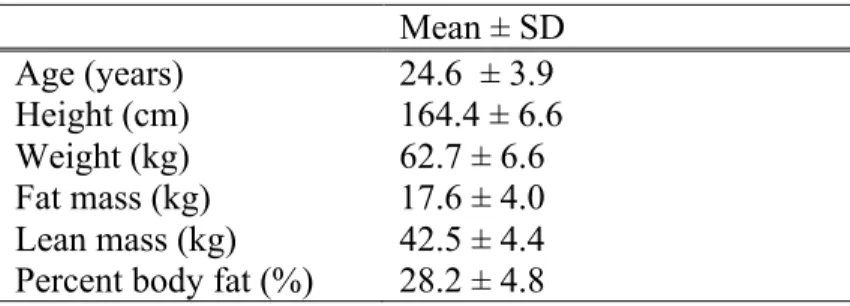
Table 1. Descriptive statistics for all subjects at baseline. ... 54
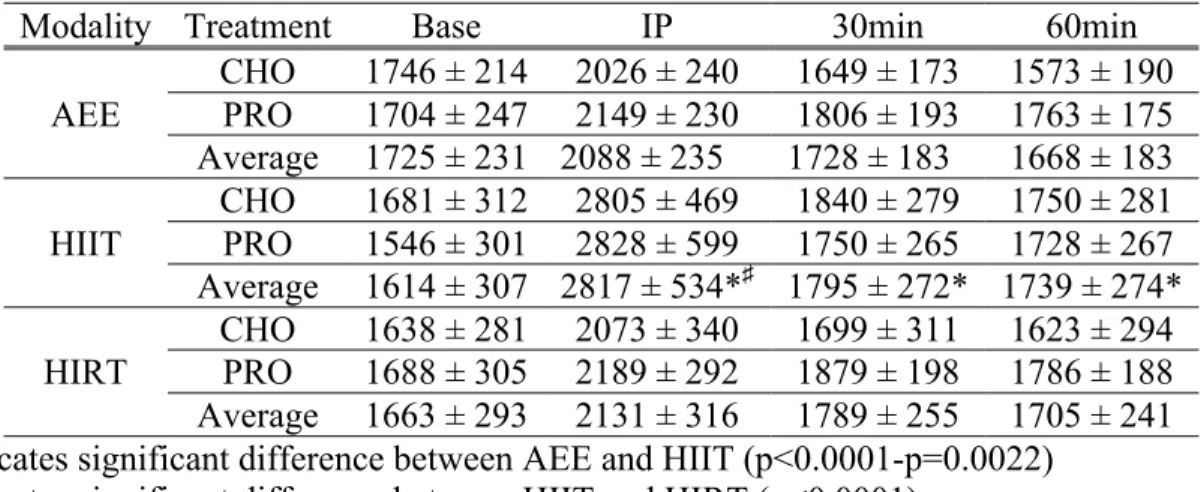
Table 2. REE (kcals/day) for each modality and time. ... 55
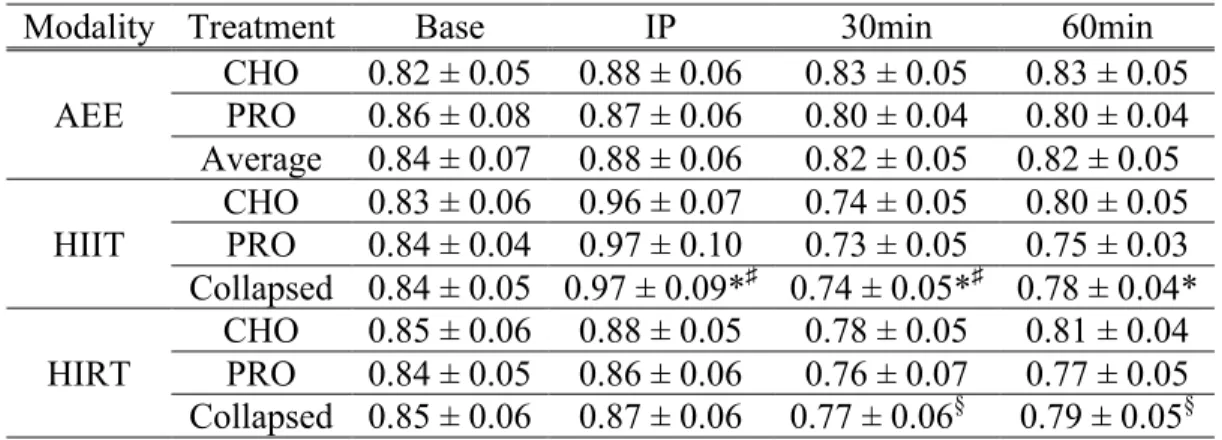
Table 3. RER (a.u.) for each modality, treatment, and time. ... 56
Table 4: Change in cortisol (µg/dL) as a result of modality. ... 57
X
LIST OF FIGURES
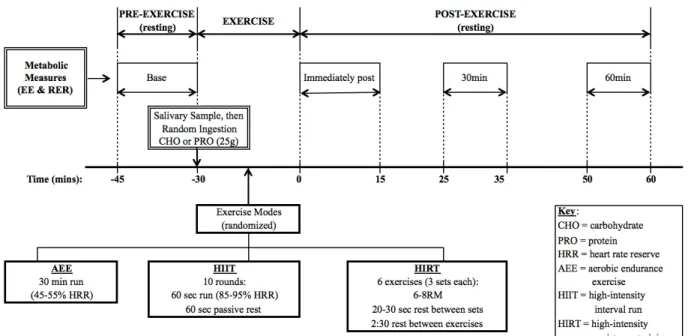
Figure 1: Experimental Protocol Schematic ... 59
Figure 2: Energy expenditure (REE; kcals/day). ... 60
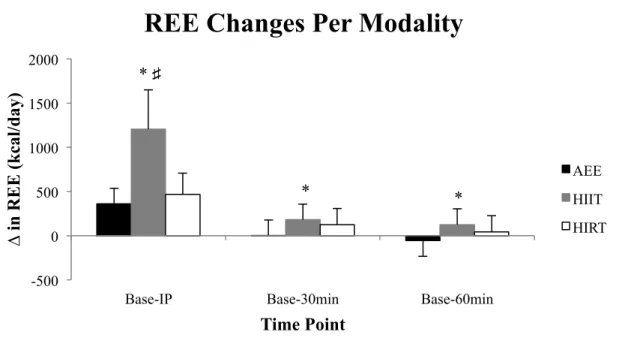
Figure 3: Change in REE (kcal/day) for each modality. ... 61
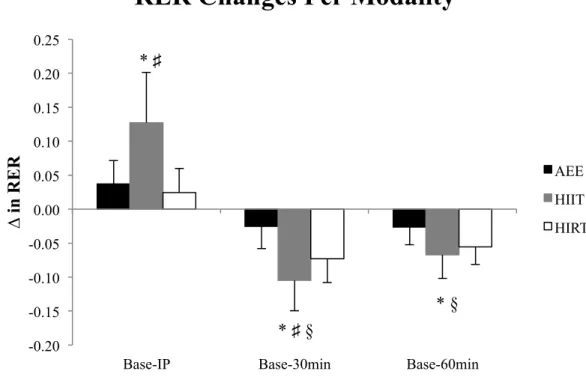
Figure 4: Respiratory exchange ratio (a.u.). ... 62
1 CHAPTER I INTRODUCTION
Aerobic exercise has been the primary mode of exercise prescribed to individuals in order to improve health and maintain weight (1). According to the American College of Sports Medicine, all healthy adults are encouraged to participate in at least 30 minutes of moderate-intensity aerobic physical activity five times per week, or 20 minutes of vigorous-intensity physical activity three times per week. These guidelines provide the minimum amount of exercise needed in order to decrease the risk of developing chronic disease, but they are not detailed enough to provide an exercise prescription for all adults. While the most specific guidelines exist for aerobic exercise, activities such as resistance training and interval training have been recently reported to be more time-efficient modes of exercise to stimulate rapid changes in energy expenditure (2–6) as well as body
composition (7), which are two influential variables used in predicting health and disease risk.
2
demonstrated similar increases in 24-hour EE in non-obese men (9). These two studies demonstrate that aerobic and resistance training elicit similar EE responses. However, when examining oxygen uptake in untrained women at 30-minutes post exercise, a bout of circuit weight training resulted in significantly higher REE values than did a bout of treadmill exercise for a similar duration and intensity (10). Additional research evaluating different types and intensities of resistance and aerobic exercise as effective modes for enhancing EE could be beneficial for exercise prescription. More so, additional research emphasizing the effects in women could provide greater insight into metabolic sex differences.
In addition to different modes of exercise, continuous and interval exercise protocols have also been examined to determine potential EE and the rate of substrate oxidation differences. Two studies by Goto and colleagues (11,12) demonstrated that repeated bouts of moderate-intensity (60% VO2max) endurance exercise contributes to
greater fat oxidation compared with a single bout of cycling with equivalent exercise durations. Gosselin and associates (4) also found that despite subjects performing similar amounts of work at 90% VO2max, altering work-to-rest ratios can significantly alter
caloric expenditure responses to interval exercise. These three studies provide evidence that interval exercise may produce higher EE values than continuous exercise. However, future studies are needed to determine appropriate work-to-rest ratios to maximize REE.
high-3
intensity resistance exercise bout produced a greater EPOC volume and magnitude than a bout of resistance exercise at 45% 8-RM. According to Bielsinki and colleagues (15), intense exercise (180 minutes at 50% VO2max) stimulates fat oxidation and REE for
extended periods of time following the exercise. More so, a high intensity, short duration cycle bout produced a significantly higher REE than low intensity, short- and long-duration bouts (6). When examining resistance training intensity, Paoli et al. (5) found shorter, high-intensity resistance training sessions (80-85% 1-RM) to be more effective than traditional resistance training sessions (70-75% 1-RM) at increasing REE and reducing respiratory exchange ratio (RER), representing enhanced fat oxidation. In addition, Howley et al. (16) suggested that with all other factors held constant, shorter rest periods during resistance training result in greater EPOC. It is apparent from these studies that the exercise intensity is an important aspect of exercise prescription, energy expenditure, and fuel utilization.
4
women (19). Further studies could lead to more specific recommendations regarding the effects of nutrient timing and composition on energy expenditure and fuel utilization.
It is apparent that sex differences exist in metabolic fuel utilization. Additional research regarding macronutrient intake and metabolic efficiency is needed. Smith and McNaughton (21) demonstrated that during a 30-minute cycling bout, men and women had the same EE when body mass was accounted for, but Isacco et al. (22) stated there is substantial evidence demonstrating the influence of sex on substrate utilization during exercise, signifying that men typically rely less on fat metabolism than women. The initiation of these differences become apparent after the onset of puberty, as a result of fluctuations in ovarian hormones. Multiple studies (22–25) have concluded no observable differences in whole body carbohydrate or lipid oxidation during moderate, prolonged exercise among the normal menstrual cycle phases. While some studies showed greater lipid and lesser carbohydrate rates of oxidation during the luteal phase of the menstrual cycle (25–29), there is still conflicting evidence on observable differences in substrate utilization during exercise in different menstrual cycle phases (22). Due to available conflicting evidence in regards to sex and associated hormones, the menstrual cycles should be controlled for when studying women. More so, additional data evaluating nutrient timing in women are warranted.
5
evidence that increased cortisol levels may determine fuel utilization with high-intensity exercise.
While there are various studies examining exercise and nutrition, we are unaware of any previous studies that have explored the combined effects of exercise intensity and macronutrient alterations to stimulate REE and RER. Research exclusively evaluating women is especially lacking. For example, current recommendations regarding exercise prescription and dietary intake to augment REE and fat oxidation in women are unclear. Therefore, this study aims to determine exercise mode, intensity, and nutritional
composition that best maximize REE and fat oxidation in women.
Purpose
1. The primary purpose of this study was to determine the effect of acute exercise on resting energy expenditure (REE) from baseline to immediately post- (IP), 30 minutes post- (30min) and 60 minutes (60min) post-exercise in women.
a. The effect of a single acute bout of aerobic endurance exercise (AEE), high-intensity interval running (HIIT), and high-intensity resistance training (HIRT) on energy expenditure was evaluated.
2. The secondary purpose of this study was to determine the influence of pre-exercise carbohydrate (CHO) or protein (PRO) ingestion, on REE time course response and respiratory exchange ratio (RER) in women.
6 Research Questions
1. Does the intensity and mode of exercise have a greater influence on post-exercise REE?
2. Does a pre-exercise supplementation with carbohydrate or protein elevate post-exercise REE or modify RER?
3. Does the intensity and mode of exercise have an influence on post-exercise cortisol levels?
Research Hypothesis
1. Single acute bouts of HIIT and HIRT will produce a similar REE, which will be higher than for a single acute bout of AEE.
2. PRO ingestion before an exercise bout will result in a higher REE and lower RER than CHO ingestion.
3. Cortisol concentrations will be higher after a bout of HIIT and HIRT than after a bout of AEE.
Delimitations
1. Twenty recreationally active women were recruited to participate in this study. 2. Participants were between the ages of 18-35.
3. REE was estimated by the Weir (32) formula, using gas samples obtained from indirect calorimetry.
4. RER was measured using indirect calorimetry.
7
6. Exercise intensities were 45-55% HRR for AEE, 85-95% HRR for HIIT, and 80-85% 6-8RM for HIRT.
Limitations
1. Subject recruitment took place throughout various departments on the University of North Carolina at Chapel Hill campus, as well as through available physical activity and exercise science classes. Therefore, subject selection was not truly random.
2. Indirect calorimetry was used to measure REE and RER, rather than whole body direct calorimetry, which is considered the gold standard.
3. No major dietary modifications were made, which could have a potential effect on the acute fuel utilization measurement.
4. This was an acute intervention, and post-exercise measurements were only conducted for 60 minutes, so it is difficult to predict longer term resting energy expenditure and fuel utilization.
Assumptions Theoretical
1. Subjects provided accurate health and exercise history on the enrollment questionnaire.
2. Subjects provided accurate dietary intake information on the dietary intake log. 3. Subjects followed pre-testing exercise and dietary guidelines.
8 Statistical
1. The population from which the sample was drawn was normally distributed. 2. The order of exercise bouts and nutritional components was randomly assigned. 3. The variability of the sample in the experiment was equal or nearly so
(homogeneity of variance). Definition of terms
Aerobic Endurance Exercise (AEE) – an exercise strategy that involves a warm-up
period, a long, slow endurance run (45-55% HRR), and a cool-down period. The entire session will last around 20 minutes.
High-intensity Interval Training (HIIT) – an exercise strategy that involves a warm-up period, ten 60-second, maximum-intensity aerobic efforts (85-95% HRR) separated by 60-second moderate recovery intervals (35-40% HRR), and a cool-down period. The period of alternating effort and recovery intervals will last between 15-20 minutes.
High-intensity Resistance Training (HIRT) – an exercise strategy that involves a
9
Recreationally Active – 1-5 hours per week of recreational and/or structured aerobic
and/or resistance exercise, excluding competitive athletes
Resting Energy Expenditure (EE) – energy expended before exercise and during the
post-exercise recovery period as measured using indirect calorimetry
Respiratory Exchange Ratio (RER) – a non-invasive technique used to estimate the
percent contribution of fat or carbohydrate to energy metabolism before, during, or after exercise that is the ratio of carbon dioxide output to the volume of oxygen consumed (33)
Significance of study
This study attempted to determine energy expenditure differences among aerobic endurance exercise, high-intensity interval training, and high-intensity resistance training bouts. It attempted to determine RER and REE differences among carbohydrate and protein nutritional interventions. Multiple studies have examined these variables, but to date no literature has been found that examines all of these variables together, and more specifically no evaluations exist in women. The results of the present study may be further incorporated into exercise prescriptions to maximize metabolic adaptations and caloric expenditure in women, potentially resulting in chronic weight loss and
maintenance.
10 CHAPTER II
REVIEW OF LITERATURE
Introduction
Data evaluating the combined metabolic effects of exercise and nutrition in women are limited. Several studies (4,5,13,34) serve as the basis for the current study, which examined the acute effects of exercise and nutrition on REE and RER from baseline through 1-hour post-exercise.
Exercise protocols similar to those used in the above studies have been integrated within the present study to establish appropriate guidelines for exercise mode and
intensity. Specifically, data from Gore and Withers (13) demonstrated an increase in EPOC from a 20-minute treadmill run at 50% VO2max; Gosselin et al. (4) reported
increased EE with work-to-rest ratios of one (i.e., 60-second work period, 60-second rest period); and lastly, adapted from Paoli et al. (5), who reported an increased REE with high-intensity resistance training (HIRT) compared to traditional resistance training. Therefore, the present study compared the effects of a 30-minute treadmill run at 45-55% HRR, ten cycles of 60-second work and rest periods at 85-95% HRR, three sets of 6-8RM with 20-second and 150-second rest periods between sets and exercises.
11
saves more carbohydrate (CHO) and oxidizes more fat in the body. In regards to nutrition content, Hackney et al. (18) found that post-exercise REE was higher when protein was ingested pre-exercise, when compared to carbohydrate ingestion. These two articles helped shape the nutrient timing and content for this study, which sought to determine if carbohydrate or protein ingestion prior to exercise influences post-exercise REE and RER.
Due to the varying nature of study population and design, the purpose of this review is to evaluate exercise and nutrition separately, in order to provide an extensive foundation for which the proposed project was designed. Protocols of AEE, HIIT, and HIRT will be discussed first, followed by the effect of CHO and protein (PRO) on REE and RER, and a final evaluation of fuel utilization considerations in women.
Exercise and Energy Expenditure
12 Aerobic Endurance Exercise (AEE)
Several studies have examined the effect of endurance exercise bouts on EE and EPOC (13,21,35,36). Due to the broad definition of aerobic exercise, research
investigating the influence on REE has varied substantially in time, intensity, and mode. Imamura and colleagues (35) demonstrated a greater EPOC response as a result of a longer duration exercise bout (60 minutes of cycling at 60% of maximal oxygen uptake (VO2max) in comparison to a shorter duration exercise bout (30 minutes of cycling at 60%
VO2max) in young women. In moderately trained men and women, Smith and
McNaughton (21) employed cycling sessions at 40%, 50%, and 70% of VO2max, and
found 3-hour post-exercise EPOC to be determined by the exercise intensity; as exercise intensity increased, EPOC did as well. Similarly, after having male subjects perform exercise bouts of 20, 50, and 80 minutes of treadmill exercise at 30, 50, and 70% VO2max,
Gore and Withers (13) found exercise intensity, and not duration, to be the major determinant of EPOC variance. In addition, Warren et al. (36) found that when exercise duration, intensity, and modality were altered, only intensity significantly affected post-exercise fat metabolism and EPOC. These studies provide evidence in support of the role of exercise intensity has on outcome variables such as EPOC and REE, leading to a hypothesis that high intensity exercise would produce a greater EPOC and REE than low intensity exercise.
The effect of endurance exercise bouts on RER has also been examined (37,38). Chad and Quigley (37) reported a greater response in oxygen uptake (VO2) and a
reduction in RER three hours following a 30 minute cycle bout at 50% VO2max compared
13
with a lower intensity. However, Kuo and colleagues (38) discovered post-exercise fatty acid oxidation to be the same with cycling protocols of 89 minutes at 45% VO2peak and 60
minutes at 65% VO2peak in men and women. These two studies present conflicting results,
therefore a definite hypothesis regarding intensity and RER cannot be made.
High-Intensity Interval Training (HIIT)
Research examining acute bouts of high-intensity interval training (HIIT) is limited. However, several studies have investigated the chronic effects of HIIT on EE or REE. While chronic data is important, the acute effect of HIIT may provide insight in determining physiological changes that stimulate chronic adaptations. Due to its high level of muscle fiber recruitment and potential stress on type II fibers, Gibala and McGee (3) suggest that HIIT stimulates rapid changes in skeletal muscle capacity. In addition to neuromuscular benefits, improvements in EE have also been found with HIIT. Sedlock et al. (6) demonstrated that a bout of high-intensity (75% VO2max), short-duration cycling
produced a significantly higher total net EE than when performed during shorter and longer durations at a lower intensity (50% VO2max). Gosselin and associates (4) found
that despite subjects performing similar amounts of work, altering work-to-rest ratios can significantly alter caloric expenditure responses to interval exercise. In this study, four different HIIT protocols were evaluated, in comparison to one continuous aerobic bout, in their influence on energy expenditure. Each HIIT protocol had a different work-to-rest ratio, but all consisted of work periods totaling approximately ten minutes, and were performed at 90% VO2max, while the continuous bout lasted 20 minutes and was
14
rest, and 60 seconds work with 30 seconds active rest resulted in lower total caloric energy expenditure when compared to HIIT protocols of 30 seconds work with 30 seconds active rest, 60 seconds work with 60 seconds of active rest, and 20 minutes of continuous work. These studies suggest that HIIT protocols should include high-intensity work periods in combination with equally timed rest periods to maximize REE.
Two studies by Goto and colleagues (11,12) demonstrated that three repeated bouts of 10-minute moderate-intensity (60% VO2max) endurance exercise in men
contribute to greater fat oxidation compared with a single 30-minute bout of cycling. When compared to low-intensity (50% VO2max), short- and long-duration bouts, a
high-intensity (75% VO2max) short-duration cycle bout produced a significantly higher total net
caloric expenditure in male triathletes (6). Despite the differing intensities and work-to-rest ratios, all of these studies demonstrate that HIIT generally produces a greater EE, which may be utilized for exercise prescription.
High-Intensity Resistance Training (HIRT)
15
from, and present evidence that HIRT is more effective than more traditional resistance training protocols for enhancing REE.
Resistance exercise has also been compared to endurance exercise to evaluate REE differences. In examining different exercise modes, Jamurtas and colleagues (8) demonstrated that REE can be significantly elevated 24-48 hours after acute bouts of weight lifting (60 minutes at 70-75% of 1-RM) and running (60 minutes at 70-75% VO2max). Furthermore, comparable intensity bouts of resistance and aerobic exercise,
70% VO2max and 70% 1-repetition maximum (RM) respectively, have demonstrated
similar increases in 24-hour EE in non-obese men (9). These two studies demonstrate aerobic and resistance training elicit similar REE responses.
Research involving resistance training order and type, as well as set number have also been conducted. Farinatti et al. (39) found that changing the order of resistance training exercises by participating in large to small muscle groups or small to large muscle groups, has no effect on the overall VO2 or EE of an exercise bout of the upper
16
significantly higher than a bout of treadmill exercise for a similar duration and intensity (10). These three studies examine different aspects of HIRT, and provide some insight as to potential ways training can influence outcomes such as REE and EPOC.
Summary
Taking into account all of the exercise literature presented, hypotheses can be made regarding AEE, HIIT, and HIRT modes on REE. In general, interval exercise results in higher REE values than continuous exercise. When compared to low-intensity, high-intensity exercise has been shown to produce higher REE values. From these conclusions, it was hypothesized that a HIIT or HIRT exercise bout would have a greater net REE than an AEE bout. However, research comparing REE in aerobic and resistance exercise are still conflicted. Therefore, further research was needed to evaluate these two modes.
Exercise and Nutrition
17
The Influence of Nutrient Timing and Content on EE and RER
Numerous studies have evaluated the potential role of nutrition before, during, or after exercise, on REE and RER. Bullough and associates (17) suggested that energy intake, exercise, and their combined effects influence resting metabolic rate (RMR). Shimada et al. (20) reported that exercise performed in the post-absorptive state saves more carbohydrate and oxidizes more fat in the body, without affecting 24-hour EE; while Bahr and Sejersted (42) discovered a prolonged EPOC in fasted subjects when compared to fed subjects, which was hypothesized not to be caused by increased rates of glycogen resynthesis or an increase of the thermic effect of food. In contrast, in male runners, RER was increased by ingesting a CHO drink during a 2-hour treadmill run at 65% VO2max, when compared to ingesting milk, which increased essential amino acid
concentrations (43). Bielinski and colleagues (15) fed male subjects a mixed meal (55% CHO, 18% PRO, and 27% fat) after a 4-hour resting period and 30 minutes post-exercise (3-hour treadmill exercise at 50% VO2max) on two separate occasions. It was found that
lipid oxidation was greater after the exercise bout and post-exercise meal compared to after the rest bout and post-rest meal, suggesting intense exercise stimulates lipid oxidation and resting energy expenditure for a prolonged period. These studies provide conflicting evidence on how REE and RER are affected by nutrient timing.
18
composition changes have been demonstrated to occur in comparison to CHO
consumption alone. The body composition changes can be a result of increased REE, as well as enhanced fat oxidation, which can lead to losses of fat mass, and potential gains in fat free mass. In developing its position, the ISSN evaluated numerous studies that examined nutrient timing and composition.
Several studies have manipulated subject diets in order to observe the influence on exercise outcomes. Hackney and colleagues (18) demonstrated that protein ingestion prior to a heavy resistance training bout can increase REE by elevating RMR up to 24 hours after the exercise session in men and women. In addition, Patterson and Potteiger (19) manipulated diets two days prior to exercise to determine the effects on substrate oxidation. Subjects consumed a 2-day low-CHO diet (20% CHO, 40% PRO, 40% fat) or an isocaloric 2-day moderate-CHO diet (55% CHO, 15% PRO, 30% fat), then performed a moderate-intensity treadmill exercise bout at 55% VO2max. Indicating a positive
influence of macronutrient intake during and after exercise on substrate oxidation, fat oxidation was greater with the low-CHO diet in active young women. These two studies provide evidence that a meal or snack with higher PRO content will increase fat oxidation in both men and women.
Summary
19 Influence of Sex on Metabolism
The current study only evaluates the effects of exercise and nutrition on metabolism in women, contributing to the existing body of fuel utilization literature predominately focused in men. However, in order to use women as participants, a general knowledge base needed to be formed to understand potential differences in men and women.
The vast amount of applied physiology research has been completed in men due to convenience and the ability to control for hormones. Differences between men and women in metabolic fuel utilization are influenced by variances in hormones. While Smith and McNaughton (21) demonstrated similar EE responses for men and women during a 30-minute cycling bout, the majority of evidence refutes this. For example, multiple studies have suggested men rely less on fat metabolism than women (22,44–48). Higher estrogen levels, such as those seen in women, result in increased fat oxidation, which results in a decreased carbohydrate usage and more glycogen spared during exercise (49). It is therefore reasonable to assume sex differences do exist in fuel utilization.
20 Summary
From these studies that evaluate sex and metabolism, it was concluded that women burn more calories from fat in comparison to men. With this knowledge, more specific exercise guidelines and prescriptions can be made for women to maximize this effect, leading to positive chronic changes. Research regarding REE differences
throughout menstrual cycle phases is still conflicted, so further research is still needed.
Conclusion
A summary of various populations and study designs regarding exercise mode, nutrition, and sex metabolism has been presented. Most influential to the present study is exercise research by Gosselin et al. (4), Gore and Withers (13), and Paoli et al. (5), and nutrition research by Shimada et al. (20) and Hackney et al. (18). While these studies were important in forming hypotheses for this study, the majority of this research was completed in men, so the results may not be generalized to women without further investigation.
The discussed studies give insight into a variety of AEE, HIIT, and HIRT
21
This review examined research completed on the effects of modes of exercise to be used in this study, AEE, HIIT, and HIRT, and pre-exercise nutrition on REE and RER, as well as sex differences in metabolism. To summarize, interval and high-intensity exercise result in higher REE values than continuous and low-intensity exercise, respectively. However, further research is still needed to determine if aerobic or
22 CHAPTER III METHODOLOGY
Experimental Design
Each subject made seven visits to the Applied Physiology Laboratory. The first visit consisted of a body composition assessment for descriptive measures, a heart rate measurement to calculate heart rate reserve, and a maximal strength assessment to calculate weight loads for exercise sessions. The next six visits (Figure 1) involved a counter-balanced, double-blinded design consisting of three exercise modalities: AEE, HIIT, and HIRT, and two nutritional interventions: CHO and PRO. Participants
performed each exercise mode twice, each time with a different nutritional intervention. Salivary samples were collected before each exercise session to determine estrogen and cortisol concentrations, and after each exercise session to determine cortisol
concentrations. Exercise sessions were performed at the same time of day, with 48-72 hours between each session, and the order was randomly assigned. Subjects were
23 Participants
Twenty-one eumennorheic women, ages 18-35 years, were enrolled to participate in this study; one participant withdrew due to injuries unrelated to this study. Twenty women participated (Table 1), which allowed for an adequate sample size. PS: Power and Sample Size Calculation Version 3.0 (Vanderbilt University, Nashville, TN, USA) was used to calculate sample size using data from Kuo et al. (38), Jamurtas et al. (8), and Paoli et al. (5). All women were recreationally active, as defined by participating in 1-5 hours per week of recreational and/or structured aerobic and/or resistance exercise, excluding competitive athletes. The protocol was approved by the University’s Institutional Review Board. All subjects provided written informed consent and completed a health history questionnaire prior to study participation.
Preliminary Testing
Heart Rate Reserve Measurement
Participants reported to the Applied Physiology Laboratory after an eight-hour fast. Participants rested for fifteen minutes and resting heart rate (HRrest) was measured
using a Polar heart rate monitor (Polar FT1, Polar USA, Port Washington, NY, USA). Maximal heart rate (HRmax) was determined using the age-predicted equation [HRmax =
220-age]. Heart rate reserve is the differences between HRmax and HRrest. Exercise HR
was calculated using the Karvonen equation [THR = ((HRmax – HRrest) % intensity) +
24 Body Composition Assessment
For baseline data, whole body composition was measured on a Hologic Dual Energy X-ray Absorptiometer (DEXA, Hologic Discovery W, Bedford, MA, USA) using the device’s default software (Apex Software Version 3.3, Hologic Discovery W,
Bedford, MA, USA). The device uses rectilinear fan beam acquisition to give a three-compartment assessment of body composition, including fat mass (FM), lean mass (LM), percent body fat (% fat), and bone mineral content (BMC). After removing all metal objects from their person, subjects laid supine in the middle of the platform with hands facedown near their sides. Subjects were instructed to remain still and breathe normally for the duration of the scan. All scans were performed by the same, DEXA certified individual. The device was calibrated according to the manufacturer recommendations before testing to ensure valid results.
Maximal Strength Test
After ingesting a standardized snack, each participant performed a 1-repetition maximum (RM) strength test for two exercises, bench press and leg press, using free weights and a spotter. After a 5-minute warm-up and light stretching, participants were familiarized with the equipment and the motion of the movements. Each participant then performed 8-10 repetitions of 50% of their predicted 1-RM. After a 1-minute rest period, each participant performed 4-6 repetitions of 80% of their predicted 1-RM. Following a 1-minute rest period, the weight was increased to an estimated 1-RM load, and
25
the weight was increased until a failed attempt occurs. Two to three minutes of rest was given between each 1-RM attempt.
After the two 1RM tests, participants also performed a multiple-RM strength test for four exercises: alternating stationary lunge, overhead shoulder press, biceps curls, and overhead triceps extension. With free weights and a spotter, participants performed each exercise with a weight that they could lift for one set of no less than three and no more than ten repetitions. The weight for each exercise was set by the lab assistants based on each participant’s past strength training experience. If the participant was unable to perform the exercise for three repetitions or was able to perform more than ten repetitions, the weight was decreased or increased, respectively, and the exercise was completed again. A two to three minute rest was given between each exercise.
The multiple-RM obtained from the strength tests was used to estimate 1RM for the lunge, shoulder press, biceps curl, and triceps extension using the following equation (56):
1𝑅𝑀= 𝑅𝑒𝑝𝑊𝑡
0.522+0.419(!!.!"" × !"#)
Once 1RM was determined for all exercises, 80-85% was calculated for the 6-8RM used for the HIRT sessions.
Energy Intake Assessment
26
software program (The Food Processor, Version 10.12.0, Esha Research, Salem, OR, USA).
Experimental Protocol
Saliva collection and analysis
In order to account for possible fuel utilization differences between the exercise sessions, estrogen was measured. Estrogen concentrations were determined by a 2.5-5.0 mL saliva sample prior to each exercise bout, using an ELISA Assay for salivary estrogen (Salivary 17β-Estradiol Enzyme Immunoassay Kit, Salimetrics, LLC, State College, PA, USA). To ensure valid saliva collection results, participants were asked to avoid drinking alcohol for 12 hours and avoid eating a major meal for 3 hours prior to giving saliva samples. Participants were asked to rinse their mouth with water 10 minutes prior to saliva collection, to remove food residue. To avoid blood in saliva collections, participants were asked to avoid brushing teeth for 45 minutes and obtaining dental work for 48 hours prior to giving saliva samples. All samples were maintained at 4°C no longer than necessary before freezing them at -20°C.
27
pre- and one post-exercise sample to determine the effect of each modality on cortisol, independent of treatment.
Nutritional Intervention
Immediately prior (34) to the beginning of each exercise session, participants orally ingested 25 grams of CHO (maltodextrin) or PRO (whey isolate) powder (Elite Whey Protein Isolate, Dymatize Nutrition, Farmers Branch, TX, USA) mixed with six ounces of water. Order of ingestion was randomized.
Aerobic Endurance Exercise (AEE)
An AEE bout consisted of a self-selected 5-minute warm-up and a 30-minute treadmill (Q65 Series 90, Quinton Instrument Co., Seattle, WA) jog at 40-55% HRR (1,13). HR was measured using a Polar heart rate monitor.
High-intensity Interval Running (HIIT)
A HIIT bout consisted of a self-selected 5-minute warm-up, ten rounds of a 60 second treadmill run at 85-95% HRR followed by a 60 second passive rest period. The entire exercise bout lasted approximately 20 minutes. HR was measured at the end of each interval using a Polar heart rate monitor.
High-intensity Resistance Training (HIRT)
28
press and bench press (York Barbell Co., York, PA, USA), lunges, shoulder press, biceps curl, and triceps extension using free weights. Subjects performed a self-selected light warm-up prior to starting each session. A HIRT bout consisted of three sets of each exercise. Each set included 6-8RM followed by a 20-30 second rest. There was a rest period of 2:30 between each exercise (5). HR was measured after each set using a Polar heart rate monitor.
Metabolic Measurements
Resting energy expenditure (REE) was analyzed using oxygen uptake (VO2),
carbon dioxide production (VCO2), and respiratory exchange ratio (RER) measurements
with a metabolic cart (TrueOne 2400, ParvoMedics, Inc., Sandy, UT). The gas analysis was performed via a mouthpiece and hose immediately prior to each exercise session, for 15 minutes to obtain resting measures (base). Immediately after the conclusion of the exercise sessions, participants were seated and reconnected to the metabolic cart for 15 minutes to obtain immediately post (IP) exercise measures. The participants were then disconnected from the cart, and remained quietly seated. Measurements were taken again during minutes 25-35 (30min) and 50-60 (60min); participants were reconnected to the cart three minutes prior to each measure for equilibration.
Statistical Analyses
29
30 CHAPTER IV MANUSCRIPT
Introduction
More than 60% of women in the United States are overweight, and 1/3 of those women are obese (57). In addition, 75% of normal weight women believe they are overweight and 90% overestimate their body size (58). With such high obesity and body dissatisfaction rates, it is important for women to receive reliable health and weight loss recommendations. In addition, lack of time has shifted the focus on more practical time-efficient strategies for exercise.
31
previous research has indicated that high-intensity exercise stimulates greater increases in REE in comparison to lower intensity exercise in half the time (6,59). Research is still conflicted on whether aerobic or resistance exercise is the most effective for augmenting energy expenditure. Higher intensity exercise has also been linked to higher rates of fat oxidation, measured by respiratory exchange ratio (RER) (11,12,36,37).
The combined effect of varying exercise modalities and pre-workout nutrition on fuel utilization and energy expenditure in women is limited. Pre-exercise ingestion of protein (PRO) has been found to increase post-exercise REE more than that of pre-exercise ingestion of carbohydrate (CHO) (18,19). While women rely heavily on fat for fuel during exercise, previous data has demonstrated the importance of pre-exercise feedings on augmenting lipolysis (60). In addition, Henderson et al. (61) reported that there is a difference in fat oxidation between men and women only in the fasted state, not in the postprandial state. Therefore, nutrient timing and content may be especially
important when considering fuel utilization in women.
32
been reported as a primary hormonal factor augmenting exercise adaptations from high intensity exercise (63).
To date, no previous investigations have evaluated the combined effects of varying exercise modalities and acute nutritional supplementation in women. Therefore, the purpose of the current study was to examine the effect of common exercise
modalities, aerobic endurance exercise (AEE), HIIT, and HIRT, combined with pre-exercise CHO or PRO ingestion on REE and RER in women. In order to do so, the study evaluated a practical combination of one exercise bout and one time CHO/PRO feeding, which mimics a normal exercise routine.
Methods
Experimental Design
To test the study hypotheses, a counter-balanced, crossover, double-blind design was used. After preliminary resting heart rate, body composition, and strength testing, each participant completed six exercise sessions. The six sessions consisted of three exercise modalities: aerobic endurance exercise (AEE), high-intensity interval running (HIIT), and high-intensity resistance training (HIRT), and two acute nutritional
33
each session, and the order was randomly assigned. Subjects were instructed to stay well hydrated, and to be three hours postprandial having refrained from caffeine for five hours prior and strenuous exercise for 24 hours prior to all exercise sessions.
Participants
Twenty-one eumennorheic, college-aged, recreationally active women were enrolled to participate in this study; one participants withdrew due to injuries unrelated to this study. Twenty women (n=20) completed the study (Table 1) and were used in the statistical analyses. The study protocol was approved by the University’s Institutional Review Board. Prior to participation, all participants provided written informed consent and completed a health history questionnaire. To be included in this study, participants had to be a woman between the ages of 18 and 35 and be recreationally active, defined as accumulating 1-5 hours per week of recreation and/or structured aerobic and/or resistance exercise, excluding competitive athletes. Participants were excluded if they were unfit, pregnant, had any health risks, injuries, or had any heart, lung, kidney, or liver disease.
Heart Rate Reserve Measurement
Participants reported to the Applied Physiology Laboratory after an eight-hour fast, where they rested for fifteen minutes. Resting heart rate (HRrest) was measured using
a Polar heart rate monitor (Polar FT1, Polar USA, Port Washington, NY, USA), while age-predicted maximal heart rate (HRmax) was determined. Heart rate reserve is the
differences between HRmax and HRrest. Exercise HR was calculated using the Karvonen
34 Body Composition Assessment
For baseline data, whole body composition was measured using a Hologic Dual Energy X-ray Absorptiometer (DEXA, Hologic Discovery W, Bedford, MA, USA) using the device’s default software (Apex Software Version 3.3). The device uses rectilinear fan beam acquisition to give a three-compartment assessment of body composition, including fat mass (FM), lean mass (LM), percent body fat (% fat), and bone mineral content (BMC). After removing all metal objects from their person, subjects laid supine in the middle of the platform with hands facedown near their sides. Subjects were
instructed to remain still and breathe normally for the duration of the scan. All scans were performed by the same DEXA certified individual. The device was calibrated according to the manufacturer recommendations before testing to ensure valid results.
Maximal Strength Test
35
After the two 1RM tests, participants also performed a multiple-RM strength test for four exercises: alternating stationary lunge, overhead shoulder press, biceps curls, and overhead triceps extension. With free weights and a spotter, participants performed each exercise with a weight that they could lift for one set of no less than three, and no more than ten repetitions. The weight for each exercise, set by the lab assistants, was based on each participant’s past strength training experience. If the participant was unable to perform the exercise for three repetitions or was able to perform more than ten repetitions, the weight was decreased or increased, respectively, and the exercise was completed again. A two to three minute rest was given between each exercise.
The multiple-RM obtained from the strength tests was used to estimate 1RM for the lunge, shoulder press, biceps curl, and triceps extension using the following equation (56):
1𝑅𝑀= 𝑅𝑒𝑝𝑊𝑡
0.522+0.419(!!.!"" × !"#)
Once the participant’s 1RM was determined for all exercises, 80-85% was calculated for the 6-8RM used for the HIRT sessions.
Energy Intake Assessment
All participants completed a three-day food record prior to exercise testing to assess their regular nutrient intake. Participants were educated on food amounts and were asked to eat similar diets the day prior to each exercise session to facilitate similar
36
grams of carbohydrate (~48.82 %CHO), 84.31 ± 29.95 grams of protein (~16.22 %PRO), and 80.92 ± 36.69 grams of fat (~35.04 %fat) per day.
Saliva collection and analysis
In order to account for possible fuel utilization differences between the exercise sessions, estrogen was measured. Estrogen concentrations were determined by a 2.5-5.0 mL saliva sample prior to each exercise bout, using an ELISA Assay for salivary estrogen (Salivary 17β-Estradiol Enzyme Immunoassay Kit, Salimetrics, LLC, State College, PA, USA). To ensure valid saliva collection results, participants were asked to avoid drinking alcohol for 12 hours and avoid eating a major meal for 3 hours prior to giving saliva samples. Participants were asked to rinse their mouth with water 10 minutes prior to saliva collection, to remove food residue. To avoid blood in saliva collections, participants were asked to avoid brushing teeth for 45 minutes and obtaining dental work for 48 hours prior to giving saliva samples. All samples were maintained at 4°C no longer than necessary before freezing them at -20°C. Intra-assay precision coefficient of
37
independent of treatment. Intra-assay precision CV for cortisol was 12.00-17.11%; inter-assay precision CV was 4.85%.
Nutritional Intervention
After providing a saliva sample and immediately prior to beginning each exercise session, in a double-blind fashion, participants orally ingested 25 grams of CHO
(maltodextrin) or PRO (whey isolate; Elite Whey Protein Isolate, Dymatize Nutrition, Farmers Branch, TX, USA) mixed with six ounces of water. Order of ingestion was randomized.
Aerobic Endurance Exercise (AEE)
An AEE bout consisted of a self-selected 5-minute warm-up, followed by a 30-minute treadmill (Q65 Series 90, Quinton Instrument Co., Seattle, WA) jog at 45-55% HRR (13). HR was measured using a Polar heart rate monitor, and was averaged over the 30-minute exercise period.
High-intensity Interval Running (HIIT)
A HIIT bout consisted of a self-selected 5-minute warm-up, followed by ten rounds of a 60 second treadmill run at 85-95% HRR with a 60 second passive rest period. The entire exercise bout lasted approximately 20 minutes. HR was measured at the end of each interval using a Polar heart rate monitor, and an average of the ten 60 second
38 High-intensity Resistance Training (HIRT)
Data obtained from the strength assessment were used to determine an appropriate weight load for the HIRT session. Exercises were performed in the following order: leg press and bench press (York Barbell Co., York, PA, USA), lunges, shoulder press, biceps curl, and triceps extension using free weights. Subjects performed a self-selected light warm-up prior to starting each session. A HIRT bout consisted of three sets of each exercise. Each set included 6-8RM followed by a 20-30 second rest. There was a rest period of 2:30 between each exercise (5). HR was measured at the end of each set using a Polar heart rate monitor; the average of each of the six exercises was used in the
statistical analyses.
Metabolic Measurements
Resting energy expenditure (REE) and respiratory exchange ratio (RER) were analyzed using a metabolic cart and internal software (TrueOne 2400, ParvoMedics, Inc., Sandy, UT). Indirect assessments of oxygen uptake (VO2) and carbon dioxide production
(VCO2) were measured and used in the following equations to calculate REE (32) and
RER (64), respectively:
𝑅𝐸𝐸 (𝑘𝑐𝑎𝑙/𝑚𝑖𝑛)=[ 3.9∗ 𝑉𝑂! 𝐿∗𝑚𝑖𝑛!! ))+(1.1∗(𝑉𝐶𝑂
! (𝐿∗𝑚𝑖𝑛!!) ]∗1440 𝑚𝑖𝑛
𝑅𝐸𝑅 = 𝑉𝐶𝑂! (𝐿∗𝑚𝑖𝑛
!!)
𝑉𝑂! (𝐿∗𝑚𝑖𝑛!!)
39
participants were then disconnected from the cart, and remained quietly seated. Measurements were taken again during minutes 25-35 (30min) and 50-60 (60min).
Statistical Analyses
Data were expressed as mean and standard deviation. A one-way ANOVA was performed to determine baseline differences in salivary estradiol and cortisol levels. An analysis of covariance (ANCOVA) mixed effect model [treatment (CHO vs. PRO) × modality (AEE vs. HIIT vs. HIRT) × time (base vs. IP vs. 30min vs. 60min)] using baseline salivary estradiol levels as covariates, was performed to reveal any significant interactions in REE (kcal/day) and RER measurements. When necessary, Bonferroni post-hoc tests were run to decompose the model. An ANCOVA was also performed on the change in cortisol, covaried for baseline differences. An ANOVA was performed on HR and RPE differences in modalities. SPSS Version 20 (IBM; Chicago, IL, USA) was used to perform the statistical analyses. An alpha level of p ≤ 0.05 was set a priori.
Results
Estradiol
40
estrogen on fuel utilization in women (23,26–29), baseline estradiol levels were used as covariates in the REE and RER analyses.
REE (kcal/day)
There was no three-way interaction (p=0.6336) for REE. Significant two-way interactions were found between modality and time (p<0.0001) and time and treatment (p=0.0078). The interaction between modality and treatment was not significant (p=0.0603); (Table 2).
With the decomposition of the modality and time interaction, significant modality differences were found between HIIT and AEE (p<0.0001), and HIIT and HIRT
(p<0.0001) over time, but not between AEE and HIRT (p=0.1331). REE was
significantly higher as a result of HIIT than AEE IP exercise (p<0.0001), at 30min post (p=0.0022), and at 60min post (p=0.0017) (Figure 2A). REE was significantly higher for HIIT when compared to HIRT IP exercise (p<0.0001). REE was not significantly
different at 30min (p=0.3345) or 60min (p=0.1428) post HIIT vs. HIRT. Decomposition of the time and treatment interaction indicated REE was significantly higher for PRO than for CHO IP exercise (p=0.0074), 30min post (p=0.0098), and 60min post exercise (p=0.0017) (Figure 2B).
RER
An RER over 1.0 is invalid and therefore cannot indicate fuel utilization. Out of 120 IP measurements, fifteen presented an RER between 1.0-1.21a.u. These
41
There was no three-way interaction (p=0.1610) for RER. Significant two-way interactions were found between modality and time (p<0.0001) and time and treatment (p<0.0001). The interaction between modality and treatment was not significant (p=0.6496); (Table 3).
With the decomposition of the modality and time interaction, significant modality differences were found between HIIT and AEE (p<0.0001), HIIT and HIRT (p<0.0001), and AEE and HIRT (p=0.0024). As a result of HIIT, RER was significantly higher than AEE and HIRT IP exercise (p<0.0001) (Figure 4A). RER was significantly lower at 30min (p<0.0001) and 60min post exercise (p=0.0020) for HIIT compared to AEE. RER was significantly lower at 30min post exercise (p=0.0169), but not significantly different from at 60min post (p=0.3603) HIIT vs. HIRT. When comparing HIRT and AEE, there were no significant differences IP exercise (p=0.3370); RER was significantly lower for HIRT at 30min (p=0.0004) and 60min post exercise (p=0.0265).
Evaluation of the time and treatment interaction indicated RER was not significantly different between CHO and PRO immediately post exercise (p=0.1150). However, RER was significantly lower for PRO compared to CHO at 30min post (p=0.0012) and 60min post (p<0.0001) (Figure 4B).
Cortisol
The ANOVA revealed no significant difference (p=0.159; ES=0.092) in baseline cortisol concentrations for each exercise modality. The ANCOVA change scores
42 HR and RPE
There was a modality effect on average HR (p=0.000) and RPE (p=0.000). AEE produced a significantly lower HR (Δ=-58bpm; p=0.000) and RPE (Δ=-6; p=0.000) compared to HIIT. There was no significant difference in HR (Δ=-3bpm; p=0.834) between AEE and HIRT. RPE however, was significantly lower for AEE compared to HIRT (Δ=-5; p=0.000). HIIT resulted in significantly higher HR (Δ=54bpm; p=0.000) and RPE (Δ=1; p=0.001) compared to HIRT.
Discussion
The purpose of the current study was to determine the effect of acute exercise and nutrition manipulations on REE and RER in women. Previous research evaluating the effect of AEE, HIIT, and HIRT individually on REE and fuel utilization have failed to provide direct comparisons between exercise mode; as well as failing to evaluate similar effects in women. Several studies have examined the difference between CHO and PRO intake on REE and RER with exercise (18,19,43). The current study is the first to
43
CHO consumption. PRO ingestion also resulted in significantly augmented fat utilization 30min and 60min post exercise. Previous research supports these findings reporting higher post-exercise REE with pre-exercise PRO ingestion compared to CHO ingestion (18), and a lower RER with exercise performed in a post-absorptive state in men (20).
Estradiol
It is important to consider hormonal variances when examining the effect of exercise and nutrition on women (22). Estrogen has been shown to have a large impact on energy expenditure (26–29,50–54), as well as fuel utilization (49) In the present study, there were no statistically significant differences in baseline estradiol levels (p=0.636). However, due to the physiological implications estradiol has on the primary variables in this study, estradiol levels were accounted for in all analyses to control for potential effects on REE and RER.
REE
As hypothesized, a single bout of HIIT produced a significantly higher REE than AEE through 60min post-exercise (∆=189.2 kcals/day). Similar to the current study, Sedlock et al. (6) also reported a significantly higher post-exercise total net caloric expenditure with high intensity-short duration cycling (75% VO2max) compared to shorter
and longer durations at a low intensity (50% VO2max) in men, indicating that exercise
44
bouts of 60 seconds of work with 60 seconds rest, at 90% VO2max, to have the same total
net caloric EE as 20 minute bouts at 70% VO2max. A potential explanation for this
non-significant finding is that the difference in exercise intensities for the two sessions was not substantial enough to elicit significant changes, such as those found in the current study. Additionally, it is unclear if Gosselin et al. (4) controlled for caloric differences between exercise intensities. Subjects in the present study completed 30 min, instead of 20 min, of AEE in order to closely match caloric expenditure during HIIT (determined during pilot testing, unpublished data).
45
previously been reported to have a higher REE than an aerobic endurance bout (7). REE data from the current study eludes to exercise intensity, instead of duration, being the primary determinant of EPOC variance, similar to the work of Gore and Withers (13), Smith and McNaughton (21), and Warren et al. (36). Collectively, it seems as if HIIT is the most effective and time-efficient exercise modality for increasing energy expenditure in women.
When combining acute PRO feedings with exercise, there was a significantly higher REE for PRO than for CHO up to 60 min post exercise (∆=59.3kcals/day). This is similar to findings by Hackney et al. (18) and Patterson and Potteiger (19) that
demonstrated greater post-exercise REE and fat oxidation following a pre-exercise meal or snack with higher PRO content in men and women. Several studies (65–67) contribute the increase in REE with the PRO treatment to PRO’s thermic effect of food (TEF), which is higher and more prolonged than that of CHO and fat. In women, higher PRO diets have been found to elicit an increased effect on diet-induced energy expenditure, in comparison to a lower PRO diet (66–68), which may be explained by amino acid
absorption and disposal costs (68). Consuming an additional 100 kcals of PRO prior to exercise, as done in the current study, may maximize energy expenditure up to an hour after exercise.
RER
Exercise intensity has previously been shown to be a driving factor for fuel utilization during and after exercise. Immediately after HIIT exercise, RER was significantly higher than AEE, indicating a higher utilization of CHO during and
46
(∆=0.079a.u.; p<0.0001), demonstrating higher fat utilization, which was maintained up to 60 min post. Similar to the current study, Goto et al. (11,12) reported a significantly lower RER post-exercise with repeated bouts of moderate intensity cycling compared to a single bout in men. Chad and Quigley (37) found a lower RER with a lower intensity cycle bout (50% VO2max) than a higher intensity cycle bout (70% VO2max) through three
hours post-exercise, indicating increased fat utilization. Warren et al. (36) presented mixed results regarding exercise duration, intensity, and modality in men and women. Post-exercise RER was lower in long duration (90 minutes) vs. short duration cycling (30 minutes) when matched for intensity, and also lower with high-intensity (85% VO2max)
cycling in comparison to low-intensity cycling (50% VO2max). Lastly, continuous vs.
interval cycling (matched for EE and intensity) resulted in no difference in RER (36). Previous data demonstrates differing exercise intensity can augment post-exercise REE and fat oxidation, but intervals do not produce differences compared to continuous exercise if total EE, duration, and intensity between the two remain the same throughout the exercise bout. In contrast to the current study, Kuo et al. (38) demonstrated that exercise bouts at 45% VO2max and 65% VO2max resulted in similar RER values when EE
of exercise was matched. Although constant diets were kept, the similar RER values could potentially be caused by residual effects of pre-exercise meals, since a fasting period of only 2 hours was implemented prior to exercise.
47
resting levels (69). This process is referred to as excess post-oxygen consumption
(EPOC), and is related to exercise duration and intensity. EPOC can also be influence by sex-based hormones (estrogen) and macronutrient availability, among other things (69). It has been shown that CHO is the primary fuel used during moderate to high-intensity exercise, but during the post-exercise period, the body shifts from CHO to lipid energy sources, resulting in the lowering of RER (38). Some studies have not indicated this shift (37,38), perhaps as a result of exercise intensities being too low. However, the current study demonstrates the fuel shift within 25 minutes post-exercise measurement, indicating a greater fat utilization post-exercise with HIIT. When comparing HIIT and HIRT in the current study, RER was still significantly higher IP, and significantly lower at 30 minutes post exercise. However, RER values were similar (∆=0.012a.u.; p=0.3603) between HIIT and HIRT 60 minutes after exercise. HIRT and AEE were not different IP exercise, but RER was lower for HIRT at 30min (∆=0.048a.u.; p=0.0004) and 60min post exercise (∆=0.029a.u.; p=0.0265). Little research has compared RER between aerobic and resistance training, but the investigations that have been done present conflicting results. In contrast to the present study, Braun et al. (10) demonstrated a higher post-exercise RER with circuit weight training in women (3 sets of 15 repetitions at 65% 1-RM), compared to a treadmill bout that was matched for EE and duration. Also in contrast, Melanson et al. (9) found no post-exercise differences in RER between a 60-minute circuit weight training bout (4 sets of 10 repetitions at 70% 1-RM), and a cycling bout (70% VO2max) in men. Similar to the present study, Haddock and Wilkin (40)
48
hours after a HIRT bout compared to a more traditional resistance training bout (4 sets of 8-12 repetitions with 1-2 minutes rest). In relation to sex, Ortego et al. (70) reported no differences in post-circuit weight training RER between men and women, when
menstrual cycle was not controlled for. It is important to examine menstrual cycle due to the effects estrogen may have on fuel utilization. The mid-luteal phase of the menstrual cycle is characterized by high estrogen levels, which have been reported by multiple studies to enhance lipid utilization and reduced CHO oxidation with exercise in women (49,51,53).
In the present study no differences were found in RER between CHO and PRO IP exercise, but in line with our hypothesis, RER was significantly lower for PRO compared to CHO at 30min post (∆=0.036a.u.; p=0.0012) and 60min post exercise (∆=0.052a.u.; p<0.0001). Similarly, Patterson and Potteiger (19) reported a higher fat oxidation with a low-CHO diet compared to a moderate-CHO diet at 1-hour post-exercise. Substrate oxidation can be influenced by substrate availability as a result of dietary intake and physical activity. While this study only evaluated acute feedings, low-CHO diets have been shown to decrease circulating insulin levels, which promotes fatty acid utilization in skeletal muscle (19), perhaps supporting the lower RER for PRO ingestion in the current study.
Dietary Intake
Chronic dietary manipulations are known to have an impact on substrate
49
16.8% PRO, and 34.2% fat daily. Although intakes were within the Acceptable
Macronutrient Distribution Ranges (AMDR) for Americans, average baseline PRO intake was 1.3 g·kg-1day-1, which is 0.5 g·kg-1day-1higher than the Recommended Dietary
Allowance (RDA) (71). Interestingly, while average PRO intake was relatively high, an additional acute feeding of 25 grams of PRO significantly augmented REE in the current study. This may be a result of recent data suggesting higher protein needs (1.63 g·kg-1day -1) may be necessary for women to maintain nitrogen balance (72). While the importance
of chronic dietary manipulations is apparent, the current study supports the benefit of acute PRO feedings on energy expenditure, in healthy women eating within dietary guidelines. Additionally, Henderson et al. (61) demonstrated a positive influence of acute pre-exercise feeding on fat oxidation, in comparison to a fasted state, which blunted fat oxidation. Furthermore, pre-exercise feedings had a larger impact on women, versus men, demonstrating the importance of sex-based evaluations. While not examined against a fasted state in this study, a pre-exercise supplement of PRO resulted in a greater fat oxidation, indicating that feeding PRO prior to exercise, rather than feeding CHO or fasting, can enhance fat oxidation in women. Future long-term studies identifying
whether these acute effects extend to weight loss and body composition improvements in women, would be valuable.
Cortisol
50
significant increases in cortisol with exercise as a result of increased intensity (30). Sprint and endurance exercise have significantly augmented cortisol, whereas resistance
exercise has had less of an effect (62,63), and duration has not been found to have an effect (63). Cortisol levels in the current study were not significantly altered as a result of any modality. However, HIIT resulted in the largest increase (∆=0.15 µg/dL), compared to HIRT (∆=0.05 µg/dL) and AEE (∆=0.00 µg/dL). The participants in the current study were chronically active, and potentially better adapted to the stress caused by exercise, therefore not eliciting a significant increase in cortisol (30).
HR and RPE
While HR and perceived exertion were not primarily variables, previous research has shown that they are valid indicators of perceived exertion (55). Furthermore, HR represents the physiological load of an exercise regime. Previous literature has purported some of the benefits from HIIT occur as a result of the large cardiovascular stress that it requires (73). In line with previous data, the current study demonstrated that HIIT elicited the largest HR response (184 ± 29 bpm), while AEE (126 ± 7 bpm) and HIRT (129 ± 17 bpm) were not different from each other. Intensity of AEE and HIIT was quantified by heart rate reserve (HRR), so it was expected that HIIT would have a higher HR than AEE. However, in contrast to the current study, previous research has found high
intensity resistance training to elicit a higher HR response than an endurance bout (10). A potential reason similar responses resulted for AEE and HIRT may be due to the
51
52 CHAPTER V CONCLUSION
53
exercise and nutrition modifications in women using whole body calorimetry. Collectively, these findings suggest a potential benefit of integrating HIIT and pre-exercise PRO intake into pre-exercise routines. Specifically in women, this strategy may have positive implications on their health, weight, and body composition.
54 TABLES
Table 1. Descriptive statistics for all subjects (n=20) at baseline. Mean ± SD
Age (years) 24.6 ± 3.9
Height (cm) 164.4 ± 6.6
Weight (kg) 62.7 ± 6.6
Fat mass (kg) 17.6 ± 4.0
55
Table 2. REE (kcals/day) for each modality and time. Treatment values were collapsed due to a non-significant interaction (p=0.0603). (Mean ± SD)
Modality Treatment Base IP 30min 60min
AEE
CHO 1746 ± 214 2026 ± 240 1649 ± 173 1573 ± 190 PRO 1704 ± 247 2149 ± 230 1806 ± 193 1763 ± 175 Average 1725 ± 231 2088 ± 235 1728 ± 183 1668 ± 183 HIIT
CHO 1681 ± 312 2805 ± 469 1840 ± 279 1750 ± 281 PRO 1546 ± 301 2828 ± 599 1750 ± 265 1728 ± 267 Average 1614 ± 307 2817 ± 534*♯ 1795 ± 272* 1739 ± 274* HIRT
CHO 1638 ± 281 2073 ± 340 1699 ± 311 1623 ± 294 PRO 1688 ± 305 2189 ± 292 1879 ± 198 1786 ± 188 Average 1663 ± 293 2131 ± 316 1789 ± 255 1705 ± 241 * Indicates significant difference between AEE and HIIT (p<0.0001-p=0.0022)
56
Table 3. RER (a.u.) for each modality, treatment, and time. (Mean ± SD) Treatment values were collapsed due to a non-significant interaction (p=0.6496).
Modality Treatment Base IP 30min 60min
AEE
CHO 0.82 ± 0.05 0.88 ± 0.06 0.83 ± 0.05 0.83 ± 0.05 PRO 0.86 ± 0.08 0.87 ± 0.06 0.80 ± 0.04 0.80 ± 0.04 Average 0.84 ± 0.07 0.88 ± 0.06 0.82 ± 0.05 0.82 ± 0.05 HIIT
CHO 0.83 ± 0.06 0.96 ± 0.07 0.74 ± 0.05 0.80 ± 0.05 PRO 0.84 ± 0.04 0.97 ± 0.10 0.73 ± 0.05 0.75 ± 0.03 Collapsed 0.84 ± 0.05 0.97 ± 0.09*♯ 0.74 ± 0.05*♯ 0.78 ± 0.04* HIRT
57
Table 4: Change in cortisol (µg/dL) as a result of modality (Mean ± SD).
Modality Base Post ∆
58
Table 5: Average HR and RPE during the duration of each modality (Mean ± SD).
HR (bpm) RPE
AEE 126 ± 7* 10 ± 1*§
HIIT 184 ± 29# 16 ± 1#
HIRT 129 ± 17 15 ± 1
* Indicates significant difference between AEE and HIIT (p<0.0001)
59 FIGURES
60
Figure 2: Energy expenditure (REE; kcals/day) as a result of A) modality and time and B) treatment and time. Values expressed as mean ± SD. A) * Indicates significant difference between AEE and HIIT (p<0.0001-p=0.0022); ♯ Indicates significant difference between HIIT and HIRT (p<0.0001). B) * Indicates significant difference between CHO and PRO (p=0.0017-p=0.0098). 1000 1500 2000 2500 3000 3500
Base IP 30min 60min
R EE (k cal /d ay) Time Point
Modality and Time Effect on REE
AEE HIIT HIRT A. 1200 1400 1600 1800 2000 2200 2400 2600 2800
Base IP 30min 60min
R EE (k cal /d ay) Time Point