VICARIOUS EXPERIENCE: THE EFFECTS OF MESSAGE-INDUCED EMPATHY ON ATTITUDES TOWARD INDIVIDUALS WITH SEVERE DEPRESSION
Robert Kyle McKeever
A dissertation submitted to the faculty of the University of North Carolina at Chapel Hill in partial fulfillment of the requirements for the degree of Doctor of Philosophy in the School of
Journalism and Mass Communication
Chapel Hill 2012
ii ©2012
iii ABSTRACT
ROBERT MCKEEVER: Vicarious Experience: The Effects of Message-Induced Empathy on Attitudes Toward Individuals with Severe Depression
(Under the direction of Dr. Daniel Riffe)
This study sought to investigate the effects of in-‐‑group and out-‐‑group empathy on empathic responses, attitudes and helping behaviors for people with severe depression. To accomplish this, a three-‐‑condition experiment was employed. Two versions of an empathic perspective-‐‑taking exercise were created in order to induce empathy for in-‐‑group and out-‐‑group members. The results indicate differences exist in the way observers feel empathy for someone in pain when that person is
iv
v
ACKNOWLEDGEMENTS
The doctoral dissertation is commonly mistaken for an academic magnum opus. In reality, the dissertation is not a solitary work. At each stage of the project, my loving family, friends and selfless mentors supported me. Needless to say, I am very
fortunate and indebted to many people.
First and foremost, I owe much of this to my wonderful mother. She has always been my greatest advocate. I am also especially grateful for my beautiful wife, Brooke. She is my rock and I could not have done this without her. I am truly blessed to have her in my life.
I owe many thanks to my dissertation chair, Dr. Riffe. I am incredibly fortunate to have learned from such a prolific scholar and mentor. His commitment to teaching, research and service are second to none.
I also had the benefit of working with a brilliant group of dissertation committee members, Dr. Rhonda Gibson, Dr. Donald Shaw, Dr. Lynette Holman and Dr. Edwin Fisher. They each provided helpful advice and support throughout all stages of my dissertation research.
vi
TABLE OF CONTENTS
CHAPTER 1: INTRODUCTION ...1
Purpose ...4
CHAPTER 2: SEVERE DEPRESSION AND STIGMA ...7
Severe Depression ...8
Stigma ...10
CHAPTER 3: LITERATURE REVIEW ...14
Empathy ...14
Cognitive Empathy ...17
Affective Empathy ...17
Associative Empathy ...17
State and Trait Empathy ...19
In-Group and Out-group Empathy ...23
Empathy and Helping ...26
CHAPTER 4: SOCIAL SUPPORT ...29
Social Support ...29
Determinants of Support ...31
CHAPTER 5: HYPOTHESES AND RESEARCH QUESTIONS ...35
vii
Hypothesis 1 ...37
Hypothesis 2 ...37
Research Question #2 ...37
Hypothesis 3 ...38
Hypothesis 4a ...38
Hypothesis 4b ...38
Research Question #3 ...39
Hypothesis 5a ...39
Hypothesis 5b ...39
Research Question #4 ...40
Hypothesis 6 ...40
Research Question #5 ...40
Hypothesis 7 ...40
Hypothesis 8 ...40
Research Question #6 ...41
Hypothesis 9 ...41
Hypothesis 10 ...41
CHAPTER 6: METHOD ...42
Participants ...44
Experimental Procedure ...45
Empathy Conditions ...48
Stimulus Material ...52
viii
Empathy ...56
Empathic Feelings for People with Severe Depression ...56
Attitudes ...58
Attitudes Toward Support Provision ...58
Attitudes Toward the Peer Support Organization ...59
Attitudes Toward Severe Depression ...60
Attitudes Toward the website ...61
Behaviors ...63
Behavioral Intentions ...63
Behavioroid Measure ...65
Open-Ended Measure of Situational Support ...66
Coding ...67
Operationalization ...67
Coder Reliability ...68
Additional Measures ...69
Manipulation Check Measure ...69
Perspective-Taking Measure ...69
Data Collection and Analysis ...70
CHAPTER 7: RESULTS ...71
Demographic and Descriptive Statistics ...71
Manipulation Check Results ...73
Perspective-Taking Results ...74
ix
CHAPTER 8: DISCUSSION ...99
Methodological Contributions ...104
Conclusions ...108
APPENDICES ...113
Appendix A: Prestimulus Questionnaire ...113
Appendix B: Poststimulus Questionnaire ...117
Appendix C: Letter Used for Behavioroid Appeal ...127
Appendix D: Behavioroid Measure ...128
Appendix E: In-group Empathy Manipulations ...129
Appendix F: Out-group Empathy Manipulations ...130
Appendix G: Screenshot of Stimulus Site ...131
Appendix H: TABLES ...132
Table 1 ...132
Table 2 ...133
Table 3 ...134
Table 4 ...135
Table 5 ...136
Table 6 ...137
Table 7 ...138
Table 8 ...139
Table 9 ...140
Table 10 ...141
x
xi
LIST OF TABLES
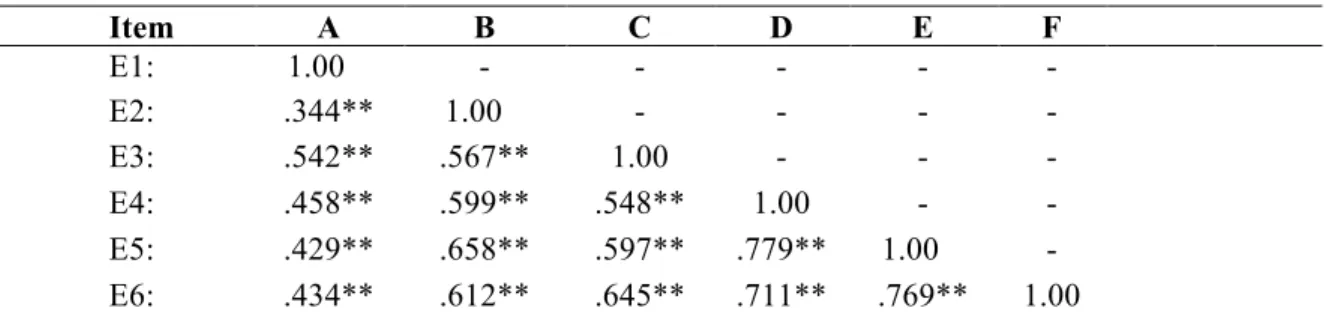
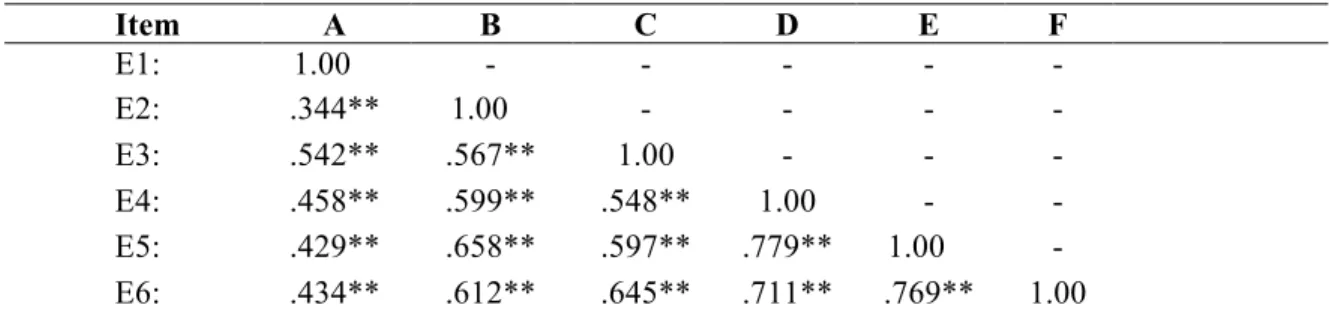
Table 1: Correlation Matrix for Empathy Variable ...57
Table 2: Correlation Matrix for Attitudes web ...62
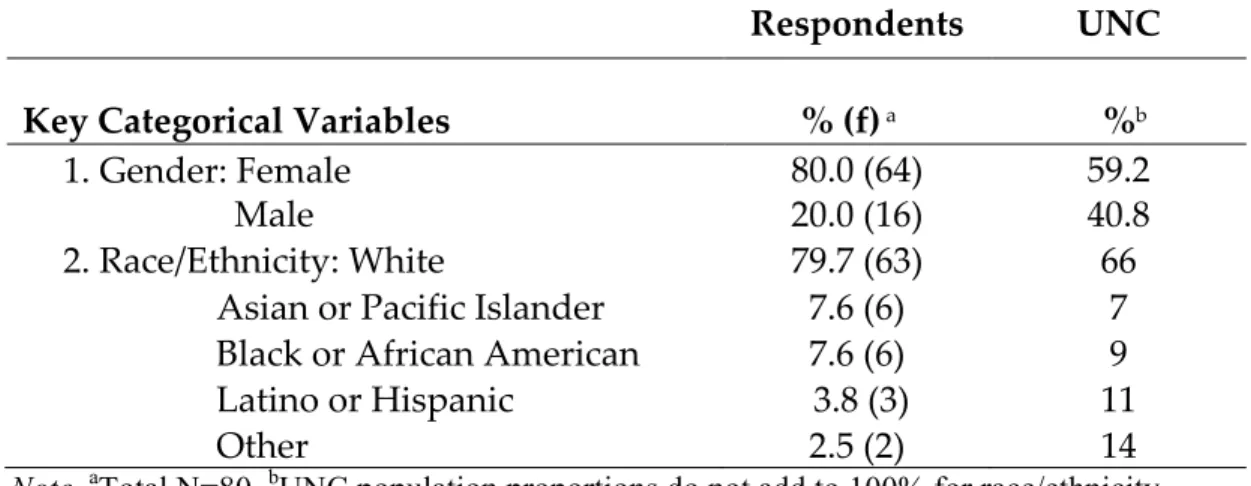
Table 3: Sample Characteristics ...72
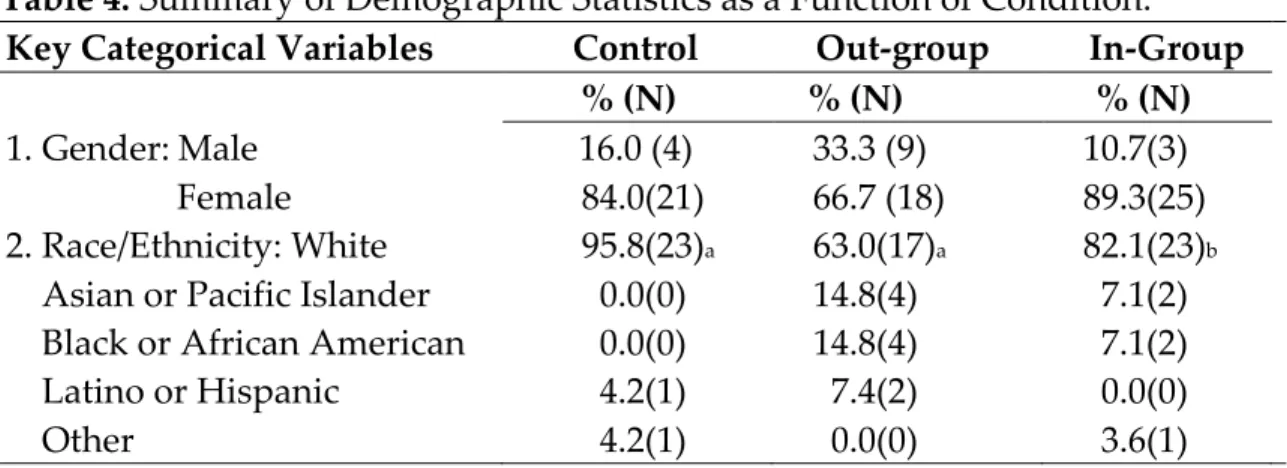
Table 4: Sample Characteristics by Group ...73
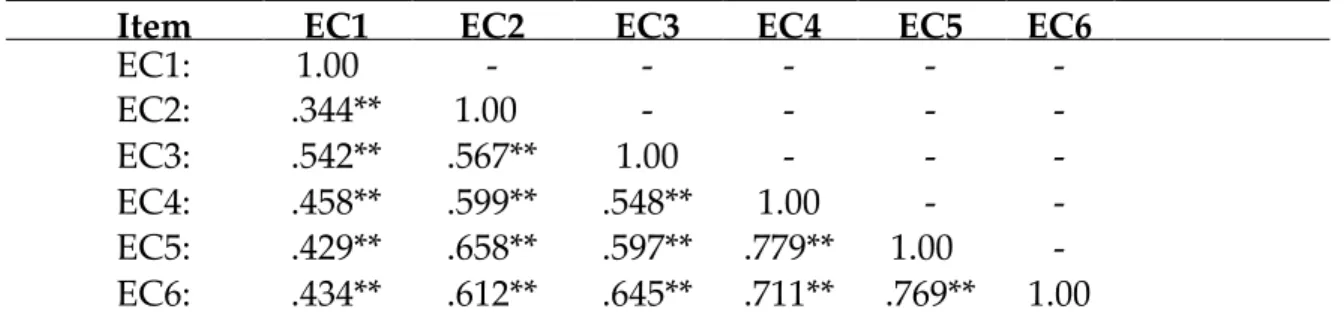
Table 5: Correlation Matrix for Empathic Concern ...77
Table 6: Induced Empathy ...79
Table 7: Attitude Variables ...87
Table 8: Behavioral Intentions ...88
Table 9: Behaviors ...92
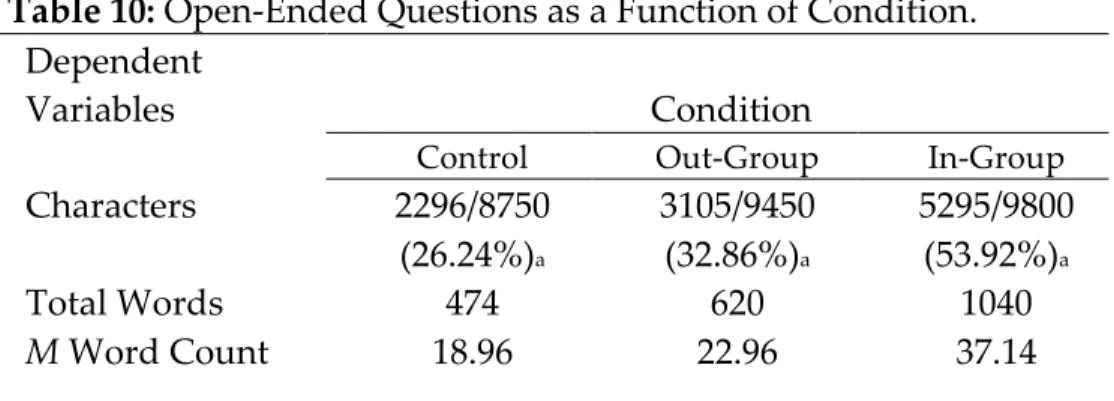
Table 10: Open Ended Measure of Support ...94
Table 11: Descriptive Statistics for Open Ended Measure of Support ...95
xii
LIST OF FIGURES
Figure 1: Induced Empathy ...78
Figure 2: Attitudes Toward Severe Depression ...82
Figure 3: Attitudes Toward the Peer Support Organization ...84
Figure 4: Attitudes Toward the Website ...85
Figure 5: Behavioral Intentions ...89
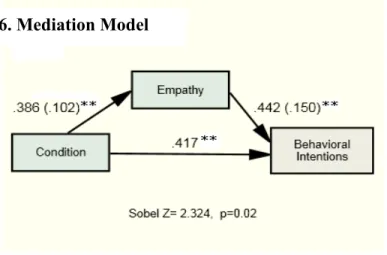
Figure 6: Mediation Model ...91
Figure 7: Open-Ended Responses ...96
CHAPTER 1
INTRODUCTION
One day, Brooke, an undergraduate student majoring in public relations, was perusing
some of her favorite non-‐‑profit Blogs, when she noticed a story about an upstart advocacy
program for youth living with mental health needs. Curious to learn more, she went to
the organization website.
It was an impressive site, fairly sophisticated and full of technological bells and whistles.
But none of that mattered to Brooke. In fact, Brooke was only seconds away from closing
the window altogether, until she noticed a link labeled “Our Stories.” When she clicked
on it, it opened to page containing a personal narrative detailing one member’s
experiences as they navigated through their own struggle with mental illness as young
adult.
2
from becoming one of the more than 4,000 youth who die by suicide a year. I was scared to proactively share my pain since I would be viewed as weak. College students should not have to find their way through a difficult time alone.
Feeling particularly inspired by the story, Brooke decided to send it to her friends Rhonda
and Robert. Like Brooke, Rhonda was an undergraduate student, and she also felt touched
by the story, although more so.
For Rhonda, many of the writer’s anxieties were similar to her own stresses. At times she
felt overwhelmed by the demands of being a top student in her courses, while also
maintaining her involvement in student government and completing her undergraduate
honors thesis about the University of Tennessee football program.
Robert, however, was unmoved by the story. Unlike Rhonda and Brooke, who were much
younger and able to relate to the perspective of a young adult struggling through college,
Robert considered the young woman’s tale pathetic. He was unfamiliar with depression
and was raised to believe having a mental illness was a sign of weakness.
As a result, he viewed her self-‐‑injury as shameful. Robert was unable to see her
perspective and did not understand why anyone would handle his or her problems in
such a way. Robert also defined the term “problem” in a very different fashion. For him,
3
Clearly, Robert, Brooke and Rhonda were all affected by the story in different ways. While
Brooke and Rhonda were both able to feel empathy for the person in the story, Robert’s initial
beliefs remained unchanged, at best.
Brooke was inspired by the story and because she empathized with people struggling with
mental illnesses like depression, she contemplated volunteering for the organization. Rhonda
decided to offer her free time and volunteer providing support for other undergrads dealing
with problems such as depression and stress, as long as they weren’t on college football
Saturdays. Robert predictably deleted the email and decided he should go shopping for a new
abacus.
Major depressive disorder is a prevalent psychiatric illness, and is associated with significant disability worldwide (Kessler, Chiu, Demler, & Walters, 2005; Pfieffer, Heisler, Piette, Rogers, & Valenstein, 2011). Figures released by the World Health Organization (2009) indicate that 121 million people worldwide suffer from major depression and the agency predicts that by 2030 depression will be the leading cause of global disease burden.
4
depressive disorders have been largely unsuccessful due to negative public attitudes and prejudices (e.g. Wahl, 1999; Ritsher & Phelan, 2004).
To address the current state of affairs, leading mental health experts are calling for a greater world focus on research developing culturally informed methods to eliminate the stigma of depression (Collins, Patel, Joestl, March, Insel, & Daar, 2011). Purpose
This research has several purposes. The increasing interest from the global health community in generating solutions for the global disease burden caused by
5
This dissertation sought to investigate these issues and contribute to the research on the persuasive effect of empathy for a distressed other on the provision of
support benefiting people with severe depression by examining how inducing empathy for in-‐‑group and out-‐‑group members suffering from severe depression affects the evaluation of messages advocating support for severe depression, which is a condition historically associated with stigma. The findings might offer an opportunity to discern the types of appeals that are effective in overcoming resistance to persuasion and positively influence attitudes toward stigmatized groups of individuals.
The concept of empathy has become a favorite topic for researchers in persuasive health communication, as evidenced by the breadth of research conducted in recent years examining empathy-‐‑based messages in persuasive appeals (e.g., Campbell & Babrow 2004; Decety & Jackson, 2006; Parrot, 2004; Preston & de Waal, 2002). Within this body of research, a small number of studies have found empathy can improve attitudes toward stigmatized groups such as AIDS patients and drug addicts (e.g., Batson, et al. 2002; Stephan & Finlay, 1999) which offer hope for researchers
6
social support in the fourth chapter. Building on the literature review, several hypotheses and research questions are then posed. The fifth chapter details the experimental procedure developed and implemented for the dissertation. It also outlines the stimulus materials that were constructed for the study and the dependent measures selected to address the research questions and test the proposed hypotheses. It also outlines the rationale for these decisions and the appropriateness of the elected procedure and measurement strategies both conceptually and in terms of design logic.
The results section details the findings from the experiment, including results from any additional procedures that were performed to test the assumptions that must be met in order to conduct the statistical analyses used to examine
relationships of interest in this study. It also provides several tables to supplement the discussion of the findings, and, where appropriate, visual aids depicting
differences found among the experimental conditions. The final chapter summarizes these findings and presents conclusions based on the results.
CHAPTER II
SEVERE DEPRESSION AND STIGMA
Global health reports have documented the immense worldwide detriment caused by the undertreatment of mental illness such as depression (e.g., Center for Behavioral Health Statistics and Quality, 2011; Pfieffer, et al., 2011; World Health Organization, 2009). For example, findings from the World Mental Health Survey, which was conducted by the World Health
Organization (2009), revealed 121 million people worldwide suffer from depression. Of those afflicted, 14.8 million reside in the United States (Kessler, Chiu, Demler, & Walters, 2005), where depression-‐‑related fatalities are the third leading cause of death among people 15 to 24 years of age and the 11th leading cause of death, accounting for 33,300 deaths annually (Centers for Disease Control and Prevention, 2006).
8
Further research has found that depression accounts for 4.5 percent of the worldwide total burden of disease in terms of disability-‐‑adjusted life years (Lopez & Murray, 1998). Additionally, depression is the cause of the greatest proportion of burden (attributable to non-‐‑fatal health outcomes), accounting for almost 12 percent of total years lived with disability worldwide.
Despite the tremendous societal costs attributed to the illness there remains strong resistance to seeking care for depression. Many scholars (e.g., Lindsey et al., 2006; Wahl, 2004) and mental health advocates (e.g., National Alliance on Mental Illness) contend that even though depression is often treatable, it remains a leading cause of disability worldwide because of stigma. Furthermore, stigma influences treatment outcomes in several ways.
9
Studies have shown that stigma is one of the primary factors influencing public attitudes toward sufferers of psychiatric illnesses such as major
depression (Corrigan & Penn 1999; Sergo, 2008; Wolkenstein & Meyer, 2009). Those who attach stigma to depression influence treatment outcomes and use of support programs by those dealing with depression. For example, those who stigmatize depression may reinforce beliefs held by those with depression, such as fear that revealing their illness will result in judgments, and that they will be perceived as having a moral failing or a weakness in character. This has been shown in several studies which have found those who associate mental illnesses such as depression with stigma are less willing to offer support for people with depression (e.g., Wahl, 1999; Ritsher & Phelan, 2004; Phelan et al., 2000; Ozmen et al., 2004), making it difficult to generate endorsement for advancing care beyond the mental health community. This is also an area of concern for mental health advocates, because social support has shown promise in improving health outcomes for individuals with depression, and research suggests the effects of peer support may even be comparable to outcomes reported from group cognitive behavioral therapy (e.g., Ayen, et al., 2004; Kelly, et al., 2003).
10
focuses on stigma reduction as a potential method to promote relevance to a wider set of stakeholders, which in turn may affect willingness to provide social support. Given the global disease burden caused by depression and the documented health benefits of peer support for individuals with depression (e.g., Melling & Houguet-‐‑Pincham, 2011; Pfeiffer, et al., 2011) this is a valuable direction for research examining peer support for depression.
Stigma
Perhaps the most widely recognized definition of stigma is the
conceptualization given by Goffman (1963), wherein stigma occurs when an “attribute that is deeply discrediting” serves as the basis for reducing the person “from a whole and usual person to a tainted, discounted one” (p.4). Through this lens, stigma can be seen as the relationship between an “attribute and a stereotype” (Link & Phelan, 2001. p. 364). Extending Goffman’s
observation of this relationship, Jones et al. (1984) produced a definition of stigma as a “mark” (attribute) that links a person to undesirable characteristics. Similarly, Stafford and Scott (1986, p. 80) suggest that stigma “is a characteristic of a person” that is considered “contrary to a norm of a social unit.”
11
conceptualize stigma as the convergence of four interrelated components: labeling, stereotyping, separation, and status loss. During the first component in the Link and Phelan model, a socially selected human difference (e.g., skin color, gender, sexual preference) is distinguished and labeled, which leads to the second component where the socially assigned label is associated with a stereotype. The third component involves the separation of in-‐‑groups and out-‐‑ groups, allowing the in-‐‑group members to distinguish from the stigmatized out-‐‑group and engage in the fourth component of the process, which is discrimination and rejection.
Link and Phelan’s (2001) definition is perhaps the most valuable conceptualization for the purposes of the current work, as its value rests
primarily in its practical utility. In particular, this conceptualization focuses on two principles in considering how to really change stigma, based on the
fundamental assertions that stigma arises when the creation and endorsement of negative stereotypes lead to the social exclusion of persons who hold
stigmatized status, and a power situation exists allowing judgments to serve as the basis for separating and stereotyping individuals.
12
relations that underlie the ability of dominant groups to act on their attitudes and beliefs” (p.381).
As studies indicate, prejudice and the stigmatization of mental illnesses appear to persist in public opinion. Stigma is also believed to have moderated the efficacy of prior campaigns seeking to improve public attitudes about the importance of improving the quality of medical care for sufferers of mental health disorders (e.g., Wahl, 1999; Ritsher & Phelan, 2004; Phelan et al., 2000).
The stigma associated with mental illness has been unexpectedly resilient, persisting against expectations of progress based on acceptance and support for other illness associated with stigma. In fact, some evidence
suggests the stigma of depression has actually increased over the past several decades (e.g., Pescosolido, et al., 1999), a stance also adopted by the U.S. Surgeon General in the 1999 Report on Mental Health (U.S. Department of Health & Human Services, 1999), which concluded: “Stigma was expected to abate with increased knowledge of mental illness, but just the opposite
occurred: stigma in some ways intensified over the past 40 years even though understanding improved” (p. 8).
13
stigma. Thus far, this chapter has examined severe depression the conceptual components of stigma and the depression-‐‑stigma connection. The next chapter explicates the concept of empathy, as well as the role of empathy in persuasion and overcoming reactance.
CHAPTER III
EMPATHY
Empathy is an important component of social cognition, and
15
The remainder of this chapter is organized in the following manner. First, it will provide an overview of several of the conceptual and operational definitions of empathy as well as definitions for the cognitive, affective and associative components of empathy. It then explicates the differences between state and trait empathy, while explaining the relevance of each to the current study.
Early conceptualizations of empathy typically viewed the process as a unidimensional (and primarily emotional) construct, often reflecting general emotional arousability (e.g., Lipps, 1903). For example, Titchener (l909) viewed empathy (“Einfuhlung”) as the ability “to feel one’s way into.” Since Titchener, researchers have approached the task of defining and measuring empathy from a number of perspectives. Definitions of empathy have ranged from
cognitively-‐‑focused conceptualizations (Goldie, 1999), which tend to focus on the thoughts stemming from the feelings of another, to descriptions of empathy as an affective process, characterized by emotional responses that result from another’s emotional state or circumstances (Eisenberg & Strayer, 1987).
Some researchers have also argued that empathy can be viewed as a type of identification, and levels of empathy are reflected by the capacity to become absorbed in another person’s feelings (Edwards & La Ferle, 2003;
16
been proposed, and “new” empathy measures have been published during each of the last five decades (e.g., Davis, 1996; Decety & Jackson, 2004; Gerdes, Lietz & Segal, 2011; Hogan, 1969; Johnson, Cheek, & Smither, 1983; Mehrabian & Epstein, 1972). While there has been disagreement among researchers as to the exact conceptual framework of empathy, most of the current operational approaches suggest it is a multifactorial process (e.g., Zillmann, 2006; Jabbi et al., 2007).
There appears to be a strong consensus in the academic community that empathy is comprised of at least two distinct, though likely intertwined,
components: cognitive and affective (e.g., Zillmann, 2006; Jabbi et al., 2007; Preston & de Waal, 2002). A third, “associative” component has also been recognized by several researchers (Cohen, 2009; Decety & Jackson, 2006). While evidence supports a multidimensional conceptualization of empathy, it is unlikely that empathy can occur as a purely “affective” or “cognitive” function (e.g., Bagozzi & Moore, 1994; Preston & de Waal, 2002; Campbell & Babrow, 2004; Decety & Jackson, 2006; Decety & Lamm, 2006; Lazarus, 1991), which has been supported by the intercorrelation between emotional and cognitive
17
However, understanding how each component influences the other can provide insight into the various mechanisms through which audience members experience and interpret messages, since there also appear to be behaviors and consequences associated with the primary component of empathic thought elicited by a specific message (Dillard & Shen, 2005).
Cognitive Component of Empathy
The cognitive aspect of empathy, which is also sometimes referred to as “perspective-‐‑taking” (Lazarus, 1991; Smith & Lazarus, 1993; Batson, Lishner, Carpenter, Dulin, Harjusola-‐‑Webb, Stocks, et al., 2003) is a process of
recognizing and comprehending another’s point of view, and then adopting a similar viewpoint (Allport, 1961; Mead, 1934). As one researcher describes it, the cognitive dimension of empathy can also be conceptualized as the act of “imagining yourself in someone else’s shoes” (Cohen, 2008).
Affective Component of Empathy
18
the perceived emotional expressions of another person causes both people to converge emotionally (Hatfield, Cacioppo, & Rapson, 1993).
Associative Component of Empathy
Several scholars have also argued empathy is comprised of a third, “associative” component (Davis, 1994; Decety & Jackson, 2004). This component, which has also been labeled “identification” in some studies (Chory-‐‑Assad & Cicchirillo, 2005; Decety & Jackson, 2006) is a process of vicarious experience. This component can be conceptualized as the process of audience members both receiving and interpreting messages as if they were internally generated and, in turn, responding “as if the events in the message were happening to them” (Cohen, 2006). Though this component has been subject to less examination than the affective and cognitive counterparts, identification is perhaps the most valuable area for future research focusing on the use of empathy in the construction of persuasive messages. This is
particularly evident when the message concerns topics or individuals associated with stigma, since identification is believed to cause message
19
dimension of empathy that facilitates the transition from "ʺperception"ʺ to "ʺaction"ʺ (Decety & Jackson, 2006; Decety & Lamm, 2006).
Historically, researchers interested specifically in the measure of
cognitive empathy have utilized Hogan’s (1969) Empathy Scale, while research focusing exclusively on affective empathy often utilizes scales such as the Questionnaire Measure of Emotional Empathy (QMEE; Mehrabian & Epstein, 1972). As several researchers have noted (e.g., Alterman, McDermott, Cacciola, & Rutherford, 2003; Cliffordson, 2001) in recent years, these have been
supplanted in popularity by the Interpersonal Reactivity Index (IRI; Davis, 1983), which was designed to tap cognitive and affective components of empathy. The current work also adopts this approach because empathy is unlikely to occur as an entirely cognitive or affective process. Several
20
perspective and feelings, in turn, resulted in cognitive appraisals of the
environment and the situational factors affecting that person (Lazarus, 1991). State and Trait Empathy
The distinction between trait empathy and state empathy is important in for the current study. “State” empathy, which is conceptually different from dispositional tendencies associated with “trait” empathy, can be evoked in the “here-‐‑and-‐‑now” through messages. Though research on empathy-‐‑induction and persuasive message effects, including the current study, tend to focus directly on the outcomes of manipulated “state” empathy, several have also acknowledged that “trait” empathy, likely influences the persuasive outcomes of empathy-‐‑inducing appeals (Bagozzi & Moore, 1994; Omdahl, 1995; Stiff, Dillard, Somera, Kim, & Sleight, 1988). Moreover, several studies have also found trait empathy acts as a precursor of state empathy.
In addition to the effects of experimentally induced state empathy, several studies using situational manipulations of empathy have shown that dispositional assessments of empathy, such as empathic concern, can moderate the impact of empathic perspective-‐‑taking instructions. For example, in one study examining the relationship between empathy and interindividual
21
Index) and the empathy manipulation used in the experiment. In the
aforementioned study also found that dispositional inclination to feel empathic concern influenced helping behavior for participants in the control condition, yet was unrelated to helping behavior for participants in the empathy
condition. Similar results have also been found in studies examining the effect of empathy on measures of cooperation and agreeableness (e.g., Graziano et al. 2007; Cohen, 2008). For example, Cohen (2008) discovered that empathy
perspective-‐‑taking exercises had a positive effect on intergroup relations, but only among participants who were low in dispositional empathy.
Empathy differences based on gender have also been observed in several past studies (Eisenberg & Lennon, 1983; Eagly & Crowley, 1986). In one study Batson and colleagues have shown that when women are made to feel empathy for another individual, they are more likely to cooperate with that individual (Batson & Moran, 1999), even after learning that the other individual acted competitively toward them (Batson & Ahmad, 2001).
Incorporating this knowledge into the design of studies examining empathy effects represents one of the most potentially fruitful areas for theoretical advancement in this area of study. While considerable
22
and various individual characteristics in the formation of empathic responses, the procedures used to induce empathy in many studies examining empathy effects have undergone remarkably few changes in recent decades (e.g., Bae, 2008; Bagozzi & Moore, 1994; Batson, et al., 2010; Cacioppo & Petty, 1981;
Eisenberg & Miller, 1987; Stiff, et al., 1988). As is typical in all fields of scientific research, methodological precision occupies a critical role in determining the extent of theoretical development that can be achieved in the study of empathy. By connecting these conceptual developments with a tailored design, the
current study has several advantages over prior studies using empathy
inductions, which seldom account for the threats to internal validity presented by the known effect of empathic tendencies on perspective taking, which may account for differences found in experimental treatments.
23
ample evidence supporting this conceptual connection between perspective-‐‑ taking and empathic concern, few studies utilizing empathy-‐‑induction techniques incorporate specialized designs or appropriate statistical controls for this component of empathy. Based on the conceptual relevance of
perspective-‐‑taking, the design created for use in the current study offers a meaningful methodological contribution by addressing a highly plausible alternative explanation for differences in dependent measures which prior studies have attributed to the experimental induction of empathy. In
addressing this challenge, it provides a model for elucidating the true influence of experimental treatments on variance among comparison groups, which may have been exaggerated (or masked) by the effect exerted by individual
differences.
In-‐‑Group and Out-‐‑Group Empathy
In addition to individual differences, group identification has also been found to affect the outcomes of empathy on attitudes and behaviors. Much of the research examining this relationship has been produced by scholars
24
the same social group (Decety, Echols, & Correll, 2010; Mathur, Harada, Lipke , & Chiao, 2010). These studies offer evidence supporting the assertion that inclusion of others in one'ʹs self concept leads to enhanced empathy and altruistic motivation (Cialdini et al., 1997; Chiao & Mathur, 2010).
Based on findings produced in this program of research, Chiao and Mathur (2010) suggest that in order to change how and when humans share and respond to the suffering of others, it is important to establish commonality across individuals and across groups. This need to create a sense of
commonality, according to Dr. Joan Y. Chiao, is based on the notion that “our ability to identify with another person dramatically changes how much we can feel the pain of another and how much we'ʹre willing to help them” (Science Daily, 2010).
While much of the recent evidence for group distinctions in empathic responding has been produced by researchers in the field of neuroscience, differences in the behavioral outcomes associated with empathy have been demonstrated using several methods and have operationalized group
distinctions in various fashions. For example, one of the earliest approaches to the examination of empathy responses based on social distance approached the topic by using distressed individuals who were dissimilar from research
25
experimental examination of the topic, Batson et al. (1981) found that when participants witnessed someone being given a series of painful electrocutions, they offered to take their place and receive the remaining shocks when both parties were from similar demographic backgrounds. However, when they were not from similar demographic backgrounds, participants only offered to be shocked in their place when they were informed they would be forced to watch the person receive the remaining shocks. According to some scholars focusing on this line of research, in-‐‑group familiarity is thought to occur for three main reasons: shared past experiences, demographic similarities (age, gender, class and culture), and personal familiarity (Decety & Chaminade, 2003).
It is also important to clarify that this is not to imply the act of imagining the self and imagining another in pain are identical mechanisms. As discussed by Lamm, Batson, and Decety (2007), “a complete blurring of self and other would be detrimental and is not the purpose of empathy.” Instead, the process has been described as being causally involved in an action, or agency.
26
findings from research examining the relationship between empathy and factors such as individual differences and group identification, there is considerable evidence suggesting the potential for increased efficacy when these strategies incorporating empathy targets similar to the audience viewing them. Thus, directly examining the effects of these empathy-‐‑inducing message strategies is an important direction for researchers interest in promoting
prosocial behavior, as the vicarious experience of the state of the individual or group in the message affects the manner in which a recipient processes, and is subsequently persuaded by, the appeal (e.g., Bae, 2008).
Empathy and Helping
In research examining the role of empathy in attitude change and helping behavior, evidence suggests perception of emotion may lead an
27
Based on this view of empathy effects, several factors determine whether induced empathy (or its absence) will lead to processing of prosocial content in such a way as to lead to intention to provide support. For example, materials designed to promote the adoption of the perspective of a distressed individual must actually increase empathic concern, which depends on the emotional outcomes elicited by perspective taking (Batson, et al., 1997). This is because humans have the ability to regulate emotional responses by reappraisal of emotional responses as well as the initiation of new responses when witnessing another in distress (Ochsner & Gross, 2005). These processes may enable the provision of supportive behavior in potentially harmful situations or result in the suppression of emotions elicited when witnessing distress (Lamm, Batson, & Decety, 2007).
28
“observing self” which is unaffected by the emotional distress of the observed other (Oschner & Gross, 2005).
However, this type of response to emotional distress has been shown to relate to the way the perspective taker cognitively appraises the overall effect or outcome of the situation being witnessed (Gross & Gabrieli, 2002). For example, Lamm, Batson, and Decety (2007) exposed study participants to stimulus materials depicting an individual suffering during a medical treatment, manipulating participant knowledge about the outcome of the procedure. When participants were given knowledge that the procedure failed, they experienced increased emotional distress and detachment. This type of perceptually triggered affective responding was down-‐‑regulated in
participants who were told the procedure was successful. Moreover, those given knowledge that the procedure was a success exhibited greater empathic concern which earlier studies have shown to be a primary instigator of helping behavior. As it relates to the current study, these outcomes imply that positive cognitive appraisals can be elicited by knowledge about the potential for effective treatment and recovery (Lamm, Batson, & Decety, 2007).
Thus, while it is possible that the affective experience of pain may motivate behaviors that will reduce the uneasy emotional state, there is
29
they are given knowledge that provision of help will be successful. Following this framework for understanding the effects of empathy based on how it is triggered, the outcome of a task asking participants to imagine the feelings of another in distress, when followed by exposure to website content about the success associated with the provision of support for the distress experienced by the other, would produce empathic concern in such a way as to lead to
intention to support.
In conclusion, in order for empathy to lead to attitude change and action in the current study, participants must be able to attend to the empathy object, experience a similar emotional state, and respond appropriately, all while inhibiting personal distress. The next chapter defines social support, provides an overview of the benefit of social support in health outcomes for depressed individuals, and examines the role of empathy in encouraging support
CHAPTER IV
SOCIAL SUPPORT
Support from family, friends and peers is an essential element in the management of illnesses such as severe depression. Furthermore, looking at factors that affect engagement in supportive behaviors -‐‑ rather than focusing on ways to encourage sustained participation from support recipients -‐‑ is an
important direction for researchers examining programs for depression, which are often unavailable due to scarcity (Davidson, et al. 1999; Pfeiffer et al., 2011). While numerous studies have verified the positive benefits of peer support for
individuals with depression, relatively few researchers have examined factors that motivate individuals to offer services for depression through peer support.
However, evidence from studies examining predictors of support provision behaviors for other illnesses, suggest empathy is an important determinant of support (Devoldre, Davis, Verhofstadt, & Buysse, 2010; Trobst, Collins, & Embree; 1994).
31
effect on patient outcomes (Maynard, et al., 2003). Studies have also shown that these effects tend to be significant when compared to the treatment of depression symptoms using usual care alone (Ong, et al., 1997). Furthermore, some evidence indicates that the effect of social support may also be comparable to those of group cognitive behavioral therapy (Kelly, et al., 2003).
For support recipients, there is large body of evidence indicating the value of peer support interventions for improving self-‐‑management (e.g., Fisher, et al. 2010), sustained behavior change (e.g., Fisher, 1997; Boothroyd & Fisher, 2010), as well as the provision of emotional, informational, and appraisal support (e.g., Dennis, 2003). While several definitions for peer support exist, one of the most helpful distinctions that can be used to guide the creation of support initiatives from the perspective of increasing the availability of supporters is offered by research conducted on directive and nondirective support (e.g., Fisher et al., 1997)
Based on this model, directive support involves support from a trained health worker, with a supporter often telling the support recipient what to do (Gabriele et al., 2010). Conversely, nondirective support can come from
32
physical ability to engage the health challenge (Fisher et al. 1997; Gabriele et al. 2010). Thus, understanding the determinants of providing nondirective support has applications that are practical from the perspective of encouraging support and improving the availability of health management solutions for recipients. Determinants of Support
As several studies have acknowledged, peer supporters typically experience certain benefits related to their provision of support (e.g., Dennis, 2003; Yalom, 2005). Furthermore, these benefits appear to be determinants of support, as “social support results in psychological and physical health benefits for both the receiver and provider” (Peers for Progress, 2011). These provider benefits are most often discussed in the literature on support given by peers who have personal
experience with the condition of the recipient (e.g., Brownson & Heisler, 2009; Rogers et al., 2007). Examples of benefits include supporters experiencing
decreased feelings of isolation (Dennis, 2003), outcomes similar to group therapy such as the installation of hope (Yalom, 2005), as well as increases in feelings of personal empowerment in their own self care (Rogers, et al. 2007). In fact,
33
Within a health care context, Dennis (2003) asserts that support must also come from an individual with “similar characteristics as the target population, to address a health-‐‑related issue of a potentially or actually stressed focal person.” This is consistent with Brownson and Heisler’s (2009) contention that help comes from more homogeneous peers due to increased perceptions of issue relevance. Thus, relevance can enhance the likelihood that the support will result in mutual help and that peer supporters will be willing to provide continual, non-‐‑judgmental support.
It has also been shown that beliefs about the efficacy of peer support have been a strong predictor of support for peer support organizations (Powell et al. 2000). Pfieffer et al. (2010) argue that this presents a unique challenge for
generating support for severe depression, given the dearth of systematic evidence of the efficacy of peer support focusing on depression. However, based on the existing research on the negative effects of stigma on support for improving health outcomes for many with severe depression, it is probable that stigma also exerts negative influence on individual decisions to provide peer support for depressed individuals.
34
study participants were more likely to indicate empathic feelings toward out-‐‑ group members and donate money to an out-‐‑group charity than students who did not attend the workshop. Though limited research has focused on empathy as a determinant of social support, evidence from the available studies appears
promising. For example Egbert and Parrot’s (2003) study of empathy processes on social support, found that empathic tendencies increased the likelihood of
providing support for terminally ill patients.
CHAPTER V
HYPOTHESES AND RESEARCH QUESTIONS
The research reviewed offers compelling evidence that empathy may mitigate psychological reactance (e.g., Campbell & Babrow, 2004; Lijiang, 2010), and that empathic identification facilitates the transition from "ʺperception"ʺ to "ʺaction"ʺ (Decety & Jackson, 2006; Decety & Lamm, 2006). However, studies examining empathic responses to socially distant groups have found empathy effects may diminish when the distressed other is perceived as socially
dissimilar (e.g., Graziano et al. 2007; Cohen, 2008).
36
Unfortunately, many past studies using vignettes to examine how induced empathy affects attitudes and behaviors toward stigmatized groups (e.g., people with AIDS) have often manipulated empathy using methods such as listening instructions and have reported the differences in aroused empathy as a check on the message manipulations (e.g., Batson, et al., 1997; 2002). While these studies offer evidence of the positive effects of empathy on persuasive outcomes, they lack clear explication of the specific message properties that arouse empathy. Thus, these studies offer little guidance for message designers and researchers seeking to replicate these strategies in different contexts.
To address this issue, the current work uses two versions of an empathy vignette. The characters in the two empathy conditions were modified based on characteristics that would make them either similar to, or different than
37
RQ1: What is the relationship between empathy condition (in-‐‑group, out-‐‑ group, control) and empathic concern for individuals with mental illnesses?
This dissertation also sought to replicate findings of past studies, and predicted that empathy that is brought about for one'ʹs group members would be stronger than empathy for out-‐‑group members. It was also expected that participants induced to feel empathy for an out-‐‑group member would elicit stronger
empathic responses than those that did not participate in an empathy-‐‑inducing exercise. Formally stated, the following hypotheses were posed:
H1: Participants in the in-‐‑group condition should experience higher levels of empathic concern than participants in the out-‐‑group and control conditions.
H2: Individuals in the out-‐‑group empathy condition will express more empathic concern for individuals with severe depression than those in the control condition.
Next, this dissertation sought to explore the effects of induced empathy on attitudes that generalize beyond the distressed individual in the treatment conditions. Based on evidence from past research, which has found the
connection between empathy and attitudes to be positive, even in the context of stigmatized groups (e.g., Stephan & Finlay, 1999), this study tested this
relationship using empathy targets affected by severe depression, posing the following research question and hypothesis:
38
H3: Individuals in the in-‐‑group empathy condition will express more
positive attitudes toward individuals with severe depression than those in the out-‐‑group empathy condition.
Past studies have also found attitudes toward the recipients of prosocial organizations to be positively associated with attitudes toward the organization (e.g., Batson, et al., 2002). Research has also shown users orient to technology as source or social actor (Reeves & Nass 1996; Sundar & Nass, 2001). Thus,
participants in the three conditions may differ in how they evaluate the organization as well as the website created (with constant features across conditions) for the “Heels for Progress” organization. Based on this possibility, as well as the predicted association between experimental treatment and participant attitudes, the current study also examined whether the empathy-‐‑ attitude connection will also extend to attitudes toward the faux organization and website which was developed for this experiment. Thus, the following research question and predictions were posed:
RQ3: What is the relationship between empathy condition and attitudes toward the “Heels for Progress” website and organization?
H4a: Individuals in the in-‐‑group empathy condition will have more positive attitudes toward the Heels for Progress organization than participants in the other conditions.
39
As a practical extension of the previous research question, this study also sought to examine if the anticipated differences in participant attitudes, based on group assignment, might also generalize to attitudes toward peer support initiatives designed to help individuals with severe depression. Thus,
RQ4: What is the relationship between empathy condition and attitudes toward peer support for people with severe depression?
H5: Individuals in the in-‐‑group empathy condition will have more positive attitudes toward support for severe depression than the other
conditions.
As discussed in the review of literature, induced empathy has been associated with an array of socially beneficial effects. As it relates to this
dissertation, one of the most encouraging outcomes found in prior research has been the finding that empathy leads to increased motivation to help members of stigmatized groups (e.g., Batson, Turk, Shaw, & Klein, 1995). To test whether similar results would be observed in the context of severe depression, this dissertation examined whether empathy affects behavioral intentions related to peer support for students with severe depression. Thus the fifth research
question and subsequent predictions were made:
RQ5: What is the relationship between empathy condition and behavioral intention to provide peer support?
40
H7: In-‐‑group participants will express the greatest amount of behavioral intentions to provide support.
Naturally, several issues arise when using participant-‐‑provided behavioral intention measures to discern the effects of experimental manipulations on actual behaviors. Because intention measures in an experimental setting do not involve commitment to the actual behavior, participants may provide socially desirable responses. Thus, the final research question sought to assess the empathy-‐‑helping connection using behavioroid measures. Past studies have indicated that induced empathy is associated not only with intentions, but also actual helping behaviors (e.g., Chiao & Mathur, 2010; Decety, Echols, & Correll, 2010; Mathur, Harada, Lipke, & Chiao, 2010). However, these studies have also typically measured helping in terms of donations and low-‐‑involvement
commitments, which are not the focus of the current study. To explore these relationships and test the predictions about the behavioral outcomes that were associated with the experimental manipulations used in this dissertation, the final research question and predictions were made:
RQ6: What is the relationship between empathy conditions and support behaviors?
H8: In-‐‑group participants will express the greatest amount of supportive behaviors.
CHAPTER VI
METHOD
To address the research questions posed in this dissertation, a three-‐‑ condition, pre-‐‑test and post-‐‑test experiment was conducted, with the pre-‐‑test used to assess trait empathy and the post-‐‑test used to measure attitudes and behaviors. The key dependent variables included empathy for individuals with severe depression, attitudes toward people with severe depression, beliefs about peer support for students with severe depression as well as attitudes toward the website created for this experiment. There were also dependent measures relating to behaviors, which included assessments of behavioral intentions, as well as a behavioroid measure of peer support provision.
The experiment was administered to volunteer participants (N=80) in an on-‐‑campus computer lab. Participation was voluntary and subjects were
42
post-‐‑stimulus questionnaire was taped below the monitor of each computer used in the study. Unique participant numbers were used in order to connect the pre-‐‑ and post-‐‑stimulus scores, while maintaining respect for participant confidentiality. Access to the web-‐‑based post-‐‑stimulus questionnaire was password-‐‑restricted. This was done because the “Heels for Progress” website created for the experiment was active, and could thus be accessed by
individuals outside of the study. Because the website contained a link that redirected participants to the post-‐‑stimulus questionnaire, this served as a precautionary measure in case a non-‐‑participant attempted to access the questionnaire link, which would require additional cleaning of the data.
Participants entered the computer lab and first were given a prestimulus questionnaire, which measured trait empathy using the perspective-‐‑taking (PT) scale. The prestimulus questionnaire was described as a general survey being conducted by the school, and was administered at the beginning of the
43
directly to the website for evaluation, whereas subjects in the treatment conditions had a secondary task to accomplish. Participants in the two experimental treatments were first asked to complete an empathy-‐‑inducing exercise before they evaluated the website. After completing the empathy-‐‑ inducing tasks, participants in the treatment groups were then taken to a screen where they viewed the website for evaluation.
Finally, after evaluating the website, all participants completed the post-‐‑ stimulus questionnaire containing the key dependent measures. These
included measures of empathy for people with depression, participant
attitudes toward the peer support website created for the experiment, as well as the program in general. The questionnaire also asked participants to respond to several items measuring behavioral intentions and a behavioroid measure of support provision. Following the completion of the post-‐‑test questionnaire, participants were given a form debriefing them about the nature of the study and thanking them for their participation. Participants’ experimental sessions lasted approximately 20 to 45 minutes.
Participants
44
the experiment in exchange for course credit. Participants signed up for
sessions using a website, which was distributed to the student participant pool. Each participant was assigned to one of three conditions: control (n=25), in-‐‑ group (n=28), and out-‐‑group (n=27). Distribution among the conditions was based on predetermined condition assignment using a random sequence generator.
Sixty-‐‑four (80%) participants were female, while sixteen (20%) were male. Thirty-‐‑eight (48%) were juniors, followed by seniors (30%), second-‐‑year students (20%), and first-‐‑year students (3%). Most participants in the study were white or Caucasian (79.7%), followed by Asian/Pacific Islander (7.6%), African American (7.6%), and Latino or Hispanic (3.8%). Two (2.2%)
participants indicated “other” when describing ethnicity. Experimental Procedure
The experiment was administered in an on-‐‑campus computer lab, in scheduled group visits with 12-‐‑18 participants at a time. Upon arrival, participants were either greeted by the principal investigator or an assistant. After signing in, all study volunteers were given a participant identification number and instructed to use it as a login credential during the study. Each condition used a separate set of numbers, and group assignment was
45
numbers on the sign-‐‑in sheet. Based on the assigned number, participants were then directed to one of the computer terminals, which had been preloaded with the program specific to their condition. Once seated, the monitor at the station was activated. Following activation, the monitors displayed the participant consent form, which was opened and maximized on the screen prior to the start of the session. Display preferences at each station were preset so that the monitors were at full brightness for all participants.
A duplicate version of the consent form was created for all conditions in the study to ensure that the page displayed on the opening screen was identical on each of the monitors. Depending on group assignment, each participant advanced to the appropriate condition following the provision of consent. This was accomplished by programming the three versions of the consent form with a unique case logic, which directed participants to the prestimulus
questionnaire and (where appropriate) the experimental treatment, prior to administration of the poststimulus questionnaire.