Page i
Exploring UK consumer perceptions of mobile payments using smart
phones and contactless consumer devices through an extended
Technology Adoption Model.
Thesis submitted in accordance with the requirements of the University
of Chester for the degree of Doctor of Philosophy
by Colin Christopher Hampshire
Page ii Declaration
This work is my own, is original
and has not been submitted previously for any academic purpose.
Signature:
Chris Hampshire
Page iii
Acknowledgements
This thesis would not have been possible without the assistance, support and understanding of a number of people:
My biggest thanks go to my supervisor, Steve Page, for sharing his experience and knowledge but also in providing valuable encouragement and regular feedback but also to my Director of Studies, Professor Phil Harris, for his valuable assistance including the regular provision of insights into consumer behaviour.
The students in my Local Support Group for their friendship, support, advice, and encouragement. The opportunity to share concerns and ideas related to doctoral writing as well as Bachelor and Master lecture class delivery along with student supervision was really helpful in offloading. A special thanks go to Ali Rostron as we undertook this doctoral journey at the same time and the numerous Italian meals that we enjoyed together provided light relief and a constructive distraction.
The consumers who completed my mobile payment questionnaire and my interviewees; as without them this dissertation would not have been possible.
Dr Russell Warhurst and Dr Kate Black for sharing their thoughts, ideas and experience that helped me with my own research and Shealagh Whytock who helped by transcribing my interview recordings in a very timely manner.
Finally a special thanks to my wife Ruth, who supported me with time and patience over the last 3+ years together with occasional days out as a necessary relief and distraction away from books and the PC which resulted in this research being possible. Furthermore her proof reading skills of the final draft version were greatly appreciated.
Page iv Abstract
Exploring UK consumer perceptions of mobile payments using smart phones and contactless consumer devices through an extended Technology Adoption Model
by Chris Hampshire.
Widespread adoption of mobile payments has not taken place despite a decade of trials in various countries based upon a mobile phone handset that does not have the technology capabilities of today’s smart phones. However, significant technology developments have led to widespread consumer adoption of smart phones and other devices that may now provide the foundation for wider consumer adoption of mobile payments. Understanding UK consumer cultural perceptions on the new phenomenon is one of the first steps to influencing purchase behaviour. This thesis is based upon a post-positivist philosophy and a social constructionist ontology that explores UK consumer perceptions of mobile payments through human cognitive and affective responses of consumer payment behaviour as these influence attitude that leads to adoption. However, UK consumer interest in mobile payments on its own is unlikely to be enough to change payment behaviour, although meeting specific payment needs can motivate consumers to amend their payment behaviour that can lead to widespread adoption.
Inductive empirical research is used to explore UK consumer perceptions of mobile payments through sequential mixed methods. A questionnaire is used as the 1st
research instrument with closed questions that explore various aspects of consumer interest in the mobile payments phenomenon. The key themes identified from the numerical analysis of the questionnaire data are used to guide the semi-structured interviews. Content analysis is then undertaken on the qualitative interview data from which new knowledge on consumer perceptions of mobile payments is identified. Analysis of the empirical data suggests that UK consumers have significant technology and security concerns which negatively affect consumer interest. Despite these concerns, UK consumers demonstrate interest in the mobile payments phenomenon when perceived usefulness benefits are identified. The perceived usefulness positively influences attitude that overcomes perceived risks which can lead to amended consumer payment behaviour and widespread adoption. In addition, UK consumers have a significant lack of trust towards unknown organisations as well as new market entrants although there is an increased level of trust in mobile payments provided by UK banks as well as other established organisations.
This research fills an important gap in existing literature on consumer payment behaviour as it explores UK consumer cultural perceptions of the mobile payments phenomenon using smart phones and contactless consumer devices; whereas earlier consumer payment research is based upon a mobile phone handset that does not have the technology capabilities of today’s smart phones and has an Asian and Nordic cultural focus. Furthermore, this research provides UK empirical evidence that refines and extends existing research through the use of sequential mixed methods whilst adding to the understanding of UK consumer attitudes related to UK payment instruments.
Page v Contents
Acknowledgements ... iii
Abstract ... iv
1 Introduction to the research ... 1
1.1 Personal significance of this study ... 1
1.2 The research problem ... 1
1.3 Research Aims ... 5
1.4 The empirical context ... 9
1.5 The conceptual framework ... 10
1.6 Importance of the research ... 14
1.7 Overview of the thesis ... 15
1.8 Summary ... 18
2 Technology and the Evolution of Money ... 19
2.1 Introduction... 19
2.2 History and Development of Money ... 21
2.3 Consumer Technology Influences ... 25
2.4 Consumer Technology Purchase Behaviour ... 27
2.5 Summary ... 29
3 Development of Mobile Payments... 31
3.1 Introduction... 31
3.2 Mobile Payment Definitions ... 33
3.3 Mobile Payments Historical Context ... 36
3.4 Summary ... 42
4 Consumer Purchase Behaviour ... 44
4.1 Introduction... 44
4.2 Consumer Behaviour ... 46
4.3 Consumer Perceptions ... 49
4.4 Payment Instrument Perceptions ... 50
4.5 Perceived Usefulness and Perceived Ease of Use ... 54
4.6 Perceptions of Trust ... 58
4.7 Perceptions of Risk ... 61
4.8 Research Models ... 64
4.9 Conceptual Model ... 68
4.10 Summary ... 81
5 Research Philosophy, Strategy, Design and Administration ... 82
Page vi
5.2 Research Philosophical Position ... 84
5.3 Research Strategy ... 90
5.4 Research Instrument Design ... 97
5.5 Research Procedures ... 113
5.6 Ethical Considerations ... 118
5.7 Summary ... 122
6 Data Analysis, Validity and Reliability ... 123
6.1 Introduction ... 123
6.2 Questionnaire Data Analysis ... 124
6.3 Interview Data Analysis ... 131
6.4 Data Validity and Reliability ... 143
6.5 Summary ... 145
7. Research Findings and Discussion ... 146
7.1 Introduction ... 146
7.2 Questionnaire and Interview Facts ... 148
7.3 Research Proposition Findings ... 153
7.4 Research Findings Summary ... 195
7.5 Mobile Payment UK Road Map ... 202
7.6 Summary ... 203
8 Research Conclusions and Reflections... 205
8.1 Introduction ... 205
8.2 Research Methodology and Methods Evaluation ... 206
8.3 Research Model Evaluation ... 209
8.4 Research Propositions Evaluation ... 211
8.5 Research Implications for Theory and Practice ... 215
8.6 Contributions to Knowledge ... 222
8.7 Limitations of this Research ... 230
8.8 Future Research Opportunities ... 232
8.9 Research Reflections ... 234
8.10 Summary ... 236
Bibliography ... 237
Appendix A - Research Questionnaire ... 319
Appendix B - Research Interview Introduction ... 328
Page vii List of Figures
Figure 1 - Thesis Structure Overview ... 16
Figure 2 - Structure of Literature Chapters ... 19
Figure 3 - Technology and the Evolution of Money Chapter Structure ... 20
Figure 4 - Development of Mobile Payments Chapter Structure ... 32
Figure 5 - Mobile Payment Framework ... 32
Figure 6 - Industry Life-cycle model (Rodrigo, 2012) ... 38
Figure 7 - Consumer Purchase Behaviour Chapter Structure ... 45
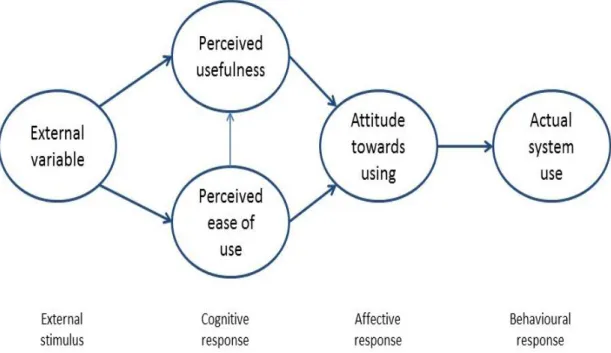
Figure 8 - Technology Acceptance Model (Davis, 1989) ... 66
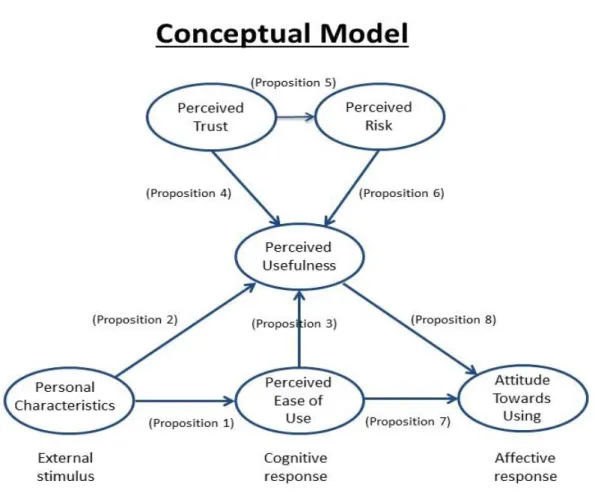
Figure 9 - Conceptual Model ... 80
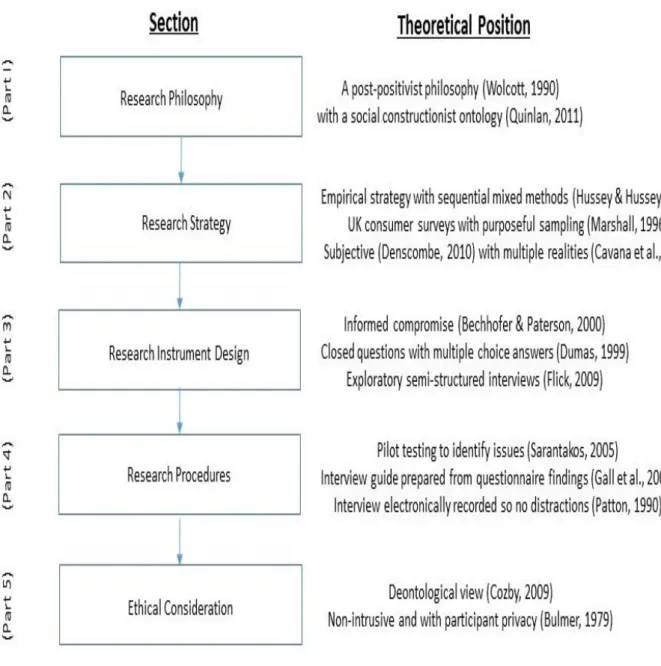
Figure 10 - Research Philosophy, Strategy, Design and Administration ... 83
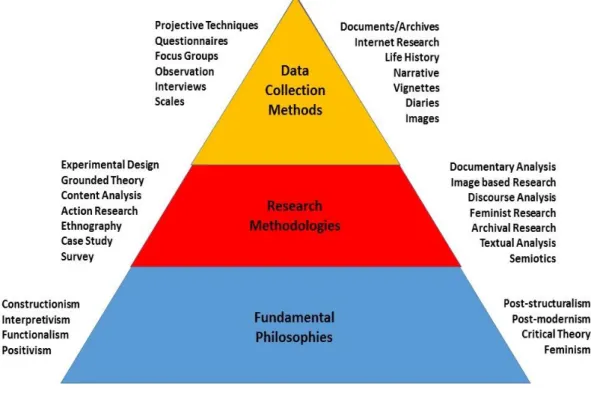
Figure 11 - The Methodological Pyramid ... 84
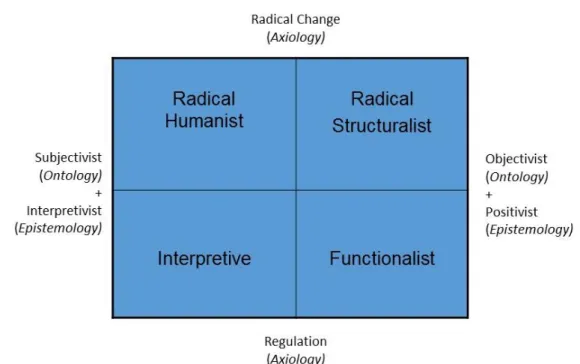
Figure 12 - Paradigms for the Analysis of Social Theory ... 87
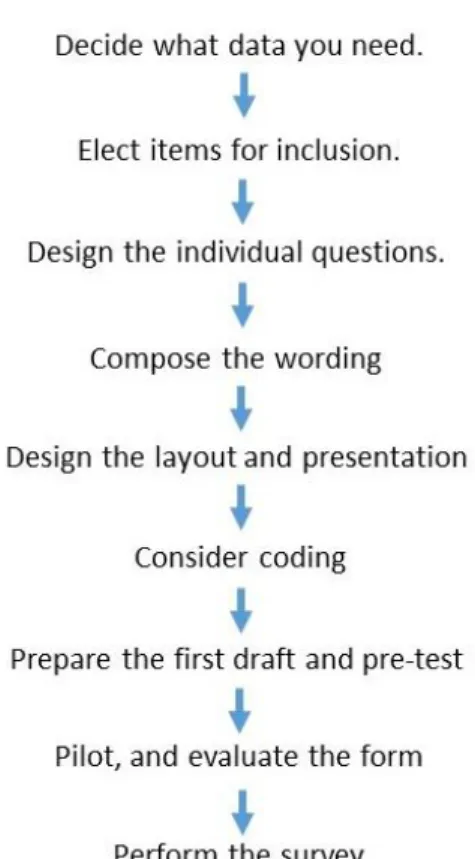
Figure 13 - Questionnaire Design Steps (Stone, 1993)... 100
Figure 14 - The Consent Continuum ... 111
Figure 15 - Application of Ethics and Ethical Practice ... 119
Figure 16 - Inter-relationship of Ethical Obligations (Cameron & Price, 2009) ... 119
Figure 17 - Data Analysis Chapter Structure ... 124
Figure 18 - Interview Data Analytics Hierarchy (Ritchie et al., 2003) ... 133
Figure 19 - Research Findings and Discussion ... 147
Figure 20 - The future of mobile payments ... 199
Figure 21 - Research Conclusions and Reflections ... 206
Figure 22 - Research Proposition Findings ... 210
List of Charts Chart 1 - Upper mobile payment limit ... 130
Chart 2 - UK Adults and Questionnaire Respondent Age Distribution ... 151
Chart 3 - Questionnaire Respondent Educational Qualifications ... 152
Chart 4 - England & Wales Adult Educational Qualifications ... 152
List of Tables Table 1 - Respondent Data ... 148
Table 2 - Research Propositions Summary ... 195
Table 3 - Methods limitations arising whilst conducting the research ... 208
Table 4 - Empirical Contribution Summary... 223
Page viii Glossary of Terms used in this Thesis
Term Definition
Contactless Payments The use of a portable device to exchange financial value through the use of wireless technologies.
Contactless Smart Cards
The use of smart card to exchange financial value through the use of a payment card based on microprocessor chip card technology with wireless capability.
Europay, MasterCard and VISA (EMV) smart card
A global standard for payment cards based on microprocessor chip card technology defined by Europay, MasterCard and VISA. These payment chip cards contain an embedded microprocessor (a type of small computer) that provides enhanced security features and other technology capabilities not possible with traditional magnetic stripe cards.
Mobile Banking The use of a mobile phone or other mobile device e.g. tablet computer or smart phone to undertake mobile banking functions including:
- Review bank account information, initiate an outward payment and transfer funds between bank accounts using the mobile device’s wireless technology.
- Set up text alert receipts for account balance information.
- Send a text request for service requests including account balance enquiry. Mobile Applications
(Apps)
Computer software applications that run on various consumer held mobile devices designed to fulfil a particular purpose.
Mobile Network Operator (MNO)
A telephony company that provides services for mobile phone subscribers through the deployment of equipment, most notably the radio transmitter network and the core network to support call switching and mobile management functions.
Mobile Payment The use of any portable object e.g. mobile phone, laptop PC, tablet computer, smart card and wrist watch that has the relevant technology with wireless
capability to transfer money electronically between two parties (Bourreau & Verdier, 2010).
Near Field
Communications (NFC)
A short-range high frequency wireless technology that is an expansion of RFID technology which enables the communication between devices over a distance of less
Page ix
than 10cm and is used in consumer electronics, mobile devices and PCs (Polasik, Gorka, Wilczewski, Kunkowski & Przenajkowska, 2010).
Personal Identification Number (PIN)
A number entered into a point-of-sale device by the consumer that is used to authenticate a card initiated payment transaction in a secure manner.
Portable devices A portable consumer device with wireless connectivity that includes mobile phones, smart phones, tablet computers, wrist watches and other consumer focused technology devices.
Subscriber
Identification Module (SIM)
Securely stores the international mobile subscriber identity based on chip card technology. These chip cards contain an embedded microprocessor (a type of small computer) that provides enhanced security features and other technology capabilities used to identify and authenticate mobile telephone subscribers.
Smart phone A mobile device that is compact in size and only slightly bigger than a standard mobile telephone which supports phone calls, email access, internet access, download files and application systems (Osman, Sabudin, Osman and Shiang-Yen, 2011; Verkasalo, Lopez-Nicolas, Molina-Castillo and Bouwman, 2010)
Tablet computer A wireless portable personal computer with a touch screen interface and a wireless adapter for Internet and local network connection that are typically smaller in size than a notebook computer but larger than a smart phone.
All trademarks and trademark names used within this thesis are acknowledged and are the property of their respective owners.
Page 1 1 Introduction to the research
This chapter introduces the research that explores UK consumer interest in mobile payments with smart phones and other contactless consumer devices, which is a relatively new phenomenon in the UK, through assessing cognitive and affective UK consumer responses that are part of human psychology. The cognitive and affective responses are evaluated using perceived usefulness, perceived ease of use, perceived trust and perceived risk as these influence consumer payment attitude and behaviour that can lead to adoption.
The research problem and how this led to the formulation of the research statement and the associated research objectives are presented within the existing body of knowledge before going on to describe and justify the conceptual framework on which this thesis is based. The chapter concludes by explaining the importance of this research followed by an overview of the thesis.
1.1 Personal significance of this study
The researcher has extensive banking and electronic payment practitioner experience having held various executive and senior management positions in a number of financial institutions in UK and continental Europe. The researcher undertook an MBA at University of Chester Business School that assessed Lloyds TSB’s mobile banking usage and graduated with a distinction in 2011. Undertaking the MBA established a personal research interest that resulted in this research and the production of the thesis. The researcher’s practitioner background in the UK electronic payments market and the motivations for this research are divulged in recognition of their influence on this research.
1.2 The research problem
Globalization and increasing prosperity in societies produces an increased demand for goods and services that require efficient payment systems to support this trade (Hassan & Kaynak, 2013). Whilst cash is an established payment method, consumers around the world are adopting an increasing range of electronic payment systems in order to pay for goods and services. A mobile payment is a consumer initiated payment
Page 2
service that is an innovative consumer focused electronic payment system and is a relatively new phenomenon in the majority of western European countries (Diniz, de Albuquerque & Cernev, 2011). However, despite a decade of mobile payment trials in various countries based upon a traditional mobile phone handset widespread consumer adoption of mobile payments has yet to occur (Zhou, 2014).
The recent widespread adoption of consumer based technology (Ling, 2004), self-service technology adoption (Bolton & Saxena-Iyer, 2009) and the widespread adoption of smart phones (IDC, 2015) has resulted in consumer oriented technology becoming an integral part of, and embedded in today’s society (Drucker, 2011). This recent technology adoption by consumers provides a foundation for potential consumer adoption of mobile payments and creates a broad range of new research opportunities that can add to the existing body of knowledge on consumer behaviour, consumer payment behaviour and consumer technology adoption.
Existing literature on consumer payment behaviour indicates that pre-purchase psychological conditions determine consumer needs and desires which influences attitude that leads to intention and then adoption (Blackwell, Miniard & Engel, 2006). A clear relationship exists between consumer attitude, behaviour and choice of payment instrument that is used in consumption (Ondrus, Lyytinen & Pigneur, 2009; Viehland & Leong, 2007). Furthermore, existing literature on the mobile payments phenomenon indicates how consumers experience and understand mobile payments within the social context of a specific consumer device – the mobile phone (Liebana-Cabanillas, Fernandez & Munoz-Leiva, 2014; Shin, Lee & Odom, 2014; Swilley, 2010). However, continued technology developments have produced an increased range of personal and portable computing devices that can support mobile payments and these technology devices have been adopted by consumers including smart phones, contactless smart cards, tablet computers, watches and glasses (Apple, 2014a; Google, 2014; Little, 2011; Samsung, 2014; Swatch, 2015).
Exploring UK consumer payment behaviour, and more specifically UK consumer perceptions of mobile payments with other consumer self-service technology mobile devices, beyond the historical perspective of a mobile phone handset provides a broad
Page 3
range of research opportunities. In addition, exploring the recent widespread consumer adoption of self-service technology (Ling, 2004) and the influence on consumer payment behaviour provides further opportunities that will contribute to the re-evaluation of previous research findings on the mobile payment phenomenon. Money is based upon the concept that it is a medium of exchange with a specific amount and is a means of storing, transporting and transferring abstract value (Flatraaker, 2008; Grierson, 1977; Keynes, 1930). Early coins became known as money and are tokens with a standardised value that were accepted as an exchange of value or payment (Innes, 1913) from the recipient of the goods or service to the provider (Einzig, 1966; Ferguson, 2008). This token was typically a metal with intrinsic value and became the widely accepted medium of exchange that is in regular use in today’s societies (Spufford, 1988). However, the development of computer technology led to the evolution of electronic money and payments that are electronic messages used to transfer financial value from one party to another which replace the physical exchange of coins or bank notes (Furst, Lang & Nolle, 1998). Electronic money is an everyday experience for consumers according to Bounie and Francois (2006) and electronic payments are an integral part of everyday life such that they are indistinguishable from it (Weiser, 1991).
The evolution of communications in the Information Age provided the foundation for the subsequent development of mobile payments which is a recent phenomenon (Diniz et al., 2011). Communications extended electronic payments so that transferring financial value remotely is possible using portable consumer technology devices including mobile phones and other mobile devices such as contactless smart cards. However, Davies (2002) suggests that UK consumers remain firmly attached to paying for goods and services with the traditional methods of coins and bank notes and the cashless society using efficient electronic payment messages is a banking dream. Mobile payments entails a large number of stakeholders and a complex environment that includes information technology, applications, technology infrastructure, consumers, retailers, point-of-sale terminals and technology communications (Rochet & Tirole, 2002). Initially, mobile payments were based upon the use of a mobile phone
Page 4
handset for the transfer of financial value (Kim, Mirusmonov & Lee, 2010; Ondrus & Pigneur, 2005; Pousttchi, 2004; Zong, 2009) which produced varied adoption rates in different countries. Mobile payment adoption has been successful in Japan where 92.9% of consumers are aware of their mobile phone's electronic wallet capability (Amoroso & Magnier-Watanabe, 2012; Wall Street Journal, 2011) but also in other countries in Asia where mobile wallets have already become a mainstream phenomenon (Yang, 2005) as well as Canada where 20% of shoppers have adopted and use mobile payments (Canadian Imperial Bank of Commerce, 2014). However, fast diffusion and adoption of mobile payments by consumers around the world has not yet taken place (Ondrus et al., 2009; Ondrus & Pigneur, 2005). Nevertheless, the mobile payment phenomenon continues to rapidly evolve (MasterCard, 2012a; VocaLink, 2013) with various organisations establishing different complex requirements to support consumer adoption including Vodaphone (2015b) who are providing mobile wallets and LGPay (2015) who join ApplePay (2015a) and SamsungPay (2015a) as smart phone handset manufacturers entering this market. In addition, recent technology development has resulted in Near Field Communications (NFC) capability being available on smart phones which has led to mobile contactless payment capability independent of a Mobile Network Operator (MNO) according to VISA (2015a). As a result, various banks and other payment organisations have indicated their adoption of this technology to support their mobile payment service (ANZ, 2015; Commonwealth Bank of Australia, 2015; Microsoft, 2015).
The more recent consumer based technology developments have extended the choice of consumer devices from which to make a mobile payment including a mobile phone handset and a MNO (Finextra, 2012a); Europay, MasterCard and VISA (EMV) smart card for contactless card payments (Barclaycard, 2009; Finextra, 2010; HSBC, 2012; Lloyds TSB, 2011, Post Office, 2012); and tablet computers, watches and glasses (Apple, 2014a; Google, 2014; Little, 2011; Samsung, 2014; Swatch, 2015).
Mobile payments is a relatively new UK phenomenon and consumer intentions have been identified as a good predictor of subsequent adoption (Jackson, Chow & Leitch, 1997; Szajna, 1996) despite technology assessment being a highly complex activity (Ondrus & Pigneur, 2005). As a result, exploring UK consumer perceptions of mobile
Page 5
payments using cognitive and affective responses that are part of human psychology is an effective approach to identifying consumer interest that leads to adoption. However, consumers are generally reticent at changing their payment habits which includes the choice of payment instrument (Viehland & Leong, 2007) unless the right incentives apply and specific consumer benefits can be identified and understood (Meuter, Ostrom, Roundtree & Bitner, 2000; Riggins, Kriebel & Mukhopadyay, 1994). Whilst there are a number of different ontological and epistemological views of the world, consumer perceptions of the mobile payments phenomenon cannot actually be detected using cognitive and affective psychology responses as reality is socially constructed based upon how each consumer makes sense of the phenomenon within their own world rather than describing an objective world (Ritchie & Lewis, 2003; Stake, 1995). A social constructionist ontology is used for this research as mobile payments reality does not have an objective pre-existence and cause and effect can only be theoretical (Bryman, 2012; Easterby-Smith, Thorpe & Jackson, 2012; Huberman & Miles, 2002).
1.3 Research Aims Research Statement:
An empirical exploration of UK consumer perceptions of mobile payments through the application of an extended Technology Adoption Model (TAM).
Research Objectives:
Previous research has explored Asia and Nordic consumer interest in the mobile payments phenomenon which this research extends as it seeks to better understand UK consumer cultural perceptions of mobile payments as perceptions affect attitude which influences adoption. Consumer perceptions are a subjective reality that is socially constructed based upon how each individual consumer makes sense of the phenomenon within their own world (Ritchie & Lewis, 2003) whilst exploring consumer perspectives of information technology based services is a highly complex activity (Ondrus & Pigneur, 2005).
Page 6
Existing literature and empirical studies of mobile payments are used to frame the following research objectives that guide this research within the research statement identified above:
To explore UK consumer cognitive responses based upon the effect that personal characteristics, perceived trust and perceived risk of the mobile payments phenomenon have on perceived usefulness and perceived ease of use.
To explore UK consumer affective responses based upon the effect that perceived usefulness and perceived ease of use of mobile payments phenomenon have on consumer attitude.
A cognitive response is a thought generated in response to a persuasive communication that produces a consumer attitude change (Petty & Cacioppo, 1996). An attitude change is influenced by the way the consumer manipulates, elaborates and integrates information but is also influenced by the way the consumer relates the information to pre-existing thoughts and ideas that they already have on the phenomenon (Greenwald, 1968).
An affective response is an emotional reaction that is generated from a specific situation identified through a cognitive response which is an evaluative response that is not based upon simple knowledge as it includes feelings, preferences, intentions and favourable or unfavourable judgements (Lambin, 2007). An affective response is an umbrella term for a set of concepts that include emotions, moods and feelings (Liljander & Mattsson, 2002; Russell, 2003) that play an integral role in human motivation (Isen & Reeve, 2005) which influence reflexes, perceptions, cognition and social judgments that impact behaviour (Forgas & George, 2001).
Perceived ease of use is the degree to which an individual expects an information system to be free of effort whilst perceived usefulness is the degree to which an individual believes that using an information system enhances performance (Davis, 1989). Perceived ease of use has been identified as having a substantial effect on consumer intention to use mobile payments, although results vary (Kim et al., 2010; Mallat, 2007). Moreover, perceived usefulness is a vital element in encouraging
Page 7
consumers to change their payment habits (Ho & Ko, 2008) which are affected by various factors including cultural beliefs and values, social aspirations and inhibitions (Yang et al., 2012).
Perceived trust is defined by Chellappa and Pavlou (2002, p.359) as “the subjective probability with which consumers believe that a particular transaction will occur in a manner consistent with their confident expectations” although Sabel (1993) defines trust as mutual confidence that no party to a transaction will exploit any vulnerability. However, Yan, Md-Nor, Abu-Shanab and Sutanonpaiboon (2009) suggest that trust is a complex concept and consumers can trust, or distrust, various inter-related parts of a complex phenomenon (Medhi, Ratan & Toyama, 2009). Although various definitions of trust exist, there is a consistent theme of an activity being successfully completed that has no detrimental impact on the parties whilst Social Exchange theory suggests that when a consumer expectation is met, trust is established (Blau, 1964). In addition, initial trust and experiential trust are identified by Kim, Shin and Lee, (2009) and are affected by different factors. Initial trust decisions cannot be based upon prior experience as this does not exist with a new phenomenon, such as mobile payments (Koufaris & Hampton-Sosa, 2004; McKnight, Cummings & Chervany, 1998). As a result, each consumer undertakes a risk assessment on which initial trust is based (Kim & Prabhakar, 2004) whilst convenience and flexibility contribute to the formation of initial trust (Koufaris & Hampton-Sosa, 2004).
Perceived risk is the probability of something happening and the consequences of the outcome should the risk actually happen (Cunningham, 1967). However, risk and trust are inter-related in a consumer’s decision making process according to Morrison and Firmstone (2000) as trust is an effective method to address perceived risk and any related uncertainty that may arise (Gefen, 2000). Furthermore, the perceived level of risk diminishes when trust is established between two parties according to Featherman and Pavlou (2003).
Perceived risk is important to consumers in the early life-cycle of a new phenomenon (van der Heijden, 2002) whilst consumers have a higher degree of trust in a global payment brand (Sun & Sun, 2012). In addition, the reputation of the mobile payment
Page 8
provider is an important trust building factor for mobile payment adoption (Chandra Srivastava & Theng, 2010) whilst traditional organisations with a well-established brand and reputation can extend this into mobile payments through the trust transfer process which benefits established organisations (Kuan & Bock, 2007; Zhou 2014). However, unless a specific consumer need is identified and fulfilled, consumers are highly unlikely to change their habits (Sathye, 1999). As identified, one of the key provisos for successful UK consumer mobile payment adoption is initially establishing consumer interest (Mallat, 2007) and then motivating consumers to amend their payment habits which leads to adoption of the new payment phenomenon (Ho & Ko, 2008; Riggins et al., 1994).
Despite widespread adoption of portable consumer based technology devices with electronic communications (IDC, 2015, Ling, 2004), widespread consumer adoption of mobile payments has not yet transpired. However, the recent adoption of contactless payments in specific markets may form the catalyst for a much wider consumer adoption of mobile payments. This theory is supported by a number of large and well established organisations who have invested substantially in various mobile payment schemes over the last few years including American Express, (2014) Apple (2015), Banco Santander (2012), Barclaycard (2009), Deutsche Telekom (2012), Google (2015), La Caixa (2012), Lloyds TSB (2011), MasterCard (Finextra, 2012a), Microsoft (2015), VISA (2012b) and VocaLink (2015a).
Empirical UK consumer data is obtained to address the research objectives using sequential mixed methods with an inductive approach based upon a questionnaire as the 1st research instrument that produces quantitative data which is subsequently
analysed to produce elementary numerical statistics. The questionnaire analysis and findings are then used to guide the subsequent semi-structured interviews that are used as the 2nd research instrument which produces qualitative data that Saunders,
Lewis and Thornhill (2012, p.167) refer to as “sequential explanatory research design”. Furthermore, the use of sequential mixed methods research and 2 separate research instruments assist in validating the research findings (Webb, Campbell, Schwartz & Sechrest, 2000). Whilst this empirical exploratory research on UK consumer perceptions of mobile payments is based on, and informed by, Social Science literature
Page 9
from Psychology, Sociology, Consumer Behaviour and Science and Technology, the detailed research methods used are described and justified in Chapter 5 - Research Philosophy, Strategy, Design and Administration.
1.4 The empirical context
Over the last decade considerable research has been undertaken on consumer adoption of mobile payments, predominantly based upon a mobile phone device in the Asia and Nordic countries in order to understand why the optimistic expectations for the fast diffusion of the phenomenon has not taken place despite the numerous pilot schemes in various countries (van Biljon & Kotze, 2008). Previous empirical research has been undertaken on different aspects of technology adoption covering business adoption (Legris, Ingham & Collerette, 2003; Tabak & Barr, 1999) and consumer adoption (Agarwal & Prasad, 1999; Kleijnen, Lee & Wetzels, 2009; Saaksjarvi, 2003; Walker & Johnson, 2006; Zakour, 2004).
Moreover, as smart phone adoption has increased substantially (IDC, 2015, Ling 2014) with 70% of the world’s population owning at least one mobile phone handset (Osman, Talib, Sanusi, Shiang-Yen & Alwi, 2012) considerable empirical research, predominantly using quantitative methods, has been undertaken on smart phone service adoption (Choudrie, Pheeraphuttharangkoon, Zamani & Giaglis, 2014); Harris, Rettie & Kwan, 2005; Osman et al., 2011; Osman et al., 2012; Park & Chen, 2007; Ting, Lim, Patanmacia, Low & Ker, 2011; Verkasalo et al., 2010). Substantial empirical research has also been undertaken on mobile banking adoption with smart phones (Gu, Lee & Suh, 2009; Kim et al., 2009; Koenig-Lewis, Palmer & Moll, 2010; Lee & Chung, 2009; Luarn & Lin, 2005; Yao & Zhong, 2011) and more specifically mobile payment adoption with smart phones (Arvidsson, 2014; Dahlberg, Mallat, Ondrus & Zmijewska 2008; Liebana-Cabanillas et al., 2014; Shin, 2009; Shin et al., 2014; Swilley, 2010).
Furthermore, the role of security and trust are extensively studied aspects with many conceptual articles on mobile payments but little empirical research that is well founded on theory according to Dahlberg et al. (2008). Furthermore, Arvidsson (2014) identifies that there is a commonality across the various studies that assess consumer adoption of mobile payments that cover payment services and technology research
Page 10
based upon the TAM proposed by Davis (1989) and the Diffusion of Innovation (DoI) theory proposed by Rogers (1983).
1.5 The conceptual framework
Whilst there are different philosophies and approaches that can be used to explore UK consumer psychological perspectives of the mobile payments phenomenon this research is based upon a post-positivist philosophy with a social constructionist ontology using an inductive approach. This approach is chosen in order to better understand the empirical data that is obtained from UK consumers based upon the conceptual model that is developed, justified and used for this research and from which new knowledge is subsequently generated. Furthermore, this research uses two separate sequential research methods to explore UK consumer perceptions of the phenomenon within the UK payments market with a questionnaire as the first research instrument that produces quantitative data that is analysed to produce some numerical statistics. These assist in focussing the approach to the semi-structured interviews that are undertaken as the second research method. The semi-structured interviews investigate in-depth the key UK consumer psychology perspectives of the new mobile payments phenomenon which produces qualitative data that is subsequently evaluated using content analysis which classifies and categorises the narrative and key words through text analysis in order to identify the new mobile payments knowledge (Silverman, 1993). An initial analysis of the interview data is undertaken immediately after each interview in order to identify any key themes that are then used in the subsequent interviews which is referred to as adopting the research lens according to emerging themes according to Silverman (2009).
Several different theoretical models have been used to study user acceptance, adoption, and consumer behaviour according to Ndubisi and Jantan (2003) and the TAM is used as the underlying model for this research which is an adaptation of the Theory of Reasoned Action (TRA) proposed by Fishbein and Ajzen (1975). Other theoretical models focus on different domains or different levels of analysis whilst the TAM investigates factors related to consumer cognitive dimensions and affective responses that determine behavioural response. However, the TAM assumes that
Page 11
there are no barriers to prevent a consumer from using a particular information technology system if he or she has chosen to do so but also generally assumes that there is only one single technology system available (Mathieson, Peacock, & Chin, 2001).
The TAM is based upon two central constructs of perceived usefulness and perceived ease of use that reside within the cognitive response area of human psychology. These two central constructs of TAM influence consumer acceptance that can lead to subsequent adoption of technology (King & He, 2006) on which mobile payments are based although there are many meanings of perceived ease of use and perceived usefulness (Chau, 1996; Moore & Benbasat, 1991; Segars & Grover, 1993). However, despite the different meanings, the TAM is a popular research model due to its parsimony along with the wealth of empirical support (Adams, Nelson, & Todd, 1992; Agarwal & Prasad, 1999). The TAM is one of the most important research models out of the 20 technology usage models as it provides the basic structure for many adaptations according to Chau (1996).
Furthermore, the TAM is considered a sound, robust, parsimonious, powerful and influential model to determine consumer acceptance and consumer behaviour related to technology (Davis, 1989; Davis, Bagozzi, & Warshaw, 1989; Igbaria, Zinatelli, Cragg, & Cavaye, 1997; Venkatesh, 2000). There is also common agreement that the TAM is valid for predicting consumer acceptance of various differing information technologies including mobile payments (Adams et al., 1992; Chin & Todd, 1995; Doll, Hendrickson & Deng, 1998; Segars & Grover, 1993). However, there is a wide variation of results produced from the use of the TAM and its various derivatives according to King and He (2006) who identify four categories of TAM modifications:
Situational involvement (Jackson et al., 1997) and personal computer self-efficacy (Davis & Venkatesh, 1996).
Factors such as risk (Featherman & Pavlou, 2003; Pavlou, 2003) and trust [Gefen, 2004; Gefen, Karahanna & Straub, 2003b).
Factors such as gender and culture (Straub, Keil & Brenner, 1997) and technology characteristics (Plouffe, Hulland & Vandenbosch, 2001).
Page 12
Consequence measures such as attitude (Davis et al., 1989) and actual system usage (Davis & Venkatesh, 2004).
While TAM provides a reliable and valid model to explore consumer attitude towards technology adoption that includes mobile payments, it was originally developed for the organisational context. As a result, the TAM has been criticised for supplying very general information on consumer opinions of technologies; for having a deterministic approach without much consideration for individual consumer characteristics and for assuming that usage is volitional without constraints (Agarwal & Prasad, 1999; McMaster & Wastell, 2005). In addition, the TAM does not consider social influence in the adoption of new technologies, whilst there is a growing trend to extend the TAM with various other motivational factors including additional variables for specific contexts. Marketing literature recognises that perceived risk and trust are important factors that influence consumer behaviour and have been included in an extended TAM (Chang & Wu, 2012; Peter & Tarpey, 1975). Consumers indicate concerns over mobile payment security and privacy (Dewan & Chen, 2005) but very few studies have considered these aspects, and even then the focus is on the technical aspects of security and neglect consumer dimensions such as perceived security, perceived risk and perceived trust. As a result, Shin (2009) suggests that consumer perceptions of security and privacy concerns may be important aspects that affect attitude and subsequently adoption.
The majority of mobile payment adoption research has referred to technology in a general sense with no specific consideration of different payment scenarios or technologies according to Slade, Williams, Dwivedi and Piercy (2014). In addition, a number of technology studies have examined adoption of specific mobile payment systems including China (Lu, Yang, Chau & Cao, 2011); Germany (Schierz, Schilke & Wirtz, 2010) and Spain (Liebana-Cabanillas, Sanchez-Fernandez, & Munoz-Leiva, 2014). Furthermore, two studies have explicitly examined adoption of NFC based mobile payments in Malaysia (Leong, Hew, Tan, & Ooi, 2013; Tan, Ooi, Chong, & Hew, 2014). Many of the TAM research studies use different methodological and measurement factors which produce conflicting and inconclusive findings with a wide variations in results (Ma & Liu, 2004; Yousafzai, Foxall, & Pallister, 2007). However, varied and
Page 13
disparate research findings are not uncommon in Social Science as assessing human behaviour is both difficult and complex (Michotte, 1963) whilst mixed findings undermine the precision of any results obtained. The variation in research findings do however further complicate the understanding of consumer mobile payment behavioural intention, acceptance and adoption as mobile payments are based upon technology (Lee, Cho, Gay, Davidson & Ingraffea, 2003; Ma & Liu, 2004).
A review of existing literature by Slade et al. (2014) identifies that 25 quantitative studies have assessed factors affecting consumer mobile payment adoption behaviour whilst over 50% of these have used a derivative of TAM as the theoretical base. As mobile payments is a relatively new phenomenon the majority of the research assesses behavioural intention as the substitute for adoption and usage which is consistent with this research approach (Hu, Chau, Sheng, & Tam, 1999). However, Arvidsson (2014) suggests that innovative studies of the payments sector cannot rely on TAM and DoI theories on their own as other theories need to be considered including consumer learning, network economies and value-creation so that a comprehensive understanding is obtained of consumer perspectives related to new payment instruments. In addition, there is no consistent choice of external stimulus criteria used in TAM as antecedents to a consumer’s cognitive response related to perceived ease of use and perceived usefulness according to Legris et al. (2003). However, there is consistency in perceived ease of use as an antecedent of perceived usefulness as well as perceived usefulness and perceived ease of use as an antecedent of a consumer’s affective response of attitude with mobile technology.
As identified above, the TAM is a suitable framework model for exploring consumer acceptance of mobile payments (Shin, 2009), although additional constructs of risk and trust need to be incorporated into the TAM framework to better understand consumer intentions. Adding these additional risk and trust constructs into the TAM has been successfully achieved by Featherman and Pavlou (2003); Gefen (2004); Gefen et al. (2003b); and Pavlou (2003). As a result of the above, the use of the TAM framework that underpins the conceptual model that is used in this research fully supports the research objectives.
Page 14 1.6 Importance of the research
Various aspects of mobile payment adoption research have been undertaken based upon a mobile phone handset as the consumer enabler in a number of countries outside the UK including Canada (Canadian Imperial Bank of Commerce, 2014); China (Chong, Chan & Ooi, 2012; Laforet & Li, 2005); Japan (Amoroso & Magnier-Watanabe, 2012; Bradford & Hayashi, 2007; Wall Street Journal, 2011); Malaysia (Chong et al., 2012; Osman et al., 2011); South Korea (Bradford & Hayashi, 2007; Lee, Lee & Kim, 2007; Shin, 2009; Yang, 2005); and USA (Bradford & Hayashi, 2007; Ching & Hayashi, 2010). However, whilst previous research has been undertaken on exploring consumer cultural perspectives of mobile payments this has been predominantly in the Asian and Nordic regions whereas this research explores UK cultural perspectives of the phenomenon and provides theoretical and practical contributions using a human psychology framework.
From a theoretical perspective, this research fills an important gap in literature as it provides empirical evidence of UK consumer perceptions of the mobile payments phenomenon that includes the identification of barriers to adoption as well as the benefits of adoption that meet a consumer payment need in specific situations (Meuter et al., 2000; Riggins et al., 1994). In addition, this research also fills an important gap in literature by providing empirical evidence of UK consumer perceptions of information technology as consumer based technology devices have become an integral part of, and embedded in today’s society (Drucker, 2011) including smart phones (IDC, 2015; Ling, 2004) and other devices such as tablet computers, watches and glasses (Apple, 2014a; Google, 2014; Little, 2011; Samsung, 2014; Swatch, 2015).
This research also contributes to theory development through the creation of new research findings related to consumer behaviour and payment instrument choice. Furthermore, this research adds to the body of knowledge on UK consumer acceptance criteria for mobile payments in specific market sectors where the benefits of adoption can be easily identified and understood which then supports wider adoption in other market sectors (van Hove, 2004).
Page 15
Existing literature on mobile payments indicates how consumers experience and understand the phenomenon within the social context of a mobile phone (Antovski & Gusev, 2003; Lee, Kou, & Hu, 2005; van der Kar & van der Duin, 2004; Wessels & Drennan, 2010). This research helps to fill an important gap in current literature as it provides empirical evidence of UK consumer perceptions of mobile payments that extends the historical perspective of mobile payments (Kreyer, Pousttchi, & Turowski, 2003; Teo, Fraunholz & Unnithan, 2005; Zmijewska, 2005) into other consumer self-service technology mobile devices including smart phones and EMV contactless cards. This research also contributes to theory development through a conceptual model that is based upon the core constructs of TAM and extended to explore consumer perceptions of mobile payments which is a technology based service (Adams et al., 1992; Chin & Todd, 1995; Doll, Hendrickson & Deng, 1998; Segars & Grover, 1993). In addition, this research also contributes to theory development as it uses sequential mixed methods research with an empirical methodology using a questionnaire as the 1st research instrument that produces quantitative data which is followed by
semi-structured interviews which produce qualitative data. The use of multiple research methods produce rich and intricate data that may not have been obtained from the use of a single research instrument (Bryman, 1992; Hussey & Hussey, 1997).
1.7 Overview of the thesis
This chapter introduced the research that explores UK consumer perceptions of mobile payments and establishes the research problem within the existing empirical context and indicates the conceptual framework on which this research is based. The thesis structure has four sections and the thesis outline structure is provided in Figure 1 - Thesis Structure Overview below:
Page 16
Figure 1 - Thesis Structure Overview
Chapter 2 sets this research within the broad context of the evolution of money including the history and development of money as a financial exchange mechanism. The chapter goes on to review the technology impact on Society before narrowing the research focus down to technology enabled services and the impact on consumers. Chapter 3 further refines this research by initially exploring the various academic and regulatory definitions of mobile payments before undertaking a review of mobile payment developments that establishes the historical context of this new phenomenon.
Page 17
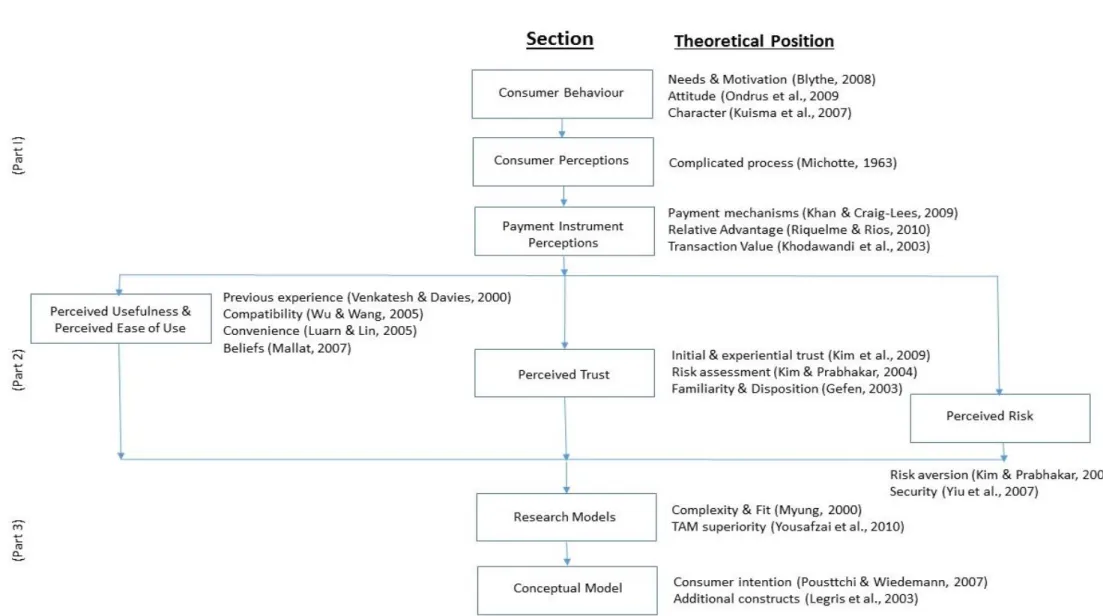
Chapter 4 then refines this research with a focus on consumer purchase behaviour. Consumer behaviour is initially explored and is followed by a review of consumer perceptions before the research lens is focussed on consumer perceptions of payment instruments. This is followed by a review of consumer perceptions of perceived usefulness and perceived ease of use, consumer perceptions of trust and consumer perceptions of risk. The chapter concludes with a review of research models before defining and justifying the conceptual model that is used for this research and identifying the various research propositions that are explored.
Chapter 5 identifies and justifies the use of a post-positivist research philosophy and a social constructionist ontology with an inductive approach on which this research is based before going on to identify and justify the research strategy which uses sequential mixed methods. The chapter then identifies and justifies the research design and research administration which is based upon two different types of consumer survey instruments with a questionnaire used first and then followed by semi-structured interviews. The chapter then explains and justifies the research procedures used, the data analysis, data validity and reliability of this research and concludes with a review of research ethics that apply and are used.
Chapter 6 reviews and explains the numerical data analysis that is undertaken on the quantitative data obtained from the questionnaires and the narrative data analysis that is undertaken on the qualitative data obtained from the interviews.
Chapter 7 identifies the key research findings that arise from the data analysis and are reviewed within each of the research propositions whilst the research findings that are identified are placed within the context of existing mobile payments knowledge. Chapter 8 reviews the research conclusions and explains how the research statement and research objectives identified earlier are met before identifying the empirical and theoretical contribution to knowledge that this research provides. A critical evaluation is then undertaken of the research model, the research methodology and research methods that are used in this research. Future research opportunities are then identified before the chapter concludes with a critical reflection of this research.
Page 18 1.8 Summary
This chapter introduced this research that explores UK consumer perceptions of mobile payments which is a relatively new phenomenon. The chapter went on to identify the research problem and framed the research aims and objectives within the existing knowledge before describing and justifying the conceptual framework on which this research is based. The chapter concluded by identifying the importance of this research for both academics and practitioners through the identification of gaps in existing literature on consumer purchase behaviour based upon consumer enabled technology devices. Understanding the different influences on consumer payment behaviour with the expanding range of consumer enabled technology devices that support mobile payments is important for successful adoption.
The next chapter reviews contemporary literature related to the development of money which is used as a means of exchanging value. The development of the various payment mechanisms from the Stone Age through to the Information Age is then identified as this led to the development and adoption of what is known as money in today’s society. Financial exchange as a payment method is then reviewed from the original barter system through to the use of notes and coins and subsequently into electronic payments following developments in computer technology. Contemporary literature on the technology impact on society is then reviewed which suggests that information technology adoption is a vital feature underpinning an information and knowledge based society (David & Foray, 2002). Consumer technology purchase behaviour is then reviewed which identifies that consumer adoption of technology enabled services is influenced by an individual consumer’s self-efficacy as this affects consumer attitude towards information systems such as mobile payments (Lu, Yao & Yu, 2005).
Page 19 2 Technology and the Evolution of Money 2.1 Introduction
In the previous chapter an introduction to this research was provided which explores UK consumer perceptions of mobile payments that is a new electronic consumer payment phenomenon. The research aims and objectives were then described and contextualised within the existing body of knowledge before going on to define the conceptual framework on which this thesis is based. The final section of the previous chapter identified the different contributions to knowledge that this research makes before explaining the chapter structure of this thesis.
There are 3 literature review chapters and the 1st chapter reviews literature relating to
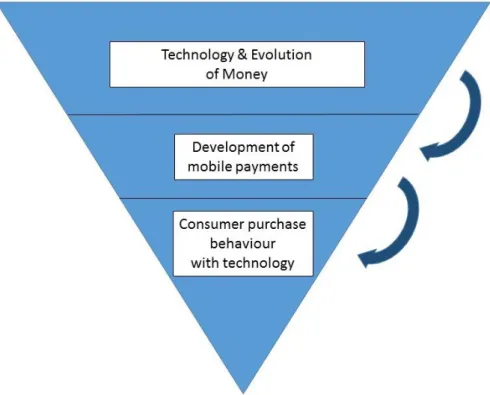
technology and the evolution of money within society before the next chapter narrows the research lens with a review of the development of mobile payments. The final literature chapter narrows the research lens further with a review of consumer purchase behaviour with technology as shown in Figure 2 - Structure of Literature Chapters below:
Figure 2 - Structure of Literature Chapters Developed by C C Hampshire (2015)
Page 20
The 1st section of this chapter commences with a review of the history and
development of money which is used as a means of exchanging value. The financial exchange is reviewed as a payment method that commenced with the original barter system and extended to the use of notes and coins and subsequently into electronic payments through the use of computer technology. The research lens is then narrowed to the technology impact on society in the 2nd section of this chapter that suggests that
information technology adoption is a vital feature underpinning an information and knowledge based society (David & Foray, 2002). The research lens then narrows further still in the 3rd section and provides a review of consumer technology purchase
behaviour which identifies that consumer adoption of technology enabled services is influenced by personal capacity or self-efficacy as this affects consumer attitude towards information systems such as mobile payments (Lu, Yao & Yu, 2005). Furthermore, consumer perception of security and risk are part of the consumer decision making process that is used to explore the relative advantages of technology enabled service adoption (Walker & Johnson, 2006). The key theoretical positions that this research adopts for each of the three sections of this chapter are shown in Figure 3 - Technology and the Evolution of Money Chapter Structure below:
Page 21
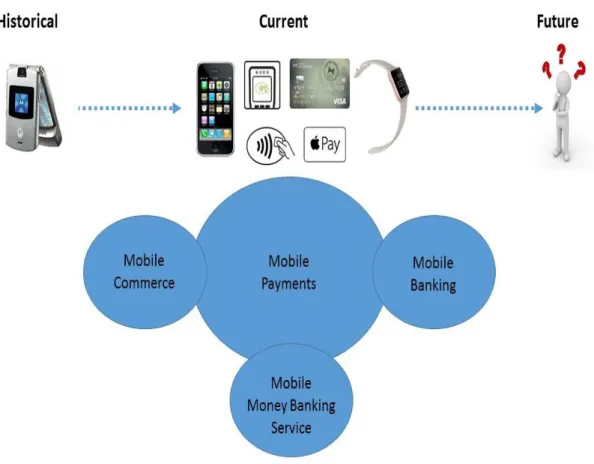
This chapter reviews the contemporary literature that relates to the development of money in today’s society which is widely used as a means of exchanging value (Bounie & Francois, 2006; Spufford, 1988). The use of payment technology within society is then reviewed and how this leads to the development of various payment mechanisms through to the Information Age and into the development of what is known as money in today’s society. This chapter also reviews how financial exchange is used as a payment method from the original barter system based upon commodities leading to the use of notes and coins as a more efficient value exchange and subsequently develops into electronic payments through the use of computer technology. This chapter then goes on to review how the communications technology evolution led to the development of mobile payments which extends electronic payments into consumers transferring financial value remotely using a variety of portable consumer wireless devices including contactless smart cards and mobile phones (Diniz et al., 2011; Ondrus & Pigneur, 2007).
Contemporary literature on the technology impact on consumers is then reviewed and includes the effect of payment technology on consumers and society. This is followed by a review of consumer interest in technology enabled payment services including various aspects of consumer perceptions of mobile payments. The various influences that affect consumer behaviour with the different consumer enabled technology devices are then explored.
2.2 History and Development of Money
Advances in knowledge, skills and technology are part of human history with stone tools being the first recognised technology from the Stone Age (Bunch & Helleman, 1993) although it is likely that wooden tools preceded stone by millions of years, but as wood survives only in exceptional circumstances this is difficult to validate. Studying the key phases of human development from the Stone Age to the current period helps provide a clearer understanding of how society got to where it is today, as this then supports predictions on the future evolution of Society (Fitzgerald, 2002).
Six key phases of human development are identified by Fitzgerald (2002) which commences with the Stone Age when humans used technology skills to make and use
Page 22
tools from their natural environment and these formed the first phase of manufacture as we know it in today’s society (Netzley, 1997). Following the Stone Age was the Agricultural Age where the technological developments continued with the plough and other technological artefacts that have been found including pottery, written language and the development of trade which was originally based upon a local barter payment system where goods were exchanged on a local basis. This local barter system was the only means of payment throughout the greater part of society’s evolution until the development and acceptance of money according to Davies (2002).
The Industrial Revolution followed the Agricultural Age and resulted in the creation of the factory based economy with payment for goods and services through coins which replaced the local barter system. These early coins became known as money and were accepted as value by the provider of the goods or services (Innes, 1913). The coins are tokens with a standardised value that is used for exchanging payment between the recipient of the goods or service to the provider (Einzig, 1966; Ferguson, 2008). However, Davies (2002) suggests a much wider definition for money that includes anything widely used for making payments which then includes barter exchange payments where any payment item could have a large differing value and hence money with a standardised value of exchange became a widely accepted form of payment (Ingham, 2004).
The use of money began in the sixth century B.C. according to Velde (1998) in what is now western Turkey, when lumps of gold found in rivers were melted and turned into pieces of uniform size imprinted with a stamp although Khan and Craig-Lees (2009) suggest that the use of token based money has been a facet of societies for many years. Whatever date money was first introduced and used in society, this commodity or token (typically a metal with some intrinsic value) became the widely accepted medium of exchange and is in widespread use in today’s societies (Spufford, 1988).
The Electricity Age followed the Industrial Revolution and led to major advances in transportation that form the basis of society we know today. As a result, the use of coins became supplemented with the development and use of bank notes as a form of money which also became an accepted form of exchange for goods and services
Page 23
alongside coins (Davies, 2002). On a similar basis to coins, each bank note had a specific recognised value and this token was accepted as the exchange value of the note by both consumers and providers of the goods and services. These bank notes became accepted as payment for goods and services in the same way that coins were accepted although bank notes are much easier to carry and conceal compared to the coin predecessor. However, bank notes only became a viable financial exchange mechanism when the various disparate parties involved in each value exchange actually accepted bank notes as a payment mechanism.
The definition and boundaries of the term money cannot be specified precisely and as a result the literature relating to the concept of money is vast and complex (Snelders, Lea, Webley & Hussein, 1992). However, the use of money is based upon the concept that it is a medium of exchange with a specific measure or value and is a means of storing and transporting abstract value (Flatraaker, 2008; Grierson, 1977; Keynes, 1930). The abstract value of exchange arises predominantly from the development and acceptance of bank notes, although the value of the actual metal content of coins had substantially diminished when bank notes became accepted (Davies, 2002) and as a result later coins are the first example of abstract value payment tokens.
Money is far superior to barter as a medium of exchange between two parties as barter requires an improbable coincidence of wants and situations with the balancing of the value exchange which restricts trade to those who know one another but also restricts it to those individuals who wish to exchange products or services for the same approximate value (Khan & Craig-Lees, 2009). The development of money provided the foundation upon which the burden of trust is removed from each of the participants in the transaction with trust transferred to the token exchange which was initially based upon the intrinsic value of the metal contained within the coins but subsequently moved to the form of a transferable token e.g. coins and bank notes. The adoption of coins and notes, which are a store of value within a conveniently portable medium of exchange, became a widely accepted means of exchange of value in today’s society (Ingham, 2004).
Page 24
The Space Age led to a number of society-benefitting developments including early computer technology which supported the evolution of electronic banking and payments that are electronic messages used to transfer financial value from one party to another rather than a physical exchange of bank notes or coins (Furst et al., 1998). Electronic payments are now an integral part of modern society and a part of everyday life, such that they are indistinguishable from it (Weiser, 1991) as electronic payments are an everyday experience for all consumers (Bounie & Francois, 2006), except primitive Societies.
The Information age followed the Space Age and brought about many key developments in transmission, storage, display and control of information along with improvements in other areas including manufacturing, communications and transportation. The communications evolution provided the foundation for the development of mobile payments as it extended electronic payments into transferring financial value remotely using portable consumer devices that include mobile phones and contactless smart cards (Ondrus & Pigneur, 2007). However, world-wide adoption of mobile payments may not occur as quickly as may be expected as the British public remain firmly attached to paying for goods and services using the traditional methods of coins and bank notes (Davies, 2002). Furthermore, motivating consumers to amend their payment habits to adopt this new payment capability is critical to successful adoption as consumers are reticent to change their payment habits without the right incentives (Ho & Ko, 2008; Riggins et al., 1994) whilst consumer apathy also has to be overcome (Viehland & Leong, 2007). However, Davies (2002) suggests that affluent countries will adopt non-cash electronic payments as they have access to payment mechanisms that use technology that poor countries cannot afford, although the widespread adoption of M-PESA mobile payments in various African countries does not substantiate this (BBC News, 2010; Perlman, 2010).
An Information Technology society can be traced back to the beginnings of mankind according to Sadleir (1991) although this is based upon a very broad definition of technology. It is technology in its broadest form and not just computer hardware, software and the internet that has shaped today’s society and the consumer world that we live in today (Abbott, 2003). The cumulative effect of information technology has
Page 25
decreased the timescales in which to undertake an analysis, make a choice and reach a decision (Sadleir, 1991). Consumers with advanced problem solving and critical thinking skills may have a substantial advantage in a technology driven society (Fitzgerald, 2002) whilst these consumer traits may be an influence on mobile payment adoption. As a result, those consumers in countries with no access to these information technology developments may be considerably disadvantaged compared to their counterparts in developed countries where information technology is an integral part of society (Mansell, 1999). |However, these disadvantages may also apply to specific sections of society in developed countries where limited access to these technology developments is available (Forestier, Grace & Kenny, 2002).
Despite the disadvantages identified above, the benefits of technology developments in internet banking and electronic payments include cost savings along with more efficient use of resources (Humphrey, Kim & Vale, 2001; Sohail & Shanmugham, 2003). Previous research identifies that when a payment is made by credit card the purchase value per transaction increases (Feinberg 1986; Hirschman, 1979) but whether this was due to absence of cash or mobility factors that influence point of purchase behaviour has not been determined. Moreover, easier and more convenient consumer payment methods can lead to over-consumption which can have an adverse impact in developed societies using valuable resources that are not really required by consumers that could otherwise be used more productively for the wider benefit of society (McDonald, Oates, Young & Hwang, 2006; Nocera, 1994; Taylor & Tilford, 2000; Zavestoski, 2002). 2.3 Consumer Technology Influences
Technology and society exist in a collaborative relationship that produces a cyclical co-dependence, co-influence and co-production (McGinn, 1991). The Information Age occurred due to the development of new information and communication technologies (Castells, 2000) although technology assessment and foresight is a highly complex activity (Ondrus & Pigneur, 2005). Information Technology adoption is an important aspect of any society’s development and societies in developed countries may have an advantage where information technology is more affordable which may be at the expense of developing countries where information technology is a relatively