VOL 29 NO 1 (2020)
EDITORIAL
Trevor Norris, Brock University ... 1
ARTICLES
“VOLUNTARILY, KNOWINGLY, AND INTELLIGENTLY”: PROTECTING INFORMED CONSENT IN SCHOOL-BASED MENTAL HEALTH REFERRALS
Jan N. DeFehr, University of Winnipeg ... 6
DOING SCIENCE: PRE-SERVICE TEACHERS ATTITUDES AND CONFIDENCE TEACHING ELEMENTARY SCIENCE AND TECHNOLOGY
Susan Maureen Docherty-Skippen, Douglas Karrow and Ghazala Ahmed, Brock University ... 24
THE IMPLEMENTATION OF THE NEXT GENERATION SCIENCE STANDARDS AND THE TUMULTUOUS FIGHT TO IMPLEMENT CLIMATE CHANGE AWARENESS IN SCIENCE CURRICULA
Christopher Holland, Drexel University ... 35
BEYOND SCHOOLS: COMMUNITY-BASED EXPERIENCES AS A THIRD SPACE IN TEACHER EDUCATION
Melanie D. Janzen and Christie Peterson, University of Manitoba ... 53
BOOK REVIEWS
HOPE IN THE DARK: UNTOLD HISTORIES, WILD POSSIBILITIES
Julianne Burgess, Brock University ... 67
INNOVATIVE LANGUAGE TEACHING AND LEARNING AT UNIVERSITY: INTEGRATING INFORMAL LEARNING INTO FORMAL LANGUAGE EDUCATION
Editorial: Freedom of Speech
in Academic Publishing
A journal of educational research and practice 2020 Vol. 29 (1) 1 – 5
https://journals.library.brocku.ca/brocked Trevor Norris
Brock University
Academic journals hold an important place in academic life and contribute to the formation of a scholarly community of inquiry. But they are not immune from controversy. Their importance is evident in their capacity to become targets of animosity, embroiled in controversy, and caught in disciplinary rivalries and unresolved intellectual disputes. Academic journals are not merely neutral reports, but carefully curated collections of research—subjected to rigorous peer review and reflecting key disciplinary disputes, directions, and quandaries that characterize a given field at a given moment of time.
The stakes are high. That’s why in this and future introductions, I will discuss the changing landscape of academic publishing—especially as it relates to academic freedom—by
commenting on different ways research and writing are compromised and how our community can better protect both.
First, consider the extent to which academic journals have been complicit in the opioid epidemic. For decades, numerous titles have published research that has promoted highly addictive
prescription drugs—questionable research that may have contributed to more than 200,000 deaths in the United States and some 14,000 in Canada (Centers for Disease Control and
Prevention, 2020; Wright, 2019). Medical researchers Rummans et al. (2018) note that the abuse of prescription pain medication is “now more prevalent than common medical diseases such as diabetes, and is 1.5 times more prevalent than all cancer diagnoses combined”(p. 345).
In publishing opioid-related research, some journals have inadequately regulated or monitored the influence of pharmaceutical corporations in clinical trials and have inadequately
acknowledged the role of corporate funding. Many publications have minimized the addictive properties of these drugs, leading doctors to prescribe them more often and in greater quantities than advisable. In 2018, the Mayo Clinic reviewed questionable pro-opioid research, going back to 1986. It found that a half-dozen academic journals had downplayed the addictive properties of opioids (Rummans et al., 2018). That recent study also shows how a pro-opioid piece in the New England Journal of Medicine, published in 1980, was referenced 600 times by other
One cannot overstate the role of academic journals in the opioid crisis, which raises significant legal and ethical questions of culpability. It also prompts all of us scholars to urgently rethink the social and political impact of academic publishing.
Questionable opioid research is but one example of commercial interests exerting significant influence on the content of academic journals. Sometimes, however, the external influence comes from governments and may actually take on the form of self-censorship. Many Western academics are unwilling to publish research that is critical of China, a self-imposed censorship due to fears they will never be allowed into that country again—or worse (Fish, 2018).
Occasionally, the pressure is more overt. In 2017, the Chinese Communist Party requested that Cambridge University Press direct one of its journals, The China Quarterly, to remove any publication from its journal archives that referenced anything that didn’t comply with the party’s views (Redden, 2017a). The Press complied, blocking over 300 The China Quarterly articles that mentioned Tiananmen, Taiwan, Tibet, Hong Kong, the Communist Party, the Cultural
Revolution, and so on. This not only meant that hundreds of already published articles were no longer available but also sent a chilling message to scholars and editors around the world. This intrusion into the world of English-language academic publishing provoked a defense of academic freedom: a large international protest, including a petition signed by hundreds of scholars (Balding, 2017), persuaded the Press to reverse its decision and refuse to comply with the Communist Party’s request (Redden, 2017b). This reversal might not have happened were the publisher privately owned and the leadership less committed to academic freedom—a good argument for maintaining connections with academic institutions. In commenting on the decision made by the Press, the journal editor Tim Pringle provided a compelling defense of academic freedom: “It is not the role of respected global publishing houses such as CUP to hinder such access” (as cited in Else, 2017, para. 10).
Commitments to academic freedom should always outweigh such external pressures. It is imperative, then, that journals remain autonomous, with supportive connections to academic institutions, so that they might serve the public good—even if it means running against powerful vested interests. In his Structural Transformation of the Public Sphere, the German philosopher and social theorist Jürgen Habermas (1989) argues that the Enlightenment and all that came with it—liberalism, democracy, freedom of speech—had its origin in the public sphere, created through the emergence of an independent press and the “public use of reason.” Rigorous academic publishing continues to serve that same function: creating and advancing a vibrant scholarly community where truth, facts, and evidence are assembled into coherent, well-reasoned arguments, and are subjected to honest debate, critique, revision, and modification.
This journal continues that important tradition. Brock Education has published dozens of issues, in print and online. The current issue includes a number of timely pieces:
also be used against students many years after diagnosis is initially documented” (p. 6). DeFehr (2019) also considers the “potential for dependence, adverse, and harmful effects” or psychiatric drugs that “exert no disease-specific action but rather act on the central nervous system to superimpose a state of intoxication that may or may not be noticeable or helpful” (p. 4). DeFehr (2019) is “concerned that educators may be facilitating student referral to mental health
professionals on the basis of misleading and incomplete information” (p. 4). She questions whether mental illness is like any other illness in terms of biological evidence, in the sense that there is “no scan, x-ray, or test of fluids or tissues available for any psychiatric diagnosis” (p. 7), and asks whether the marketing departments of pharmaceutical companies are responsible for the acceptance of pharmacological interventions. Her second concern is that school-based mental health interventions assume informed consent: schools tend to consider a student’s attendance at an appointment as implied consent for diagnosis, even as most clients are unaware that
assessments and referrals are often made quickly. Most problematically, a diagnosis is kept on file for one’s lifetime and may be necessary to disclose in the future, thereby impacting
opportunities in ways clients have not fully considered. In other words, she argues that even as psychiatric diagnosis is less “evidence based” than other medicine, it results in a consequential permanent record.
We live in an age of growing recognition of mental health issues among students—along with growing mental health interventions. But DeFehr (2019) emphasizes the importance of
promoting awareness while avoiding blanket prognosis: “It is crucial that discussions of student well-being not only refrain from disseminating unsubstantiated claims, but it is also important that educators counter the profoundly flawed assumption that difficult, strange, or extreme emotions and behaviours are manifestations of physiological pathology” (p. 16). (DeFehr discusses her paper in our Meet the Authors, available here:
https://journals.library.brocku.ca/brocked/index.php/home/meet-the-authors.)
In “Doing Science: Pre-service Teachers’ Attitudes and Confidence Teaching Elementary Science and Technology,” Susan Docherty-Skippen, Doug Karrow, and Ghazala Ahmed (2019) consider how “early elementary science and technology (S&T) education experiences with hands-on experimentation and inquiry-based learning impact pre-service teachers’ attitudes and confidence to teach S&T education” (p. 24). Interviews with 27 pre-service teachers,
participating in an elementary methods course in Ontario, indicate that those taught S&T through hands-on experimentation exhibit more positive attitudes toward S&T. The authors aim to move beyond the “traditional economic or utilitarian line of thought” (p. 26), which they recognize as modernist, instrumental, and characterized by an “encounter nature in a technological way that is delineating, calculating, and categorizing” (p. 26). The authors advocate for the inclusion of an ontological and postmodern perspective, founded on different metaphysical systems and ways of knowing, which “demands S&T be viewed as more contingent, less certain, more complex, tentative, emergent, and tolerant of the unknown” (p. 26). Their study “demonstrates that pre-service elementary teachers who were exposed to hands-on experimentation in their elementary S&T school years exhibit a more positive attitude toward S&T and are more confident to teach S&T” (p. 31).
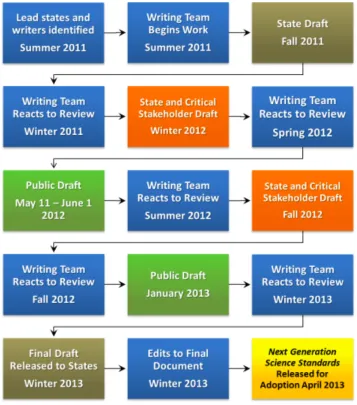
Tumultuous Fight to Implement Climate Change Awareness in Science Curricula,” Holland (2019) notes that teachers often promote views from both advocates and detractors—in the name of balance—despite overwhelming scientific consensus that climate change is happening and caused by human activity. Holland considers the Truth in Textbooks coalition, a group organized by a former United States Army Lieutenant that analyzes high school textbooks and advocates for the inclusion of biblical perspectives on evolution and climate. This misrepresents and misdirects teaching on climate change, Holland argues. The coalition promotes the notion that climate change is normal and natural, caused by things like volcanos and a changing orbit, and argues that science-based discussions on the topic unnecessarily frighten and alarm people. In this way, the group stands in contrast to the Next Generation Science Standards—developed by educators, scientists, policy makers, and Nobel Laureates—that promote “a more evidence-based, hands-on learning pedagogy” (p. 44). Holland concludes with several recommendations and policy prescriptions that tackle entrenched resistance to engaging debates about climate change in schools.
And in “Beyond Schools: Community-Based Experiences as a Third Space in Teacher
Education,” Melanie Janzen and Christie Petersen (2019) describe practicum experiences that balance theory and practice by combining coursework and field experience—something most teacher education programs do in Canada. Their article aims to broaden that pedagogical approach by exposing students to other experiential opportunities, such as community
organizations. They offer a case study that examines student experiences and challenges future teachers to disrupt the “belief that teaching is a matter of technical expertise” (p. 54). This leads to a discussion of a “third space” in teaching, which draws upon hybridity theory and allows for a more nuanced understanding of common boundaries in education: theory/practice,
teacher/student, university/school. Community-based field experiences, the authors show, can challenge and transform such binary perspectives.
The current issue inaugurates some changes to the format of the journal, taking advantage of some developments in open source software. First, abstracts are provided on the home page of each issue in order to attract potential readers and allow them to more easily determine what they want to read. Clicking on article titles will now bring readers directly to articles. Second, the layout of the articles has also been modified to provide a more appealing visual layout. Last, as evident in this email, we have adopted a format that includes abstracts and links to the articles within the body of the email in order to allow readers to more easily click through to the articles. All of these changes aim to improve both the aesthetics and functionality of the journal by reducing the number of clicks necessary to access articles and keeping readers in the journal once they come in.
Thank you to former editor-in-chief Dolana Mogadime who has provided considerable support through this editorial transition, Ash Grover who has joined as editorial assistant, Peter Vietgen who provided cover art, and Tim Ribaric who continues to provide tech support.
disinterested and non-instrumental inquiry that troubles common assumptions and disrupts prevalent practices. Research can and often should be framed as disruption and interruption. The current issue of Brock Education contains research that does both.
References
Balding, C (2017). Petition Cambridge University Press not to censor China articles. Change.org. https://www.change.org/p/christopher-balding-petition-cambridge-university-press-not-to-censor-china-articles
Biesta, G. J. J. (2010). Good education in an age of measurement: Ethics, politics, democracy. Routledge. https://doi.org/10.4324/9781315634319
Centers for Disease Control and Prevention. (2020, March 19). Opioid overdose: Overview. https://www.cdc.gov/drugoverdose/data/prescribing/overview.html
Else, H. (2017, August 21). Cambridge University Press makes U-turn in China censorship row. Times Higher Education. https://www.timeshighereducation.com/news/cambridge-university-press-makes-u-turn-china-censorship-row
Fish, I. S. (2018, September 4). The other political correctness: Why are America’s universities censoring themselves on China? The New Republic.
https://newrepublic.com/article/150476/american-elite-universities-selfcensorship-china
Habermas, J. (1989). The structural transformation of the public sphere: An inquiry into a category of bourgeois society (T. Burger, Trans.). The MIT Press.
Leung, P. T. M., Macdonald, E. M., Dhalla, I. A., & Juurlink, D. N. (2017). A 1980 letter on the risk of opioid addiction. The New England Journal of Medicine, 376(22), 2194–2195. https://doi.org/10.1056/nejmc1700150
Redden, E. (2017a, August 21). Outrage over university press caving in to Chinese censorship. Inside Higher Ed. https://www.insidehighered.com/news/2017/08/21/cambridge-university-press-blocks-access-300-plus-articles-request-chinese-censors
Redden, E. (2017b, August 22). Cambridge Press changes course on Chinese censorship request. Inside Higher Ed. https://www.insidehighered.com/news/2017/08/22/facing-criticism-cambridge-university-press-changes-course-and-wont-comply-chinese
Rummans, T. A., Burton, C., & Dawson, N. L. (2018). How good intentions contributed to bad outcomes: The opioid crisis. Mayo Clinic Proceedings, 93(3), 344-350.
https://doi.org/10.1016/j.mayocp.2017.12.020
To view our interview with Jan DeFehr regarding this article, visit our Meet the Authors site: https://journals.library.brocku.ca/brocked/index.php/home/meet-the-authors
Vol ntaril , Kno ingl , and
Intelligentl :
Protecting
Informed Consent in
School-Based Mental Health Referrals
A journal of educational research and practice 2020 Vol. 29 (1) 6 - 23
https://journals.library.brocku.ca/brocked
Jan N. DeFehr
University of Winnipeg
Author Note: Correspondence concerning this article should be addressed to Jan DeFehr, Faculty of Education at the University of Winnipeg, MB R3B 2E9.
Abstract
Coherent with mental health literacy curricula, mental health assessment and referral is embedded in Canadian educational contexts. Mental health literacy excludes the substantial scholarly critique of mental health produced by psychiatry, the disciplinary base of the field of mental health. In-school student referrals to mental health professionals may similarly omit important critical information. Key critical areas of concern include scientific evidence, psychiatric drugs, psychiatric diagnosis, misinformation, and potential for harm. Professional ethics codes call for full disclosure of risk and open access to any relevant information needed for informed decision-making. Some mental health interventions commonly take place on an implied consent basis within first-time consult appointments. Consequently, parents and students require access to critical mental health knowledge before or during referral processes. Beyond aligning mental health referral with the ethical principle of informed consent, professional ethics require institutional divestment from any mental health premises and practices that cause harm and lack scientific, intellectual, and ethical integrity.
Anchored in mental health literacy discourse, informal mental health assessment and referral has become a whole-school endeavor for secondary schools in Canada (Kutcher, Wei, & Morgan, 2015). Mental health literacy programs, such as The Guide, call upon every member of the school community to recognize or read problematic feelings and behaviours as symptoms of individual mental disorder, a term synonymous with mental illness, mental health condition, psychiatric illness, and neuropsychiatric disorder (Kutcher & Wei, 2017). According to mental health literacy, even young people can learn to spot mental disorders in themselves and others and schools can teach them early-detection strategies. Psychiatrist Stan Kutcher and colleagues advise, I is f ndamen al hat schools not only promote positive mental health, but also enable s den s o differen ia e normal men al dis ress from men al heal h problems/disorders
(Kutcher, Yifeng, Costa, Gusmao, Skokauskas, & Sourander, 2016, p. 568). Embedding informal mental health assessment and referral within the everyday life of the school ensures that mental health assessment can be offered by anyone at any time whether requested or not. Hundreds of published articles affirm mental health literacy training, early detection, and referral (Jorm, 2000; Kutcher et al, 2016). Unless school communities are aware of the critical mental health literature, they may not know there is cause for concern.
In this article, I draw on critical mental health scholarship and professional codes of ethics to invite critical inquiry into school-based mental health referrals. I will use a definition of referral that includes both case-by-case individual student referral, as well as the school-wide mental health referral achieved by mental health literacy curricula. In advancing a critical approach, my major claims are as follows: psychiatry, unlike other fields of medicine, lacks scientific evidence of pathology despite at least seventy years of research; second, ps chia r s diagnostic manuals design psychiatric diagnosis to endure throughout the lifespan and although mental disorder diagnosis can open doors, it can also be used against students many years after diagnosis is initially documented; and third, psychiatric drugs, each with their characteristic potential for dependence, adverse, and harmful effects, exert no disease-specific action but rather act on the central nervous system to superimpose a state of intoxication that may or may not be noticeable or helpful (Moncrieff, 2013). I draw attention to critical mental health research because I am concerned that educators may be facilitating student referral to mental health professionals on the basis of misleading and incomplete information.
Critical mental health scholarship extending back to the 1950s documents
misinformation, missing information, and potential for serious harm implicit within mainstream mental health and its disciplinary base of psychiatry (Bracken et al, 2012; Burstow, 2015; Cooper, 1967/2001; Foucault, 1954/2011; Goffman, 1961, 1963; Johnstone & Boyle, 2018; LeFrancois, Menzies, & Reaume, 2013). The critical literature also articulates a vast range of alternative ways of understanding and addressing the phenomena commonly classified as mental health issues (Anderson, 1997; Clark, 2016; DeFehr, 2016, 2017; Foucault, 1954/2011;
Linklater, 2014). Mental health promotion materials exclude critical scholarship thereby contributing to an illusion of disciplinary consensus. The Critical Mental Health Nursing
Network (2015) asserts it is neither accurate nor ethical to present the field of mental health as a unified cohesive field.
question of howto begin integrating critical scholarship with school-based discussions of student mental health in a constructive, compassionate, and ethical manner, I present informed consent
directives from professional codes of ethics for Canadian counsellors and psychologists. The article concludes with an open-ended series of questions for consideration. My central argument is that mental health referral practices whether intended for individual students or whole school communities breach the ethical principle of informed consent if they omit relevant critique articulated within critical mental health scholarship. Students and parents are entitled to full disclosure (Canadian Counselling and Psychotherapy Association, 2015).
I engage with both conventional and critical mental health scholarship as a former counsellor for twenty years, first, in government-named youth corrections, and then within publicly funded community healthcare settings and university student counselling services. I now teach and research critical mental health as a professor in a university faculty of education. With an ongoing commitment to work for anticolonial social and environmental justice, I approach the topic of critical mental health from a geopolitical location, as a settler living and working in Treaty 1 territory and the homeland of the Métis Nation.
Absence of Biomarker Evidence of Illness
Prior to their attendance at a first mental health consultation appointment, students, parents, and guardians require basic knowledge of key critical concerns regarding mental health premises and practices. The topic of scientific evidence provides an essential foundation for critical mental health awareness. Educators may not be aware that psychiatry has not produced any scientifically valid biological evidence of illness for any of its 300-plus mental illness diagnoses (Frances, 2013; Johnstone & Boyle, 2018; Kinderman, 2014; Rose, 2015). This criticism contrasts with mental health promotion curricula which routinely advises that mental illness is like any other illness. Although the body, with its genes, biochemistry, and brain, is inevitably involved in all human experience, hypotheses about the pathological nature of mental disorder have never been substantiated by science. There is no scientific evidence of illness, pa holog , or disease, for an men al disorder lis ed in ps chia r s la es diagnos ic man al.
[W]hen DSM-5 was published in 2013, there was not a single clinically validated biomarker for an ps chia ric disorder (Rose, 2015, p. 1).
Ps chia r s crisis of legi imac has been openly acknowledged by both critical and conventional psychiatrists. Thomas Insel s (2013) infamo s remarks can still be read at the National Institute of Mental Health (NIMH) website: While DSM has been described as a
Bible for he field, i is, a bes , a dic ionar , crea ing a se of labels and defining each he eakness is i s lack of alidi (para. 2). Insel wrote these words as director of the NIMH, the largest funder of mental health research in the world (National Institute of Mental Health, 2019). Allen Frances (2013) Chair of the DSM-IV Task Force similarly acknowledged: The brain has provided us with no low-hanging fruit thousands of studies on hundreds of putative biological markers have so far come up empty (p. 11).
& Martins-de Souza, 2016; Kinderman, 2014). Psychiatry has no laboratory test for chemical imbalance, just as it has never produced or utilized any test for measuring chemical balance
(Lynch, 2015). Although chemical imbalance is commonly presumed to be a leading cause of supposed mental disorders, extensive critical scholarship credits the marketing departments of pharmaceutical companies with the popularization of this unproven assumption (Healy, 2012; Whitaker & Cosgrove, p. 2015).
David Kupfer, chair of the most current DSM edition (DSM-5) (APA, 2013), criticized ps chia r s lack of objective, scientifically validated biological evidence when research for DSM-5 was beginning:
the goal of validating these [DSM] syndromes and discovering common etiologies has remained elusive. Despite many proposed candidates, not one laboratory marker has been found to be specific in identifying any of the DSM-defined syndromes. (Kupfer, First & Regier, 2002, p. xviii)
Calling for a paradigm change within psychiatry, Kupfer and colleagues (Kupfer, First & Regier, 2002) arg ed i as falsel op imis ic o regard men al disorders as discre e biomedical en i ies (p. 8). Approximately one decade later, however, with DSM-5 s publication date fast approaching, Kupfer and Regier (2011) publically disclosed, DSM-5 does not represent a radical depar re from he pas ... (para. 7). In an American Psychiatric Association press release, DSM-5 chair David Kupfer (2013) elaborated:
In the future, we hope to be able to identify disorders using biological and genetic
markers that provide precise diagnoses that can be delivered with complete reliability and validity. Yet this promise, anticipated since the 1970s, remains disappointingly distant. We e been elling pa ien s for se eral decades ha e are ai ing for biomarkers. We re still waiting. (Kupfer, 2013, para. 1)
First Aid program for practitioners who work with youth similarly coaches its trainees to advise distressed young people that he ha e a real medical condi ion (Mental Health Commission of Canada, 2010, p. 4), even though this scientific claim lacks biological evidence, as DSM-5 chair David Kupfer has acknowledged. Part of a larger longstanding pattern of medicalization
(Conrad, 1992, 2007), practitioners in the helping professions routinely discuss human distress and difference as though difficult or problematic feelings and behaviours are manifestations of mental illness (Strong, 2017). When learning communities gain familiarity with basic outcomes of critical mental health research, they are better able to interrogate widespread assumptions and constructively engage with a broader range of explanations and strategies.
Psychiatric Drugs: Effective Treatments?
Just as ethical referral to mental health professions requires critical awareness of ps chia r s crisis of evidence, ethical in-school referral requires critical awareness about psychiatric drugs. The critical scholarship of practicing and academic psychiatrist Joanna Moncrieff (2008, 2009, 2013, 2018, 2019) is relevant to students, parents, and teachers considering the possibility of chemical intervention. Co-chair of the UK-based Critical
Psychiatry network, Moncrieff (2009) contends that members of the public make decisions about beginning psychiatric drug se on he basis of o all inadeq a e informa ion (p. 124). Western medicine categorizes psychiatric drugs within the class of psychoactive substances along with other recreational drugs, such as caffeine, nicotine, alcohol, amphetamines, heroin, LSD, cocaine, and cannabis (Moncrieff, 2009). Moncrieff (2013) discourages moralizing about whether the prescribed substances are good or bad and instead argues for fully informed evaluation of the full range of potential harms and benefits of psychiatric drug use.
It is crucial that school communities understand a central o come of Moncrieff s (2008, 2013, 2018, 2019) research: there is no scientific evidence that psychiatric drugs exert any disease-specific action, no scientific evidence that psychiatric drugs cleverly target illness, stopping, reversing, preventing, or changing illness in any way. Correspondingly, psychiatric drugs do not correct physiological anomalies or provide chemicals that so-called normal bodies produce. Rather than changing a disease process, psychiatric drugs act on the central nervous system to superimpose a state of intoxication, par of h mani s ancien his or of sing substances to relieve suffering, induce euphoria, or enhance life (Moncrieff, 2013). The altered state of consciousness produced by psychiatric drugs may or may not be noticeable, pleasant, or preferable. Moncrieff (2009) argues it is incorrect to equate psychiatric drug-induced effects with normalcy:
Drugs do not simply reproduce ordinary emotional states. They produce characteristic altered states, which vary according to the pharmacological properties of the drug concerned. Drugs are not a sophisticated way of restoring or enhancing normal
functioning. They are just drugs. They can make you fast or slow, euphoric or dysphoric. They can produce some curious and usually unpleasant experiences and sensations. But they do not make a troubled person happy or a disturbed person normal. (p. 126)
If psychiatric drugs do not modify a process of illness, might they at least relieve s den s s mp oms of the phenomena presumed to be mental illness? Critical mental health scholarship indicates that although psychiatric drugs can alter feelings, behaviours, perceptions, and thinking, these substances also produce toxicity (Breggin, 1991). Pharmaceutical companies
se he erm side effec s to acknowledge unwanted outcomes of psychiatric prescriptions, but critical scholars see he ord side as a marketing strategy that arbitrarily partitions some effects, always the negative effects, from other effects (Moncrieff, 2009, 2013). The erm side effec wrongly implies the drugs exert a central disease-specific action. Further, the word side serves to minimize the seriousness and potential centrality of common unpleasant and harmful psychiatric drug effects. Psychiatric drugs can produce a full range of harms, such as facial tics, metabolic disorders, brain damage, suppressed growth and increased risk of death (Breggin, 2014; Moncrieff, 2009, 2013). Major tranquilizers, also referred to as antipsychotics, atypicals, neuroleptics, and more recently renamed and remarketed as mood stabilizers (Healy, 2006) can produce debilitating movement disorders accompanied by intellectual impairment (APA, 2013; Moncrieff, 2013). Psychiatric drugs produce a blunt global effect throughout the body, changing not only cognitive or emotional experience but also physical processes such as increasing blood pressure and heart rate (Moncrieff, 2009).
Desperate for improvement, s den s eachers and caregi ers may presume the prescribed drug use can simply be discontinued if it is not helpful. Mental health promotion campaigns do not publicize that discontinuation of psychiatric drugs, even when taken as prescribed, can be severely difficult (Read, Gee, Diggle & Butler, 2019). Psychoactive substances, including psychiatric drugs, commonly produce dependence, as evidenced by the phenomena of tolerance and withdrawal syndromes (Moncrieff, 2009; Moncrieff, Cohen & Porter, 2013). Careful withdrawal from psychiatric drug use can be swift and uncomplicated or it can be excruciating and debilitating, requiring a period of months or years (Cartwright, Gibson, Read, Cowan & Dehar, 2016; Moncrieff, 2009; Read, Gee, Diggle & Butler, 2019). Students who have not been cautioned about withdrawal syndromes commonly conclude that their
men al disorder is re rning hen ha he are e periencing is a drug withdrawal syndrome (Moncrieff, 2006). Many people first notice the effects of their psychiatric drug (say in the case of antidepressants) when they attempt to stop taking it (Moncrieff, Cohen & Porter, 2013). The body produces adaptations to regular psychoactive substance use and thus, drug-induced effects presumed to be therapeutic are often temporary and not sustainable over time (Moncrieff, 2009).
specialty, ps chia r s absence of biological markers of pathology makes it more prone to industry influence (Cosgrove & Wheeler, 2013), a marke er s dream (Healy, 2012, p. 39).
Mental Illness Diagnosis
How it Happens
Students and parents require critical knowledge regarding mental disorder diagnosis. Prior to a first consult with a professional in the helping professions, people need to know that psychiatric diagnosis commonly takes place invisibly in the thinking and questioning of the professional in the first minutes of the first appointment (Frances, 2013). Expecting a medical procedure, patients reporting distress or unusual problematic behavior to their service provider may not know that a mental disorder diagnostic process has already begun and may be well underway. Some diagnoses, such as personality disorder diagnoses, can be profoundly
stigmatizing, but even commonplace diagnoses mark students as defective, different from others, less than their ideal selves (Gergen, 1994).
Implied Consent
The conventional in-office process of psychiatric diagnosis is based on implied consent and requires no explicit permission or agreement from he s den or s den s guardian or parent. After a first appointment with a diagnosing professional has begun, there is no way for a student to secure a particular diagnostic outcome. Simply attending an appointment or consult as a patient or client of a diagnosing professional is the only indication of consent required for mental disorder diagnosis in Canada. Because consent to diagnosis is implied in medical settings, it is important that students and parents access critical knowledge about diagnosis prior to their first appointment. The ethical principle of informed consent must therefore be explicitly and conscientiously integrated with all mental health referral processes.
Who Diagnoses Mental Disorders?
Prior to the first appointment, persons planning to attend should understand whether the professional they anticipate meeting has been granted mental disorder diagnostic privileges. The Canadian colonial state grants psychiatrists, family physicians, pediatricians, psychologists, and nurse practitioners ultimate naming rights the authority to diagnose their patients with mental disorder labels. Canadian social workers, family therapists, psychiatric nurses, and guidance counsellors are not authorized to diagnose clients, but these non-diagnosing professionals commonly assume informal yet powerful diagnostic roles as they affirm and disseminate psychiatric assumptions, adopt psychiatric diagnostic vocabulary, and facilitate referral to diagnosing professionals (DeFehr, 2017). Teachers also commonly contribute powerfully to diagnostic processes as they draw on psychiatric truth claims to understand and address student distress and difference. At times, educators may be called upon to shape diagnostic process and outcome with their own documented observations of students.
Can the Diagnosis be Dropped?
students long after diagnosis is initially documented. An uncomfortable or disappointing mental disorder diagnosis cannot be given back like shoes returned to the mall. Psychiatry provides no mechanism such as a laboratory test to objectively verify recovery (APA, 2013; DeFehr, 2017; Kirk, Cohen & Gomory, 2015). Psychiatry offers no diagnosis, label, or criteria for normal, healed, cured, or recovered (Rose & Abi-Rached, 2013). Mental health awareness campaigns advertise recovery without revealing that the only post-diagnosis options provided by DSM-5 are
remission (full or partial) or relapse (APA, 2013). While some diagnoses indicate specific age ranges, there is no separate youth or pre-school nosology for mental disorder diagnosis (APA, 2013). There is always potential for students to pick up additional diagnoses but like a hallway without an exit, the DSM-5 provides no means for subtraction. Arguing for the abolishment of psychiatric diagnosis along with his colleagues from the British Psychological Society
(Johnstone & Boyle, 2018), psychologist Peter Kinderman (2014) discusses the way psychiatric diagnosis is niq el designed o end re o er ime: he label s icks o hem [ he s den ], no o
he disembodied s mp oms (p. 54).
Students objecting to their diagnoses may seek a second professional opinion, but the second opinion cannot reverse the first opinion, even if both opinions clearly differ or contradict. The second consult produces additional diagnostic opportunity (DeFehr, 2017). Some medical diagnosticians might document their objection to a previous mental disorder diagnosis, and they may document their opinion that the person in question no longer meets diagnostic criteria, but any changes noted must be made in a way that preserves the original documentation of diagnosis (Canadian Medical Protective Association, 2019). Diagnosing medical professionals may choose to cease documenting references to the mental disorder diagnosis and they may even remove diagnoses from patient problem lists, but they may not delete or destroy the original documented diagnosis. Parents and students need to understand that if they are assigned a mental disorder diagnosis b a diagnosing medical professional, o ill ne er be able o remo e s ch a diagnosis from your health records (Kirk, Cohen & Gomor , 2015, p. 77). I will soon discuss how the courts, insurance corporations, and professional licensing authorities help to produce the d rabili of men al disorder diagnosis i h heir ha e o e er been lines of inq ir specific to psychiatric diagnosis.
Comorbidity?
Students and parents may benefit from knowing that diagnoses are often assigned in multiples. DSM-5 frequently deploys the concept of comorbidity to account for the considerable overlap between diagnostic classifications (Frances, 2013). For example, anxiety disorders are said to resemble unipolar depressive disorders, thus DSM-5 ad ises ha indi id als hose presentation meets criteria for generalized anxiety disorder are likely to have met, or currently mee , cri eria for o her an ie and nipolar depressi e disorders (APA, 2013, p. 226). Some have wryly observed that DSM-5 s freq en comorbidi statements resemble YouTube
recommended for o suggestions. What psychiatry names comorbidity can alternatively be understood as poor diagnostic reliability. Assignment of psychiatric diagnoses in clusters further entrenches a deficit-oriented psychiatric identity.
Costs of Diagnosis
Diagnosis, gi en he p blic s general understanding of mental disorder diagnosis, may initially bring relief, validation, and clarity; many families take hope and comfort from the realization that their struggle is known, has a name and can be explained and presumably treated or healed. Often the process of diagnosis reduces the isolation as students and their families realize they are not alone in their struggle. Some school divisions make psychiatric diagnosis a requirement for special funding or accommodation. Psychiatric diagnosis of children and youth can diminish paren s feelings of guilt or embarrassment. Psychiatric diagnosis can also create impairments and barriers decades after diagnoses are initially documented.
Many educators and students may not realize that their psychiatric diagnoses must be declared at different junctures in life. Some professional licensing, such as physician licensing (Morris, 2017) requires on-going disclosure of personal mental health history. A psychiatric diagnosis can be used against students later in life to influence adoption proceedings and child custody deliberations (Deutch & Clyman, 2016). Court orders can require diagnosticians to release diagnostic information. Mental disorder diagnosis is a factor determining eligibility and cost of life, house, and disability insurance, and can be used to determine whether people are able to drive a vehicle (Frances, 2013; Manitoba Public Insurance, 2018) or manage their own legal and medical decisions (Caplan & Cosgrove, 2004). Even when access to medical history is not required, diagnosed persons may feel compelled to disclose their mental disorder diagnoses to family members or potential life partners. Consequently, the privacy characterizing the inaugural diagnostic moment usually diminishes to include numerous unanticipated others throughout the lifespan.
Diagnosis and Identity
After mental disorder diagnosis, it can be difficult for diagnosed students to distinguish their own human feelings and behaviours from their so-called psychiatric symptoms. As Gergen (1994) noted,
In effect, once people understand their actions in terms of mental deficits, they are sensitized to the problematic potential of all their activities and how they are infected or diminished. The eigh of he problem no e pands manifold; i is an inescapable as their own shadow. (p. 150-151)
Many adults lament that they have never had opportunity to know a diagnosis-free, drug-free identity; they have been psychiatric subjects for as long as they can recall (Delano, 2010).
Demystifying Diagnosis: A Case Example
In my experience, direct engagement with the DSM-5 text rapidly clarifies and
demystifies psychiatric diagnosis for teachers. I recommend that teachers read the DSM-5, not to diagnose themselves or others, but to see for themselves how the diagnoses psychiatrize a wide range of human feelings and behaviours, many of which are common and wholly
understandable. In the courses I teach, I find that teachers and pre-service teachers quickly grasp the simplicity of the diagnostic criteria and the circularity of its logic.
The diagnosis of General Anxiety Disorder, perhaps the most common diagnosis in schools, illustrates the word-bound, subjective nature of psychiatric diagnosis. The first purported symptom of Generalized Anxiety Disorder, according to DSM-5, is anxiety:
least 6 months, about a number of events or activities (such as work or school performance) (APA, 2013, p. 222). The second DSM-5 criteria for General Anxiety Disorder asserts that he individual finds it difficult o con rol he orr (p. 222). The third criteria form the bulk of the diagnostic criteria for General Anxiety Disorder: The an ie and orr are associa ed i h three (or more) of the following six symptoms (with at least some symptoms having been present for more da s han no for he pas 6 mon hs) (p. 222).
DSM-5 (APA, 2013) uses the following words to comprise the core of the General Anxiety Disorder diagnostic criteria:
1. Restlessness or feeling keyed up or on edge. 2. Being easily fatigued.
3. Difficulty concentrating or mind going blank. 4. Irritability.
5. Muscle tension.
6. Sleep disturbance (difficulty falling or staying asleep, or restless, unsatisfying sleep). (APA, 2013, p. 222)
The criteria states that Onl one i em is req ired in children (p. 222) thus almost ensuring that any child persistently overwhelmed by problems at home or school can readily acquire the General Anxiety Disorder diagnosis. Within a conventional mental health rationality, students anxious about life conditions directly resulting from past and present-day colonization and genocide can have their understandable feelings of distress and resistance inappropriately read as individual mental pathology instead of understood as an understandable human response to environmental, social, and economic injustice (Blackstock, 2012; Clark, 2016; Linklater, 2014; Million, 2013).
DSM-5 further specifies that an ie , orr , or ph sical s mp oms ca se clinicall significant distress or impairment in social, occupational, or other important areas of
f nc ioning (APA, 2013, p. 222). The phrase clinically significant distress is vague and not quantified. It is important to notice the assumption that the fully-human response of anxiousness is presumed to be the root ca se of he impairmen in social, occ pa ional, or o her impor an areas (p. 222) rather than the hardship, injustice, or problematic cognitive habits to which the anxiousness may be a response.
DSM-5 openly acknowledges that young persons acquire the General Anxiety Disorder diagnosis through very common and legitimate worries: Children and adolescen s end to worry more about school and sporting performance, whereas older adults report greater concern about the well-being of famil or heir o n ph sical hea h (2013, p. 223). DSM-5 notes further that children and adolescents worry also about environmental catastrophe and atrocity caused by war (p. 224). Indeed, these worries seem widespread and important, even necessary to human
survival.
Like other diagnoses in DSM-5, the unspecified and other specified anxiety diagnoses allow diagnostic labelling to take place even in situations where even the minimal diagnostic criteria are not met. The dragnet function of unspecified and other specified diagnoses can be seen in the Unspecified Anxiety Disorder diagnosis which can be assigned
is insufficient information to make a more specific diagnosis (e.g., in emergency room settings. (APA, 2013, p. 233)
Like all other psychiatric diagnoses, including schizophrenia (APA, 2013, p. 87), ADHD (APA, 2013, p. 59) and bipolar disorders (APA, 2013, pp. 123-154), DSM-5 General Anxiety Disorder diagnosis requires no medical procedure and offers no criteria for recovery. Critical awareness of mental disorder diagnosis is essential for ethical referral processes in school.
Aligning Referral with Professional Ethics
If teachers contribute to mental health assessment and referral processes in schools, it would seem they should know and uphold the informed consent ethics standards outlined by mental health professional codes of ethics. Professional codes of ethics discuss informed consent as the centerpiece of ethical practice (Robinson, Lehr & Severi, 2015). According to the
Canadian Counselling and Psychotherapy Association informed consent must be granted voluntarily, knowingly, and intelligently (Robinson, Lehr & Severi, 2015, p. 54). Voluntarily means the consent must be given freel i ho press re, coercion, or i ho po erf l incen i es o do so (Canadian Counselling and Psychotherapy Association, 2015, p. 15). To offer consent knowingly means professionals must fully disclose relevant information including information abo implica ions of diagnosis, limi s of confiden iali , and po en ial risks and benefi s (p. 16). To give consent intelligently means that clients can understand descriptions of he e pec ed and po en ial rea men s and proced res (p. 15) ell enough to make informed decisions. The Standards of Practice guidelines further specify that clients should be permitted to withdraw their consent, and further, co nsellors sho ld no eq a e silence i h consen
(Canadian Counselling and Psychotherapy Association, 2015, p. 16). In contrast with implied consent practices, professional ethics standards for counsellors encourage documentation of consent al ho gh effecting a proper consent necessitates completion of a consent process, which is considerabl more in ol ed and de ailed han simpl ge ing a signa re on a form
(Robinson, Lehr & Severi, 2015, p. 27).
Teachers and school counsellors may understandably feel reluctant to speak about potential for harm within helping systems, yet professional ethics demand straightforward, clear and full disclosure of risks (Canadian Psychological Association, 2017; Robinson, Lehr & Severi, 2015). Psychologists must provide as much information as persons would reasonably want to know before making decisions or consenting to intervention (Canadian Psychological Association, 2017). Ethics codes call for integrity, truthfulness, accuracy, open communication and honesty throughout every professional-client encounter (Canadian Psychological
Association, 2017). As a profession, ps chologis s are o promo e freedom of enq ir , inno a ion, and deba e (incl ding scien ific and academic freedom) (Canadian Psychological Association, 2017, p. 30). Ps chologis s are o help enco rage cri ical anal sis and par icipa e in he discipline s process of cri ical self-evaluation (p. 32). Psychologist codes of ethics require psychologists to ens re ha ps chological kno ledge is sed for j s and beneficial p rposes (p. 31). Further,
appropriate change to occur as quickly as possible. (Canadian Psychological Association, 2017, p. 31)
Psychologists ha e a higher duty of care to members of society than the general duty of care that all members of socie ha e o each o her (Canadian Psychological Association, 2017, p. 3).
Regarding discussion of risk of harm, psychologists must do more than merely offer full disclosure of potential hazards. The m s ermina e an ac i i hen i is clear ha he ac i i carries more than minimal risk of harm and is found to be more harmful than beneficial, or when
he ac i i is no longer needed (Canadian Psychological Association, 2017, p. 15).
Psychologists must refuse to participate in practices or assumptions that are known to cause harm. F r hermore, ps chologis s m s be open o he concerns of o hers abo percep ions of harm ha he as a ps chologis migh be ca sing (Canadian Psychological Association, 2017, p. 23-24) and again, the code of ethics reminds psychologists they are required to no onl s op ac i i ies ha are ca sing harm , he m s no punish or seek punishment for those who raise such concerns in good fai h (p. 23-24).
Beyond full disclosure of potential for harm, it is crucial that discussions of student well-being not only refrain from disseminating unsubstantiated claims, but it is also important that educators counter the profoundly flawed assumption that difficult, strange, or extreme emotions and behaviours are manifestations of physiological pathology. To the extent that schools
publicize the erroneous claim that mental illness is like any other illness, schools must correspondingly assume responsibility for systematically correcting this misinformation and addressing its associated harms.
Conclusion
The following open-ended series of questions might be useful as educators consider the extent to which their school facilitates awareness of critical scholarship in the field of mental health. Are students aware that there are many ways to understand and address their difficulties, and that the psychiatric paradigm is just one option? Are students and their caregivers aware that phenomena referred to as mental illness fundamentally differs from physical illness? Are they aware that there are correspondingly no objective laboratory tests or medical procedures required for mental illness diagnoses? Regarding psychiatric drugs such as antianxiety or antidepressants, are students, parents, and guardians aware that psychiatric drugs, in the same class of substances as recreational drugs, do not cleverly target diseases but instead produce an altered drug-induced state that may or may not be useful (Moncrieff, 2013)? Are they aware of potential unpleasant and devastating drug effects, drug tolerance, dependence, and withdrawal syndromes?
Concerning diagnosis, are they aware of which helping professionals assign psychiatric diagnoses? Are they aware of how and when diagnosis typically takes place? Are students, parents, and guardians aware that diagnosis of young persons can create significant barriers for them at various junctures in their lives? These are only a few examples of questions that help build student and parent awareness of critical mental health knowledge.
perspectives nor to dispense medical advice, but rather to compassionately and respectfully open school access to the critical scholarship that is routinely omitted from mental health promotion programs. Educators can help ensure that school-based referrals to helping professionals align with the ethical principle of informed consent. Student or parental consent to intervention, if and when it is granted, can then be offered authentically, ol n aril , knowingly, and in elligen l (Robinson, Lehr & Severi, 2015, p. 54).
References
American Psychiatric Association (APA). (2013). Diagnostic and statistical manual of mental disorders 5th Edition. Arlington, VZ: American Psychiatric Association.
Anderson, H. (1997). Conversation, language, and possibilities: A postmodern approach to therapy. New York: Basic Books.
Blackstock, C. (2012). The Canadian human rights tribunal on First Nations child welfare: Why if Canada wins, equality and justice lose. In M. Webber and K. Bexonson (Eds.), Rethinking society in the 21st century (pp. 461-479). Toron o: Canadian Scholars Press Inc.
Bracken, P., Thomas, P., Timimi, S., Asen, E., Behr, G., Beuster, C., Bhunnoo, S., Browne, I., Navjyoat, C., Double, D., Downer, S., Evans, C., Fernando, S., Garland, M. R, Hopkins, W., Huws, R., Johnson, B., Martindale, B., Middleton, H., Moldavsky, D., Moncrieff, J., Mullins, S., Nelki, J., Pizzo, M., Rodger, J., Smyth, M., Summerfield, D., Wallace, J, Yeomans, D. (2012). Psychiatry beyond the current paradigm. The British Journal of Psychiatry, 10(69), 430-434.
Breggin, P. R. (2014). Toxic psychiatry: Why therapy, empathy, and love must replace the drugs, electroshock, and biochemical theories of the “new psychiatry.” Ne York: S . Mar in s Press.
Burstow, B. (2015). Psychiatry and the business of madness: An ethical and epistemological accounting. New York: Palgrave Macmillan.
Burstow, B., LeFrancois, B. A., & Diamond, S. (Eds.) (2014). Psychiatry disrupted: Theorizing resistance and crafting the ®evolution. Montreal: McGill-Q een s Uni ersi Press.
Canadian Counselling and Psychotherapy Association. (2015). Standards of Practice. Ottawa: Canadian Counselling and Psychotherapy Association.
Canadian Medical Protective Association. (2009, October). The medical record: A legal document—can it be corrected? Retrieved from https://www.cmpa-acpm.ca/en/advice-publications/browse-articles/2009/the-medical-record-a-legal-document-can-it-be-corrected
Canadian Psychological Association. (2017, May 18). Canadian code of ethics for psychologists.
Caplan, P., & Cosgrove, L. (2004). Is this necessary? In P. J. Caplan & L. Cosgrove (Eds.) Bias in psychiatric diagnosis (pp. xix-xxxiii). Lanham, MD: The Rowman & Littlefield Publishing Group, Inc.
Cartwright, C., Gibson, K., Read, J., Cowan, O., & Dehar, T. (2016). Long-term antidepressant use: Patient perspectives of benefits and adverse effects. Patient Prefer Adherence, 10, 1401-1407. Retrieved from https://www.ncbi.nlm.nih.gov/pmc/articles/PMC4970636/
Clark, N. (2016). Shock and awe: Trauma as the new colonial frontier. Humanities, 5(14), 1-16. Retrieved from https://www.mdpi.com/2076-0787/5/1/14
Conrad, P. (1992). Medicalization and social control. Annual Review of Sociology, 18, 209-232. Retrieved from https://www.jstor.org/stable/2083452?seq=1#metadata_info_tab_contents
Conrad, P. (2007). The medicalization of society: On the transformation of human conditions into treatable disorders. Baltimore, MD: The Johns Hopkins University Press.
Cooper, D. (1967/2001). Psychiatry and anti-psychiatry. Oxford: Routledge.
Cosgrove, L., & Wheeler, E. E. (2013). Industry s coloni a ion of ps chia r : E hical and practical implications of financial conflicts of interest in the DSM-5. Feminism and Psychology, 23(1), 93-106. Retrieved from
https://journals.sagepub.com/doi/10.1177/0959353512467972
Cri ical Men al Heal h N rses Ne ork. (April, 2015). Abo s. Re rie ed from
https://criticalmhnursing.org/about-us/
DeFehr, J. N. (2016). Inventing mental health first aid: The problem of psychocentrism. Studies in Social Justice, 10(1), 18-35. Retrieved from
https://journals.library.brocku.ca/index.php/SSJ/article/view/1326
DeFehr, J. N. (2017). Navigating psychiatric truth claims in collaborative practice: A proposal for radical critical mental health awareness. Journal of Systemic Therapies (36)3, 27-38 Delano, L. (2010, Oc ober 21). Chap er T o: Opening Pandora s Bo . Re rie ed from
Recovering from psychiatry: http://recoveringfrompsychiatry.com/2010/10/chapter-two-opening-pandoras-box/
Deutsch, R. M., & Clyman, J. (2016). Impact of mental illness on parenting capacity in a child custody matter. Family Court Review, 54(1), 29-38. Retrieved from
https://onlinelibrary.wiley.com/doi/full/10.1111/fcre.12201
Frances, A. (2013). Saving normal: An insider’s revolt against out-of-control psychiatric diagnosis, DSM-5, big pharma, and the medicalization of ordinary life. New York: HarperCollins Publishers.
Gergen, K. J. (1994). Realities and relationships: Soundings in social construction. Cambridge, MA: Harvard University Press.
Goffman, E. (1961). Asylums: The social situation of mental patients. London: Tavistock.
Goffman, E. (1963). Stigma: Notes on the management of spoiled identity. New York: Simon & Schuster.
Guest, P. C., Guest, F., & Martins-de-Souza, D. (2016). Making sense of blood-based proteomics and metabolemics in psychiatric research. International Journal of
Neuropsychopharmacology, 19(6), 1-10. Retrieved from
https://www.ncbi.nlm.nih.gov/pubmed/26721951
Healy, D. (2006). The latest mania: Selling bipolar disorder. PLOS Medicine, 3, e185. Retrieved from https://journals.plos.org/plosmedicine/article?id=10.1371/journal.pmed.0030185
Healy, D. (2012). Pharmageddon. Berkeley: University of California Press.
Hyman, S. (1999). White house conference on mental health. Washington, D.C. Retrieved from
https://clintonwhitehouse4.archives.gov/textonly/WH/EOP/First_Lady/html/generalspeeches/ 1999/19990607.html
Insel, T. (2013). Post by former NIMH director Thomas Insel: Transforming diagnosis [Review of DSM-5, by American Psychiatric Association]. Retrieved from
https://www.nimh.nih.gov/about/directors/thomas-insel/blog/2013/transforming-diagnosis.shtml
Jorm, A. F. (2000). Mental health literacy: Public knowledge and beliefs about mental disorders.
The British Journal of Psychiatry, 177, 396-401. Retrieved from
https://www.cambridge.org/core/services/aop-cambridge-core/content/view/5563369643662EC541F33D1DD307AD35/S000712500022730Xa.pdf/me ntal_health_literacy.pdf
Johnstone, L. & Boyle, M. (2018). The power threat meaning framework: An alternative nondiagnostic conceptual system. Journal of Humanistic Psychology, 1-18. Retrieved from
https://www.bps.org.uk/sites/bps.org.uk/files/Policy/Policy%20-%20Files/PTM%20Main.pdf
Kirk, S. A., Cohen, D., & Gomery, T. (2015). DSM-5: The delayed demise of descriptive diagnosis. In S. Demazeux & P. Singy (Eds.), The DSM-5 in perspective: Philosophical reflections on the psychiatric bable (pp. 63-82). New York: Springer.
Kupfer, D. J. (2013). Kupfer (APA) statement on National Institute of Mental Health (NIMH) announcement. American Psychiatric Association Press Release. American Psychiatric Association. Retrieved from
https://www.madinamerica.com/wp-content/uploads/2013/05/Statement-from-dsm-chair-david-kupfer-md.pdf
Kupfer, D. J., First, M. B., & Regier, D. A. (2002). Introduction. In D. J. Kupfer, M. First, & D. A. Regier, (Eds.), A research agenda for DSM-V. Washington: American Psychaitric
Association. Retrieved from https://contextualscience.org/system/files/Kupfer,2002.pdf
Kupfer, D. J., & Regier, D. A. (2011). Neuroscience, clinical evidence, and the future of
psychiatric classification in DSM-5. Journal of Psychiatry, 168(7), 672-674. Retrieved from
https://ajp.psychiatryonline.org/doi/10.1176/appi.ajp.2011.11020219
Kutcher, S., Wei, Y., & Morgan, C. (2015). Successful application of a Canadian mental health curriculum resource by usual classroom teachers in significantly and sustainably improving student mental health literacy. Can J Psychiatry, 60(12), 580-586. Retrieved from
https://www.ncbi.nlm.nih.gov/pmc/articles/PMC4679167/
Kutcher, S., Wei, Y., Costa, S., Gusmao, R., Skokauskas, N., Sourander, A. (2016). Enhancing mental health literacy in young people. European Child Adolescent Psychiatry, 567-569. Retrieved from https://link.springer.com/article/10.1007/s00787-016-0867-9
LeFrancois, B. A., Menzies, R., & Reaume, G. (2013). Mad matters: A critical reader in Canadian mad studies. Toron o, ON: Canadian Scholars Press Inc.
Linklater, R. (2014). Decolonizing trauma work: Indigenous stories and strategies. Wpg., MB: Fernwood Publishing.
Lynch, T. (2015). Depression delusion: The myth of the brain chemical imbalance. Limerick, Ireland: Mental Health Publishing.
Mani oba P blic Ins rance. (2018). Medical E amina ion Repor Concerning a Person s Fi ness to Drive a Motor Vehicle. Retrieved from https://www.mpi.mb.ca/en/PDFs/MERform.pdf
Mental Health Commission of Canada. (2010). Mental Health First Aid Canada: For adults who interact with youth. Ottawa: Mental Health Commission of Canada.
Mills, C. (2014). Decolonizing global mental health: The psychiatrization of the majority world.
New York: Routledge.
Moncrieff, J. (2008). The myth of the chemical cure: A critique of psychiatric drug treatment.
New York: Palgrave Macmillan.
Moncrieff, J. (2009). A straight-talking introduction to psychiatric drugs. Monmouth, UK: PCCS Books Ltd.
Moncrieff, J. (2013). The bitterest pills: The troubling story of antipsychotic drugs. New York: Palgrave Macmillan.
Moncrieff, J. (2018). Research on a dr g-cen ered approach o ps chia ric dr g rea men : Assessing the impact of mental and behavioural alterations produced by psychiatric drugs.
Epidemiology and Psychiatric Sciences, 27, 133-140. Cambridge University press. Retrieved from
https://www.cambridge.org/core/services/aop-cambridge-core/content/view/45F9FAA613296EE119B331F5F884465C/S2045796017000555a.pdf/rese arch_on_a_drugcentred_approach_to_psychiatric_drug_treatment_assessing_the_impact_of_ mental_and_behavioural_alterations_produced_by_psychiatric_drugs.pdf
Moncrieff, M. (2019). An alternative approach to drug treatment in psychiatry. In S. Steingard (Ed.), Critical psychiatry: Controversies and clinical implications (pp. 97-111). Switzerland: Springer.
Moncrieff, J., Cohen, D., & Porter, S. (2013). The psychoactive effects of psychiatric medication: The elephant in the room. Journal of Psychoactive Drugs, 45i(5), 409-415. Retrieved from https://www.ncbi.nlm.nih.gov/pmc/articles/PMC4118946/
Morris, N. P. (2017, January 7). Why doctors are leery about seeking health care for themselves. The Washington Post. Retrieved from https://www.washingtonpost.com/national/health-
science/why-doctors-are-leery-about-seeking-mental-health-care-for-
themselves/2017/01/06/b19bc4ba-ad02-11e6-a31b-4b6397e625d0_story.html?noredirect=on&utm_term=.fc46f9345c19
Read, J., Gee, A., Diggle, J., & Butler, H. (2019). Staying on, and coming off, antidepressants: The experiences of 752 UK adults. Addictive Behaviors, 88, 82-85. Retrieved from
https://www.sciencedirect.com/science/article/abs/pii/S0306460318308438
Robinson, B., Lehr, R., & Severi, S. (2015). Informed consent: Establishing an ethically and legally congruent foundation for the counselling relationship. In L. Martin, B. Shepard, & R. Lehr (Eds.), Canadian counselling and psychotherapy experience: Ethics-based issues and cases (pp. 25-74). Ottawa: Canadian Counselling and Psychotherapy Association.
Rose, N. (2015). Neuroscience and the future of mental health? Epidemiology and Psychiatric Sciences, 1-6.
Rose, N., & Abi-Rached, J. M. (2013). The new brain sciences and the management of the mind.
Strong, T. (2017). Medicalizing counselling: Issues and tensions. Cham, Switzerland: Palgrave Macmillan.
Doing Science: Pre-service
Teache
A
de a d
Confidence Teaching
Elementary Science and
Technology
A journal of educational research and practice
2020 Vol. 29 (1) 24 - 34
https://journals.library.brocku.ca/brocked
Susan Maureen Docherty-Skippen, Douglas Karrow, Ghazala Ahmed
Brock University, Faculty of Education
Abstract
To investigate how early elementary science and technology (S&T) education, with hands-on experimentation and inquiry-based learning, impacts pre-service teachers attitudes and
confidence to teach S&T education, we used a cross-sectional survey. Our participants were 27 pre-service teachers enrolled in an Ontario elementary S&T teacher education methods course. Those who were taught S&T through hands-on experimentation exhibited more positive attitudes toward S&T and were statistically more confident when reading, understanding, and critically evaluating common S&T media reports. They were also more confident to teach S&T through hands-on experimentation and inquiry-based learning. In almost all cases, participants valued learning S&T by doing S&T (i.e., actively participating/interacting), which influenced their confidence, interest, and desire to embrace hands-on experimentation for their future roles as elementary teachers.
Background/Research Context
We entered the class with limited science education, nervous and reluctant to teach the material to future students, confident that we would teach it poorly. (RK, Pre-Service Elementary Teacher Candidate)
My own educational background made me a nervous participant in science class. (CE, Pre-Service Elementary Teacher Candidate)
We were not confident in teaching science in comparison to language arts or math. (MH, Pre-Service Elementary Teacher Candidate)
Our duty and ethical imperative as science and technology (S&T) educators is multifaceted. First and foremost, we must satisfy the requirements of a provincial teacher s
college. This necessitates us to prepare pre-service teachers to educate a future generation of children from the unique perspectives of S&T. On these grounds, the argument for S&T education follows the traditional economic or utilitarian line of thought and reads as follows: S&T provides us with ways to understand our relationship with the natural and physical world, build upon previous knowledge, and create new knowledge through the processes of observation, experimentation, and reasoning. To prepare future generations with the knowledge, skills, and attitudes to thrive in an increasingly information complex and technologically rich era, in
Ontario, scientific and technological literacy for all has become the primary objective of
science and technology education (Ministry of Education, 2007, p. 3). This means that before students enter secondary school, they should have the capacity to read, understand, critically evaluate, and confidently engage in discussions and decision-making activities that involve S&T in their daily lives (Ministry of Education, 2007).
In the development of students S&T literacy, teachers serve an essential role. Ontario s
elementary teachers are responsible for engaging students in activities that allow them to develop knowledge and understanding of scientific ideas in much the same way as scientists
would (Ministry of Education, 2007, p. 6). Adhering to Ontario s S&T Curriculum, elementary
teachers must ensure instructional strategies and assessment methods enable students to become scientifically literate (Hodson, 2005, p. 4). According to the Ontario Ministry of Education (2007), scientific literacy is defined as: 1) relating S&T to society and the environment, . . . 2) developing the skills, strategies, and habits of mind required for scientific inquiry and
technological problem solving, . . . [and] 3) understanding the basic concepts of S&T (p. 6). International research examining the attitudes and confidence of pre-service and elementary teachers toward teaching S&T demonstrated that many lacked the content knowledge and confidence to teach S&T effectively (Al Sultan, Henson & Fadde, 2018; Avraamidou, 2013; Danielsson & Warwick, 2014). In Canada, very little research has been done to investigate whether these same issues exist. Such an argument aligns itself neatly with a neoliberal agenda that supports a certain education policy or discourse because of its likelihood to merge social, political, economic, and educational factors as a standard of authority, producing a future workforce on-hand and ready to contribute to an economy propelled along by S&T.
ecological sustainability. Our world is experiencing unprecedented environmental and social challenges. This aligns well with a burgeoning body of work in science education under various headings, such as ecojustice education, socio-scientific issues education, place-based education, cultural studies and environmentalism, and youth activism (Mueller & Tippins, 2014; Fazio & Karrow, 2015). Becoming scientifically literate will be increasingly important in adapting to many urgent environmental challenges we currently face (e.g. climate change).
Lastly, to prepare pre-service elementary teachers for the challenges of a changing world, we would be remiss not to consider an ontological argument, as the ontological claim
presupposes everything else (Heidegger, 1927/1962). Up to this point, the previous two arguments construe S&T within its modern frame of reference: that is, a discipline we
increasingly use to solve problems in ways that aggressively and exhaustively focus on what we have defined as objects of presence . Such an instrumental and exhaustive view of S&T has not always dominated to the degree it does today (Heidegger, 1967/1962). Outside modern political and economic systems, many have been advocating for a post-modern view of S&T (Cobern & Loving, 1998). Within postmodernism, the field of S&T is characterized less instrumentally and exhaustively (less mechanistically) and more organically (complex and emergent); it draws heavily from findings in physics principally informed by quantum and complexity science. Attuned with nature and informed by nature, such an organic metaphor demands S&T be viewed as more contingent, less certain, more complex, tentative, emergent, and tolerant of the unknown (Davis, Sumara & Luce-Kapler, 2008). So, what undergirds these modern and post-modern views of S&T?
Modern and post-modern paradigms and their influence on S&T are founded on different metaphysical systems, or ways of being (ontologies) and knowing (epistemologies). Our focus here is in making the ontological argument. S&T education, founded upon a post-modern
paradigm, could be an important way to prepare a future generation of teachers, and by extension children, for another way of being (i.e. how we are or could be in relation to others and within our natural world) (Karrow & Fazio, 2010). This involves re-experiencing S&T education as pre-service elementary teachers, in ways that don t view S&T from a modern frame of reference. Harvey (as cited in Terrill, 2019) contrasts the modern and post-modern frames that undergird S&T as follows, by describing our interaction with nature we encounter nature in a technological
way because we re delineating, calculating, and categorizing and classifying [modern]. Instead,
as educators we try to teach students to open themselves up to awe and mystery and listen. Once it captures our attentions, our emotions are aroused and then it s transformative [post-modern].