Post-2015 MDGs
What role for business?
Paula Lucci
June 2012
Acknowledgements
Thanks to Claire Melamed and Karen Ellis at the Overseas Development Institute (ODI) and Chris West at Shell Foundation for their useful comments. Thanks also to business representatives and relevant stakeholders who participated in a number of telephone consultations.
ODI gratefully acknowledges the William and Flora Hewlett Foundation for funding this research.
Overseas Development Institute 111 Westminster Bridge Road London SE1 7JD, UK
Tel: +44 (0)20 7922 0300 Fax: +44 (0)20 7922 0399 www.odi.org.uk
Disclaimer: The views presented in this paper are those of the author(s) and do not necessarily represent the views of ODI or our partners.
Contents
Contents iii
Tables, figures & boxes iv
Abbreviations v
Executive summary vi
Introduction 1
The growing relevance of the private sector in development 1
Is there a role for businesses in the post-2015 MDGs? 2
Setting the scene 3
Defining the private sector 3
To what extent has business engaged with development issues? What drives this? 5
Business engagement in development: recent initiatives 7
Core business: commercial interest meets development goals 7
Standard compliance: diffusing good practice and doing no harm 9
Philanthropic activities and public policy influence 11
Partnerships is the new buzzword 11
Measuring development impact: the missing link 12
Business and the post-2015 MDGs: preliminary thoughts 14
References 18
Appendix 21
Tables, figures & boxes
TablesTable 1: Examples of MNCs’ reporting on MDGs 13
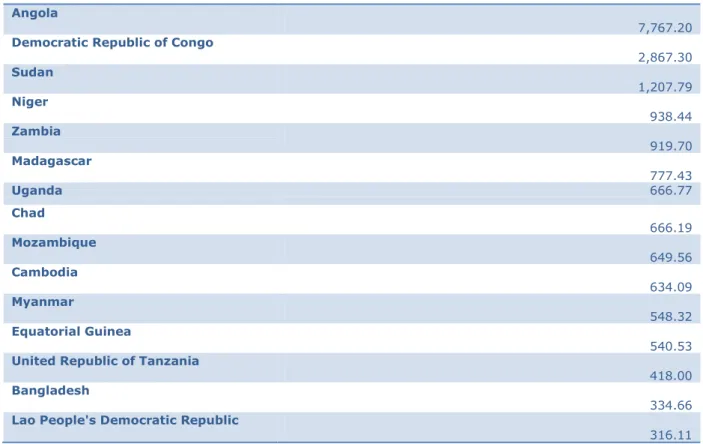
Table A1: Top 15 LDCs by change in FDI flows, 2000-2010 21
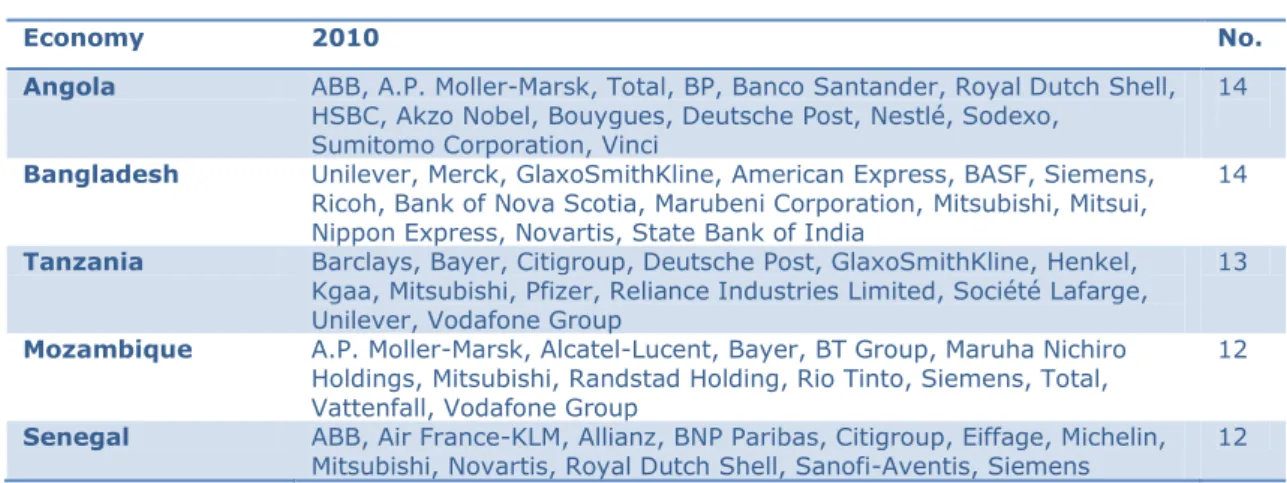
Table A2: Top 5 LDCs by number of Fortune Global 500 firms in 2010 22 Table A3: Fortune Global 500 firms with presence in more than 3 LDCs 22
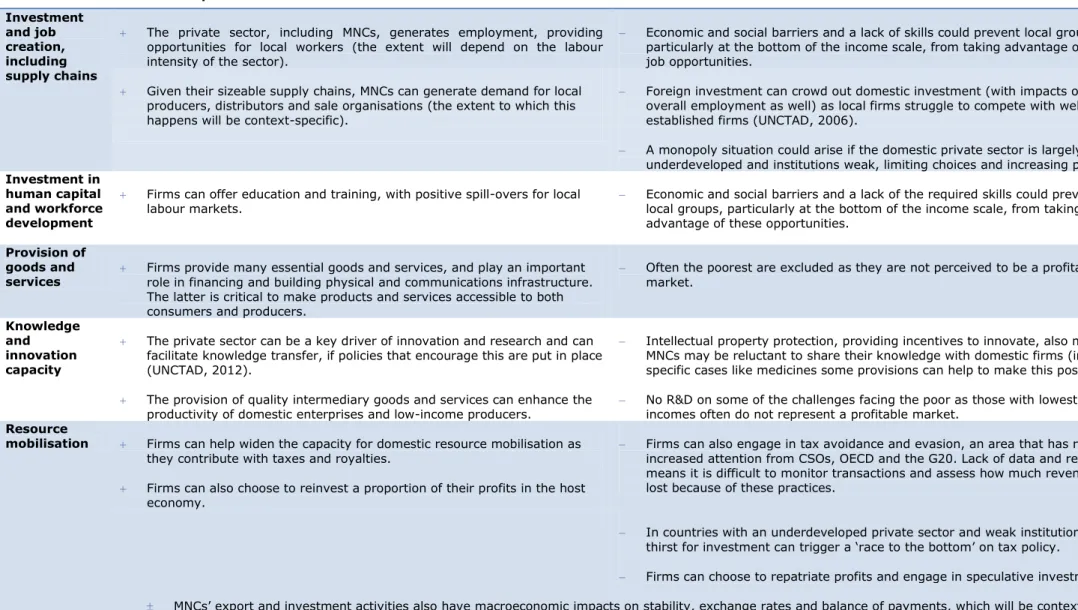
Table A4: Some examples of potential impacts on development 23
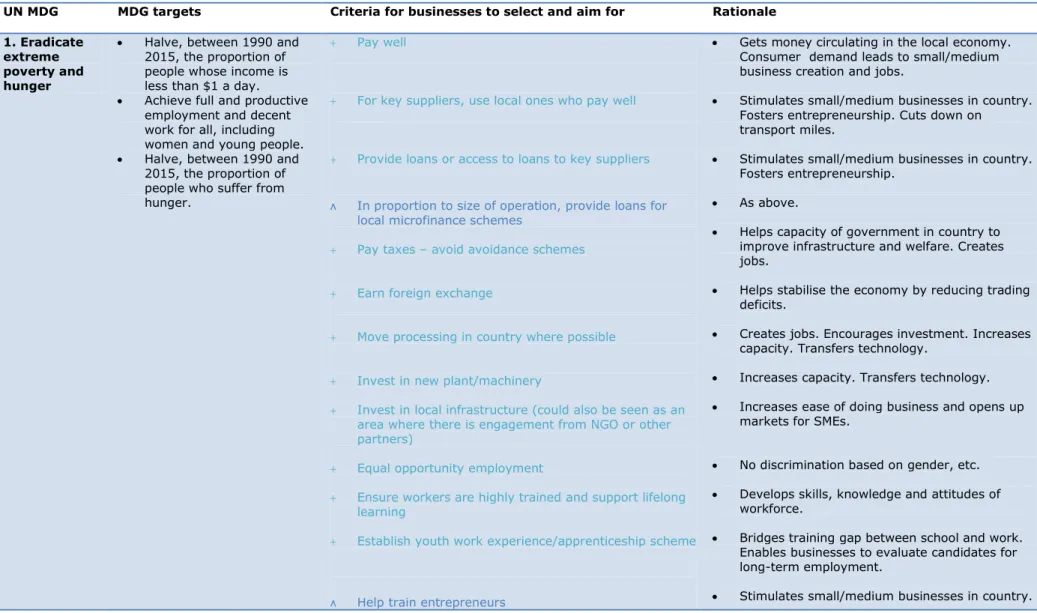
Table A5: Example of a framework linking business contribution to the current MDGs 25 Figures
Figure A1: FDI flows to capital ratio by country groupings, 1991–2009 21 Boxes
Box 1: Recent trends in MNC presence in developing countries 3
Box 2: Preliminary scenarios on post-2015 business engagement options 15 Box A1: Example of a proposal to measure business contribution to development 30
Abbreviations
AIDS Acquired Immune Deficiency Syndrome
AMC Advanced Market Commitment
BCtA Business Call to Action
BICEP Business for Innovative Climate & Energy Policy BOP Bottom of the Pyramid
BRICS Brazil, Russia, India, China and South Africa CSO Civil Society Organisation
CSR Corporate Social Responsibility
DFID Department for International Development EITI Extractive Industries Transparency Initiative
EU European Union
FDI Foreign Direct Investment
GAVI Global Alliance for Vaccines and Immunisation
GSDRC Governance and Social Development Resource Centre HIV Human Immunodeficiency Virus
ICF Investment Climate Facility for Africa
ICT Information and Communication Technology IFC International Finance Corporation
IFFIm International Financial Facility for Immunisation IIRC International Integrated Reporting Council ILO International Labour Organization
ISO International Organization for Standardization LDC Least-developed Country
MDC Manual Distribution Centre MDG Millennium Development Goal MNC Multinational Corporation MSI Multi-stakeholder Initiative NGO Non-governmental Organisation ODA Official Development Assistance ODI Overseas Development Institute
OECD Organisation for Economic Co-operation and Development R&D Research and Development
SAGCOT Southern Agricultural Growth Corridor of Tanzania SMEs Small and Medium-sized Enterprises
UK United Kingdom
UN United Nations
UNCTAD UN Conference on Trade and Development
UNDP UN Development Programme
UNGC UN Global Compact
Executive summary
The Millennium Development Goals (MDGs) have, since 2000, set the global benchmarks for development progress. They expire in 2015, and discussions on how to replace them are intensifying in the UN and among national governments and civil society. A number of actors in both the North and the South have emphasised the need for a greater focus on economic growth and the productive sectors this time round (Bergh and Melamed, 2012). Members of a new High-level Panel set up in early May to advise the UN Secretary-General on a new post-MDG framework on development have also highlighted the importance of economic growth and trade (and therefore private sector investment) in poverty reduction efforts.
There appears to be increasing consensus that the private sector has to be more involved than last time in the design and/or implementation of any new development goals, particularly as economic growth, trade and jobs are high on the agenda. Yet discussions on a new framework have to date mostly included development practitioners, governments and non-governmental organisations (NGOs) and have largely excluded the private sector.
This paper seeks to steer debate on these issues. It starts by defining the private sector and describing drivers of business engagement in development, going on to provide examples of recent trends and initiatives. It then concludes by setting out three hypothetical scenarios for private sector engagement in a renewed MDG agreement post-2015, based on ongoing consultations with relevant stakeholders, as set out below:
Scenario 1: Business feeds into the development of the framework to ensure it maximises the contribution companies can make to growth and development. Under this scenario, firms are consulted in the process of agreeing a new development framework, with a focus on what they would like to see included in the goals that would best help them contribute towards delivering on them. A coalition of business associations articulates the views of interested businesses and feeds into the UN-led process to agree a new development framework after 2015.
Scenario 2: Business makes pledges and commitments attached to specific goals and donors strengthen partnerships with business to deliver on goals. Firms are invited to make (opt-in) pledges and commitments related to specific goals agreed by governments in the UN-led process. Goals are used as an opportunity to pool efforts and contributions from different relevant actors (including existing pledges), providing some coherence to different isolated initiatives. Although the initiative risks turning into a PR exercise, if focused, and with buy-in from relevant actors, it could become an effective mechanism to drive theme-/goal-based partnerships. These would take a longer-term and more holistic approach to finding joint solutions that maximise the impact of donor spend and the scale and success of business investment.
Scenario 3: Business improves reporting on the contribution to development goals. Business and development practitioners see an opportunity in debates on a new development agreement to discuss what makes an inclusive/responsible business and to standardise measurement on business contribution to goals. Currently, reporting is varied, making meaningful comparisons, even within the same industry, a difficult task. Working groups including industry experts are set up to work out a few top-line common indicators across industries and more detailed industry-specific breakdowns. With calls for integrated reporting, some forward-looking companies include this information in their main financial reports. Some governments adopt this framework as part of their regulation (e.g. requirements for those businesses registered or listed in their countries) or provide positive incentives to companies that report or comply.
These scenarios are not mutually exclusive and work under the assumption that change will occur. However, it is highly likely that change will not happen and that we will carry on with the status quo, that is, government-led initiatives with ad hoc business involvement.
Agreeing on a new development framework that reflects shifting global politics, new global challenges and poverty dynamics is undoubtedly a complex challenge, but one that is more likely to be achieved if resources and expertise from different actors are combined and used strategically. Throughout the year, the Overseas Development Institute (ODI) will be convening business and other stakeholders to take this discussion forward and refine the scenarios set out in this paper. For further information, contact [email protected].
Introduction
The growing relevance of the private sector in development
The private sector plays a key role in development.i Business productive activities are central
to local economic growth, as they are a source of jobs; investment; knowledge and innovation; and goods and services provision. China’s recent spectacular economic growth and poverty reduction achievements are a clear testament to this.
A strong domestic private sector is undoubtedly one of the most powerful drivers of economic growth and poverty reduction, and its development has been the focus of much attention – among developing countries and donors alike.ii Now, though, some forward-thinking companies
are also starting to play a more active role in international poverty reduction efforts.
In recent years, donors have been promoting private–public partnerships, teaming up with private philanthropists, non-governmental organisations (NGOs) and local authorities to tackle complex development problems. For example, the Global Alliance for Vaccines and Immunisation (GAVI) is experimenting with new financing mechanisms to drive private sector activity and expertise in areas where investment would otherwise be commercially unviable. There are also a number of multilateral initiatives targeting businesses, such as the UN Global Compact, which has the objective of promoting responsible business behaviour, and the UN Development Programme (UNDP) Growing Inclusive Markets Initiative, which encourages the adoption of inclusive business models, targeting the poor both as consumers and as producers. Meanwhile, a growing number of initiatives are business-led, with companies putting forward innovative business models that respond to commercial pressures while delivering on the development front.
Private sector engagement in international development has increased for a variety of reasons. External pressure from and greater scrutiny by civil society organisations (CSOs) and the media have triggered a greater interest among businesses in being seen as ‘doing good’. Self-interest considerations, combined in some cases with a perceived moral obligation to the local communities where businesses operate, has driven some companies to think creatively about how they can deliver profits to their shareholders while at the same time contributing to development challenges.
There are also strong commercial imperatives. For multinational corporations (MNCs) previously focused on developed country markets, expansion into middle-income countries and least-developed countries (LDCs) has meant they are, de facto, being drawn into development as economic actors. What happens to the population in such countries becomes a matter of interest for these companies’ bottom line. Further, many companies need to secure access to inputs and labour in global supply chains. This can be expected to gain relevance for businesses in light of increasing natural resource scarcity, as ultimately they need to ensure the sustainability of their own operations and business model. This, along with growing market demand in developing countries, is serving to increasingly align the incentives of companies with development objectives, and raise their interest in engaging more explicitly with the development agenda. As such, this is a good moment to start discussing business involvement in a post-2015 framework.
In the case of donors and NGOs, fiscal constraints in developed countries mean they are keen to look for other sources of funding. But interest in greater collaboration with the private sector is not driven by budget concerns alone. There is also a belief that complex global problems – for example health, food security, climate change – require the combined resources and capabilities of a range of stakeholders, including the private sector. Further, some of these ‘new’ problems, such as reconciling economic growth with climate change, lend themselves to the kind of technological innovation that has traditionally been the terrain of the private sector. In addition, the increasing influence of a number of philanthropists with a private sector background has helped to facilitate partnerships between different actors and sectors and to promote greater private sector engagement in development.
Are we seeing the beginnings of a paradigm shift? Is ‘development’ no longer the exclusive domain of governments, NGOs, multilateral organisations and donors? There is a sense, at least in the discourse, that different players with very different cultures, approaches and agendas are slowly shifting their stance. Some donors and CSOs are more open to engaging with the private sector, as they recognise that in some cases better solutions may come about as a result of collaboration. It would simply take too long to deliver progress without a common agenda that also includes private sector actors. Similarly, a number of businesses are realising that working towards wider economic, social and environmental goals makes business sense, as it contributes to the long-term sustainability of their operations.
However, scepticism remains. Many multi-stakeholder initiatives are too new to assess their impact and, with a few exceptions, are still limited in terms of scale. Further, while a number of businesses, on the one hand, and donors and CSOs, on the other, can see instances where their interests converge, there are those in both camps who are still distrustful – or simply disengaged. In other words, it is still too early to say whether we are witnessing the beginning of a paradigm shift or merely a few cases of innovation by willing actors.
Is there a role for businesses in the post-2015 MDGs?
The MDGs have brought together recent efforts to tackle some of the world’s most pressing development problems. Although it is difficult to establish a definite causal link between the goals and real improvements in terms of poverty reduction, given their simplicity and focus they have at least been successful in rallying global and national action to tackle poverty. Many donors and national governments have adopted the MDGs as part of their policy framework; even a few companies, such as Unilever, Microsoft and Vodafone, mention them in their social corporate responsibility reporting.
Although the MDGs are a result of intergovernmental agreement, some of the current Goals explicitly include targets to be reached in cooperation with the private sector, such as improving access to affordable essential drugs and information and communication technology (ICT) (both part of MDG 8).
As the end date for the Goals approaches, attention will quite rightly focus on how to speed up progress before the deadline. But the international community is also starting to think about what needs to happen on 1 January 2016 to maintain the momentum and global focus on poverty the MDGs have encouraged. Some actors, particularly UN agencies, practitioners, NGOs and a few governments, are already having these discussions and providing suggestions for a post-2015 development framework (Melamed, 2012).
Given the involvement of the private sector in development, the question of how, if at all, businesses should engage in any post-2015 MDG discussions and, eventually, a renewed framework is increasingly being asked. This is very much unlike the last round of MDGs, in the early 2000s, when this was not a point of particular concern. However, so far there have been no concrete proposals as to what this engagement could look like in practice.
This paper seeks to start filling this gap. We are interested in exploring the following questions: how (if at all) can private sector organisations usefully be involved in global and national dialogues on a post-2015 global development framework? What (if any) private sector behaviours and partnerships can be encouraged/discouraged through an MDG global agreement that effectively promotes development? In what ways (if any) can these behaviours be incentivised through a post-2015 agreement?
The paper does not aim to provide the final answers to these questions, but rather seeks to steer debate on these issues. It starts by defining the private sector and describing drivers of business engagement in development, going on to provide examples of recent trends and initiatives. It then concludes by setting out a preliminary menu of options, articulated as hypothetical scenarios for private sector engagement in a renewed MDG agreement post-2015, to get the discussion going.
Setting the scene
Defining the private sector
Given the lack of an agreed definition of the private sector – some authors include social enterprises, philanthropists, civil society and academic organisations in the mix – it is important to define the terms clearly from the outset. Here, we define the private sector as comprising businesses, that is, ‘for-profit’ organisations only. Businesses can differ significantly in terms of size and ownership and include micro-enterprises and smallholders operating formally or informally, small and medium-sized enterprises (SMEs) and large domestic and multinational corporations.iii
The focus of this paper is on how private corporations could usefully be engaged in a post-2015 agreement; thus, the emphasis is on MNCs, as they transcend national boundaries and therefore their engagement is more likely to require coordination at the global level. They are also increasingly relevant in developing country contexts, particularly in LDCs (see Box 1). Further, given their size, they have the potential to have significant impacts through their supply chains, and, arguably, given their high public profile, they have incentives to be seen as ‘doing good’. MNCs can also diffuse best practice through their supply chains, and promote good standards more generally. In fact, a number of forward-looking MNCs have been among those companies most engaged in global policy debates on poverty and development, and therefore this seems a good place to start.
Despite the focus on MNCs in this paper, it is important to note that these discussions are also relevant to other large companies and SMEs around the world. The same applies to social enterprises; although strictly speaking these do not come under our definition of private sector, some of them are developing financially sustainable innovative ways of delivering social change (Nelson and Jenkins, 2006).
It is worth making a final clarification on the terms of the debate on the private sector’s increased engagement in development. Some donor initiatives seek to promote private sector development in the South. Here, private sector development is seen as an outcome. Other initiatives, particularly multi-stakeholder partnerships, involve the private sector as a partner in delivering on development goals. These are two related but different aspects of private sector engagement in development. The emphasis of this note is on the latter – the role of the private sector as a partner in delivering on development goals (which incidentally could also include as a goal private sector development in poor countries).
Box 1:
Recent trends in MNC presence in developing countries
MNCs represent a small share of total business and jobs in developing countries, particularly least-developed ones, but if used strategically can offer an important source of capital, skills and knowledge.iv A number of recent trends in foreign investment are worth highlighting:
Developing countries are increasingly attracting foreign investment. Over half of global foreign direct investment (FDI) inflows are going to developing countries. These flows ($574 billion in 2010; UNCTAD, 2011a) are four times larger than official development assistance (ODA) ($128 billion in 2010; OECD, 2012).
Even though FDI is largely concentrated in the BRICS (Brazil, Russia, India, China and South Africa), investment in Africa is rising. The UN Conference on Trade and Development (UNCTAD) survey on top host economies reflects a large preference among investors for the BRICS, but investment in Africa has also risen rapidly and is expected to continue growing in the future. A recent survey by Ernst & Young shows the region received its largest ever share of FDI in 2011. FDI inflows, now about $80 billion, are forecast to reach about $150 billion by 2015. Although a large proportion of new projects in 2011 were concentrated in middle-income countries, some LDCs, such as Angola, Mozambique, Uganda and Zambia, are becoming increasingly attractive investment destinations (Ernst & Young, 2012).
Although LDCs as a group attract only about 2–3% of global FDI, FDI is a key contributor to capital formation in these countries. The ratio of FDI flows to capital has been rising over the past two decades and reached almost 30% in 2008 (see Appendix Figure A1). This figure is much higher in the case of African LDCs and for particular countries (e.g. Angola 63%, Madagascar 65% and Niger 43%). Evidence on the presence of the biggest global companies shows similar trends: Fortune 500 firms doubled in number in LDCs between 2001 and 2010 (UNCTAD, 2011b; also see Tables A1, A2 and A3). For LDCs as a group, donor assistance still remains the largest external inflow. That said, there are some individual cases, such as Angola, Equatorial Guinea, Madagascar, Myanmar, Niger and Sudan where FDI is the largest external inflow (UNCTADStat, accessed 2012). These exceptions are highly relevant as they represent some of the places where governance and regulation are weak, so operating conditions for businesses are challenging and abuses are more likely to take place.
Natural resource extraction represents the bulk of investments in terms of project value. The capital-intensive nature of such projects means a small number of them dwarf a large number of smaller-scale investments, particularly in services, which arguably provides more jobs, or possibilities of linking domestic producers and transferring skills and expertise. These latter are often found in telecommunications, banking, agriculture, tourism, food and beverages, commerce and other services.
FDI from emerging economies is growing rapidly. Corporations from Brazil, China, India, Korea, Malaysia, Mexico, Russia, South Africa and Turkey are expanding their investment portfolio, engaging in South–South and regional investment (Nelson, 2011). Chinese investment in resource-rich African countries in particular has received increasing media coverage. In fact, Chinese FDI flows to LDCs increased from $45 million in 2003 to $981 million in 2008. Most of the biggest Chinese investors are state-owned enterprises, although Chinese private firms have also become increasingly active. The sectoral pattern of investment is similar to the one mentioned above. Whereas natural resource extraction is the main sector attracting investment in terms of value, firms, particularly those from China and India, are also investing in other sectors, such as telecommunications, financial services, food processing, manufacturing, infrastructure, bank office services and tourism (UNCTAD, 2011b).
Evidence on the impact of FDI shows a mixed record; used strategically and under the right conditions, MNCs can help to grow the economy and alleviate poverty.v For example, MNC investment in the extractive industries can be a blessing or a curse. It certainly has the capacity to generate large revenues, strengthen the local economy and alleviate poverty. But used wrongly, it may feed corrupt elites, result in unfair deals for the host economy or degrade the environment. Similarly, FDI in manufacturing, particularly, labour-intensive assembly, may provide an entry point for poorer countries to access international markets, but it can also violate minimal labour standards and result in sweatshop abuses (Moran, 2011). Table A4 in the Appendix provides a list of examples of the private sector’s positive and negative impact on development. These are mainly illustrative and do not attempt to be comprehensive – real impact will depend on the specific context, the characteristics of the business in terms of size and sector and the strength of local institutions and regulation, among others.
According to UNCTAD’s report on FDI in LDCs (2011b), FDI has in general made a positive contribution to development in these countries. Despite most high-value projects being concentrated in the extractive industries, some economies, such as Malawi, the Gambia and Uganda, among others, have succeeded in attracting more diverse forms of FDI. However, many LDCs still face sizeable challenges when it comes to integrating into global value chains. High operating and trading costs, poor infrastructure, limited human capital and shortages of potential local partners feature among these challenges. Many LDCs cannot compete with other developing economies which can also offer low labour costs but have higher productivity levels. FDI could increase greatly in the coming decade if appropriate strategies and policies are put in place with concerted efforts from governments in LDCs and development partners and the active involvement of the private sector.To what extent has business engaged with development issues? What drives this?
All business activities inevitably have a big impact on development (both positive and negative, as described in Box 1) through their core economic activities. However, business engagement in the development agenda and initiatives has been more limited and patchy, often focusing on corporate social responsibility (CSR) and philanthropy rather than core business activities.In fact, business responsibility to society is a contested topic. Most would agree, following Milton Friedman’s view, that businesses as long as they operate within the law have a responsibility only to their shareholders, and that is making as much profit as possible (Friedman, 1970). But there are others, in a minority, who believe corporations are social institutions and as such have obligations towards the communities and places in which they operate. In other words, they are not responsible only to shareholders but also to wider stakeholders.vi
CSR initiatives have become more popular in recent years. Data on corporate responsibility reporting show approximately 5,800 reports in 2010 compared with numbers below 50 in the early 1990s.vii External pressure has played a key role in the rise of the CSR agenda. Civic
activists and the media have put corporate practices under greater scrutiny, with global businesses increasingly concerned with being seen as ‘doing good’. Nike’s public relations disaster set a precedent in this regard. When LIFE Magazine published a feature on child workers producing footballs for the sporting goods manufacturer in Pakistan back in the 1990s, the company’s sales plummeted as a result of consumer boycotts. Thereafter, the company became the loudest advocate of fair working practices, contributing to the development and diffusion of fair labour standards. This shows that, increasingly, in a more interconnected world, good corporate citizenship is tied to the bottom line.
As a response to external pressures, and perceived risks of bad PR, throughout the 1990s a range of companies followed suit and developed their ‘corporate citizenship’ or corporate responsibility agenda. These focused on agreeing and meeting acceptable standards (such as ethical trading standards, fair labour Standards and the Sustainability Reporting Guidelines of the Global Reporting Initiative) to mitigate risks from negative externalities, for example by reducing environmental damage through environmental impact assessments.
In addition to the risks of bad PR, some argue that the corporate responsibility agenda emerged as a way of getting a ‘licence to operate’ in a foreign setting (Callan, 2012). In the case of some sectors, particularly the extractive industries, local opposition can disrupt operations resulting in high costs for the firm. Small-scale CSR programmes, such as building hospitals or schools or funding cultural activities, can also be seen as a way of mitigating the risk of opposition from the local community.
More recently, the idea that in some areas core commercial objectives can be married with development goals has gained traction. Today, it is generally accepted that companies can have a greater impact on development by adapting their core business practice than through philanthropy or CSR initiatives alone (Ashley, 2009). There have been a number of drivers underpinning this convergence, including new investment opportunities, protection from future shocks, safeguarding supply chains and developing new markets targeting the poor. This is serving to increasingly align the incentives of companies with development objectives, and increase their interest in engaging more explicitly with the development agenda. As such, this is a good moment to start discussing business involvement in a post-2015 MDG framework. Developing countries, including some African countries, are increasingly being seen as attractive investment opportunities for MNCs, as evidenced by the data on recent trends in FDI. As such, accelerating development in these economies becomes an issue of interest for businesses investing in these countries.
Protection from future shocks through lowering carbon emissions, managing resources responsibly and minimising negative social impacts also makes business sense. Natural resource scarcity will ultimately affect companies’ operations. A few leading businesses are taking a long-term stance, setting ambitious targets in their use of natural resources and coming up with innovative solutions to lower their carbon footprint. A similar point can be made on the commercial rationale to minimise negative social impacts. Rising tensions as a result of perceived injustices can fuel political turmoil and disrupt business operations.
Safeguarding current supply chains is another area where commercial and development goals can converge. This is gaining relevance in light of increasing resource scarcity, as ensuring access to inputs and labour in global supply chains is ultimately about securing the sustainability of firms’ own operations and their business model. MNCs can use their supply chains to help develop SMEs and support small local producers. Benefits to business include the opportunity to secure a stable and reliable source of affordable supplies. This was the idea behind the ‘linkage’ programmes of the International Finance Corporation (IFC) and multi-national investors (Ashley, 2009).
Developing new markets among low-income consumers can also yield commercial gains. More recently, ‘bottom of the pyramid’ (BOP) initiatives have become popular. These use companies’ technological development to address the needs of low-income consumers, with potential gains for businesses including access to new markets which are expected to grow in the long term. In addition to external pressure, obtaining a licence to operate and commercial imperatives, reasons internal to companies help explain their engagement in development. Some organisations are simply more inclined to behave responsibly and make this part of their core mission. In interviews with business representatives, Davies (2011b) found that a few respondents mentioned ‘giving something back’ and ‘doing good’ as their motivation for engaging in development initiatives. In turn, this can have a positive impact on staff satisfaction, with further benefits in terms of business productivity. Firms get involved in initiatives for a wide range of reasons; their different weight will depend on the sector they operate in, their business model, the market positioning location of operations and their public profile, among others.
So far, we have covered businesses’ motivations, but many initiatives often involve collaboration with partners, such as philanthropic organisations, NGOs, donors and governments. What are the motivations of these actors for engaging in development partnerships with the private sector? In the case of donors and NGOs, fiscal constraints in developed countries mean resources for aid and development are becoming tighter: electorates are less inclined to devote money to these purposes at times of economic crisis. In 2011, aid from major donors was cut for the first time since 1997, falling by 3% in real terms compared with 2010.viii Donors and CSOs are therefore keen to look for other sources of
funding, including increasing participation from the private sector in development.
There is also a belief that complex global problems require the combined capabilities of a range of stakeholders, including the private sector. This is particularly the case for firms operating in sectors that are closely related to pressing development challenges, with health, natural resources, utilities and infrastructure being obvious examples. In addition, firms have a comparative advantage in their technical and innovation capacity to deal with complex problems. NGOs and donors can benefit and complement private sector expertise with their knowledge of local stakeholders and their needs, and collaboratively deliver better solutions. Finally, some political space may be opening up to push for a more ambitious corporate responsibility agenda. The financial crisis triggered a series of questions about the long-term viability of the current economic model. Some policymakers and business leaders in the North are revisiting the concept of ‘responsible capitalism’. As an example, in the UK, proposals have been put forward to encourage further accountability of top executive pay packages and their relation to company performance. It remains to be seen how these proposals will play out in practice.
Business engagement in development: recent
initiatives
The private sector is engaging in development in a variety of ways – from new models seeking to incorporate responsible behaviour in core activities to more traditional standard compliance, philanthropic contributions and public policy influence (Nelson, 2011). Covering all of these initiatives adequately is beyond the scope of this note. Instead, this section provides a few examples for each of the modalities of engagement mentioned above. More emphasis is put on recent trends: initiatives seeking to identify areas where commercial and development goals intersect, and recent discussions on standard setting and reporting.
Most of the available evidence on private sector engagement in development is case study- based, and many of the initiatives discussed below are relatively new. The lack of adequate data on the extent and impact of these initiatives poses a real challenge, as it becomes very difficult to assess their results and learn from what works and what doesn’t. We pick up this point later in this paper.
Core business: commercial interest meets development goals
Initiatives that engage ‘core’ business activities and seek to channel market forces to the needs of the poor have all gained traction in recent years (Ashley, 2009; Nelson, 2011). In this section, we group these initiatives into two main categories: those that mainly leverage business supply chains and the production process, and those that harness business innovation capacity (to target the needs of low-income consumers, tackle complex development challenges or fill funding gaps).
Leveraging supply chains and the production process
Companies can respond to commercial pressures at different points in the production process in a way that also promotes development objectives. Depending on the sector, businesses can deliver both commercial and development goals through their supply chains, their distribution networks and the benefits they grant to their employees.
Some multinationals use their supply chains, favouring local producers and responsibly sourced raw materials to maximise their development potential while securing reliable and affordable suppliers. For example, SABMilller, the brewery, encouraged local production of sorghum in Uganda to replace imports of barley, as an excise tax made the latter prohibitively expensive. This helped develop local production while fulfilling the commercial objective of finding affordable raw materials for their breweries (Warden, 2007). Other companies, like Anglo American in South Africa, have introduced investment funds that provide local entrepreneurs with finance and technical assistance to set up their own businesses related to the company’s supply chains (Jenkins et al., 2007).
MNCs also use local franchise models in their distribution network to overcome challenges posed by poor infrastructure. Coca-Cola’s system of manual distribution centres (MDCs) is an often-quoted example. Coca-Cola has adopted a manual delivery approach working with small-scale distributors to deliver products to small-small-scale retailers in dense urban areas. Ownership of these MDCs is offered to local entrepreneurs. This has helped the company reach a large proportion of retail customers in Africa, mostly small neighbourhood restaurants or bars, corner stores and one-person kiosks which cannot be reached by traditional delivery trucks, while at the same time promoting entrepreneurship (Nelson et al., 2009).
Providing training and health benefits to employees is another area where commercial needs can coincide with development goals. A number of MNCs with presence in disease-prone areas have introduced health campaigns to deal with absenteeism. For example, Anglo American has provided free HIV testing and treatment to employees and their extended family (Business Action in Africa, 2010).
All the examples mentioned above refer to initiatives driven largely by companies adjusting their business model to deal with some of the challenges of operating in developing country contexts. But there are other initiatives where governments, donors and other partners have played a bigger role, both in conceiving the initiative and in co-funding it. The main objective of these broader partnerships is to scale up the interventions introduced to date and share the risk of these larger endeavours.
The Southern Agricultural Growth Corridor of Tanzania (SAGCOT) is a high-profile initiative of this type. It targets food insecurity and low productivity in the agriculture sector, leveraging large agro-business supply chains and expertise. Launched in 2010 at the World Economic Forum Africa Summit, the initiative was set up to identify and invest in infrastructure projects, like dams and roads, provide incentives to export and increase smallholders’ access to inputs, extension services, value-adding facilities and markets. SAGCOT also seeks to support the creation of producer associations to increase smallholders’ bargaining power. Donor funding and government commitment to delivering specific infrastructure developments is intended to help make business investment profitable. While scaling up interventions to deliver greater impact is certainly a step in the right direction, it is still too early to assess SAGCOT’s potential, as its implementation phase is only just beginning. Private sector investment has yet to materialise, as businesses are waiting for institutions to be in place before making investment decisions.ix Other examples of large scale initiatives include the Investment Climate Facility
(ICF) for Africa, which offers a forum for the private sector to work in partnership with governments and donors to improve the investment climate in Africa.
Harnessing innovation capacity Targeting low-income consumers
A number of recent initiatives focus on leveraging the private sector’s capacity to innovate to target low-income customers. Some of these have been driven largely by forward-looking companies which have seen new opportunities in these untapped markets. Examples include marketing products in less packaging and in smaller quantities so they become affordable. Unilever has introduced sachets for many of its personal care products, a simple innovation that has helped the company reach those at the bottom of the income scale (Hammond et al., 2007).
Other examples of private sector innovation targeting low-income consumers have required a push from donors in the form of start-up funding to share the risk of entering a new market. In the case of Africa, despite improvements in policy reform – such as trade liberalisation and infrastructure investment – many companies still lack information and perceive the continent as a risky market (Asiedu, 200; Ernst & Young, 2012).x Successful initiatives with co-funding
from donors have been introduced particularly in the area of mobile banking and microfinance. One of the best-known examples is that of M-PESA (GSDRC, 2011). Developed by Vodafone and launched by the company’s Kenyan affiliate, Safaricom, after a donor-funded pilot, M-PESA is an electronic system that allows users to deposit, transfer and withdraw funds via text messages for a small, flat, per-transaction fee. This affordable innovation has provided Kenya’s poor located in remote areas with access to financial services.
Tackling complex development challenges
The initiatives described so far lie at the intersection of short-term commercial objectives and development goals. However, there are some recent initiatives that are somewhat different. These have a longer-term perspective and seek to recreate market mechanisms in areas where business investment on research and development (R&D) to tackle complex development problems would otherwise be unprofitable.
To date, experimentation with these interventions has focused mostly on the health sector. Advanced market commitments (AMC) for pneumococcal vaccines as put into practice by the GAVI Alliance are one example of this type of initiative. Drug makers do not have incentives to invest their R&D budgets in work on diseases prevalent in poor countries, given that the anticipated benefits are lower than the development costs. Thus, AMCs provide funds from
donors to drug makers to deliver the vaccine at a large scale, meeting specifications and a price settled on in advance. Drug companies receive an incentive to innovate and donors leverage on their expertise instead of selecting by themselves the right avenue to research, as would be the case through more traditional routes, such as R&D subsidies.xi
Some practitioners are assessing ways in which the principles underpinning these initiatives could be extended to other global issues facing huge R&D underinvestment, such as agricultural production (food security) and energy (climate change), where anticipated profits are low or too uncertain. Pull or demand mechanisms are certainly worth further exploring and experimenting with to deal with complex market failures. However, it is important to start off by carefully considering the characteristics of each market and then assessing what types of instruments are best suited to that specific market.
Filling funding gaps
Other initiatives focus on leveraging the private sector’s innovation capacity to find different ways of raising funds using international capital markets and new financial products. For example, the International Financial Facility for Immunisation (IFFIm) raises funds backed by 20-year donor funding commitments. Most of the funds raised through IFFim ($3.4 billion between 2006 and 2011) are channelled into the GAVI Alliance. This mechanism does not generate additional resources, but rather makes future funds available today.
There is obviously a cost in shifting inter-temporarily the availability of funds (i.e. interest rates paid to bondholders). These costs may be offset by greater benefits derived from early interventions made possible by increased funding ‘today’. However, the mechanism depends on continuing donor funding, which is likely to be more difficult to achieve in the current climate. It also relies on AAA credit scores, which means it may not be easily replicable by developing country governments. In addition, some argue it is more costly to raise funds through this route than it is using governments’ traditional borrowing mechanisms. Even if this holds, the latter is not a realistic alternative, given obvious administrative, fiscal and political constraints.
Leveraging supply chains and business innovation capacity to address the problems of the poor and finding new ways of raising funds are attractive propositions. But evidence of impact on the ground is still thin, and the scale of the initiatives, with a few exceptions, still appears to be insufficient to make significant impact. Going forward, it is important to find ways of scaling up interventions, carefully considering how the risk of the investment is shared between public and private sector actors and assessing commercial rationale and viability on a case-by-case basis. Encouraging more of those partnerships seeking to achieve greater scale to tackle complex development challenges, particularly where there is huge R&D underinvestment, could be an area where a post-2015 MDG framework could add value.
Standard compliance: diffusing good practice and doing no harm
In addition to initiatives that promote a positive impact, as described above, a number of measures, typically CSR standards of good practice and behaviour, seek to minimise the risk or negative impacts. These standards often include rules of conduct on a wide range of themes: transparency and anti-bribery, tax and social, environmental and human rights issues.
Recently, much attention has been devoted to transparency and anti-bribery initiatives, as foreign investment in natural resources has been on the rise in countries with weak legal and regulatory frameworks. The Extractive Industries Transparency Initiative (EITI) is an example of a recent sectoral initiative addressing these concerns, following a number of cases of corruption. The EITI supports improved governance in resource-rich countries through the verification and full publication of company payments and government revenues from oil, gas and mining of those countries that adhere to it.
Some individual governments have put forward similar and even further-reaching proposals. In the US, the Dodd-Frank Act required US-listed companies to disclose payments to governments and other operations on a granular country-by-country basis. The European Union (EU) is following suit, with a plan to disclose information on money flows ranging from fees and royalties to tax settlements with governments around the world. It will also seek disaggregated information on a project-by-project basis. Some executives argue that this could expose commercially sensitive information, putting them at a disadvantage with others, such as Chinese competitors, and that in some cases the rules are against local regulation in host countries (Jack and Pfeifer, 2012).
Another concern related to transparency issues is that of tax evasion and avoidance. Estimates suggest this is one of the largest components of illicit capital flows (about 64%, according to a UN report, followed by 31% accrued to crime and 5% to corruption). A number of CSOs have called for detailed country-by-country reporting to tackle tax avoidance through the use of tax loopholes and price transferring practices (i.e. under-/over-reporting prices to minimise tax due). Some suggest that a new international convention on transparency in economic activity and, in particular, an agreement that no jurisdictions will have rules or laws that undermine the laws of other jurisdictions could help to alleviate the problem of illicit capital flows (ECOSOC, 2010). xii
Businesses also adhere to environmental, social and human rights standards. There are a number of widely used industry standards, such as the Global Reporting Initiative, International Organization for Standardization (ISO) certification schemes and the Fair Labour Association, as well as companies’ own codes. Further, ethical trading initiatives have triggered a number of auditing and labelling schemes guaranteeing the environmental performance of suppliers of raw materials, given their prevalence in least-developed economies.
There is no doubt that standards help raise the bar of corporate behaviour, and a number of companies set themselves ambitious targets on good practice. But there are still a number of challenges associated with compliance. The sheer amount of standards makes it hard to judge and monitor performance, as well as to prevent bias and corruption in auditing and reporting.xiii In fact, ‘there are dozens of international multi-stakeholder initiatives (MSIs),
hundreds of industry association initiatives and thousands of individual company codes providing standards for the social and environmental practices of firms at home and abroad’ (UNCTAD, 2011b). Many of these build on codes of practices developed by international organisations, such as, the UN Global Compact, the International Labour Organization (ILO), the Organisation for Economic Co-operation and Development (OECD) MNC guidelines, and more recently the business and human rights standards designed by John Ruggie at the UN. There are some calls for integrated reporting – that is, producing a single report that links an organisation’s strategy, governance and financial performance with the social, environmental and economic context within which it operates. The International Integrated Reporting Council (IIRC) is currently working on proposals for an International Integrated Reporting Framework. This signals that responsible business should increasingly be part of a business’s core model, and that this is also relevant to the company’s risk management policies. As an example, in the case of the Johannesburg Stock Exchange, this is now a listing requirement (if companies do not produce an integrated report they need to explain why not). We develop the point about the need for improved reporting and measurement further later in this paper.
Some CSOs would argue that the main challenge posed by most CSR standards is that they are voluntary, and as such it is difficult to monitor whether companies actually comply with them (CAFOD, 2009; UNDP, 2004). In an ideal world, there would be binding regulation for minimum coherent standards (Goldin and Reinert, 2012), since this would guarantee a level playing field when national regulatory frameworks are weak. Forward-looking companies would continue with their current practices and laggards would have to follow suit. These standards would have to be nuanced to take into consideration some of the resource constraints that smaller businesses face and the realities of business operations. However, the political constraints are too well-known, and often some of the challenges are deeply rooted in the business models themselves (Locke, forthcoming).
Philanthropic activities and public policy influence
Philanthropic activities and influencing public policy are other traditional ways in which businesses have engaged in development. A number of businesses as part of their CSR programmes perform activities that resemble traditional philanthropic or charitable models. Businesses can themselves be involved in delivering local community projects, or they can contribute in cash or in kind to specific causes.
Although valuable, it is often argued that corporate philanthropy does not constitute a substantive or sustainable contribution to poverty reduction efforts. Commitments can be of small scale and short-term, as they often change with the business climate or management (UNCTAD, 2011b). Even if limited, CSR efforts are more useful when they build on businesses’ specific areas of expertise. In some cases, these can take the form of in-kind contributions (e.g. advice or training on a specific area, or, when the products are related to development goals, as in the case of pharmaceuticals, firms can contribute with hand-outs).
Companies can also contribute through resource mobilisation, making monetary contributions as part of their CSR programmes to specific foundations or causes. These could be related to their products or services or to some of the issues at stake in the areas in which they operate. As an example, Chevron is a significant donor of the Global Fund to Fight Aids, Tuberculosis and Malaria and operates in areas where these diseases are prevalent.
In practice, if CSR-type activities and budgets are used strategically, the boundaries between core business activities and strategic philanthropy/community investment (more traditionally referred to as CSR) can be blurred, as the latter can support commercial objectives (e.g. financing R&D for a new market or funding health campaigns to reduce absenteeism; Warden, 2007).
In addition to CSR, recent years have seen a number of new platforms for dialogue for business organisations to influence policy. These include the World Economic Forum, the International Business Leaders Forum and the World Business Council for International Development, to name a few.
In the US, networks such as the Initiative for Global Development, the US Leadership Council, and the Modernizing Aid Foreign Assistance Network have brought together corporate leaders with NGO counterparts to advocate for aid and trade reform. In the UK, the Aldersgate Group is a coalition of businesses, think-tanks and CSOs that push for changes in policy to address environmental challenges. Ceres is a network of investors, environmental organisations and other groups working with companies to address sustainability challenges. Through the Business for Innovative Climate & Energy Policy (BICEP), it calls for legislation that supports climate change and energy use innovations.
Multilateral and bilateral agencies are also involving the private sector in international dialogues and as formal advisors to major donor programmes. The private sector is engaged in most UN, World Bank, G8 and G20 conferences and dialogues (e.g. the B20). Donors have also encouraged the creation of advisory councils or business–ministerial forums at the country level in recipient countries. And many firms sit on the boards or advisory councils of multi-stakeholder initiatives. However, there is little formal analysis of the extent and impact of these initiatives.
Partnerships is the new buzzword
Most of the initiatives discussed above have an element of partnership work to them. In fact, the increase in the number of multi-stakeholder initiatives has been a salient trend over recent years. A recent publication by the UN Global Compact identified over 50 programmes encouraging partnerships, taking into account bilateral donors alone (UN Global Compact, 2011).
These partnership arrangements are different from the traditional model of private–public partnerships (defined as a government contract with the private sector to provide government services, often large infrastructure projects). They can fulfil different roles, which mirror the objectives of the different initiatives mentioned above: scaling up interventions that involve business core activities (e.g. growth corridors such as SAGCOT); sharing the risk of new innovations targeting low-income consumers and providing incentives to invest in R&D related to complex global challenges (e.g. the GAVI Alliance); providing new innovative mechanisms (e.g. IFFIm); leveraging funding and expertise from business philanthropic contributions; and filling governance gaps, advocating and influencing policy. In other words, these new forms of collaboration are in a grey area between commercial interests and CSR: the link to commercial interest varies on a case-by-case basis.
These initiatives can become a new entity or can be housed within existing public or non-profit institutions. Many are global; others are regional or sector-specific. The Global Fund, the Global Business Coalition to Fight AIDS, Tuberculosis and Malaria and the Global Alliance for Improved Nutrition are some examples. These are often funded by a combination of public donors, corporations and philanthropic foundations.
These initiatives are not easy to establish or sustain. They require leaders who can broker agreements between diverse and sometimes mutually distrustful institutions and individuals. Further, they are often time-consuming. Therefore, there needs to be a clear commercial incentive for businesses to participate; clearly defined roles, responsibilities, objectives, measures of progress; and an understanding of the constraints under which different actors, particularly companies scrutinised by shareholders, operate. In addition, partners have different resources and power, and accountability/transparency mechanisms need to be put in place. The challenges of generating effective engagement cannot be underestimated. Partners need to be able to take risks and have a high degree of flexibility and patience that is often difficult to achieve for many actors, particularly governments.
For companies, partnerships with donors and NGOs can generate public credibility, a risk-sharing mechanism and the necessary local knowledge to implement an initiative on the ground. For governments, donors and NGOs, corporates, particularly MNCs, can bring to the table resources, their expertise, R&D capacity and influence through their supply chains. When partnerships build on the resources and capabilities of the different actors to tackle a complex challenge, they can be a powerful instrument to accelerate progress. However, their additional value, that is, what they add to what individual partners would do anyway, should not be assumed but rather tested on a case-by-case basis. So far, partnership development appears to have been ad hoc and up to individual partners to promote. Given the number of stakeholders, there has inevitably been a proliferation of initiatives encouraging private and public sector collaboration.
There have been a few examples of initiatives that seek to coordinate or centralise this process. Growing Inclusive Markets is an initiative in which UNDP acts as a broker, creating a network of interested stakeholders (businesses, experts, donors) and collecting evidence on the different initiatives underway. Business Call to Action and Every Woman Every Child are other examples of initiatives that have sought to galvanise business action around specific themes or goals. The challenge is to find ways to scale up partnerships so they are more strategic and engage business core activities rather than CSR and philanthropic contributions.
Measuring development impact: the missing link
Robust measurement and independent assessment of impact of initiatives is lacking, which makes it hard to assess the real impact of businesses’ engagement in development. There are a number of existing frameworks and methodologies for reporting on a company’s social, environmental and economic performance. But not all firms adhere to these, and those that do adhere do not necessarily provide all the information set out in the guidelines. There is a great
deal of individuality in CSR reporting, which makes it hard to provide an accurate overall picture of business contribution to development.
In practice, while some reporting includes data on numbers of beneficiaries or outcomes of selected activities, most focuses on company inputs, such as expenditure on programmes or numbers of employees participating. Reporting also tends to have poor geographic attribution, and does not link activities to wider national development objectives and plans. Further, year-on-year progress and targets to benchmark performance are often not reported. Reporting on sustainability is often prioritised over other social and economic concerns (Callan, 2012). There are only a few examples of measurement that emphasise economic and social concerns. Oxfam, Novib and Unilever undertook a joint research project assessing Unilever Indonesia’s contribution to poverty reduction. Based on this study, Oxfam developed the ‘poverty footprint’, a framework to monitor business contribution to poverty reduction. However, the methodology used provides a bespoke assessment, which does not allow for comparisons between different companies. Callan (2012) puts forward a more general framework building on commonly used reporting initiatives (see Box A1 in the Appendix).
The MDG Scan, developed by the Dutch Sustainability Research and the Dutch National Committee for International Cooperation and Sustainable Development, is another example of the few initiatives that have tried to provide a framework to measure development impact directly linked to the MDGs. In the interest of developing a user-friendly tool, one that is not too onerous in terms of resources and time requirements (a point often raised by businesses), the MDG Scan is highly simplified. The methodology lacks geographic attribution, and data in many cases is estimated using public sources (Callan, 2012). Knott and Ellis (2009) also provide examples of how businesses can assess their contribution to the MDGs (see Table A5 in the Appendix).
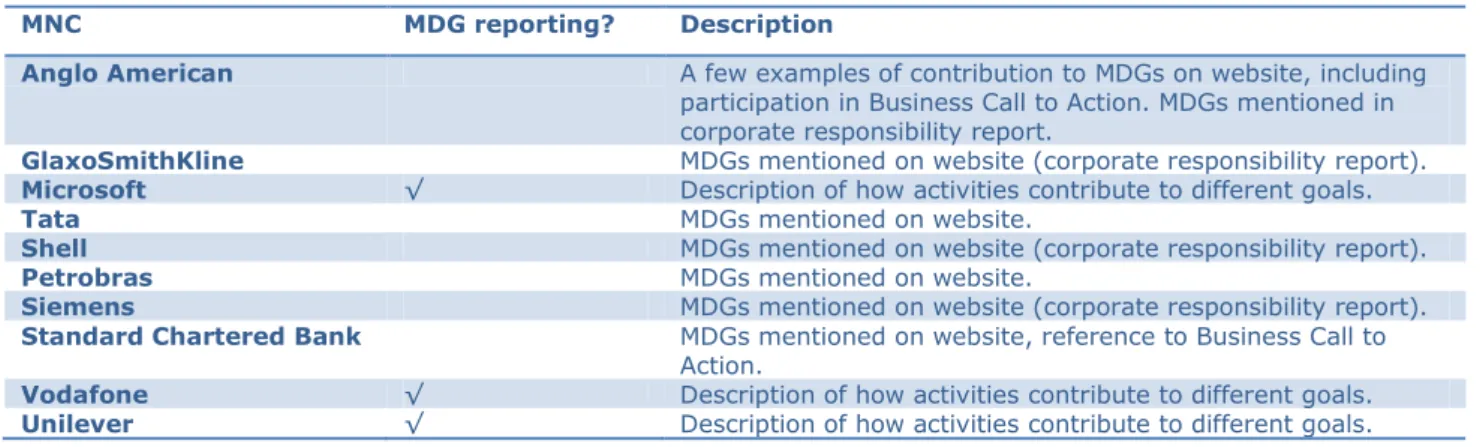
Some companies refer to the MDGs in their corporate reporting, and a few refer explicitly to how their activities contribute to the MDGs.
Table 1:
Examples of MNCs’ reporting on MDGs
MNC MDG reporting? Description
Anglo American A few examples of contribution to MDGs on website, including
participation in Business Call to Action. MDGs mentioned in corporate responsibility report.
GlaxoSmithKline MDGs mentioned on website (corporate responsibility report).
Microsoft √ Description of how activities contribute to different goals.
Tata MDGs mentioned on website.
Shell MDGs mentioned on website (corporate responsibility report).
Petrobras MDGs mentioned on website.
Siemens MDGs mentioned on website (corporate responsibility report).
Standard Chartered Bank MDGs mentioned on website, reference to Business Call to
Action.
Vodafone √ Description of how activities contribute to different goals.
Unilever √ Description of how activities contribute to different goals.
Source: Searches for ‘MDGs’ and ‘Millennium Development Goals’ on companies’ websites and in corporate responsibility reports. We selected 10 MNCs as examples, including a mix of industries and countries of ownership.
It can be challenging for companies to balance the expectations of development impact reporting with the realities of business processes. There are also practical challenges to overcome, such as defining appropriate indicators for different sectors and firm sizes, establishing a baseline and dealing with lack of appropriate data.
Yet understanding business contribution to development, and being able to compare and aggregate the impact of different companies, would be highly beneficial. It would not only provide more information on what works and what doesn’t, but also, if publicly available, could provide a prize for good performers. If those companies more willing to demonstrate impact take up impact measurement initiatives, this could inspire as well as put pressure on
companies which have not demonstrated the same ambitions. The Global Reporting Initiative is expected to incorporate an MDG measure in 2013 (Callan, 2012).
It is also worth exploring giving firms more carrots (or sticks) to monitor impact. There are not only time costs associated with monitoring impact, but also reputational risks. CSR reporting often lacks details, and is highly aspirational, for a reason: no organisation will willingly expose negative results. Perhaps verification by an external body, rather than publication of results financed by the business itself, may be a route worth exploring (EU, 2012).
As argued in the next section, there is a real need for an improved coherent assessment framework that allows for meaningful comparison. Calls for integrated reporting, putting together financial, economic, social and environmental impact, and the debate on what could follow an MDG agreement after 2015 could provide an opportunity to kick-start discussions on such a framework.
Business and the post-2015 MDGs: preliminary
thoughts
After 2015, the current MDG framework will expire. Some actors, particularly development practitioners, a few governments and CSOs, are already thinking about how to improve the current framework. In particular, many in both the North and the South are voicing the need for a greater focus on growth and private sector investment this time round. Yet proposals on how to do so are still looking relatively thin (Bergh and Melamed, 2012;). Members of a High-level Panel to advise the UN Secretary-General on a post-2015 framework have also highlighted the critical role that economic growth and trade (and therefore private sector development) play in poverty reduction efforts (UK Mission to the UN, 2012).xiv
Since the MDGs were conceived, the development landscape has changed and business involvement in specific development initiatives, even if patchy, has increased significantly. So is there a role for businesses engagement in a second round of MDGs? If so, how could the private sector engage most effectively in post-2015 debates and, eventually, in an agreement? First, there is the issue of process and how businesses could be involved in the post-2015 debates, should they wish to do so. Business associations would be the obvious candidates to lead this process and to engage with those companies willing to make inputs, then feeding this into the UN process. Although some may see little point in engaging in a multilateral process, others may take the view that, if they are expected to contribute to delivery on the goals, they should be able to get their views across.
Then there is the more challenging question of whether the agreement itself should engage businesses in some way. Ultimately, businesses should be involved in what they do best: providing solutions to problems where their expertise can contribute towards doing so, and embedding good practices in their own operations to maximise their contribution to development, while pursuing their main commercial objectives. As such, the focus of business engagement in any post-2015 discussions is likely to be on how to deliver on the goals. But of course the details of delivery are context-specific and cannot be covered adequately in a global agreement.
That said, general principles could be devised to guide implementation: resources and responsibilities could be attached to specific goals, and partnerships that seek to scale up interventions involving private sector core activities or dealing with under-investment on R&D into development challenges, could be encouraged. Common standards, particularly on reporting business impact on development, could be agreed. Further, companies may have a great deal to say about how other actors, mainly governments and donors, can help them to do business more easily in developing countries, in order for them to be able to maximise their contribution to growth and development.