THE ROLE OF POSITIVE EMOTIONS IN PERINATAL MENTAL HEALTH AND BREASTFEEDING
Kathryn Gwinn Wouk
A dissertation submitted to the faculty at the University of North Carolina at Chapel Hill in partial fulfillment of the requirements for the degree of Doctor of Philosophy in the Department
of Maternal and Child Health in the Gillings School of Global Public Health.
Chapel Hill 2018
Approved by: Alison M Stuebe Brian Pence
Samantha Meltzer-Brody Christine Tucker
ii © 2018
iii ABSTRACT
Kathryn Gwinn Wouk: The Role of Positive Emotions in Perinatal Mental Health and Breastfeeding
(Under the direction of Alison M Stuebe)
Major medical organizations in the U.S. recommend exclusive breastfeeding for six months, with continued breastfeeding through the first year or longer as desired by the woman and her infant. Public health programs have primarily aimed to increase breastfeeding duration and exclusivity without addressing the emotional experience of breastfeeding. Barbara
Fredrickson’s broaden-and-build theory of positive emotions suggests that experiences of positive emotions lead to adaptive benefits by broadening thoughts and actions, facilitating the accrual of resources to improve health and well-being. In the context of the postpartum, this theory suggests that positive emotions experienced during infant feeding may broaden the scope of a mother’s thoughts and actions, allowing her to build resources to cope with challenges.
We used longitudinal data from the Mood, Mother and Infant cohort of women followed from the third trimester across the first year postpartum to test the extent to which positive emotions during infant feeding were associated with postpartum depression and anxiety and breastfeeding outcomes. We used generalized linear mixed effects models and time-to-event analyses to explore these associations, exploring modification by women’s baseline
psychopathology.
iv
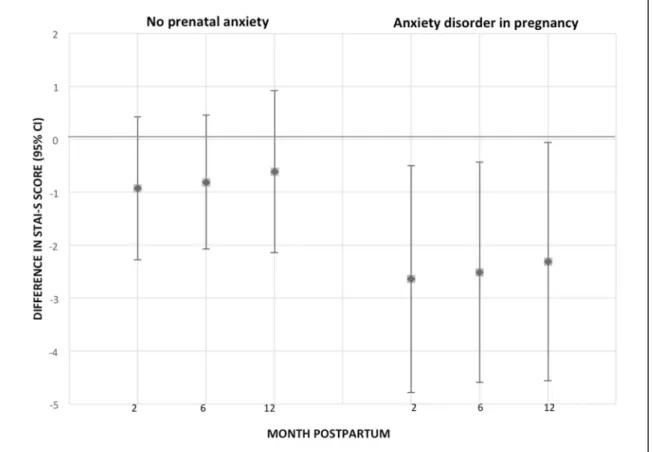
significantly lower postpartum anxiety symptoms. We speculate that women with prenatal anxiety who neverthess enjoy the experience of infant feeding may benefit from anxiolytic effects of oxytocin during breastfeeding and mother-infant interaction.
Positive emotions were not significantly associated with time to any breast milk feeding cessation; however, positive emotions were significantly associated with a longer time to exclusive breast milk feeding cessation and with a better overall maternal breastfeeding experience, especially with dimensions of maternal enjoyment, role attainment, and lifestyle compatibility. Positive feelings about breastfeeding in the first week were similarly associated with breastfeeding outcomes, suggesting the importance of the early maternal experience of breastfeeding on long-term outcomes.
v
I dedicate this work to Niles Newton and Juno Wouk, who share an abiding concern for the mama.
“As feminists we should affirm the value of nurturing; an ethic of caring does indeed hold promise for a more human justice, and political values guided by such an ethic would change the character of the public for the better. But we must also insist that nurturers need, that love
vi
ACKNOWLEDGMENTS
The ten representative positive emotions included on the modified Differential Emotions Scale are not only useful for data collection, but also for organizing one’s dissertation
acknowledgements:
1. Inspiration: Alison Stuebe has been as inspiring a mentor as she is a physician, mom, and reproductive justice warrior. Throughout my doctoral training, she has continually
advised me to work on projects that make me “come alive” because of the adage that the world needs more people who have come alive. She practices what she preaches, jumping enthusiastically into any research or policy work that could better support moms,
prioritizing time with family and weekend getaways with friends, and supporting her mentees to achieve productive and reproductive goals. It’s inspiring to have found an advisor who can serve as both a professional and personal role model.
vii
which to interpret findings and consider practical applications. As my original advisor, Miriam Labbok asked probing questions that helped me clarify my research questions and hypotheses, and I hope she would be proud of the final product she helped to shape. Bharathi Zvara stepped in to fill some big shoes, and offered a new perspective from developmental psychology that has helped me better understand dyadic experiences. Finally, Nisha Gottfredson served as an unofficial committee member, responding almost immediately to my every methods query despite the incredible demands on her time. I’m so honored to work with a team of such brilliant and kind people.
3. Gratitude: I’ll be forever grateful to Miriam Labbok and Catherine Sullivan and the entire CGBI team for their financial and emotional support across my doctoral training. I’m so lucky to have found a group who share both my research interests and my penchant for fairy hair. I’m also indebted to Julie Daniels and my Reproductive
Epidemiology cohort for the professional development and peer support throughout my two years as a trainee.
4. Awe: I’m in awe of the Mood, Mother and Infant study team, with whom I had the opportunity across several phases of data collection. I observed firsthand how their respect for one another and the study participants translated into the production of rigorous research. I’m also awestruck by the mothers who were willing to participate in such an intensive study, sharing the highs and lows of their personal perinatal experiences so that future moms and babies might benefit from a better understanding of this complex period.
viii
training as serene and peaceful as it could possibly be. Carrie Aldrich answered any question I ever had, and made sure to reach out to offer solutions to problems I hadn’t yet anticipated. Lisa Perry and Jen Cole’s consistent and accessible support ensured doctoral students were able to conduct our research efficiently while also preparing for the next stage of our careers. Valerie Hudock and the Epidemiology administrative staff were always similarly supportive and accessible, even to those of us seeking help outside of the department. And our MCH chair, Carolyn Halpern, was always willing to offer expert advice on training and professional development. I’m so grateful for the generosity of all the people I had an opportunity to work with and learn from during my time at Gillings. 6. Pride: I am so proud to have discovered Niles Newton’s research on maternal emotions
and to have connected with her granddaughter, Kim, who fortuitously pusued both family medicine and obstetrics training with my husband. The work of valuing maternal
experiences to improve health outcomes may take a few more generations, but I’m proud to be part of an intergenerational community of researchers and health care providers who support that progress.
7. Amusement: My Peace Corps family has made the long and isolated experience of
ix
8. Love: My parents, Carole and Russ Houk, have always provided the unconditional love and support that has allowed me to pursue my academic and personal ambitions. They are the kind of parents who contribute to scholarships for Bolivian friends and are willing to prepare placenta smoothies. Along with their partners and my four parents-in-law, my parents serve as role models for pursuing work that’s rewarding and challenging, while also prioritizing travel, hobbies, and time with friends and family. This loving family, including my brother, sister-in-law, and extended family of close-knit cousins, aunts, uncles, nieces, nephews, and grandparents, are likely the reason I became interested in studying positive emotions in the first place.
9. Joy: Dr. Fredrickson describes joy as the emotion elicited when one’s circumstances “present unexpected good fortune.” My immediate family, Noah and Juno, offer my most consistent daily joy. They are the most fiercely loyal, loving, and silly people in my life, and I’m so grateful to have found such unexpectedly good relationships. I’m excited to take on the world with these two, and any who join us after, and am certain that whatever we accomplish together will be joyous.
10.Hope: This year has been an especially challenging time to study maternal experiences of positive emotions. However, hope is the one positive emotion typically elicited in
x
xi
TABLE OF CONTENTS
LIST OF TABLES ... xiii
LIST OF FIGURES ... xv
LIST OF ABBREVIATIONS ... xvii
CHAPTER 1 - INTRODUCTION ... 1
Specific Aims ... 1
Background and Significance ... 3
Conceptual Basis ... 14
Data and Sample ... 24
Aim 1 Measurement and Methods ... 26
Aim 2 Measurement and Methods ... 36
Potential Limitations ... 39
Sample and Power ... 41
CHAPTER 2 - POSITIVE EMOTIONS DURING INFANT FEEDING AND MATERNAL MENTAL HEALTH ... 45
Overview ... 45
Background ... 46
Methods ... 48
Results ... 52
Conclusions ... 63
xii
Overview ... 67
Background ... 68
Methods ... 70
Results ... 76
Discussion ... 86
CHAPTER 4 – CONCULSIONS AND FUTURE DIRECTIONS ... 92
Conclusions ... 92
Strengths ... 95
Limitations ... 96
Future Directions ... 98
APPENDIX 1.1: FACTOR ANALYSIS OF POSITIVE EMOTIONS DURING INFANT FEEDING ... 102
APPENDIX 2.1: ADDITIONAL AIM 1 ANALYSES ... 104
APPENDIX 2.2: ADDITIONAL AIM 1 RESULTS ... 112
APPENDIX 3.1: ADDITIONAL AIM 2 ANALYSES ... 123
APPENDIX 3.2: ADDITIONAL AIM 2 RESULTS ... 127
xiii
LIST OF TABLES
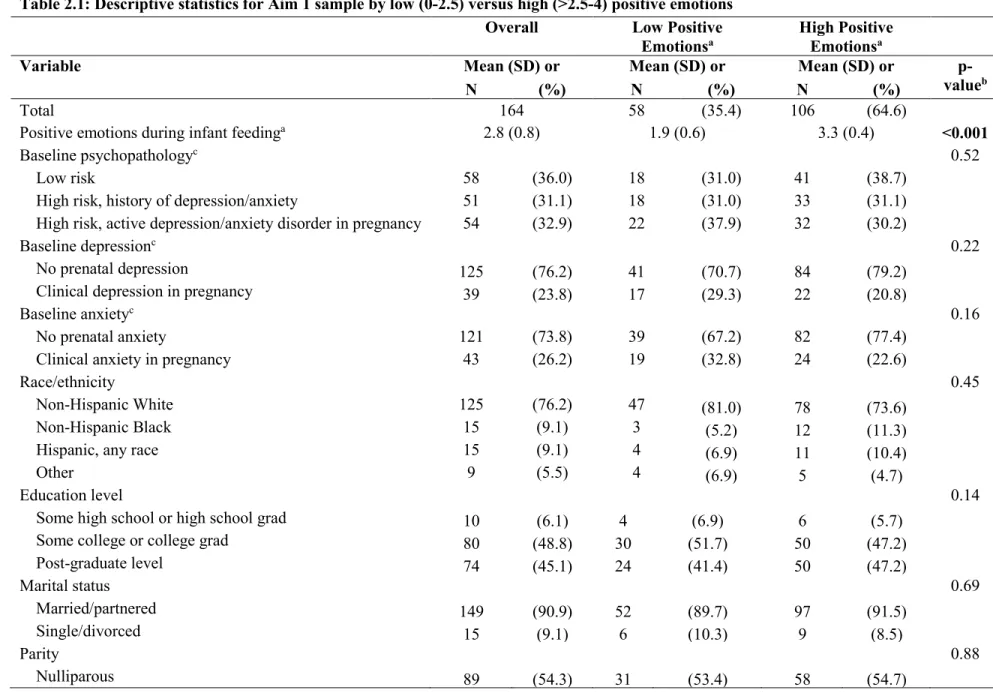
Table 2.1 Descriptive statistics for Aim 1 sample by low (0-2.5) versus high (>2.5-4) positive emotions ...54 Table 2.2 Estimates of association between a one-unit increase in positive
emotions during infant feeding at 2 months and postpartum
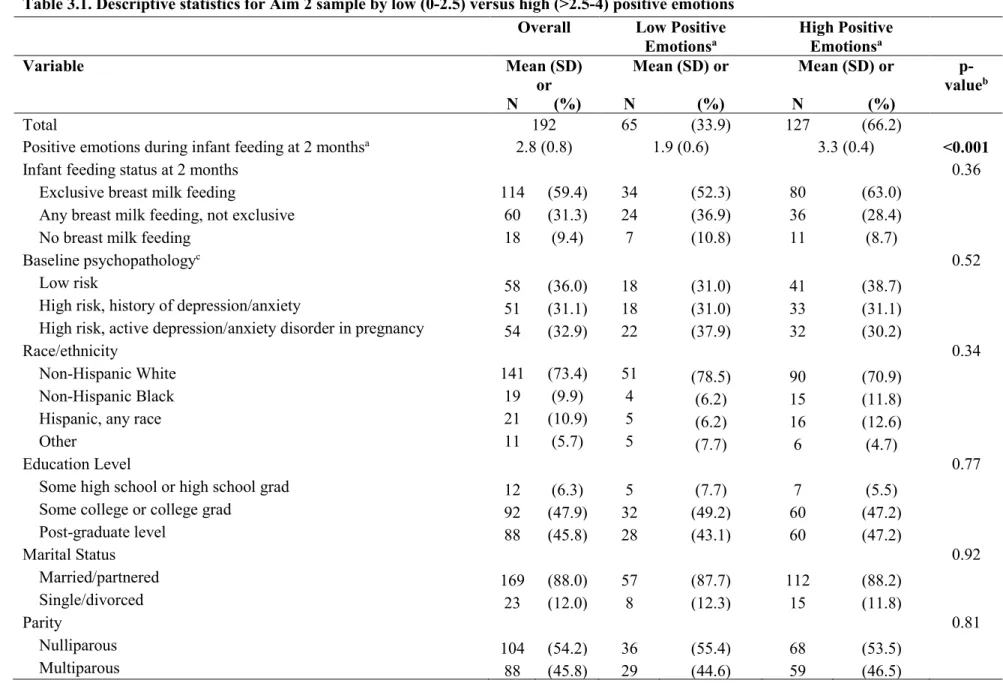
depression and anxiety outcomes at 2, 6, and 12 months ... 59 Table 3.1 Descriptive statistics for Aim 2 sample by low (0-2.5) versus
high (>2.5-4) positive emotions ... 77 Table 3.2 Estimates of association between a one-unit increase in positive
emotions and time to any and exclusive breast milk feeding cessation and overall maternal evaluation of breastfeeding at 12 months ... 82 Table 3.3 Estimates of association between a one-unit increase in positive
emotions and maternal evaluation of breastfeeding at 12 months ... 82 Table 2.1.1 Number of women meeting thresholds for postpartum
depression/anxiety... 109 Table 2.2.1 Estimates of association between a one-unit increase in positive
emotions during infant feeding at two months and postpartum depression and anxiety at 2, 6, and 12 months: Sensitivity
analyses ... 118 Table 2.2.2 Estimates of association between high versus low positive
emotions during infant feeding at 2 months and postpartum
depression and anxiety outcomes at 2, 6, and 12 months ... 121 Table 3.2.1 Estimates of association between a one-unit increase in positive
emotions and time to any and exclusive breast milk feeding cessation and overall maternal evaluation of breastfeeding, adjusted for confounders: Modification by baseline
psychopathology ... 130 Table 3.2.2 Estimates of association between a one-unit increase in positive
emotions during infant feeding at two months and time to any and exclusive breast milk feeding cessation, adjusted for
confounders: Secondary analysis exploring modification by
xiv
Table 3.2.3 Estimates of association between a one-unit increase in positive emotions and time to any breast milk feeding cessation and overall maternal evaluation of breastfeeding at 12 months, weighted for confounders and stratified by breast milk feeding status ... 134 Table 3.2.4 Estimates of association between a one-unit increase in positive
emotions during infant feeding at two months and time to any and exclusive breast milk feeding cessation and overall maternal evaluation of breastfeeding at 12 months, excluding women taking
xv
LIST OF FIGURES
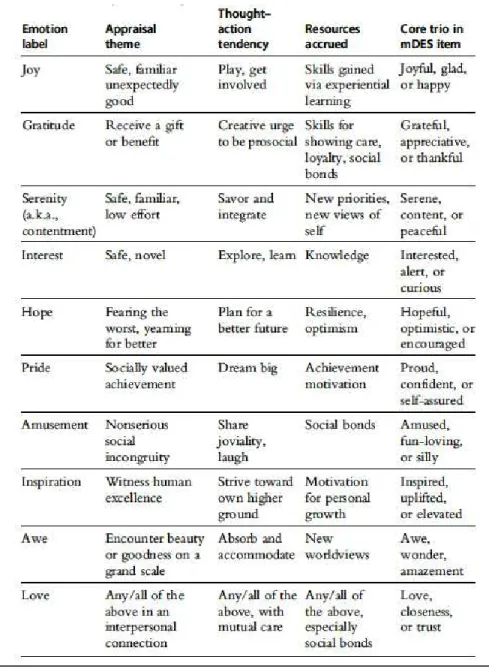
Figure 1.1 Ten representative positive emotions assessed in the modified
Differential Emotions Scale (Fredrickson, 2013) ... 16 Figure 1.2 Conceptual model for positive emotions during infant feeding
and postpartum mental health and breastfeeding outcomes ... 22 Figure 2.1 The association between a one-point increase in positive emotions
during infant feeding and depression scores (BDI-II) at 2, 6, and 12 months, by baseline depression status and adjusted for baseline depression scores, social support, and negative emotions during feeding... 61 Figure 2.2 The association between a one-point increase in positive emotions
during infant feeding and anxiety scores (STAI-S) at 2, 6, and 12 months, by baseline anxiety status and adjusted for baseline anxiety scores, social support, and negative emotions during
feeding... 63 Figure 3.3 Crude Kaplan-Meier curves and 95% confidence intervals for time
to cessation of any breast milk feeding stratified by high (>2.5-4) versus low (0-2.5) positive emotions during breast milk feeding ... 81 Figure 3.4 Crude Kaplan-Meier curves and 95% confidence intervals for time
to cessation of exclusive breast milk feeding ... 86 Figure 1.1.1 Confirmatory factor Analysis of modified Differential Emotions
Scale to assess positive emotions during infant feeding at two
months ... 103 Figure 2.1.1 Directed Acyclic Graph (DAG) of the relationship between
positive emotions during infant feeding at two months and
postpartum depression/anxiety outcomes ... 105 Figure 2.1.2 Scaled residuals for depression and anxiety models indicating no
problems with the random effects covariance structure ... 108 Figure 2.2.1 Trajectories of BDI-II depression scores from the third trimester
of pregnancy through 12 months postpartum, by presence or absence of a SCID-diagnosed prenatal depressive disorder ... 113 Figure 2.2.2 Trajectories of STAI-S state anxiety scores from the third
xvi
Figure 2.2.3 Association between a one-point increase in positive emotions during infant feeding and STAI-S scores for anxiety adjusted for baseline anxiety scores, social support, and negative emotions during feeding, by baseline anxiety disorder in pregnancy and childhood trauma ... 116 Figure 3.1.1 Directed Acyclic Graph (DAG) of the relationship between positive
emotions during infant feeding and breastfeeding outcomes ... 124 Figure 3.2.1 Weighted Kaplan-Meier curves and 95% confidence intervals for
time to cessation of any breast milk feeding stratified by high (>2.5-4) versus low (0-2.5) positive emotions during breast milk feeding ... 128 Figure 3.2.2 Weighted Kaplan-Meier curves and 95% confidence intervals for
xvii
LIST OF ABBREVIATIONS AIC Akaike Information Criteria
BDI-II Beck Depression Inventory II BFHI Baby-Friendly Hospital Initiative BIC Bayesian Information Criteria CTQ Childhood Trauma Questionnaire
ECR-S Experience in Close Relationship Scale-Short Form EITQ Carey Early Infancy Temperament Questionnaire EMA Ecological momentary assessment
EPDS Edinburgh Postnatal Depression Scale GAD Generalized Anxiety Disorder
LKM Loving Kindness Meditation LRT Likelihood Ratio Test
MAAS Maternal Antenatal Attachment Scale MBFES Maternal Breastfeeding Evaluation Scale mDES modified Differential Emotions Scale
MOS Medical Outcomes Study Social Support Survey
SCID Structured Clinical Interview for Diagnostic and Statistical Manual of Mental Disorders-IV
1
CHAPTER 1 - INTRODUCTION Specific Aims
Perinatal depression is one of the most prevalent complications of childbirth, affecting approximately one in seven women during pregnancy and the first year postpartum (Gaynes et al., 2005). Untreated perinatal depression is associated with numerous adverse outcomes including early breastfeeding cessation (Dennis & McQueen, 2009; Dias & Figueiredo, 2014), impaired mother-infant attachment (Campbell, Matestic, von Stauffenberg, Mohan, & Kirchner, 2007), and serious child social and emotional developmental concerns (Stein et al., 2014; Trapolini, McMahon, & Ungerer, 2007). While prenatal depression symptoms may disrupt breastfeeding and exacerbate postpartum mood and anxiety (Dias & Figueiredo, 2014; Ystrom, 2012), research shows that individuals can reduce depression symptoms and build personal resources, such as social support and mindfulness, by increasing experiences of positive emotions (Fredrickson, Cohn, Coffey, Pek, & Finkel, 2008). However, the role of positive emotions in perinatal mental health and breastfeeding outcomes has not yet been explored.
2
milk feeding across the first year postpartum compared with women who report fewer positive emotions. The rationale for this proposed research draws from evidence for the association between perinatal mood and anxiety and lactation difficulties (Stuebe, Grewen, Pedersen, Propper, & Meltzer-Brody, 2012), as well as Barbara Fredrickson’s broaden-and-build theory of positive emotions, which posits that experiences of positive emotions trigger upward spirals that improve mental health and wellbeing (Fredrickson, 2004). Applied in a variety of intervention contexts, this theory has demonstrated that cultivation of positive emotions through a loving-kindness meditation intervention leads to reduced depression symptoms (Fredrickson et al., 2008), increased perception of social connections (Kok et al., 2013), and increased life satisfaction (Johnson et al., 2011).
We will test the above hypothesis and accomplish the objective of this dissertation by pursuing the following specific aims:
Aim 1. Estimate the association between positive emotions during infant feeding at two months postpartum and depression and anxiety symptoms at months 2, 6, and 12.
1a.Explore modification of these associations by maternal psychopathology at baseline.
Aim 2. Estimate the association between positive emotions during infant feeding at two months and time to any and exclusive breast milk feeding cessation across months 3-12 as well as maternal evaluation of the overall breastfeeding experience at 12 months.
2a.Explore modification of these associations by maternal psychopathology at baseline.
3
analyses due to exclusion of women who discontinue breastfeeding by two months.
By achieving these aims, this research will lay the foundation for understanding the role of positive emotions in perinatal mental health and breastfeeding outcomes. These results will have a positive impact by informing the future development of positive psychology interventions and mother-focused infant feeding support designed to improve postpartum mental health and breastfeeding outcomes.
Background and Significance
Perinatal depression and anxiety are the most common complications of pregnancy
Depression is the primary cause of disease-related disability in women (Noble, 2005), with a lifetime prevalence of approximately 23.1% (Kessler, McGonagle, Swartz, Blazer, & Nelson, 1993). The lifetime prevalence of anxiety disorders is nearly twice as high for woman as men, at 18.5% versus 10.4% (Somers, Goldner, Waraocj, & Hsu, 2006). Perinatal depression and anxiety are the most common complications of childbirth (O’Hara & Swain, 1996; Sockol, Epperson, & Barber, 2011), frequently presenting as comorbid symptoms (Grigoriadis et al., 2011; Matthey, Barnett, Howie, & Kavanagh, 2003; Wenzel, Haugen, Jackson, & Brendle, 2005). According to the Diagnostic and Statistic Manual of Mental Disorders Fifth Edition (DSM-V), major depressive disorder requires endorsing at least five of nine symptoms, including feeling sad, hopeless, or worthless, as well as several symptoms shared with generalized anxiety disorder (GAD), such as fatigue, sleep disturbance, and difficulty concentrating (American Psychiatric Association, 2013).
4
instrument used to assess symptomology, and the type and number of criteria required for diagnosis. Estimates are generally elevated where symptoms are determined using self-report scales without structured interviews for diagnosis (Bennett, Einarson, Taddio, Koren, & Einarson, 2004). A systematic review conducted for the Agency for Healthcare Research and Quality (AHRQ) that required a clinical assessment or structured clinical interview for diagnosis estimated the prevalence of major and minor depression to be 18.4% during pregnancy and 19.2% in the first three months after birth, with approximately 14.5% of women experiencing incident depression during each period (Gavin et al., 2005). Because the greatest risk of outpatient contact or hospital admission for any postpartum mental disorder occurs during the first month after birth (Munk-Olsen, Laursen, Pedersen, Mors, & Mortensen, 2006), the DSM-V defines depression “with peripartum onset” as a mental disorder if it occurs during pregnancy or the first month postpartum; however, the elevated risk of psychiatric hospital admission for any mental disorder persists across the first three months after delivery (Munk-Olsen et al., 2006), and about 8% of women continue to exhibit depression symptoms beyond the first year
postpartum (Dennis, Heaman, & Vigod, 2012). The severity of symptoms also varies by timing of onset, as women who report prenatal onset are more likely to have both a history of depression or anxiety and to experience more severe postpartum symptoms than women reporting
postpartum onset (Postpartum Depression: Action Towards Causes and Treatment (PACT) Consortium, 2015).
5
received a diagnosis during the first three months postpartum (Fairbrother, Janssen, Antony, Tucker, & Young, 2016). Another study conducted among 497 pregnant women in France found a similar percentage of 24.1% had at least one anxiety disorder, with approximately 8.5%
receiving a diagnosis of GAD using the Mini International Neuropsychiatric Interview (Sutter-Dallay, Giaconne-Marcesche, Glatigny-(Sutter-Dallay, & Verdoux, 2004). A study of postpartum anxiety symptoms using the Beck Anxiety Inventory in a community sample in Iowa found the prevalence to be 8.7% at 14 weeks postpartum and 16.8% at 30 weeks postpartum, suggesting an increase in anxiety symptoms in the postpartum period (Stuart, Couser, Schilder, O’Hara, & Gorman, 1998). Another study using the SCID to diagnose GAD at eight weeks postpartum found only 4.4% met criteria for GAD while 27.9% had subsyndromal generalized anxiety symptoms (Wenzel, Haugen, Jackson, & Robinson, 2003). Additionally, slightly more than half of women experiencing anxiety symptoms reported onset during pregnancy, and these women were more likely to have a history of psychopathology and treatment compared with women whose symptoms began in the postpartum period (Wenzel et al., 2003). Women with prenatal anxiety symptoms also have a significantly increased risk of experiencing postpartum depression (Austin, Tully, & Parker, 2007; Heron, O’Connor, Evans, Golding, & Glover, 2004).
Both the lack of routine screening and the stigma associated with perinatal depression and anxiety contribute to underestimates of prevalence and incidence. One systematic review found that women across diverse cultures do not independently seek help for postpartum
6
period (Cox, Sowa, Meltzer-Brody, & Gaynes, 2016; Goodman & Tyer-viola, 2010), or receive a diagnosis for self-reported symptoms (Ko, Farr, Dietz, & Robbins, 2012). One study using medical records to confirm detection, treatment, and referral rates by obstetrical providers found that referral or treatment occurred among only 33% of women who screened positive for
depression or anxiety during pregnancy and 27.5% of those who screened positive at six weeks postpartum (Goodman & Tyer-viola, 2010). Additionally, only 50% of those who were referred for treatment accessed this care (Goodman & Tyer-viola, 2010), due to barriers such as lack of time, stigma, and child care issues (Goodman, 2009). These barriers to identification and referral lead many symptomatic women to remain untreated or undertreated during the vulnerable
perinatal period, underscoring the need for effective prevention strategies.
Despite a multitude of evidence supporting the efficacy of pharmacological treatment (Meltzer-Brody, 2011), many pregnant and breastfeeding women, along with their medical providers, also fear medication-based treatment due to concerns about drug exposure to the fetus or nursing infant (Battle, Salisbury, Schofield, & Ortiz-Hernandez, 2013; Dimidjian &
Goodman, 2009; Pearlstein et al., 2006). Women’s preferences for non-pharmacological
treatments while pregnant or breastfeeding, along with the issue of low detection of symptomatic women, support the critical need for research into non-medical prevention options for perinatal depression and anxiety symptoms.
Predictors of perinatal depression and anxiety include psychiatric, psychosocial, demographic, and childbirth-related risk factors
7
Stewart, 2004; Silverman et al., 2017). Moderate risk factors for postpartum depression include low socioeconomic status, unwanted pregnancy, and difficult infant temperament (C. T. Beck, 2001; Norhayati, Nik Hazlina, Asrenee, & Wan Emilin, 2015; O’Hara, 2013). Low-income women have been shown to have approximately two times the prevalence of both general depression (Scholle, Haskett, Hanusa, Pincus, & Kupfer, 2003) and perinatal depression compared with middle-class women (Hobfoll, Ritter, Lavin, Hulsizer, & Cameron, 1995). The role of race/ethnicity as a predictor of perinatal depression is less well understood, as many studies are conducted in nonminority samples; differences in symptomology by race have generally been diminished after controlling for socioeconomic characteristics, indicating that structural racism and poverty may be underlying predictors (Beeghly et al., 2003; Hobfoll et al., 1995; Zayas, Cunningham, McKee, & Jankowski, 2002).
8
may be particularly vulnerable to the significant hormonal fluctuations during pregnancy and the postpartum (Cowley & Roy-Byrne, 1989; Glover & Kammerer, 2004; Ross, Sellers, Gilbert Evans, & Romach, 2004), which can dysregulate the stress system of the brain known as the hypothalamic pituitary adrenal (HPA) axis (Jolley & Spach, 2008). Perinatal loss and childbirth complications can also complicate existing anxiety symptoms or trigger incident postpartum anxiety symptoms (Janssen, Cuisinier, Hoogduin, & de Graauw, 1996; Paul, Downs, Schaefer, Beiler, & Weisman, 2013).
Risk factors for incident depression and anxiety may differ from those that lead to more persistent forms. While a history of depression is a strong predictor of perinatal depression, a study using Finnish health registers found that approximately 50% of those depressed during pregnancy experienced incident depression (Räisänen et al., 2014). Another study found different risks for future postpartum and non-perinatal depression episodes between women whose
postpartum depression represented their first onset of depression versus recurrent depression (Cooper & Murray, 1995). According to this study, 56% of women experiencing incident
depression in the postpartum period had a subsequent episode of depression during the three and half-year follow-up after delivery, while 67% of women experiencing recurrent depression had a subsequent episode. However, women experiencing incident depression had much higher
9
studies suggest that women experiencing chronic versus incident perinatal depression/anxiety symptoms may have different susceptibilities to the psychological and physical changes associated with childbirth.
Perinatal depression and anxiety are associated with a number of adverse outcomes
Potential adverse outcomes associated with untreated perinatal depression and anxiety include preterm birth (Grote et al., 2010), disrupted lactation (Hahn-Holbrook, Haselton, Dunkel Schetter, & Glynn, 2013; Paul et al., 2013; Stuebe et al., 2014), and child emotional, cognitive, and behavior problems (Kingston & Tough, 2013; Netsi et al., 2018; O’Donnell, Glover, Barker, & O’Connor, 2014). Possible mechanisms linking prenatal depression and anxiety symptoms with infant and child health outcomes include physiological factors, such as elevated cortisol (Bergman, Sarkar, Glover, & O’Connor, 2010; O’Donnell et al., 2014) and unhealthy prenatal practices, such as smoking, illicit substance abuse, and poor nutrition (Marcus & Heringhausen, 2009) that may affect both fetal development and longer term health outcomes through fetal programming (O’Donnell et al., 2014). Postpartum depression has also been implicated in child development, behavior, and mental health through associations with maternal sensitivity, positivity, and responsiveness to infant needs (Campbell et al., 2007; Swain et al., 2014).
Additionally, a history of depression and anxiety disorders as well as depressed mood during the perinatal period are associated with an increased risk of suicide (Gold, Singh, Marcus, &
Palladino, 2012), which accounts for approximately 20% of maternal deaths (Lindahl, Pearson, & Colpe, 2005).
Women in the US face many barriers to breastfeeding
10
(Ip et al., 2007), all-cause mortality (Sankar et al., 2015), and chronic diseases such as type 2 diabetes (Horta, de Mola, & Victora, 2015b), as well as higher performance on intelligence tests (Horta, de Mola, & Victora, 2015a). For mothers, breastfeeding is associated with a decreased risk of breast and ovarian cancers (Victora et al., 2016), type 2 diabetes (Chowdhury et al., 2015), hypertension (Stuebe et al., 2011), and cardiovascular disease (Gunderson et al., 2015). As a result of these benefits, the American Academy of Pediatrics, American College of
Obstetricians and Gynecologists, and American Academy of Family Physicians all recommend exclusive breastfeeding for six months, with continued breastfeeding alongside complementary foods for one year or longer (American Academy of Family Physicians, 2014; American Academy of Pediatrics Section on Breastfeeding, 2012; The American College of Obstetricians and Gynecologists, 2016).
In the US, approximately 82.5% of women initiated breastfeeding in 2014, indicating a widespread desire to breastfeed; however, only 24.9% of women reported exclusive
breastfeeding at six months and only 33.7% reported any breastfeeding at one year (Centers for Disease Control and Prevention, 2017). These duration and exclusivity estimates fall short of both professional recommendations and Healthy People 2020 targets, which aim to increase the percentage of women exclusive breastfeeding at six months to 25.5% and any breastfeeding at one year to 34.1% (US Department of Health and Human Services, 2012). Risk factors for suboptimal breastfeeding include early lactation problems, such as milk supply, pain, and latch concerns (Chantry, 2011; Odom, Li, Scanlon, Perrine, & Grummer-Strawn, 2013); low
11
(Johnston & Esposito, 2007; Taveras et al., 2003); lack of adequate social or spousal support (Bai, Middlestadt, Peng, & Fly, 2010; Mitra et al., 2004); and history of mood or anxiety disorders (Figueiredo, Canário, & Field, 2014; Wallwiener et al., 2015).
The term “breastfeeding” comprises a number of different mother-infant behaviors that include significant variation in the amount of breast milk consumed by an infant. This variation contributes to inconsistent measurement of breastfeeding across studies and difficulty in
comparing the benefits associated with such heterogeneous behaviors. The World Health
Organization (WHO) defines “breastfeeding” where a child recives any breast milk, either direct from the breast or expressed, and “exclusive breastfeeding” where a child recives only breast milk, either from the mother, a wet nurse, or as expressed milk, and no other liquids or solids with the exeption of vitamins, mineral supplements, and medications (Labbok & Starling, 2012). Existing definitions of breastfeeding based on infant intake alone exclude the experiential and process-oriented maternal aspects of breastfeeding (Auerbach, 1991).
Breastfeeding and perinatal mental health appear to be associated
12
Carlson, & Albers, 2007; Yonkers et al., 2001). Prenatal anxiety has been shown to be associated with a decrease in breastfeeding duration (Ystrom, 2012) and exclusivity (Mehta, Siega-Riz, Herring, Adair, & Bentley, 2012). Several studies have shown an association between
postpartum anxiety symptoms and reduced breastfeeding duration (Adedinsewo et al., 2014; Paul et al., 2013; Zanardo et al., 2009) and exclusivity (Adedinsewo et al., 2014; Fallon, Christian, Halford, Bennett, & Harrold, 2017; Mehta et al., 2012; Zanardo et al., 2009). However, many of these studies are limited by vague and heterogeneous definitions of breastfeeding outcomes and perinatal mood symptoms, often measured concurrently, as well as a lack of data to control for baseline mental health.
Fewer studies have prospectively followed mothers to examine the directionality of the association between perinatal mental health and breastfeeding. One study found no association between breastfeeding at one week and depression symptoms at 4 and 8 weeks postpartum (Dennis & McQueen, 2007). Another study found that higher breastfeeding intensity at three months was associated with subsequent declines in depression symptoms through 24 months (Hahn-Holbrook et al., 2013). In one study, among women with no prenatal depression symptoms, breastfeeding was associated with a reduced risk of developing postpartum
depression when women intended to breastfeed and went on to breastfeed, but an increased risk when women intended to breastfeed and did not go on to breastfeed (Borra, Iacovou, & Sevilla, 2014). Among women with prenatal depression symptoms, this association between
breastfeeding as intended and postpartum depression was weaker; however, exclusive breastfeeding at four weeks was associated with lower depression scores at eight weeks
13
symptoms were associated with increased breastfeeding cessation and that breastfeeding
cessation was associated with later postpartum anxiety and depression symptoms; however, after adjusting for baseline mood symptoms the effect estimate for the association between
breastfeeding on postpartum mental health was reduced by half (Ystrom, 2012). None of these studies reported data on participants’ use of antidepressant treatments during the perinatal period, which could confound these associations.
14
Conceptual Basis The Broaden-and-Build Theory of Positive Emotions
Positive emotions are brief responses to an individual’s appraisal of their current
circumstances as favorable or yielding good fortune (Fredrickson, 2013). Positive emotions have generally been understudied compared with negative emotions in the field of psychology,
because their expression is more diffuse than the distinctive signals and responsive actions associated with negative emotions (Ekman 1992). The primary research focus on negative emotions stems from an evolutionary approach to understanding emotions as evolved responses to life-threatening situations in which quick appraisal of and response to perceived threats promoted survival (Levenson, Ekman, & Friesen, 1990; Nesse, 1990). While positive emotions do not stimulate such autonomic responses, they have been shown to quicken the recovery from negative emotional arousal (Fredrickson, Mancuso, Branigan, & Tugade, 2000) and to broaden one’s thought-action repertoire, allowing individuals to build both personal and social resources (Fredrickson, 2013). Positive affect has been shown to improve resources such as sociability, altruism, liking oneself and others, strong bodies and immune systems, and conflict resolution skills (Lyubomirsky, King, & Diener, 2005).
Fredrickson developed the broaden-and-build theory based on both correlational and prospective evidence for the effect of positive emotions on individual functioning and
15
durable physical, intellectual, and social resources. For example, the experience of joy can broaden an individual’s though-action repertoire by creating an urge to play, which in turn promotes skill acquisition (Boulton & Smith, 1992). Evidence from attachment theory supports this hypothesis, suggesting that early experiences of love from a caregiver allow an infant to securely pursue interest-inspired exploration (Bowlby, 1989), which is associated with the subsequent development of cognitive and social resources (Matas, Arend, & Sroufe, 1978; Sroufe, 2005).
Both discrete positive emotions and groups of related emotion families that share certain characteristics of appraisal and expression have been postulated by theorists (Ekman, 1992; Nesse & Ellsworth, 2009). In the context of these numerous constructs of positive affect, Fredrickson describes 10 representative emotions and their general appraisal patterns that have been examined in regard to mental health benefits across a number of intervention studies (Figure 1.1). One evidence-based intervention approach for increasing positive emotions is the ancient Buddhist meditation practice Loving Kindness Meditation (LKM), in which warm empathic feelings are directed toward the self and then extended to an ever-widening circle of others (Hofmann, Grossman, & Hinton, 2011). Neuroimaging studies of LKM practitioners have found evidence of neural activity in areas of the brain associated with emotional processing and empathy toward others, indicating a role of positive emotions in building relationships (Garland et al., 2010; Lutz, Brefczynski-Lewis, Johnstone, & Davidson, 2008). LKM practice has also been empirically shown to improve cardiac vagal tone (Kok et al., 2013), a biomarker of
16
Figure 1.1: Ten representative positive emotions assessed in the modified Differential Emotions Scale (Fredrickson, 2013)
Positive emotions have been linked to reduced depression and anxiety symptoms
17
positive emotions and reduce depression symptoms in diverse populations, including working adults (Fredrickson et al., 2008), schizophrenic patients (Johnson et al., 2011), self-critical individuals (Shahar et al., 2014), patients with chronic lower back pain (Carson et al., 2005), and veterans with posttraumatic stress disorder (D J Kearney et al., 2013). Additionally, group
(Seligman, Rashid, & Parks, 2006) and individual (Taylor, Lyubomirsky, & Stein, 2016) positive psychotherapy predicted a significant reduction in depression and anxiety symptoms compared with controls. A physical activity intervention for adults led to an increase in participants’ mental resources, such as increased purpose in life and positive relations with others, mediated by an increase in positive emotions (Hogan, Catalino, Mata, & Fredrickson, 2015). Two studies have shown an association between positive emotions and coping skills (A. B. Burns et al., 2008; Fredrickson & Joiner, 2002), which may also facilitate psychological well-being.
18
Preliminary evidence suggests a role for positive emotions in breastfeeding
Maternal affect and feelings toward breastfeeding have been shown to be associated with a number of breastfeeding outcomes. Three studies have found an association between positive maternal attitudes toward breastfeeding and a higher likelihood of exclusive breastfeeding in the first year postpartum, compared with ambivalent or negative attitudes (Bai et al., 2010; Scott, 2006; Semenic, Loiselle, & Gottlieb, 2008). Similarly, in an Australian cohort, maternal breastfeeding satisfaction was found to predict breastfeeding duration above and beyond breastfeeding problems (Cooke, Sheehan, & Schmied, 2003). Another study of more general maternal affect and breastfeeding outcomes found that negative maternal affect during pregnancy was associated with an increased odds of mixed breastfeeding and bottle-feeding at 6 months postpartum (Ystrom, Niegel, Klepp, & Vollrath, 2008). Two studies have shown an affect of breastfeeding on subsequent maternal affect. Mezzacappa et al. measured positive and negative maternal affect immediately after infant feeding, and found that breastfeeding mothers had a decrease in negative affect from pre to post-feeding while bottle-feeding mothers showed an increase in negative affect (Mezzacappa & Katkin, 2002). Stuebe et al. observed an increase in self-reported negative affect during infant feeding at 2 and 8 weeks postpartum among mothers with higher depression and anxiety symptoms (Stuebe, Grewen, & Meltzer-Brody, 2013a).
19
importance of an intimate connection with the infant, maternal confidence, and appropriate support (E. Burns, Schmied, Sheehan, & Fenwick, 2010). These findings align with maternal descriptions of enjoyable breastfeeding as intimate and relational, involving both mind and body as “inseparably intertwined” (Schmied & Barclay, 1999; Spencer, 2007).
The emotional experience of infant feeding has been studied since at least 1955, when Niles Newton wrote in her dissertation: “More research which considers considers the whole nature of the breast feeding situation is badly needed. The number of months of breast feeding are probably much less important psychologically than the type of breastfeeding and the type of weaning involved. Was the breastfeeding unsuccessful breastfeeding—with all the tension, fear, and pain that that involves? Or was it successful breastfeeding with its peace of mind and physical pleasure?” (N. Newton, 1955). The emotional experience is also briefly mentioned in major U.S. breastfeeding recommendations to breastfeed through the infant’s first year of life or longer “as mutually desired” by the woman and her infant (American Academy of Family Physicians, 2014; American Academy of Pediatrics Section on Breastfeeding, 2012; The
American College of Obstetricians and Gynecologists, 2016). However, these recommendations only consider the relational nature of breastfeeding after one year.
Public health campaigns have focused mainly on helping women reach measurable duration and exclusivity targets, leaving the emotional experience of breastfeeding and its associated potential benefits under-explored. Additionally, evidence for the association between positive emotions and breastfeeding is limited by heterogeneous definitions of maternal
20
Watkins et al., 2011). None of these studies has used the modified Differential Emotions Scale (mDES), a tool adapted by Fredrickson to examine mental and physical health benefits
associated with discrete positive emotions. However, the preliminary evidence presented above establishes a conceptual basis for a possible association between positive emotions and
breastfeeding that merits further exploration. Relevance
As a result of the multiple adverse health outcomes for mothers and children described above, any intervention that could be delivered prenatally to women at risk for perinatal depression and anxiety to reduce postpartum symptomology and increase breastfeeding could yield multiple benefits for women and their families. This dissertation aims to test the extent to which experiences of positive emotions during infant feeding are associated with both mental health and breastfeeding outcomes. Such associations would support the plausibility of programs and policies that increase maternal experiences of positive emotions in order to reduce
postpartum depression/anxiety and improve breastfeeding outcomes.
21
Through sensitivity analyses, we will also explore differences for women undergoing
pharmacological treatment that might confound the association between positive emotions and mental health and breastfeeding outcomes. Finally, we will explore the association between positive emotions at two months, and a less well-validated measure of maternal feelings about breastfeeding in the first week, and time to any and exclusive breast milk feeding cessation and overall maternal evaluation of breastfeeding.
Conceptual Model
22
Figure 1.2: Conceptual model for positive emotions during infant feeding and postpartum mental health and breastfeeding outcomes
The specific hypothesized relationships between positive emotions during infant feeding and Aim 1 and Aim 2 outcomes are presented in the relevant directed acyclic graph (DAG) in the Appendix (Figure 2.1.1 and Figure 3.1.1).
Innovation
The proposed study is innovative because it 1) applies a theoretical perspective from the field of positive psychology to a population in which it has not yet been tested; 2) includes a novel measure of positive emotions during infant feeding; 3) incorporates extensive longitudinal data on women’s mental health, breastfeeding, and numerous potentially confounding factors; and 4) tests associations that can provide evidence to substantiate more maternally focused programs and policies to improve outcomes across the perinatal period.
23
thoughts and actions, allowing her to build the resources necessary to cope with mental health and breastfeeding challenges that may present during the postpartum period. Application of this theory has the potential to provide a framework for future research on positive emotions, perinatal mental health, and breastfeeding, and to balance the predominant research focus on only the negative and stressful aspects of motherhood (DiPietro et al., 2015).
The longitudinal nature of the data used for this dissertation will allow us to elucidate possible pathways between positive emotions and postpartum depression and anxiety and breastfeeding outcomes, addressing limitations of previous correlational and cross-sectional studies that cannot address the temporal order of these associations (Lyubomirsky et al., 2005). Repeat outcome measures on the cohort of women followed in-depth from the third trimester of pregnancy across the first year postpartum increase the effective sample size and precision of estimates. Monthly contact with participants from the third trimester of pregnancy through one year postpartum also provides detailed data on numerous potentially confounding variables. While causation cannot be determined from these observational data, evidence from this detailed longitudinal study can provide information regarding the potential directionality of hypothesized associations and permit us to explore modification by baseline psychopathology.
24
include both maternal mental health and mother-infant feeding duration, exclusivity, and affective experience.
Data and Sample
The data for this study were sourced from the NIH-funded study Mood, Mother and Infant: The Psychobiology of Impaired Dyadic Development (MMI). This longitudinal study follows approximately 220 mother-infant pairs from pregnancy through one year postpartum to examine the role of oxytocin and stress dysregulation in mediating the association between perinatal mood and insecure attachment.
Women were eligible to participate in the study if they were between 18-45 years old, 34-37 weeks gestation of a singleton pregnancy, able to communicate in English, planning to remain within 40 miles of Chapel Hill through 12 months postpartum, and intending to breastfeed
greater than two months. Recruitment began with a community sample of women identified through study fliers and emails and was enriched with women at elevated risk for postpartum depression or anxiety who were approached in obstetric or psychiatric visits. Women were defined as having a low or high baseline risk for postpartum depression or anxiety, based on a SCID conducted in the third trimester of pregnancy. We classified as low risk women with no history of depression or anxiety or any current symptoms meeting a clinical threshold for
25
Women were excluded from the study if they met any of the following criteria: maternal diagnosis of psychiatric disorders other than depression and anxiety; history of bipolar disorder; substance use disorder; NICU admission of greater than 48 hours, major congenital anomaly, or neonatal death; current use of tricyclic antidepressants; or chronic medication/medical condition contraindicated for breastfeeding. We further excluded women who were enrolled in intervention studies that would be expected to affect maternal mood or mother-infant interaction. As of February 29, 2016, 598 women had been screened for eligibility, with 168 enrolled and 96 having completed the entire 12-month follow up. Of the 168 women enrolled in the study by February 29, 2016, 9 women had withdrawn from study follow-up since enrollment.
Baseline data were collected through interviews with study staff and questionnaires administered at the initial prenatal visit between 34 and 37 weeks gestation. Follow up contacts occurred monthly, with phone interviews at 1, 3, 5, 7, 8, 9, 10, and 11 months postpartum, and laboratory visits at 2, 6, and 12 months postpartum.
The analytic sample will consist of approximately 160 women drawn from the MMI study between May 2013 and May 2017. The analytic sample will consist of all study
26
Aim 1 Measurement and Methods Exposure: Experiences of positive emotions during infant feeding
Experiences of positive emotions during infant feeding were assessed at 2, 6, and 12 months postpartum using the mDES. The mDES asked mothers to rate the “greatest amount” they experienced 20 positive and negative emotions during infant feeding over the past seven days using a 5-point scale (0 = not at all, 4 = extremely). Mothers were asked to report these peak emotional experiences based on evidence that recall for salient experiences is more accurate than for averages drawn across several experiences (Fredrickson & Kahneman, 1993;
Kahneman, Fredrickson, Schreiber, & Redelmeier, 1993). The mDES was adapted from Izard’s 1977 Differential Emotions Scale, which assesses experiences of 10 discrete emotions (Izard, 1977). The mDES includes two subscales: the positive emotions subscale comprising 10 emotions (amusement, awe, contentment, gratitude, hope, joy, interest, love, pride, and inspiration); and the negative emotions subscale comprising 10 emotions (anger, contempt, disgust, embarrassment, fear, guilt, sadness, hate, stress, and shame). These scales have a high internal reliability ranging from 0.82 to 0.94 (Cohn, Fredrickson, Brown, Mikels, & Conway, 2009; Fredrickson et al., 2008).
The experience of positive emotions during infant feeding at two months will serve as the primary exposure in order to isolate emotions experienced during breast or bottle-feeding of human milk or formula, since by 6 and 12 months many infants will be eating solid foods. This positive emotions score ranges from 0-4 and will be used as a continuous variable to explore the association between a one-point increase in positive emotions and subsequent depression/anxiety symptoms. This continuous measure will be compared for consistency with alternate
27
quartiles, and splines, based on the distributions observed in the data. We will use a priori criteria of model fit, using Akaike Information Criteria (AIC) and Bayesian Information Criteria (BIC), to select the appropriate functional form of the positive emotions exposure. We will also control for mean negative emotion score at two months to highlight the unique contribution of positive emotions (A. B. Burns et al., 2008; Cohn et al., 2009; Waugh & Fredrickson, 2006).
Outcomes: Postpartum depression and anxiety symptoms
We will consider as primary outcomes the Beck Depression Inventory (BDI-II) scores for depression (A. T. Beck, Steer, & Brown, 1996) and the state inventory scores from the
Spielberger State-Trait Anxiety Inventory (STAI-S) for anxiety (Spielberger, 1983), each measured at 2, 6, and 12 months. The BDI-II is a 21-item scale constructed to measure the severity of self-reported depression in adolescents and adults based upon the DSM-IV criteria for depression (A. T. Beck, Steer, Ball, & Ranieri, 1996). Across psychiatric and non-psychiatric samples the BDI-II has a mean reliability =0.87 and validity of ≥0.60 (A. T. Beck, Steer, & Carbin, 1988) with a good validity and reliability in postpartum women (Ji et al., 2011; Vieira Da Silva Magalhães, Tavares Pinheiro, Lessa Horta, Amaral Tavares Pinheiro, & Azevedo Da Silva, 2008). The STAI-S subscale asks women to rate experiences of 20 feelings “at this moment,” such as “I am tense” or “I feel indecisive,” using a Likert scale ranging from “not at all” to “very much so.” This subscale has been validated in perinatal populations with an internal consistency of 0.91-0.95 (Meades & Ayers, 2011). Scores for the BDI-II range from 0 to 63 (A. T. Beck, Steer, & Brown, 1996) and scores for the state inventory of the STAI-S range from 20 to 80 (Spielberger, 1983).
28
STAI-S between 2-6 and 6-12 months postpartum and analyze outcomes for clinically significant depression threshold scores (BDI-II≥14) and anxiety (STAI-S>40). While this statistical
approach remains robust to slightly nonnormal distributions, if outcome variables are extremely nonnormal, skewed toward lower depression/anxiety scores, they will be log transformed or categorized for analysis.
Covariates
Based on the DAG presented in Appendix Figure 2.1.1, the following potential confounders and effect measure modifiers were identified for analysis in Aim 1: Psychiatric variables
Women’s baseline risk status for developing postpartum depression and anxiety
symptoms was determined using a full psychiatric SCID Axis I Disorders (First, Spitzer, Gibbon, & Williams, 2002) at the prenatal visit between 34-37 weeks of gestation. Women were
categorized as low-risk, based on no symptoms or history of depression or anxiety, or high-risk, based on a SCID-confirmed history or current diagnosis of depression or anxiety. We will explore modification of the exposure-outcome relationship by baseline risk status as well as by presence versus absence of a SCID-confirmed diagnosis of depression or anxiety in pregnancy. We will also control for baseline depression (BDI-II) or anxiety (STAI-S) symptoms assessed in the third trimester of pregnancy.
29
baseline and two months to control for any treatment occurring before the two-month exposure that might confound its association with depression and anxiety outcomes.
Psychosocial variables
Parenting stress was assessed at 2, 6, and 12 months postpartum using the Parenting Stress Index-Short Form (Abidin, 1995), a 36-item questionnaire asking parents to rate perceived levels of parenting stress on a 4-point Likert scale. Several studies have shown an association between parenting stress and postpartum depression (Cornish et al., 2006; Thomason et al., 2014). This questionnaire provides three subscales of parenting stress: 1) parental distress, which measures feelings of parental competence; 2) difficult child, which measures parental
perceptions about the child; and 3) parent-child dysfunctional interaction, which measures the parent’s feelings about interacting with the child (Abidin, 1995). The correlation between these subscale scores will be compared with one another and the total score and crude associations with the outcomes will be estimated. Additionally, the correlation between the difficult child subscore and the infant temperament score (see below) will be compared. If these subscores are highly correlated and generally associated with similar estimates of effect on depression and anxiety, the total score from two months will be considered a potential confounder in our
analyses. If the subscores are not highly correlated and are differentially predictive of depression and anxiety outcomes, then independent subscores from two months will each be examined as potential confounders in model building.
30
use a 7-point Likert scale to rate the extent to which each item corresponds to their experiences in close relationships. High anxiety and avoidance scores indicate insecurely attached
relationship style, while low scores on these dimensions indicate securely attached relationship style. We will use these two continuous variables to control for experiences in close relationships that could affect both emotions during feeding and postpartum mental health (Meuti et al., 2015; Wenzel et al., 2005).
Trauma history was evaluated at 12 months postpartum using the Childhood Trauma Questionnaire (CTQ) (Bernstein et al., 2003). The CTQ is a validated 28-item instrument that uses self-report to identify previous physical, emotional, and sexual abuse and emotional and physical neglect (Bernstein et al., 2003). While measured at 12 months, the childhood trauma score is a potential confounder as it reflects trauma occurring well before both exposure and outcome (Sørbø, Lukasse, Brantsæter, & Grimstad, 2015). We will use a dichotomous (Yes/No) classification for having experienced trauma based on falling above or below a threshold for moderate-to-severe abuse (physical≥10; emotional≥13; sexual≥8) or neglect (physical≥10; emotional≥15) (Bernstein & Fink, 1998).
31
more positive emotions during feeding at two months (Stuebe, 2015). This time invariant potential confounder will be treated as a continuous variable.
Infant temperament was measured using the Carey Early Infancy Temperament
Questionnaire (EITQ) at 2 months postpartum. This 76-item questionnaire assesses temperament characteristics through parental report with a reliability = 0.62 (Medoff-Cooper, Carey, & McDevitt, 1993). A higher score indicates more difficult/less desirable infant characteristics, while a lower score indicates easy/more desirable characteristics. This questionnaire includes nine subscales of infant temperament; the same process described for parenting stress above will be used to analyze whether subscale mean scores or the total mean score will be used as a covariate, given the association between difficult infant temperament and postpartum depression (Cutrona & Troutman, 1986).
Social support was evaluated at the prenatal visit and 2, 6, and 12 months postpartum using the Medical Outcomes Study Social Support Survey (MOS) (Sherbourne & Stewart, 1991). This 19-item survey evaluates the size of the woman’s network in addition to four dimensions of support: emotional/informational support, affectionate support, tangible support and social interaction (Sherbourne & Stewart, 1991). We will use the same process described for parenting stress to analyze whether subscores or the total score will be used to control for baseline levels of social support that could influence both exposure and outcome.
The Coping Strategies Questionnaire (Rosenstiel & Keefe, 1983) was used at baseline to assess the mother’s self-reported ability to cope with pain.
Pregnancy and Lactation variables
32
Breastfeeding problems could confound the association between emotions during feeding and depression/anxiety outcomes. A continuous score will be created by totaling the number of problems women reported for the first two weeks of breastfeeding, from 0 for “I had no
problems” to 18 for each of the problems listed, including “I had some other problem.”
Breast pain during breastfeeding on the first day, first week, and second week postpartum were assessed at the month one phone interview. Mothers reported the amount of breast pain experienced using a Likert scale (0=None, 4=Severe).
“Met breastfeeding intention” will be constructed based on women’s achieving or not achieving their prenatal breastfeeding intention at two months. Intention will be defined using responses to the following two questions asked at 34-37 weeks: “How old do you think your baby will be in months when you first feed him or her formula or any other food besides breast milk?” and “How old do you think your baby will be when you completely stop breastfeeding?” This variable will be dichotomized (Yes/No) for analyses, where a yes indicates that the mother has met both intentions at two months.
Pregnancy intention was determined at the prenatal visit using a six-item measure of “circumstances of pregnancy” that has been shown to have high reliability ( = 0.92) (Barrett, Smith, & Wellings, 2004) and high validity in a U.S. population (Morof et al., 2012). The total score from this six-item measure will be used to quantify pregnancy intention.
Demographic variables
33
or study visit? If yes, how old was your baby when you began working/attending school after your delivery?” We will use a dichotomous (Yes/No) variable based on women’s self-report at months one and two to control for this potential confounder.
Aim 1 Analyses
Univariate distributions, including proportions, means, and graphical summaries to examine skew, kurtosis, and outliers will be assessed for each of the variables presented above. Bivariate associations between key covariates and depression and anxiety symptoms will be examined. The relationship between continuous variables and outcomes will be assessed for linearity, and alternate coding schemes will be considered if necessary for improved model fit and interpretation. If underpowered to include all covariates from the minimally sufficient adjustment set, we will remove covariates with the weakest associations to the exposure and outcome and use variables from the same covariate category to represent the construct. We expect the amount of missing data to be trivial based on preliminary data; however, if any key covariate has a substantial proportion of missing data (>5%), the covariate will be dropped if another variable from its covariate category can adequately characterize the construct; if not, multiple imputation will be used.
We hypothesize that, on average, women with higher positive emotions during infant feeding at two months postpartum will have lower postpartum depression/anxiety symptoms between months two and 12 postpartum compared with women who report lower positive emotions. We will conduct an exploratory data analysis by plotting individual outcome
34
feeding at two months and depression/anxiety scores at 2, 6, and 12 months postpartum. The experience of positive emotions during infant feeding at two months will be analyzed as a continuous exposure and compared for consistency with alternate categorizations based on the distributions observed in the data that may lead us to collapse categories or separate dissimilar groups. Influential or extreme outliers will be examined and will be removed if the full model estimate changes >20% with the removal of influential outliers.
Generalized linear mixed models will be used to estimate crude and multivariable associations between positive emotions at two months and depression outcomes at 2, 6, and 12 months. To account for intraperson correlations across repeat measures, correlations among data drawn from points closer in time, and differences in variance over time, covariance structures that allow for unequally spaced outcomes (at 2, 6, and 12 months postpartum) will be compared for best model fit. Both a random intercept to allow baseline depression/anxiety scores to differ among participants and a random effect for time to account for interperson differences in the rate of change will be included in model building. The relationship between positive emotions and depression/anxiety symptoms will be explored using linear, quadratic, and spline transformations to best describe the trend over time. Covariates will be added to the model as fixed effects.
35
To evaluate and adjust for confounding, estimates from fully adjusted models with the sufficient adjustment set of covariates described above will be compared to estimates from reduced models. For a covariate to be included as a confounder, it must a) result in a change the exposure-outcome effect estimate by >10% using backward elimination from the full model and b) be considered to address residual confounding in the literature as represented in the DAG. To avoid over-adjustment, we will explore collinearity using a scatterplot matrix and correlation table for all covariates, considering variables with a p-value <0.0001 and a Pearson Correlation Coefficient >0.5 to be potentially problematic and removing any variables that cause model instability when included in the full model. All analyses will be performed using SAS 9.4. Sensitivity and Secondary Analyses:
We will conduct two planned sensitvity analyses. 1) First, we will exclude women taking psychiatric medications, as their BDI-II and STAI-S scores may be low due to treatment for their depression or anxiety despite their elevated baseline risk. 2) We will exclude women who are exclusively formula feeding at two months, as these women may be categorically different from mothers able to continue some amount of breastfeeding in a sample of women who at baseline desired to breastfeed at least two months.
36
Aim 2 Measurement and Methods
Exposure: Experiences of positive emotions during infant feeding (See Aim 1)
Outcomes: Any and exclusive breast milk feeing cessation between months 3-12 and overall maternal evaluation of breastfeeding at 12 months
Every month between 1 and 12 months postpartum, mothers were asked about how many times on average over the previous week the infant was fed breast milk (whether at-breast, expressed or donor human milk), formula, or solid foods. Time to cessation of any breast milk feeding will be defined using the infant age in weeks from birth to the date of the visit when the mother reports no longer feeding any breast milk in the previous week (or the final visit for censored observations). Women who are exclusively formula feeding at two months will be excluded from the analysis, as they cannot contribute any time to event data. Based on preliminary data, we expect approximately 90-95% of the original sample to remain in the analytic sample after excluding women formula feeding at 2 months. Time to cessation of exclusive breast milk feeding will be defined using the infant age in weeks from birth to the date of the visit when the mother reports feeding anything other than breast milk in the previous week (or the six-month visit for censored observations).
Women’s overall experience of breastfeeding was estimated using the Maternal
37
agree”). This tool has been shown to have a high reliability with a Cronbach’s alpha of 0.93 (Leff, Jefferis, et al., 1994). For this analysis, the total MBFES score will be considered the primary outcome, using a continuous variable where a higher score indicates higher satisfaction. Subscores are generated for the following three dimensions of maternal breastfeeding
experiences: maternal enjoyment/role attainment, infant satisfaction/growth, and
lifestyle/maternal body image (Leff, Jefferis, et al., 1994). These three subscores will be considered as secondary outcomes, using continuous variables where higher scores indicate higher satisfaction.
Covariates
Based on the available sample of approximately 110 women, Aim 2 models can support approximately 11 variables. Based on the DAG presented in Appendix Figure 3.1.1, the same potential covariates identified in Aim 1 will be considered for analysis in Aim 2 (see Aim 1 Covariates for more information on variable construction and timing of data collection): Aim 2 Analyses
The same exploratory analysis process will be used as described in Aim 1 Analyses (see above). We hypothesize that women with higher positive emotions during infant feeding at two months postpartum will sustain longer time to any and exclusive breast milk feeding cessation and will have a better overall experience of breastfeeding at 12 months compared to women with lower positive emotions. Cox proportional hazards regression models will be used to estimate hazard ratios for time to any and exclusive breast milk feeding cessation associated with a one-point increase in positive emotions.
38
a dichotomous exposure. Alternate categorizations of the exposure, such as the tertiles, quartiles, and binary classifications (at the mean, median, and cutpoints between 2 and 3) will also be explored based on the distributions observed in the data that may lead us to collapse categories or separate dissimilar groups. Influential or extreme outliers will be examined and will be removed if the full model estimate changes >20% with the removal of influential outliers. The same process as described in Aim 1 will be used to explore effect measure modification by women’s baseline psychopathology. Confounders were included where they were identified as important to adjust for based on subject-matter knowledge as represented in the DAG (Dagitty, version 2.3) and removed if collinearity with other variables caused model instability indexed by inflated estimates or standard errors.
Linear regression will be used to estimate the crude and multivariable associations
between experiences of positive emotions during infant feeding at two months and the total score of global breastfeeding experience at 12 months. Effect measure modification will be explored by baseline psychopathology. For a covariate to be included as a confounder in linear models, it must a) result in a change the exposure-outcome effect estimate by >10% using backward elimination from the full model and b) be considered to address residual confounding in the literature as represented in the DAG.
Sensitivity and Secondary Analyses
Sensitivity analyses will be conducted using a measure of maternal feelings about
breastfeeding in the first week postpartum. This exposure measure was defined by asking women how they felt about breastfeeding during the first week postpartum using a Likert scale